All posts by Globetrotting Gardener

Montjuic’s Greek Theater Gardens in Barcelona, Spain

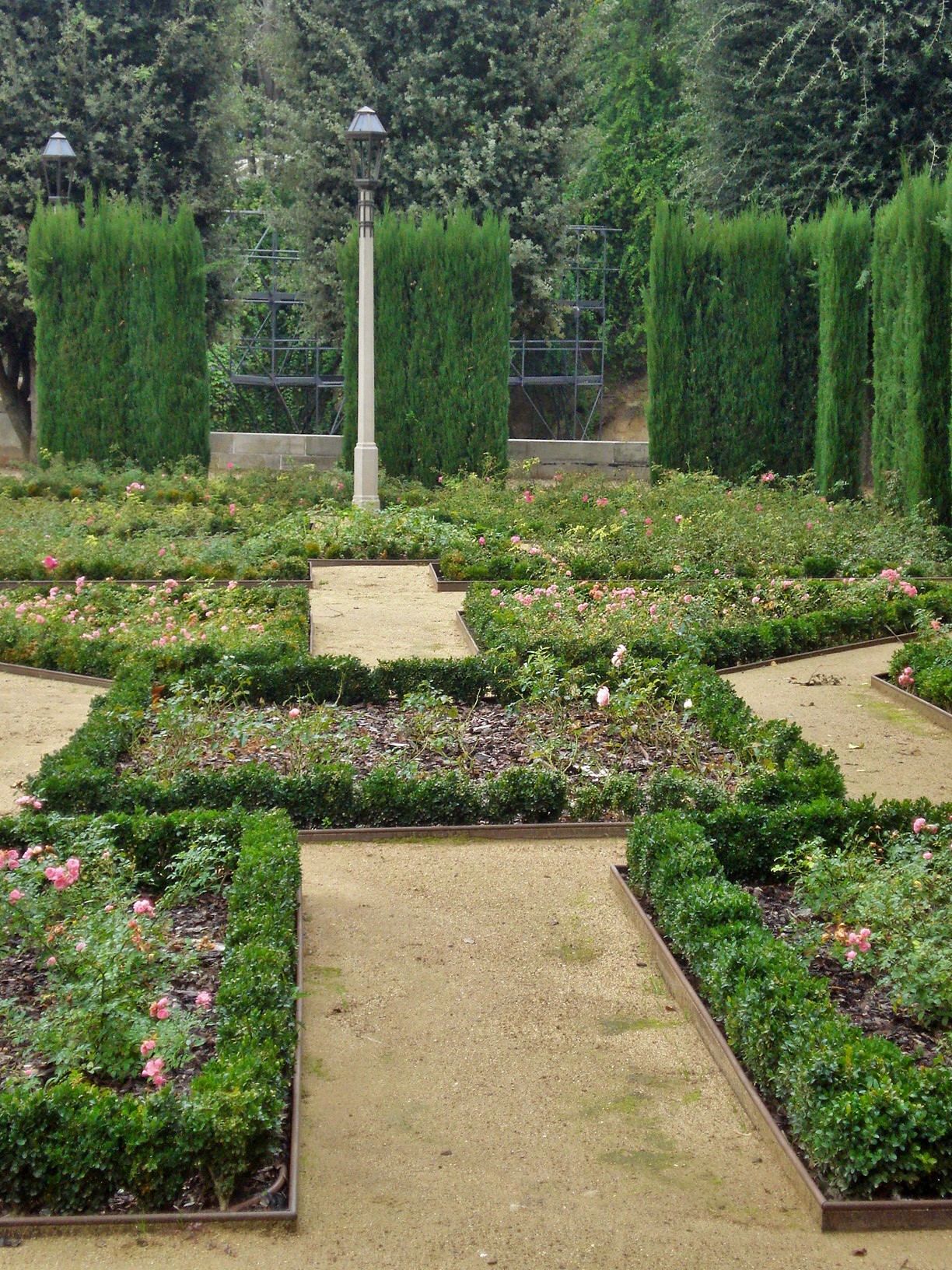
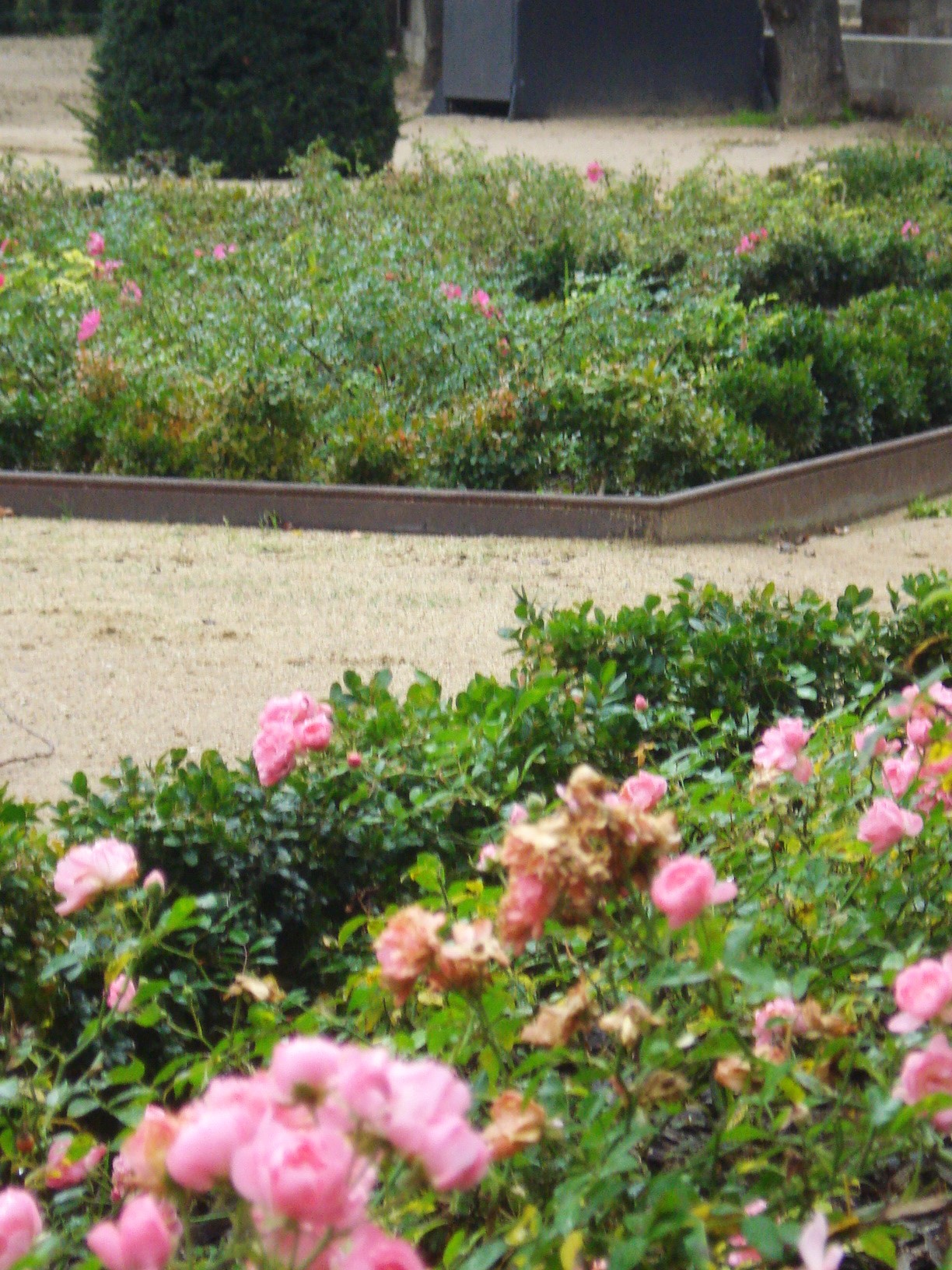
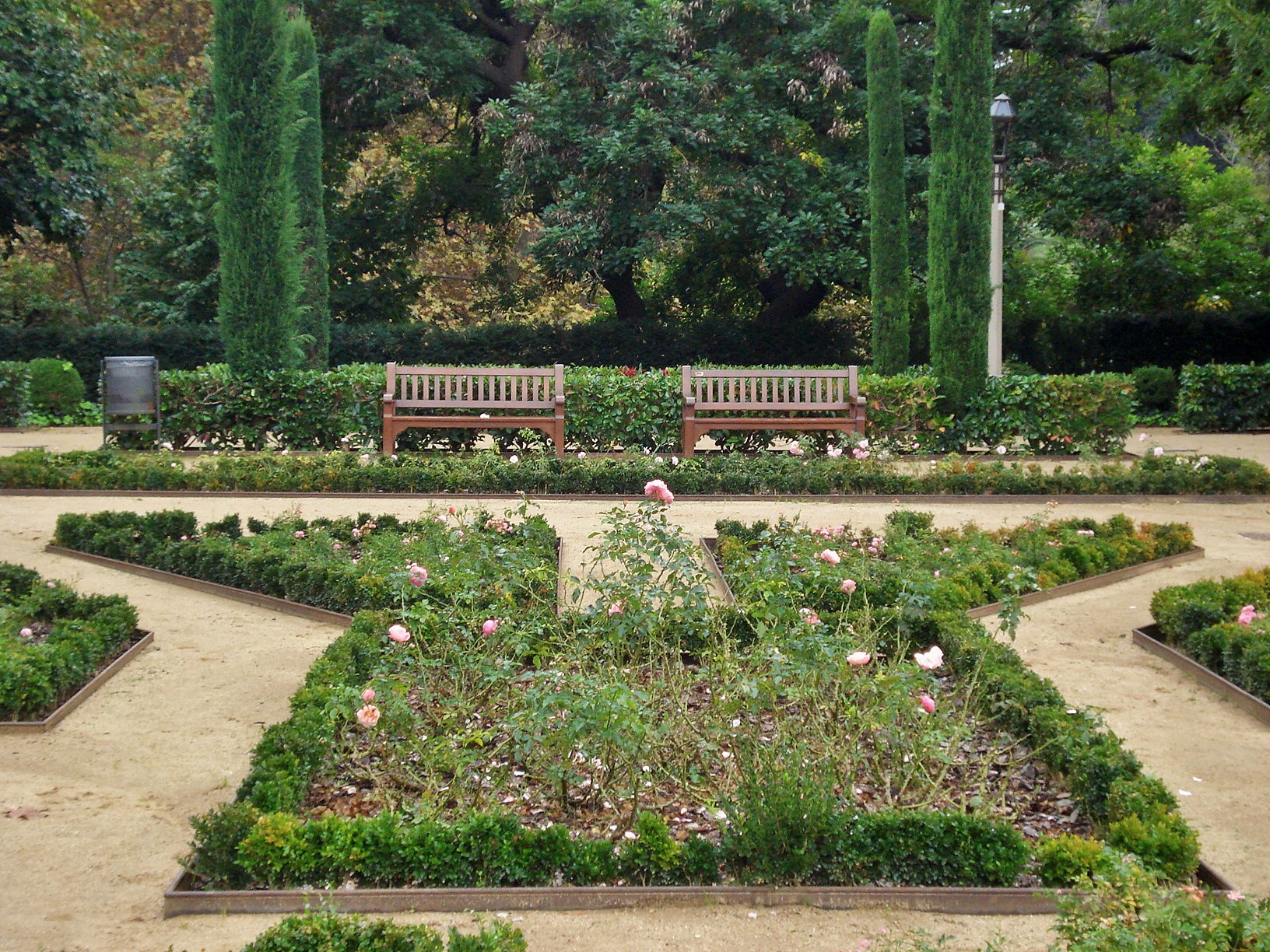
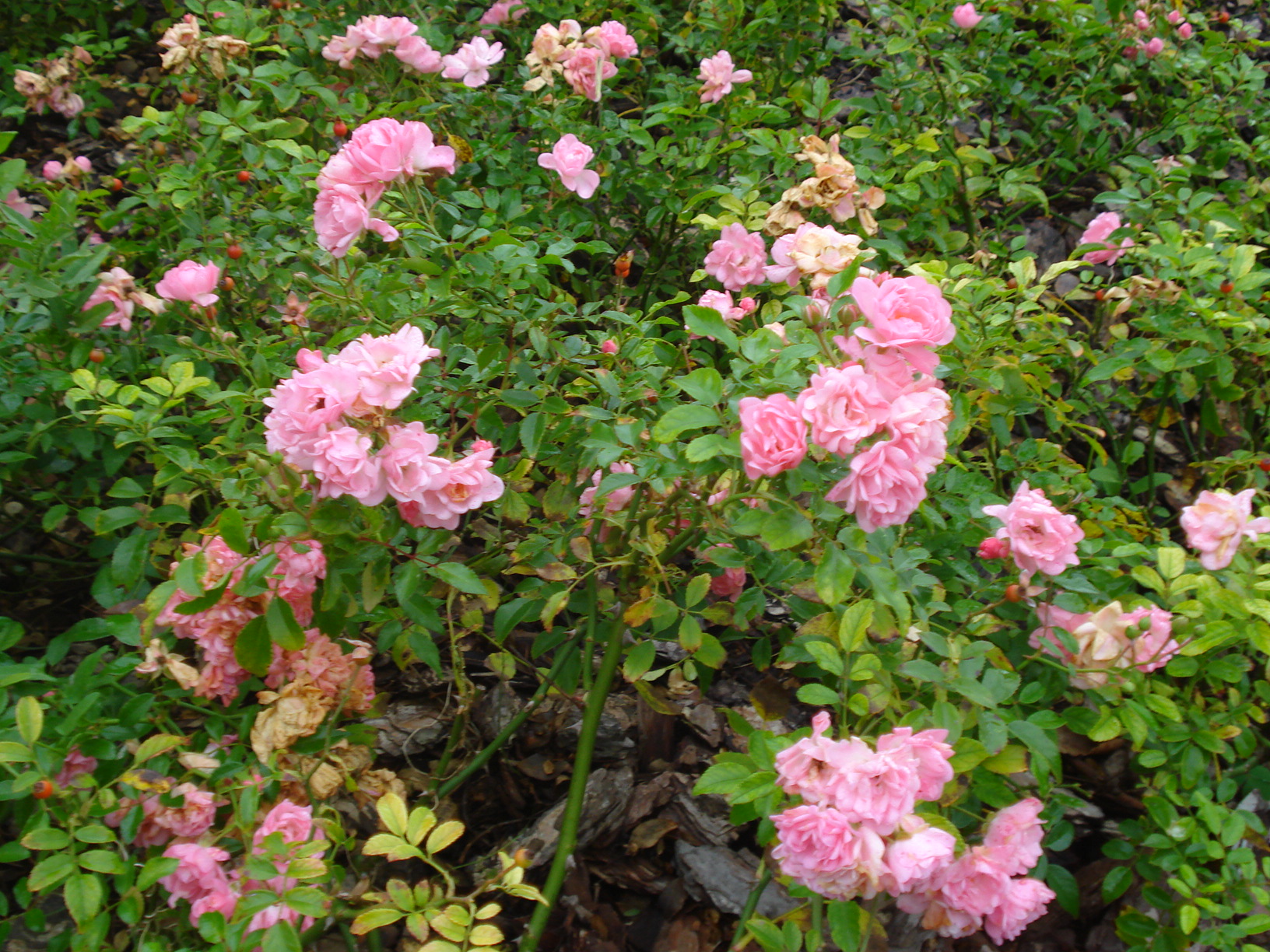
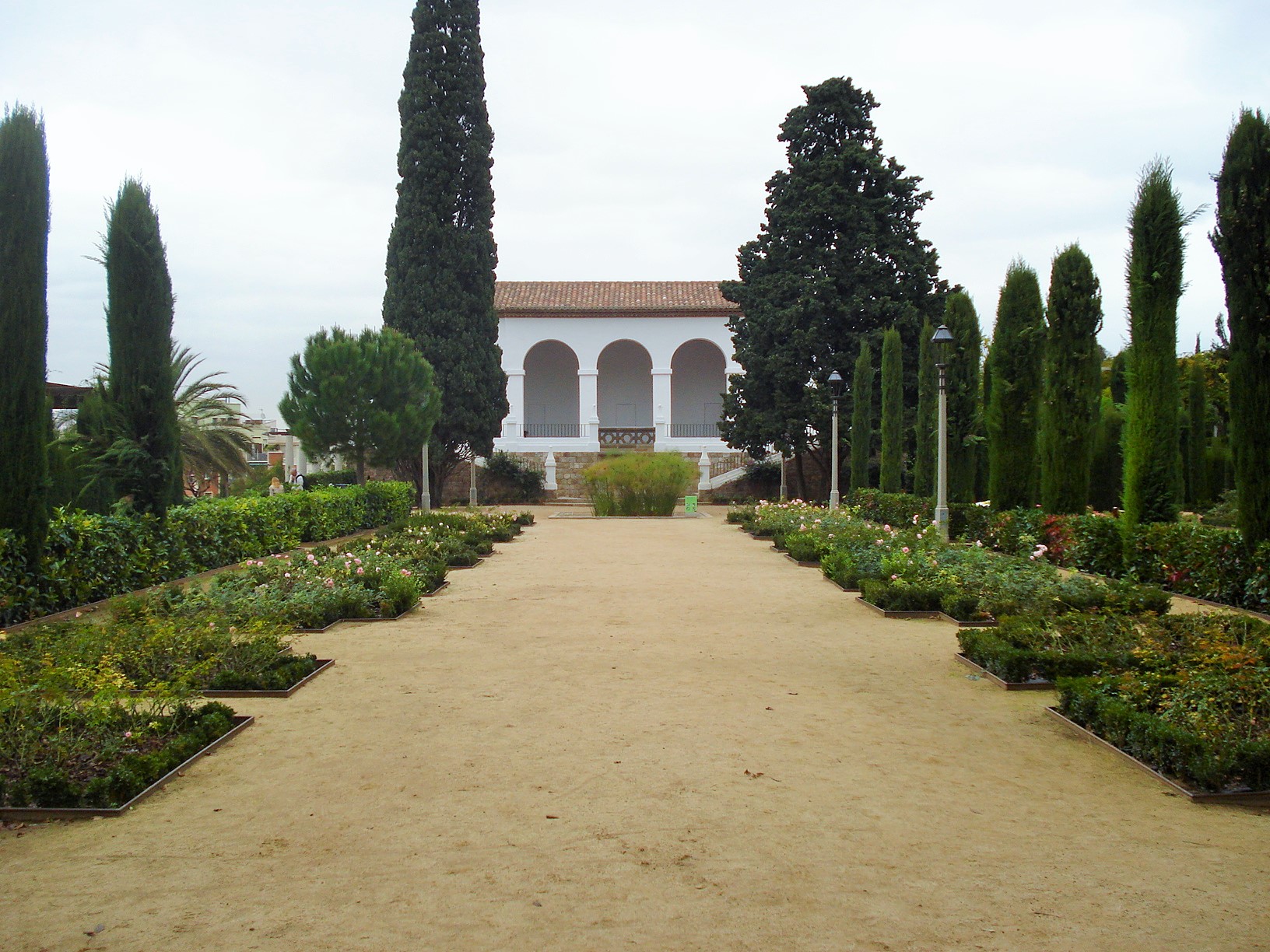
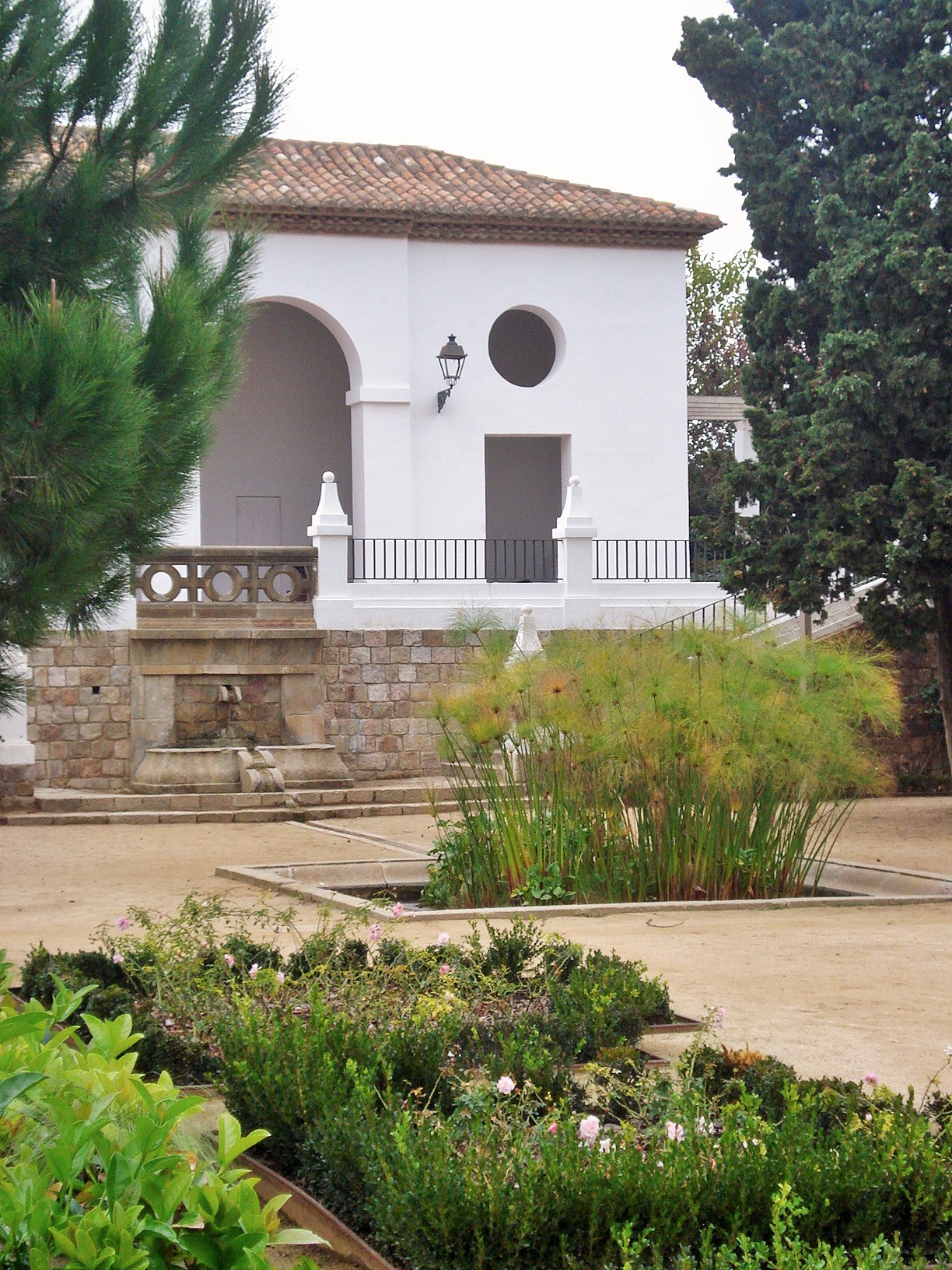
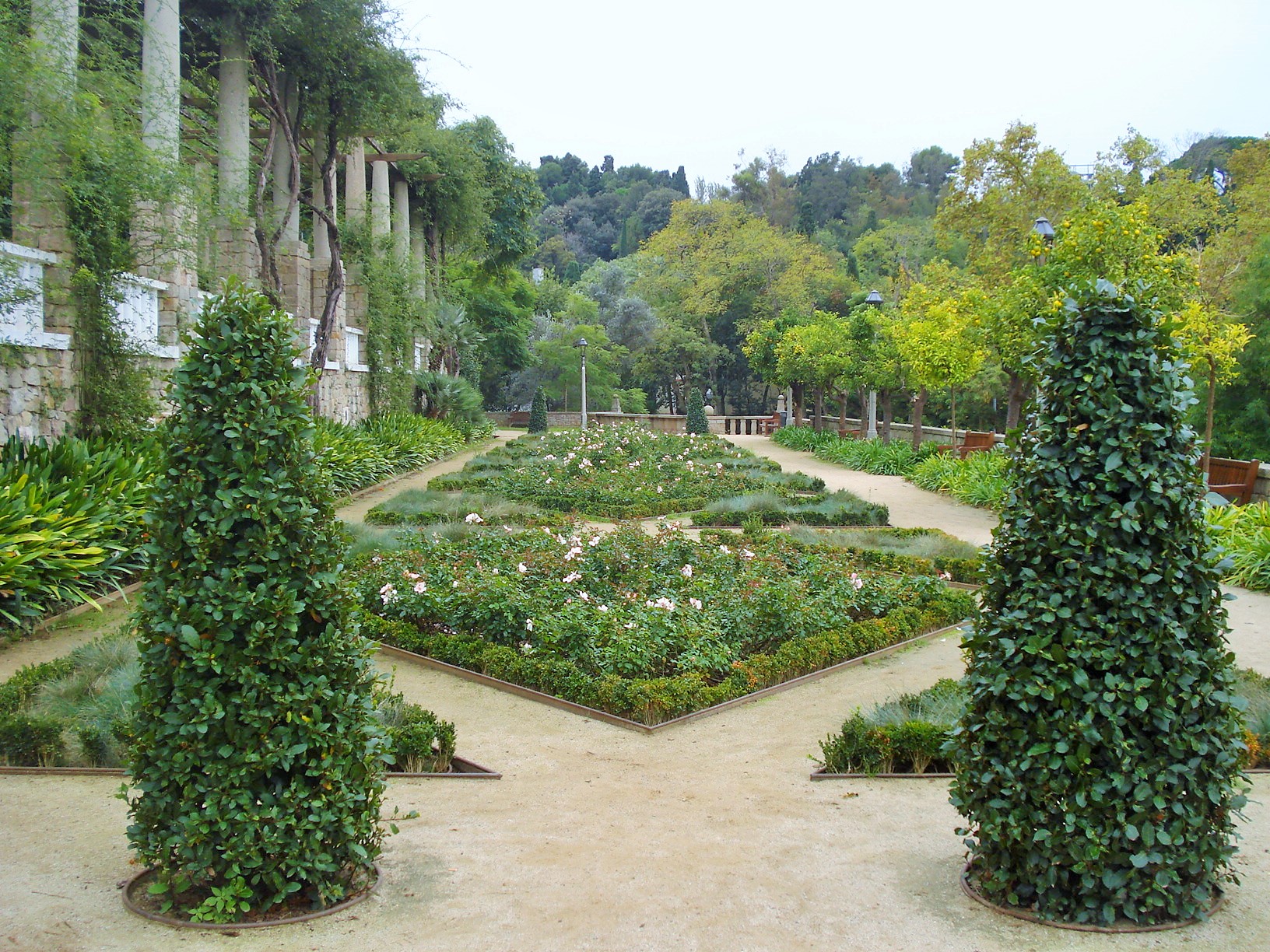
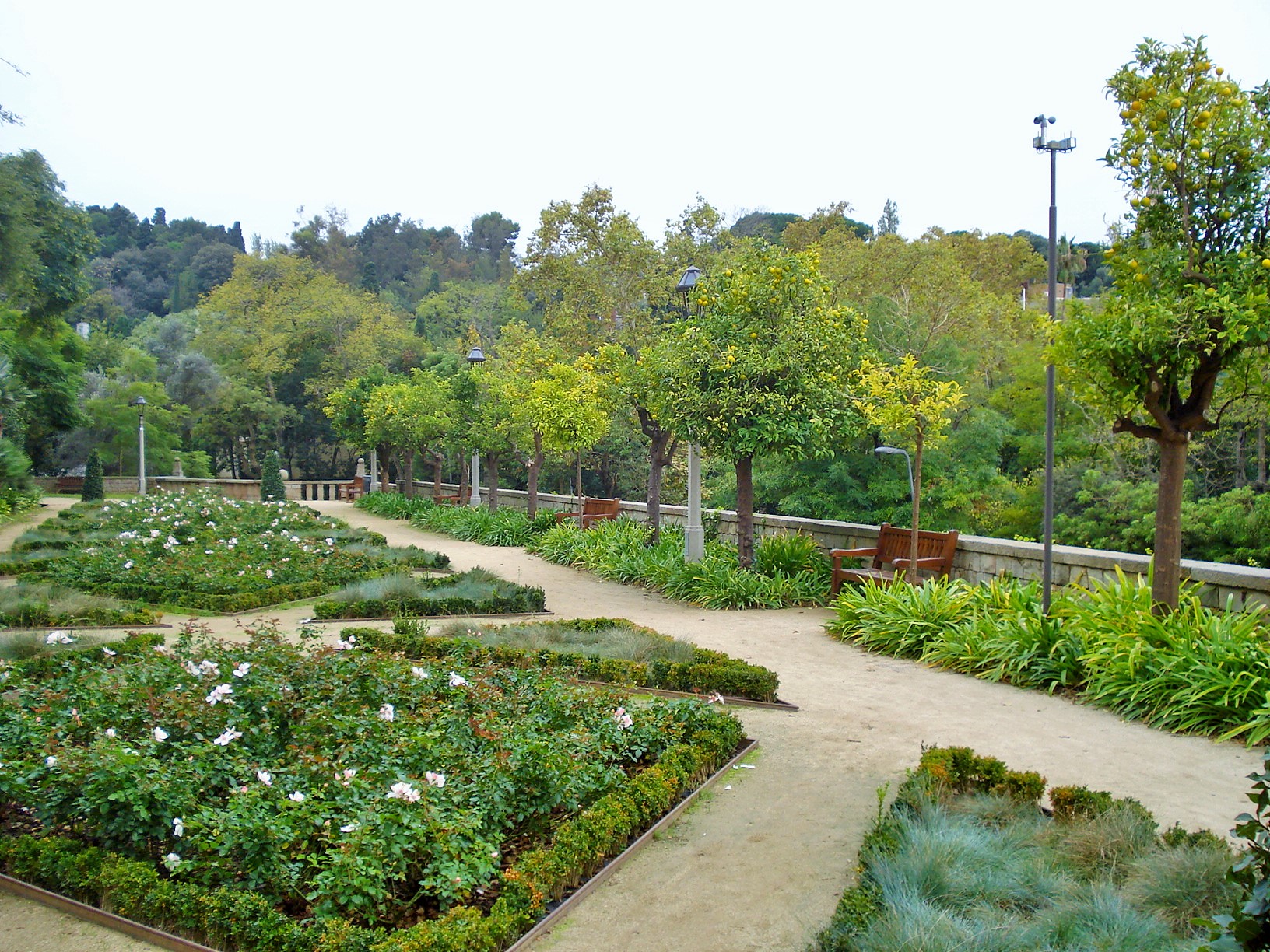
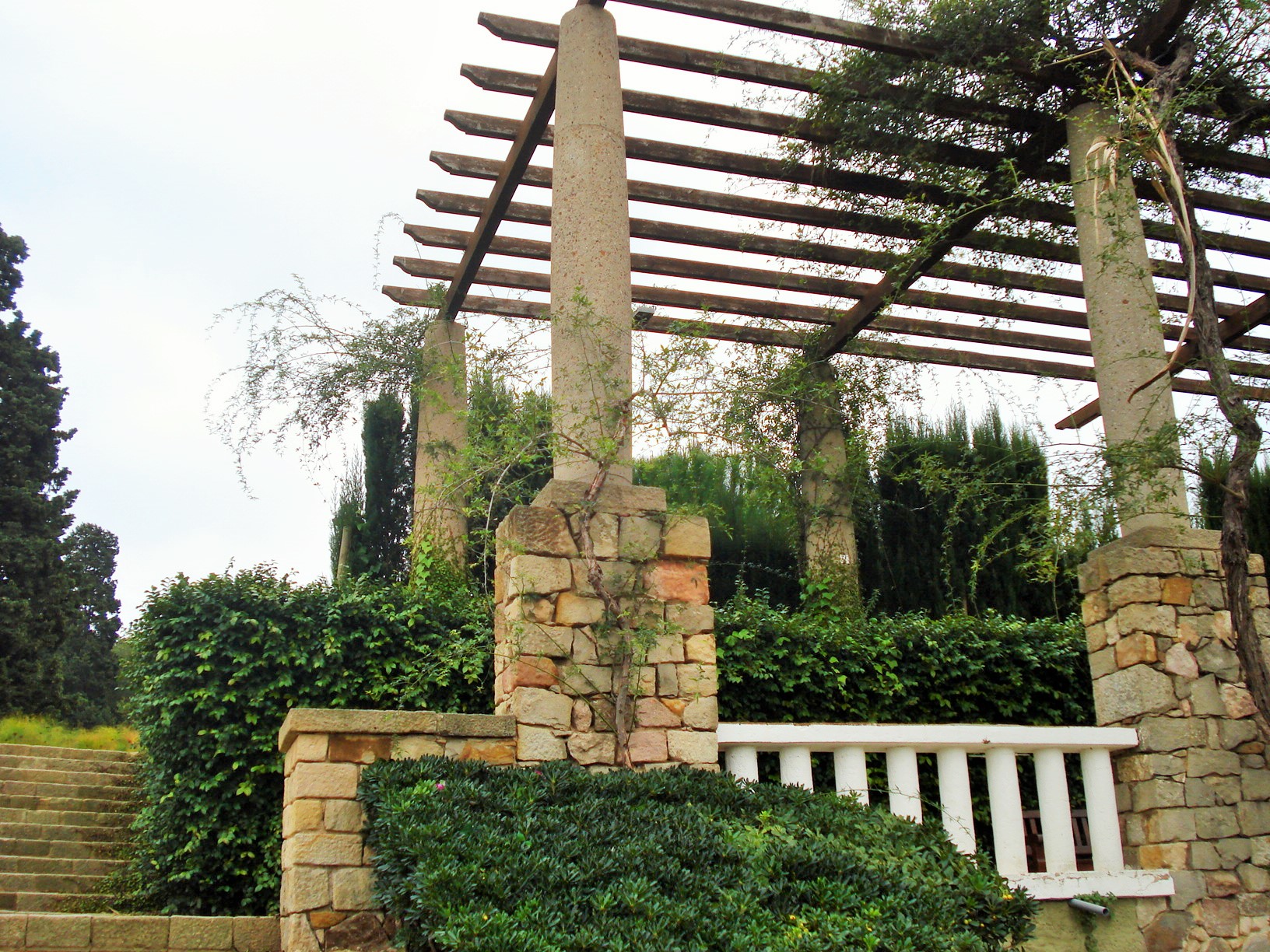
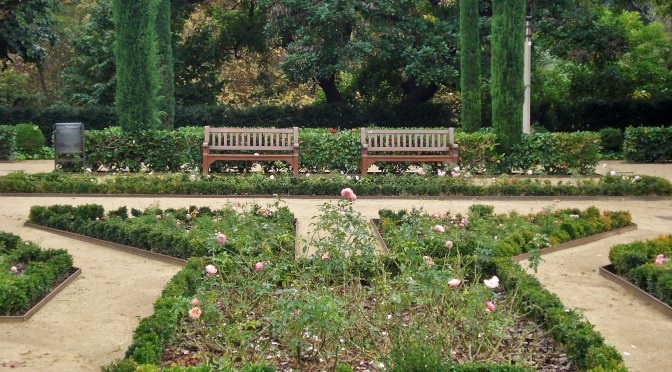
The Greek Theater Garden started out as a rose garden, the second in Barcelona, and was created in 1929, like many of the gardens in the Montjuic area, for the International Exhibition.

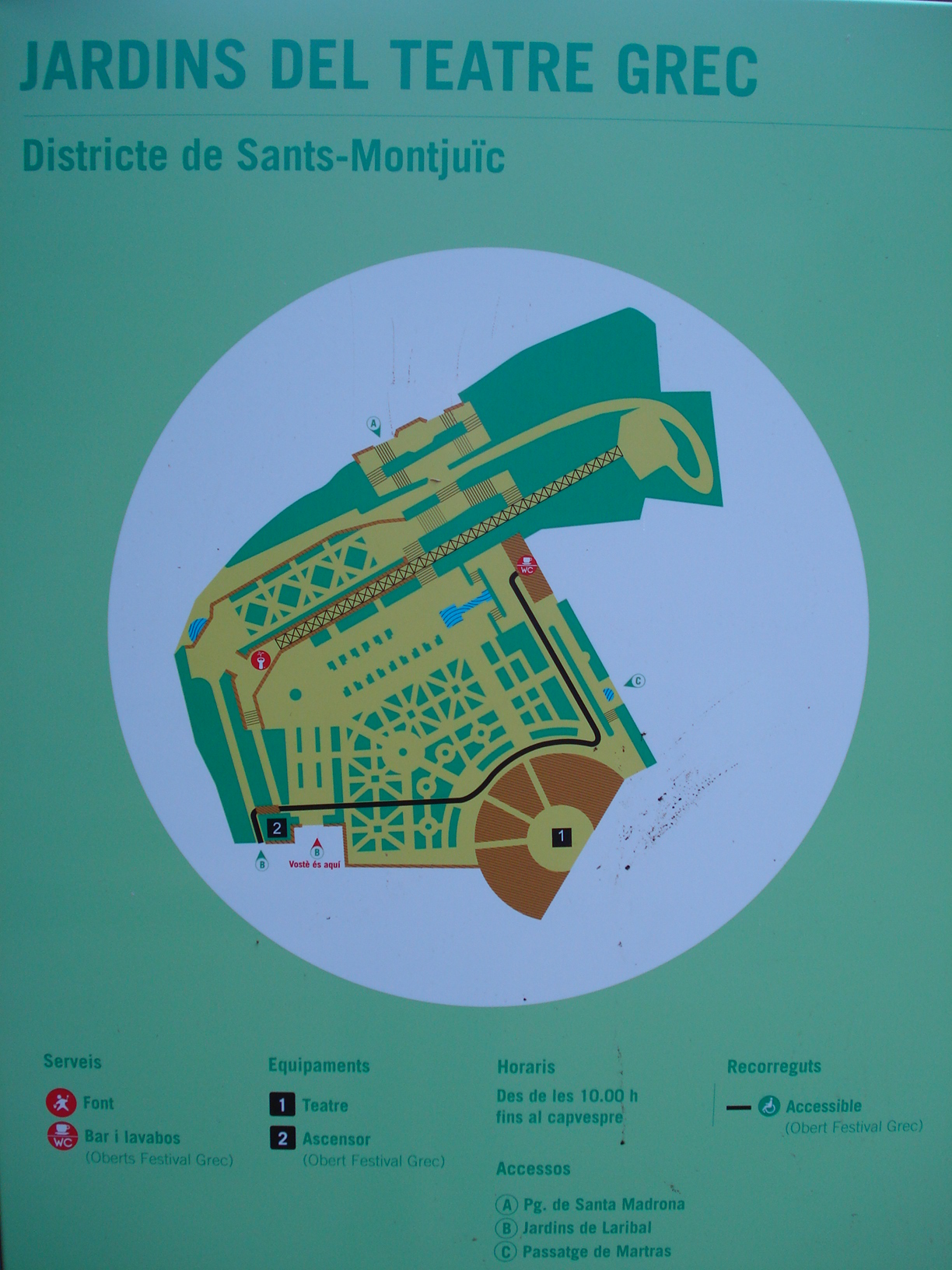
You may think the greek theater itself is older, but it is a replica, also built in 1929. The Epiduro Theater in Athens, Greece, was used as the inspiration, which may be why it looks so authentic. The theater is used for cultural events, first and foremost the Greek Festival, during which many plays and performances take place there.

This lovely garden is adjacent to the Laribal Gardens, and starts with a larger terrace at top with a formal layout of rose borders and trees overlooking the greek theater, then a long pergola allows for sitting and enjoying the view over the rest of the mountain.  Click here for an excellent article on these gardens.
DSC08582

DSC08610 DSC08579 DSC08580 DSC08586 DSC08589 DSC08591 DSC08594 DSC08597 DSC08600 DSC08602 DSC08603 DSC08604 DSC08608 DSC08609

DSC08627 DSC08612 DSC08614 DSC08615 DSC08618 DSC08622 DSC08623 DSC08625

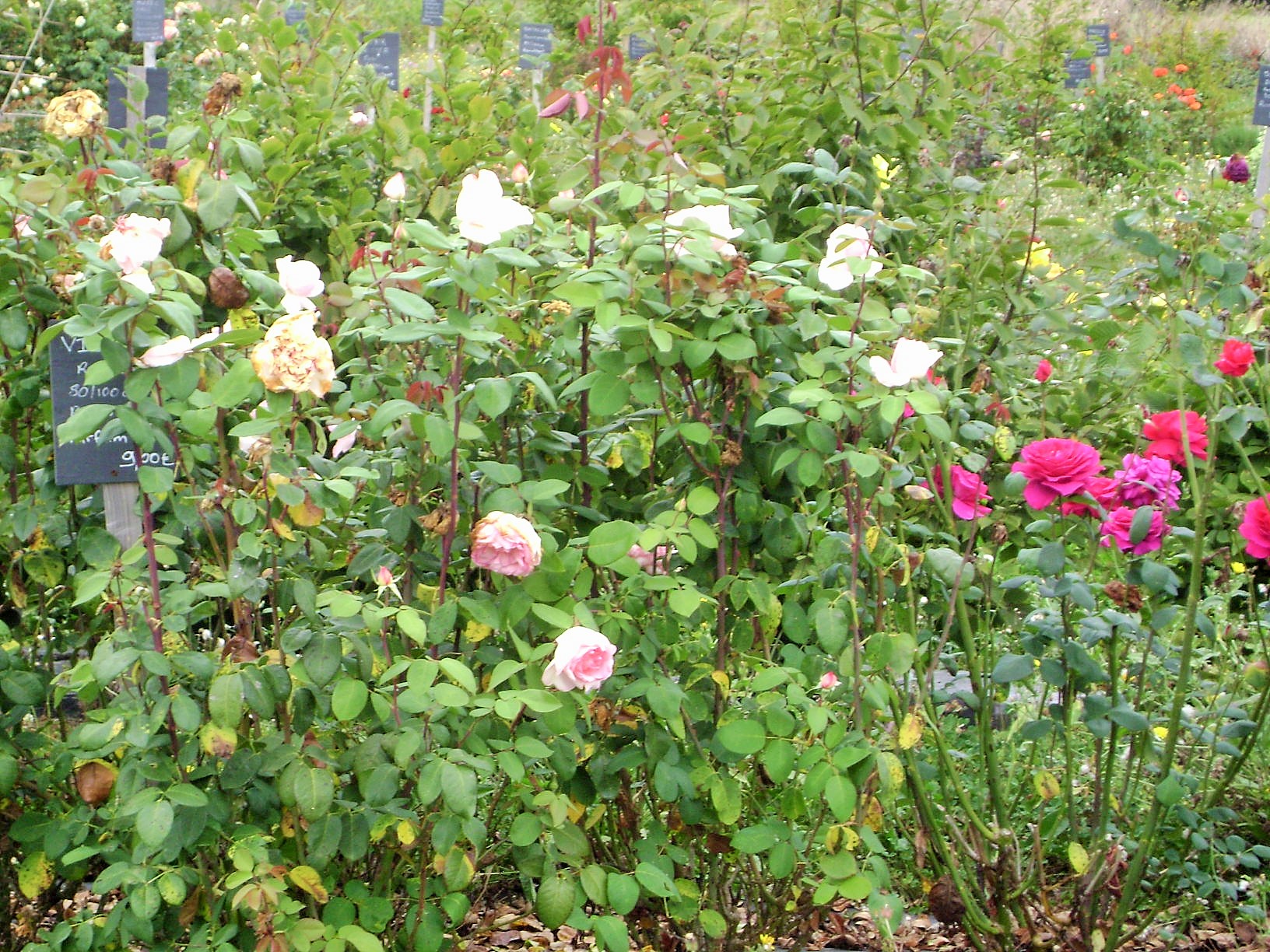
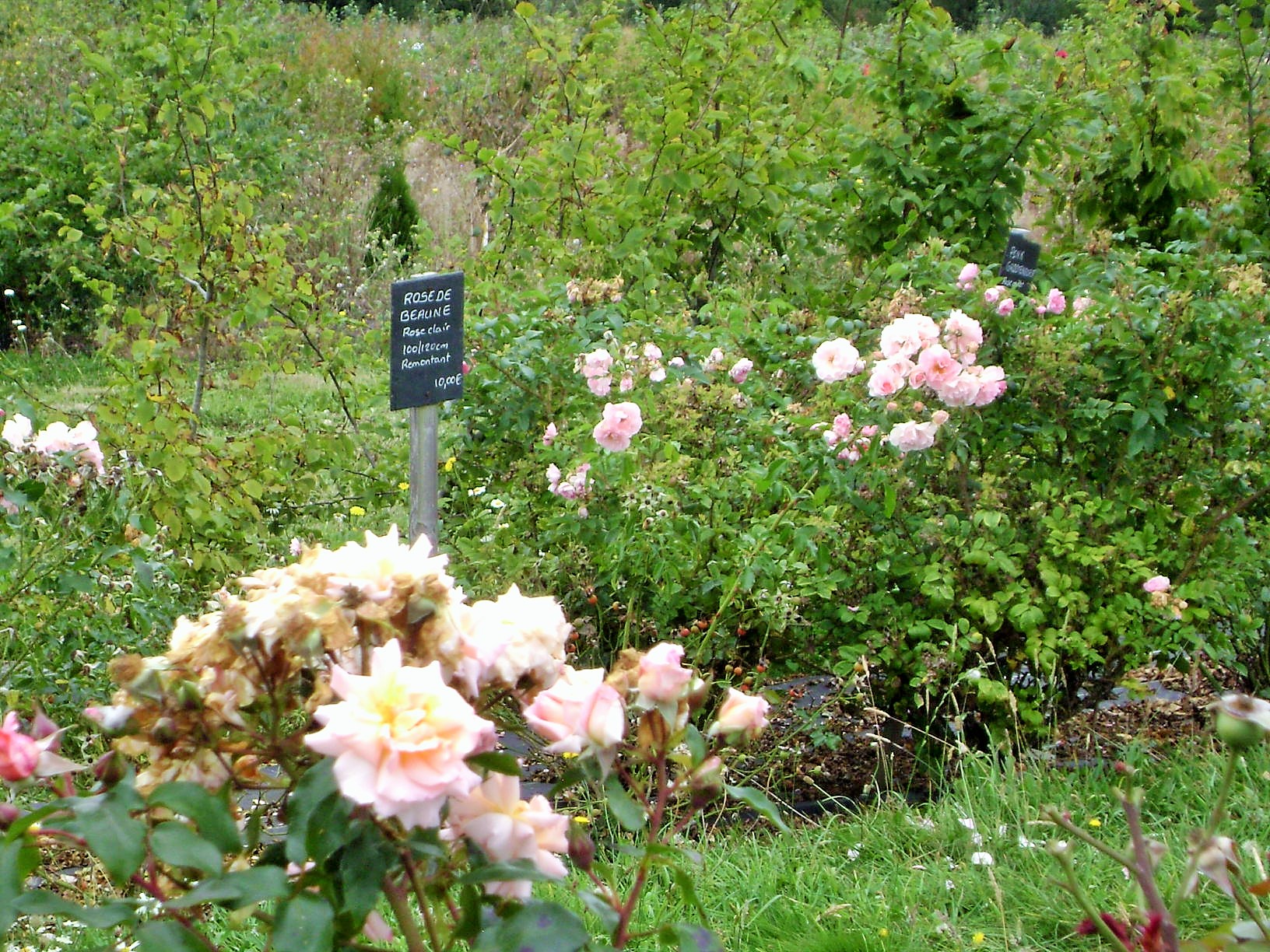
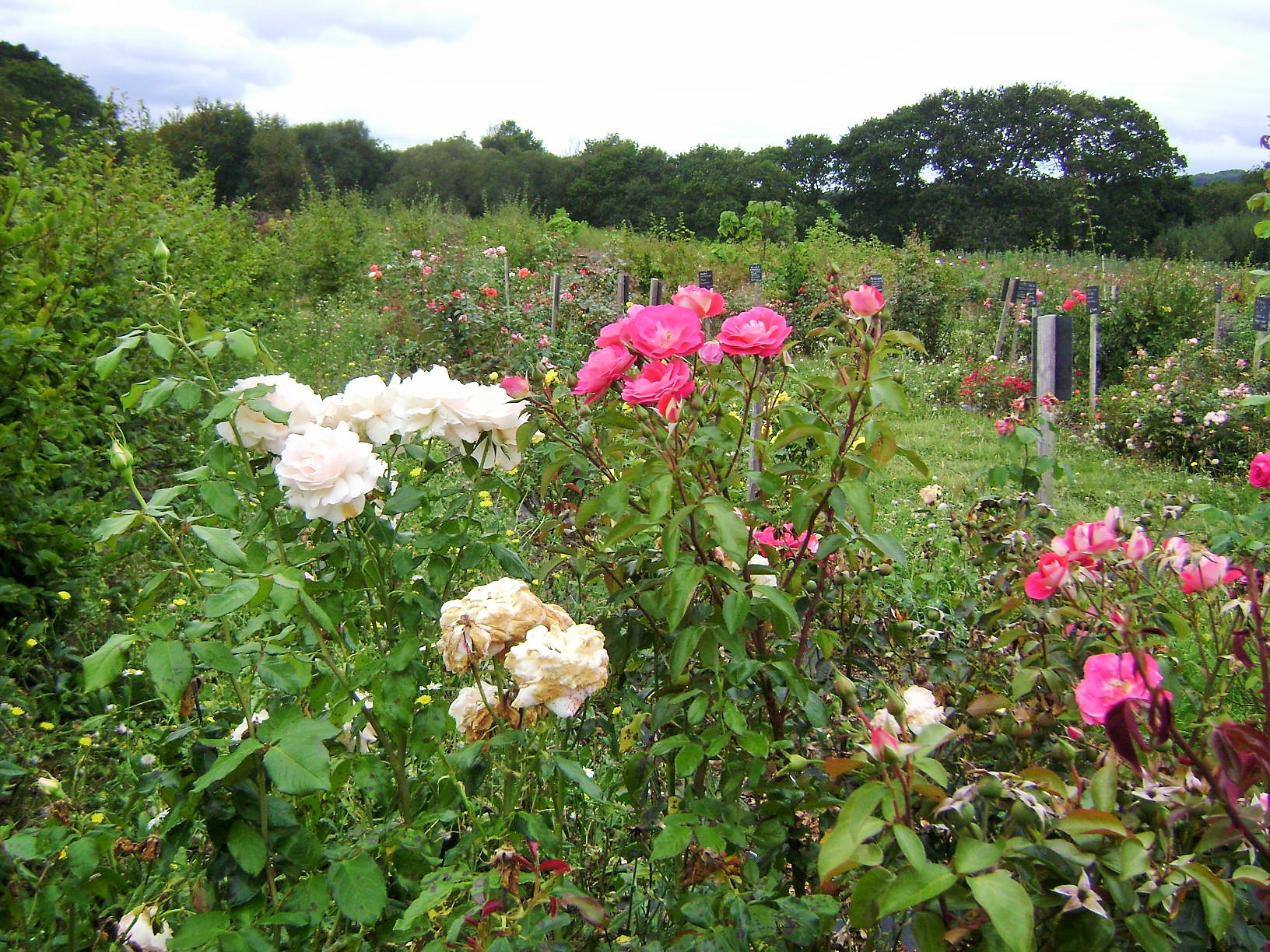
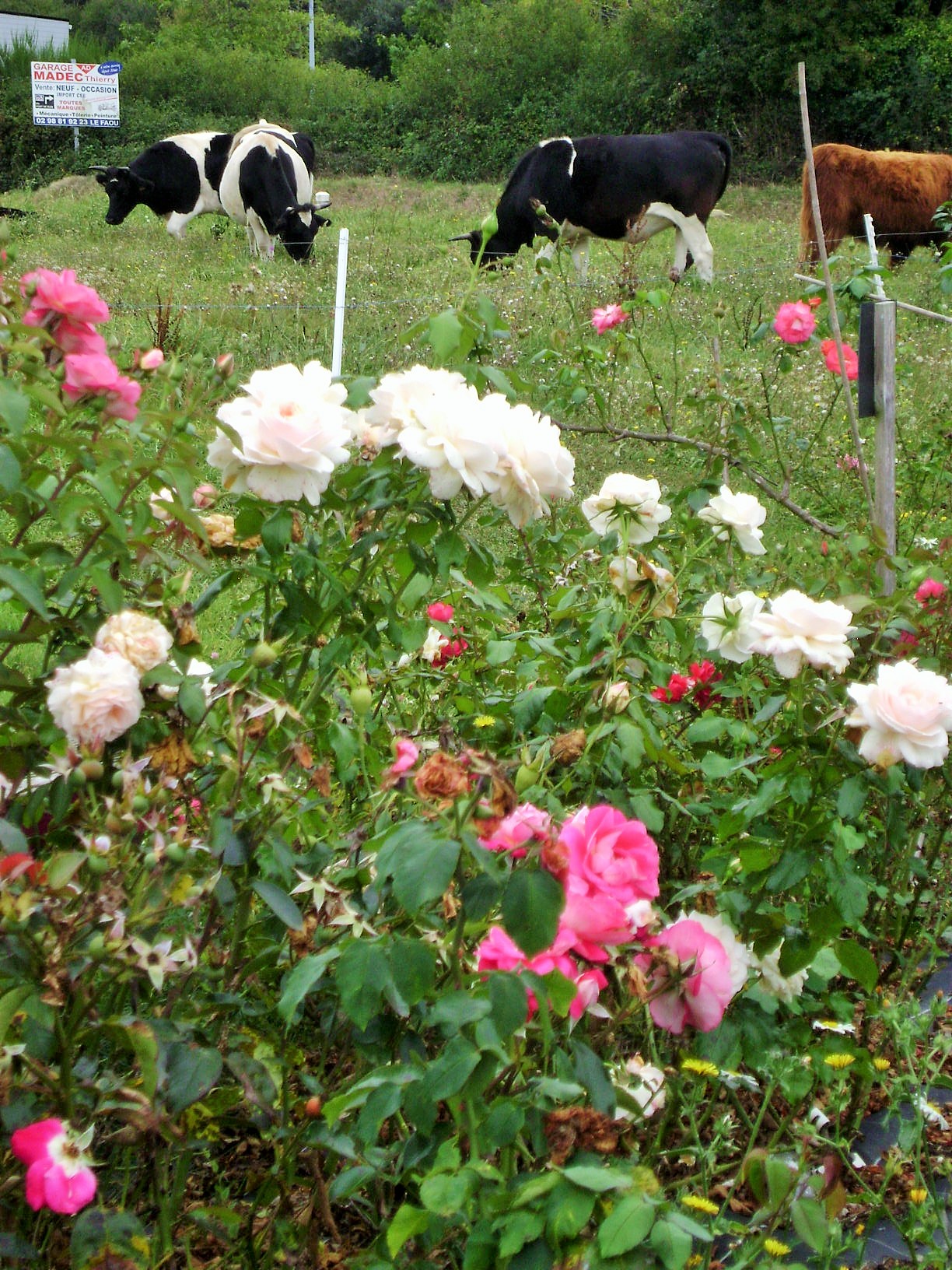
A Rose Garden in Brittany, France with 100s of varieties

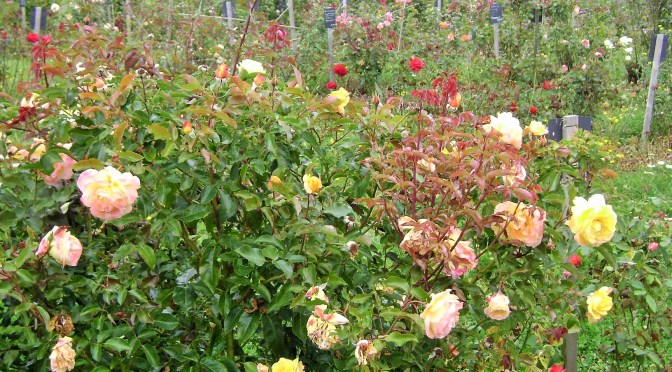
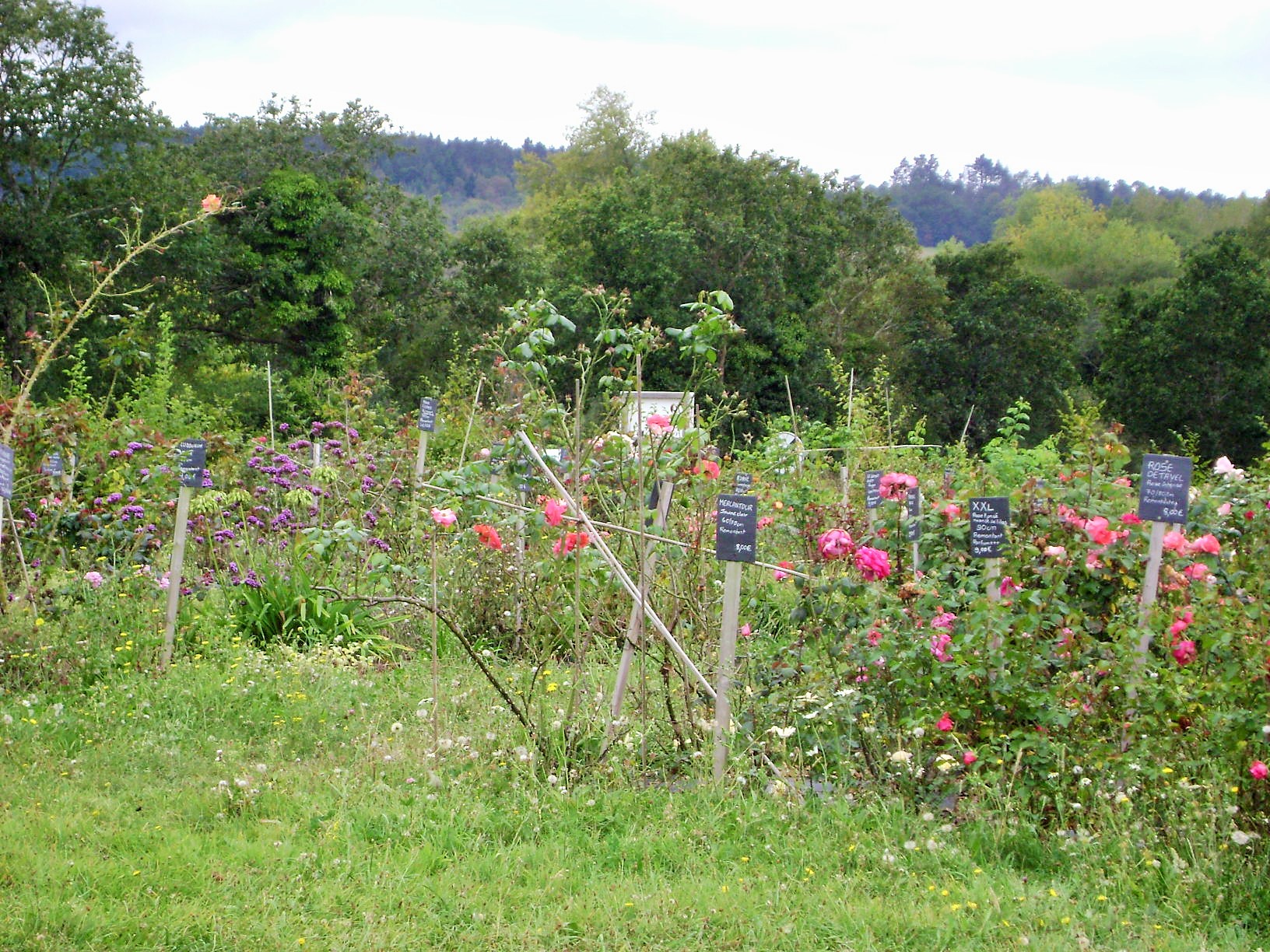
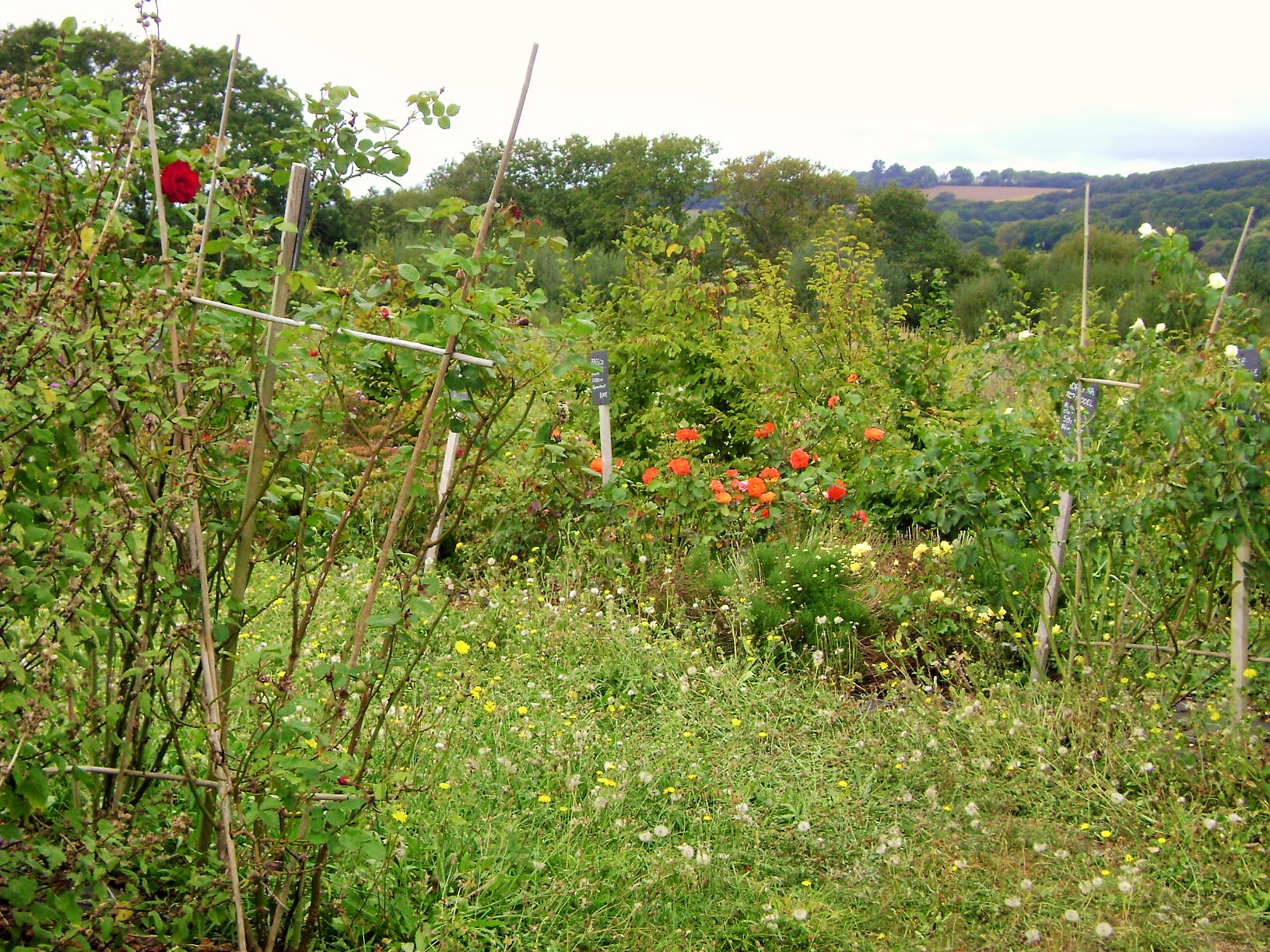
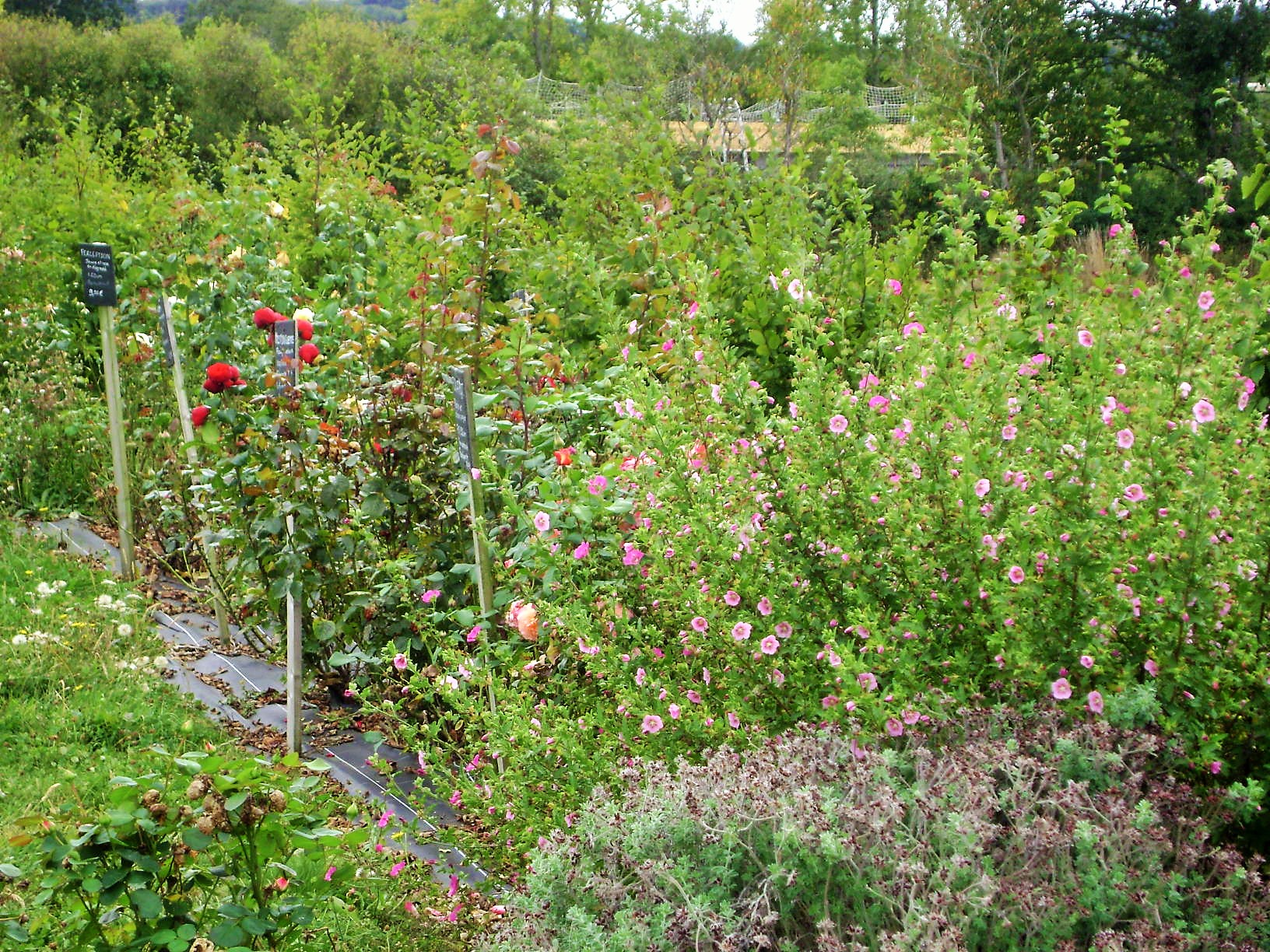
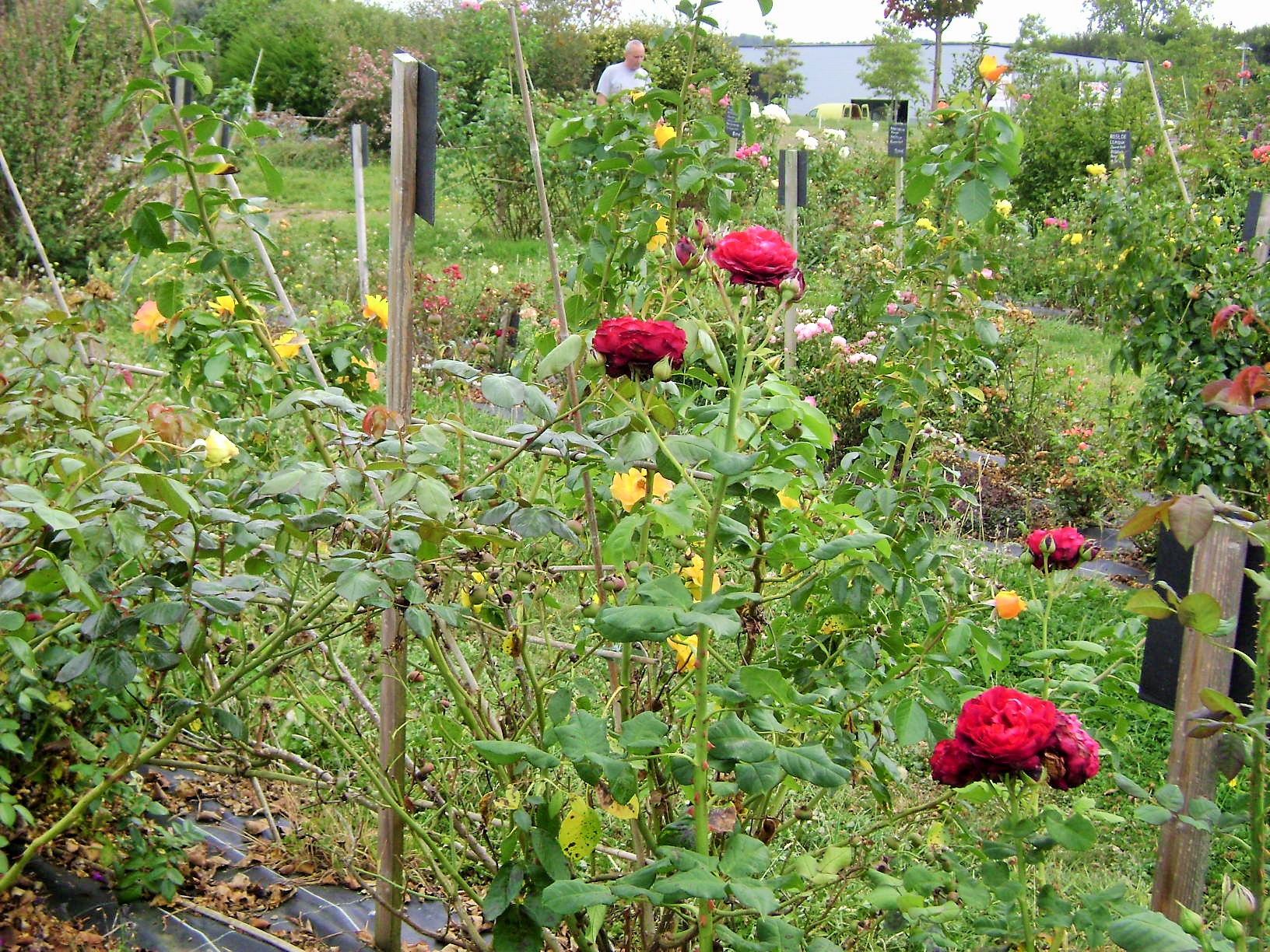
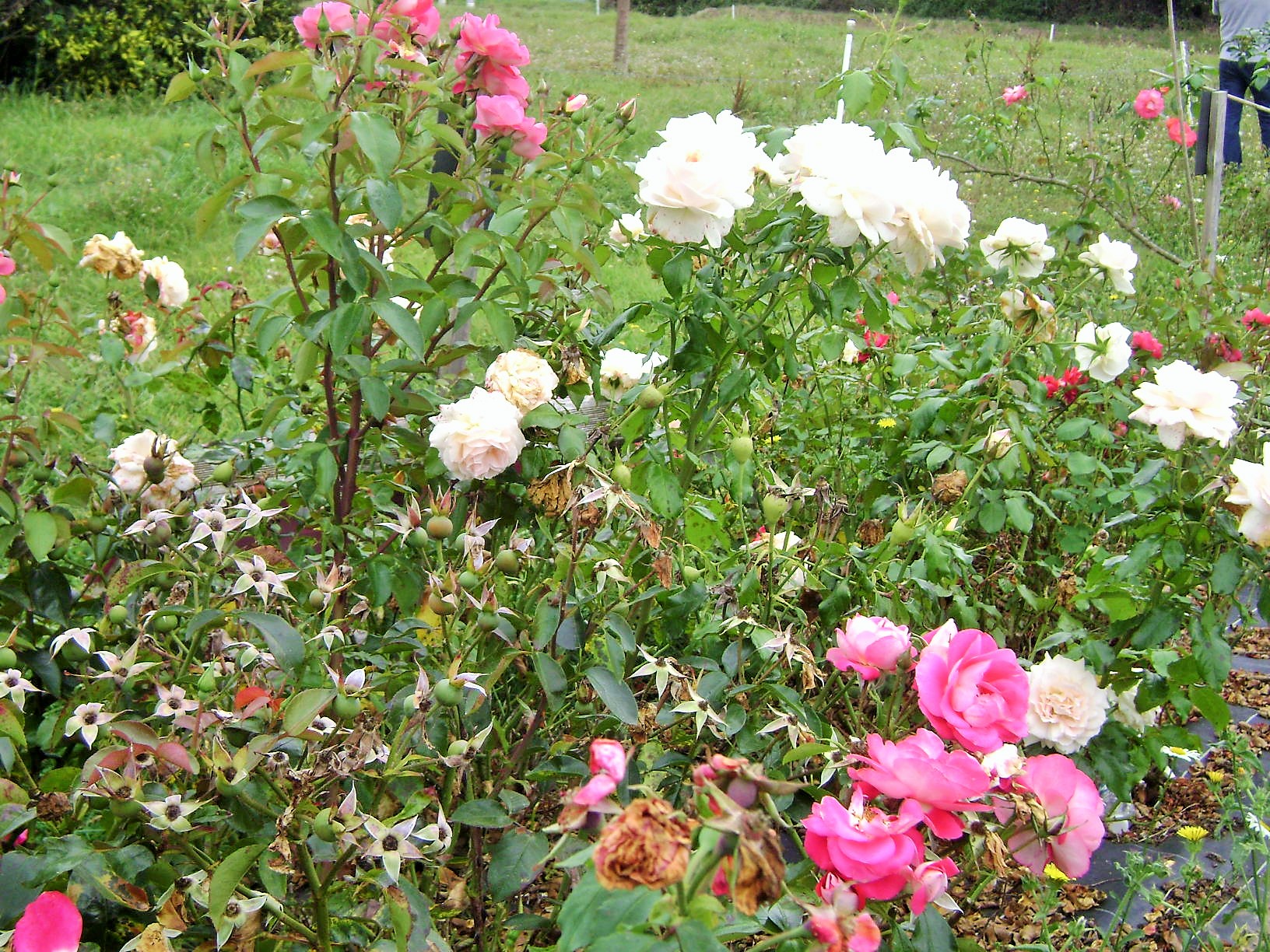
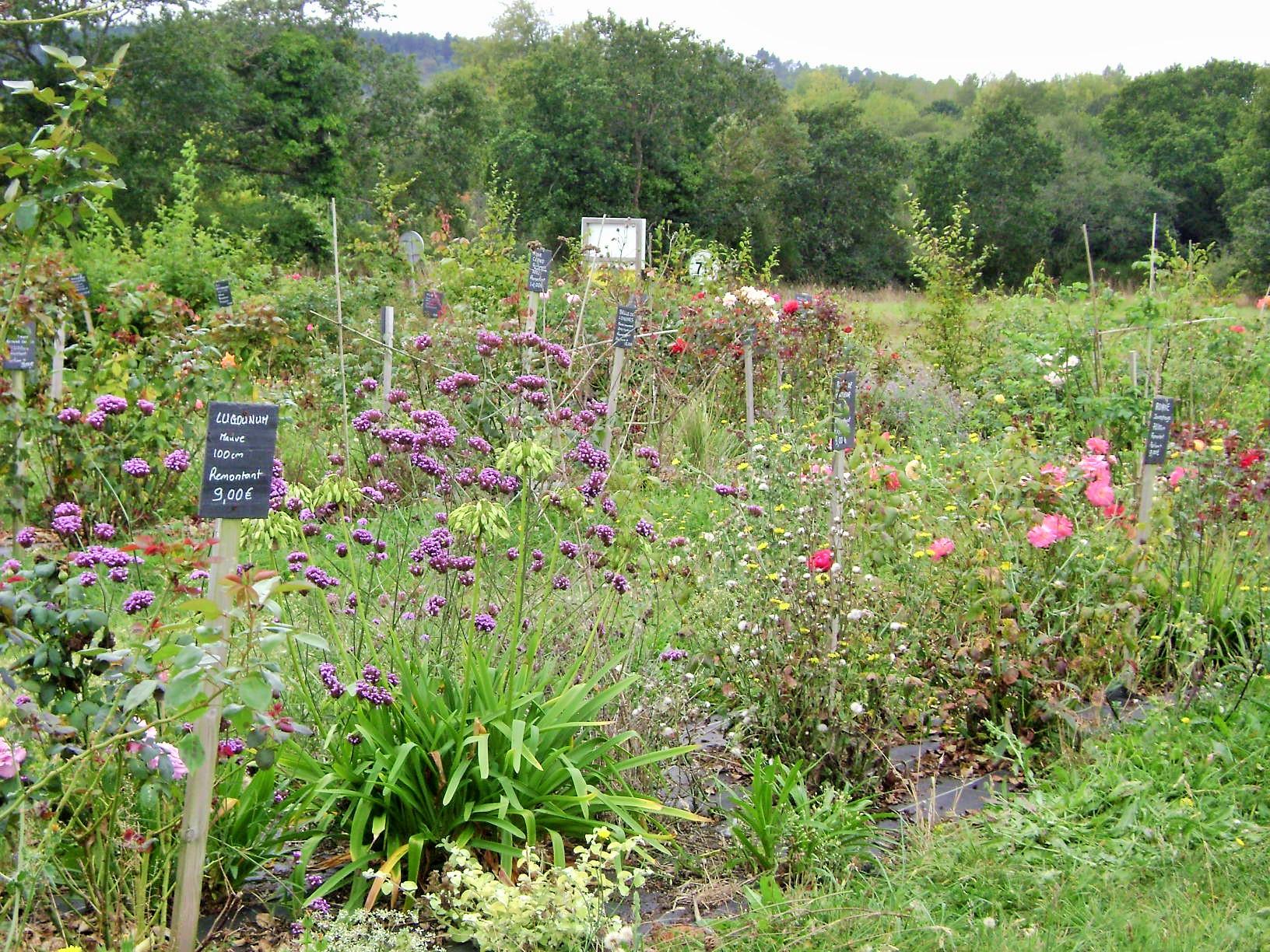
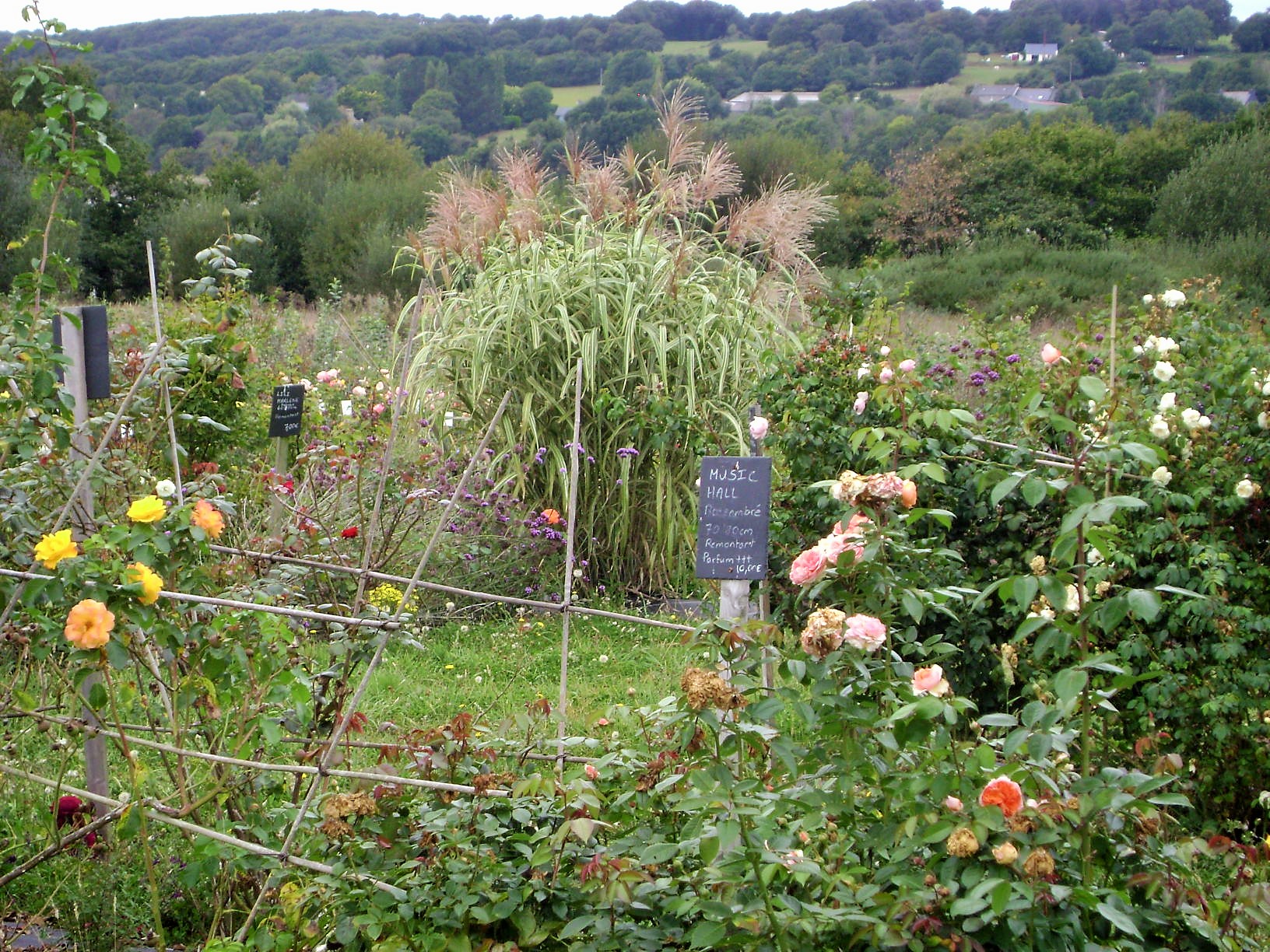
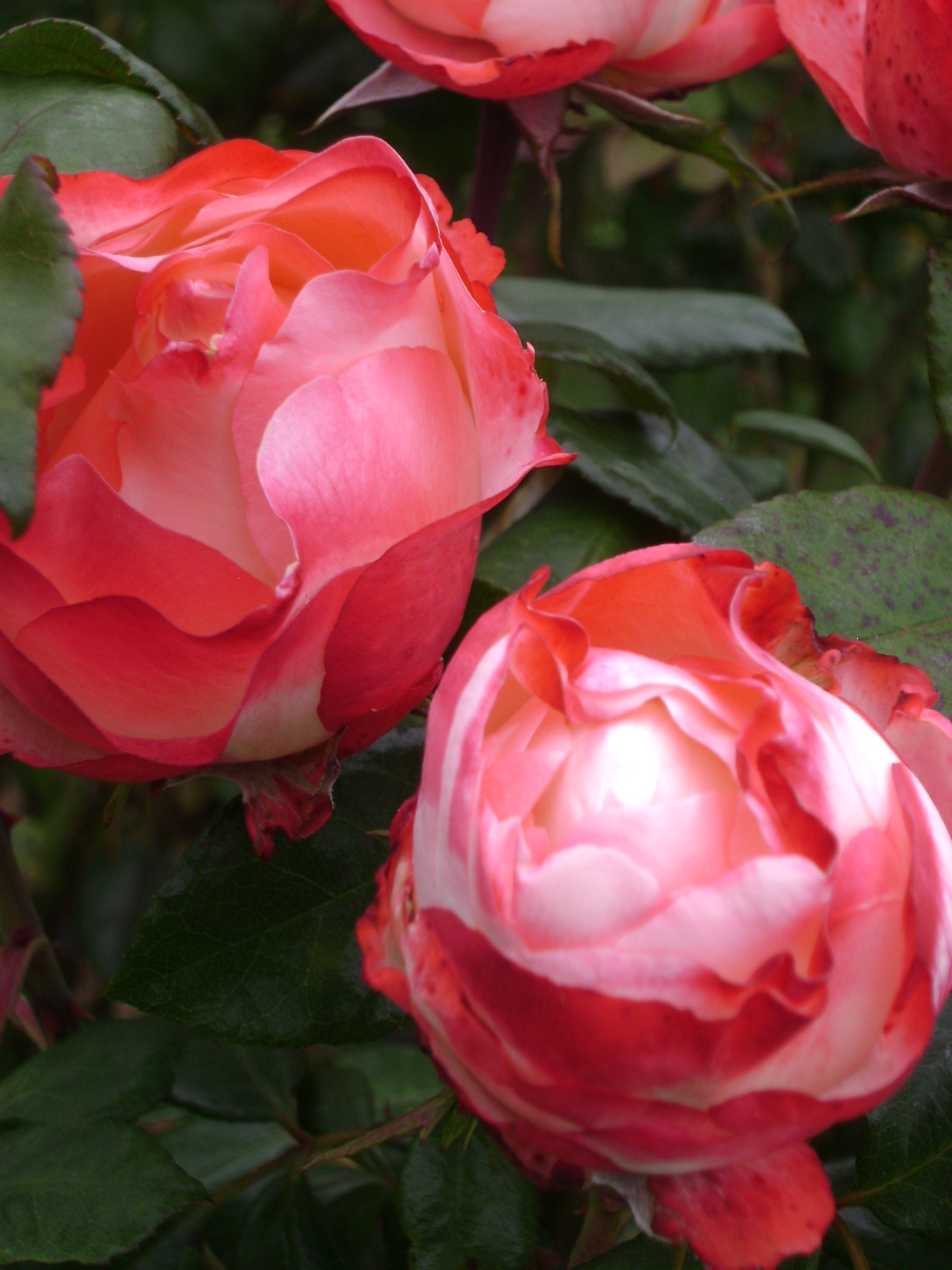
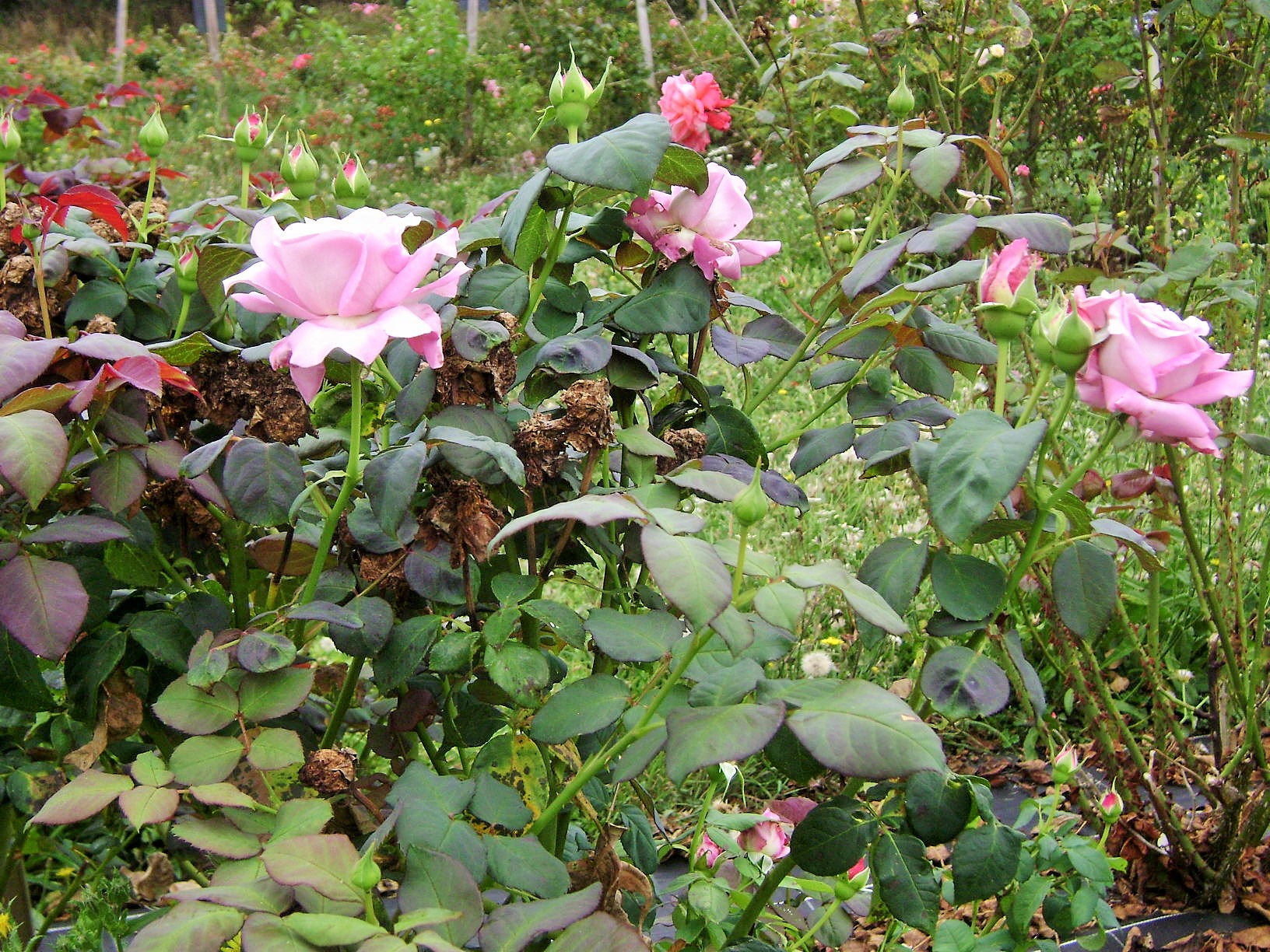
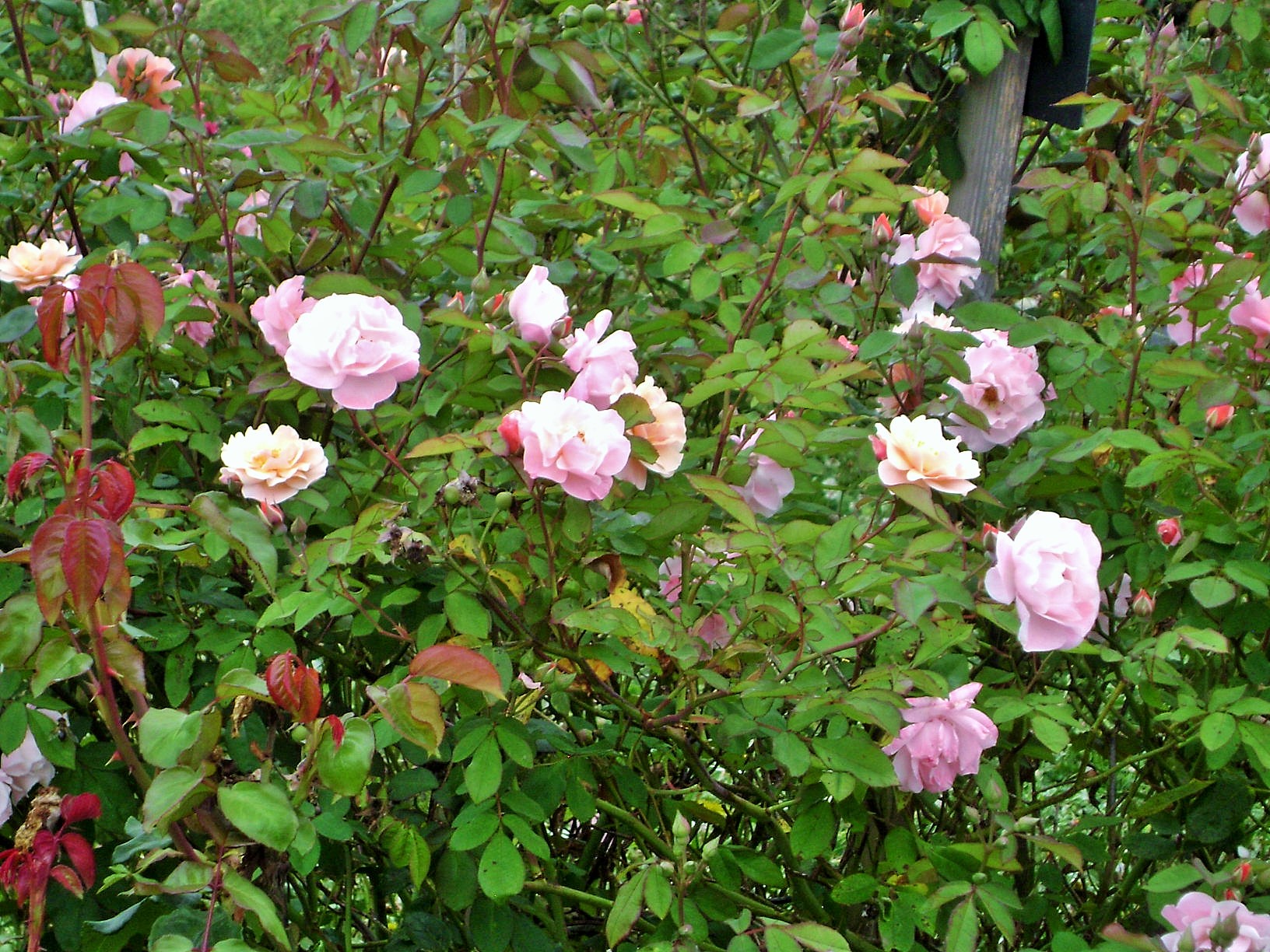
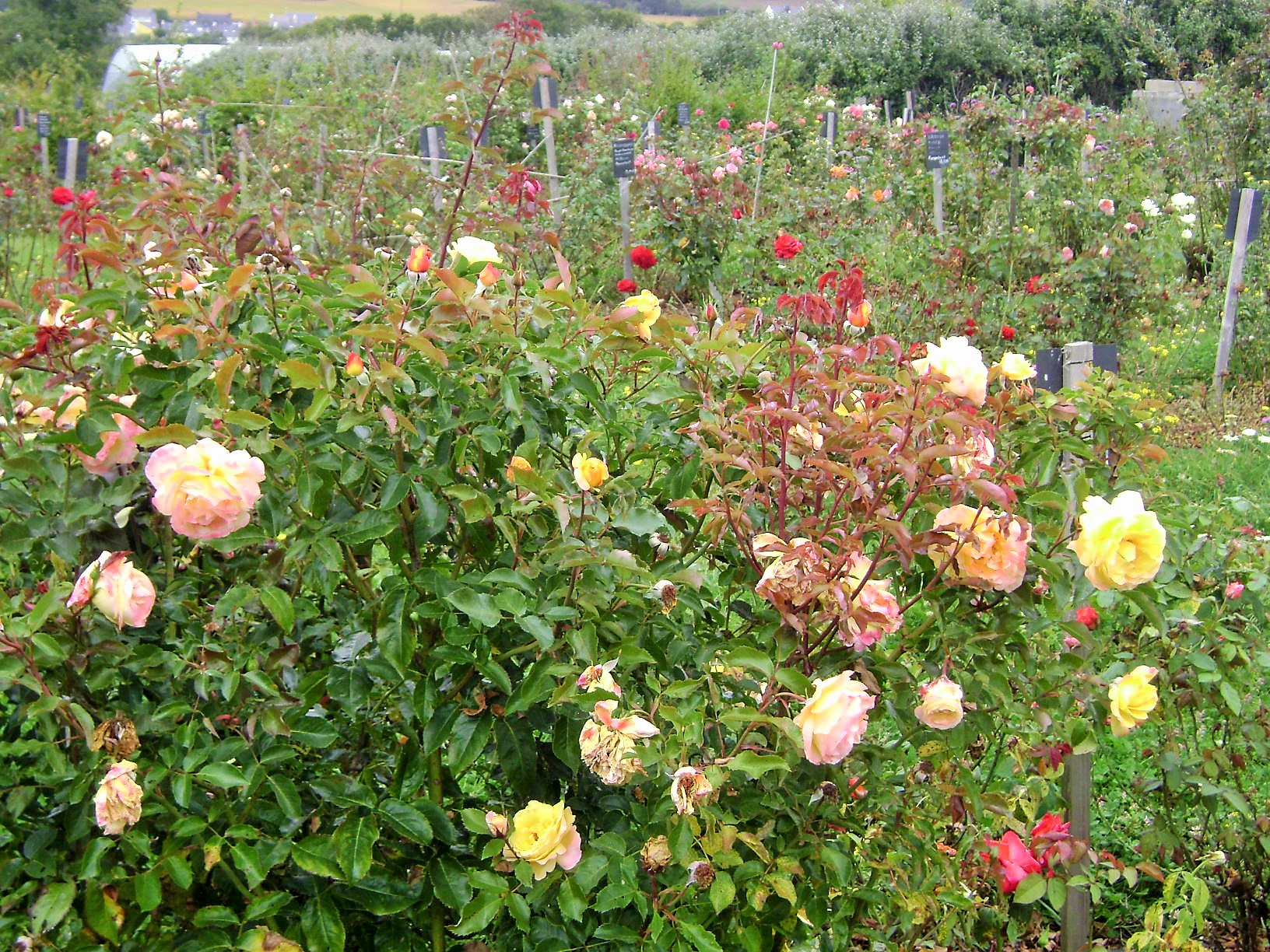
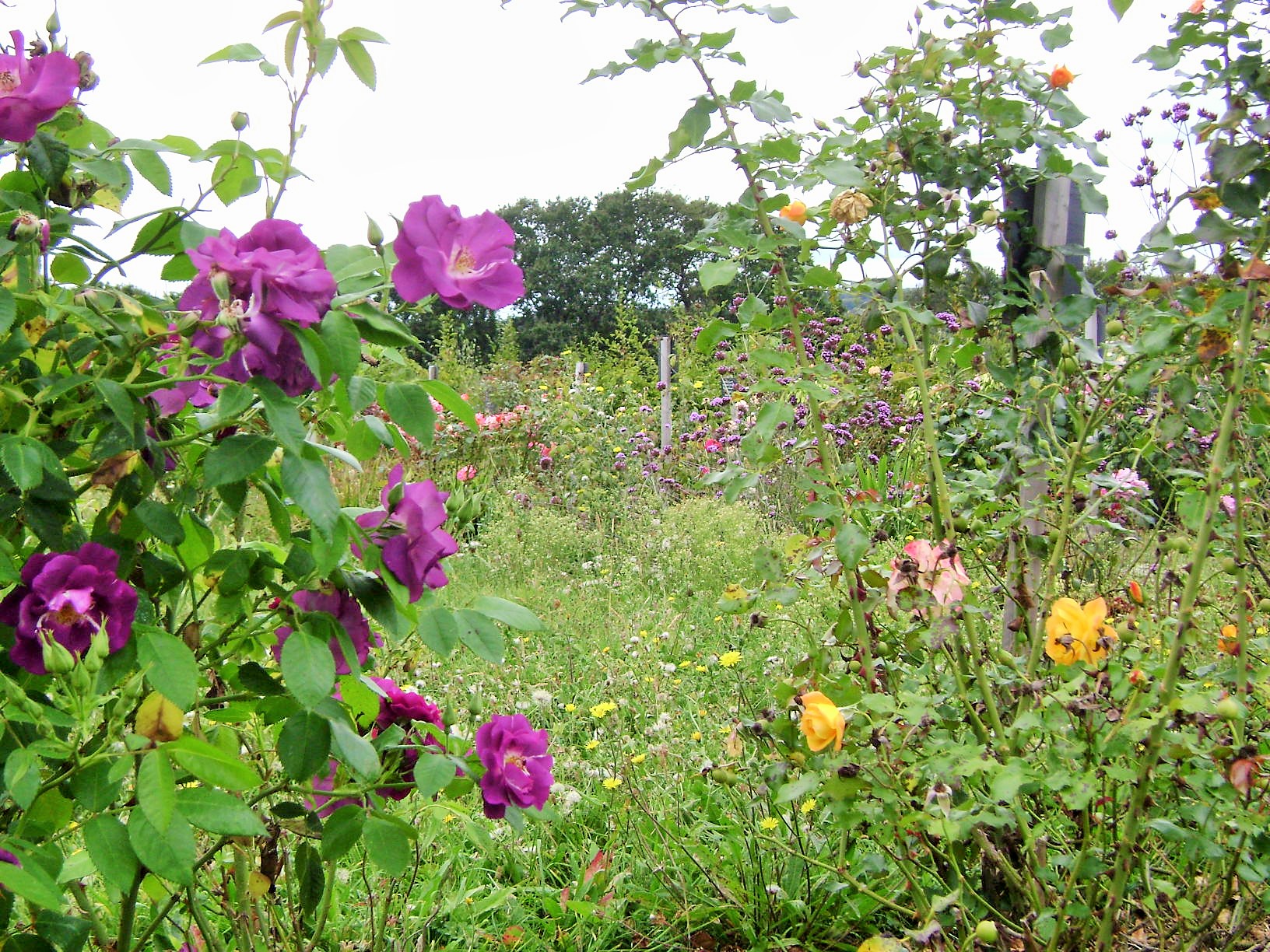
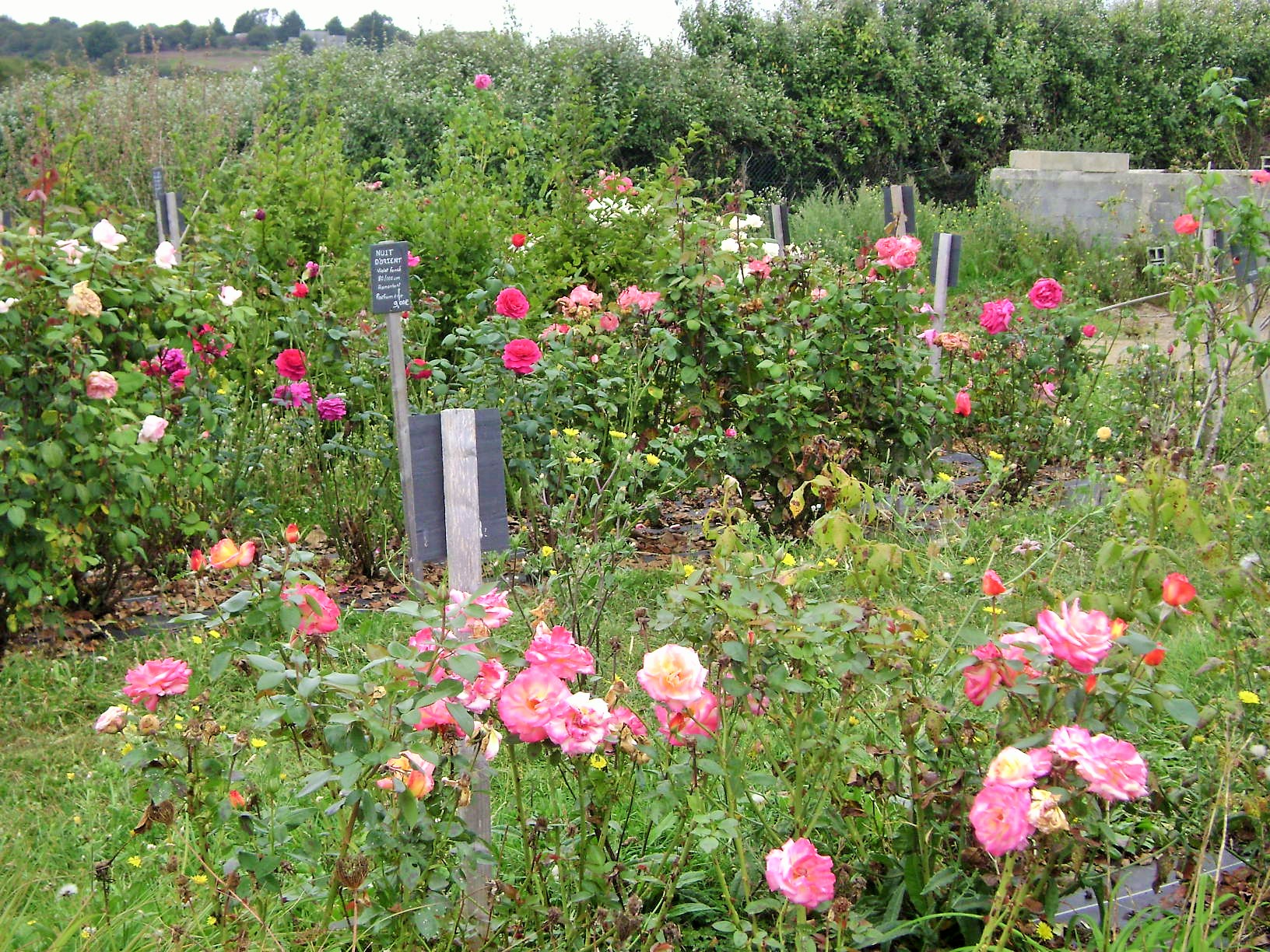
In northern Brittany, France, just outside of the small picturesque town of Le Faou is a nursery specializing in roses. I never featured a commercial establishment in one of my posts before, but in the middle of fields of roses is a lovely rose garden showcasing many of the species cultivated there, from shrub roses to climbing roses, to old fashioned roses, and a pleasure to browse for anyone who enjoys roses as I do.

I will be writing another post about this garden as well, showcasing some of the individual varieties of roses.

DSC01518 DSC01547 DSC01374 DSC01377 DSC01380 DSC01395 DSC01414 DSC01416 DSC01418 DSC01431 DSC01435 DSC01439 DSC01440 DSC01441 DSC01457 DSC01460 DSC01461 DSC01473 DSC01474 DSC01503 DSC01505 DSC01510 DSC01514 DSC01516 DSC01525 DSC01455 DSC01464 DSC01476 DSC01492 DSC01506


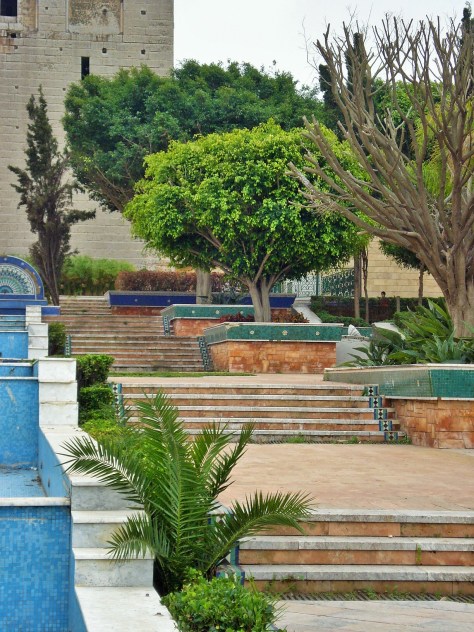
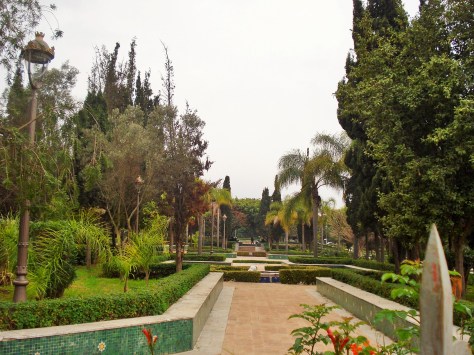
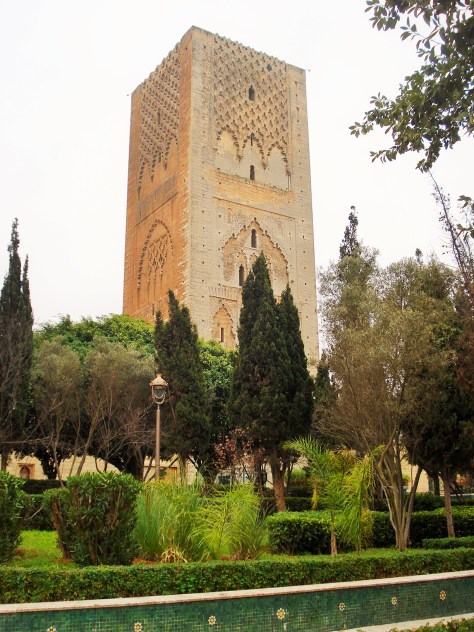
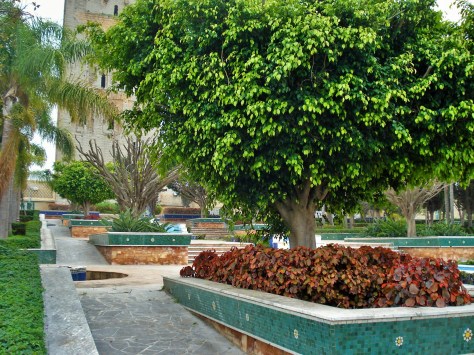
The Hassan Tower Gardens in Rabat, Morocco

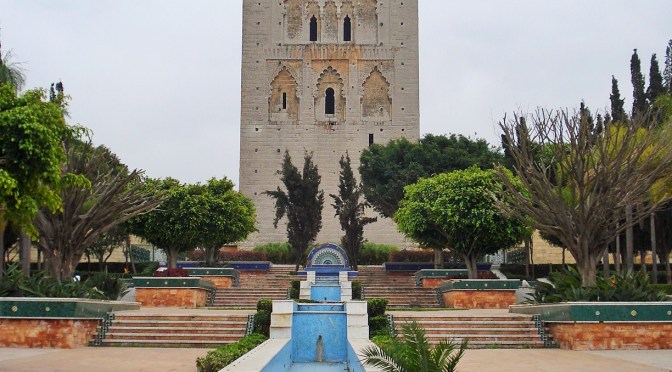
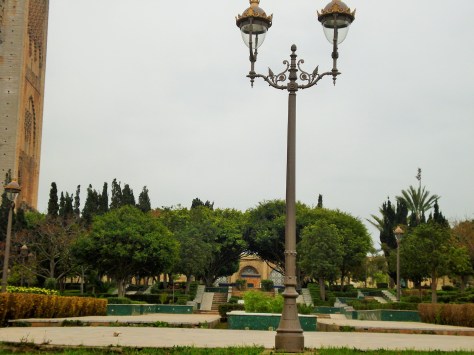
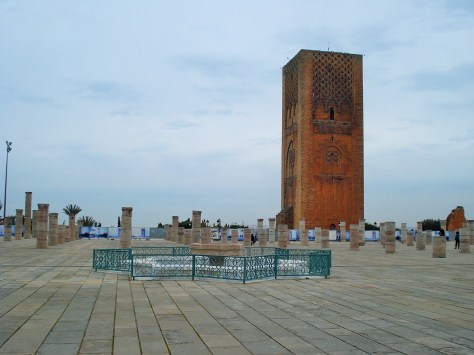
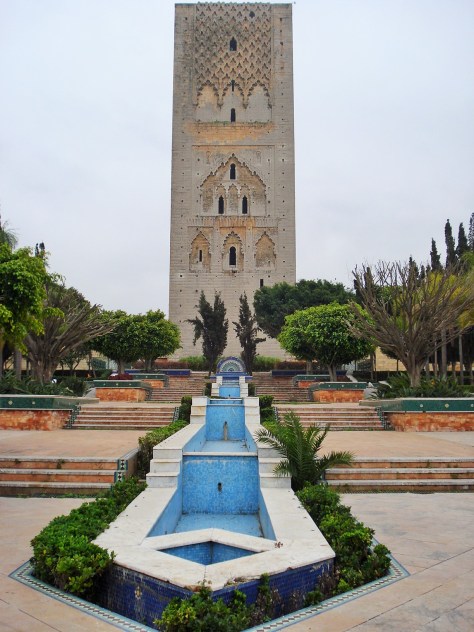
The city of Rabat, capital of Morocco, is a Unesco World Heritage site, One of the most famous and distinctive landmarks in the city is the Hassan Tower. Begun in the 12th century, it was at one time the second largest mosque in the the islamic world, but little remains of it besides the tower of minaret, reminiscent of the Koutoubia in Marrakech.

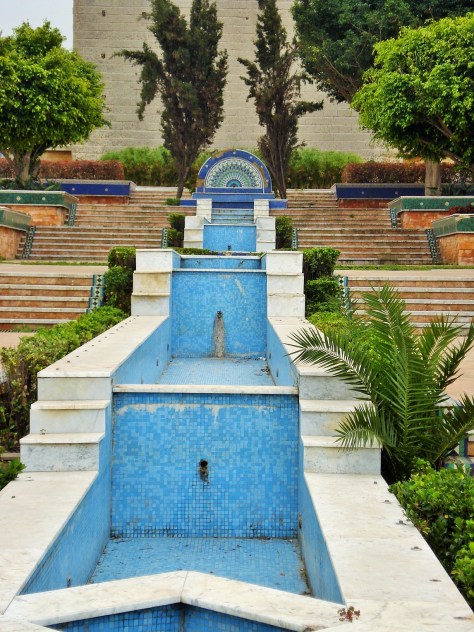
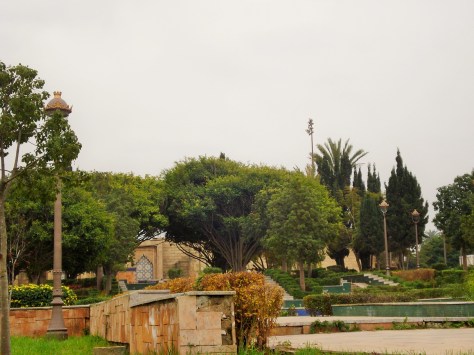
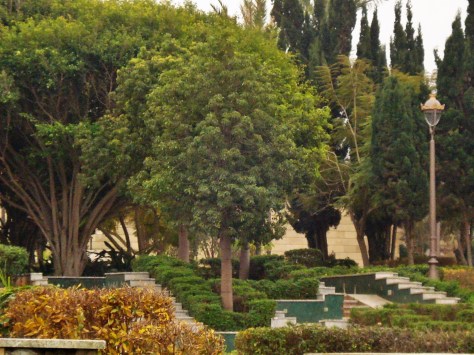
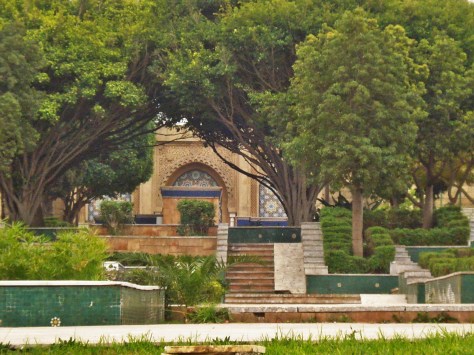
At the foot of the tower, are some pleasant gardens, typical of Moorish and Andalusian gardens, with landscaped terraces, meandering paths, and of course the ever present water features connecting multiple levels with canals, ponds and fountains.  While not extraordinary in any way, these are very pleasant gardens worth visiting on a trip to see the Hassan Tower.

Hassan Tower and gardens, Rabat, Morocco Hassan Tower and gardens, Rabat, Morocco Hassan Tower and gardens, Rabat, Morocco Hassan Tower and gardens, Rabat, Morocco Hassan Tower and gardens, Rabat, Morocco Hassan Tower and gardens, Rabat, Morocco Hassan Tower and gardens, Rabat, Morocco Hassan Tower and gardens, Rabat, Morocco Hassan Tower and gardens, Rabat, Morocco Hassan Tower and gardens, Rabat, Morocco Hassan Tower and gardens, Rabat, Morocco Hassan Tower and gardens, Rabat, Morocco Hassan Tower and gardens, Rabat, Morocco Hassan Tower and gardens, Rabat, Morocco Hassan Tower and gardens, Rabat, Morocco Hassan Tower and gardens, Rabat, Morocco Hassan Tower and gardens, Rabat, Morocco Hassan Tower and gardens, Rabat, Morocco Hassan Tower and gardens, Rabat, Morocco


Castle of Trevarez: The Italian Garden

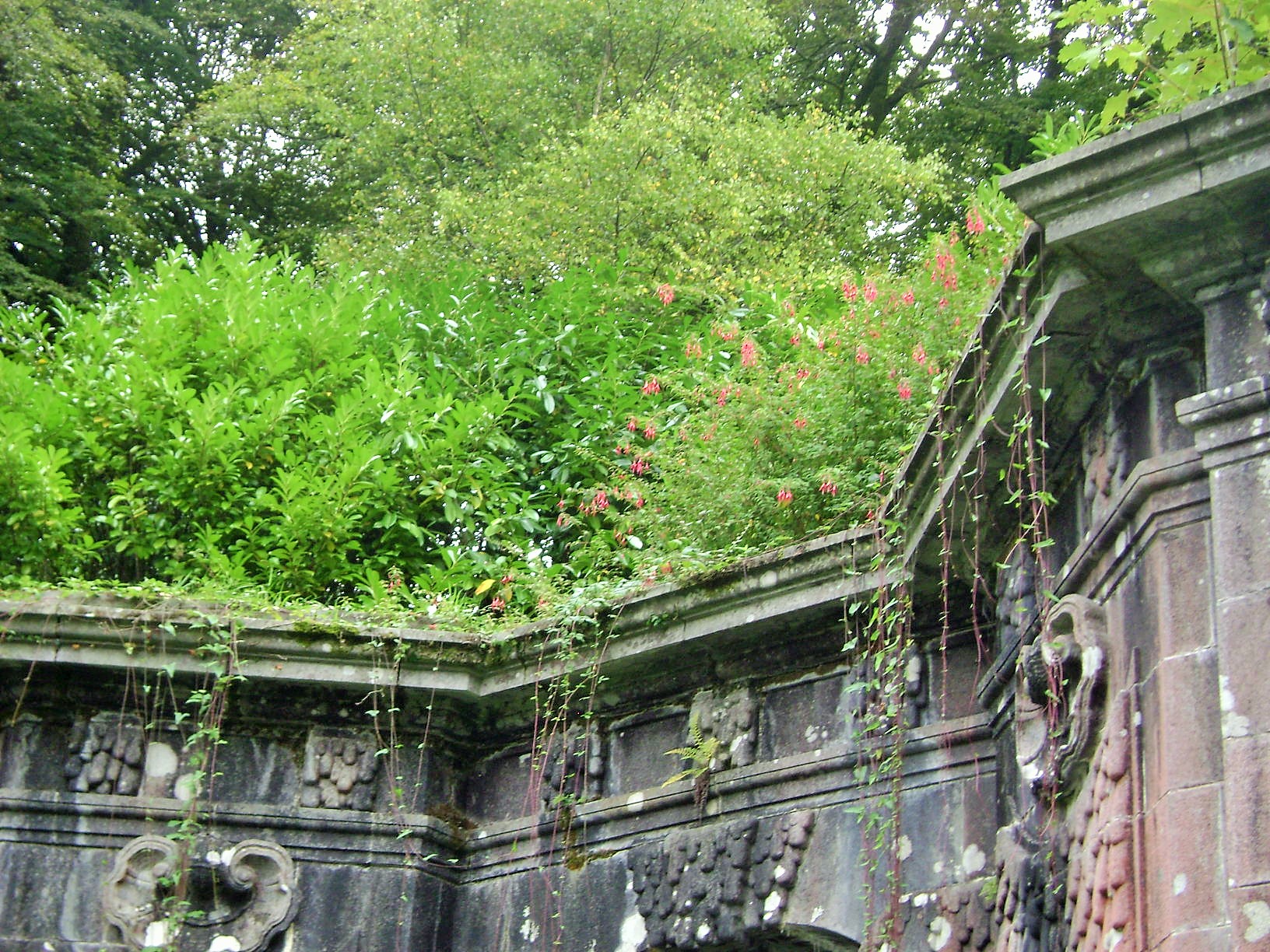
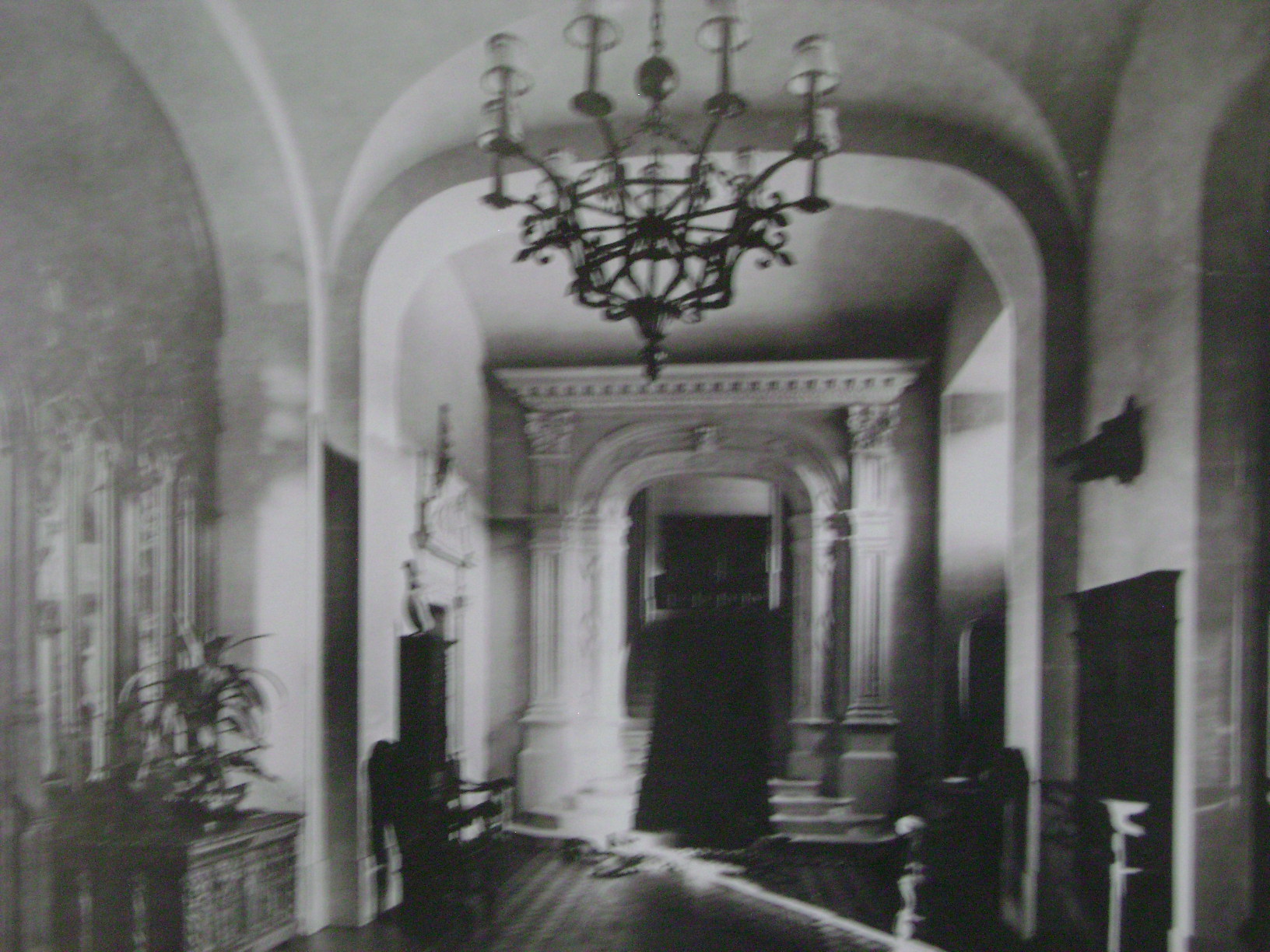
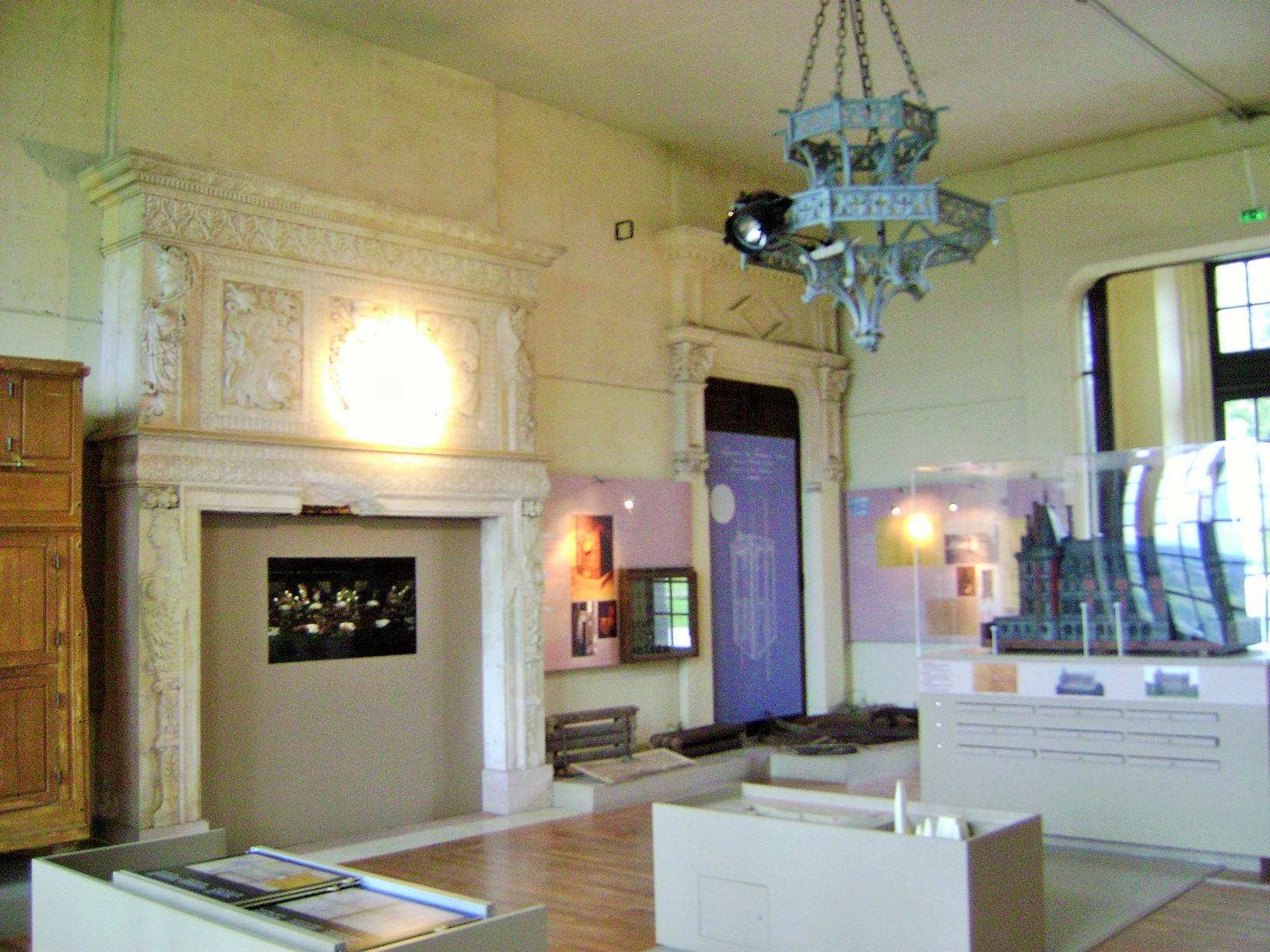
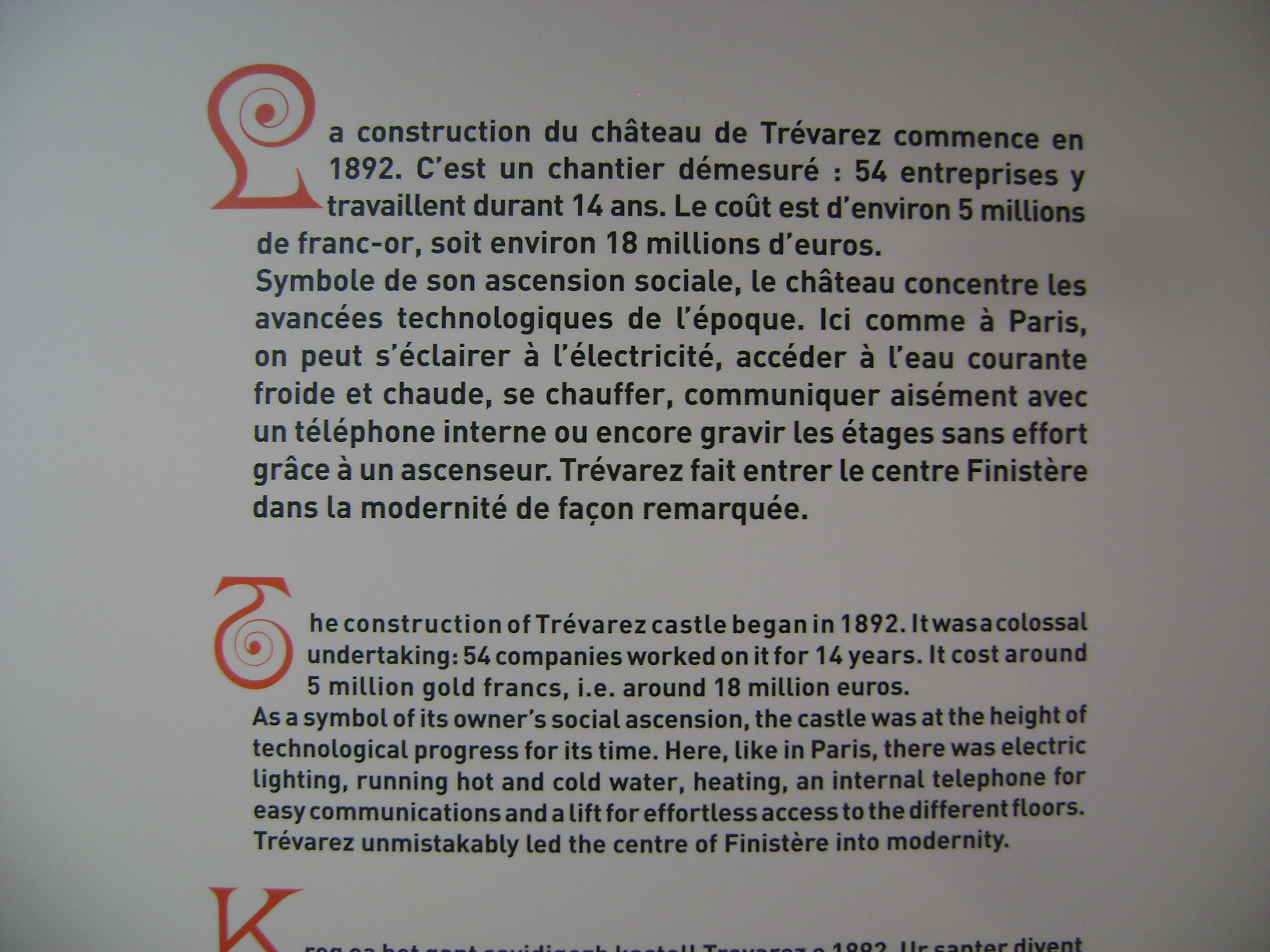
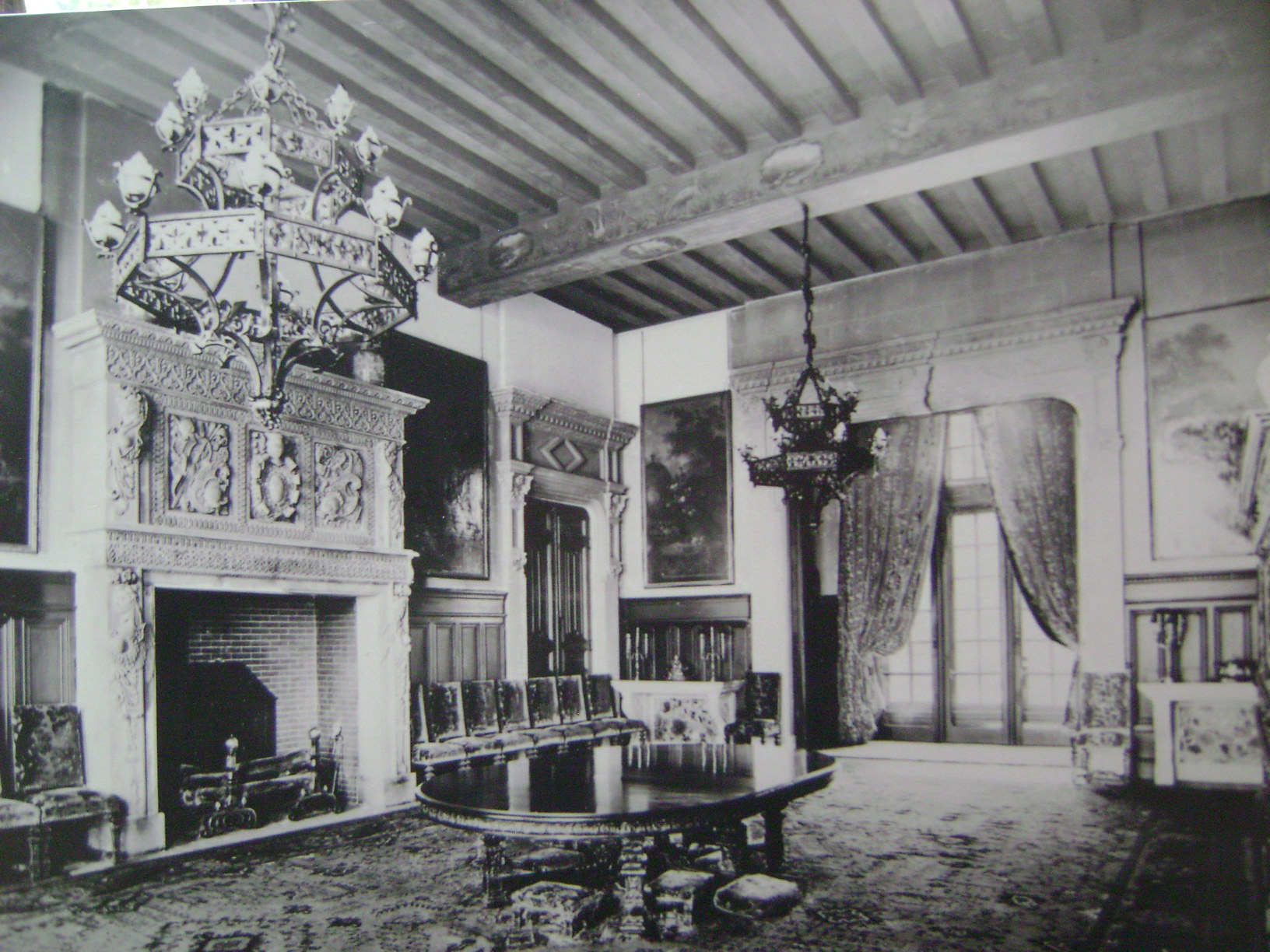
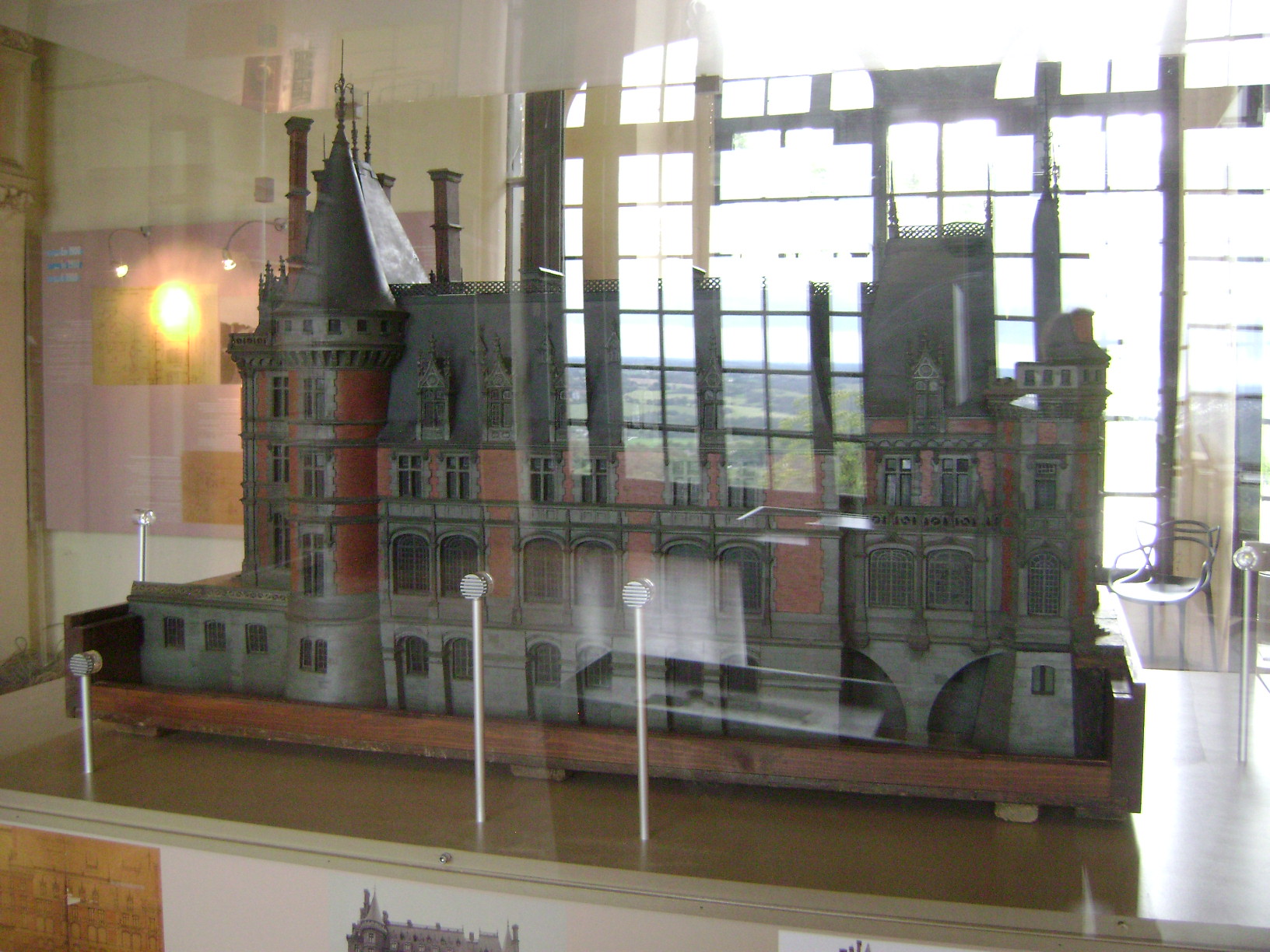
The castle of Trevarez near Chateauneuf du Faou in northern Brittany, France, is one of the last great castles built in France. Construction began in 1892 for a French politician and brought together all the faste and excess of the Belle Epoque, frescoes, carvings, marble, mosaics, ornate panels and fireplaces.

It is often referred to as the pink or red castle, because of the pink color it gets from the bricks used.  It was unfortunately bombed in the 1940s, and has not been occupied since, but it is being renovated by the government who purchased it in the 70s.

The gardens were neglected as well for many years and have been slowly brought back to their original glory, one area at a time. The grounds are extensive, with stables, a large wash house, theme gardens, formal gardens and much more.

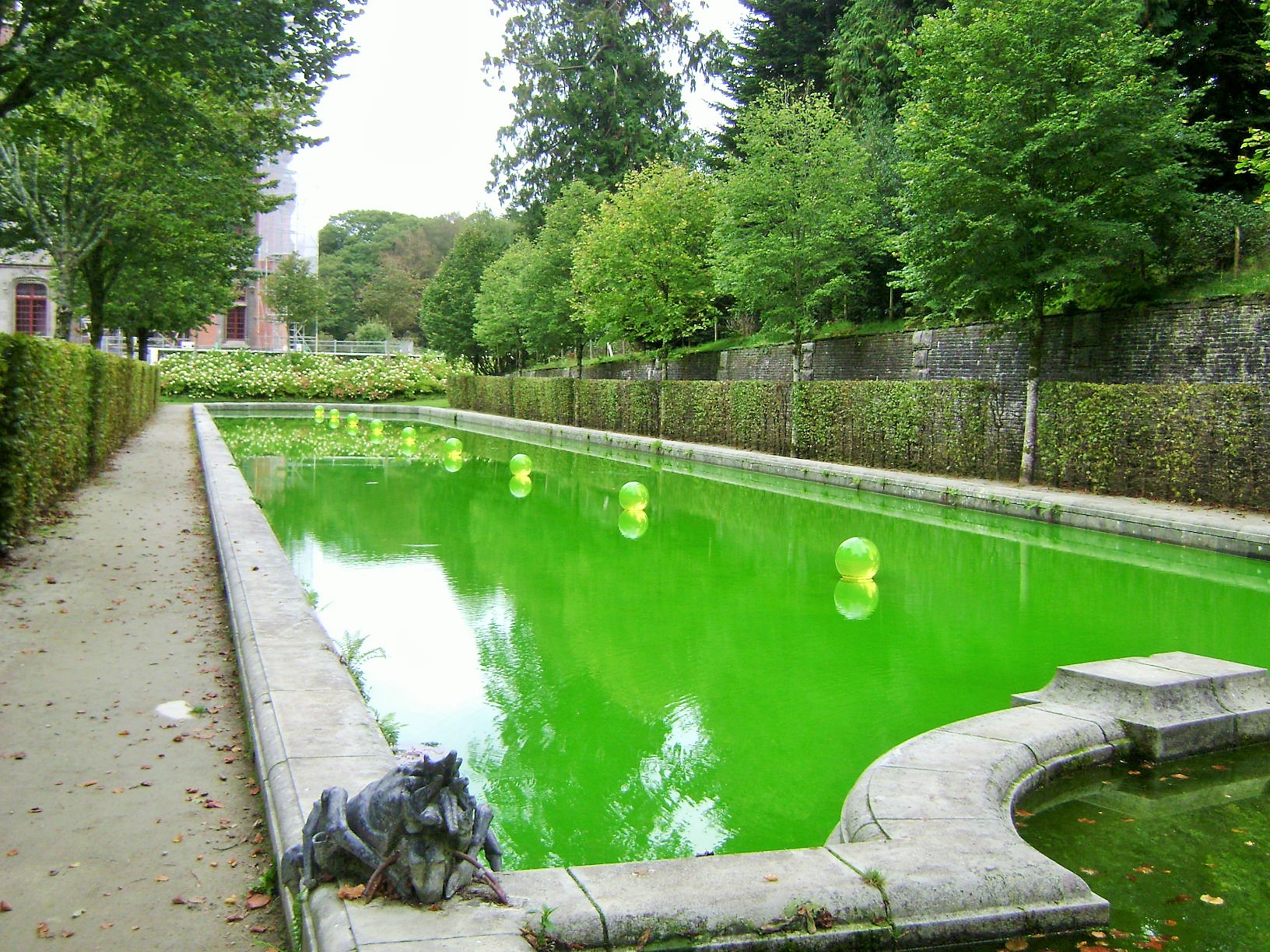
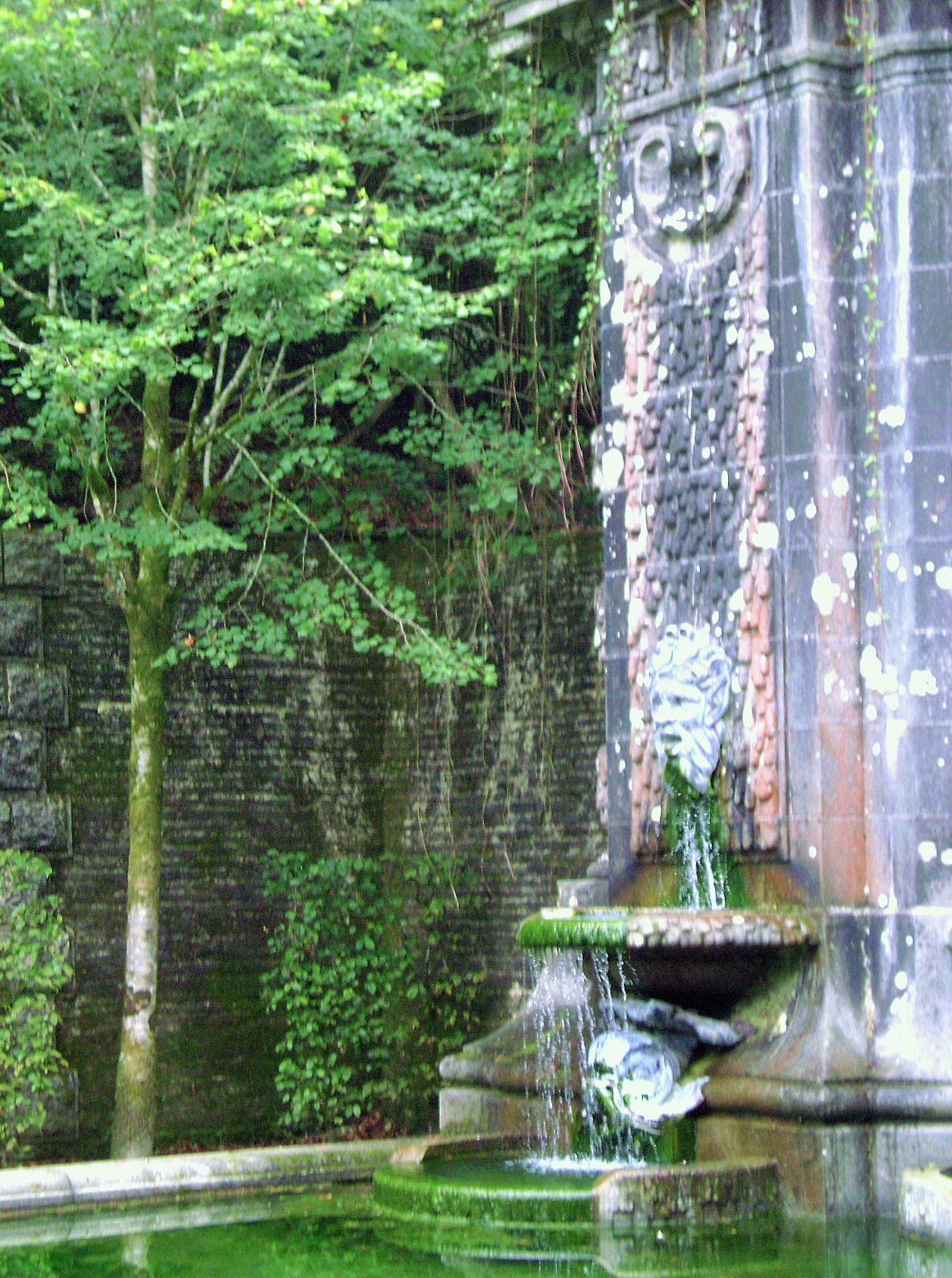
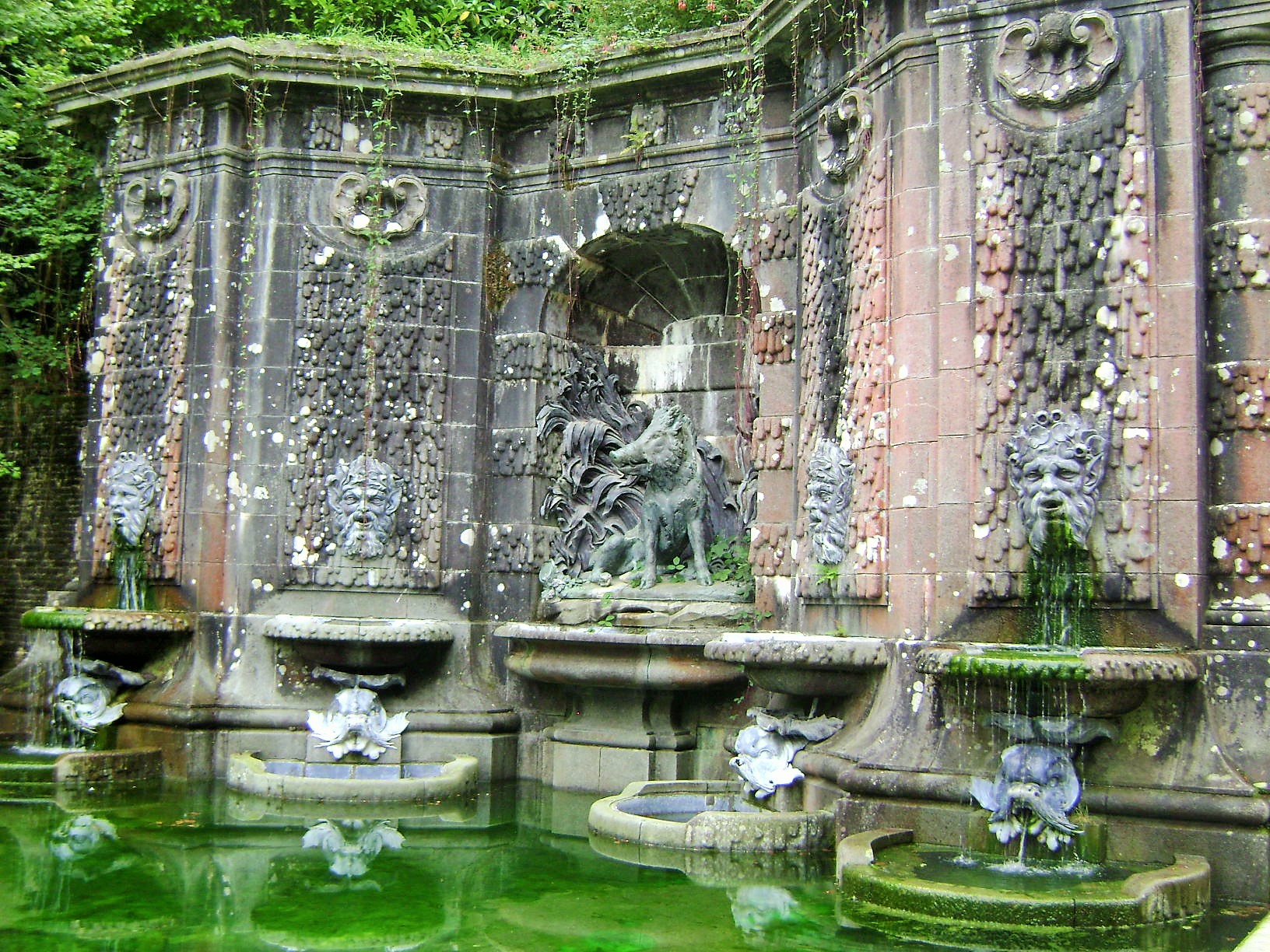
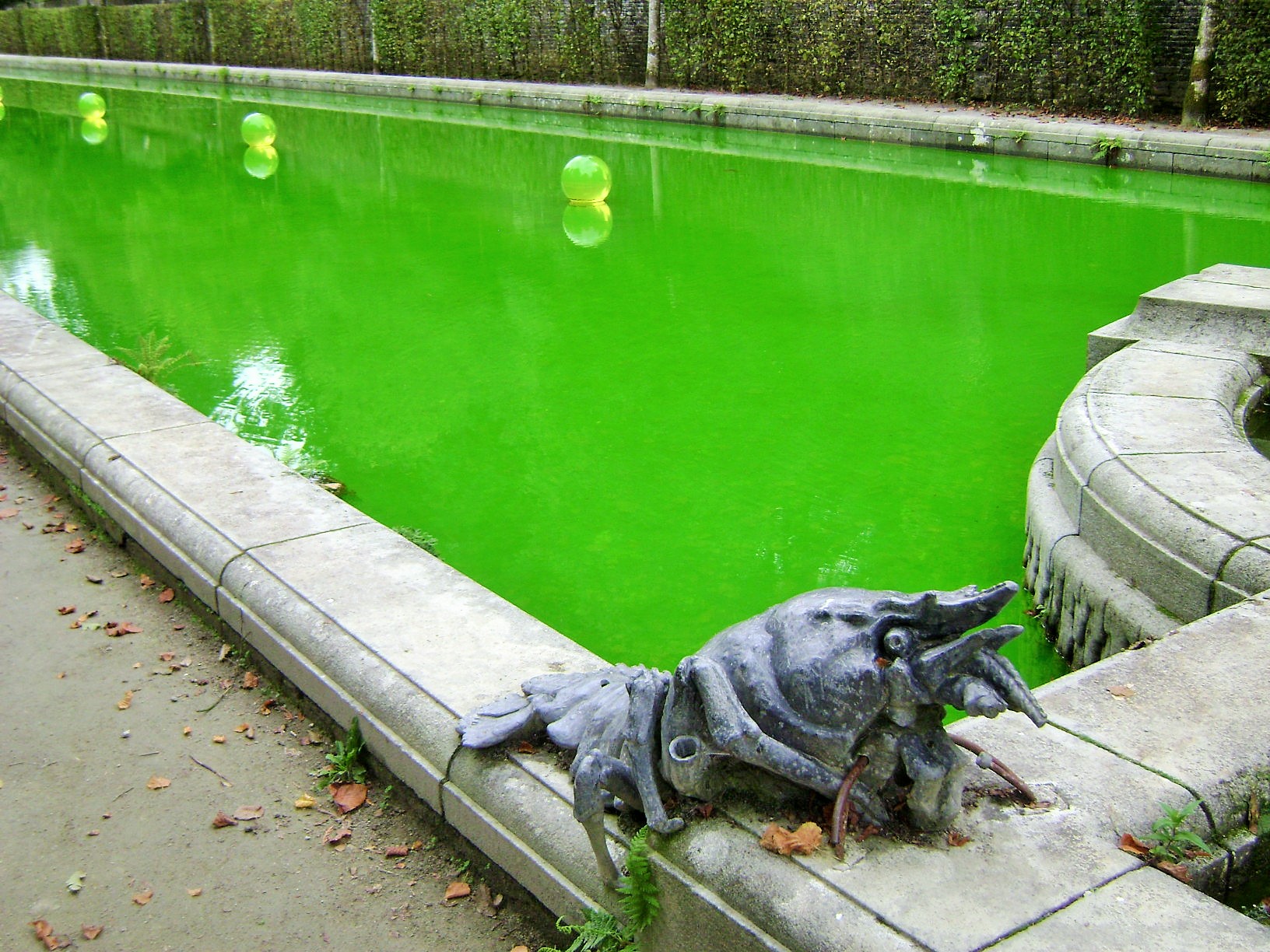
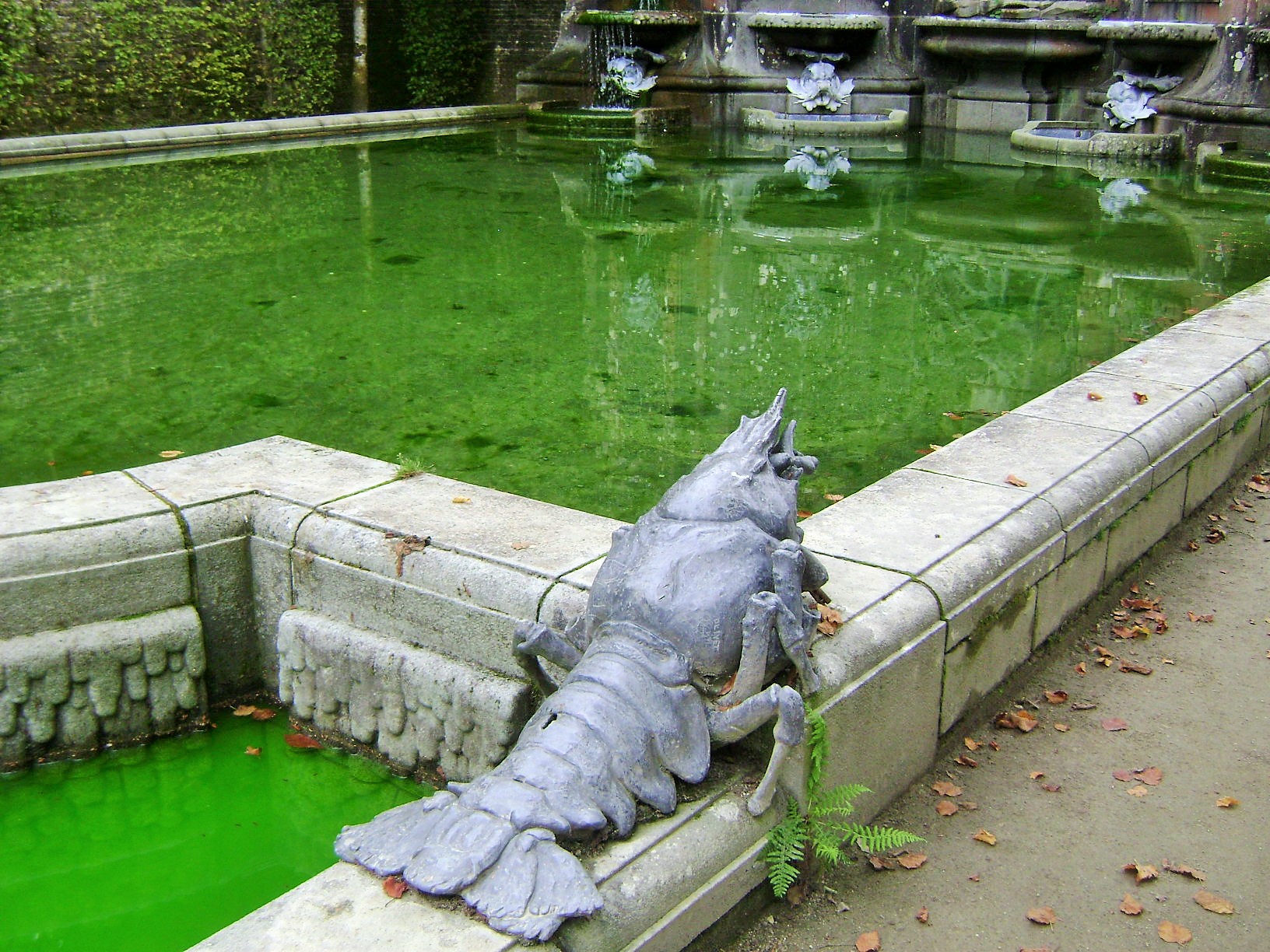
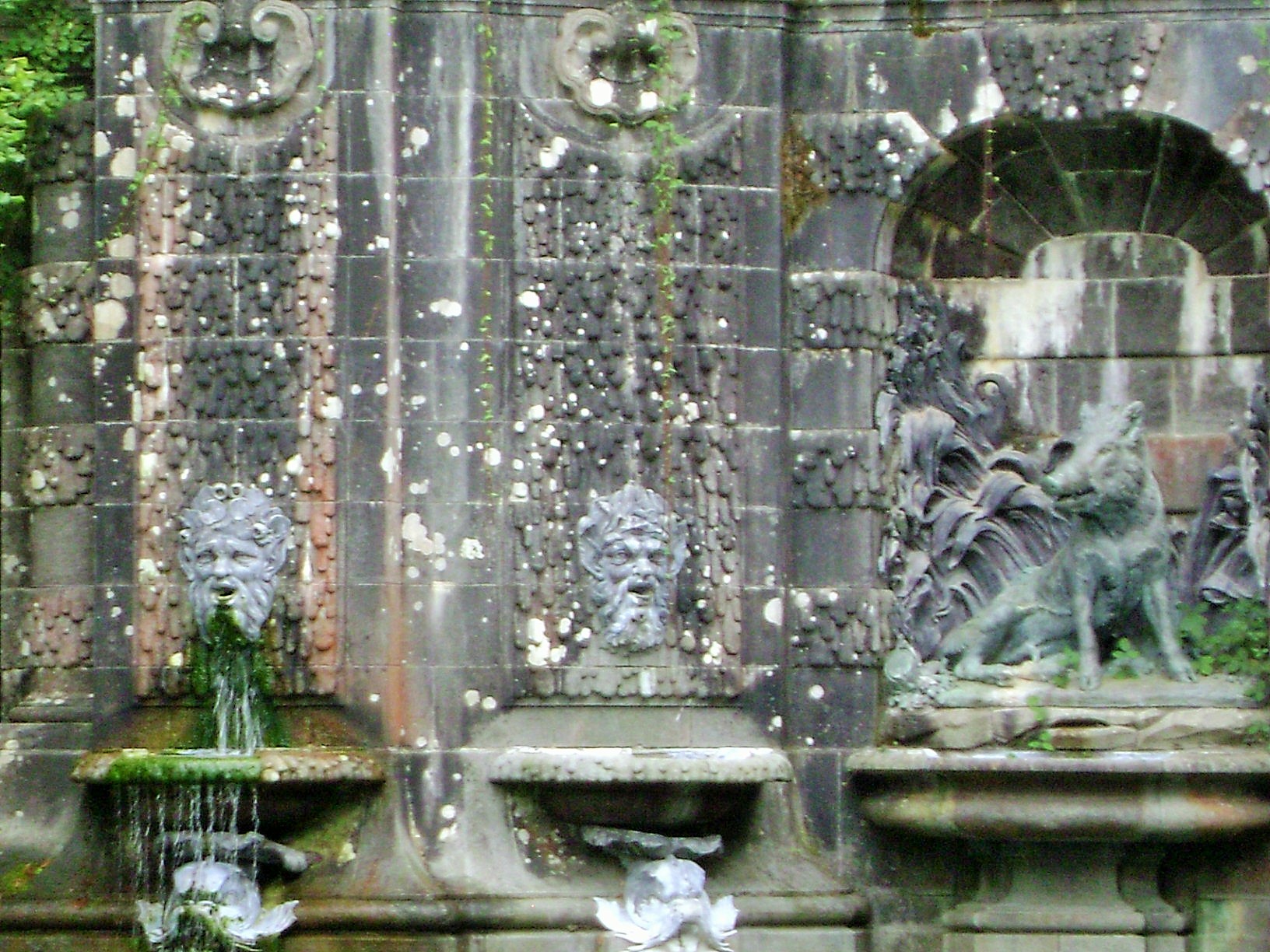
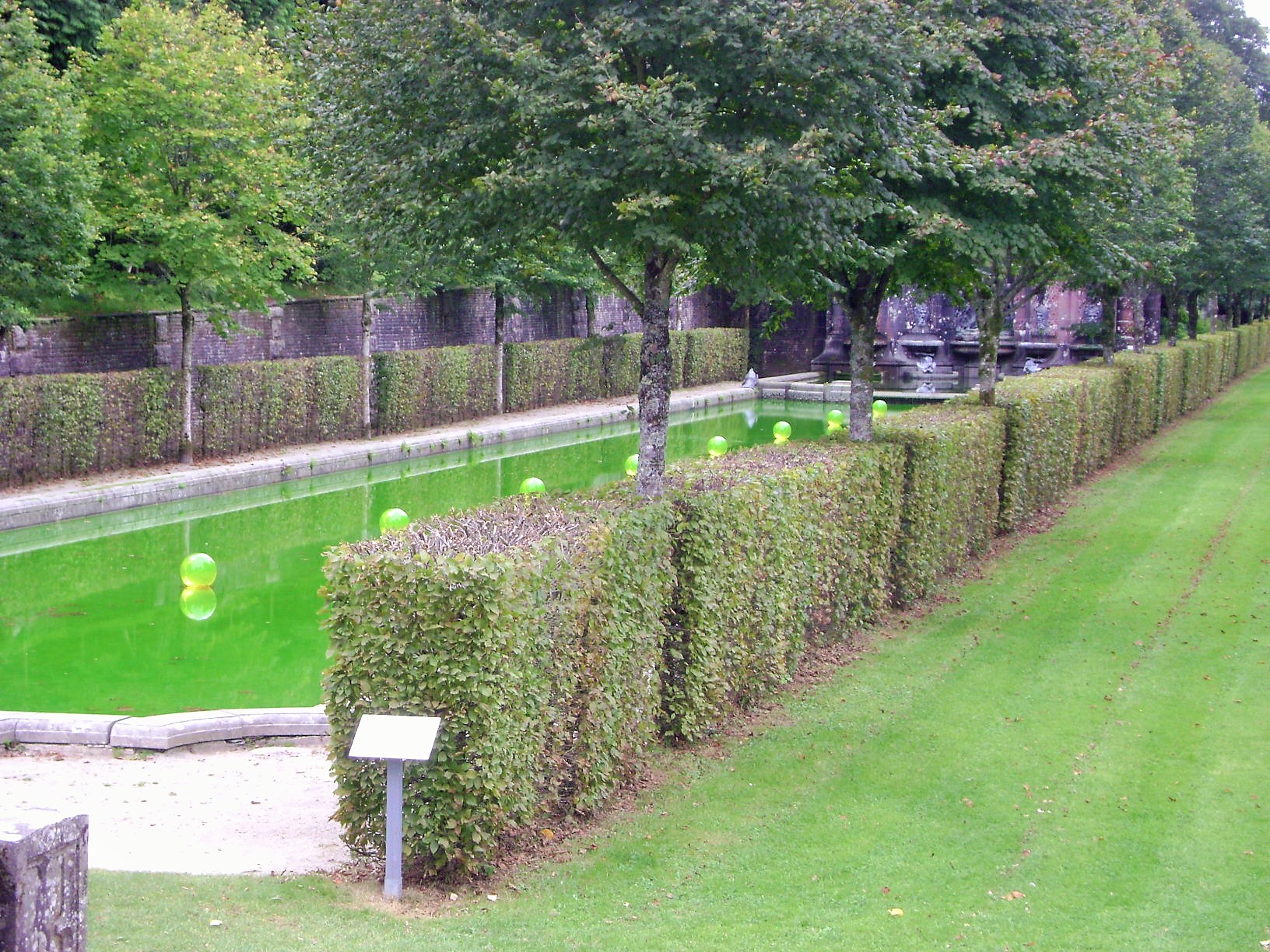
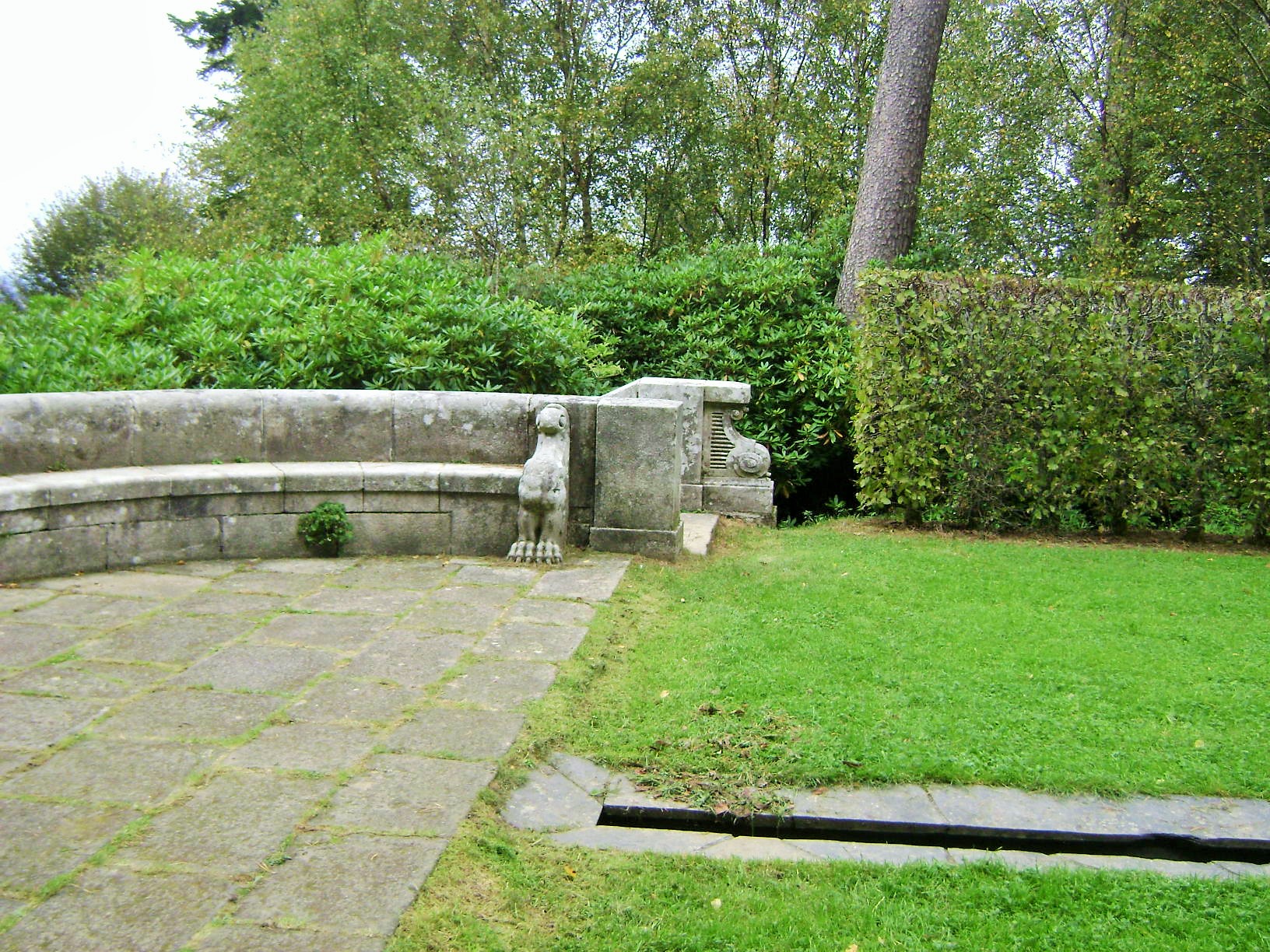
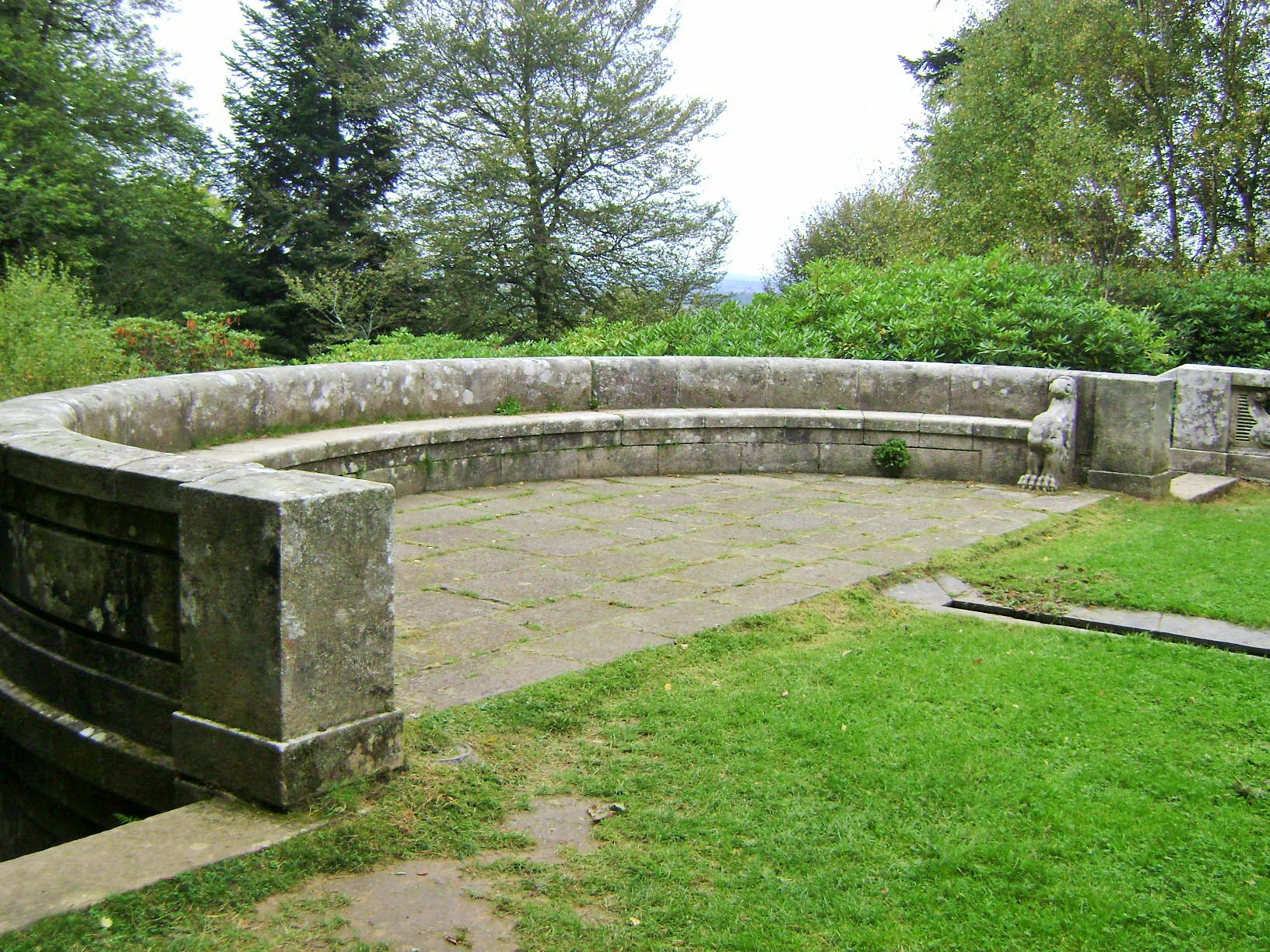
In this post, I am featuring one of my favorites of the Trevarez gardens, the Italian garden. It features a pond and grotto, a row of unusual fountains, and a lawn all along the side with a small water canal leading to the stairs going to the Romantic Garden. The Italian Garden is just to the side of the castle.

DSC01748 DSC01746 DSC01745 DSC01744 DSC01742 DSC01741 DSC01740 DSC01738 DSC01737 DSC01734 DSC01733 DSC01731 DSC01730 DSC01755 DSC01754 DSC01753 DSC01752 DSC01751 DSC01750 DSC01749


Castle of Trevarez in France: The Japanese Gardens

The castle of Trevarez near Chateauneuf du Faou in northern Brittany, France, is one of the last great castles built in France. Construction began in 1892 for a French politician and brought together all the faste and excess of the Belle Epoque, frescoes, carvings, marble, mosaics, ornate panels and fireplaces.

It is often referred to as the pink or red castle, because of the pink color it gets from the bricks used.  It was unfortunately bombed in the 1940s, and has not been occupied since, but it is being renovated by the government who purchased it in the 70s.

The gardens were neglected as well for many years and have been slowly brought back to their original glory, one area at a time. The grounds are extensive, with stables, a large wash house, theme gardens, formal gardens and much more.

In this post, I am featuring the Japanese gardens.There were originally two Japanese gardens: a smaller one nearer the main entrance and a larger one at the other end of the domain on the other side of the castle, but this latter has yet to be redone the way it used to be and after many years of neglect very little is left of it and the woods have reclaimed most of it.

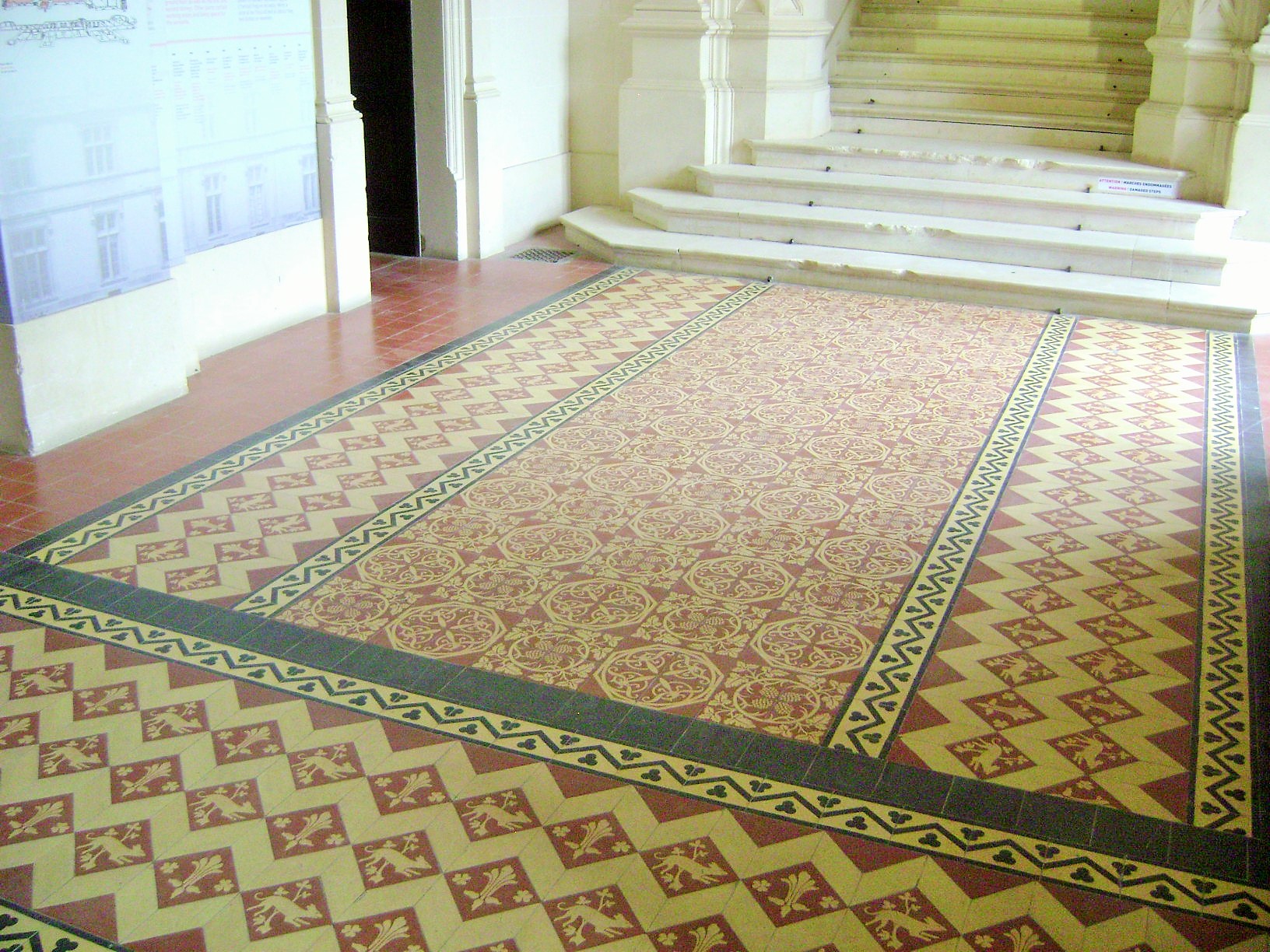
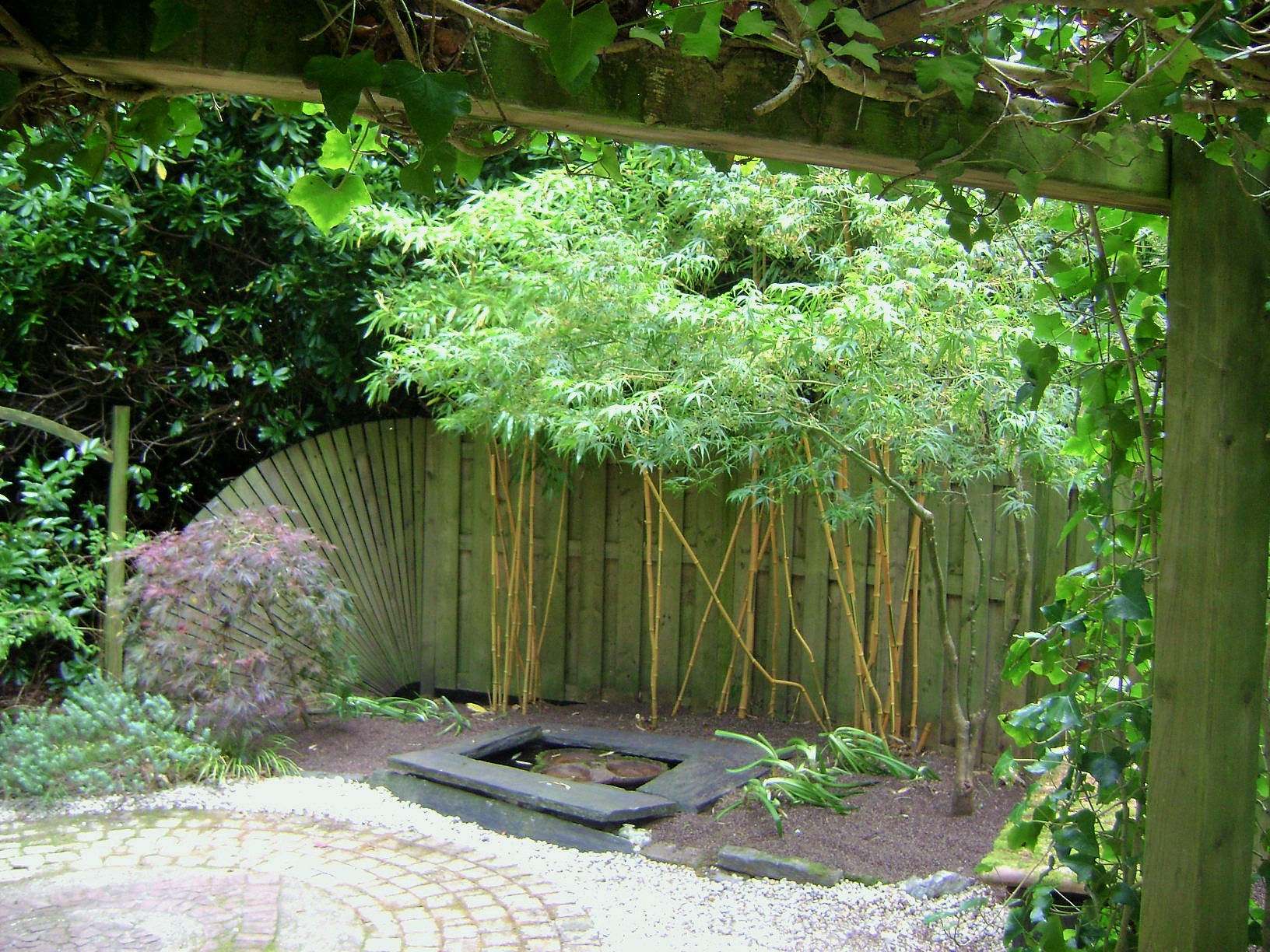
At the entrance of the Japanese garden is a small pavilion; note the intricate paving, the bamboo, and water feature.

DSC01550 DSC01551 DSC01552 DSC01548 DSC01549

Past the pavilion is the Japanese rock garden with plantings and rock river beds for the stream.

DSC01558 DSC01570 DSC01569 DSC01568 DSC01566 DSC01565 DSC01564 DSC01563 DSC01561 DSC01560DSC01572 DSC01579 DSC01577 DSC01576 DSC01575 DSC01574 DSC01573 DSC01580Finally , below are a few photos of what is left of the other Japanese garden.

DSC01788 DSC01787 DSC01786 DSC01785 DSC01793 DSC01792 DSC01791 DSC01790 DSC01789


Castle of Trevarez: Castle and Formal Gardens

The castle of Trevarez near Chateauneuf du Faou in northern Brittany, France, is one of the last great castles built in France. Construction began in 1892 for a French politician and brought together all the faste and excess of the Belle Epoque, frescoes, carvings, marble, mosaics, ornate panels and fireplaces.

It is often referred to as the pink or red castle, because of the pink color it gets from the bricks used.  It was unfortunately bombed in the 1940s, and has not been occupied since, but it is being renovated by the government who purchased it in the 70s.

The gardens were neglected as well for many years and have been slowly brought back to their original glory, one area at a time. The grounds are extensive, with stables, a large wash house, theme gardens, formal gardens and much more.

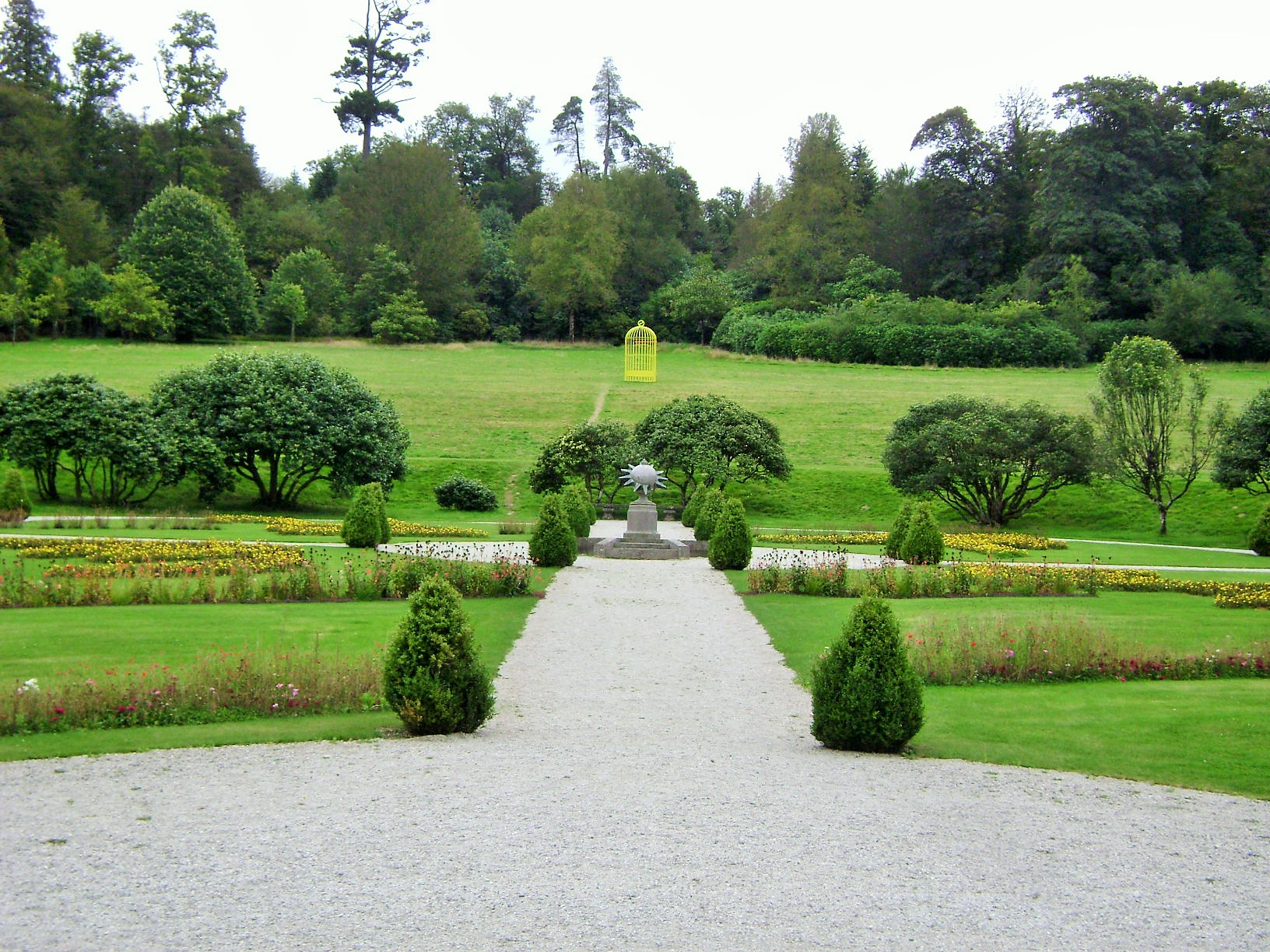
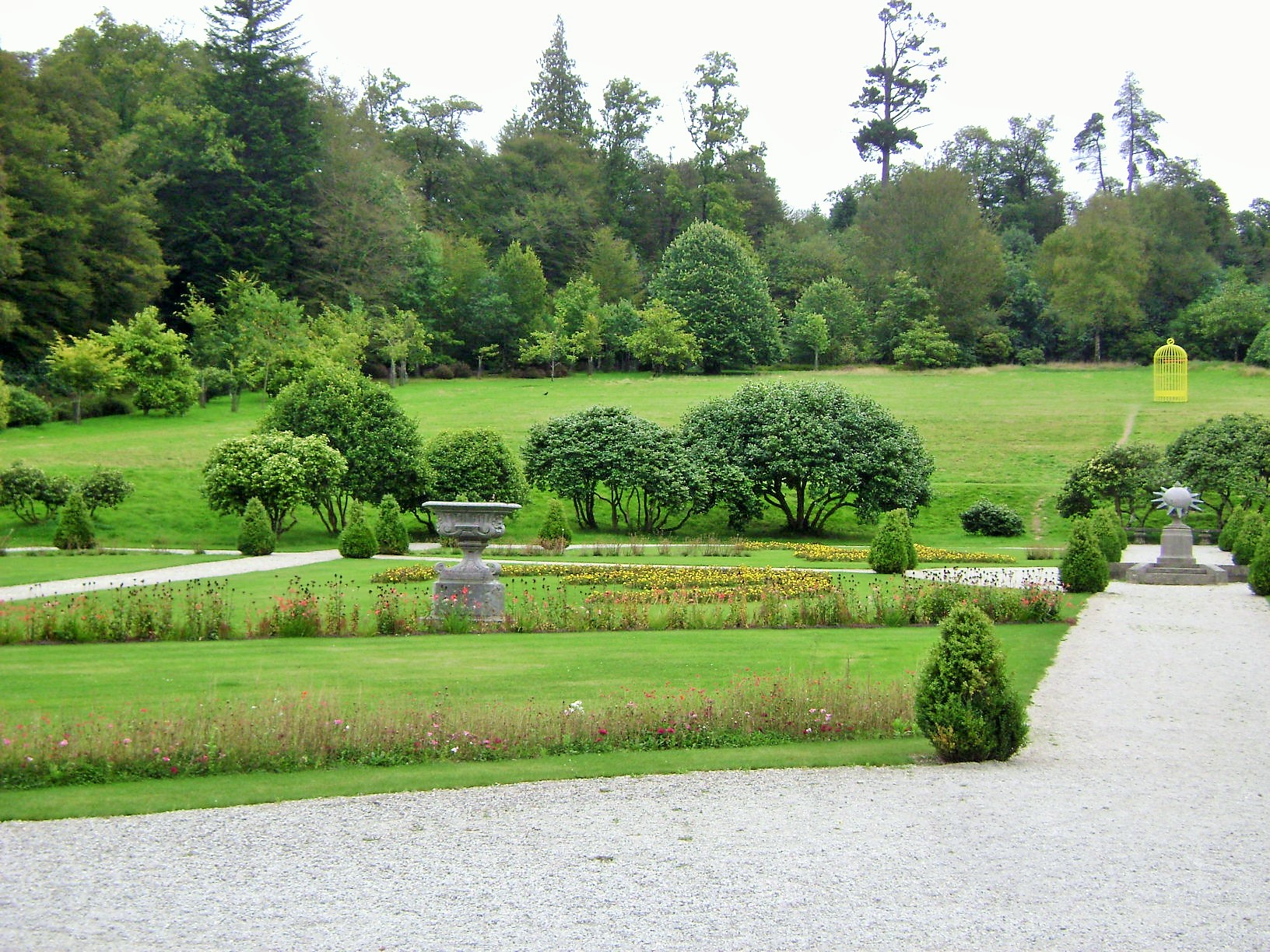
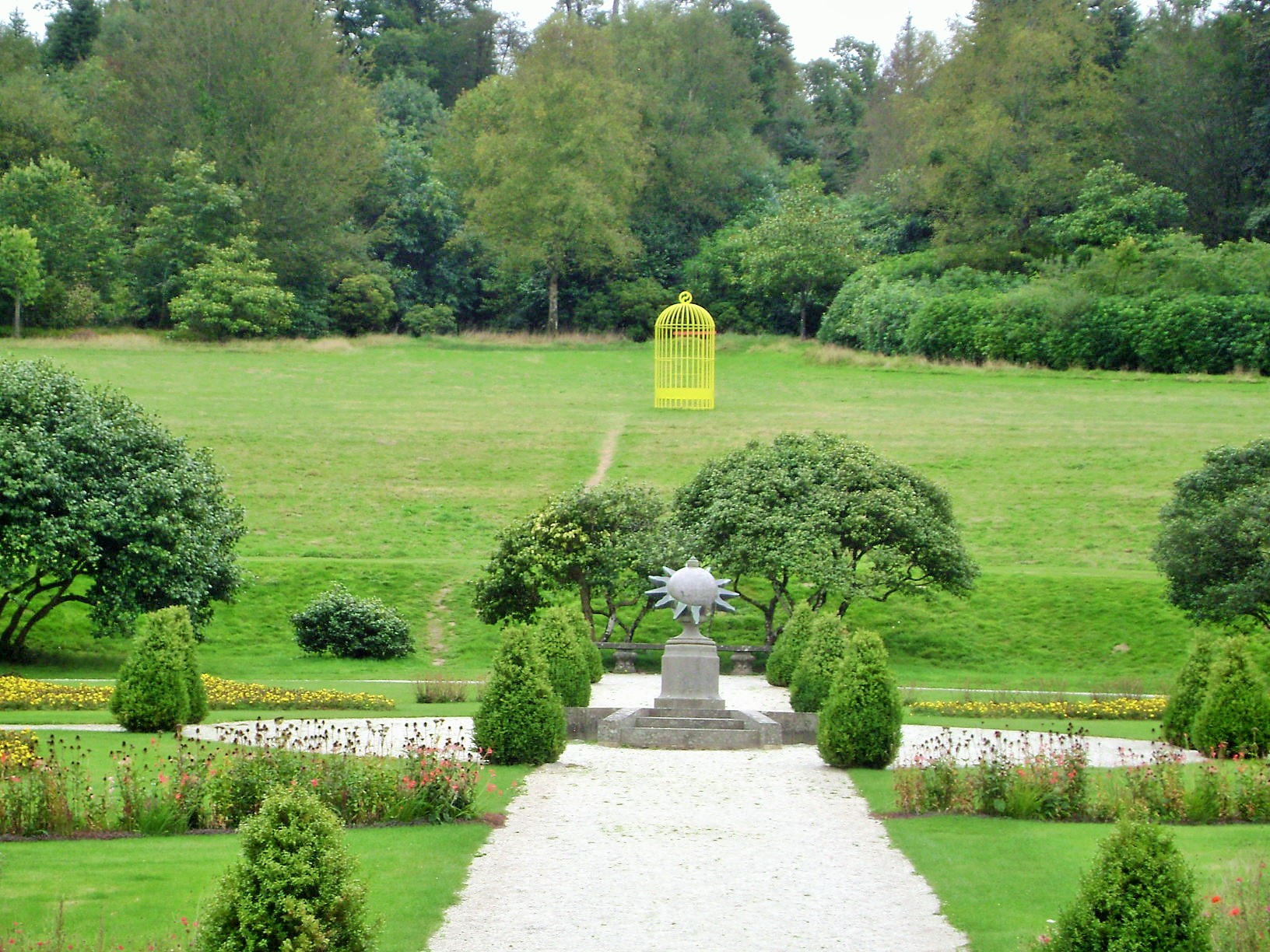
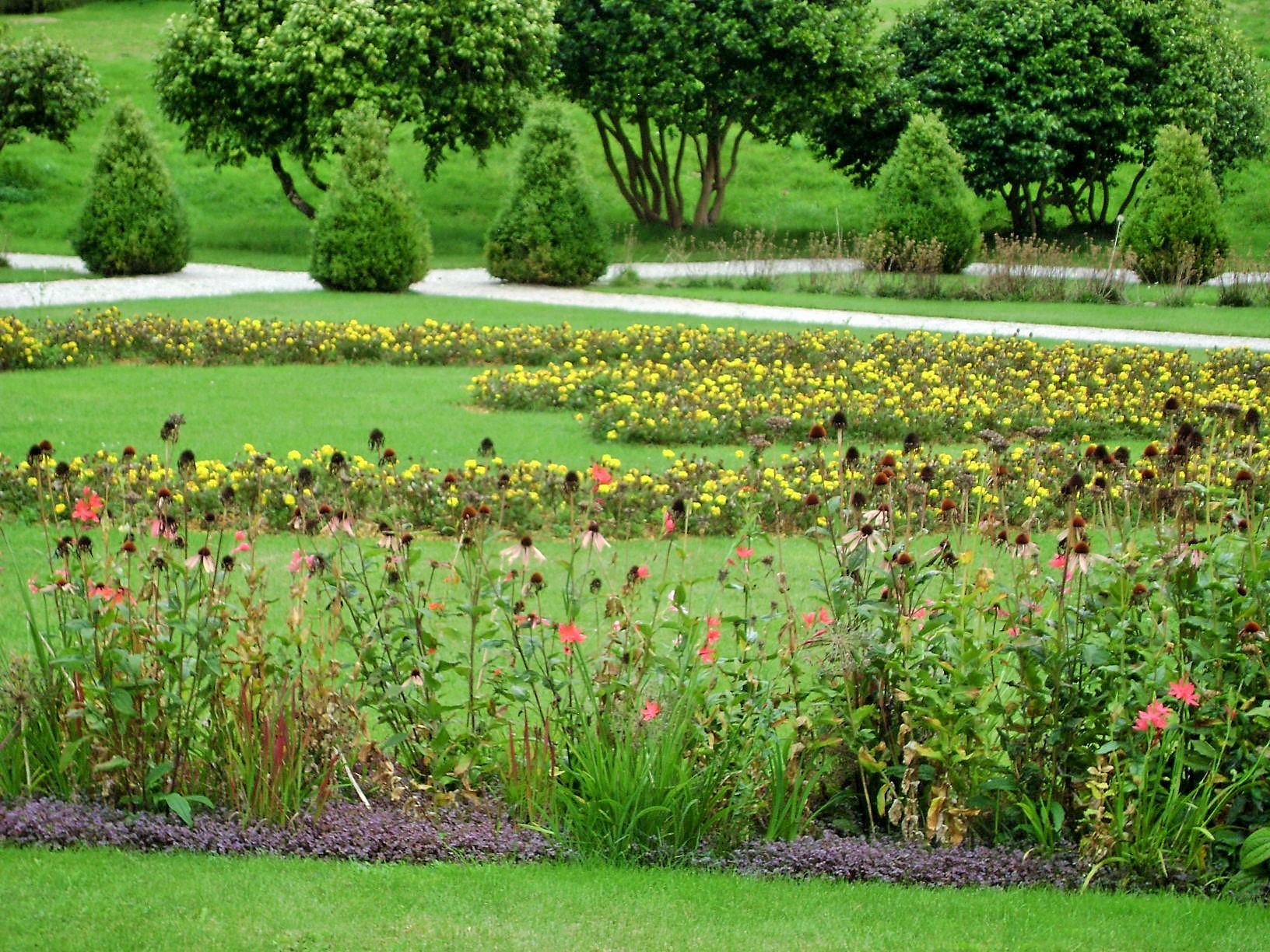
In this post, I am featuring the castle itself with the formal gardens in the front. The castle is sited so as to overlook the valley in the back and enjoy a stunning view of the gardens terraced below, including a large collection of azaleas and rhododendrons directly below which were unfortunately not in bloom at the time of my visit.

DSC01698 DSC01700 DSC01701 DSC01703

Formal gardens with sundial and birdcage in axis

DSC01706 DSC01707 DSC01708 DSC01709 DSC01710

Front view of the castle

DSC01712 DSC01713 DSC01715 DSC01716 DSC01717

The azaleas and rhododendrons below

DSC01720 DSC01721 DSC01722 DSC01723 DSC01724 DSC01725 DSC01726 DSC01727 DSC01728

Ovelrooking the Italian garden to the side below
Alley of hydrangeas below

DSC01736 DSC01690 DSC01692 DSC01694

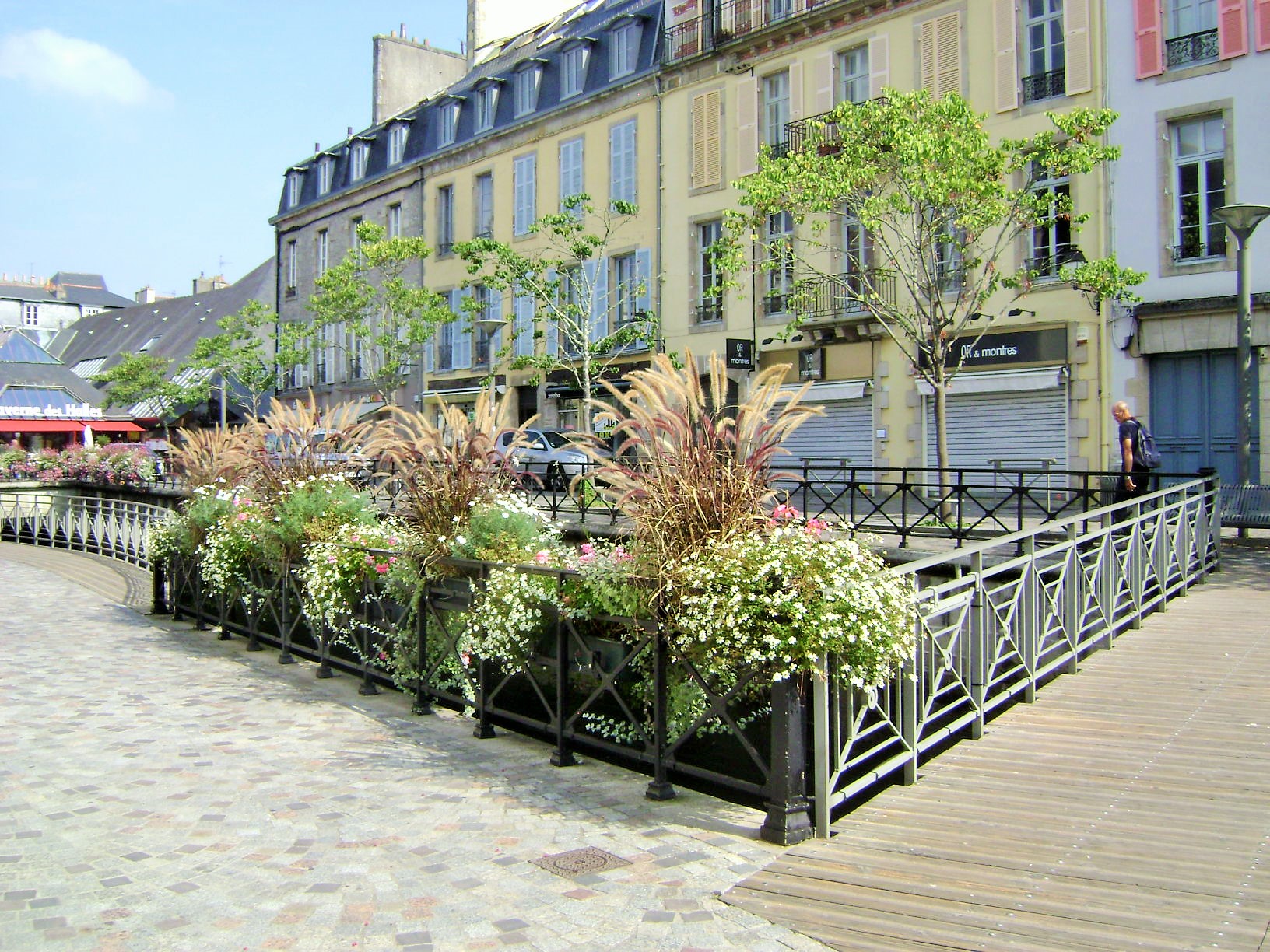
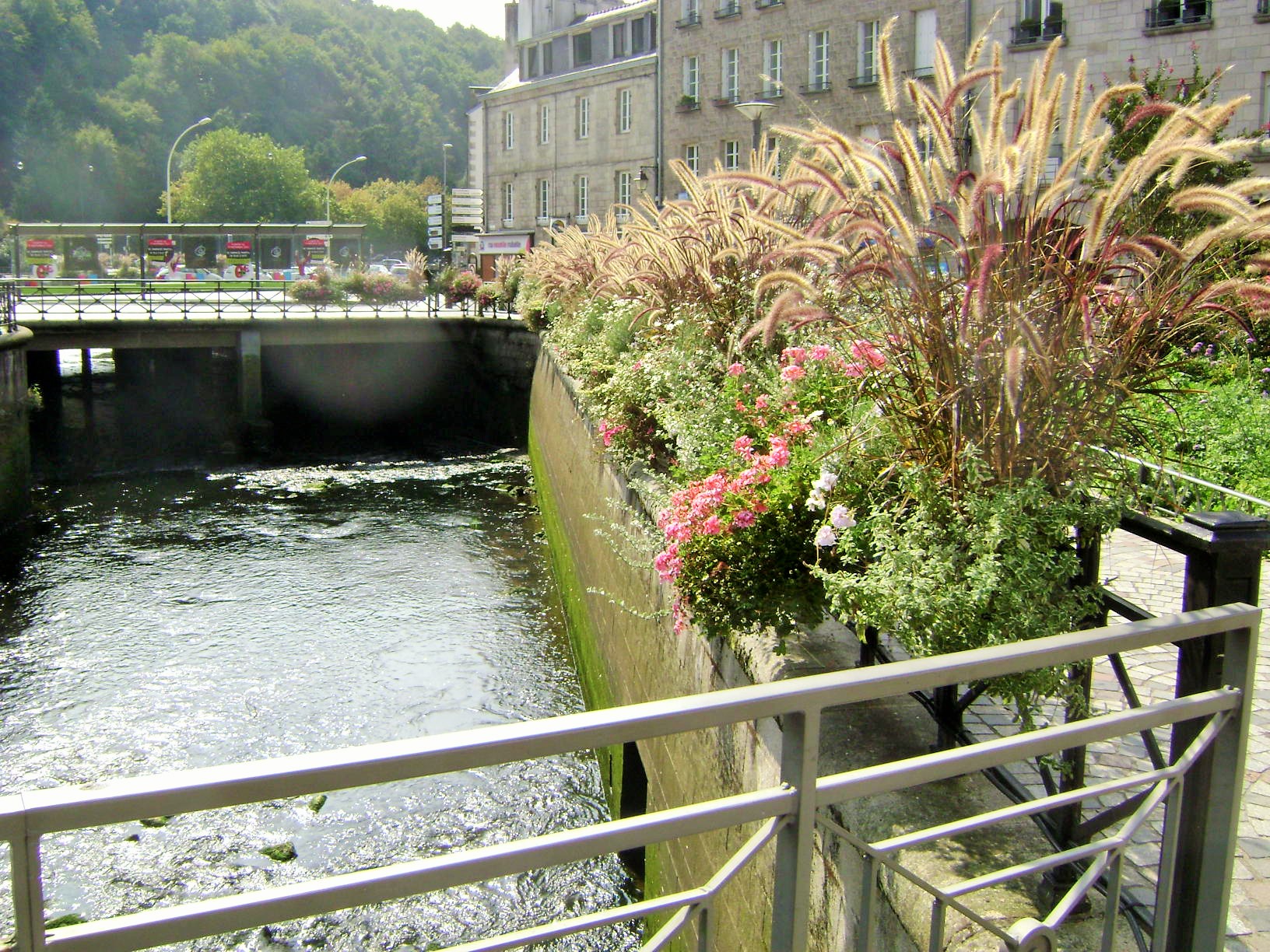
Quimper Park: A Public Garden by the Riverfront

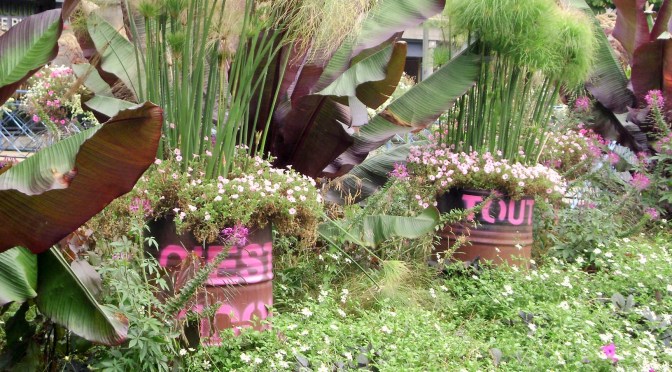
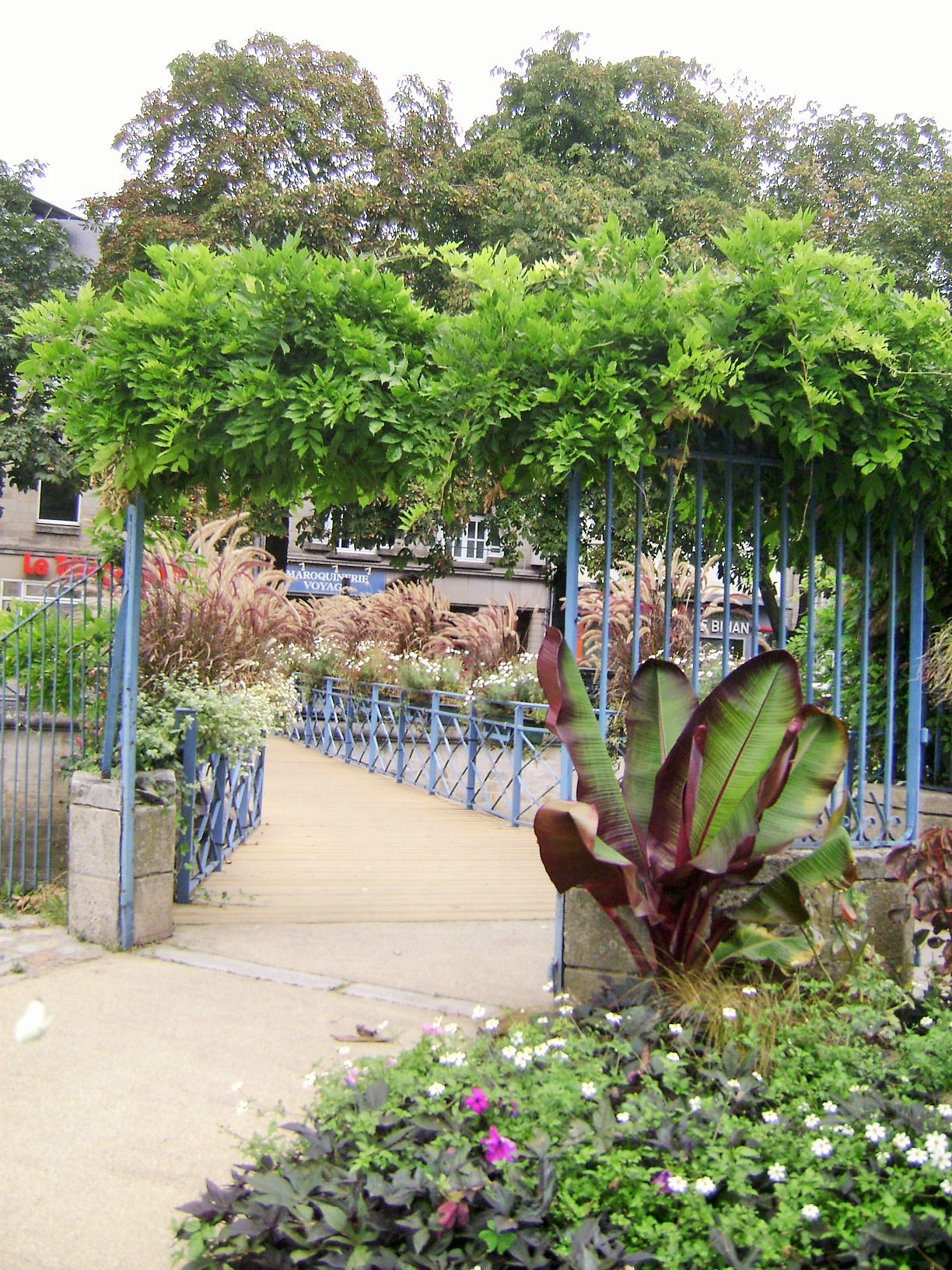
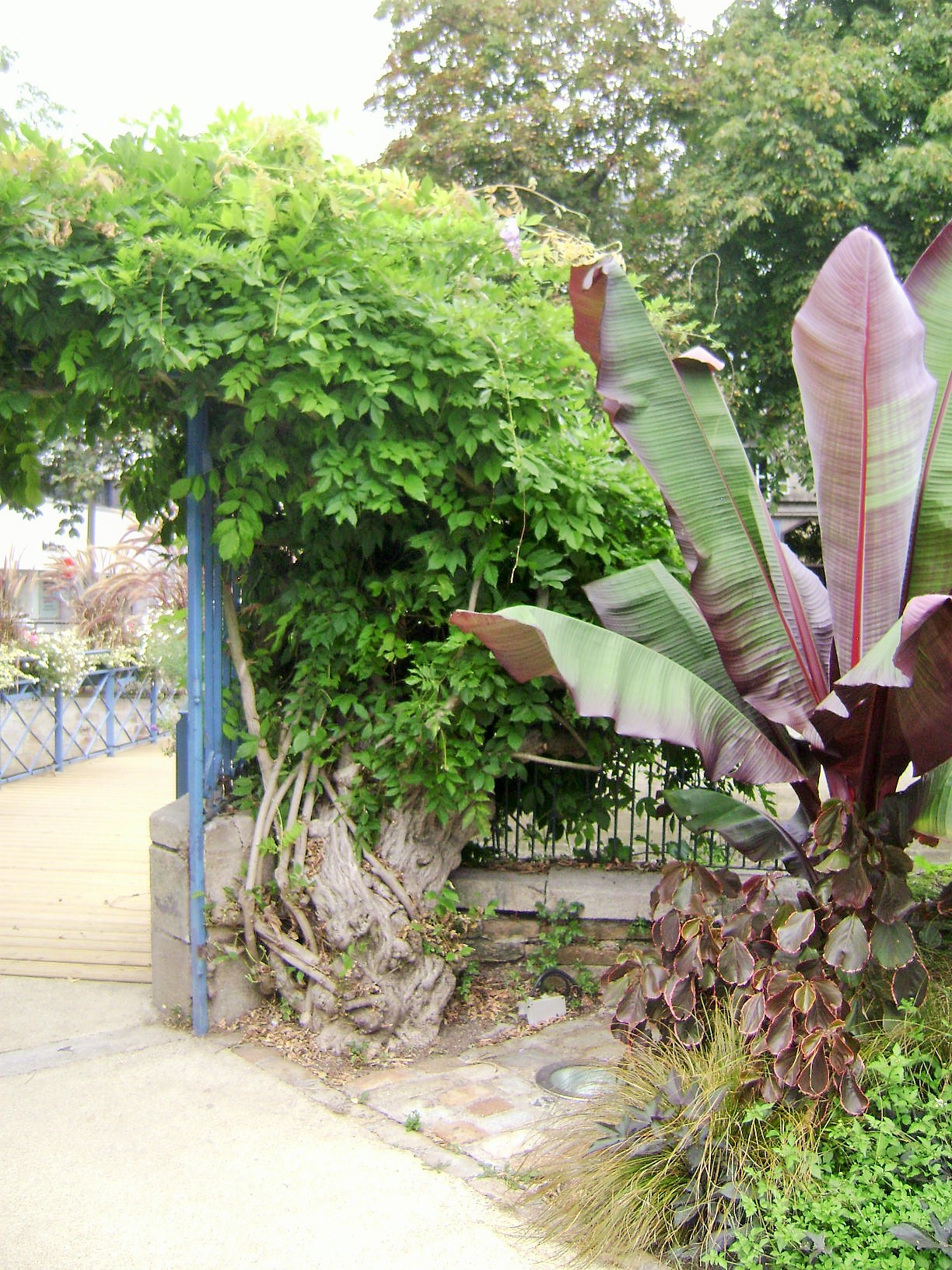
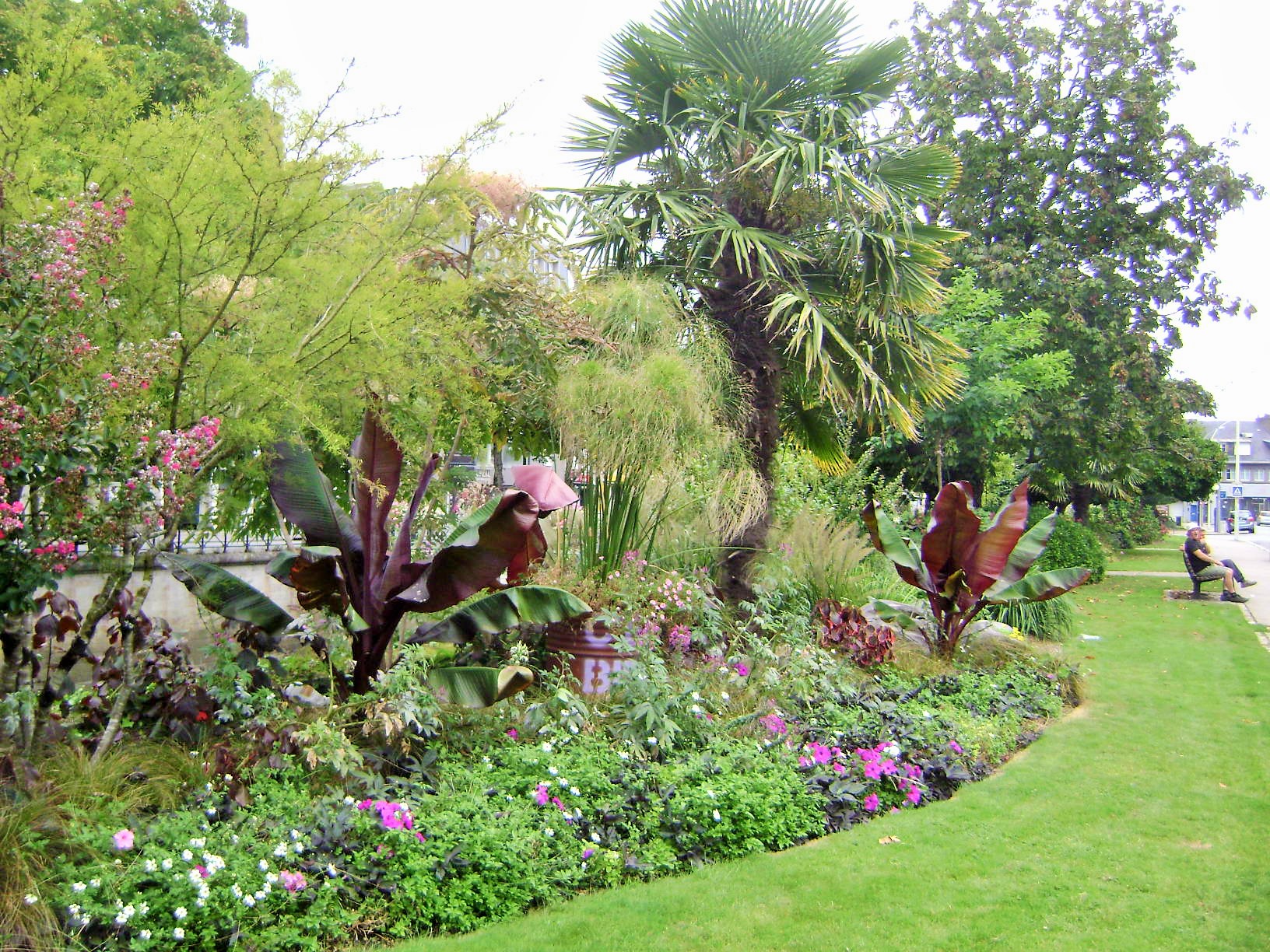
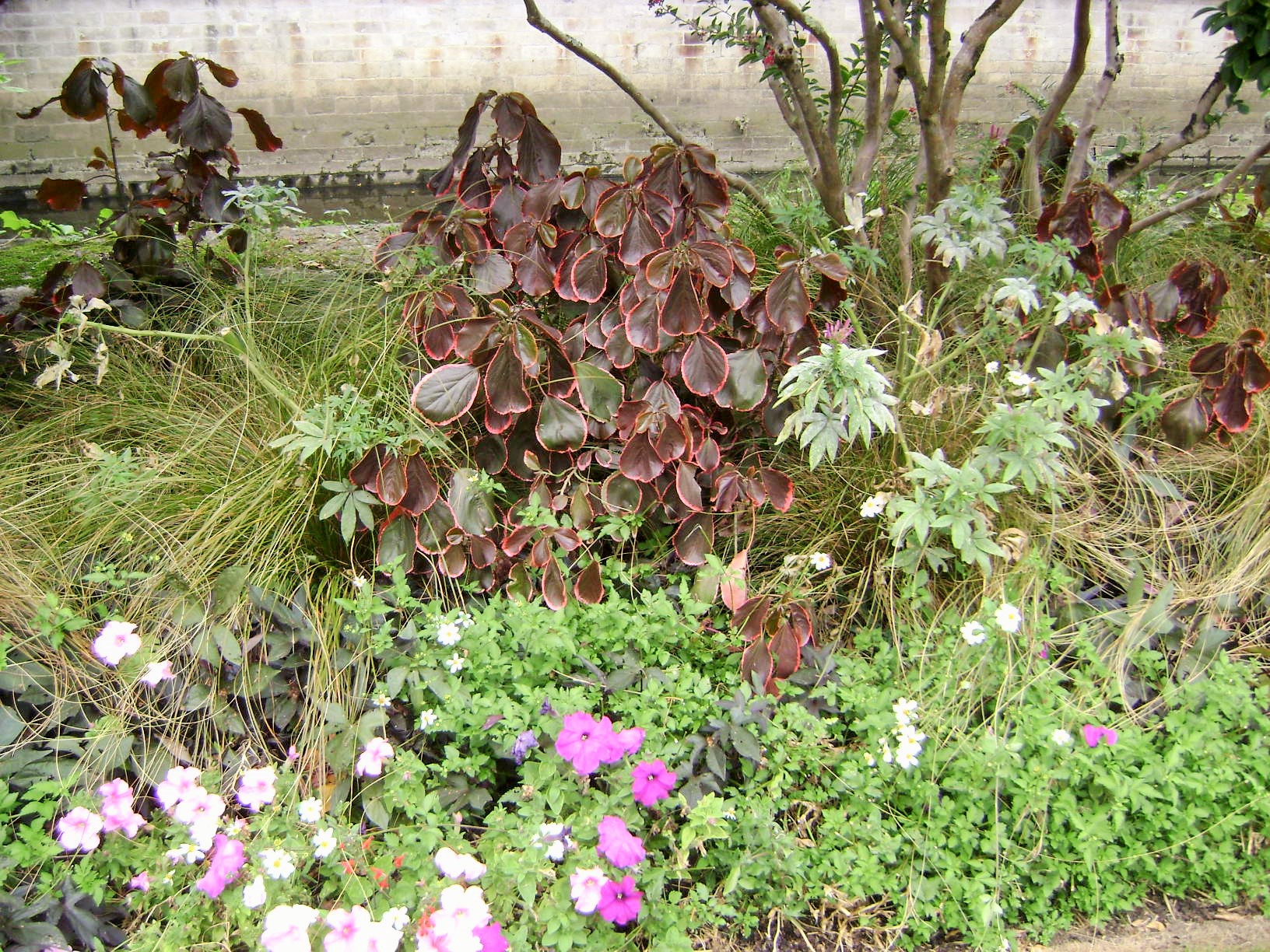
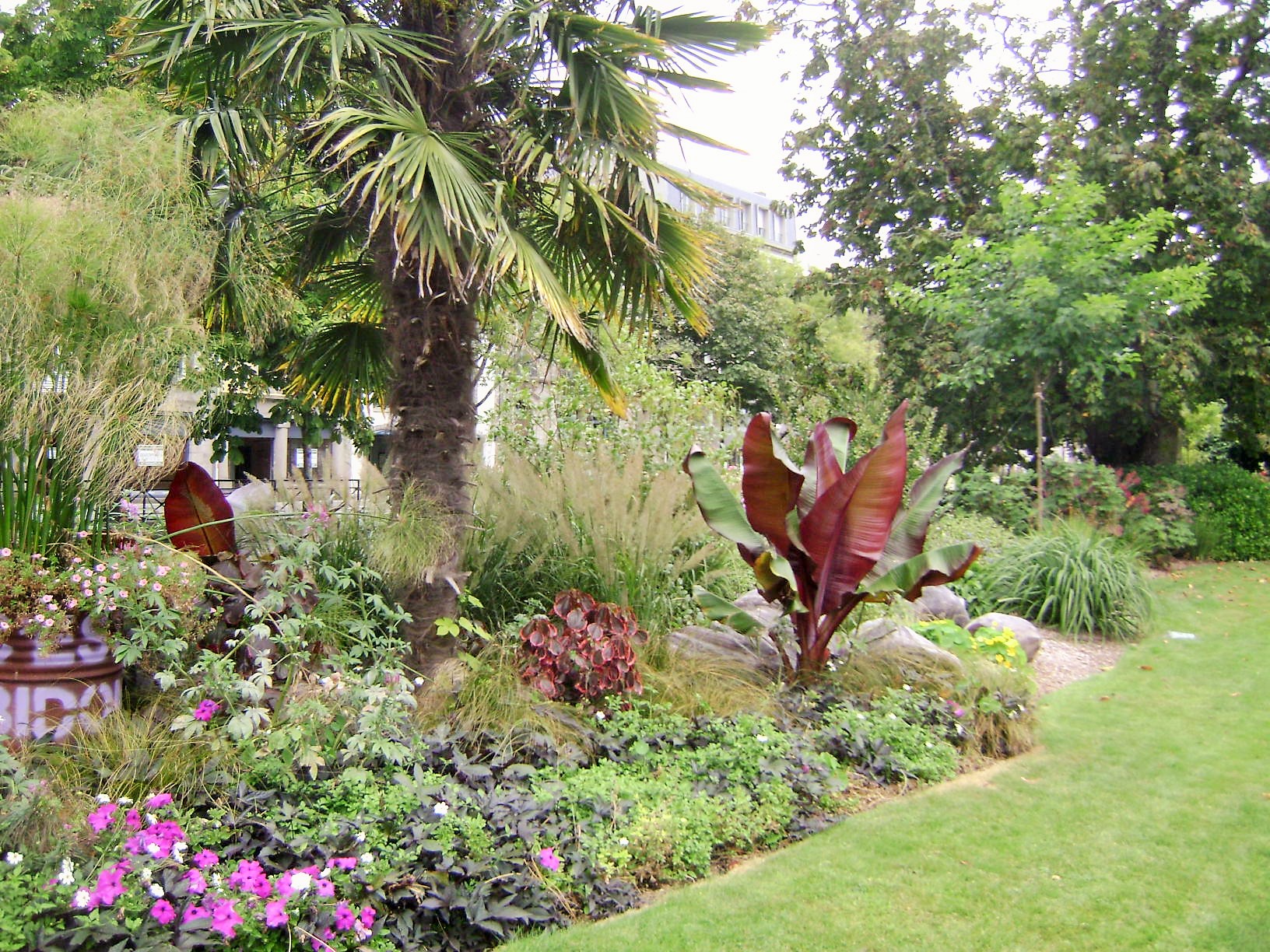
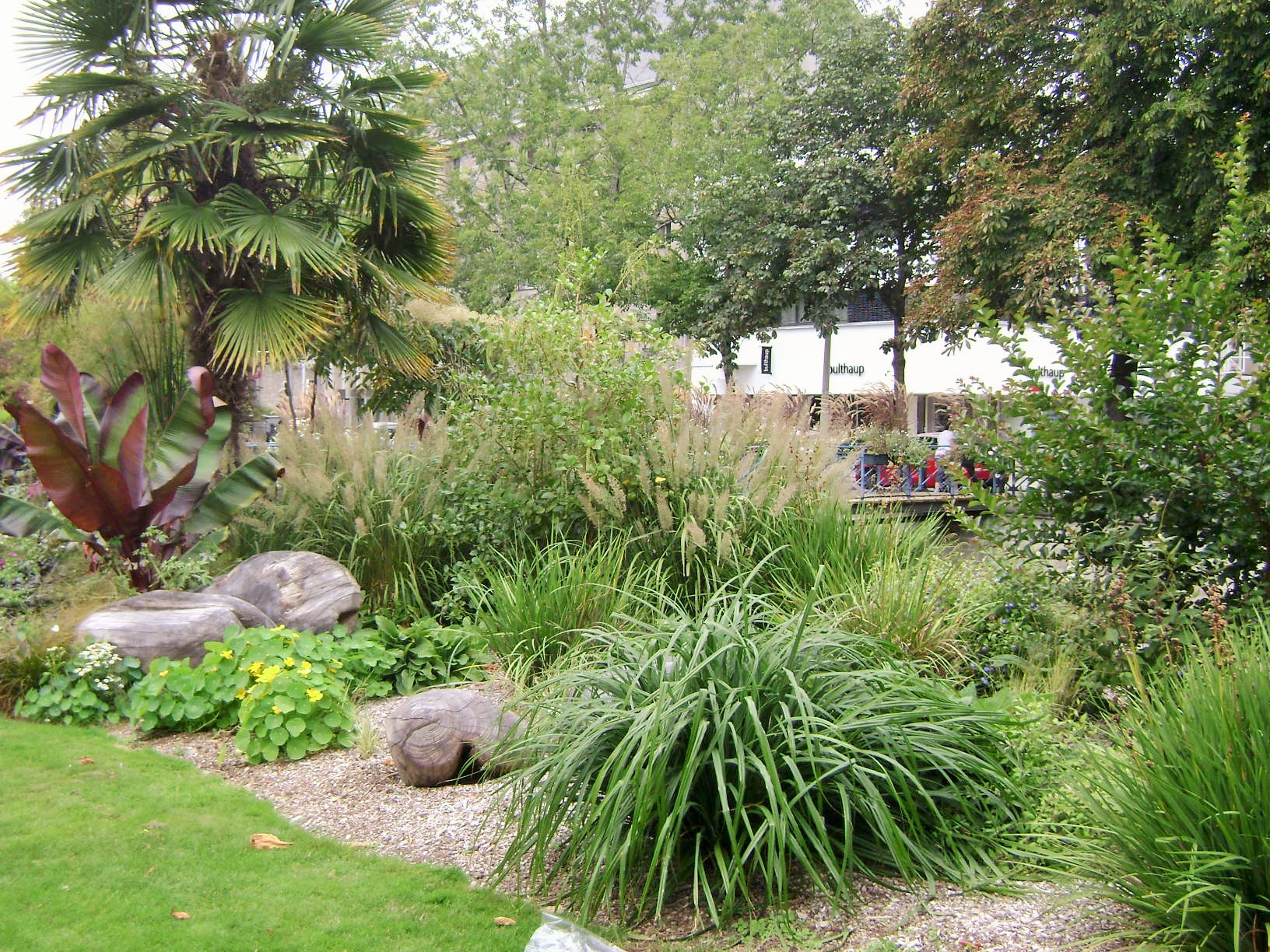
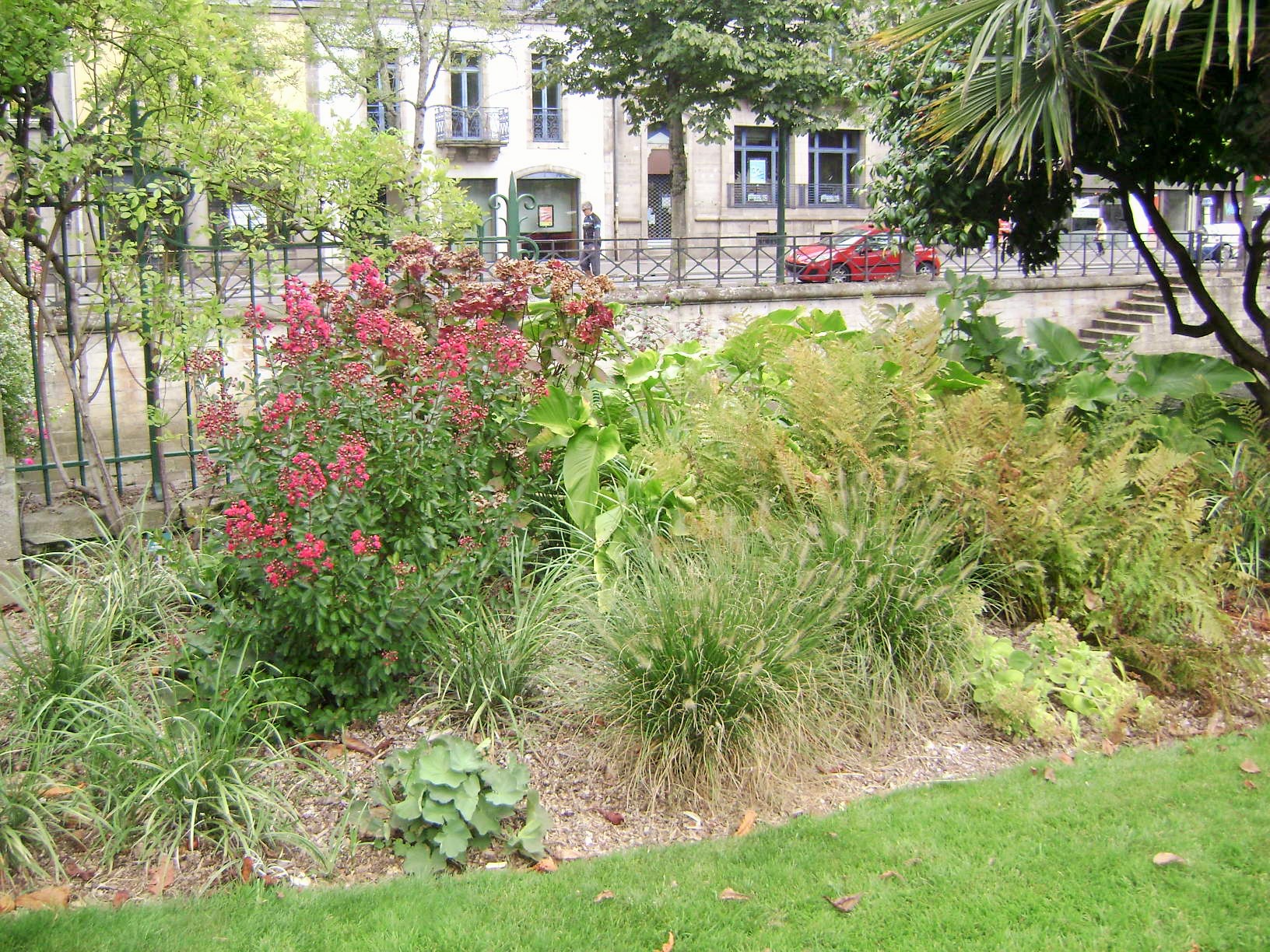
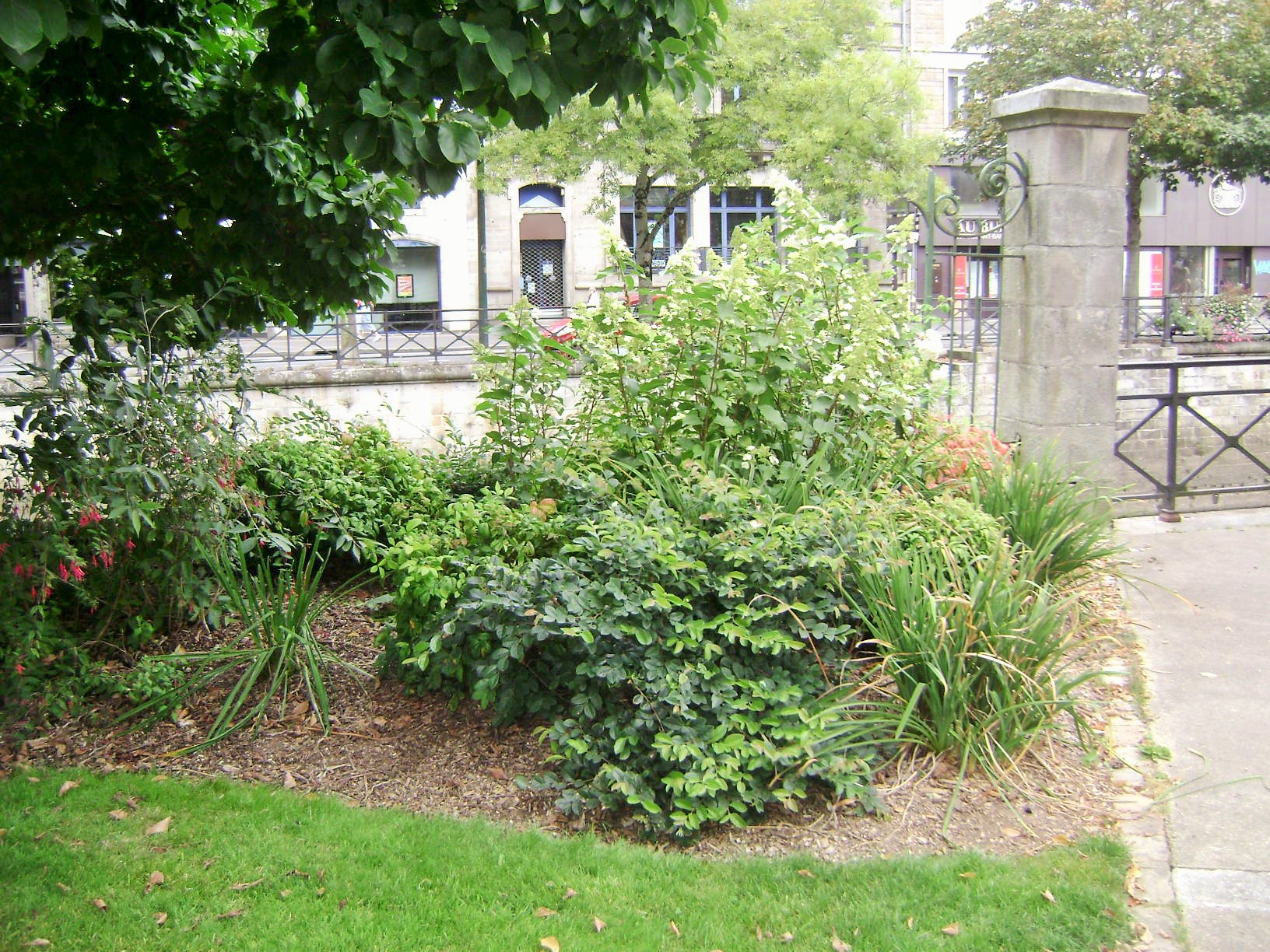
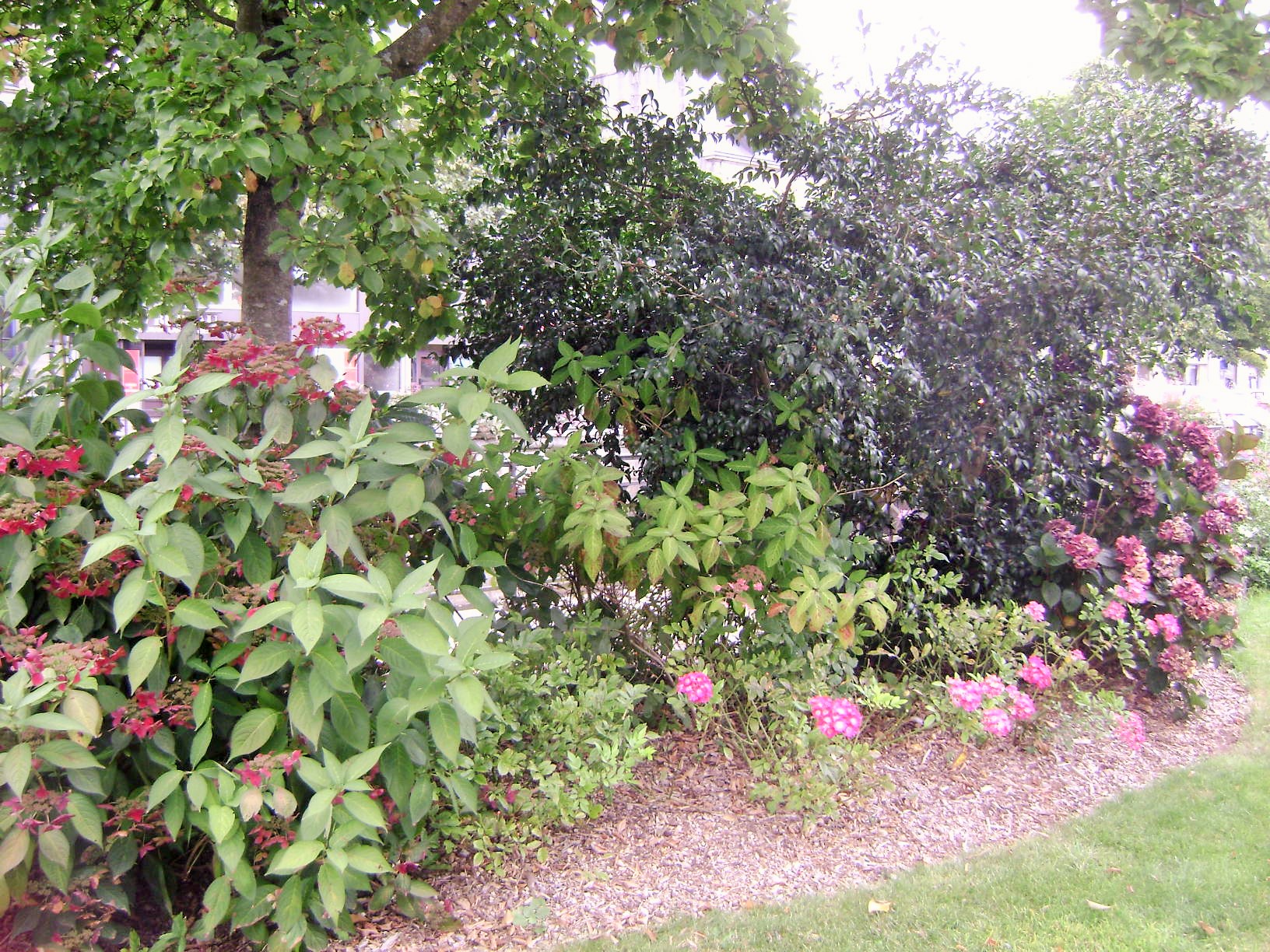
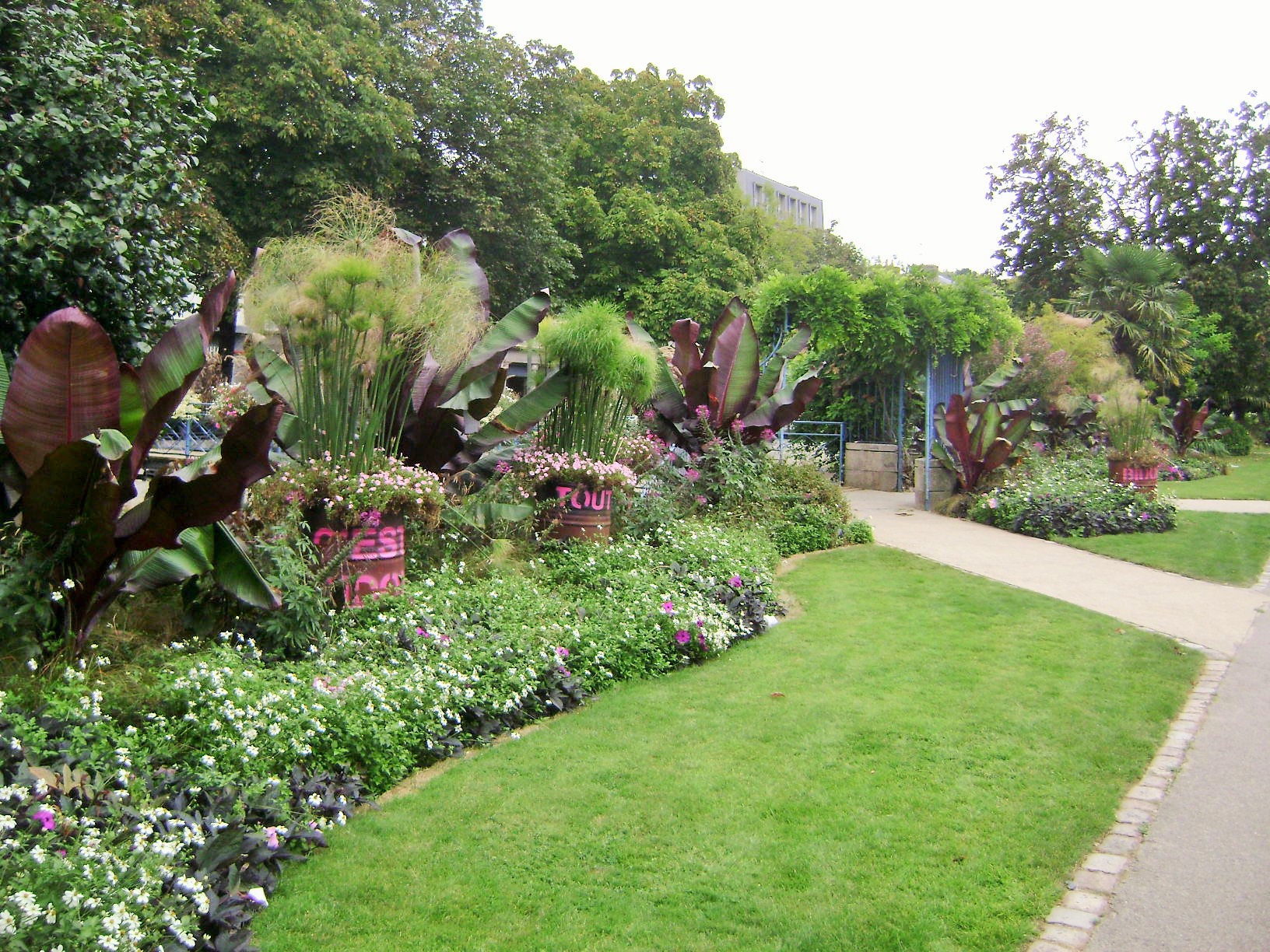
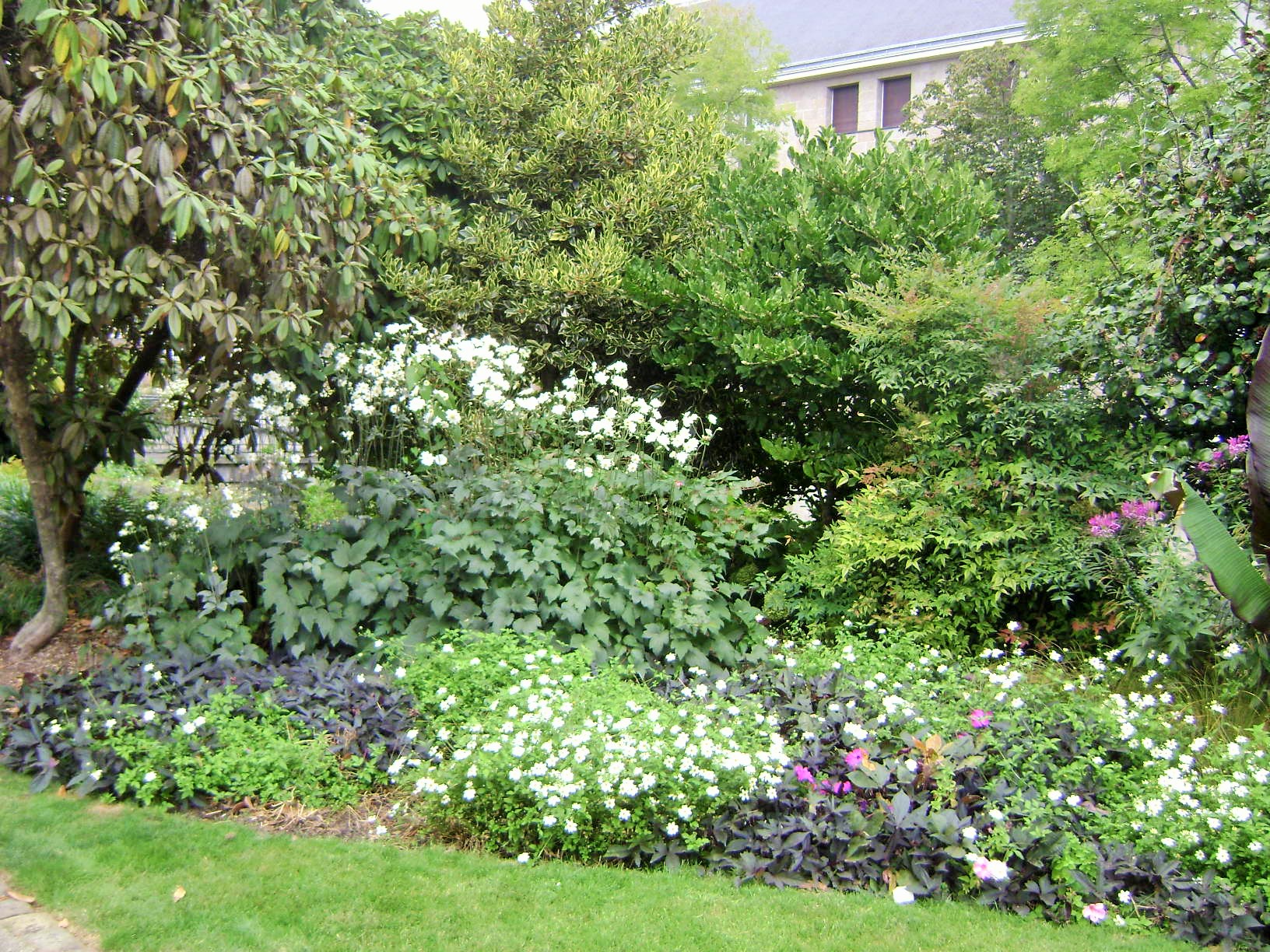
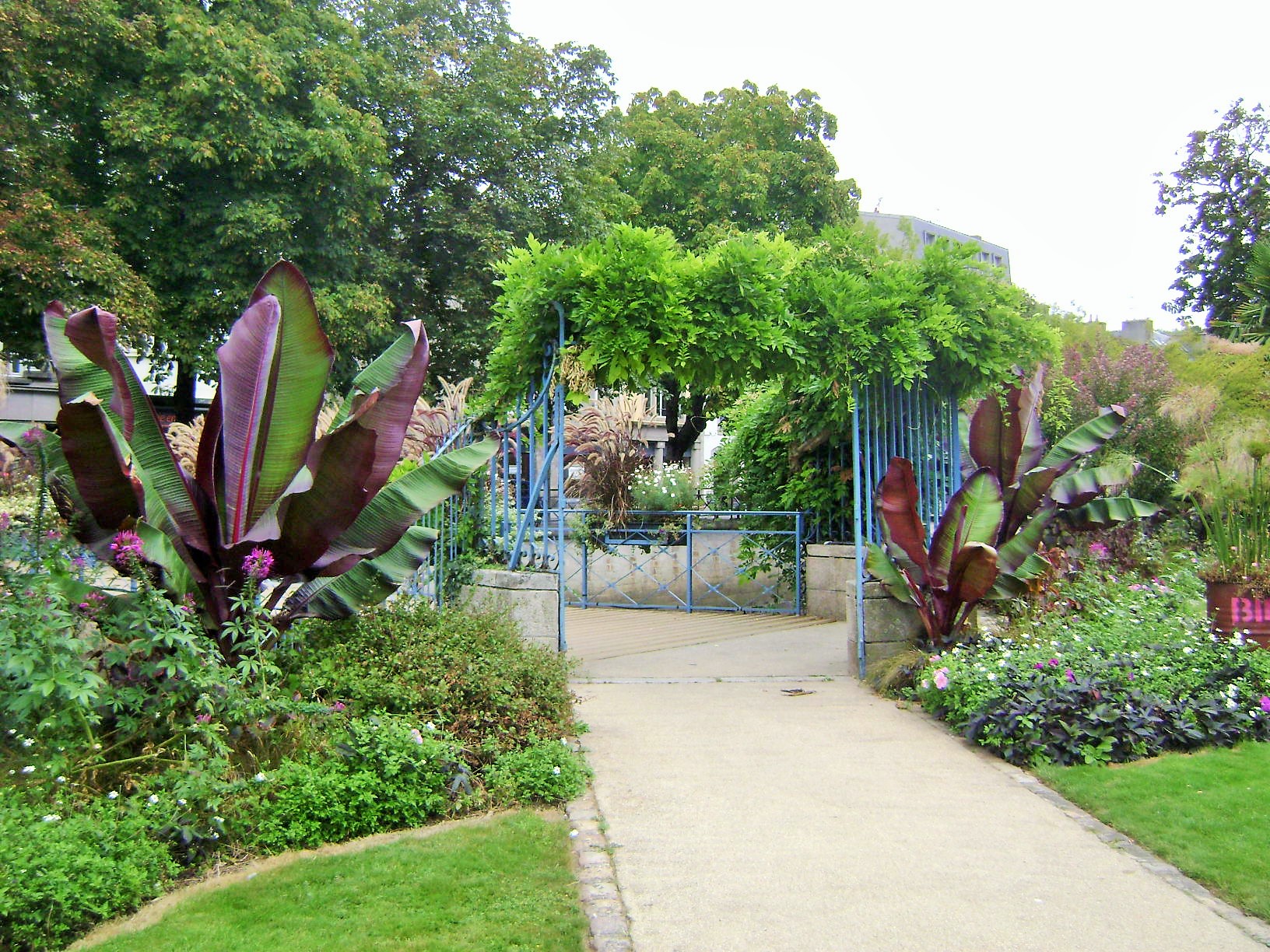
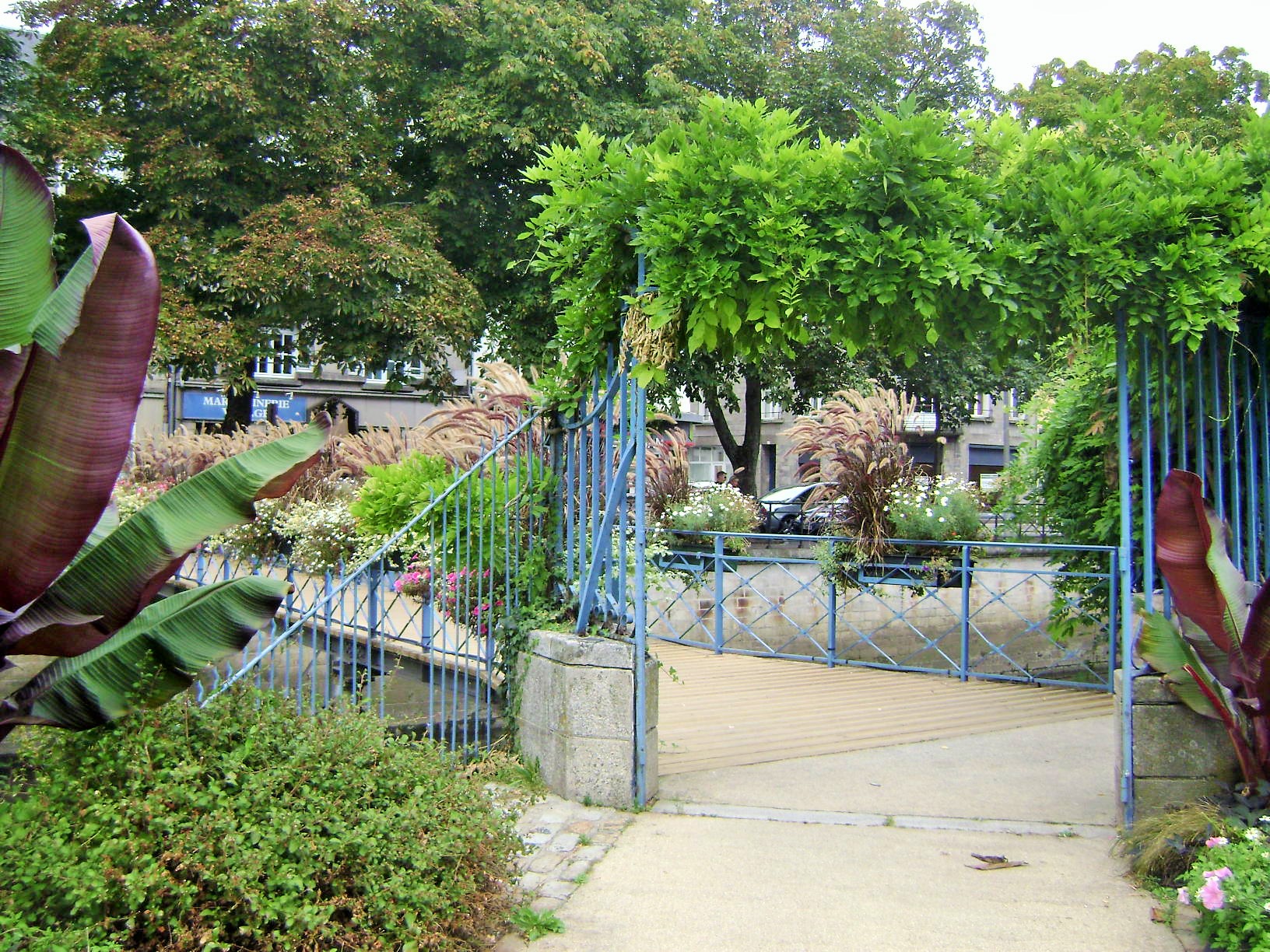
In the heart of old Quimper, near the cathedral and along other historic buildings on the waterfront, this lovely park provides a pleasant promenade by the river. It is lined with a colorful mix of banana trees, grasses, perennials and shrubs, as well as very old wisteria growing over arbors.

The lushness of the perennial borders and the choice of foliage give it an almost tropical feel, while the upcycled barrels used as planters give it a more modern edge.

DSC00918 DSC00919 DSC00920 DSC00921 DSC00922 DSC00923 DSC00925 DSC00926 DSC00929 DSC00930 DSC00931 DSC00932 DSC00935 DSC00937 DSC00938 DSC00939 DSC00940 DSC00941 DSC00910 DSC00911 DSC00912 DSC00913 DSC00914 DSC00915 DSC00916


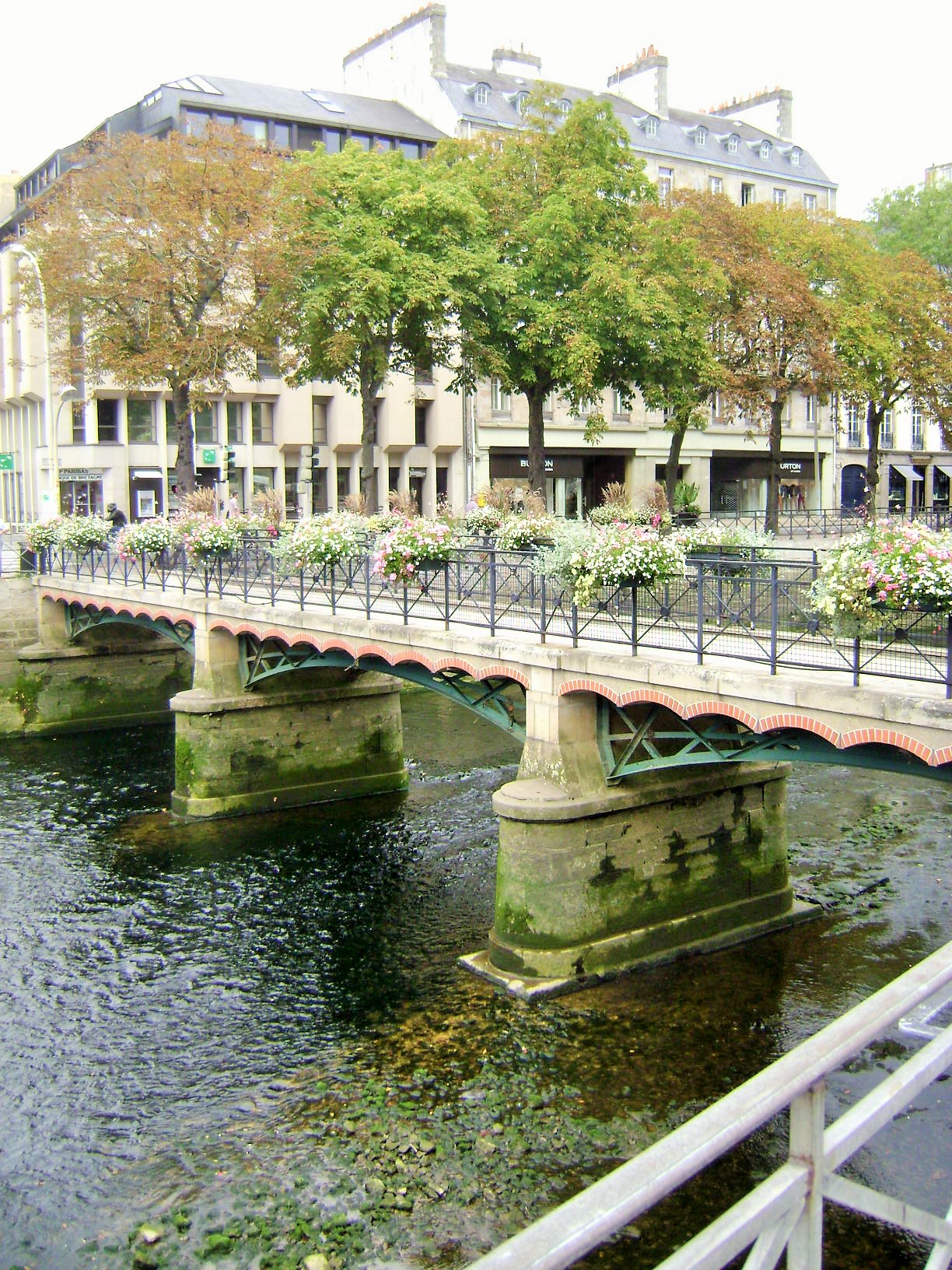
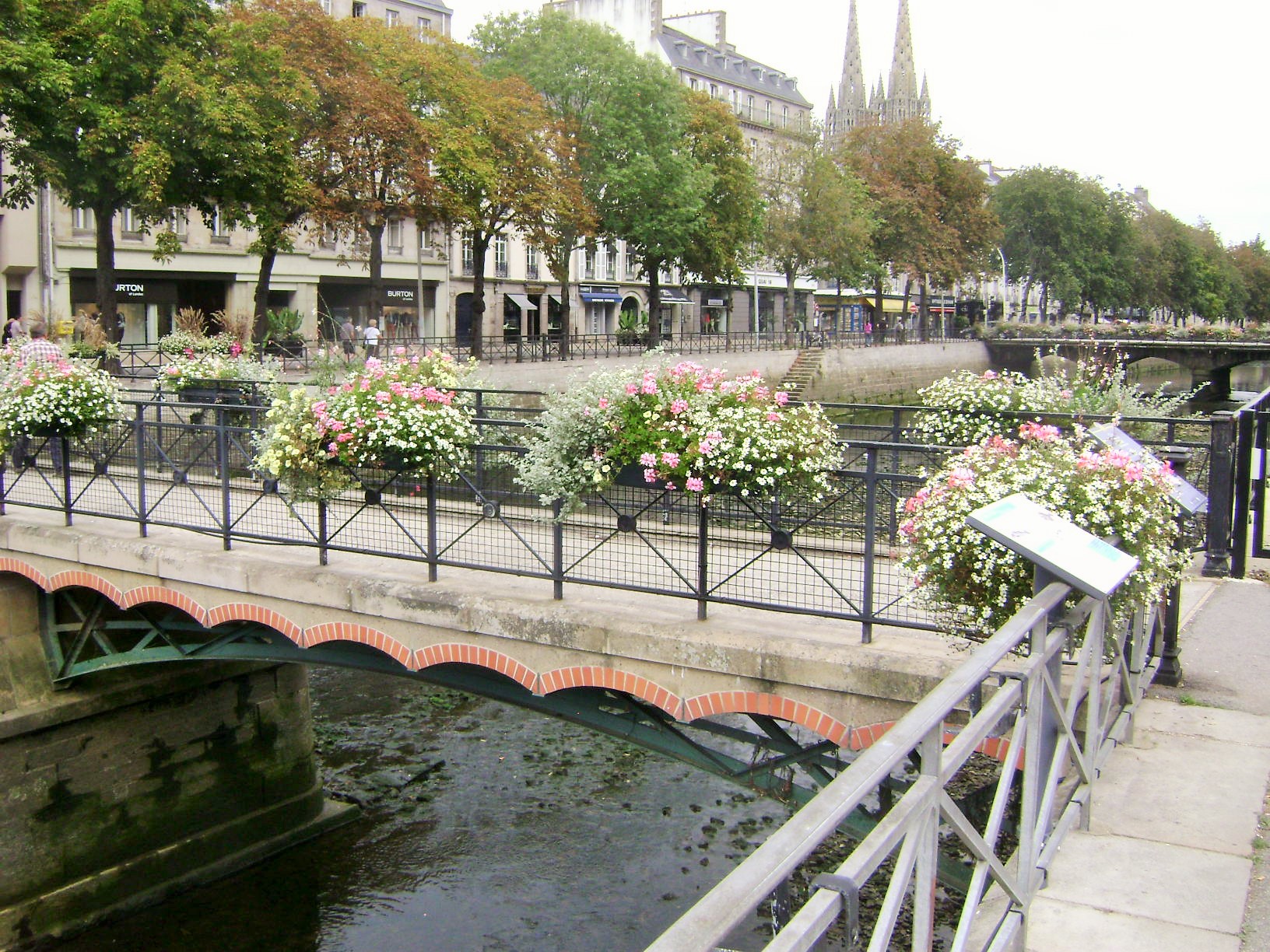
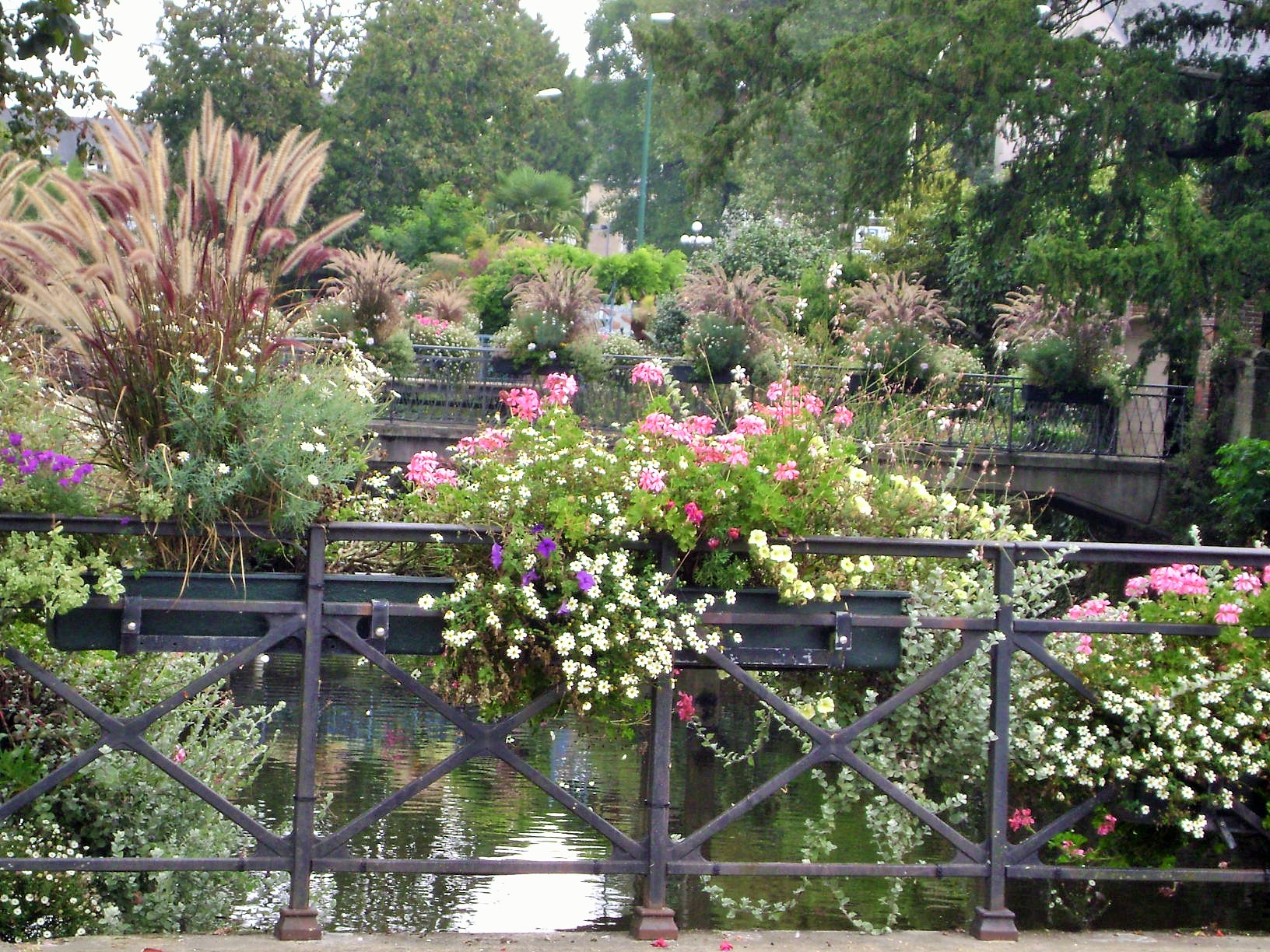
Container Gardening Ideas: Flowered Bridges of Quimper

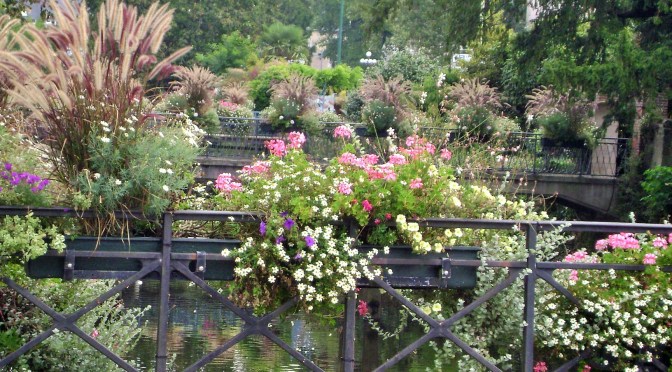
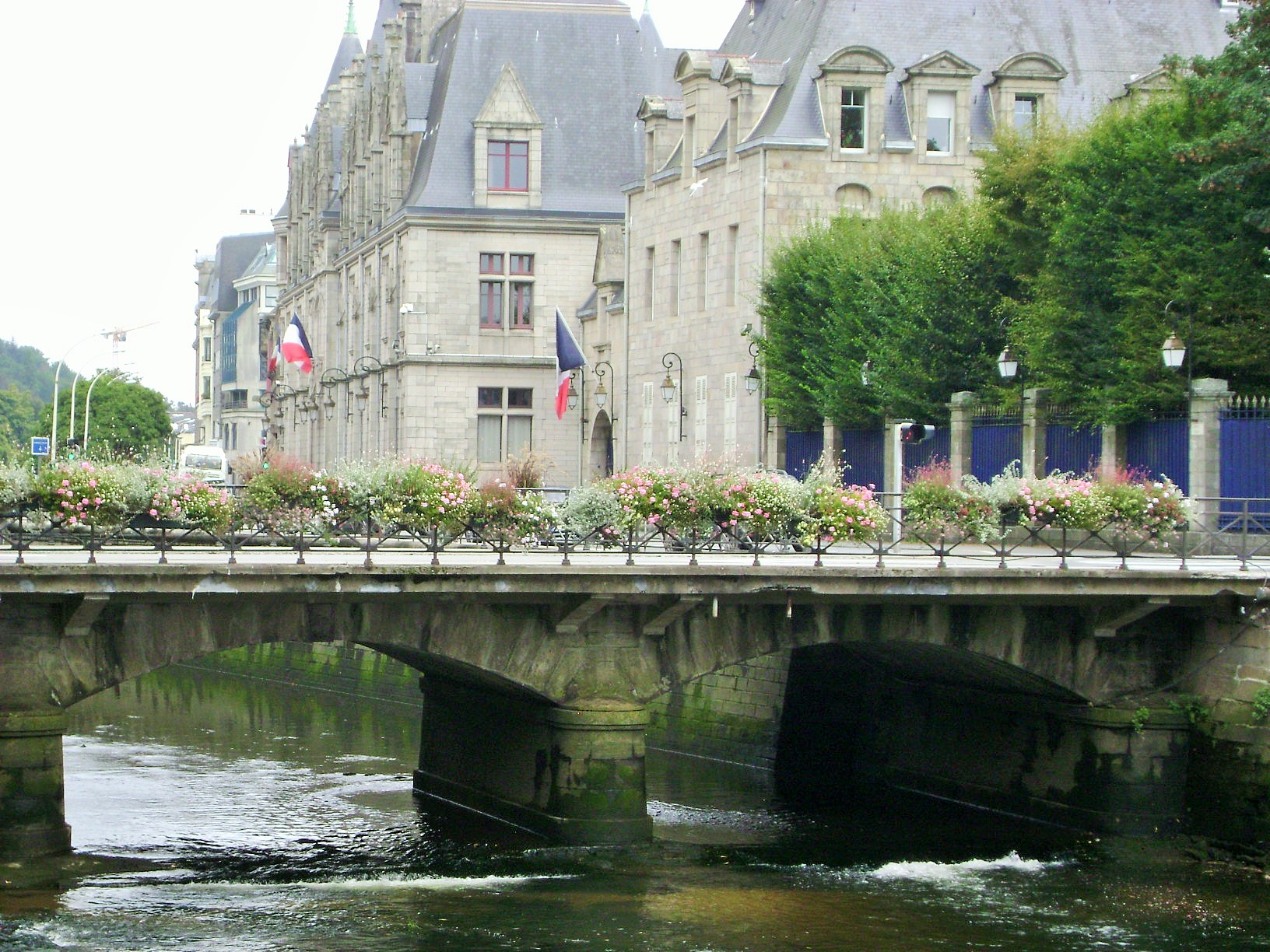
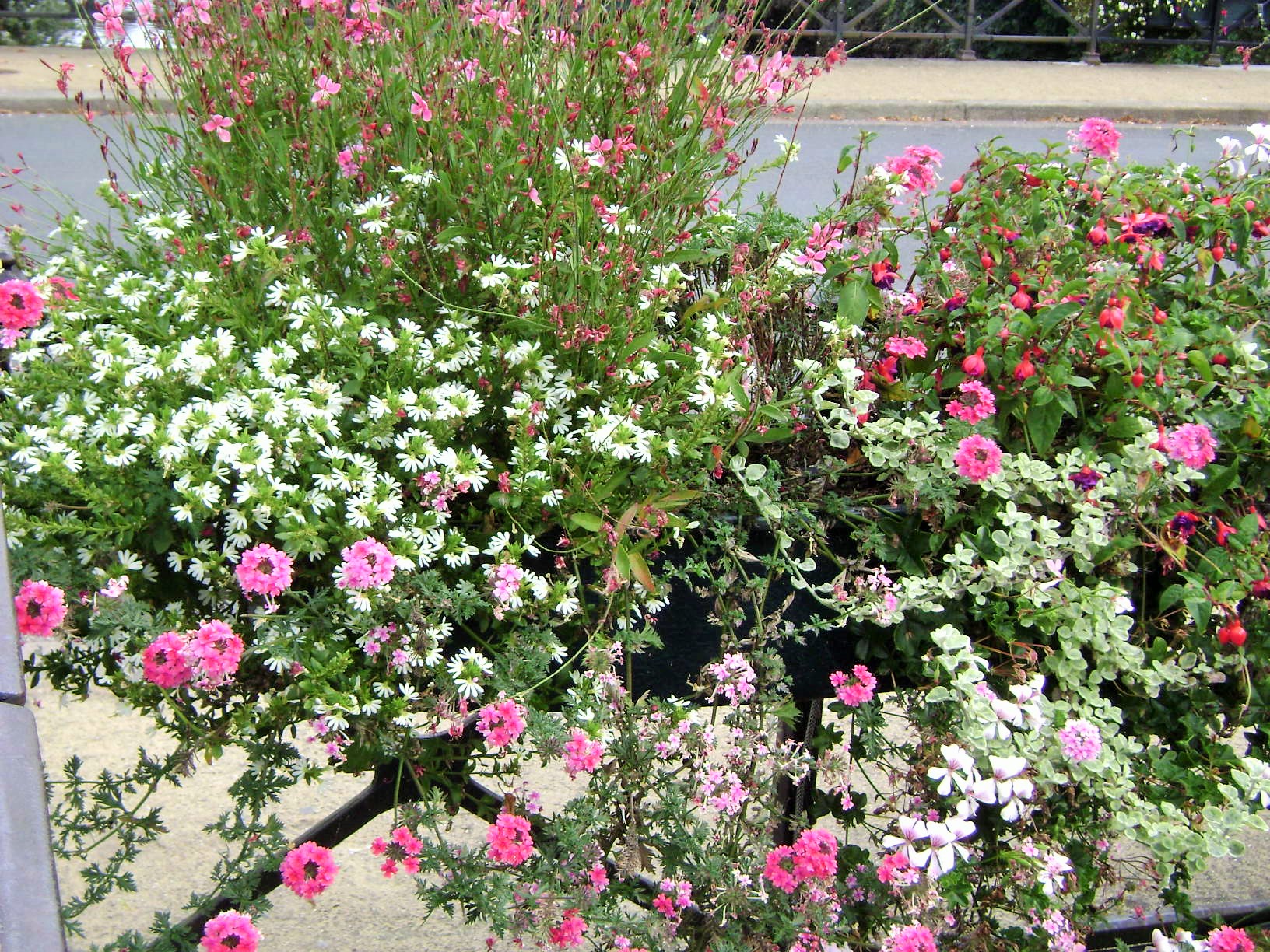
The Odet river goes right by the cathedral and through the old town in Quimper, Brittany. The bridges are absolutely covered in the lushest, most elaborate flower box arrangements throughout all  the historic neighborhoods.


DSC00767 DSC00768 DSC00770 DSC00772 DSC00773 DSC00894 DSC00895 DSC00896 DSC00898 DSC00902 DSC00903 DSC00904 DSC00905 DSC00908 DSC00909 DSC00942

The Alhambra’s Gardens in Granada: The UpperTerraces

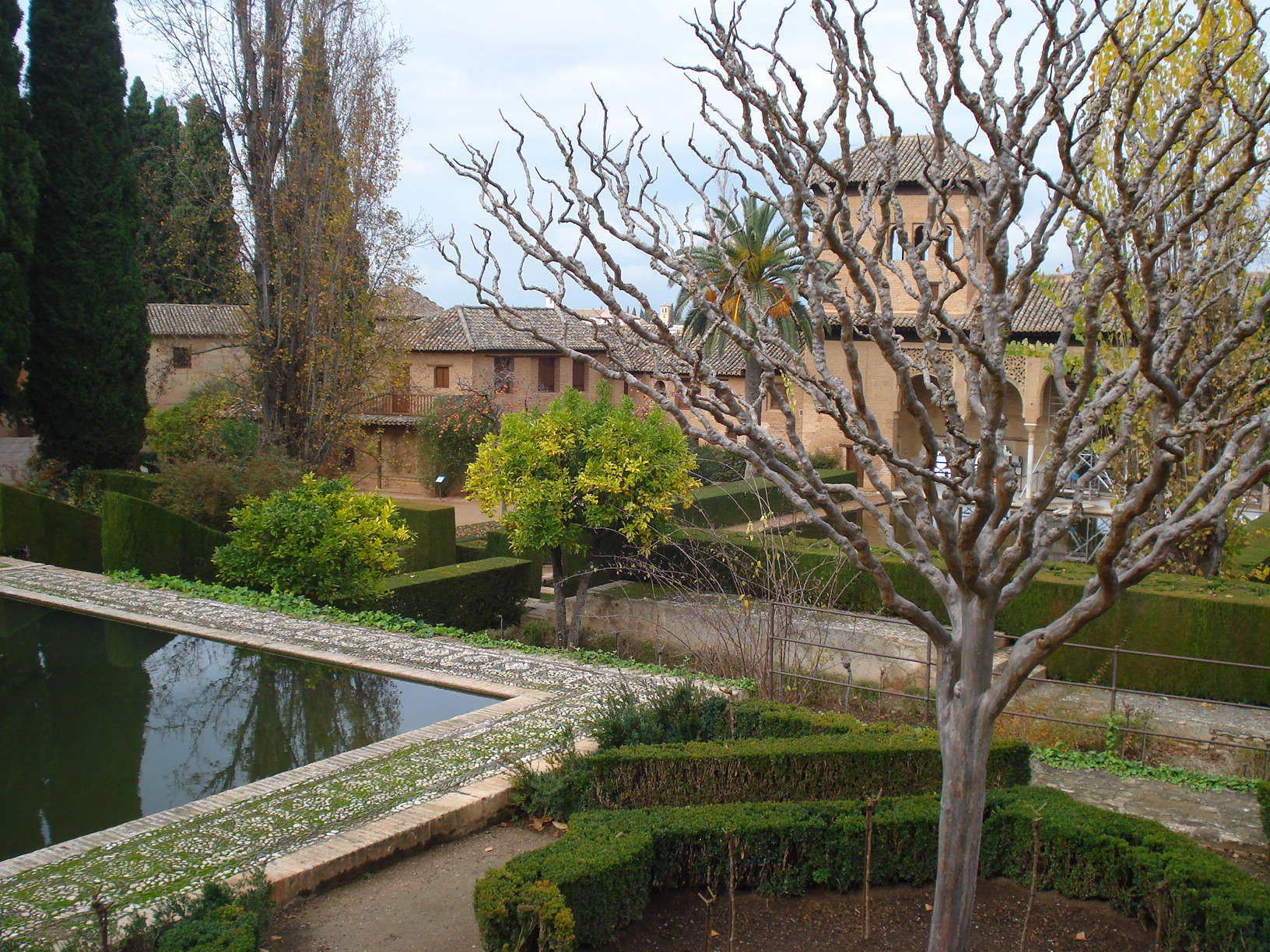
Granada, in southern Spain,  is of course most famous for the Alhambra and Generalife gardens.  The patios of the Alhambra are iconic images of Granada and the best known gardens are those of the Generalife, the vacation palace on the other side of the Alhambra complex.

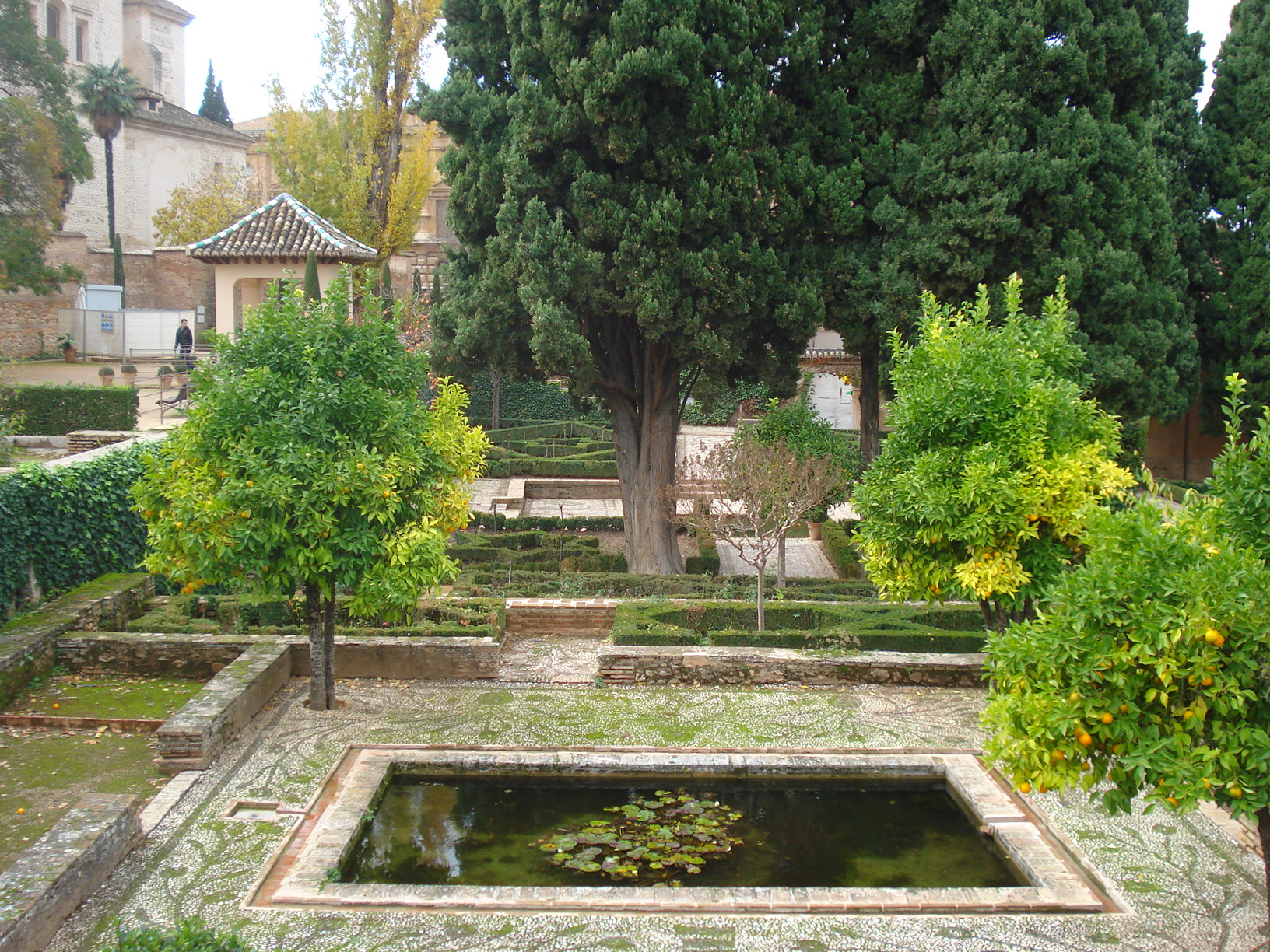
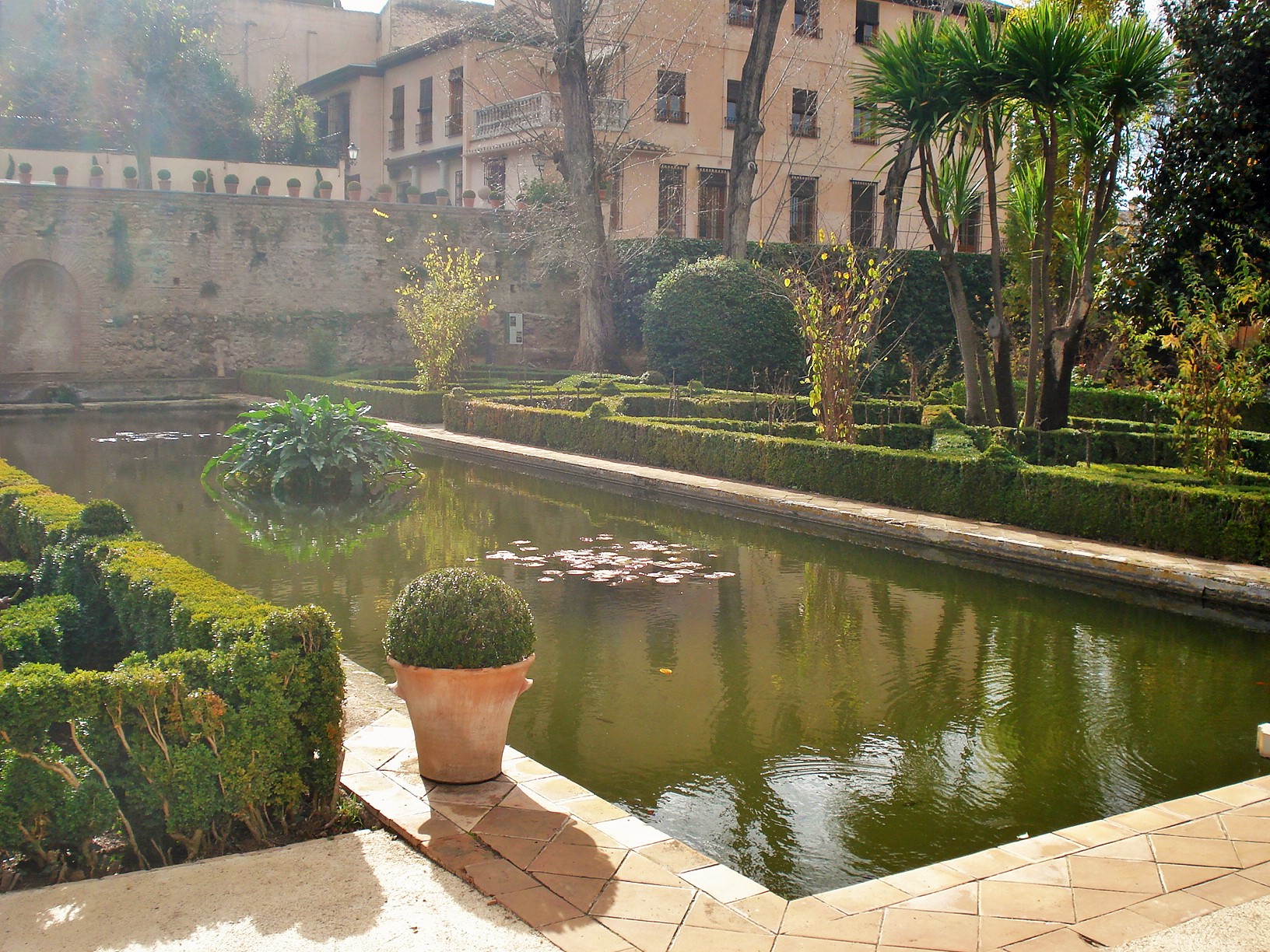
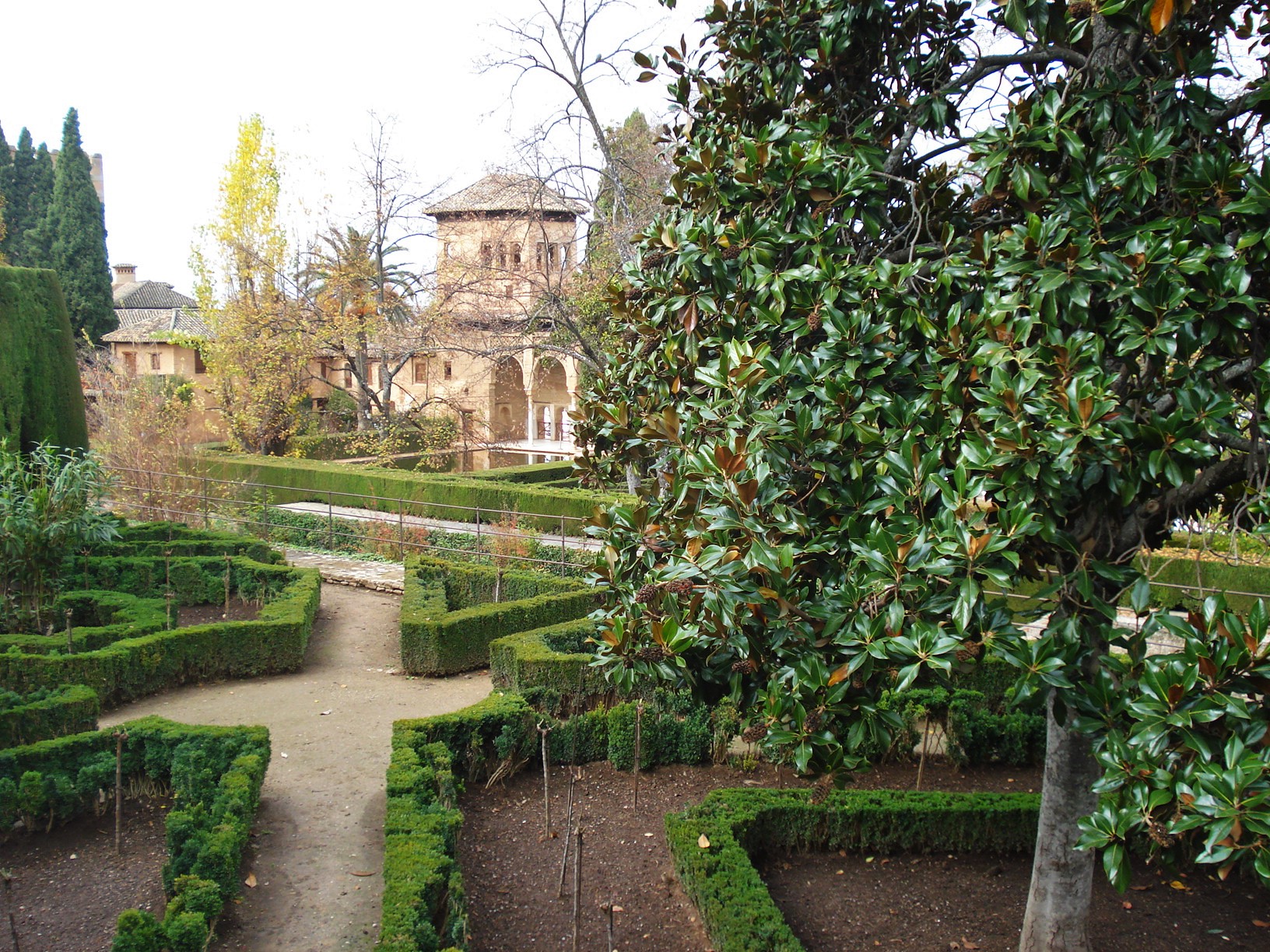
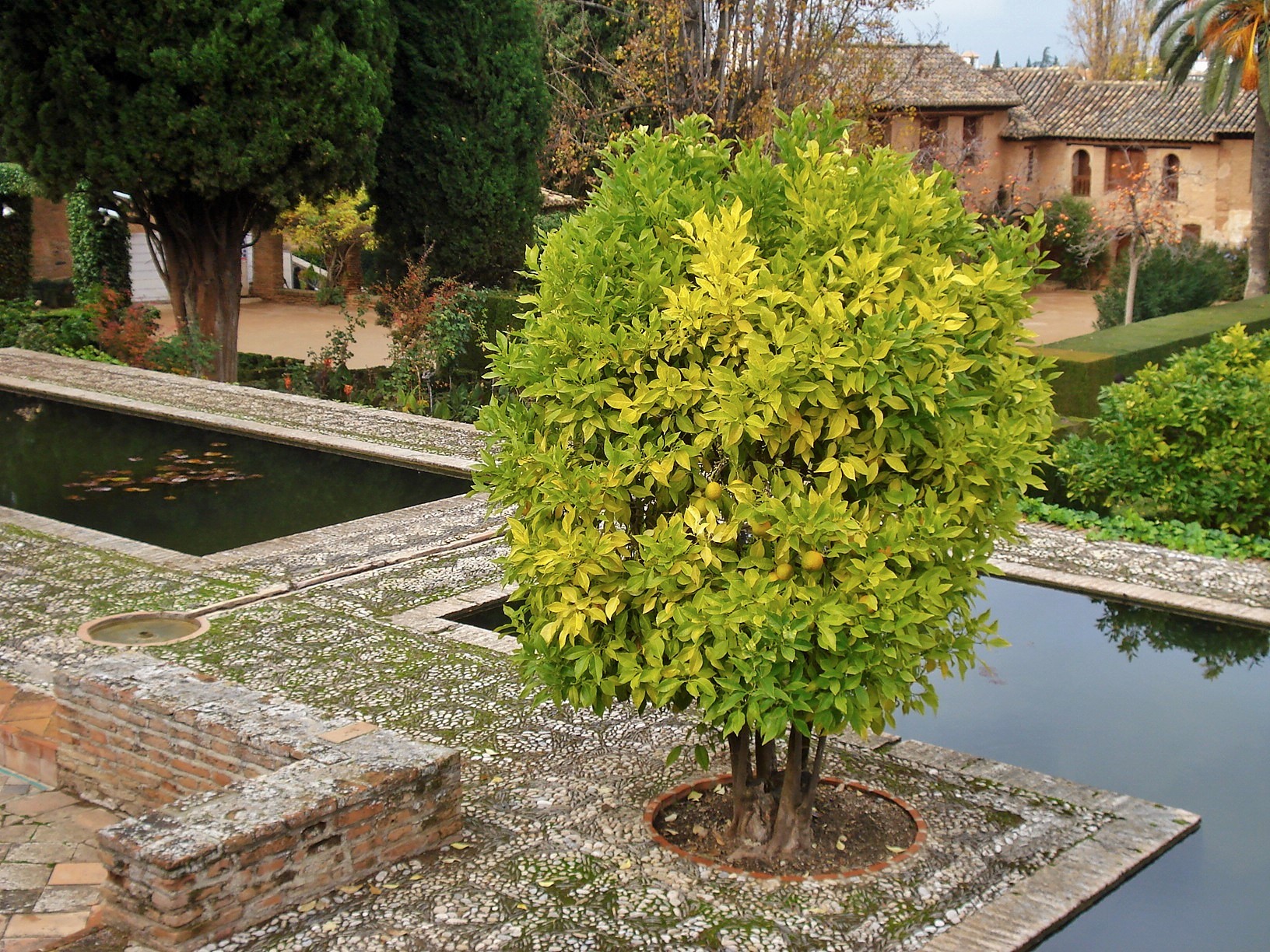
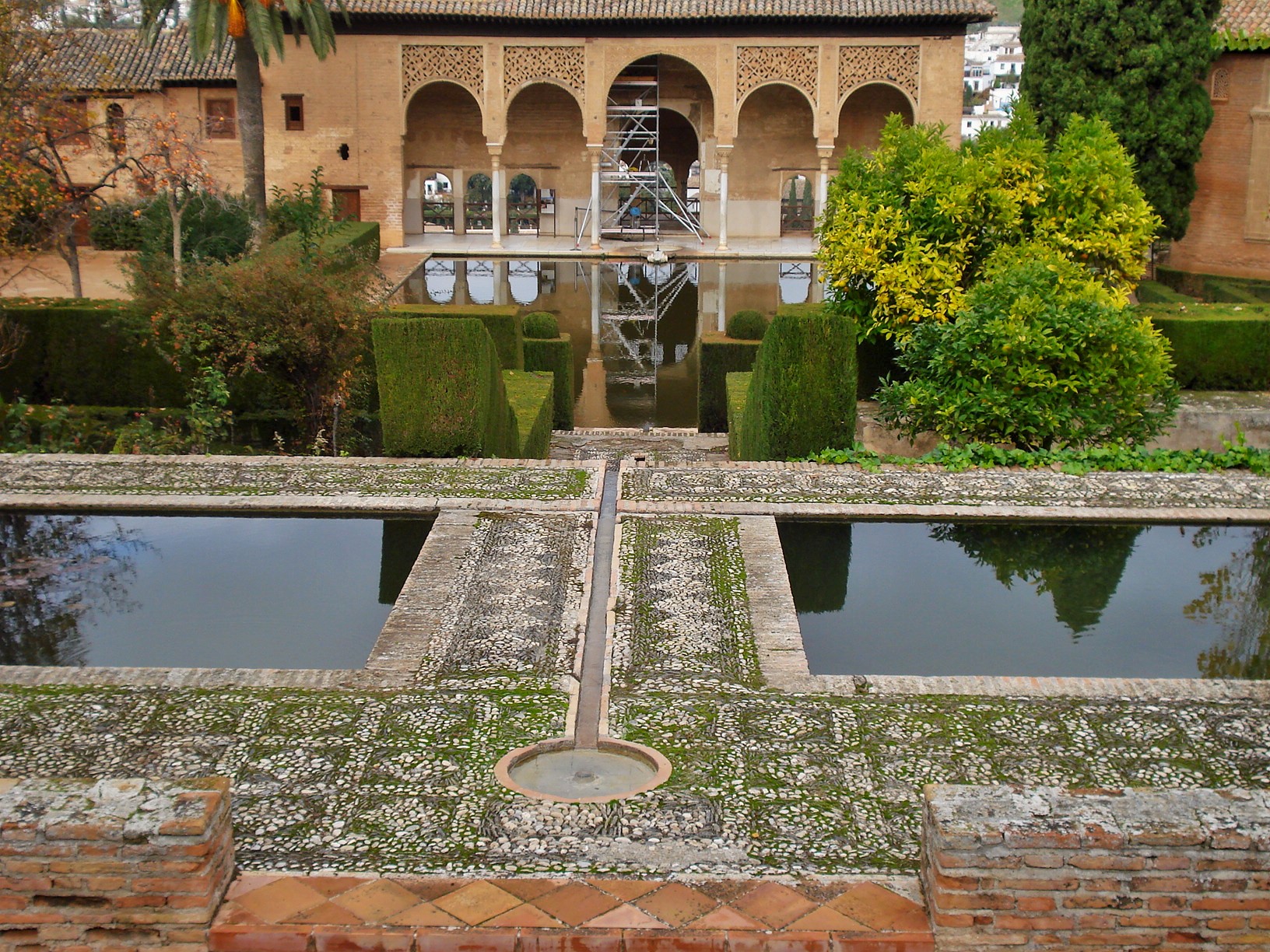
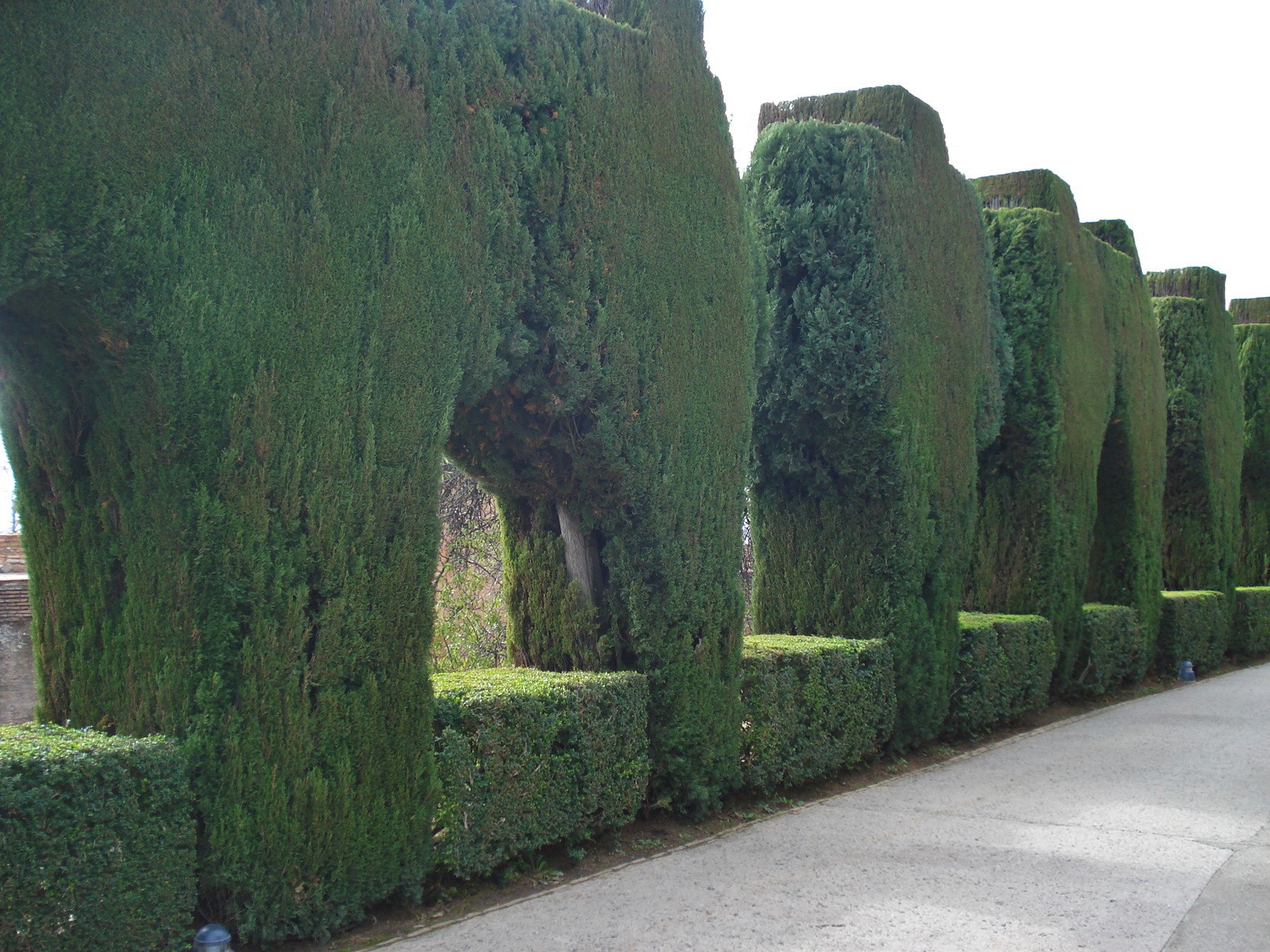
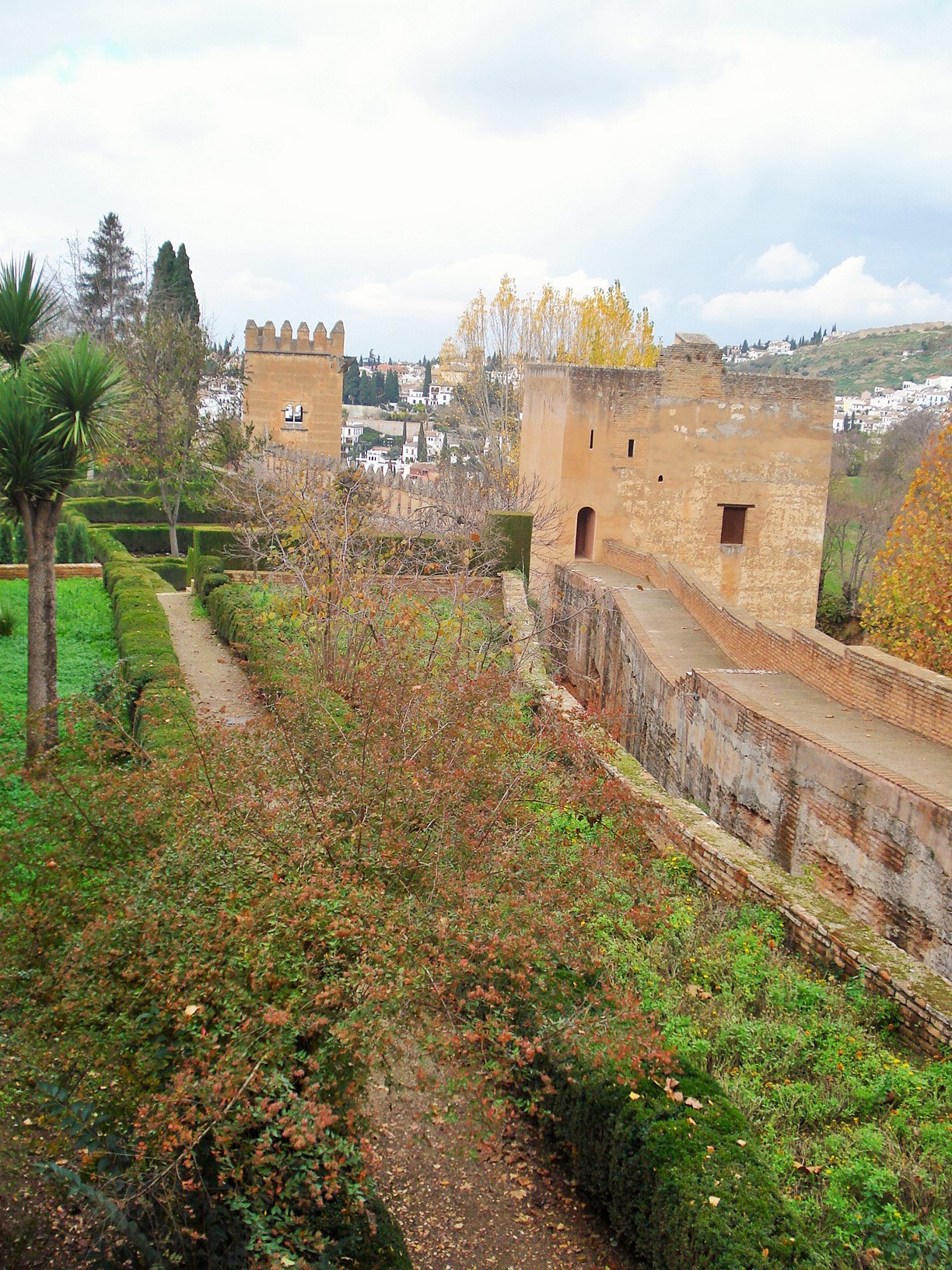
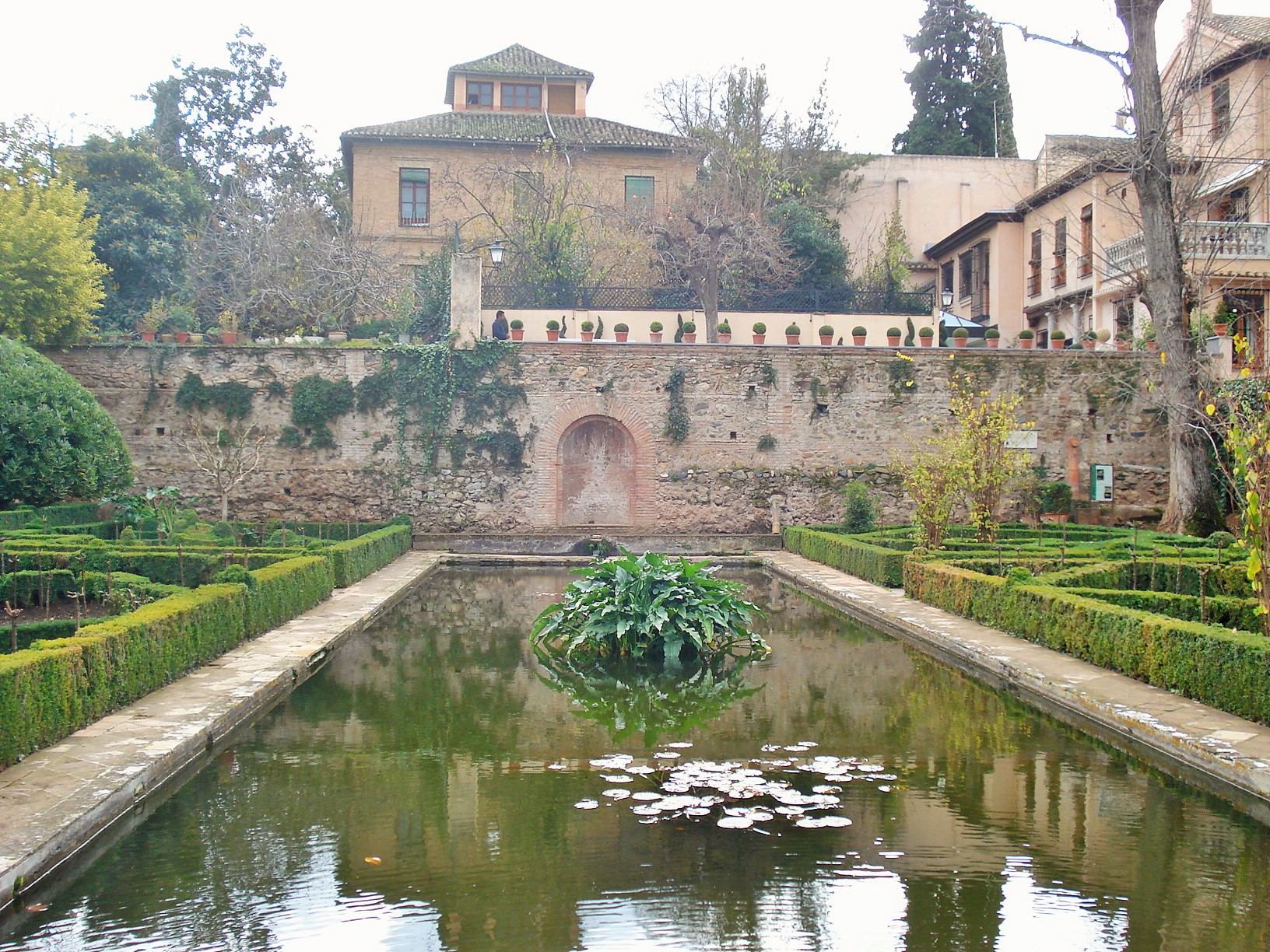
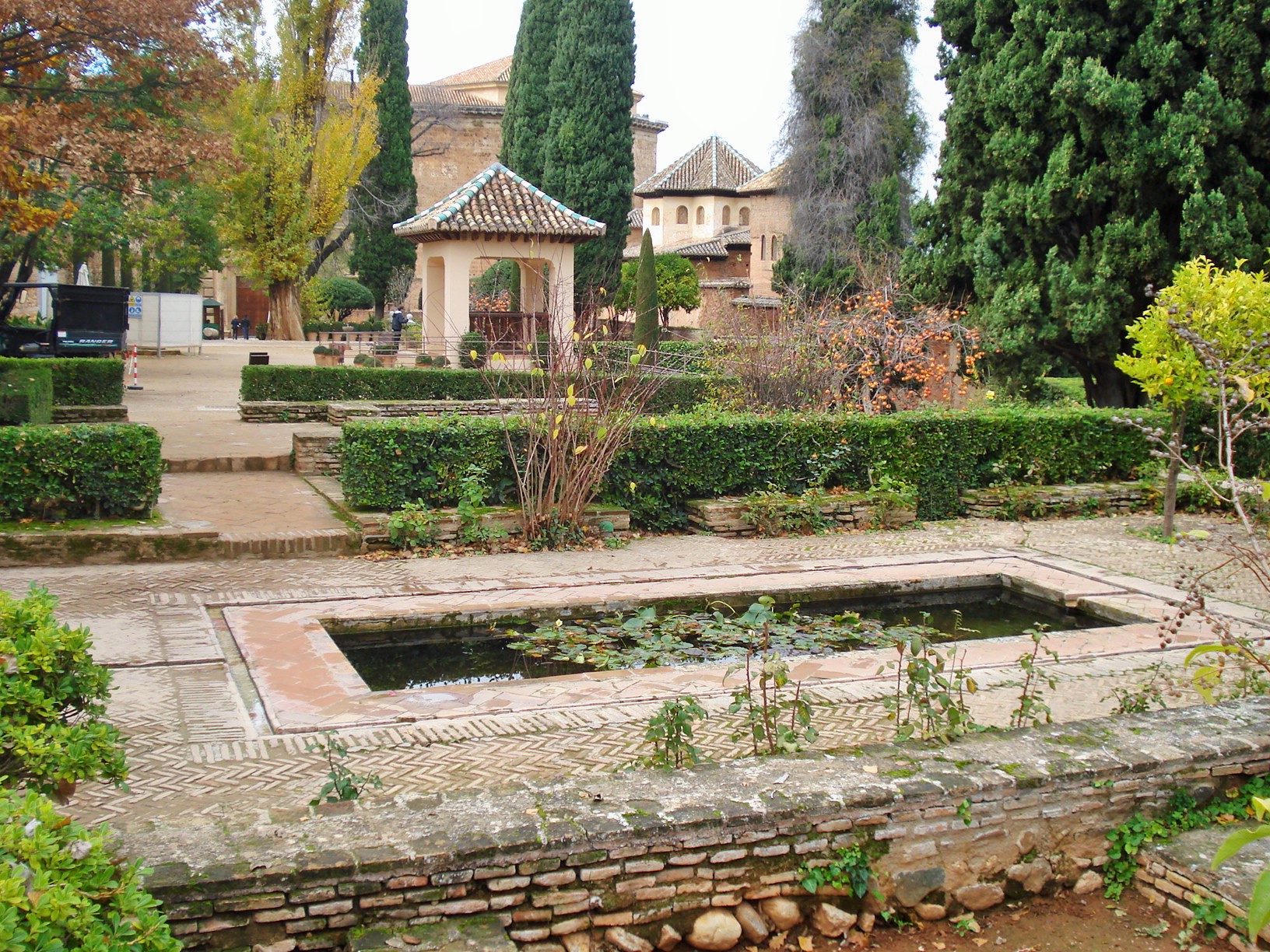
The gardens of the Alhambra proper however,  while often overlooked, deserve a visit. They are laid out as a series of terraces starting at the lower terrace with a pavilion and large reflecting pond, and then arbored stairs leading to a series of terraces landscaped in a very Mediterranean style and reminiscent of some of the gardens found in Provence or Italy. I am featuring in this post the upper terraces.

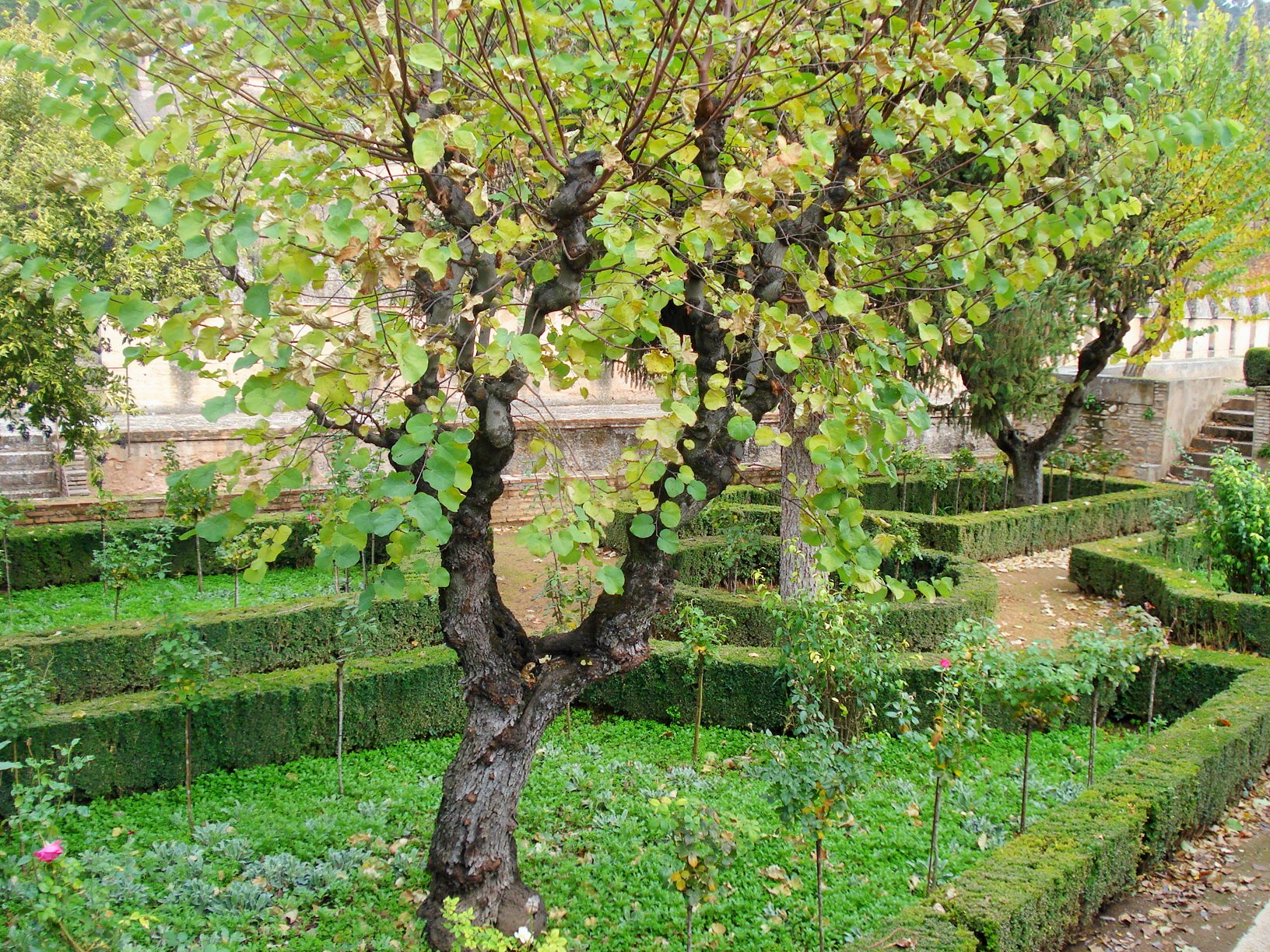
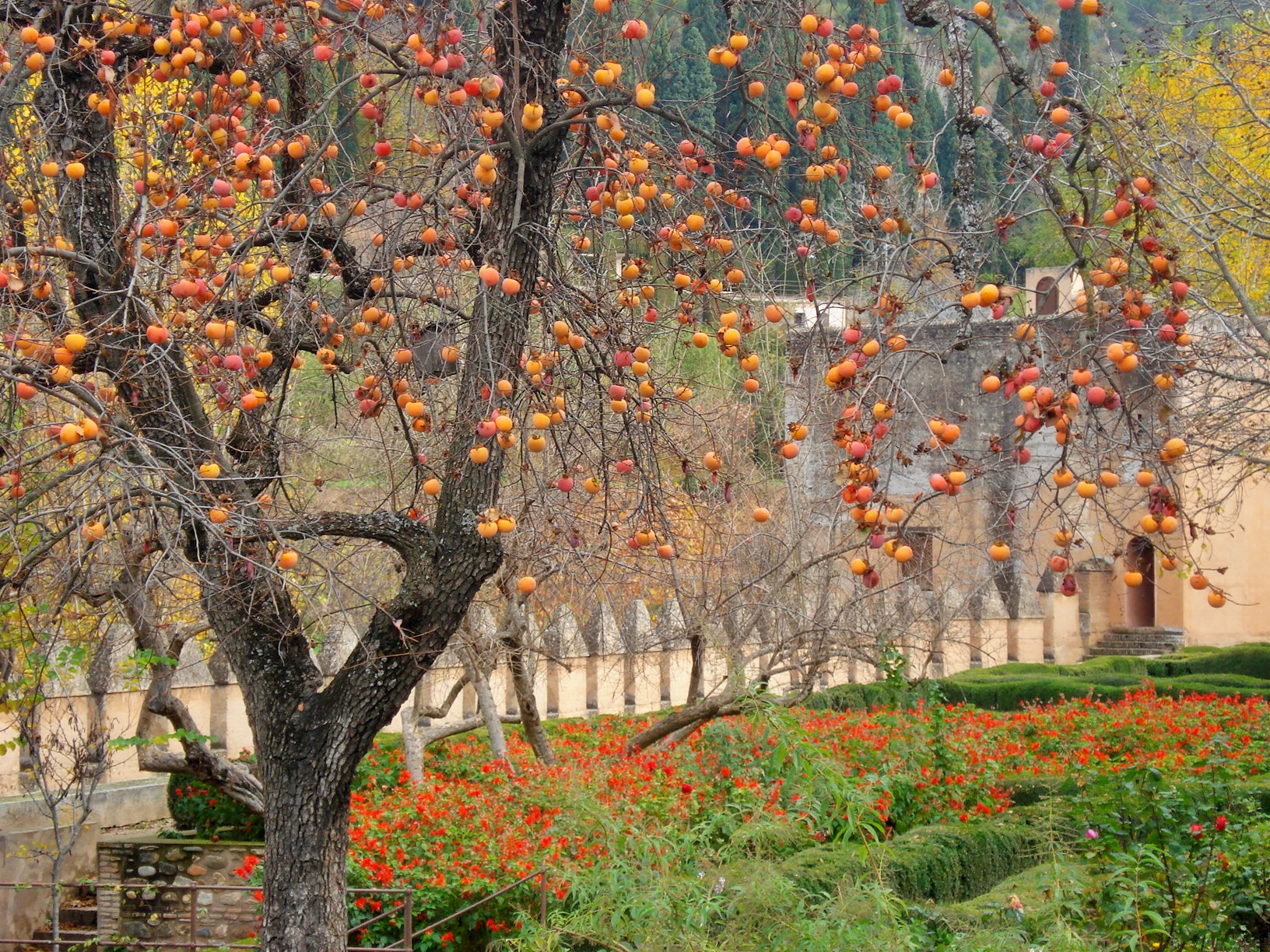
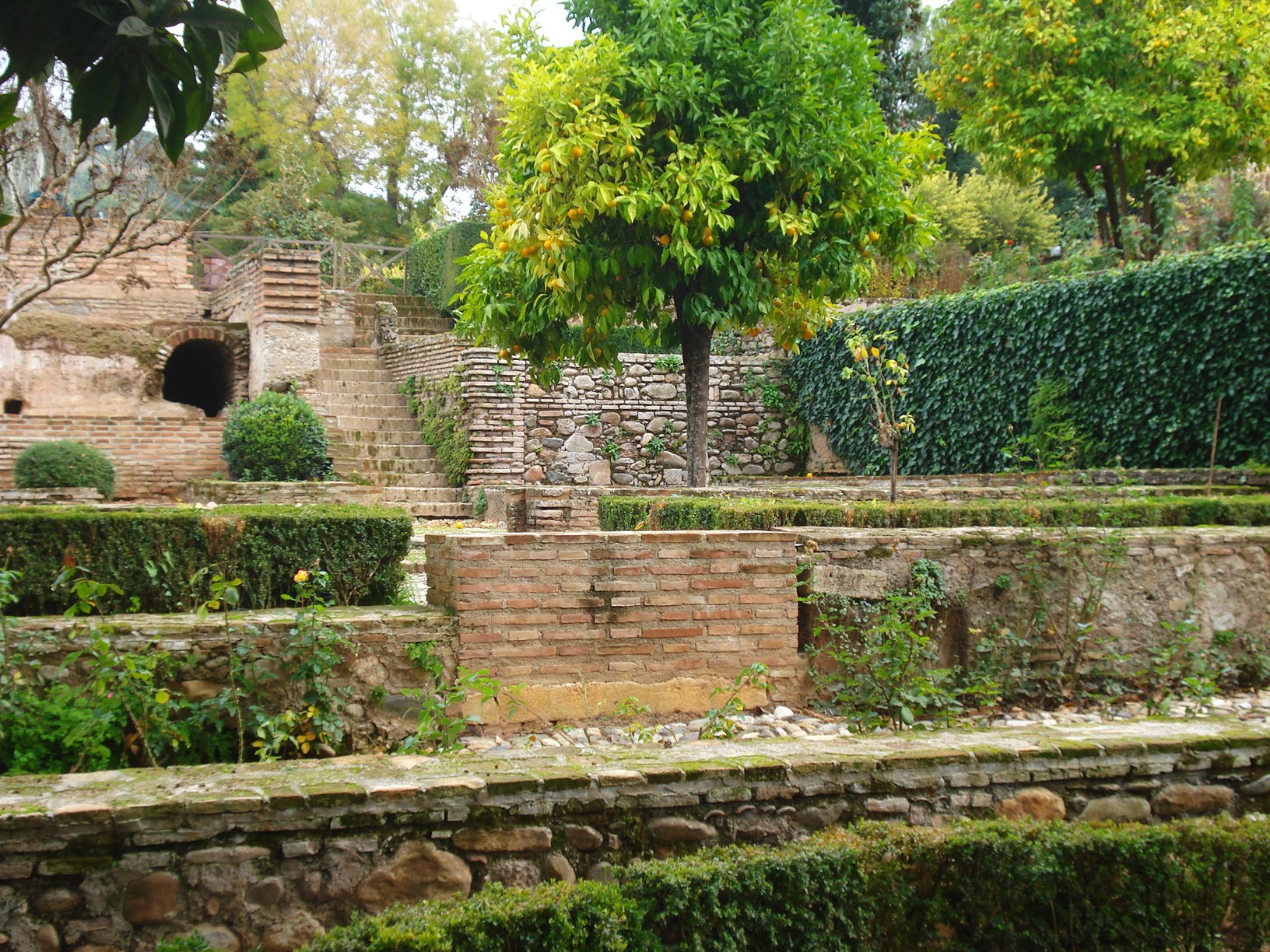
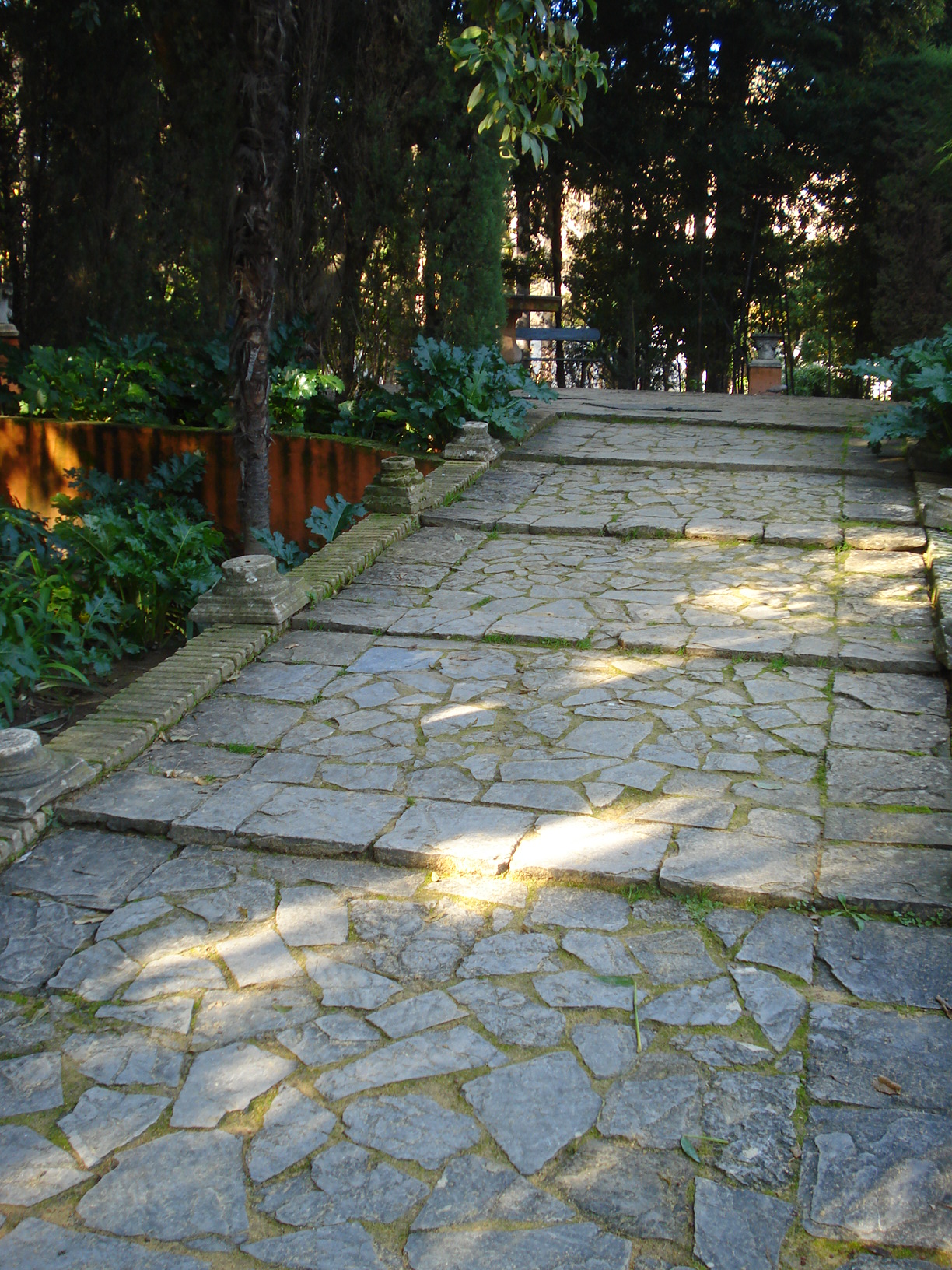
Although some of the terraces feature borders formally edged in boxwood, the upper terraces have the feel of a much more intimate garden: paths and stone steps meander from terrace to terrace and along small ponds, designed for a casual promenade rather than for grand effect.
DSC00570DSC00569DSC00567DSC00566DSC00565DSC00564DSC00563DSC00562DSC00561DSC00560DSC00559DSC00558DSC00557DSC00555DSC00553DSC00552DSC00550DSC00576DSC00575DSC00574DSC00573DSC00572DSC00571

More Pebble Designs & Patio Flooring Ideas from the Courtyards of Spain

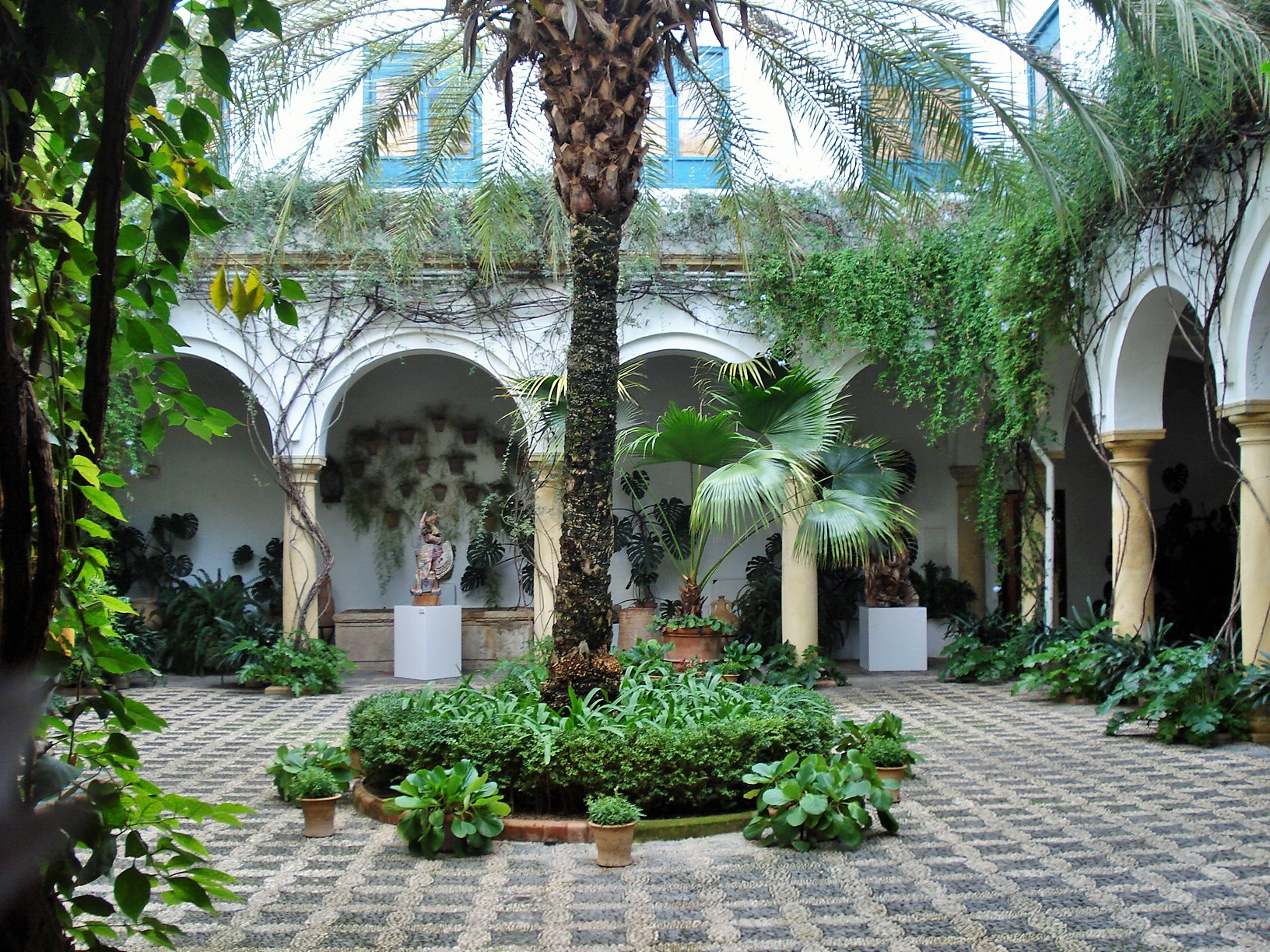
Beautiful patios can be found throughout Andalusia, influenced bytthe Moors that ruled in Southern Spain until a final defeat in 1492. Cordoba embraced this heritage in its patio tradition perhaps more than any other Spanish city and has been celebrating with its famous Patio Festival in May since 1933.

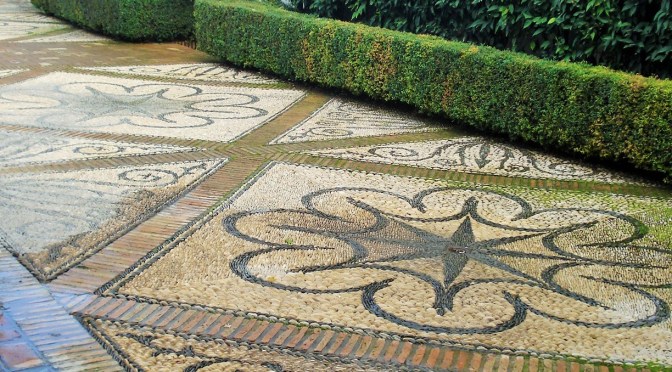
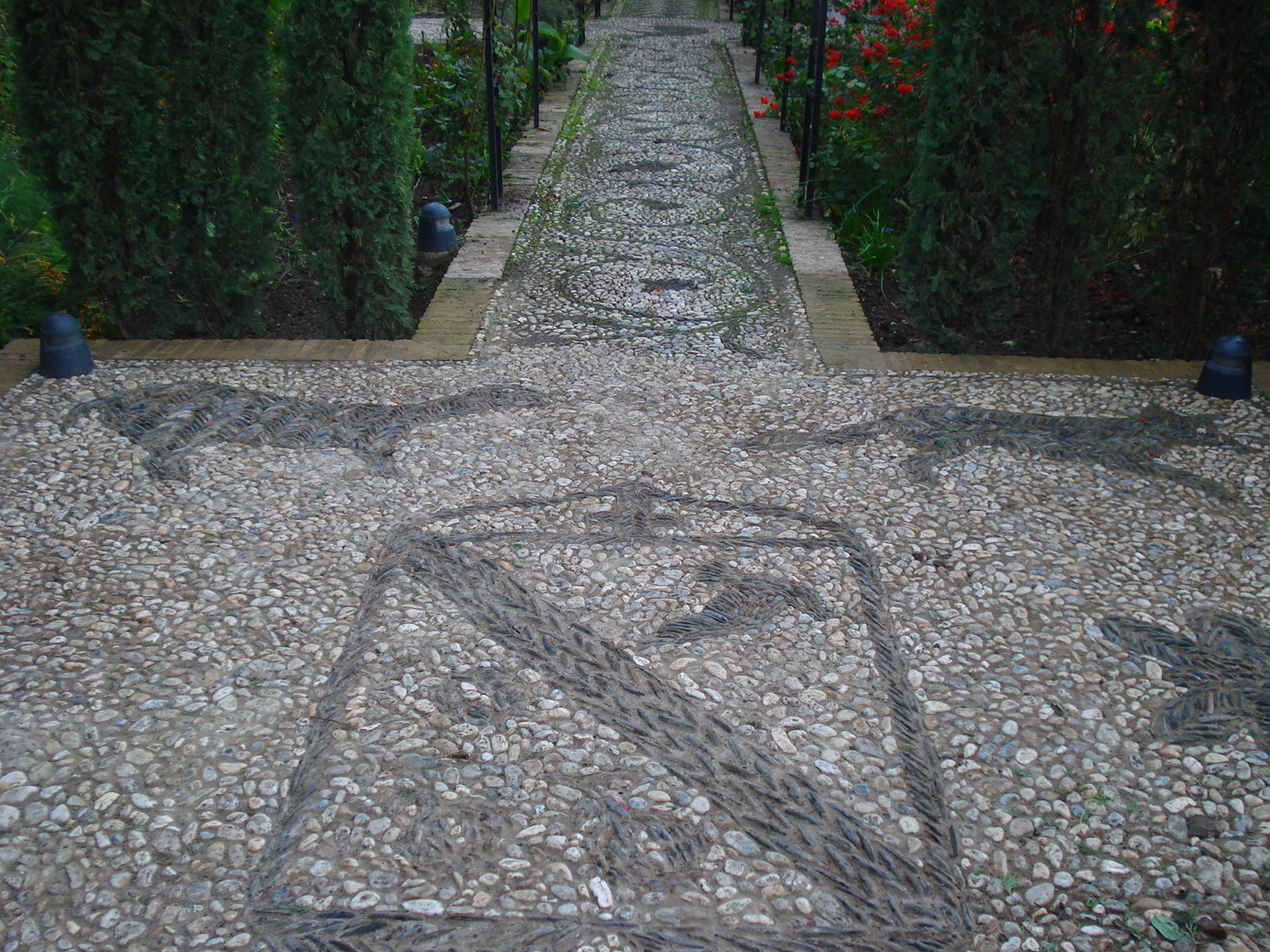
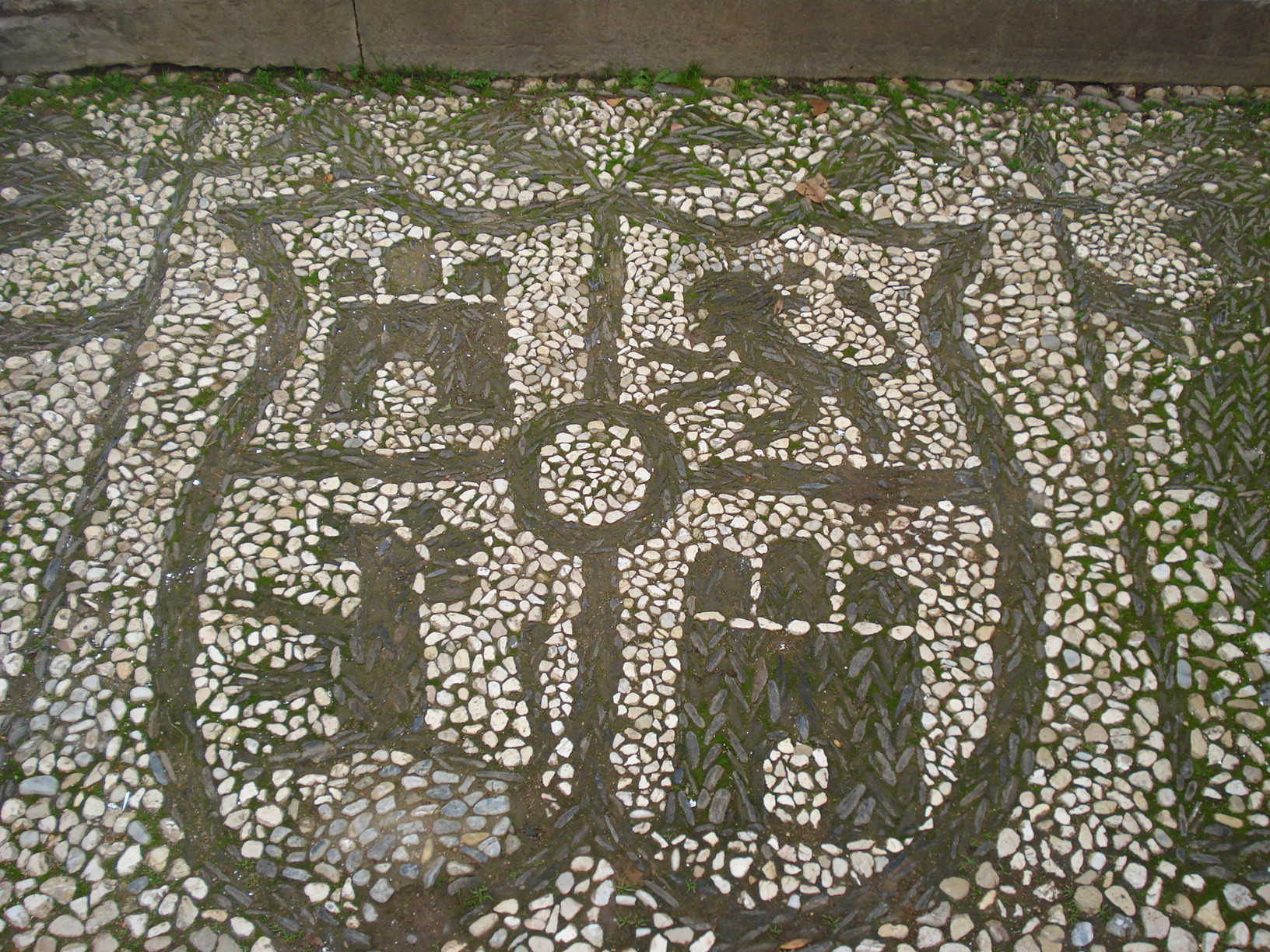
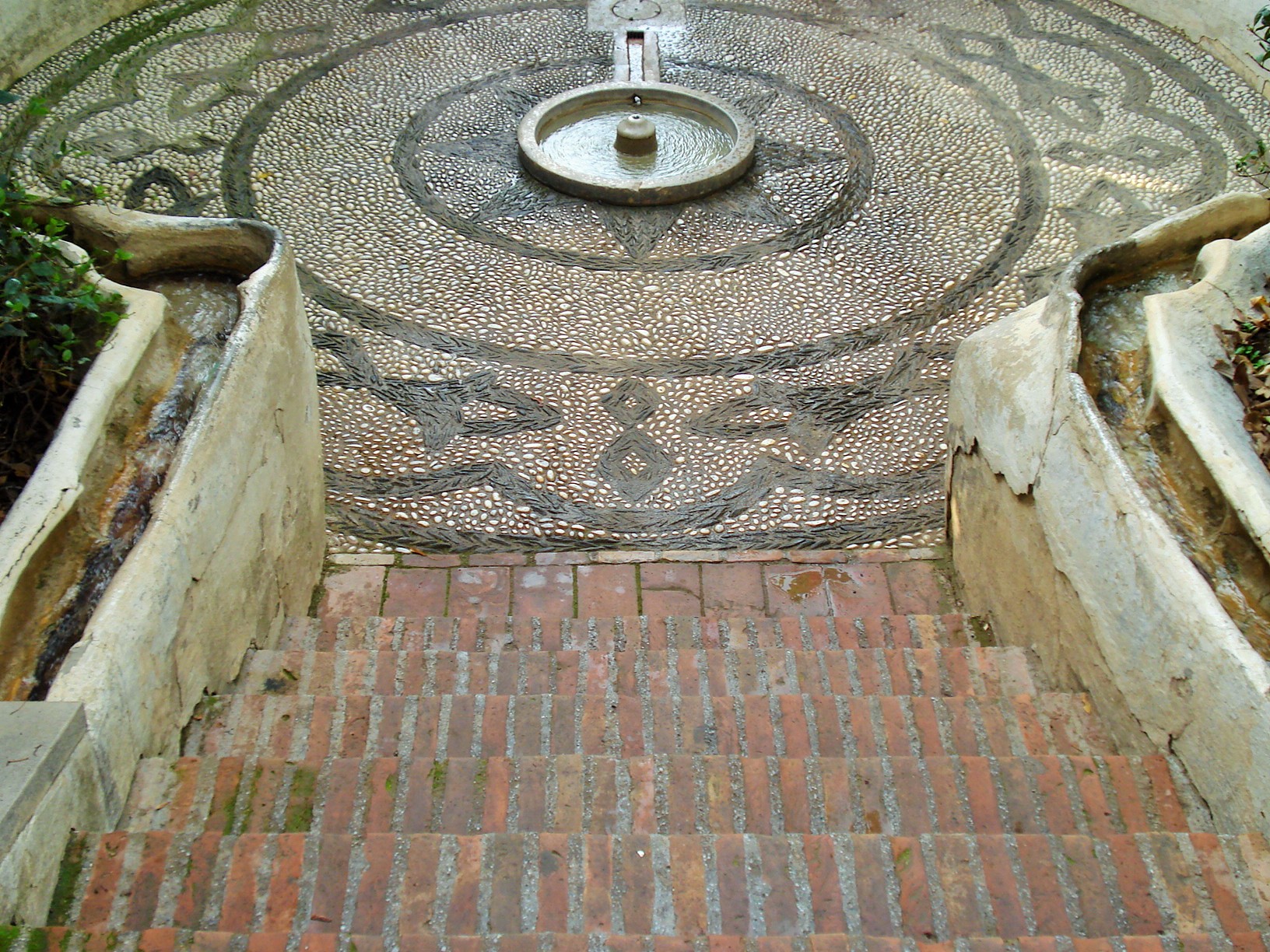
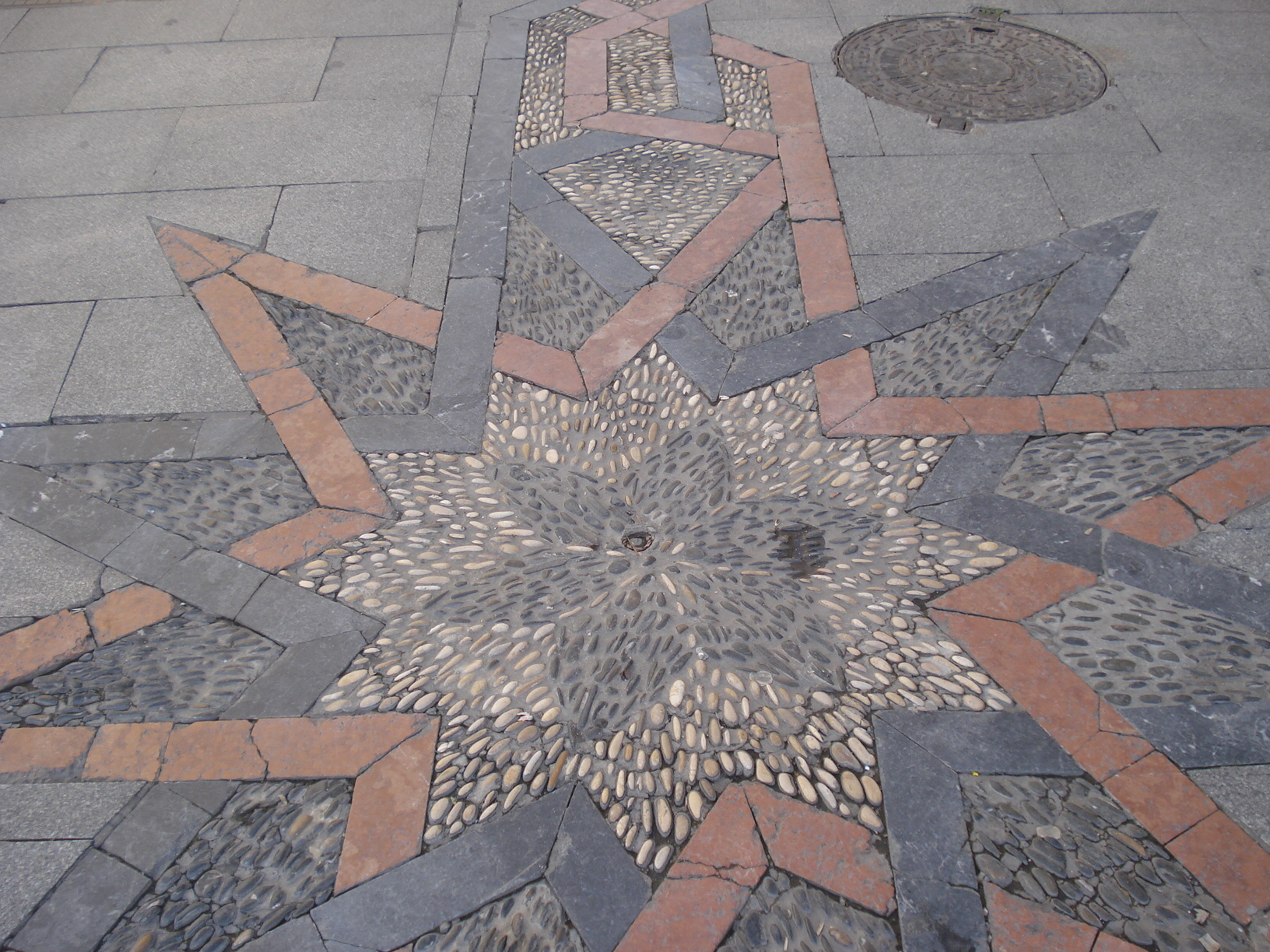
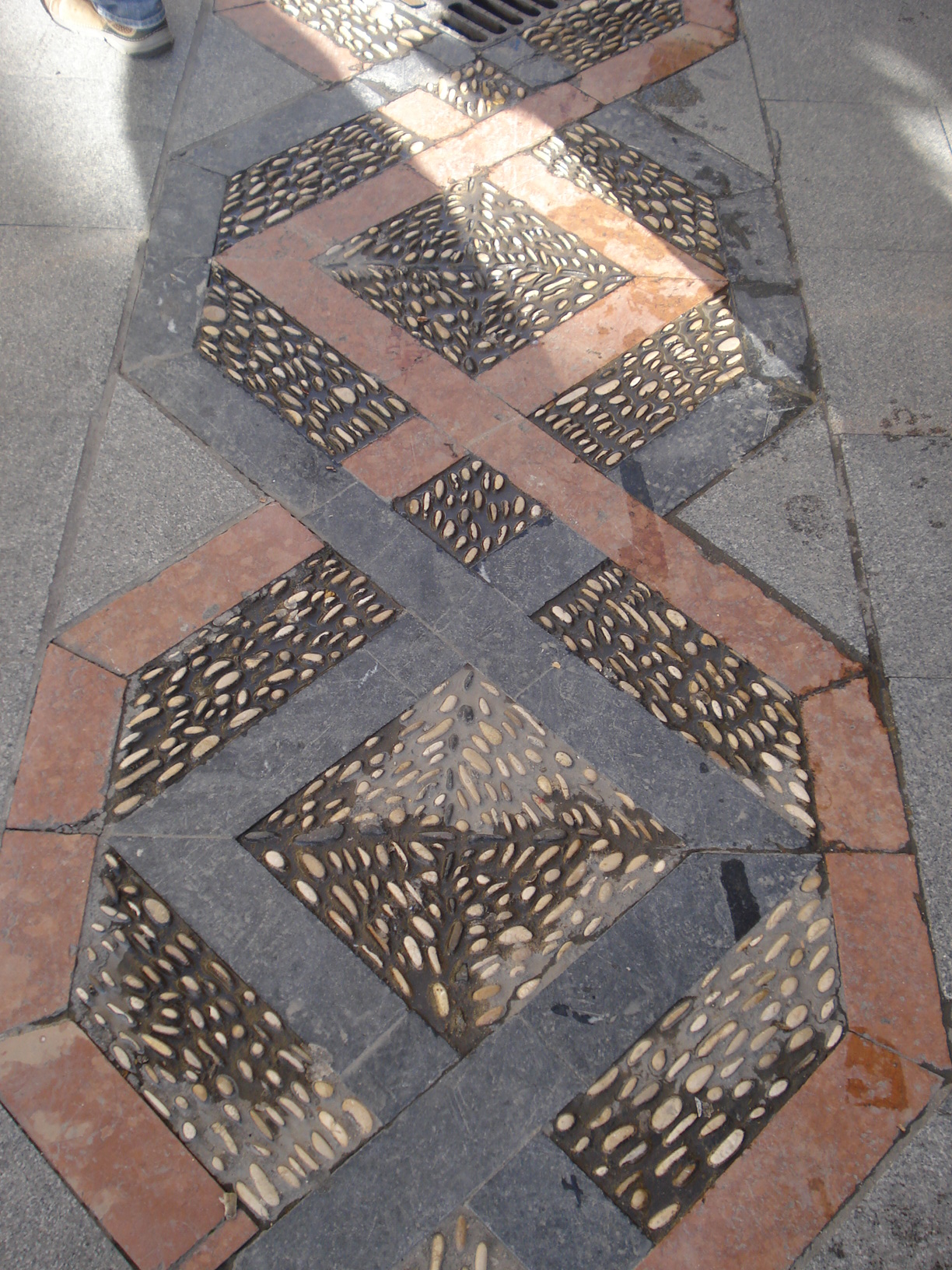
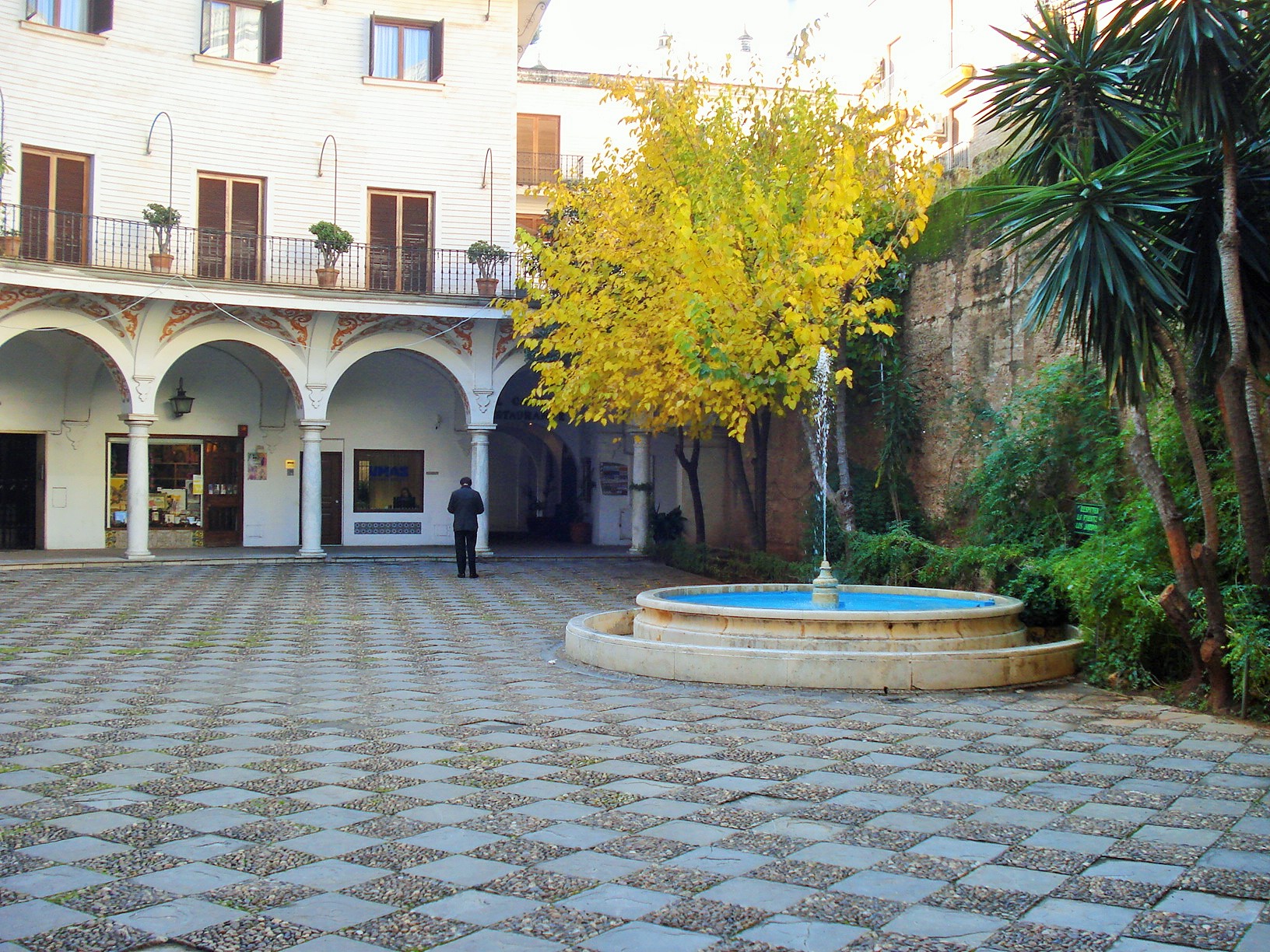
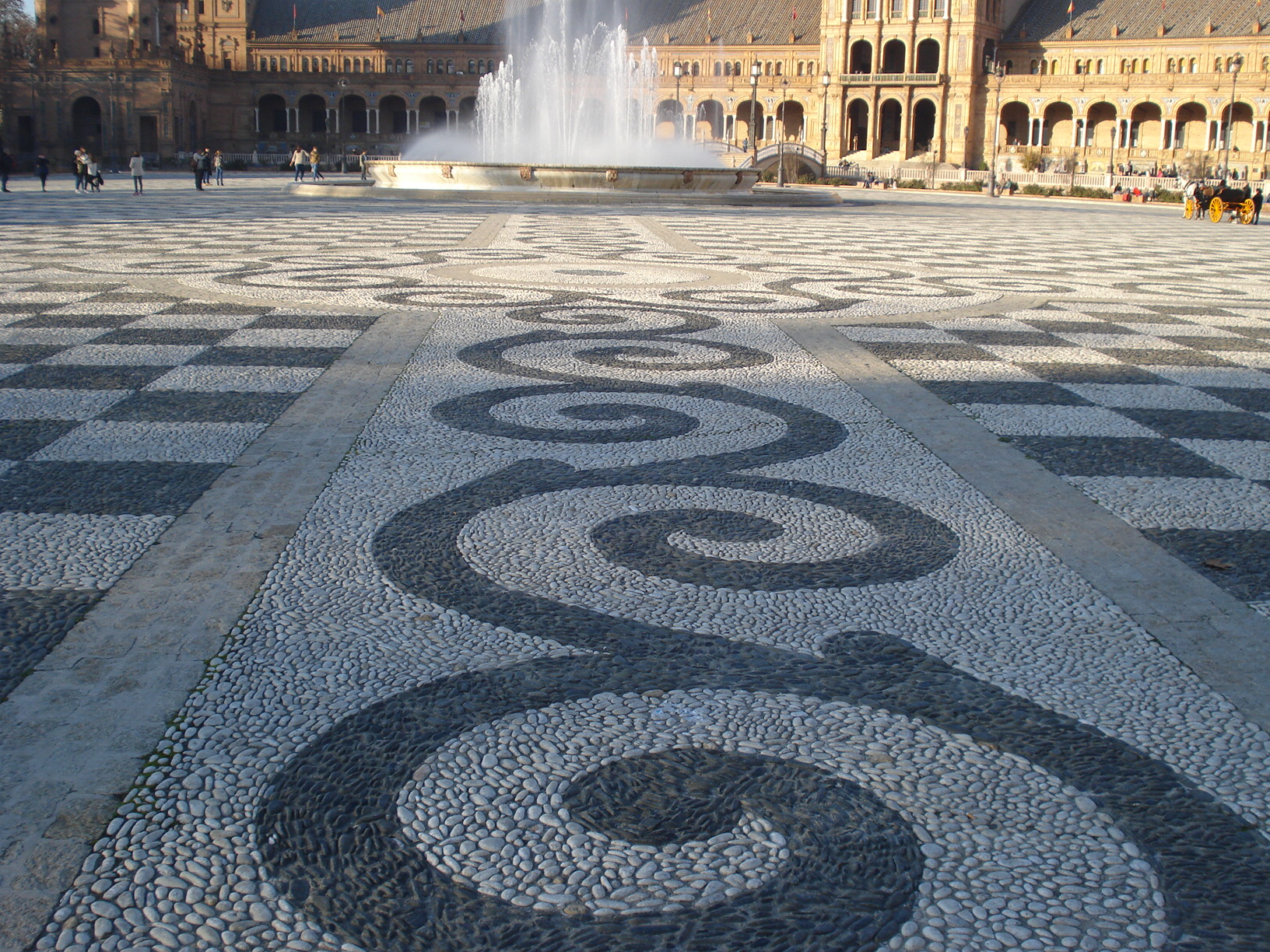
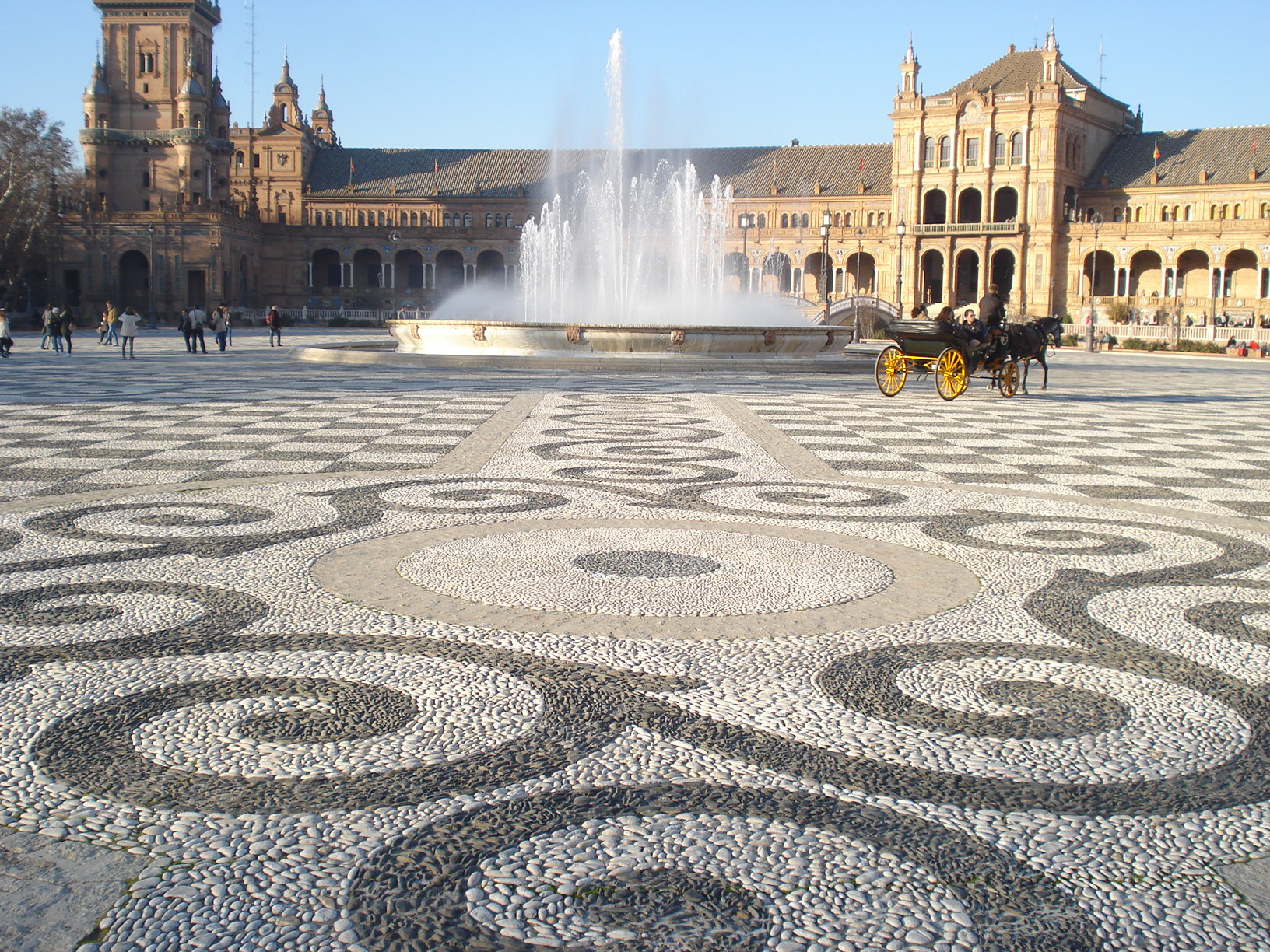
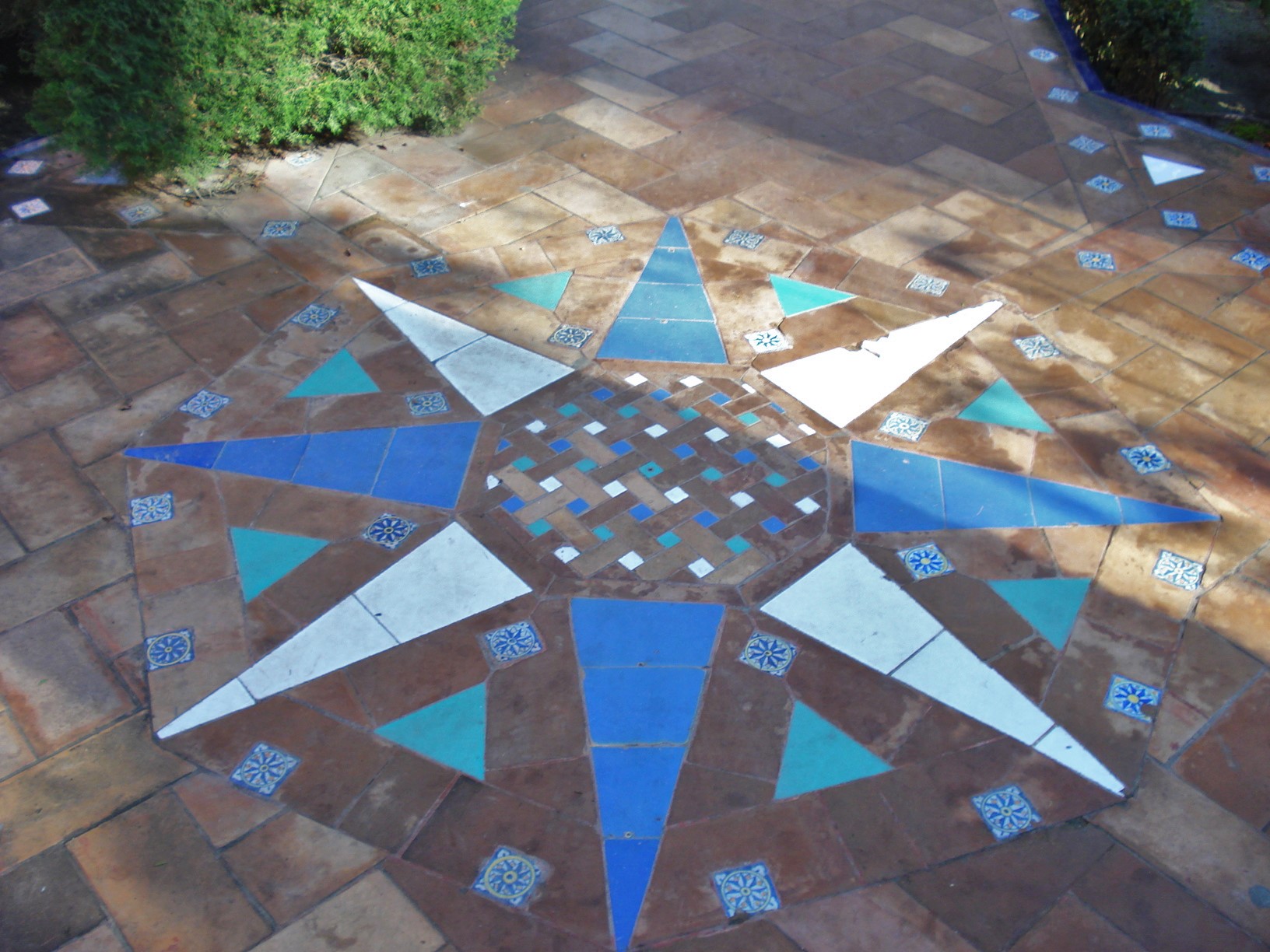
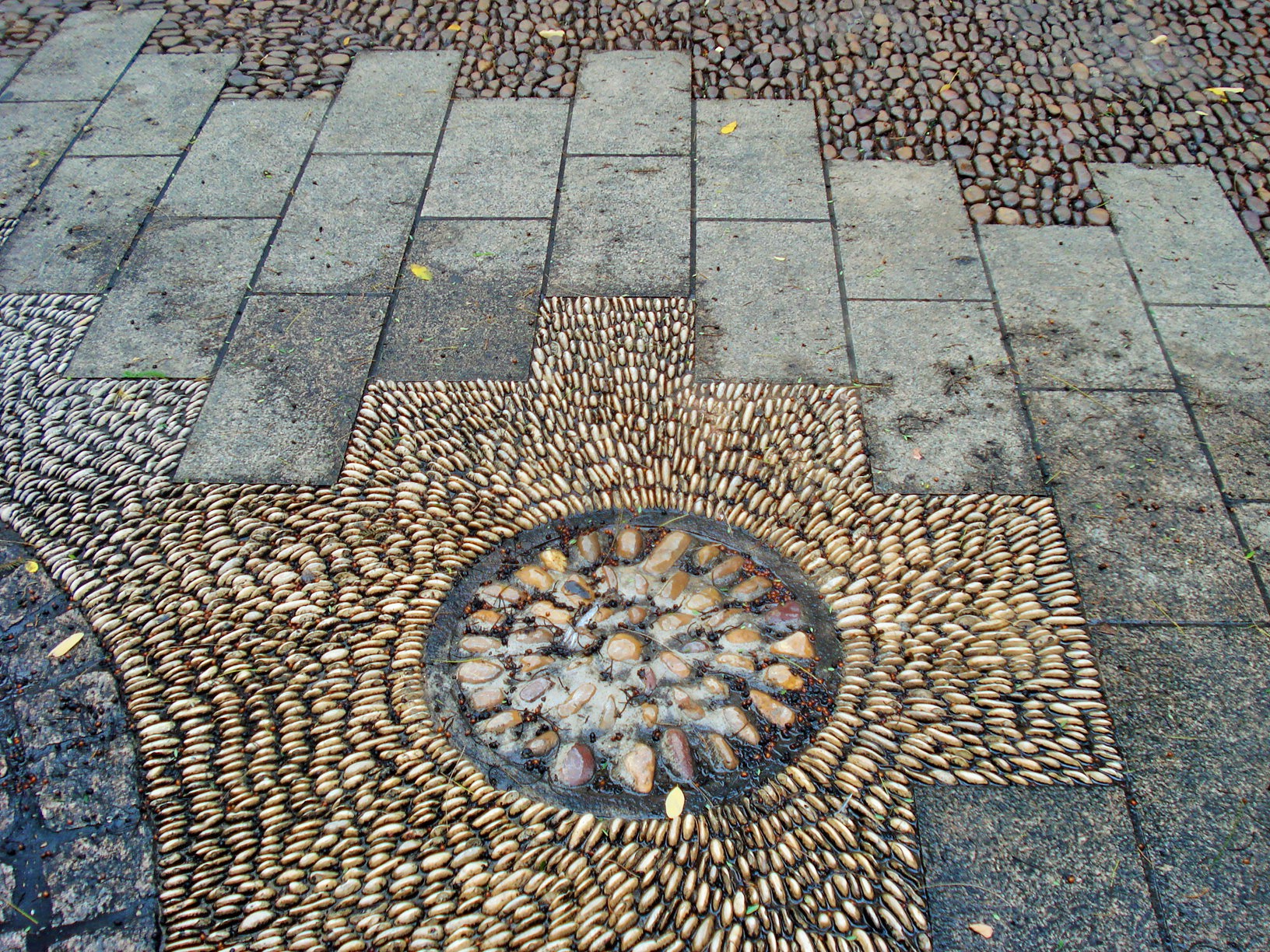
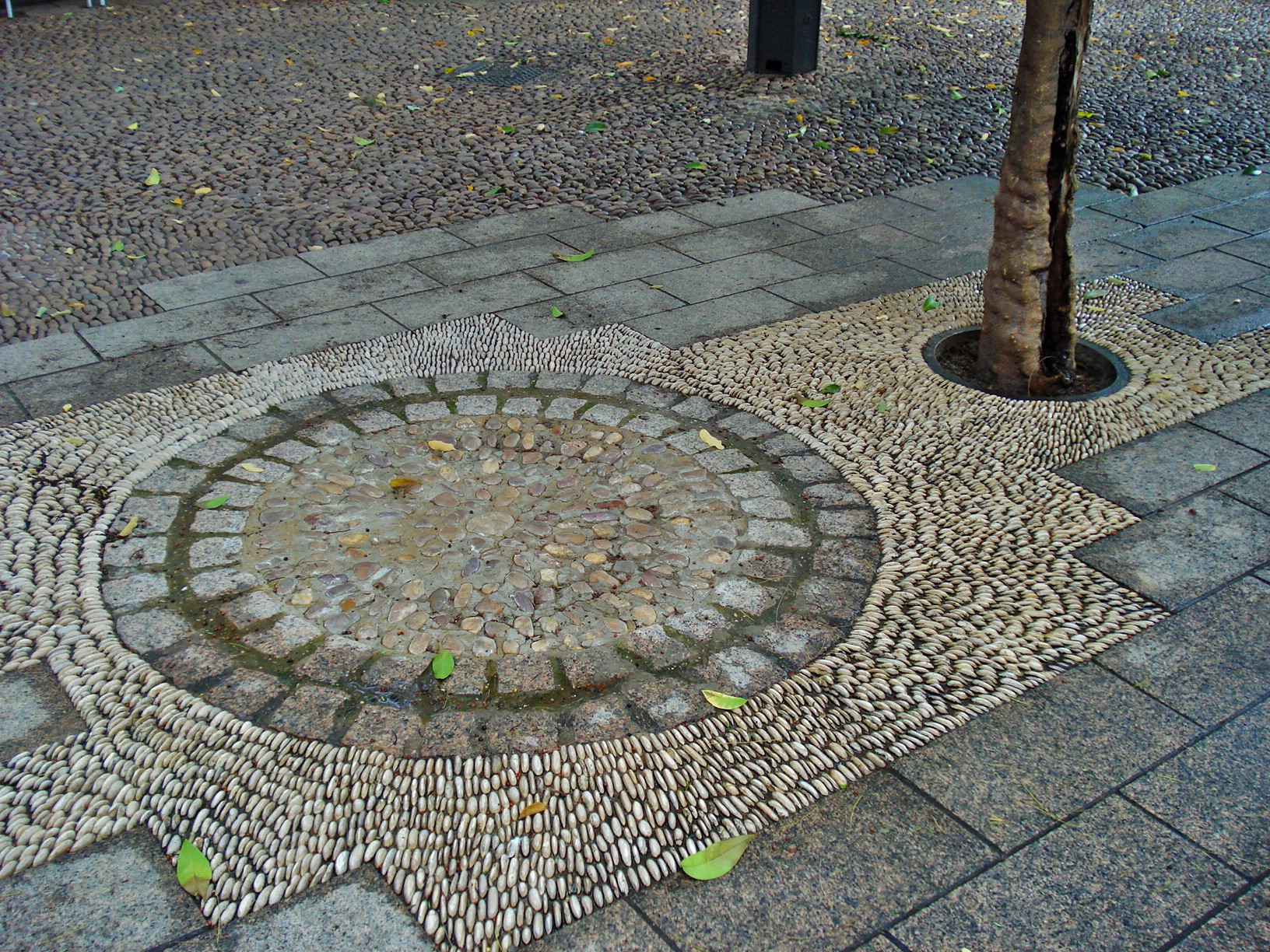
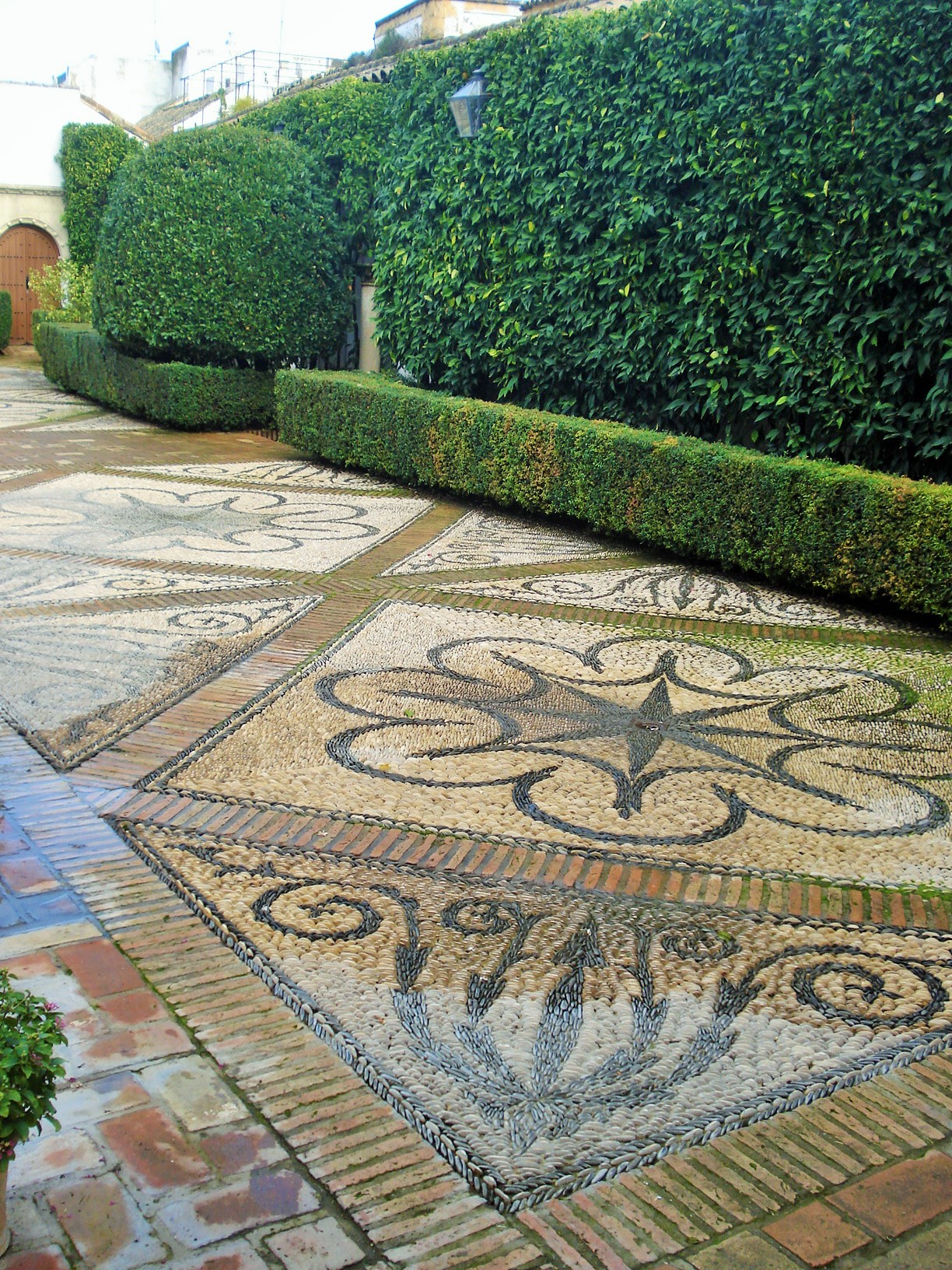
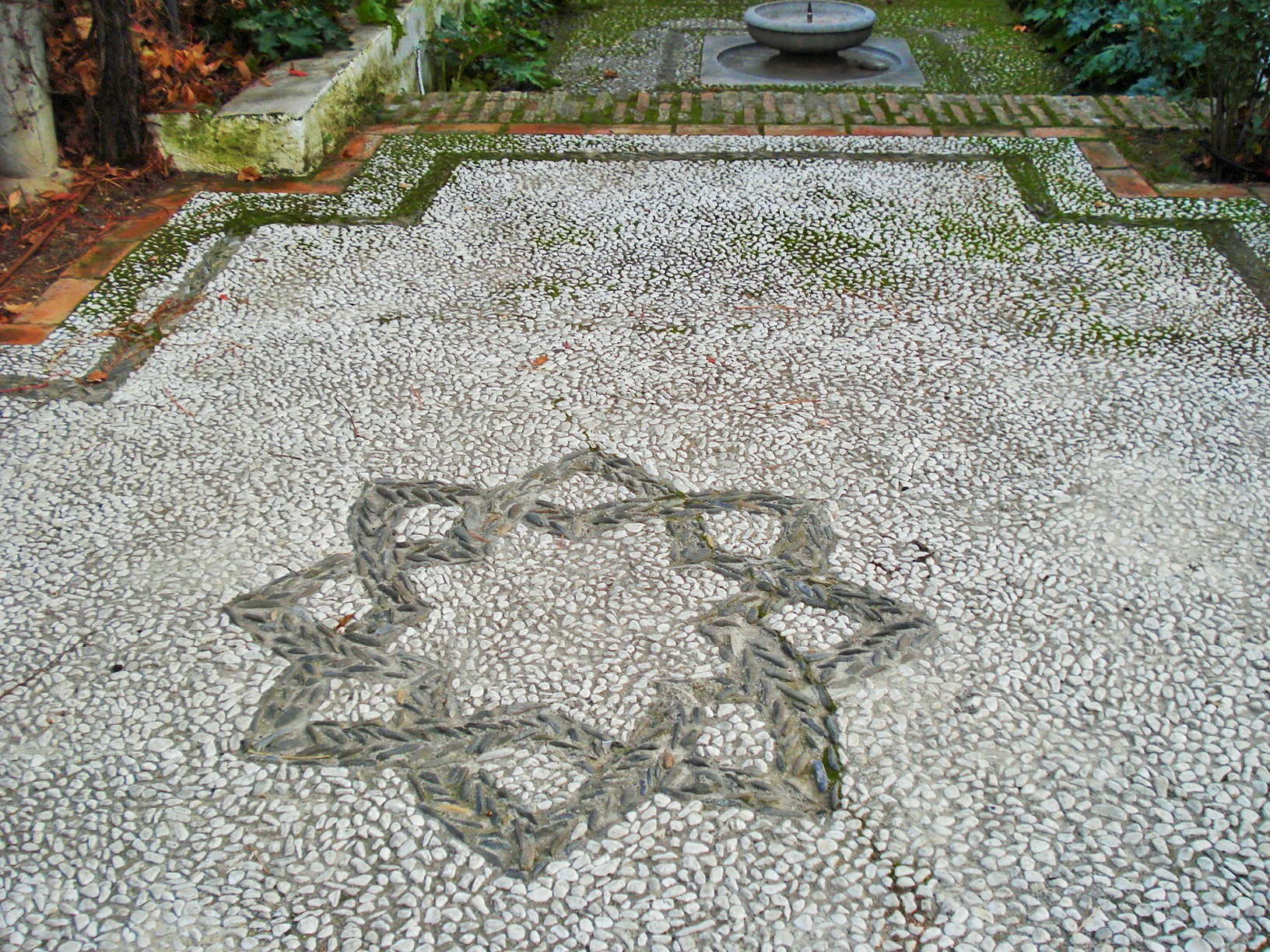
Found throughout the south of Spain is the use of intricate pebble designs not only in the patios and courtyards, but also in many public areas and city squares. I am featuring here some of the many designs I came across, in particular in Granada , Cordoba and Sevilla.
DSC09961DSC00623DSC00653DSC00685DSC00709DSC00711DSC00795DSC00864DSC00865DSC00866DSC00907DSC00969DSC01106DSC01107DSC01351DSC01352DSC01421DSC01607DSC09537DSC09538DSC09646DSC09656DSC09689DSC09692DSC09795DSC09796DSC09797