This is my second post featuring some of the fantastic container arrangements, planters and hanging baskets that villages in Brittany put together from spring until late fall.
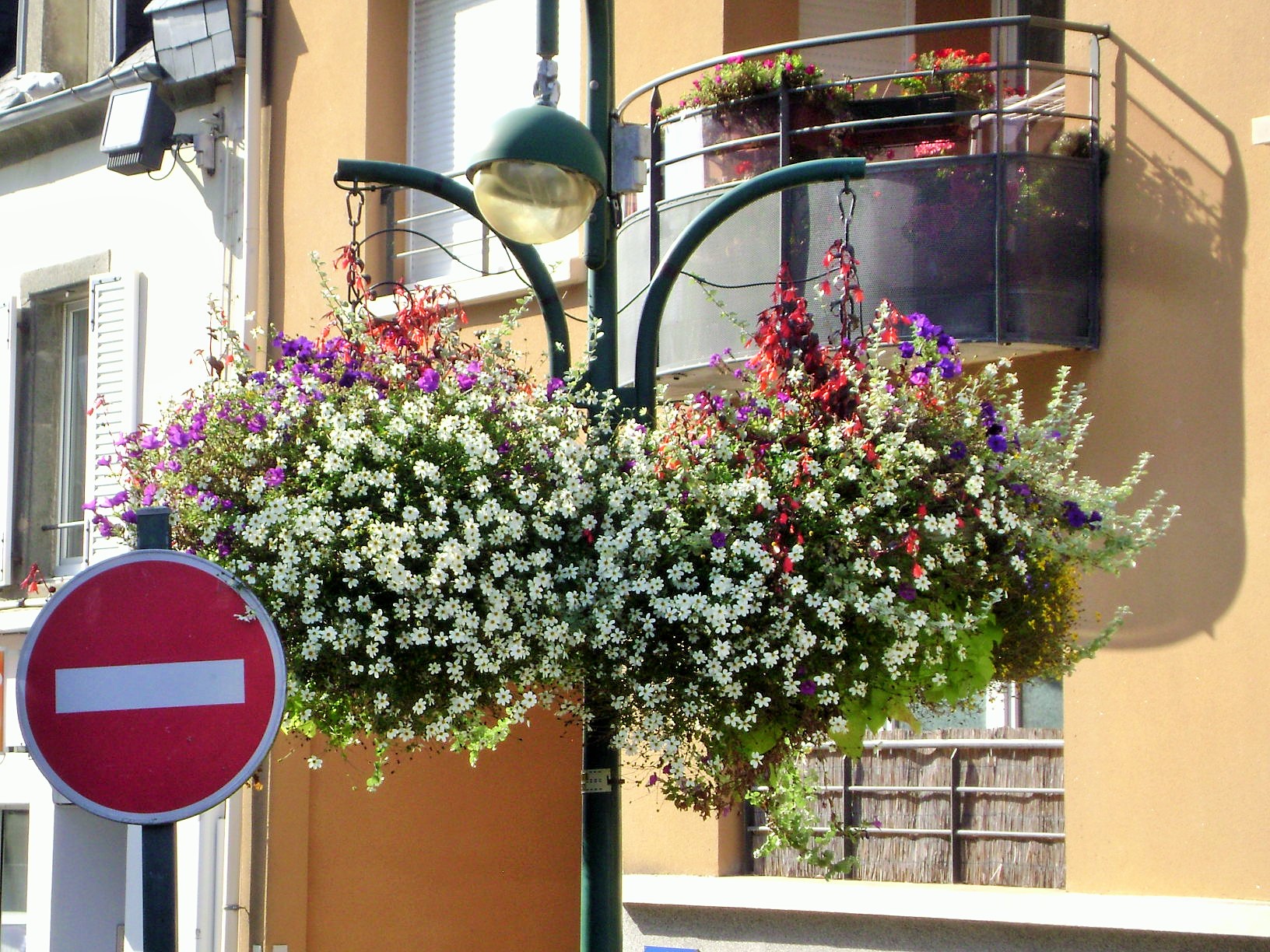

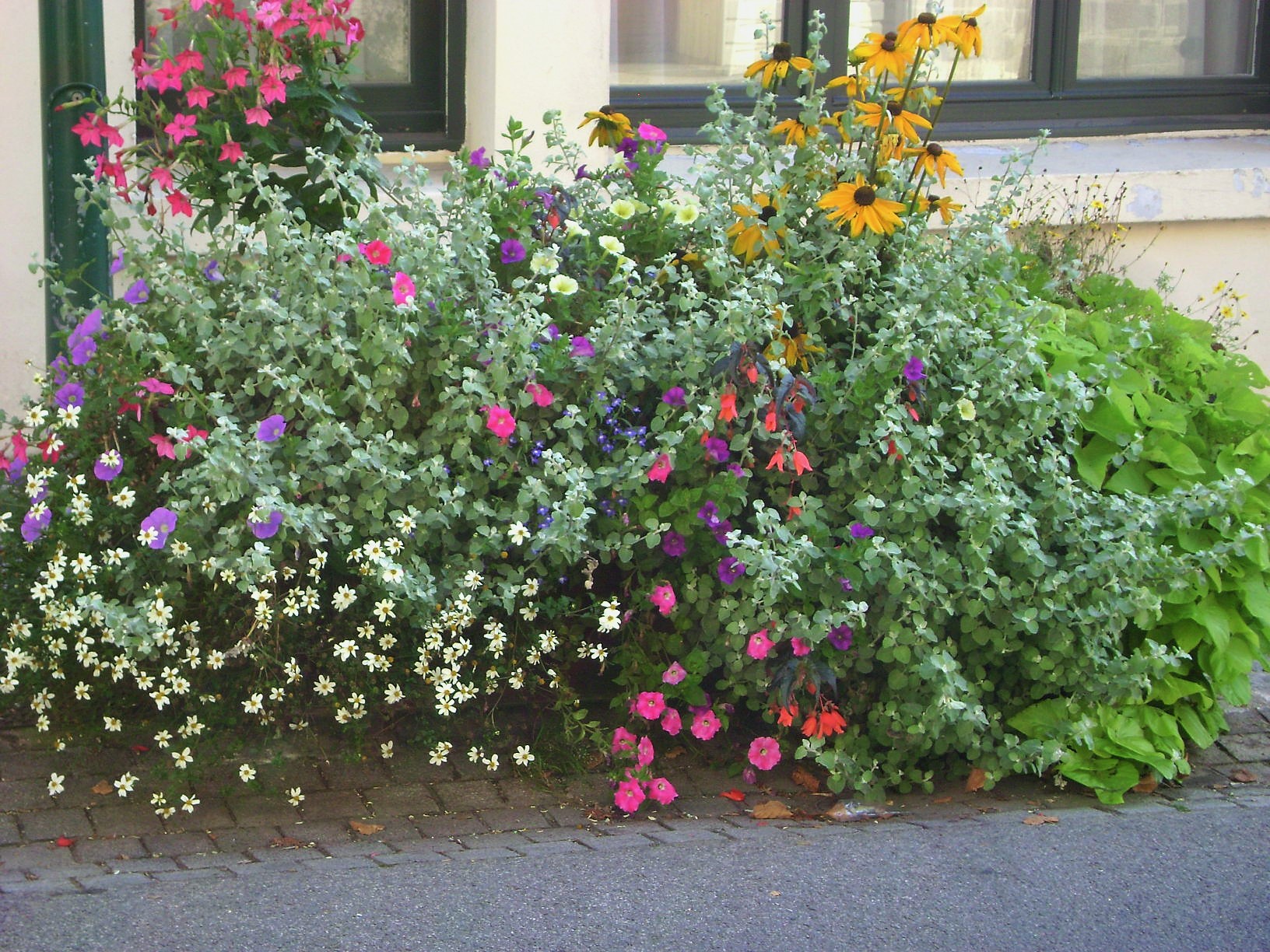
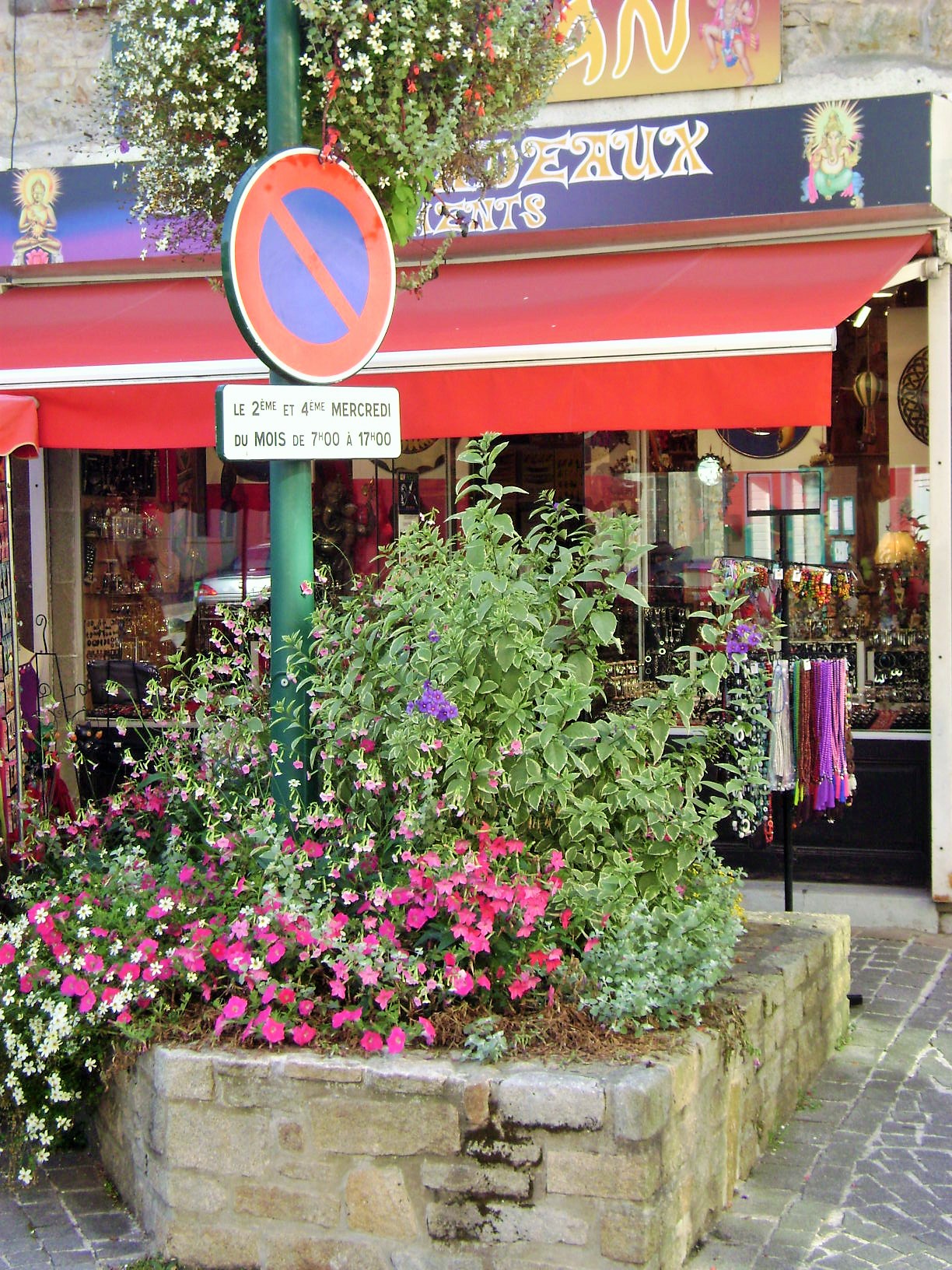

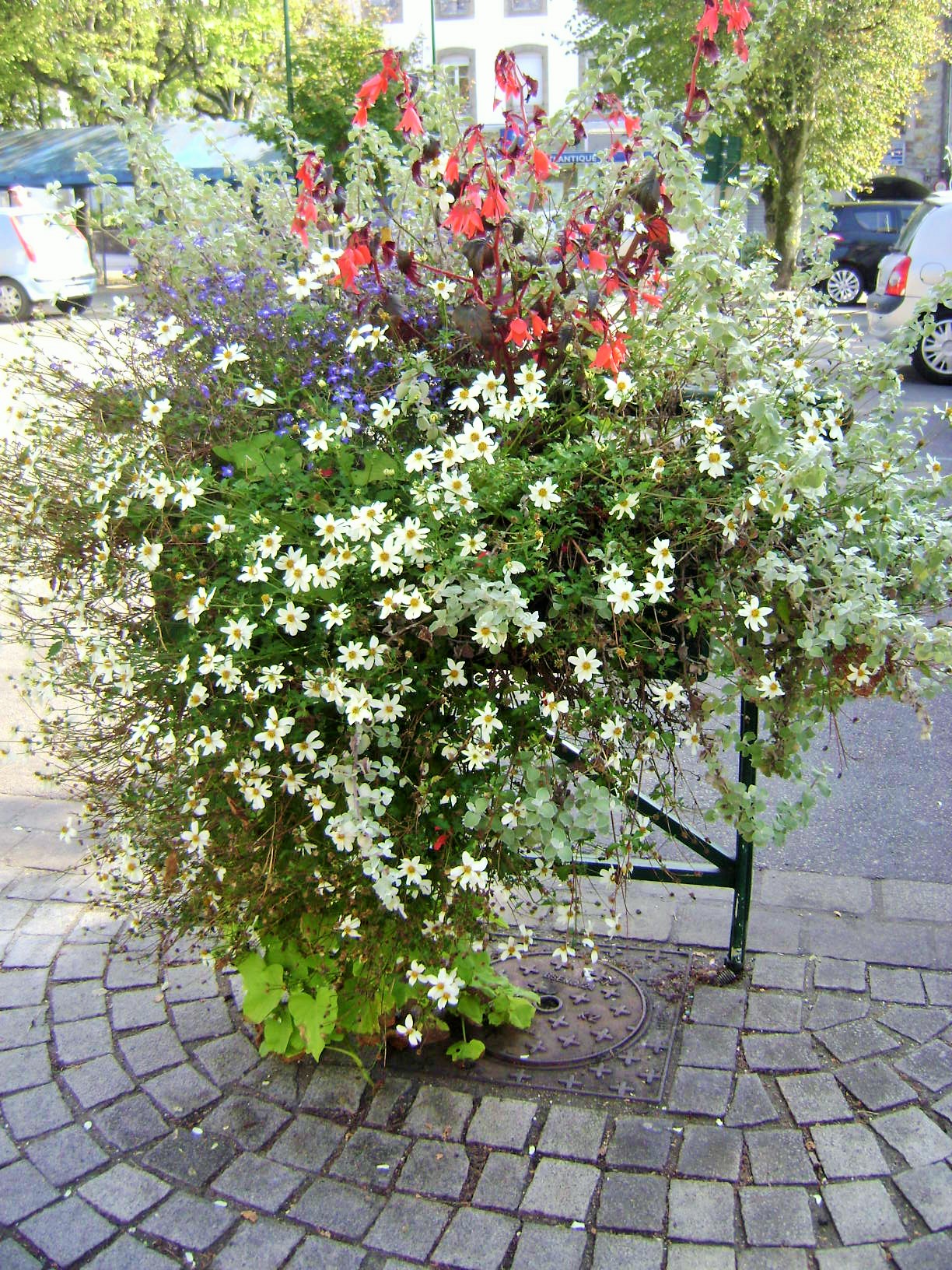
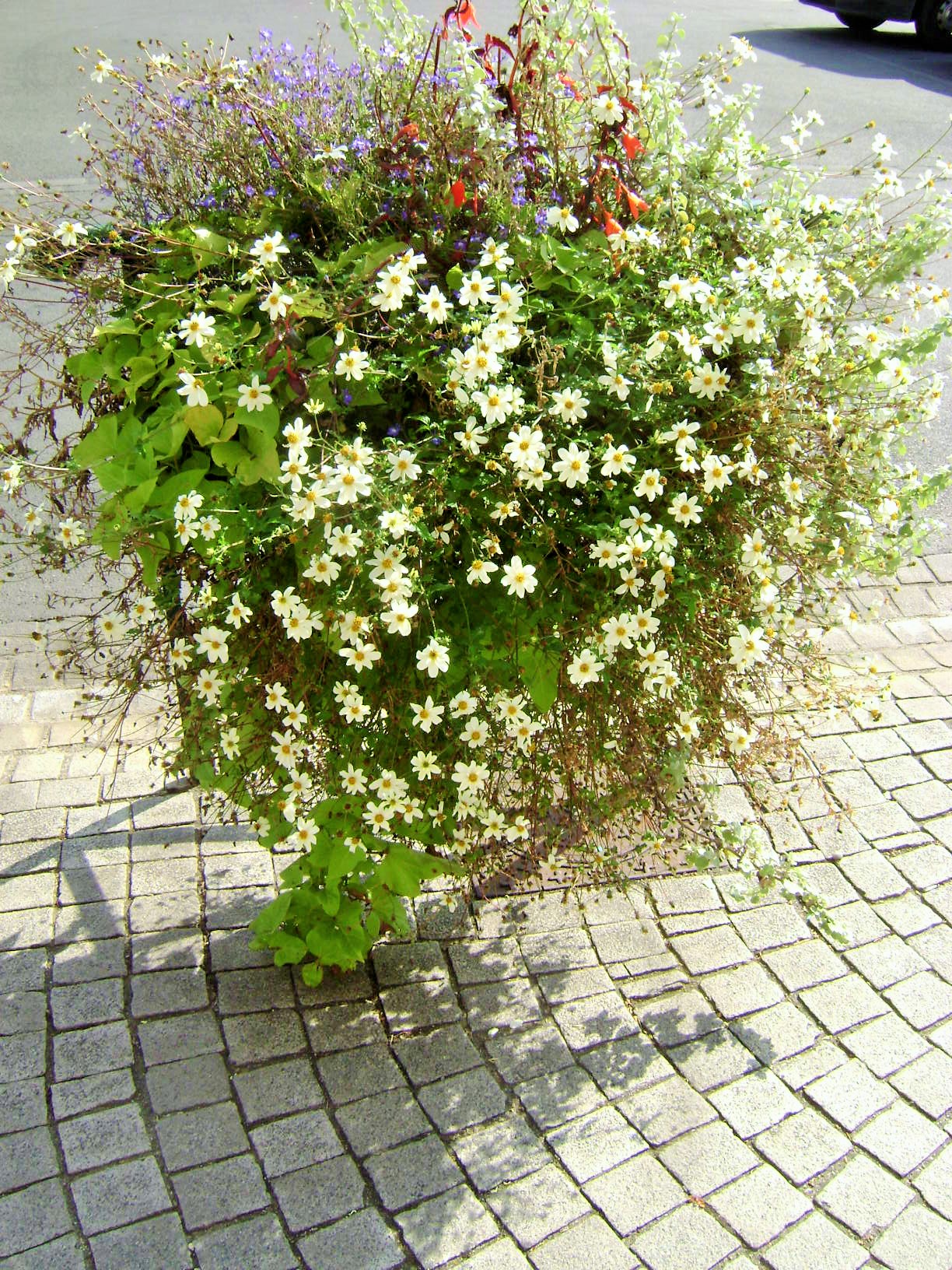


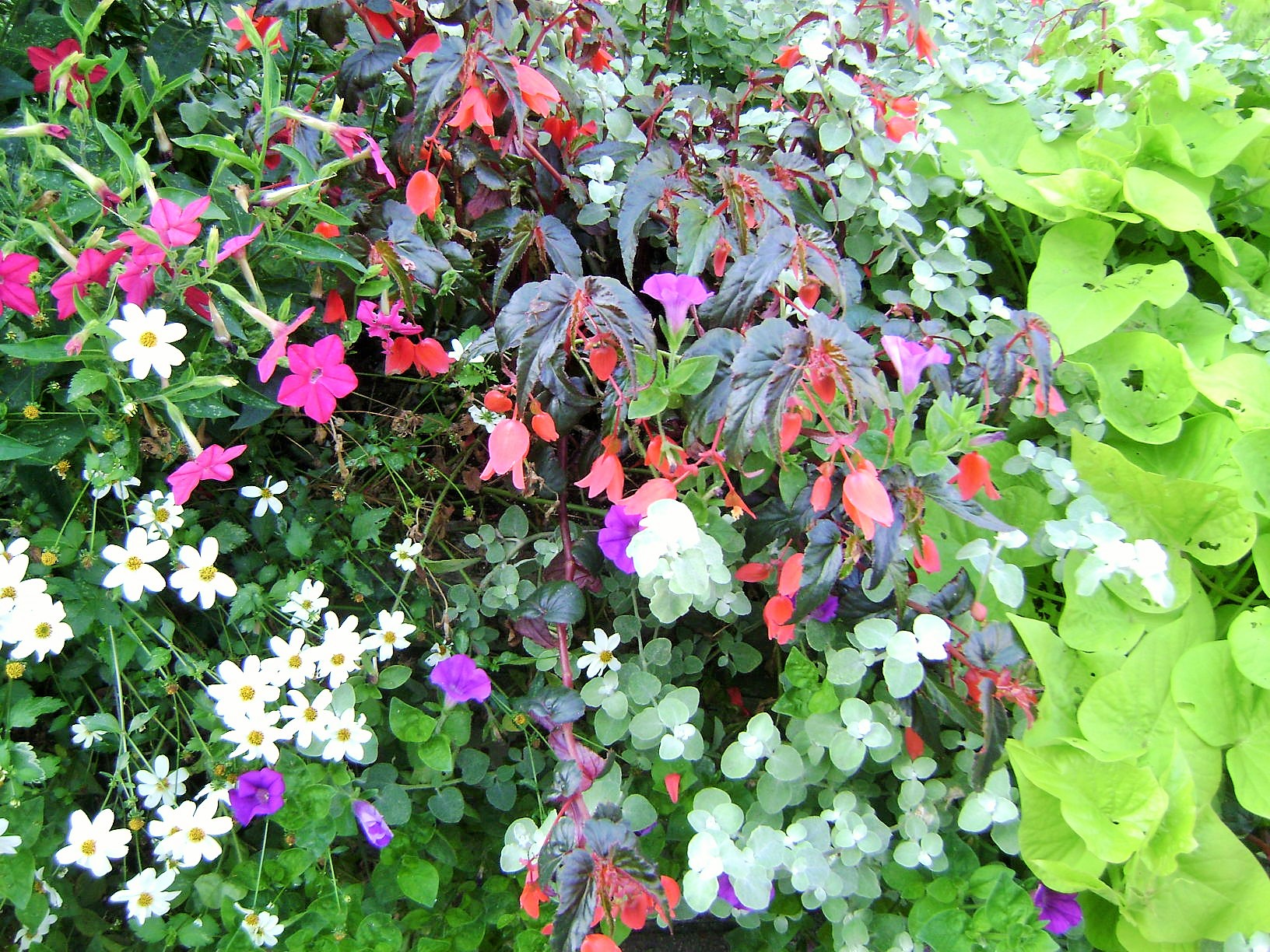
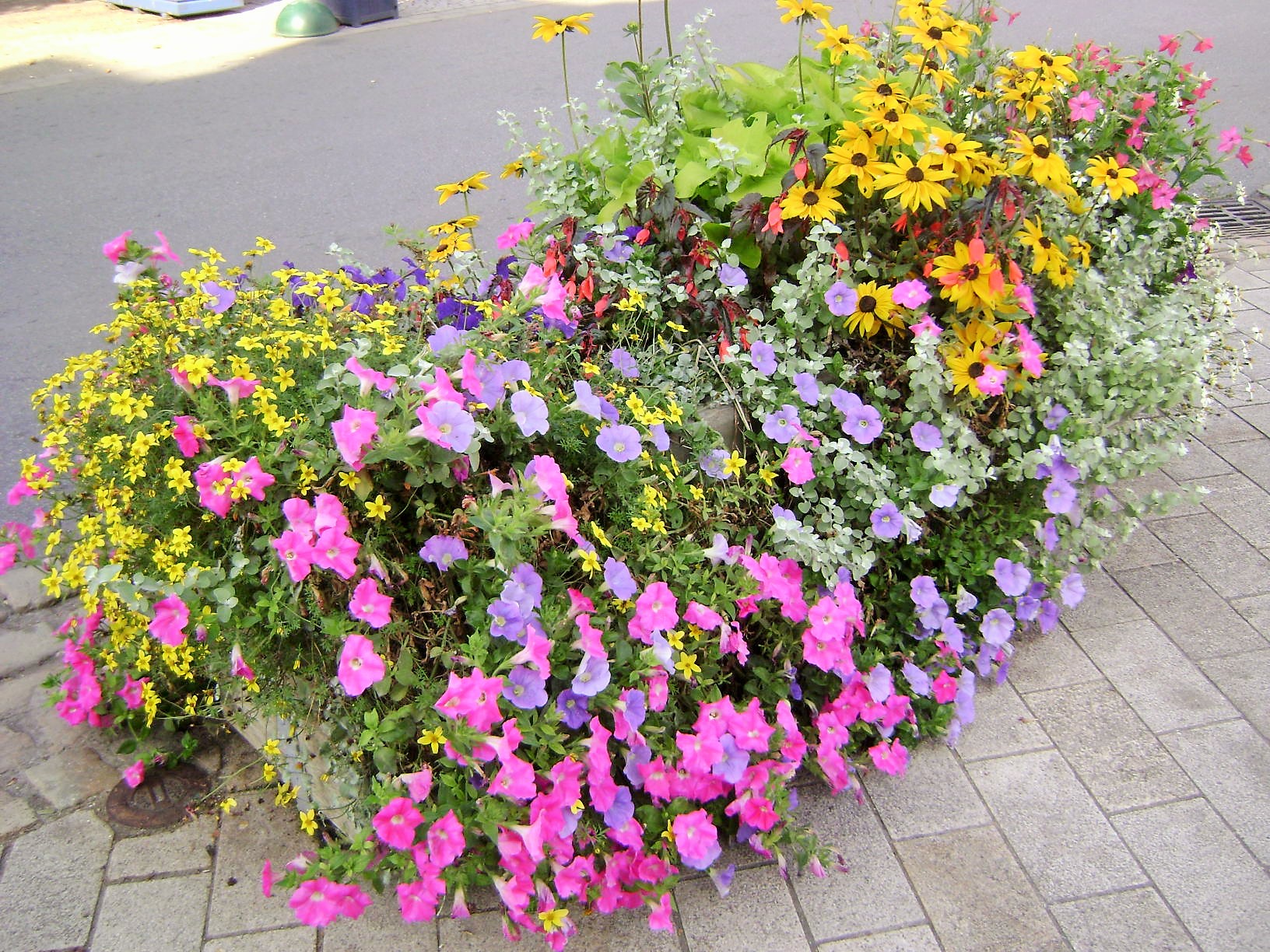

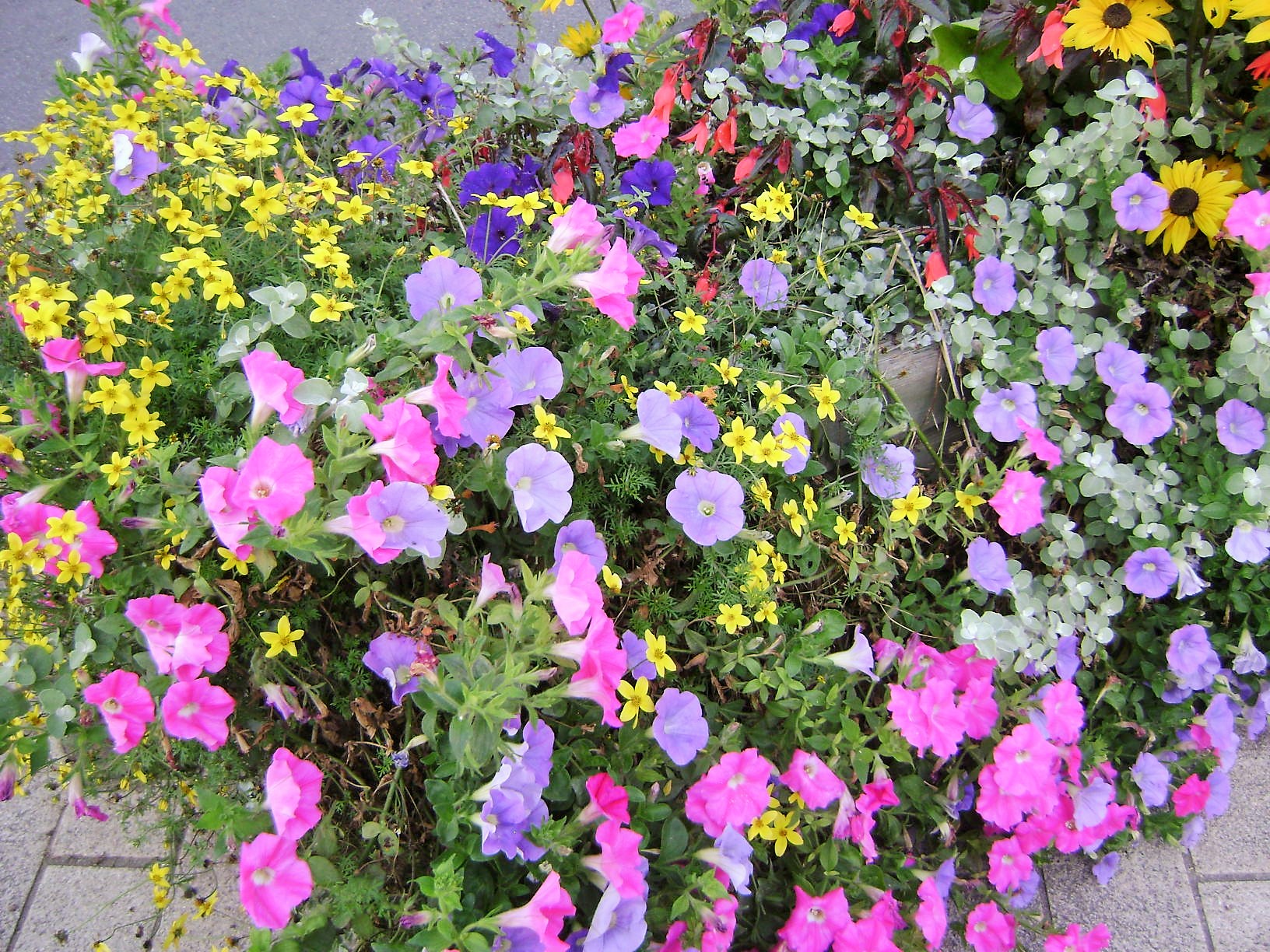
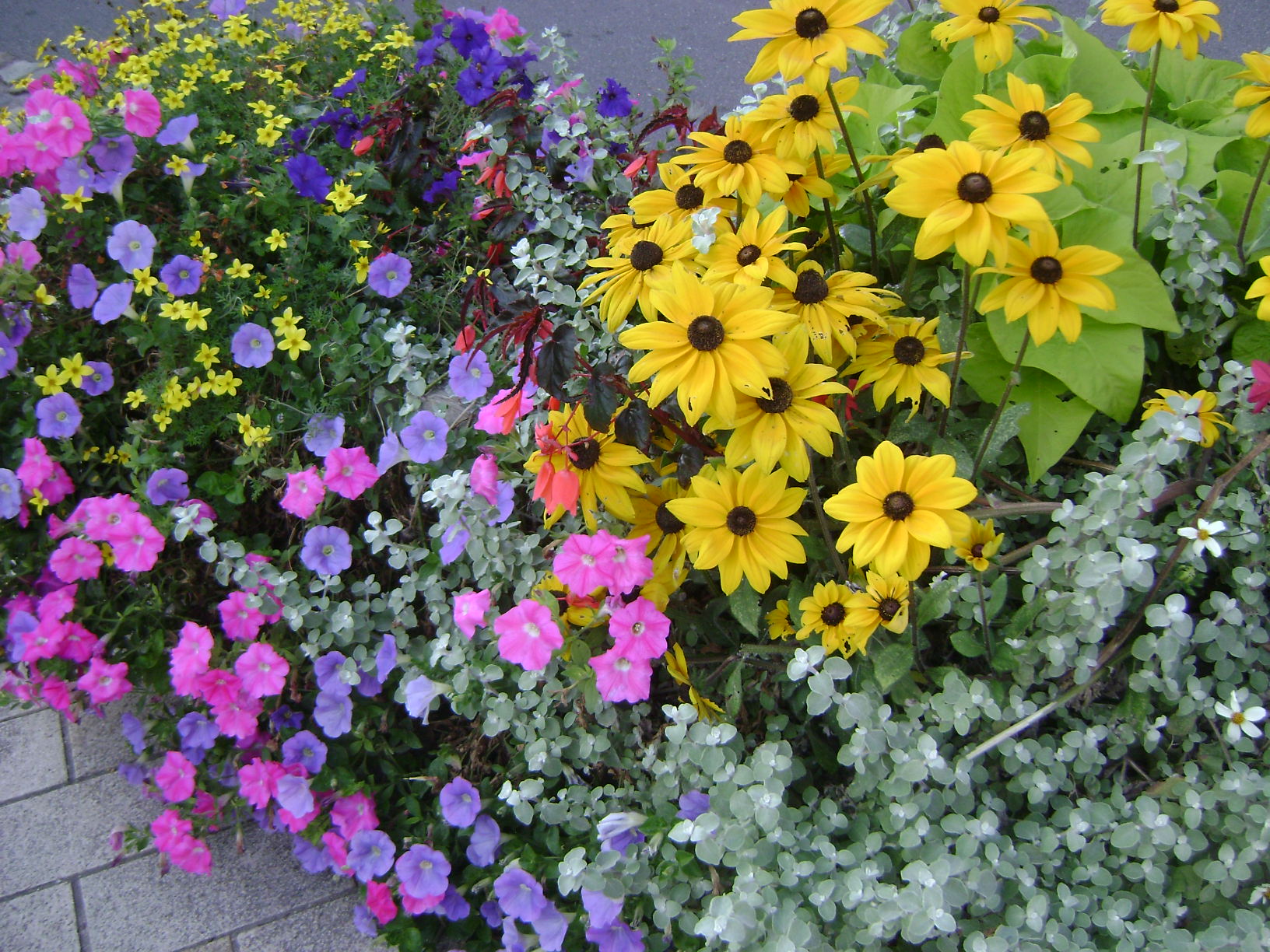

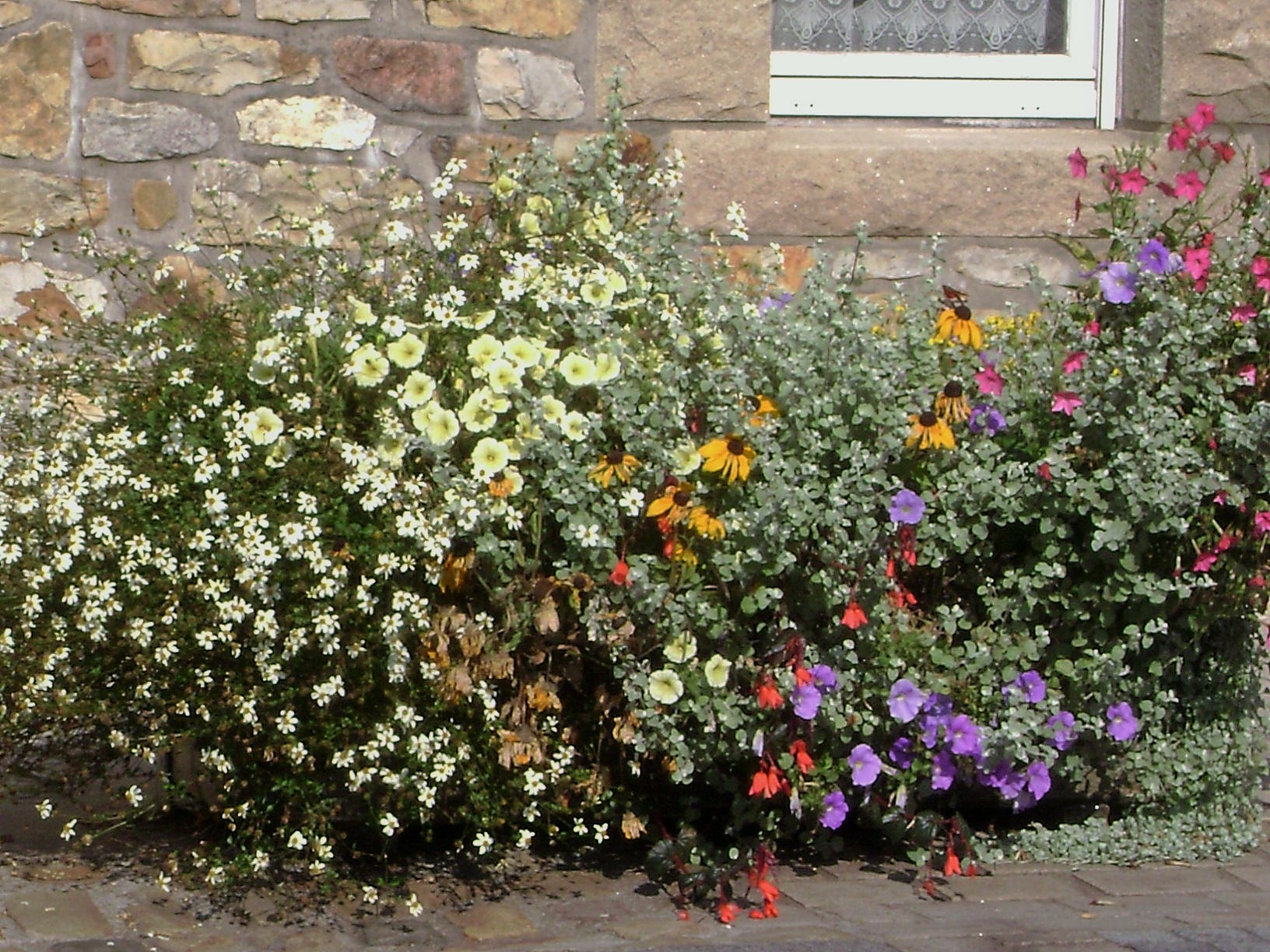
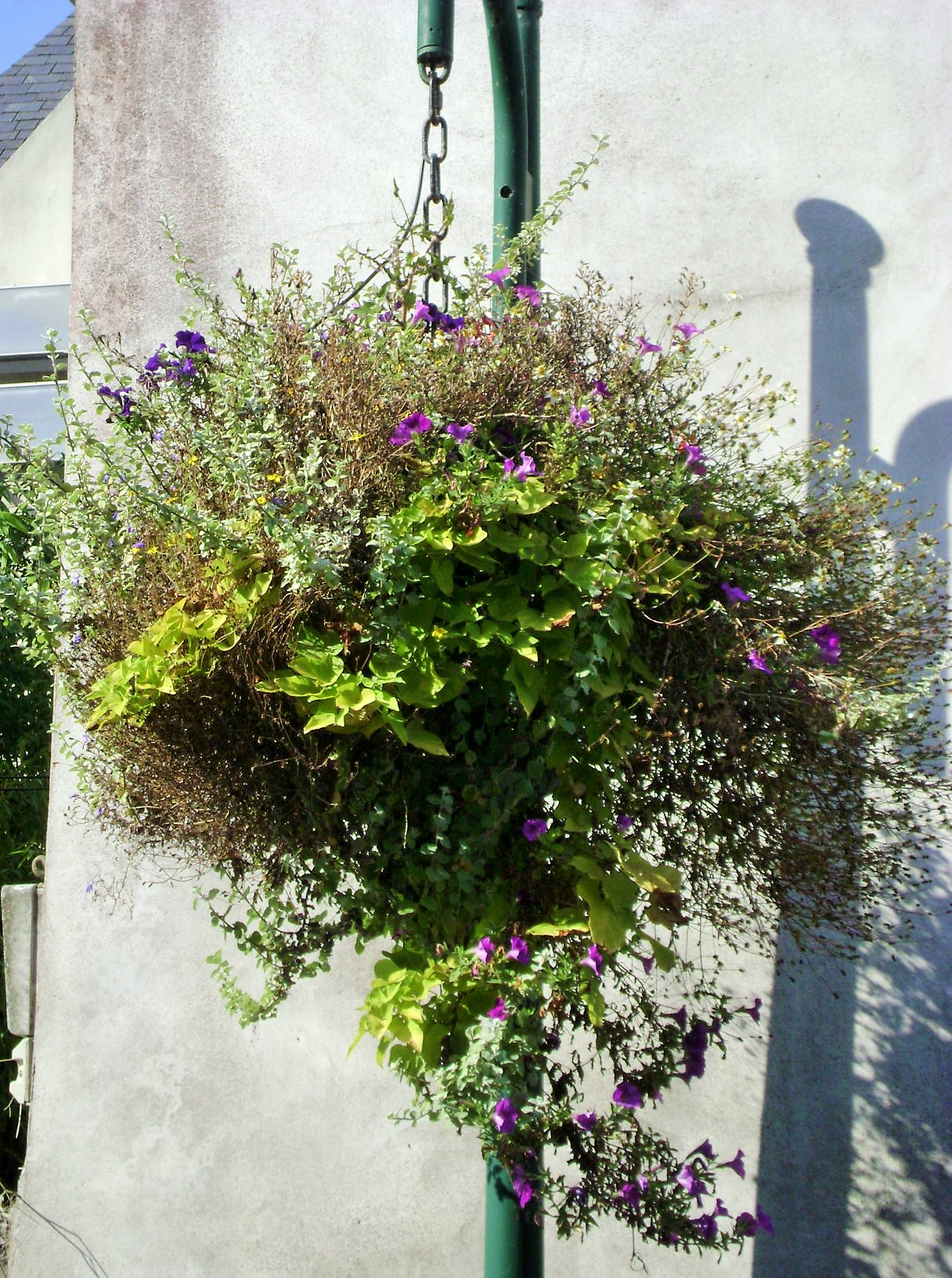
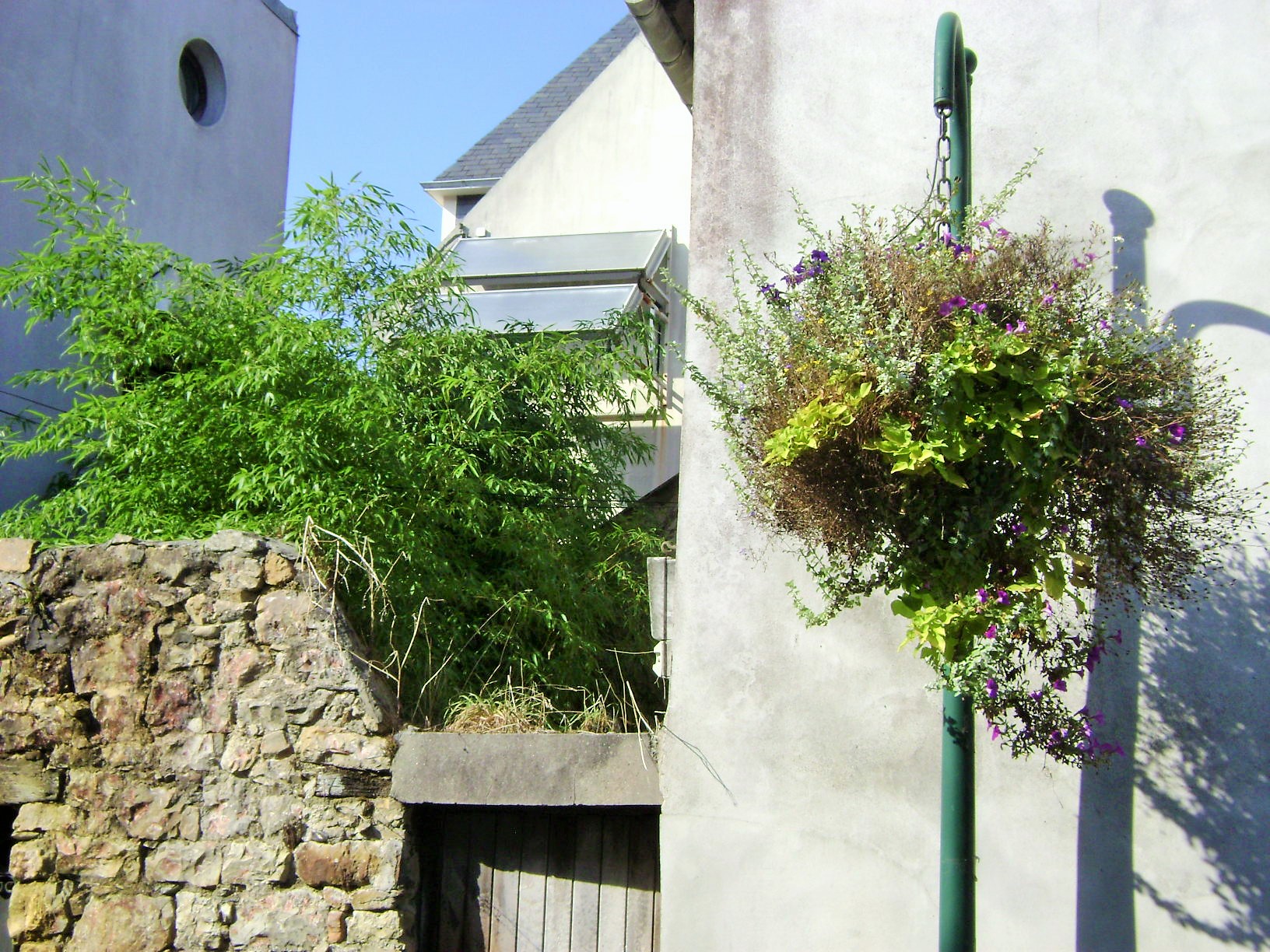


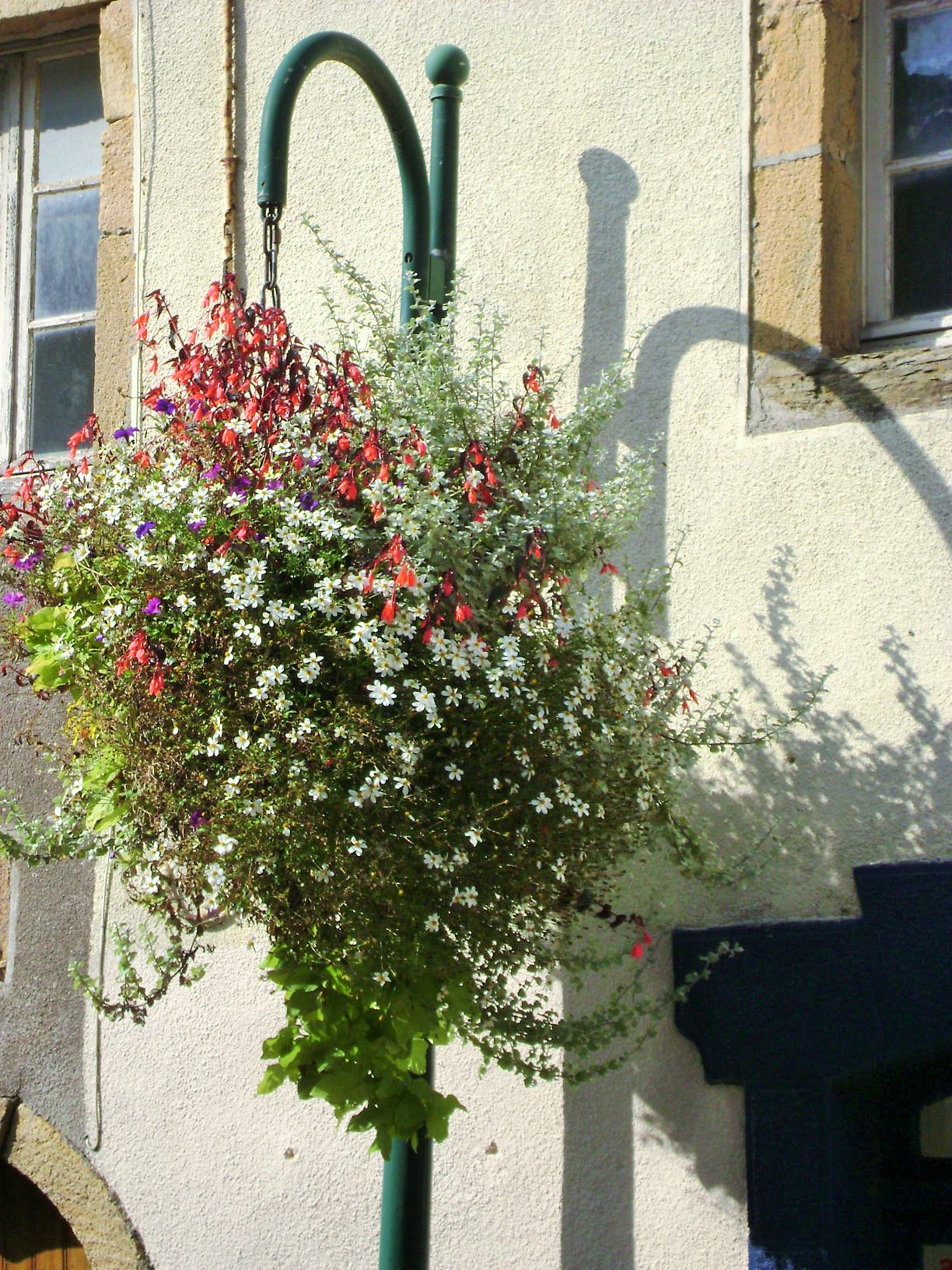
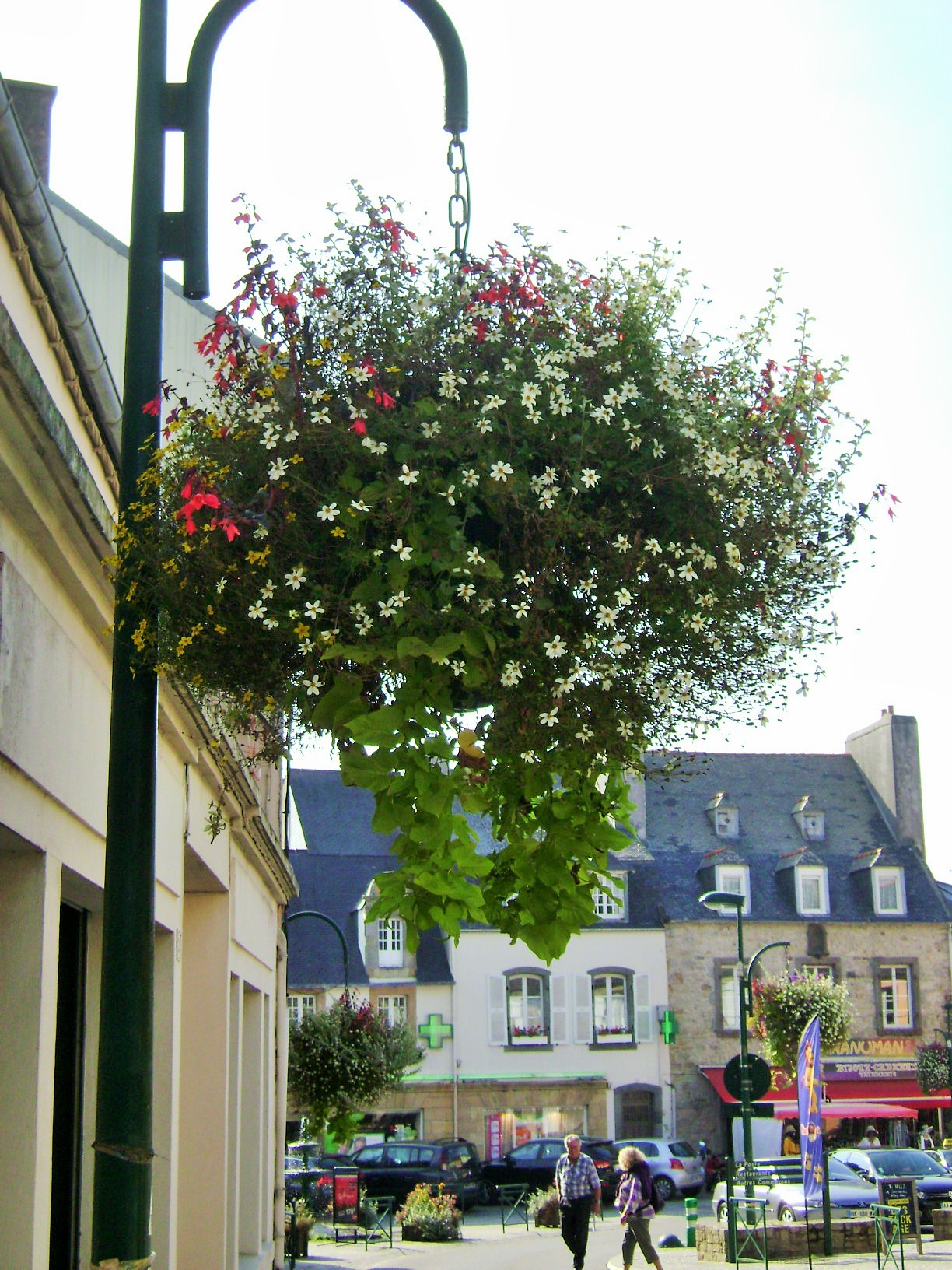
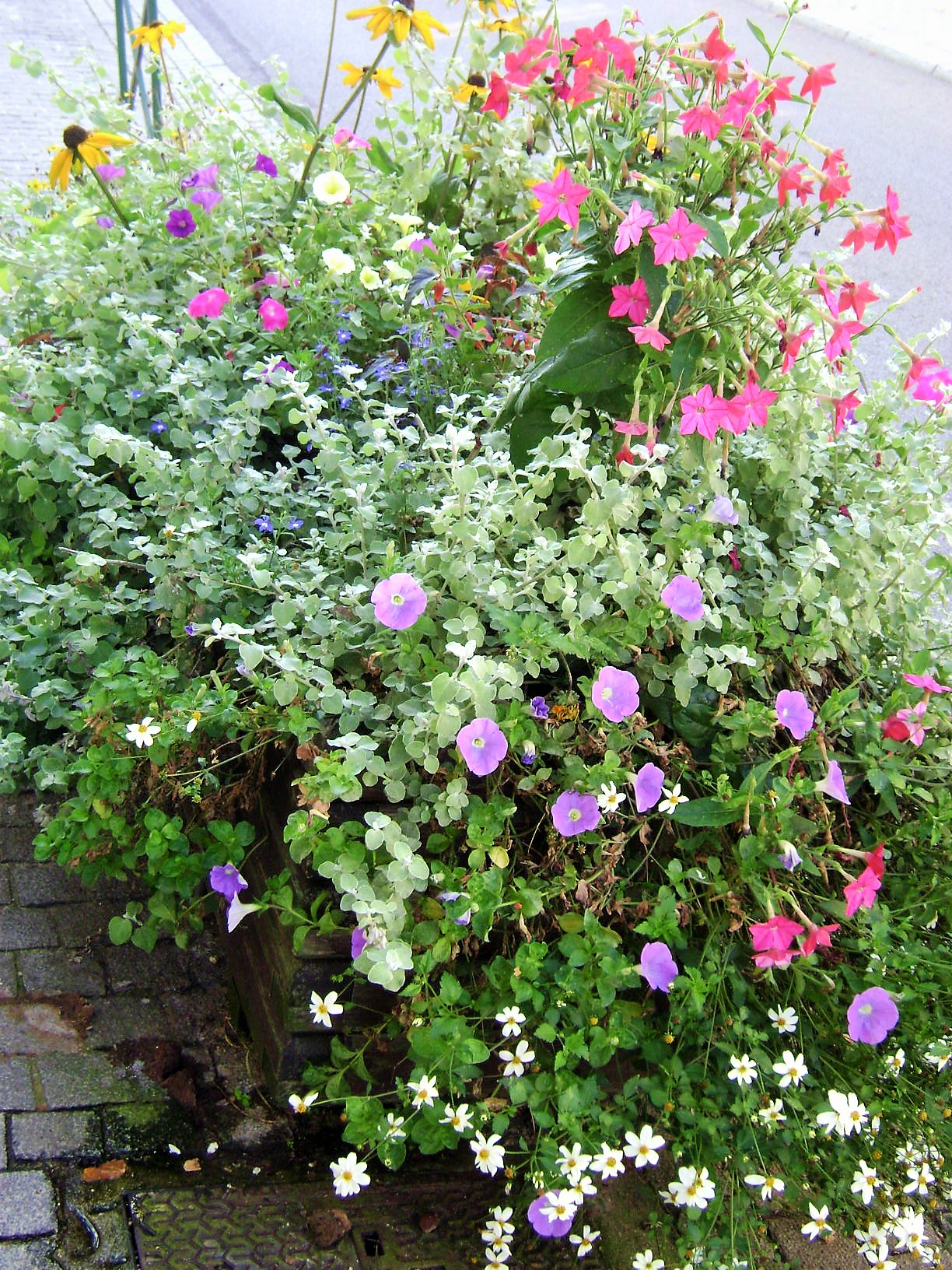
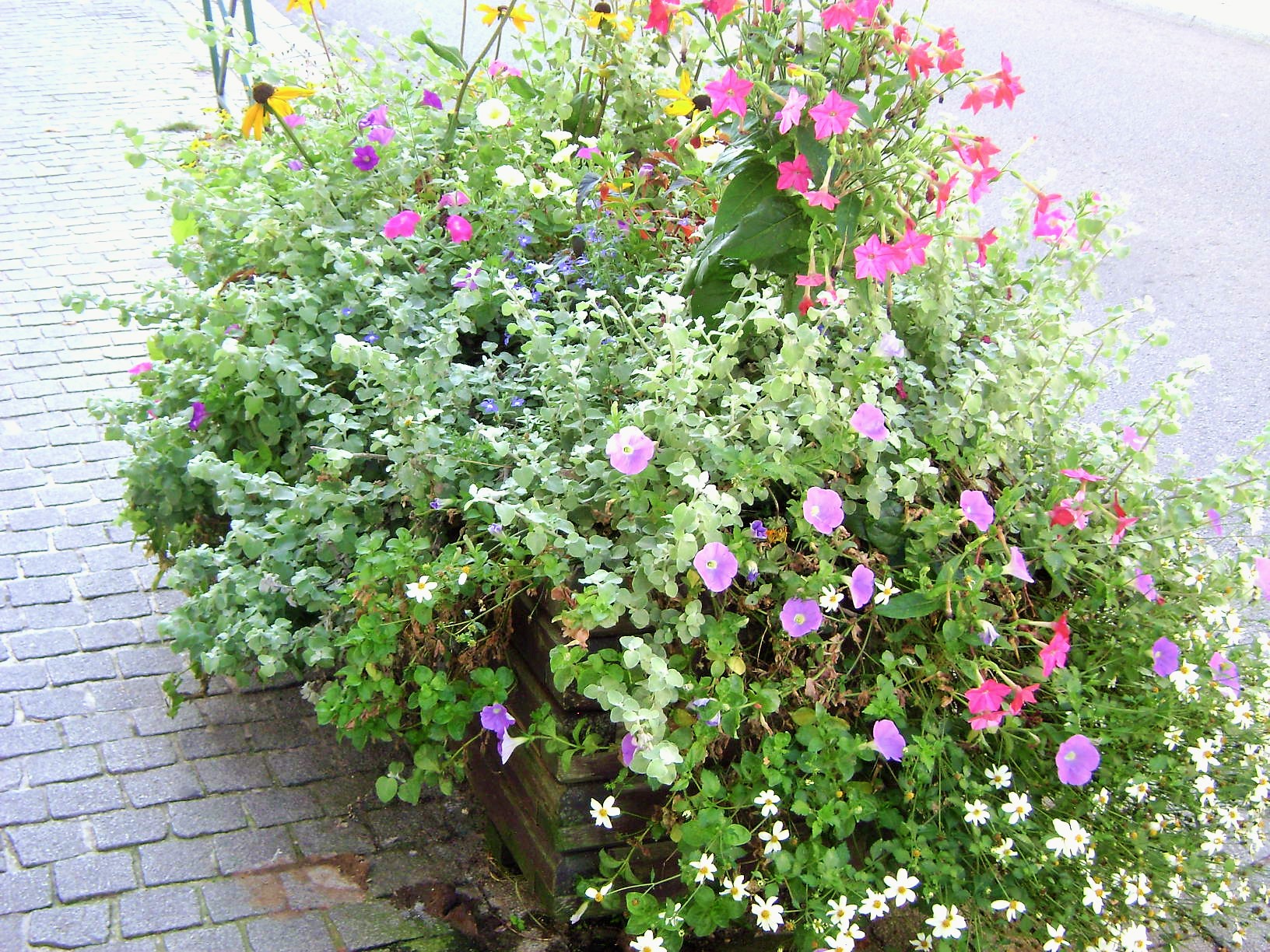
This is my second post featuring some of the fantastic container arrangements, planters and hanging baskets that villages in Brittany put together from spring until late fall.
The castle of Trevarez near Chateauneuf du Faou in northern Brittany, France, is one of the last great castles built in France. Construction began in 1892 for a French politician and brought together all the faste and excess of the Belle Epoque, frescoes, carvings, marble, mosaics, ornate panels and fireplaces.
It is often referred to as the pink or red castle, because of the pink color it gets from the bricks used. It was unfortunately bombed in the 1940s, and has not been occupied since, but it is being renovated by the government who purchased it in the 70s.
The gardens were neglected as well for many years and have been slowly brought back to their original glory, one area at a time. The grounds are extensive, with stables, a large wash house, theme gardens, formal gardens and much more.
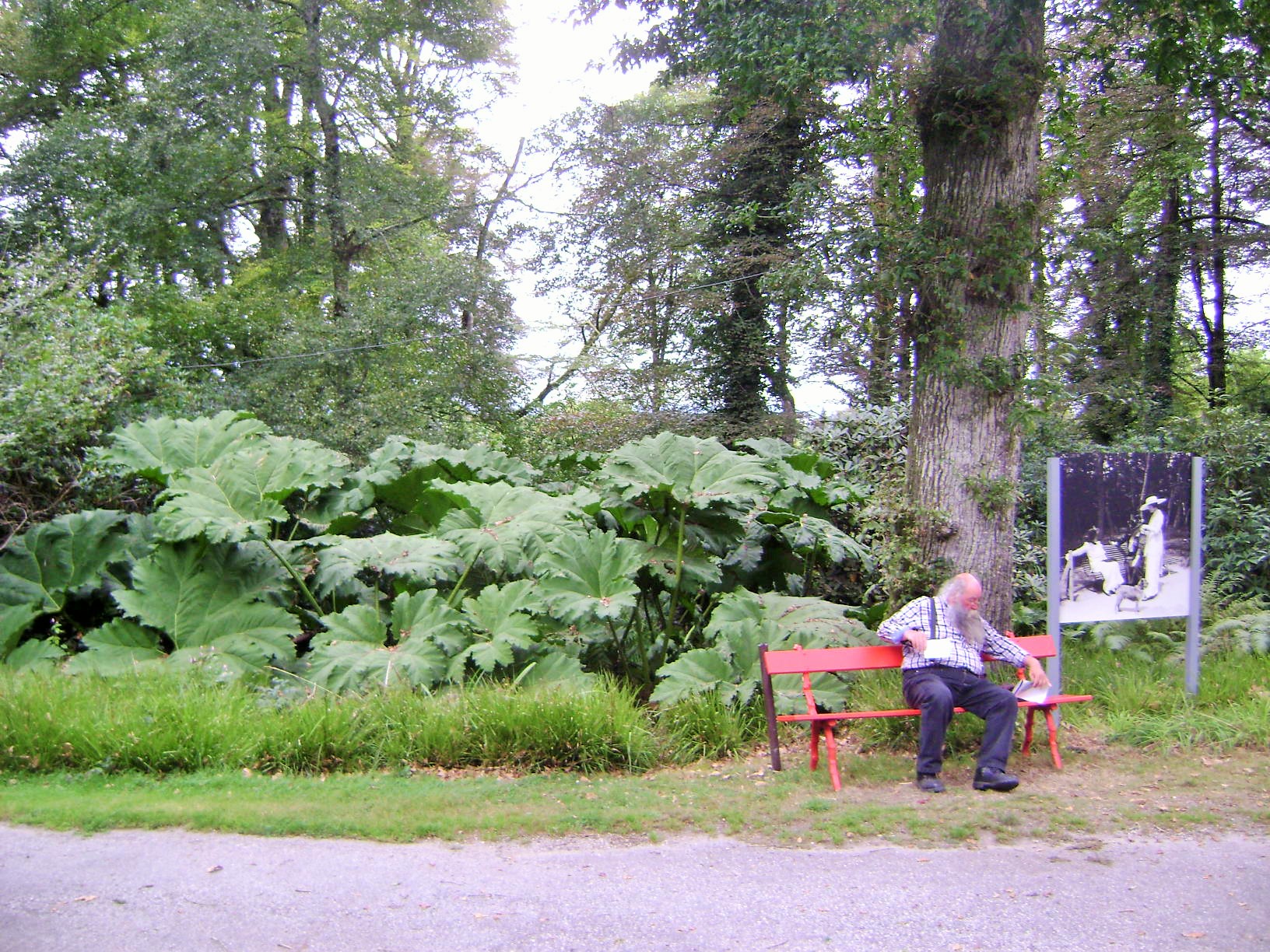
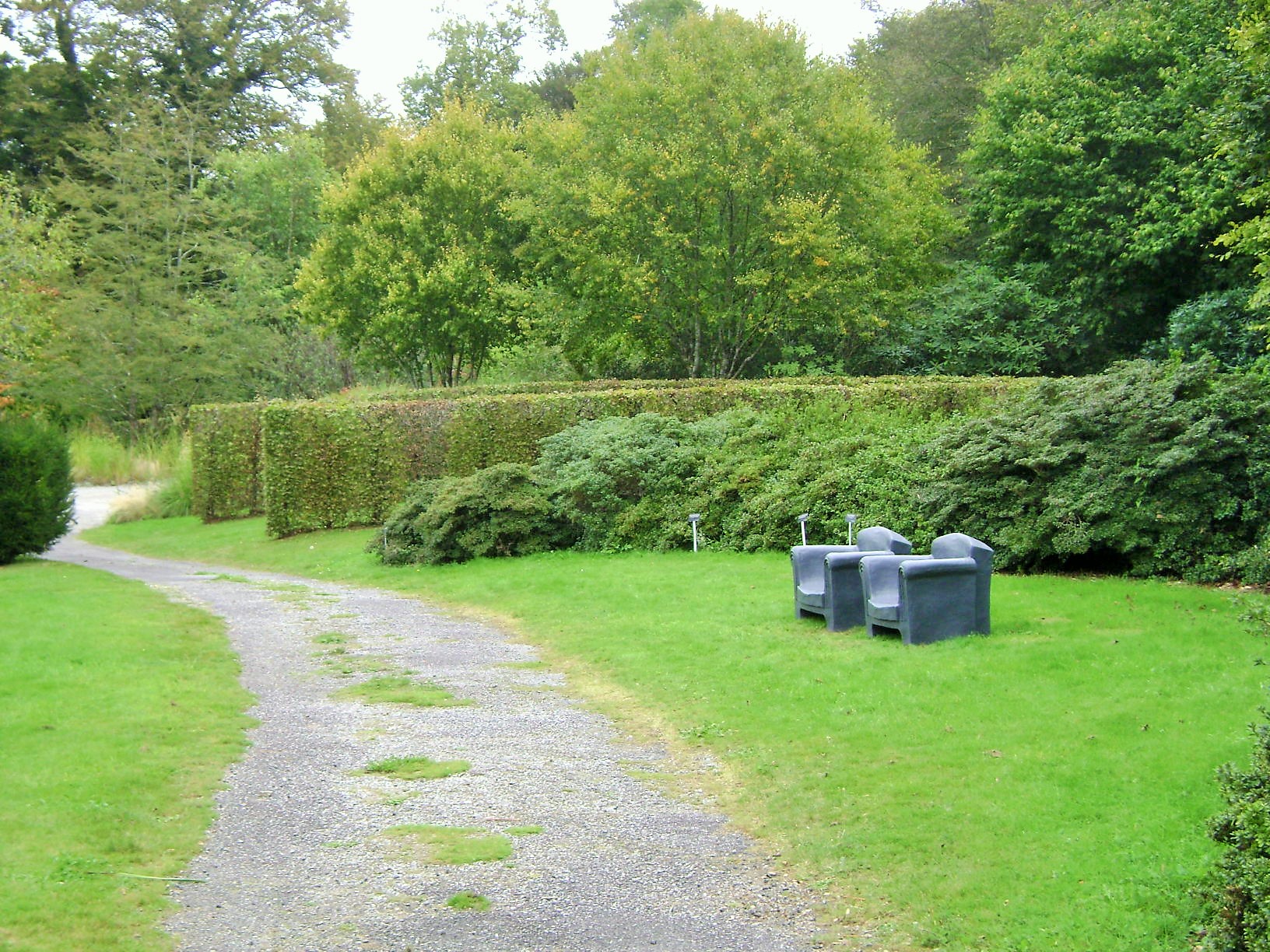
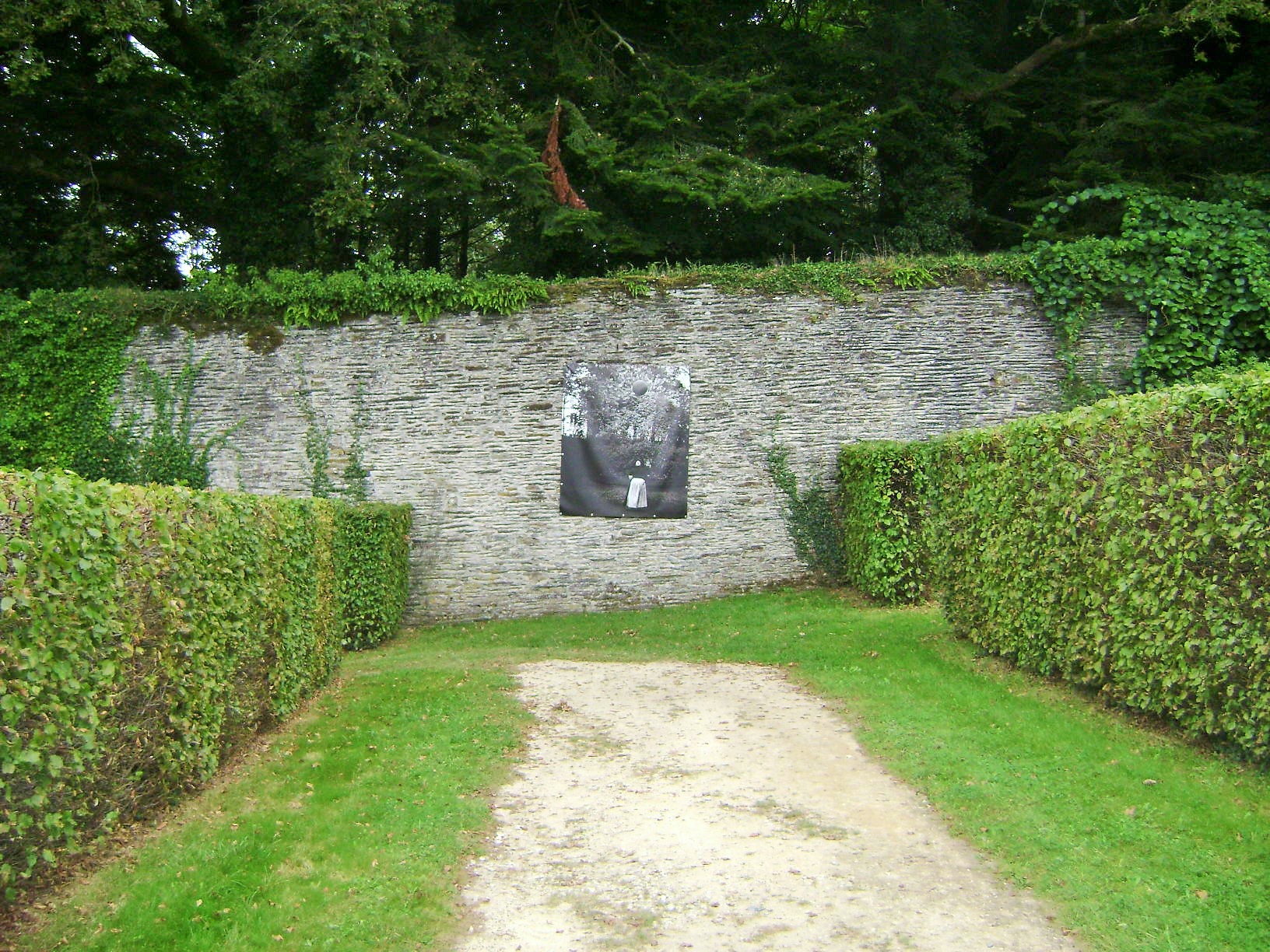
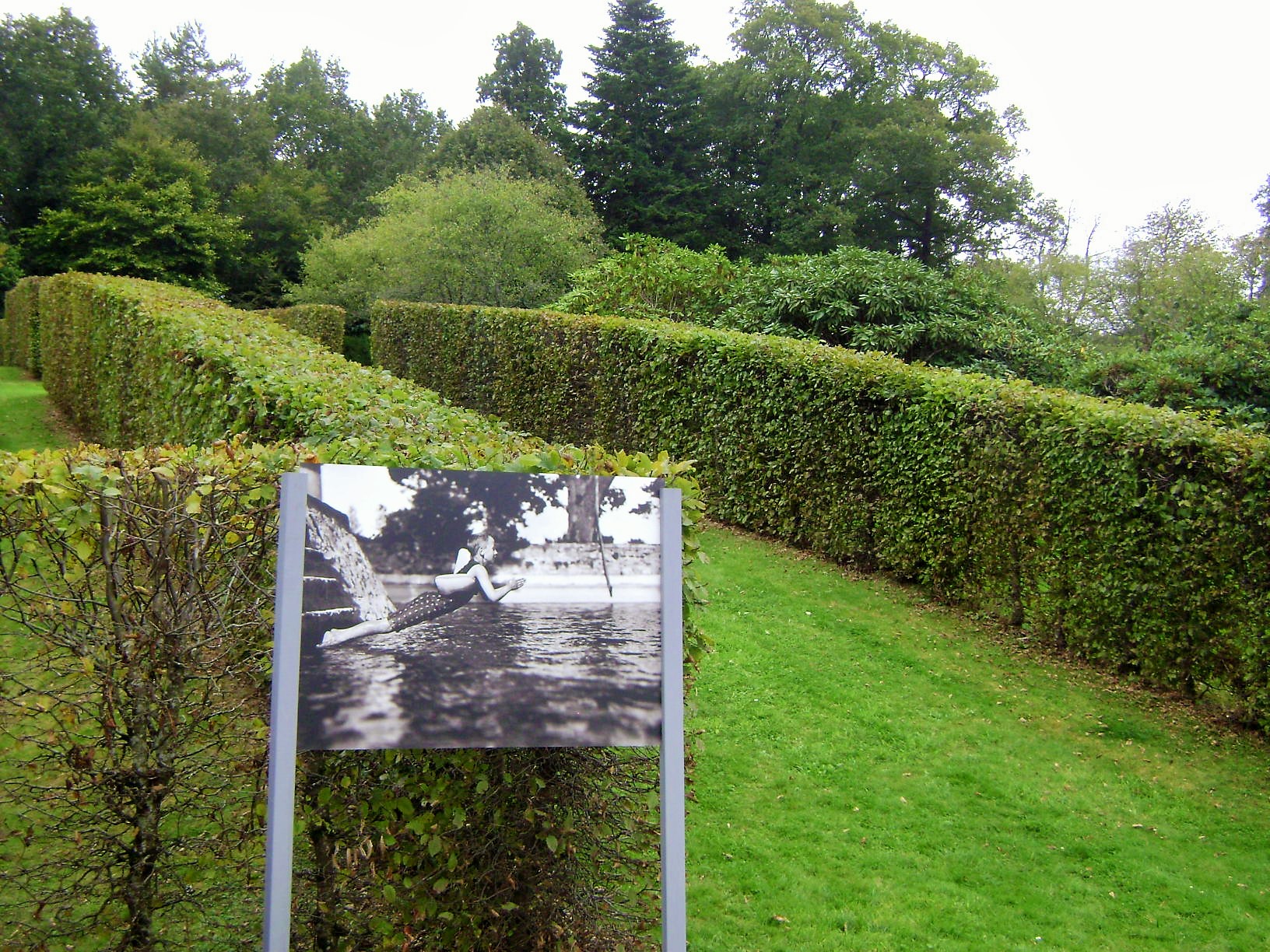
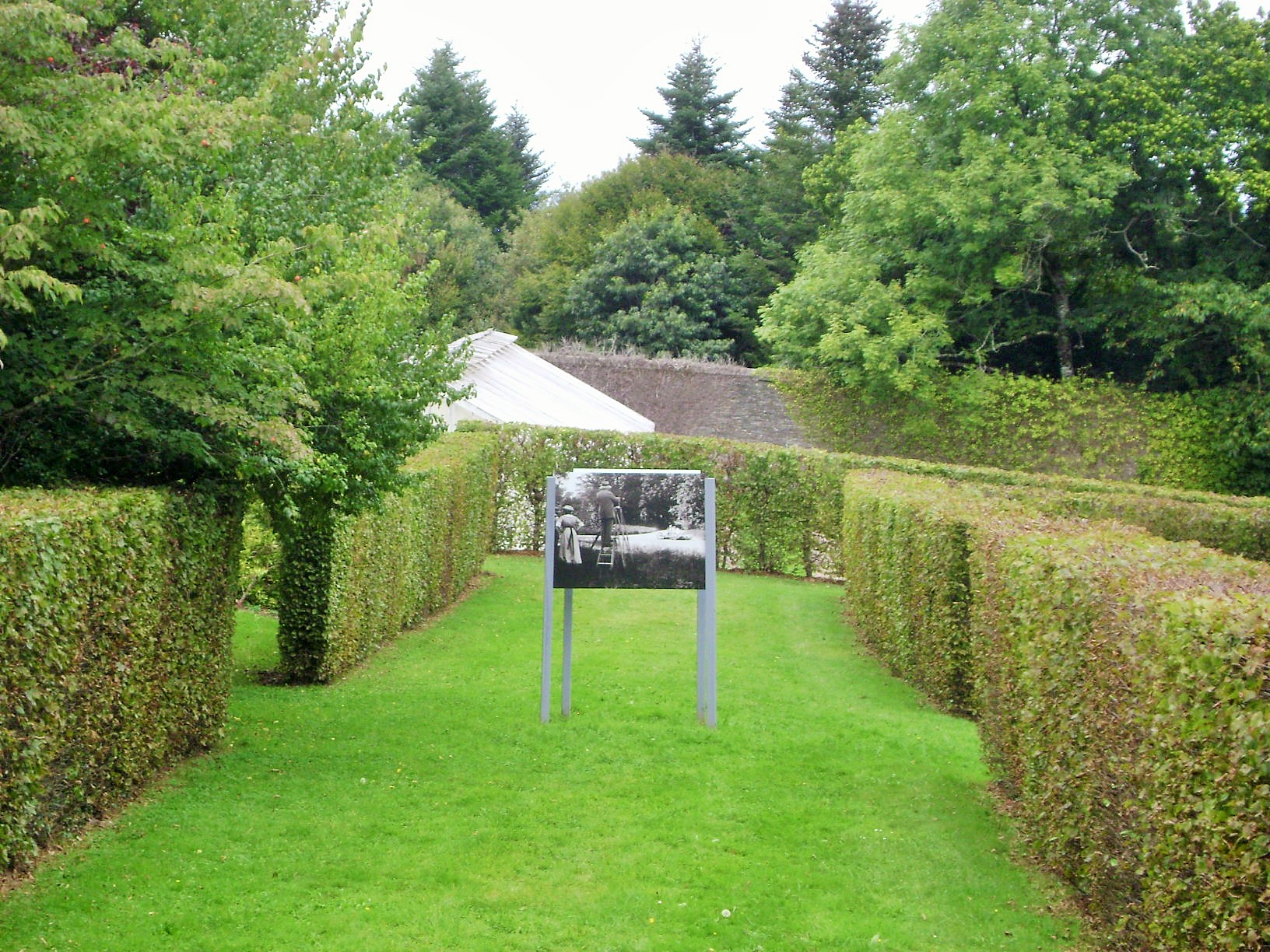
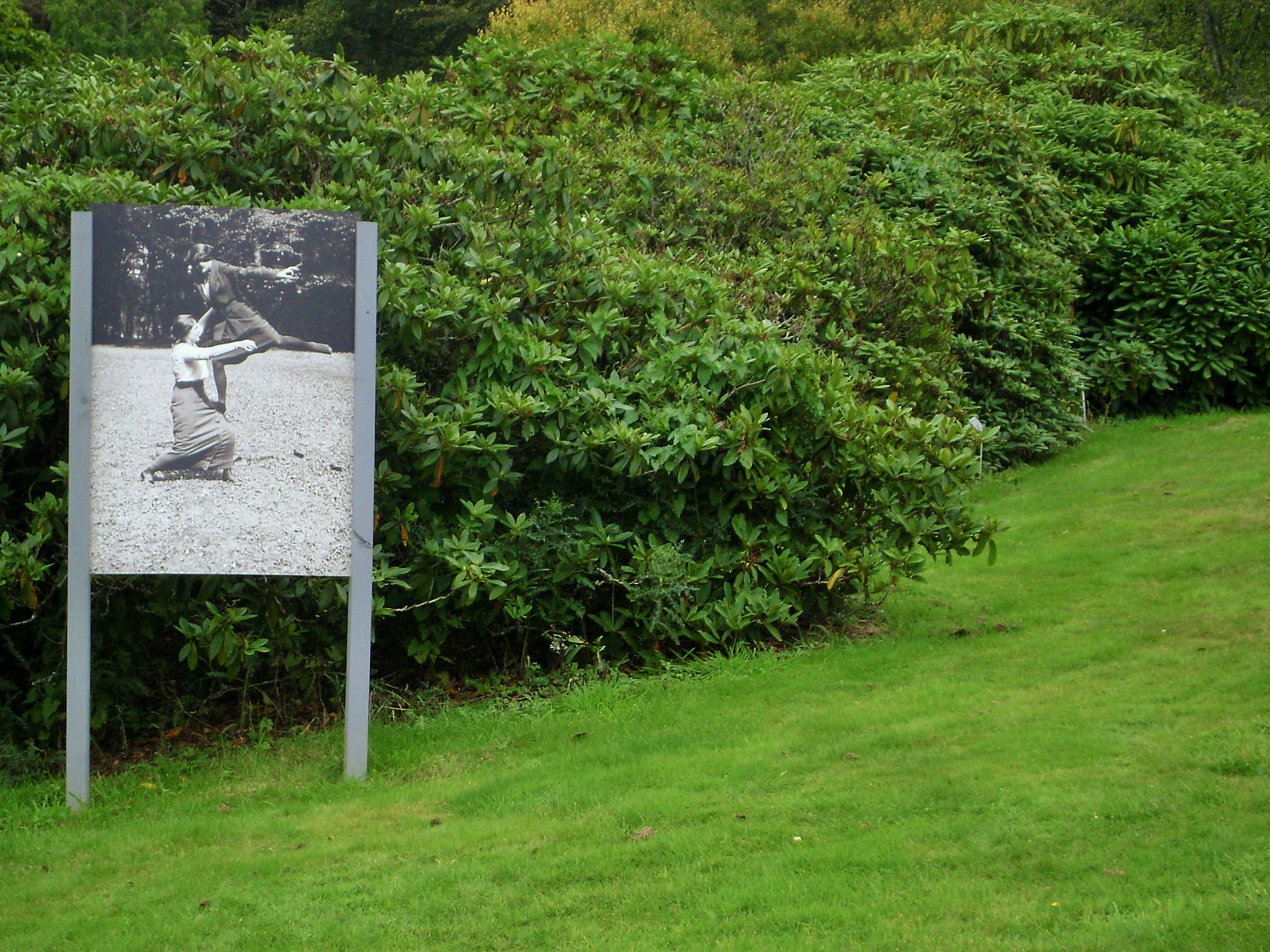
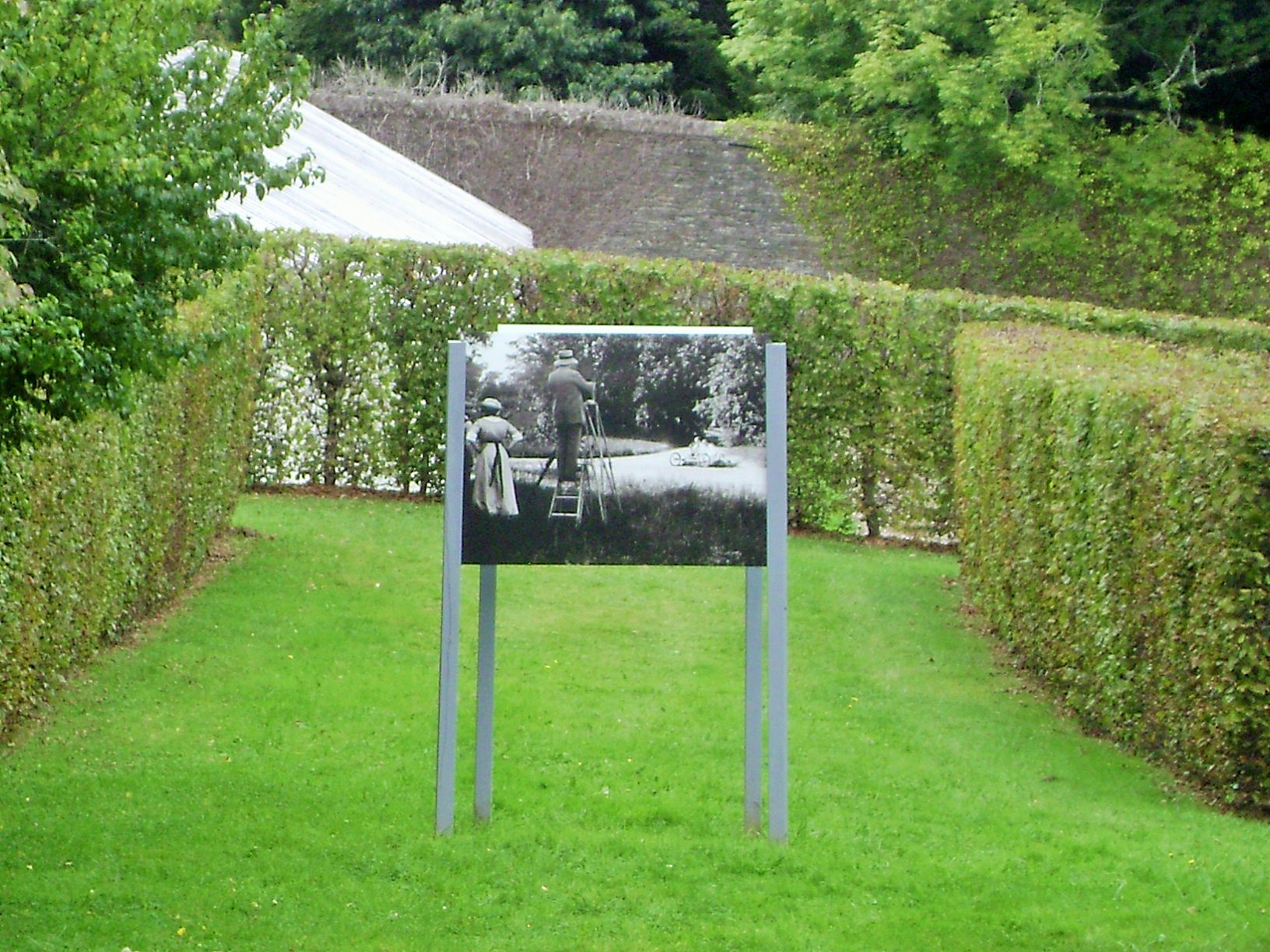
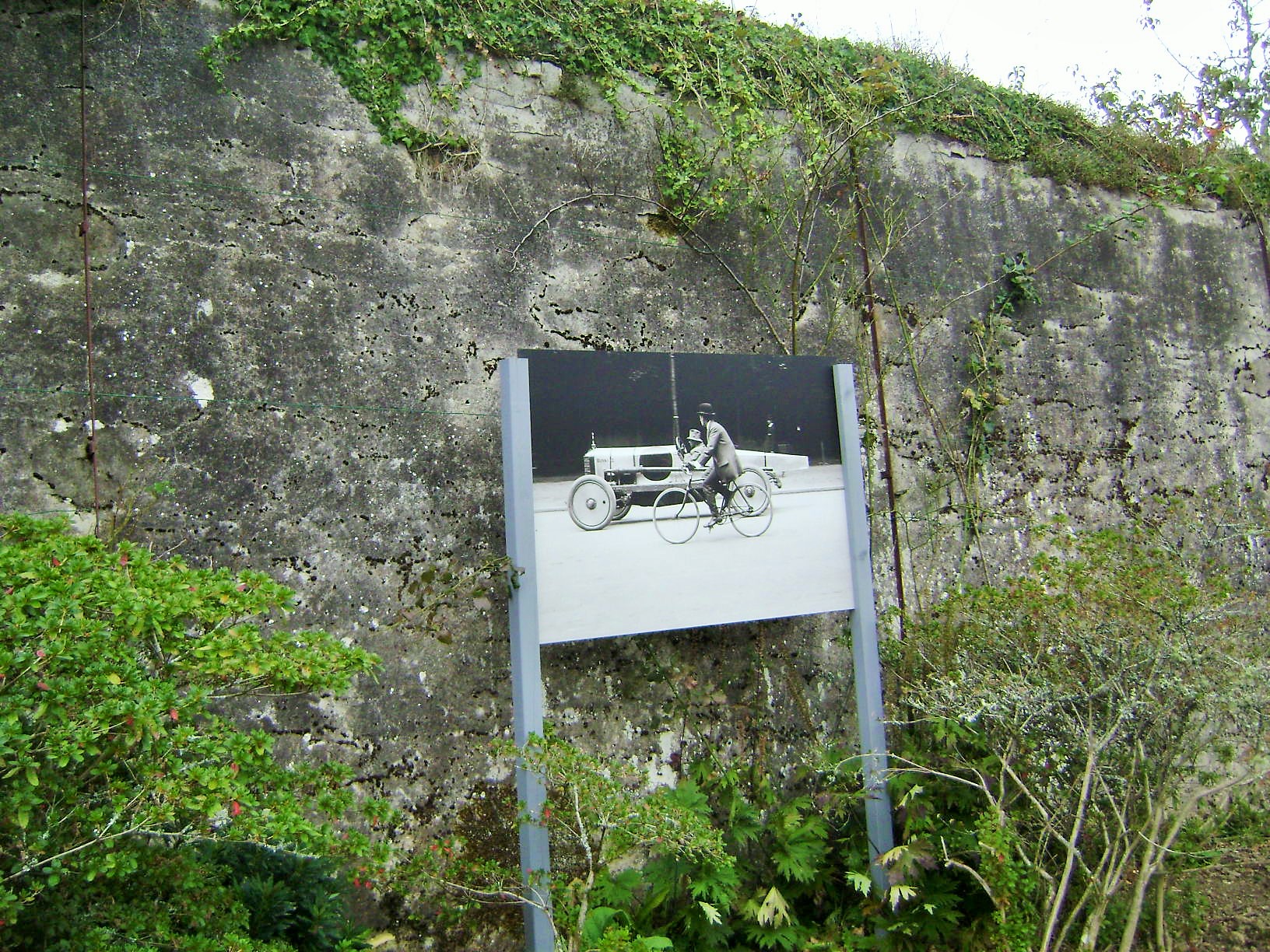
In this post, I am featuring the ART IN THEGARDENS, here the photographs of Jacques Henri Lartigue, renowned French photographer and chronicler of the lives of the wealthy in the heyday of Trevarez, in the teens and twenties until the war.
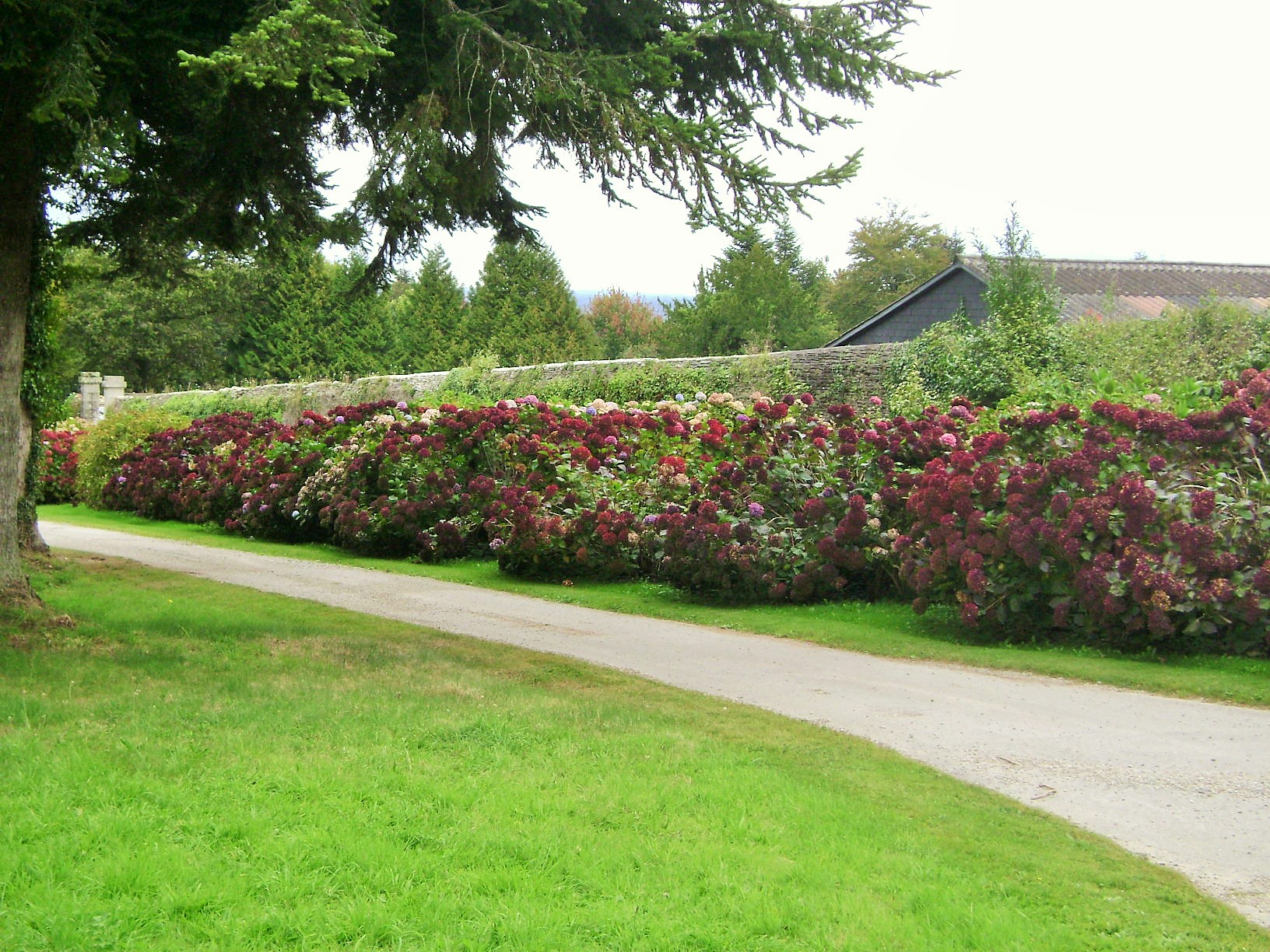
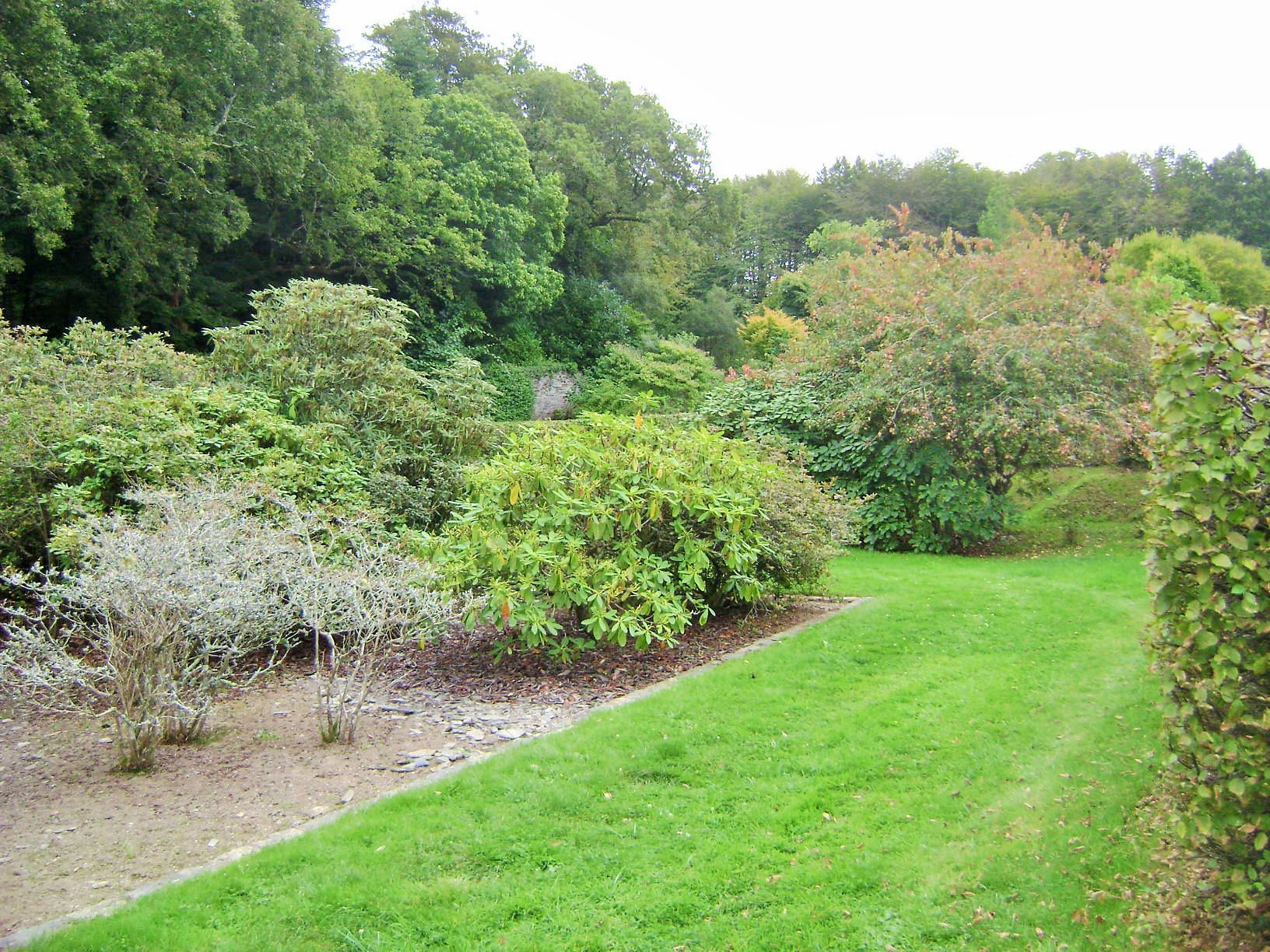
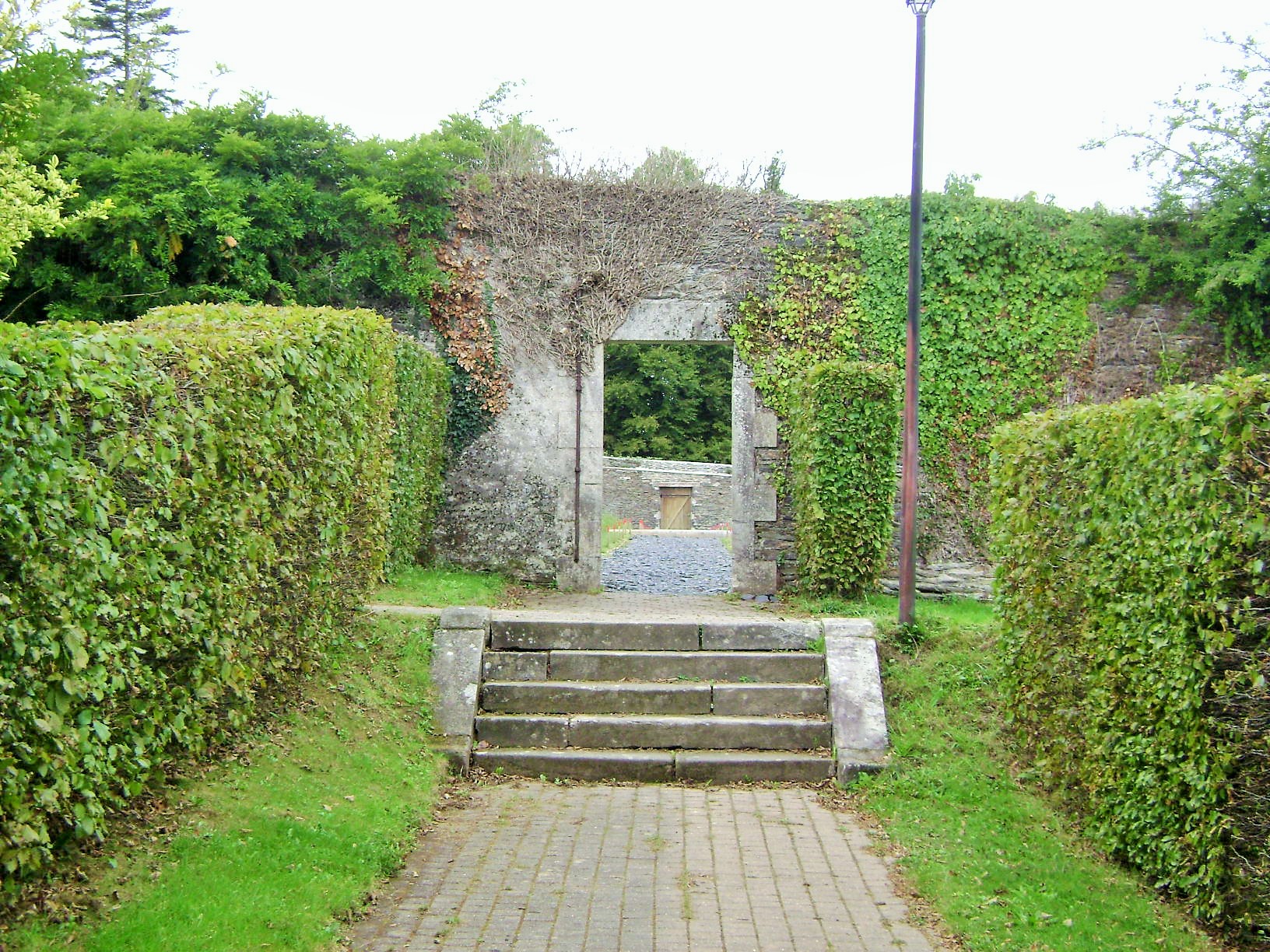
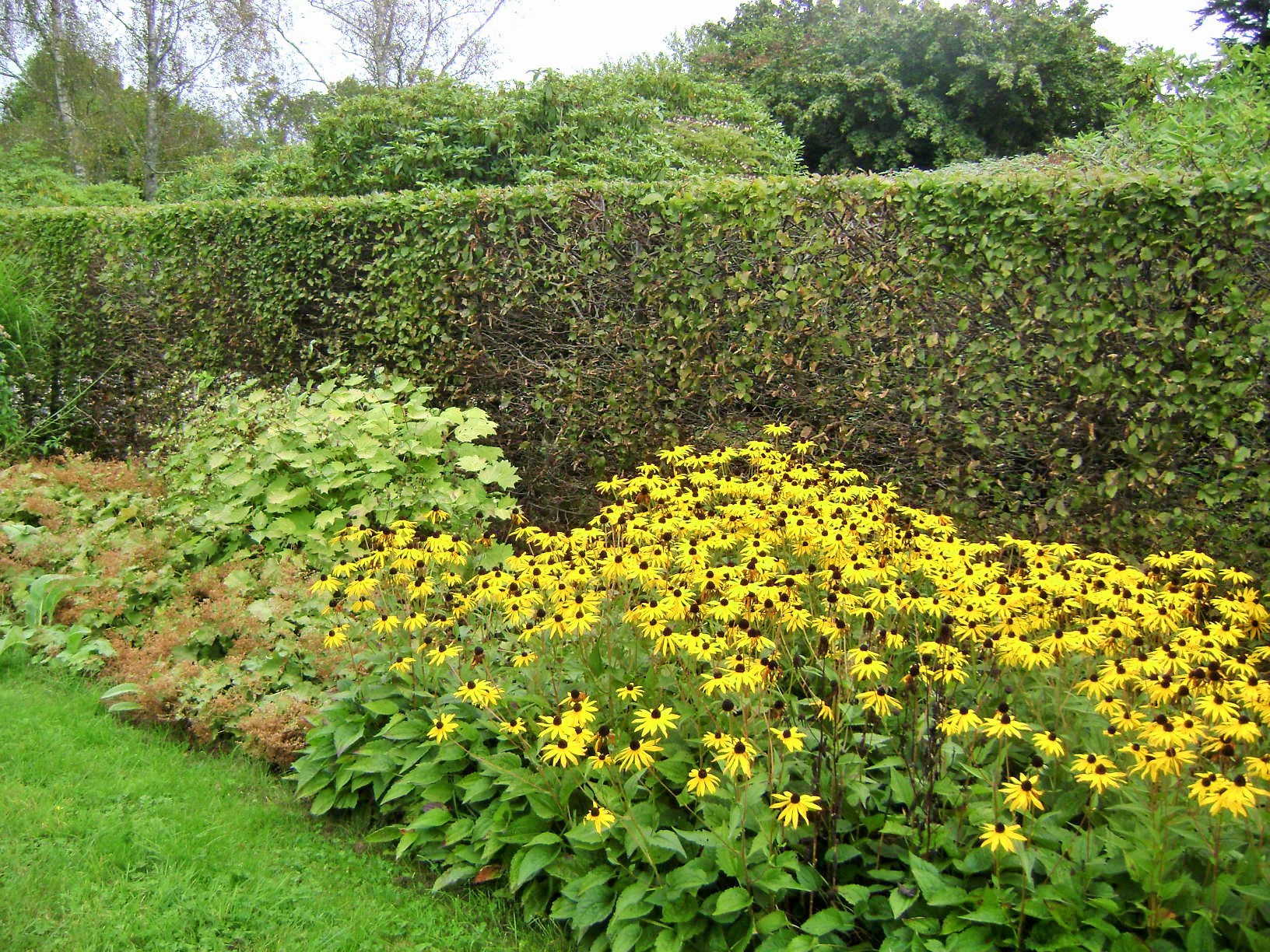
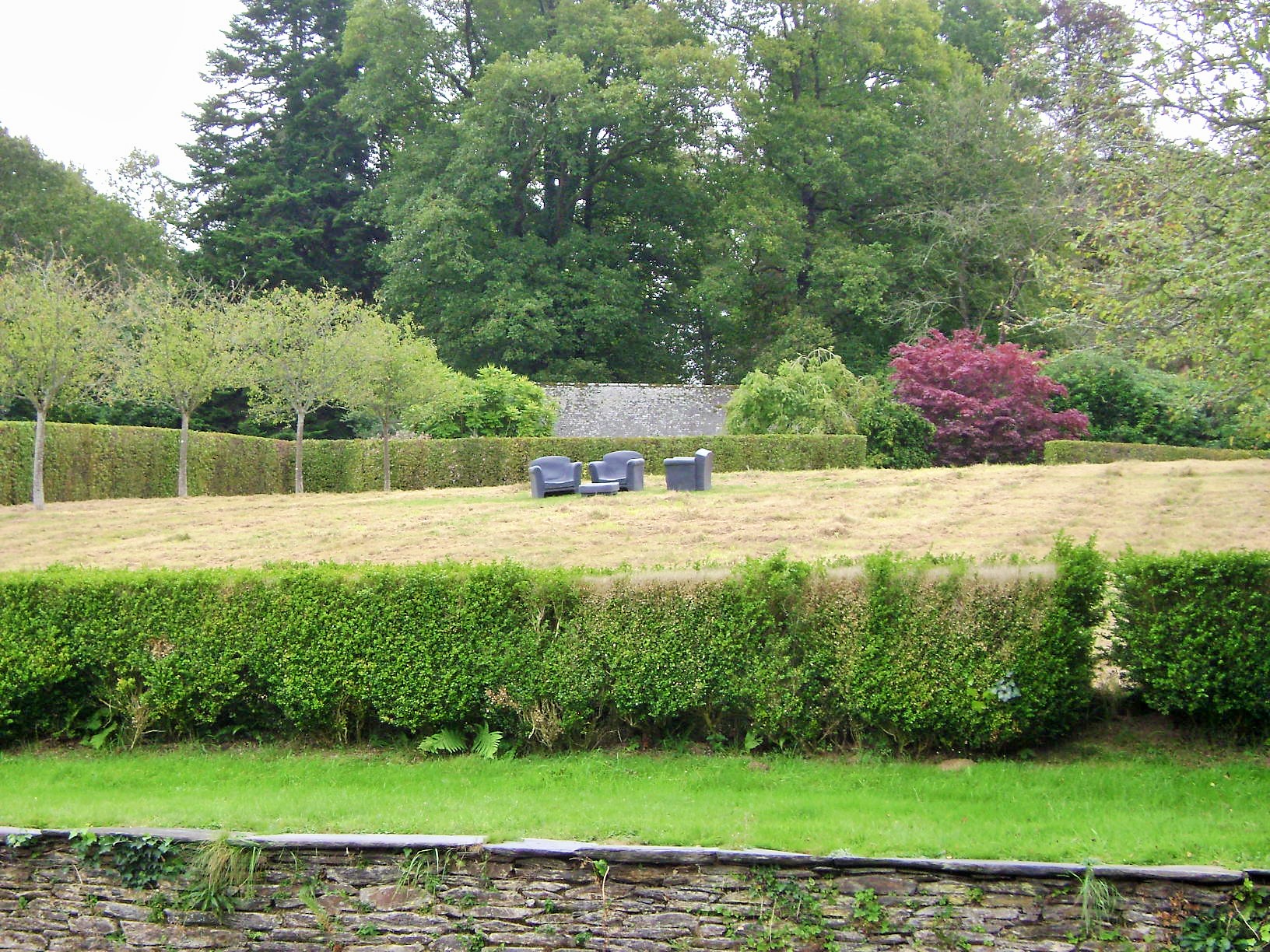
Trevarez seamlessly integrates large scale photos in black and white to the gardens in a series of garden “rooms” enclosed by hedges, with a series of paths create a perfect rhythm for viewing the art against the formal and almost stark background of that part of the gardens. Of course, in the spring, the formal gardens would be softened by the many azaleas and rhododendrons in bloom. I have included a few photos of the shrub borders for reference.
The exhibit starts by the theme gardens and ends past the hothouses and the stunning hydrangeas alley blooming into September.















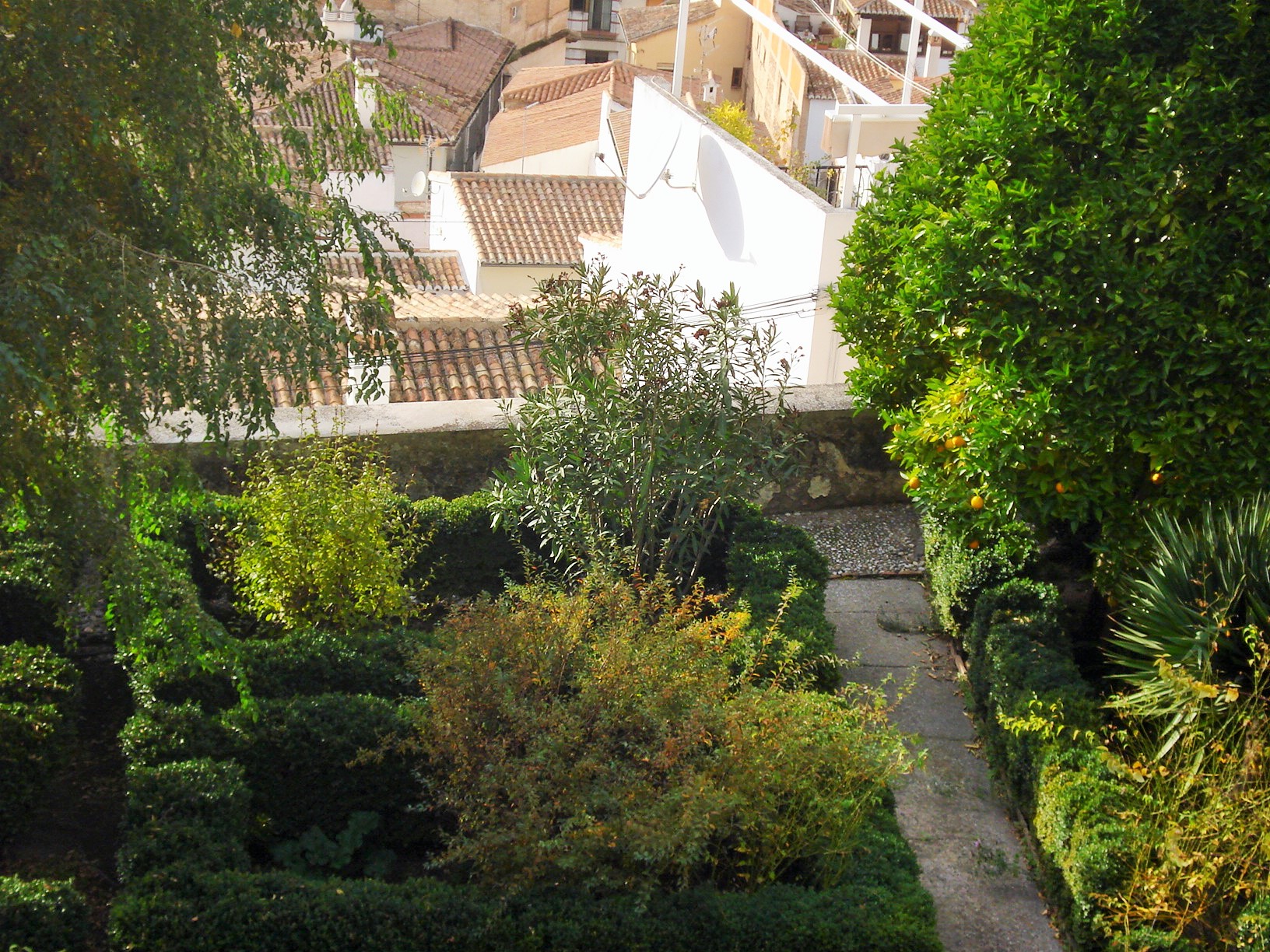
Granada, in southern Spain, is of course most famous for the Alhambra and Generalife gardens. The Alcazaba was built as a fortress and is the oldest part of the Alhambra. The gardens of the Alcazaba are small but offer sweeping views of the city, as well as fountains and other features typically found in Moorish style gardens.

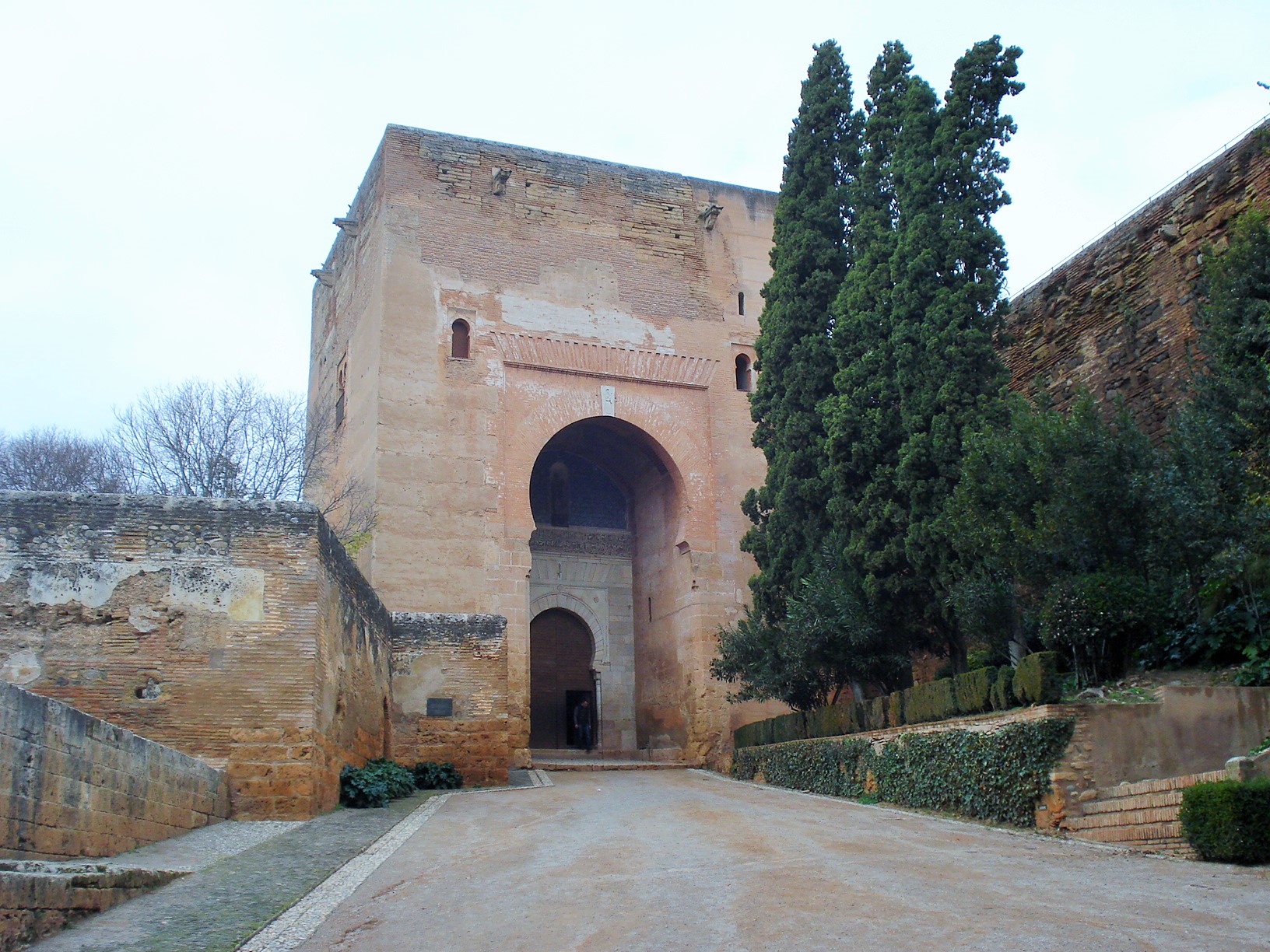

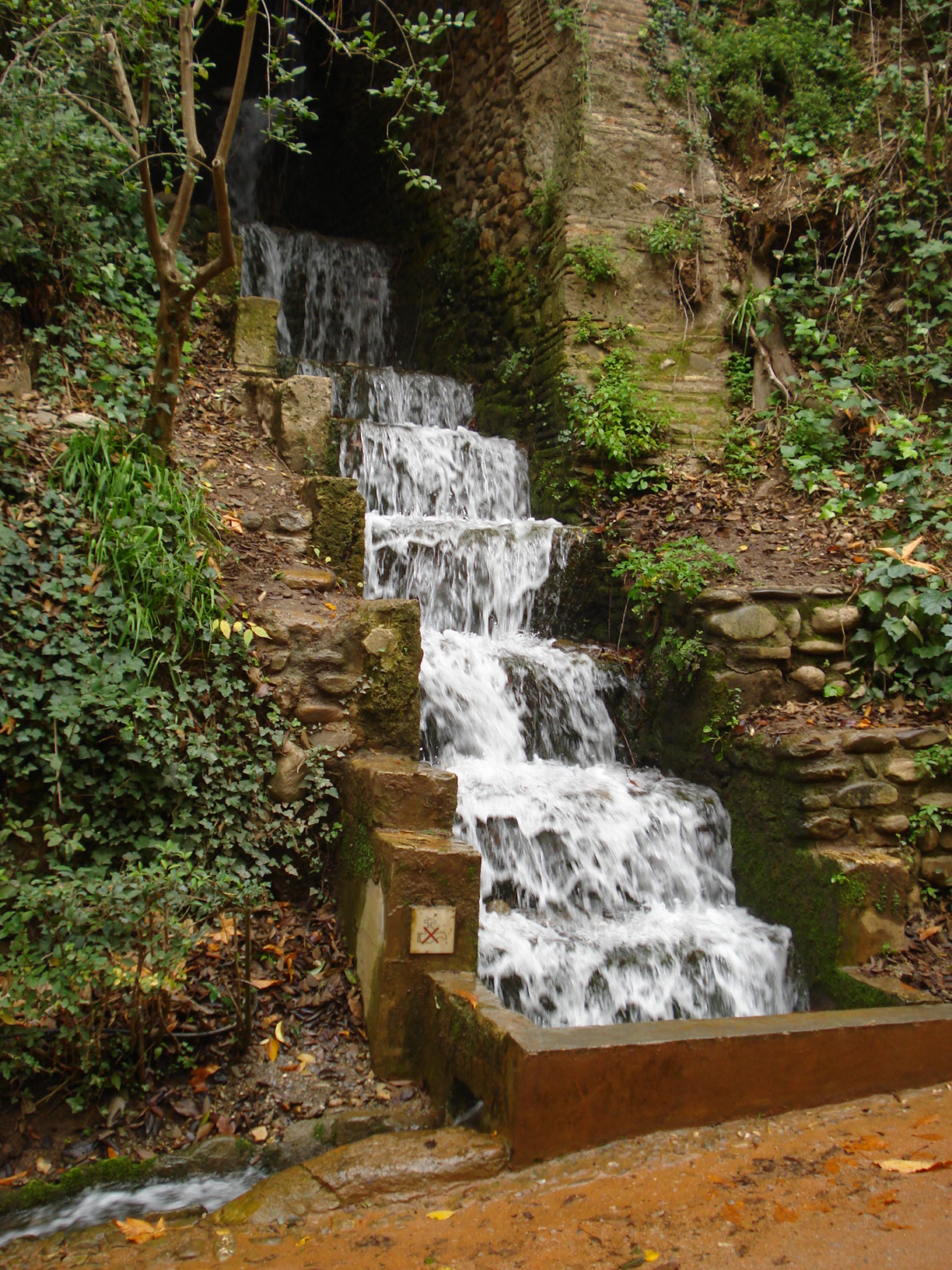
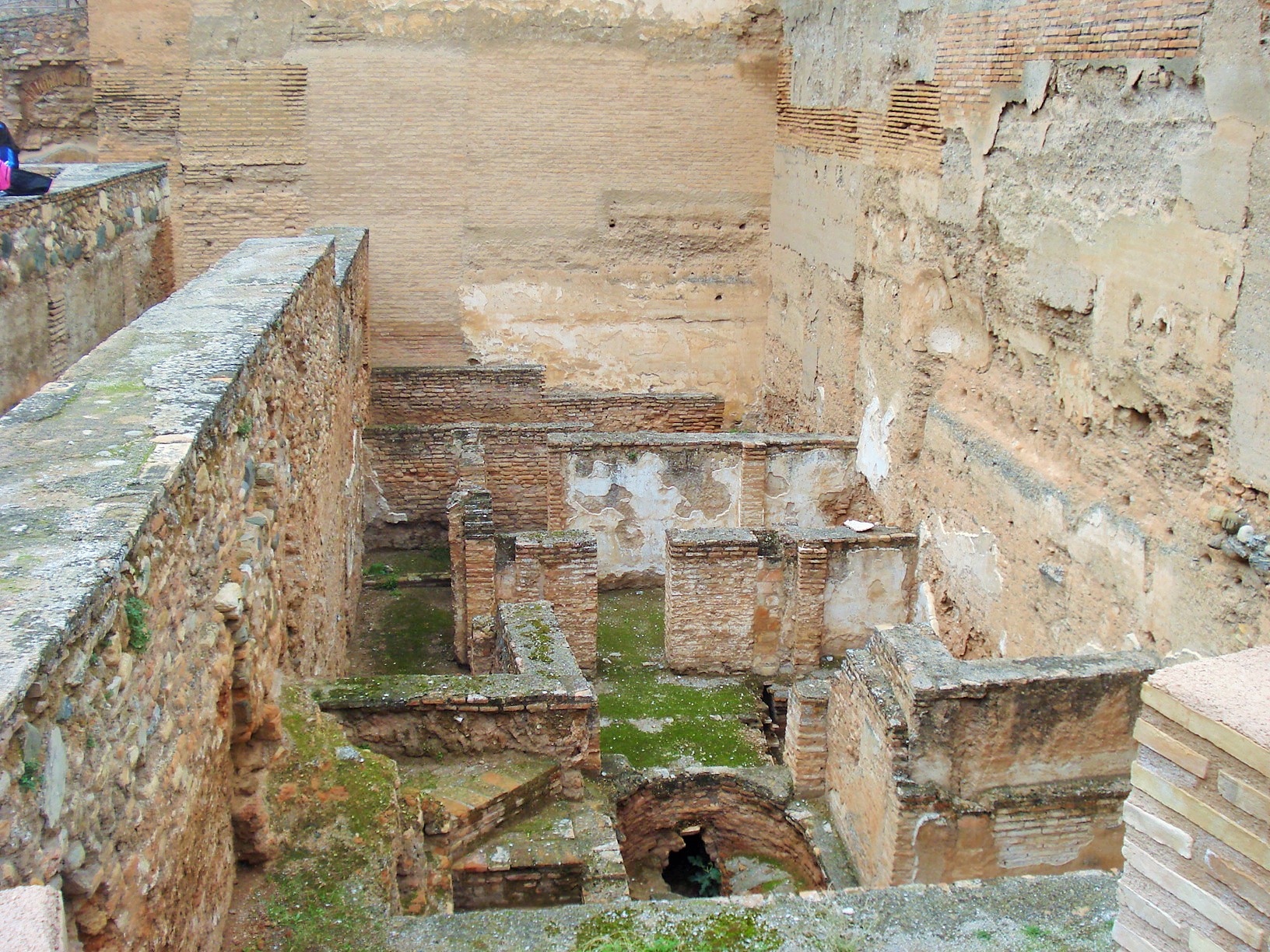
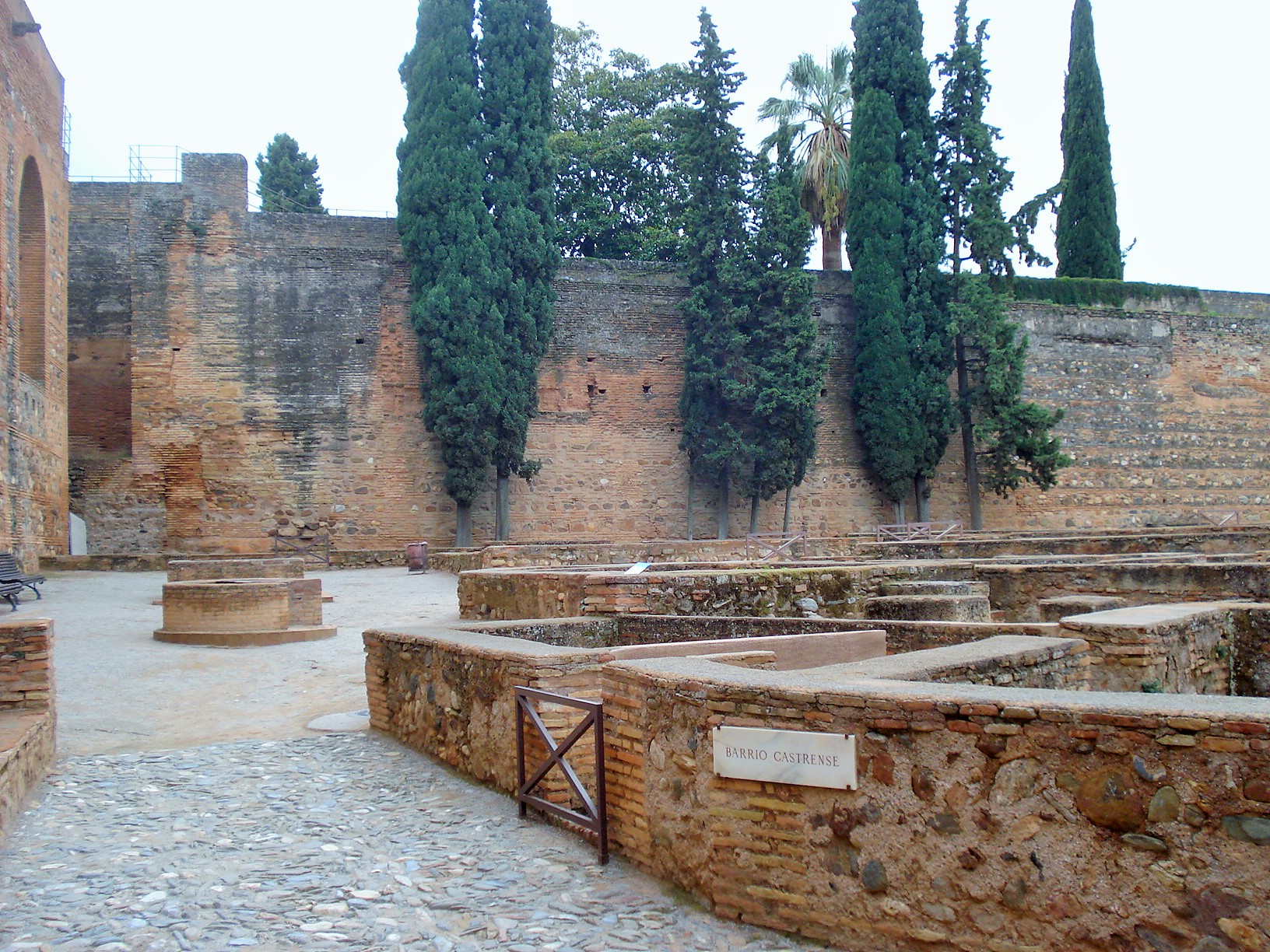 The garden proper is called Jardin de los Adarves. It is a long and narrow garden on the side of the Alcazaba overlooking the city.
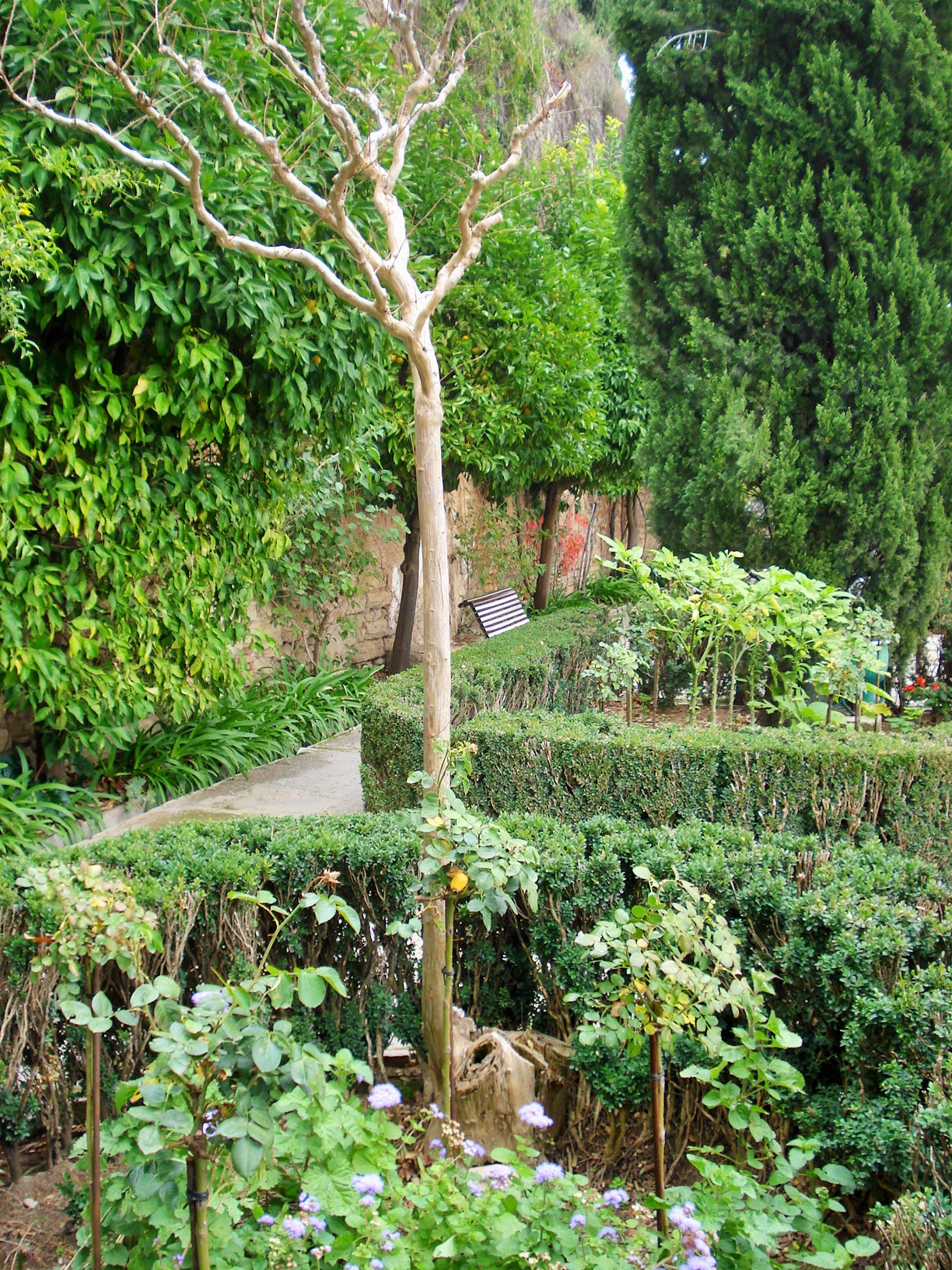
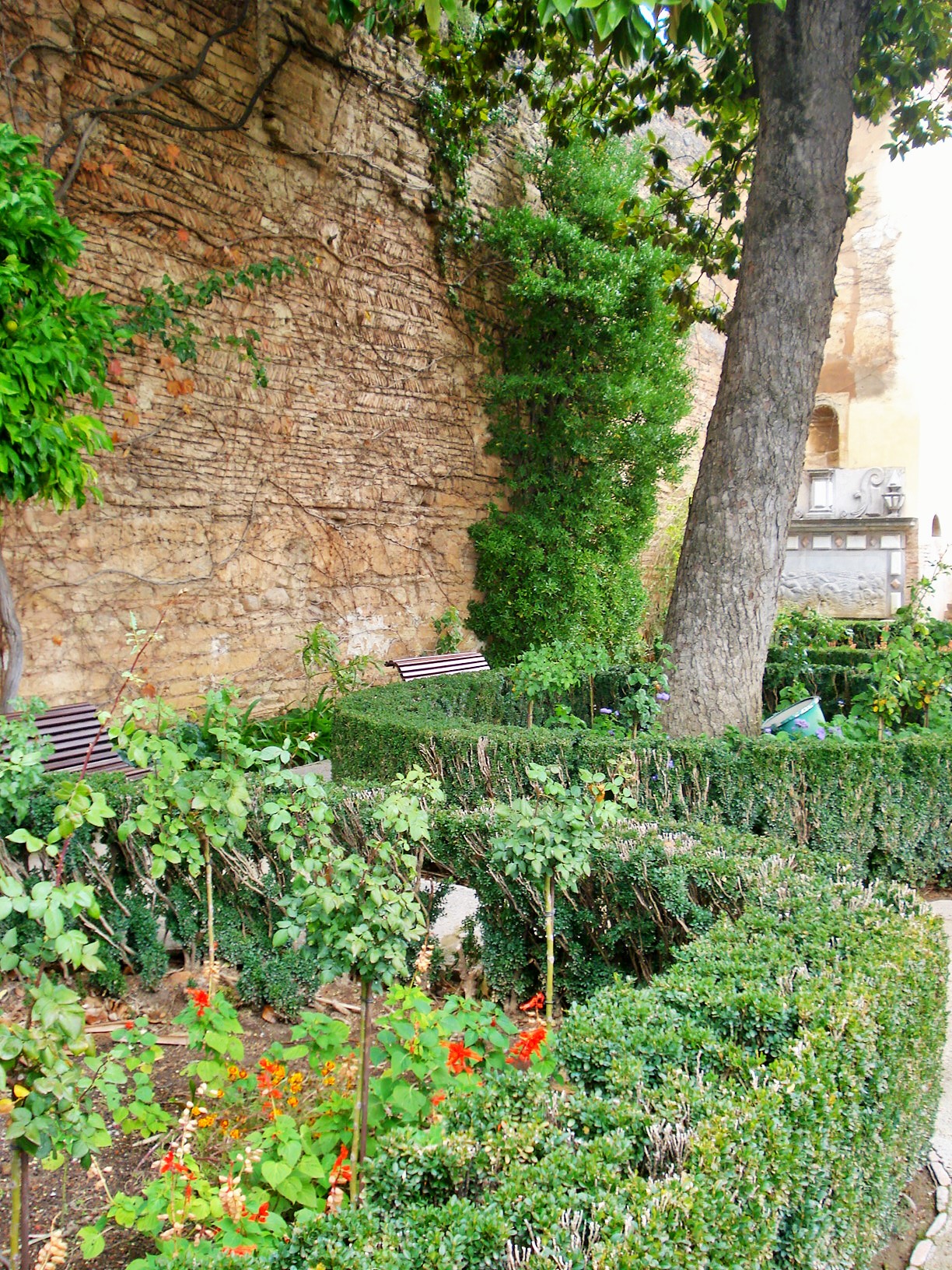


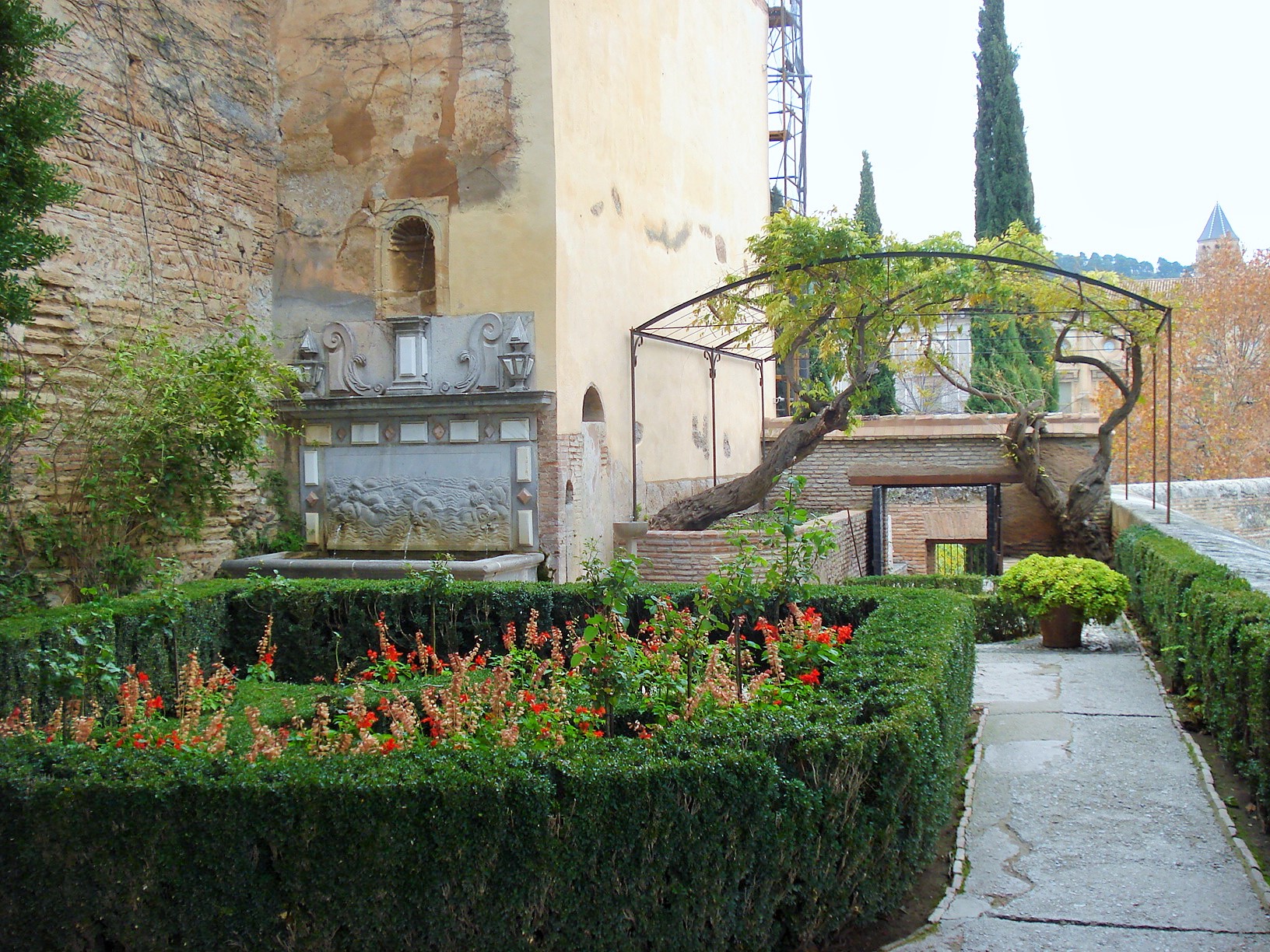


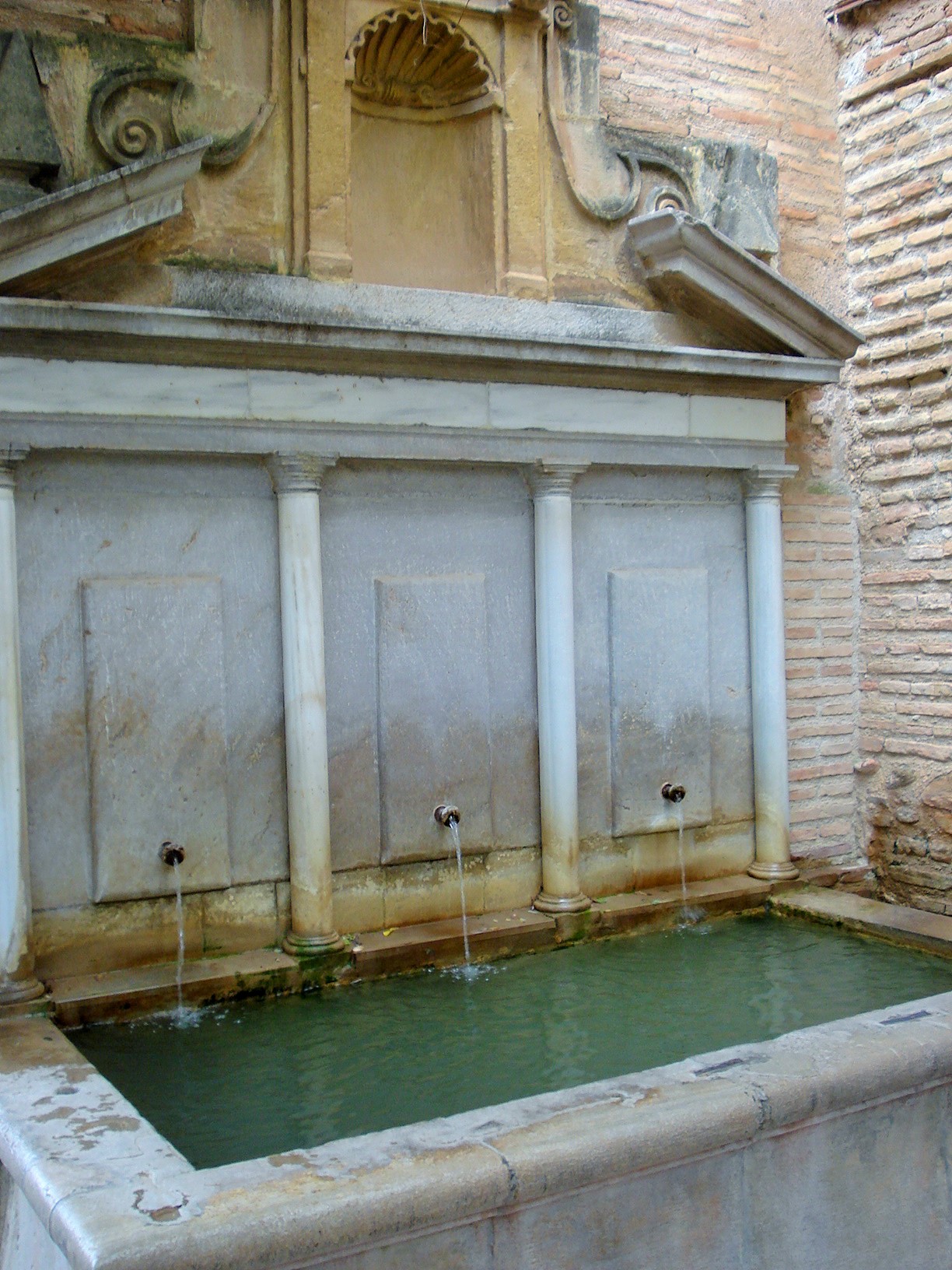
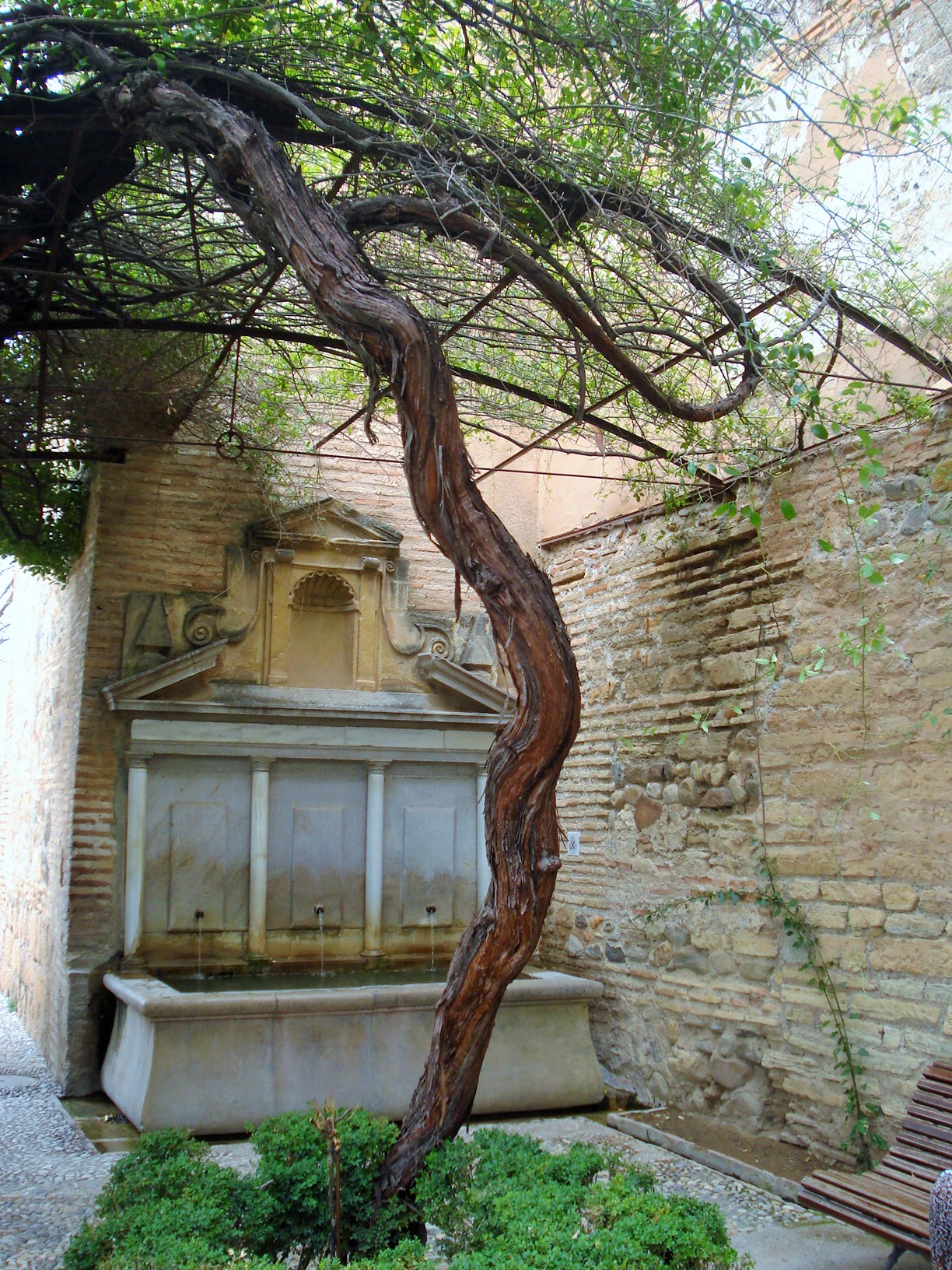

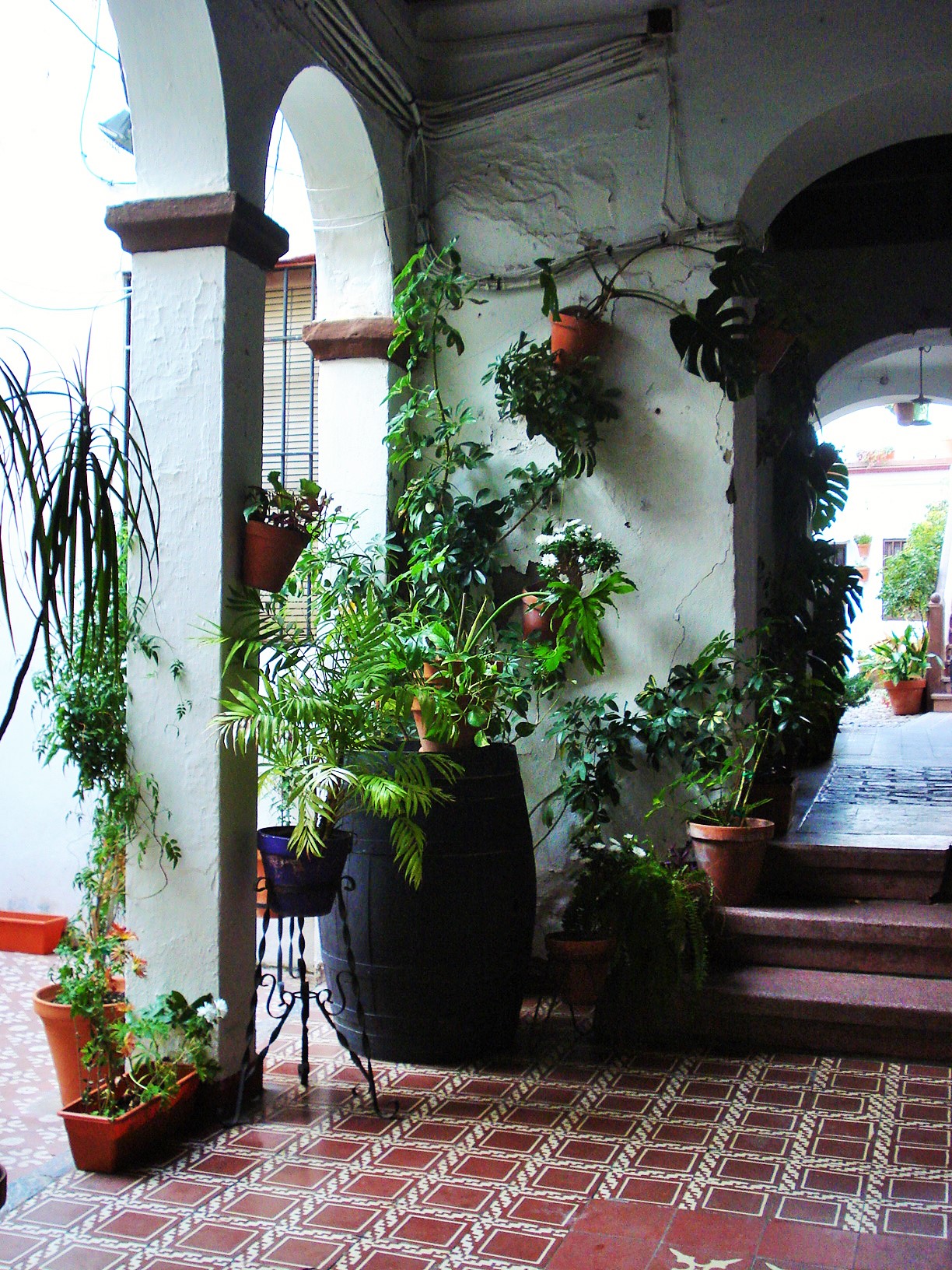
Beautiful patios can be found throughout Andalusia, influenced bytthe Moors that ruled in Southern Spain until a final defeat in 1492. Cordoba embraced this heritage in its patio tradition perhaps more than any other Spanish city and has been celebrating with its famous Patio Festival in May since 1933.
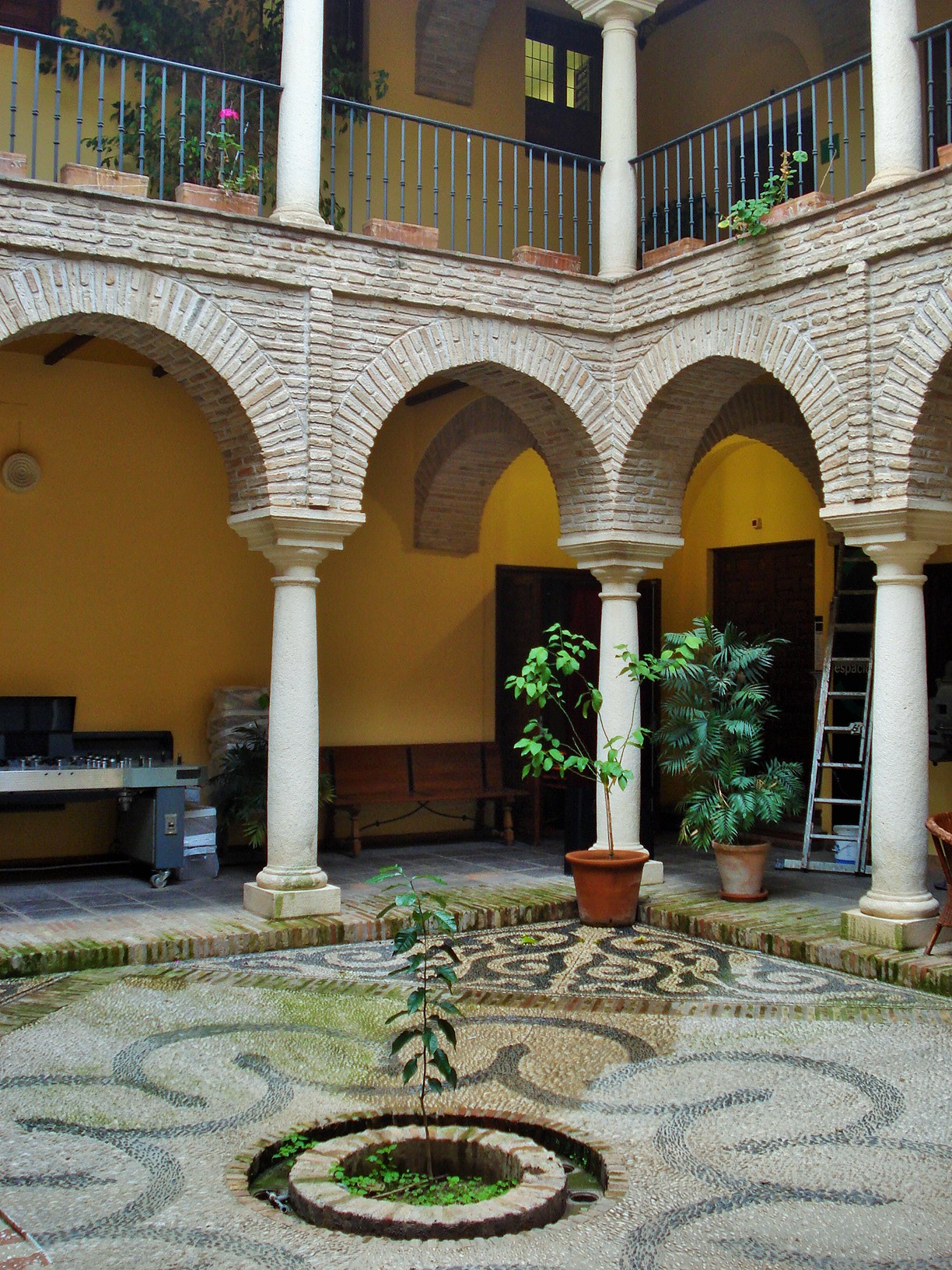
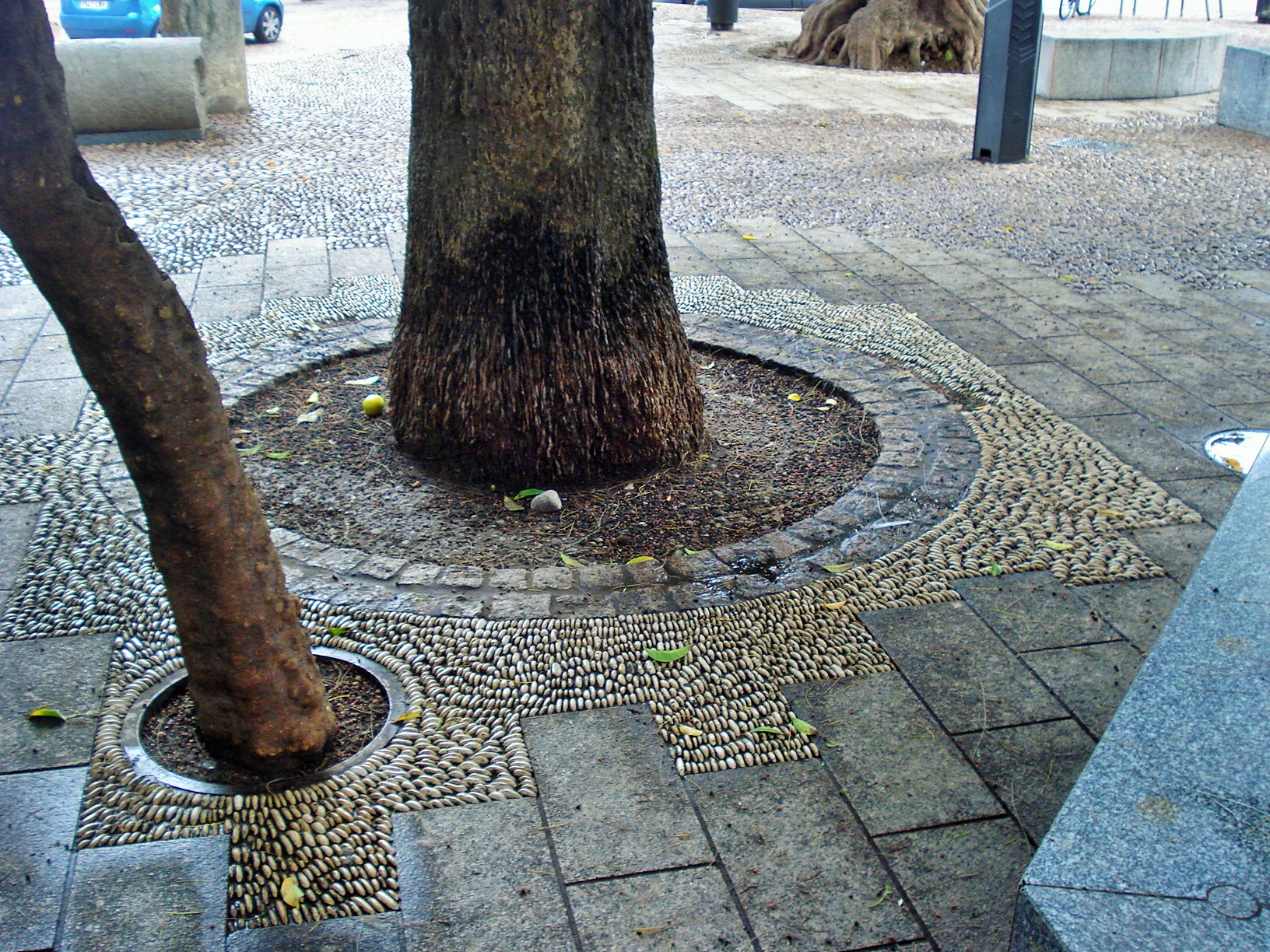
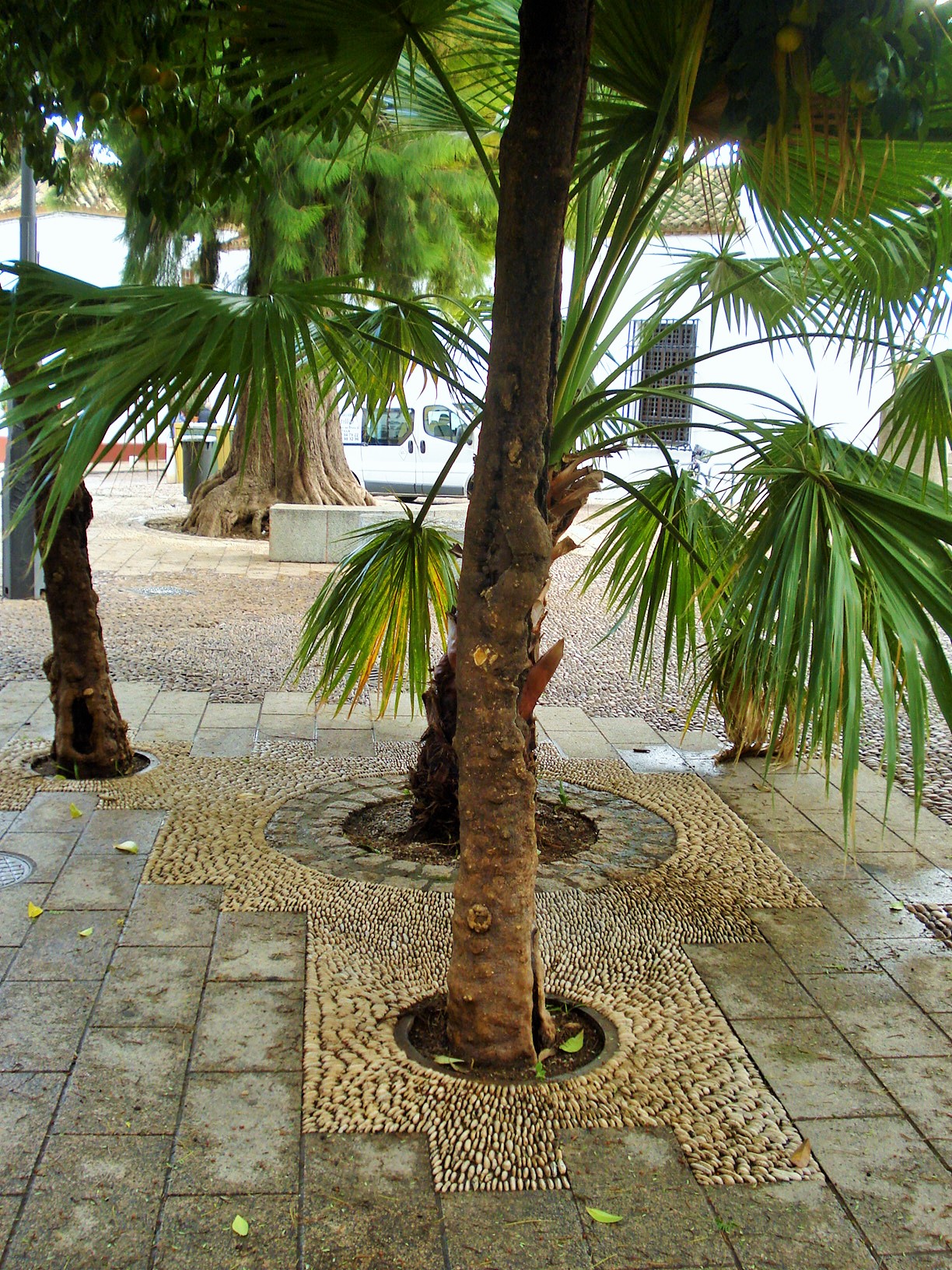
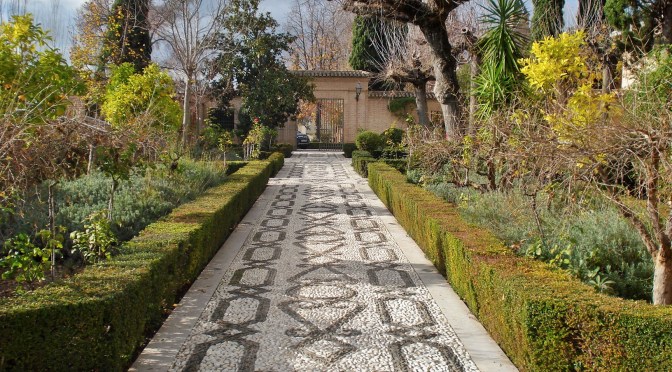
Found throughout the south of Spain is the use of intricate pebble designs not only in the patios and courtyards, but also in many public areas and city squares. I am featuring here some of the many designs I came across in particular in Granada , Cordoba and Sevilla.
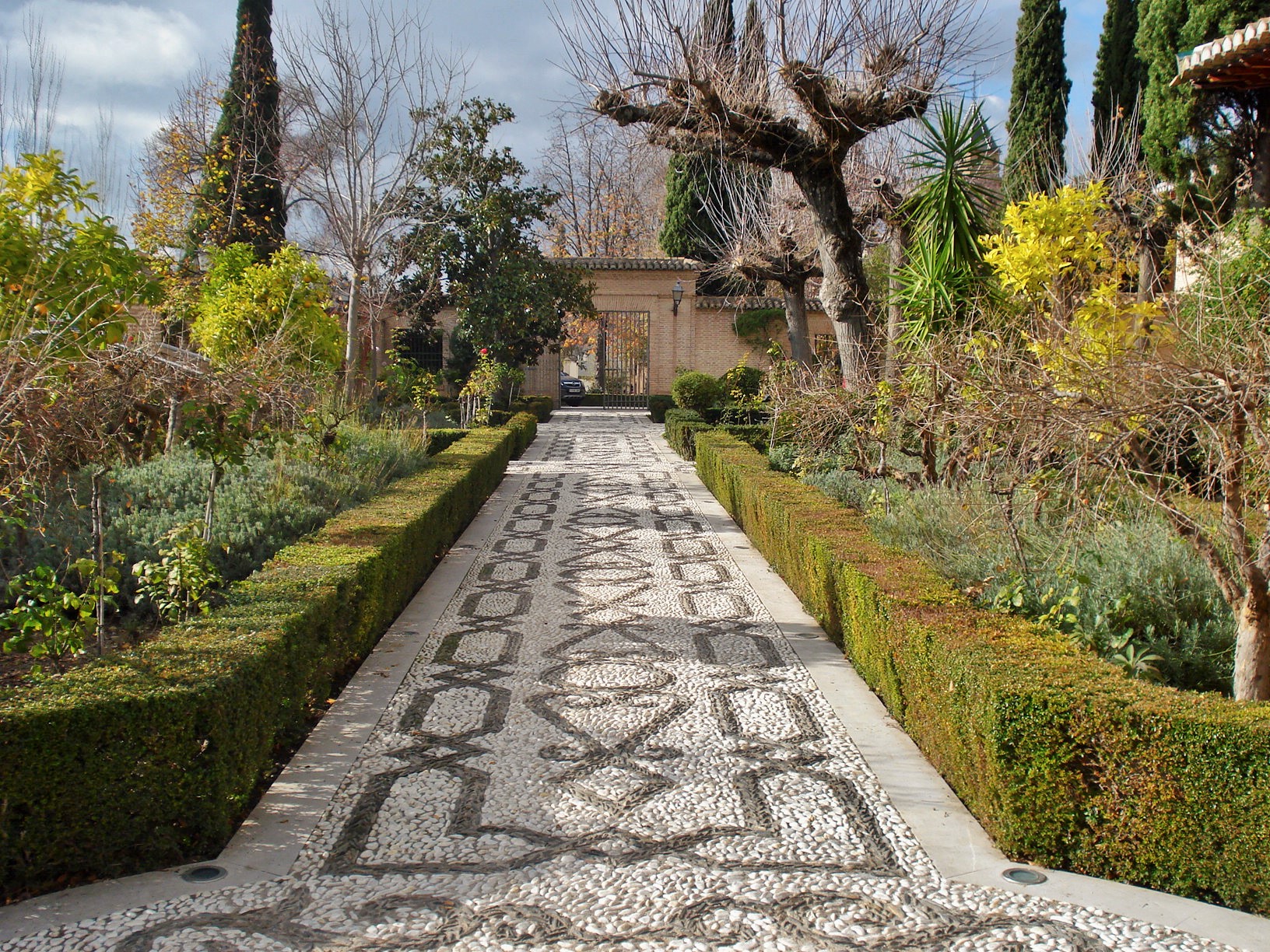


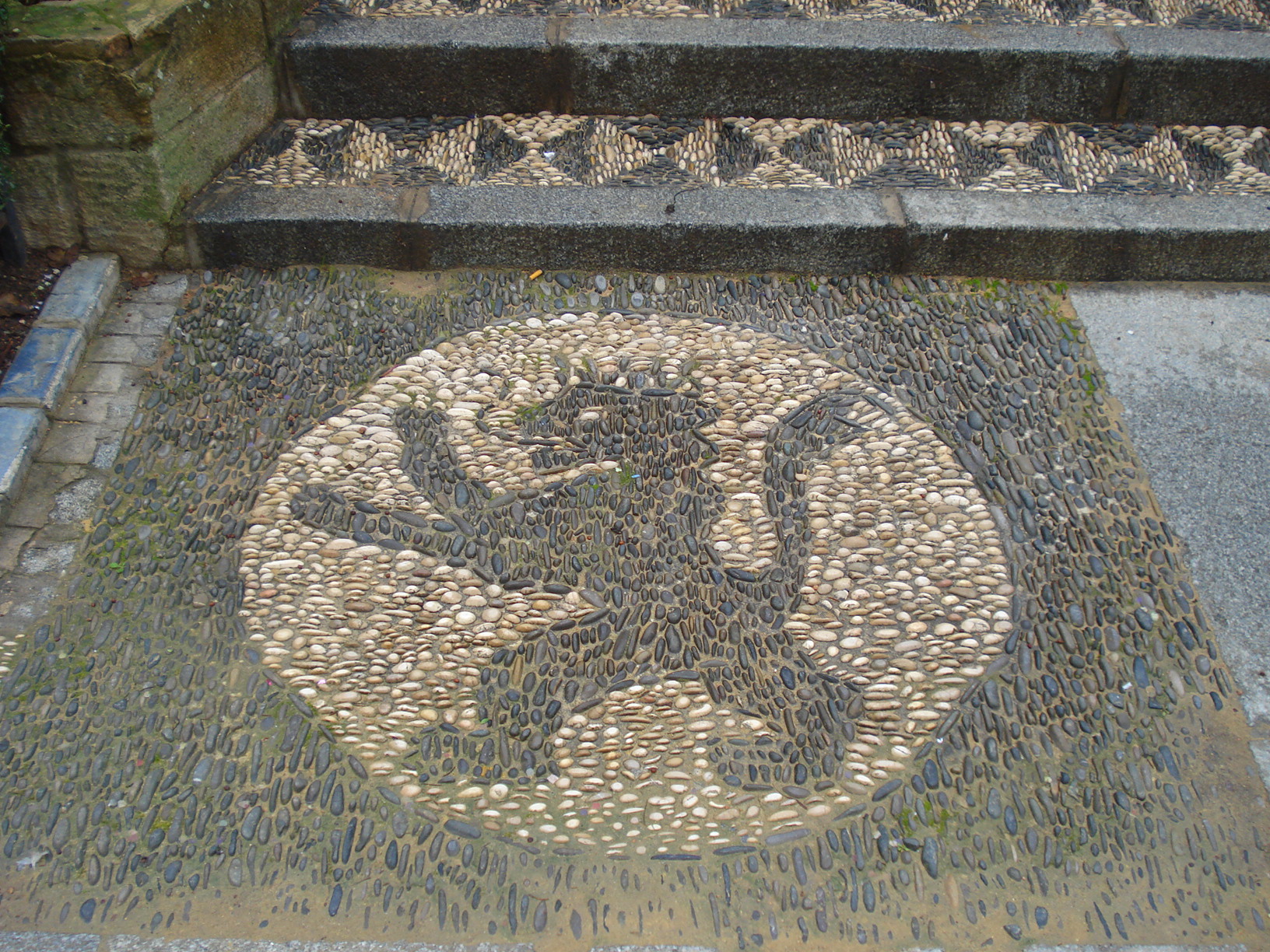

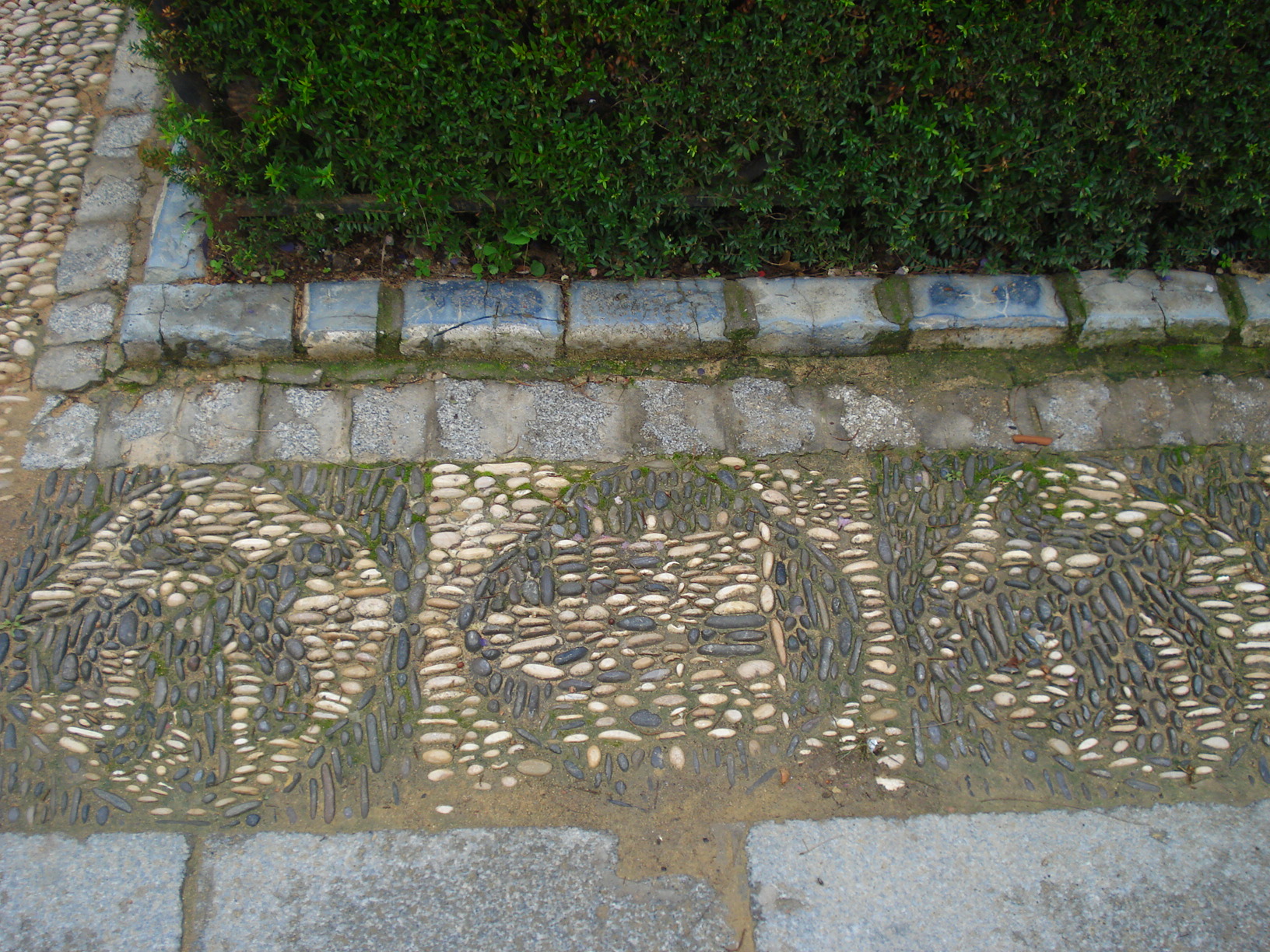

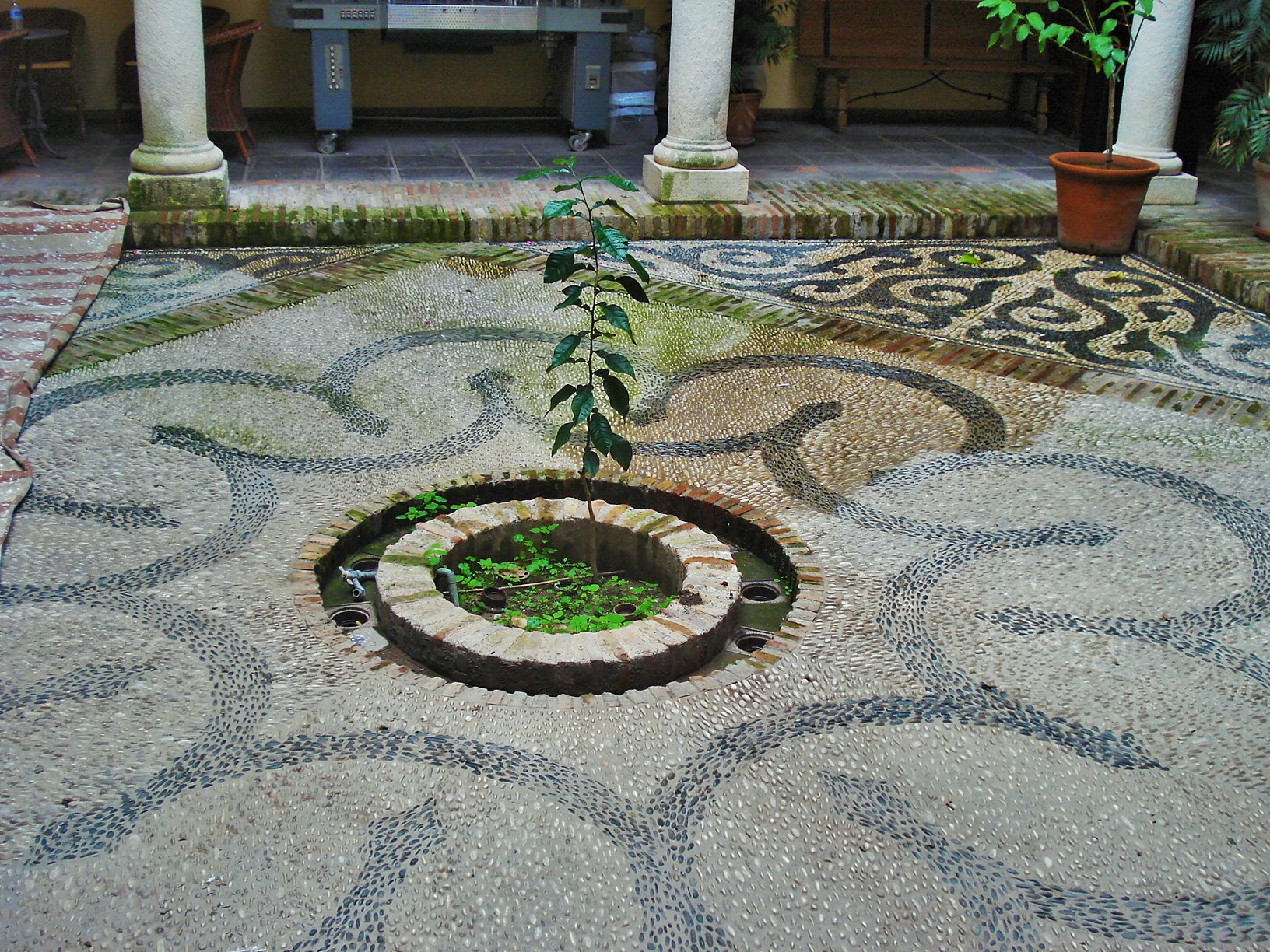


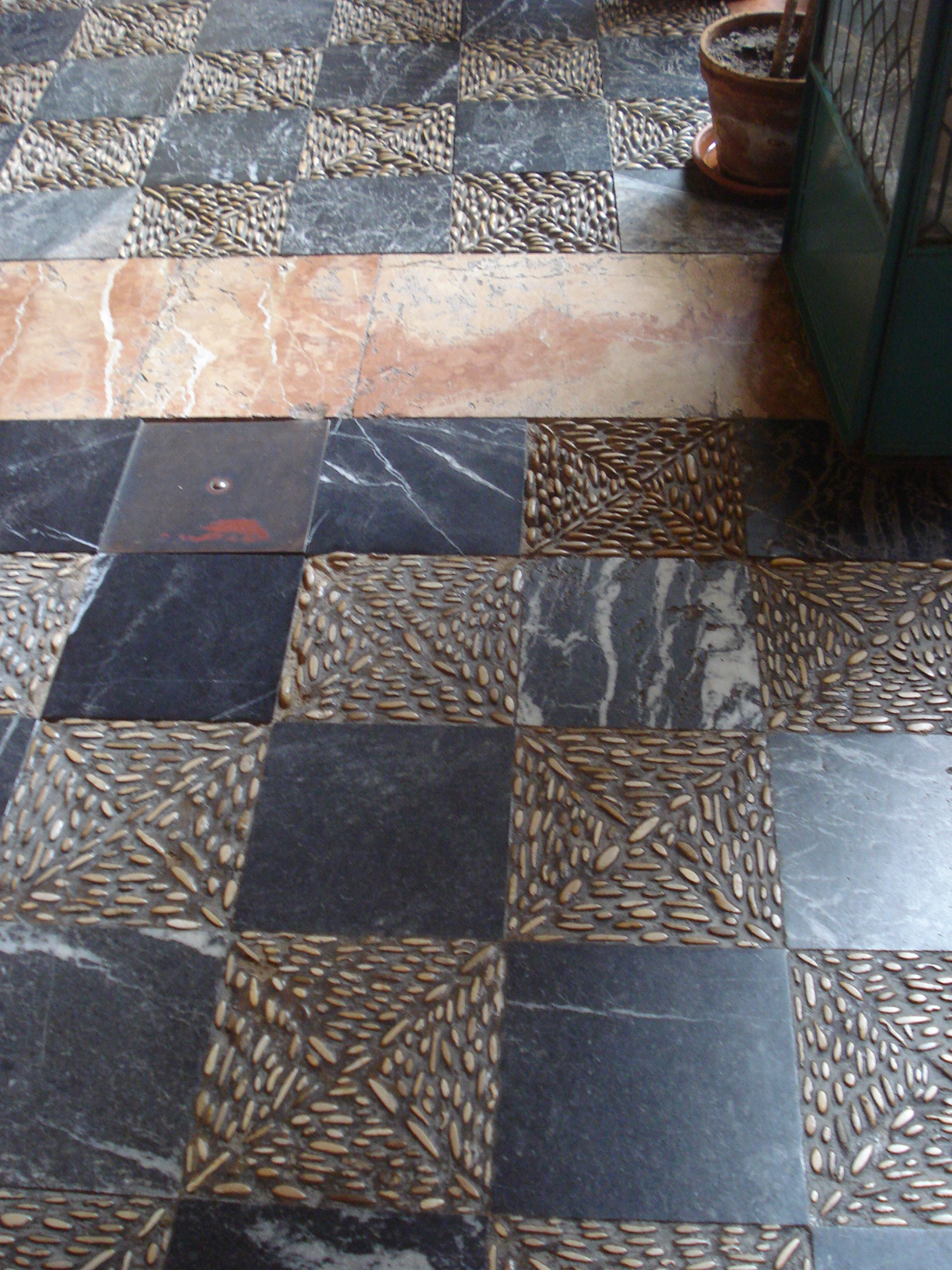
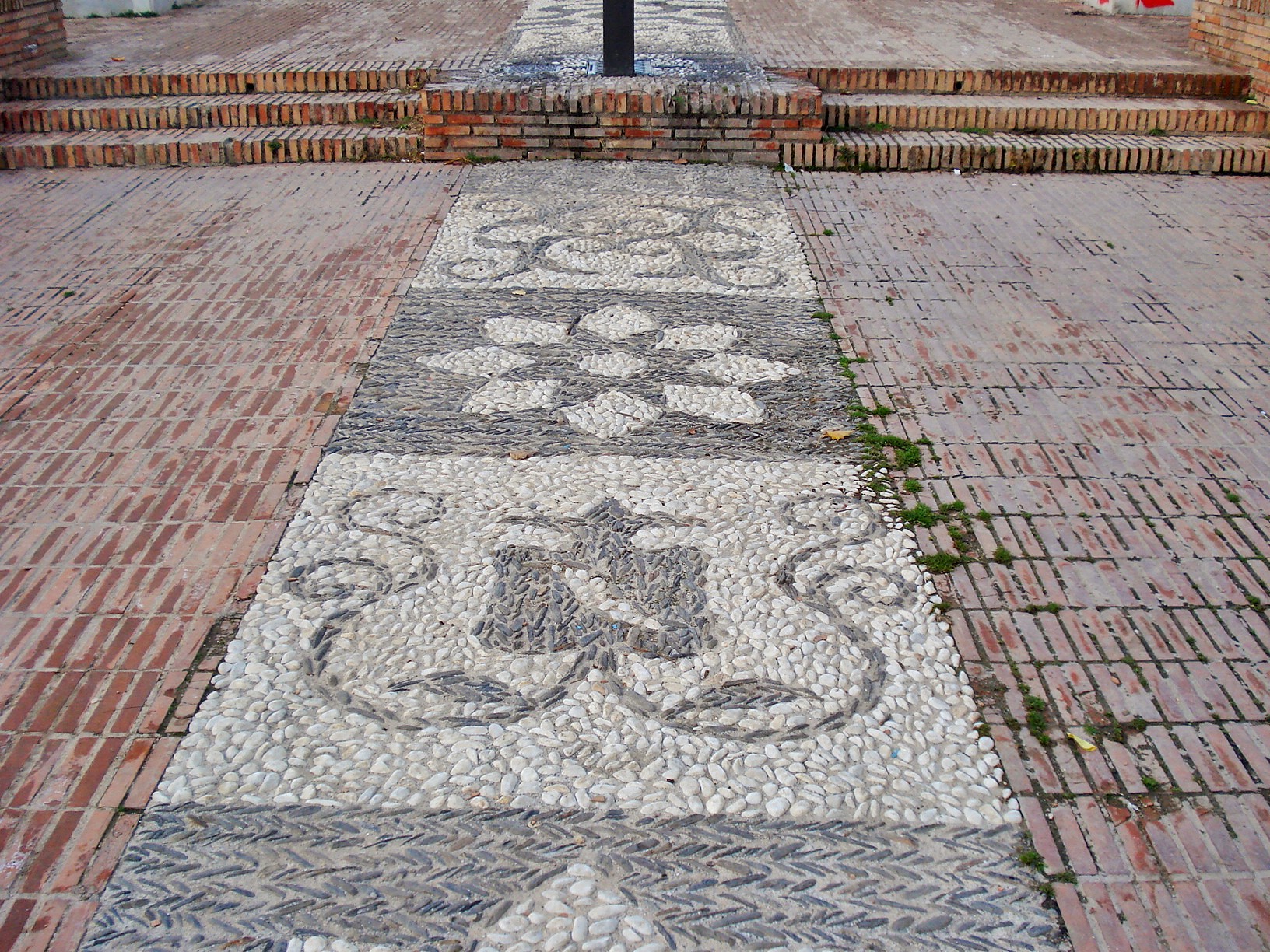


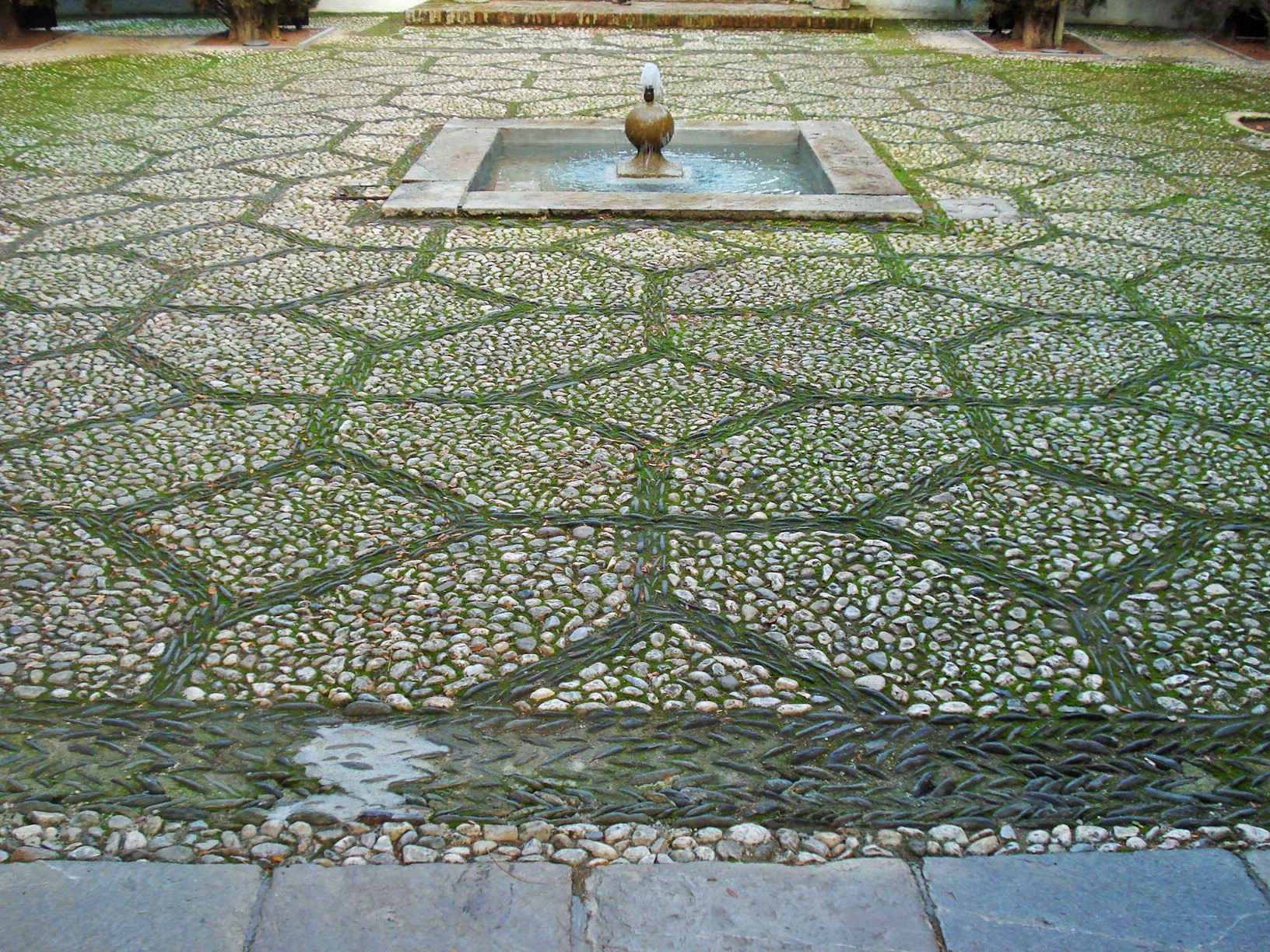

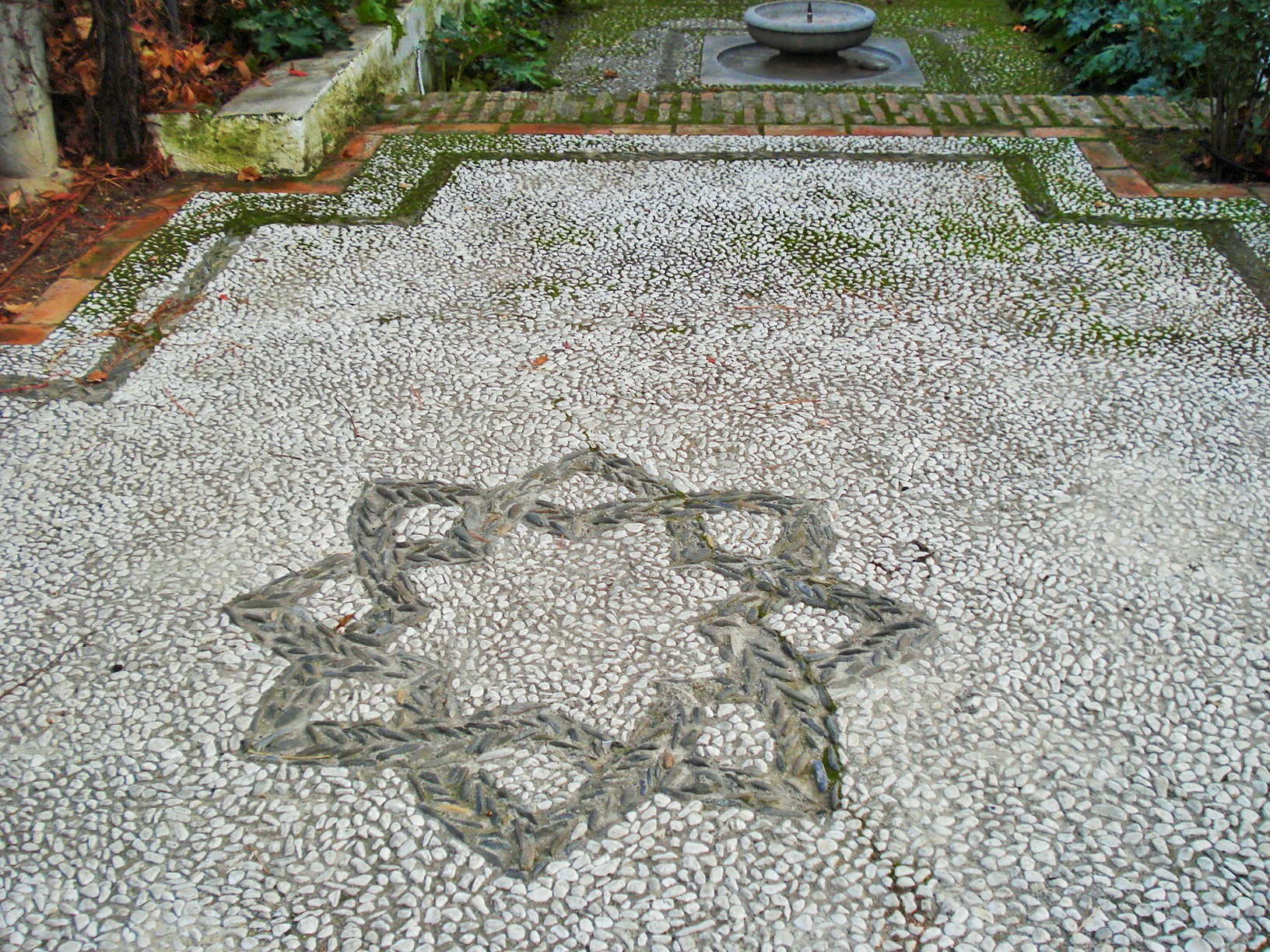
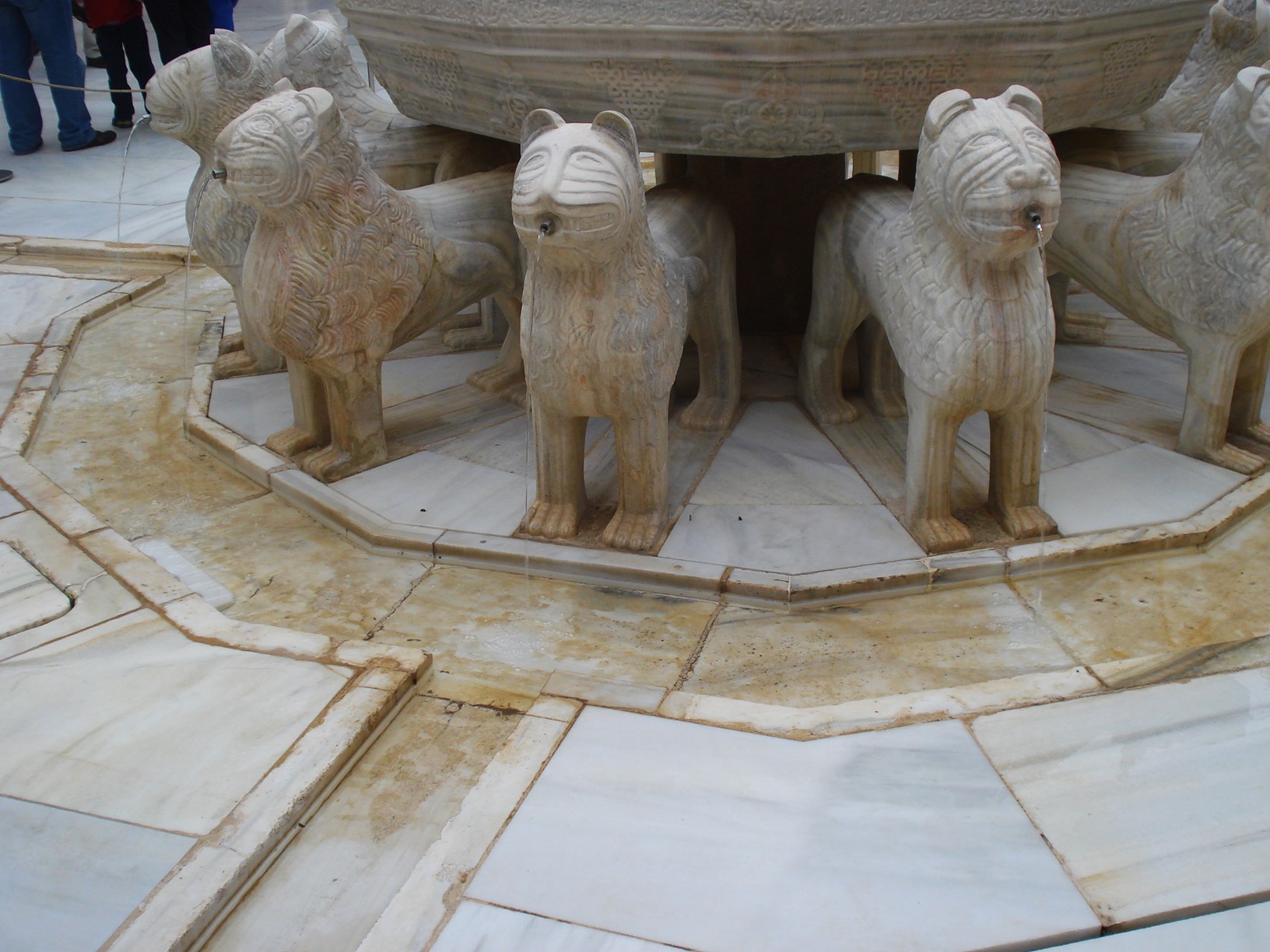
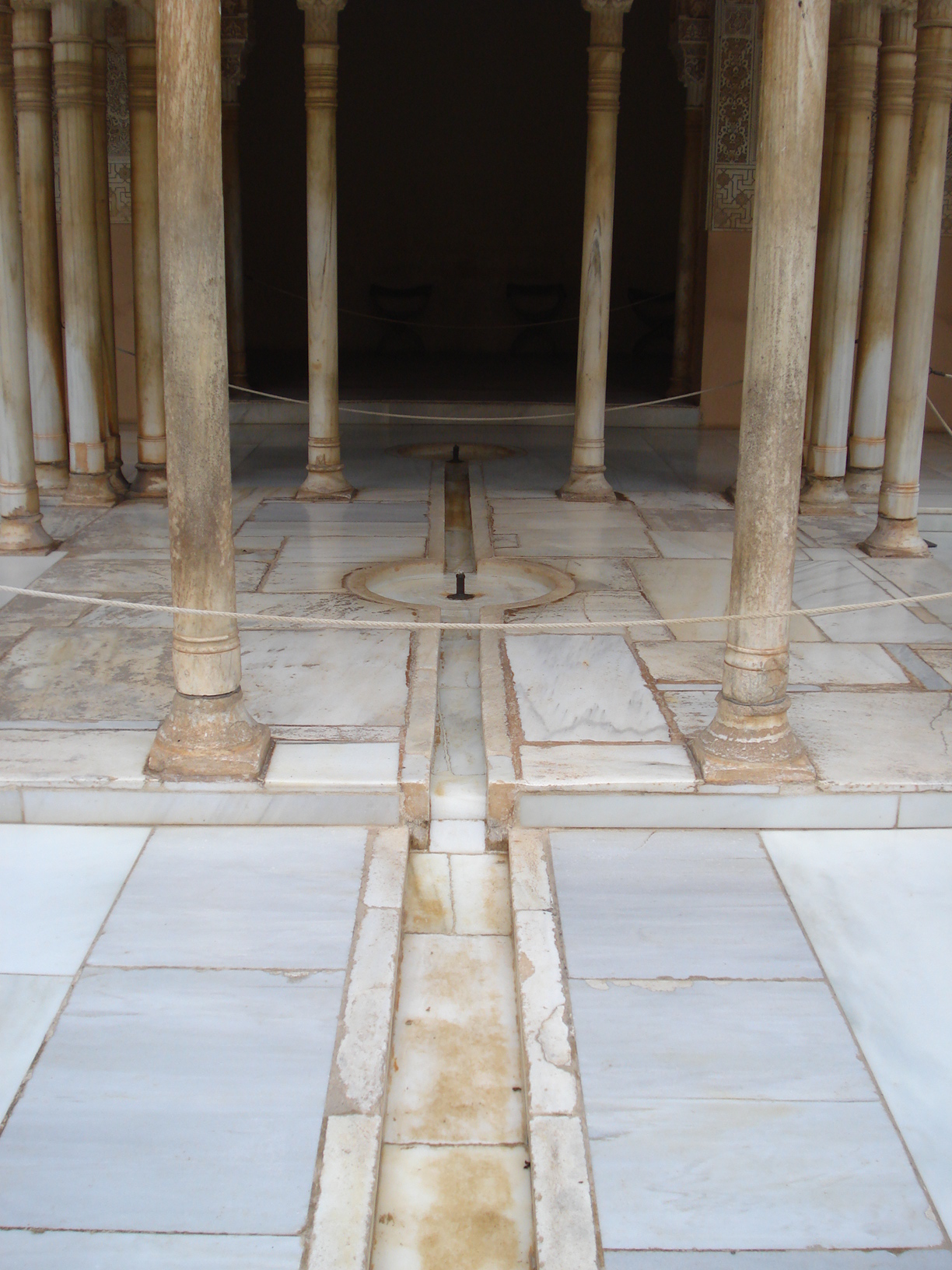
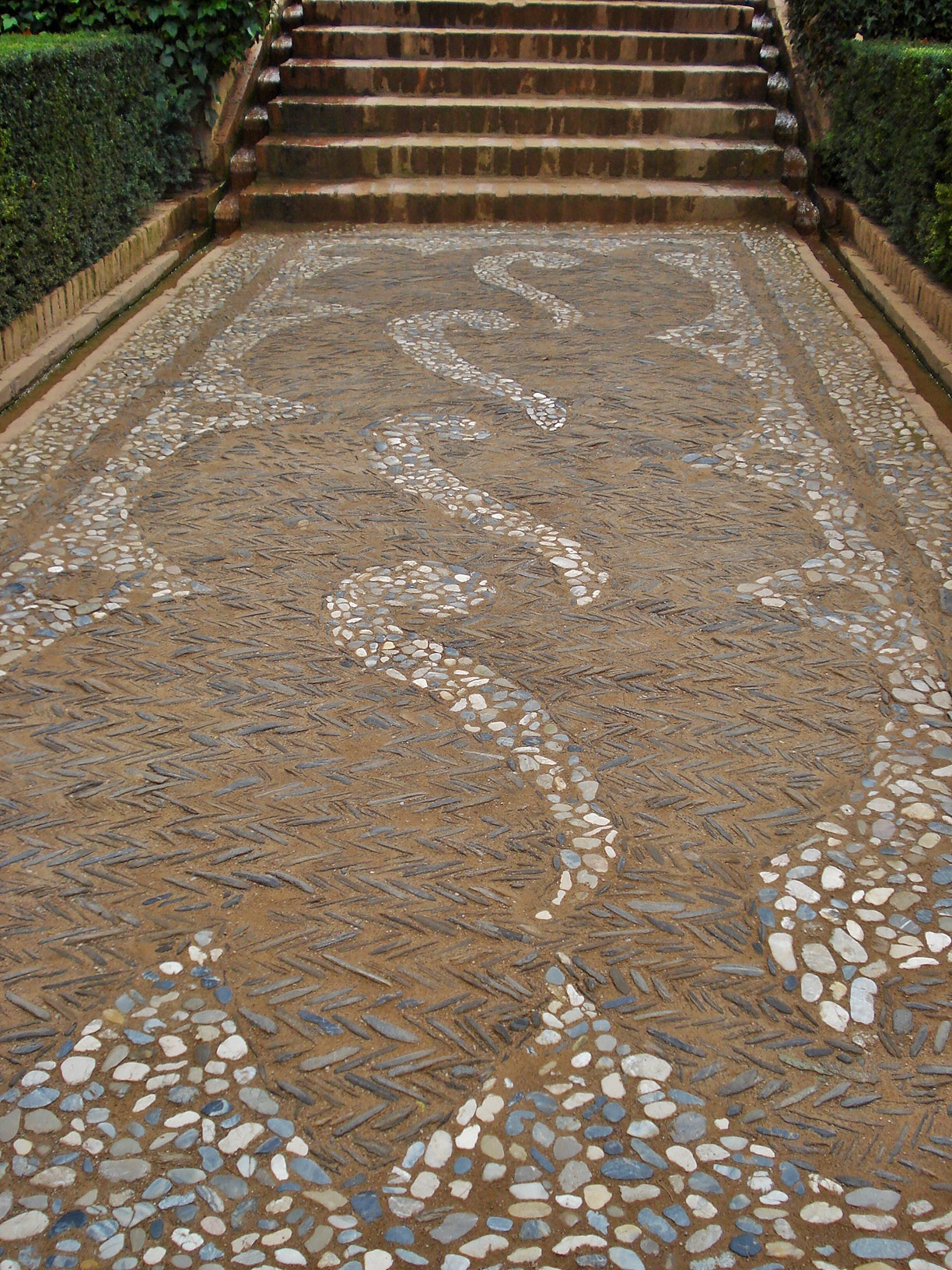

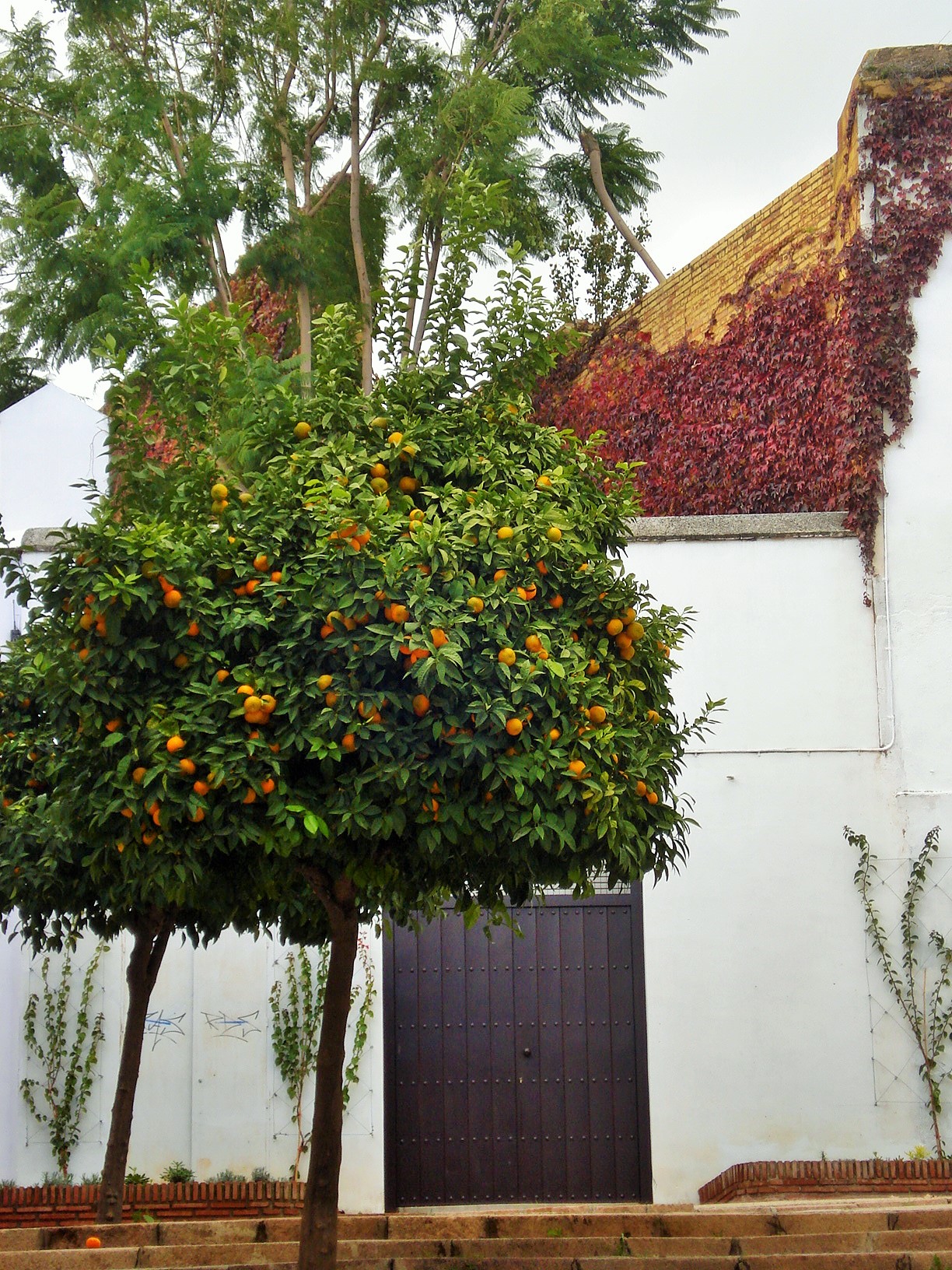
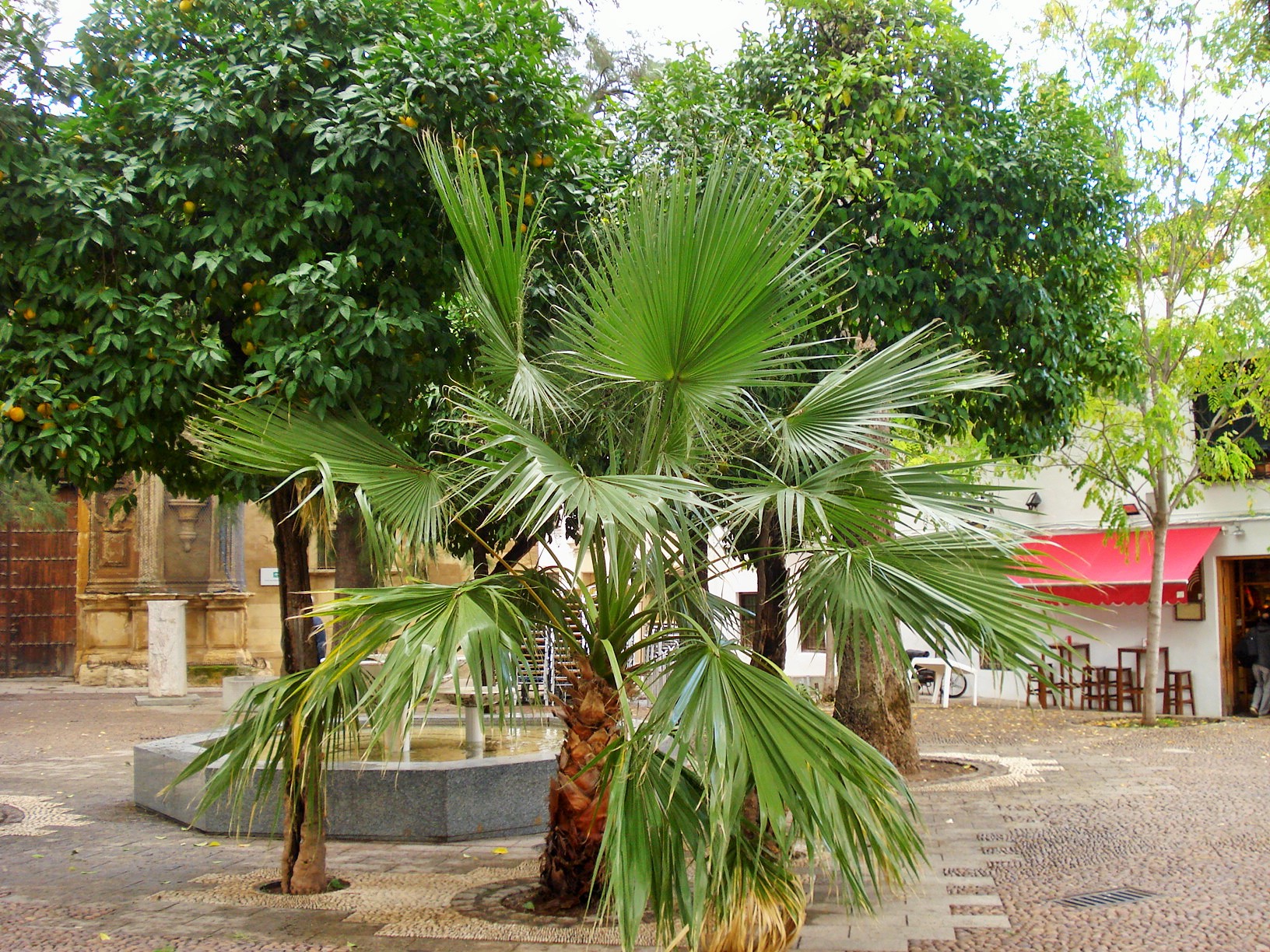
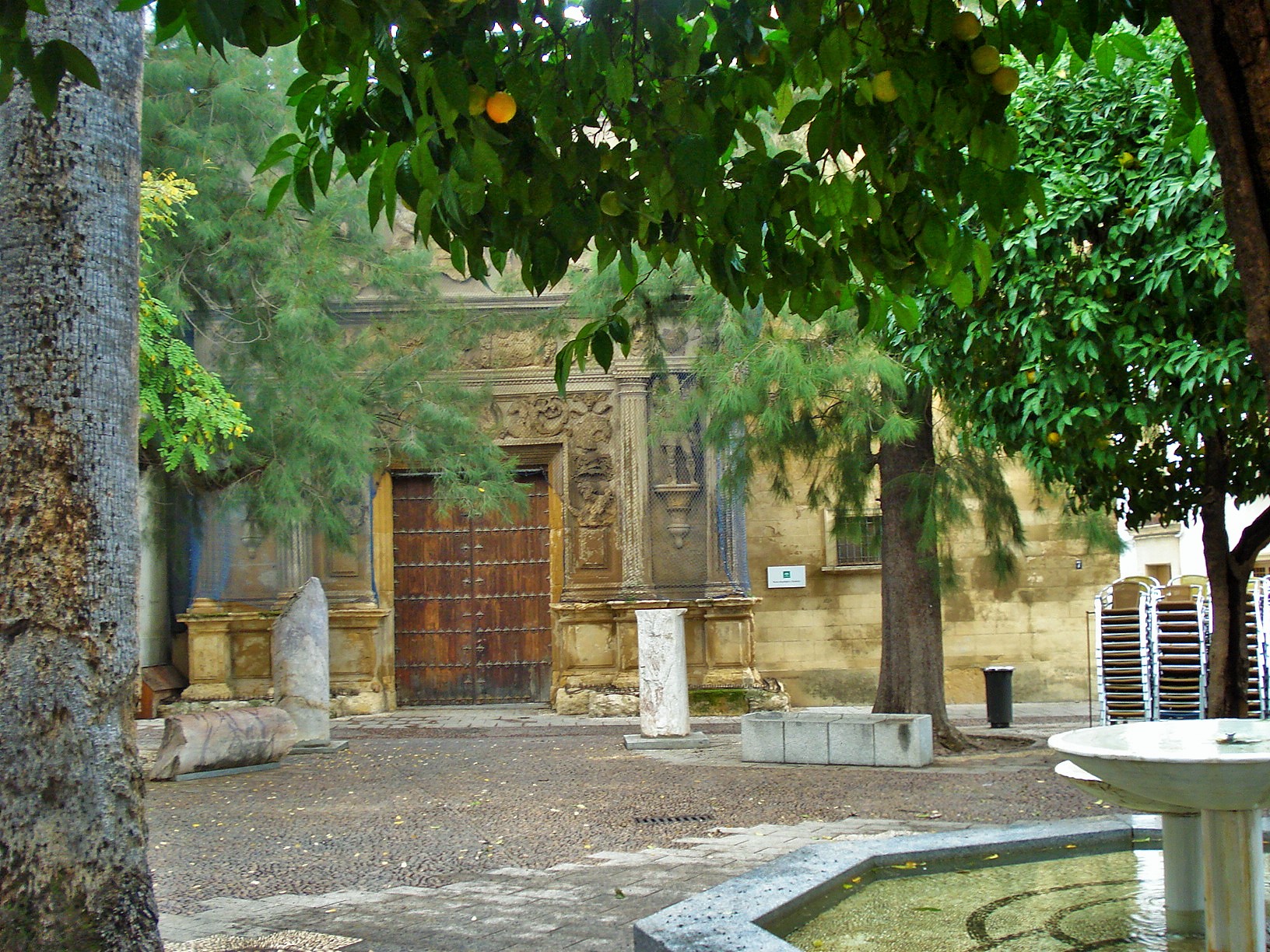
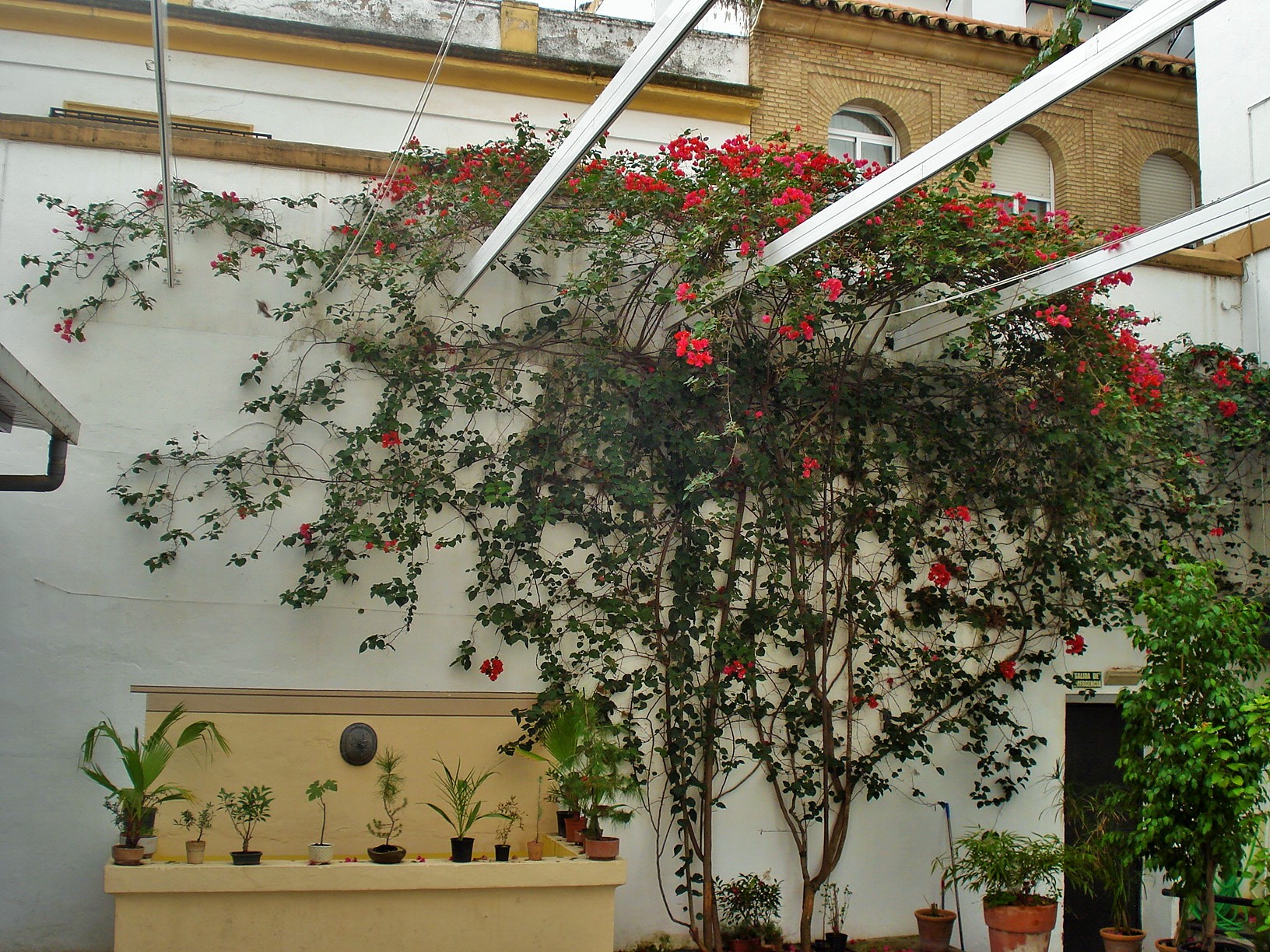
Plaza de Geronimo Paez is one of the most picturesque squares in the historic center of Cordoba Spain. Palm trees, bougainvilleas, citrus trees, fountains, and lovely floor designs, make it one of the most pleasant squares to enjoy an afternoon drink at one of the cafes and to people watch. The Archeology Museum is also located here.






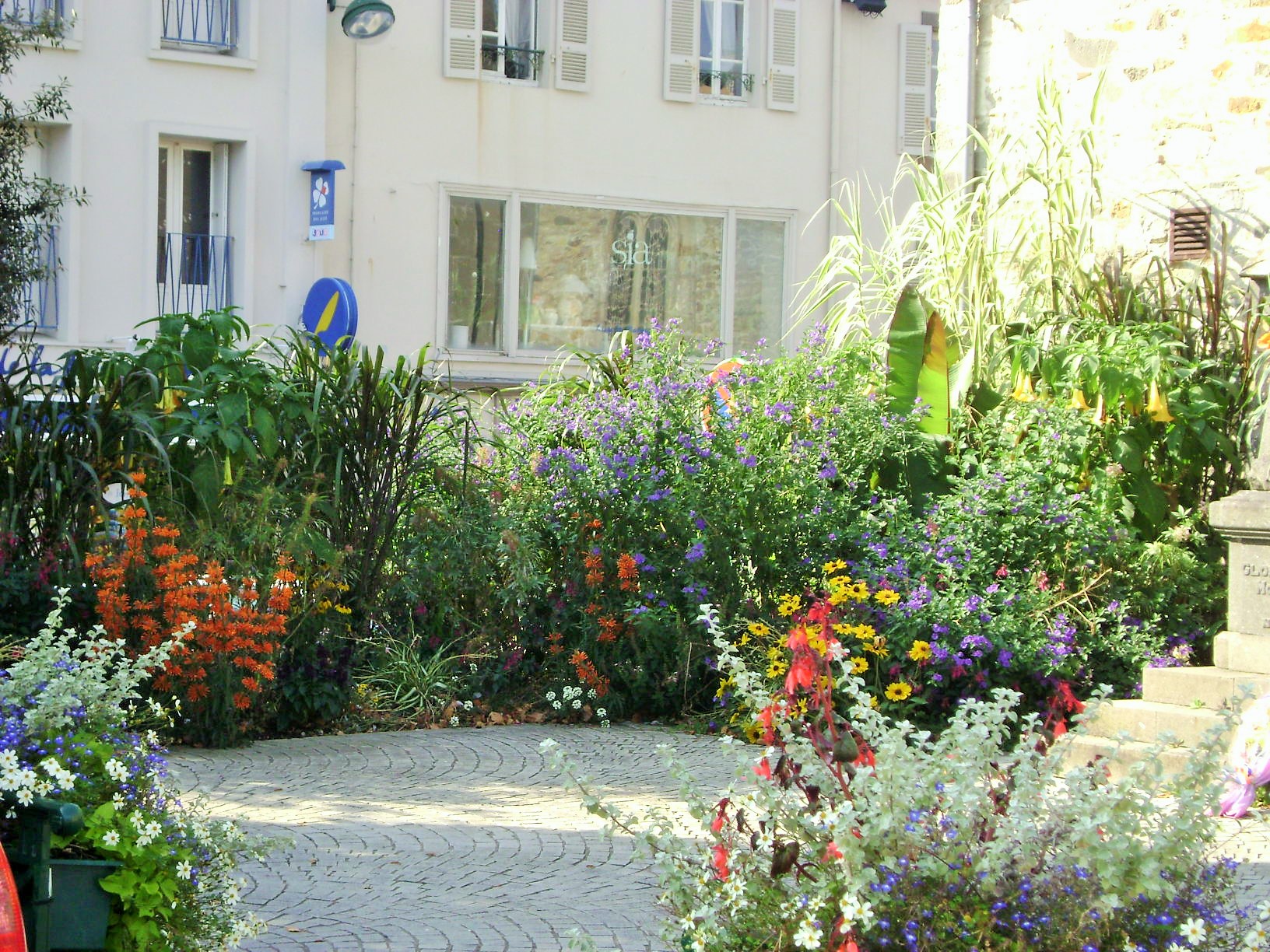
This church is at the center of the village square in Crozon, Brittany. It has a small front garden planted with a lush mix of annuals and perennials, including banana trees, brugmansias, lion’s ear, papyrus, erigeron for ground cover, and black eyed susans.


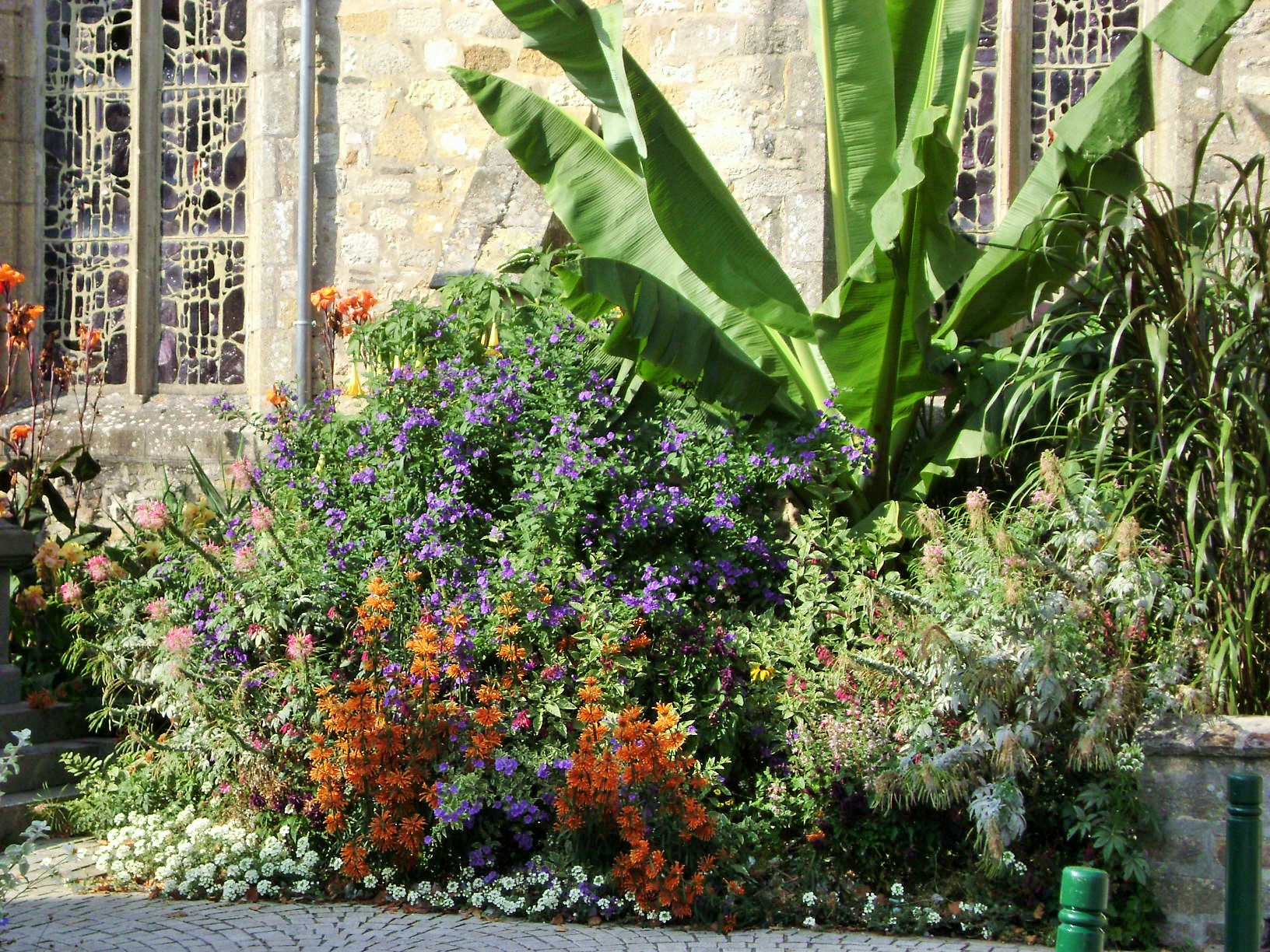
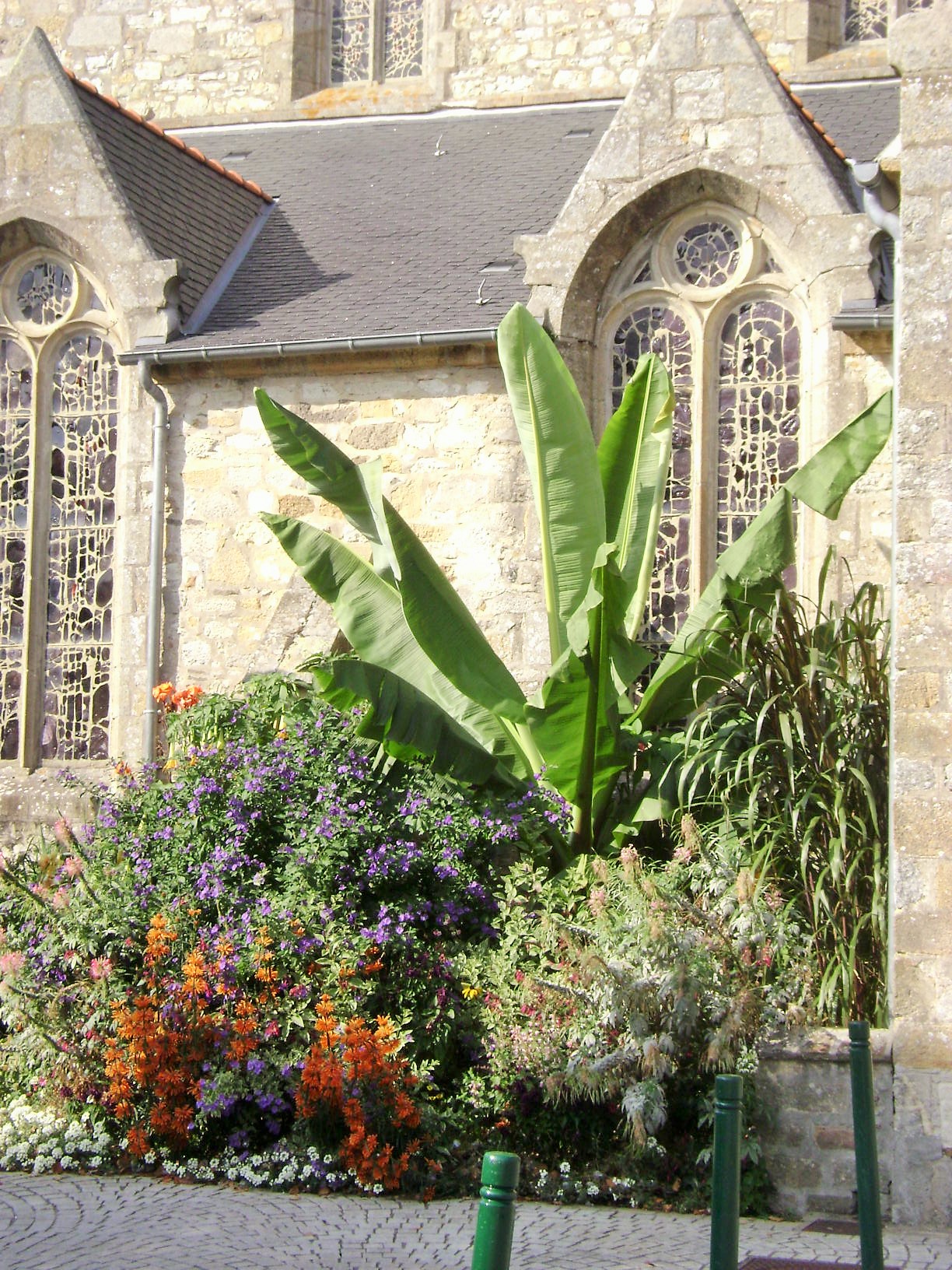

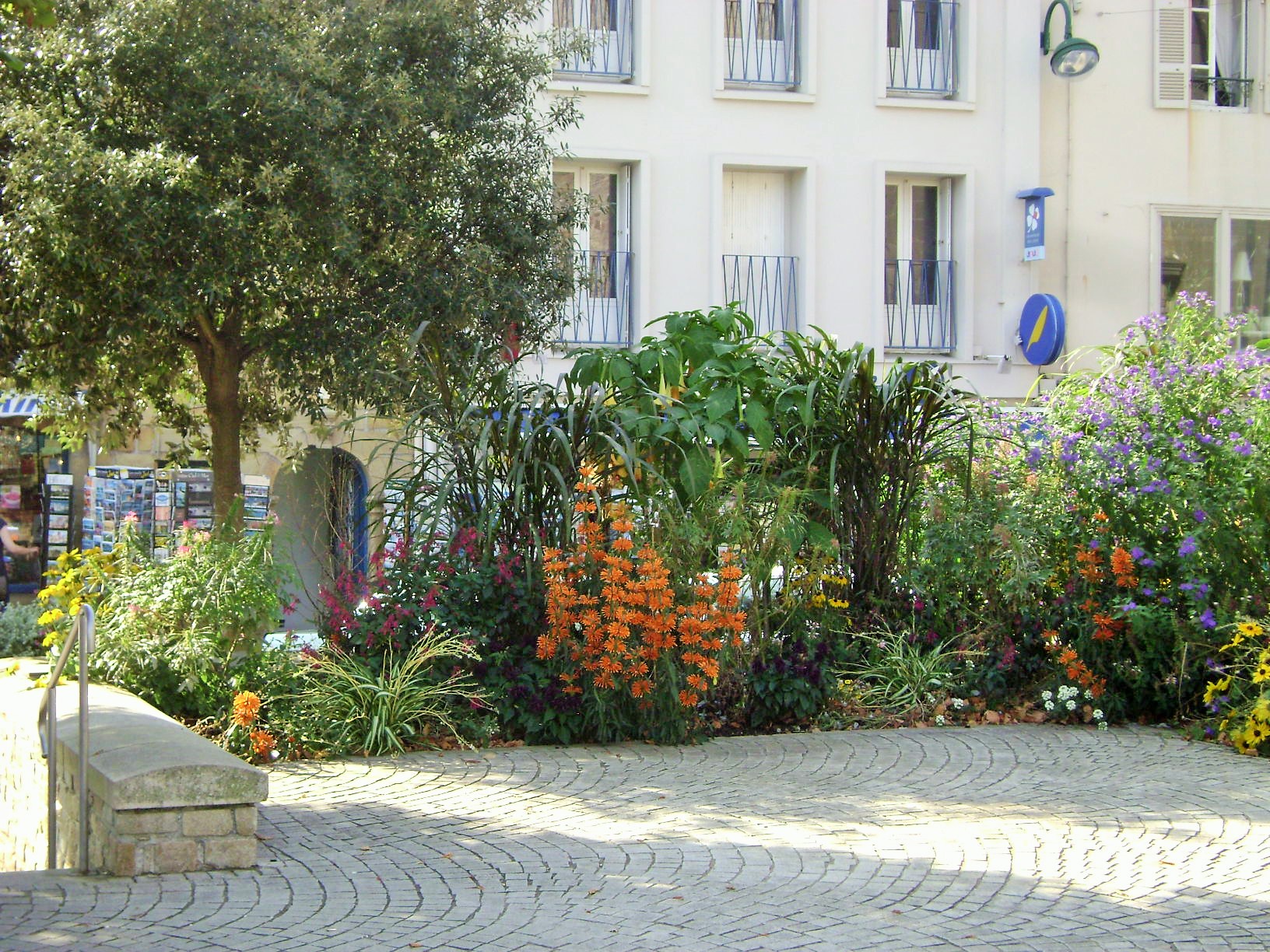


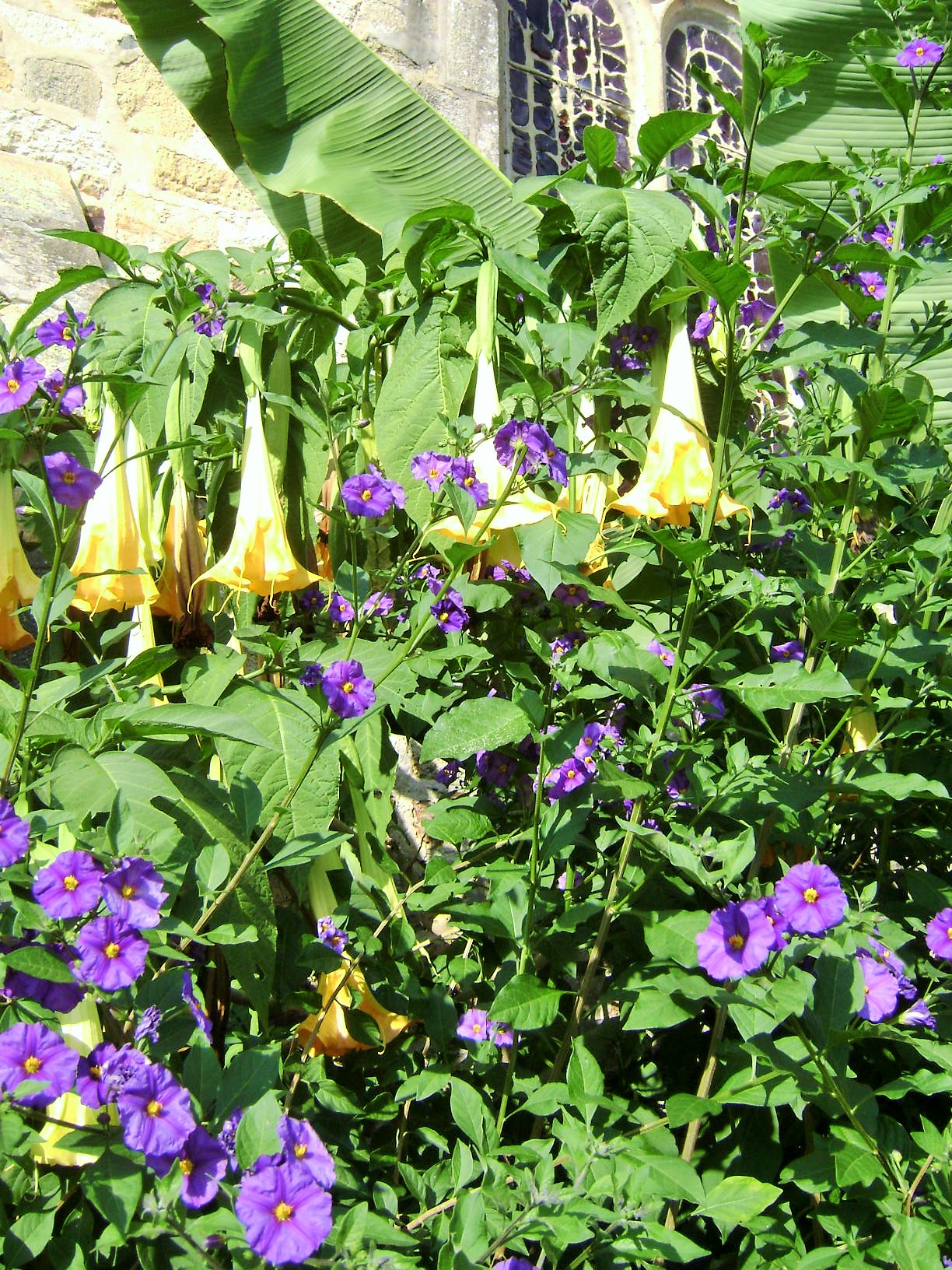
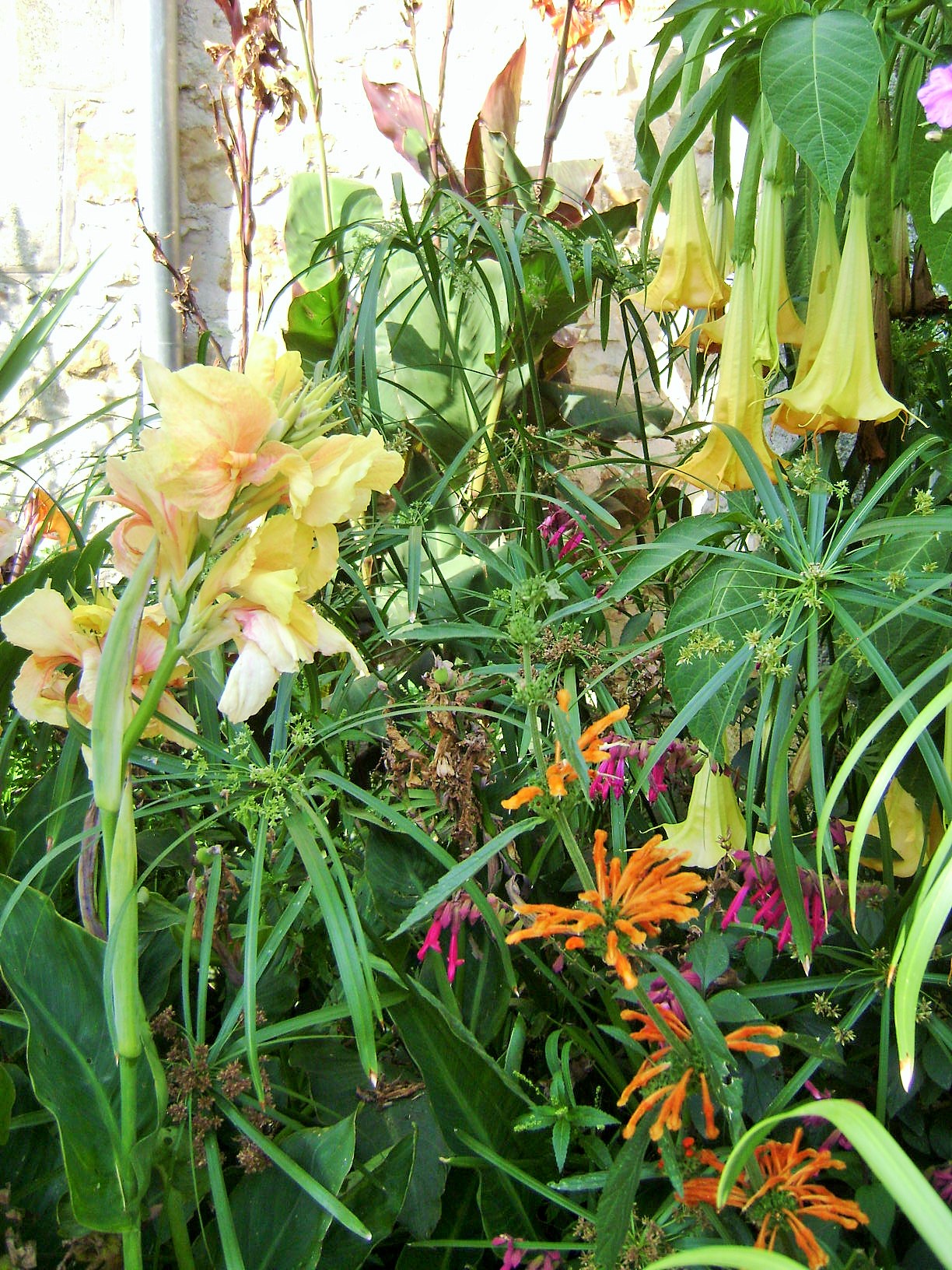

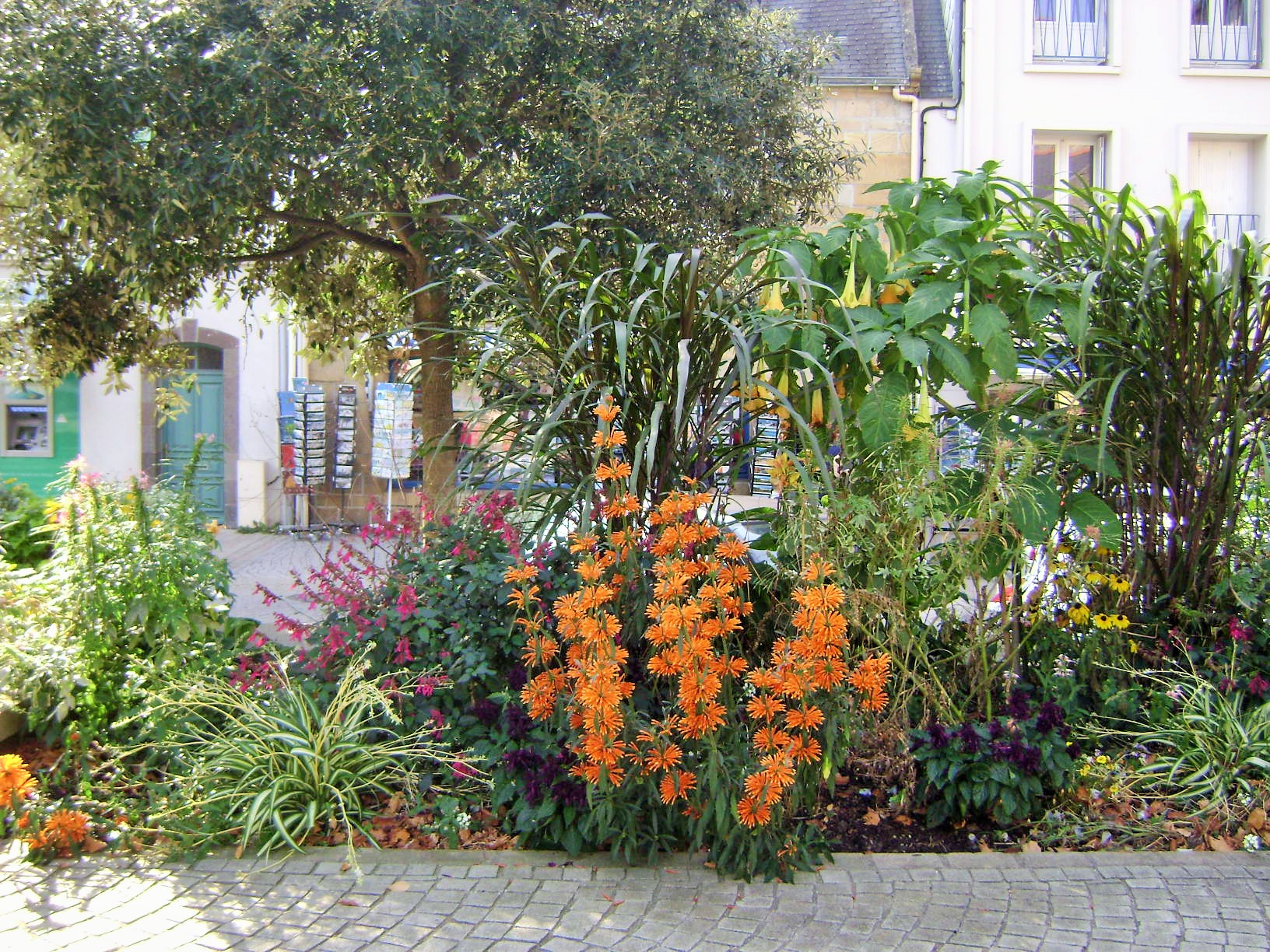


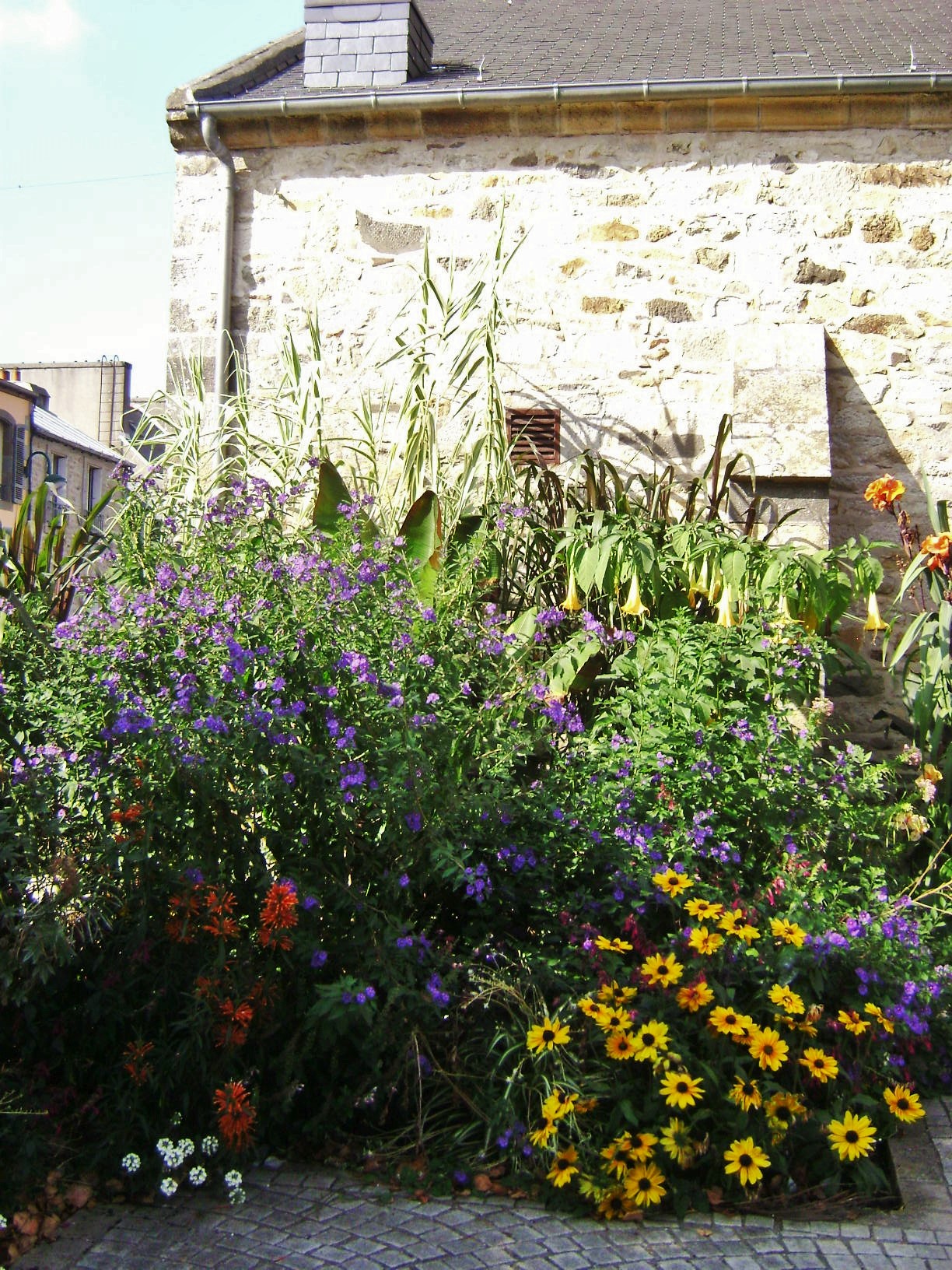
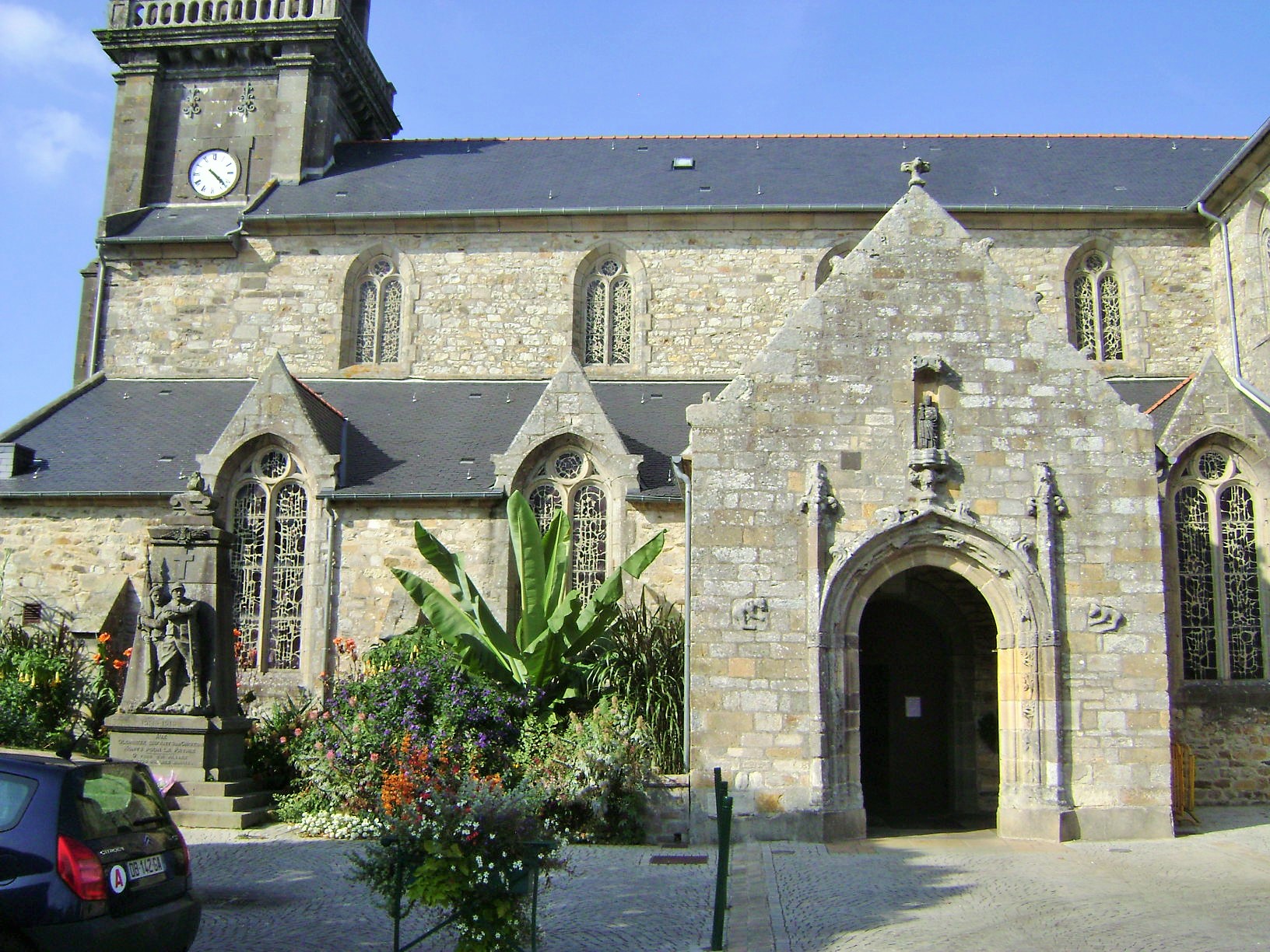

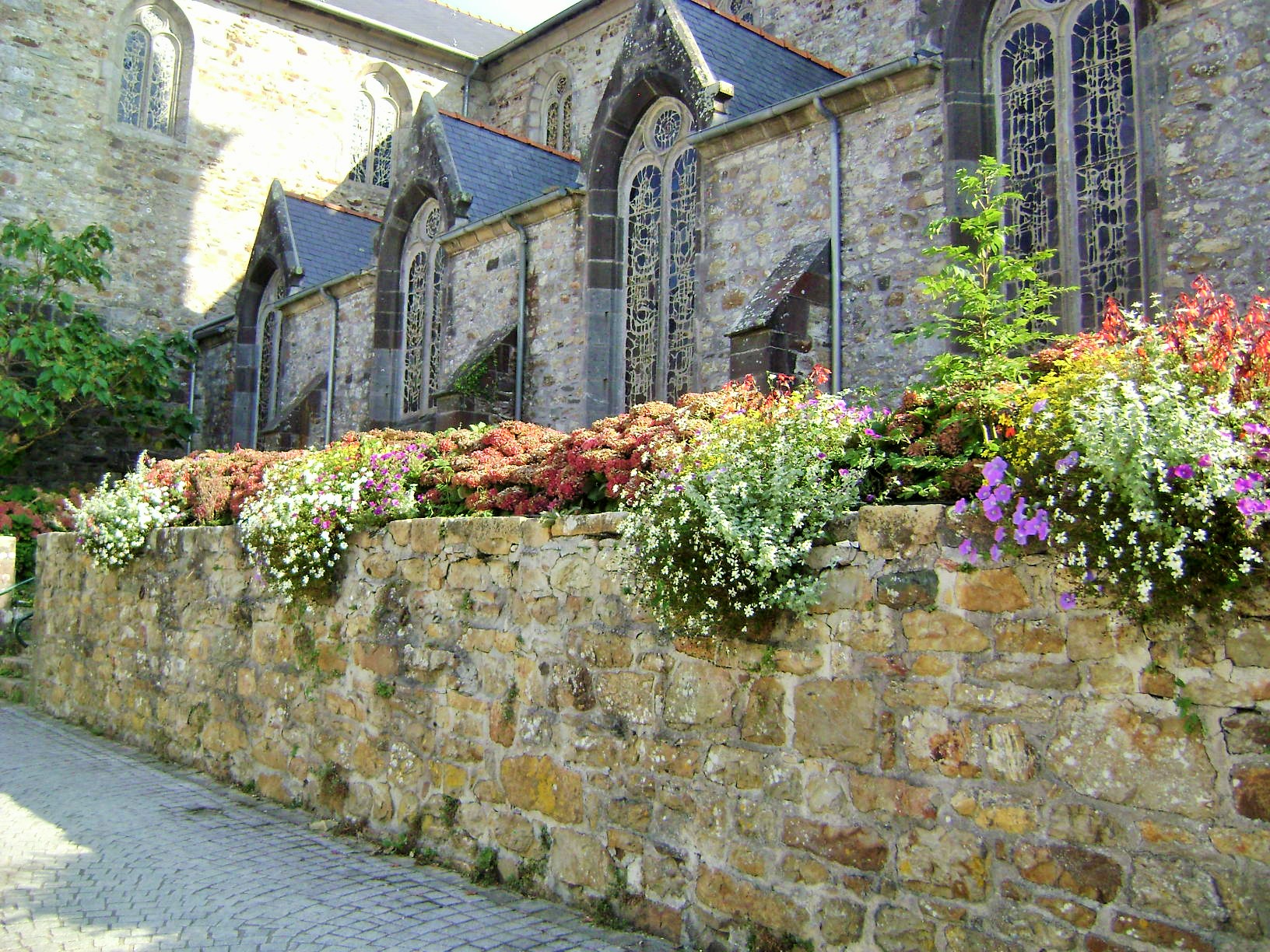
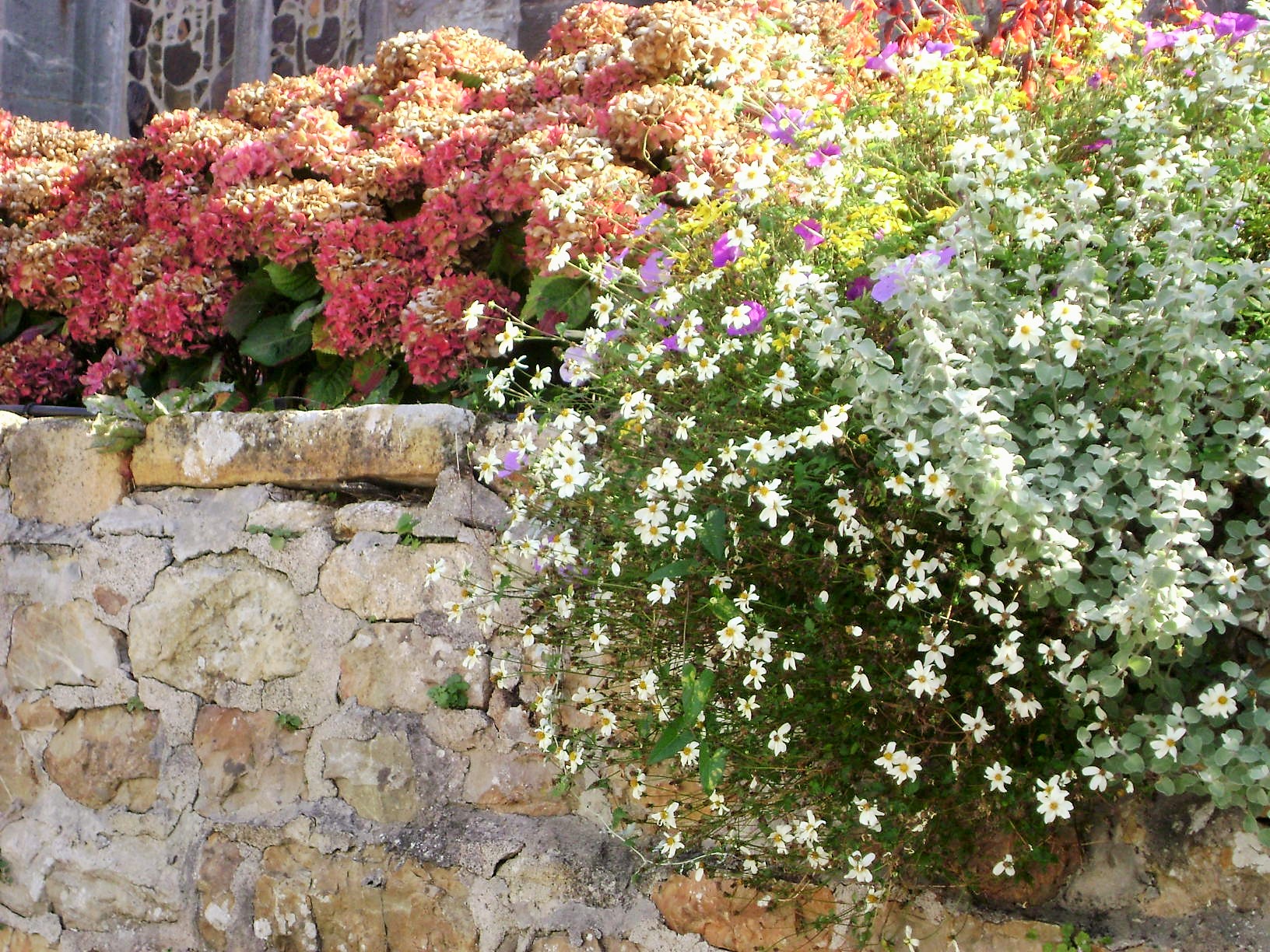
The back of the church is flowered with hydrangeas and mixed arrangements of blooming plants.



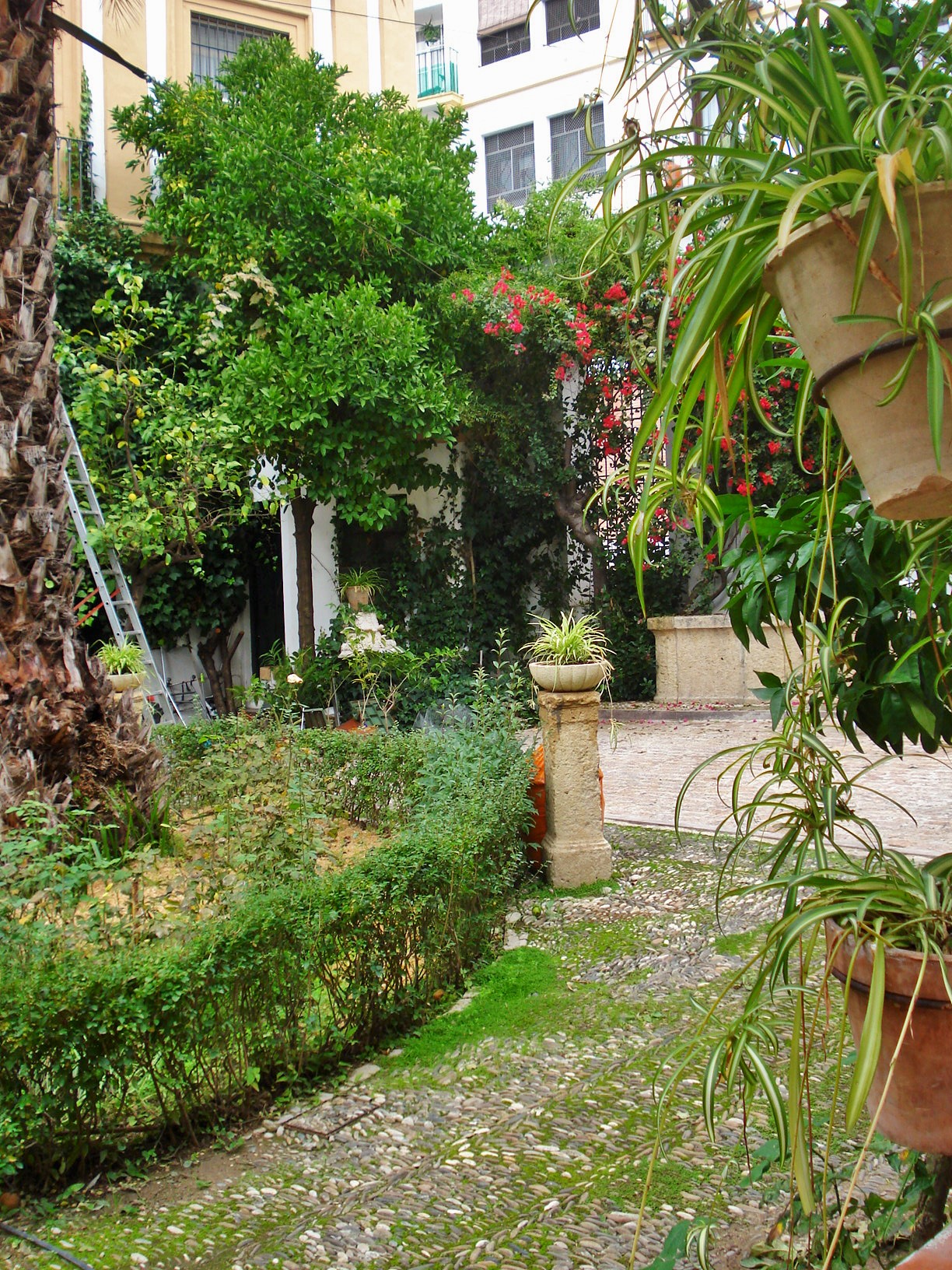
This Cordoba patio stands out even in a city where lovely patios and courtyards are the norm rather than the exception. In an old building now used as offices for local government, the mezzanines have been glasses in all around to preserve the views while offering protection from the elements. Note the lovely pebble patio design typically found throughout Andalusia.
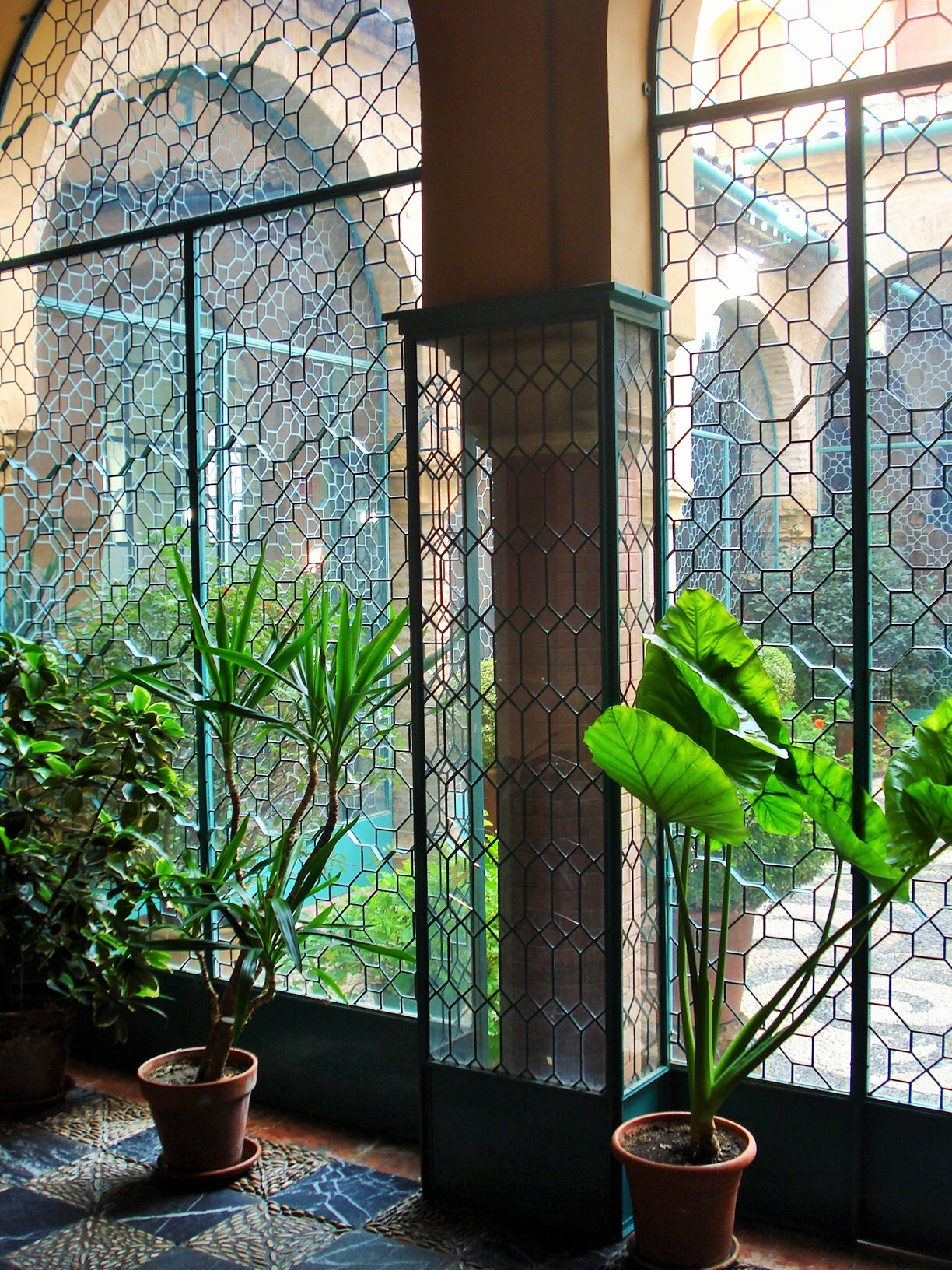
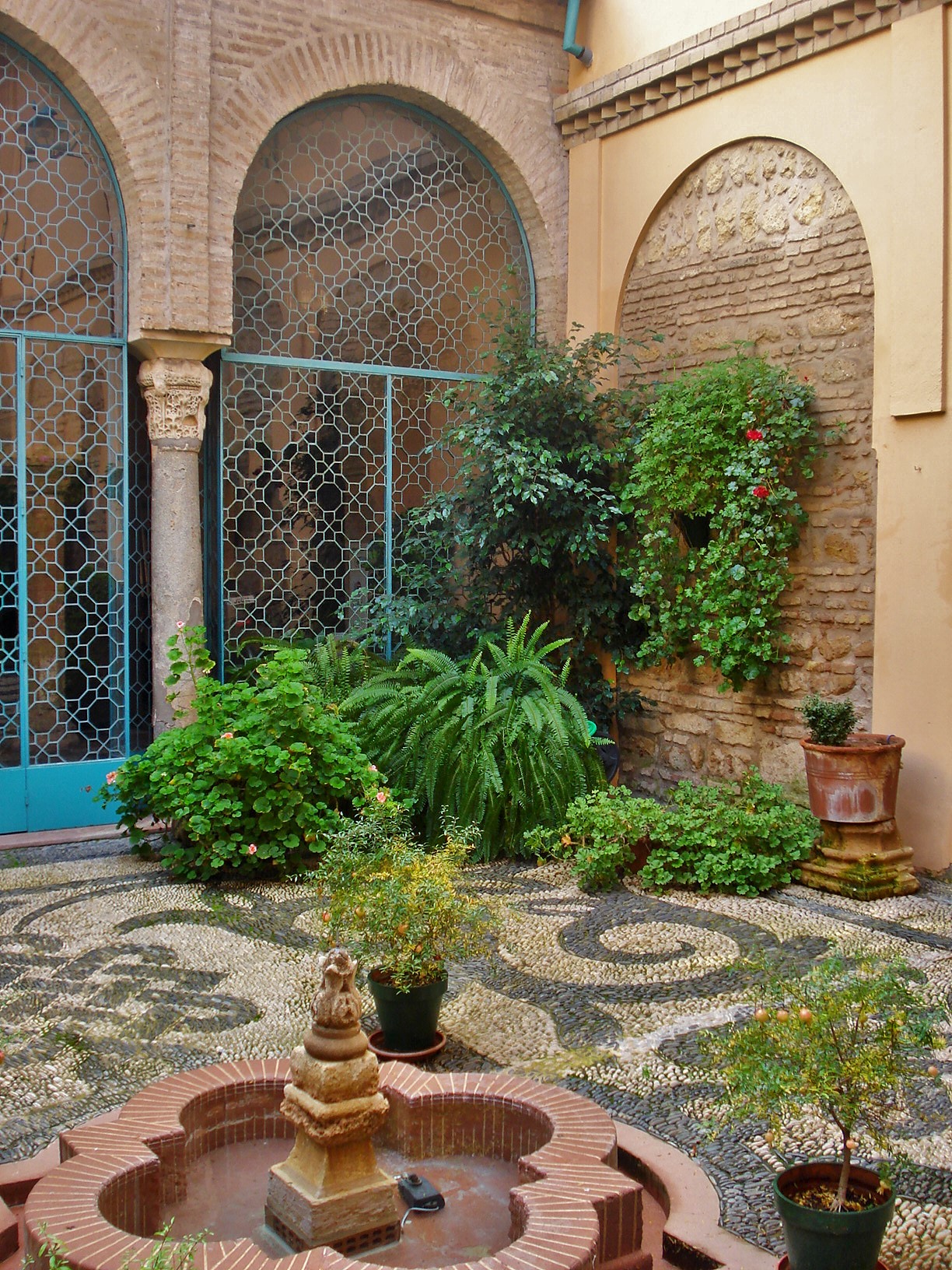

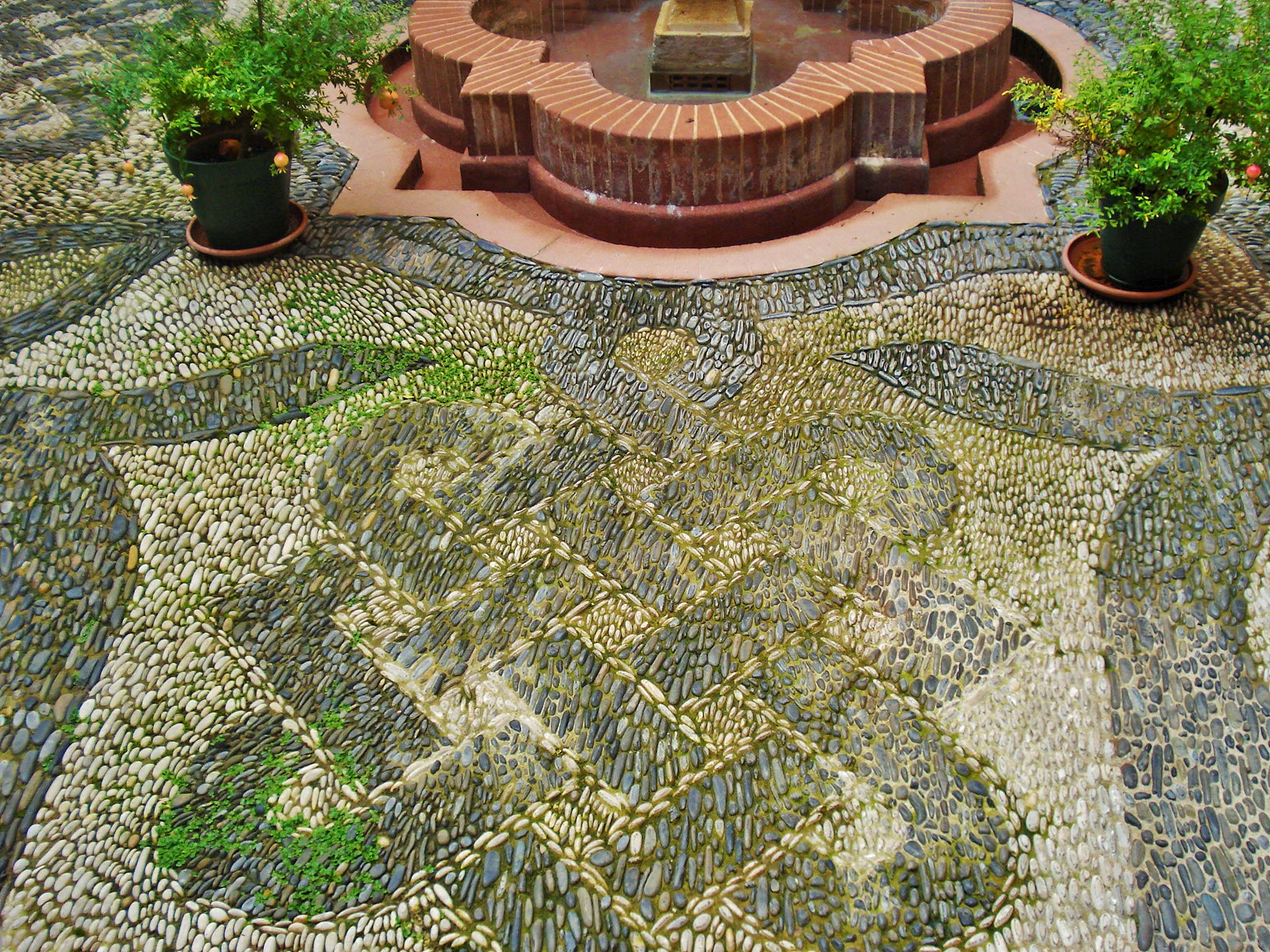


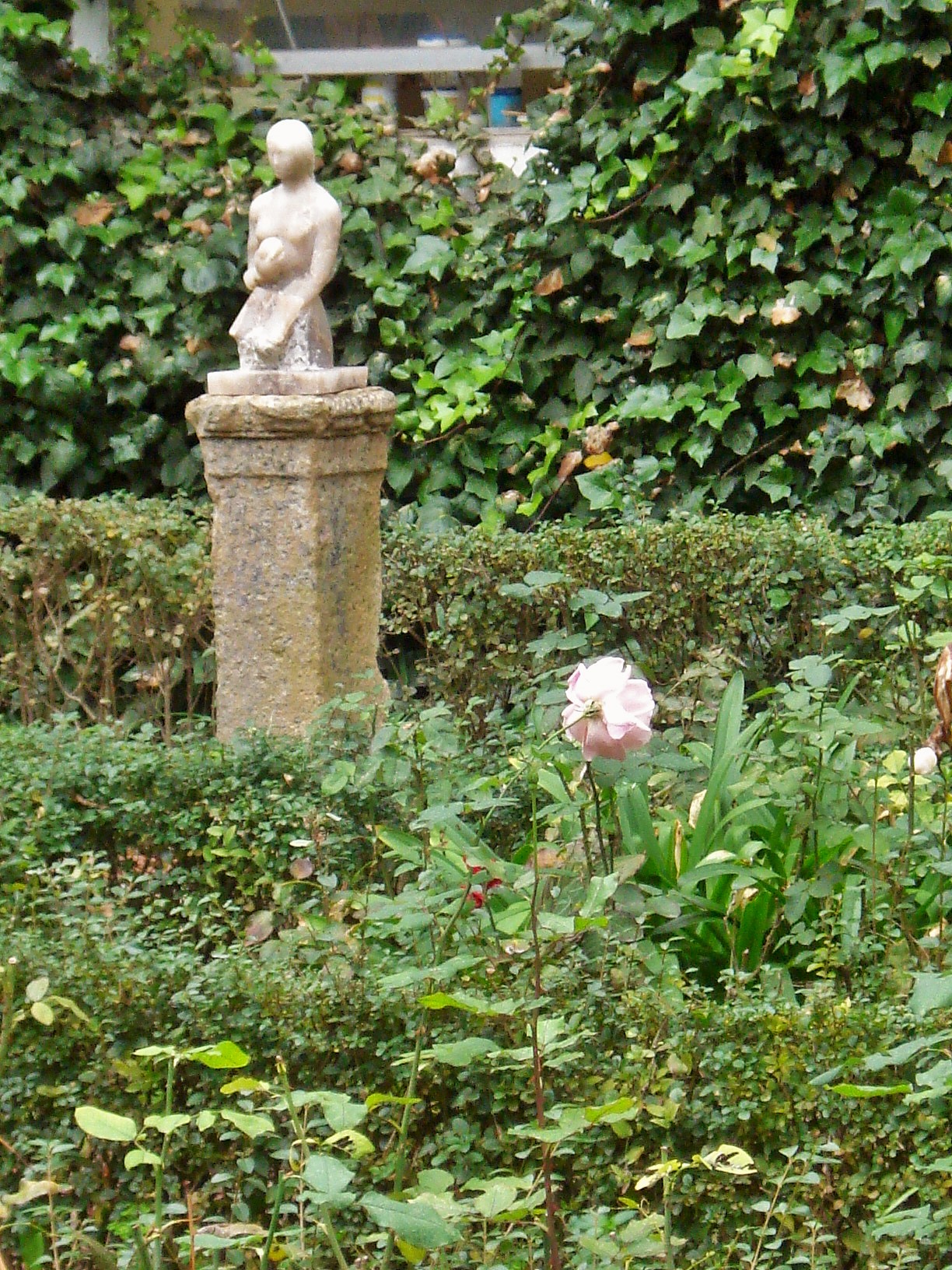
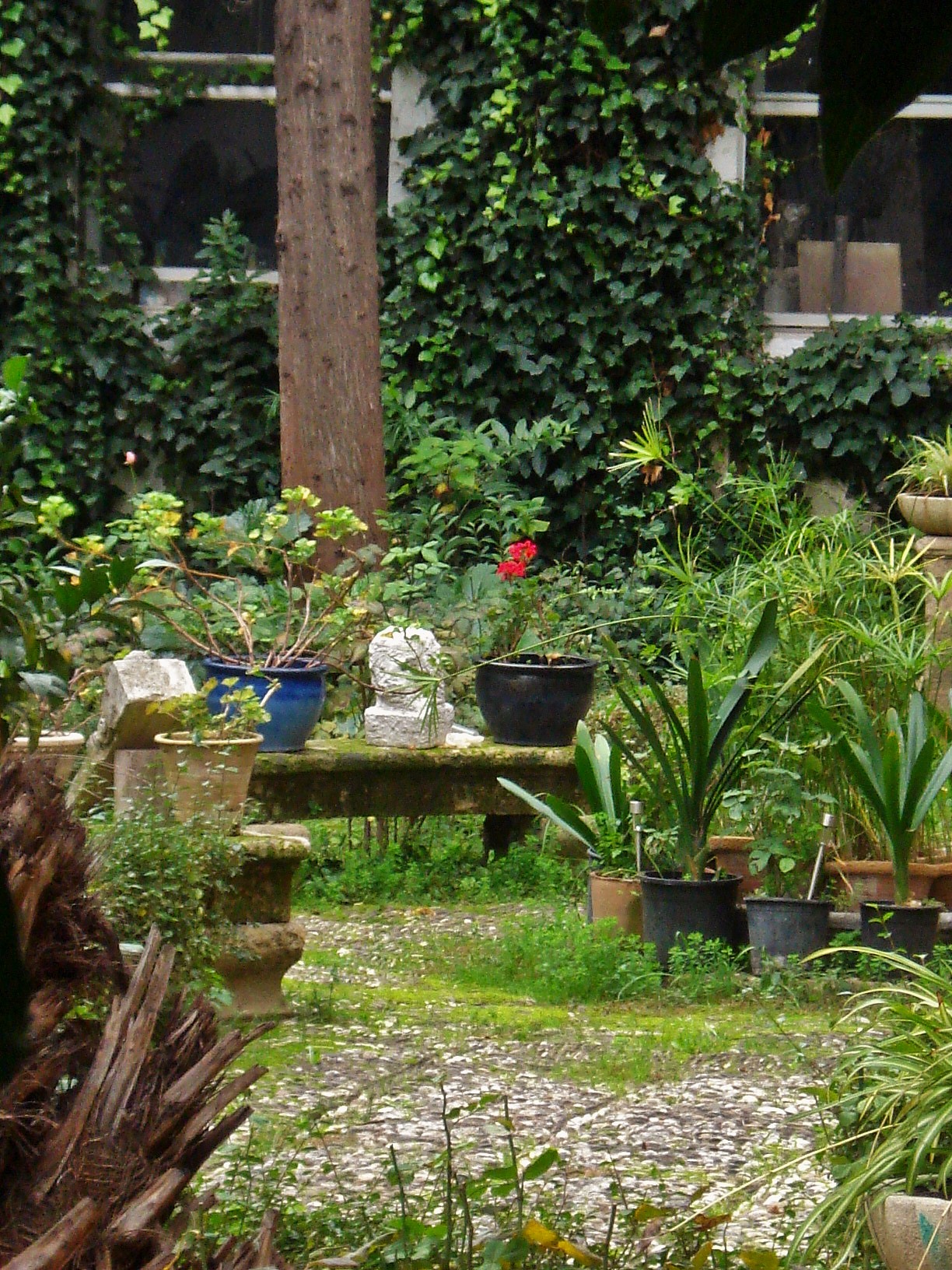
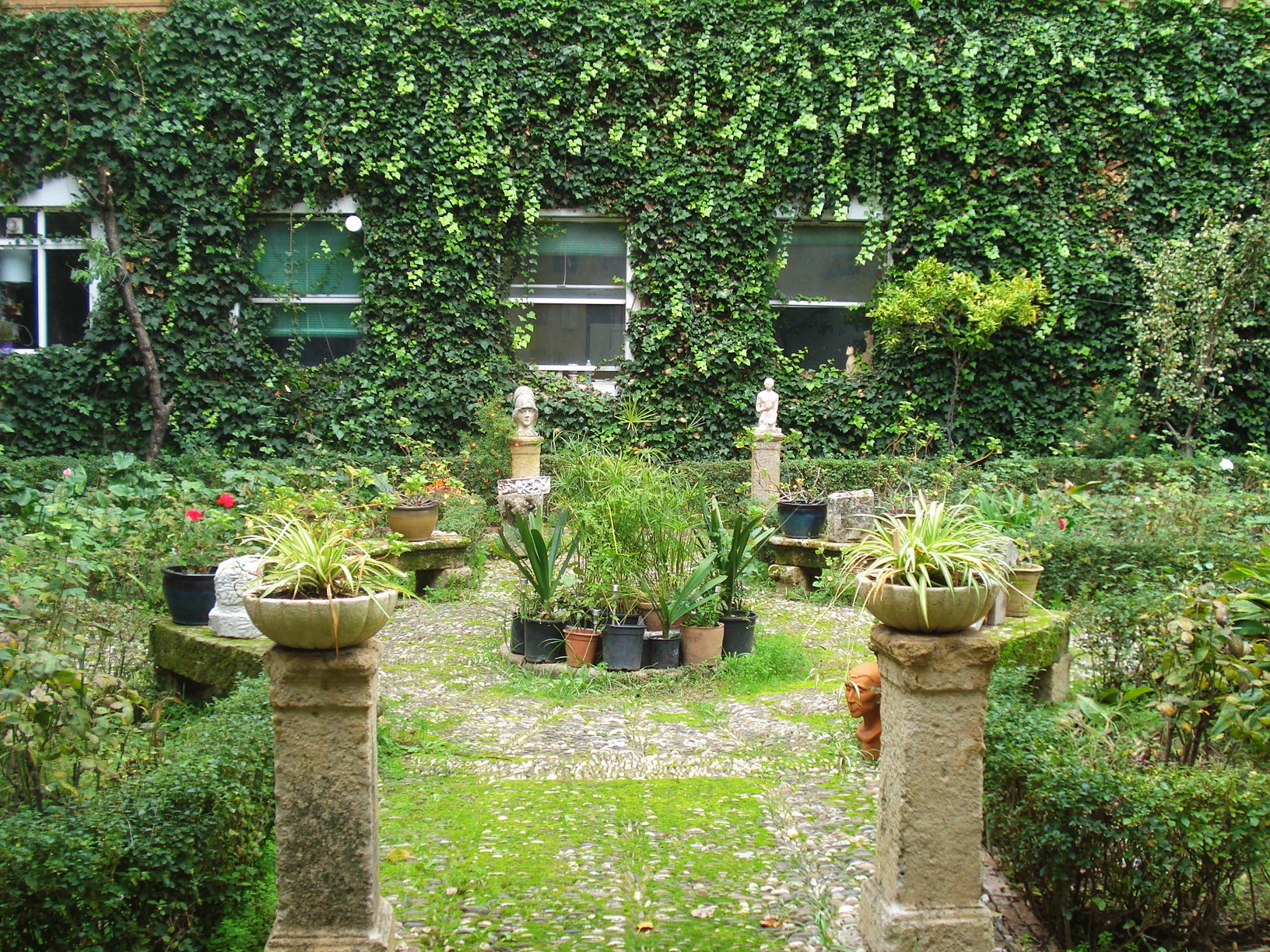
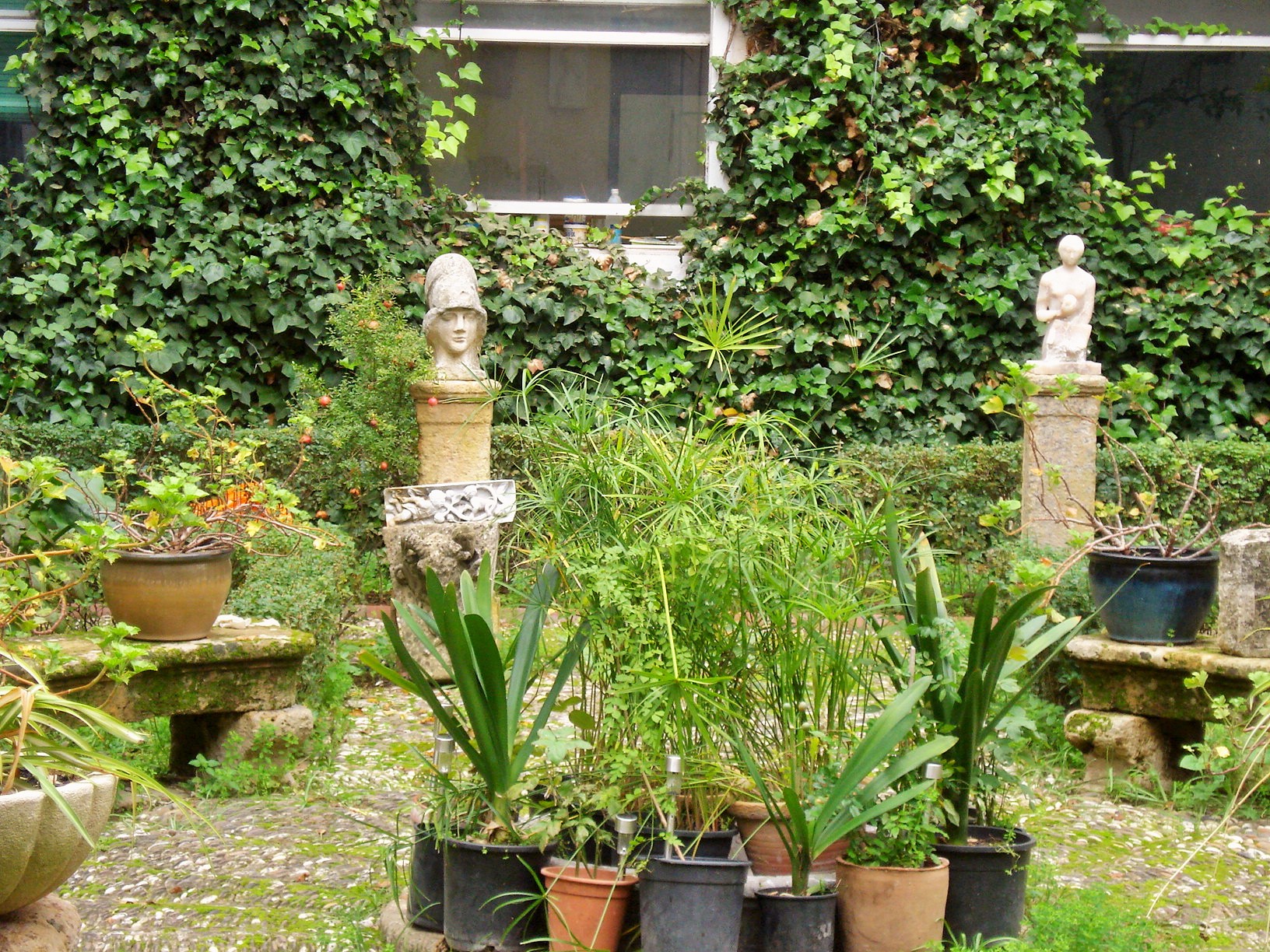
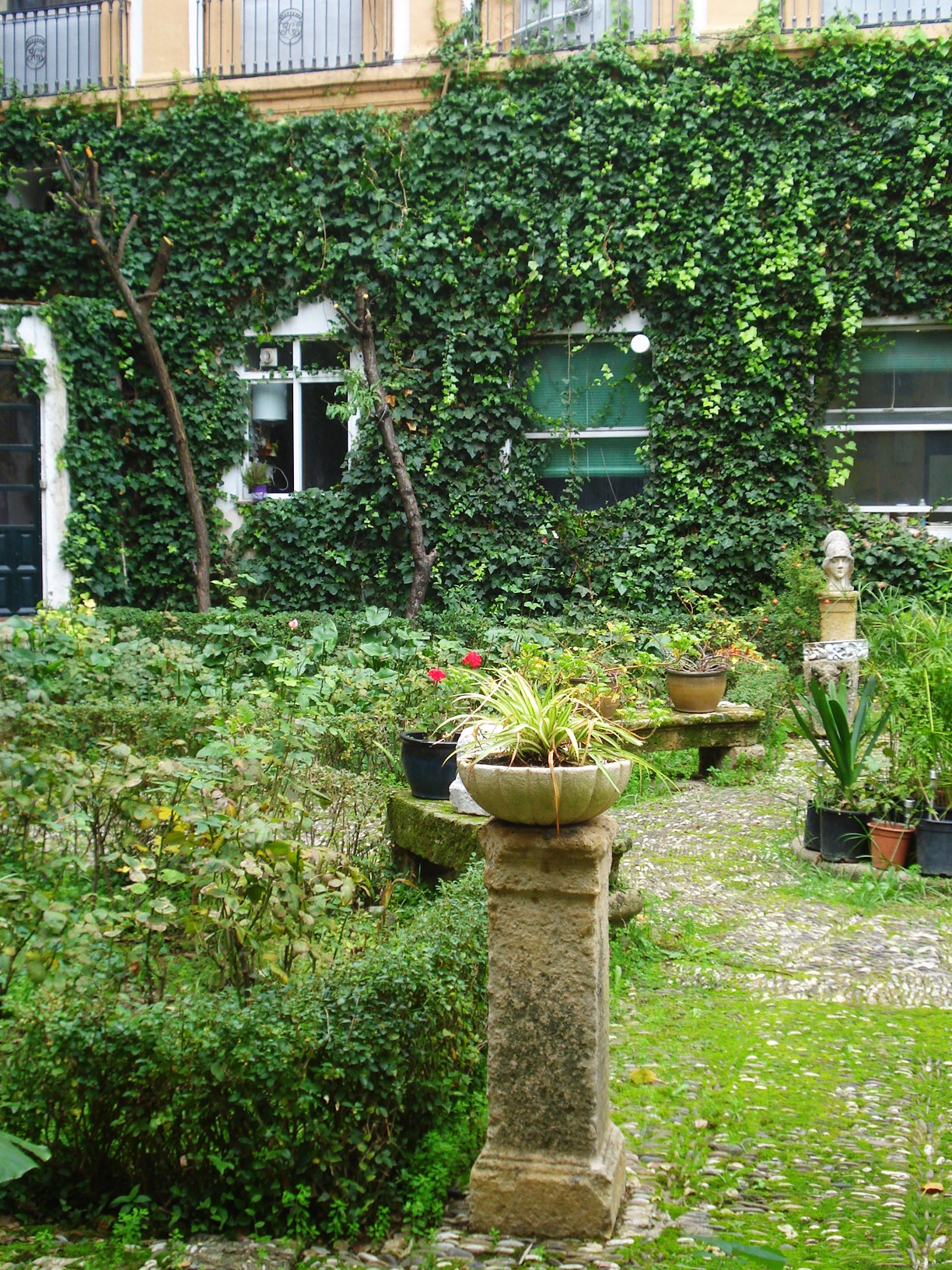
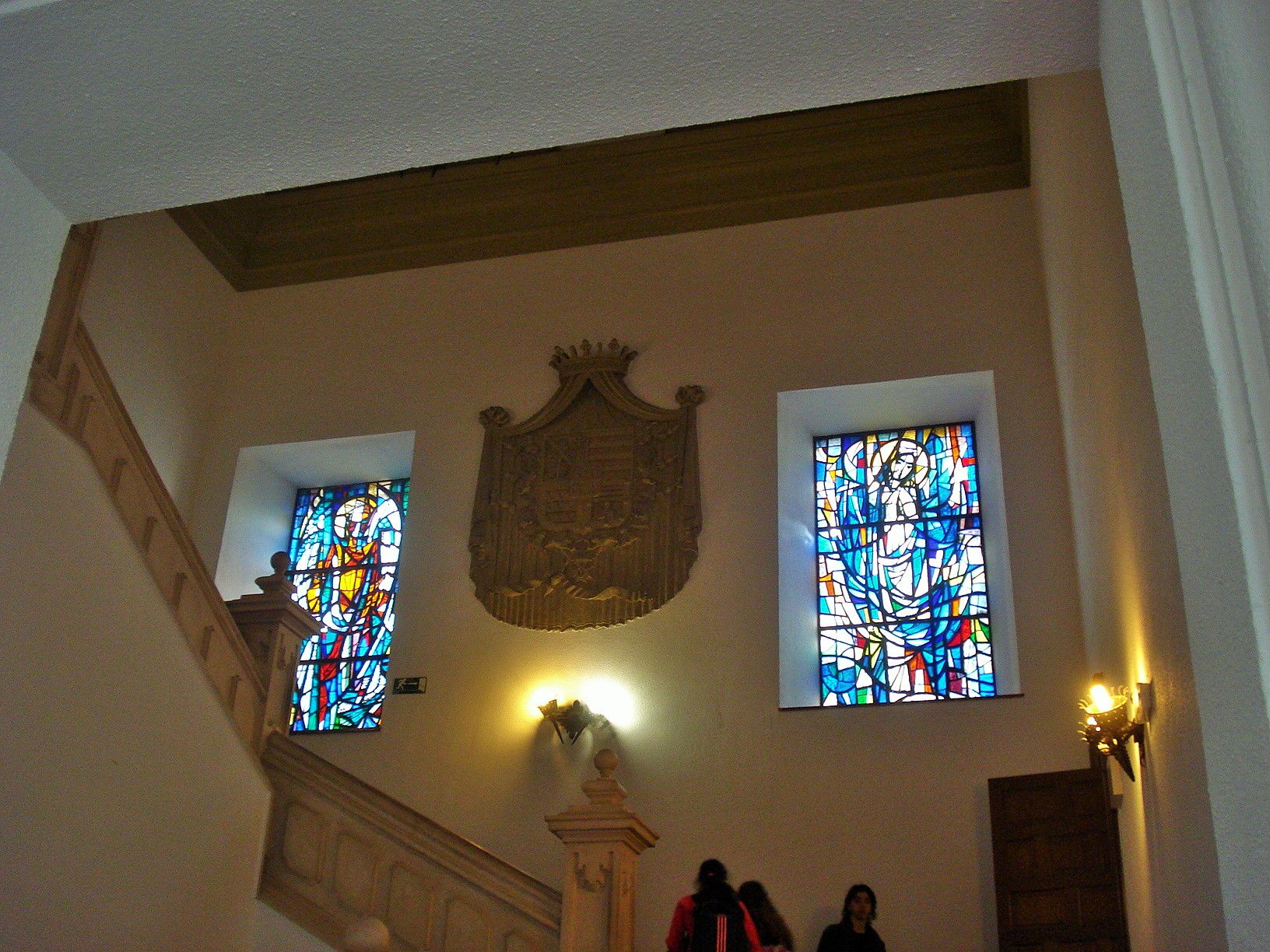
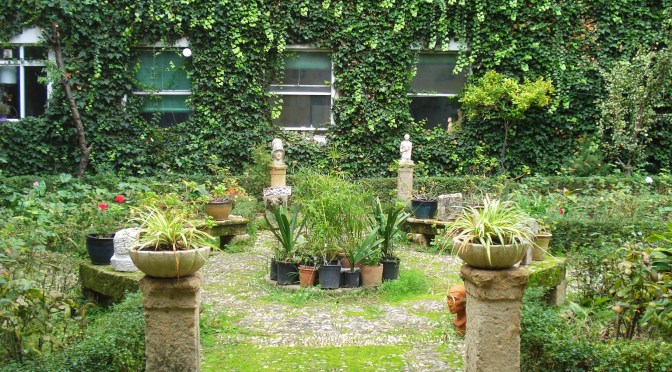
The School of Applied Art in Cordoba, Spain, is perhaps best known for famed Spanish artist Angel Lopez Obrero. He was born in Cordoba, and after some time living in Barcelona he returned to his hometown and taught at the School of Applied Arts there. The school, housed in an old building in one of Cordoba’s historic neighborhoods, also has some stunning stained glass. And of course, a lovely walled-in sculpture garden.
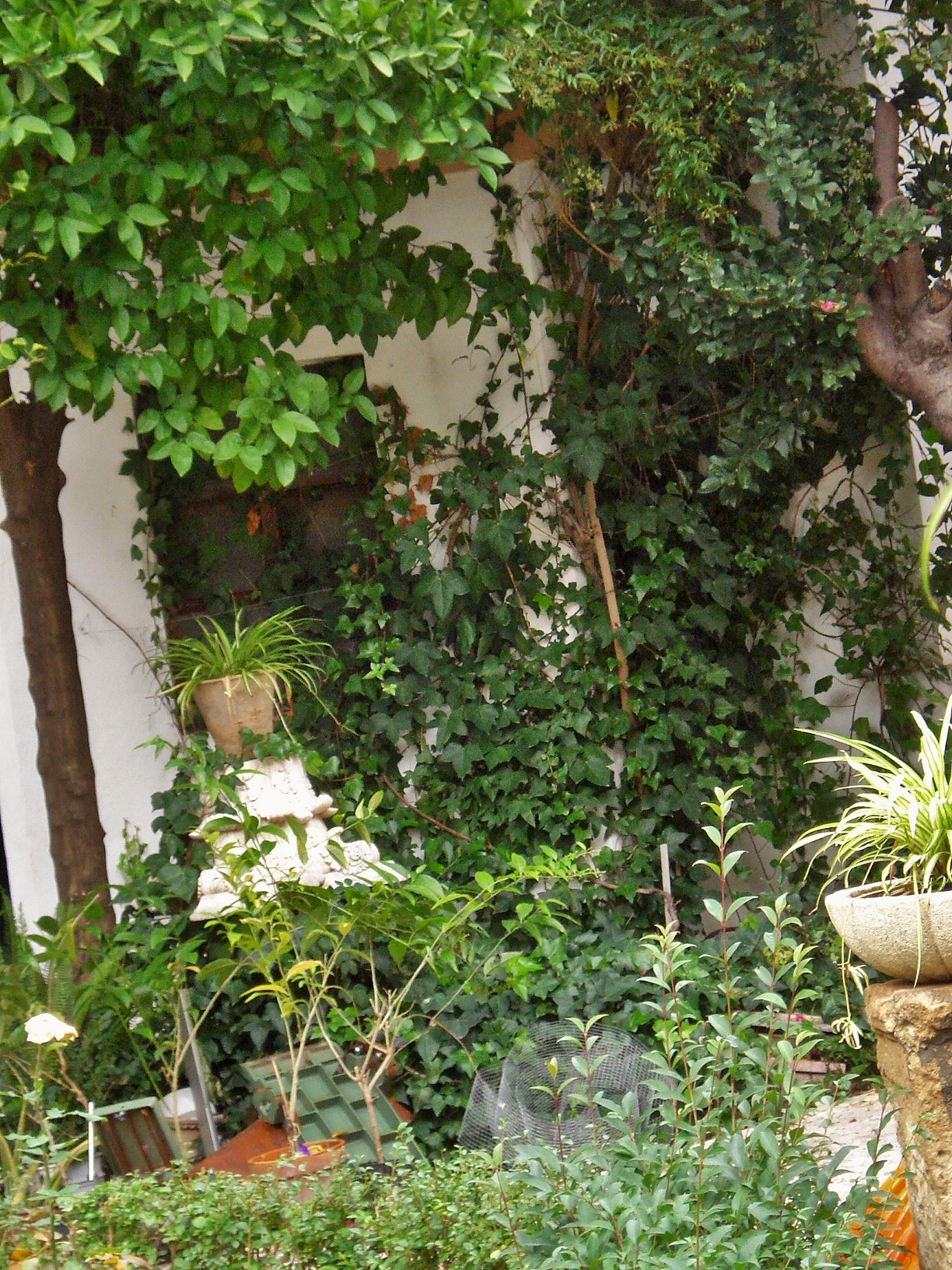






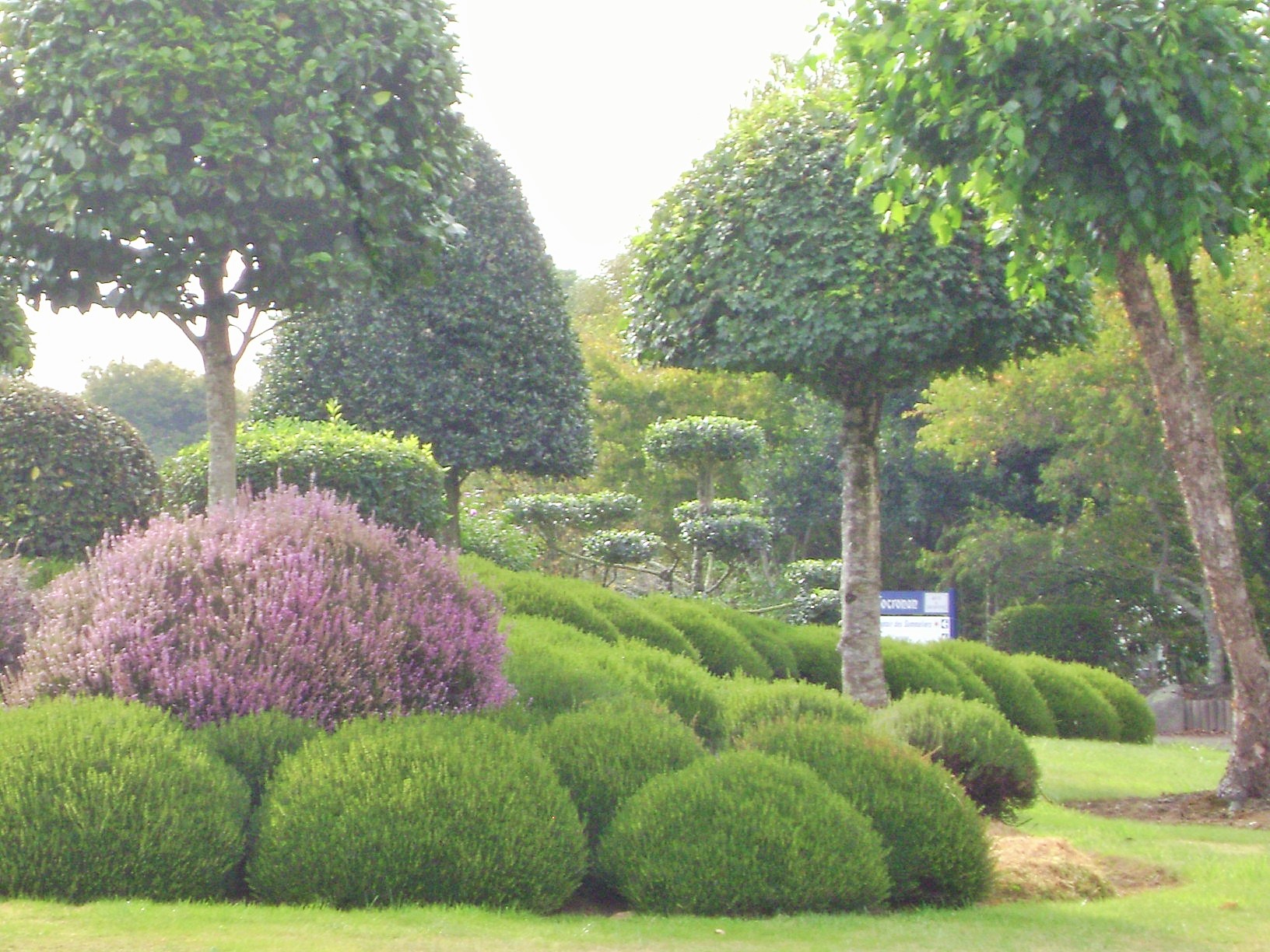
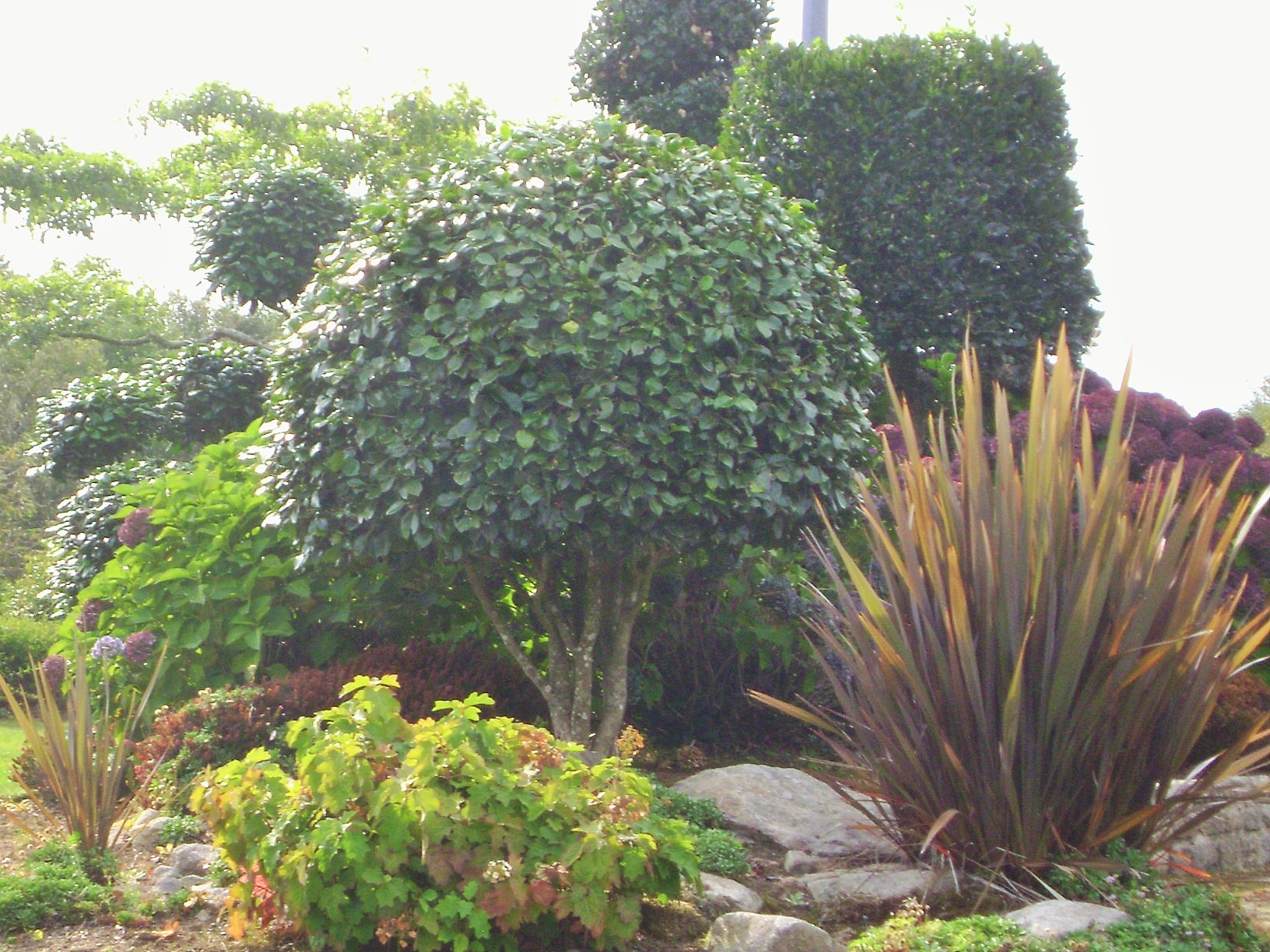
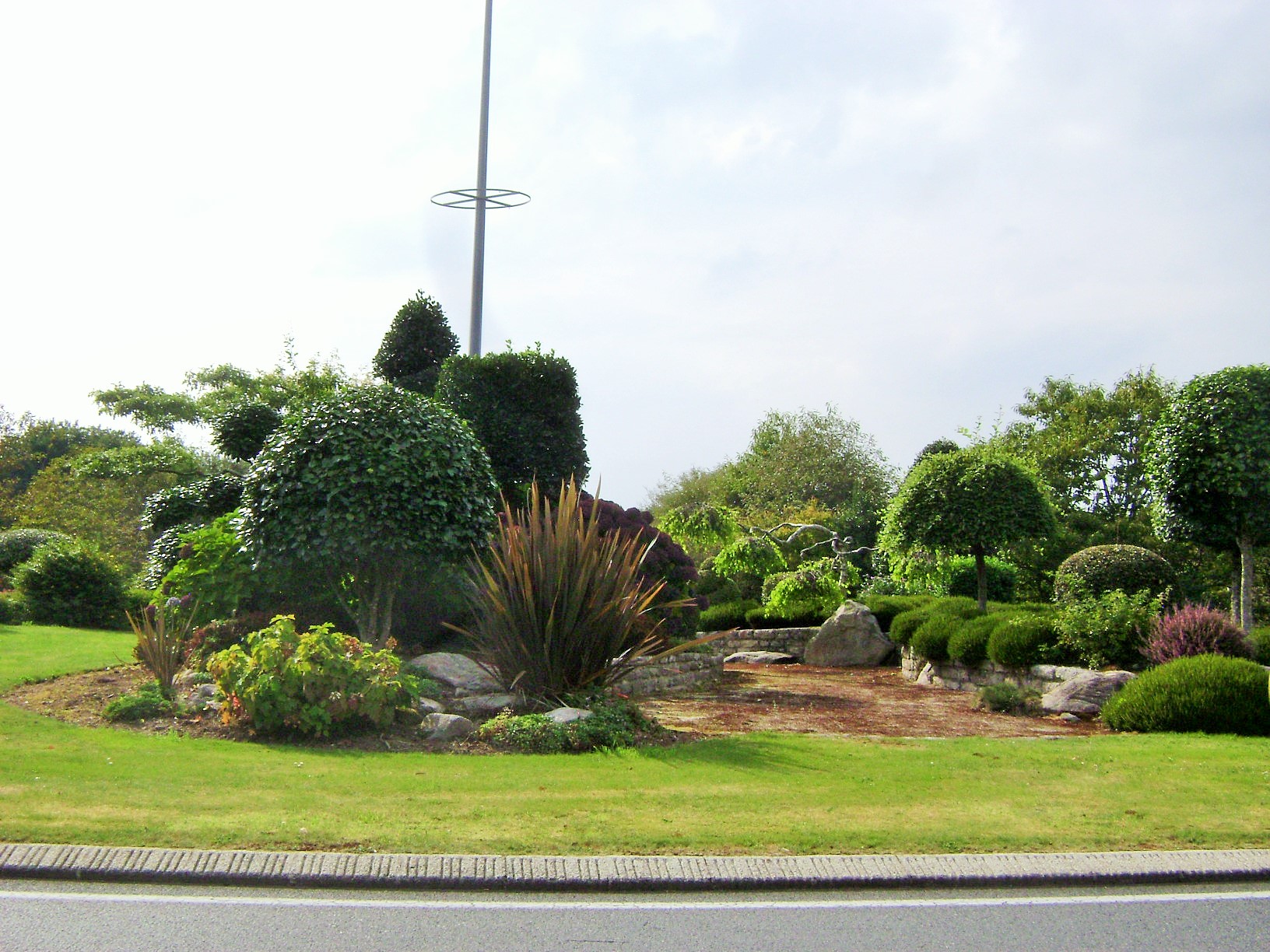
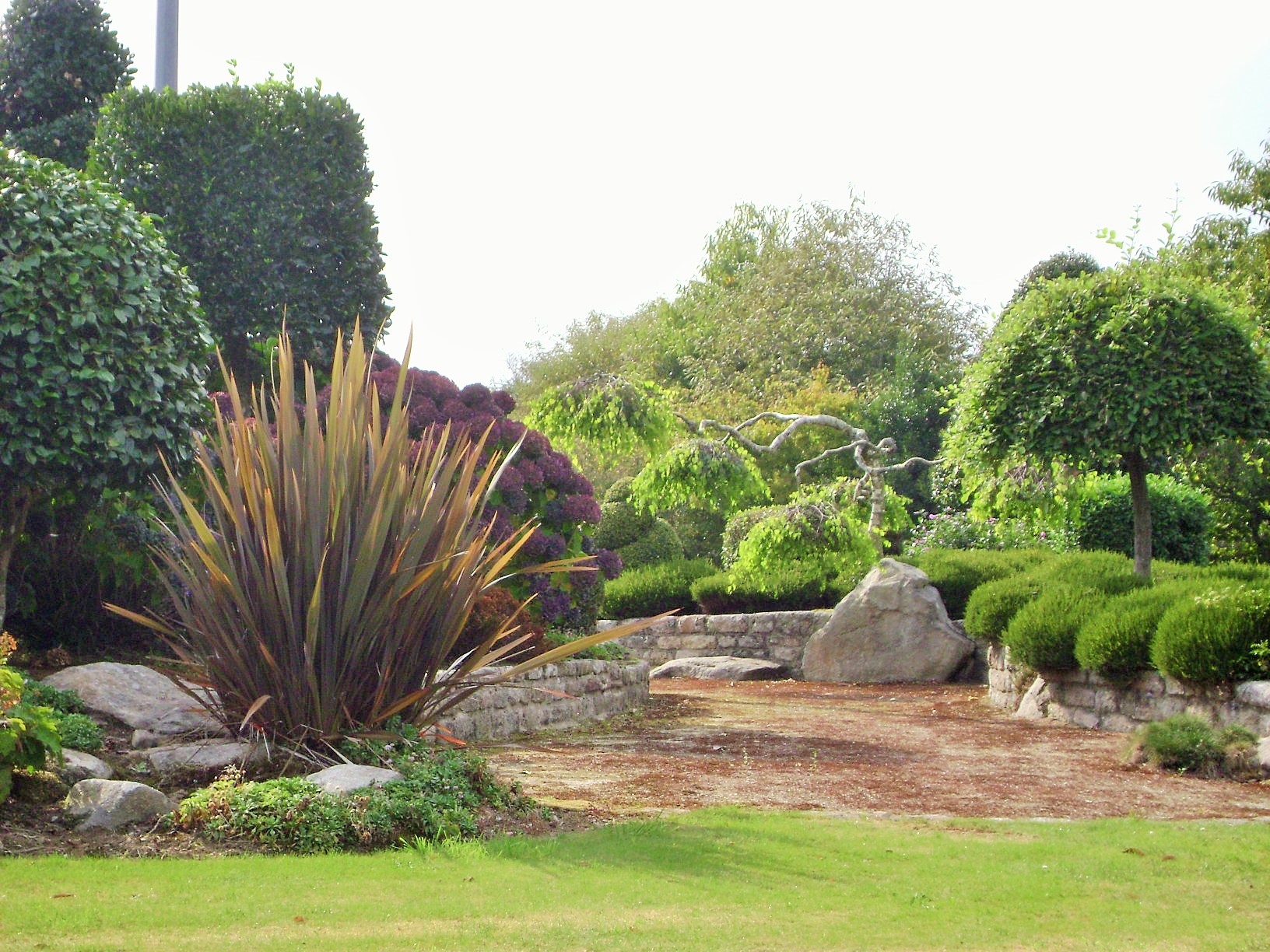
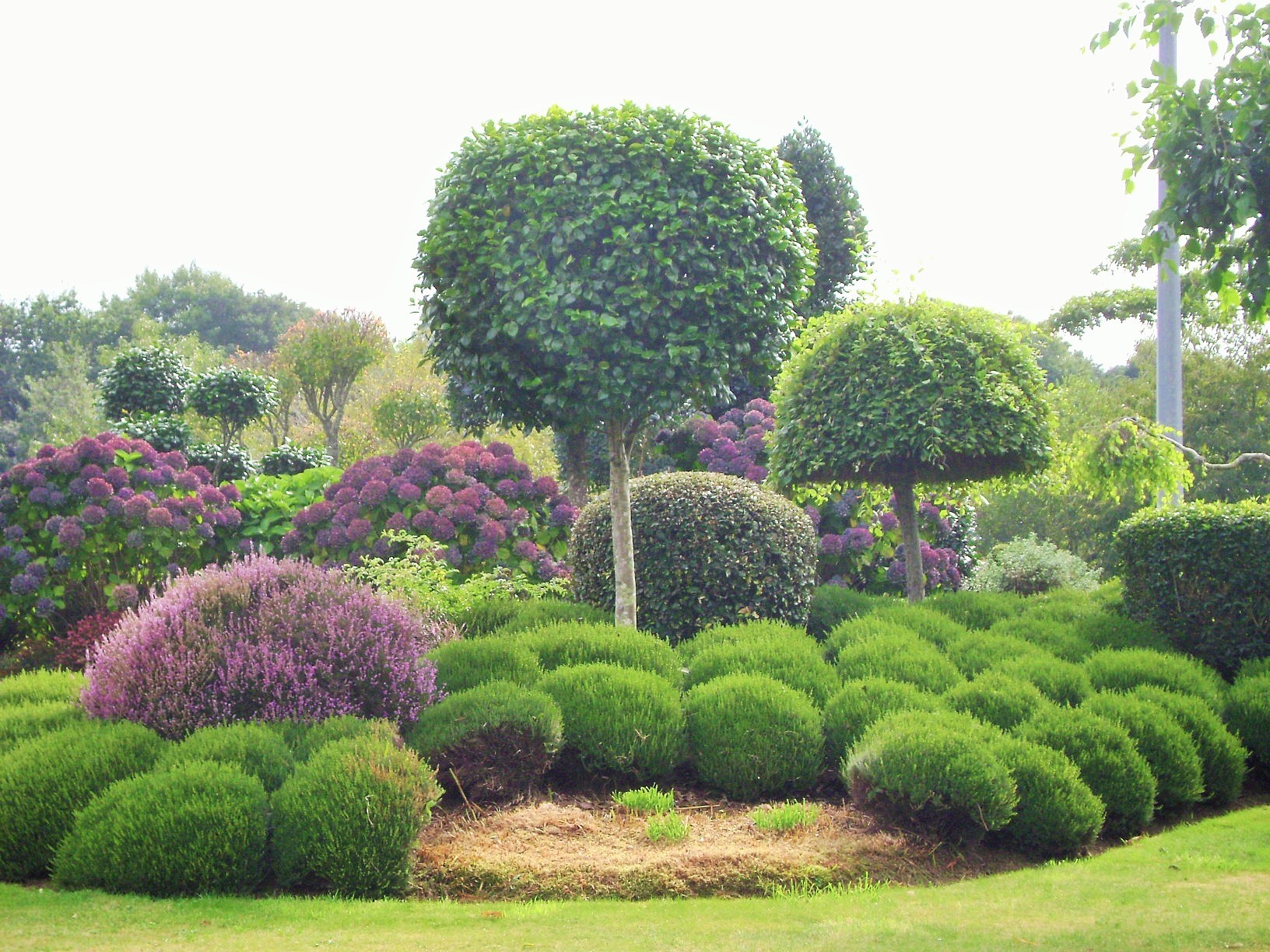
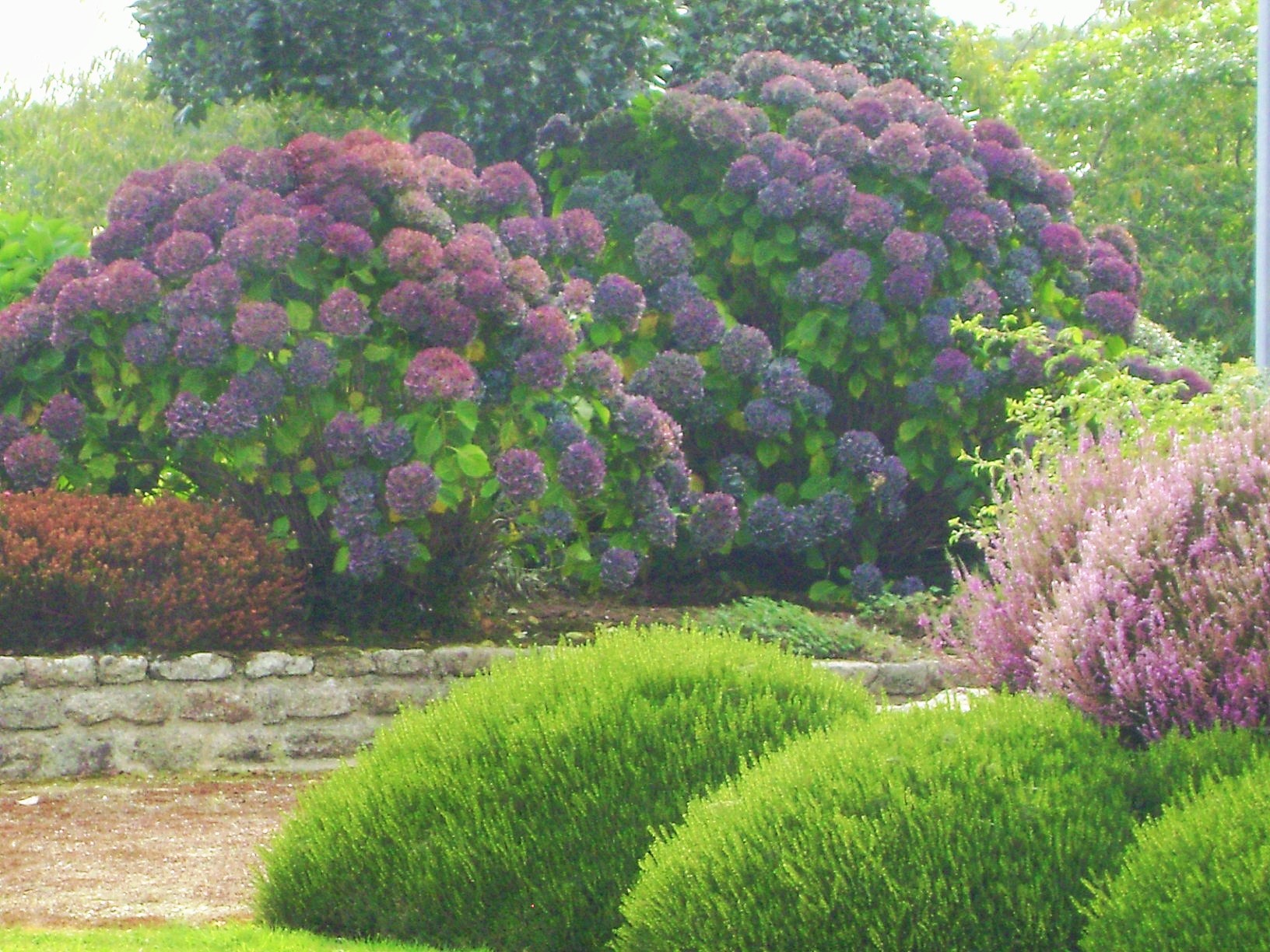
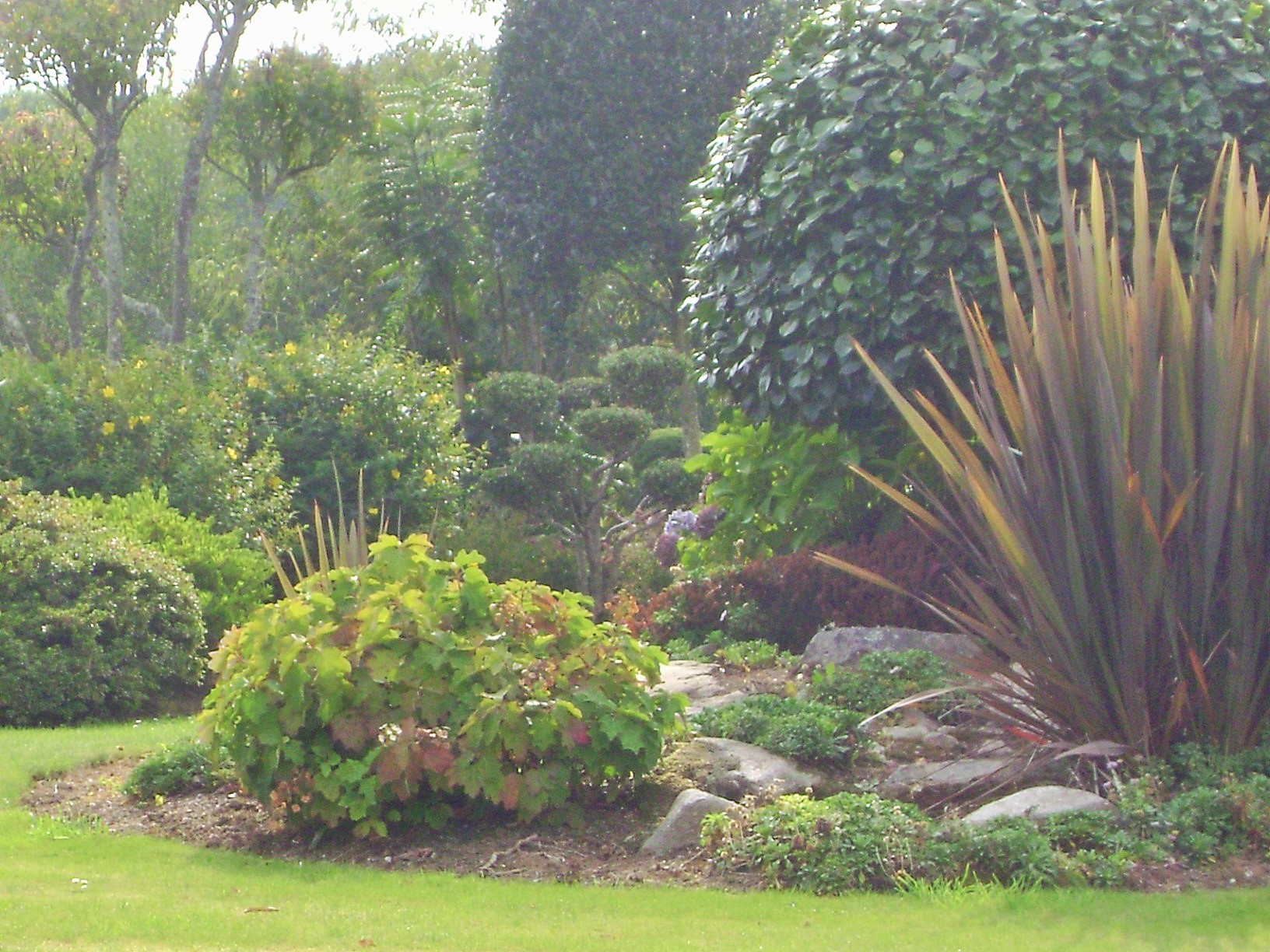
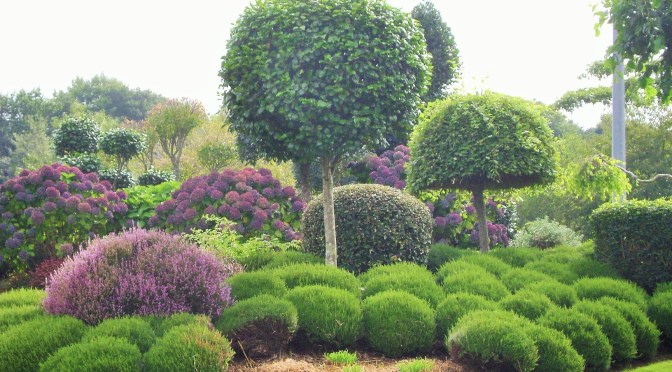
Next in my series of posts on French landscaped roundabouts, is this very elegantly landscaped one in Locronan, Brittany. Round shaped boxwoods, bonsai shaped trees, topiaries and assorted evergreens give it year round beauty, while hydrangeas which have a long blooming season in Brittany) add some color.










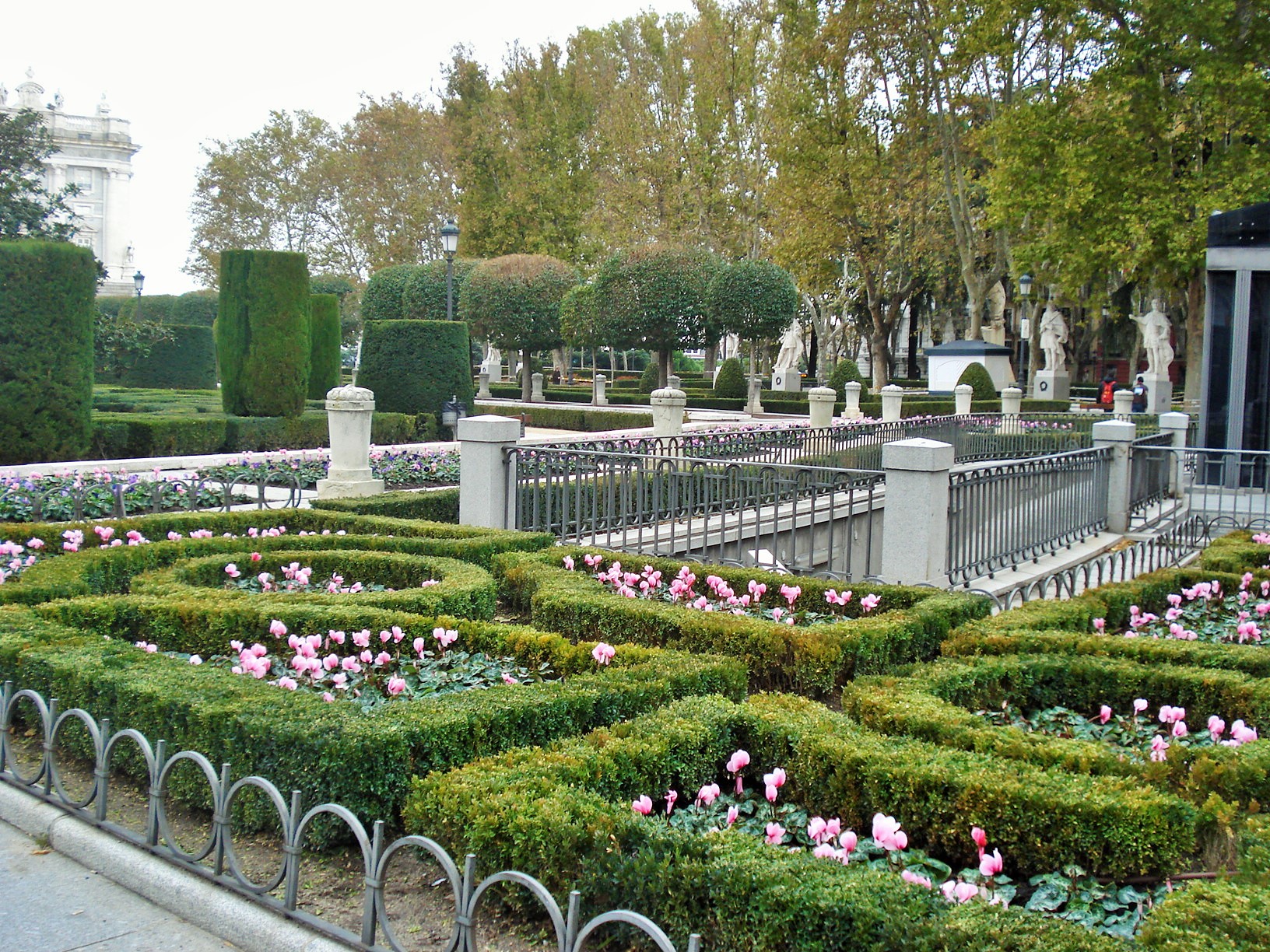
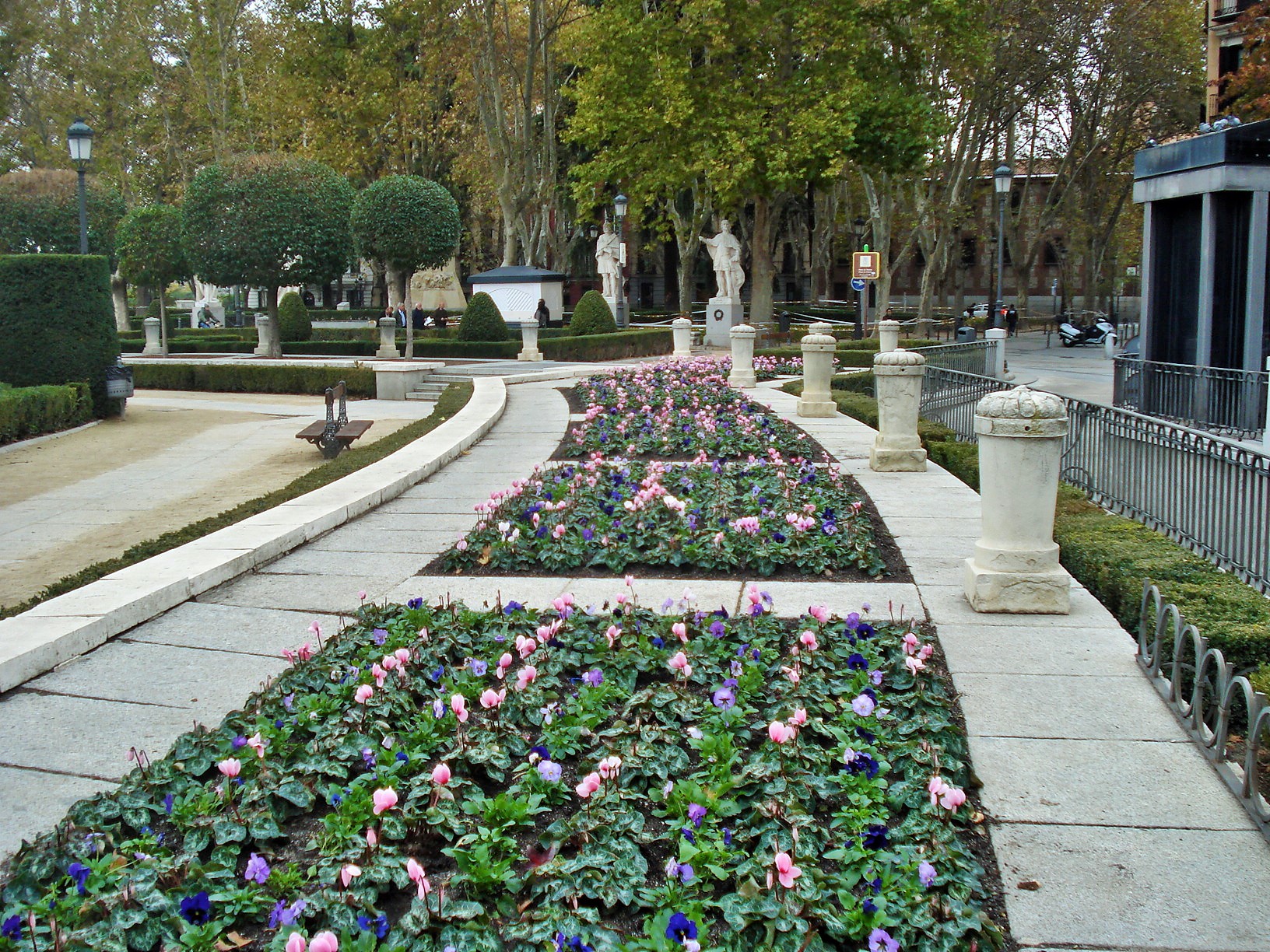
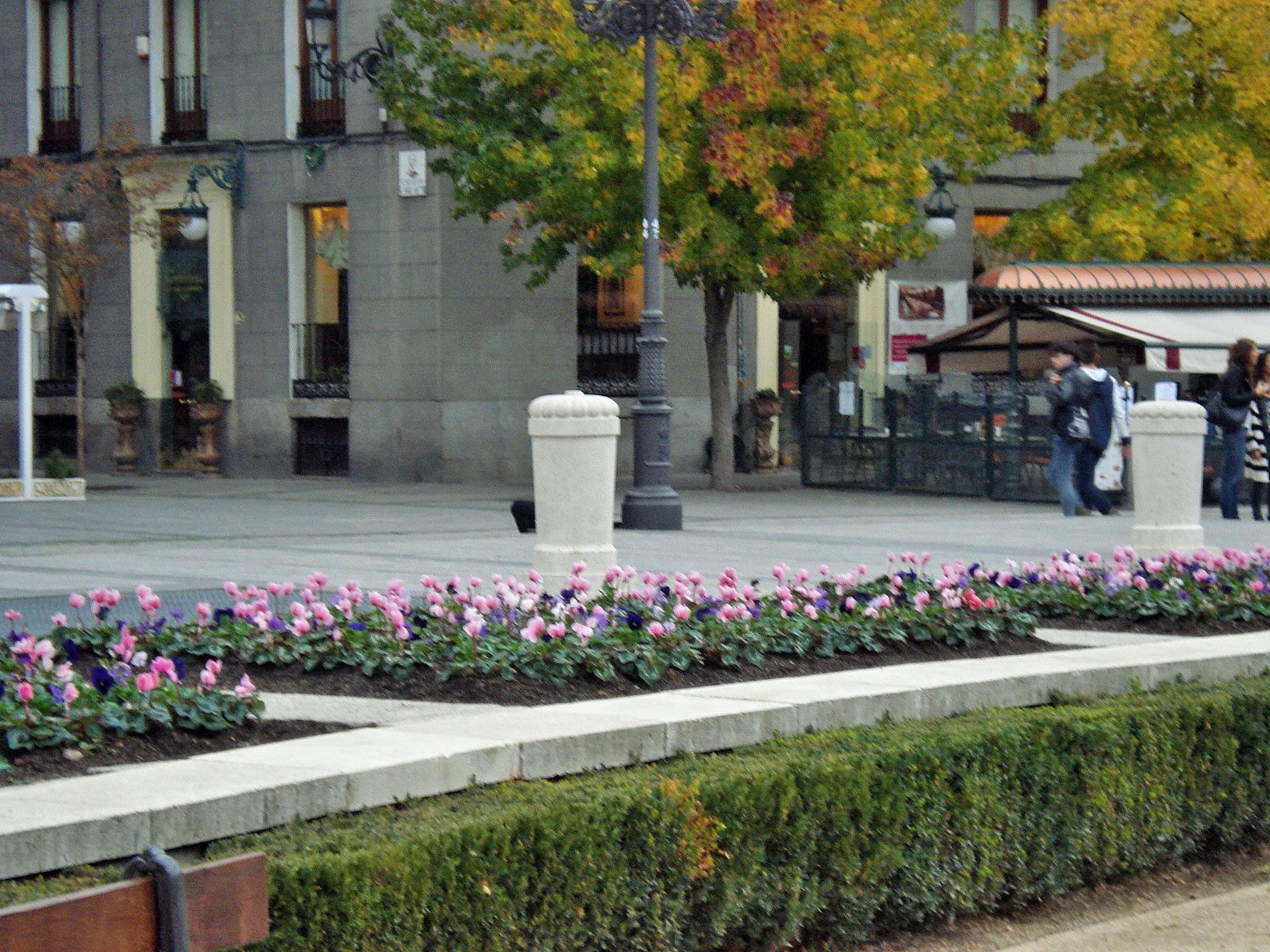
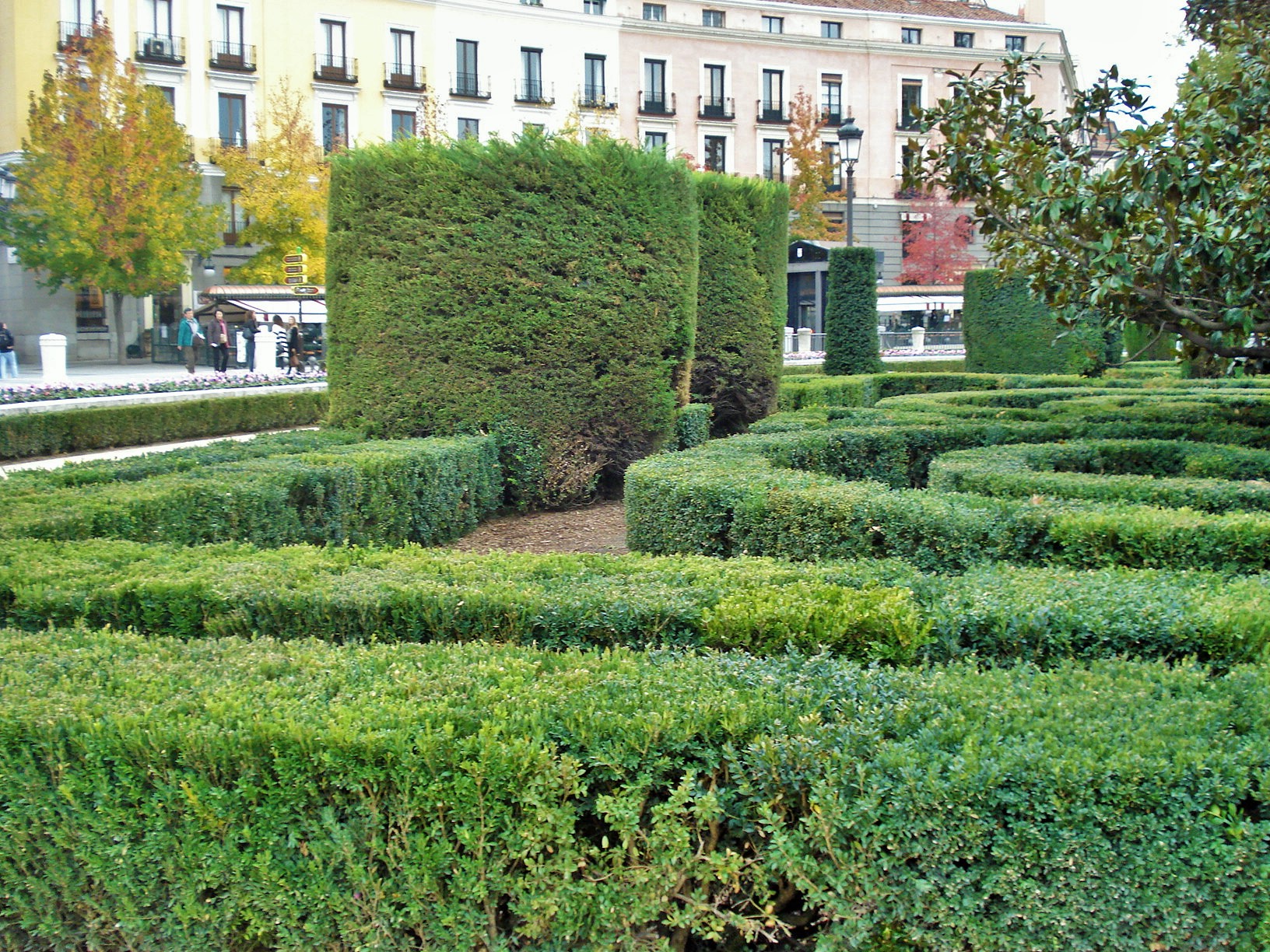
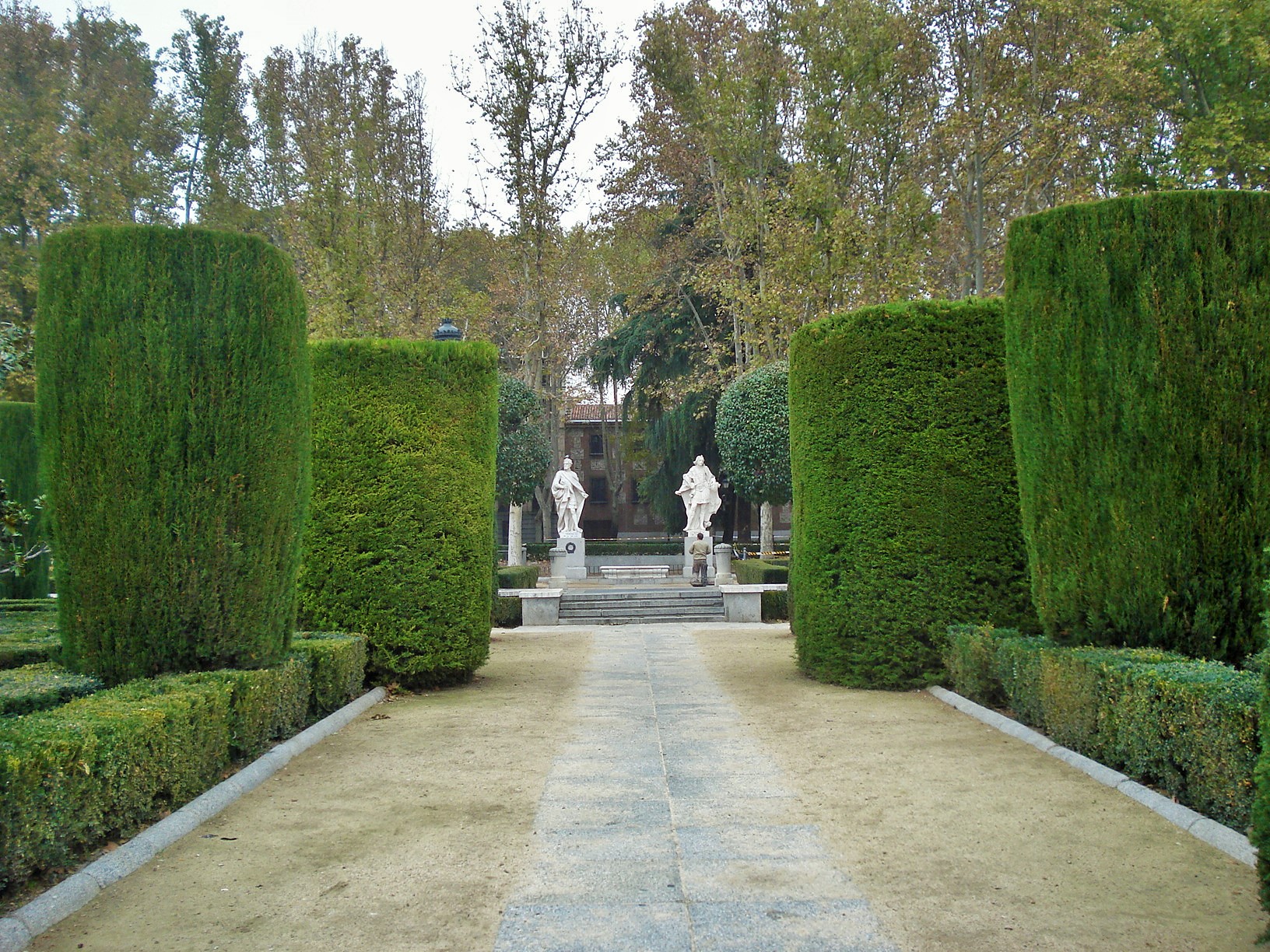
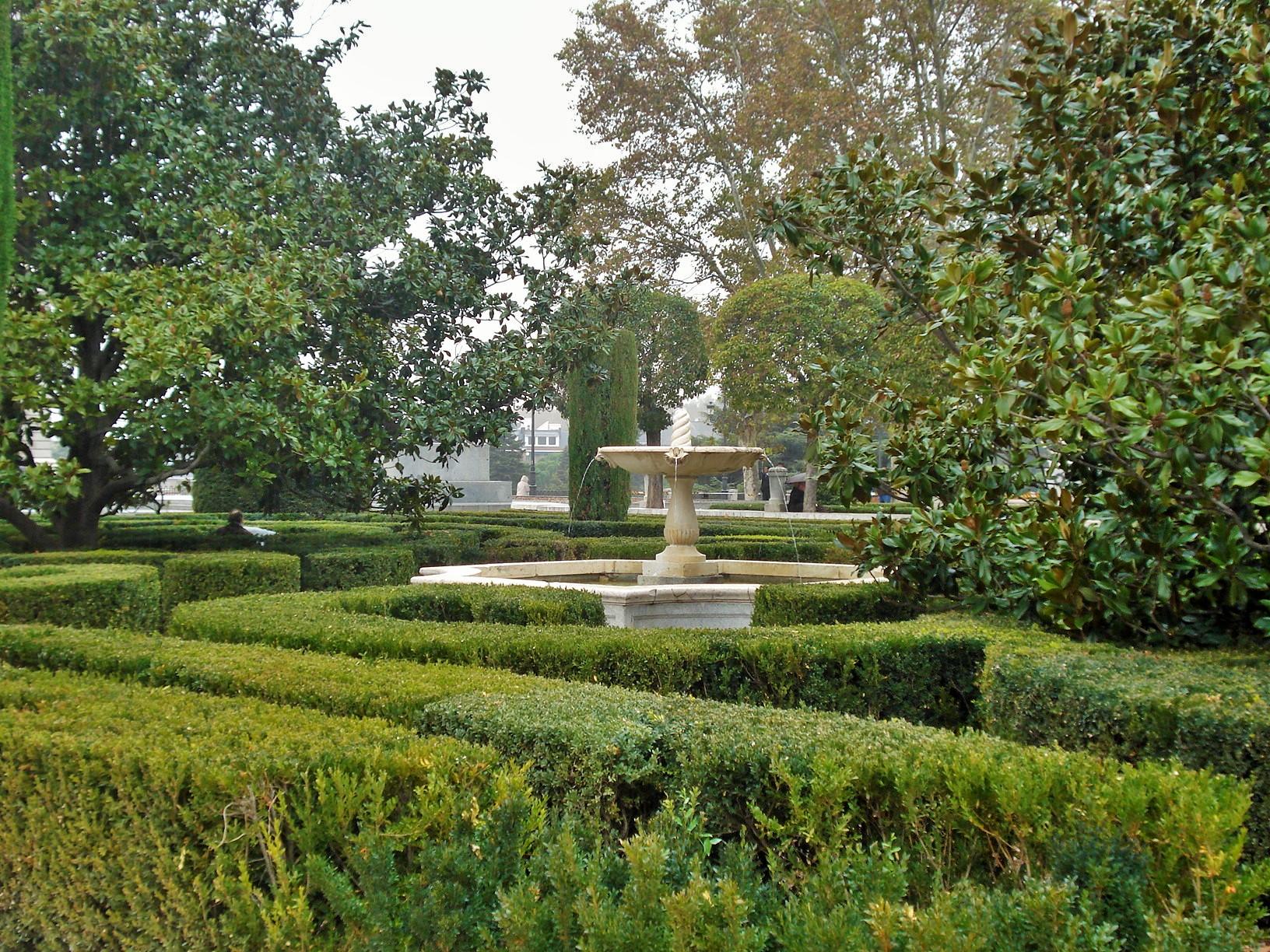
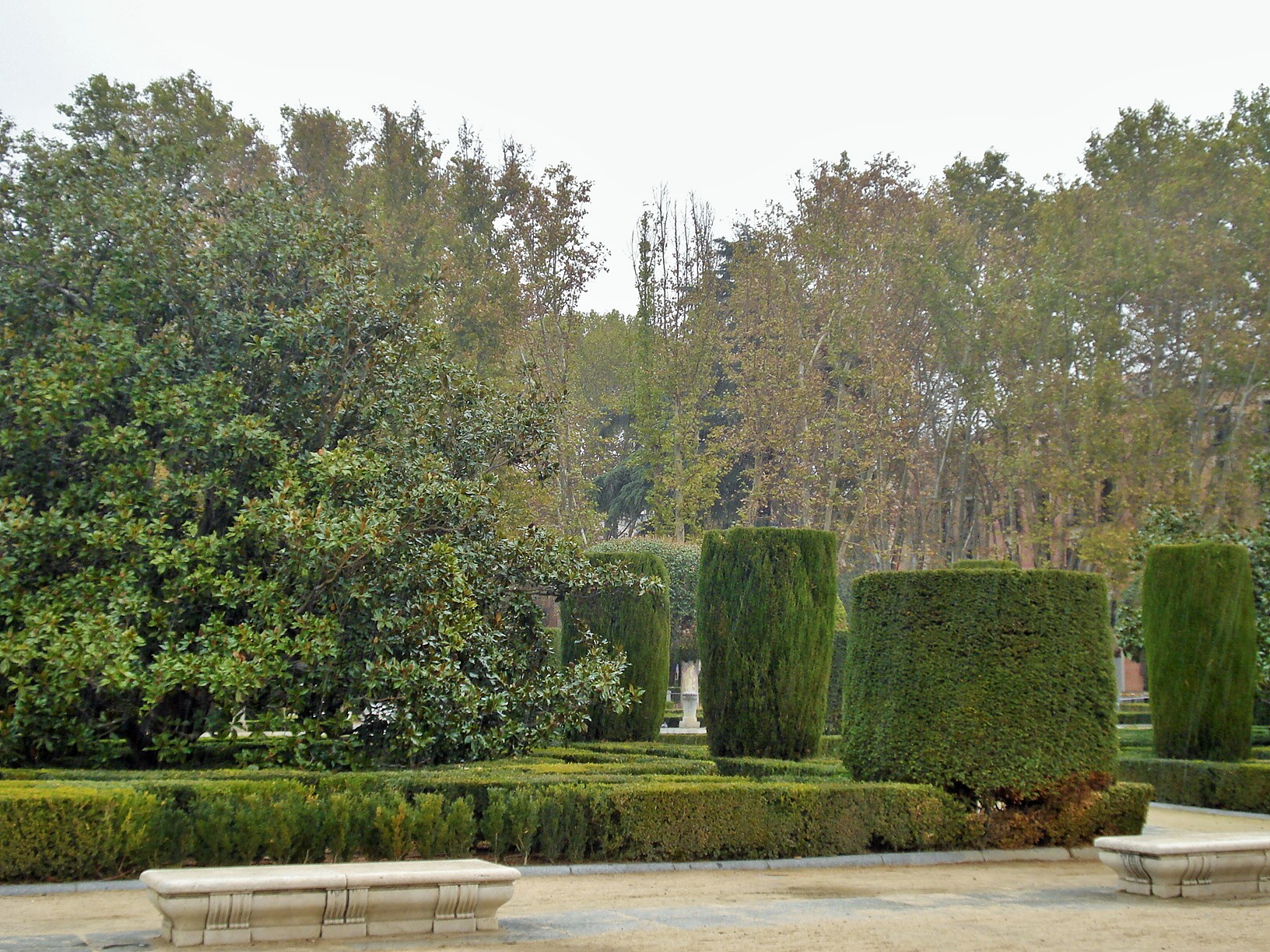
The Royal Palace in Madrid, or Palacio Real, is Madrid’s largest building and the official residence of the royal family, although only really used for state occasions. It is adjacent to the beautiful Plaza de Oriente, and surrounded by the formally landscaped Sabatini and Campo del Moro parks. Wide alleys lead to the Palace, with round topiaries and satues punctuating the side alleys and borders.










Scattered thoughts and general musings
Gardening in Lazio
The life and loves of a plantsman
Nature needs Nurture
Learning life's lessons in the garden!
Observations from a Maine gardener
A Virginia garden through the seasons
.....and nurturing my soul
Gardens & Events at Historic Rosedale
Looking for the rays of sunshine I know are out there.
the life and times of a garden-loving, baking-loving, cat-loving West Country redhead
garden and art
Storytelling Adventure





 Globetrotting Gardener