
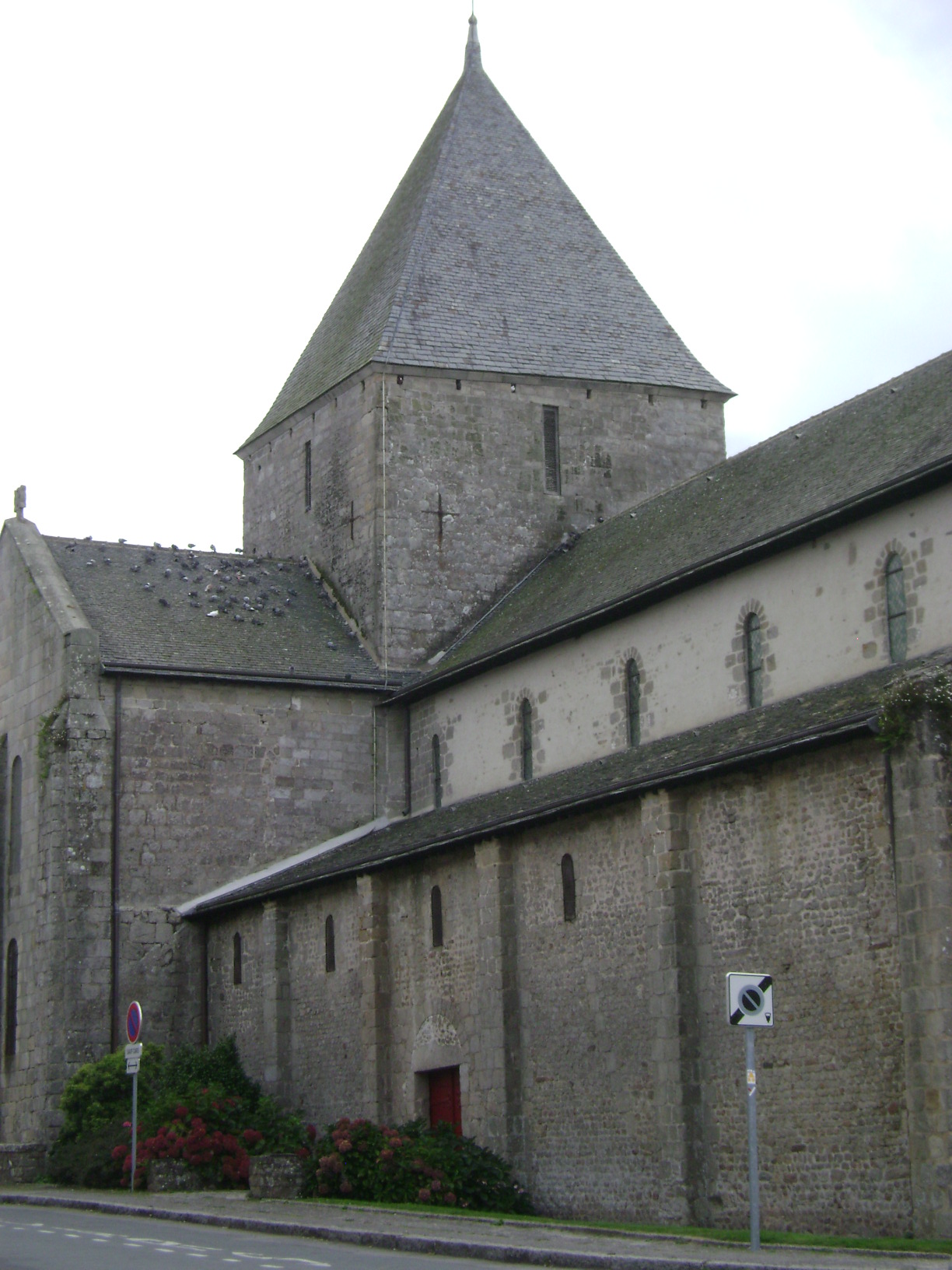
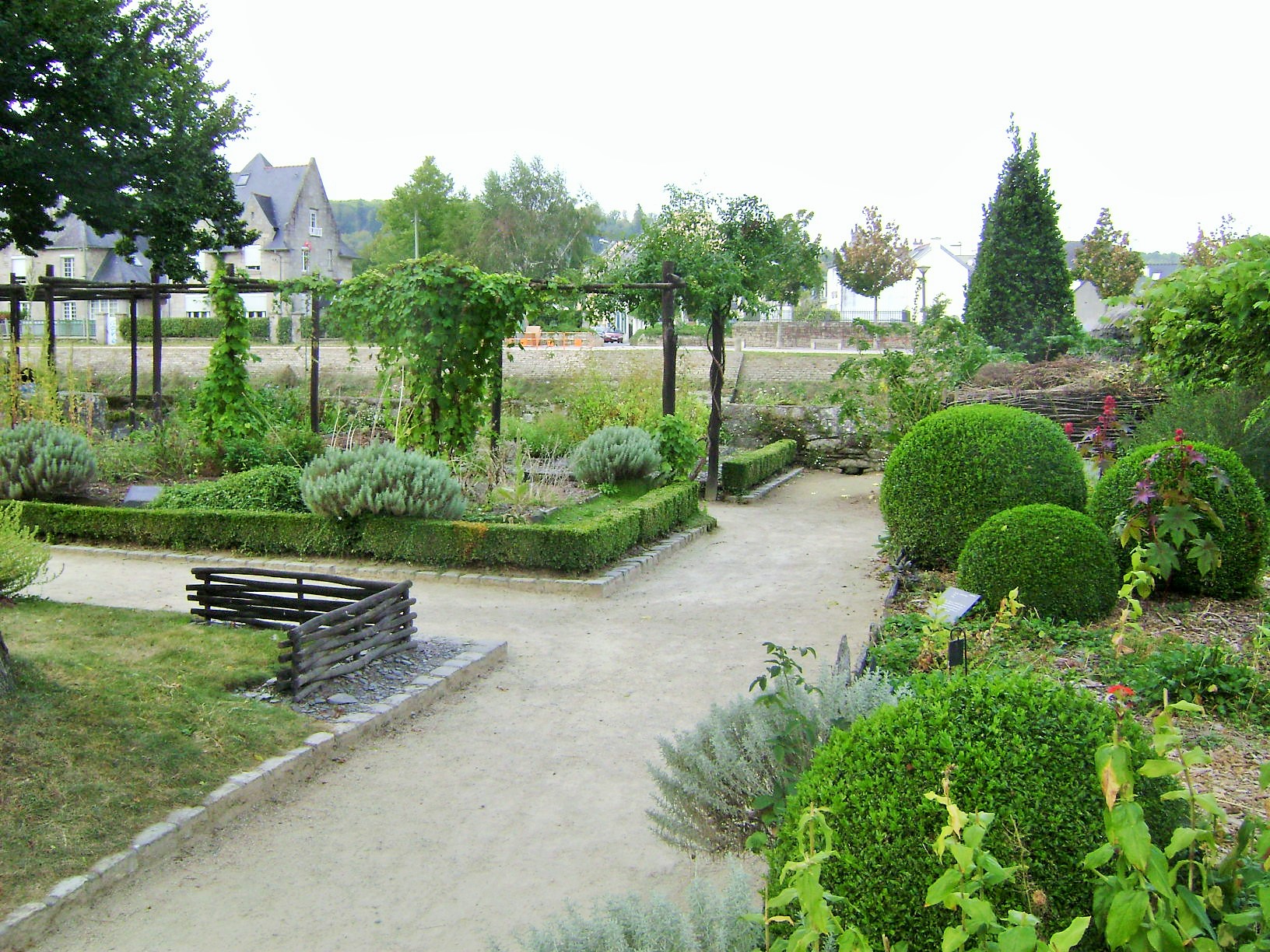
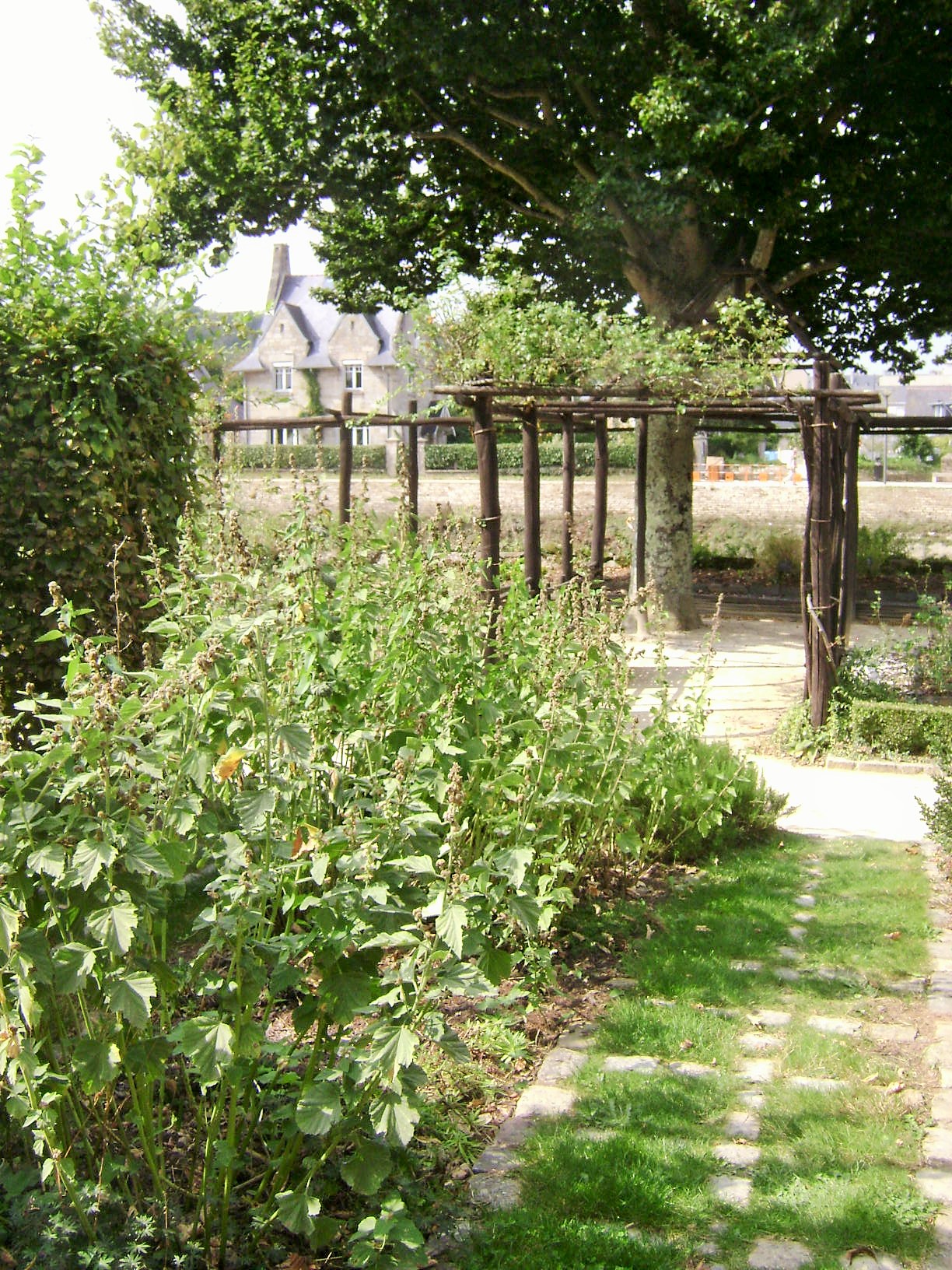
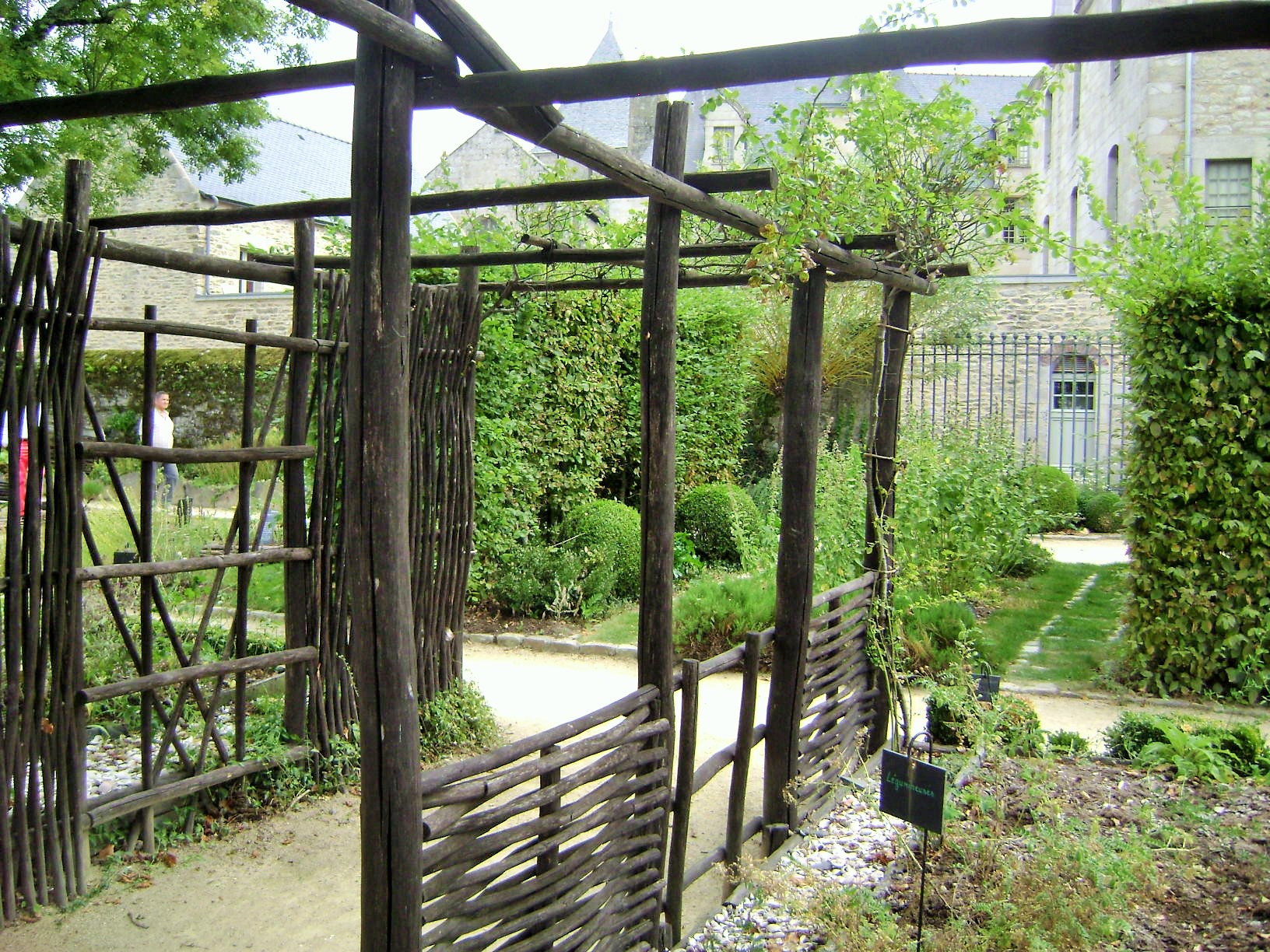
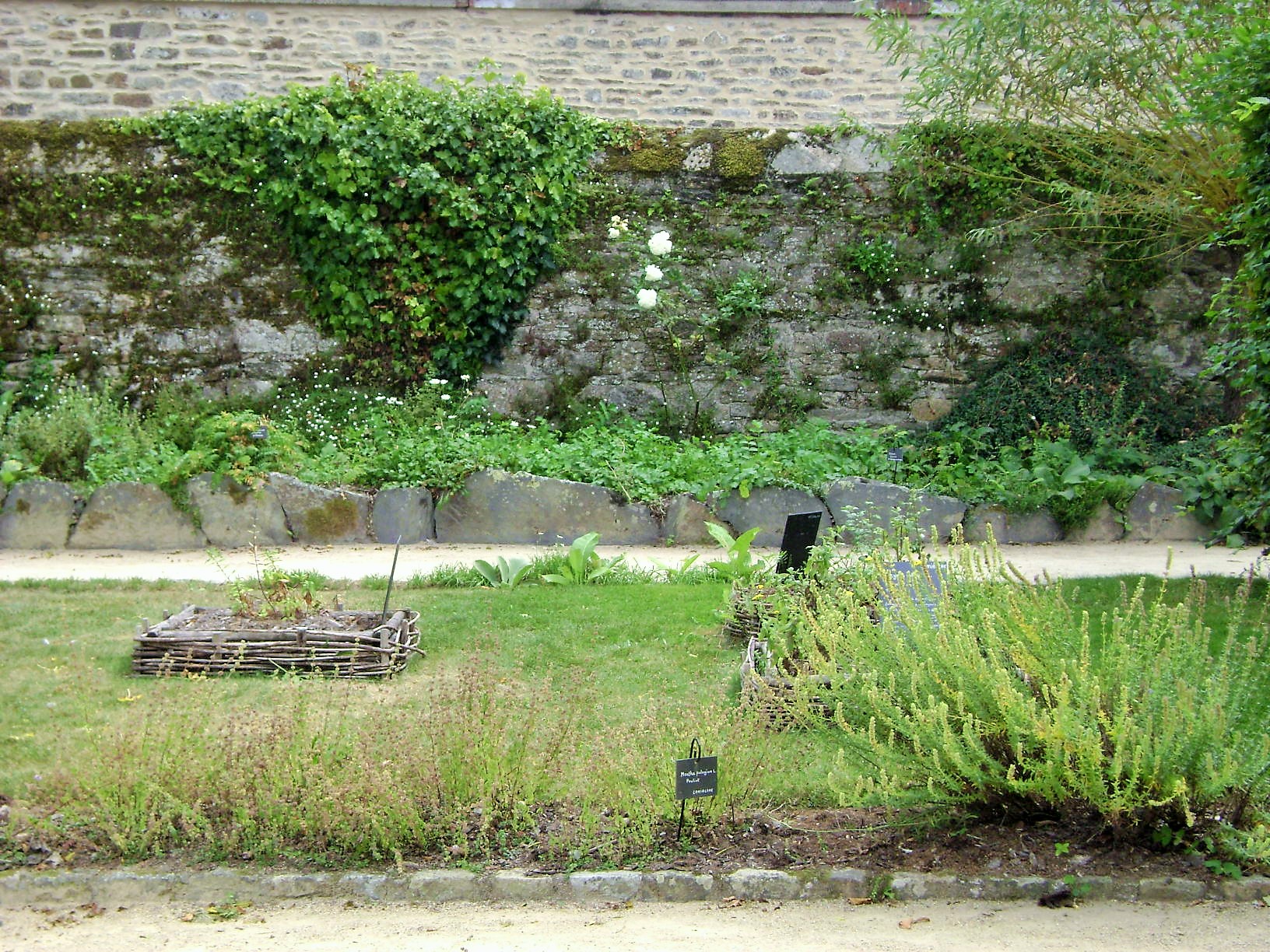
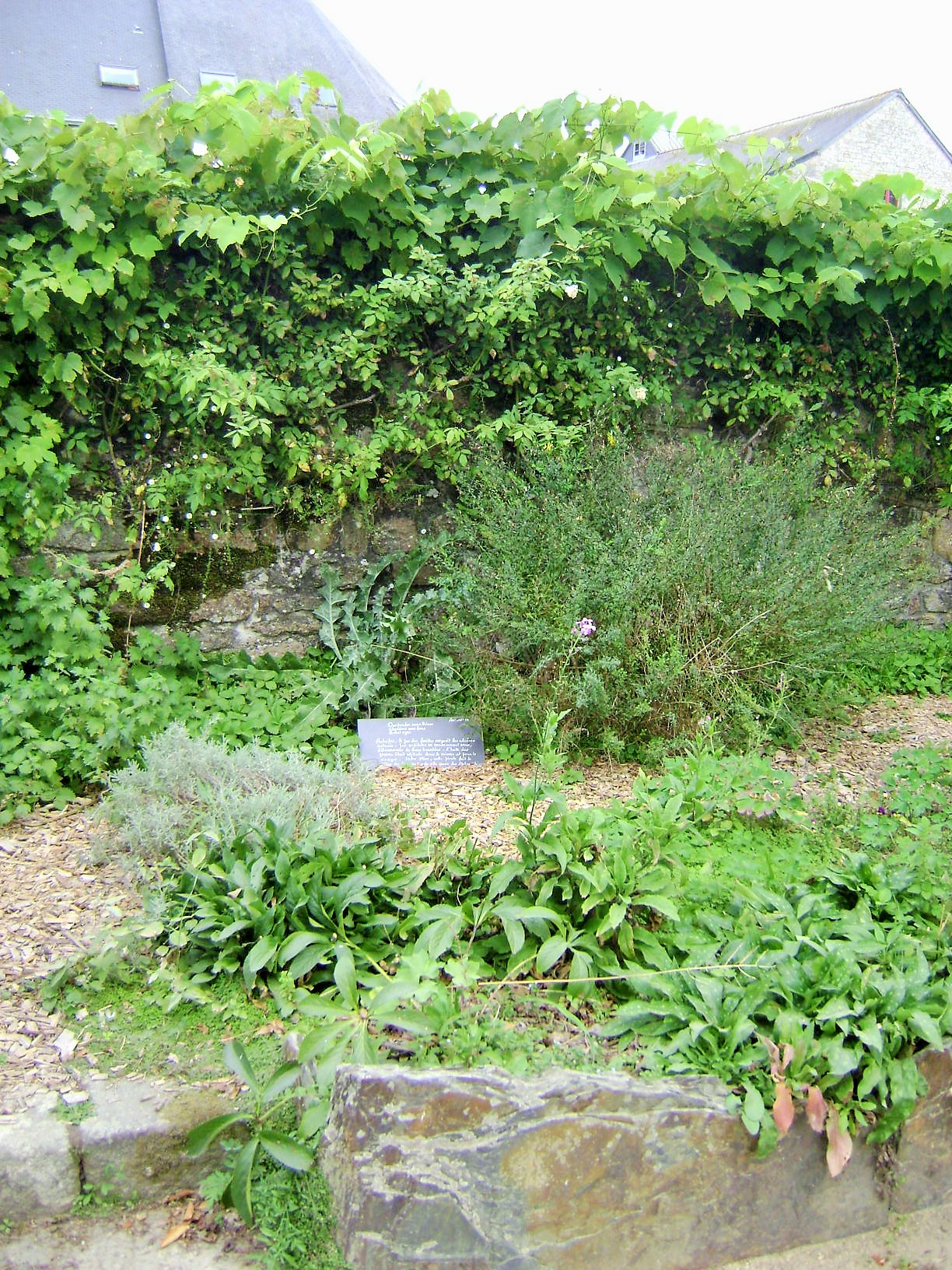
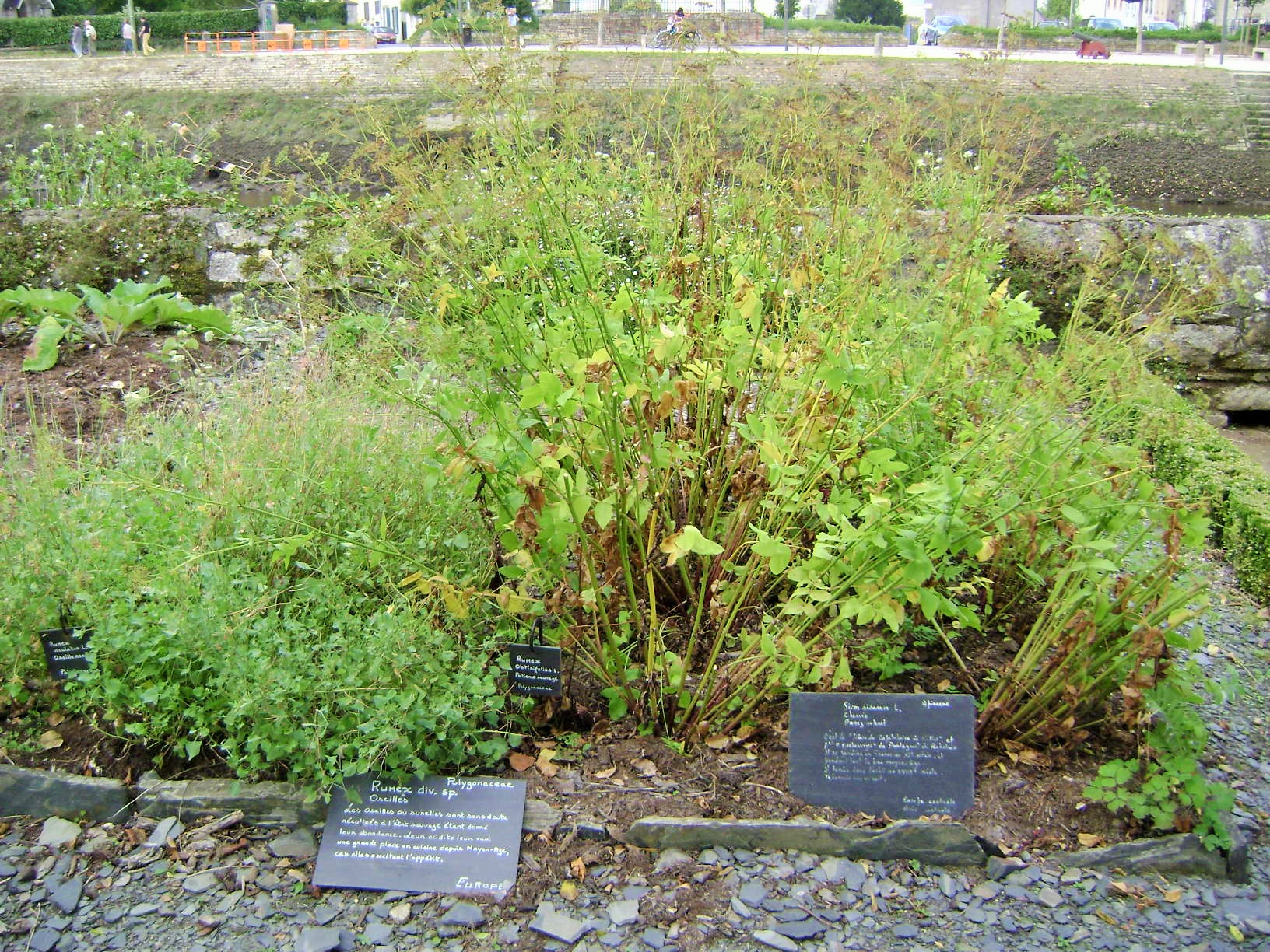
In this third and last post on the Priory gardens of Quimper, I am featuring the back of the garden (shown on the left of the map) where edibles are grown, as well as those plants used for making and coloring clothing.

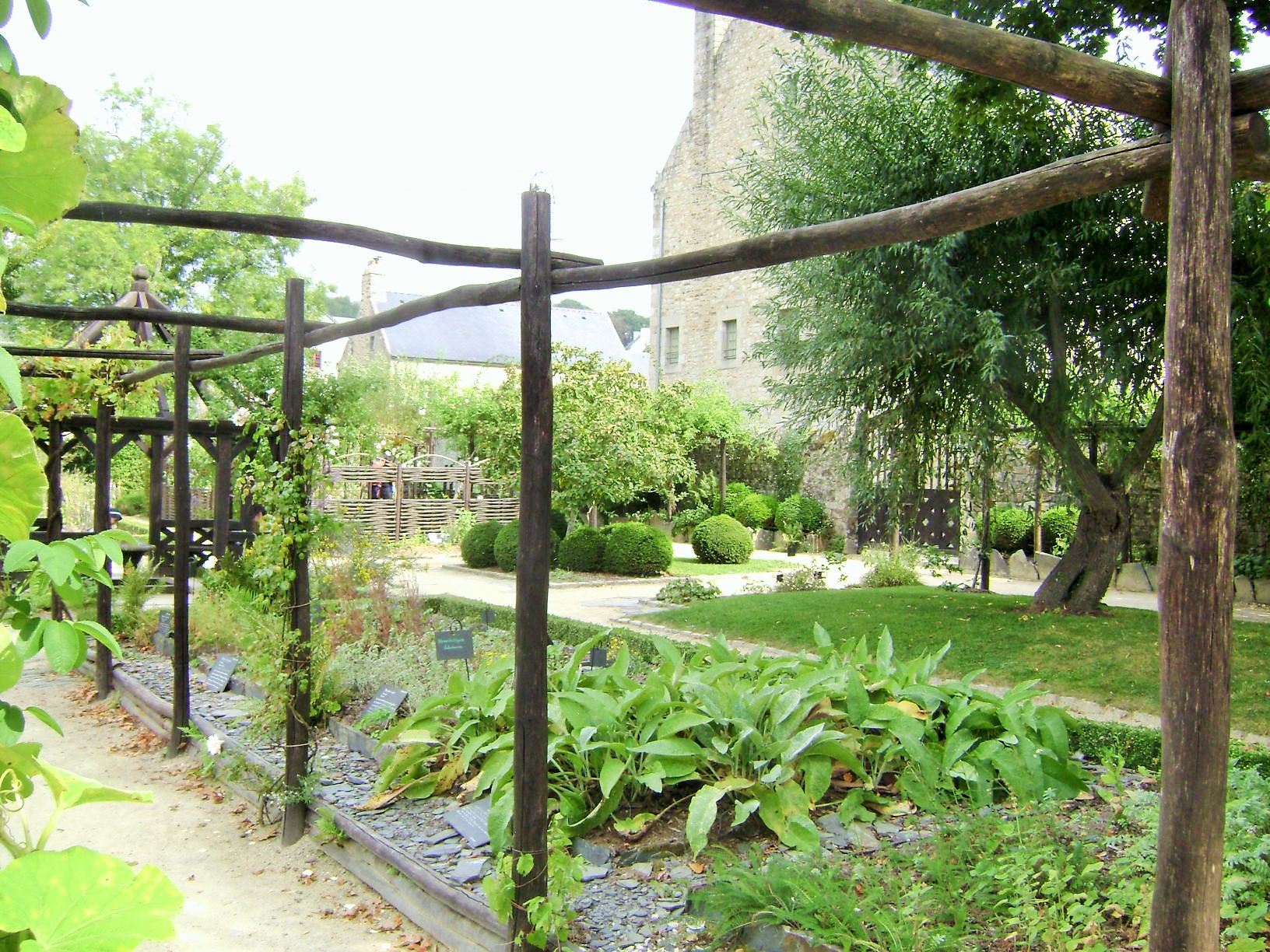
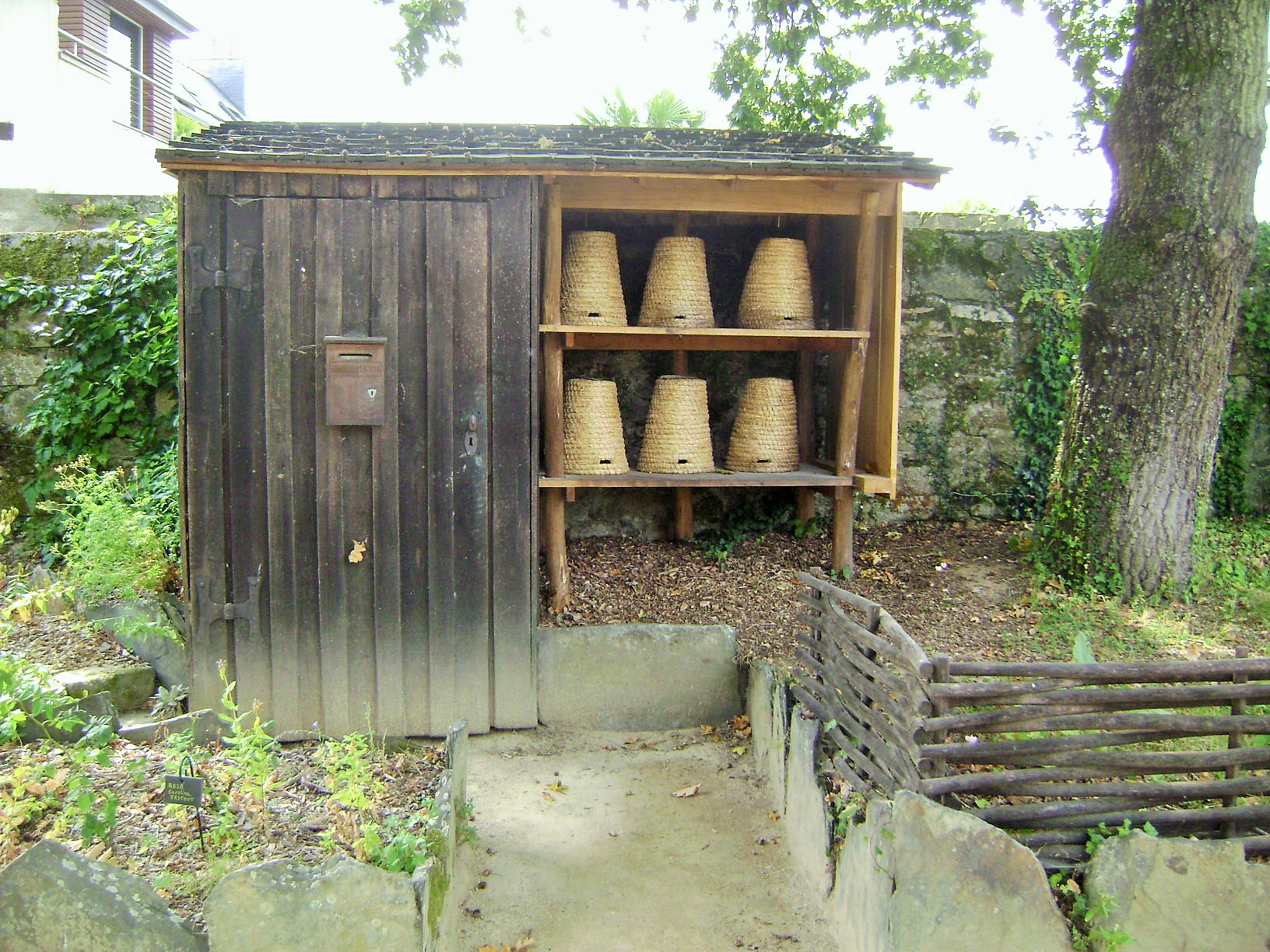

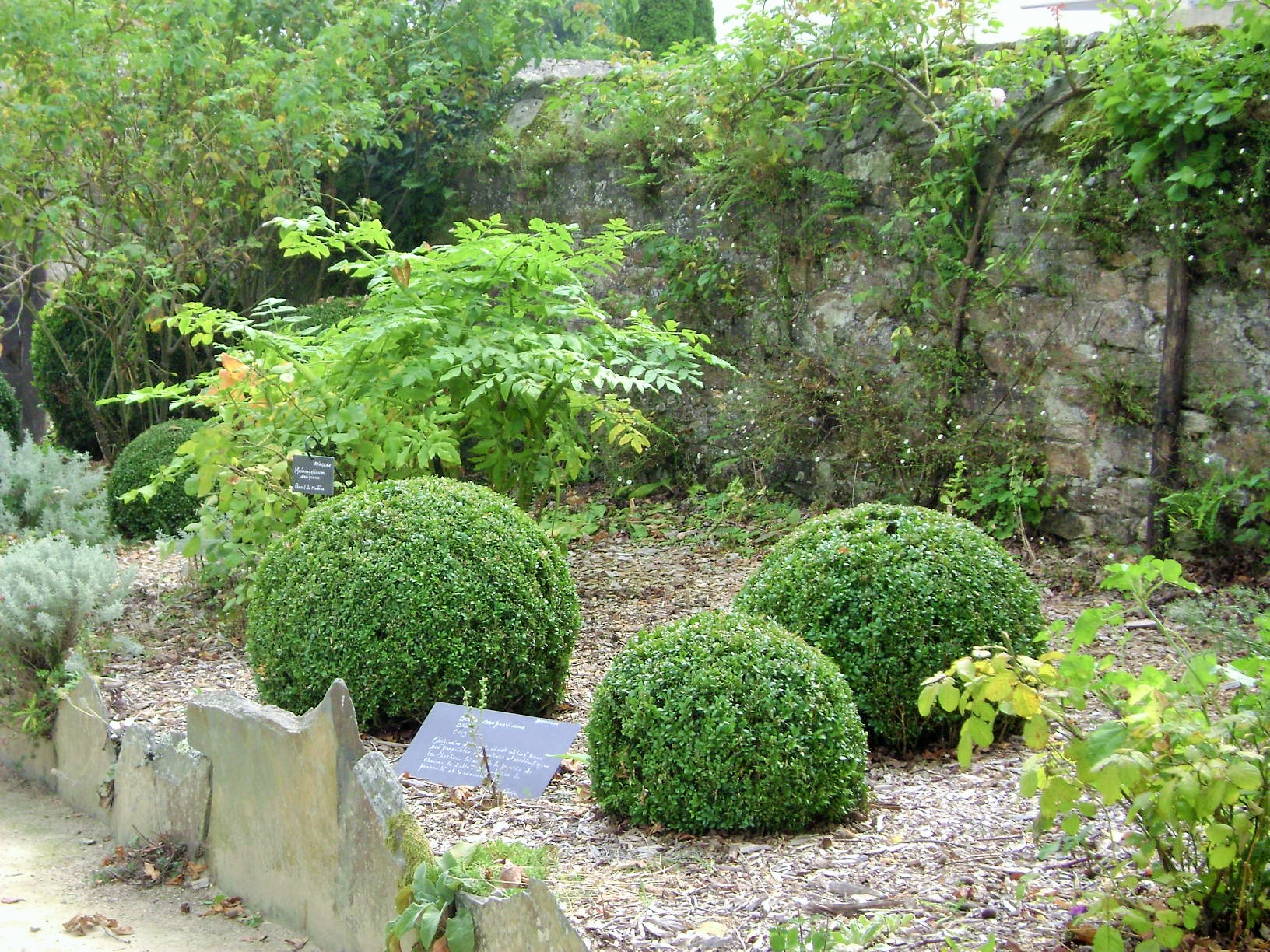
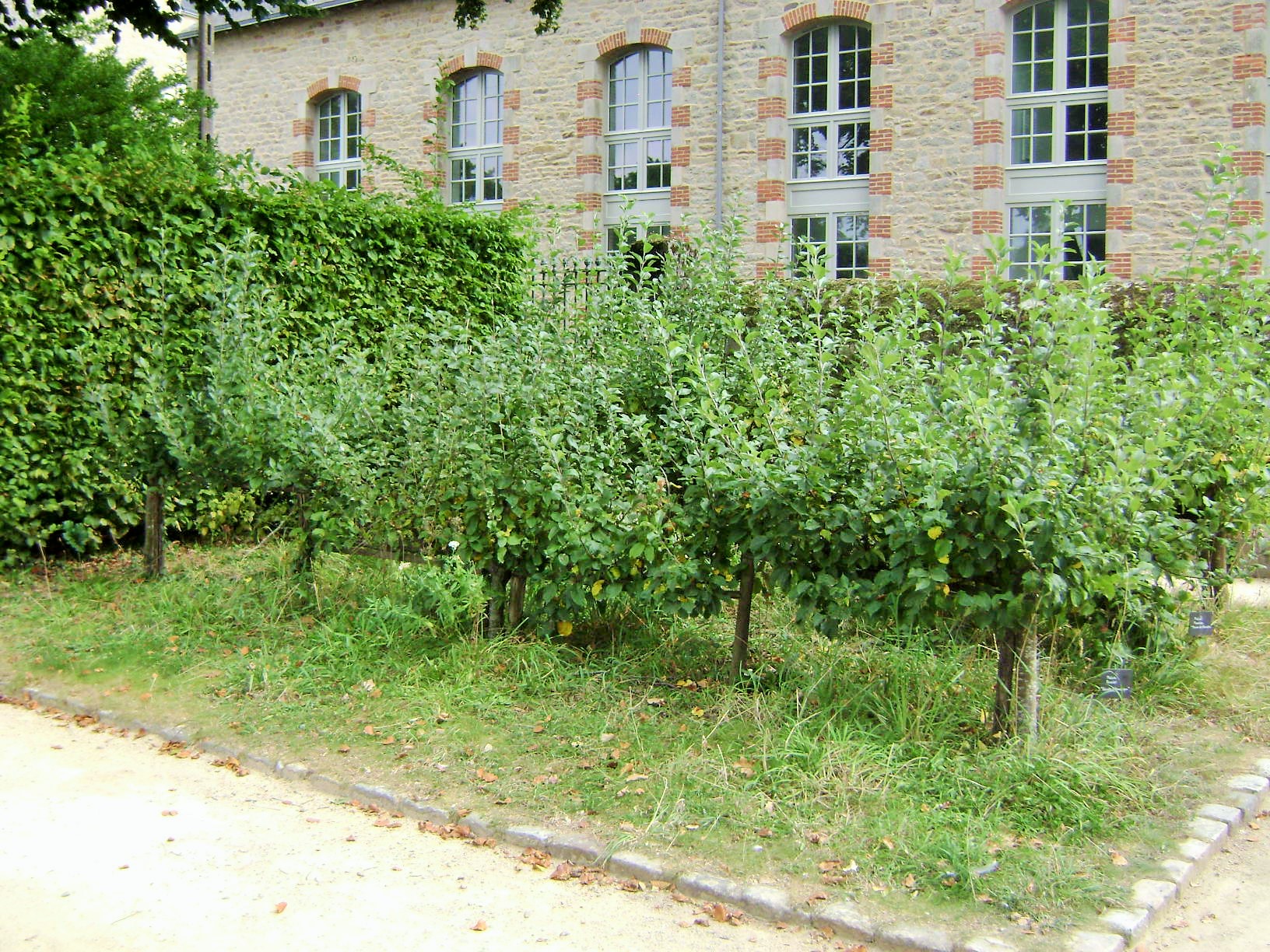


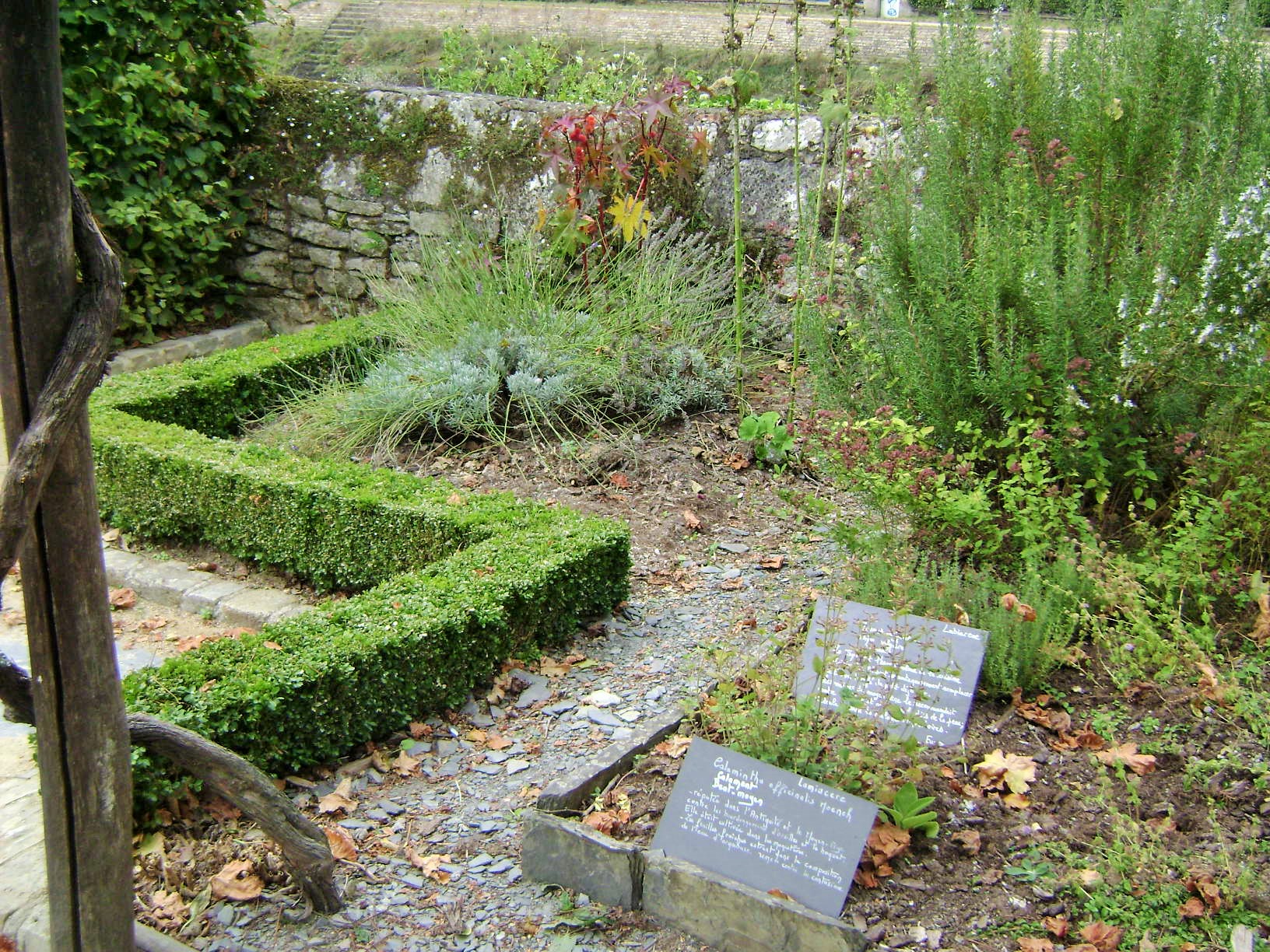


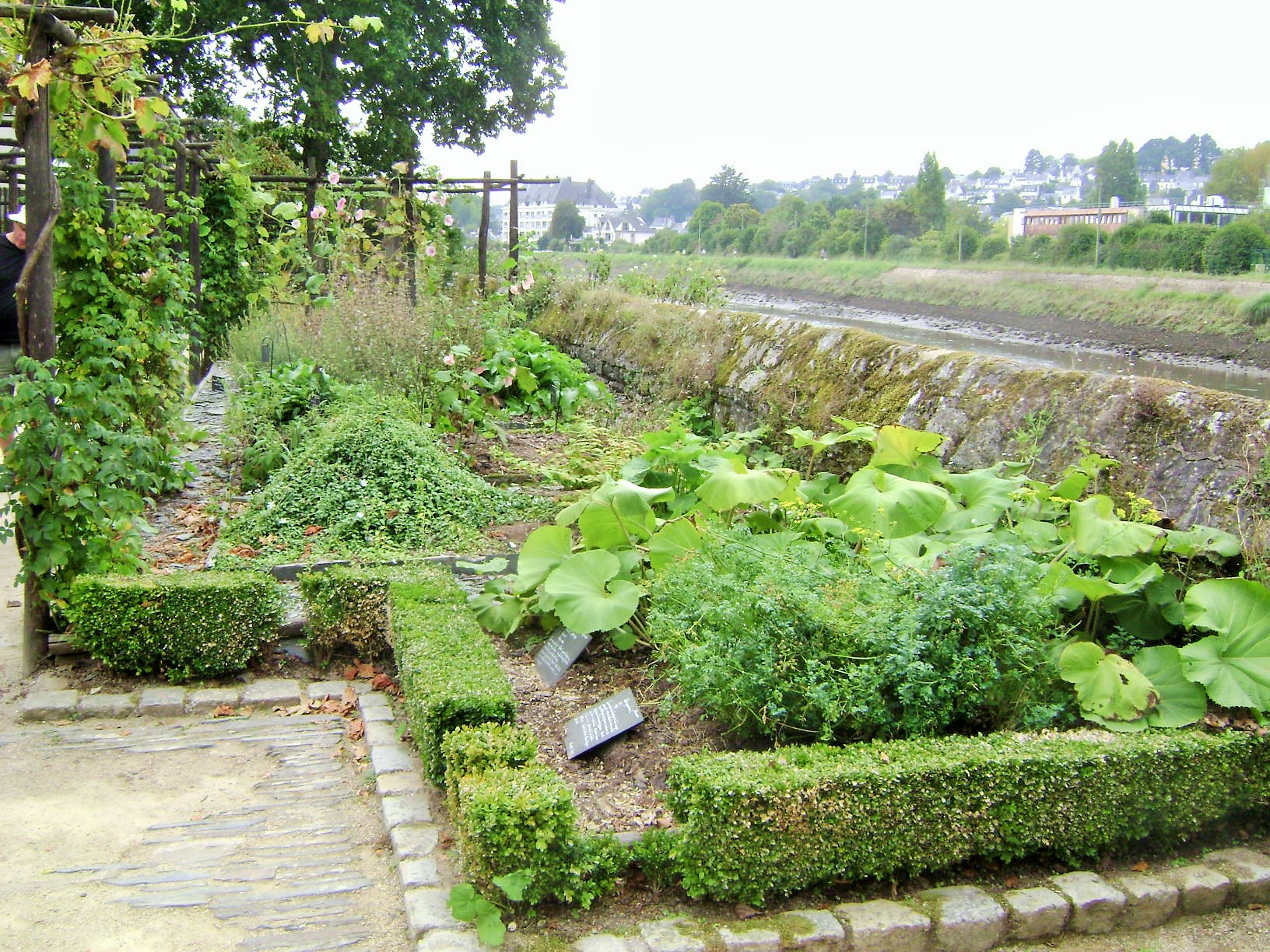
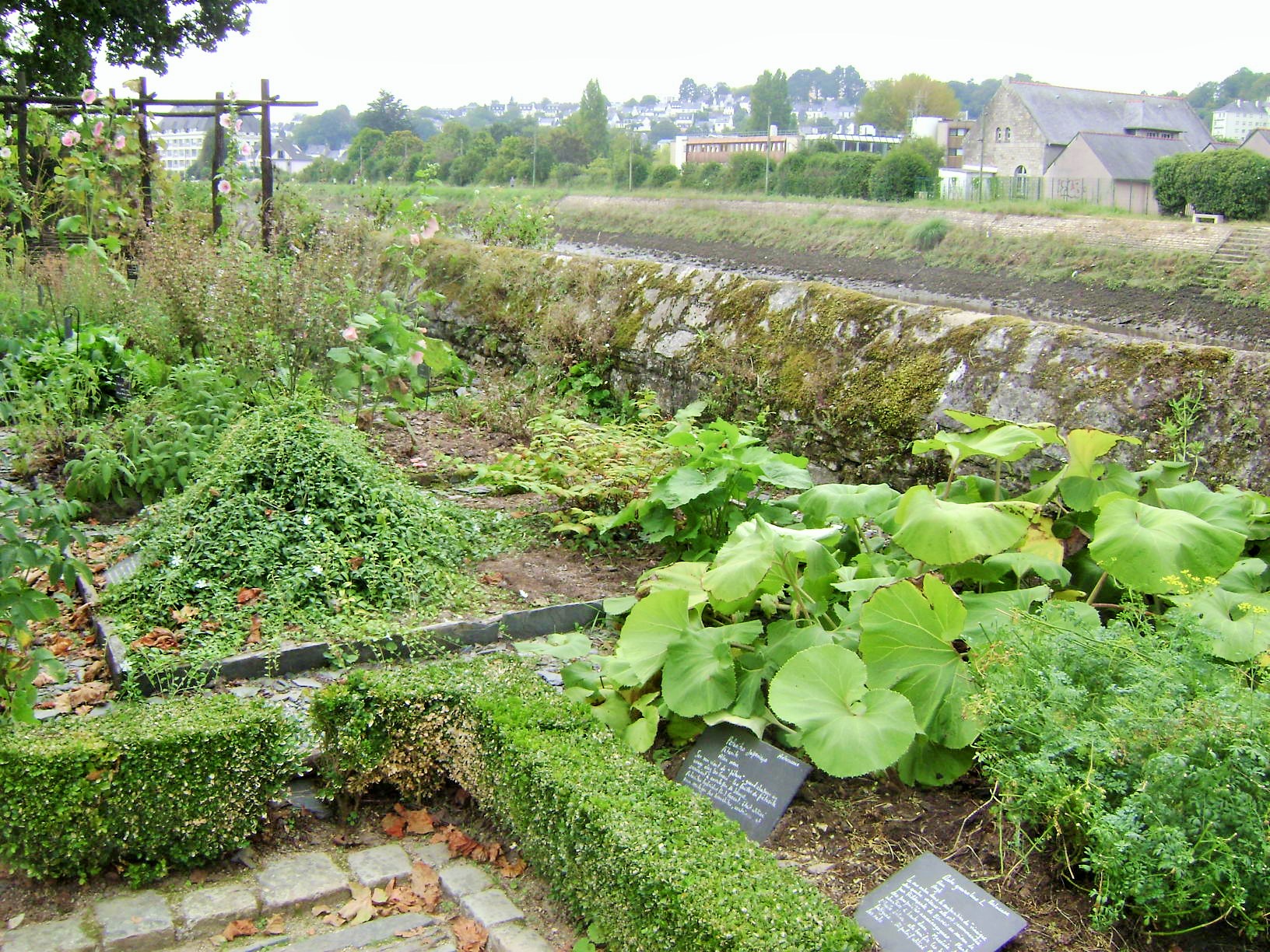

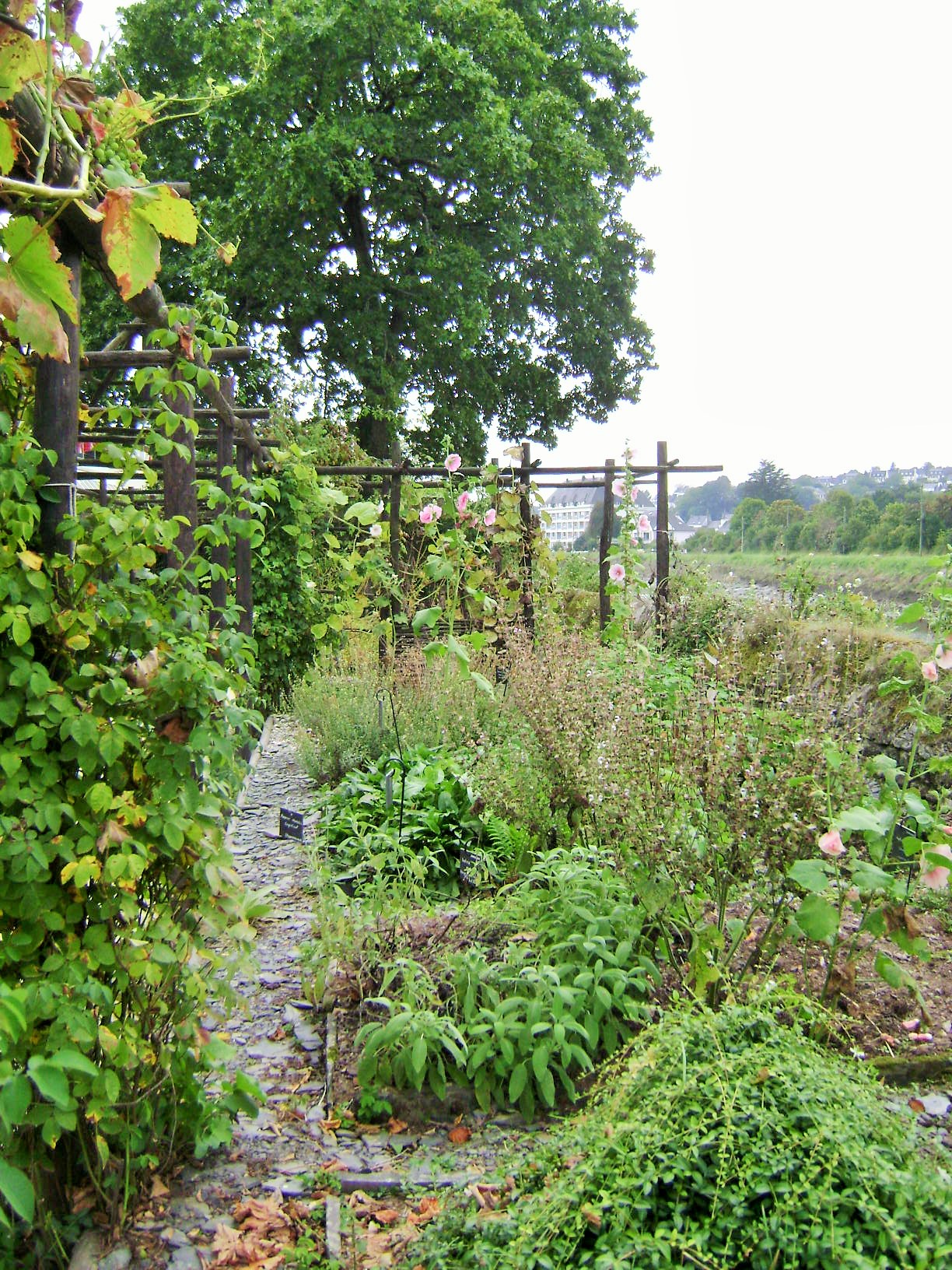

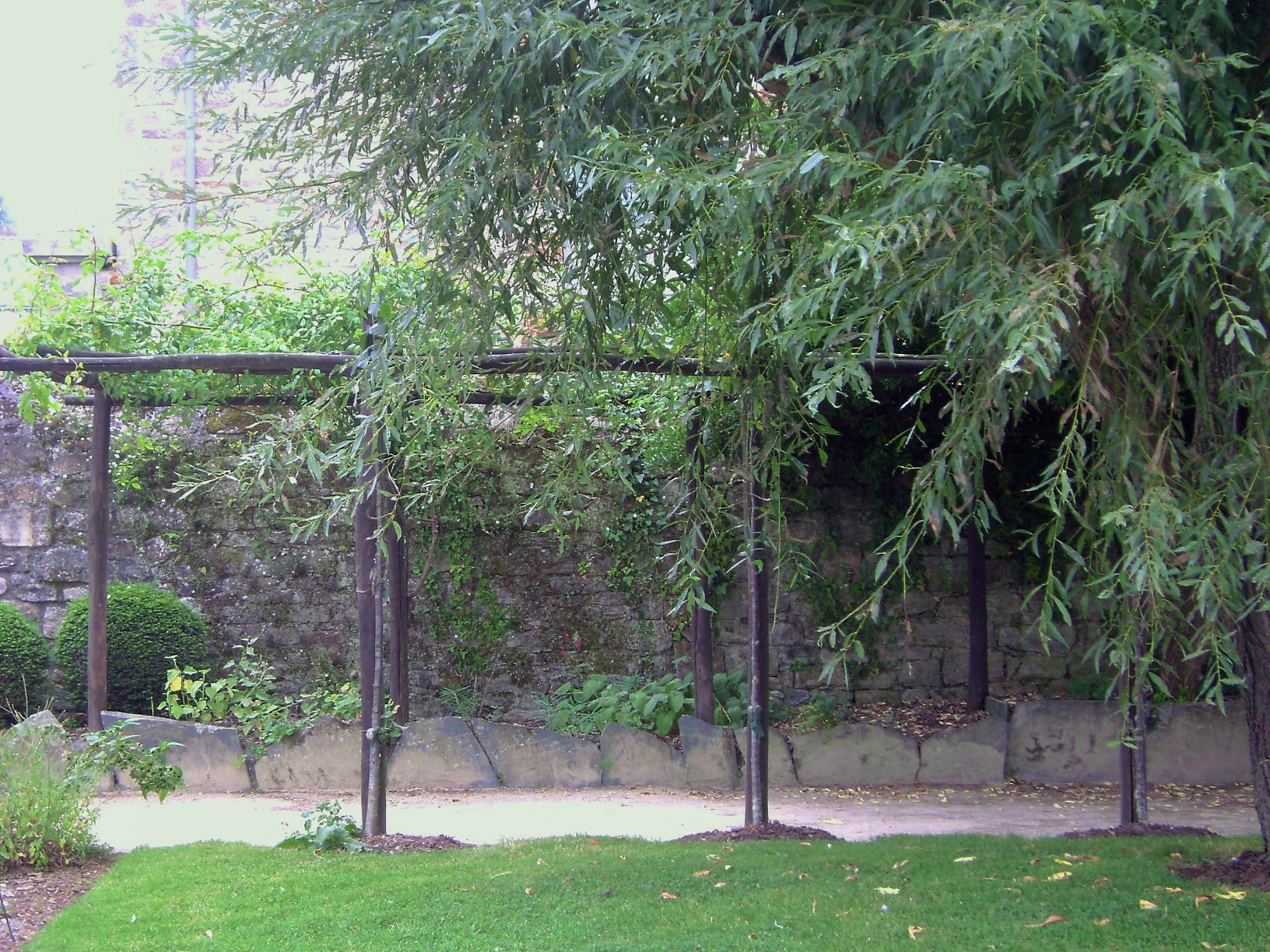


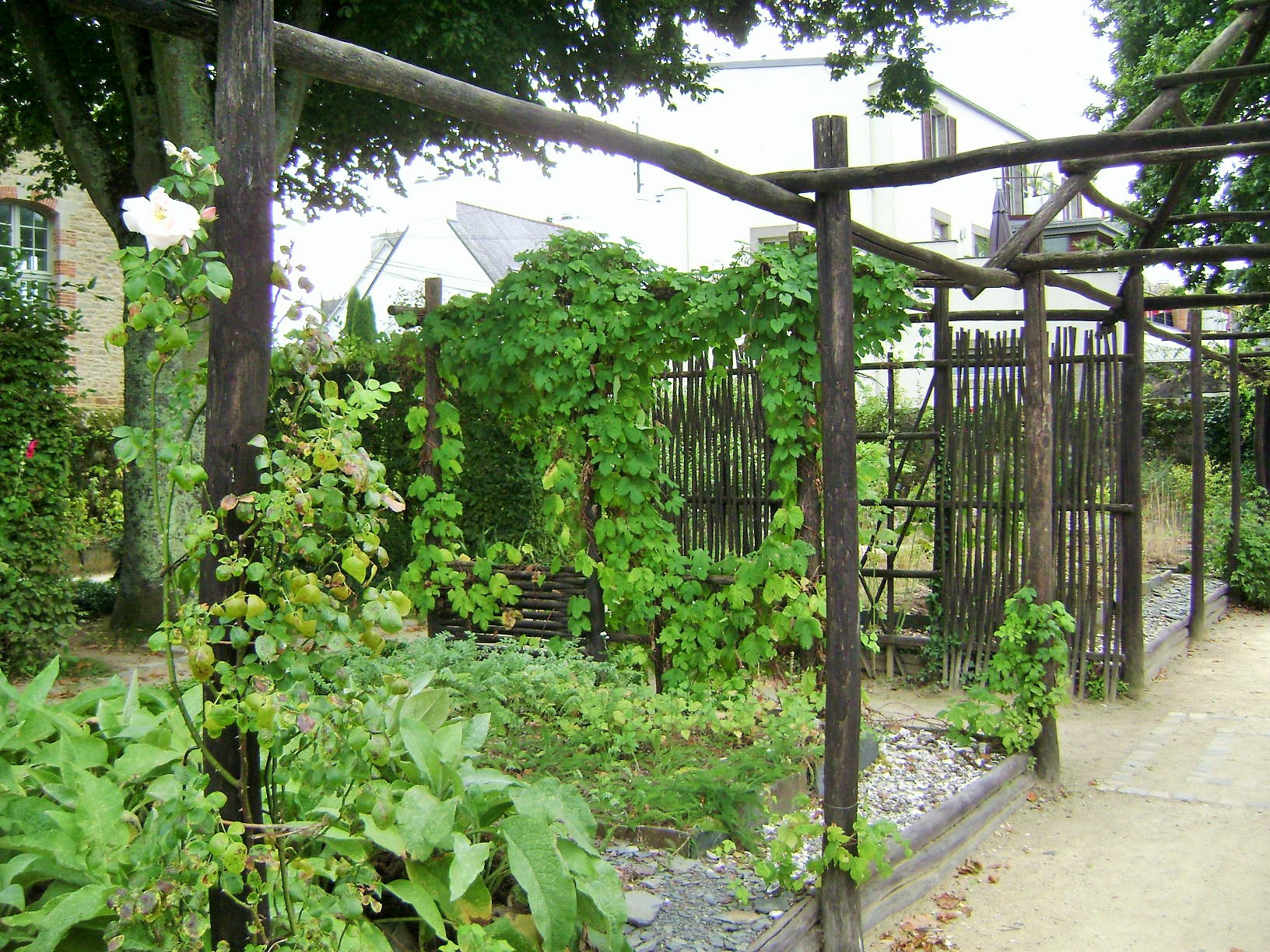
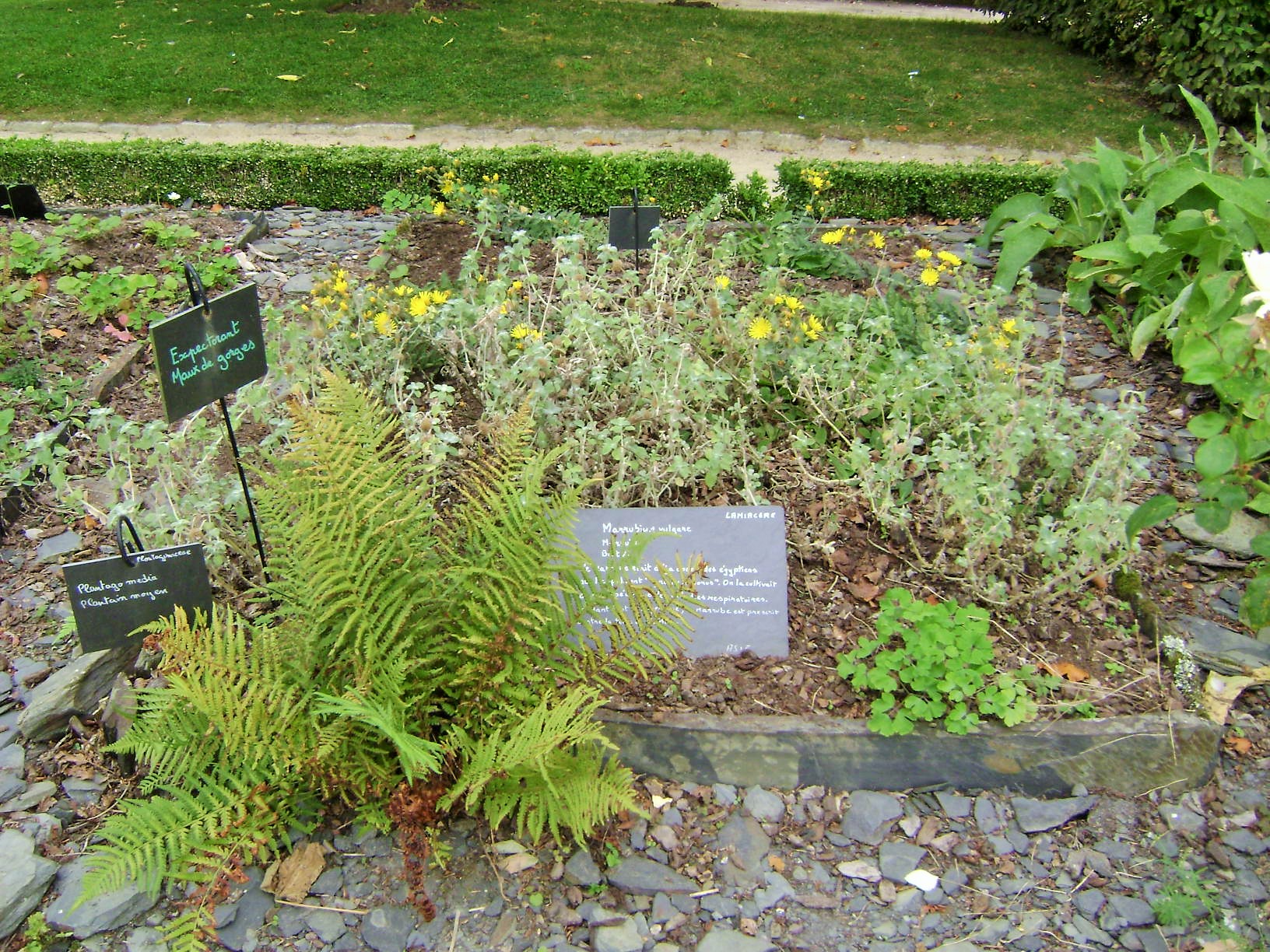
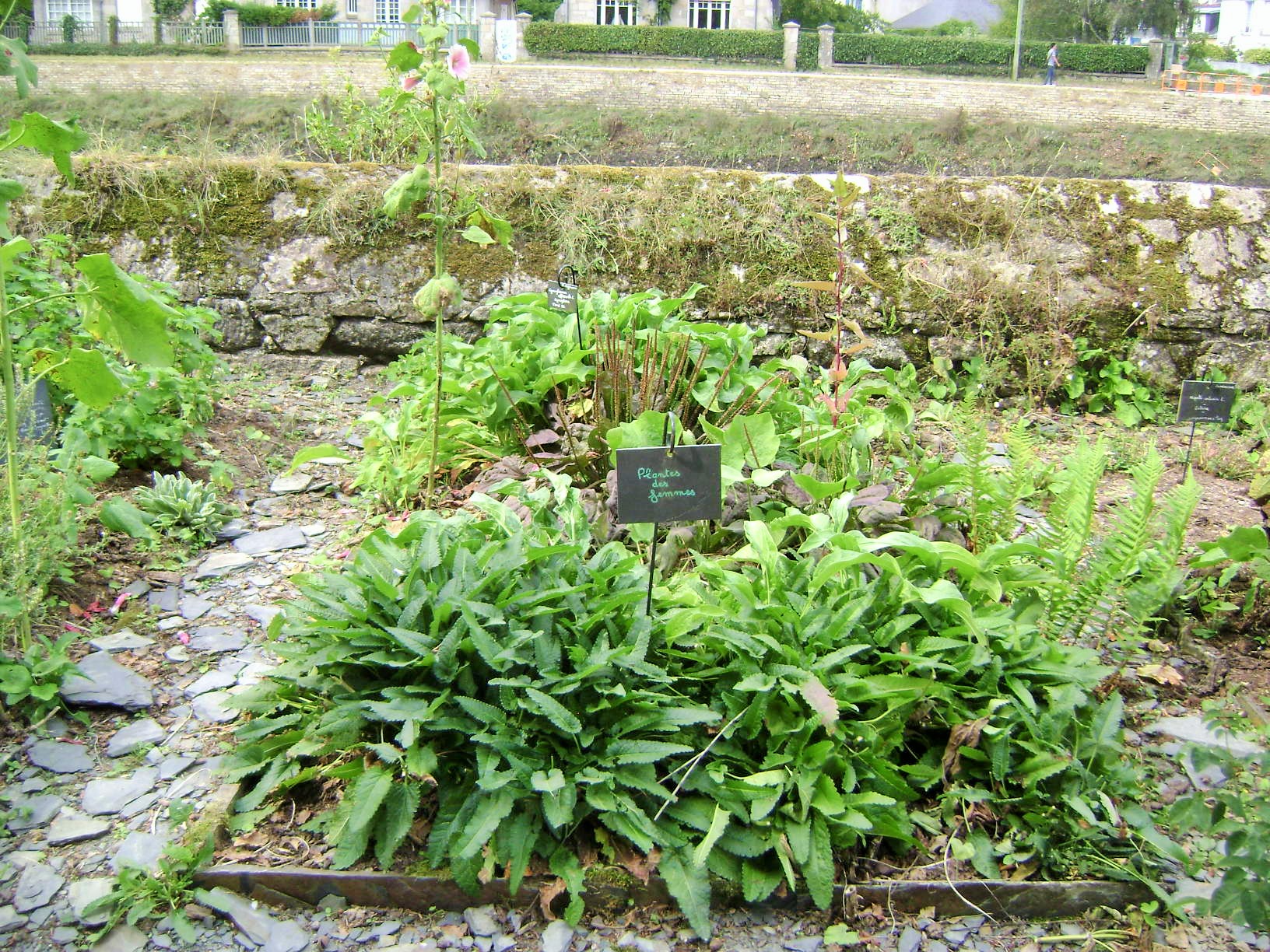
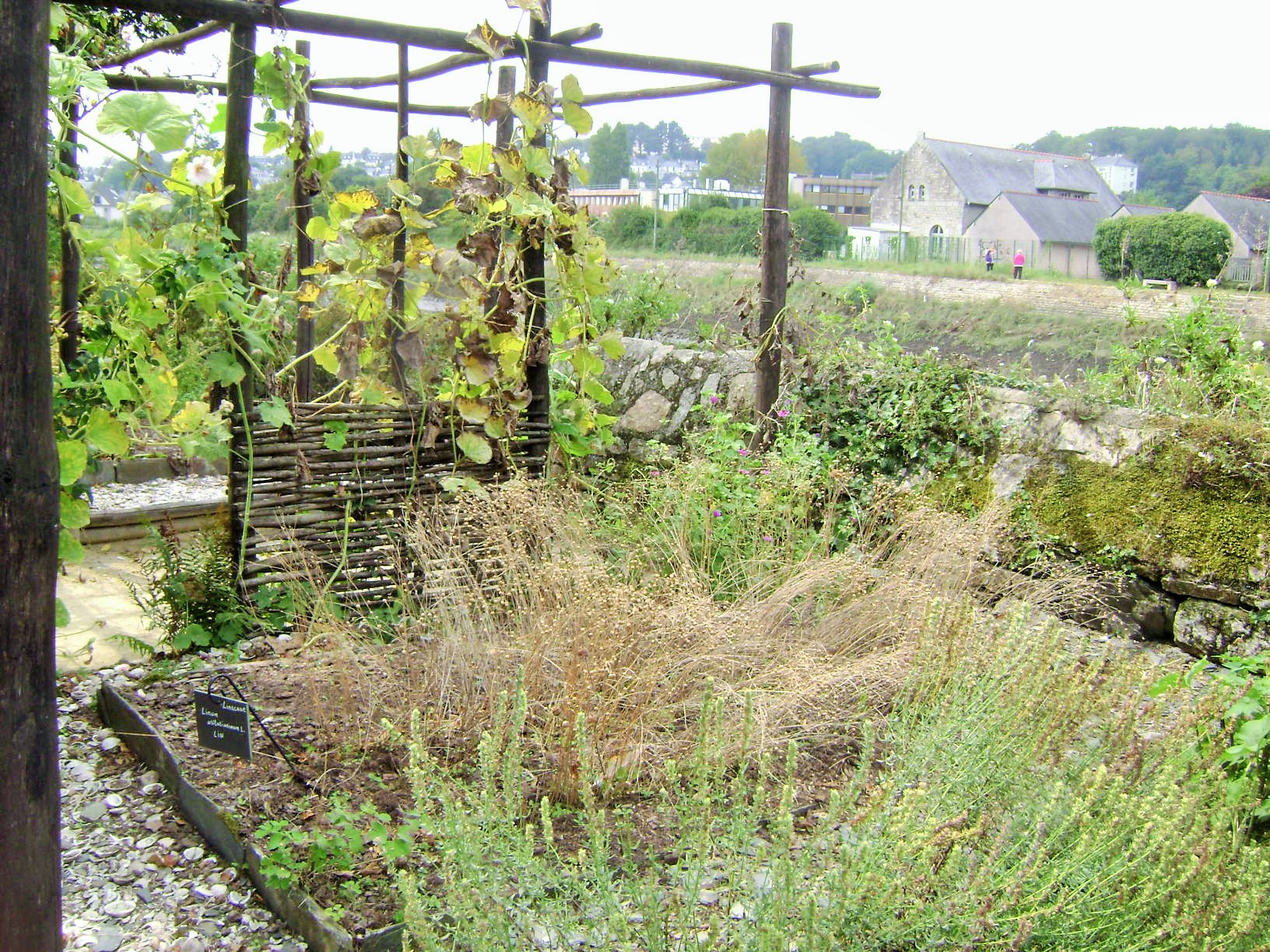
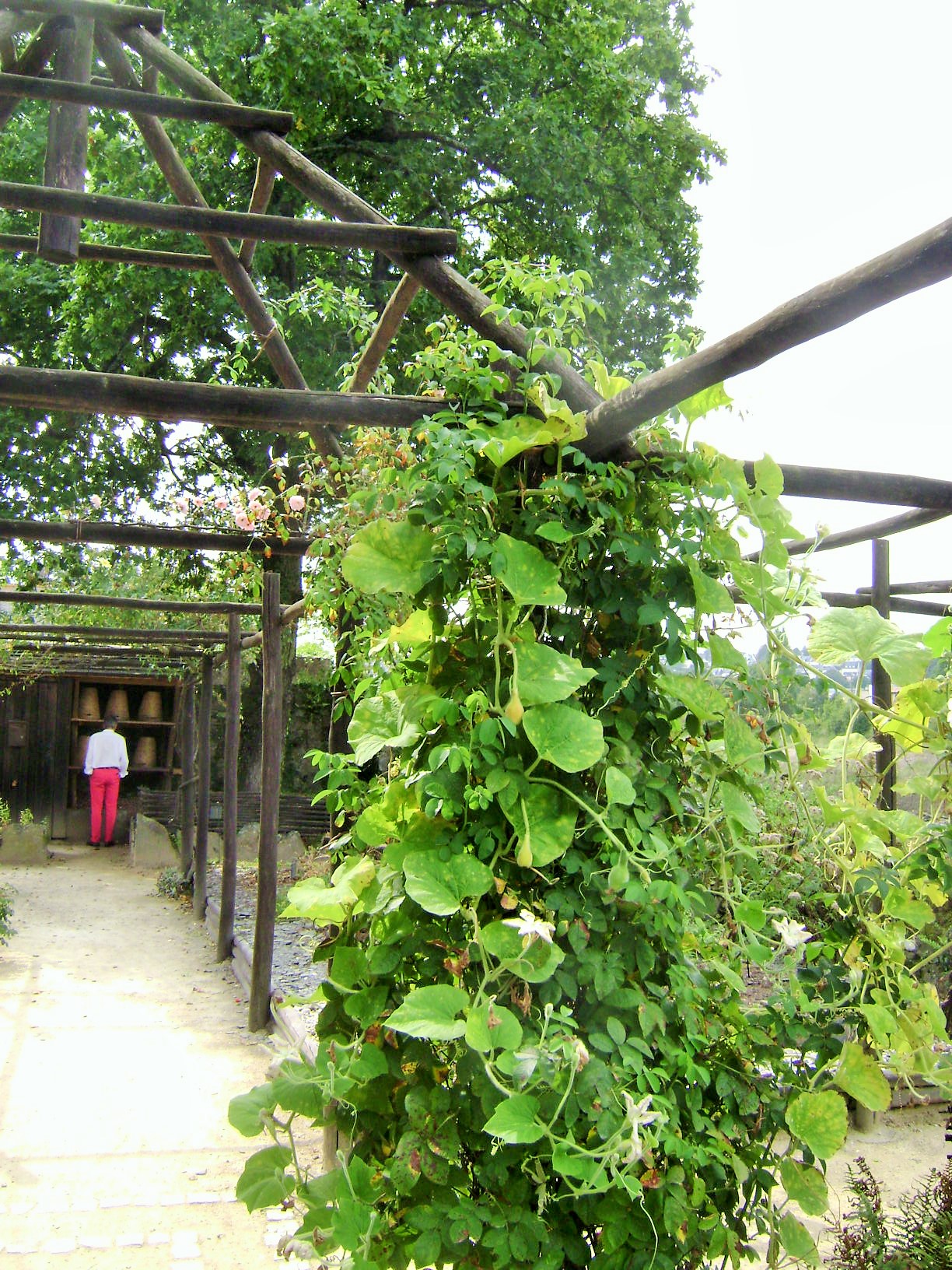

In this third and last post on the Priory gardens of Quimper, I am featuring the back of the garden (shown on the left of the map) where edibles are grown, as well as those plants used for making and coloring clothing.
In my earlier post, I talked about the history and significance of this garden, and showcase the aromatics and medicinal plant garden. Here, I am featuring the center portion of the garden including the rose garden and pergola, and the pavilion with the fountain representing the source of the four fountains of Eden.


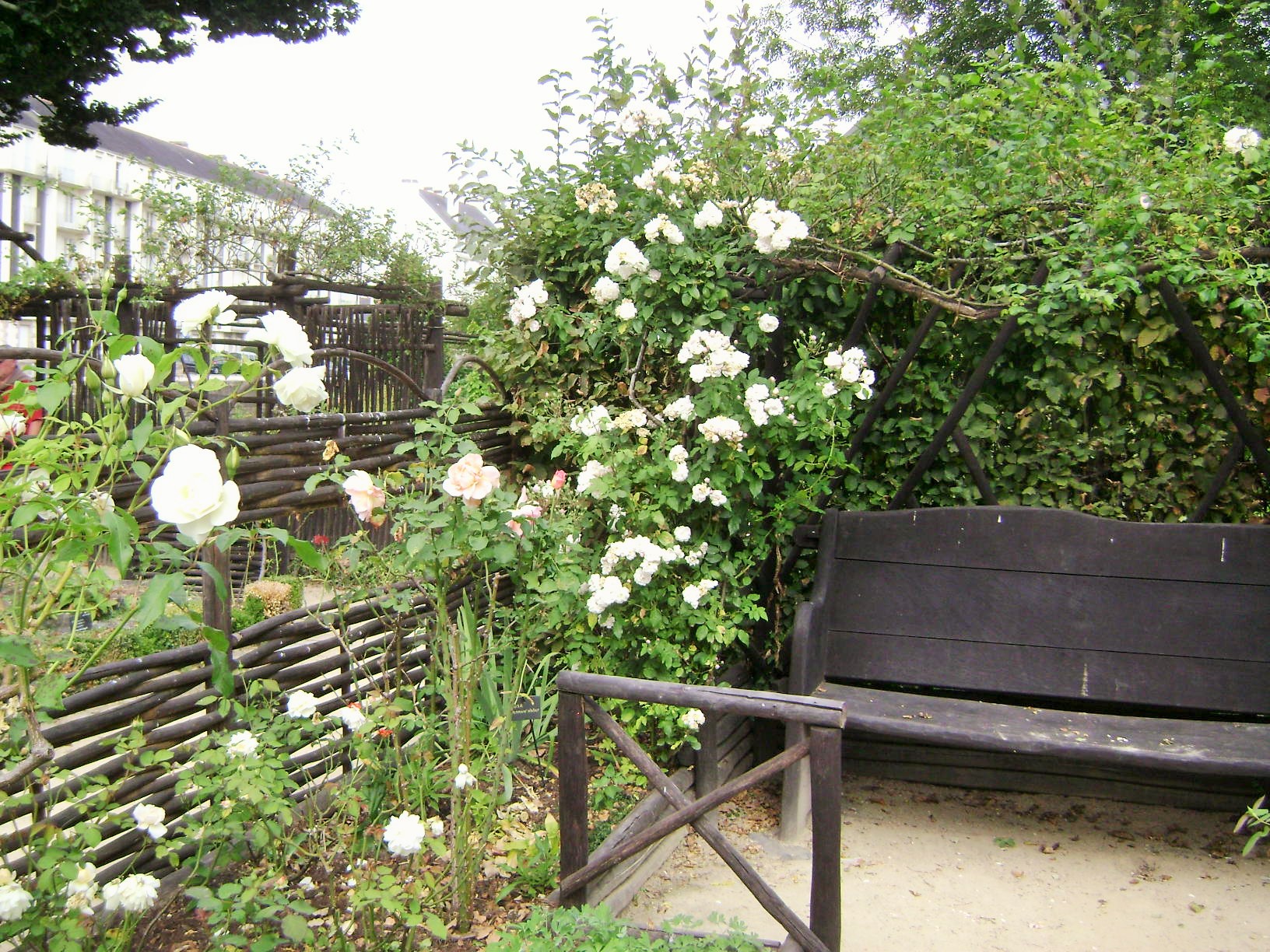

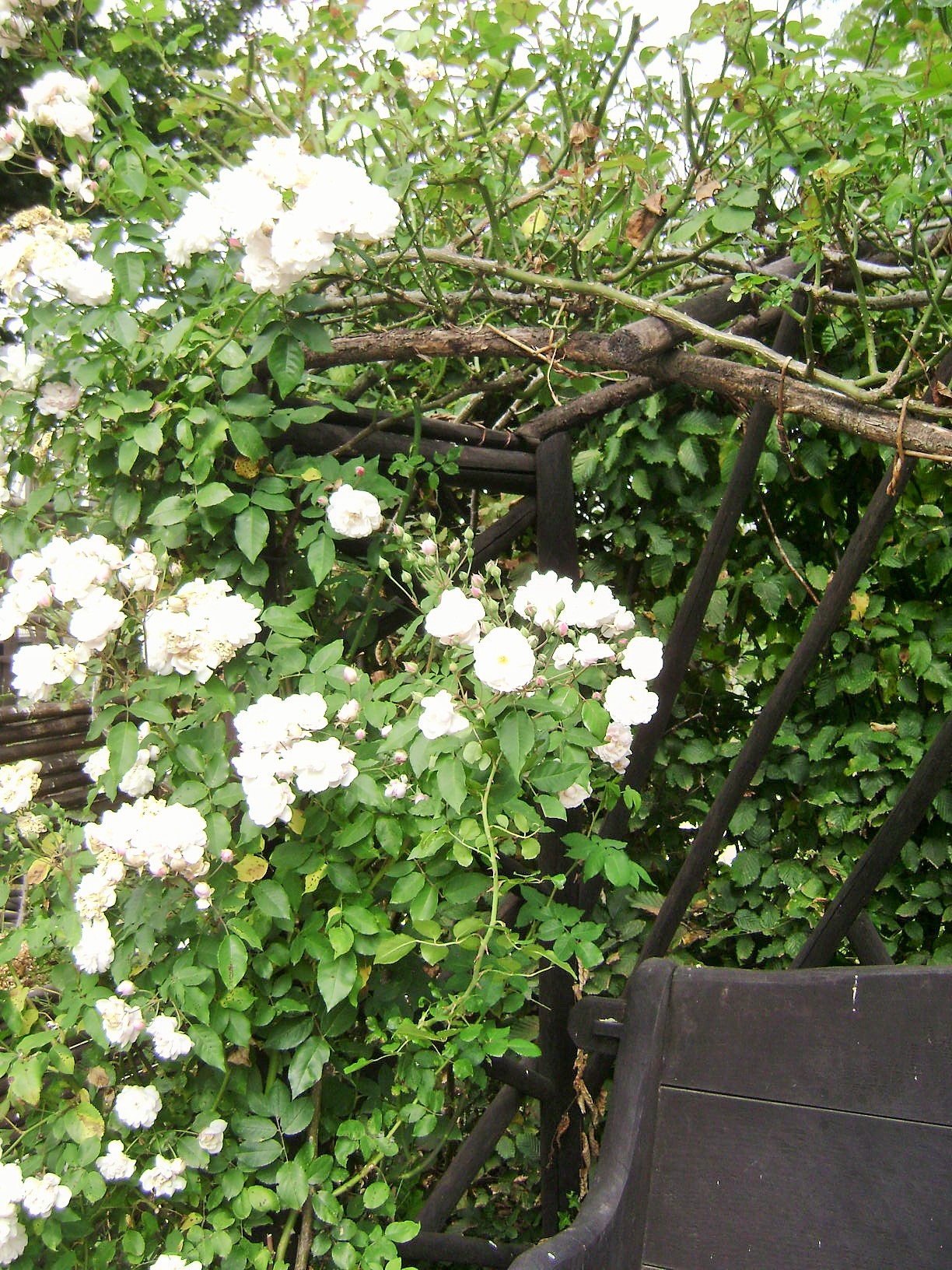

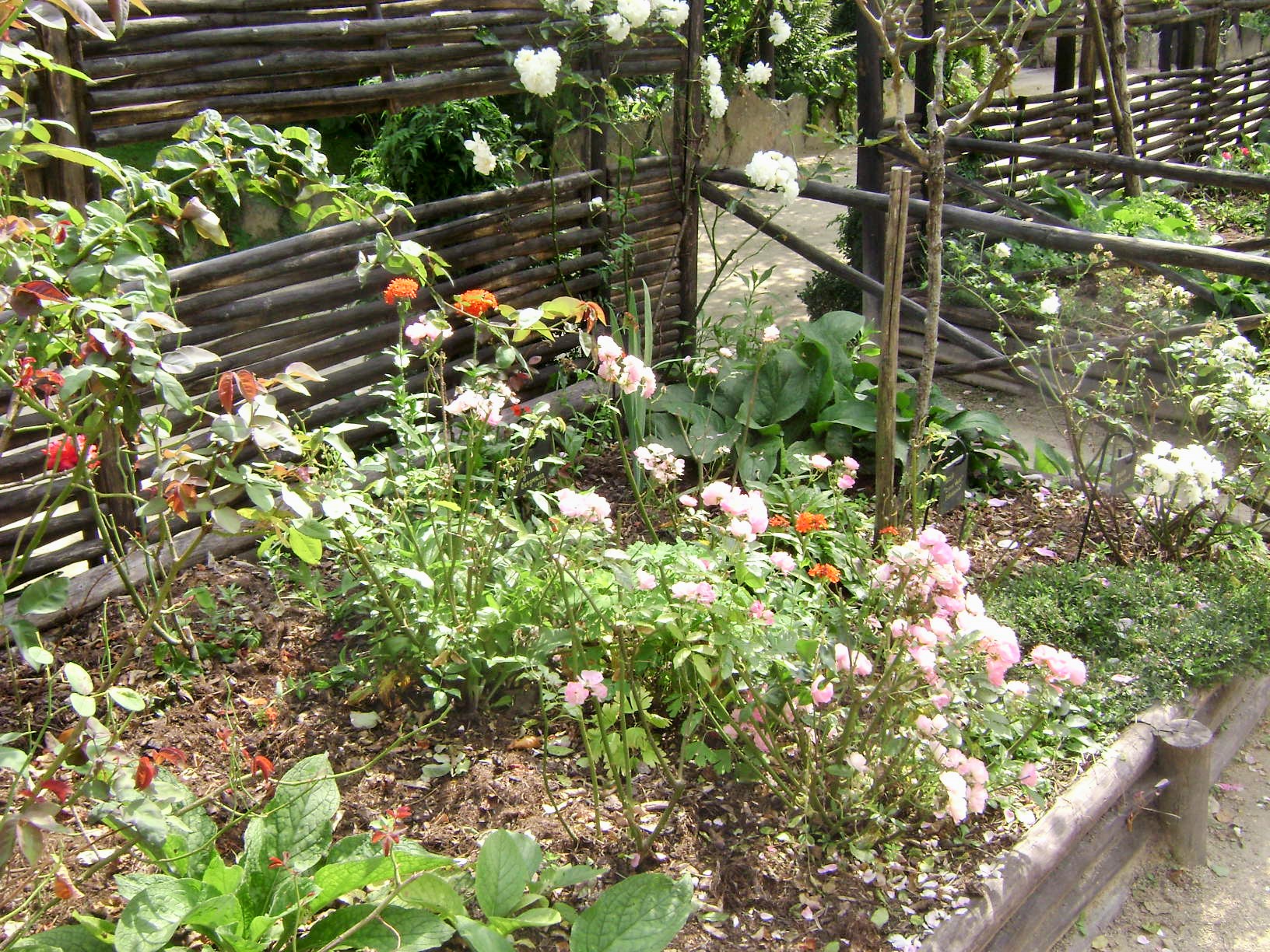


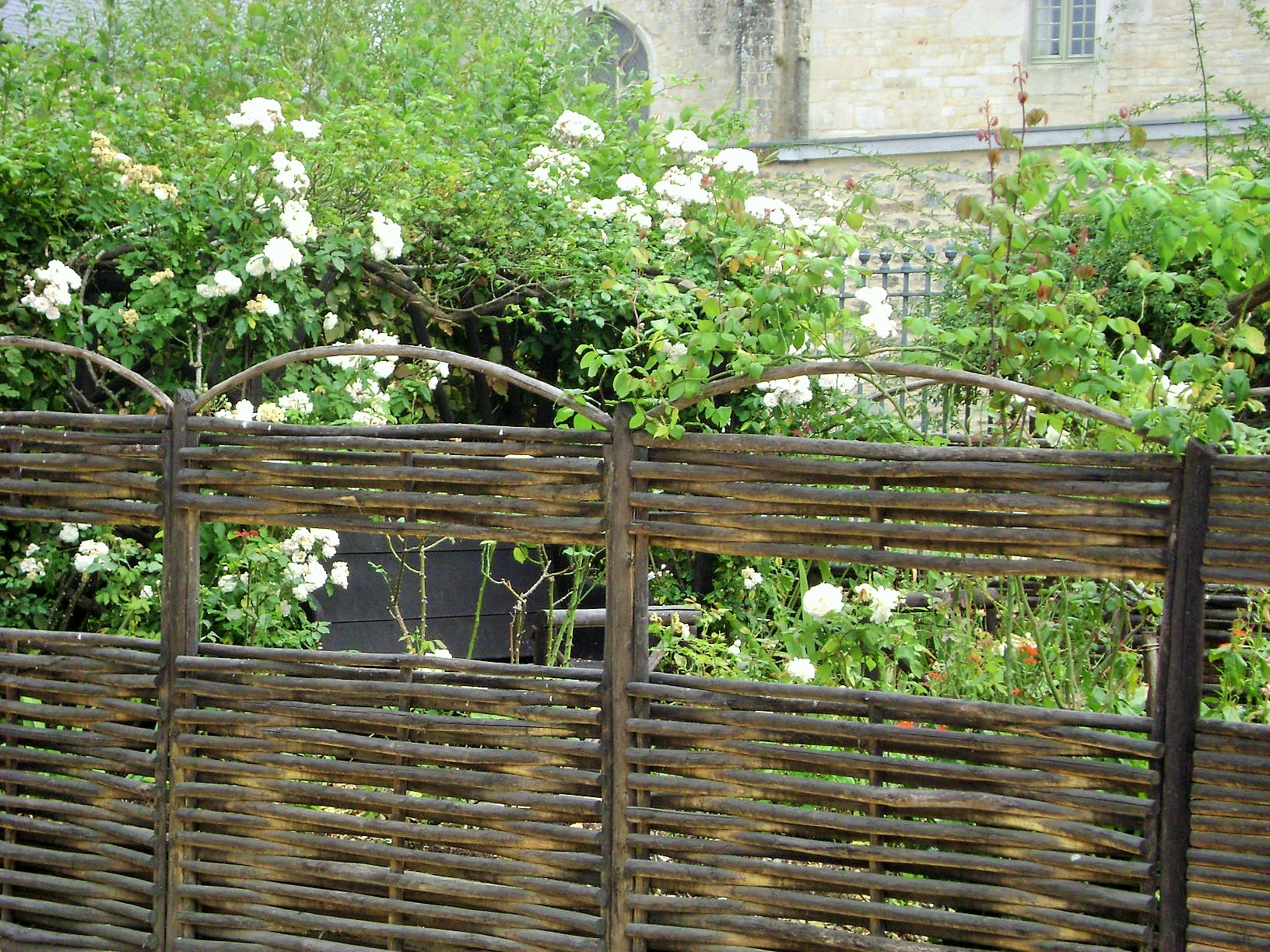


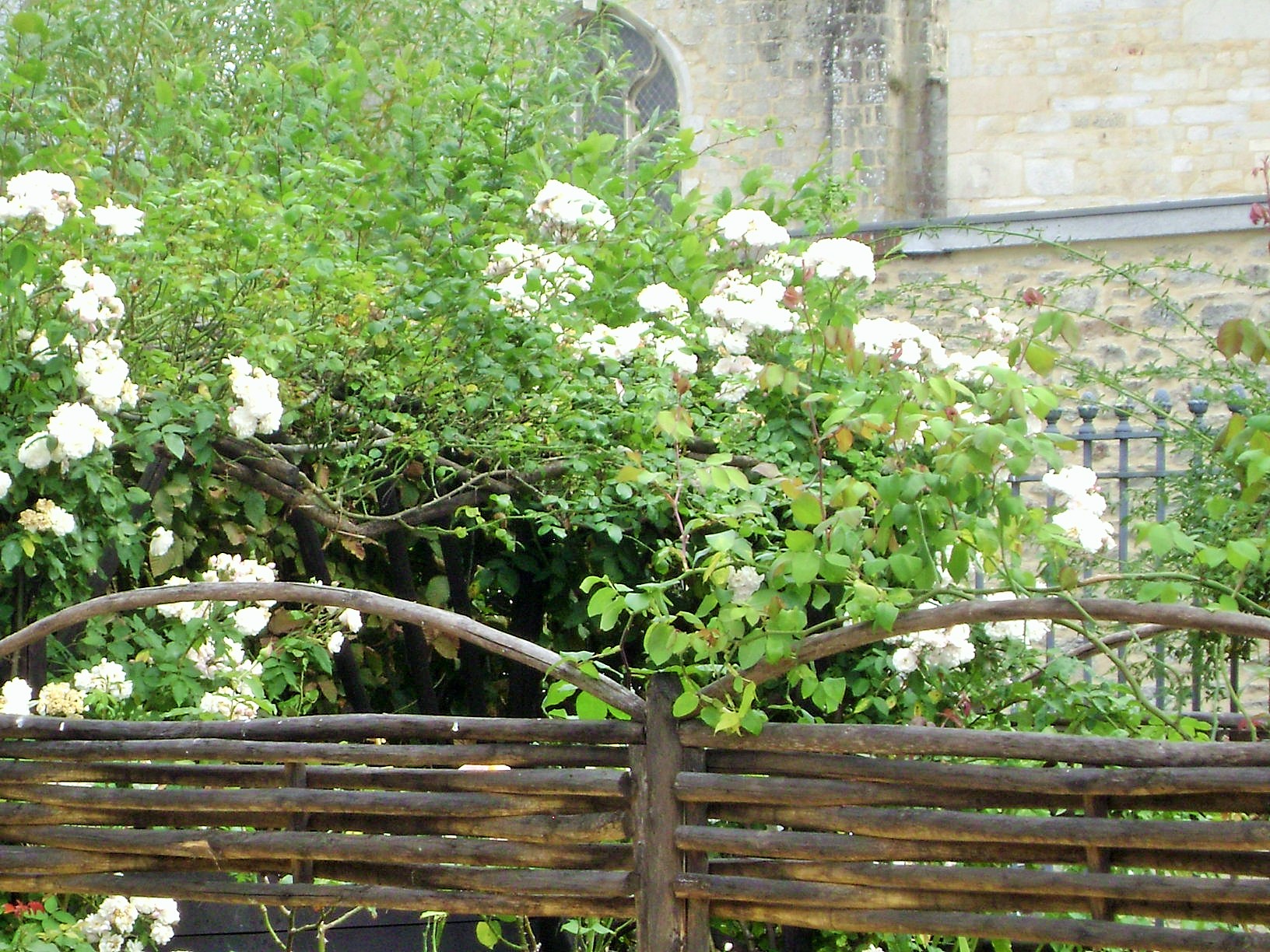
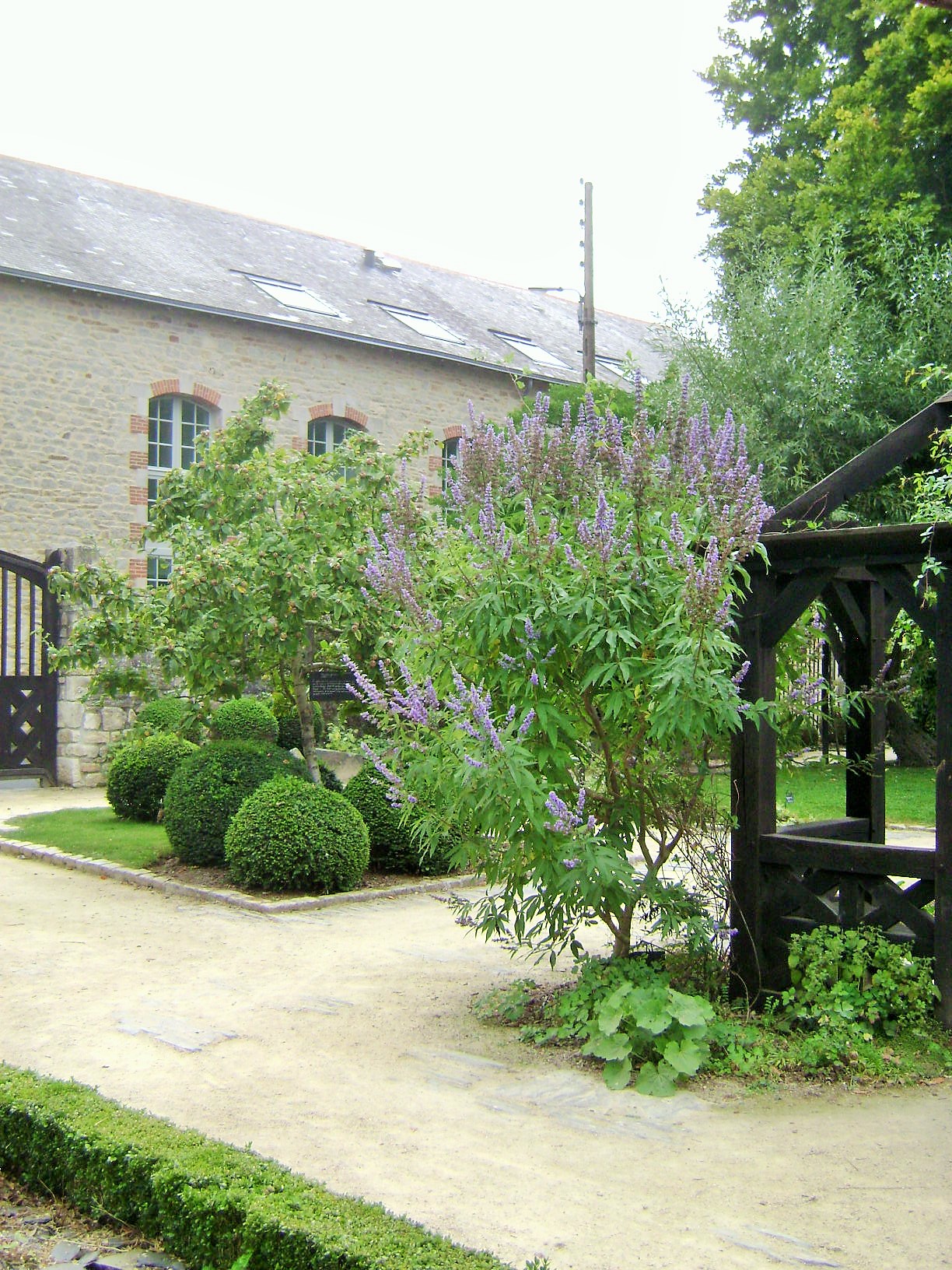


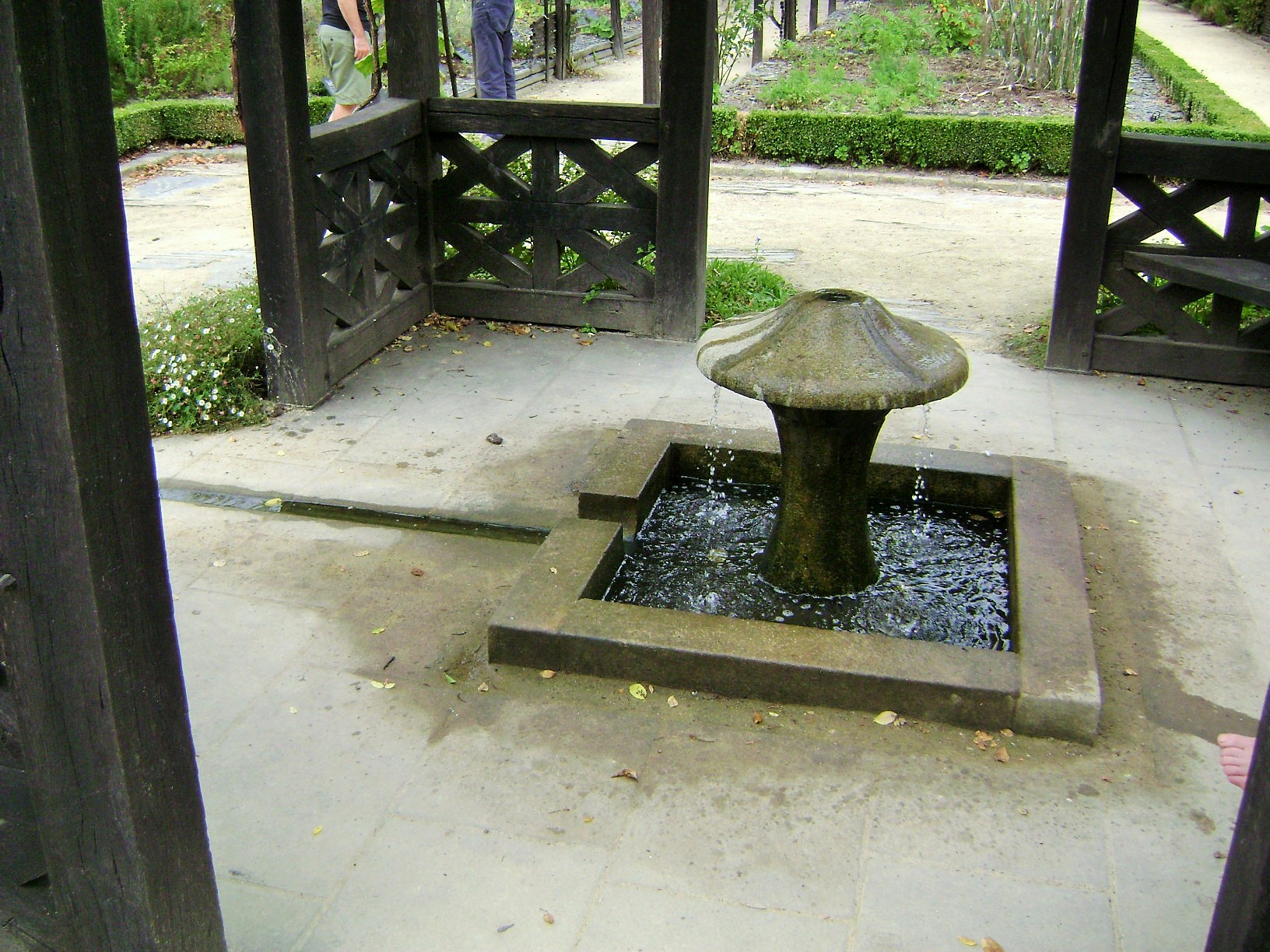
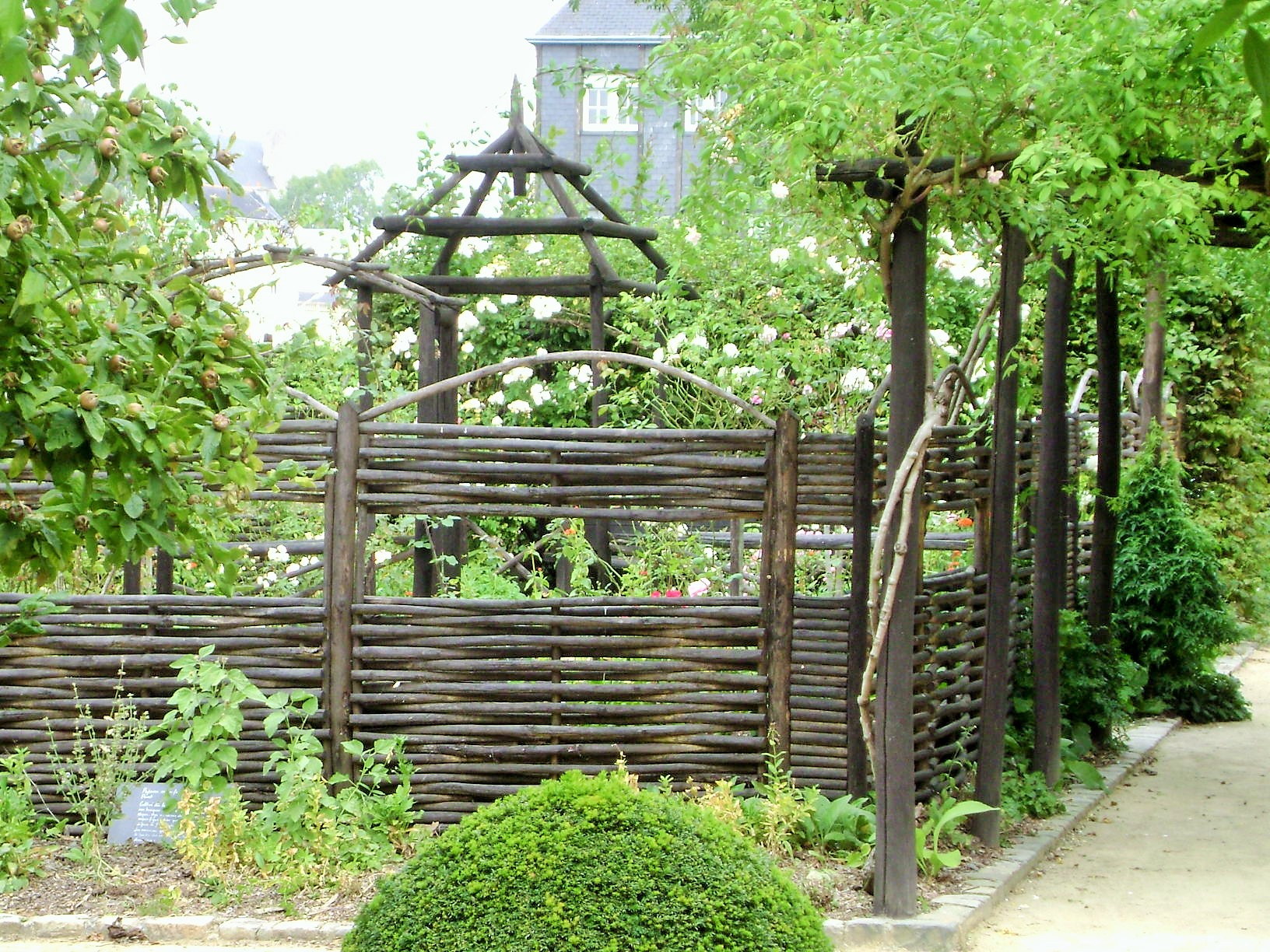
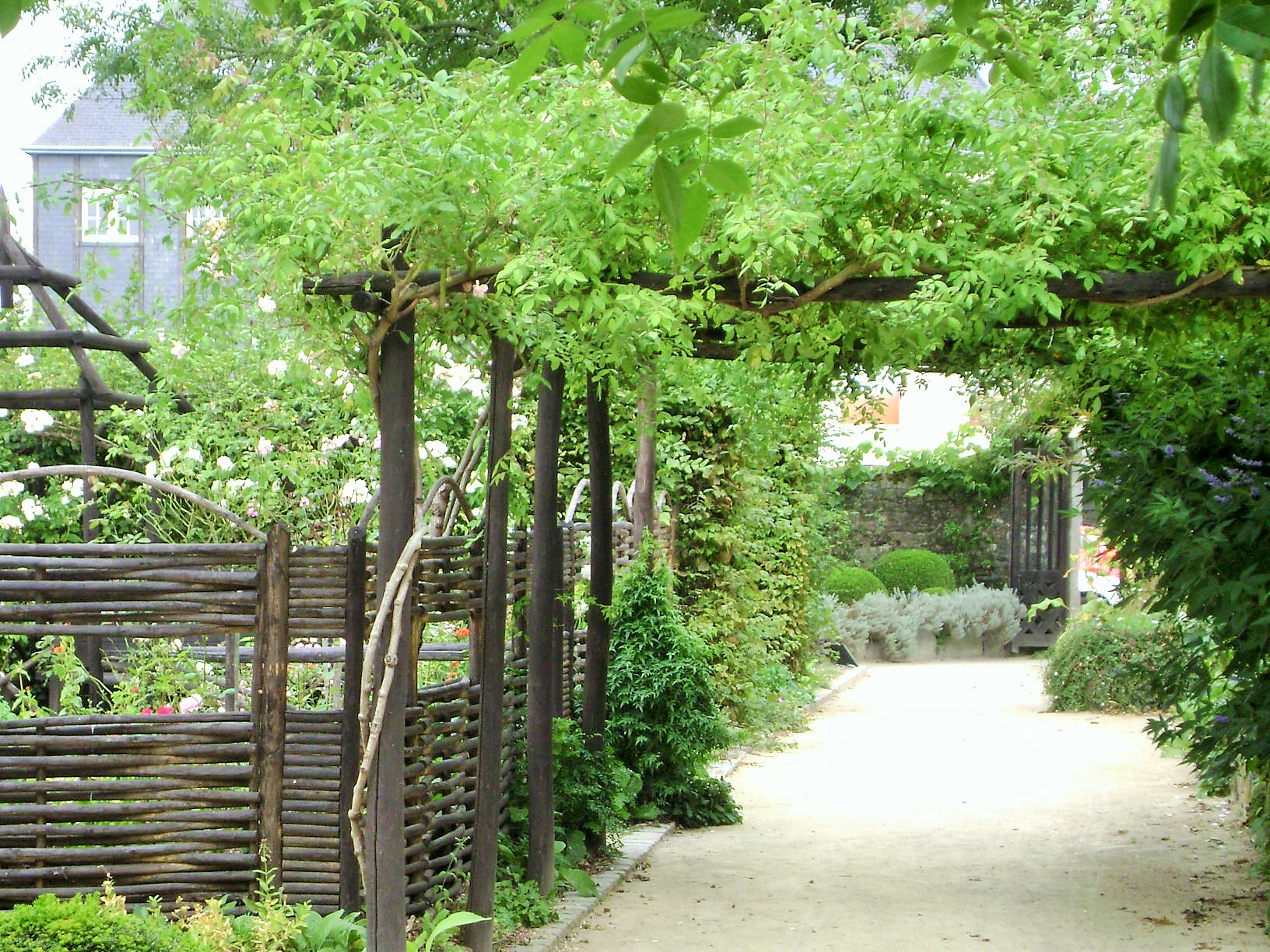


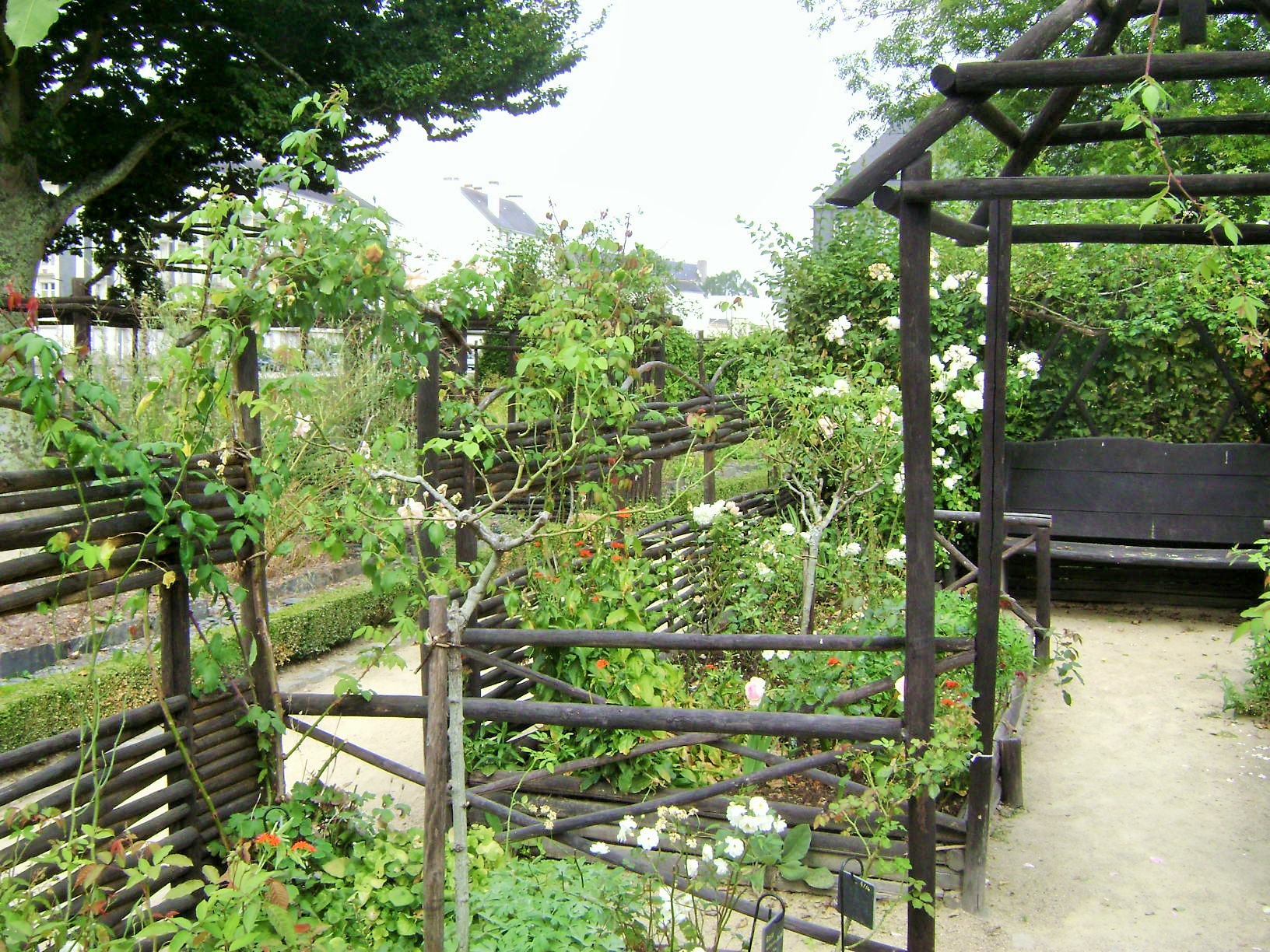
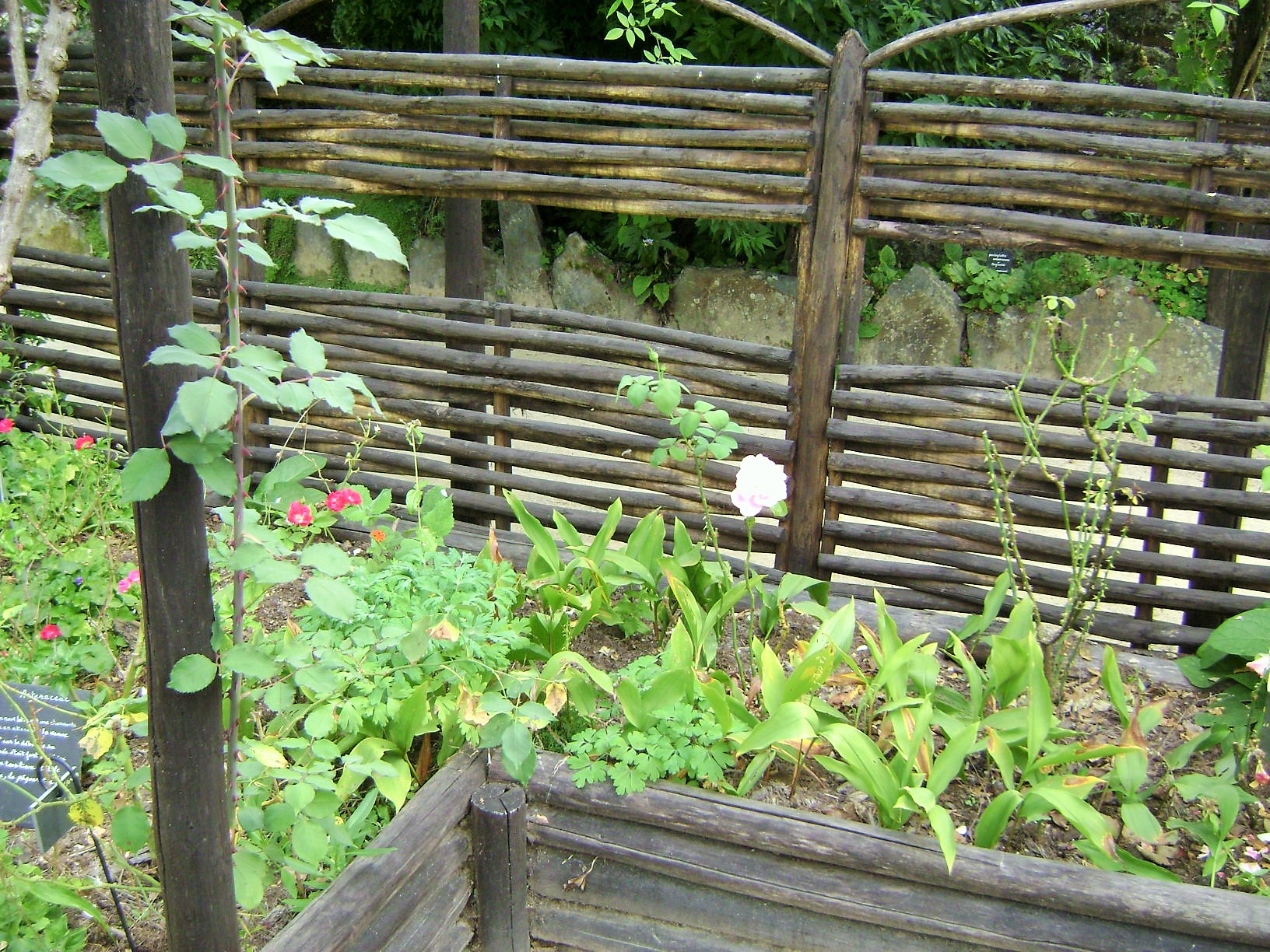
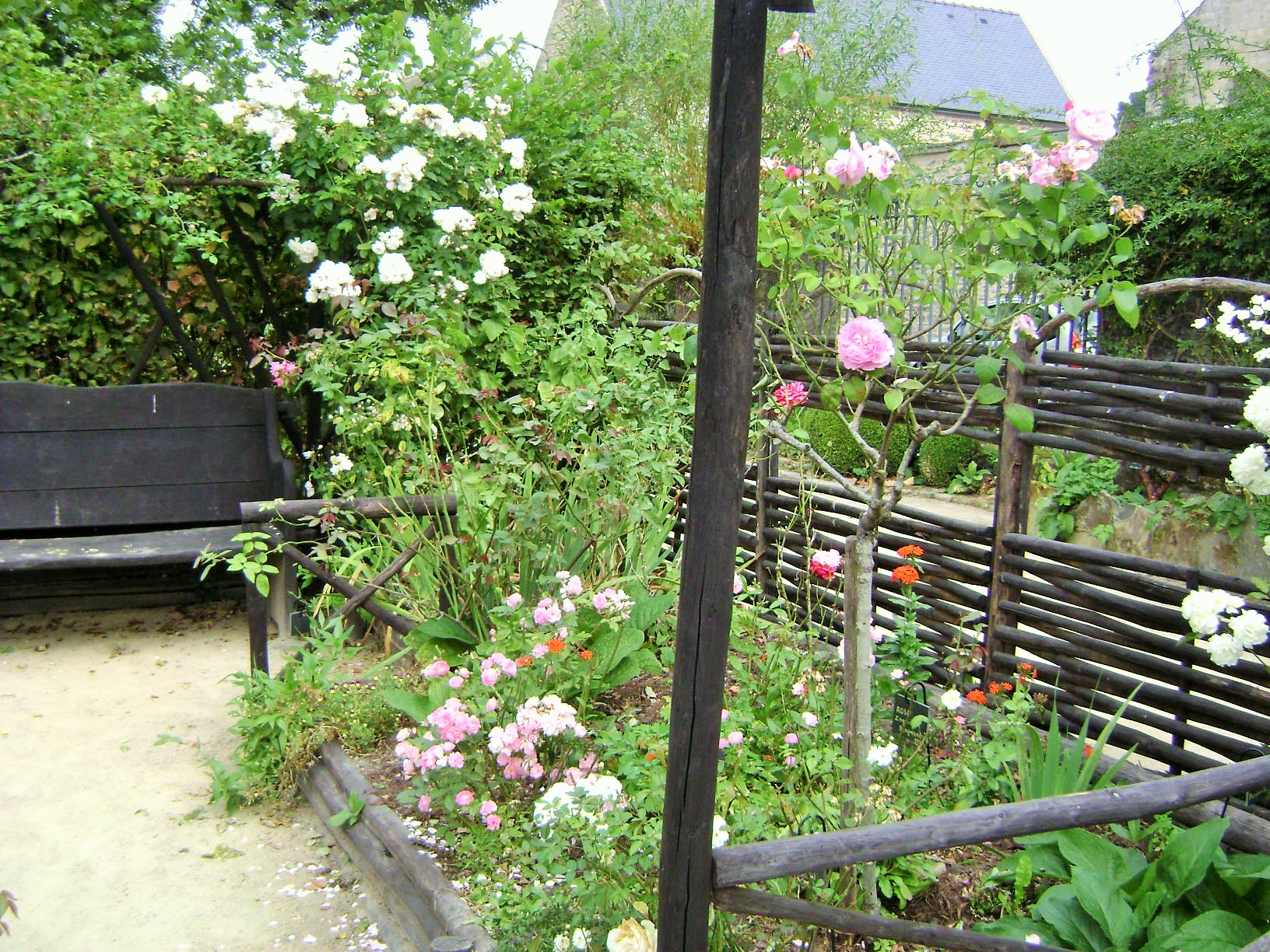
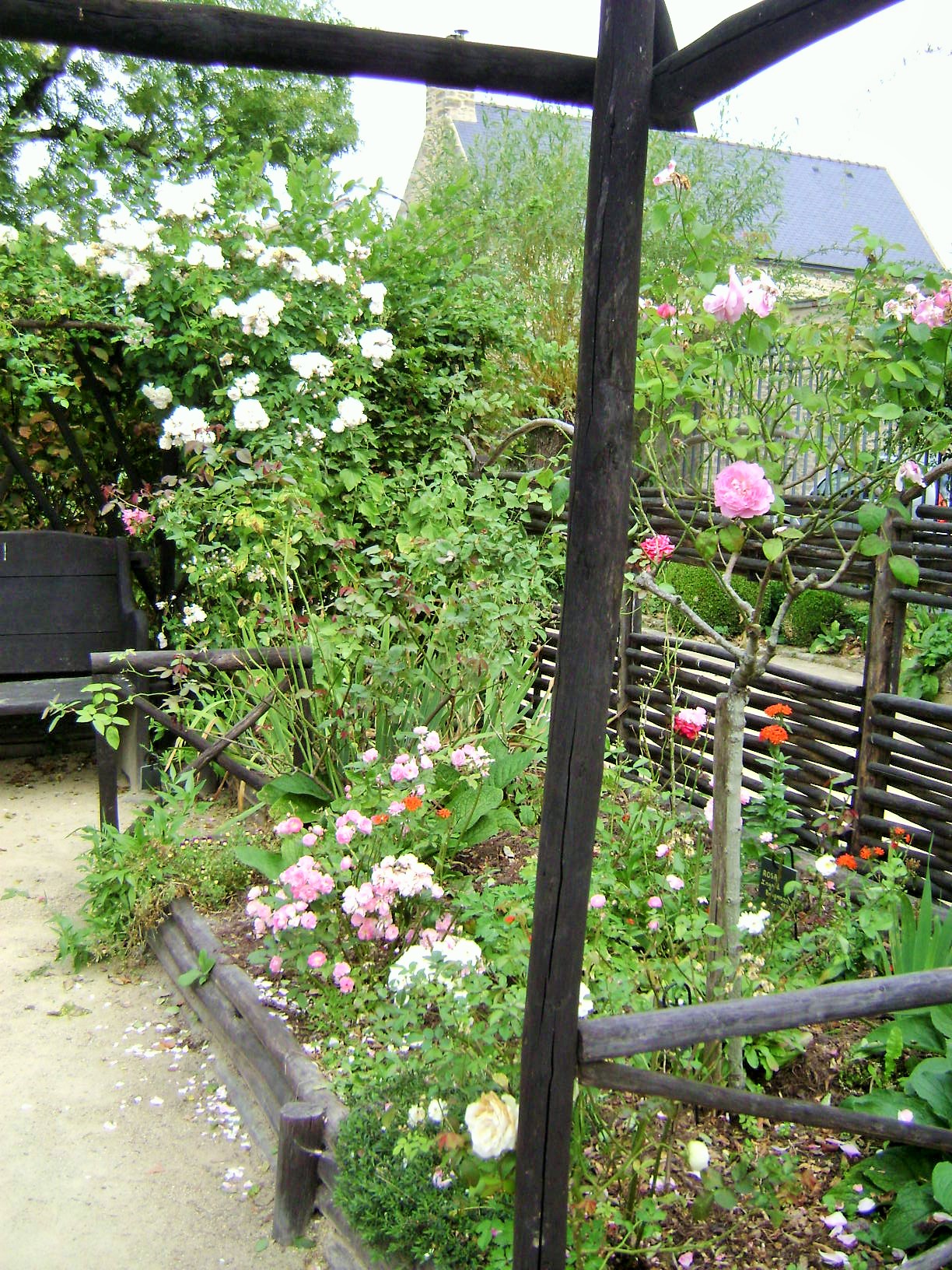

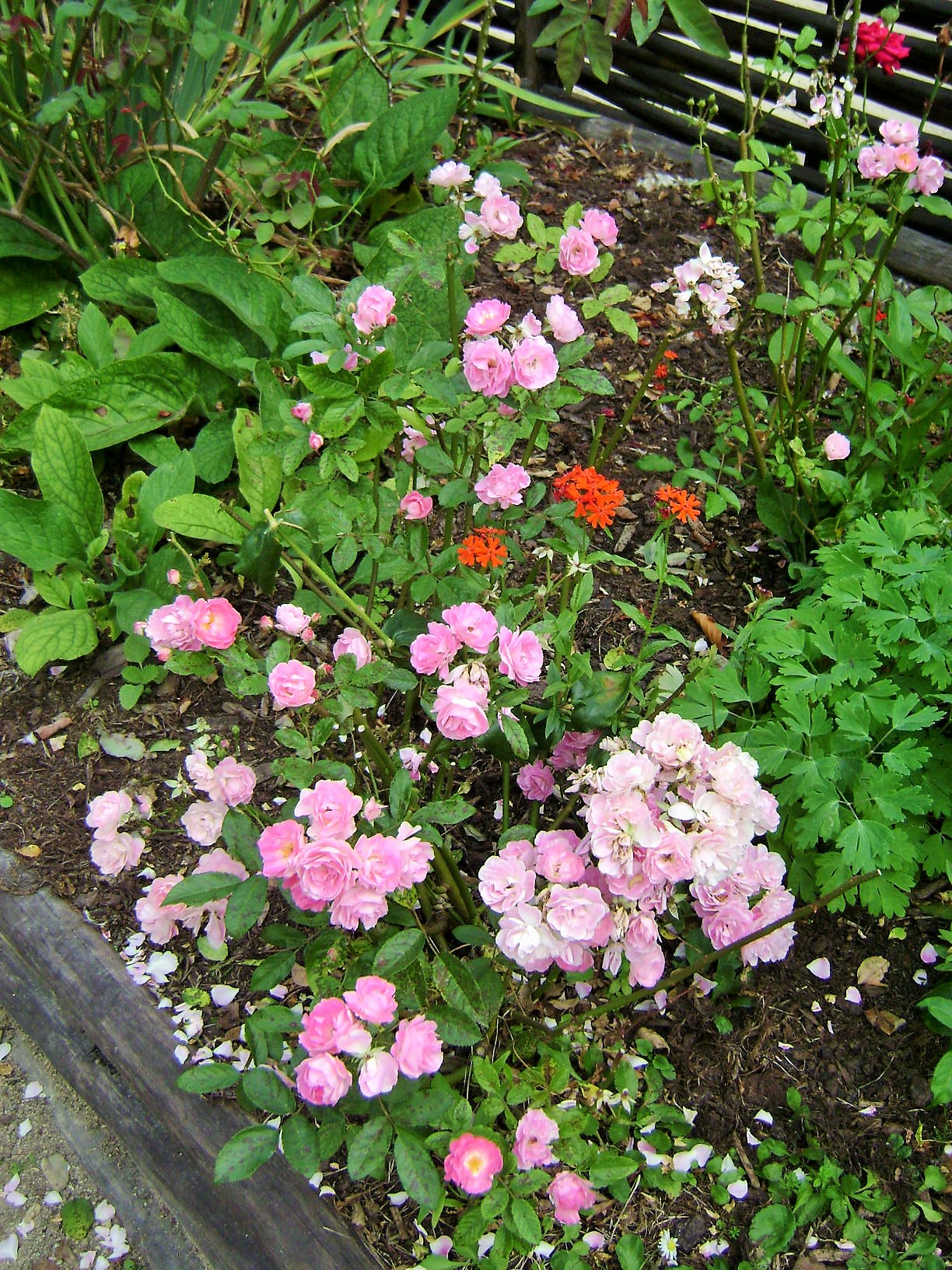
Work on this garden was started in 1997 to create a medieval garden in the style of a convent garden in the days of Anne of Brittany (1477-1514). The population at the time resorted to plants for most of their needs: food, medicine and clothing.
The garden has three essential components. The medicinal and herb garden, used by monks to make their own remedies from plants not readily available in the surrounding areas and therefore grown in the garden.
The edible garden: nutritious roots, fruit, fresh or dried, beans, barley, and other garden crops made up the menu of the time.
The tinctorial garden grew plants used for clothing such as hemp, linen or catharmus which was used for red coloring.

Note also that the medival garden is a representation of Paradise, with the fountain in the center representing the pure source from which the four rivers of Eden originate. Plants such as white lilies and other white flowers represent the virgin.
In this first post, I am featuring the front portion of the garden, with the medicinal and herb section.
This is one of the loveliest gardens in this style I have had the chance to visit and it was also awarded “Jardin Remarquable” (remarkable garden”. It was designed not only for function but also form, with a pavilion, arbors, pergolas, benches in cozy nooks, decorative borders for raised beds, woven Plessis, and a fountain, making it a feast for the eyes as well as the palate. It also overlooks the river Odet, making it a truly enchanting setting.














Located in the Horta district in northern Barcelona, the Labyrinth Garden was created in the late 18th century by the owner of the estate, marquis Joan Antoni Desvalls i d’Ardena, who commisioned Italian garden architect Domenico Bagutti. This is when the maze was created and part of the gardens in the neo-classical style.
In the mid 19th century, the gardens were then expanded by the marquis descendants to expand the garden in the romantic style with a waterfall, large trees, gazebo, statues, and flower beds.
This garden is the oldest of its kind in Barcelona. The family turned it over to the city in 1967, and it opened as a public park in 1971.
To read more about this garden, click here, here, or here for Wikipedia.
The park can be roughly divided into three main areas: the first includes the country house and adjacent gardens, the second would be the 18th century maze and pavilion, the third includes the romantic garden and waterfall.
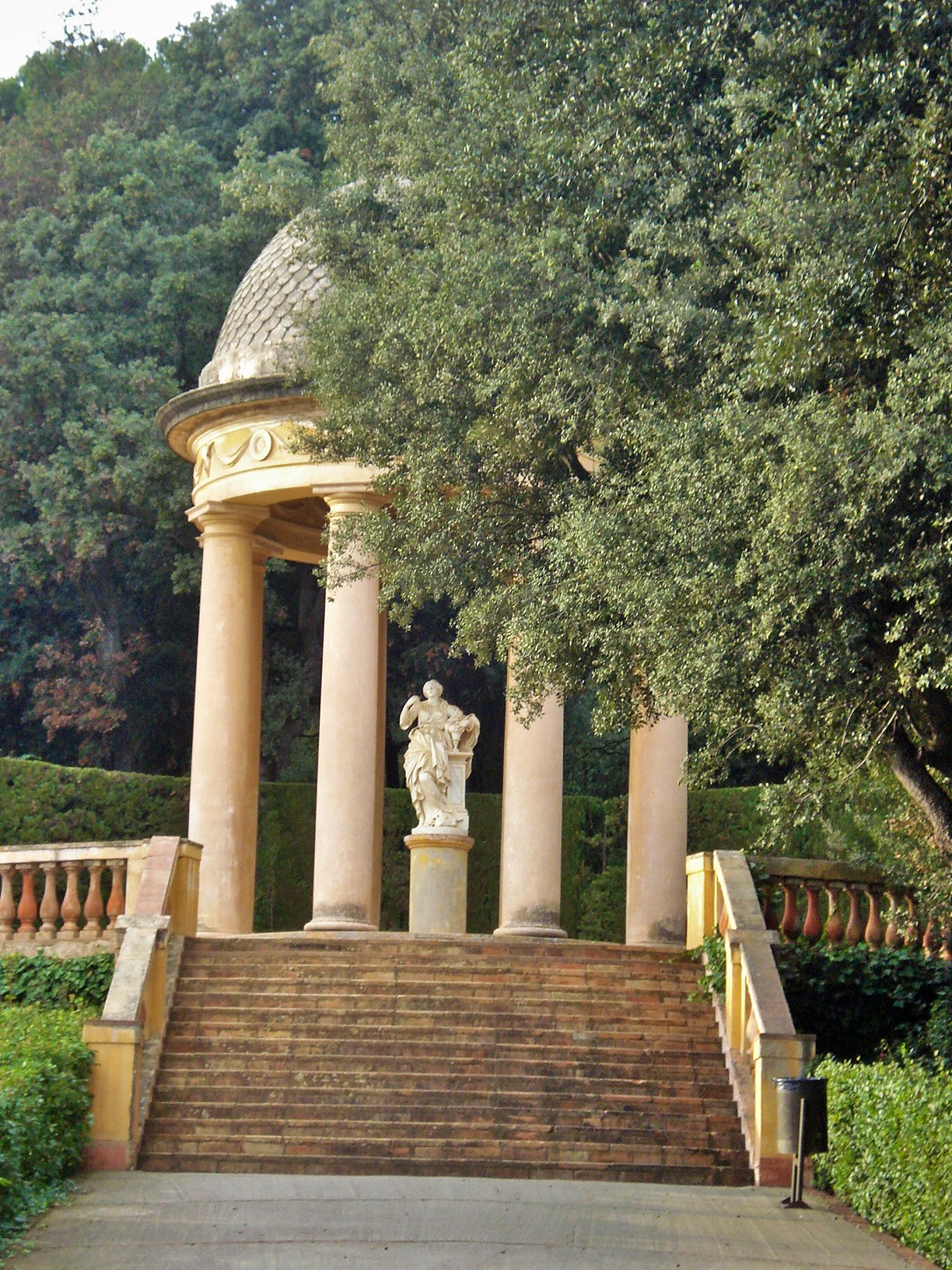
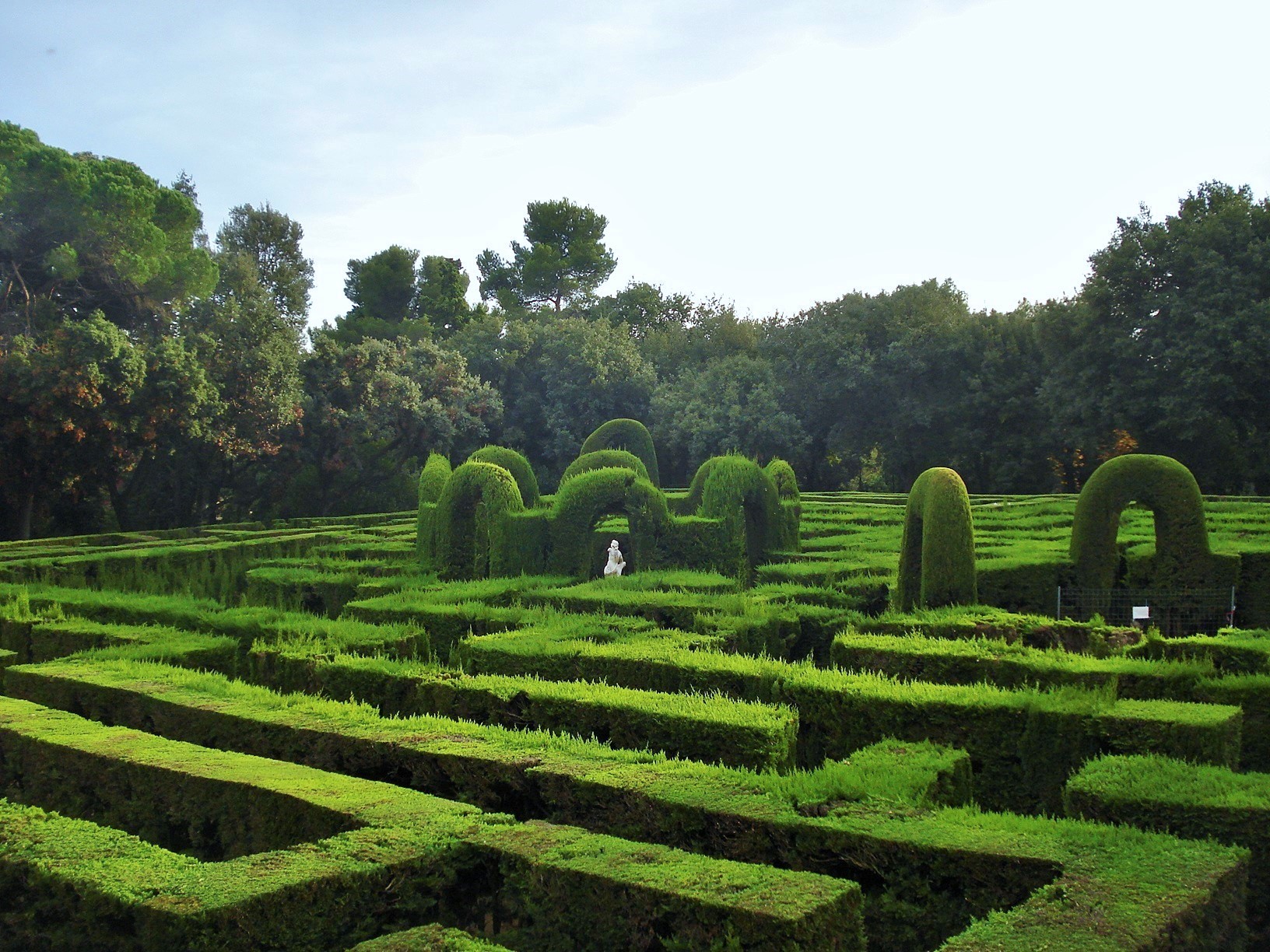
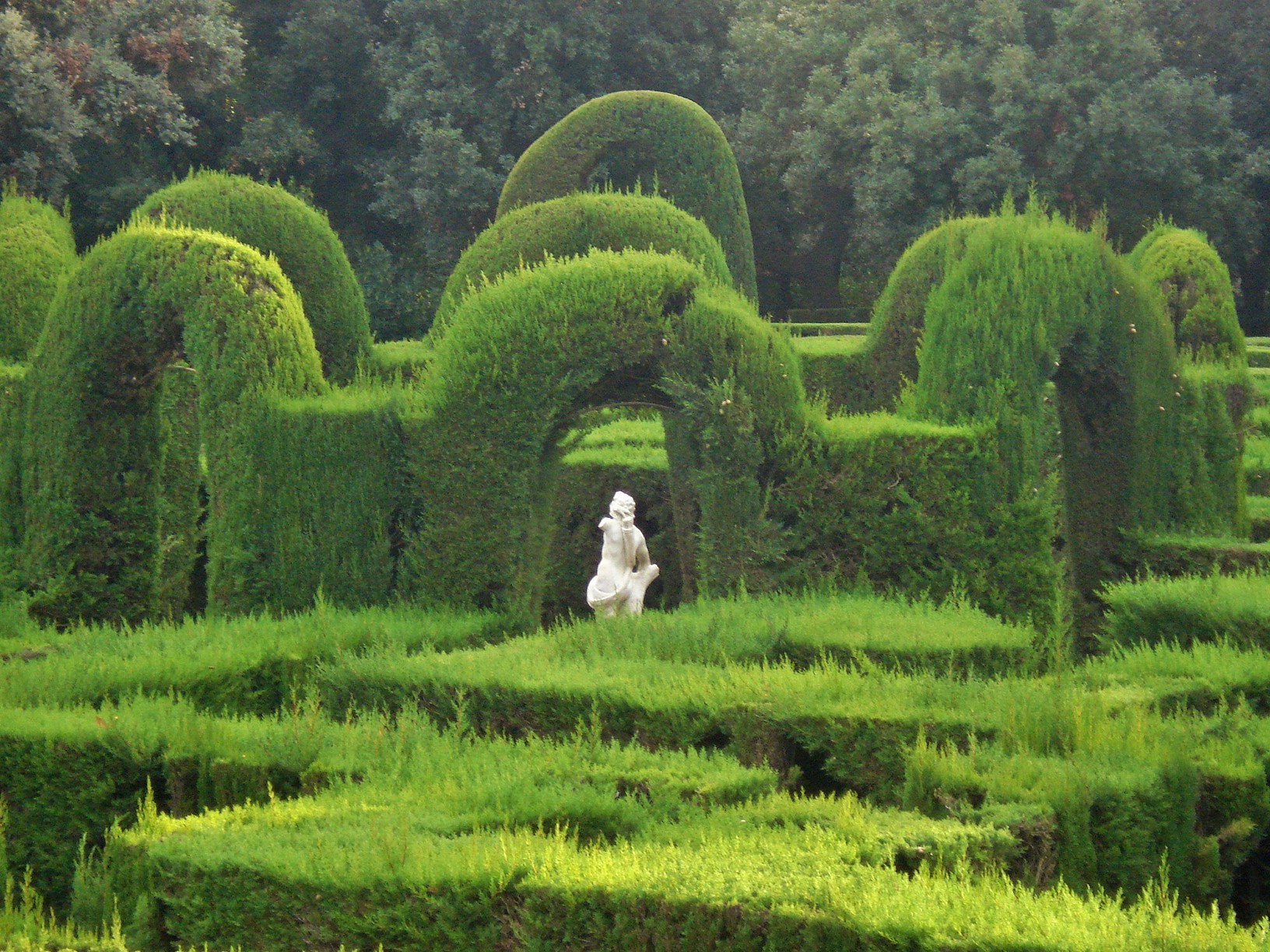
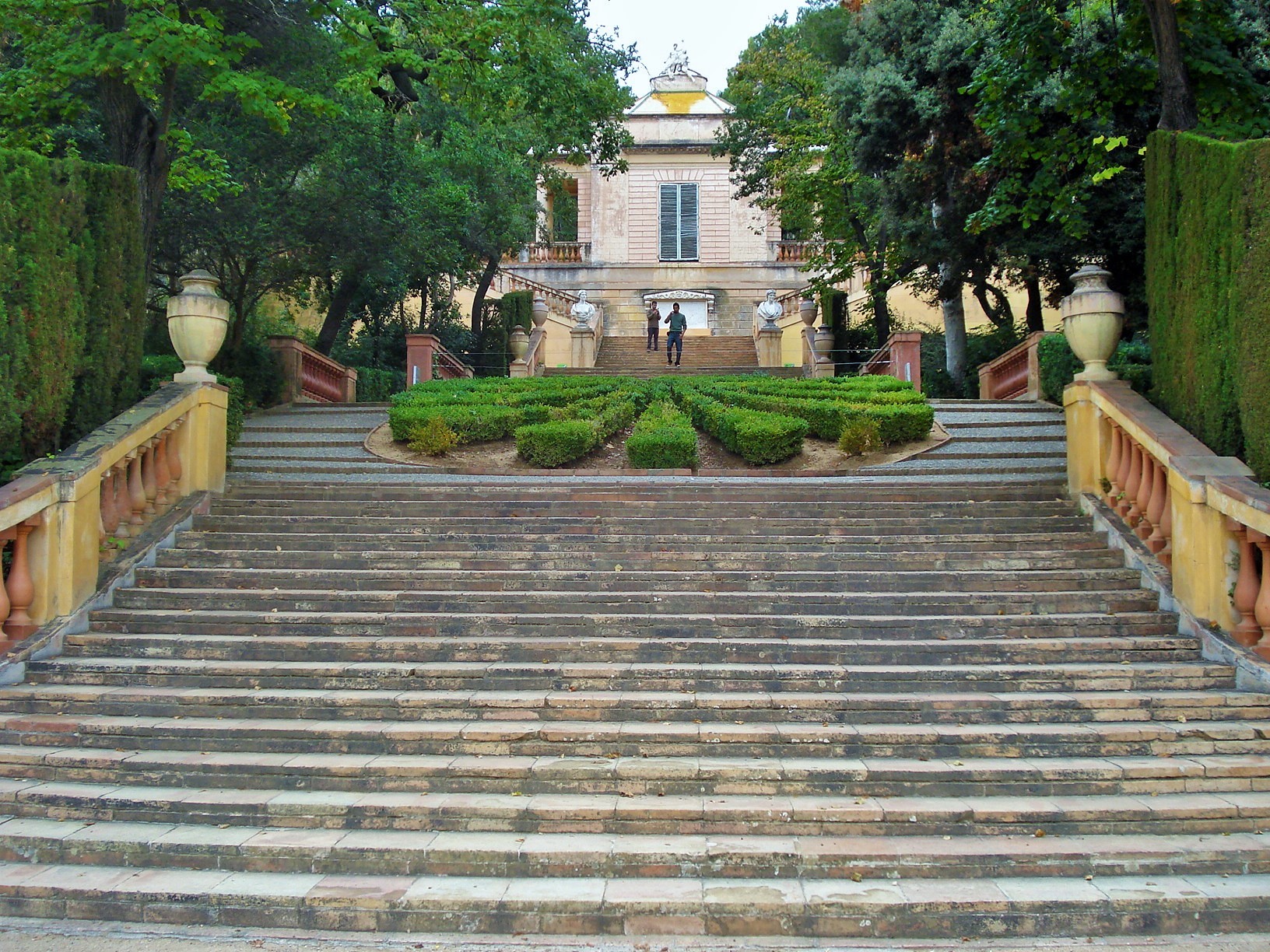
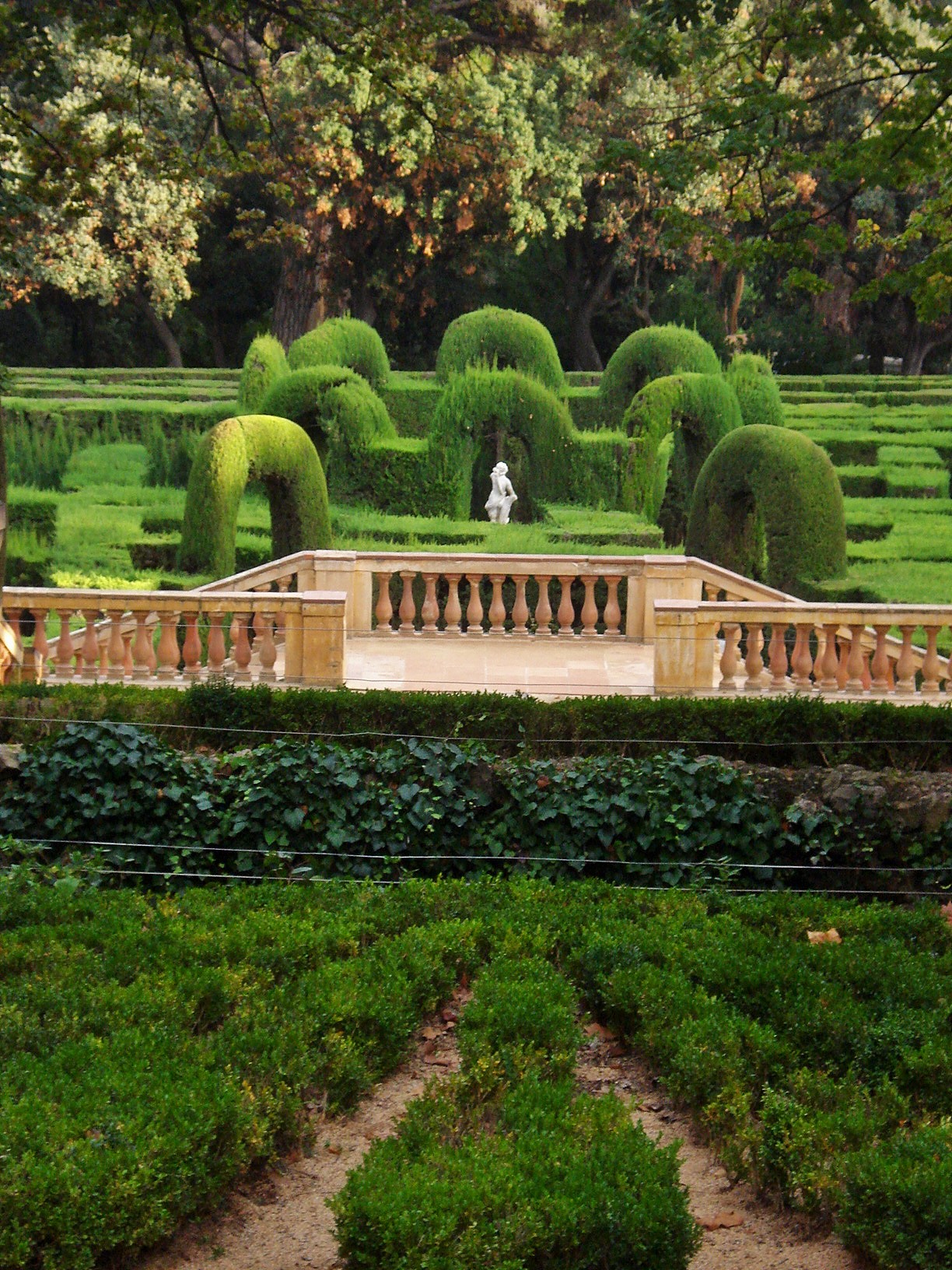
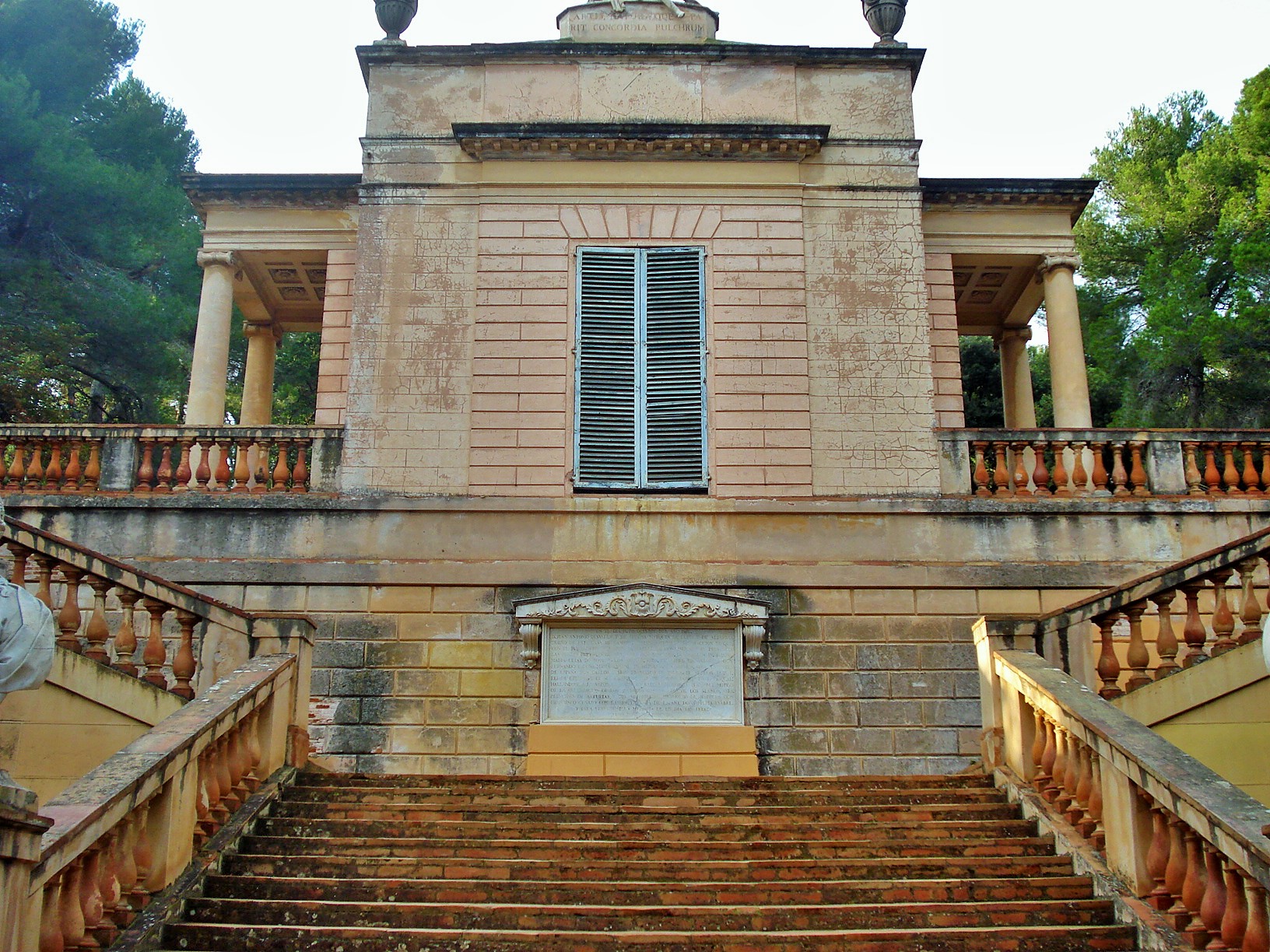
In this post, I will feature the centerpiece of the park, the original 18th century maze. Three terraces lead up to a large pavilion dedicated to the nine muses. The intermediate terrace is flanked by two small open pavilions, inspired by Roman temples.



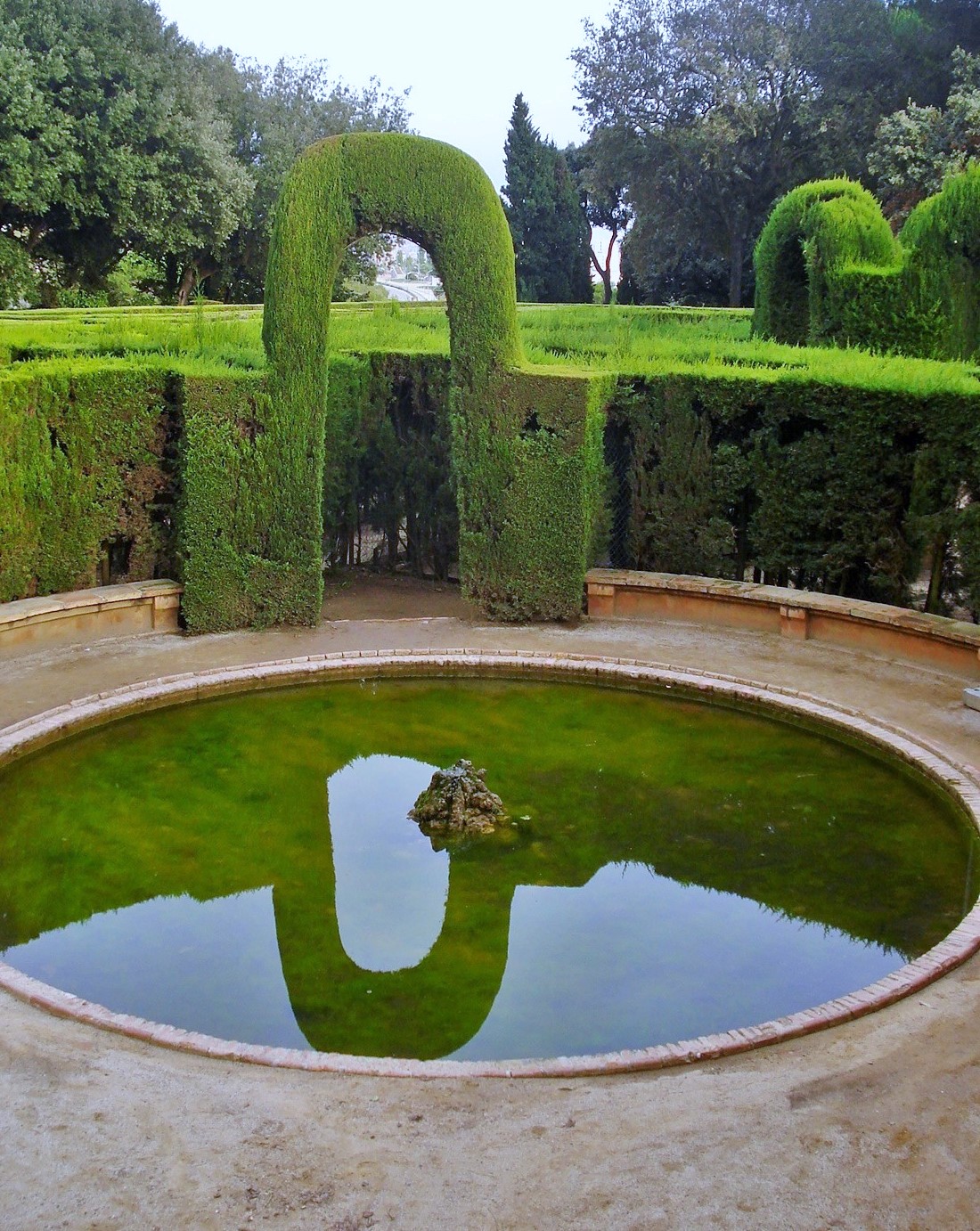


To the side of the maze, incorporated into the gardens, is a miniature maze:
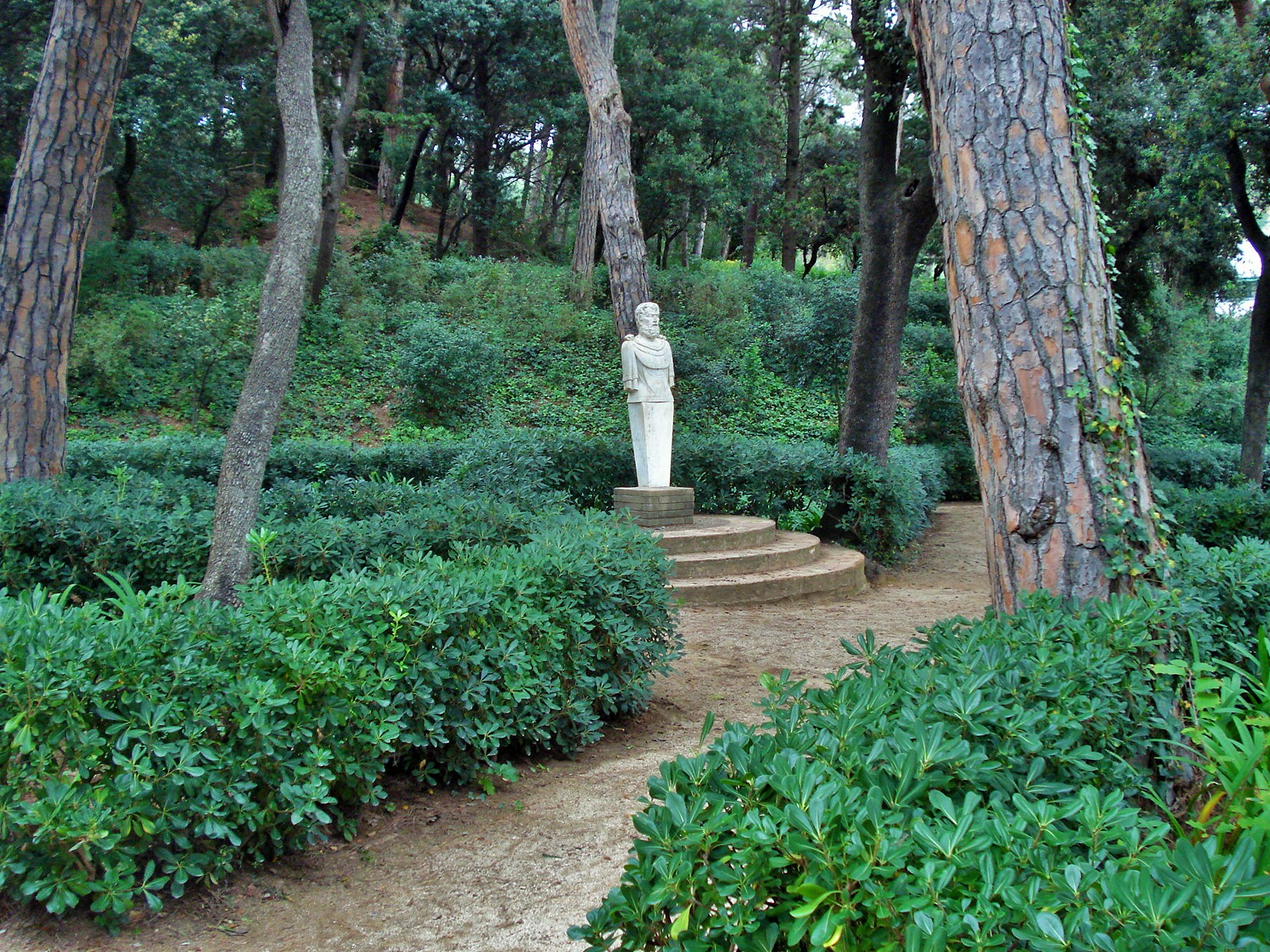


Located in the Horta district in northern Barcelona, the Labyrinth Garden was created in the late 18th century by the owner of the estate, marquis Joan Antoni Desvalls i d’Ardena, who commisioned Italian garden architect Domenico Bagutti. This is when the maze was created and part of the gardens in the neo-classical style.
In the mid 19th century, the gardens were then expanded by the marquis descendants to expand the garden in the romantic style with a waterfall, large trees, gazebo, statues, and flower beds.
This garden is the oldest of its kind in Barcelona. The family turned it over to the city in 1967, and it opened as a public park in 1971.
To read more about this garden, click here, here, or here for Wikipedia.
The park can be roughly divided into three main areas: the first includes the country house and adjacent gardens, the second would be the 18th century maze and pavilion, the third includes the romantic garden and waterfall.
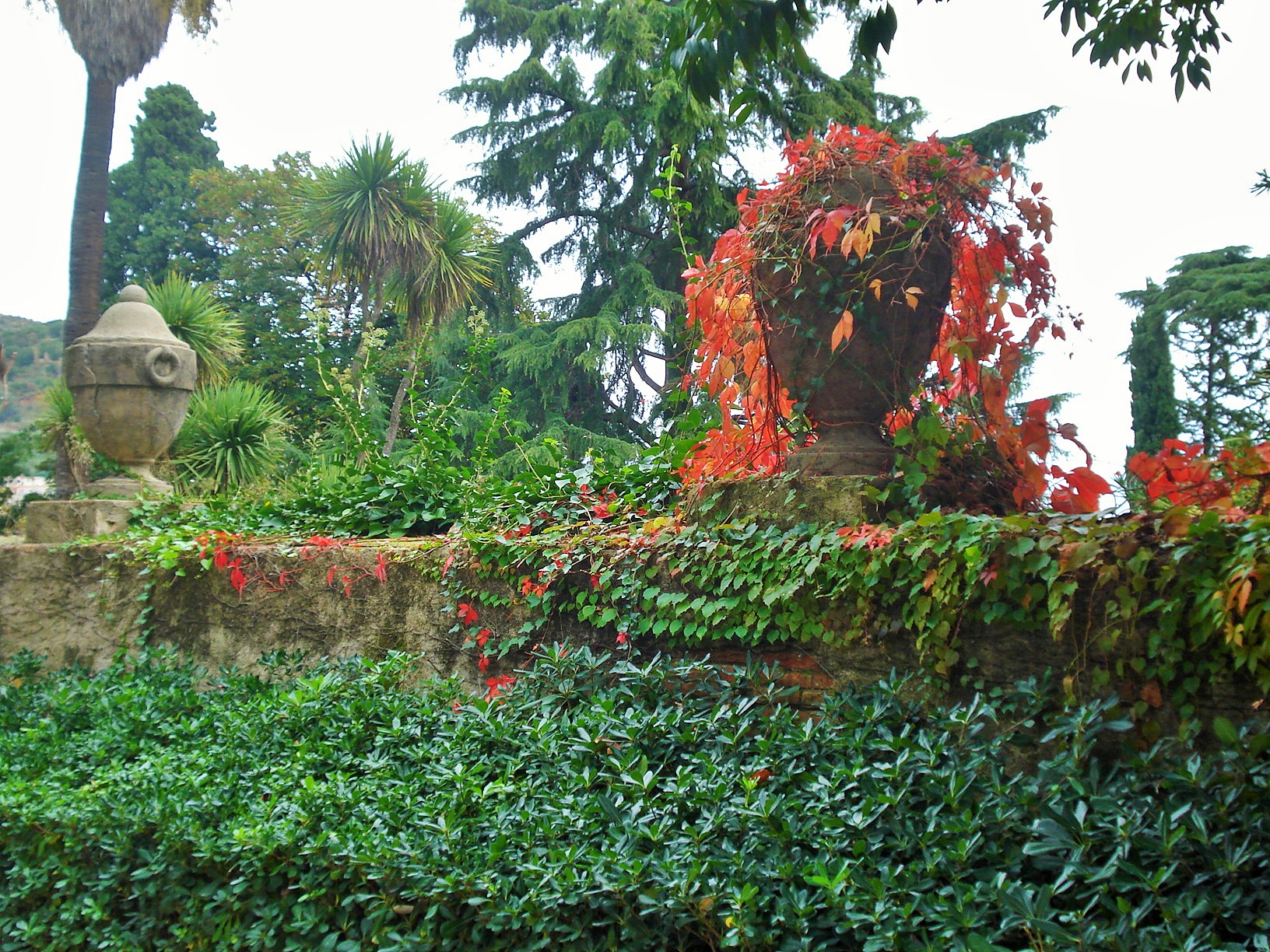
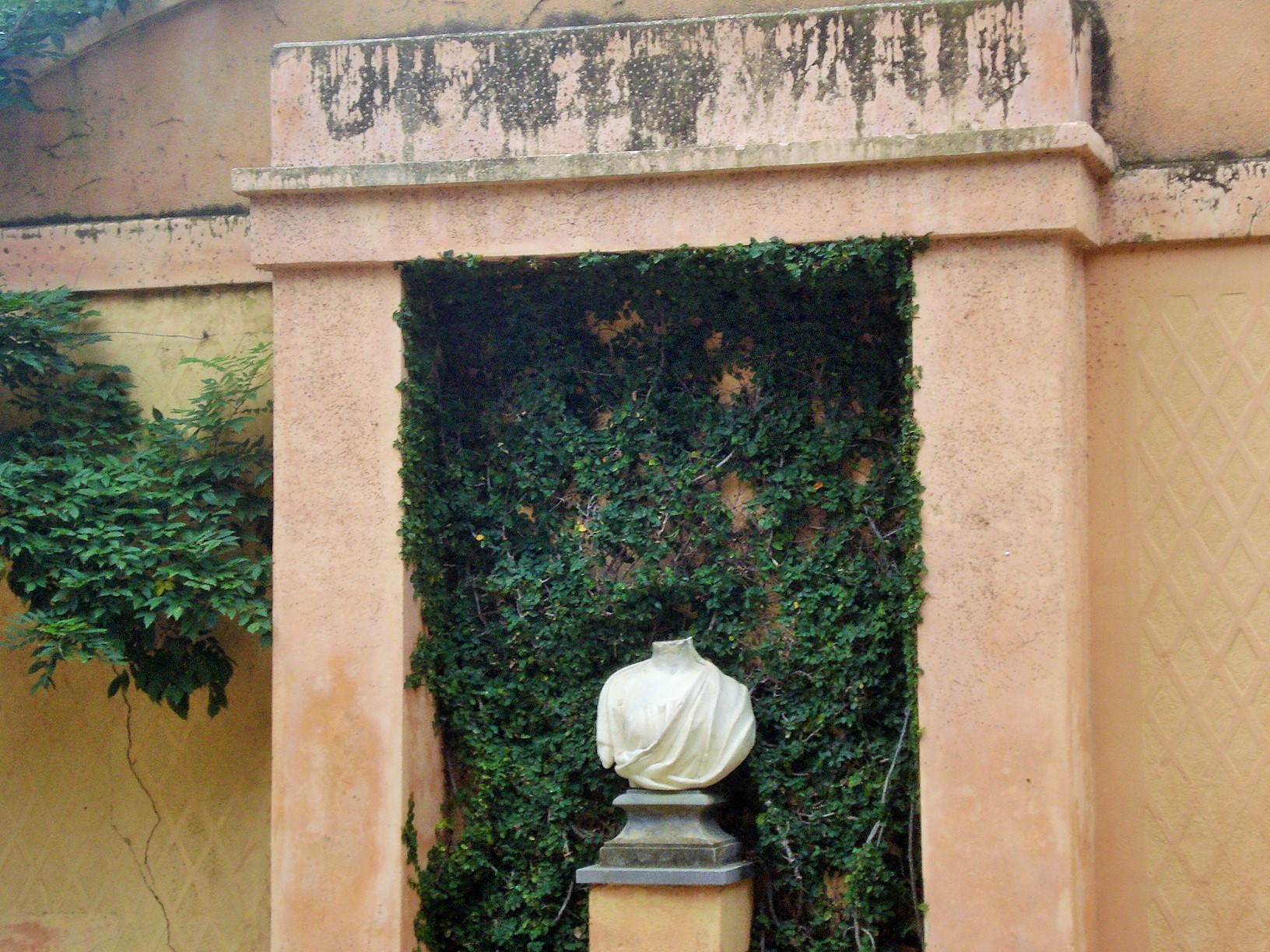
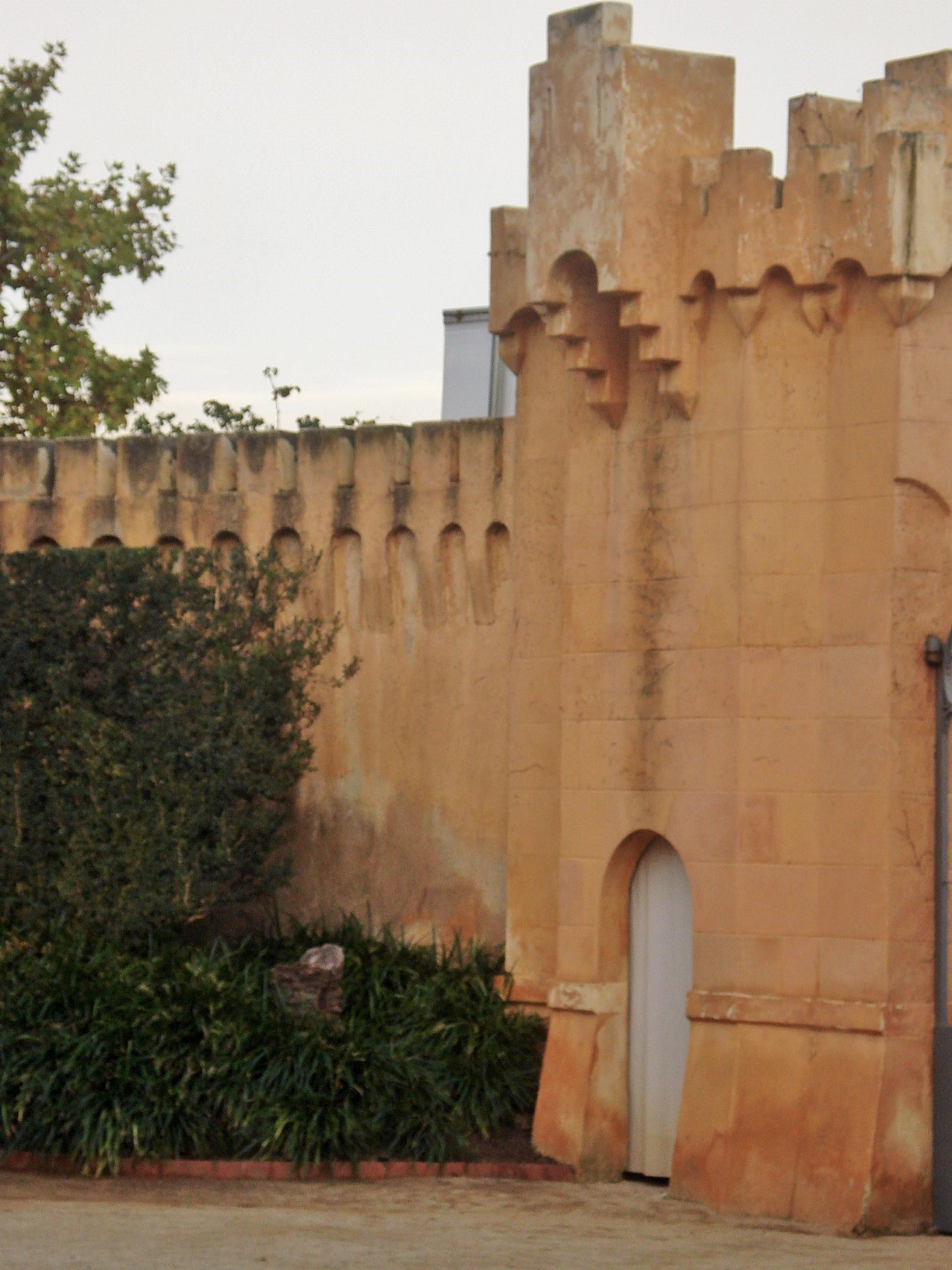
In this post, I will focus on the first area of the park. The house was originally built as a country house in the 14th century, but was substantially redone in the 19th century with a moorish inspiration. The walled gardens are done in a formal style.
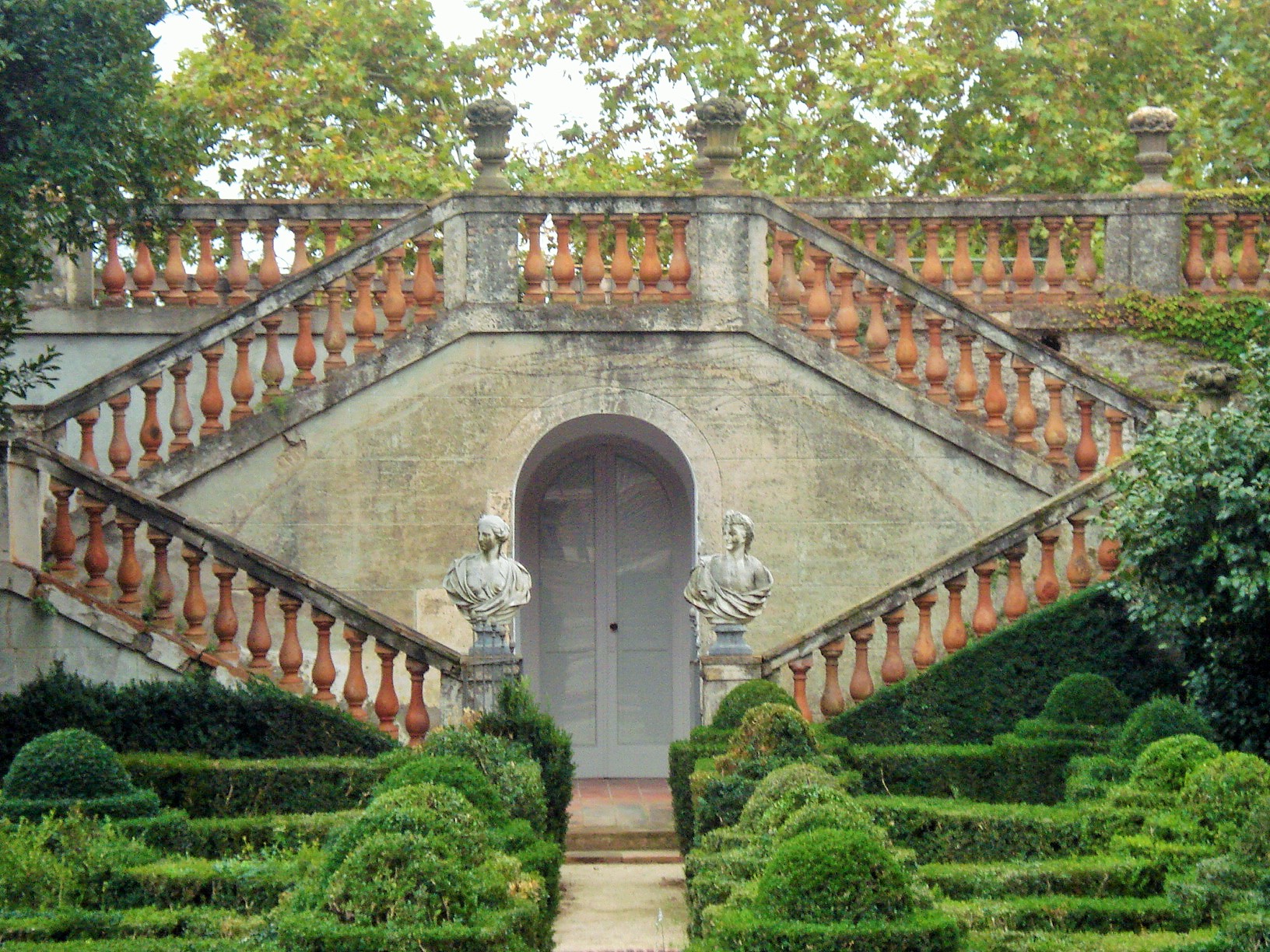


From the front of the house:


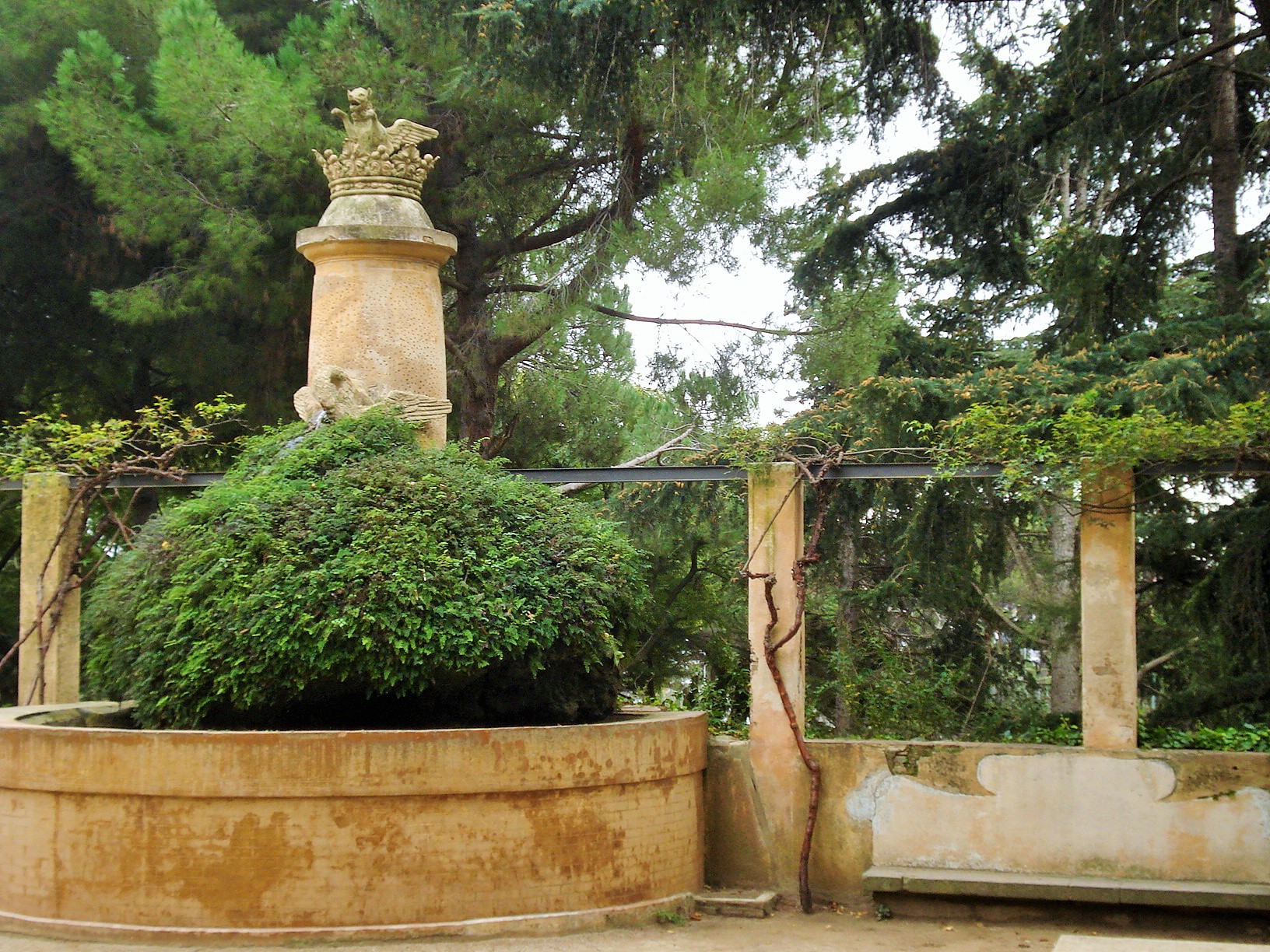
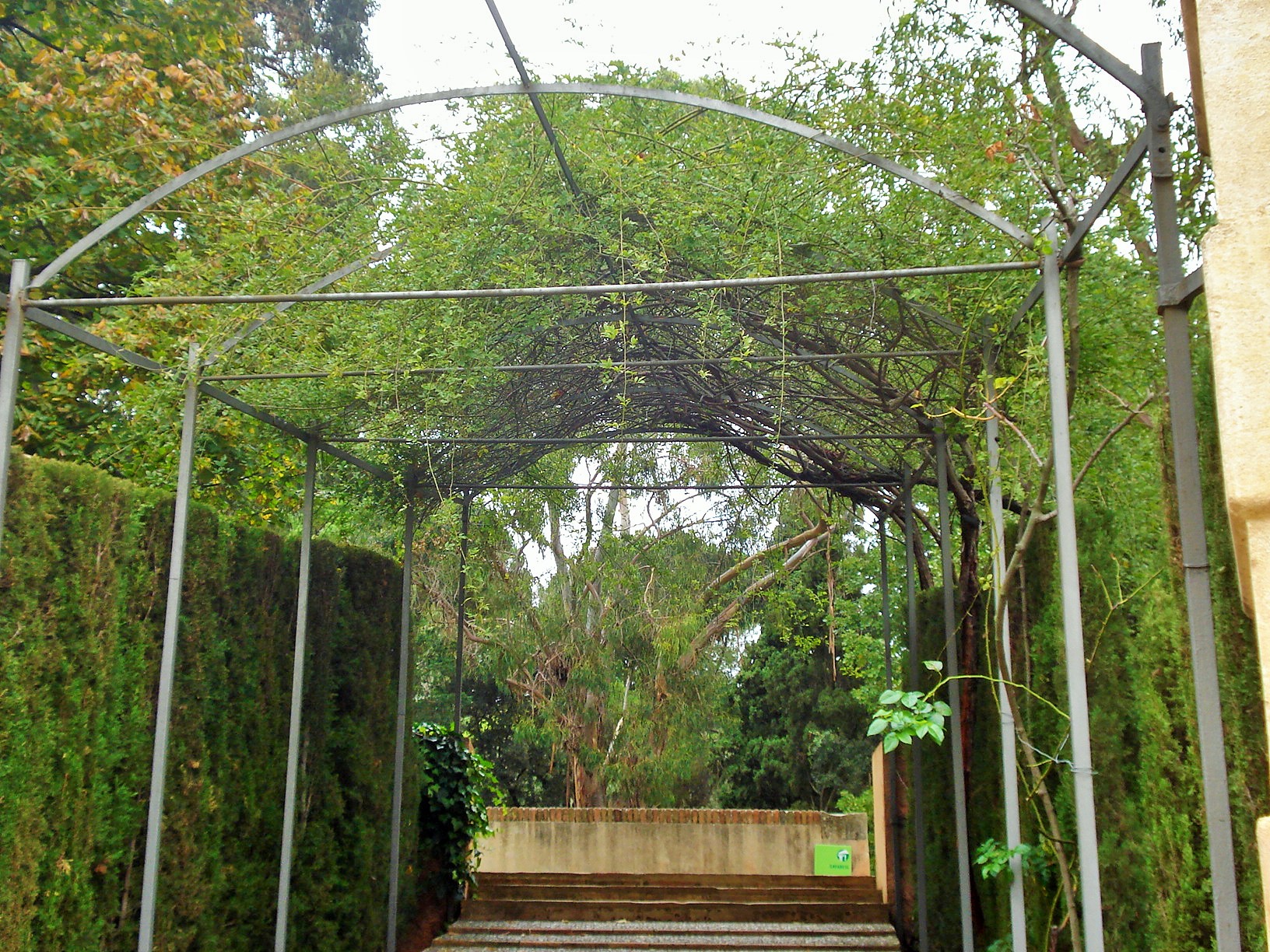
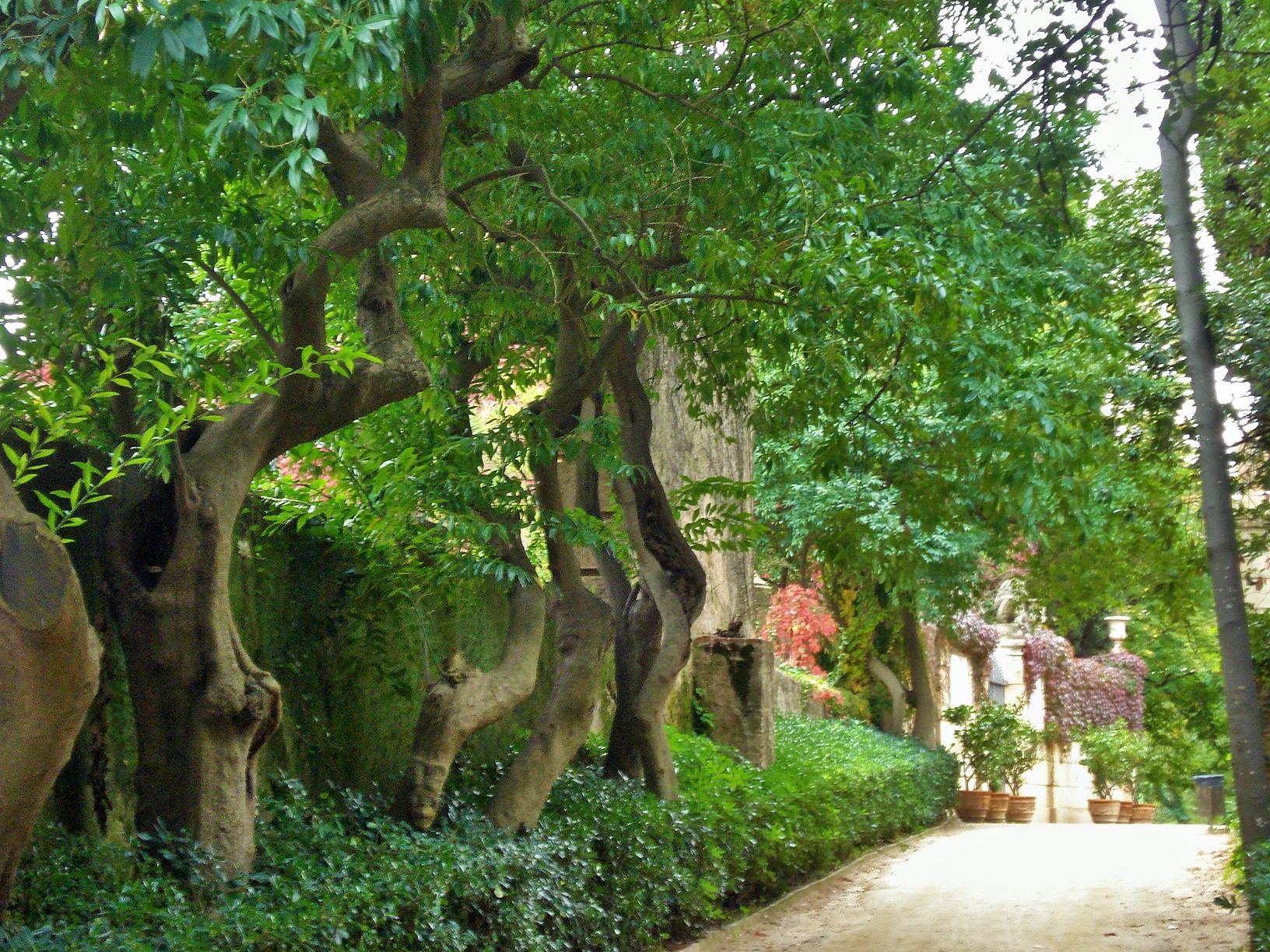
Just outside the walls, a round terrace is the starting point for alleys leading to other parts of the park, an arbor, a statue, or ornate stairs to a terraced garden area.



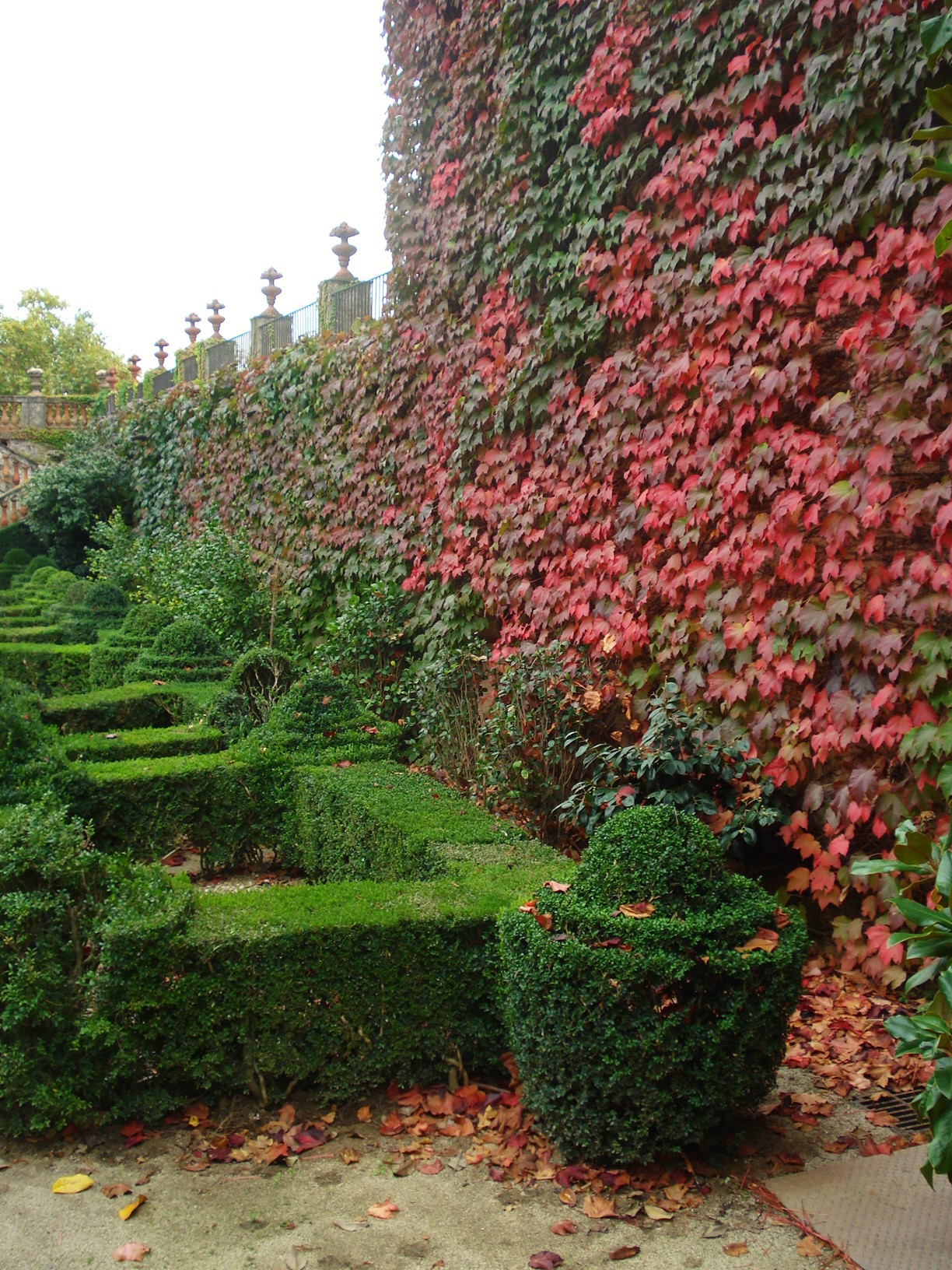
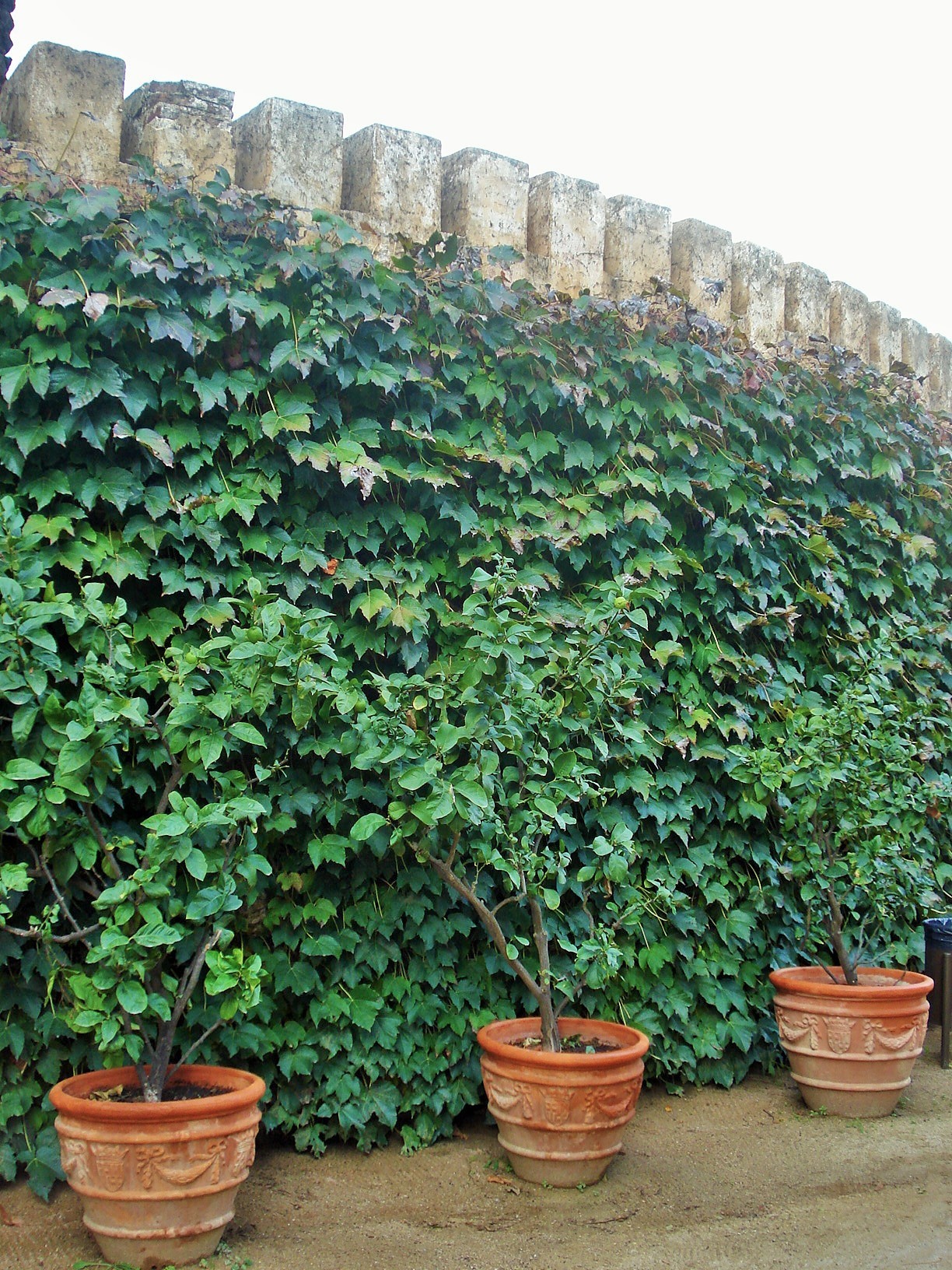
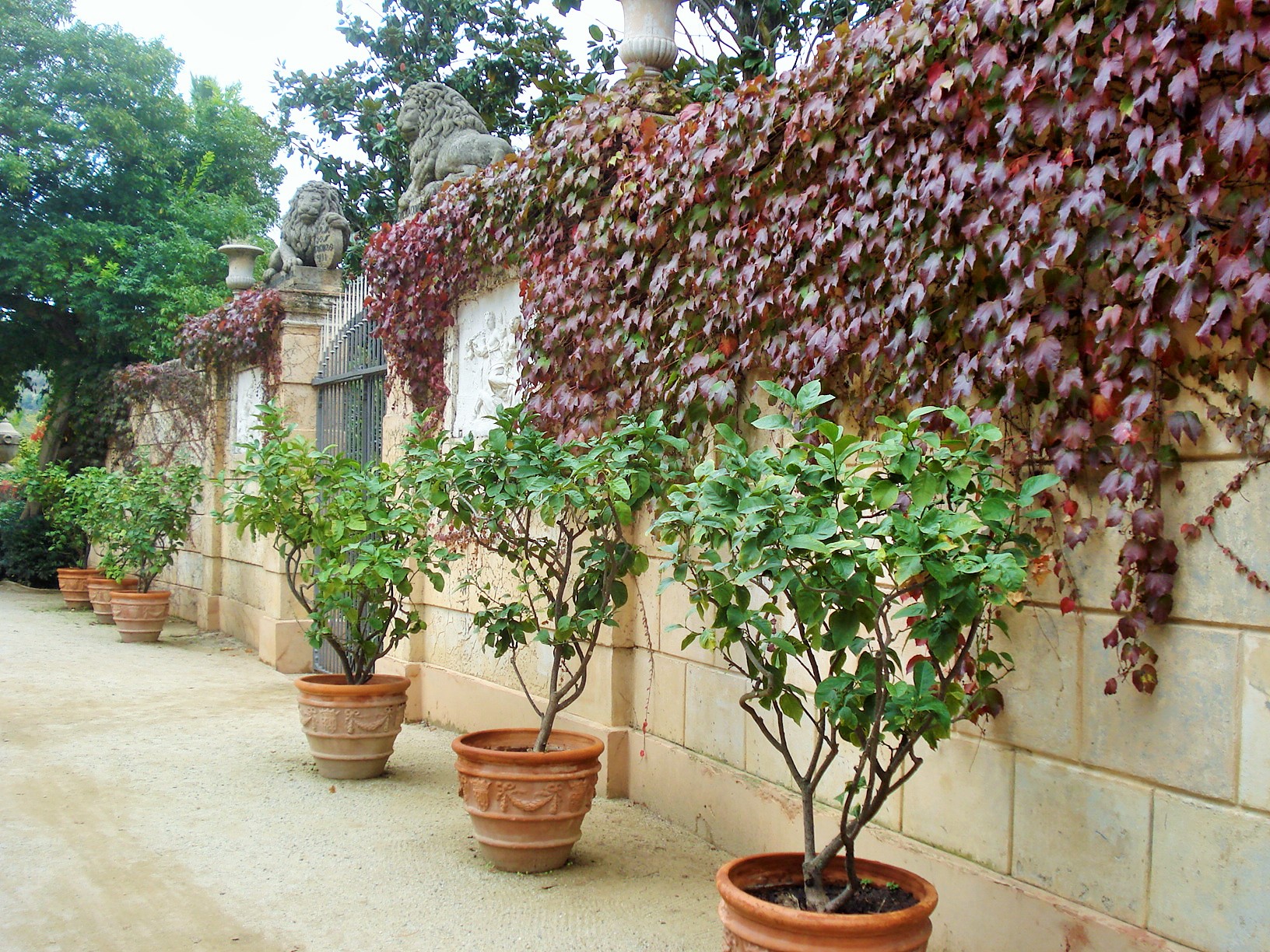
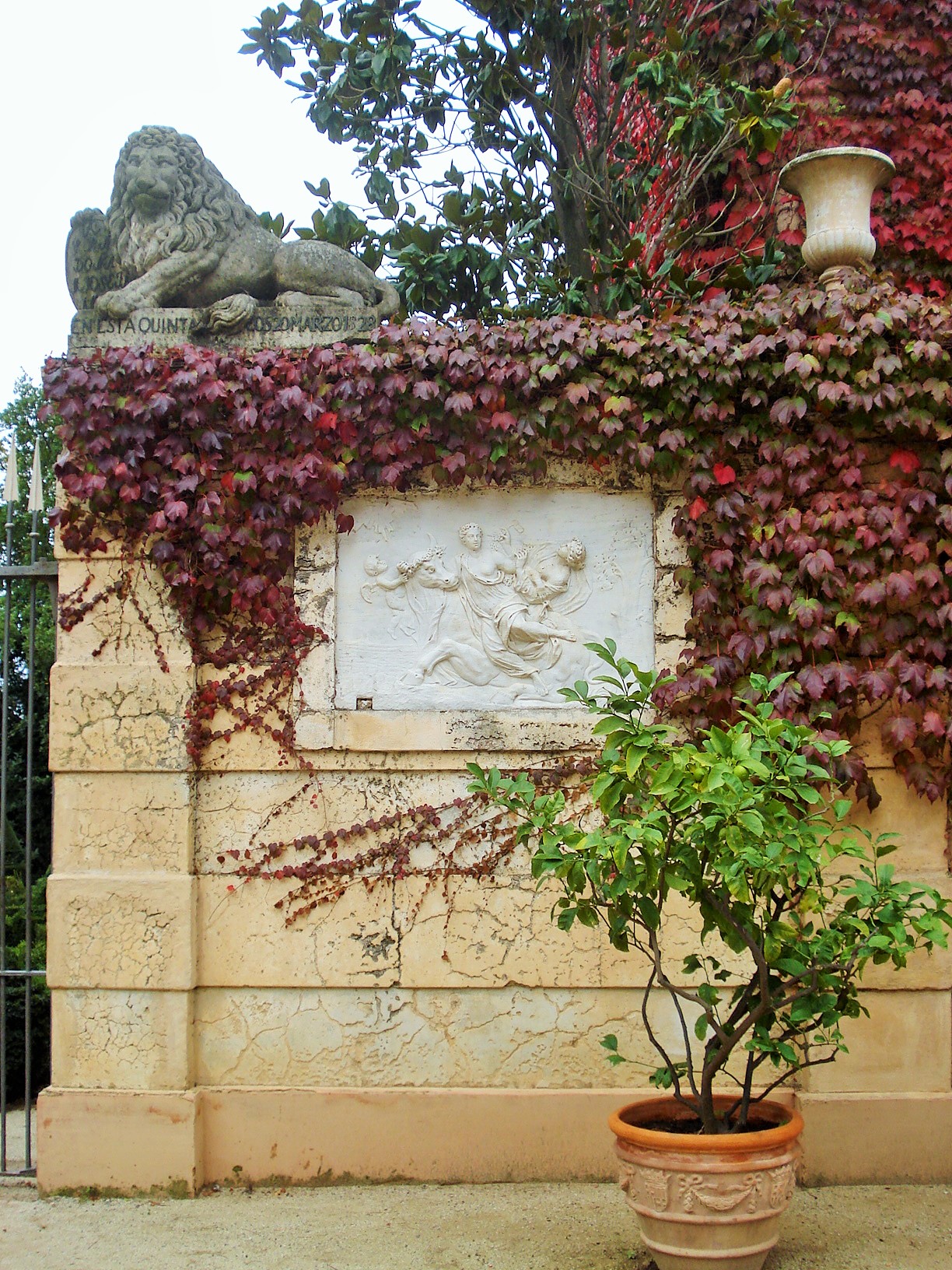
The walls themselves are quite ornately decorated and lined with plantings.


Located in the Horta district in northern Barcelona, the Labyrinth Garden was created in the late 18th century by the owner of the estate, marquis Joan Antoni Desvalls i d’Ardena, who commisioned Italian garden architect Domenico Bagutti. This is when the maze was created and part of the gardens in the neo-classical style.
In the mid 19th century, the gardens were then expanded by the marquis descendants to expand the garden in the romantic style with a waterfall, large trees, gazebo, statues, and flower beds.
This garden is the oldest of its kind in Barcelona. The family turned it over to the city in 1967, and it opened as a public park in 1971.
To read more about this garden, click here, here, or here for Wikipedia.
The park can be roughly divided into three main areas: the first includes the country house and adjacent gardens, the second would be the 18th century maze and pavilion, the third includes the romantic garden and waterfall.
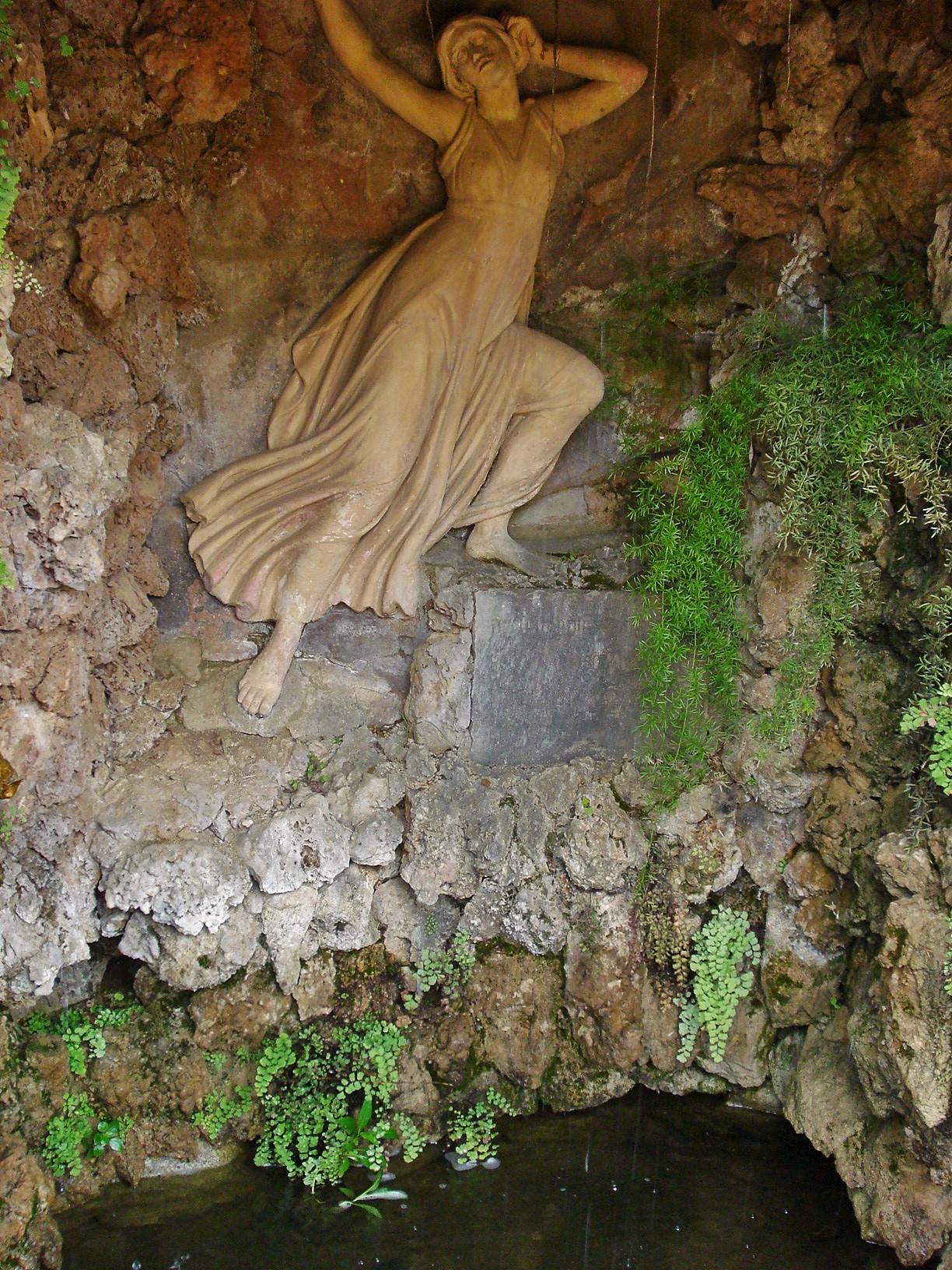
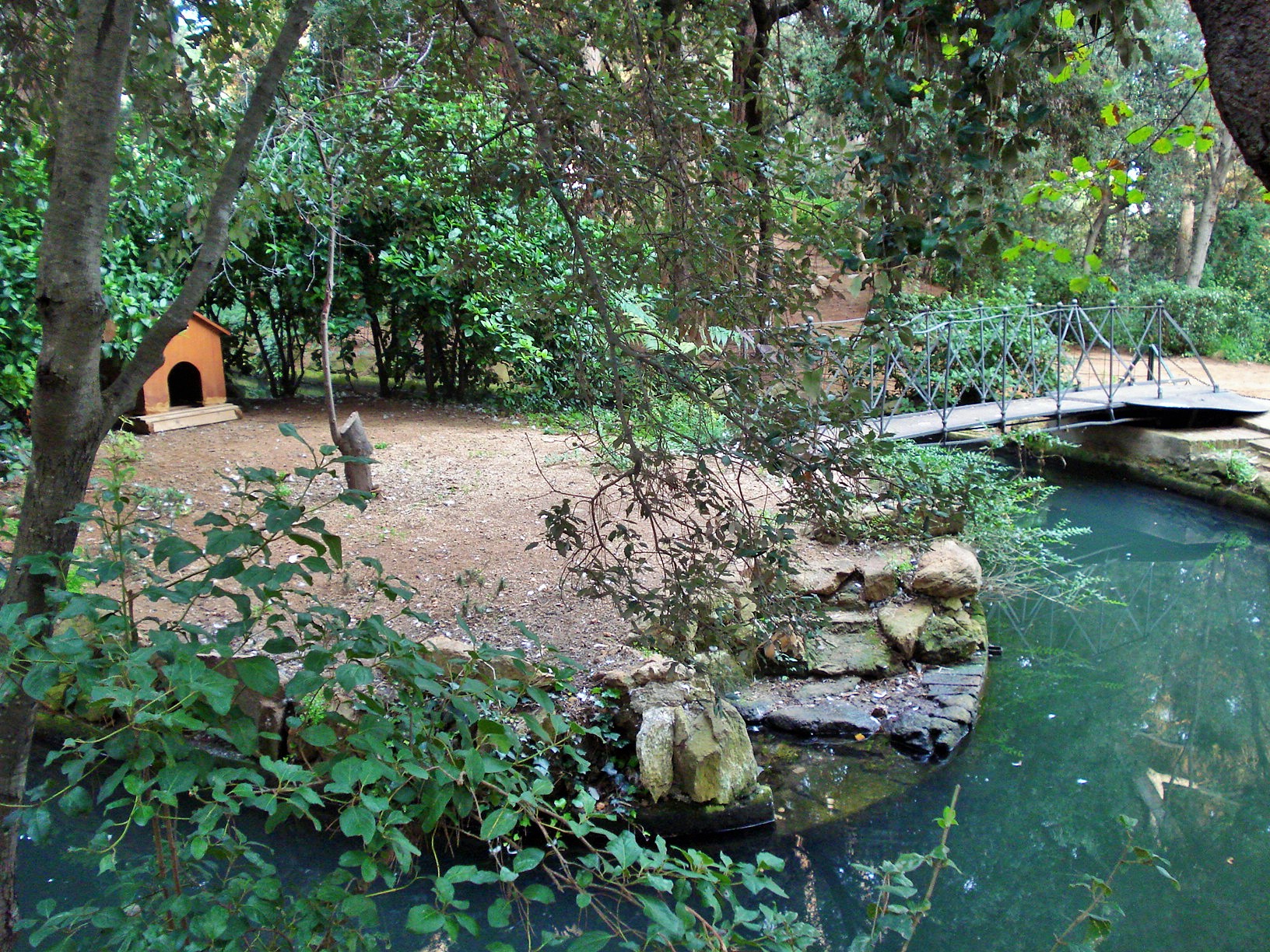
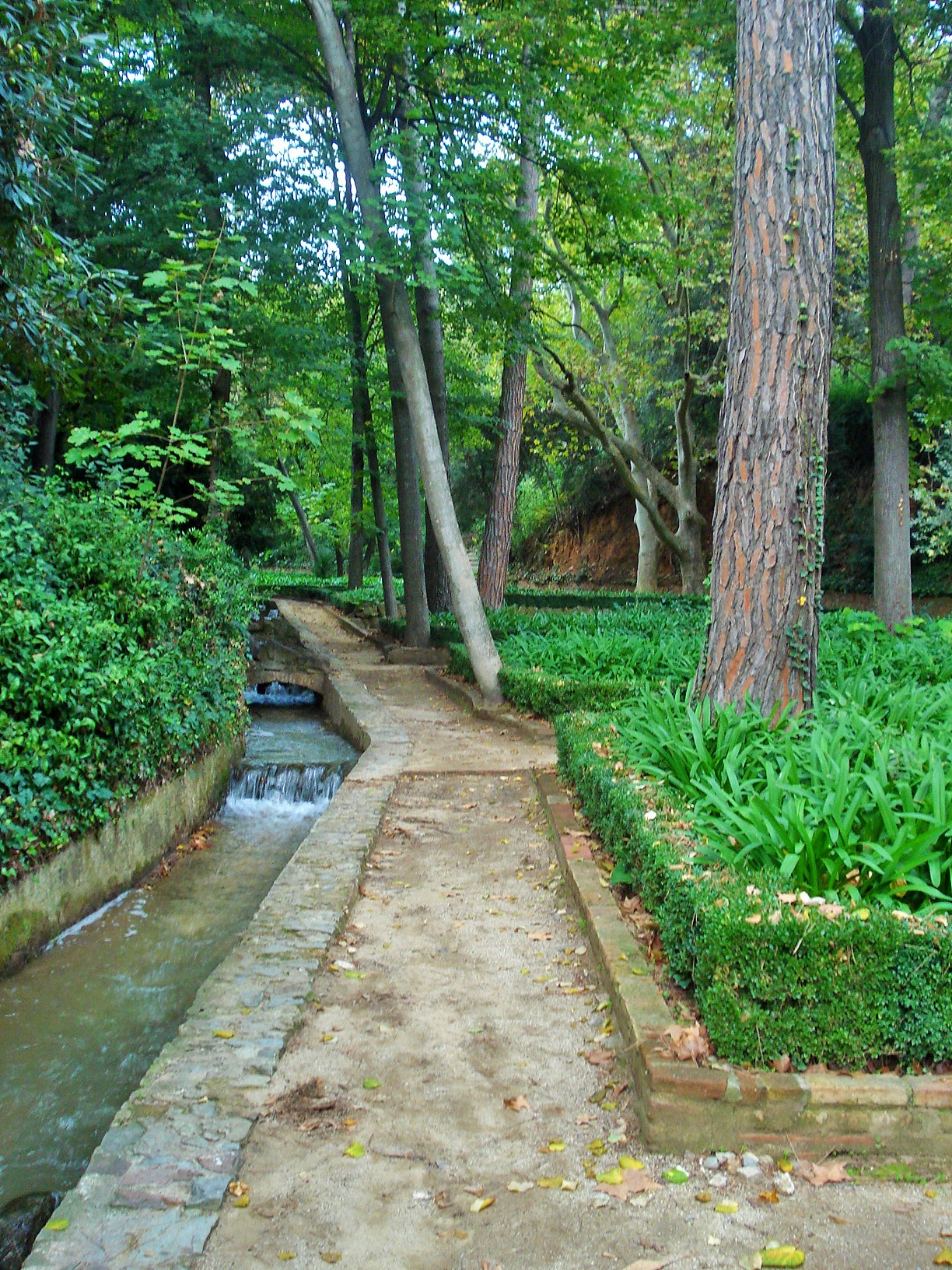
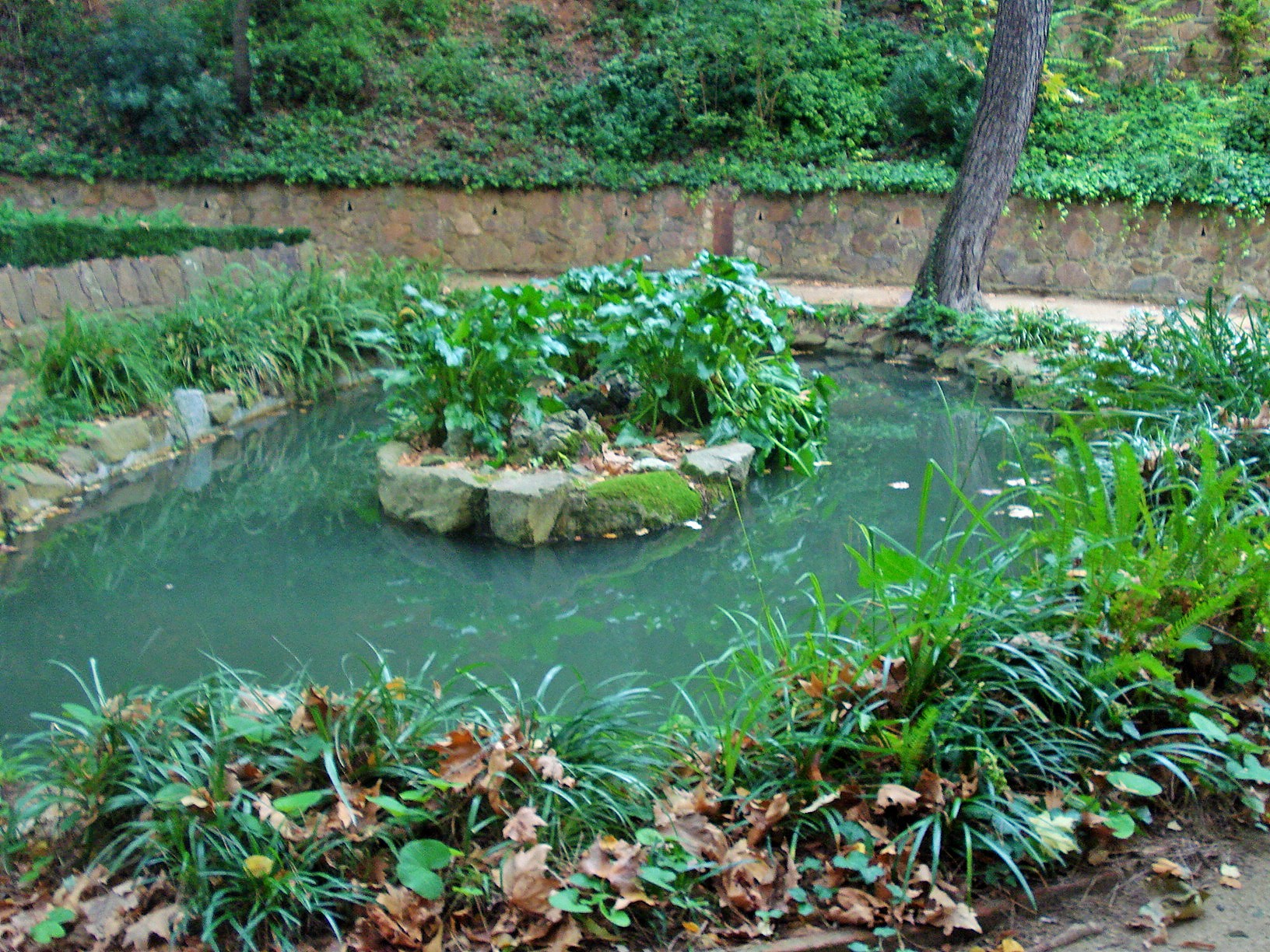
In this post, I will feature the Romantic Garden. It is the latter 19th century extension of the maze gardens. It features small hedged squares with large shade trees; the focus of this garden is the water features, starting at the top with a waterfall, continuing with canals along this narrow garden. The main garden ends with a false graveyard garden before leading to a small garden arranged symetrically around a pond.

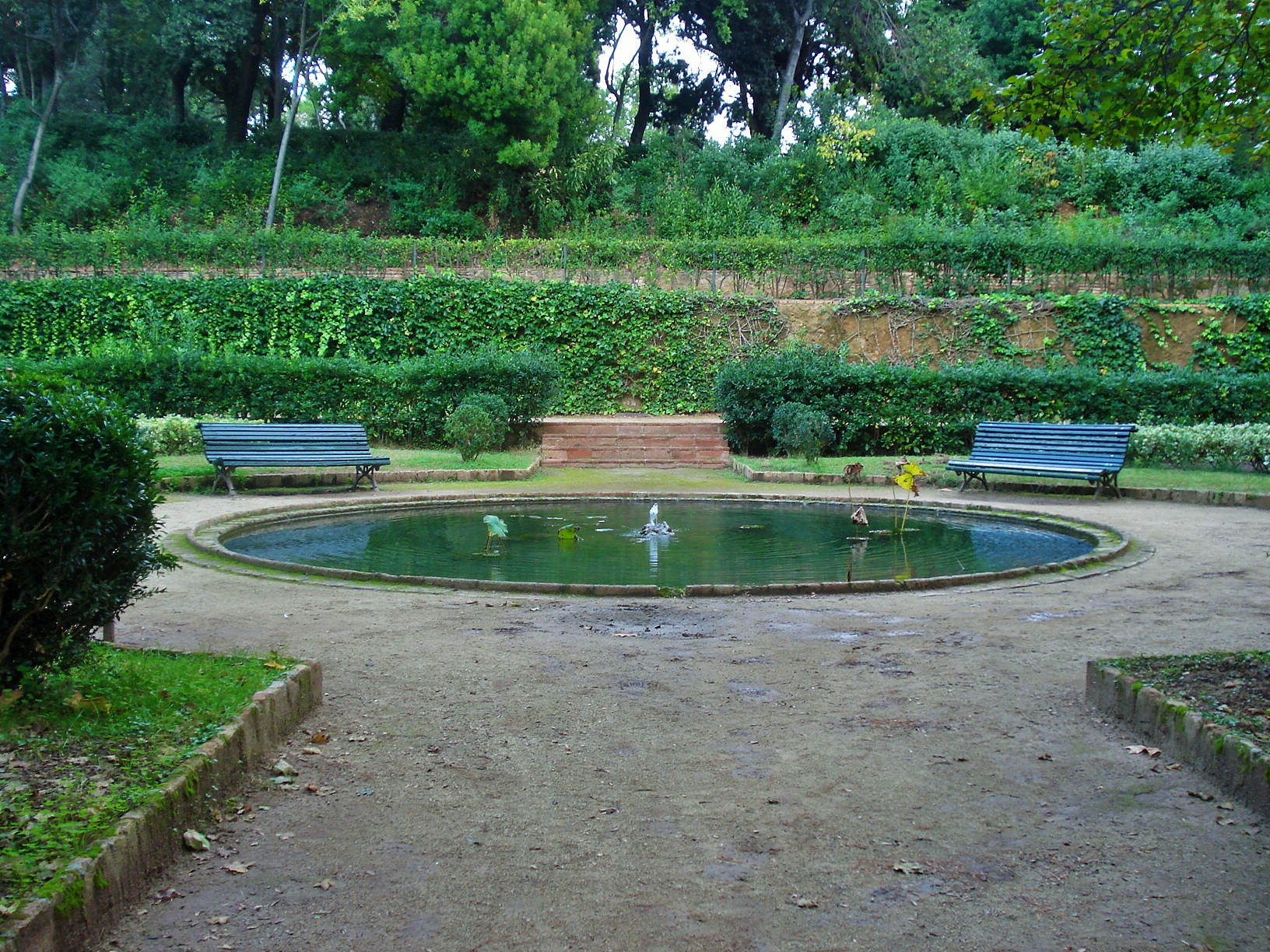
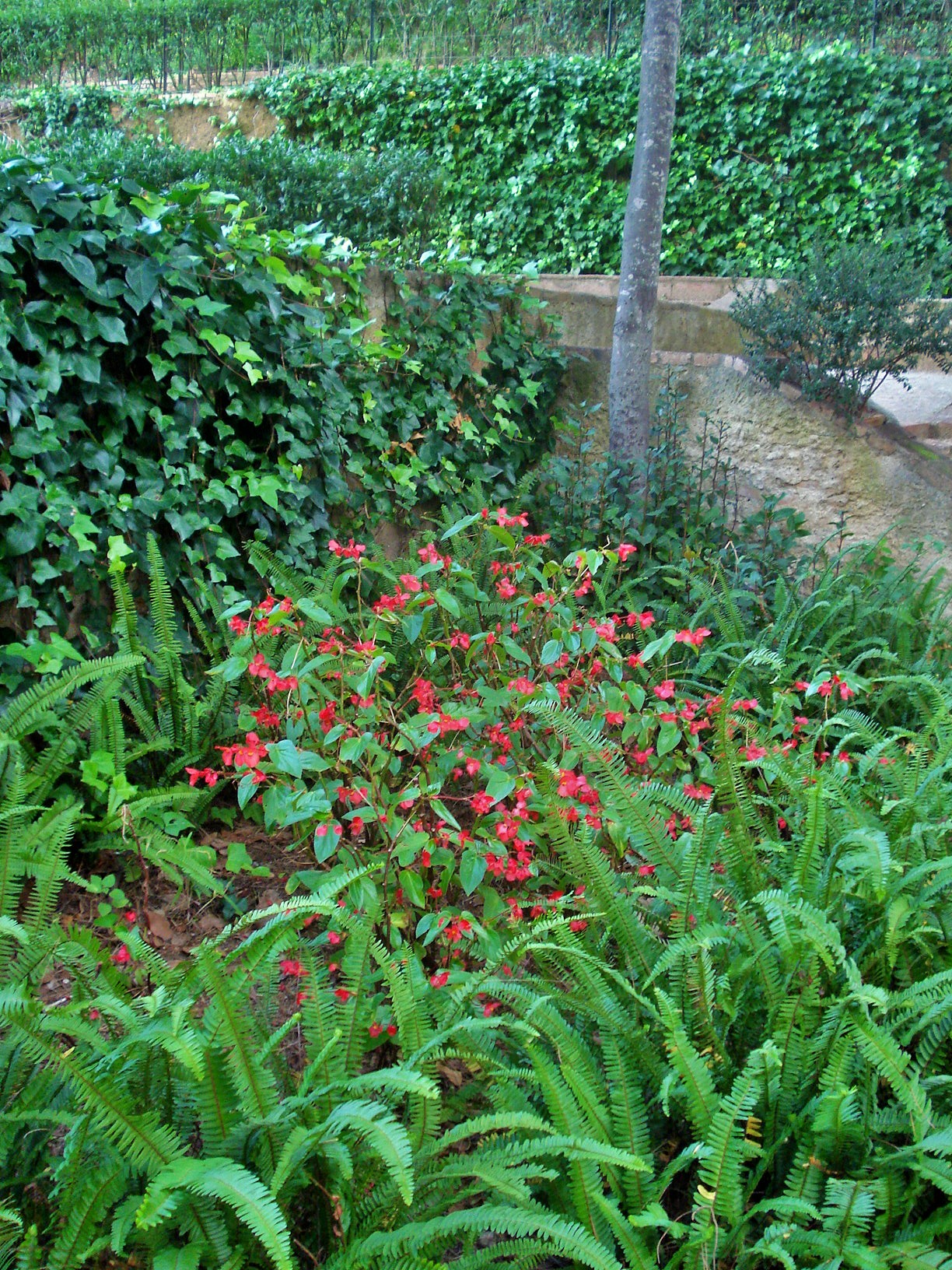

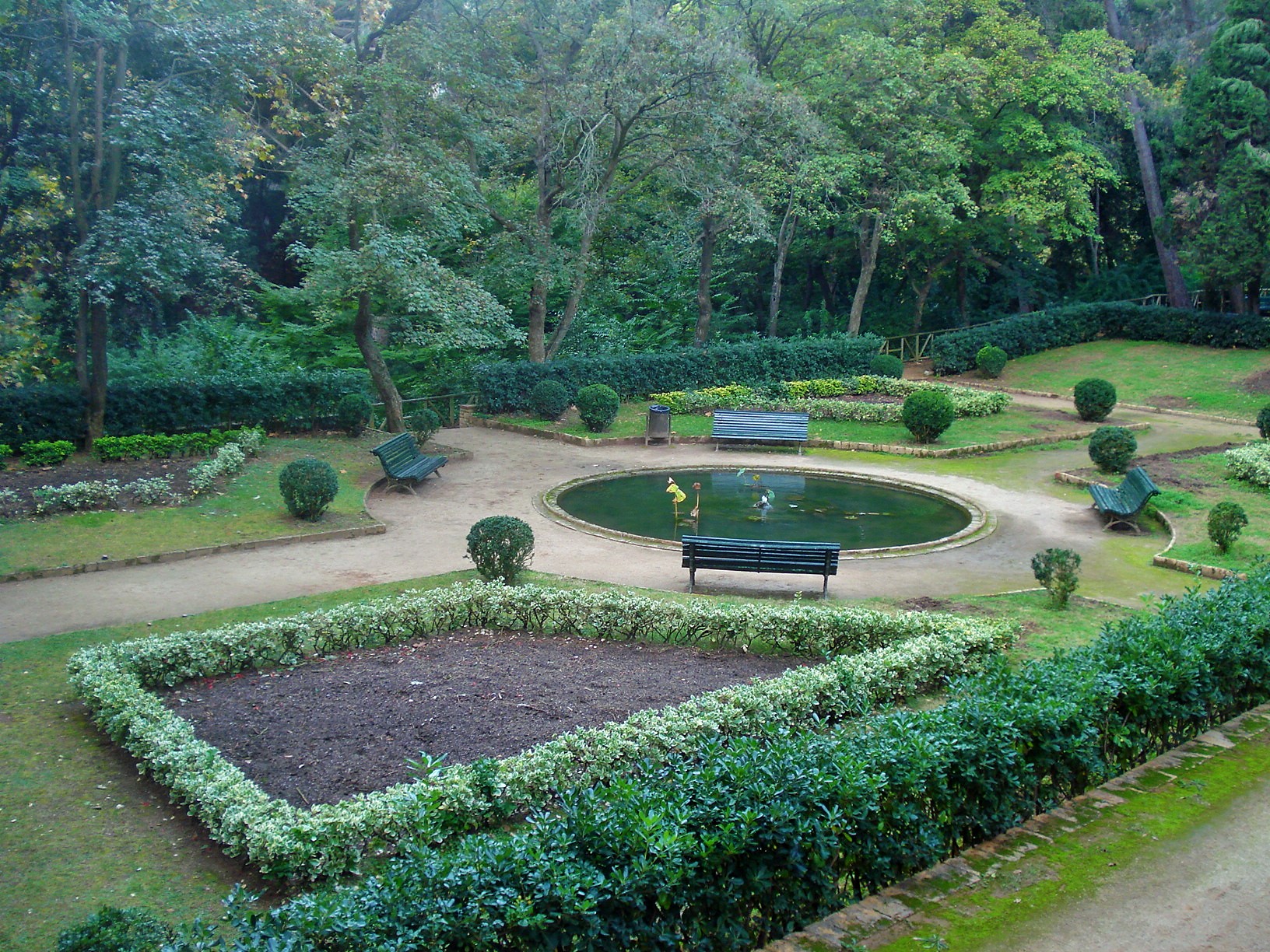
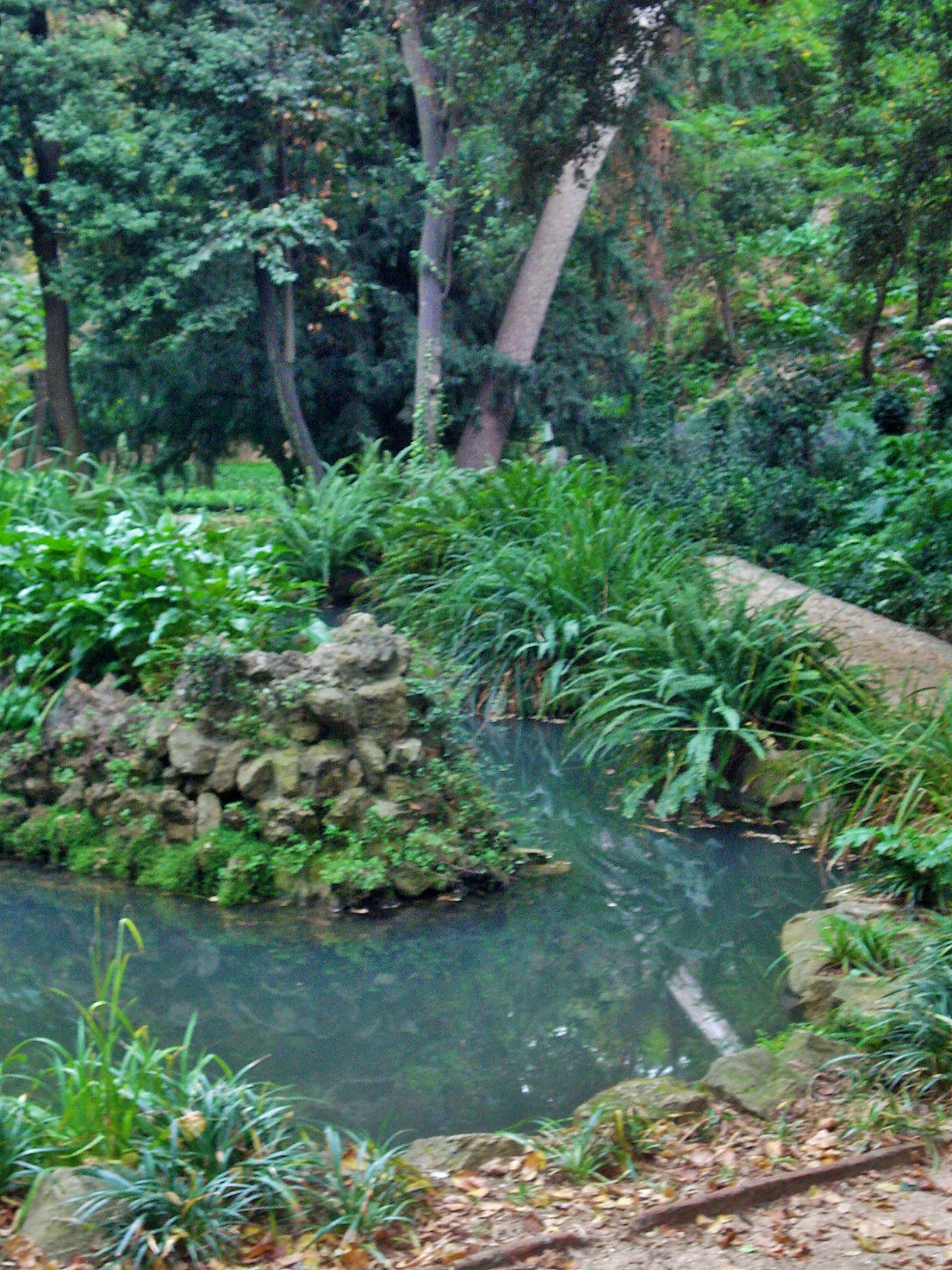
The far end of this property has been is planted with tall trees and has bee turned into a woodland shaded garden accented with statues and still lives, and edged in a bamboo grove transitioning to the rest of the garden. Other plantings such as Japanese maple emphasize the Asian garden feel of this garden.


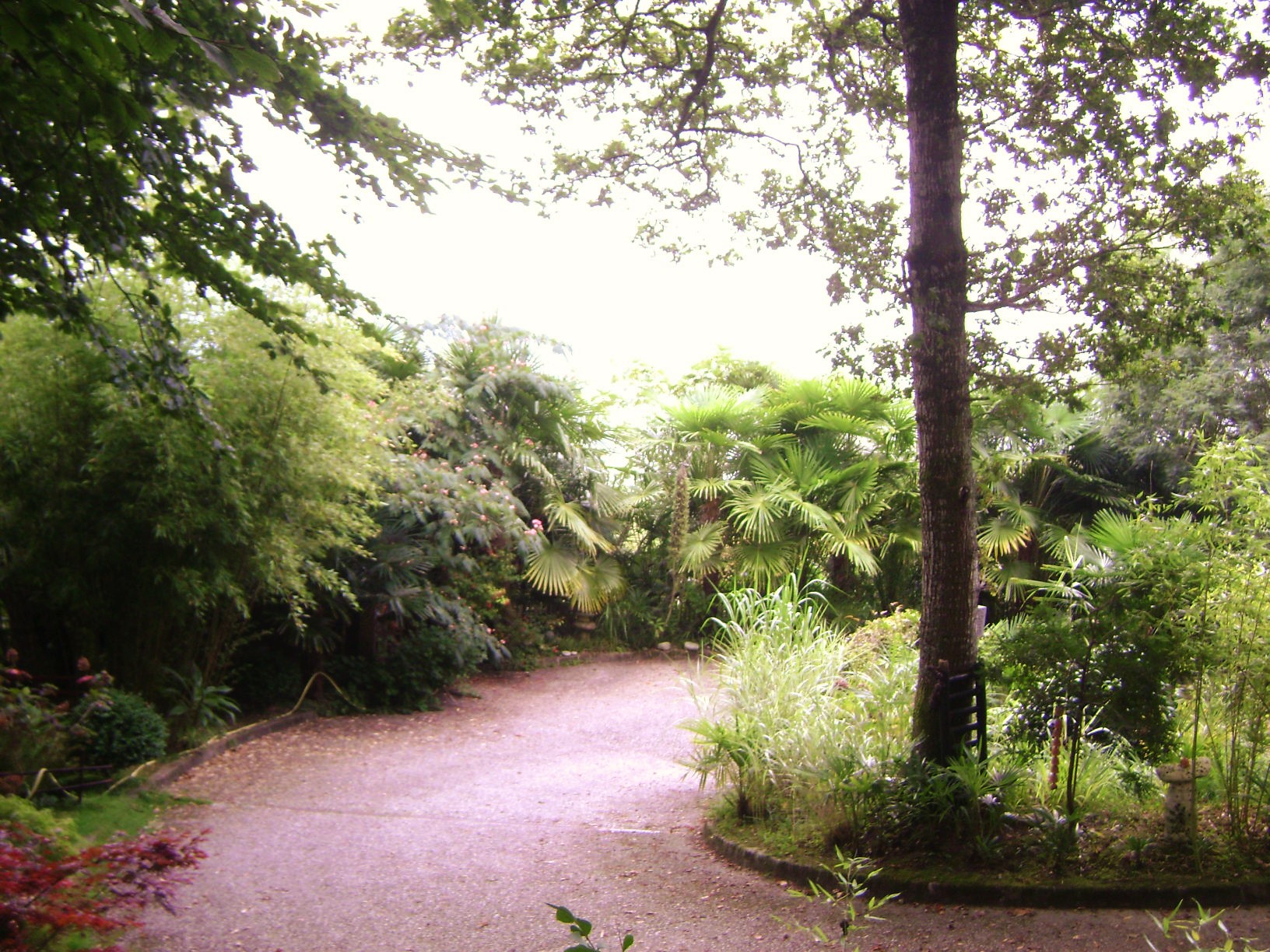

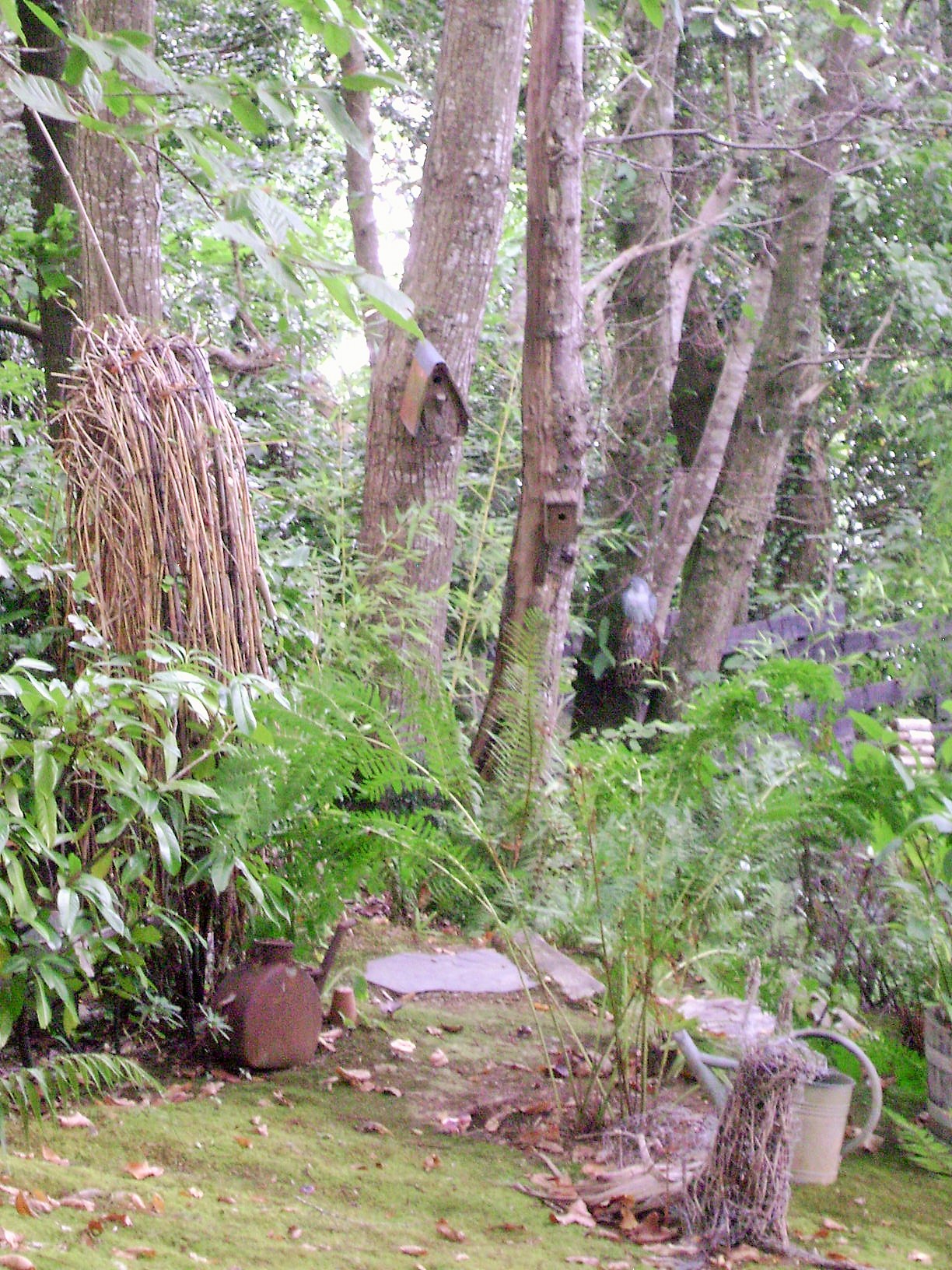


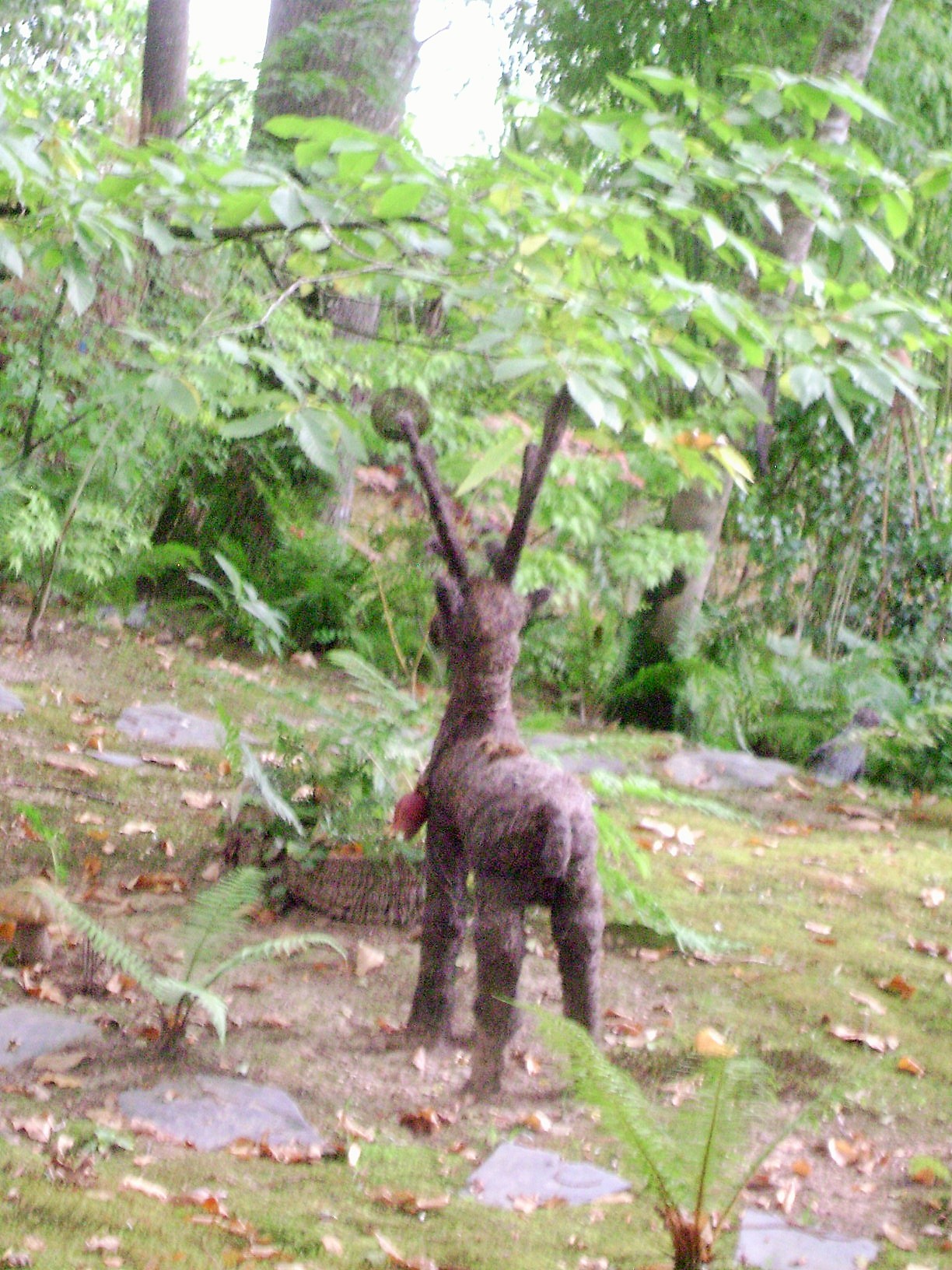



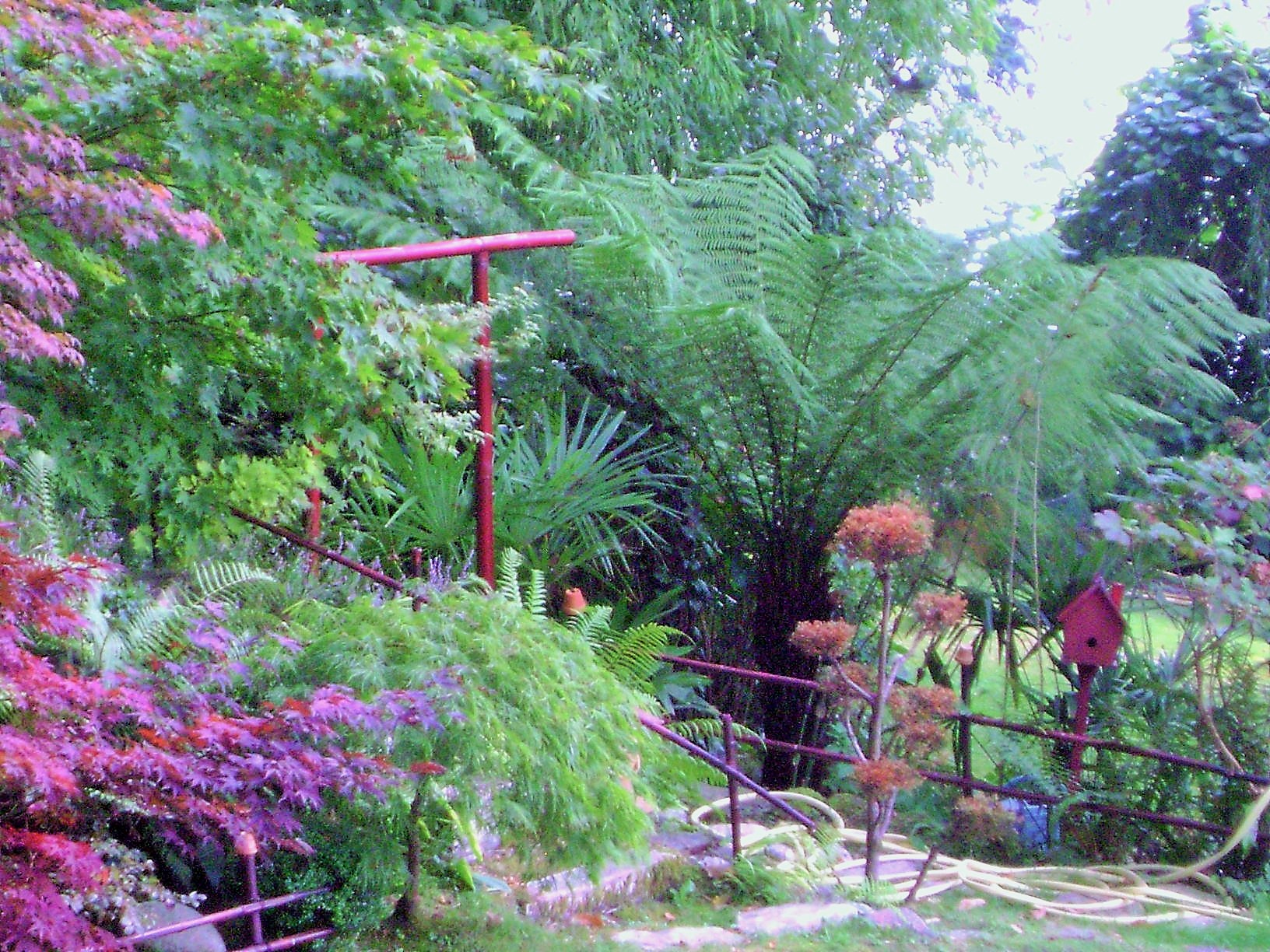

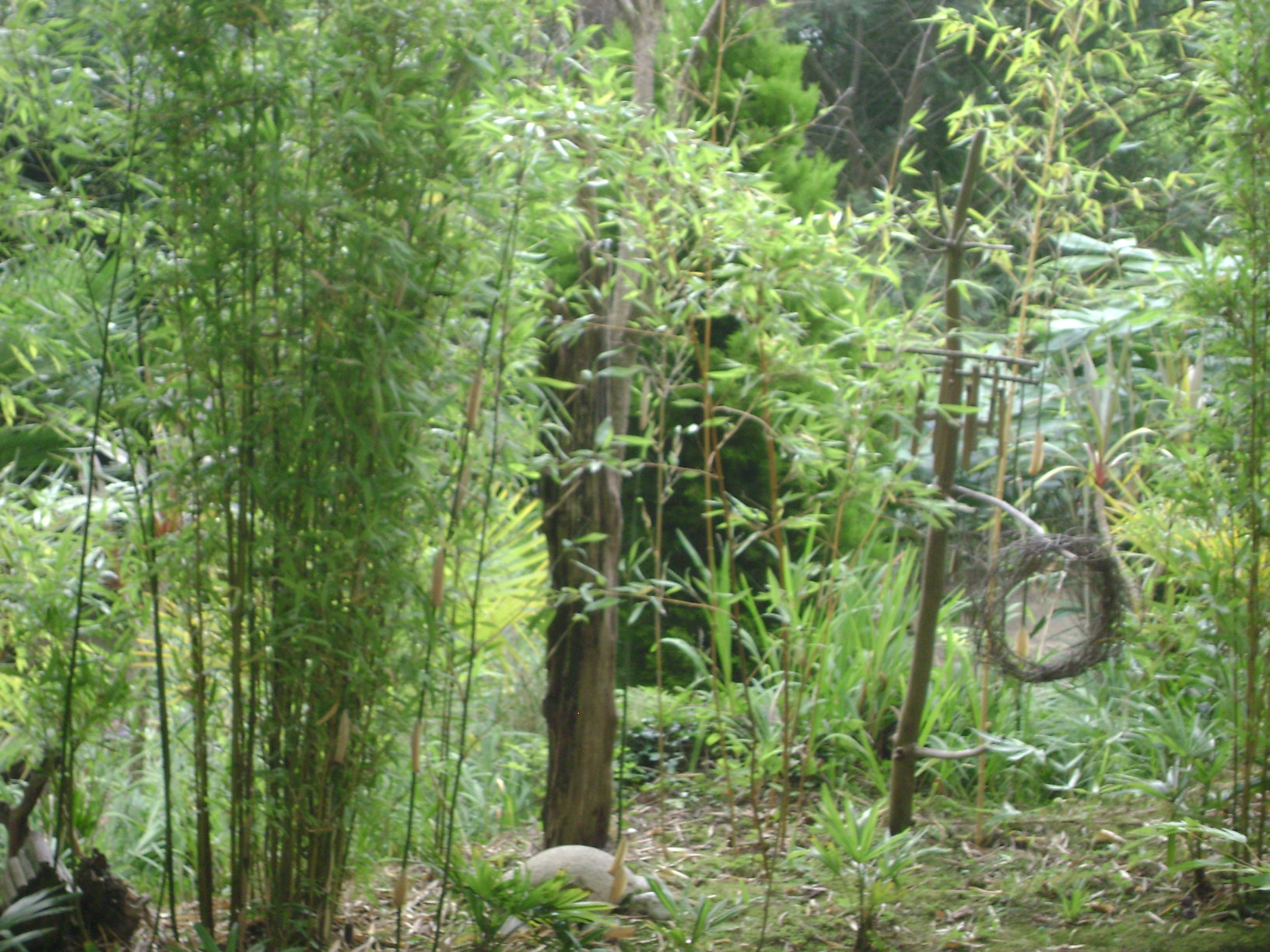
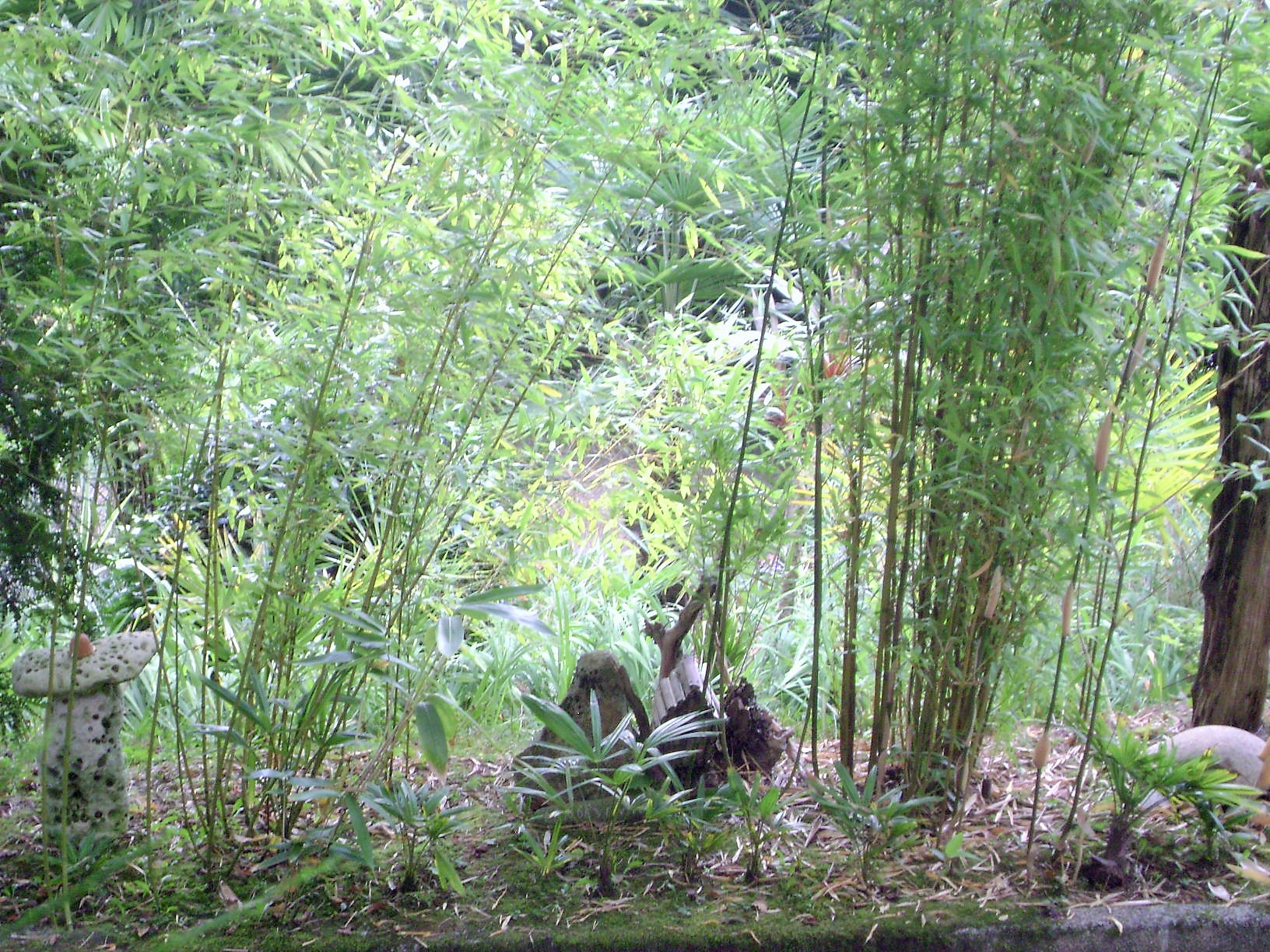
I am endlessly surprised and often delighted at the thought and effort French towns put into landscaping their roundabout. I will be writing other posts on more of those roundabouts, some with tropical plantings, other with cottage garden good looks. This is one is inspired by Japanese gardens.


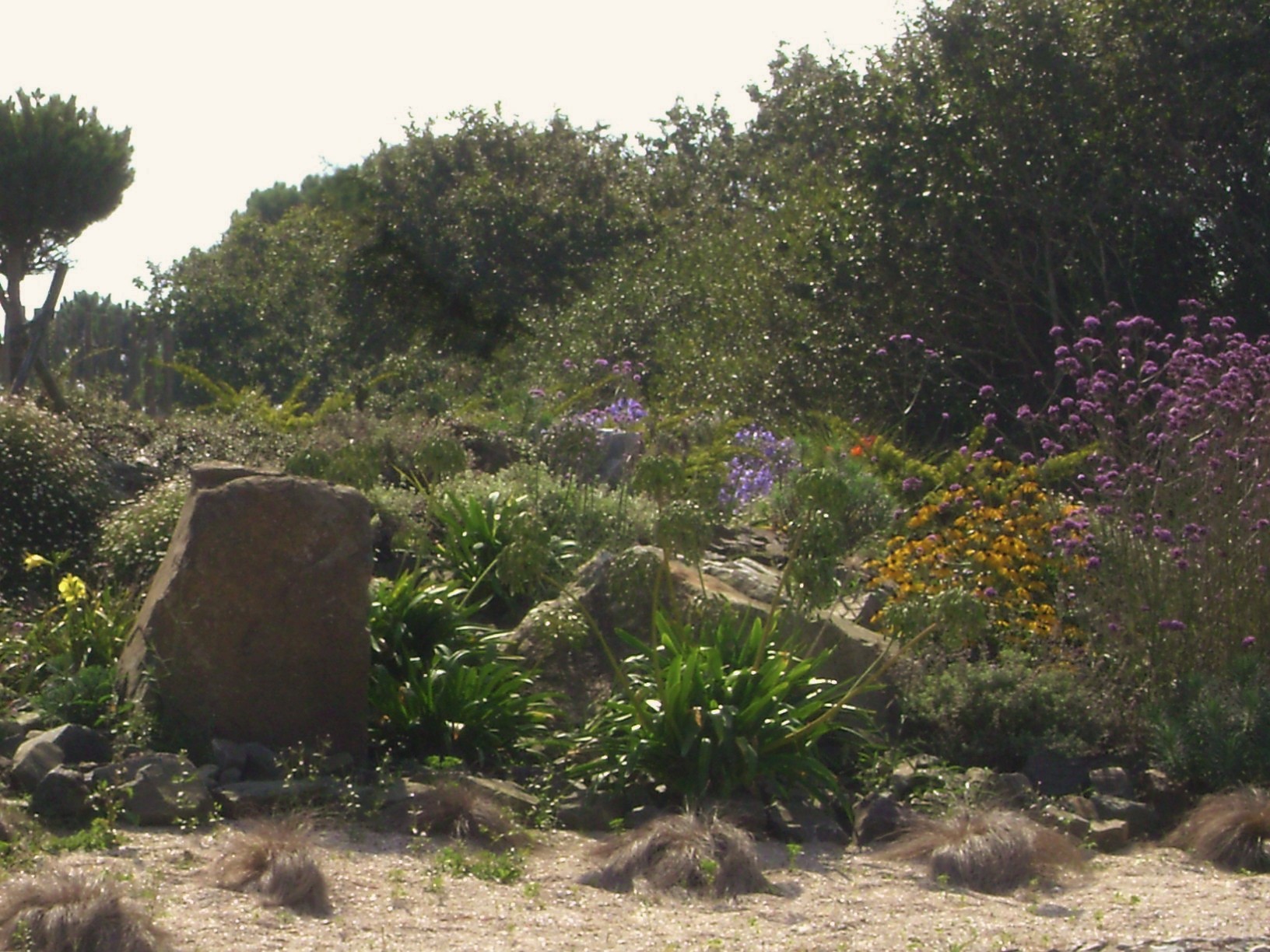

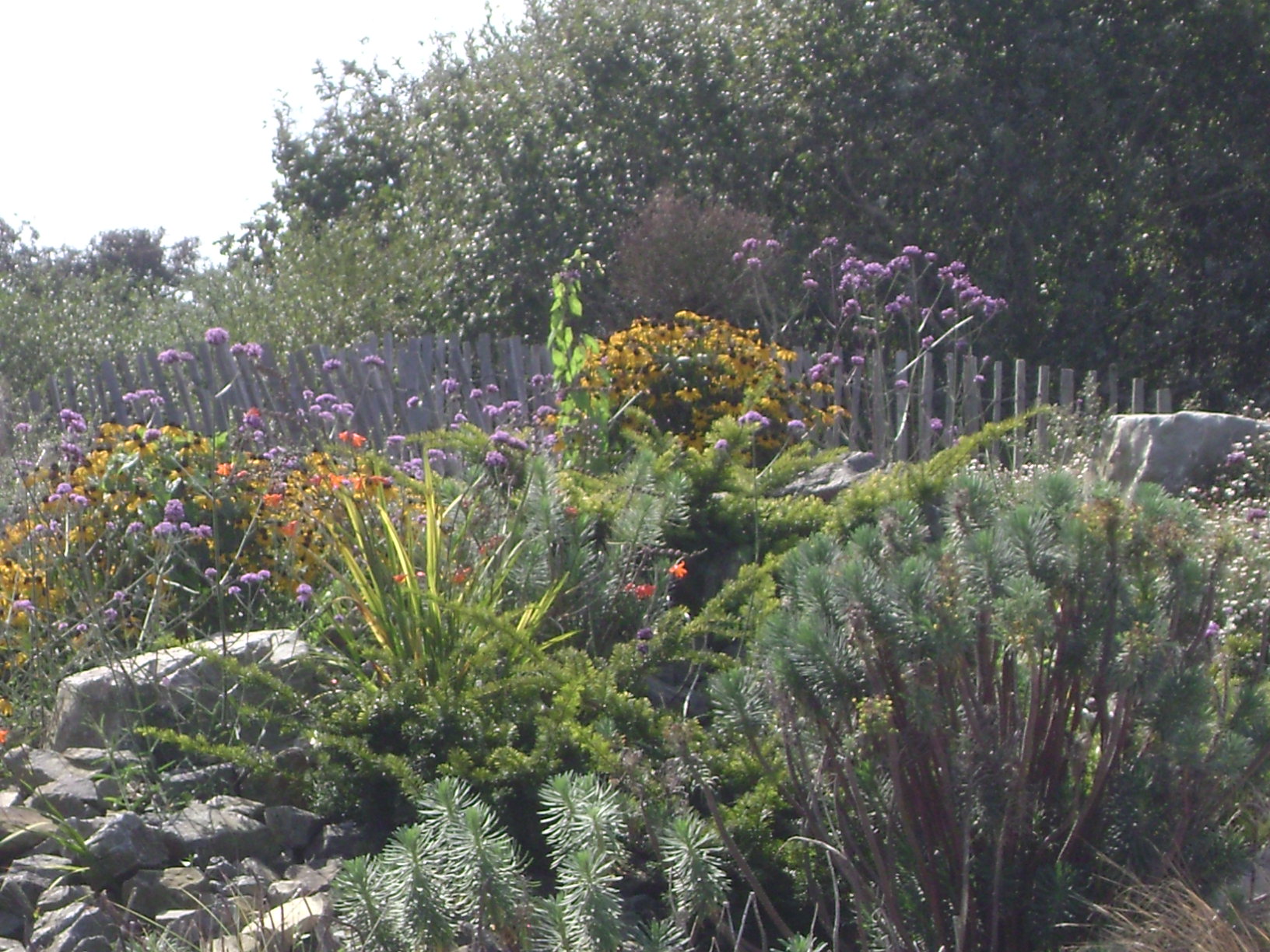
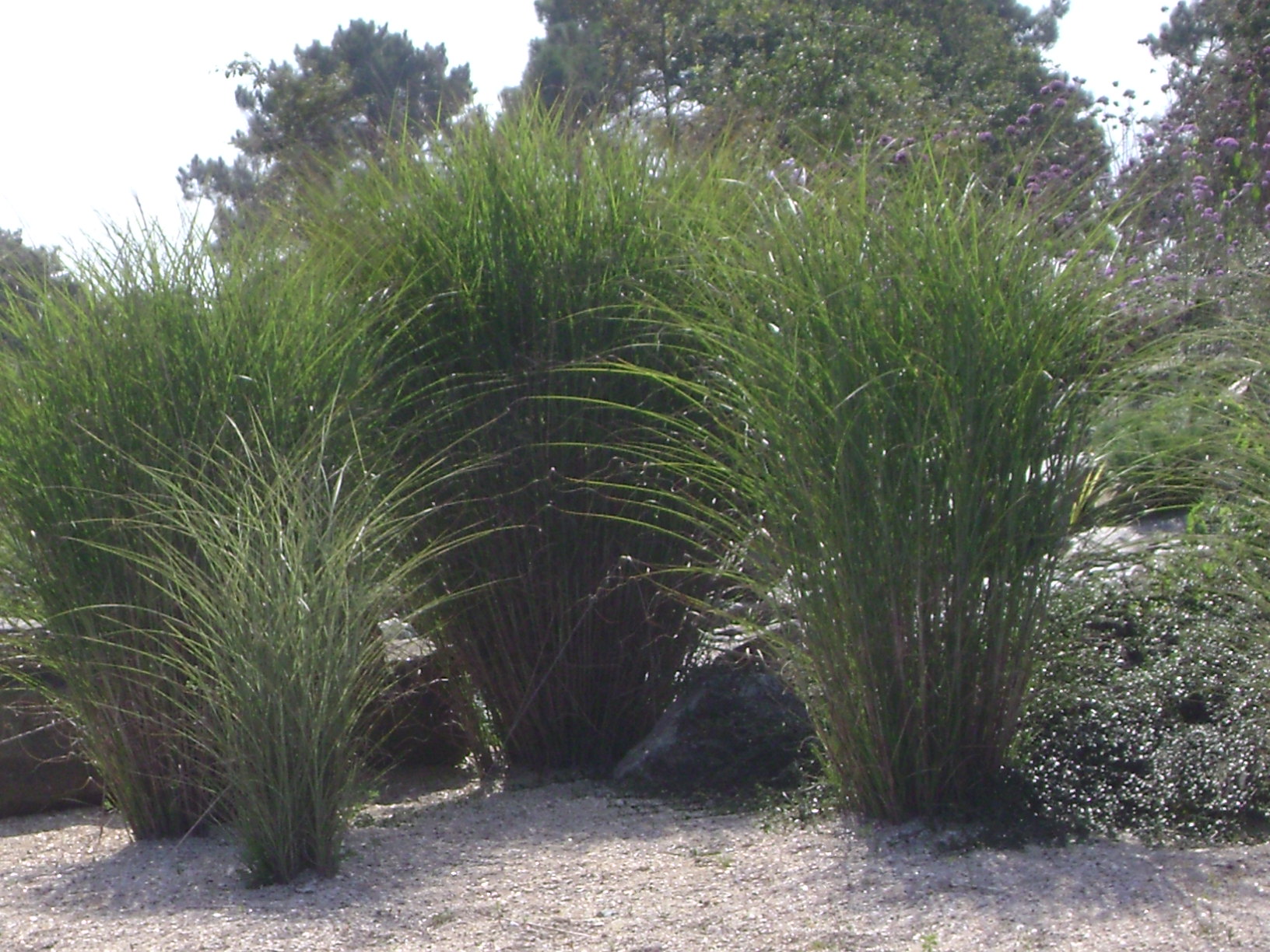
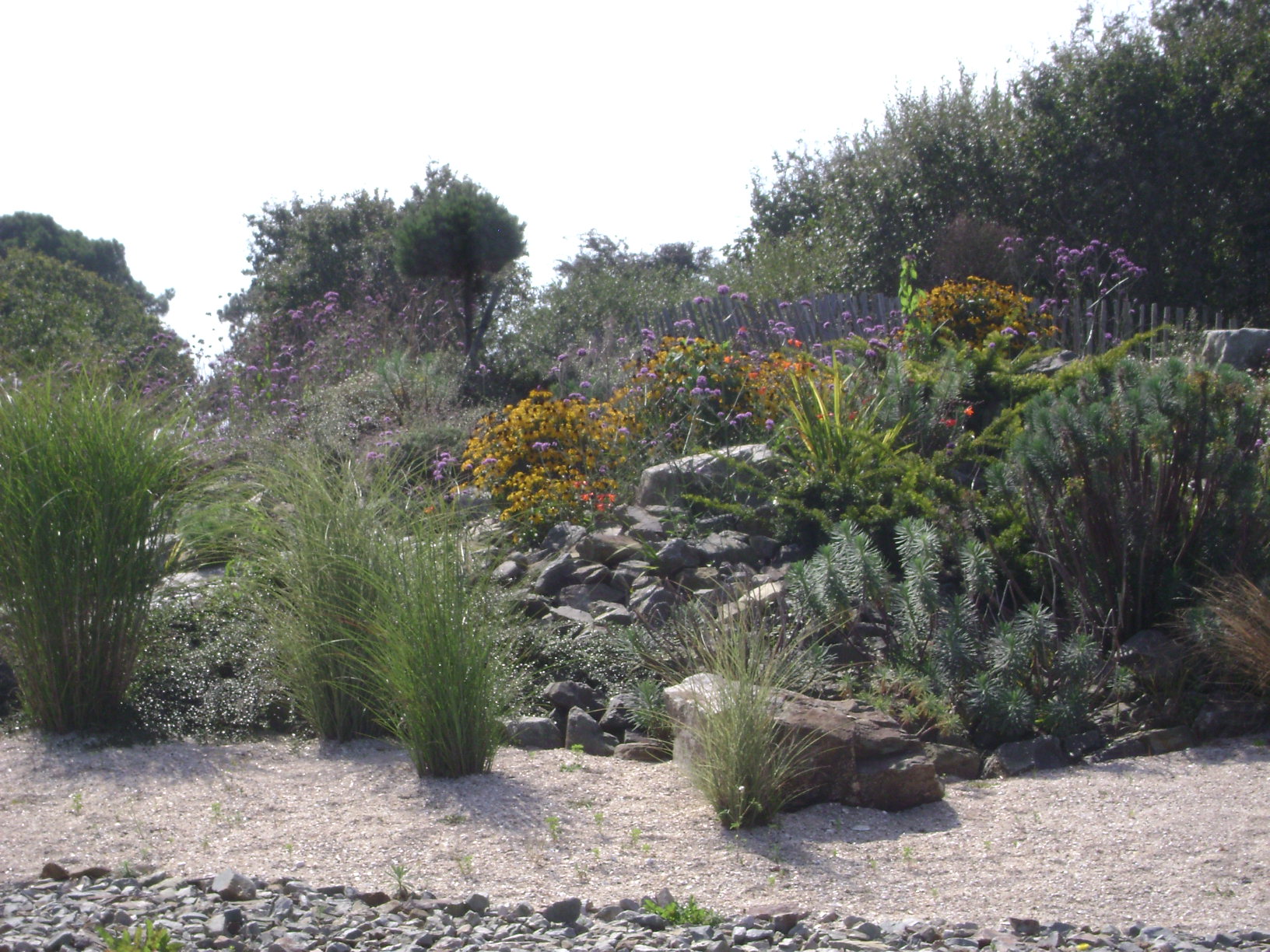


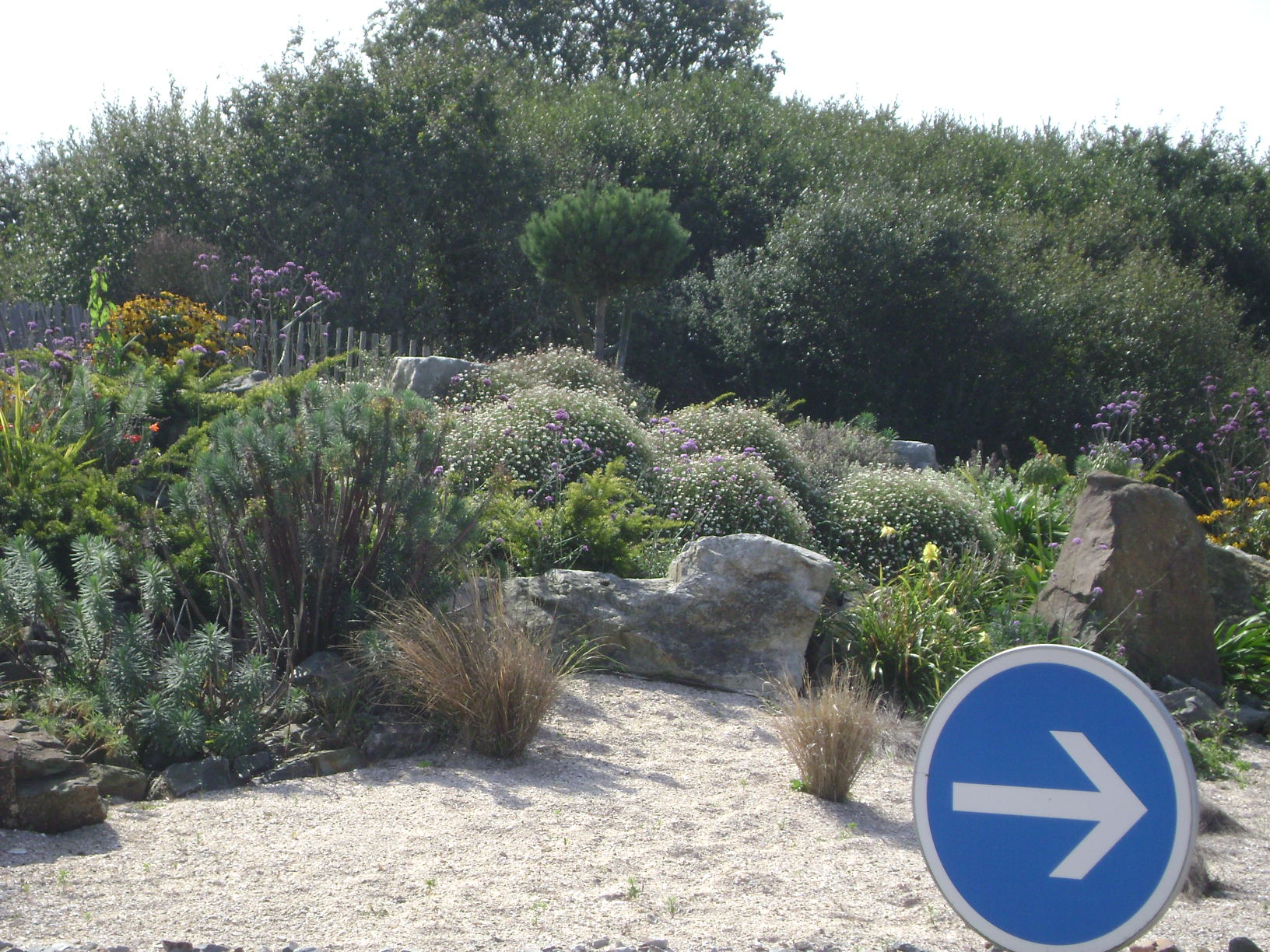


My first post on the Jardin des Plantes in Nantes was about the hothouses and scientific garden, the second one was on the art and statuary, this one focuses on the theme gardens and plantings.
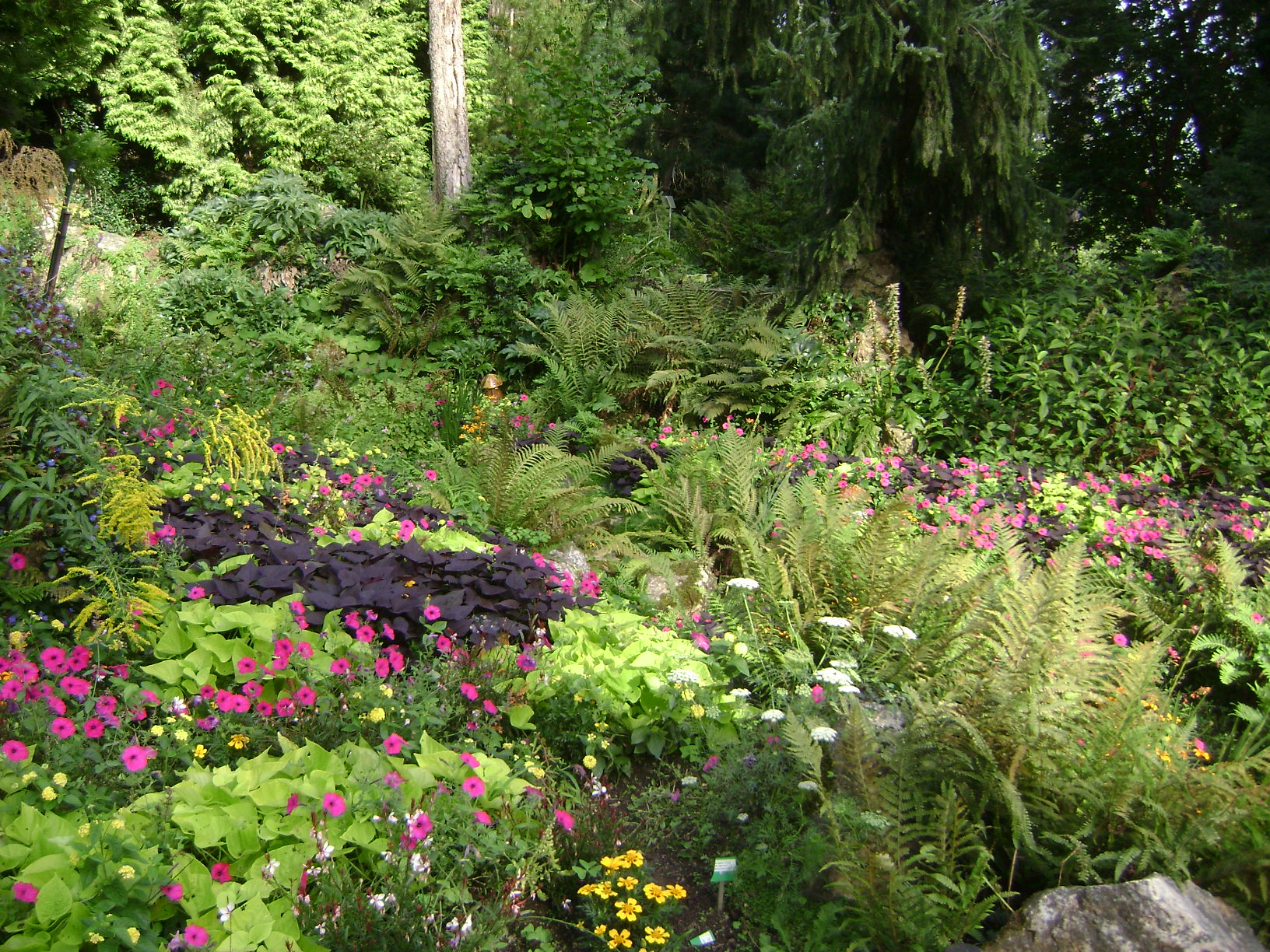
Meandering through the park, from the scientific garden, I first came across the shade garden, ferns and hostas surrounded by an amazing variety of evergreen shrubs and trees.


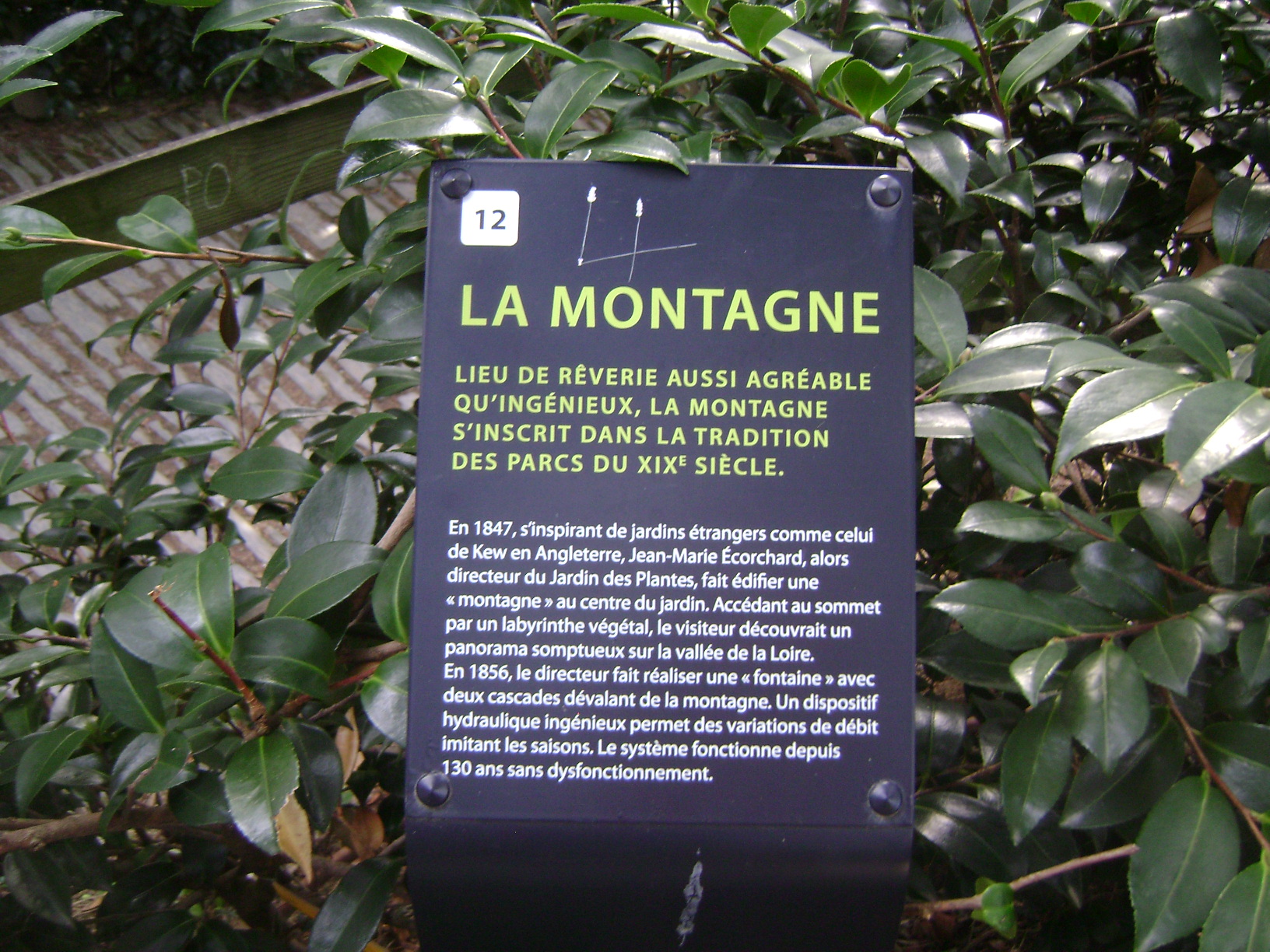
The theme garden “the Mountain” is inspired by 19th century gardens such as Kew garden in England, and was installed in 1847 by the then director of the Jardin des Plantes. A labyrinth of plantings guides a circular ascension to the top and a lookout point to the Loire river.


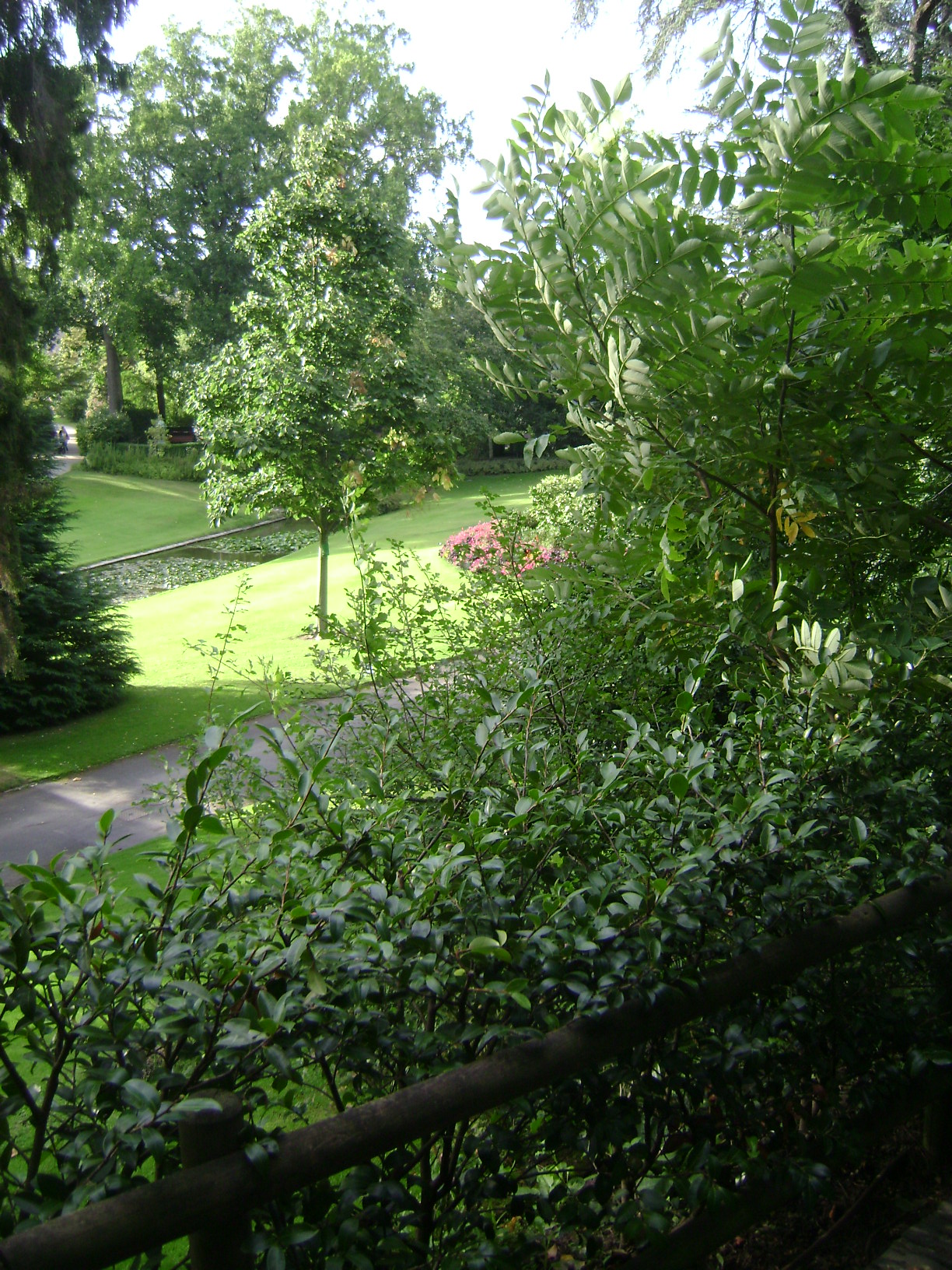
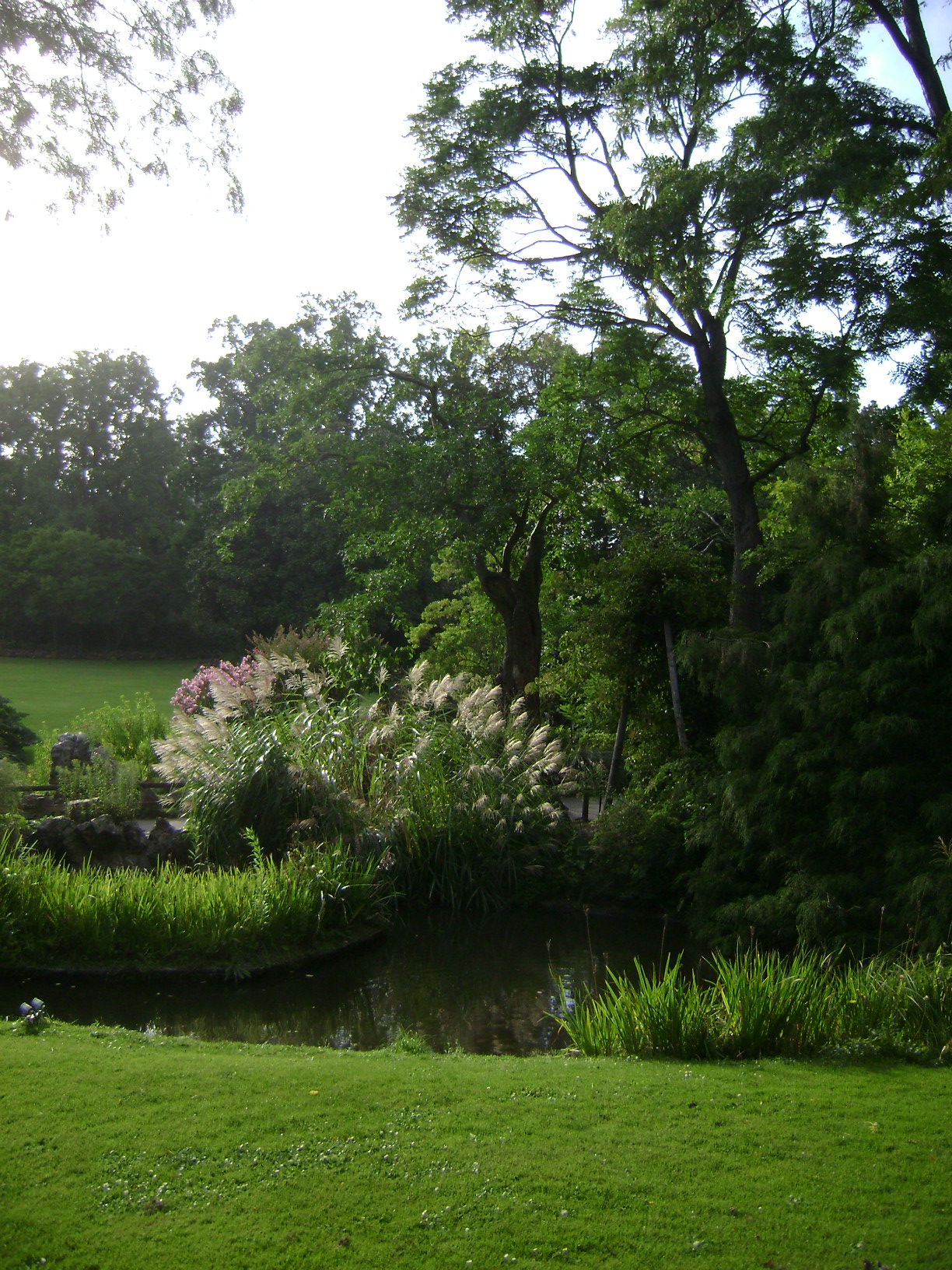
Water features dot the park.
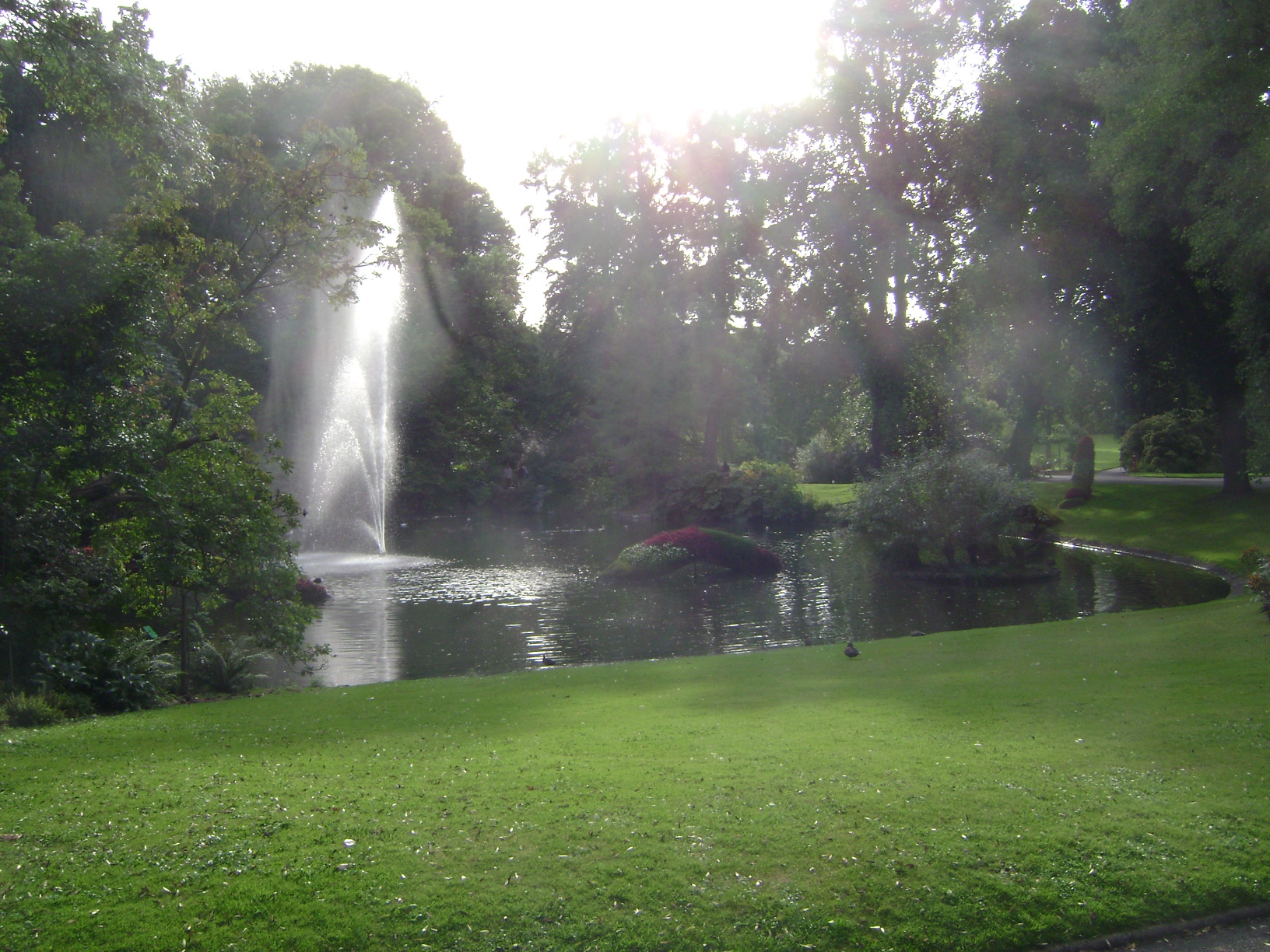
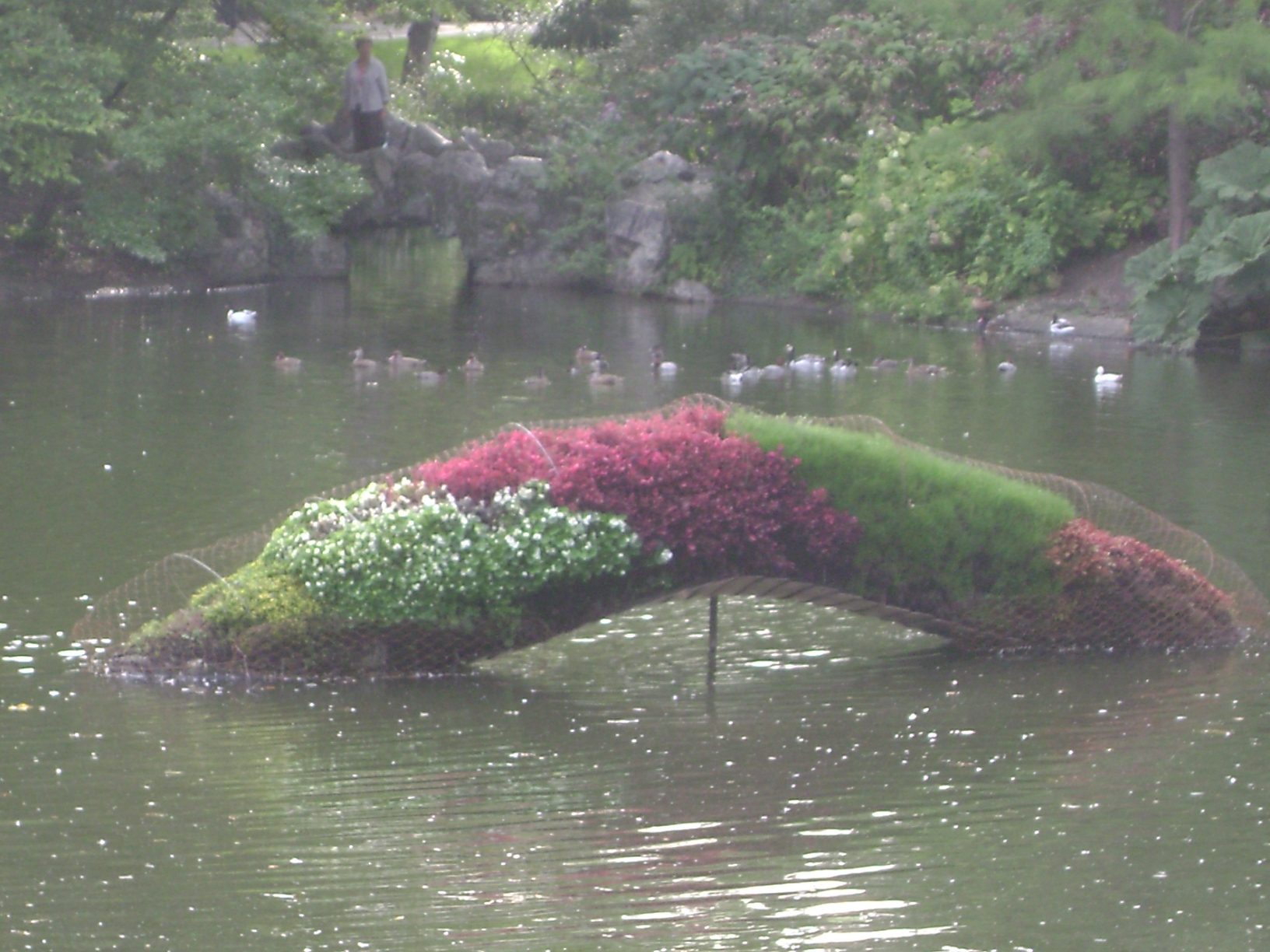

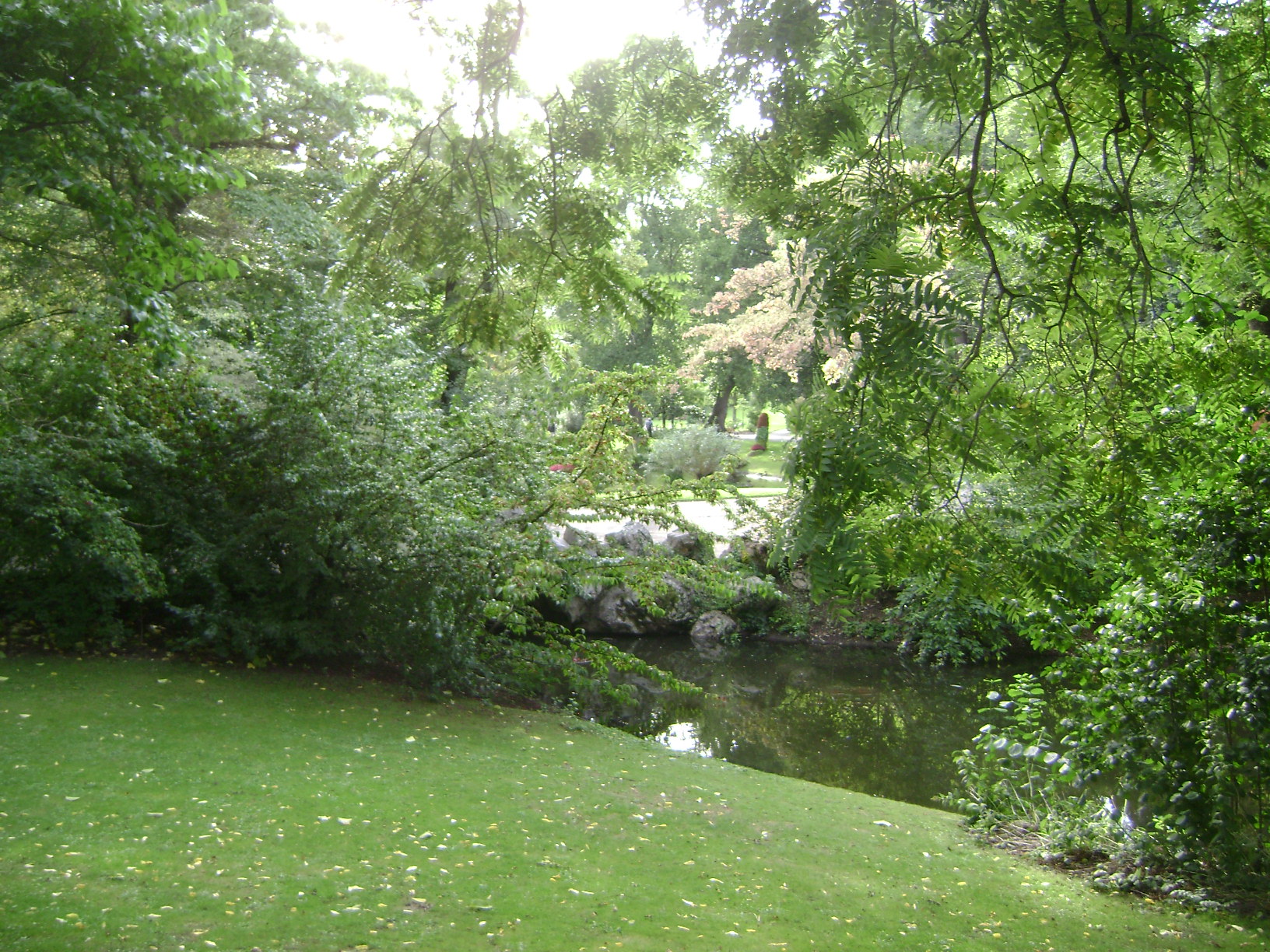
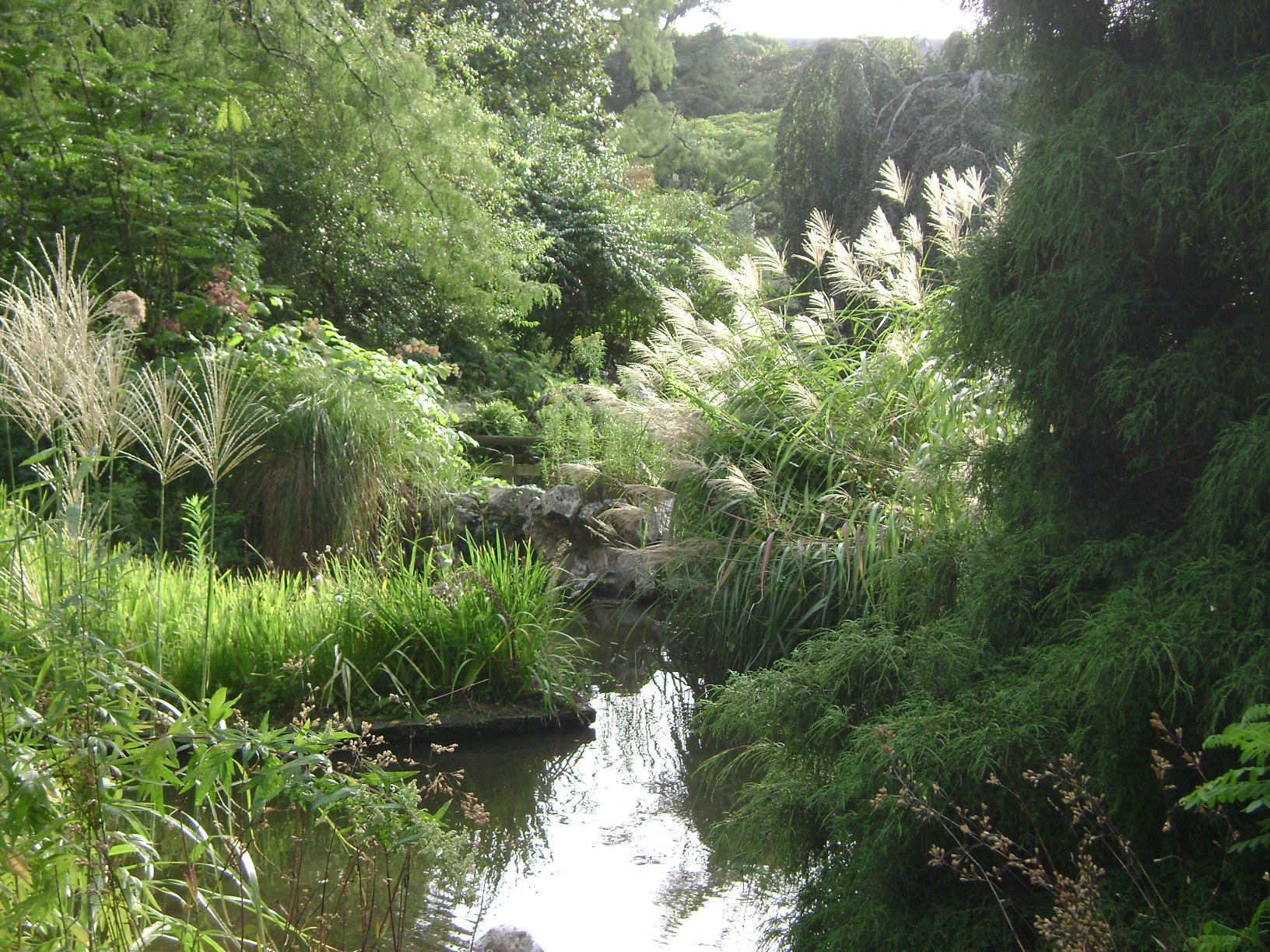

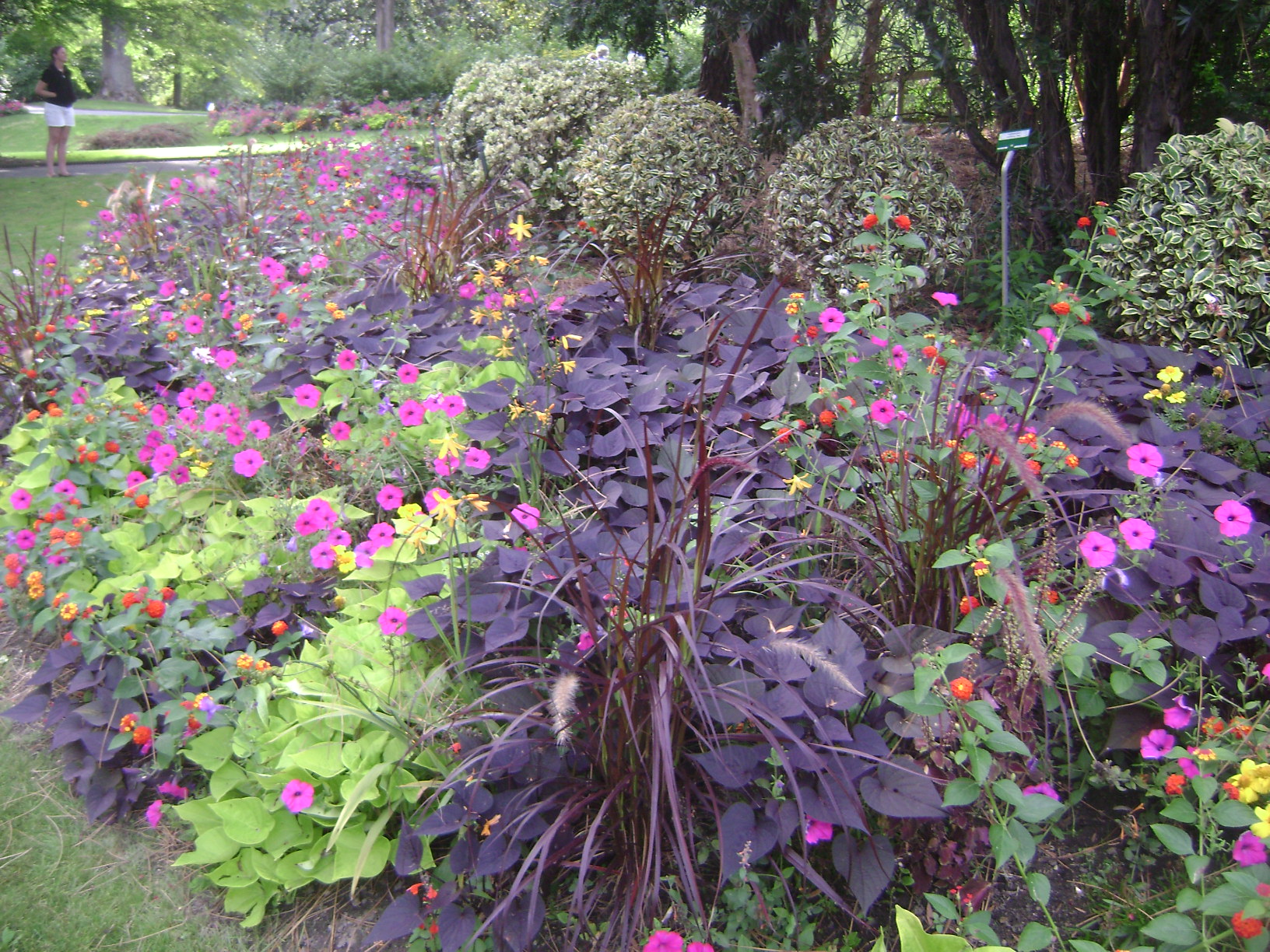
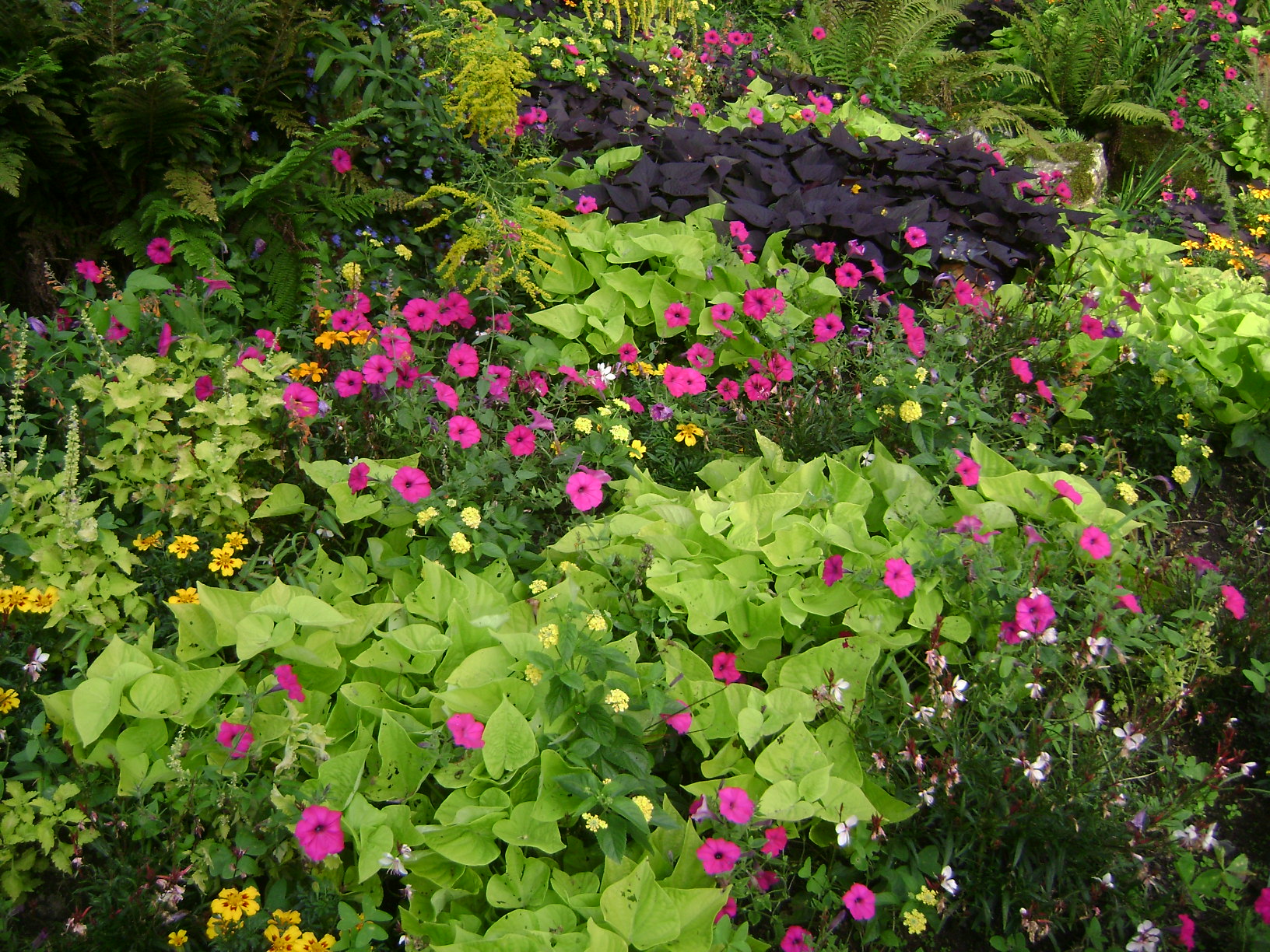
Thousand of annuals, perennials and shrubs create lush borders year round. Photos below show just a small sampling and include gunnera, pennisetum, gingko, silk tree, hydrangea borders and mixed borders throughout the park.
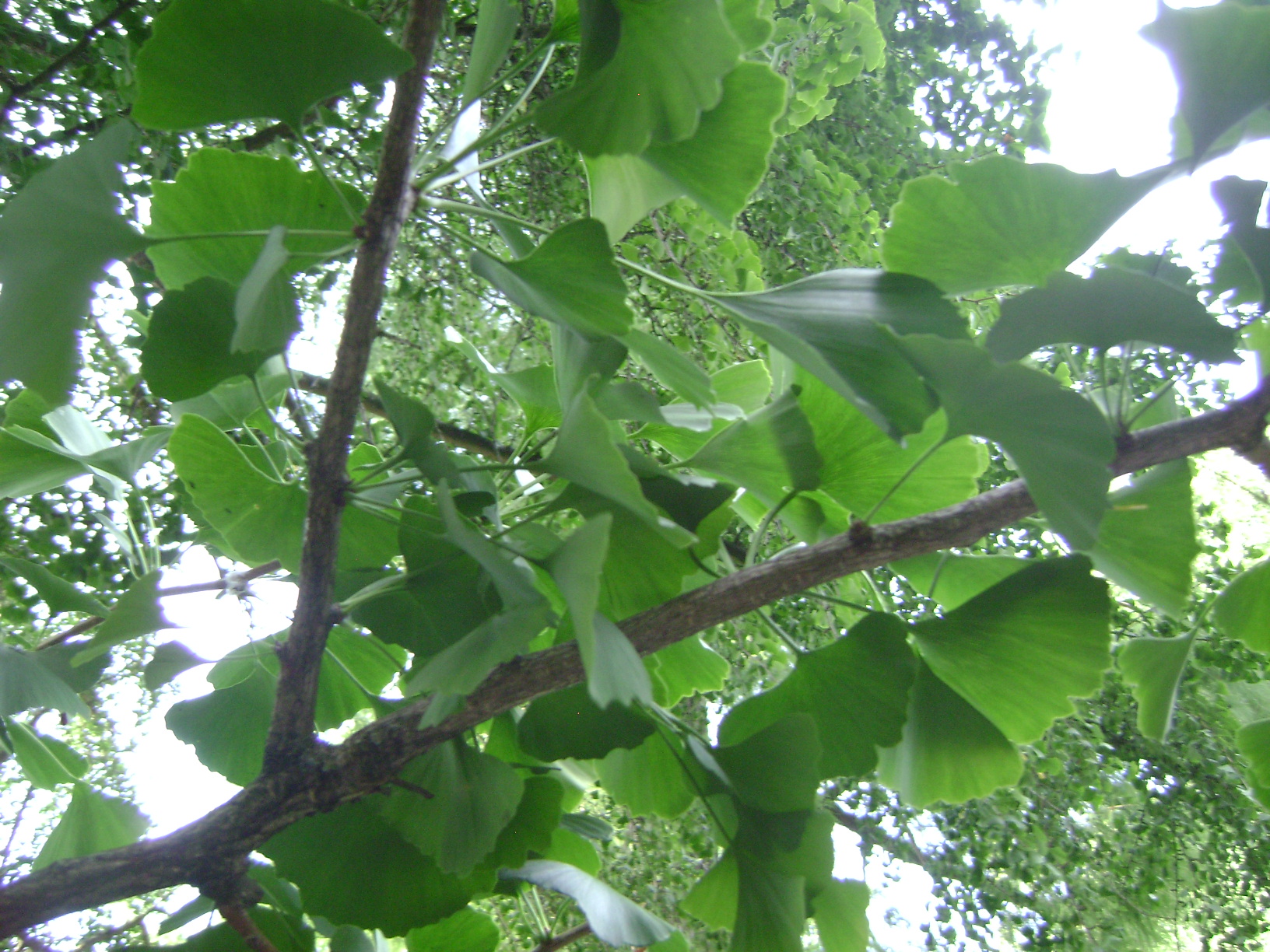
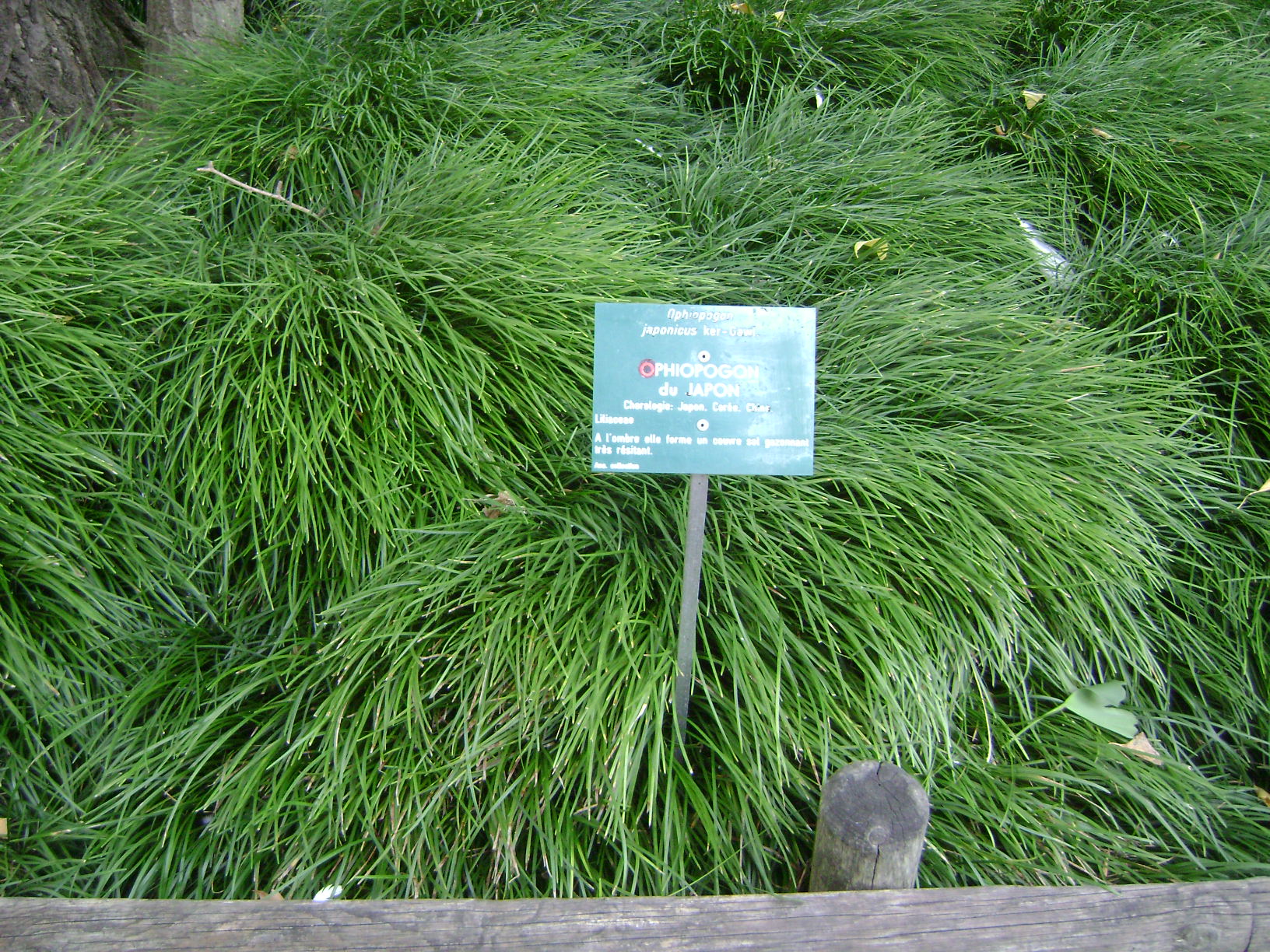

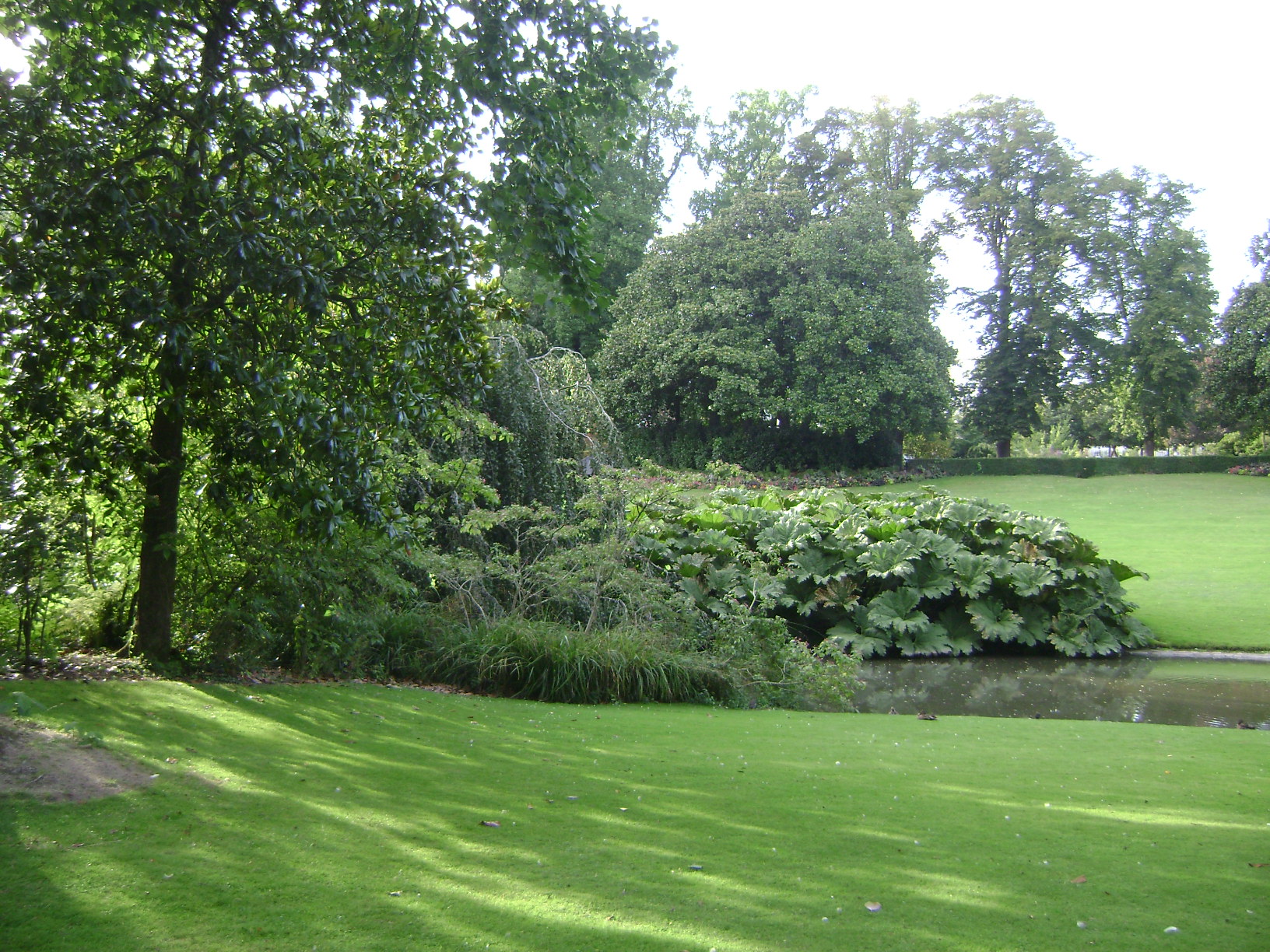




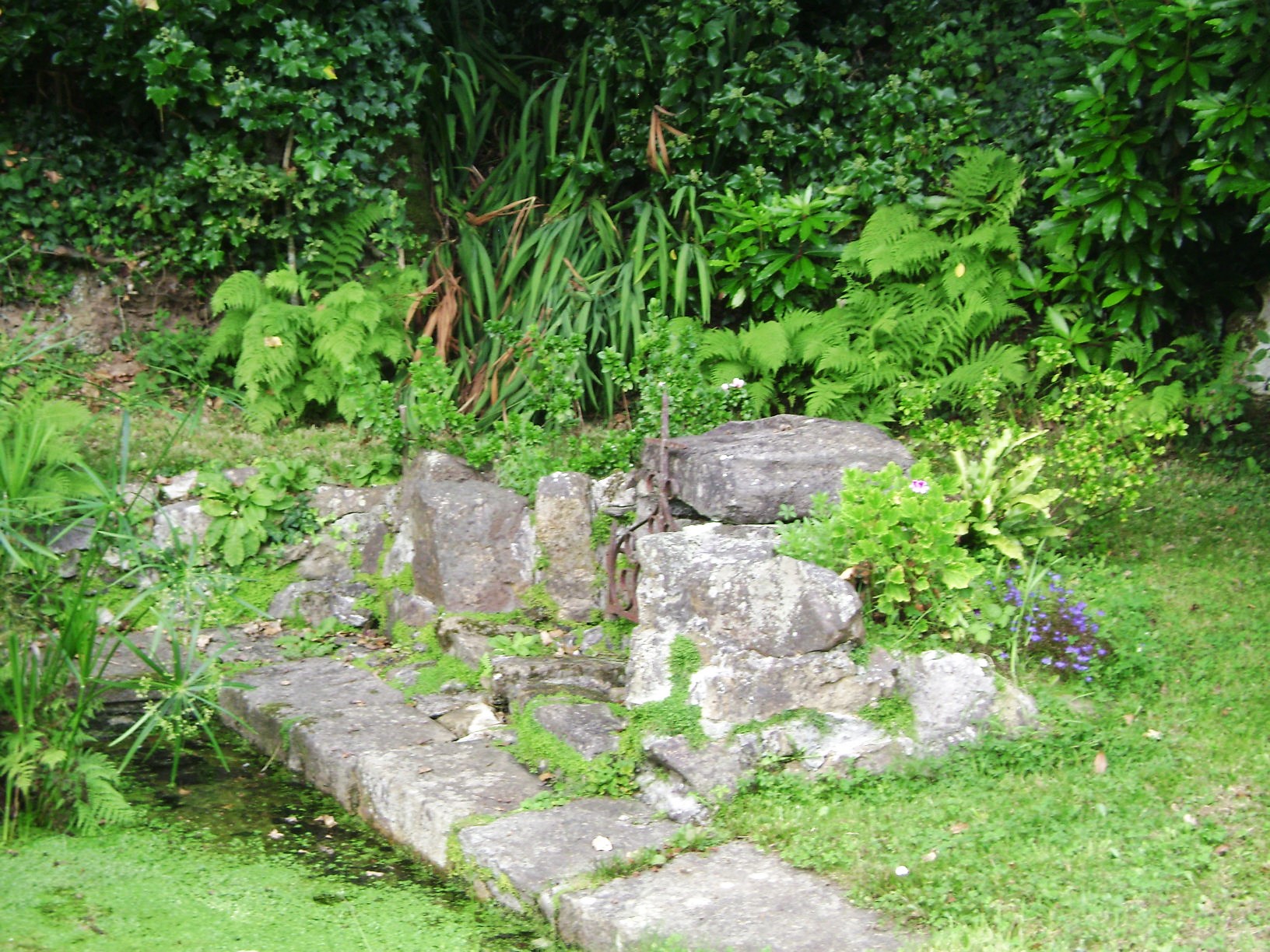
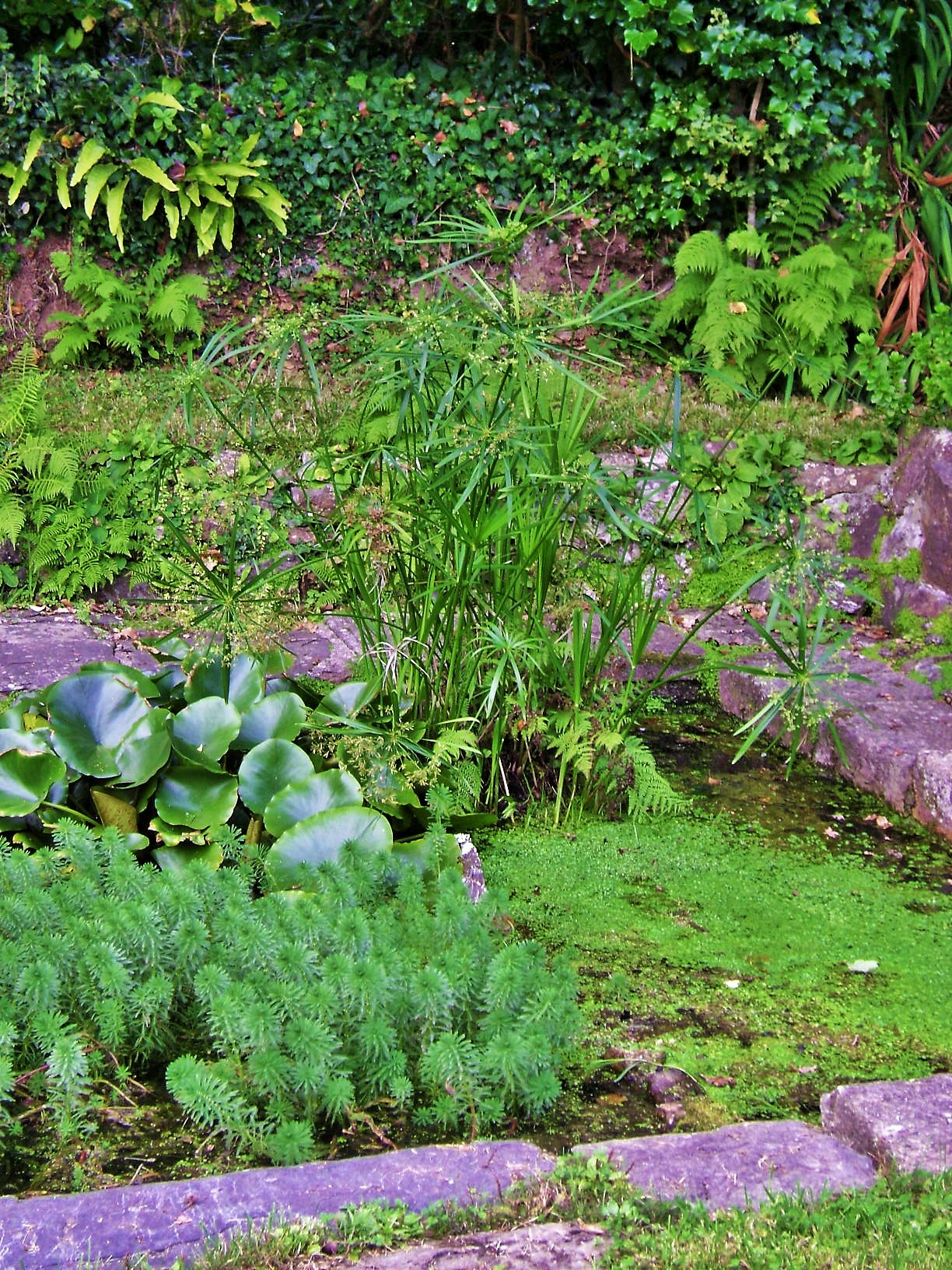
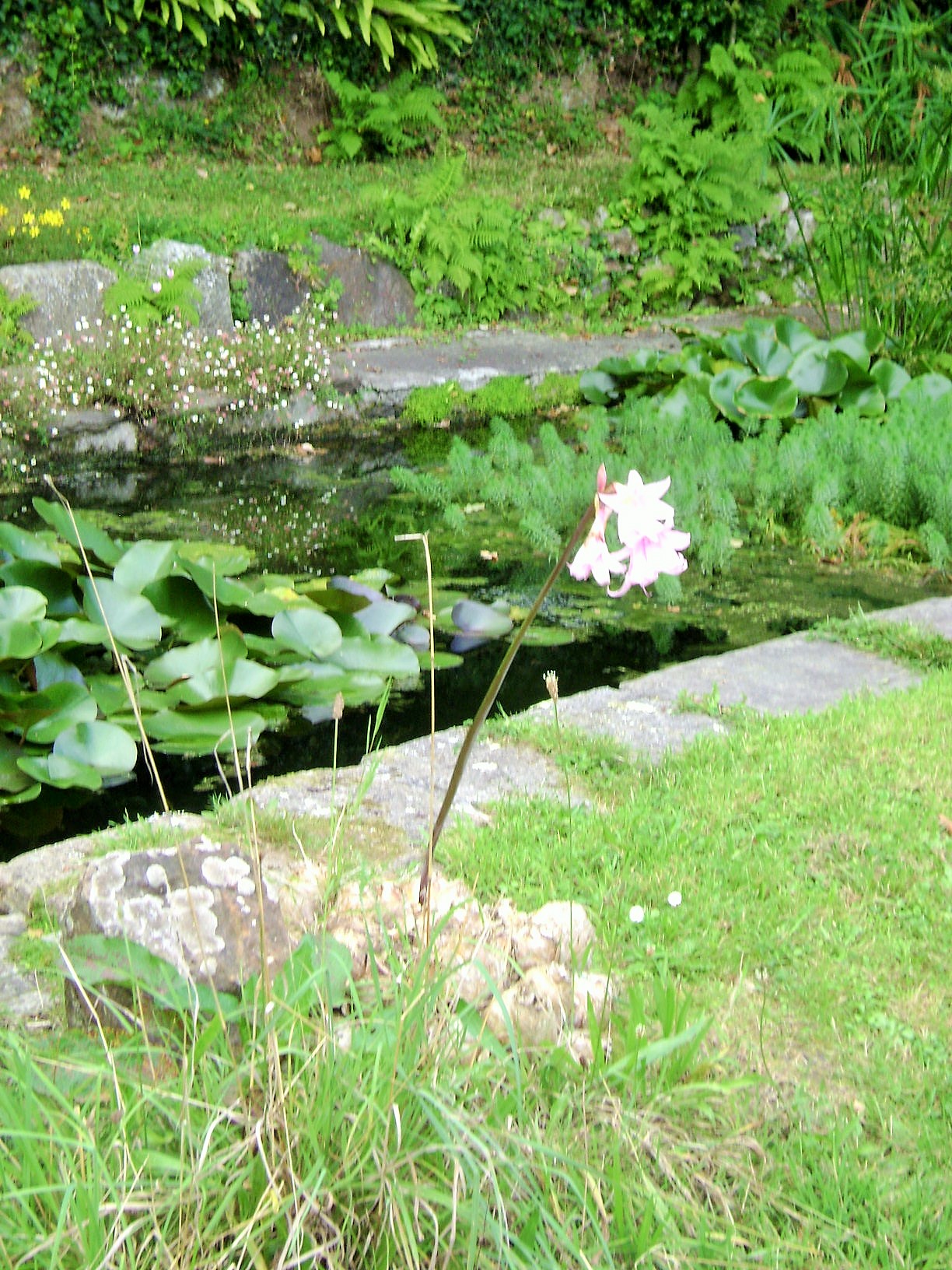
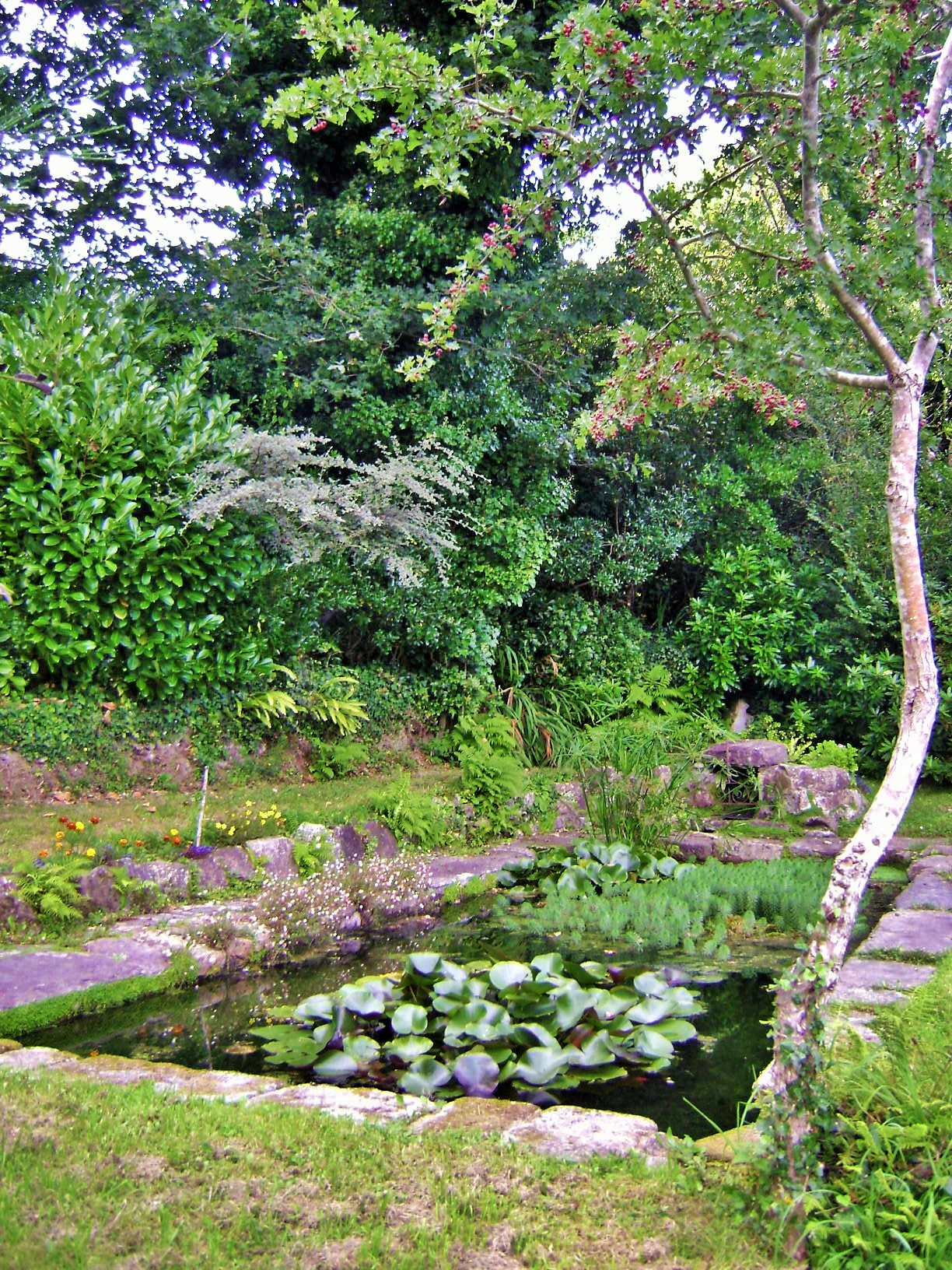
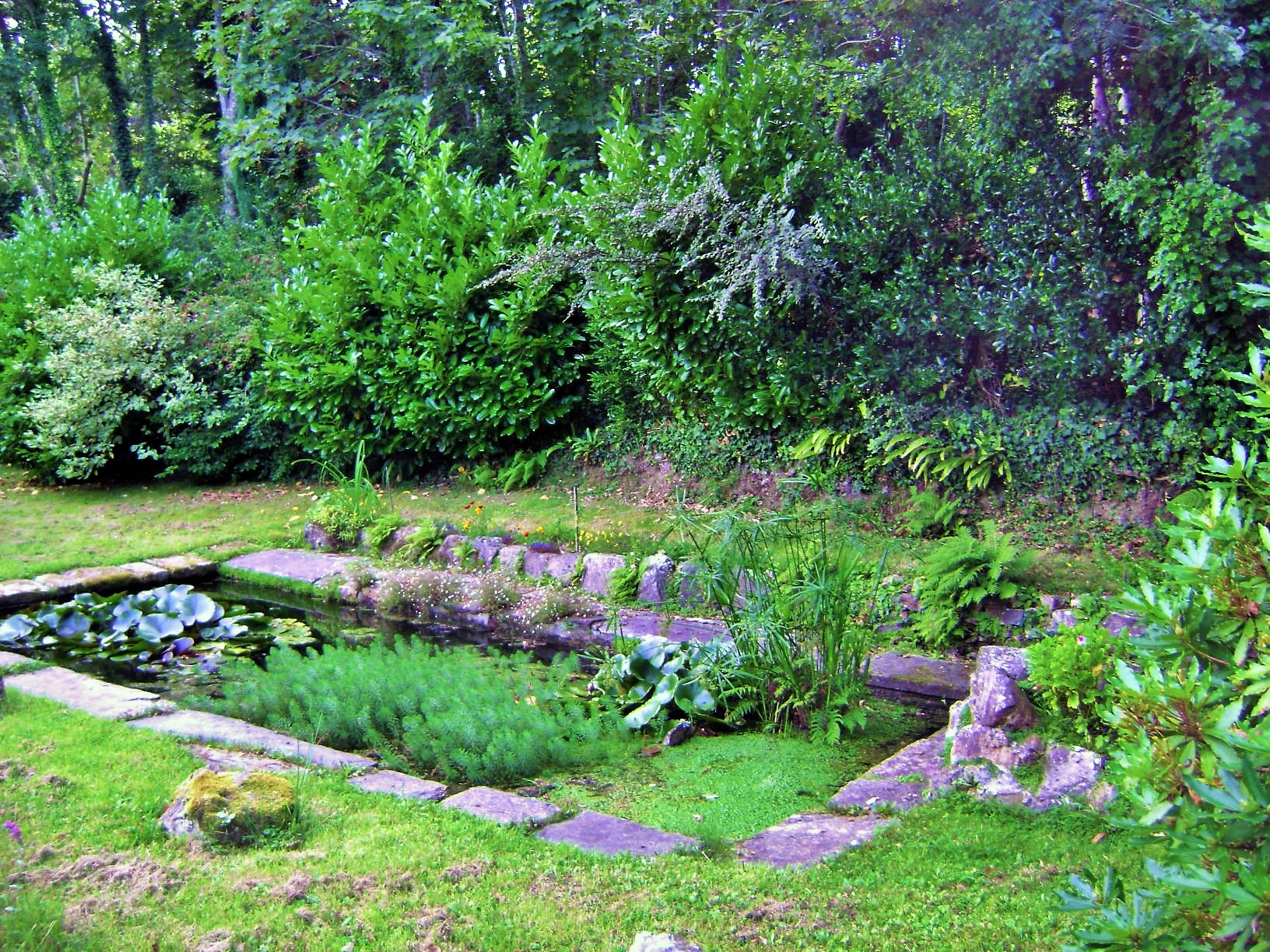
As already mentioned in one of my previous posts, every French village had one or more communal wash houses, many of them just a fountain filling a basin to wash clothes in.
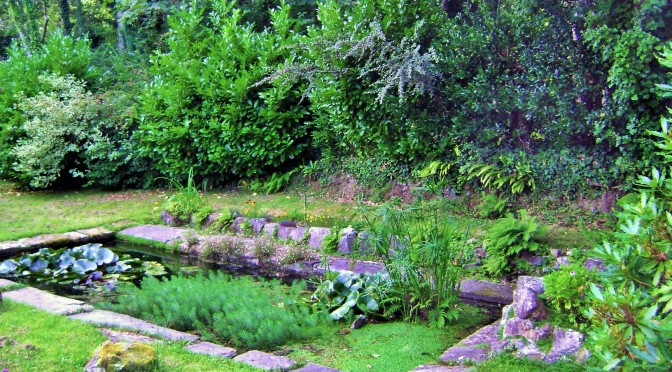
This one on the edge of the village of Roscanvel has been converted into a lovely aquatic garden basin with papyrus and other aquatic plants, and assorting plantings of ferns, erigeron … around it.












 Globetrotting Gardener