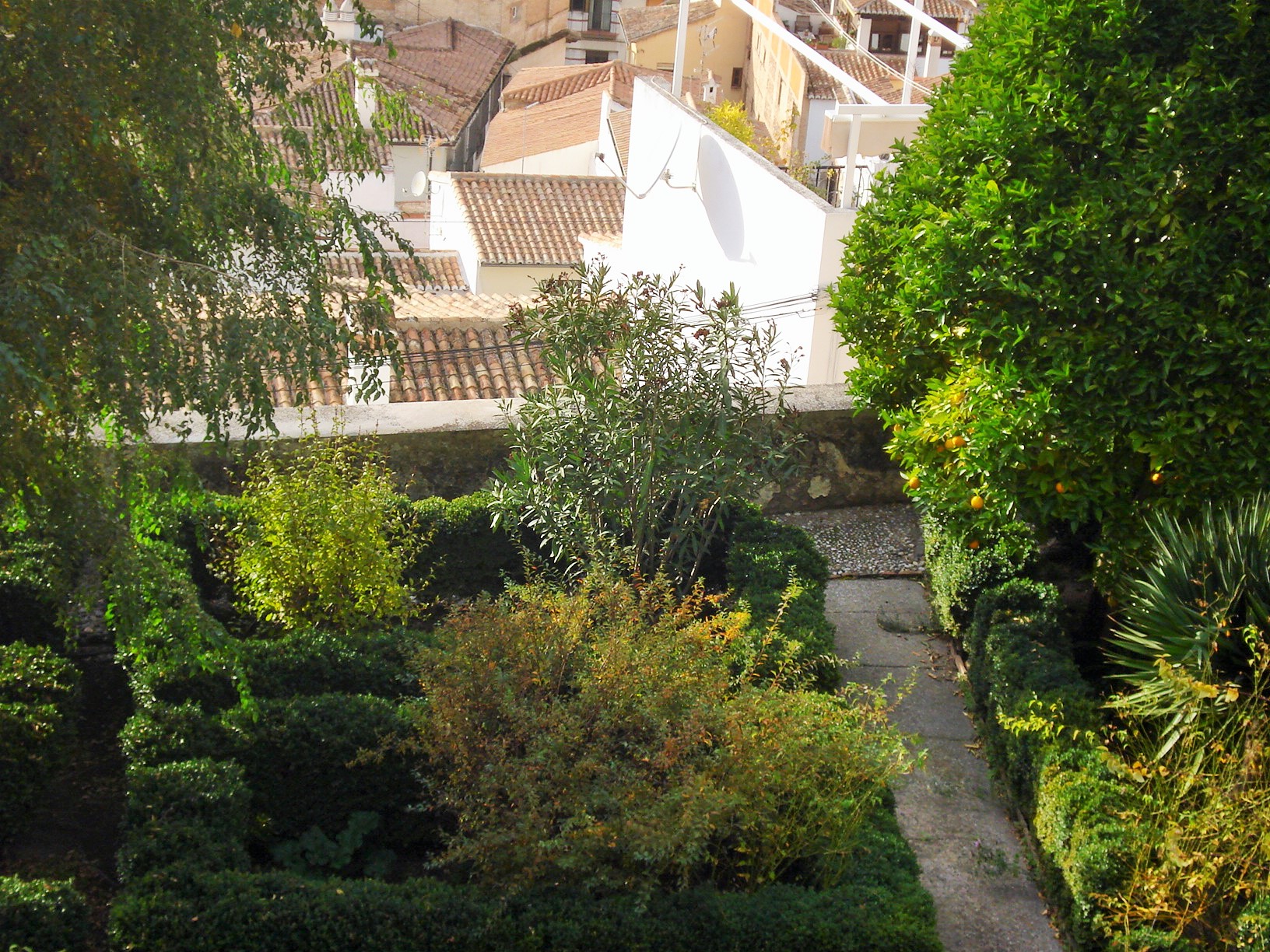
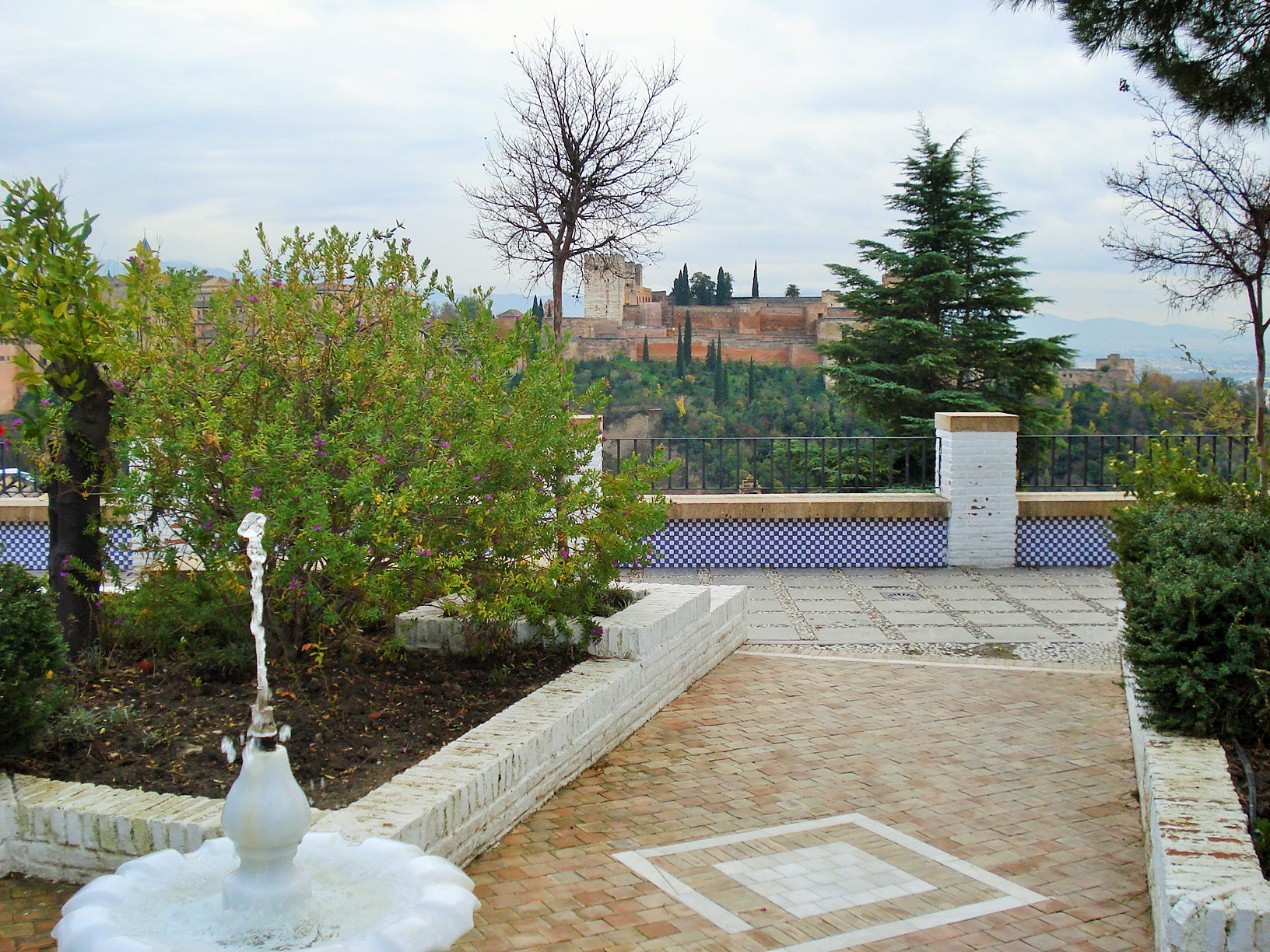
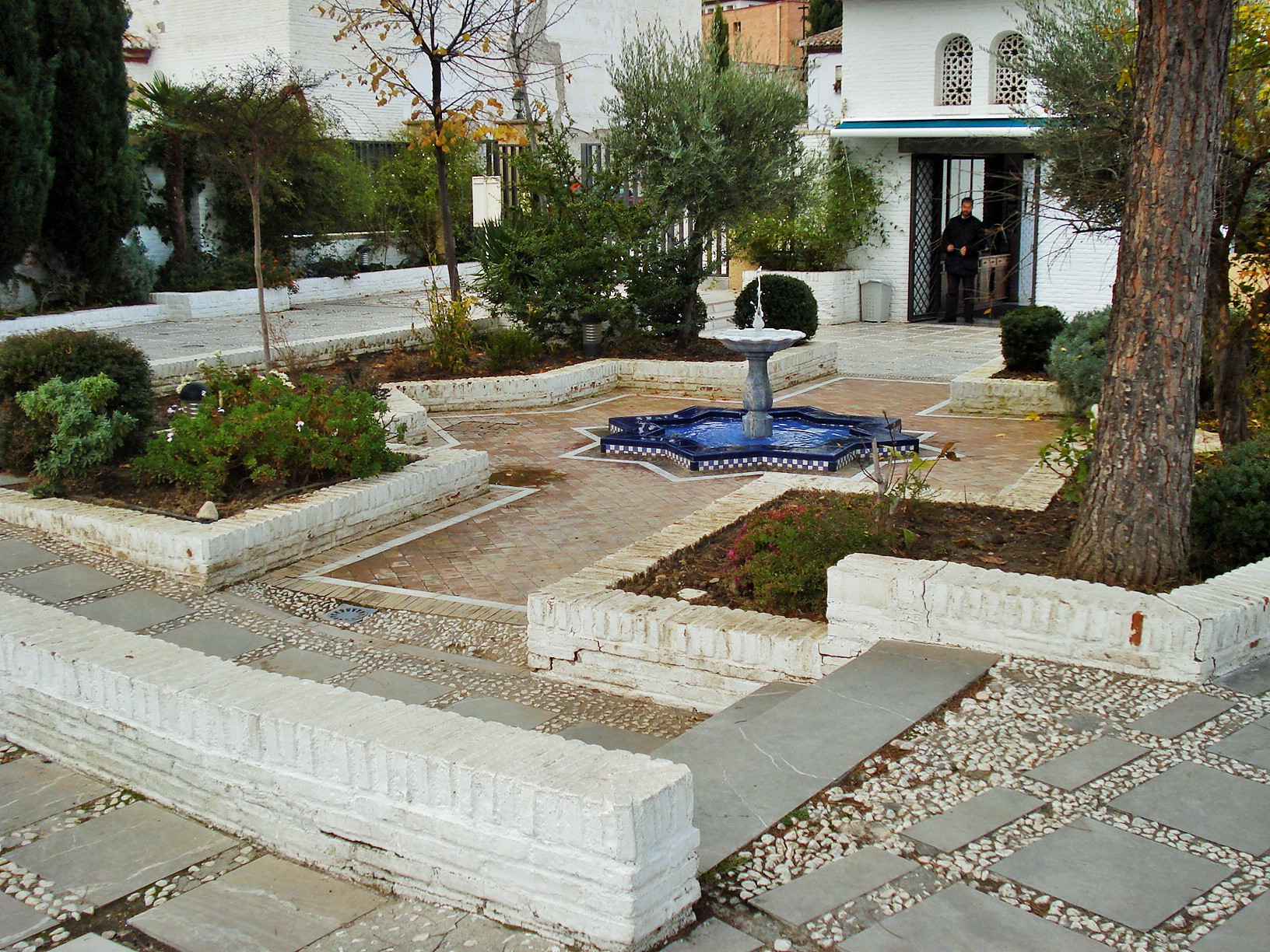
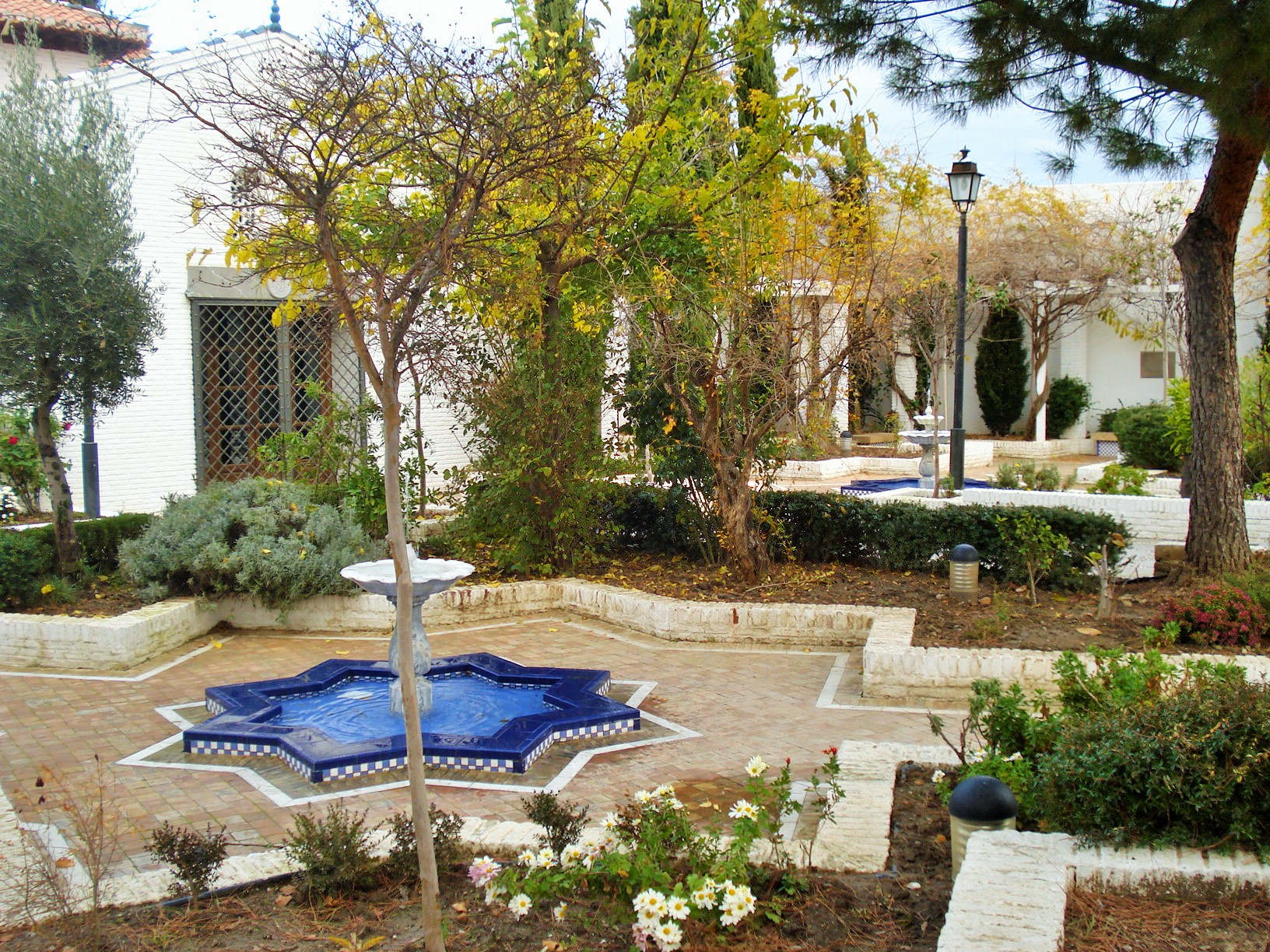
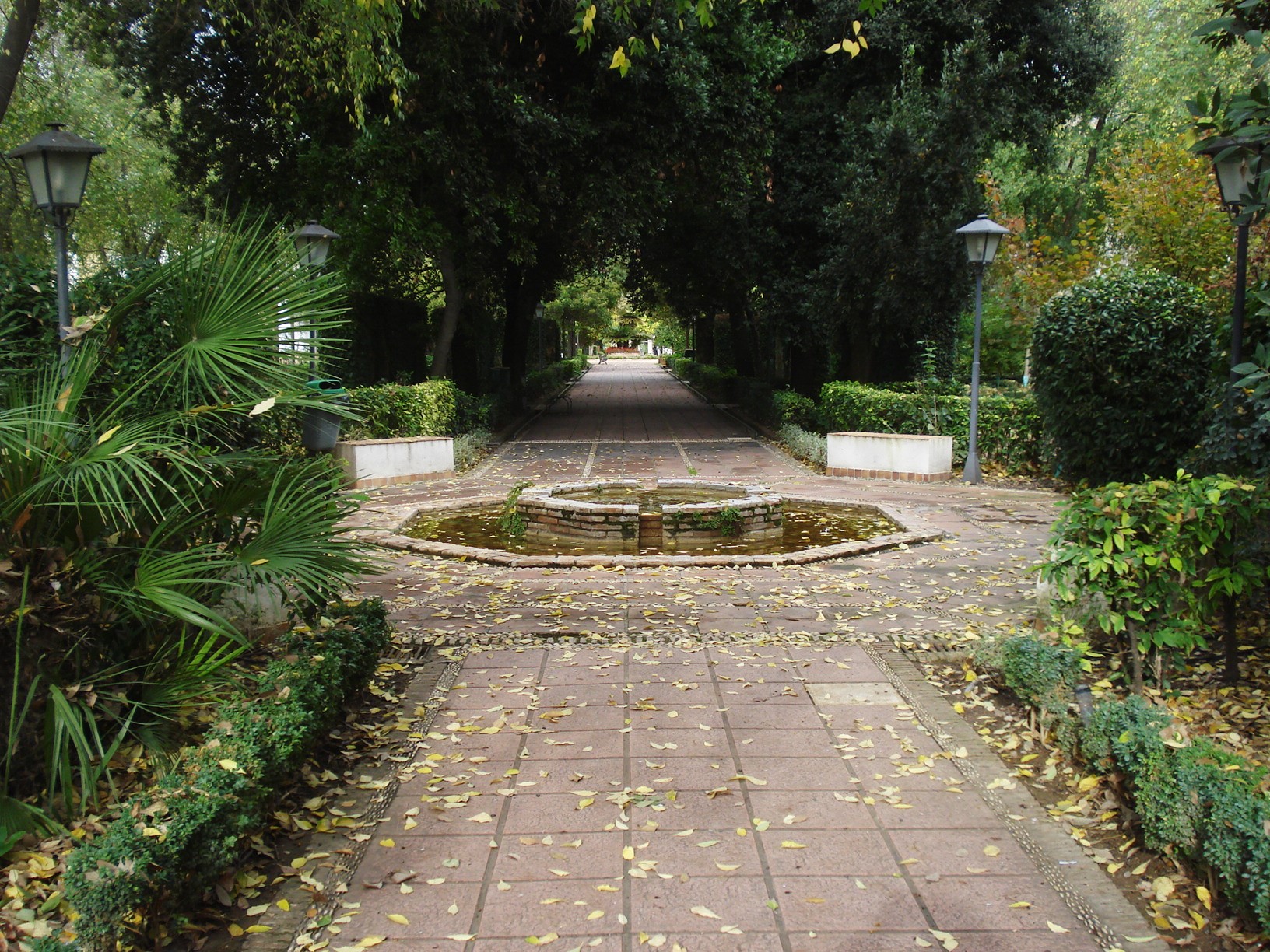
Granada, in southern Spain, is of course most famous for the Alhambra and Generalife gardens. The Mosque of Granada is located in the Albaicin, the Moorish quarter and oldest part of Granada, at the top of the hill and affording spectacular views of the city and the Alhambra on the other side of the river. The gardens are typical of Moorish gardens found in Andalusia, with pebble patio flooring designs, and fountains.
Tag Archives: gardens








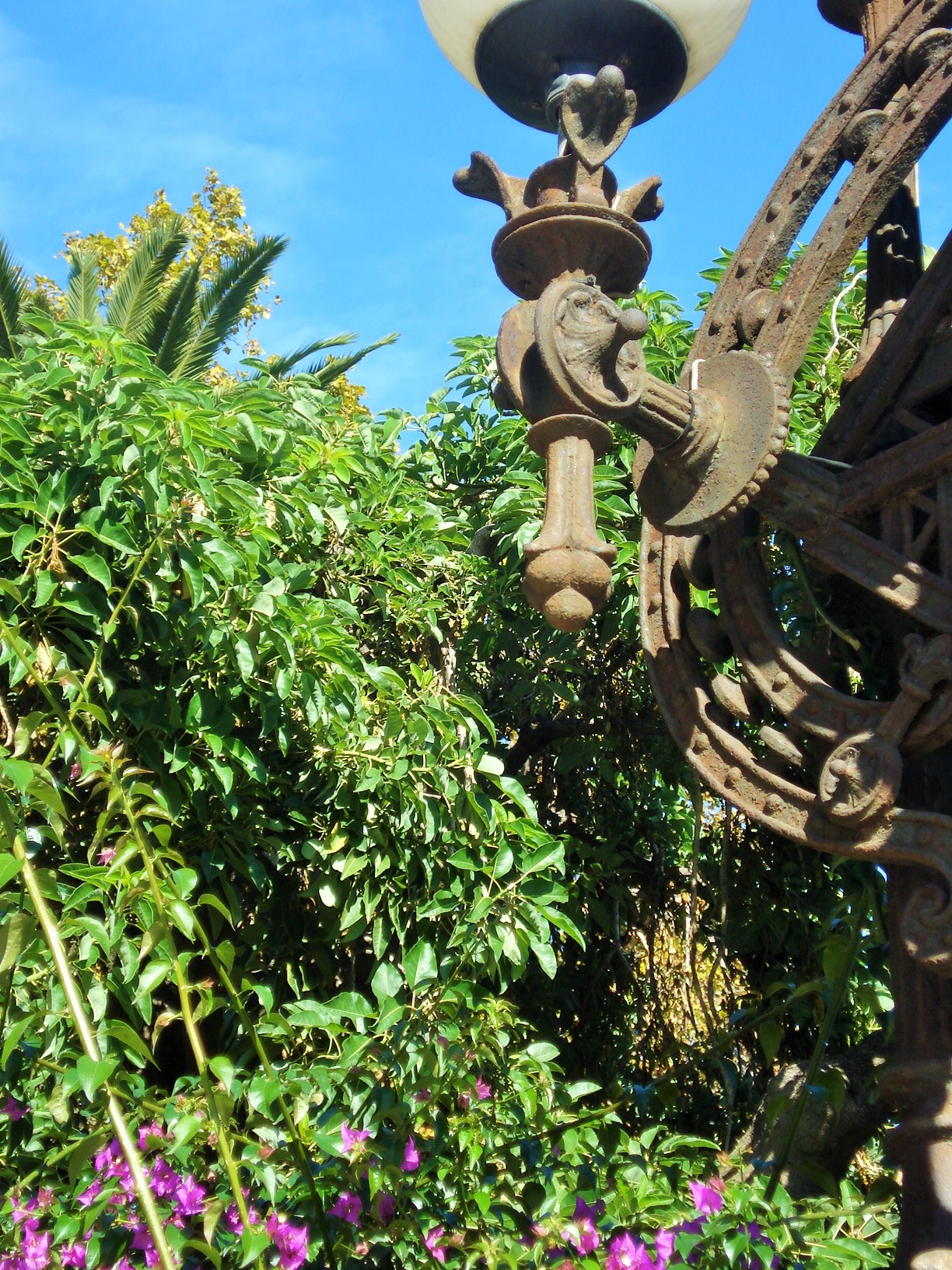
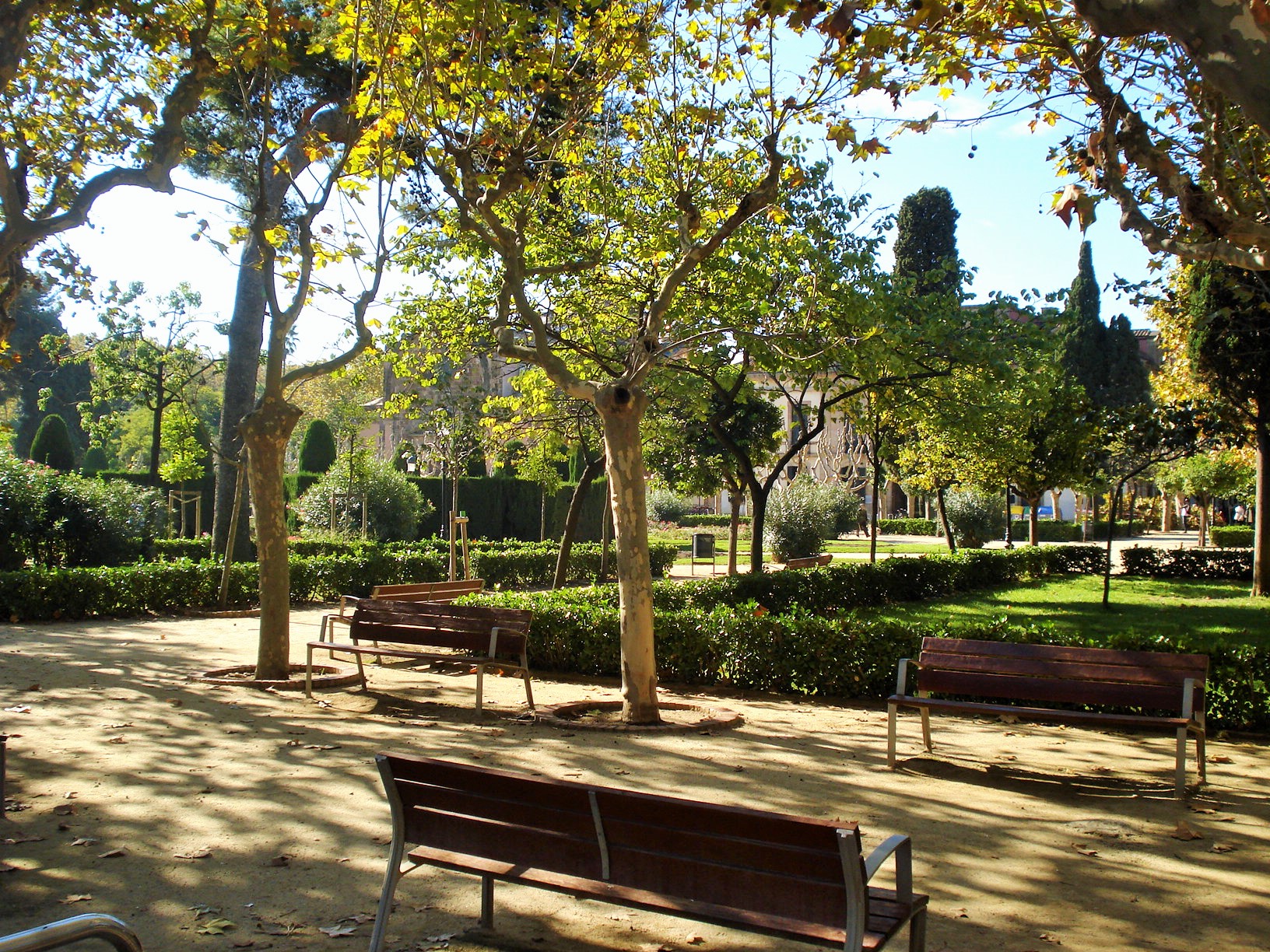
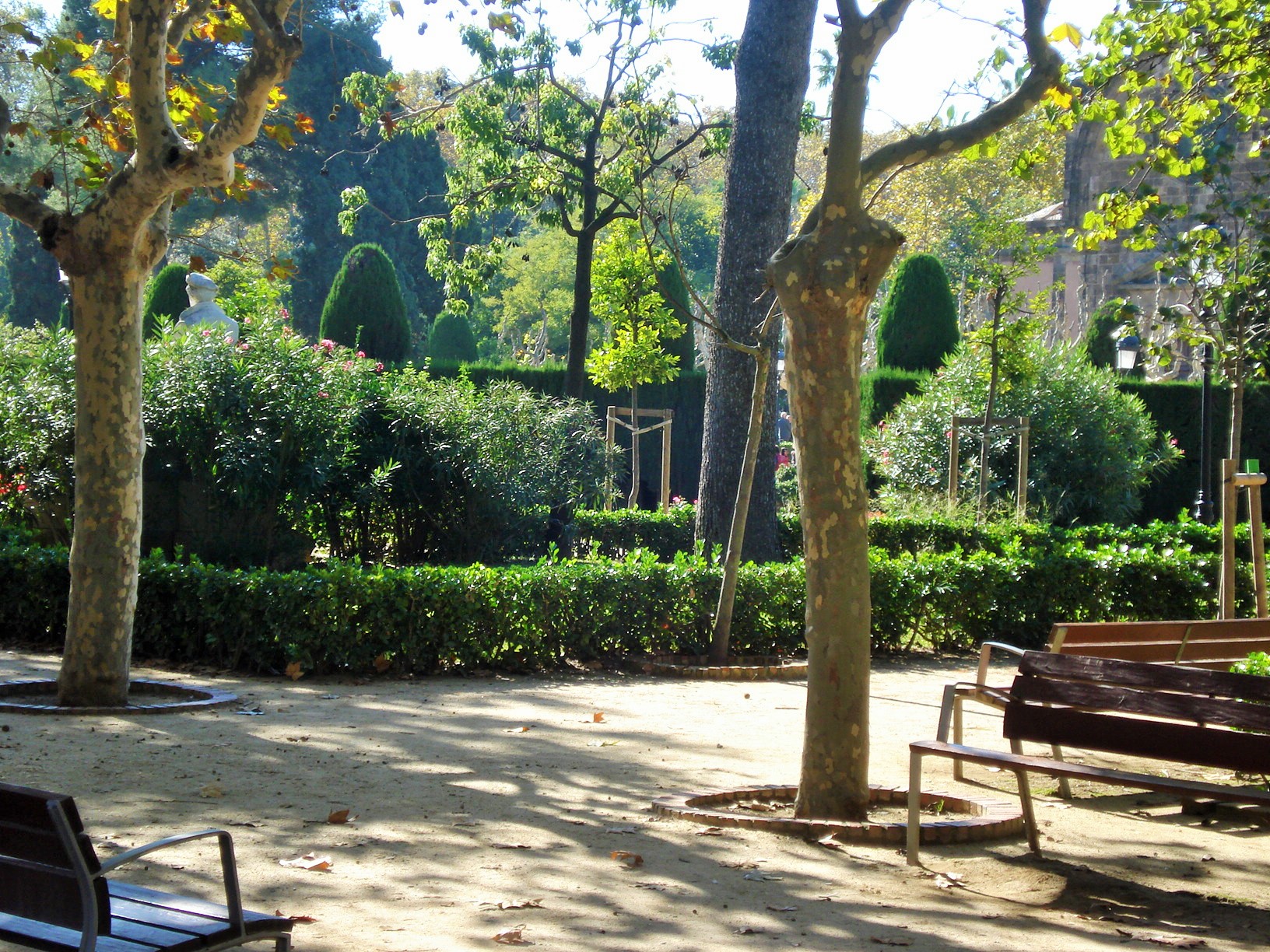
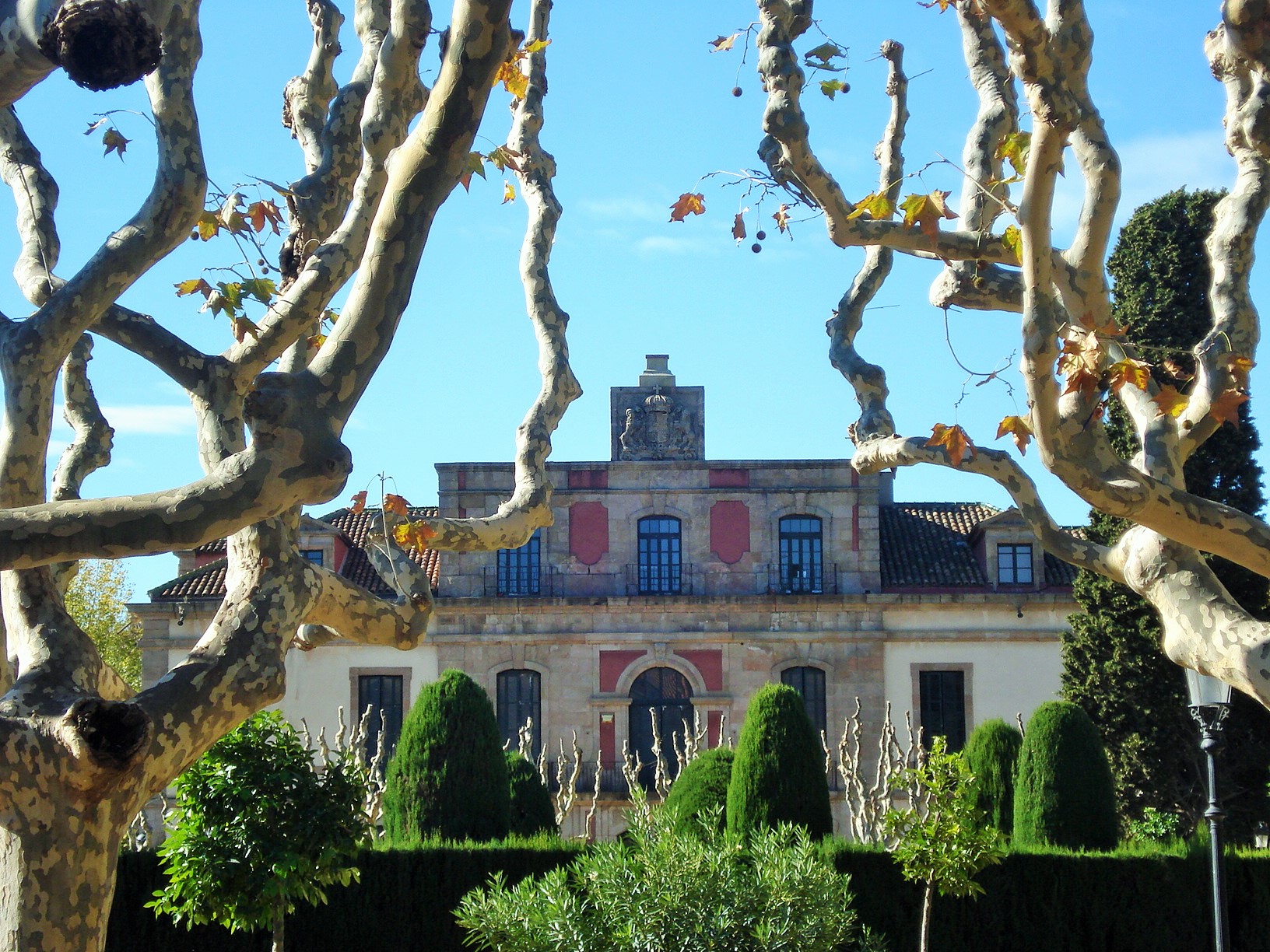
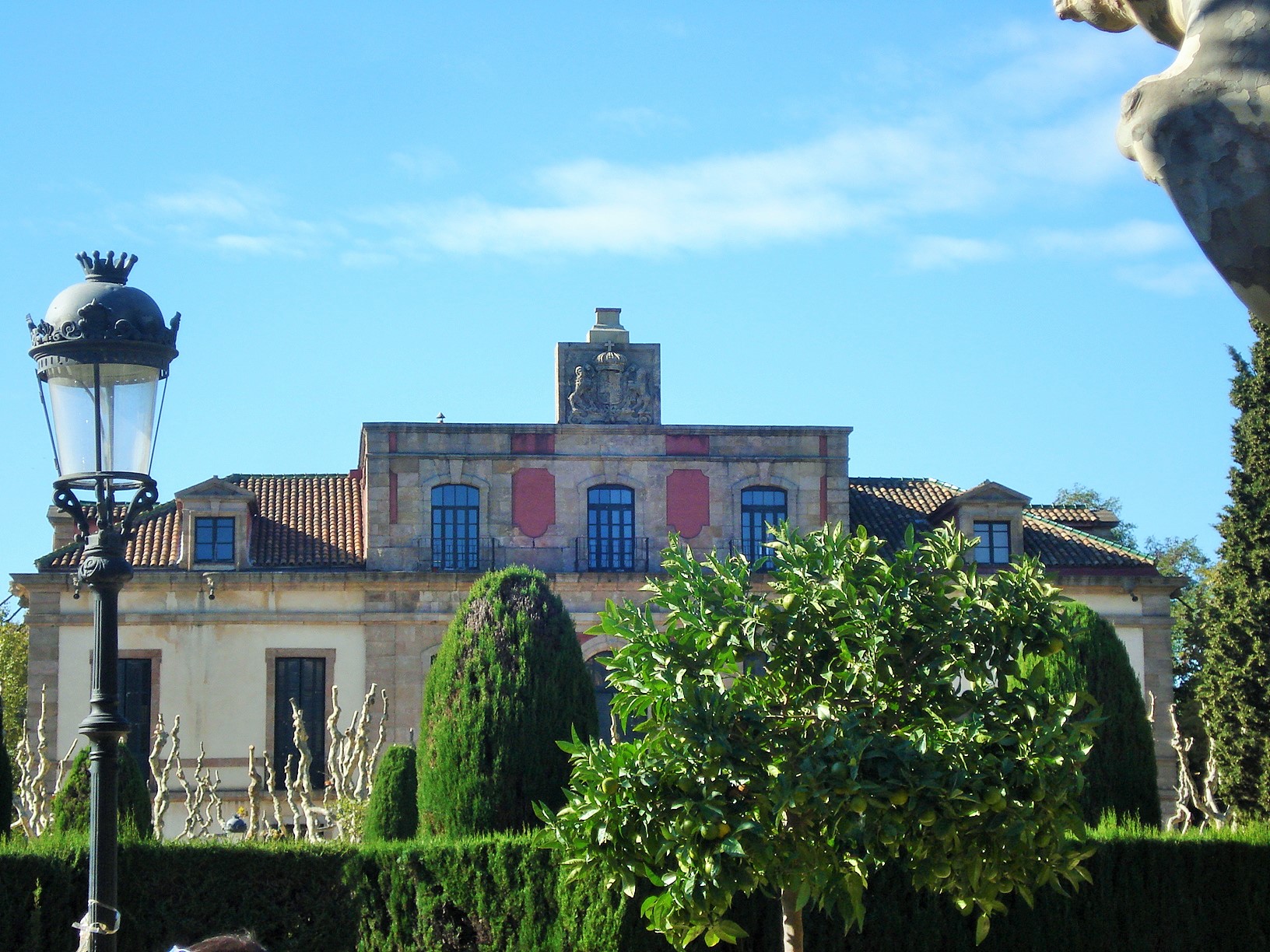
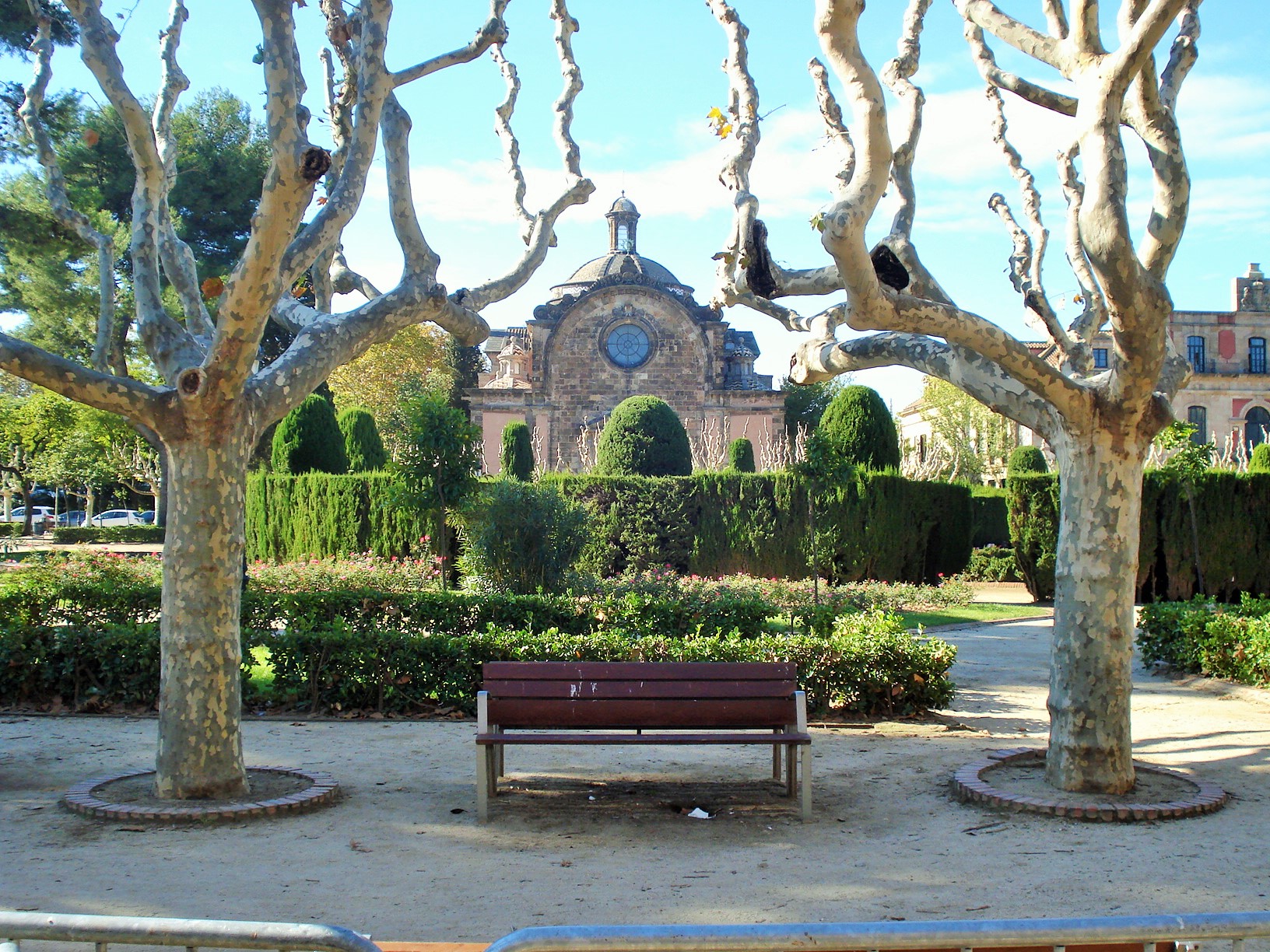
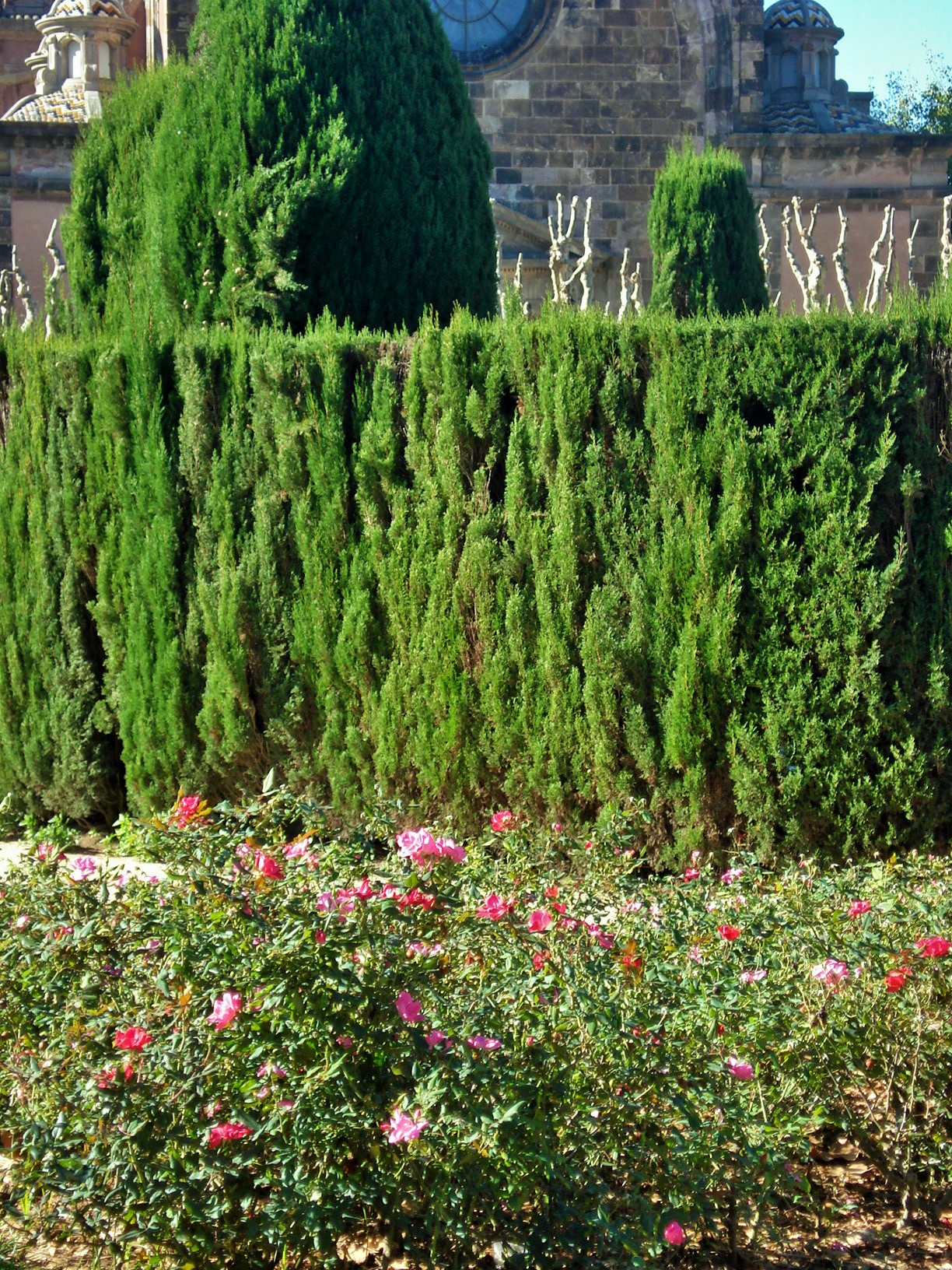
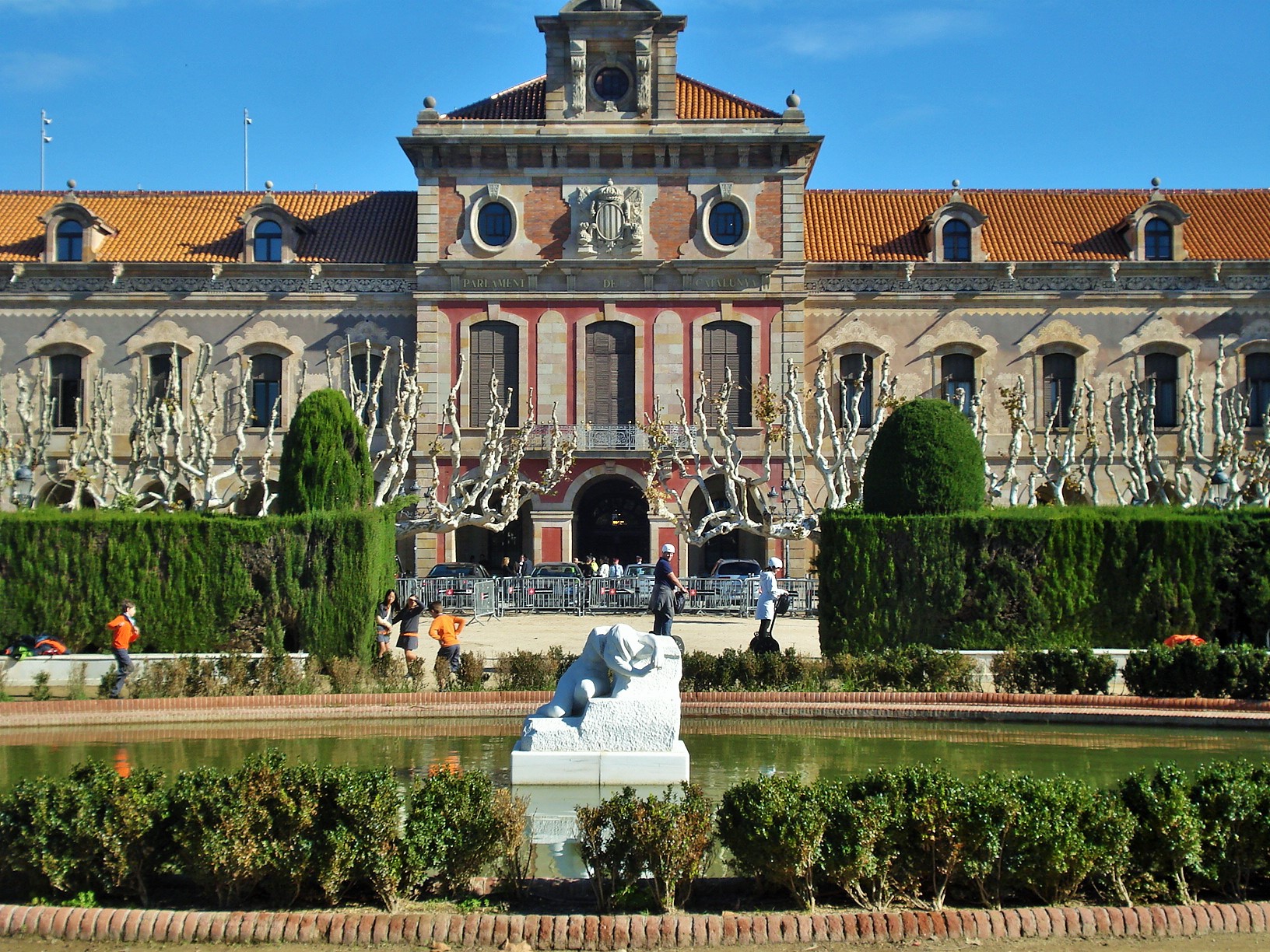
Barcelona Ciutadella Park: The Formal Gardens
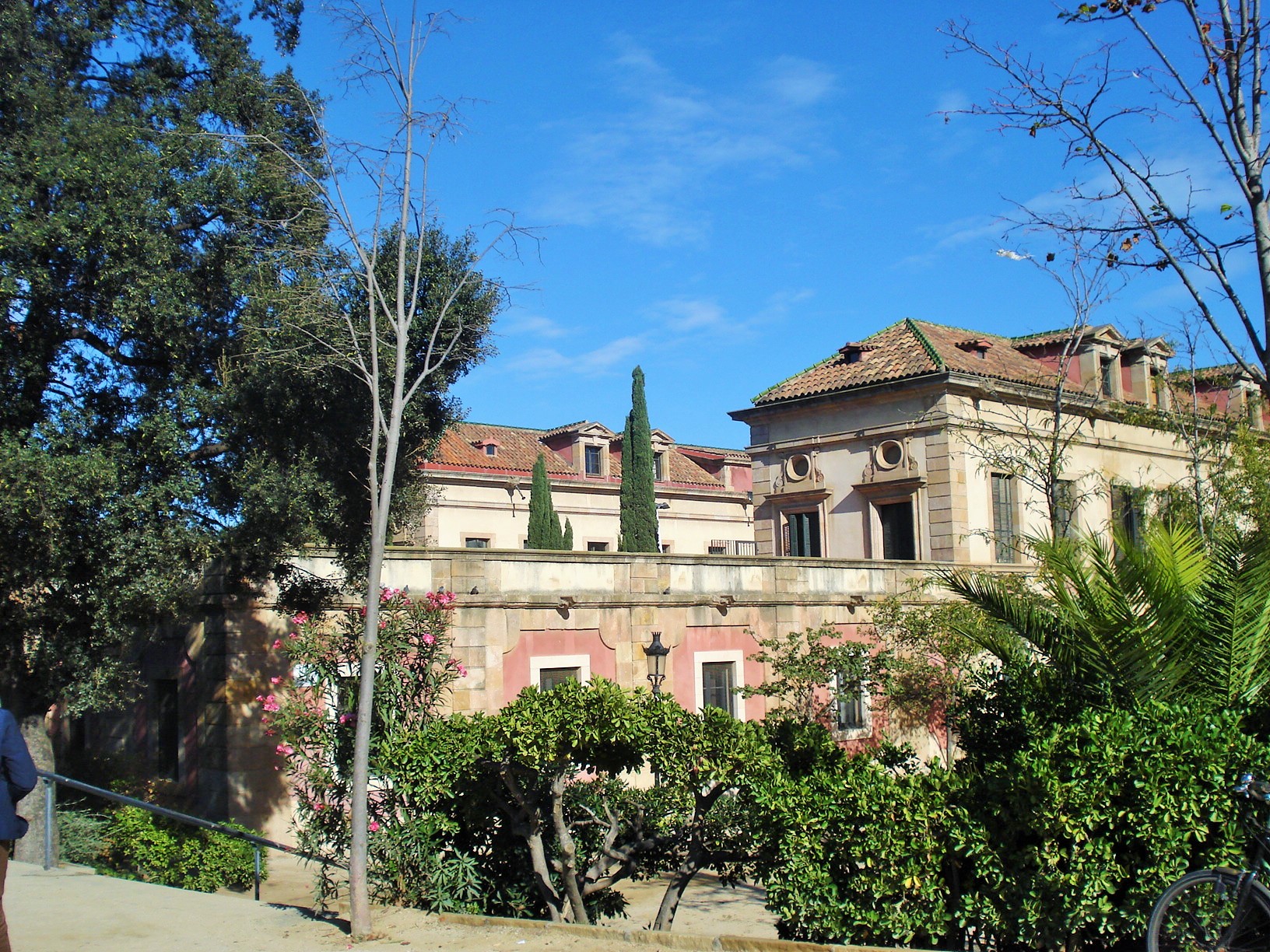
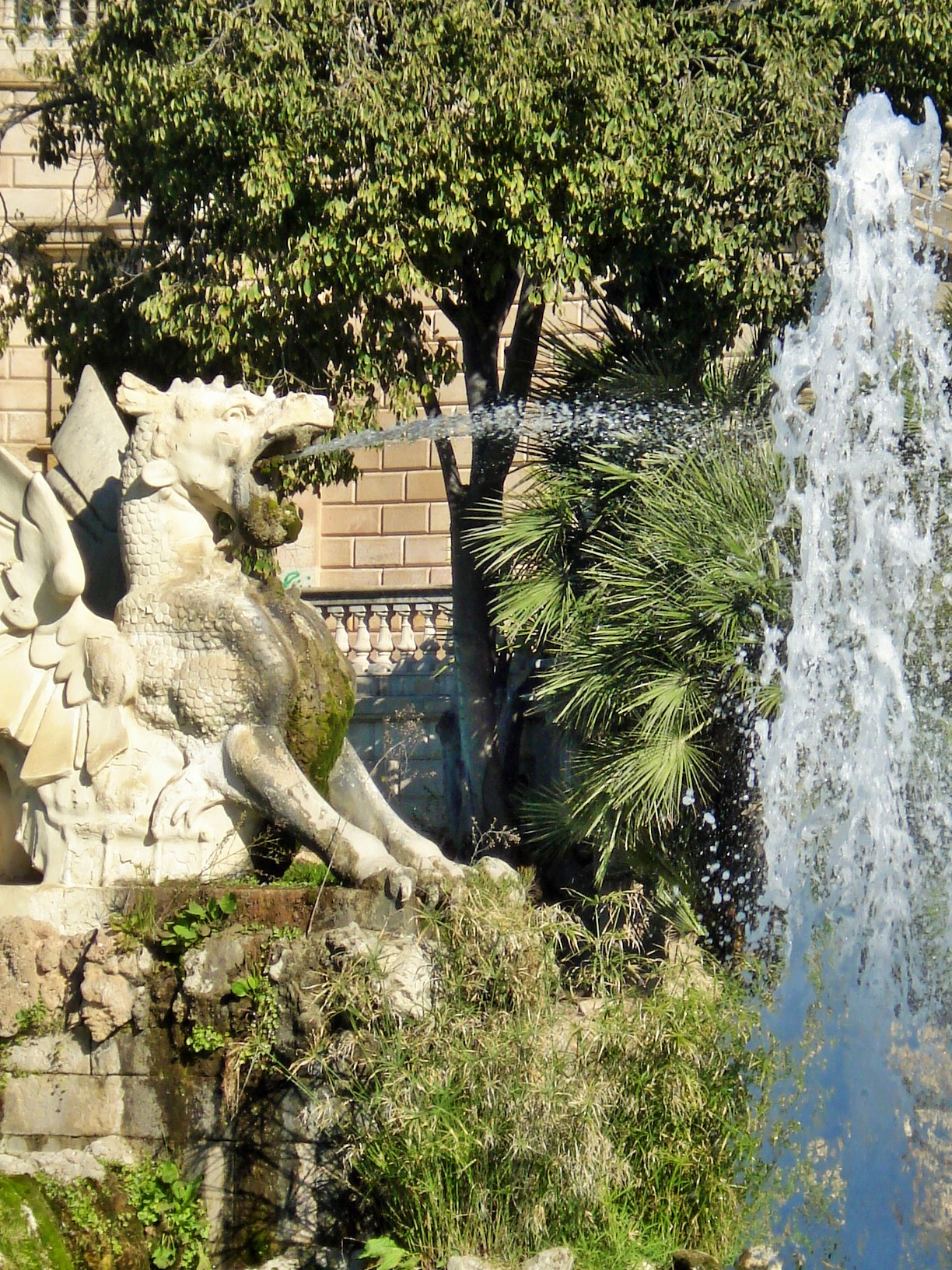
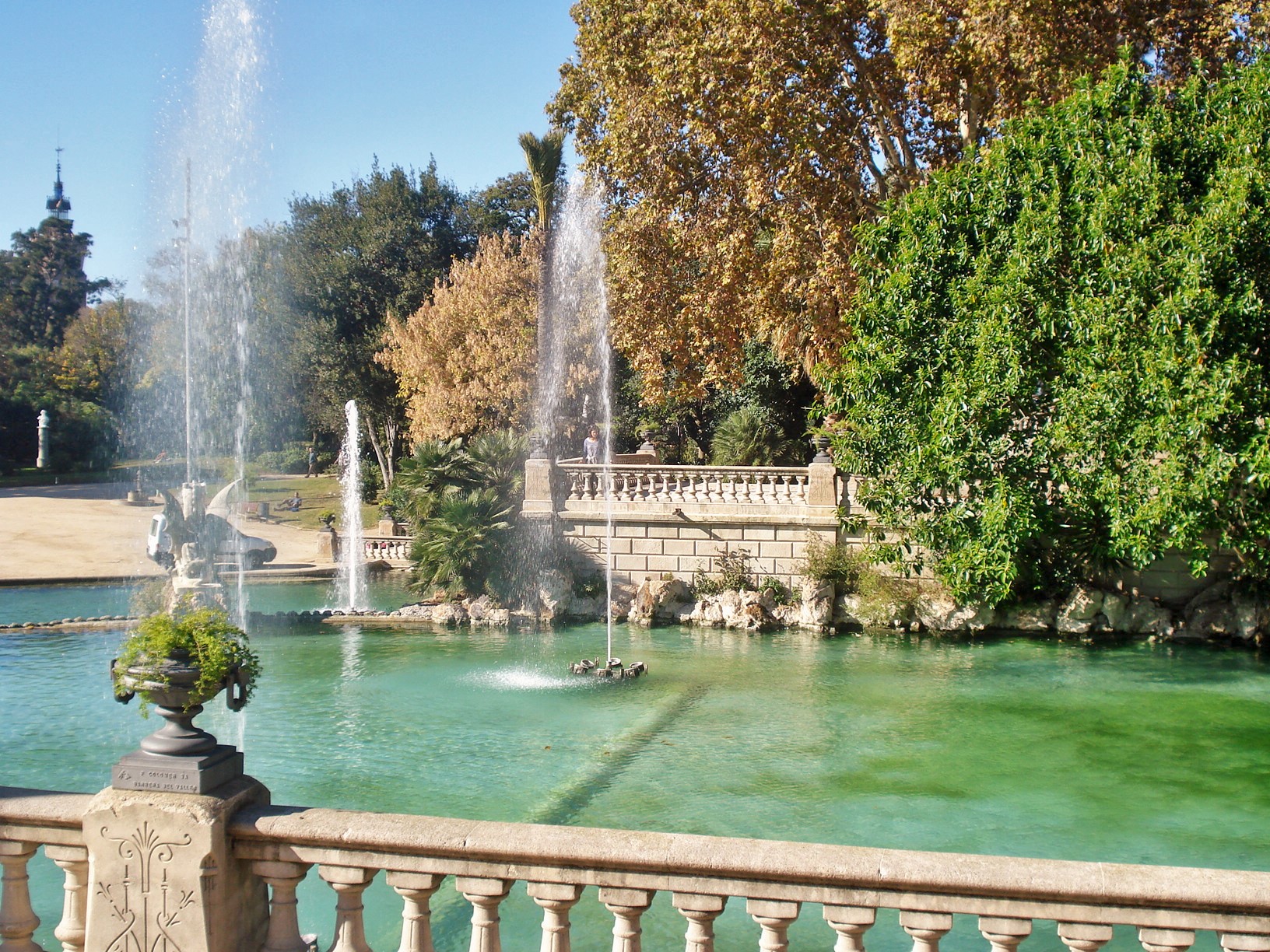
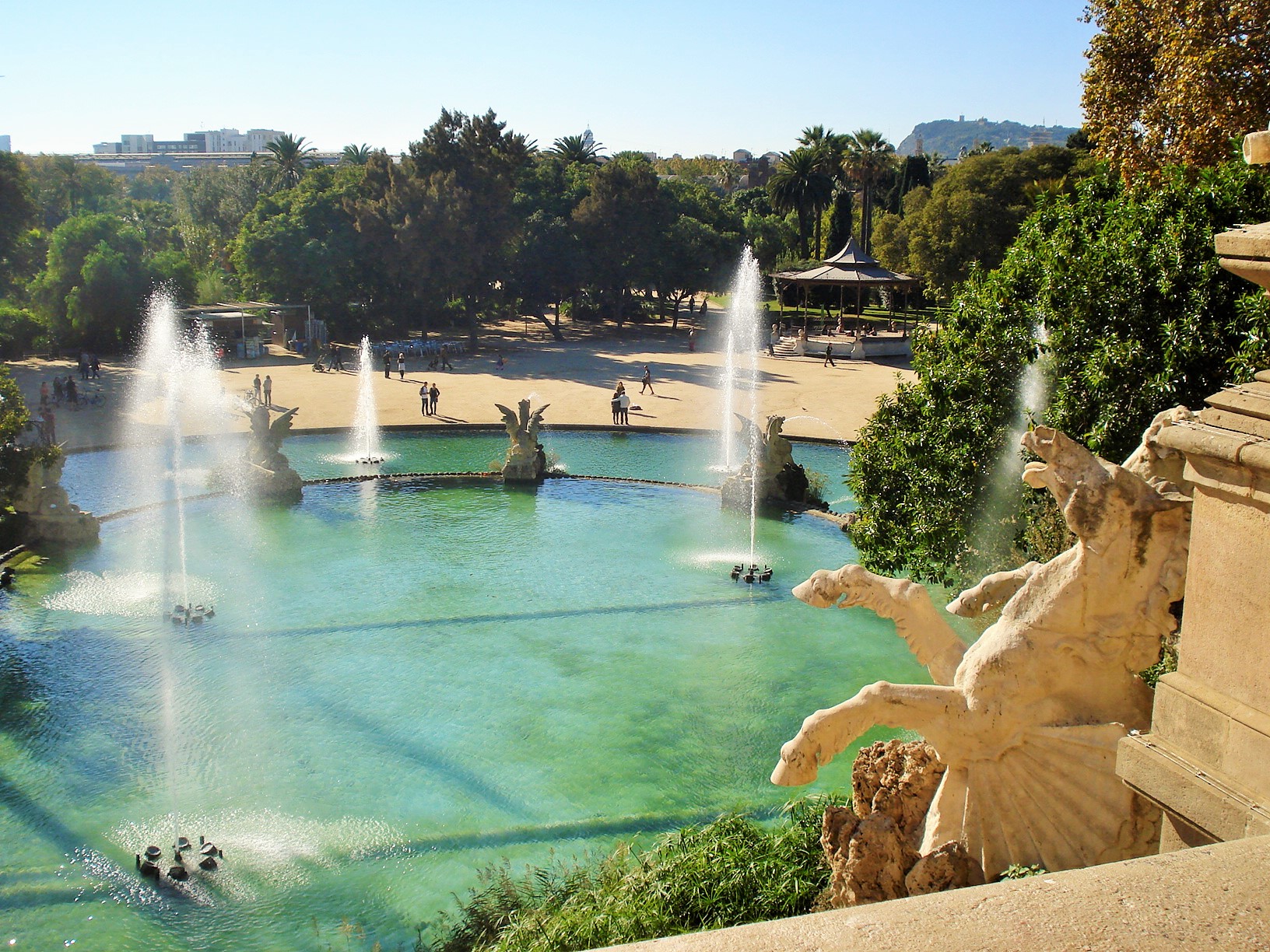
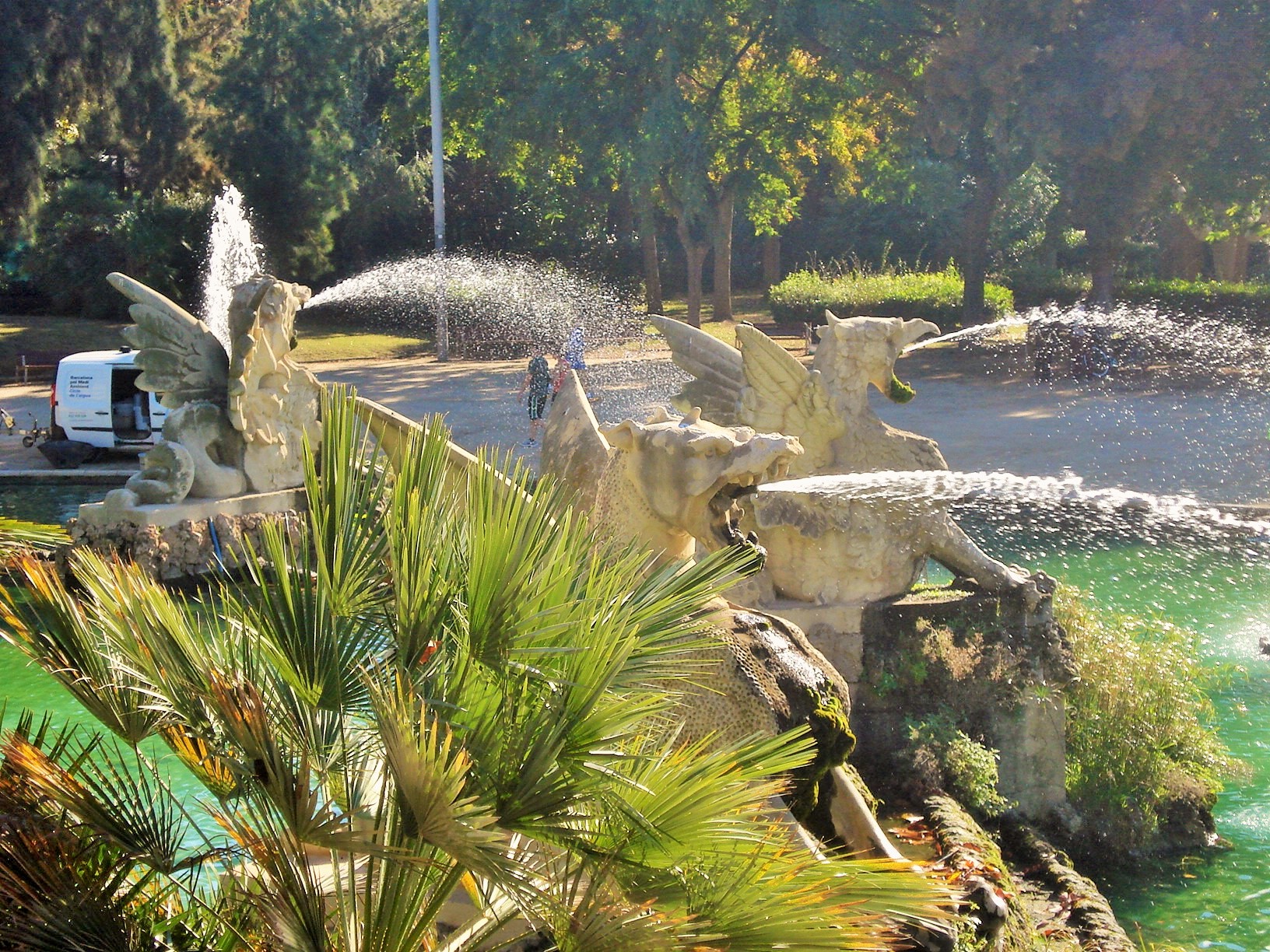
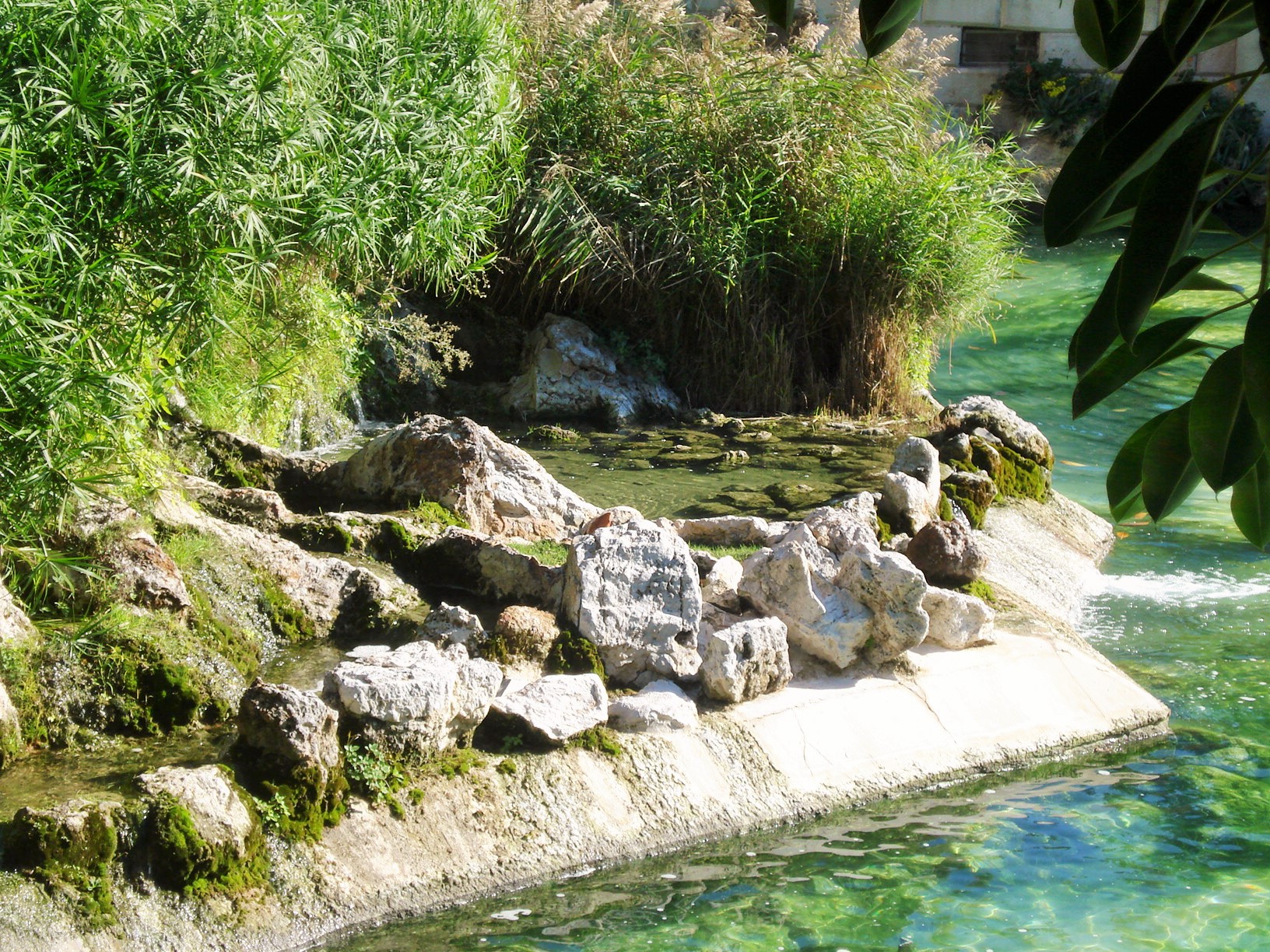
The Ciutadella Park in Barcelona is the largest and oldest city park. It was established in the mid 19th century and was for a long the only substantial green space in the city with about 70 acres of paths, trails, a lake, and assorted statuary and buildings. It is home to the Parliament building, the Barcelona Zoo, and the Geological museum. It is perhaps most famous for the very large waterfall fountain designed by Fontsere in the 1880s when Gaudi was his student and is believed to have contributed to it. It was inaugurated for the Universal Exhibition. See my other post for more on the fountain and the rest of the park.
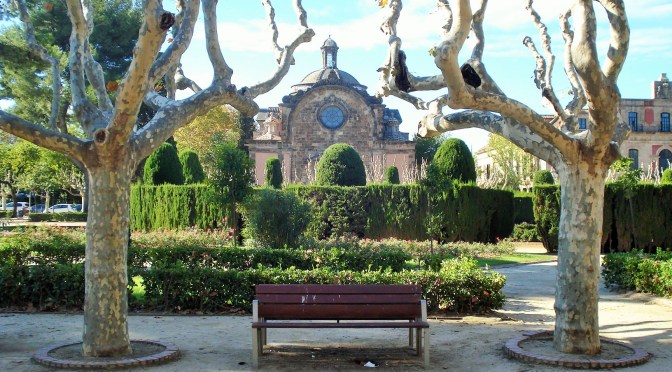
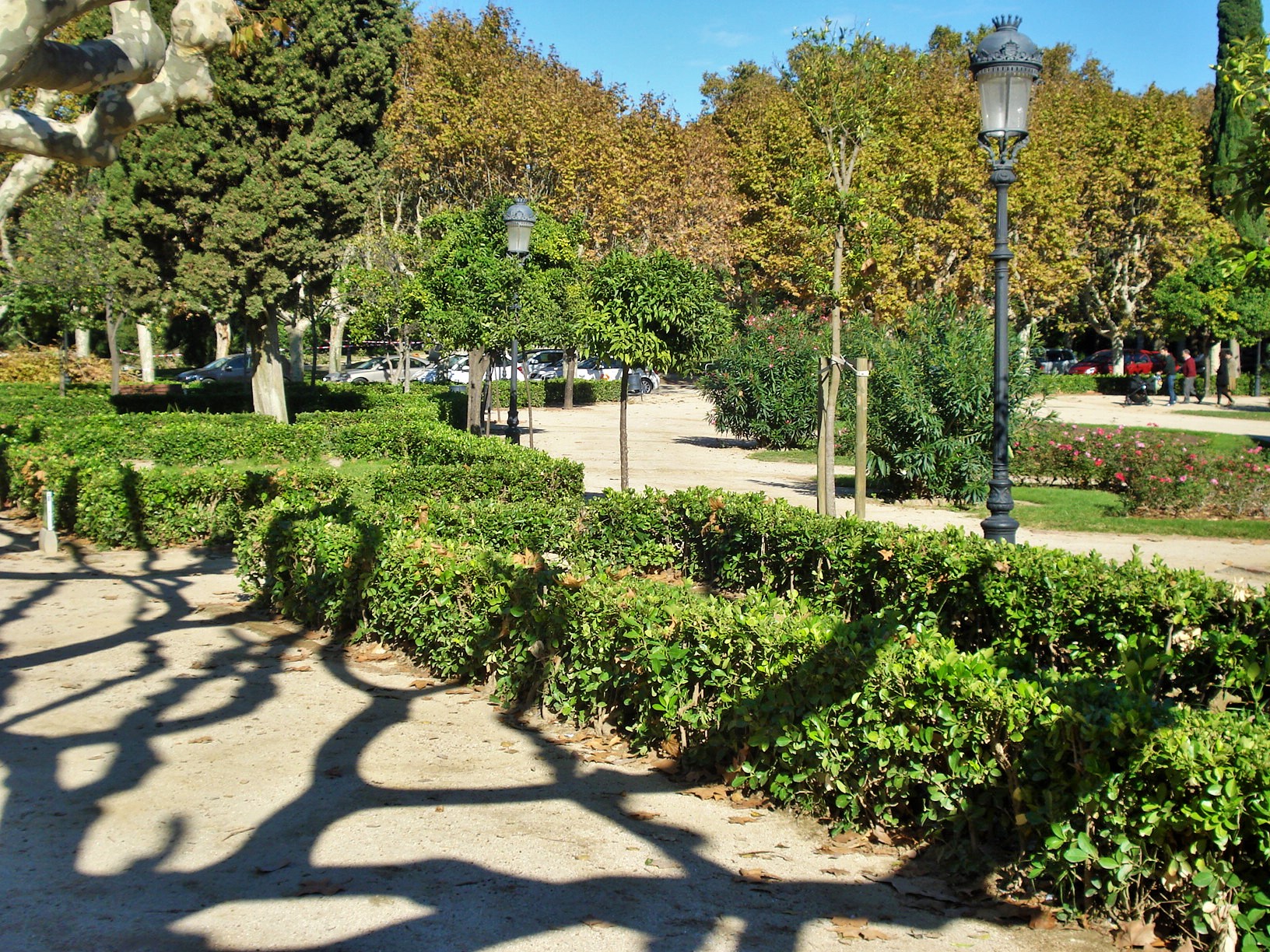
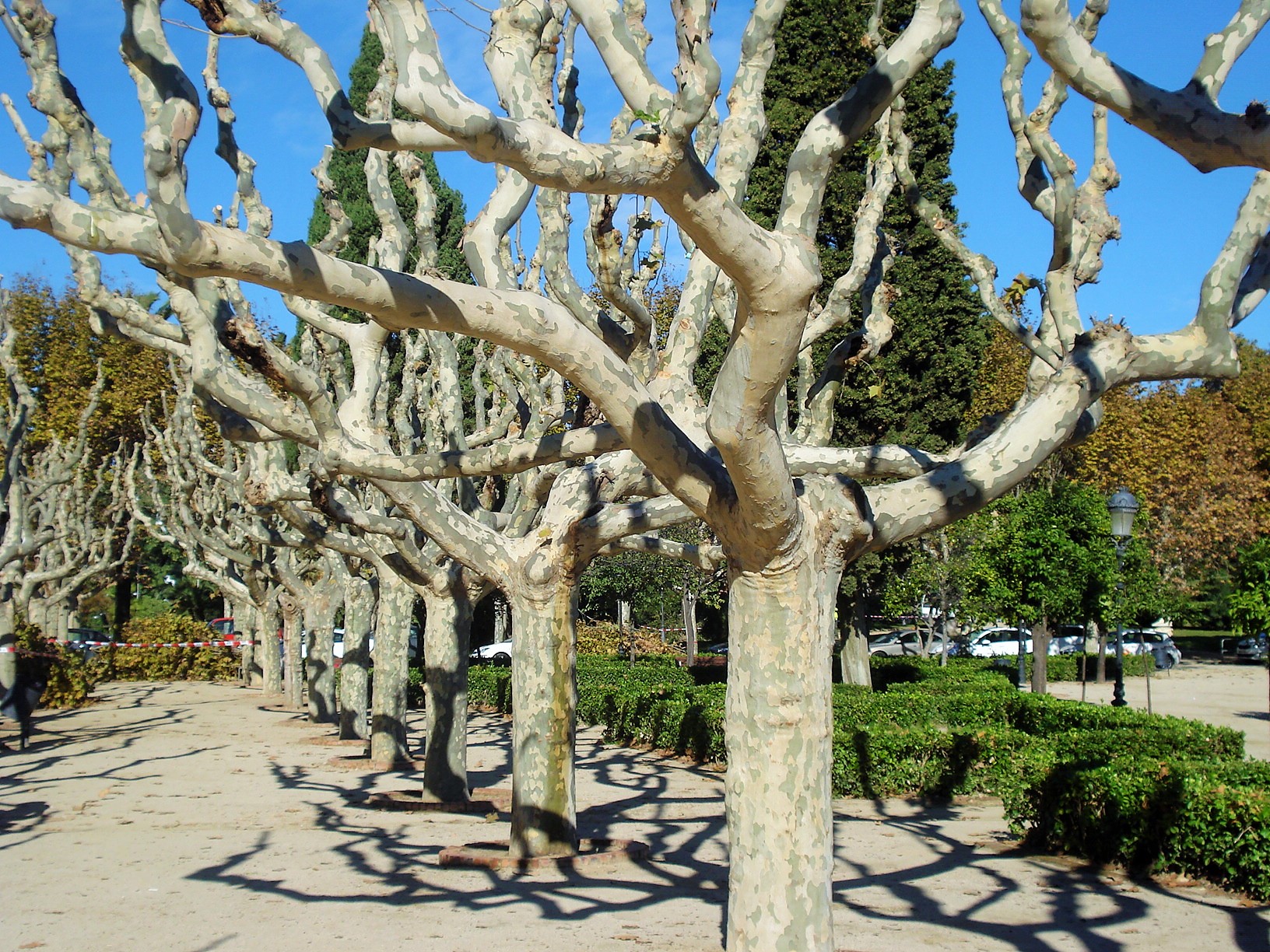
The gardens by the Parliament and the Zoo are the most formal part of the Ciutadella, with neatly trimmed hedges, rows of plane trees, roses borders and a fountain.






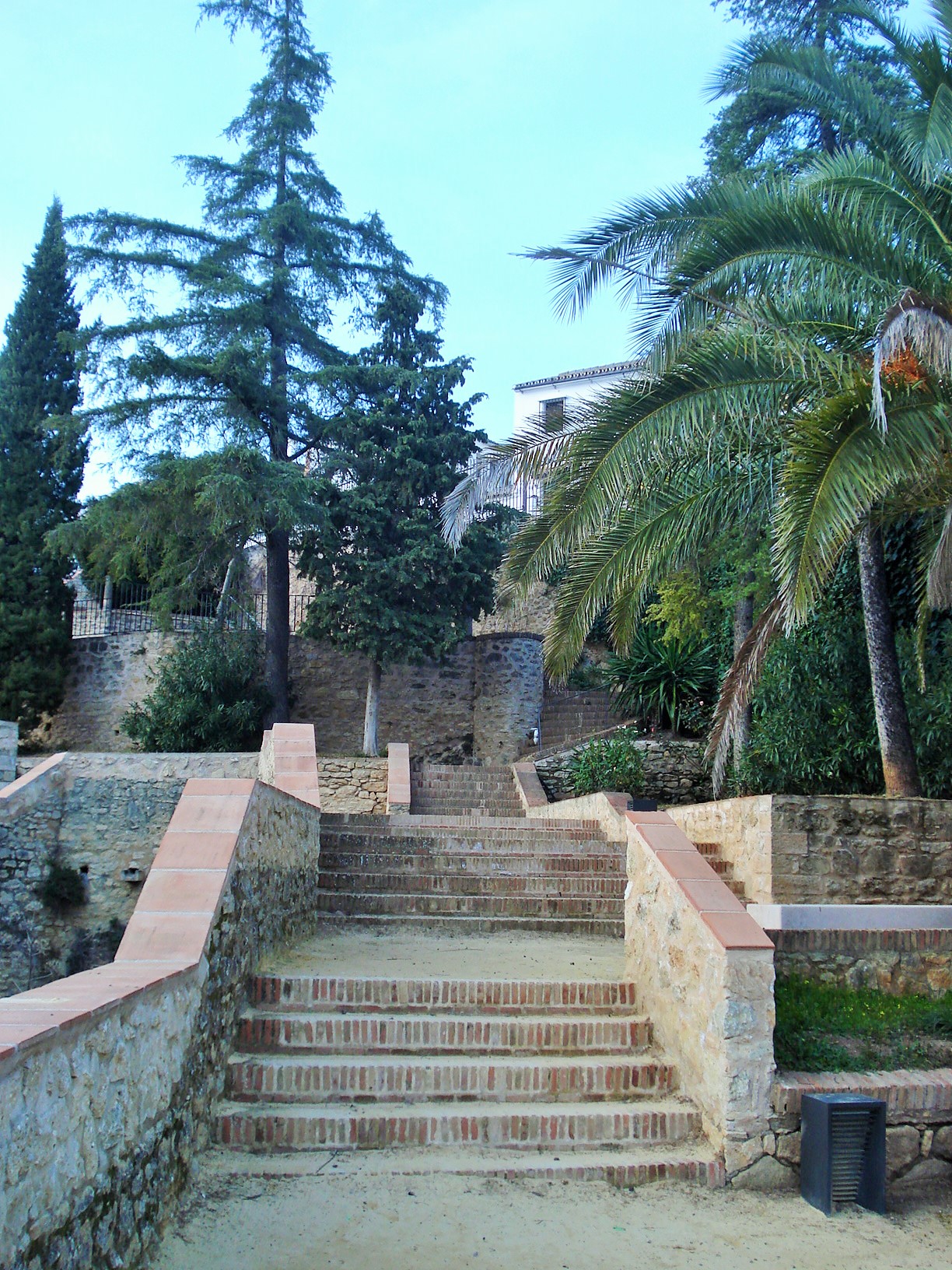
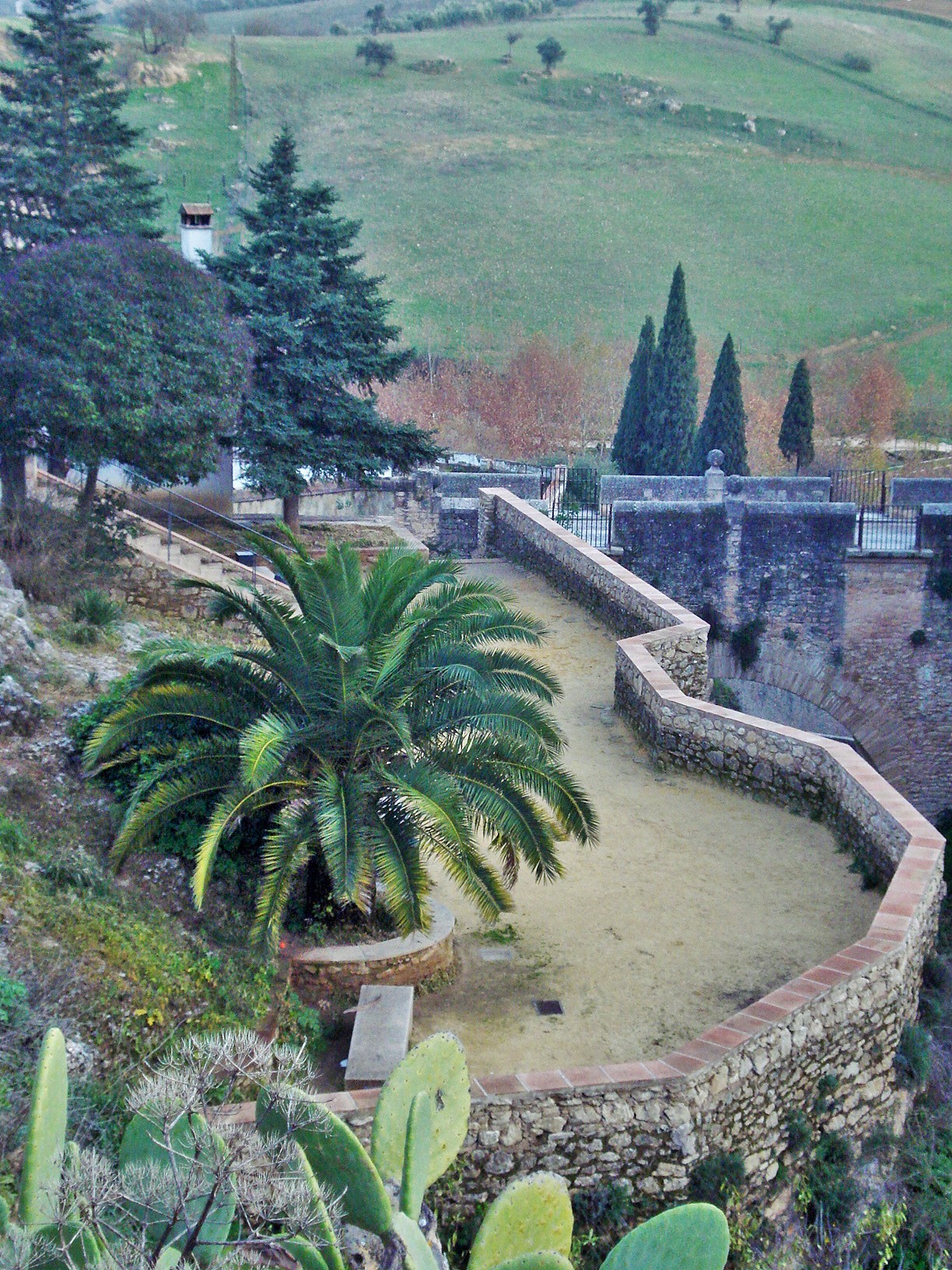
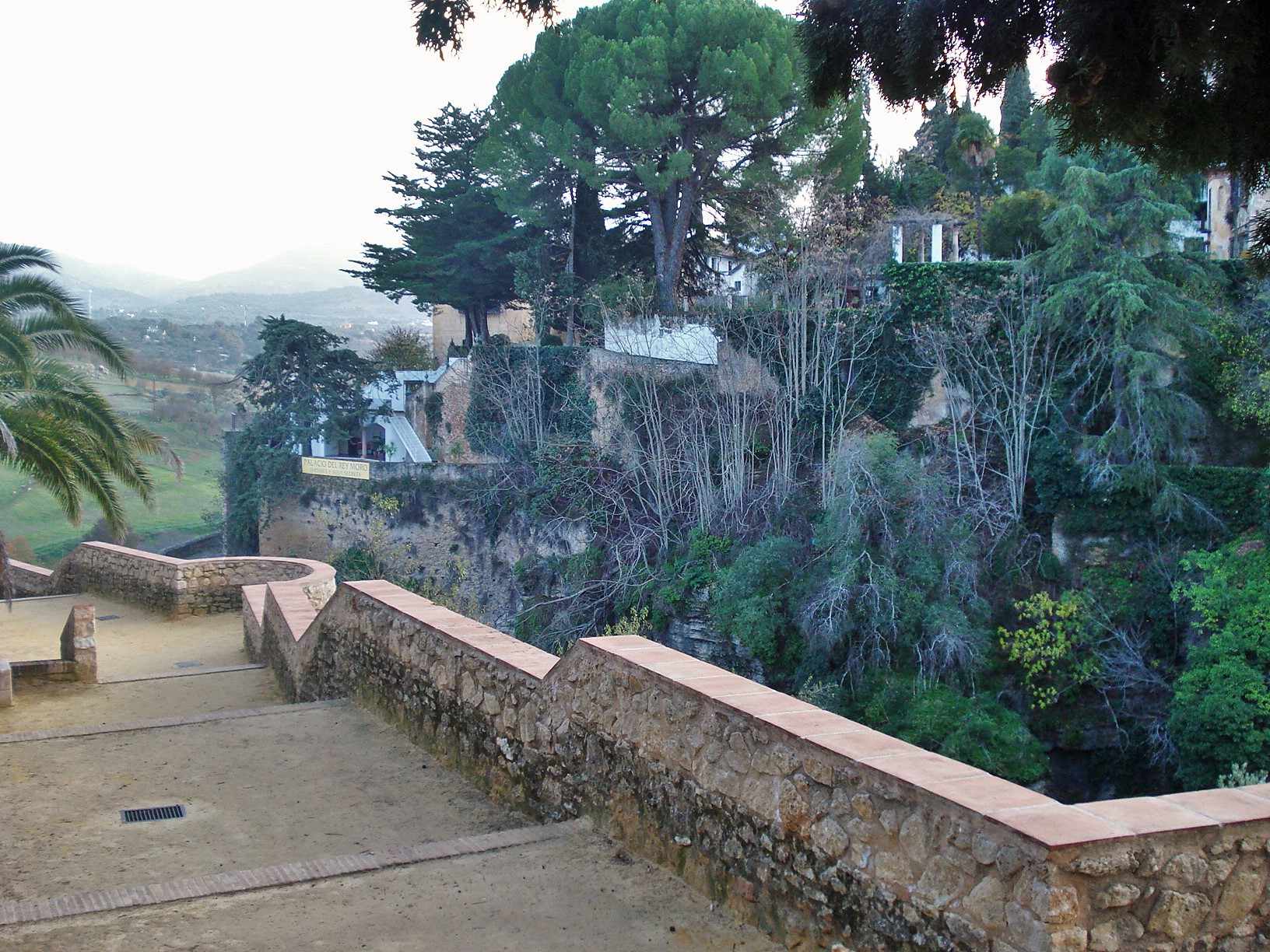
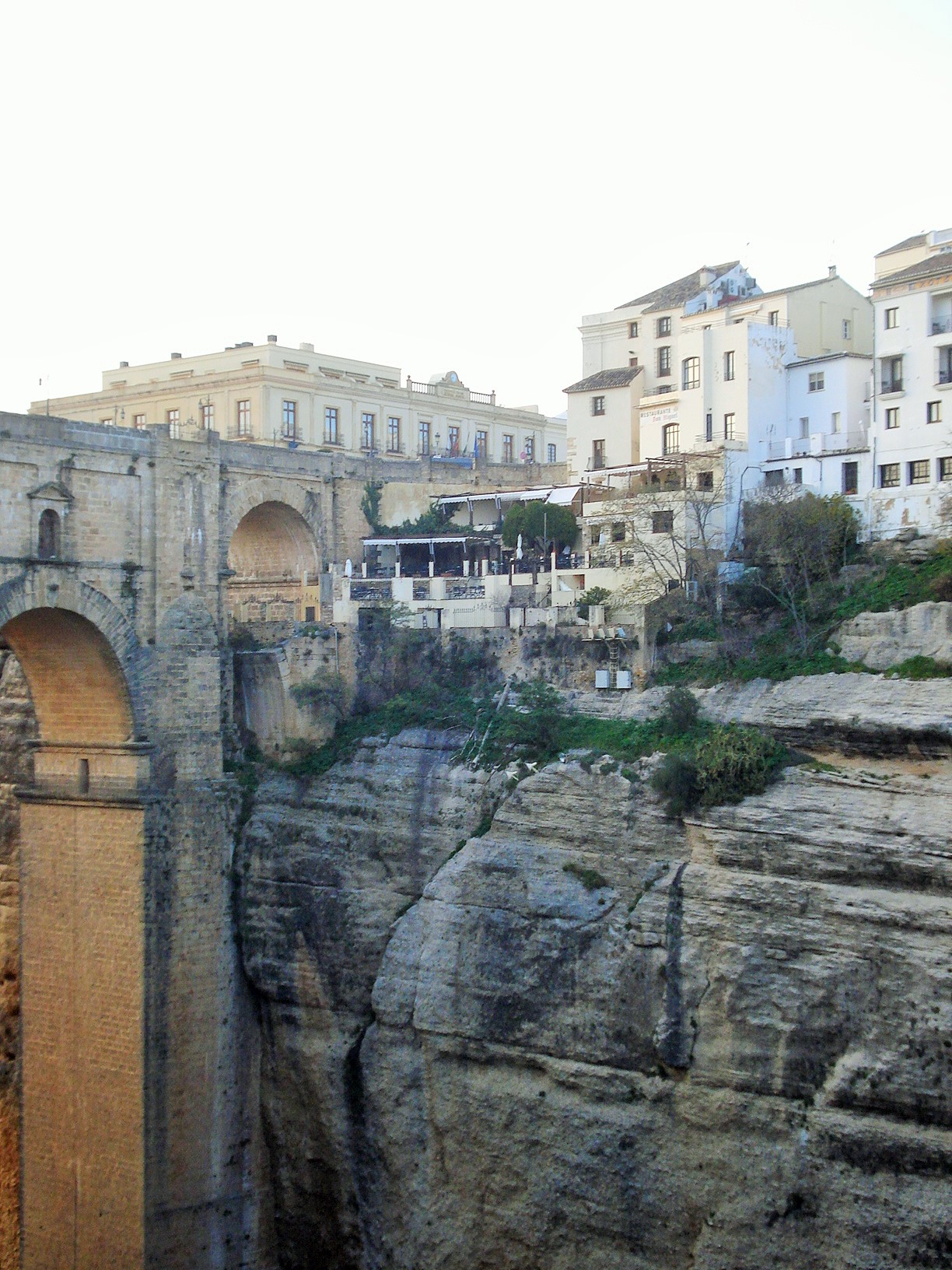
Jardines de Cuenca: A Cliffhanging Garden in Ronda, Spain
Ronda is one of the “white villages” of Andalusia in southern Spain. It is most famous for the steep cliffs separating the two sides of town and the jaw dropping view they offer. Ronda also has one of the oldest bullfighting arenas and Ernest Hemingway and Orson Welles were frequent visitors. streets are actually named after them.
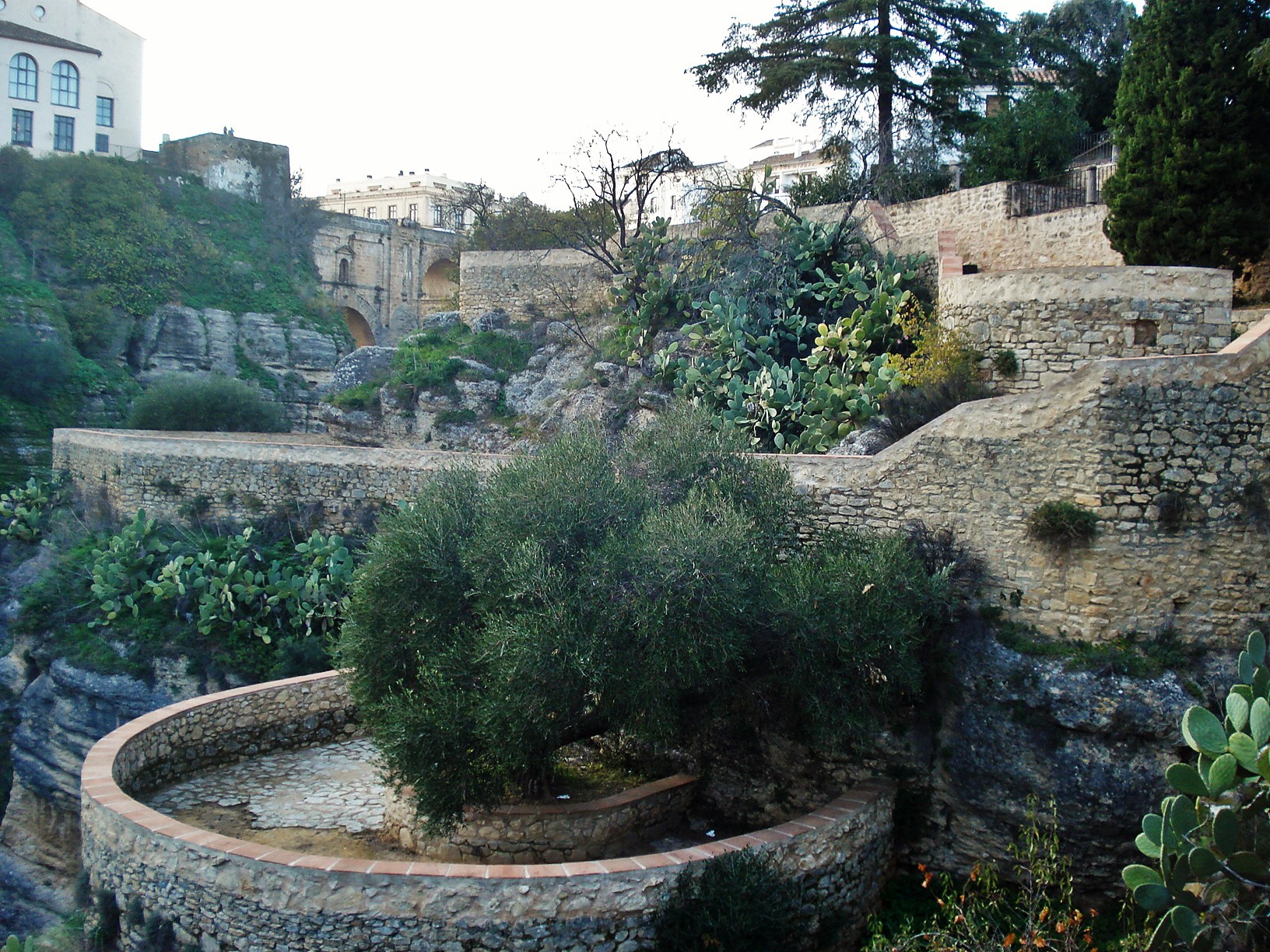
I visited Ronda in the winter, so I did not see the Jardines de Cuenca at their very best. The season however in no way detracted from appreciating this unique site, and the stunning views from this small garden literally hanging over the canyon. It is laid out as a series of small terraces, climbing up into the center and towards the main bridge, and planted with palm trees and succulents that are well adapted to the summer heat of southern Spain.









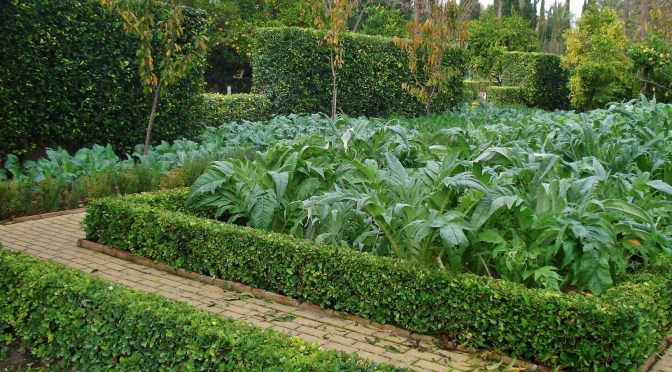
Cordoba Botanical Gardens: Sustainable Gardening & the Kitchen Garden
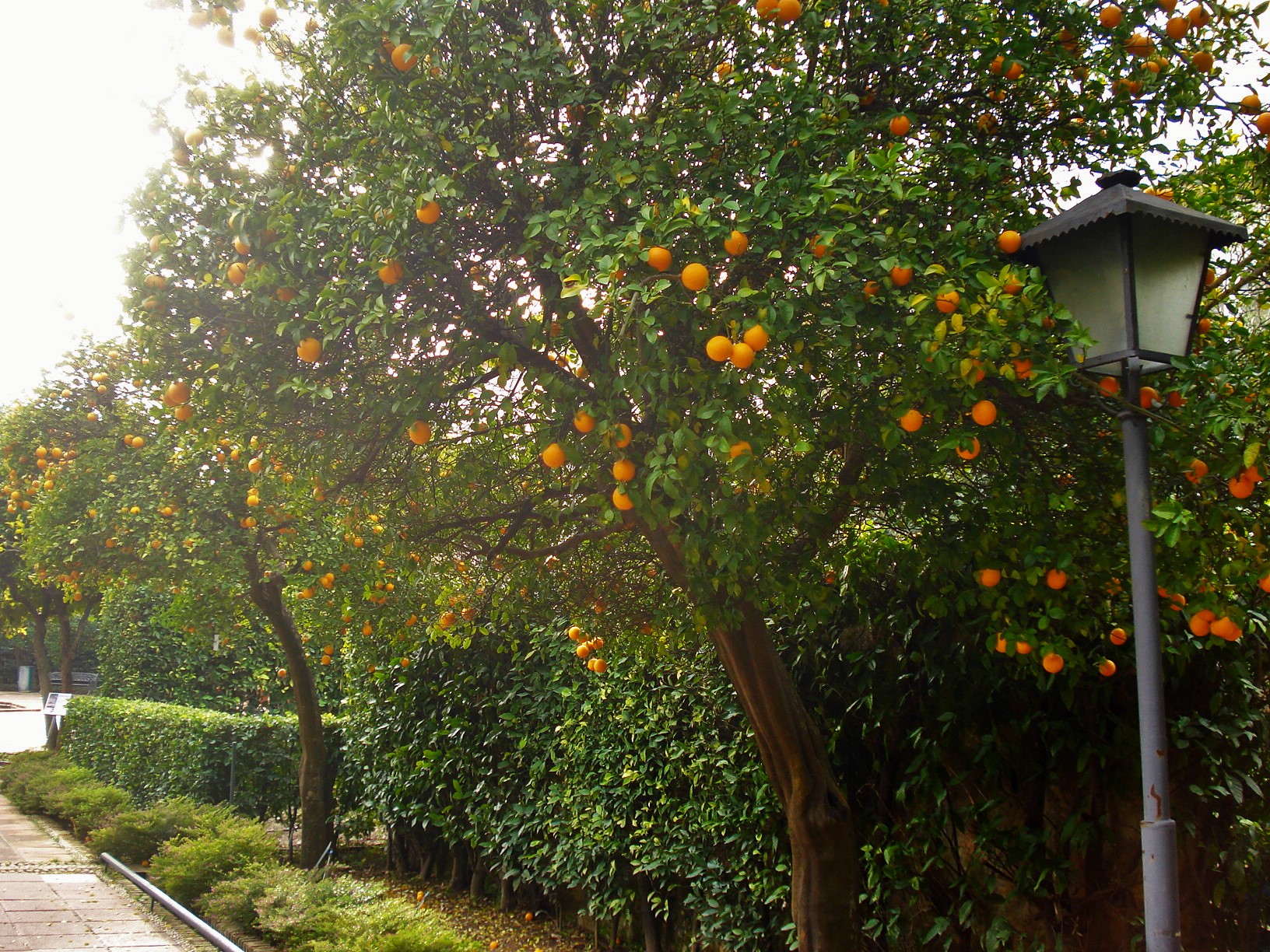
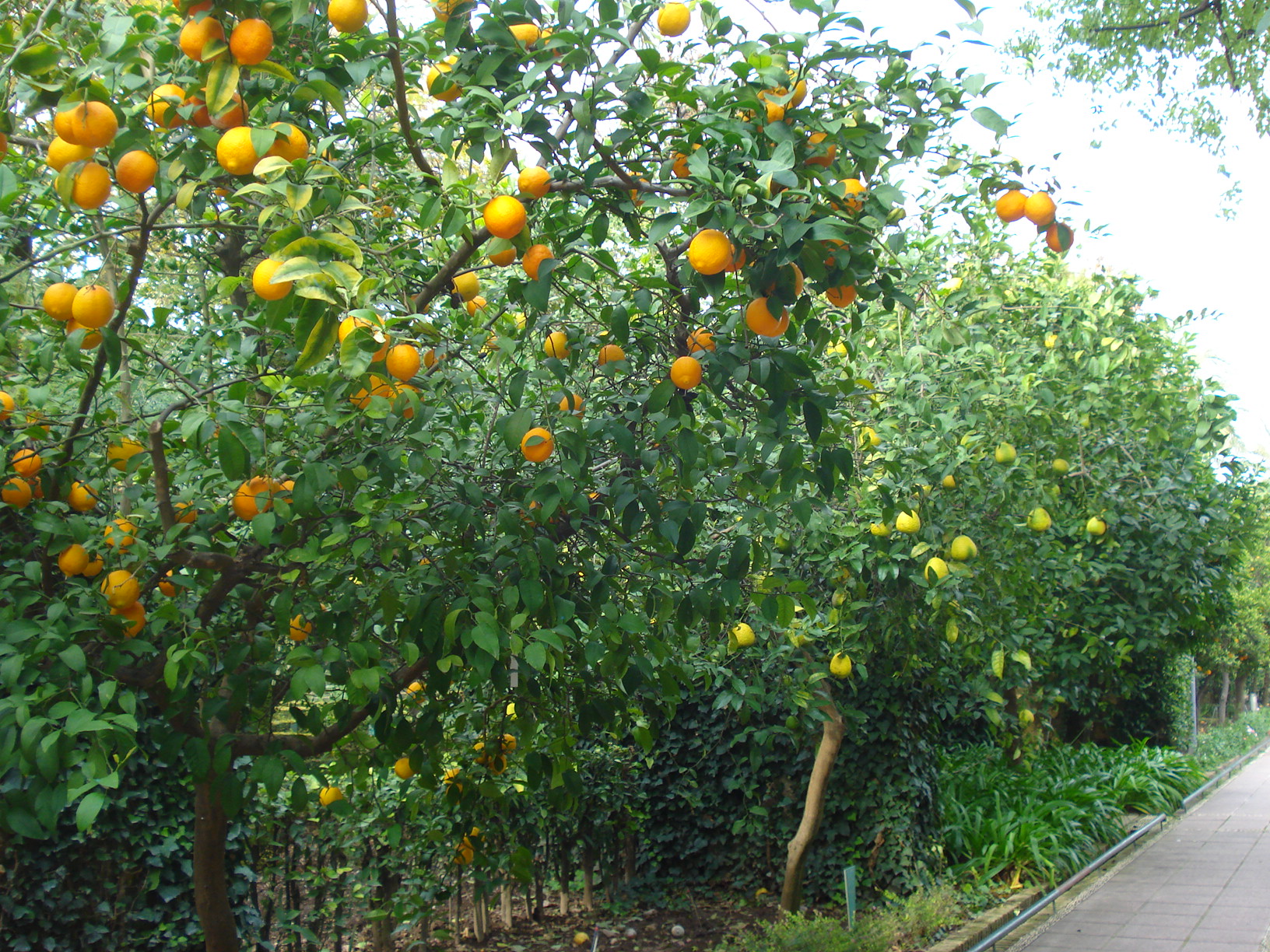
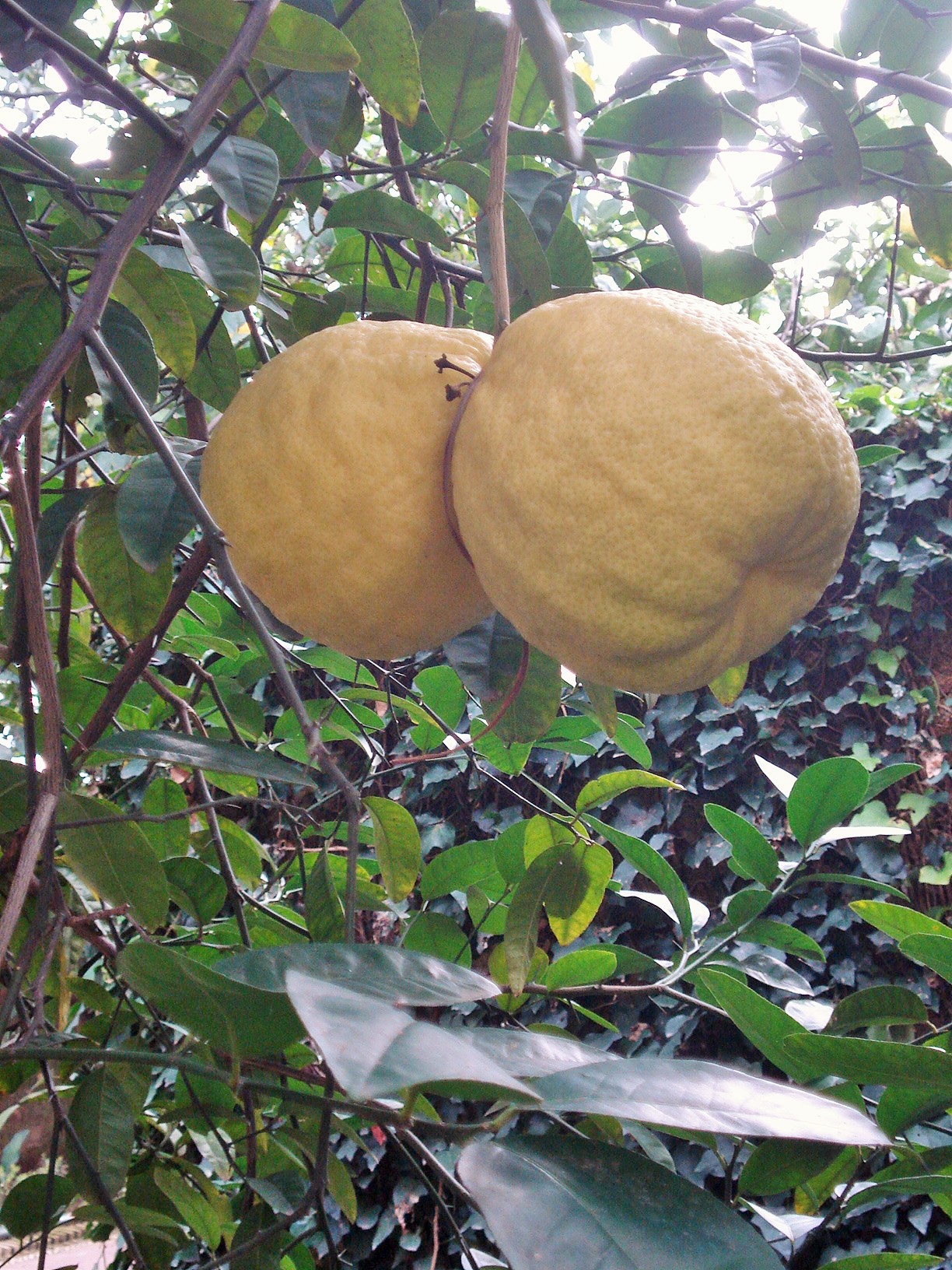
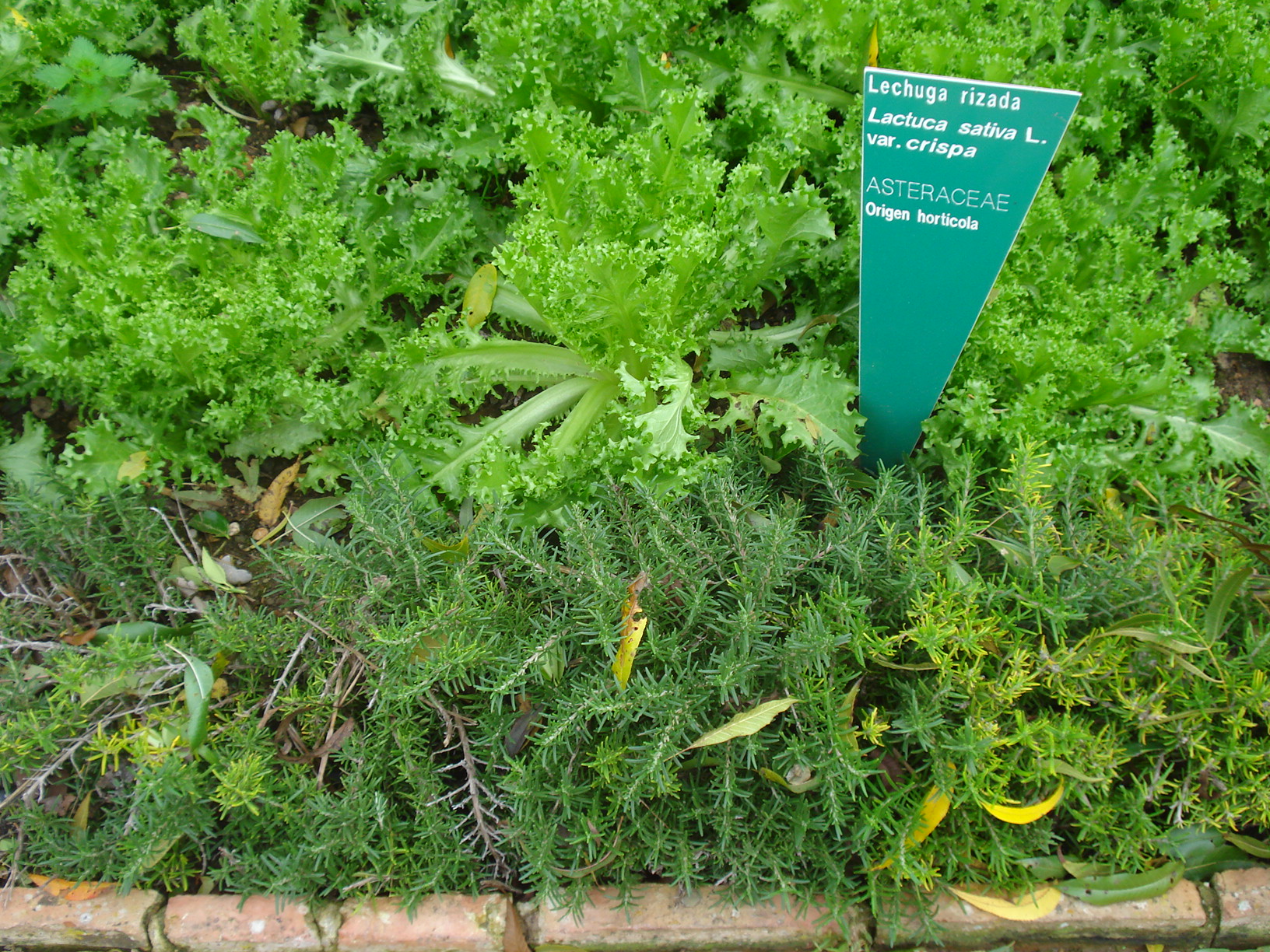
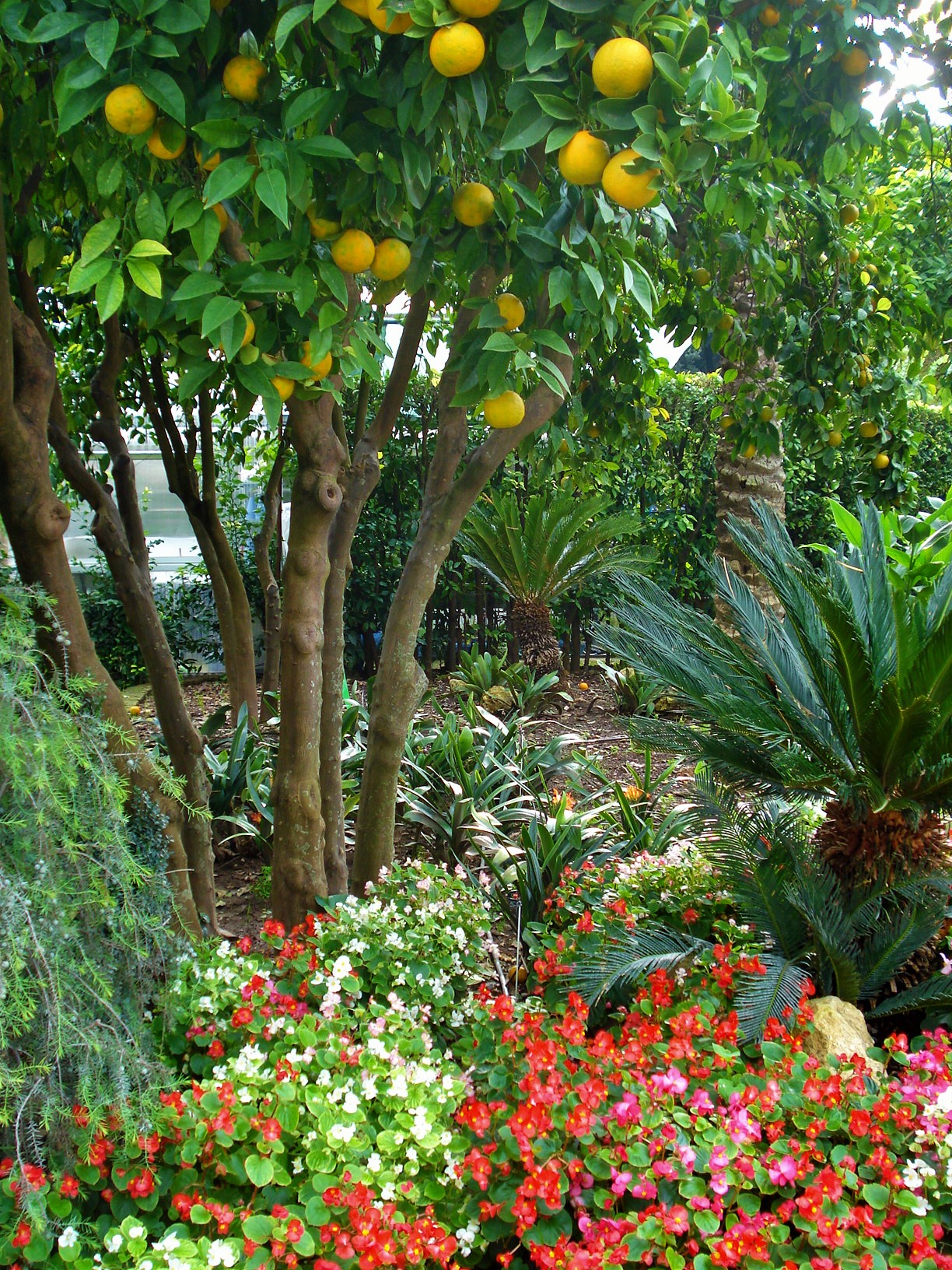
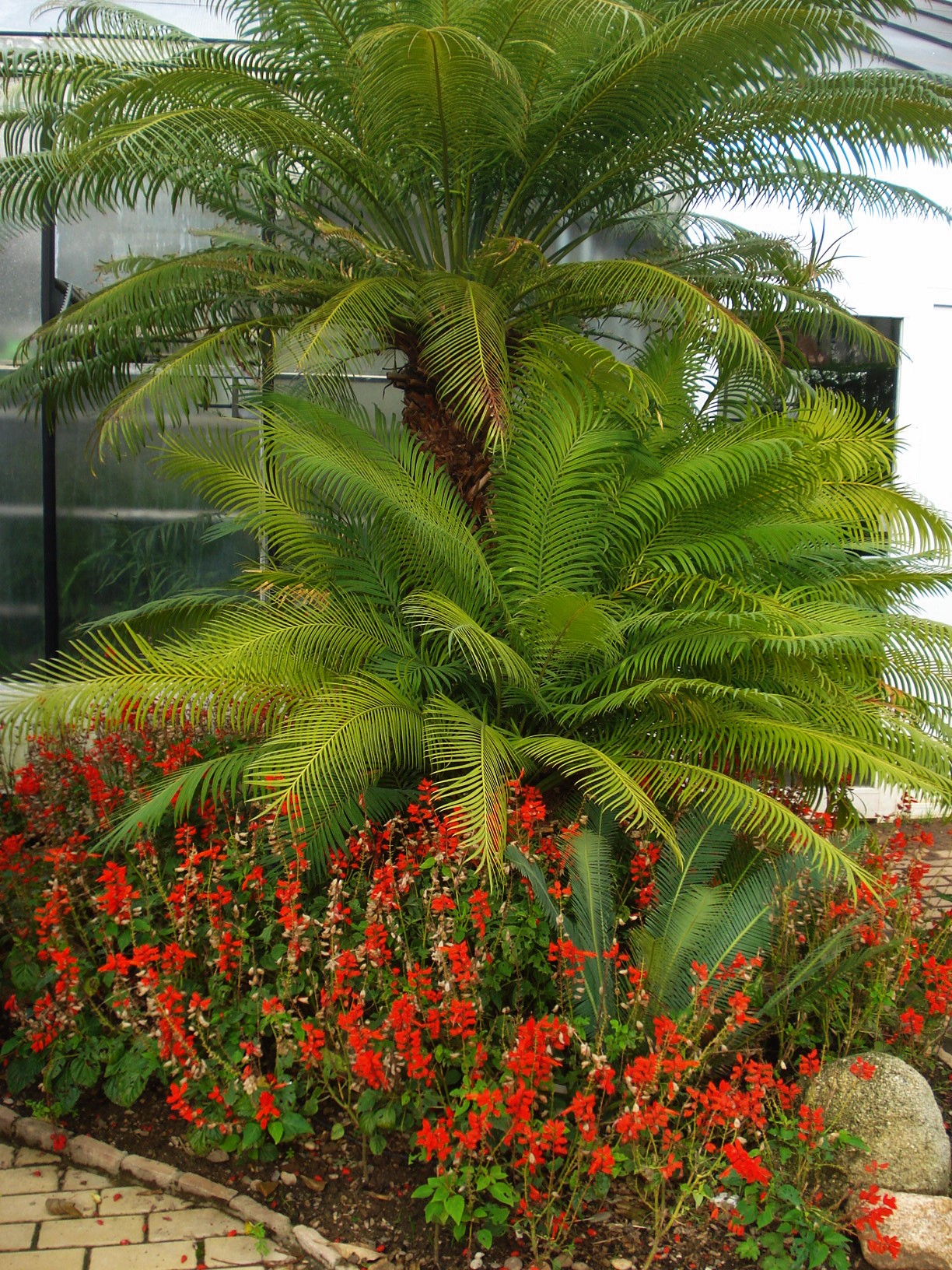
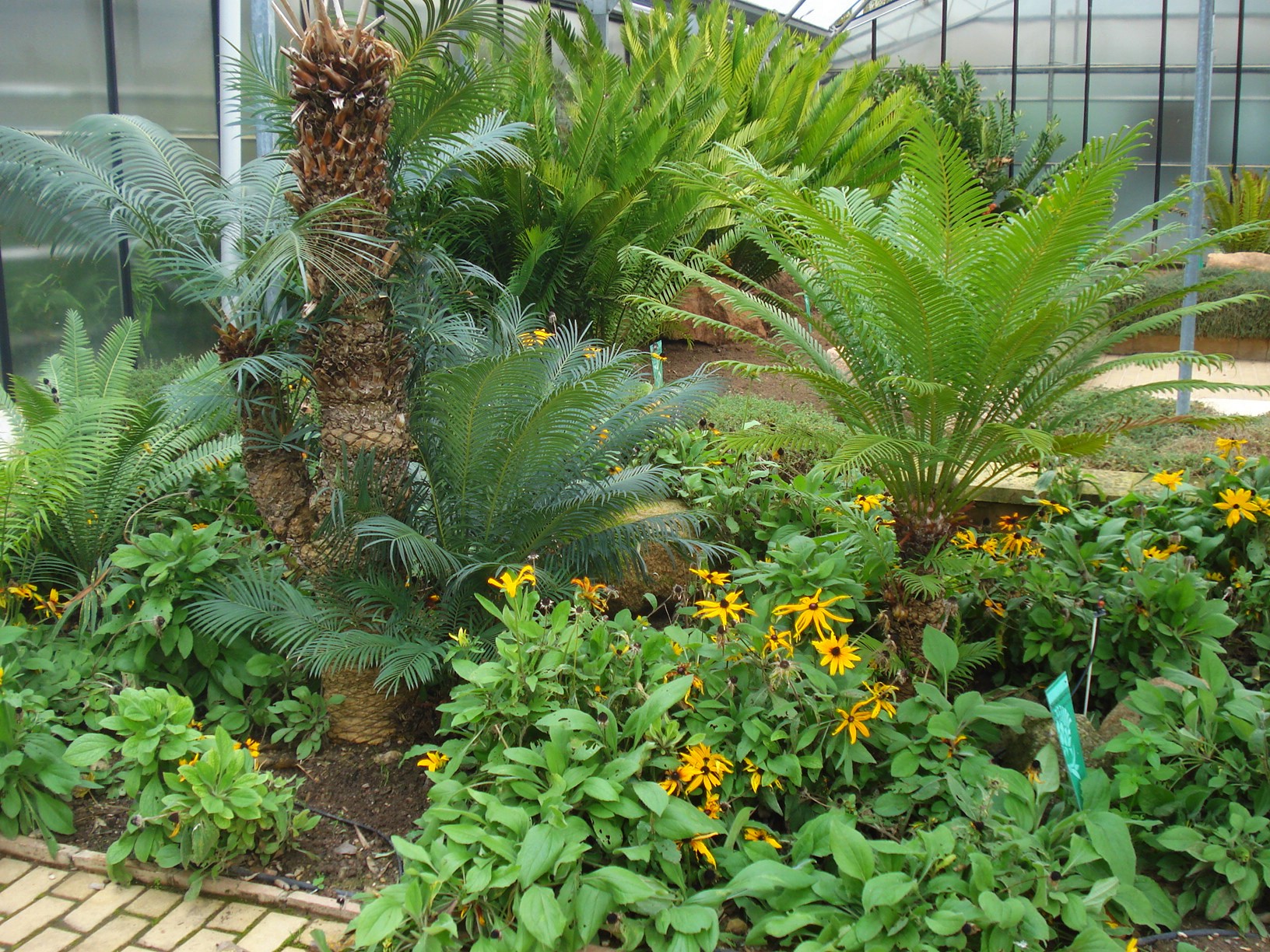
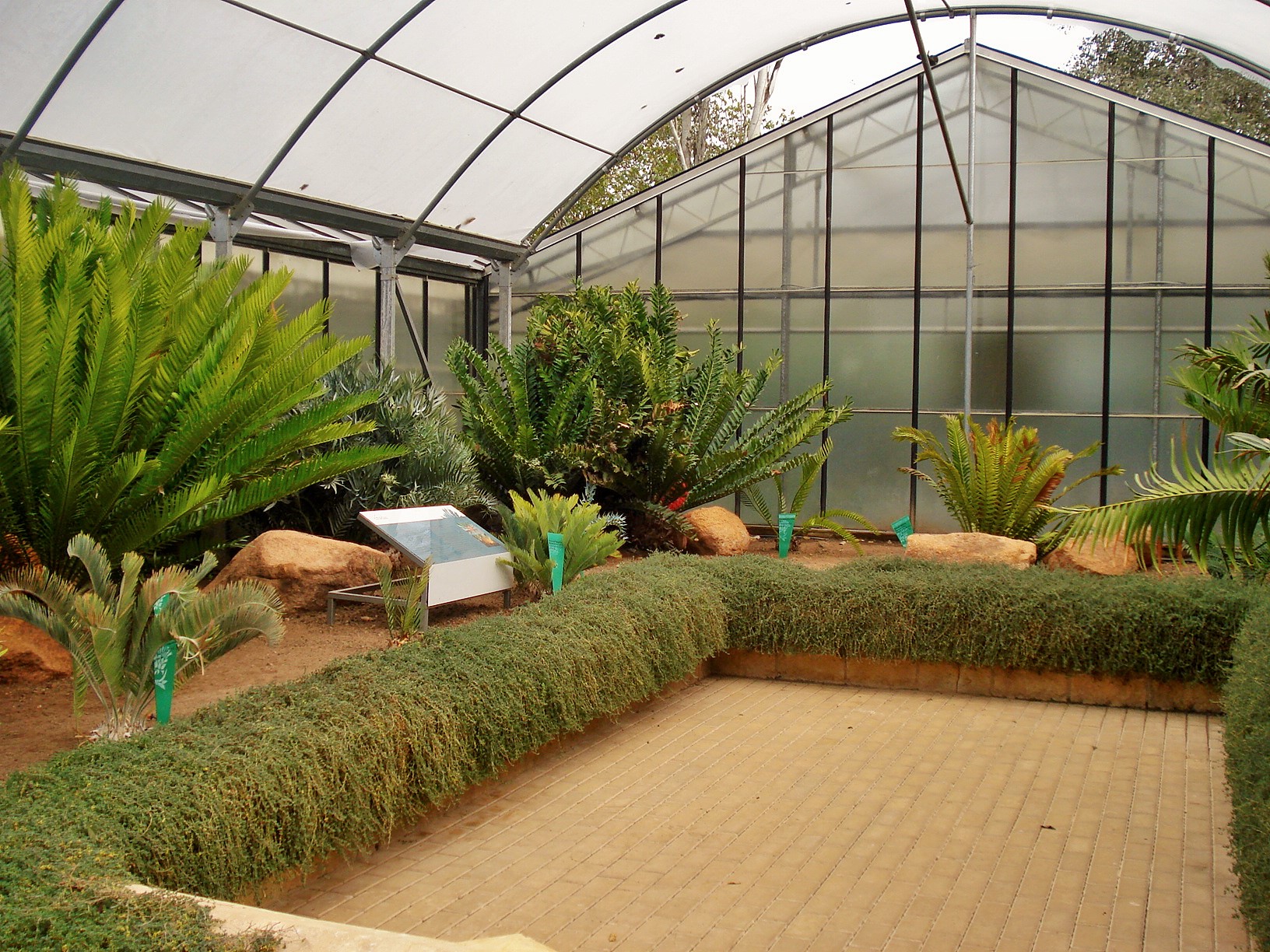
The Botanical Gardens in Cordoba, Spain opened in 1887 and were designed for primarily educational and scientific purposes. They are laid out along a wide central alley leading on one side to the Collections, species native to Spain arranged in borders edges by low growing rosemary or hackberry, and on the other side the Agricultural School, featured in this post, with a large collection of citrus trees as well as an extensive vegetable and kitchen garden. In the center are greenhouses dedicated to species from the Canary Islands, Balearic Islands and Andalusia, as well as a lovely area dedicated to the Andalusian patio.
In the School of Agriculture, the emphasis is on sustainability and diversity, with sustainability and organic gardening on the forefront. Plants grown are those for human or animal consumption as well as any plants offering benefits or use to people. Many different methods of cultivation are used and in those collection one can observe the different cycless of plants through the seasons.








Cordoba Botanical Gardens: the Scientific Garden
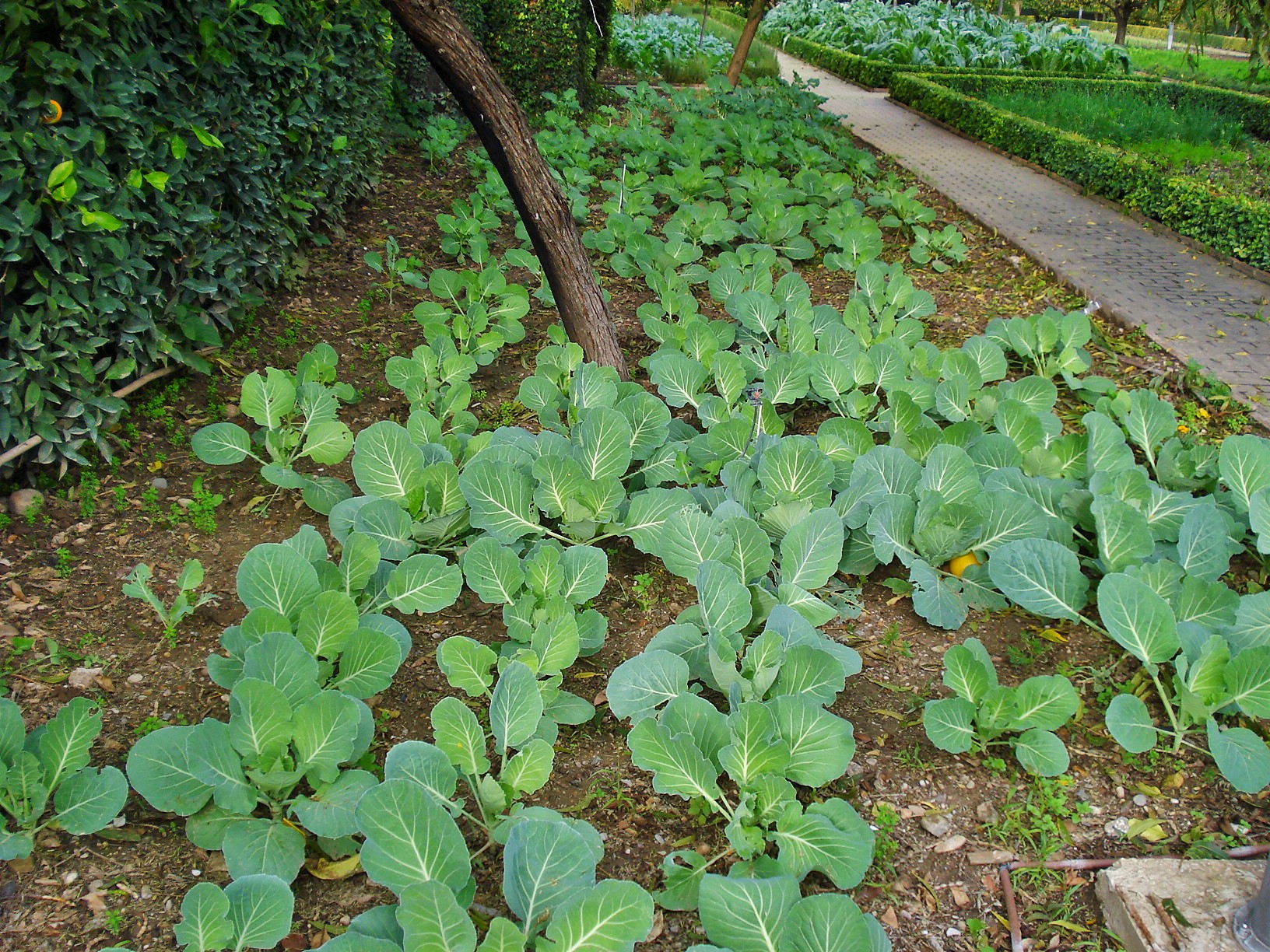
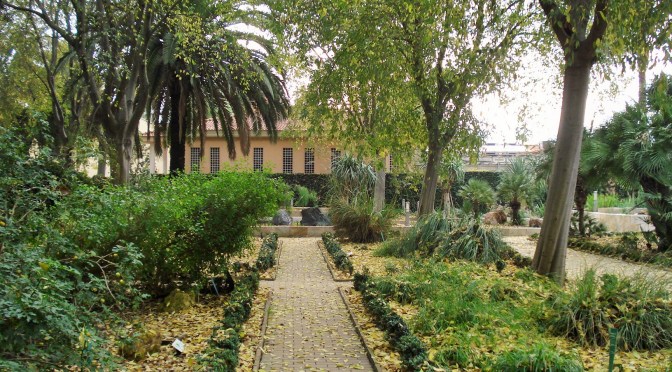
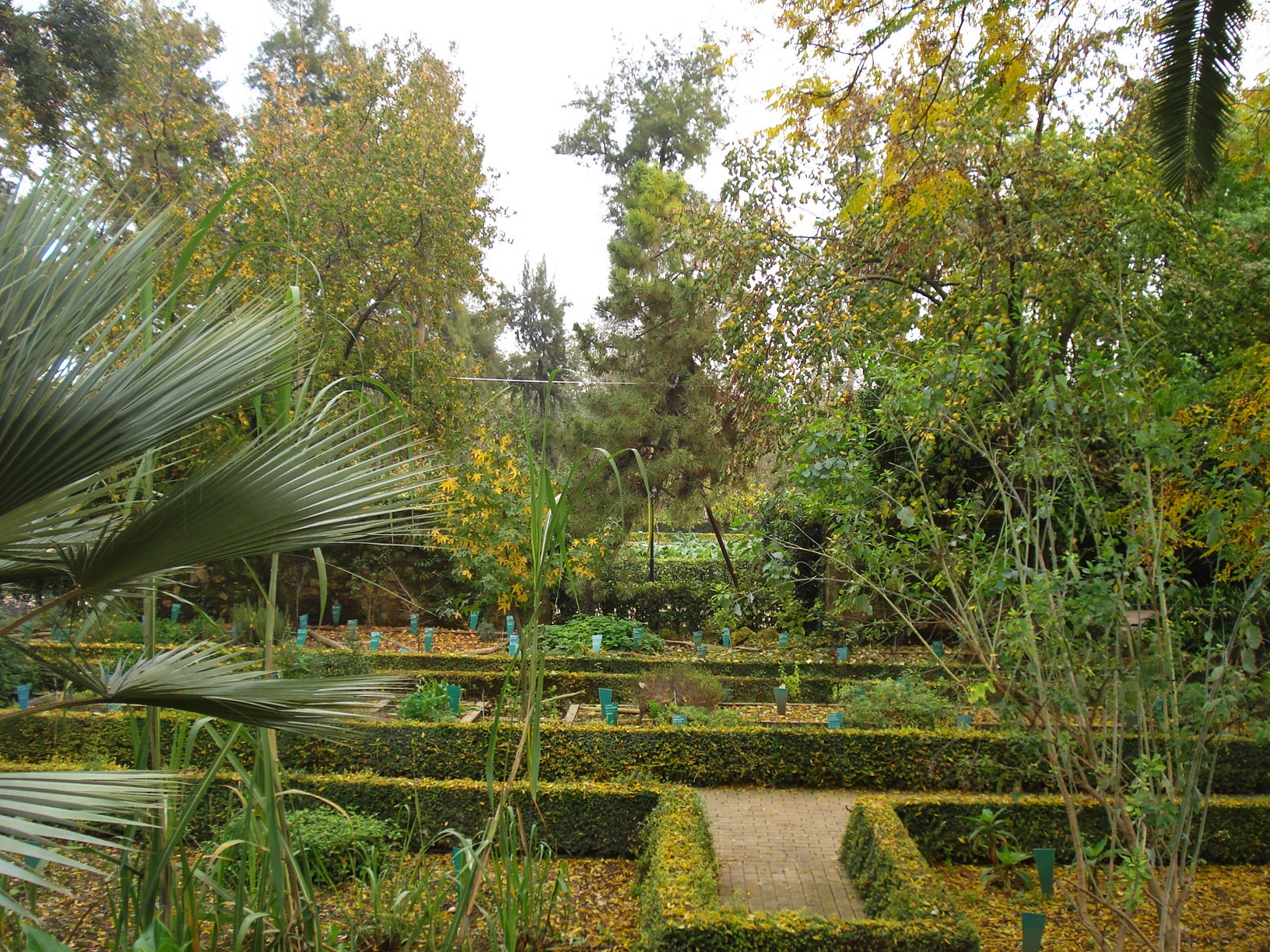
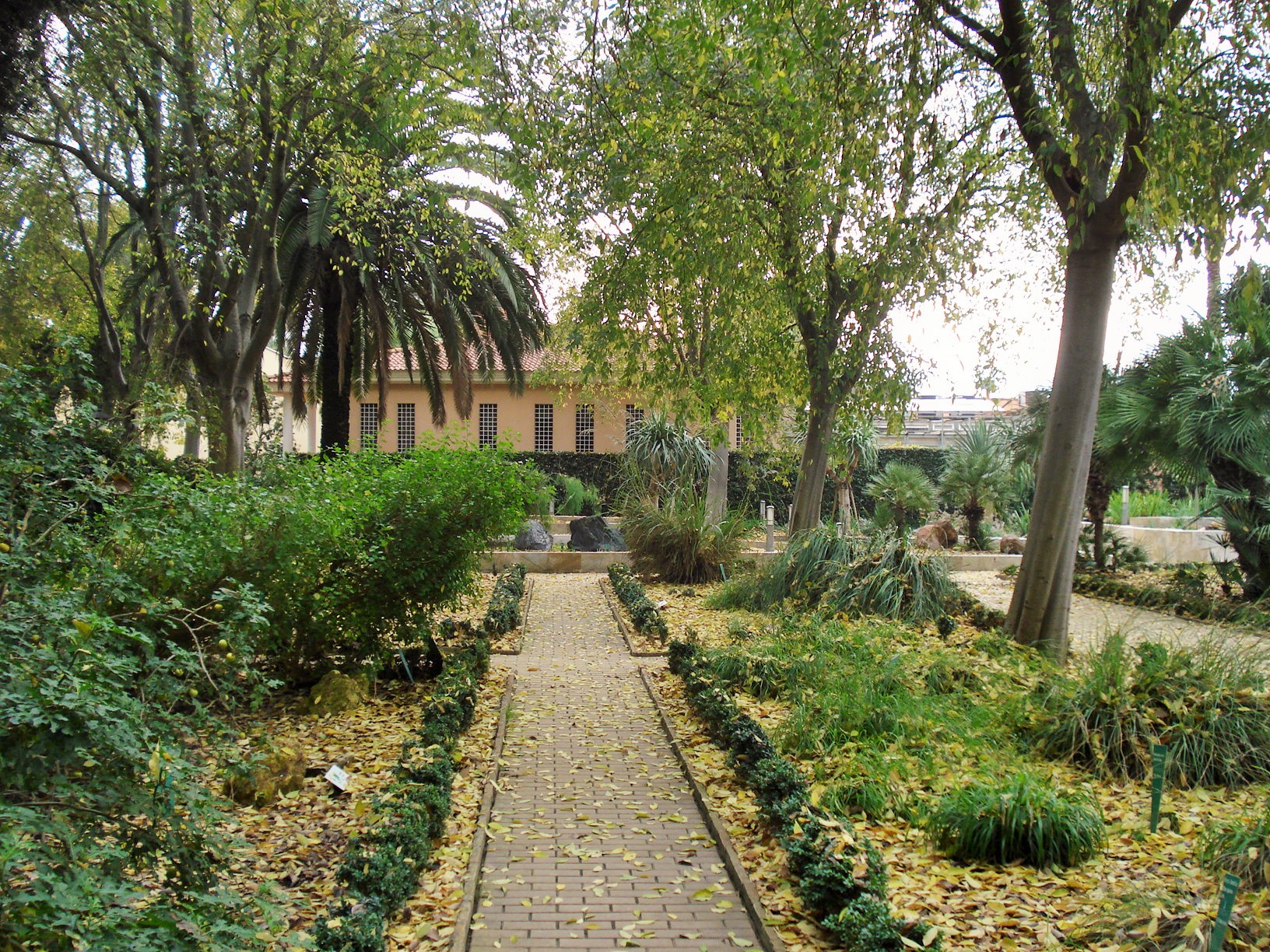
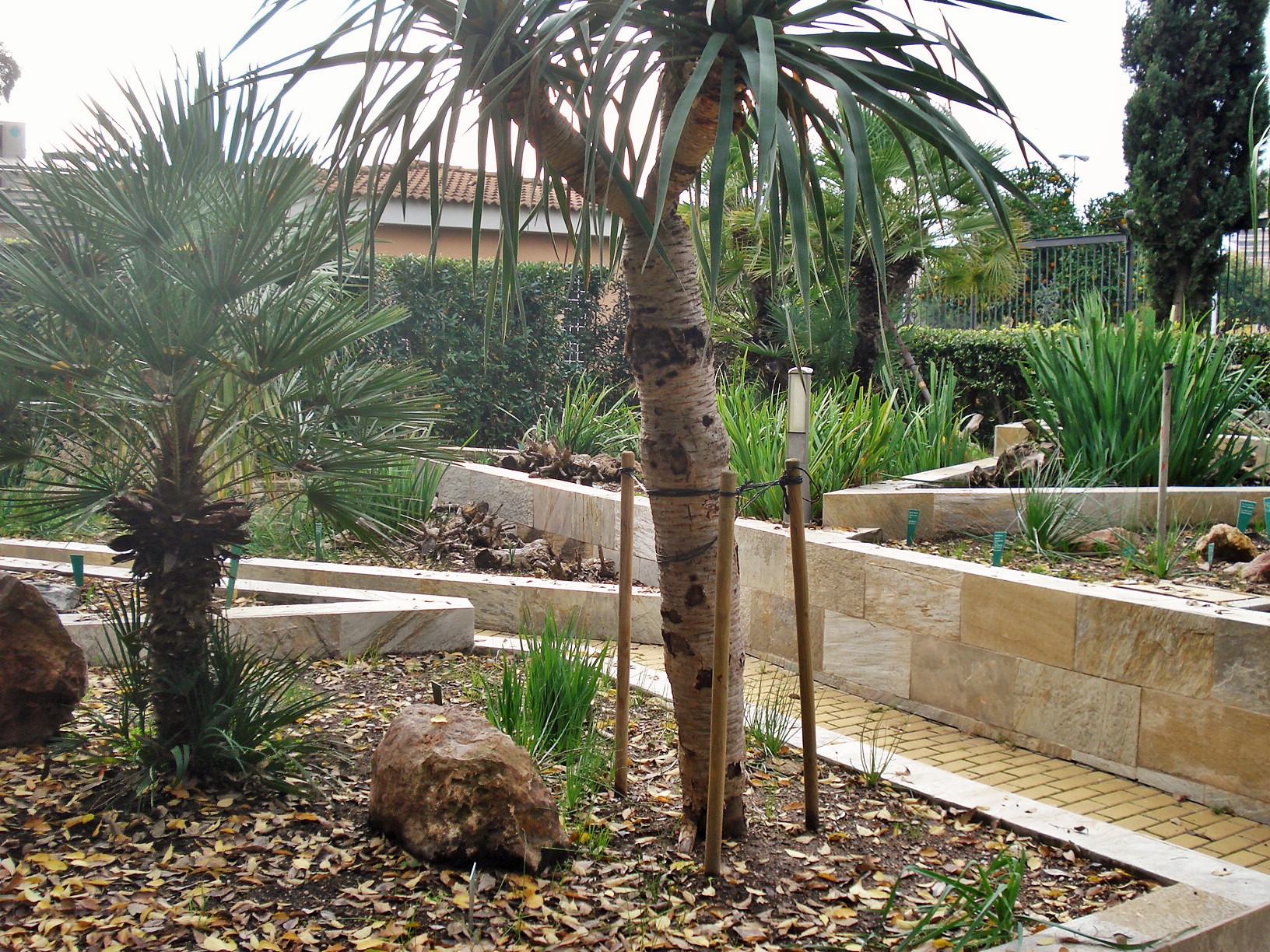
The Botanical Gardens in Cordoba, Spain opened in 1887 and were designed for primarily educational and scientific purposes. They are laid out along a wide central alley leading on one side to the Collections, featured in this post, species native to Spain arranged in borders edges by low growing rosemary or hackberry, and on the other side the Agricultural School with a large collection of citrus trees as well as an extensive vegetable garden. In the center are greenhouses dedicated to species from the Canary Islands, Balearic Islands and Andalusia, as well as a lovely area dedicated to the Andalusian patio.
he Collections are arranged scientifically along a central alley, by species and variety. All the plants included in the collections are autochtone to Spain.








Abbaye of Daoulas in Brittany: Art in the Gardens
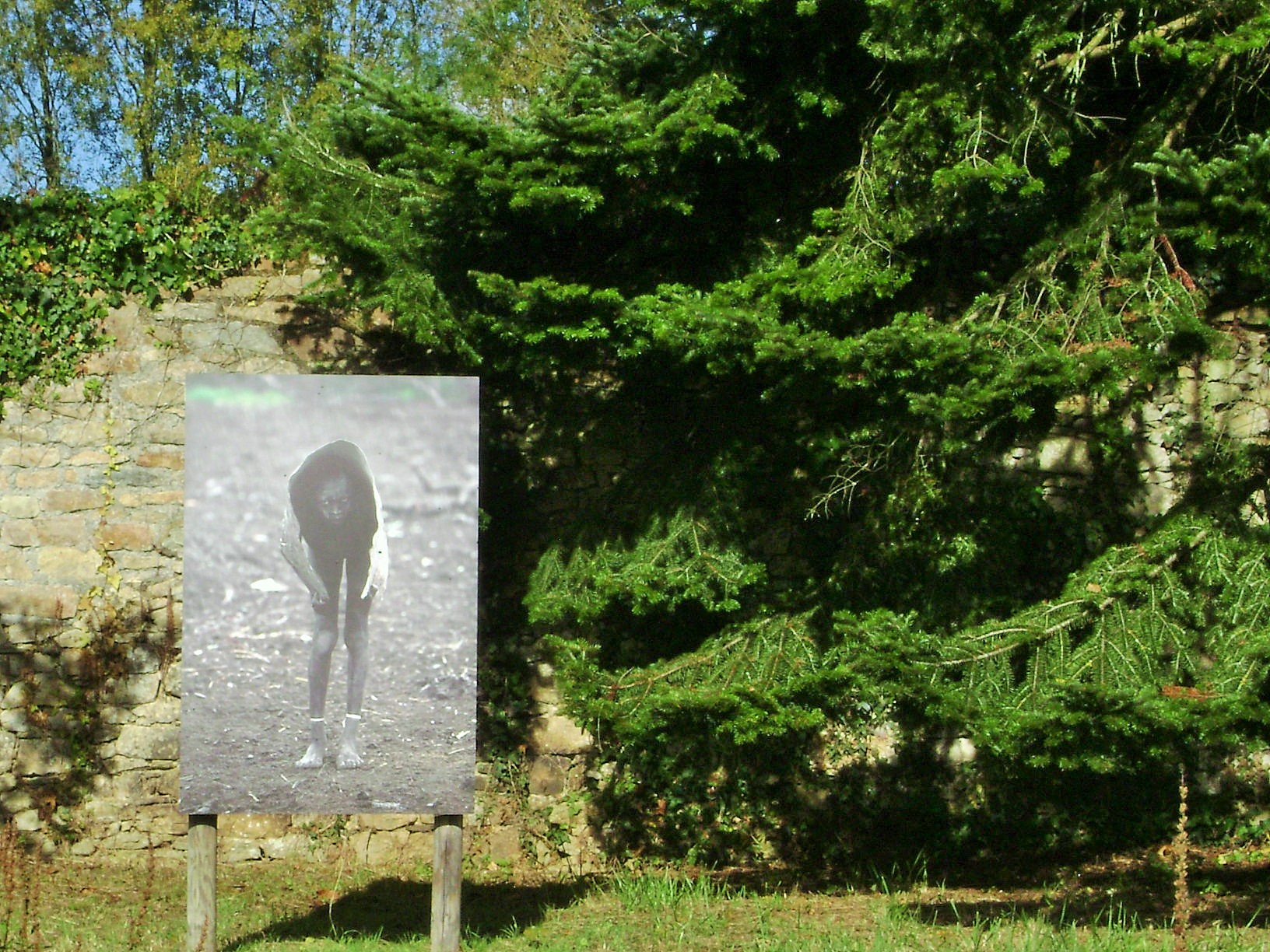
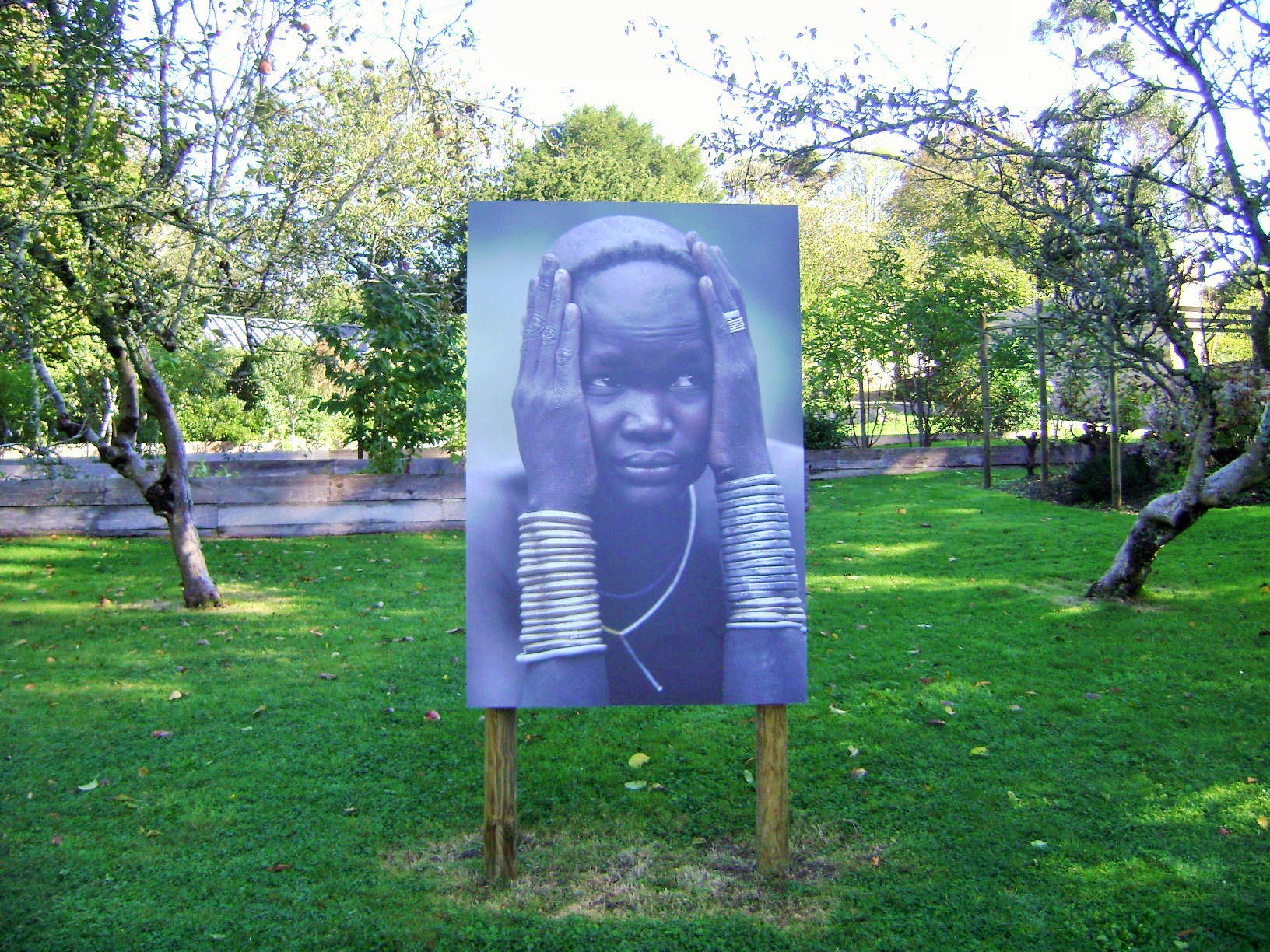
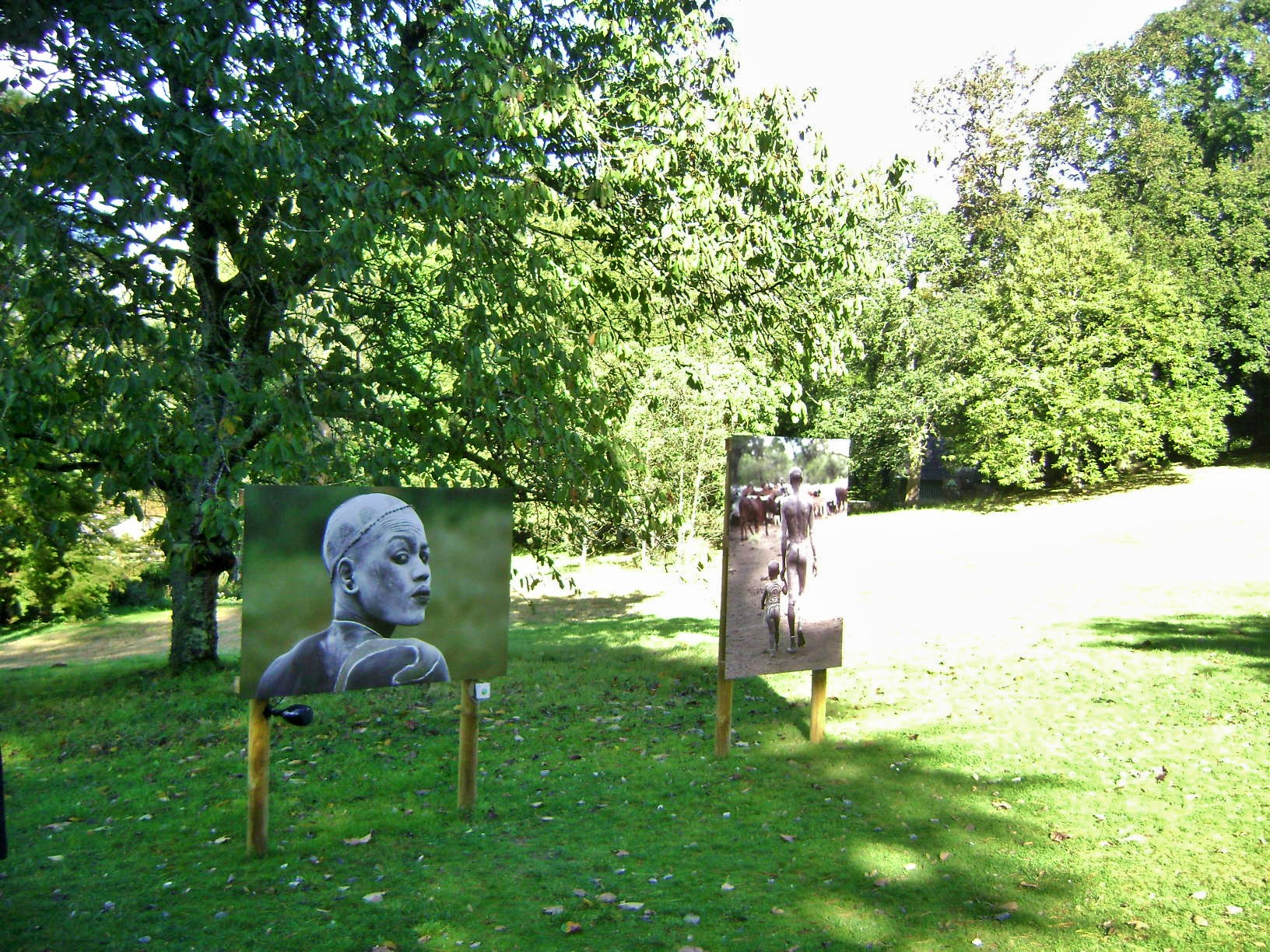
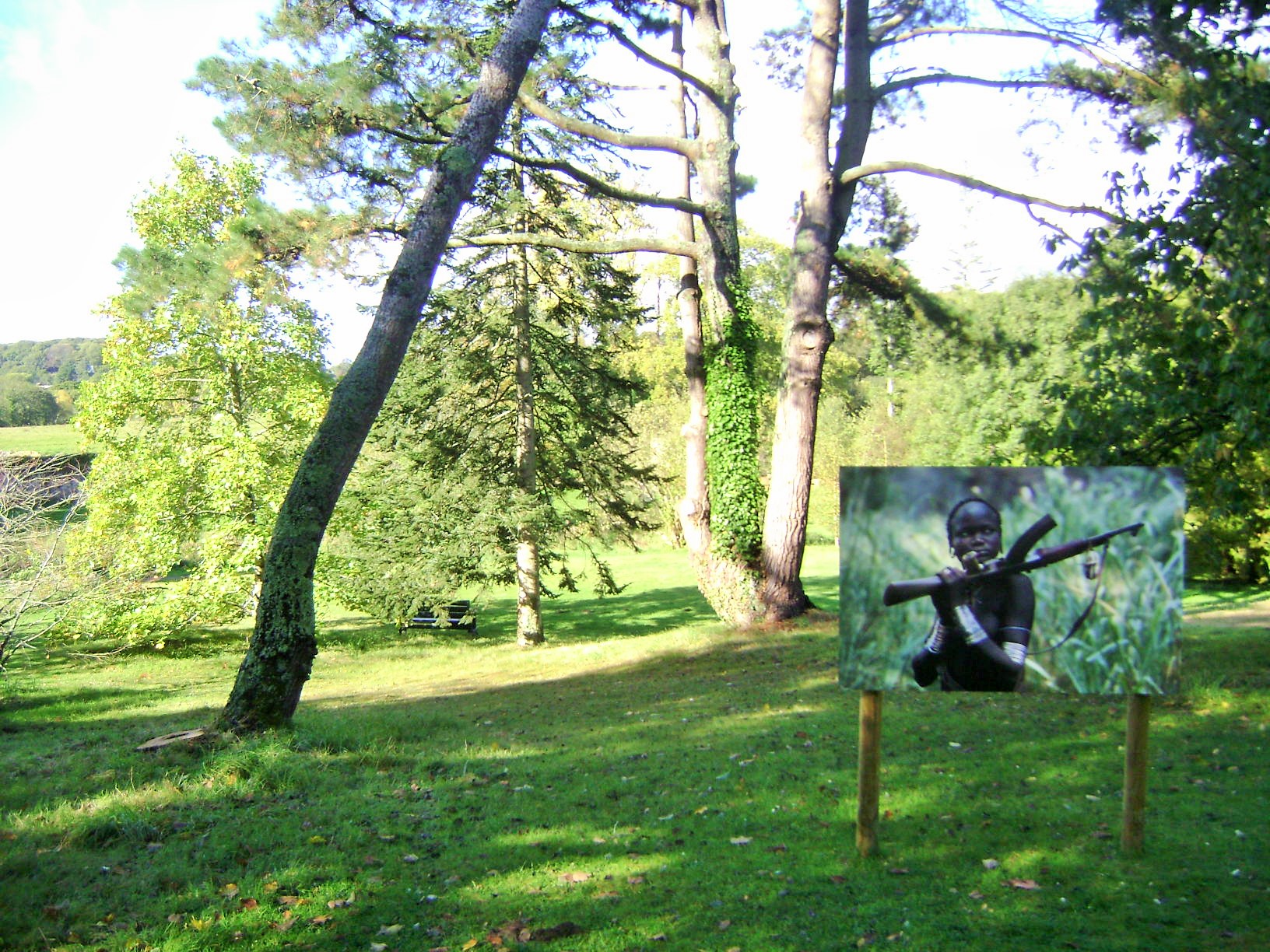
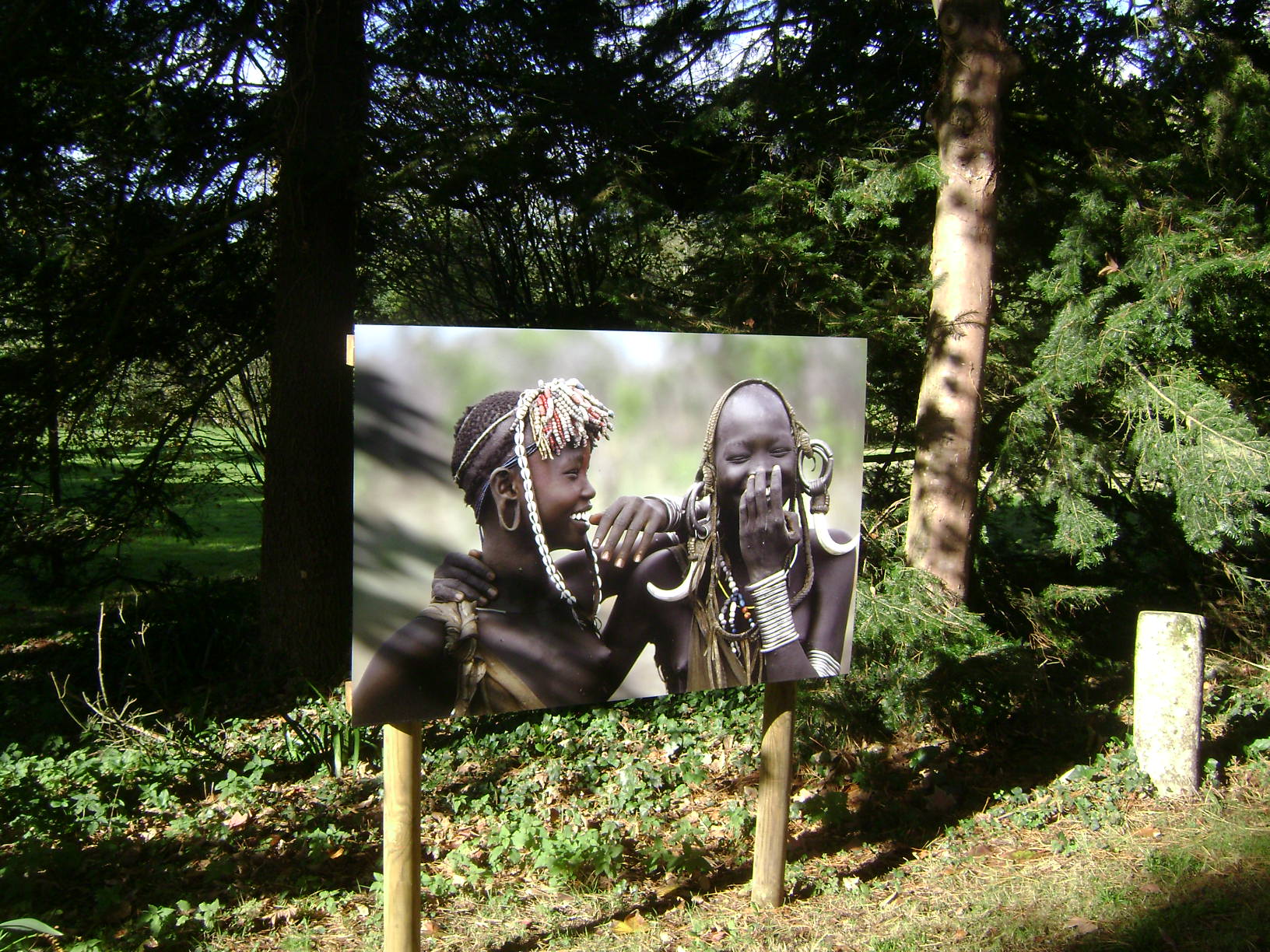
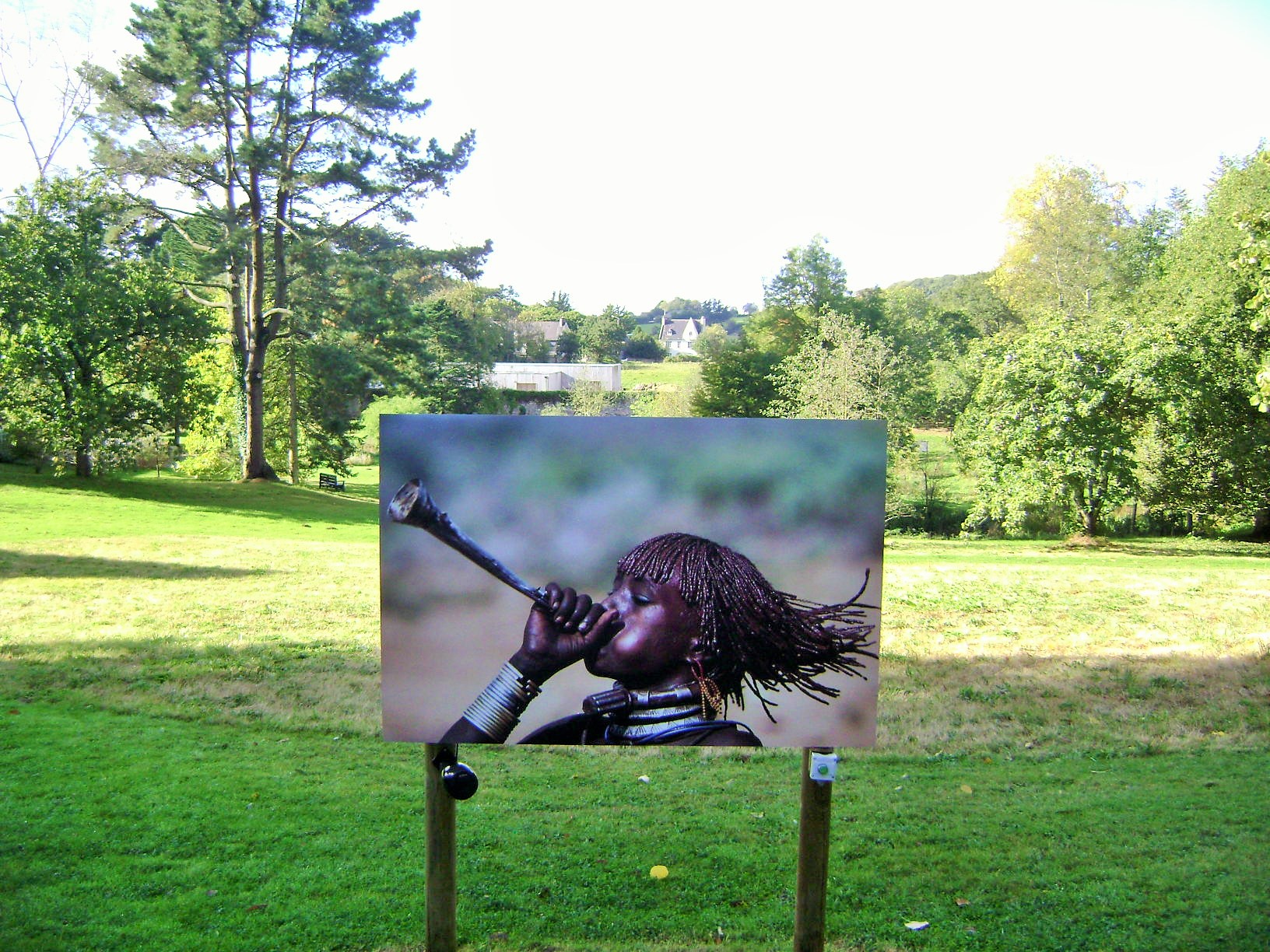
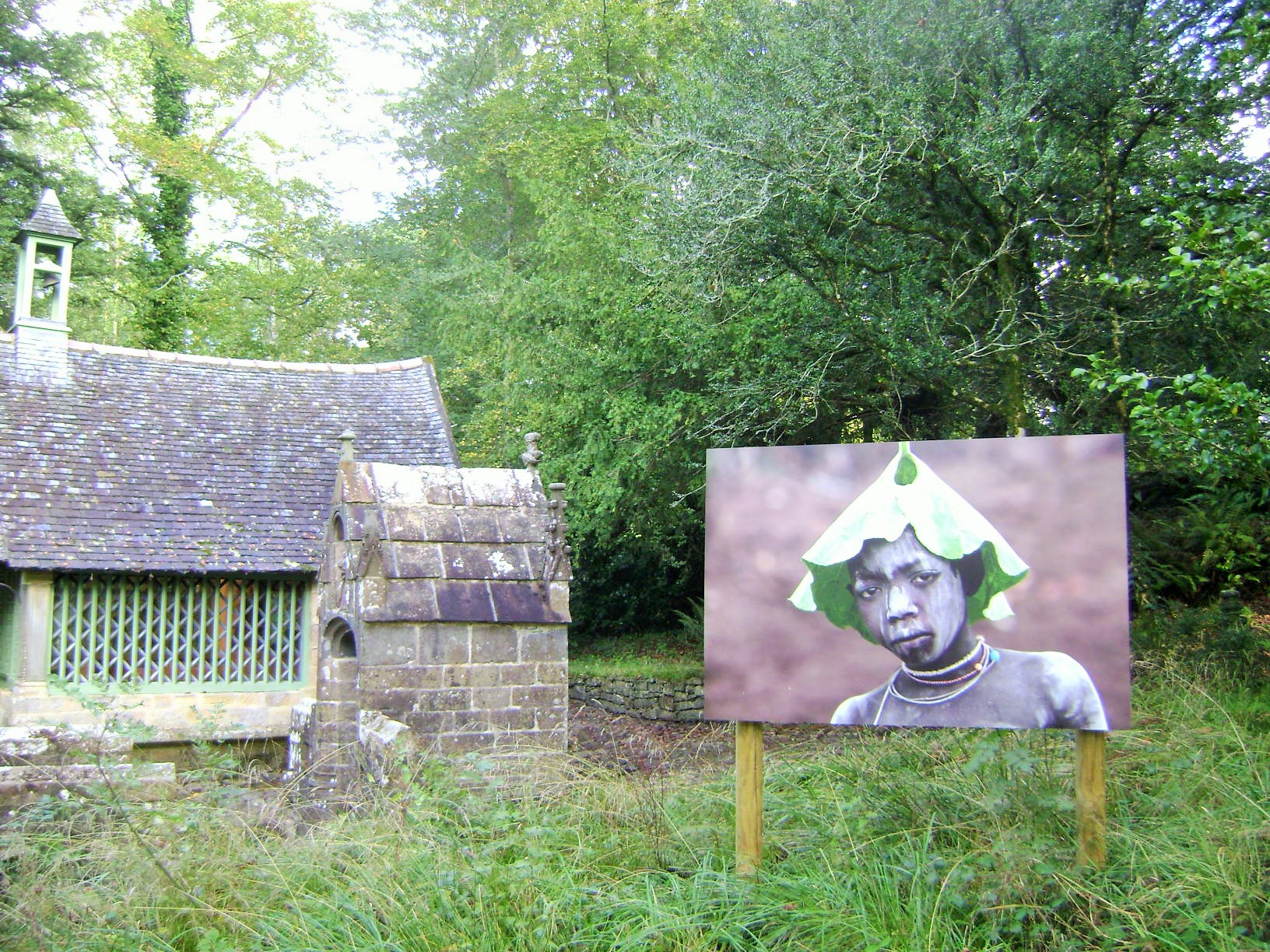
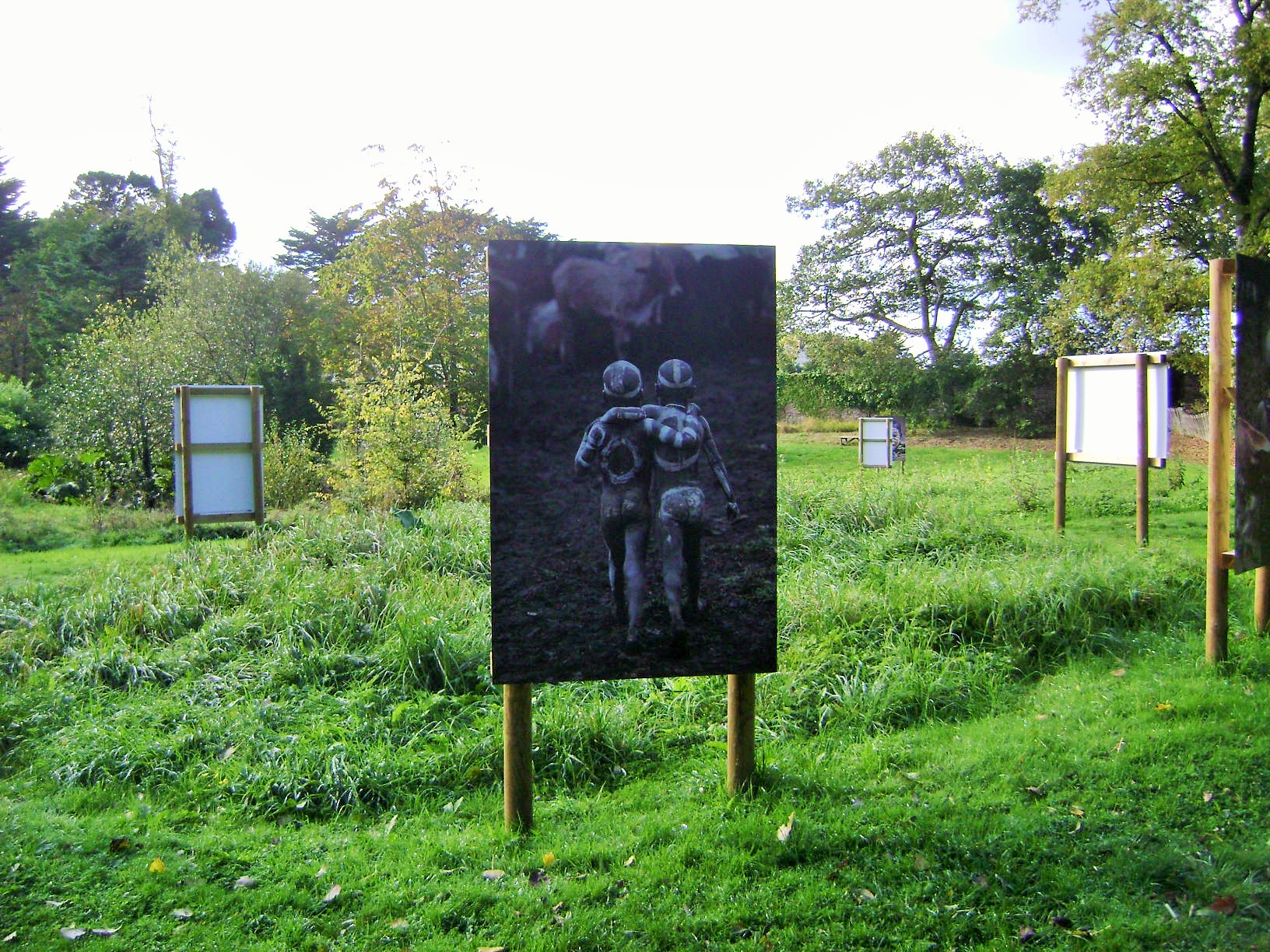
The romanesque style Abbaye of Daoulas in the Brittany region of France dates back to the 12th century. This site is of interest not only for the monastery itself but for a remarkable cloister unique in Brittany, large grounds with a pond, old washouse and integrating outdoor art exhibits, but also for its medicinal garden which has one of the largest collection of plants in Europe. I am writing about these in separate posts.
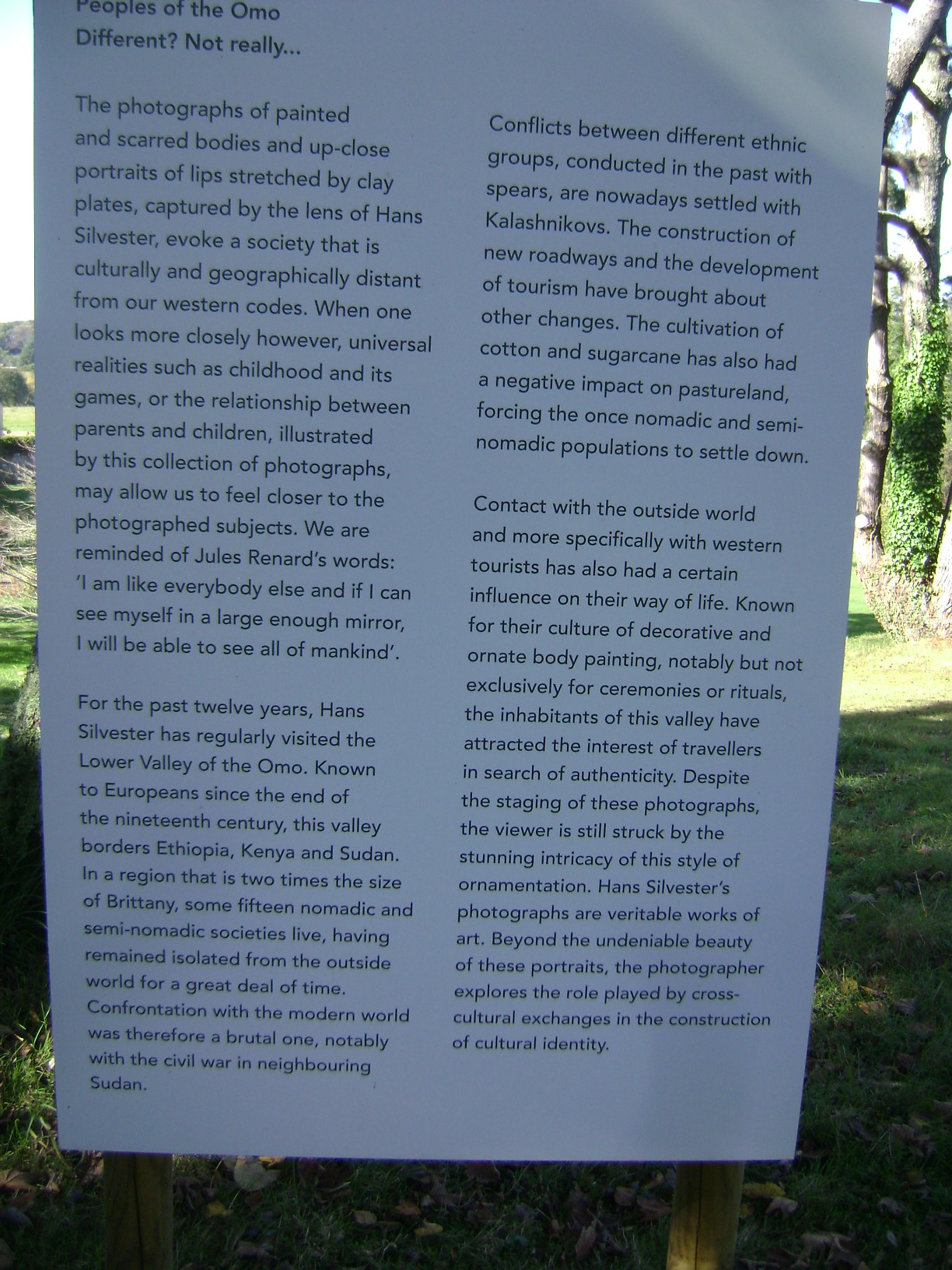
In this post, I am featuring the grounds and art exhibit. The grounds of the abbaye form an unexpected background for large scale photos of the Omi people by photographer Hans Sylvester. Showing people who are so strikingly different from us at first glance, he also captures a human commonality in everyday gestures and occupations.








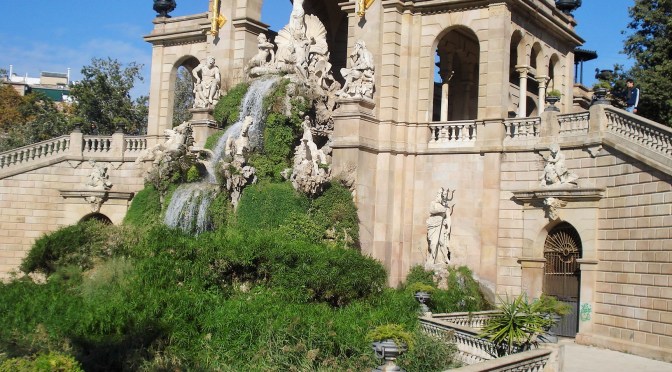
Barcelona Ciutadella Park: Fountains, Gaudi and Gardens
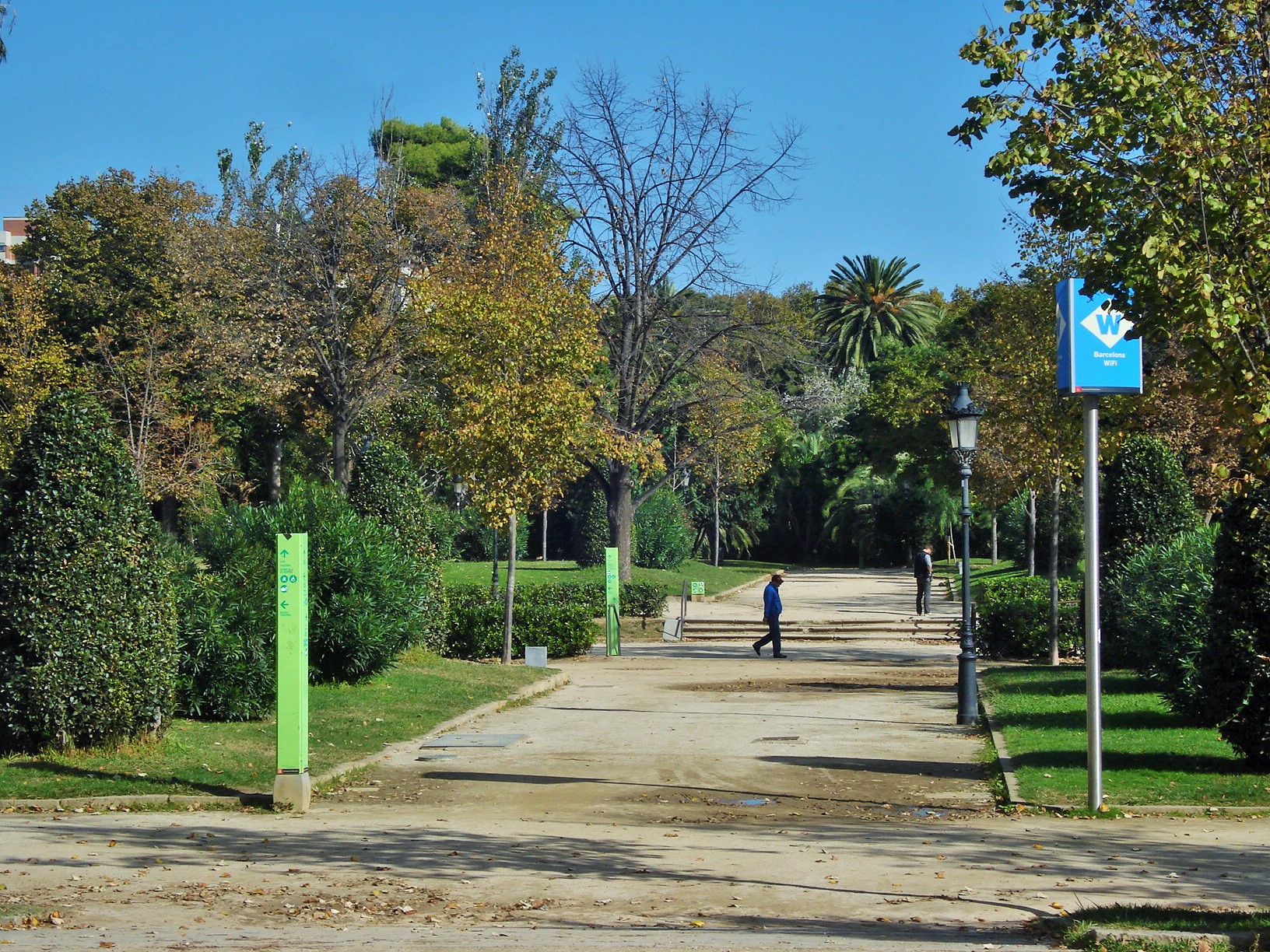
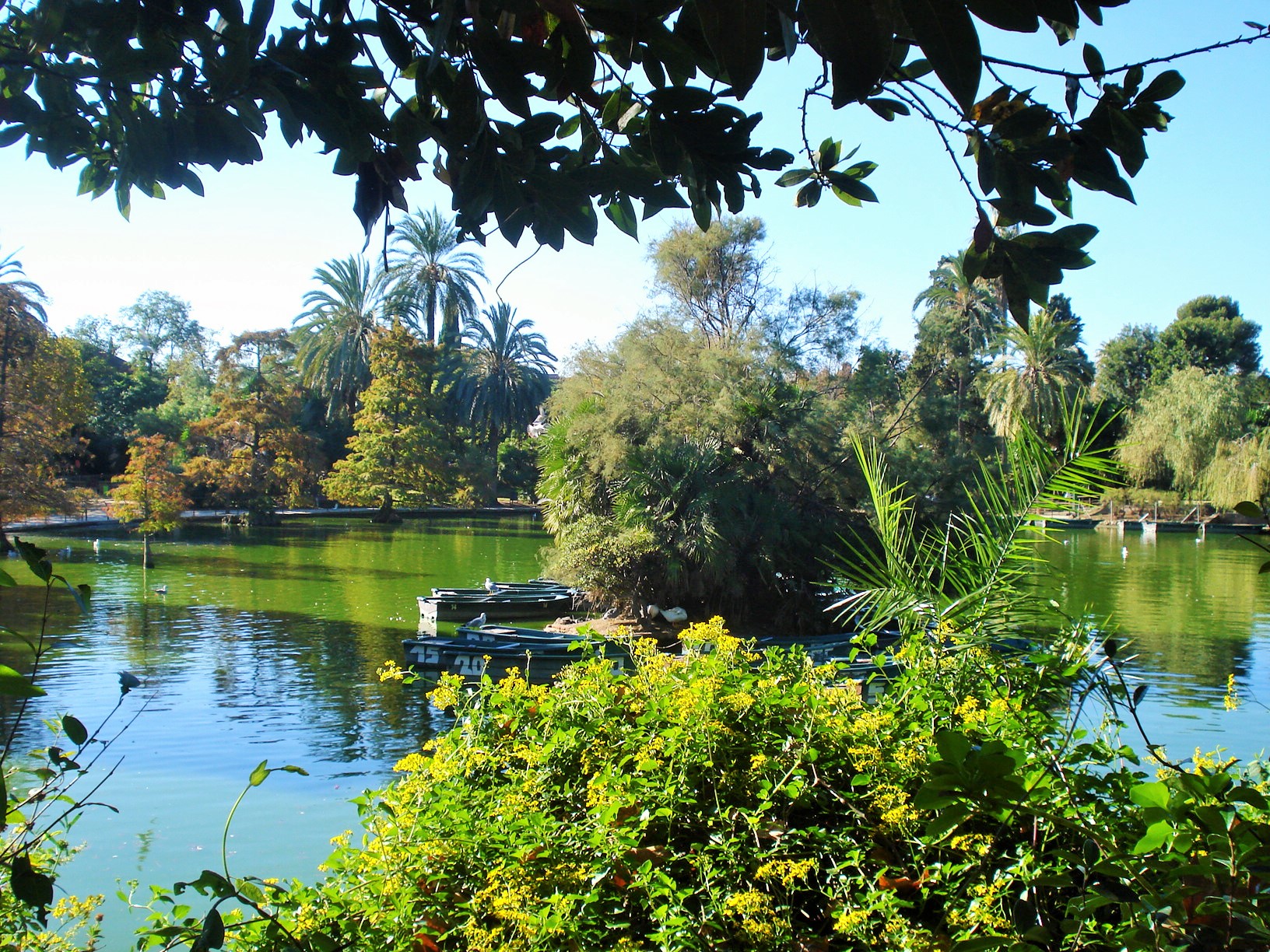
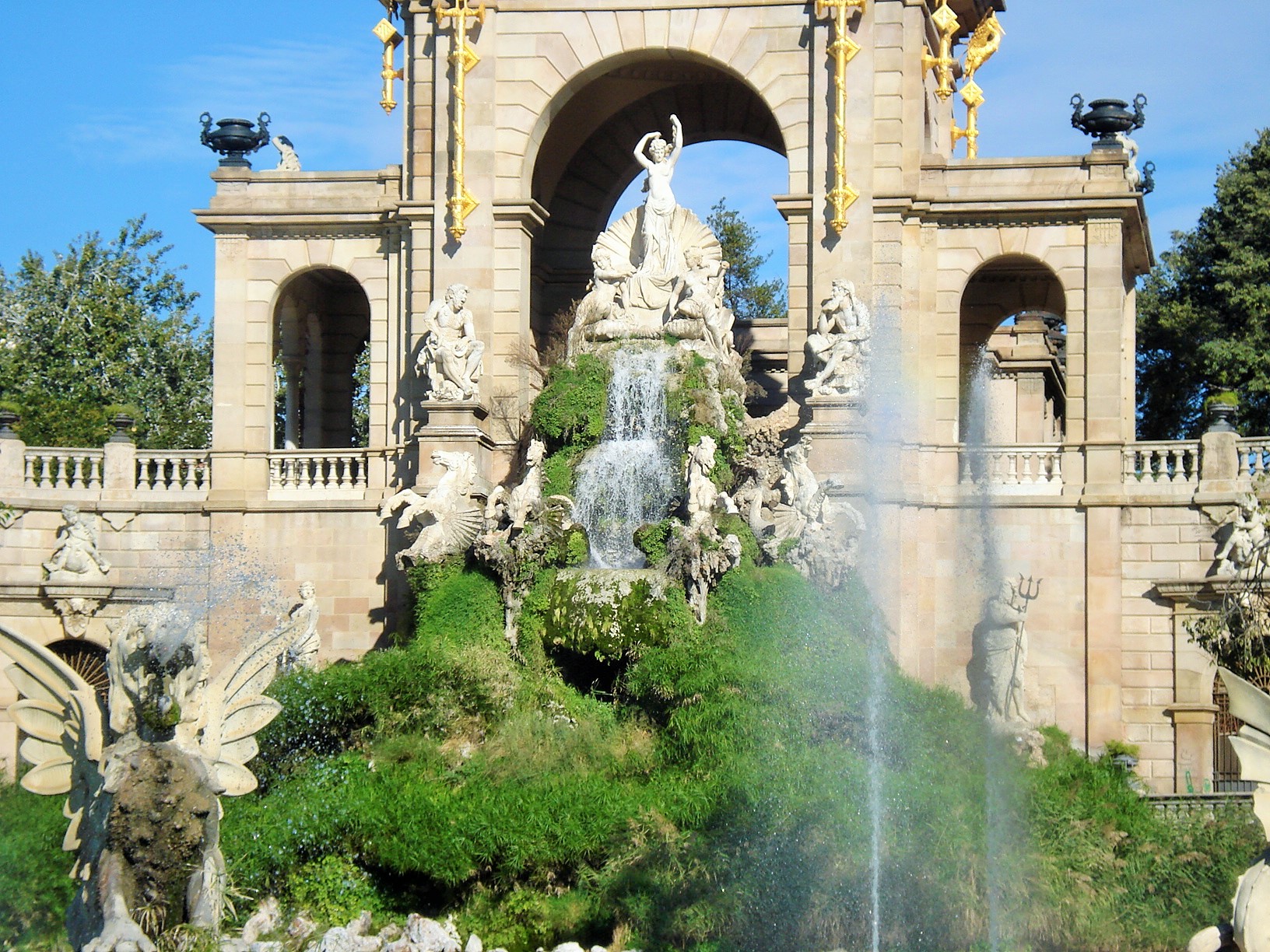
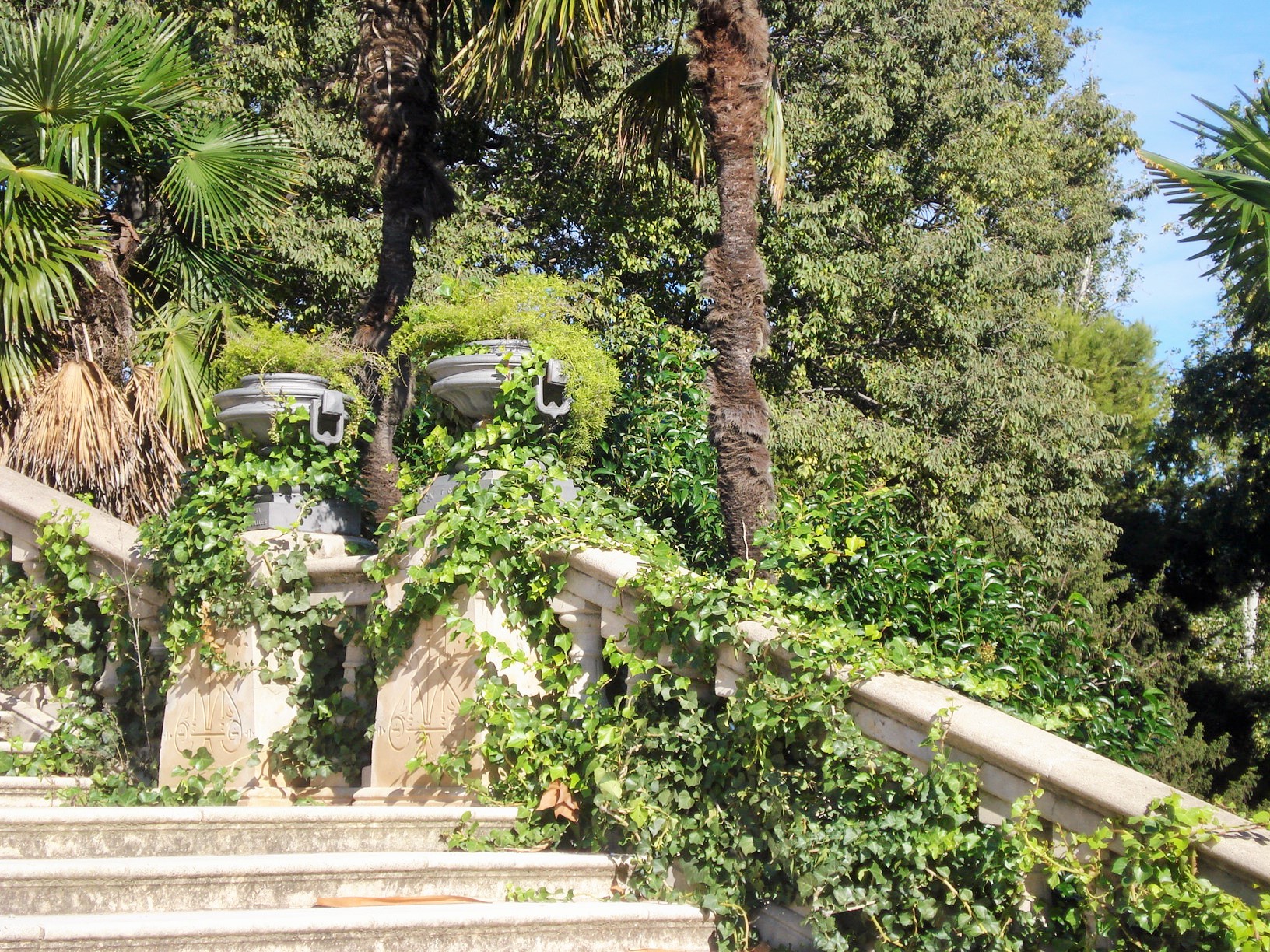
The Ciutadella Park in Barcelona is the largest and oldest city park. It was established in the mid 19th century and was for a long the only substantial green space in the city with about 70 acres of paths, trails, a lake, and assorted statuary and buildings. It is home to the Parliament building, the Barcelona Zoo, and the Geological museum. It is perhaps most famous for the very large waterfall fountain designed by Fontsere in the 1880s when Gaudi was his student and is believed to have contributed to it. It was inaugurated for the Universal Exhibition.









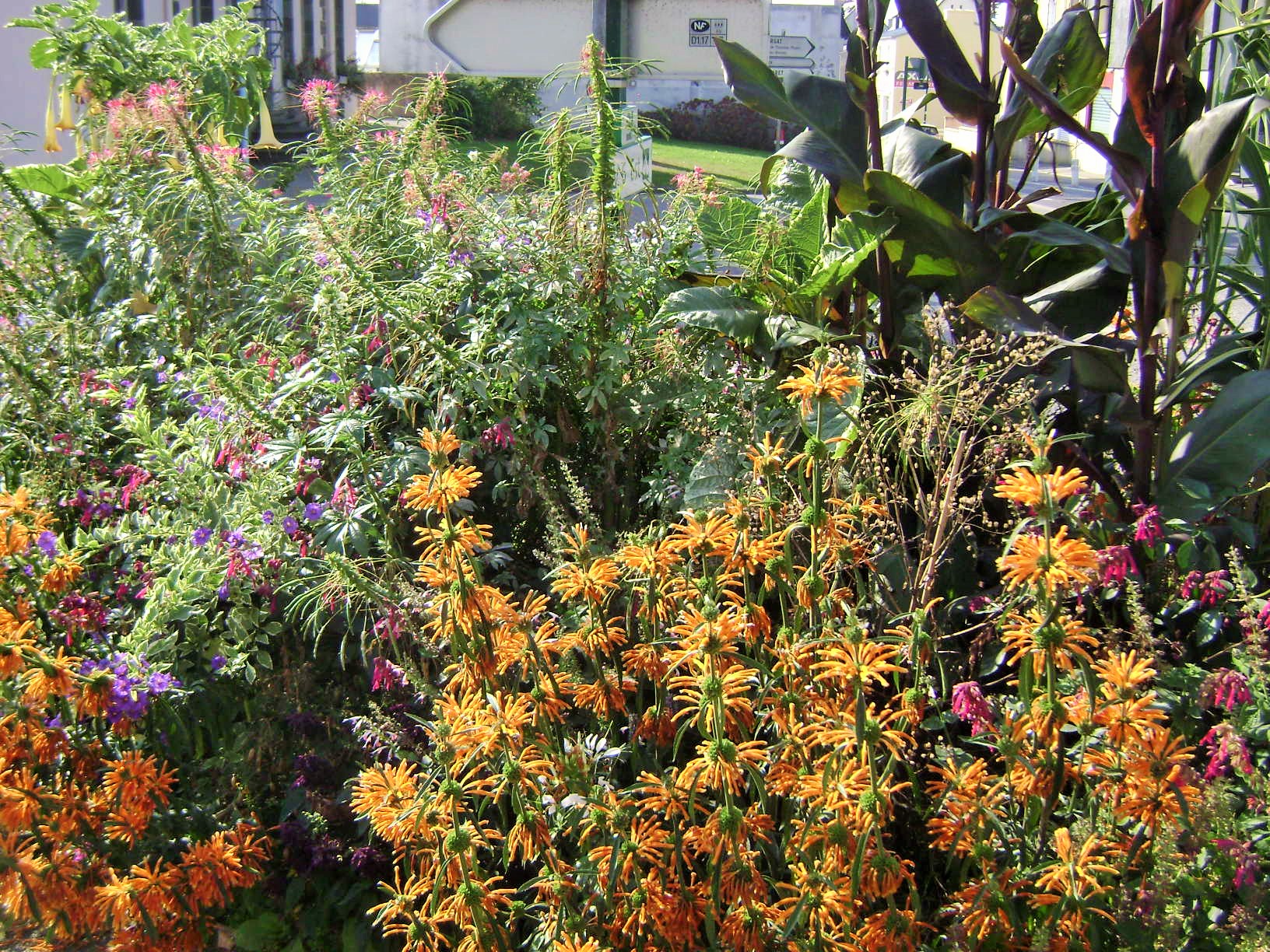
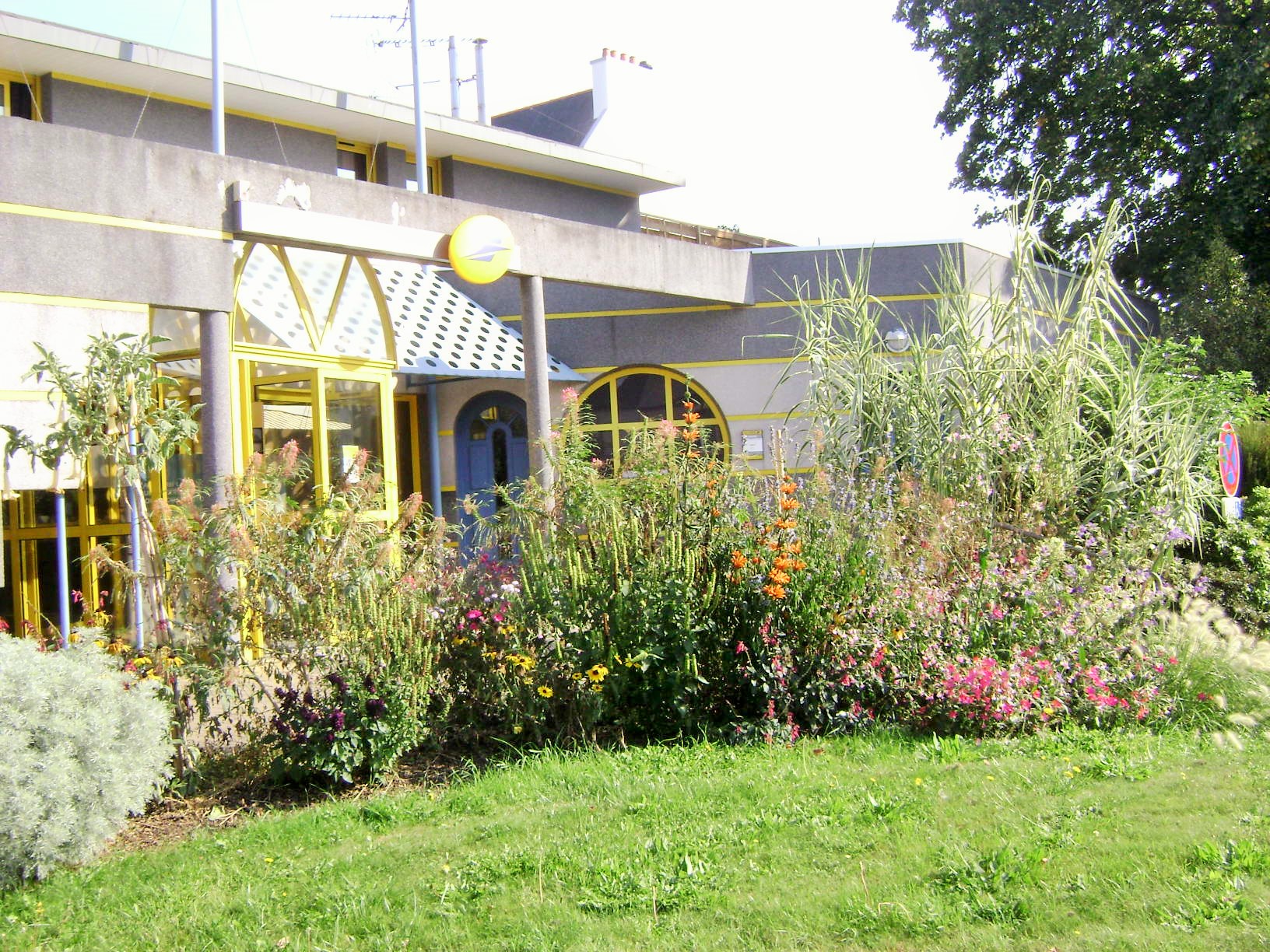
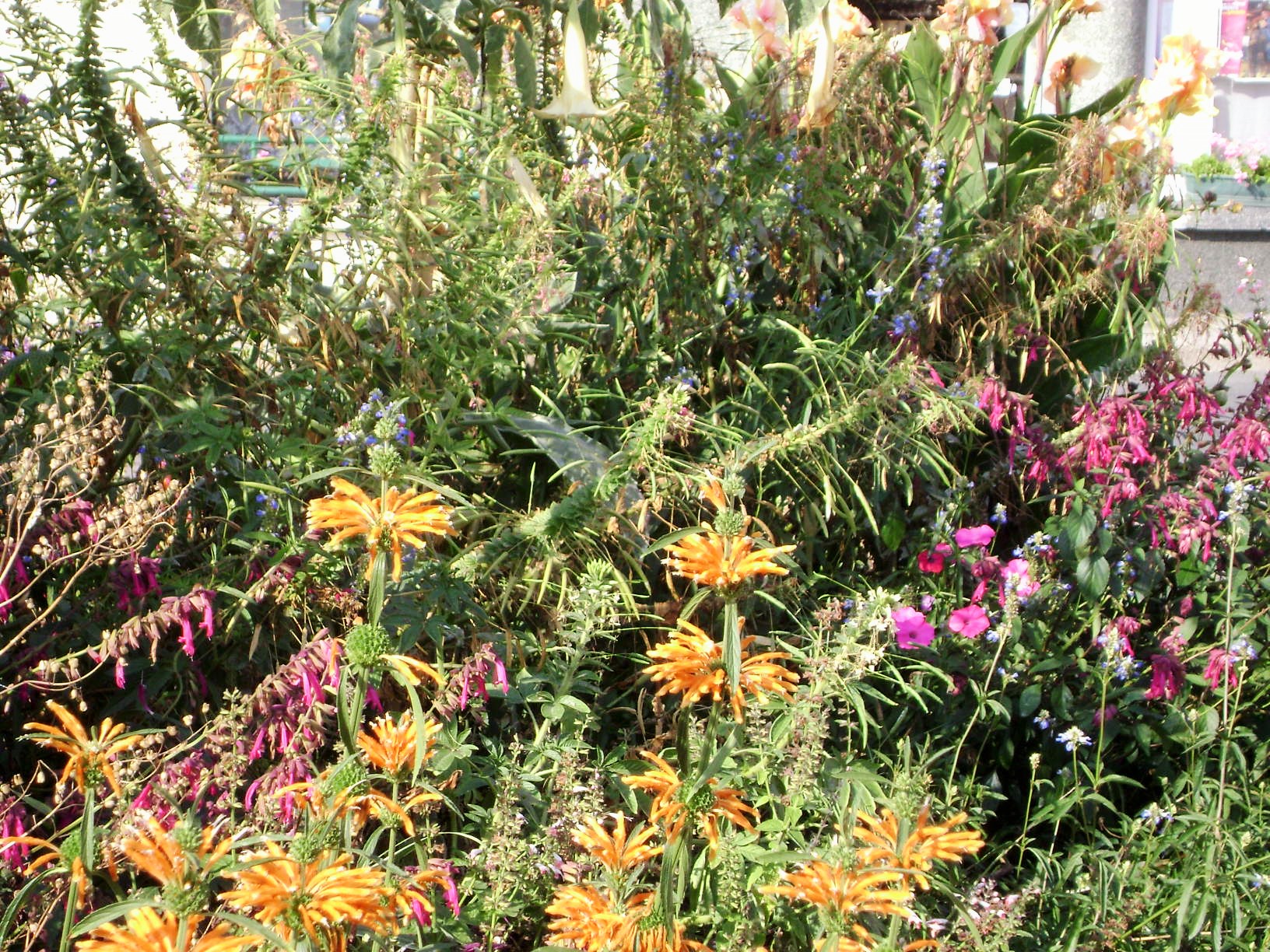
Unusual Post Office Perennial Borders in France
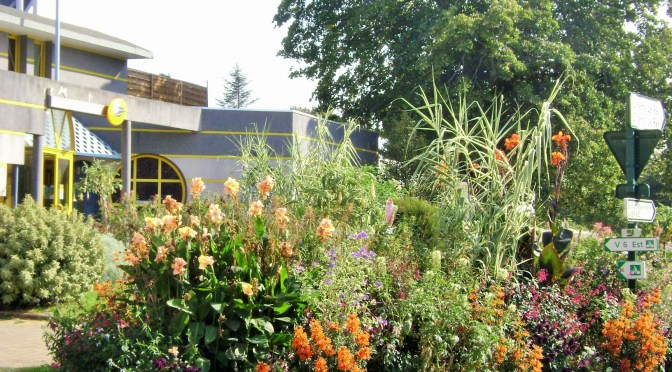
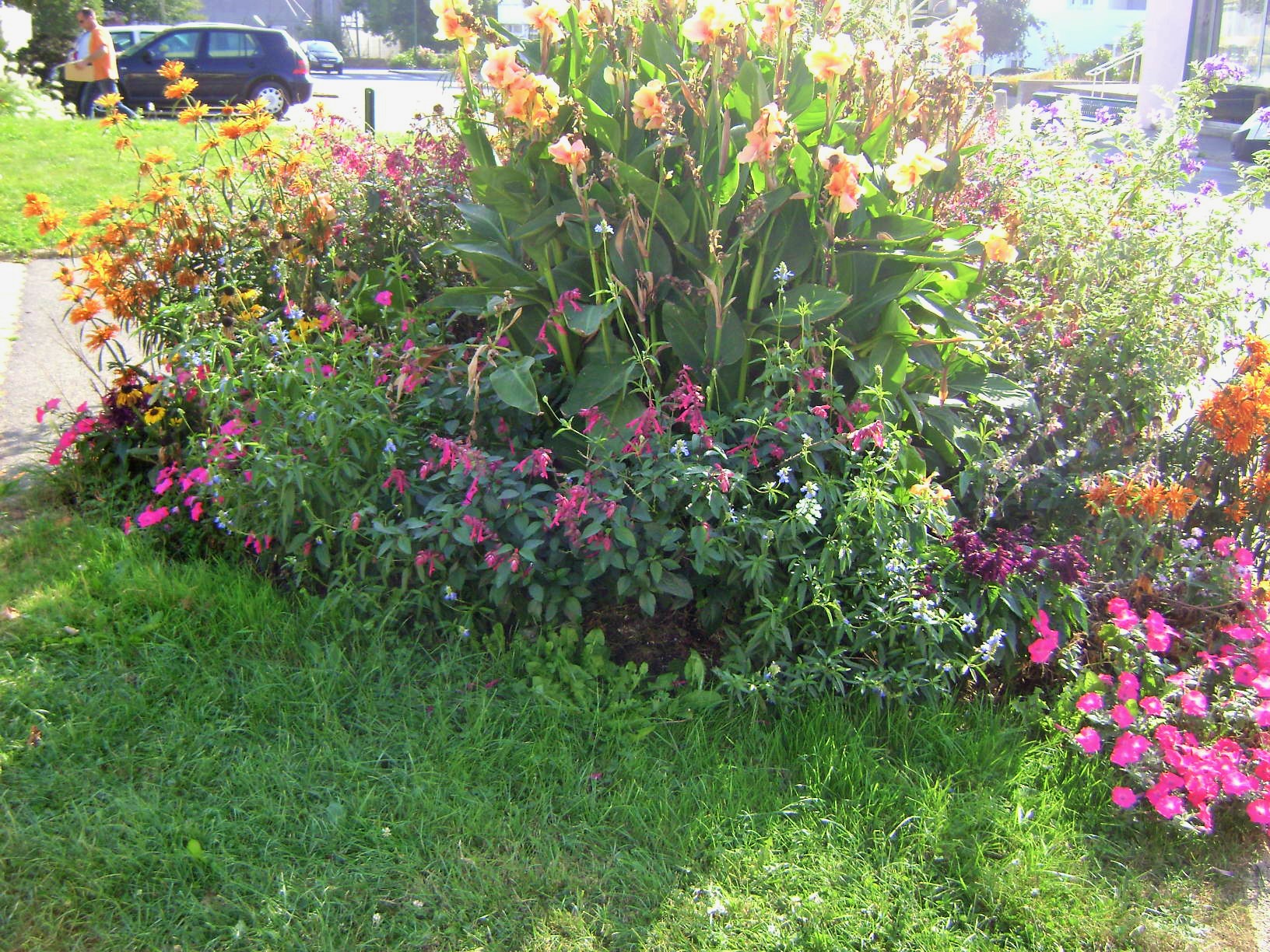
Not only is the architecture of this post office building in France a bit unusual and somewhat reminiscent of a ship with the round windows, but it has some stunning mixed borders in its front “garden”.








Barcelona’s Archaeology Museum Garden
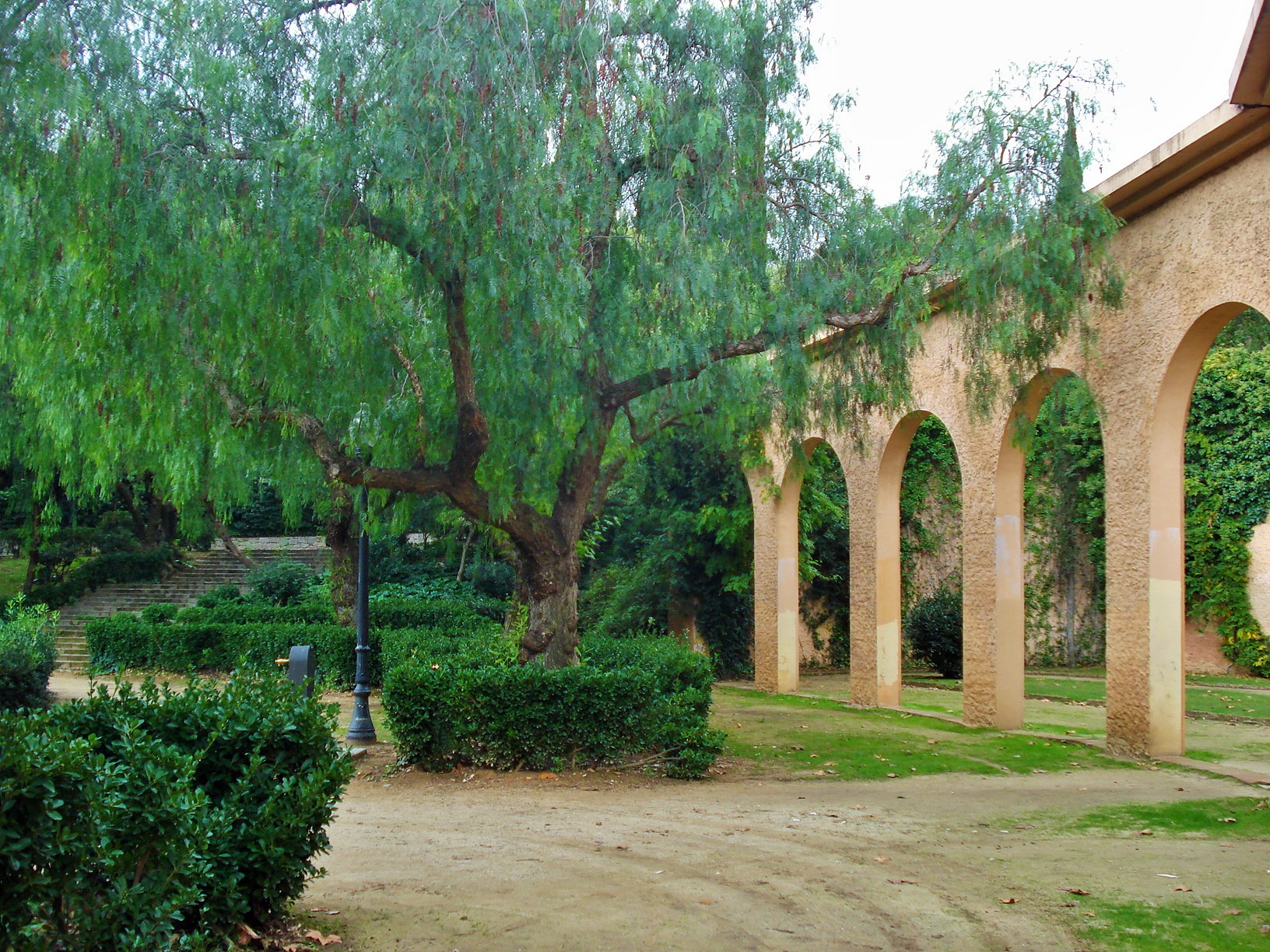
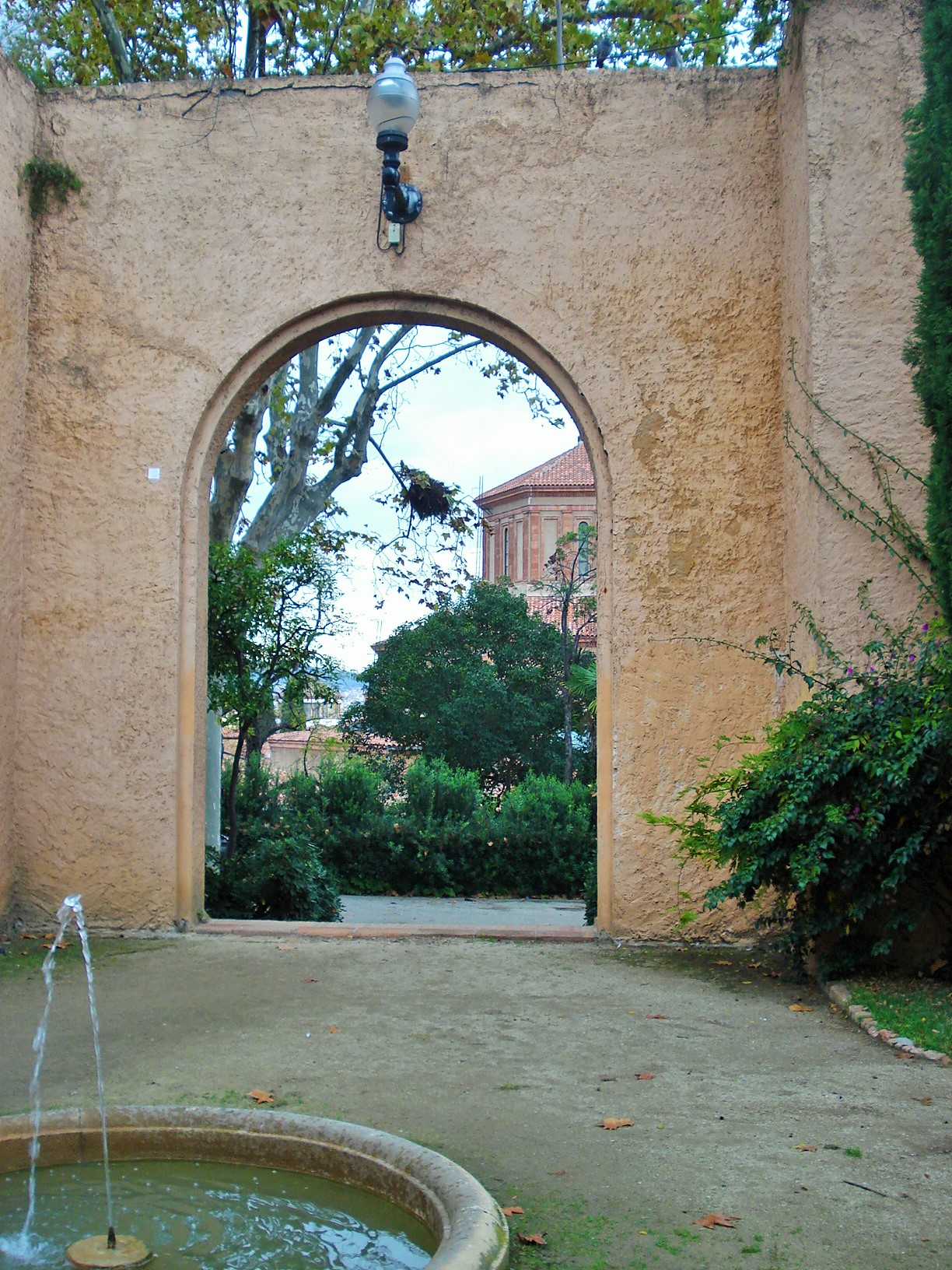
Montjuic is a majestic hill in Barcelona overlooking the port, west of the center. The entire hill is a series of parks, gardens, museums, and other monuments, as it was developed first for the 1929 International Exhibition held in Barcelona Spain, then again for the 1992 Olympics. It is home to the Olympic ring, Arata Izosaki’s sports palace, the Catalan Art museum, the Spanish village, the Barcelona Botanical Gardens, the Archaeology Museum, the Greek Theater, the Mies van der Rohe Pavillion, the Juan Miro Foundation, the Laribal Gardens, just to name a few.
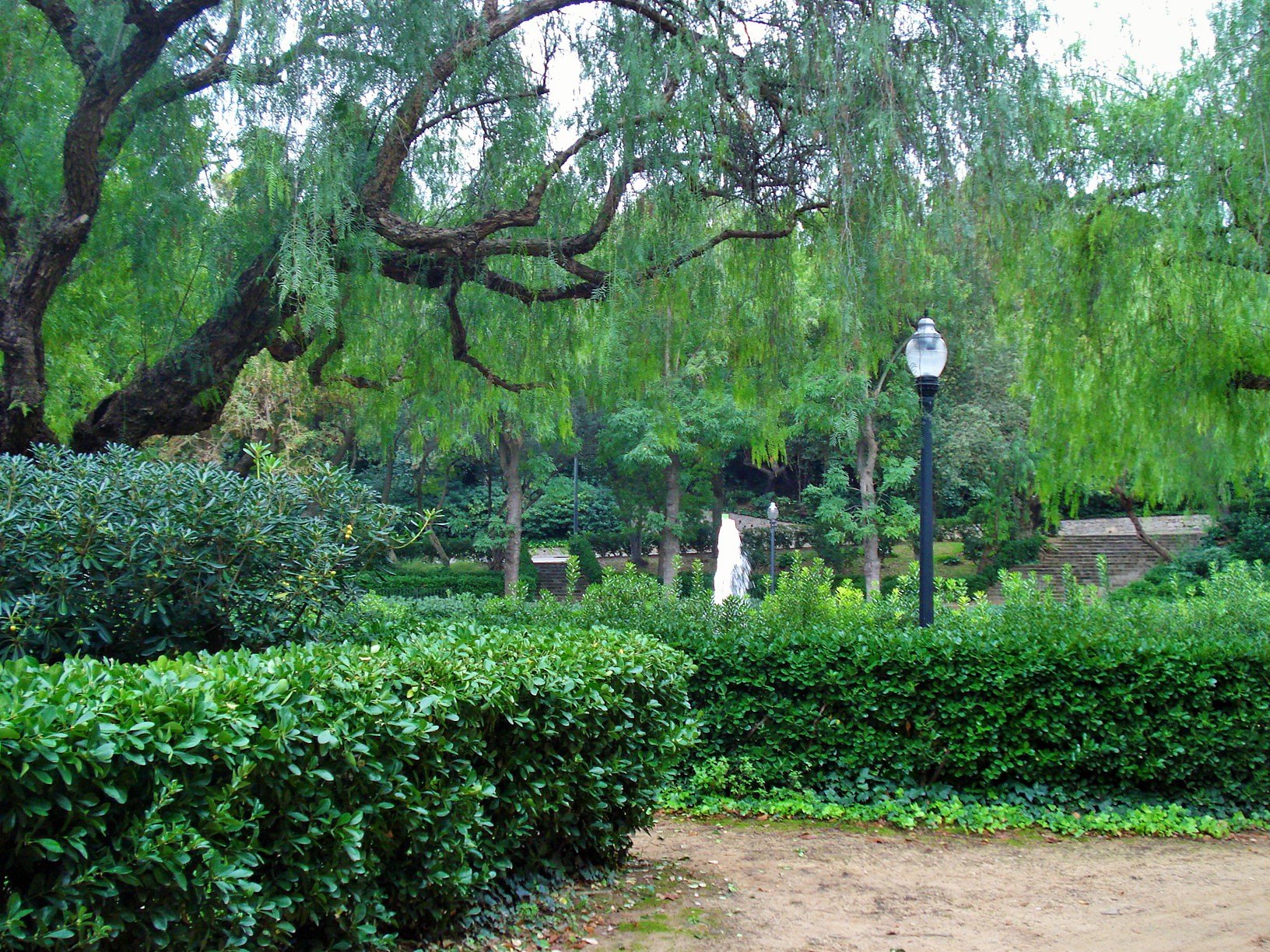
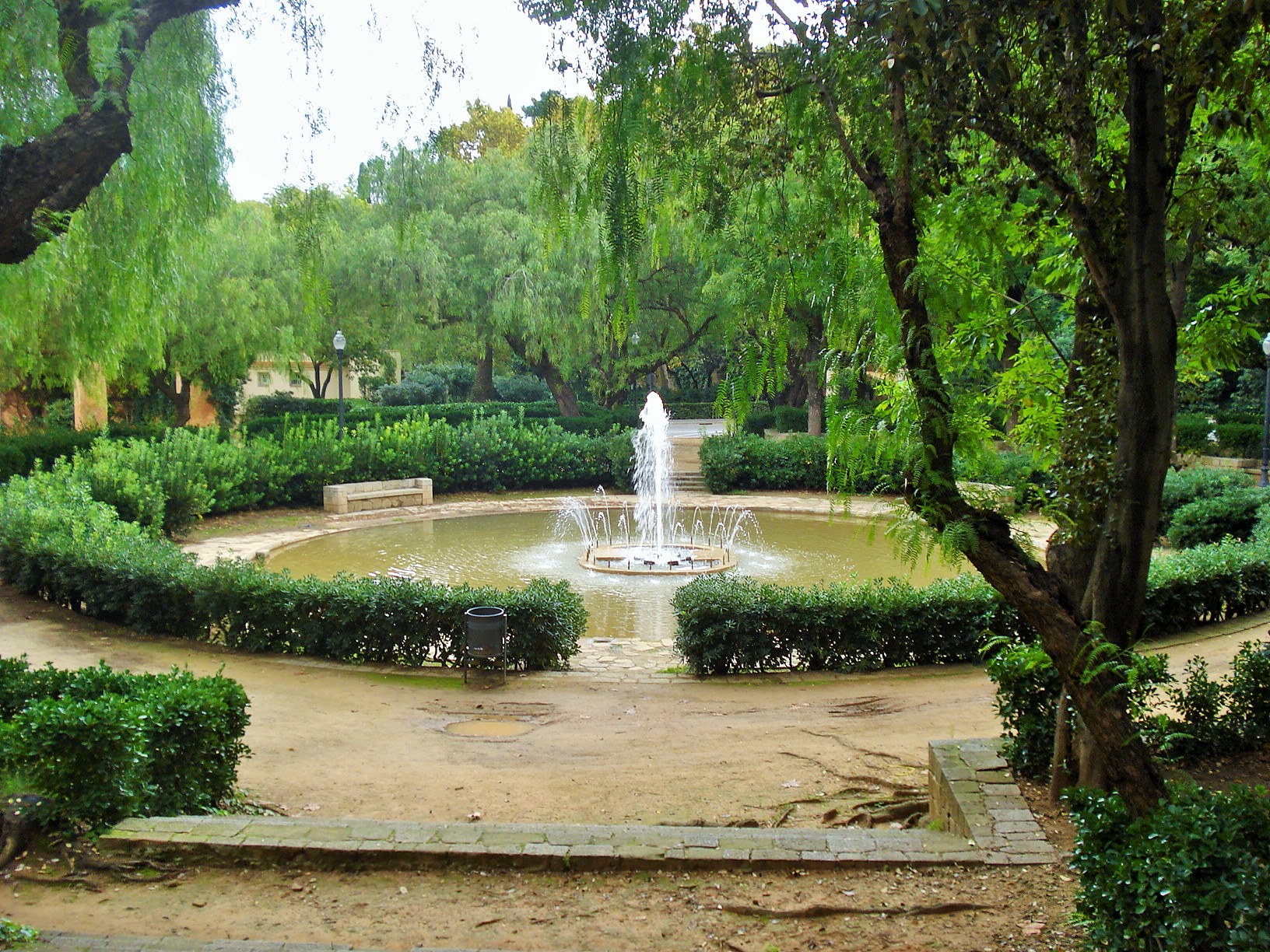
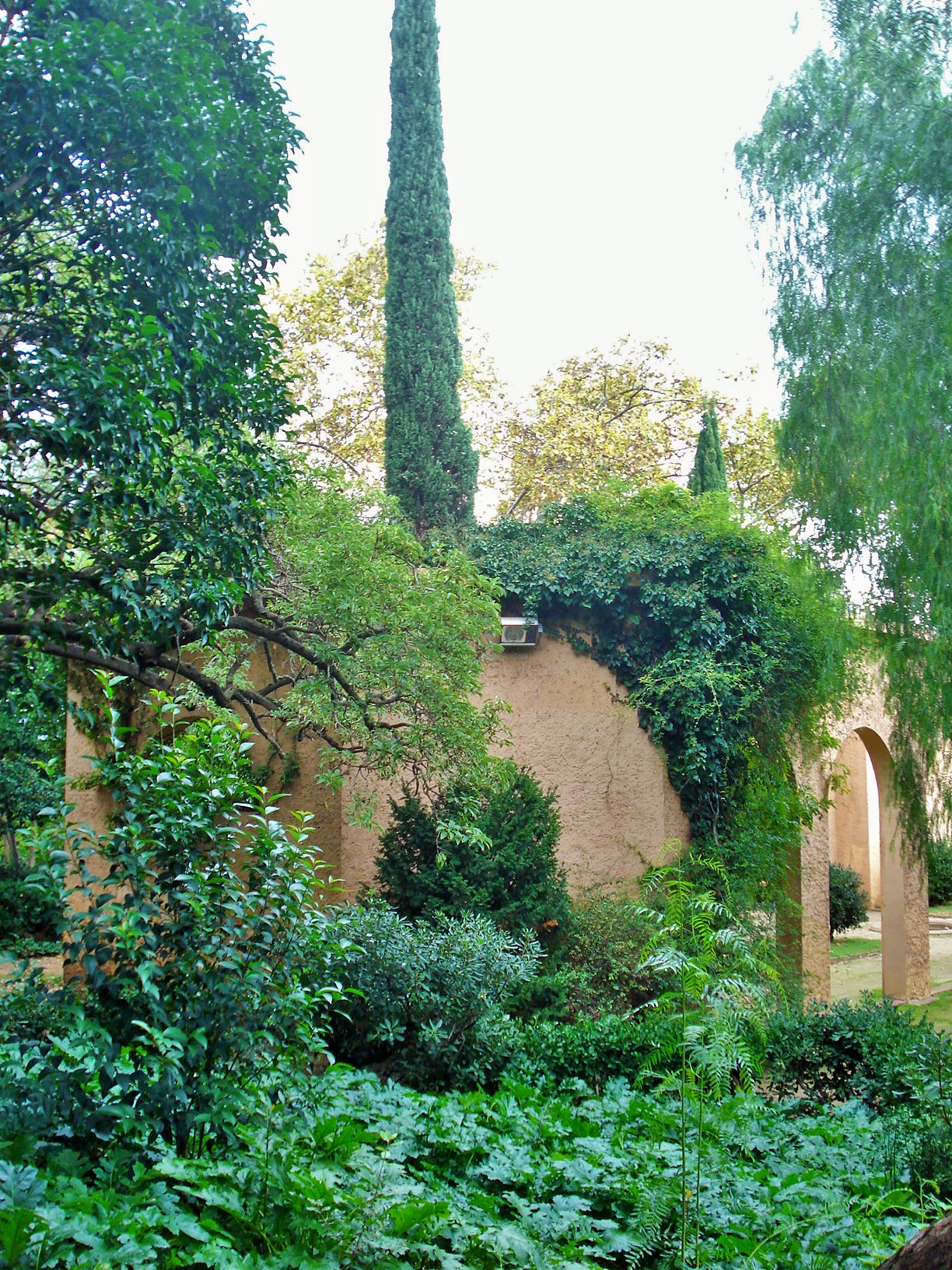
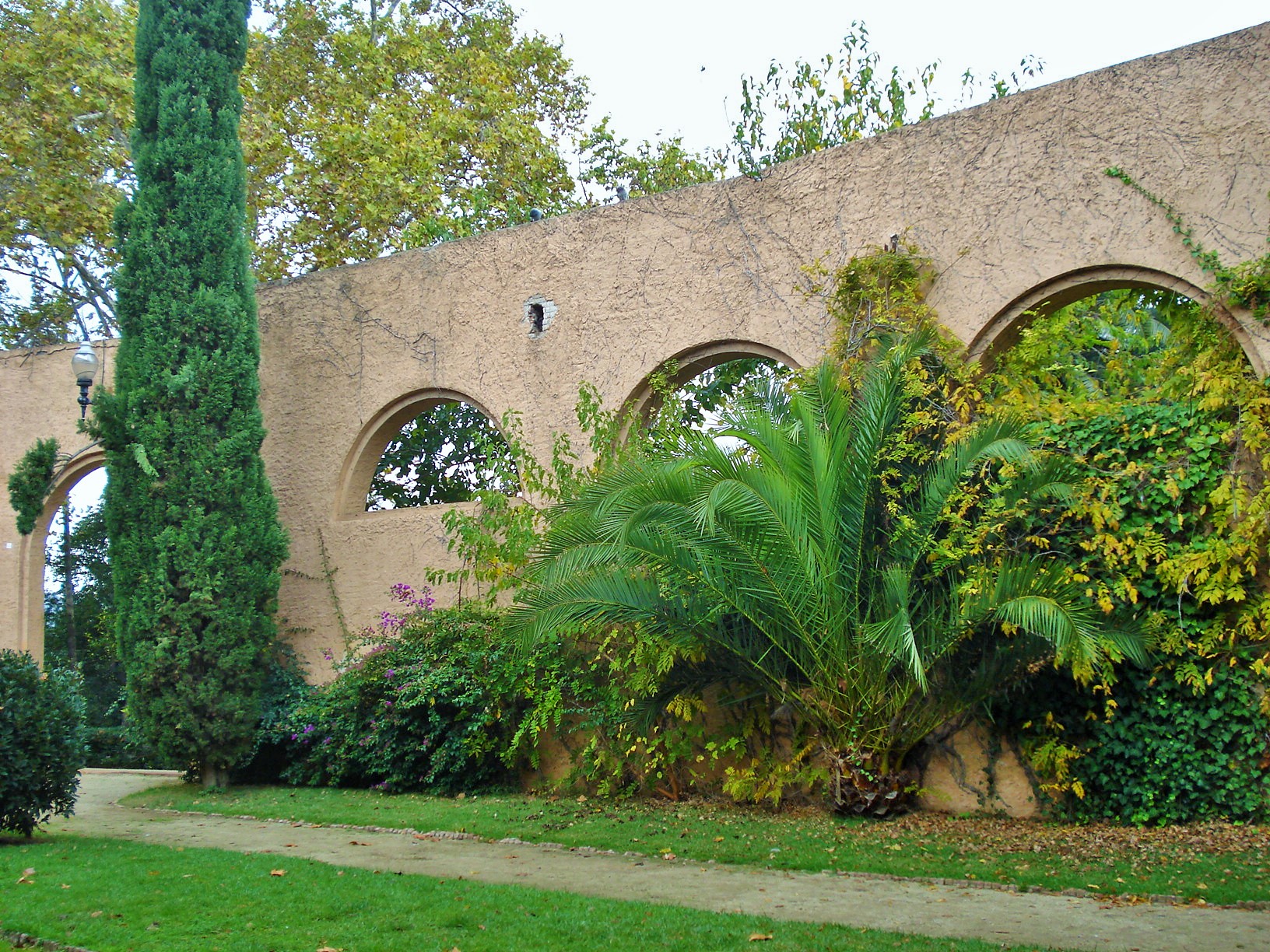
The Archaeology Museum has small gardens laid out around a fountain. The arches and statuary in the back, and the tall cypresses give it the feel of an Italian garden.







Ploher’s Old Gothic Church Garden
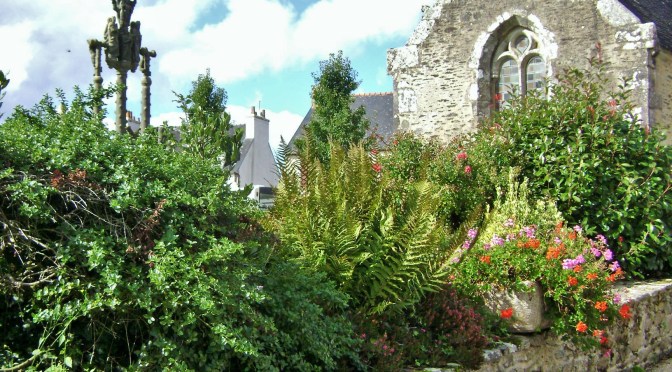
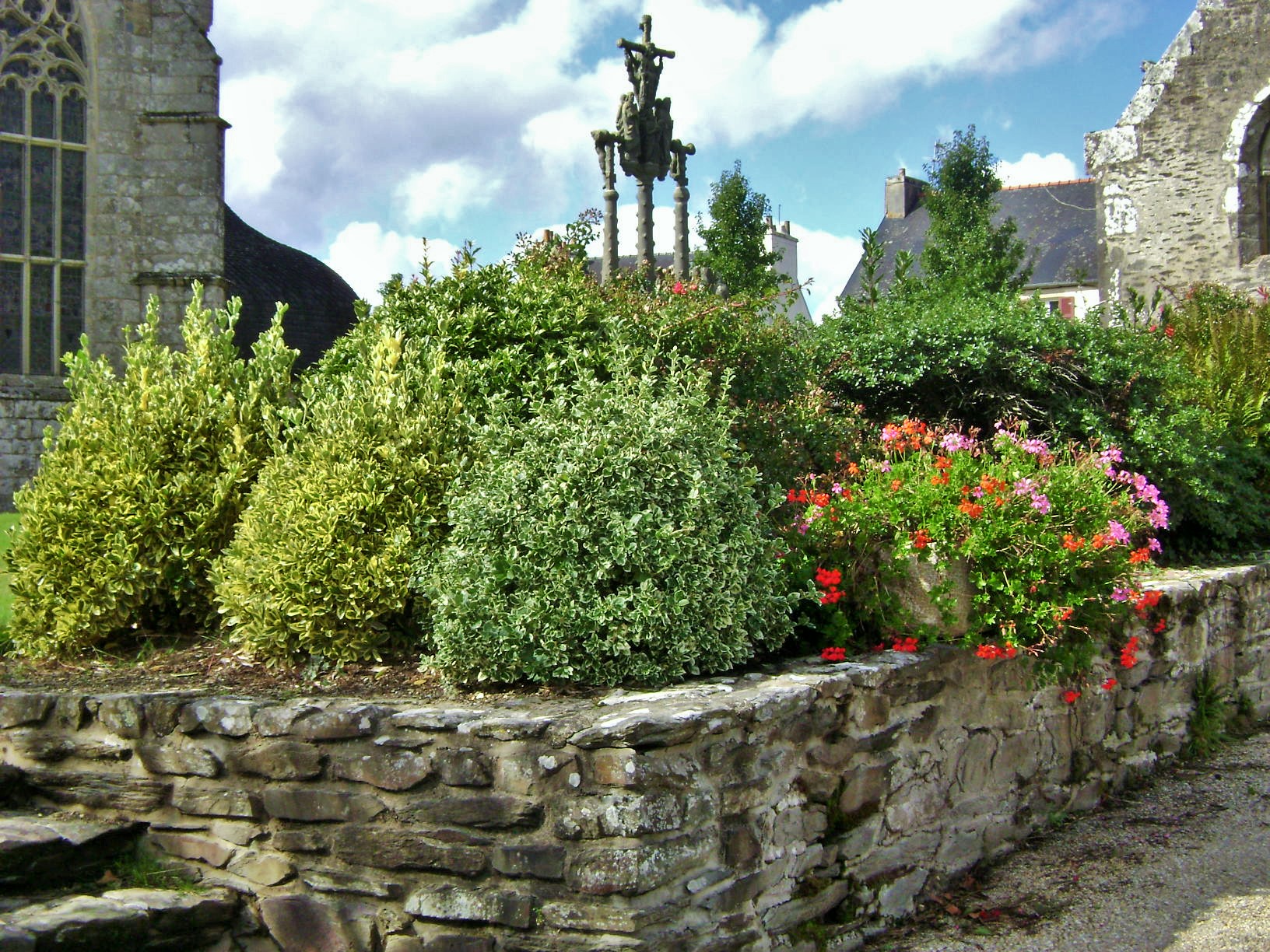
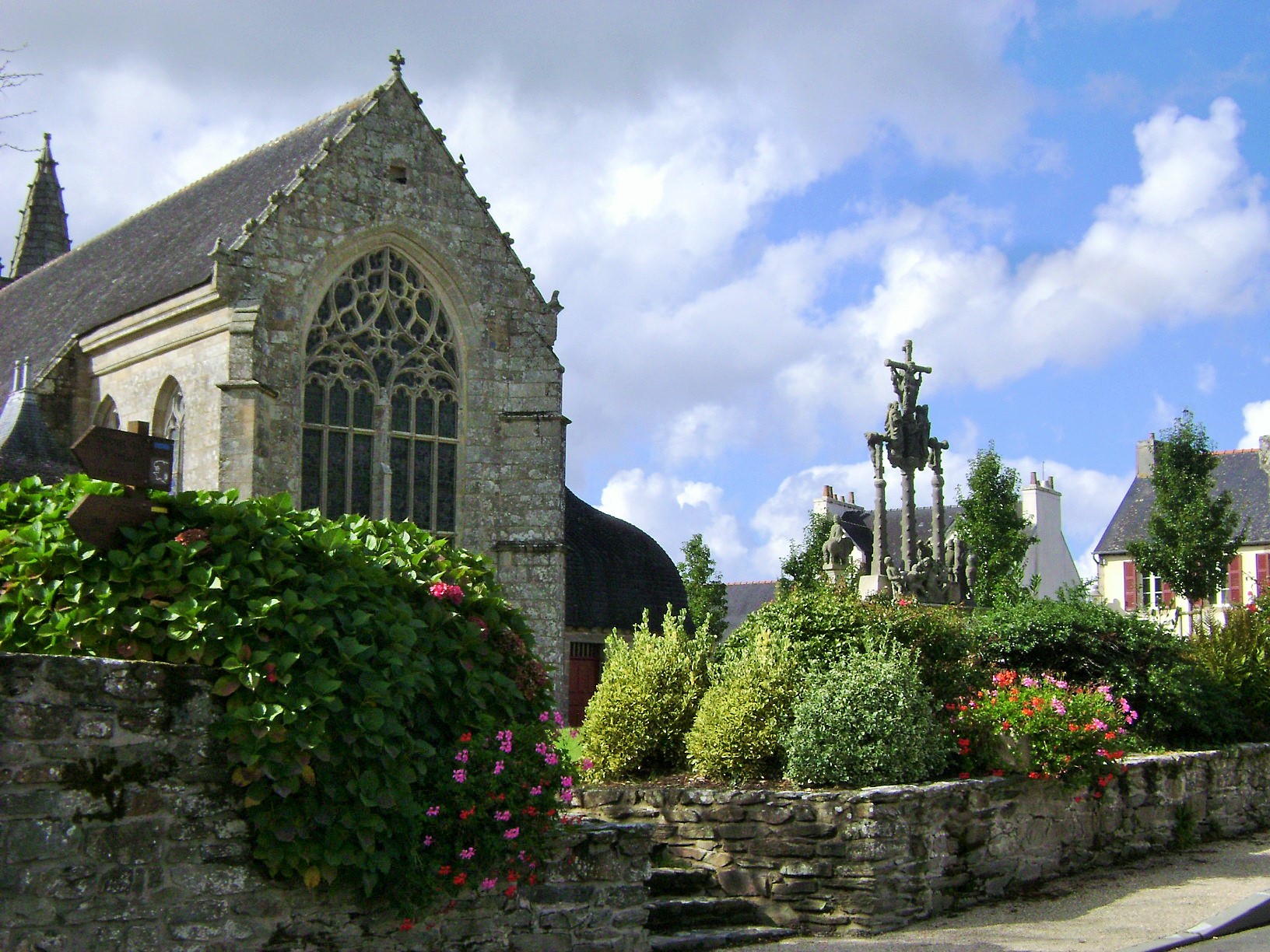
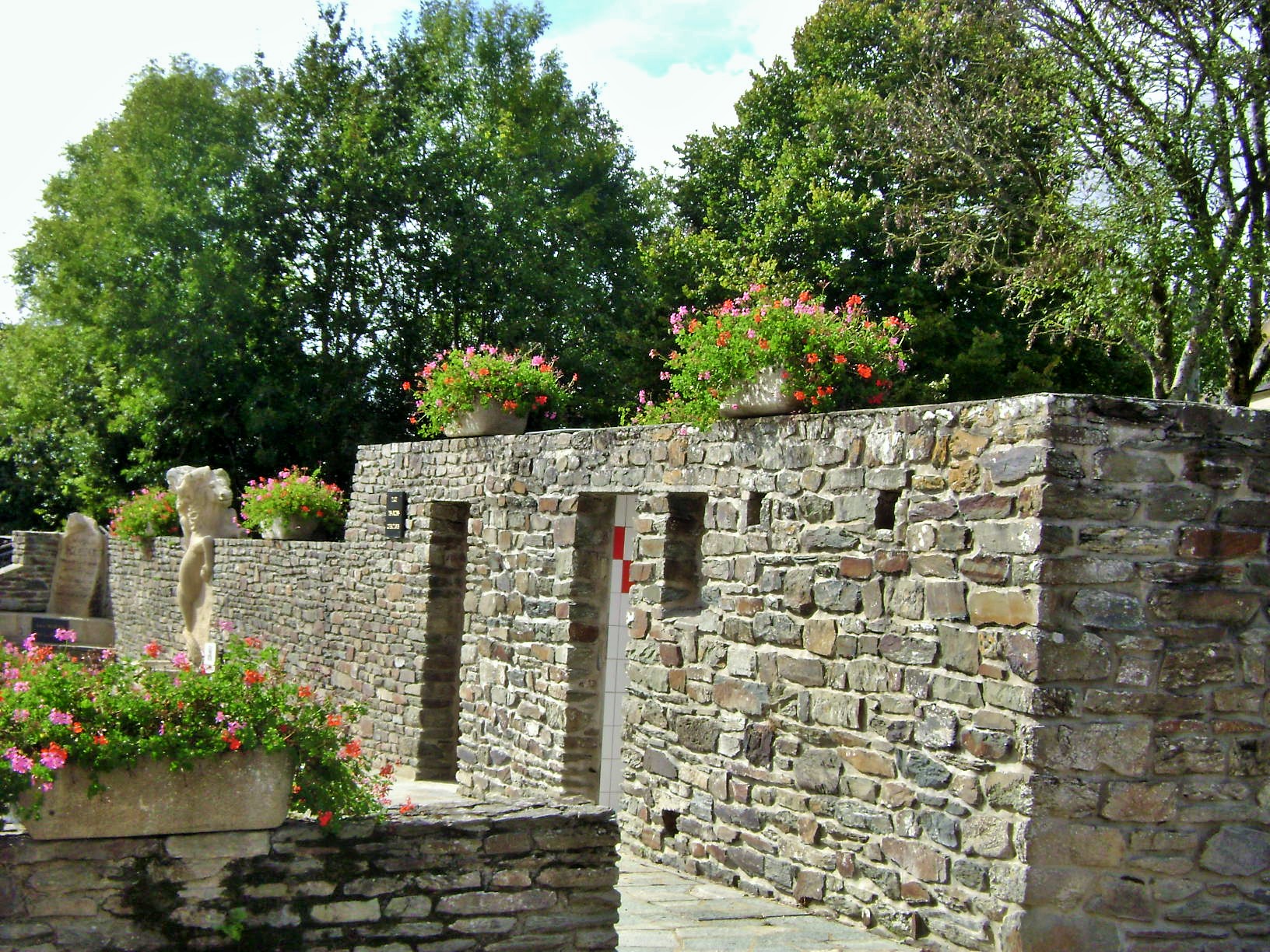
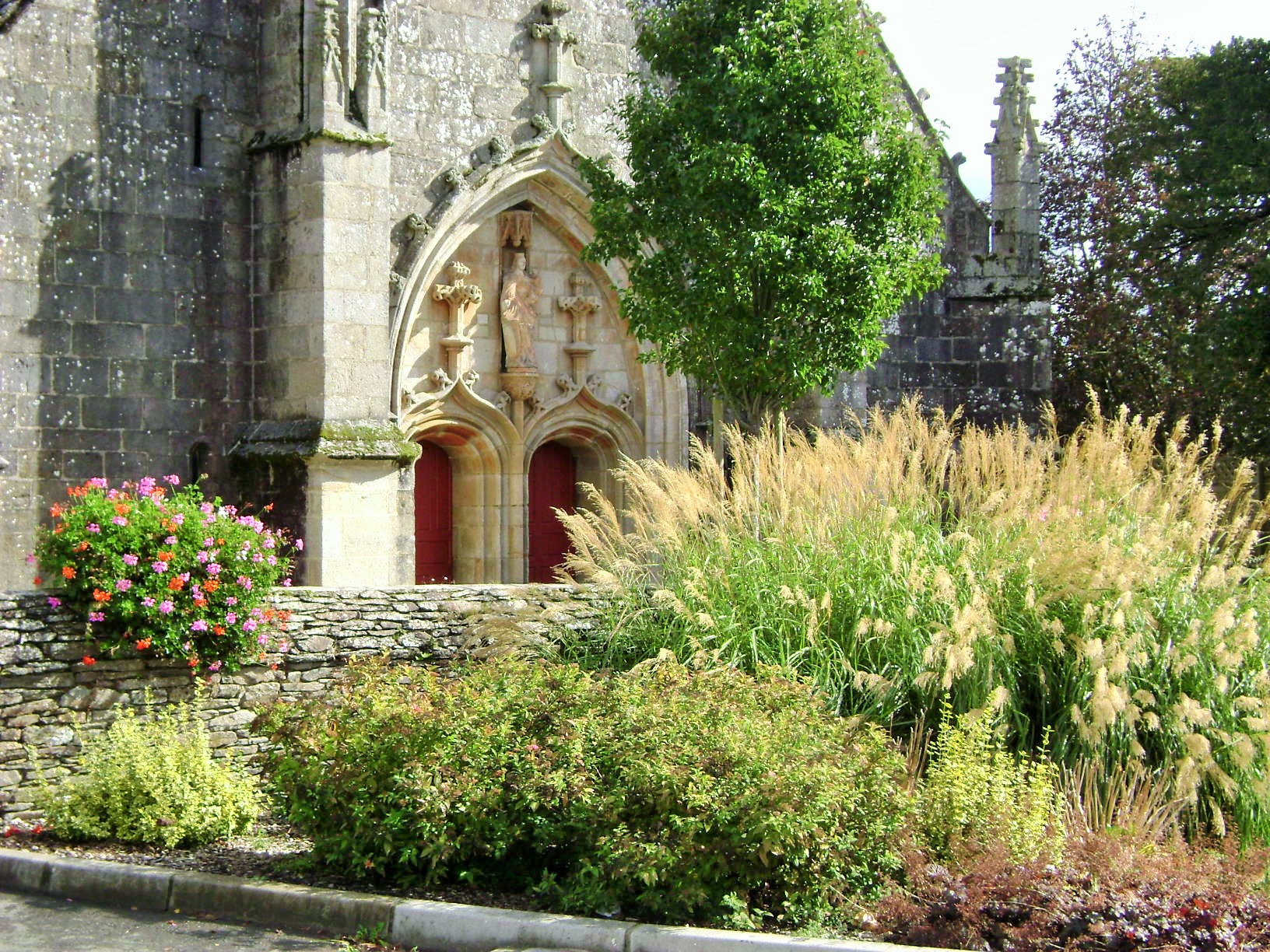
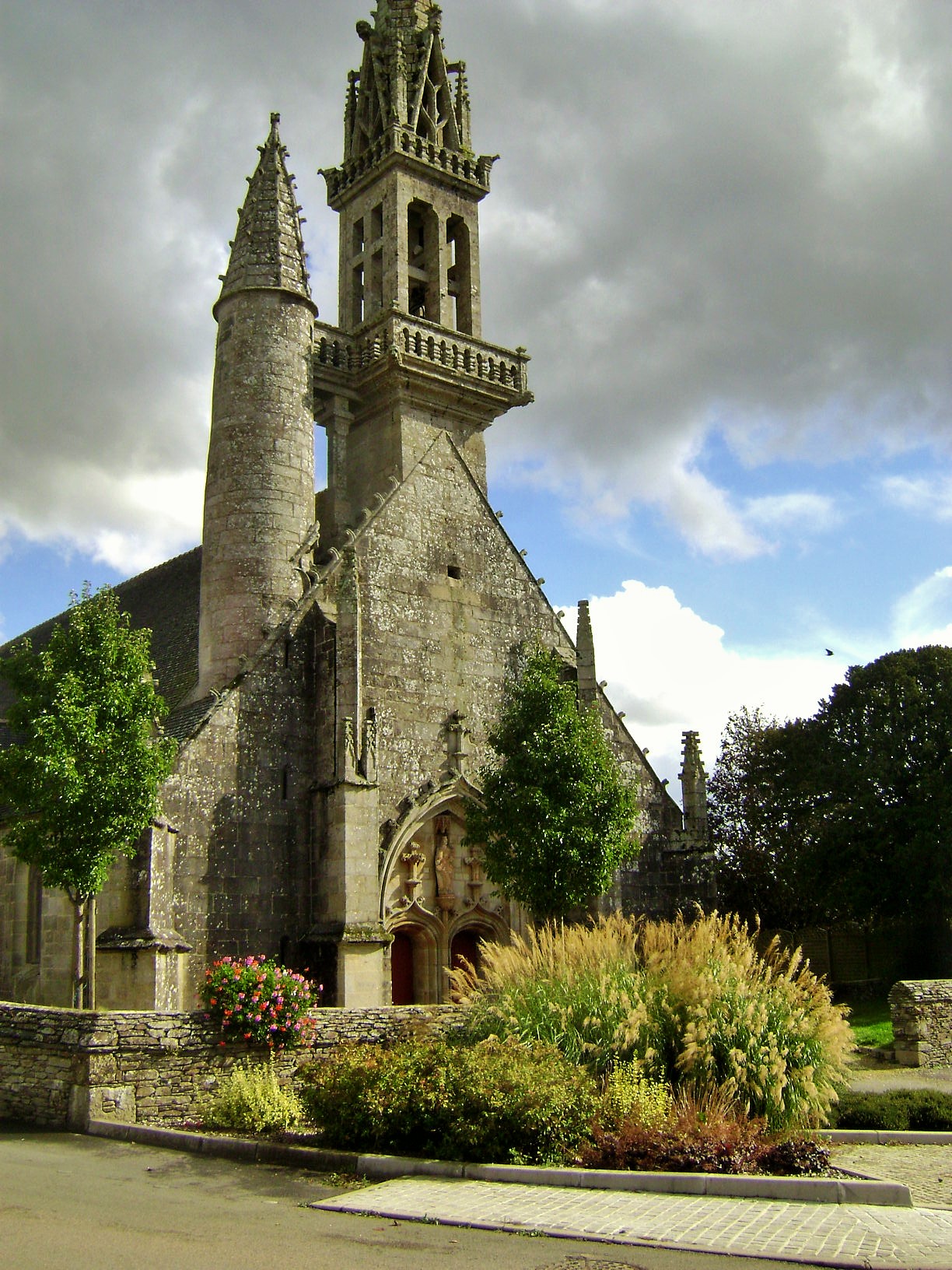
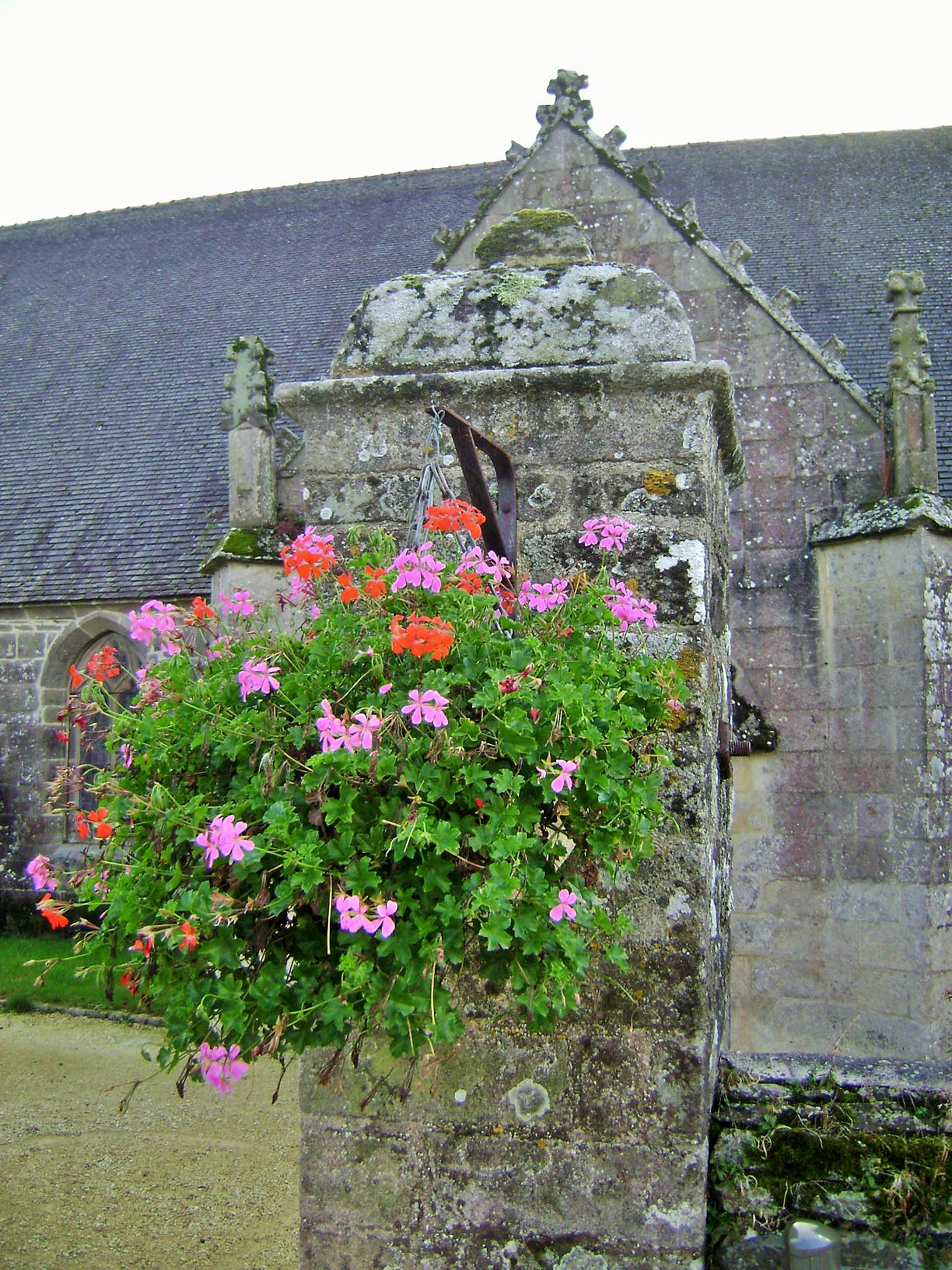
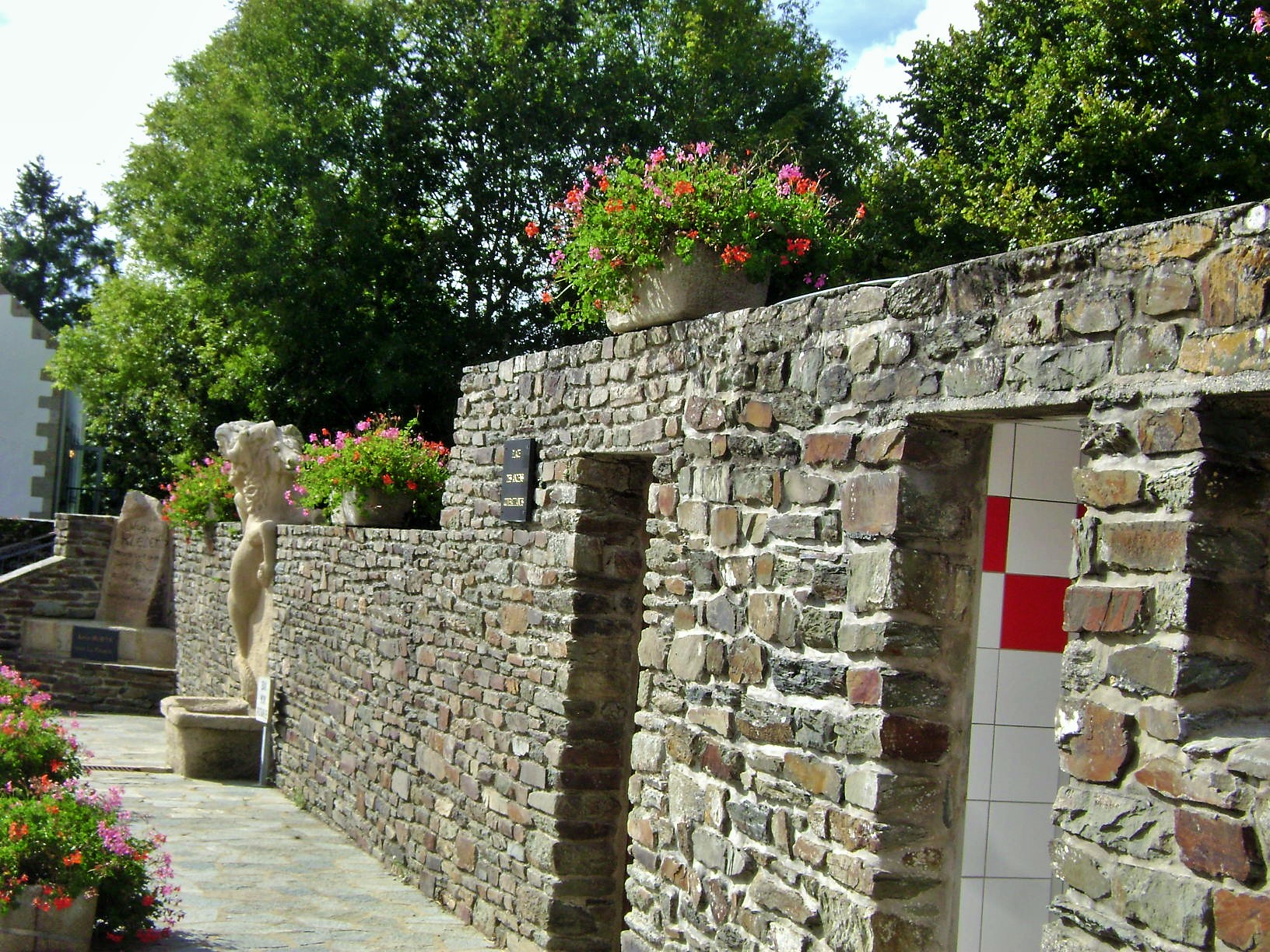
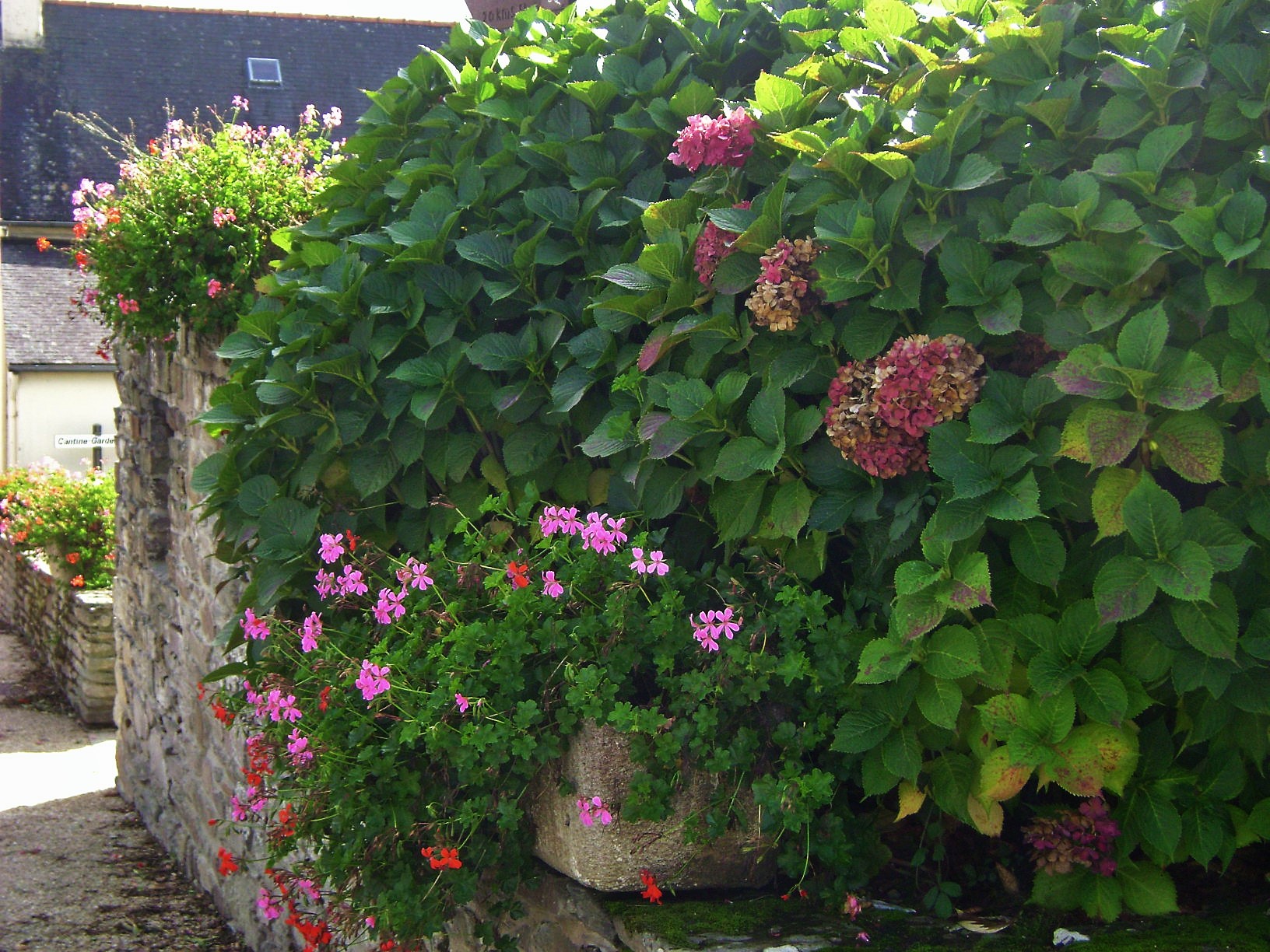
In this small Brittany village, the gothic era church with its lacy steeple typical of this region of Brittany is decorated with colorful mixed borders, decorative grasses, hydrangea hedges, and seasonal containers boxes.







 Globetrotting Gardener