Tag Archives: garden design

Cordoba Botanical Gardens: Sustainable Gardening & the Kitchen Garden

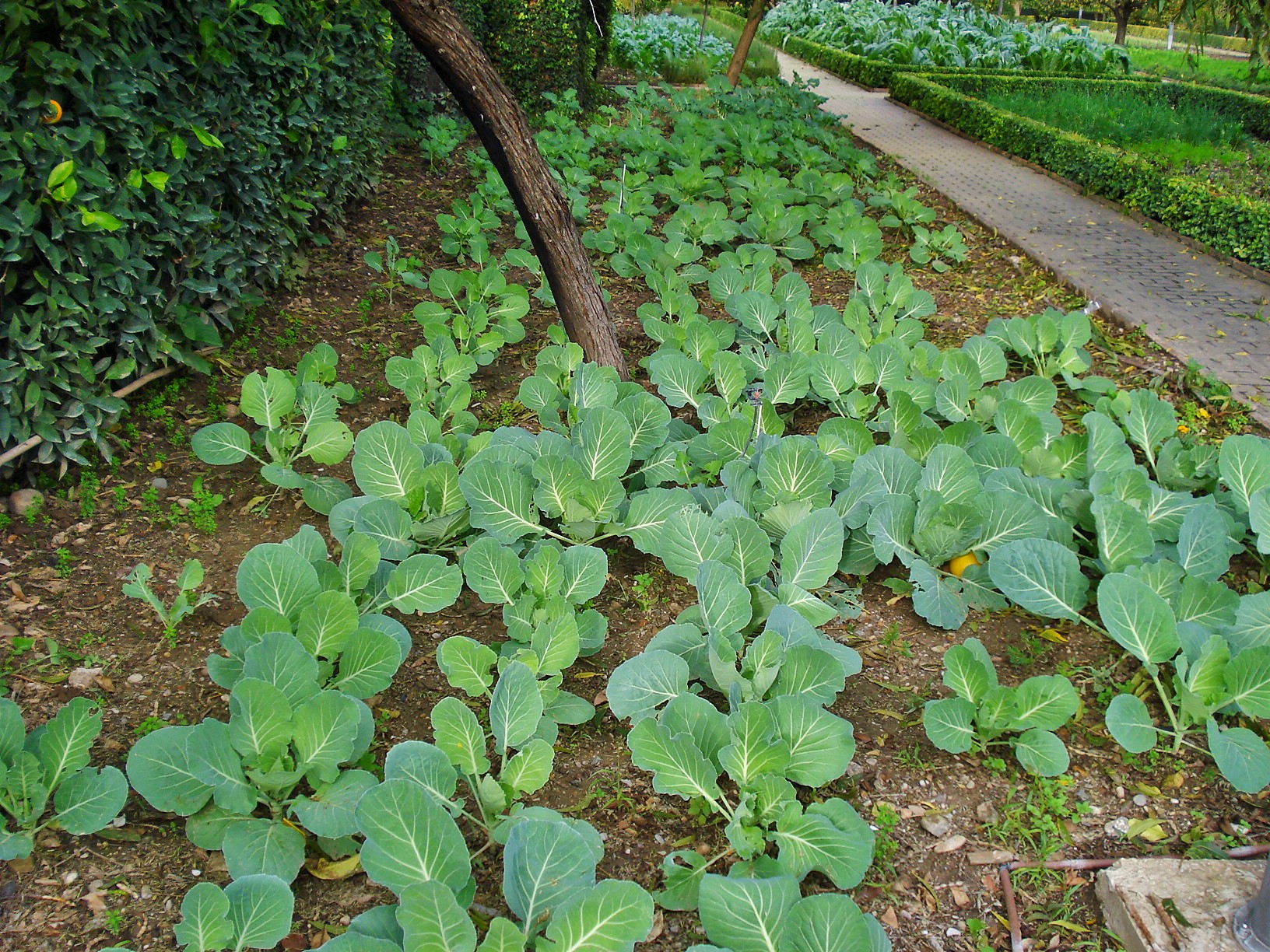
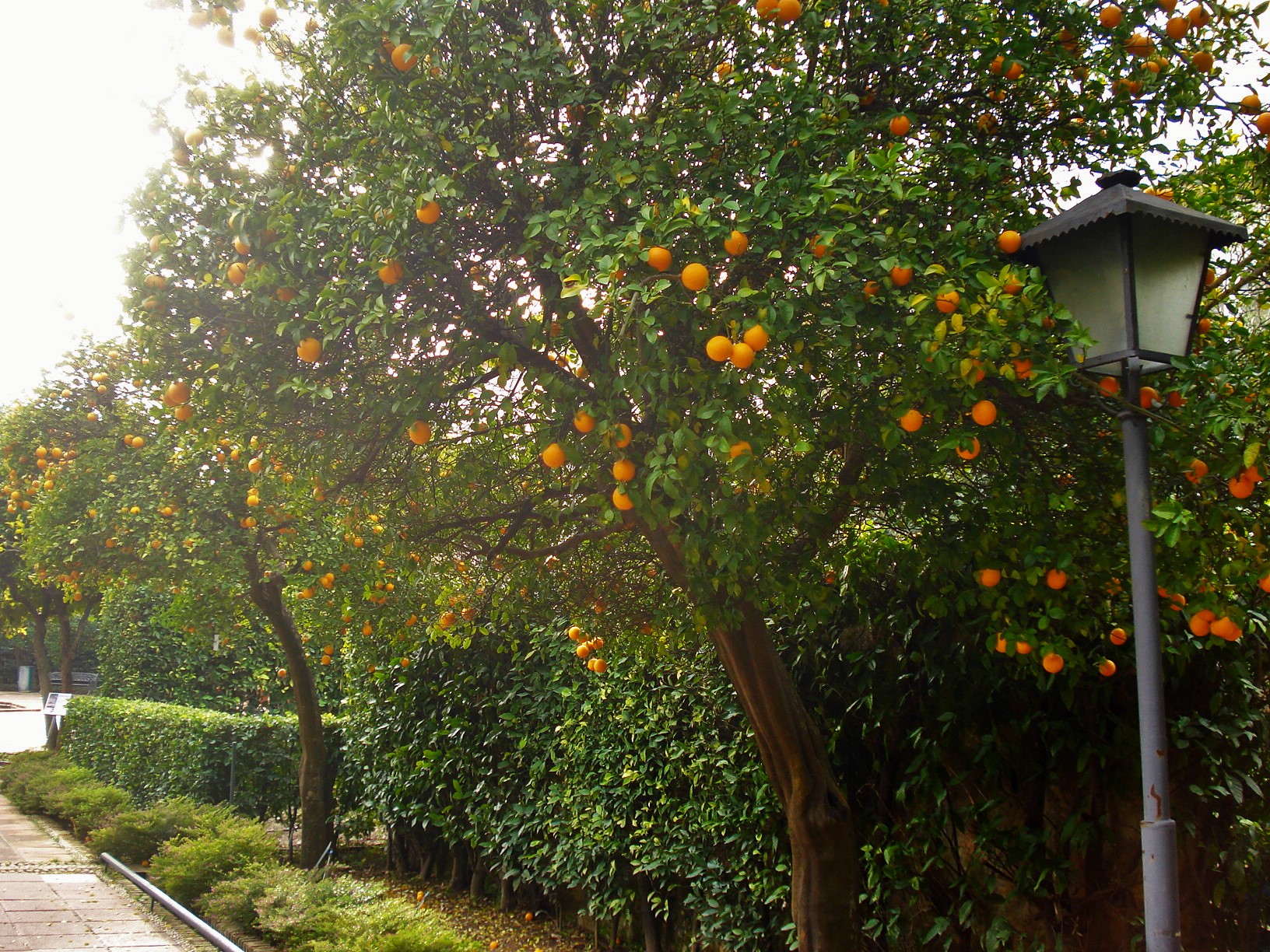
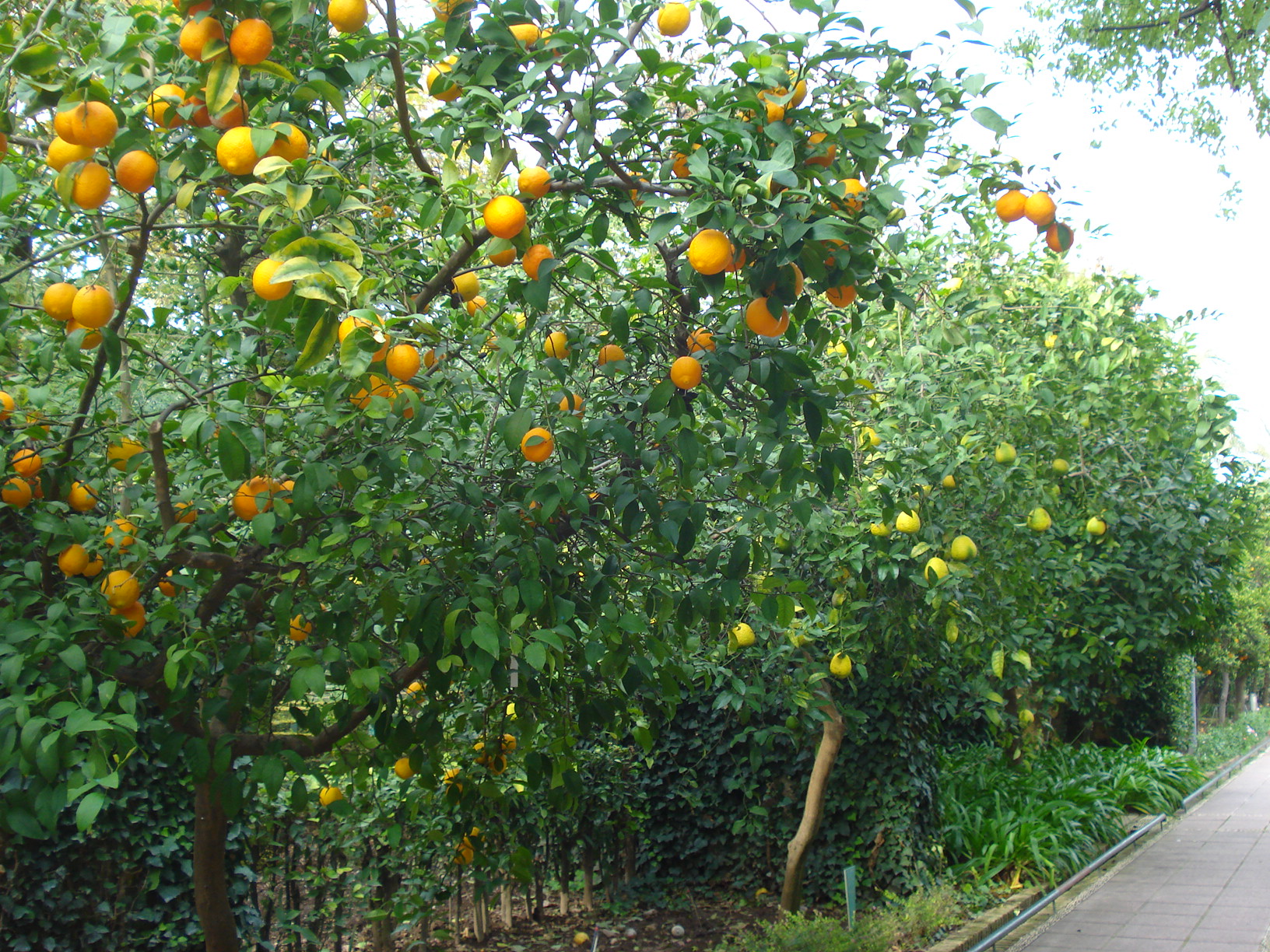
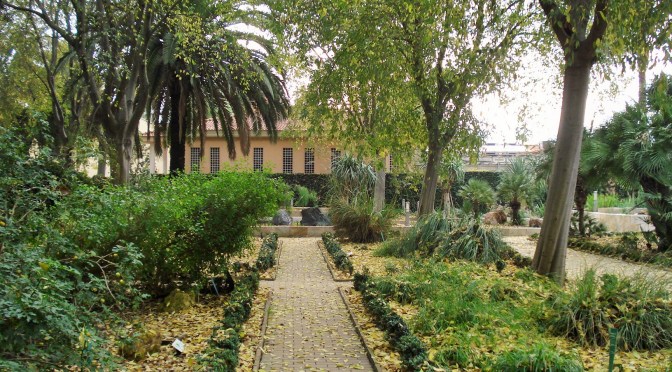
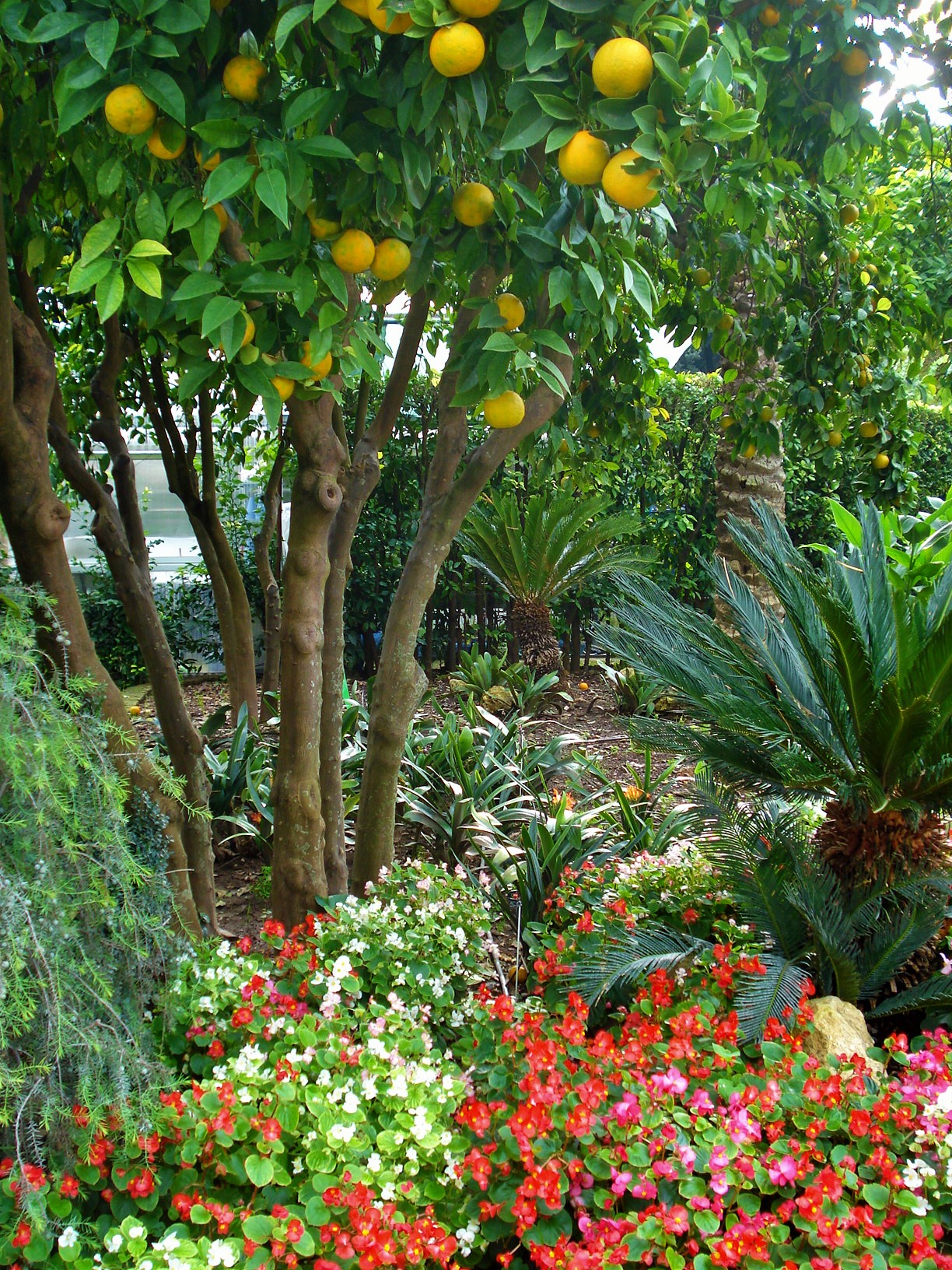
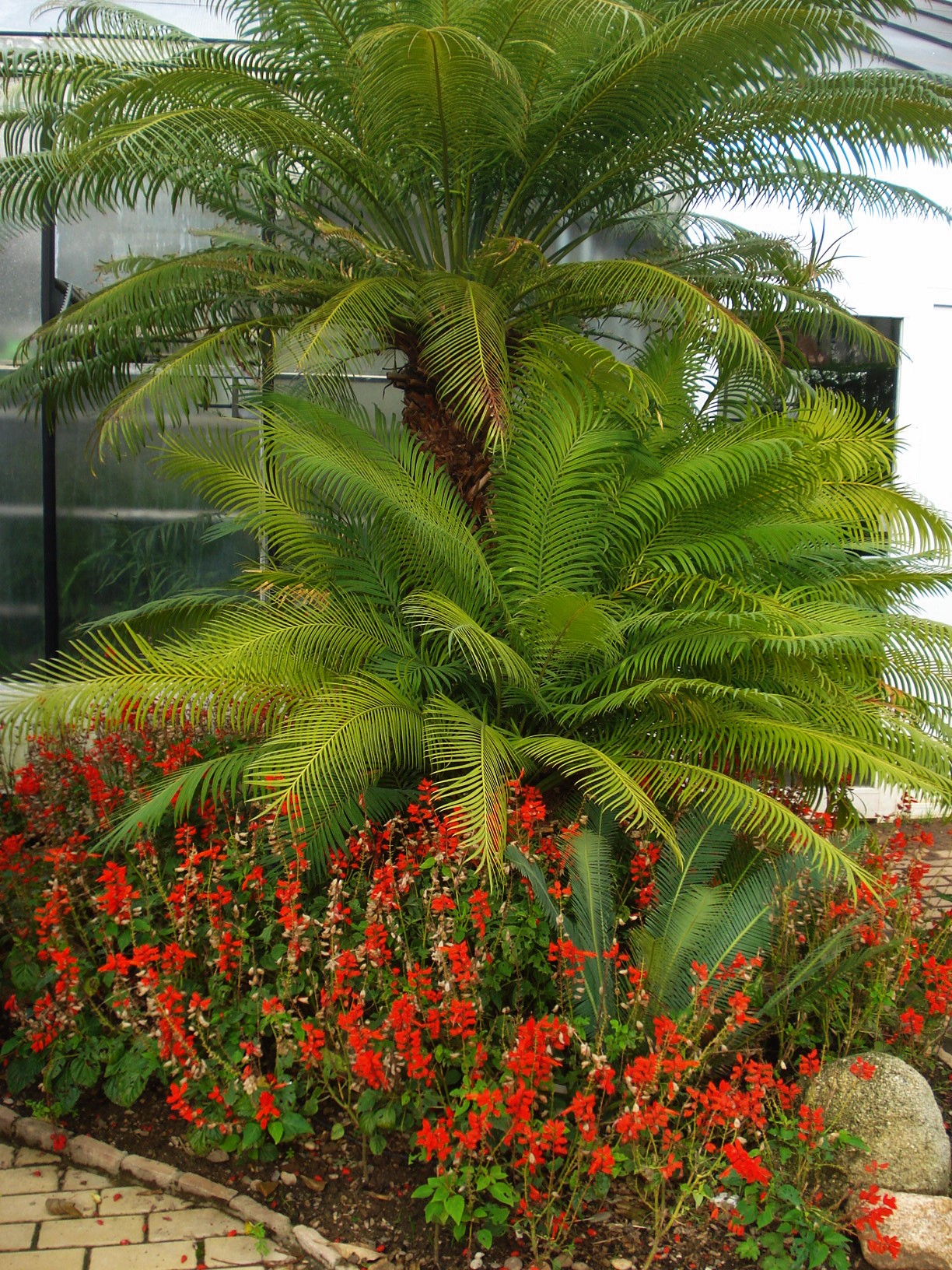
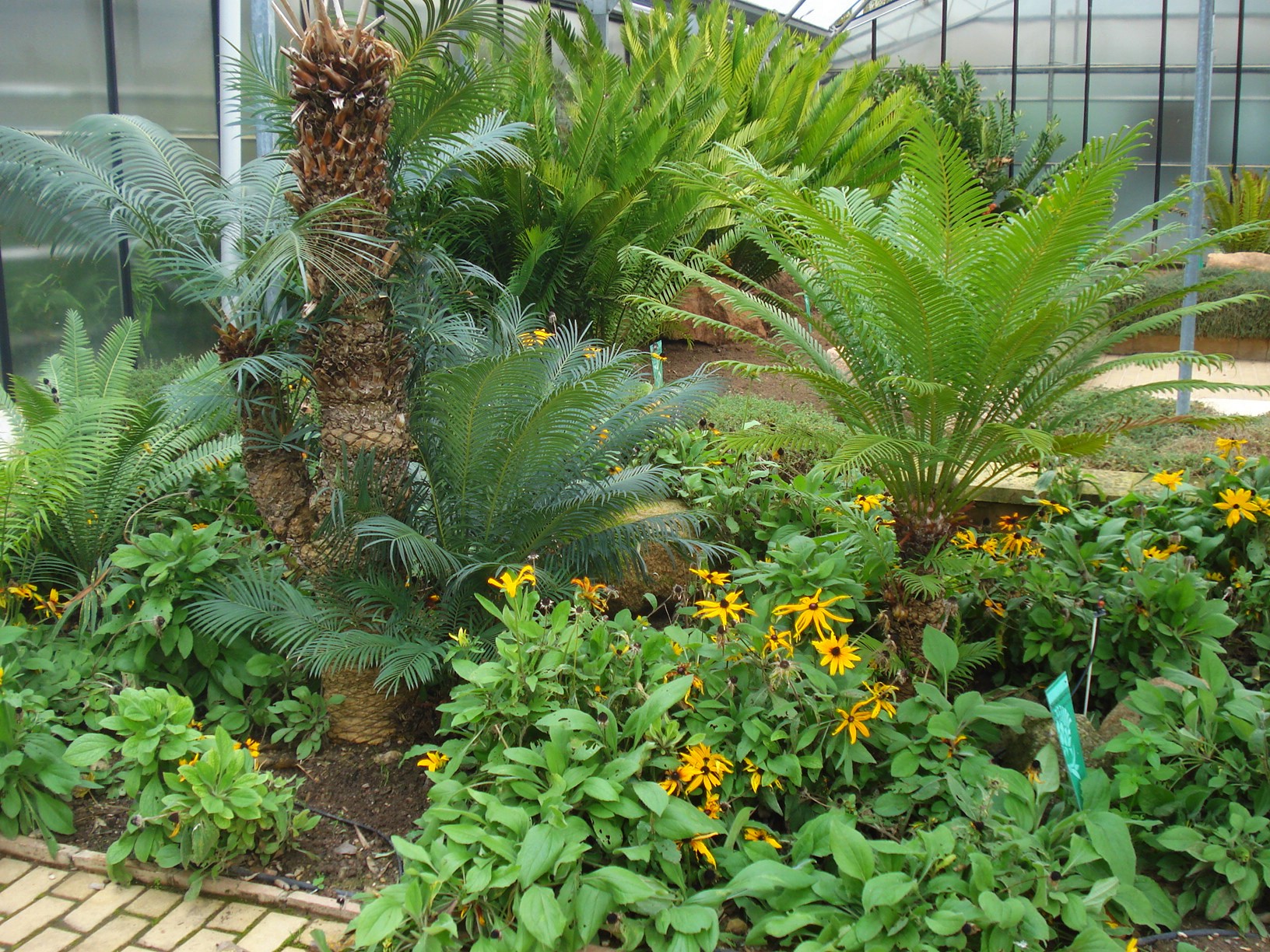
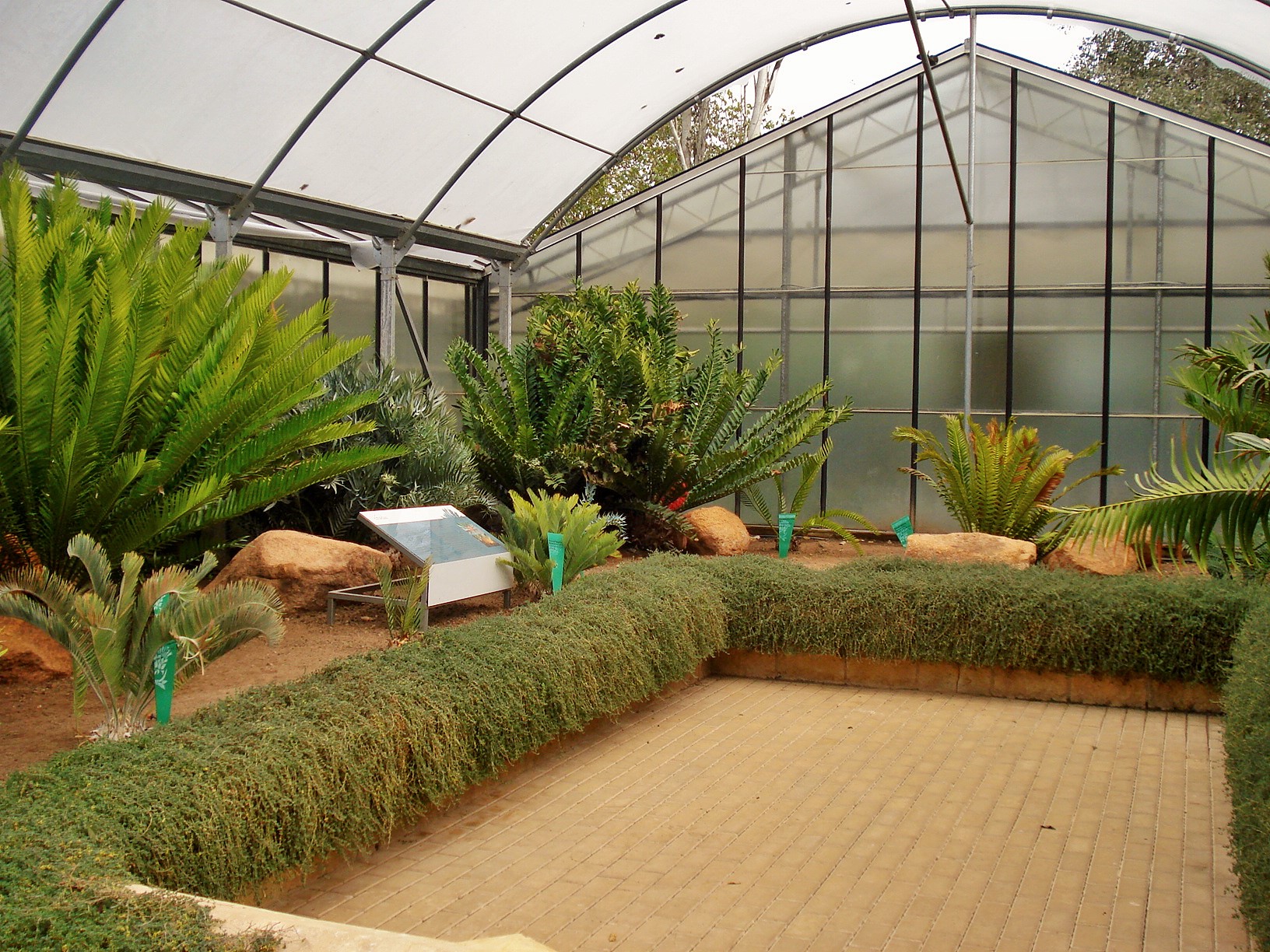
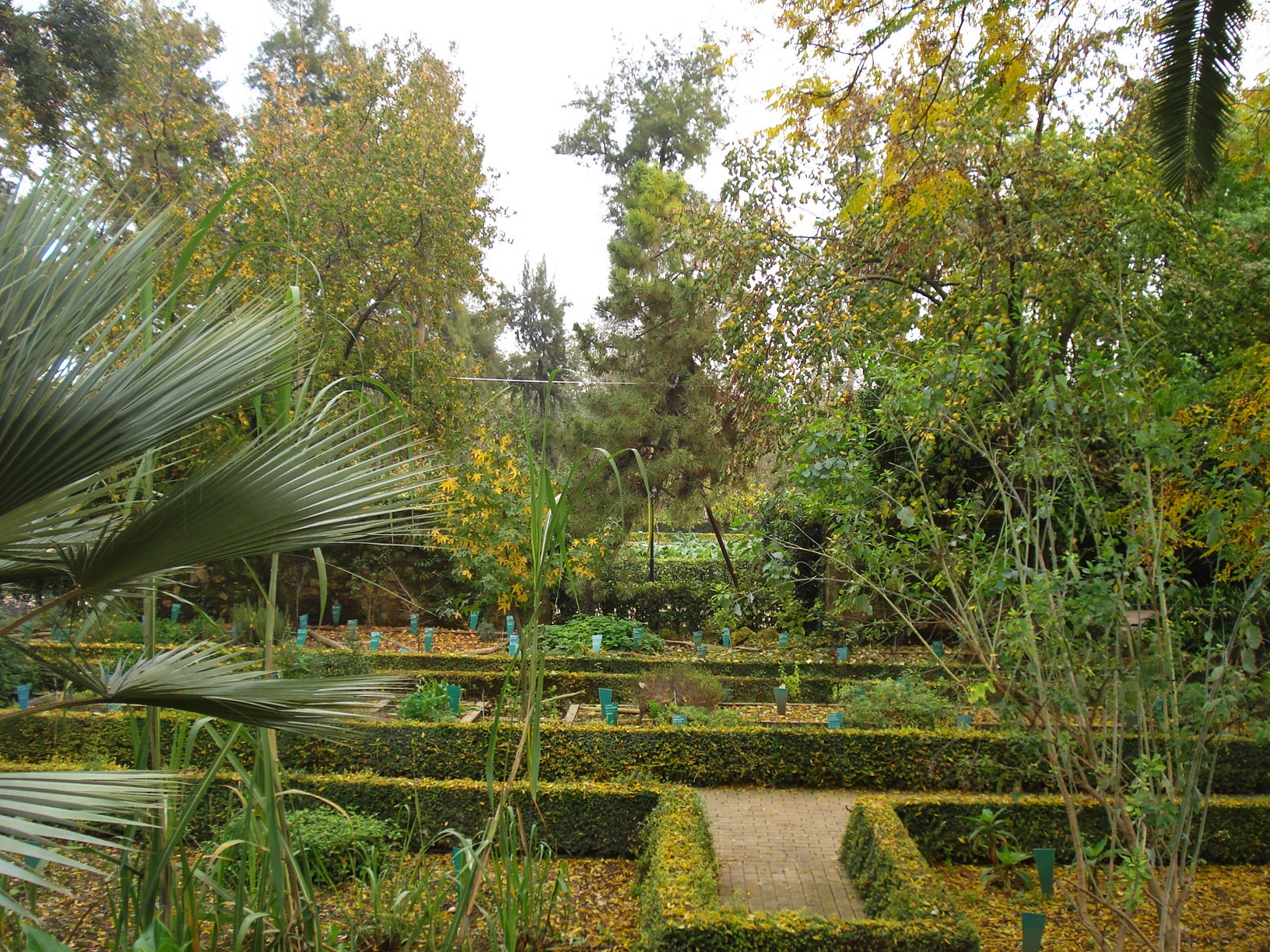
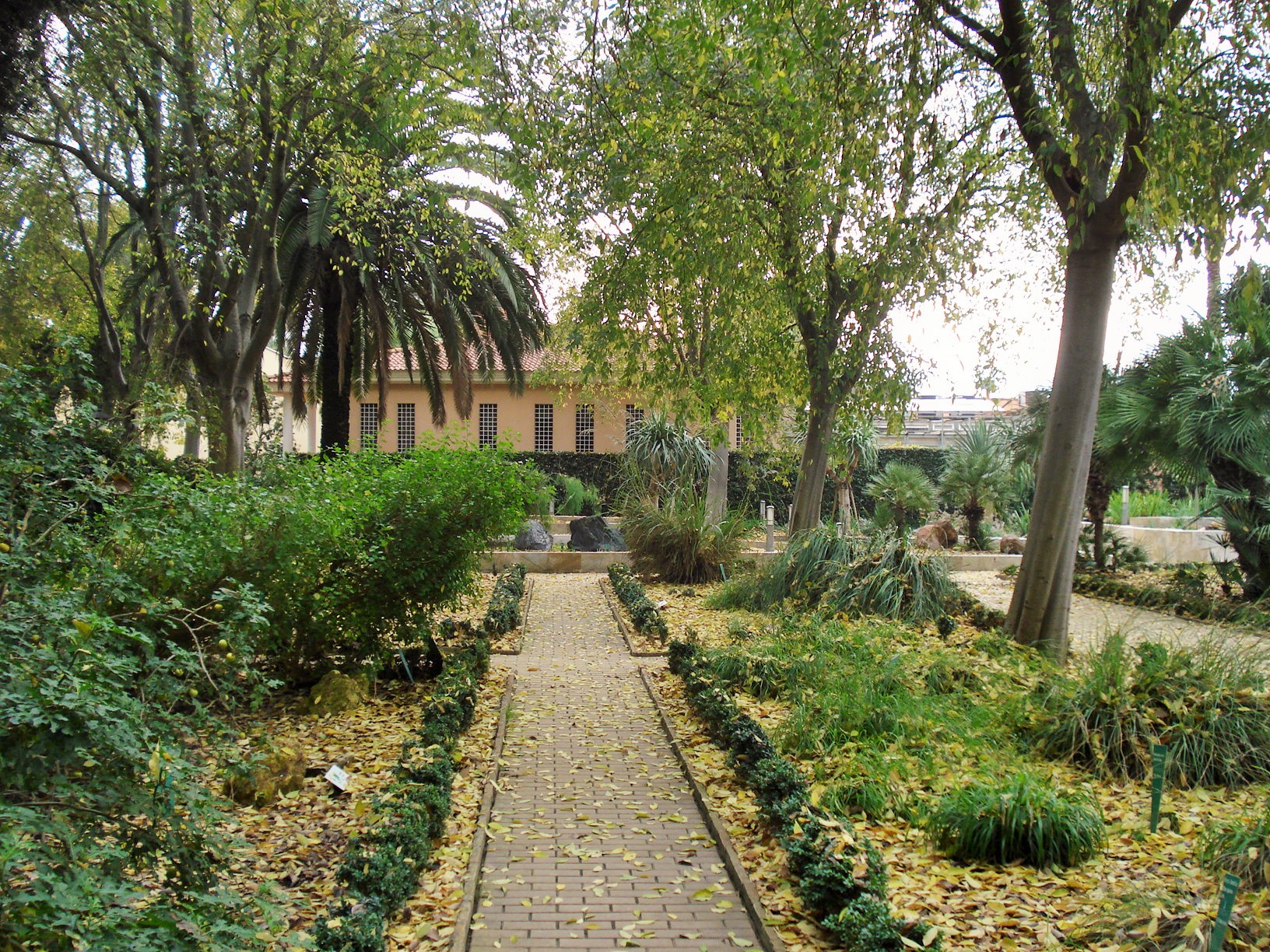
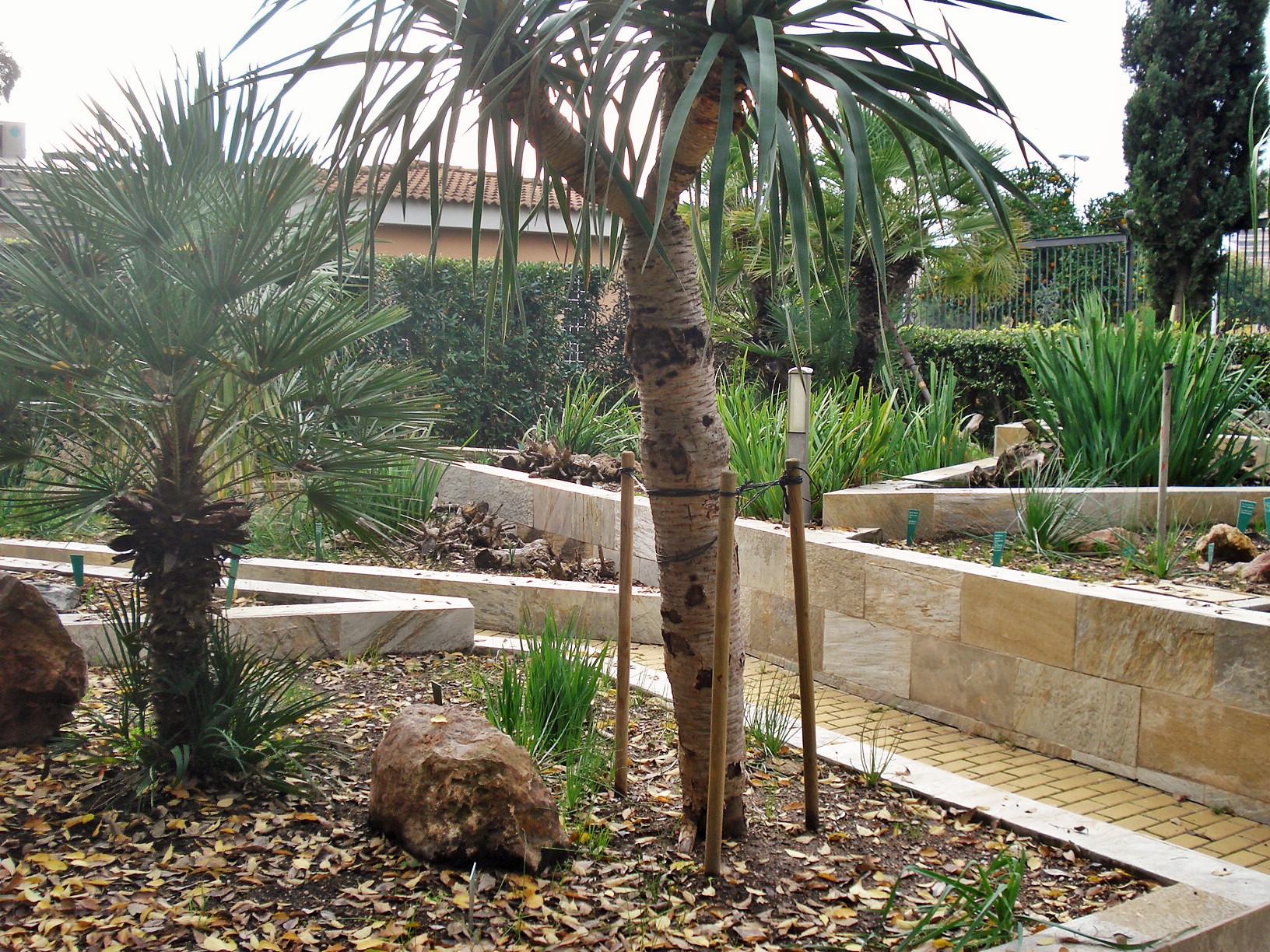
The Botanical Gardens in Cordoba, Spain opened in 1887 and were designed for primarily educational and scientific purposes. They are laid out along a wide central alley leading on one side to the Collections, species native to Spain arranged in borders edges by low growing rosemary or hackberry, and on the other side the Agricultural School, featured in this post, with a large collection of citrus trees as well as an extensive vegetable and kitchen garden. In the center are greenhouses dedicated to species from the Canary Islands, Balearic Islands and Andalusia, as well as a lovely area dedicated to the Andalusian patio.

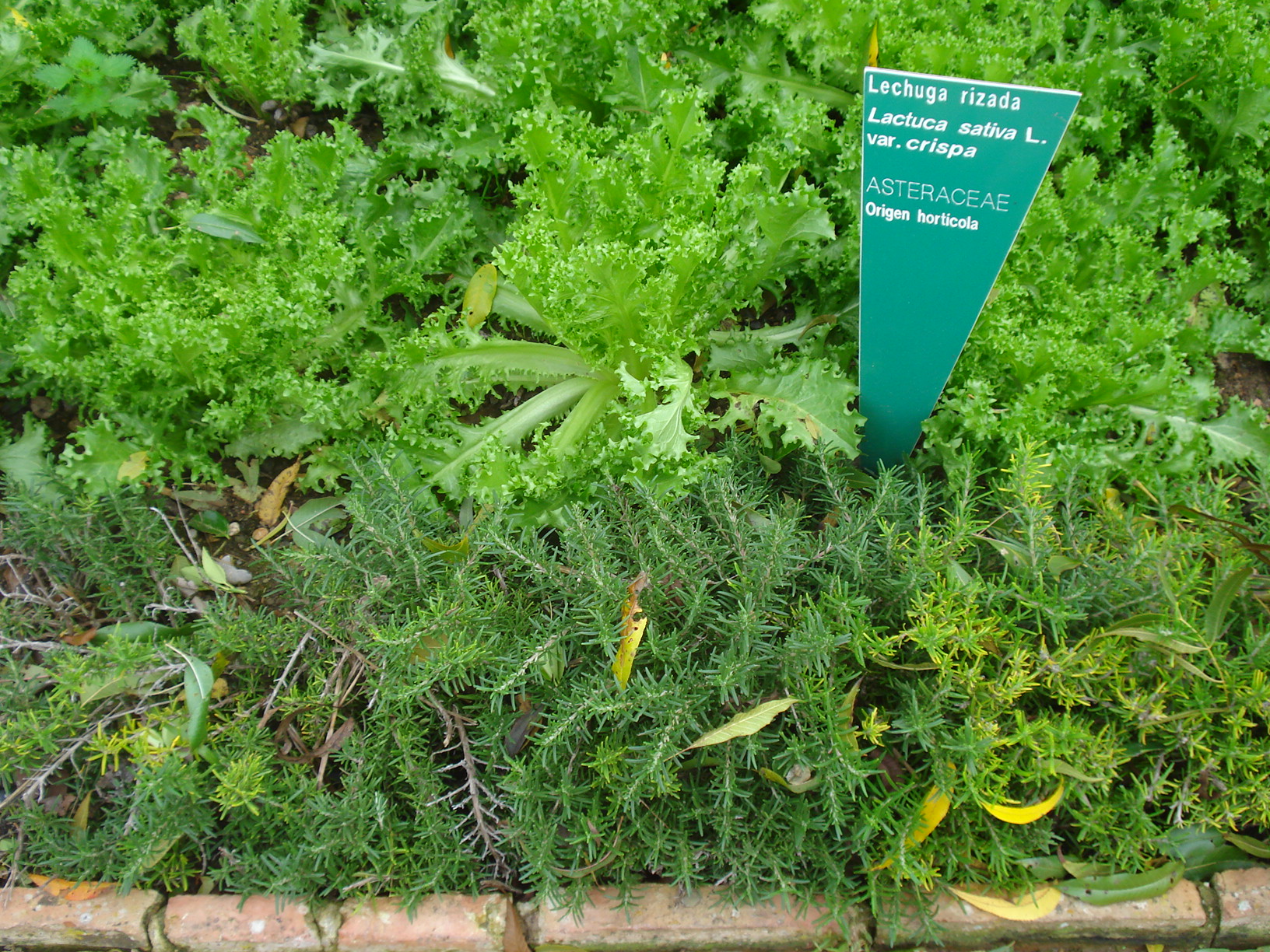
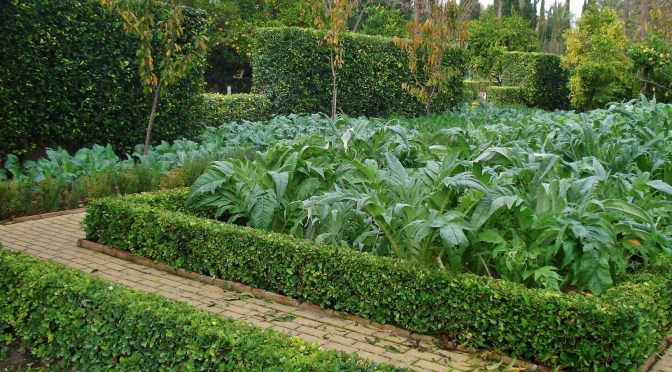
In the School of Agriculture, the emphasis is on sustainability and diversity, with sustainability and organic gardening on the forefront. Plants grown are those for human or animal consumption as well as any plants offering benefits or use to people. Many different methods of cultivation are used and in those collection one can observe the different cycless of plants through the seasons.

DSC00143 DSC00142 DSC00141 DSC00140 DSC00139 DSC00160 DSC00159 DSC00158 DSC00157

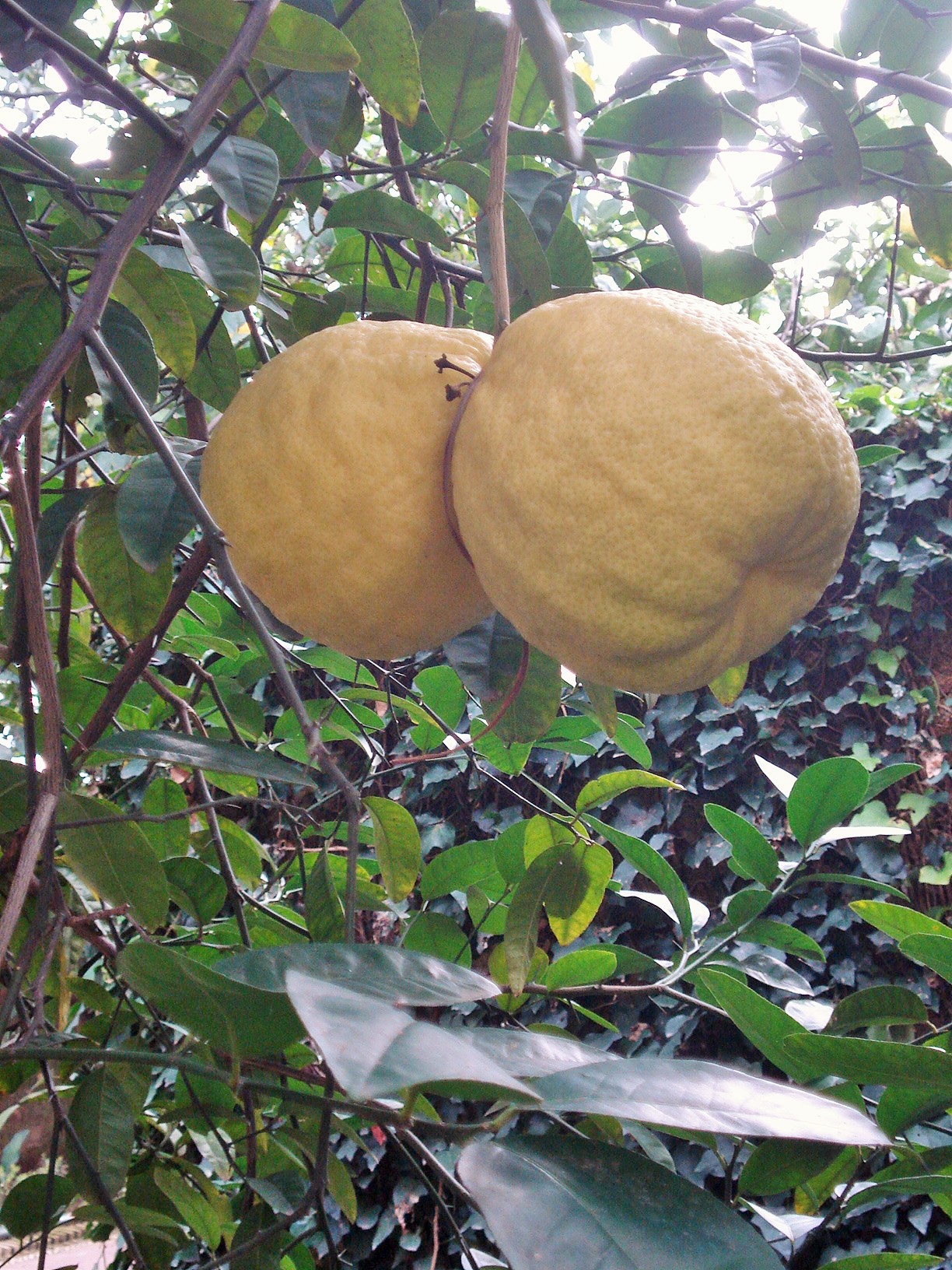
Citrus Medica
Citrus Medica

DSC00153 DSC00150 DSC00149 DSC00147 DSC00146 DSC00145 DSC00144

Cordoba Botanical Gardens: the Scientific Garden

The Botanical Gardens in Cordoba, Spain opened in 1887 and were designed for primarily educational and scientific purposes. They are laid out along a wide central alley leading on one side to the Collections, featured in this post, species native to Spain arranged in borders edges by low growing rosemary or hackberry, and on the other side the Agricultural School with a large collection of citrus trees as well as an extensive vegetable garden. In the center are greenhouses dedicated to species from the Canary Islands, Balearic Islands and Andalusia, as well as a lovely area dedicated to the Andalusian patio.

he Collections are arranged scientifically along a central alley, by species and variety. All the plants included in the collections are autochtone to Spain.

DSC00127 DSC00131 DSC00132 DSC00133 DSC00134 DSC00135 DSC00137 DSC00161 DSC00162 DSC00164 DSC00099 DSC00100 DSC00117 DSC00118 DSC00119 DSC00120 DSC00121 DSC00122 DSC00123 DSC00124

Abbaye of Daoulas in Brittany: Art in the Gardens

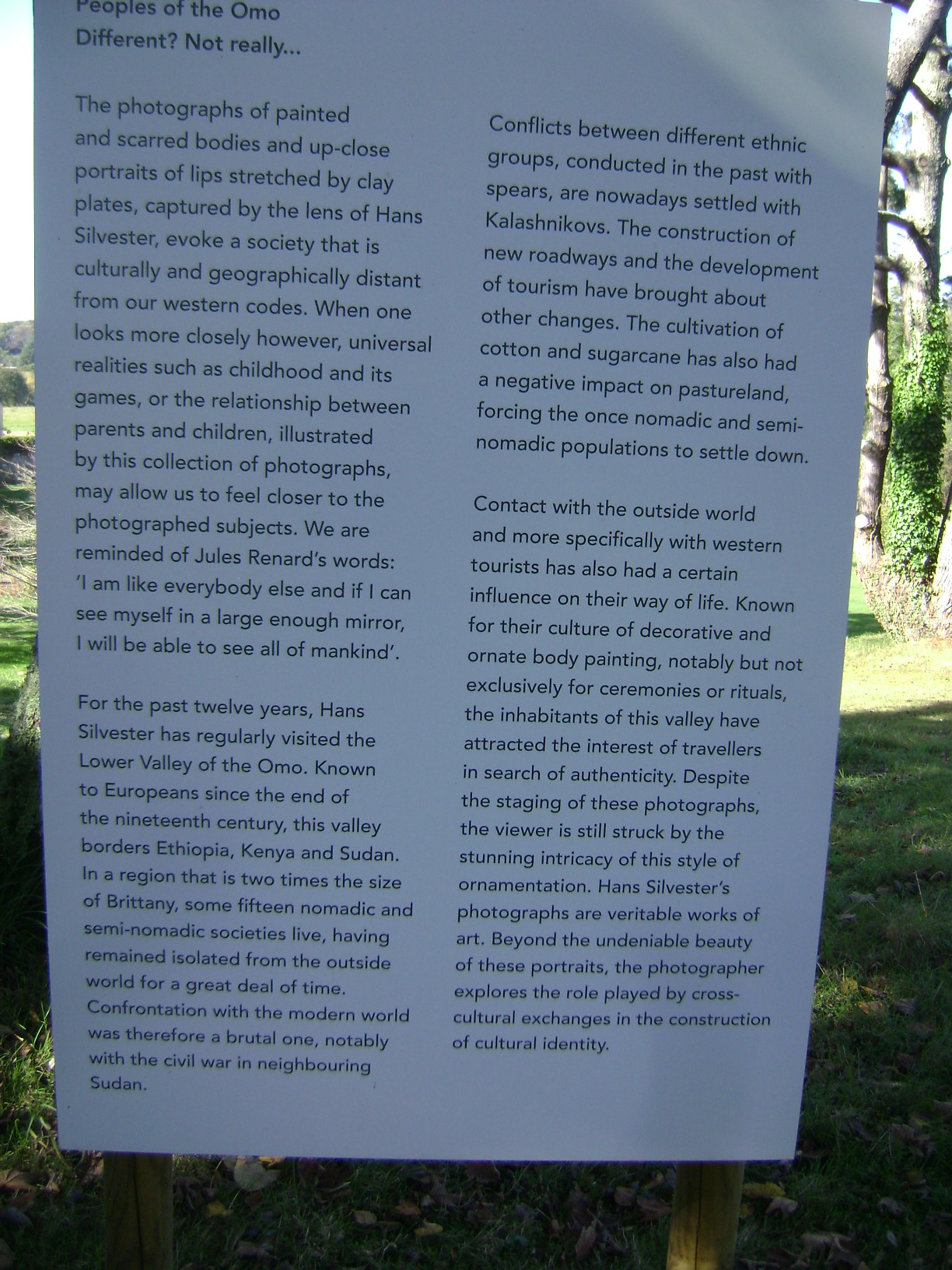
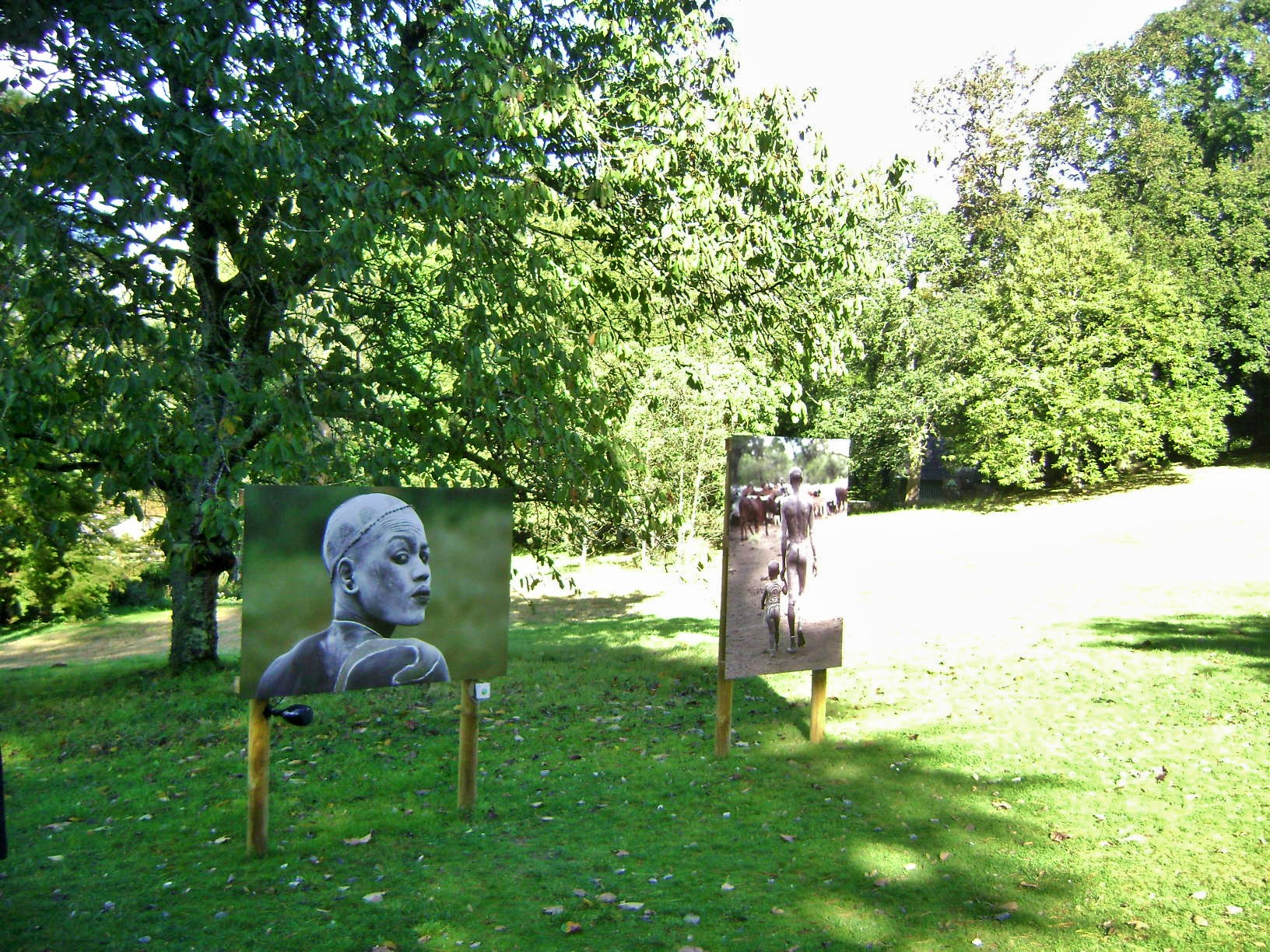
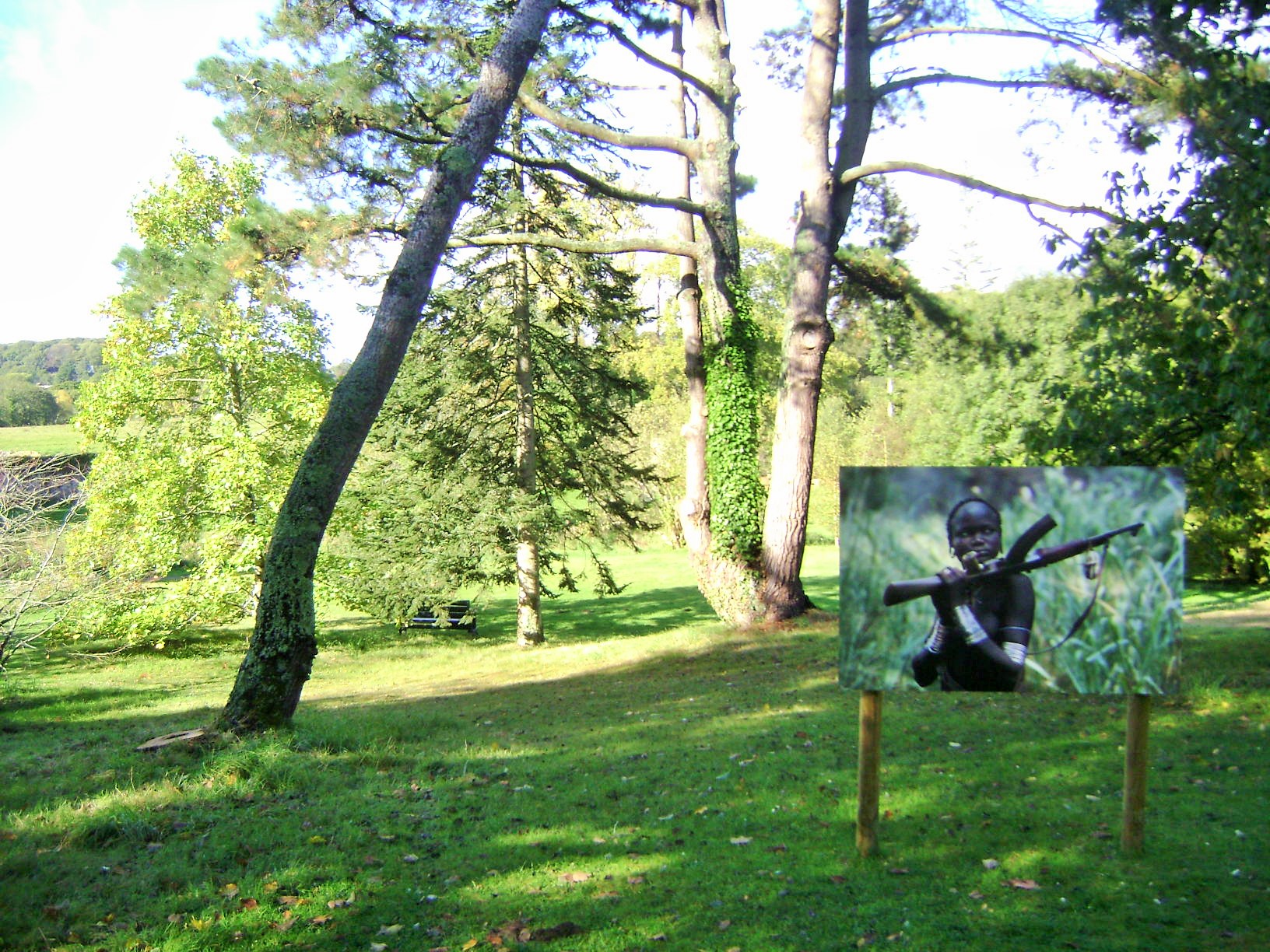
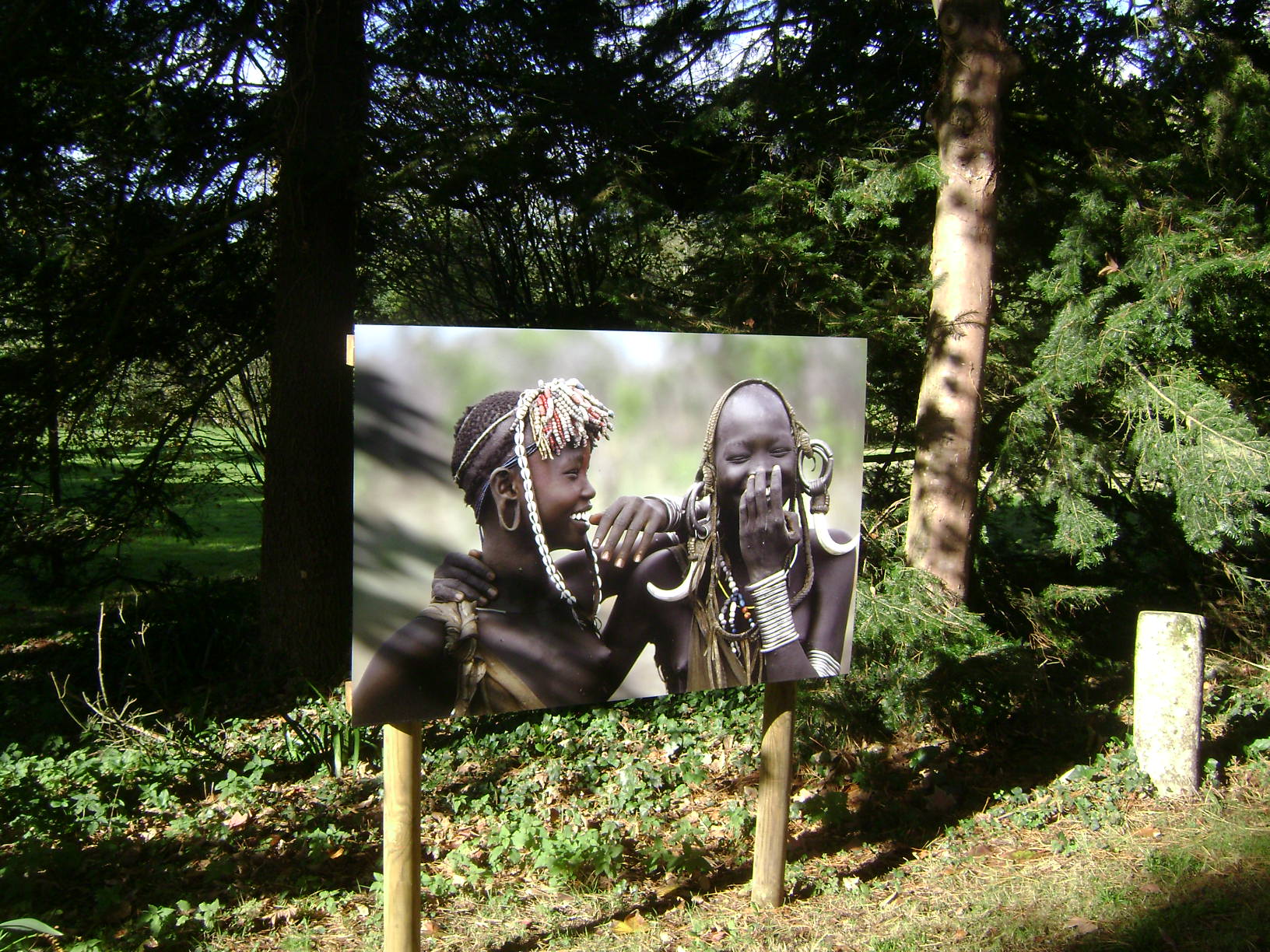
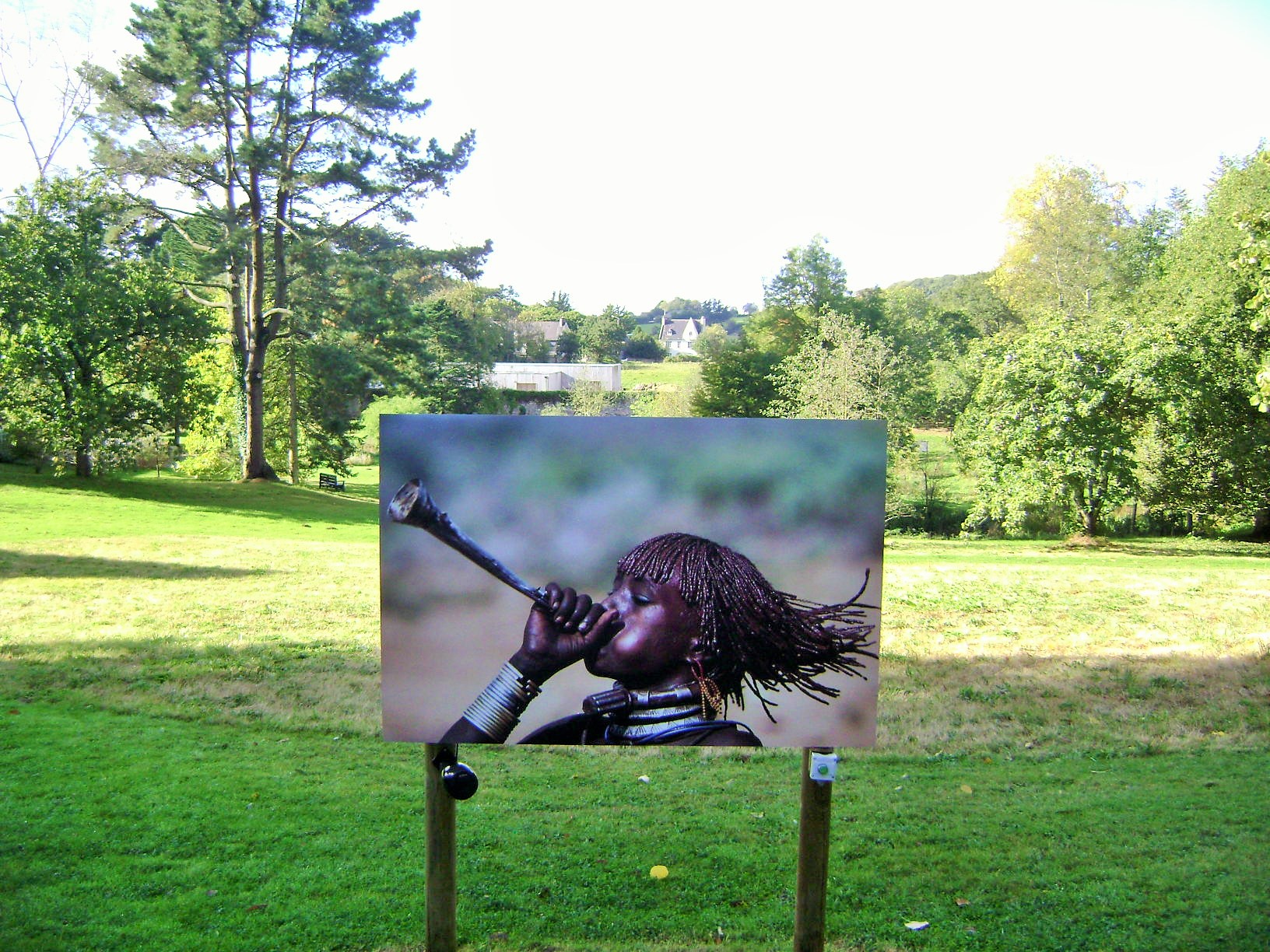
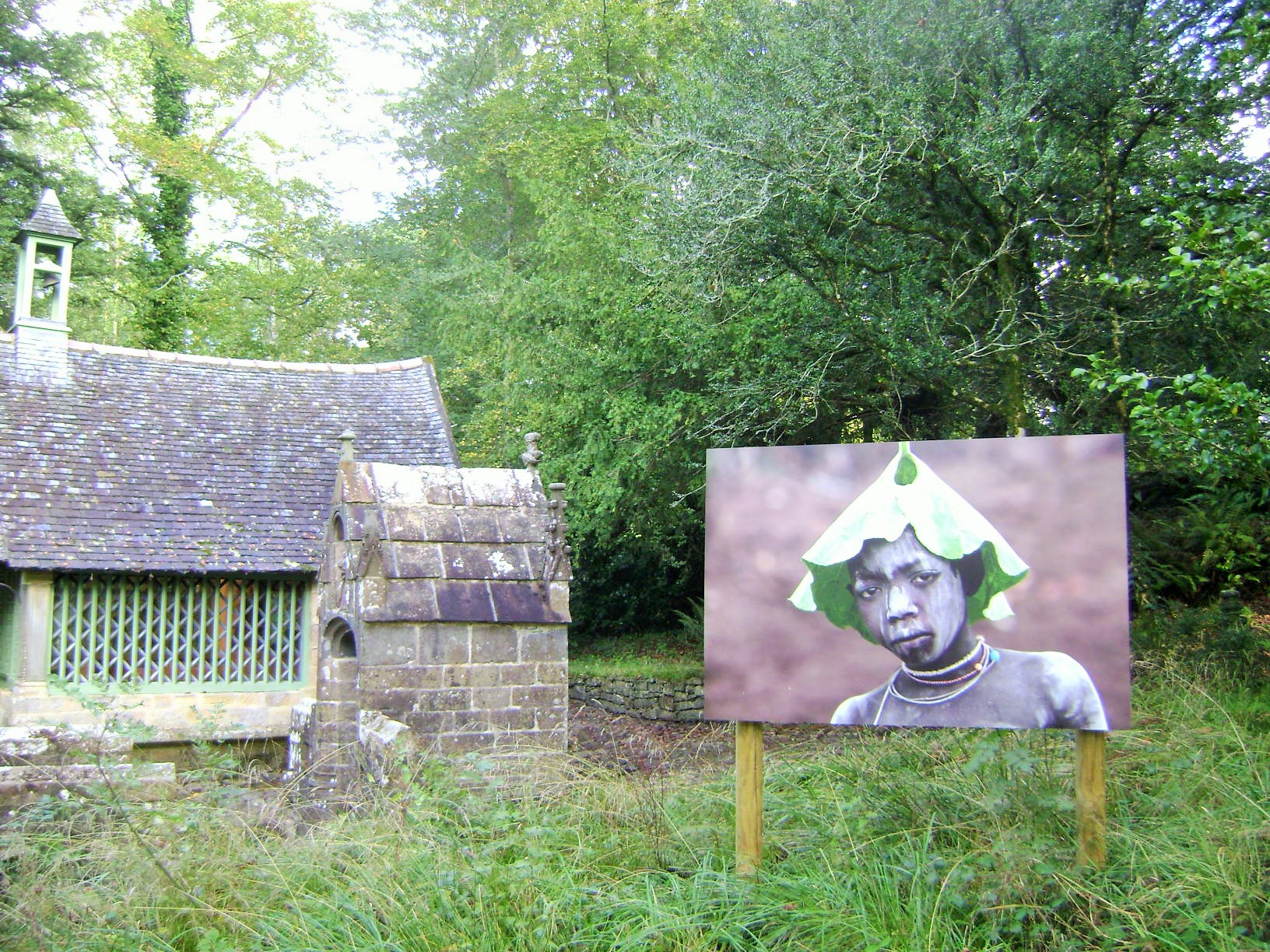
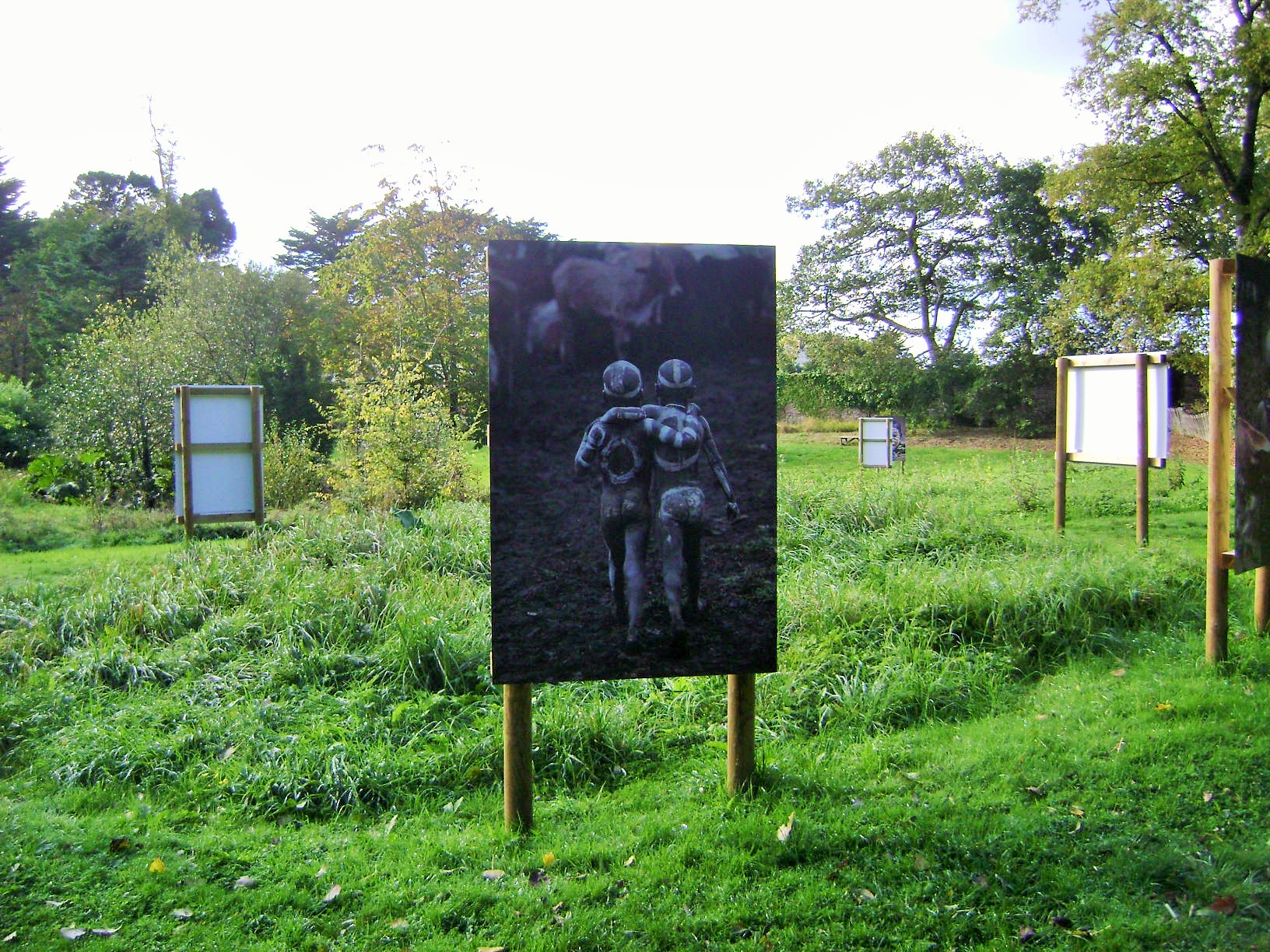
The romanesque style Abbaye of Daoulas in the Brittany region of France dates back to the 12th century. This site is of interest not only for the monastery itself but for a remarkable cloister unique in Brittany, large grounds with a pond, old washouse and integrating outdoor art exhibits, but also for its medicinal garden which has one of the largest collection of plants in Europe. I am writing about these in separate posts.

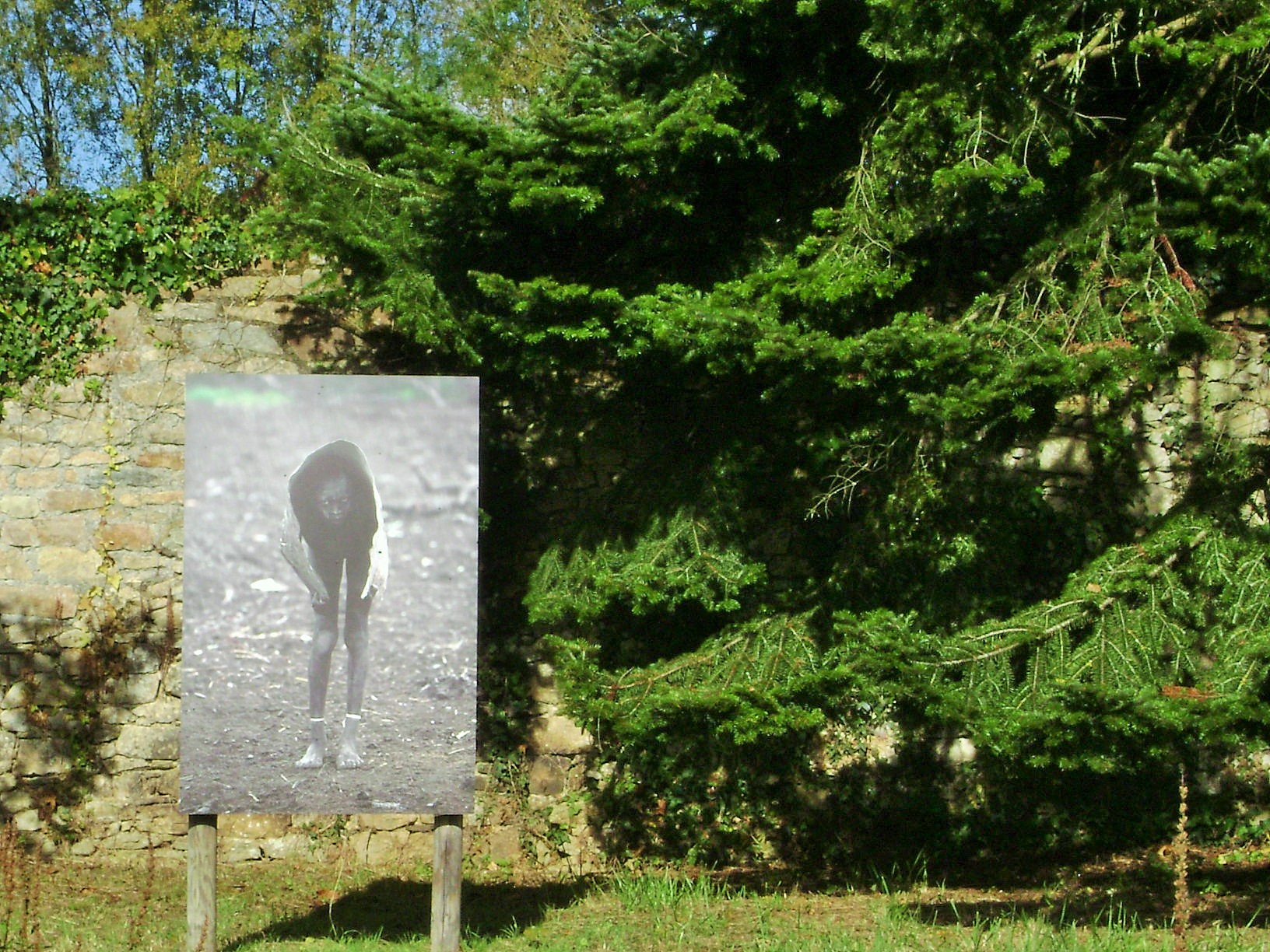
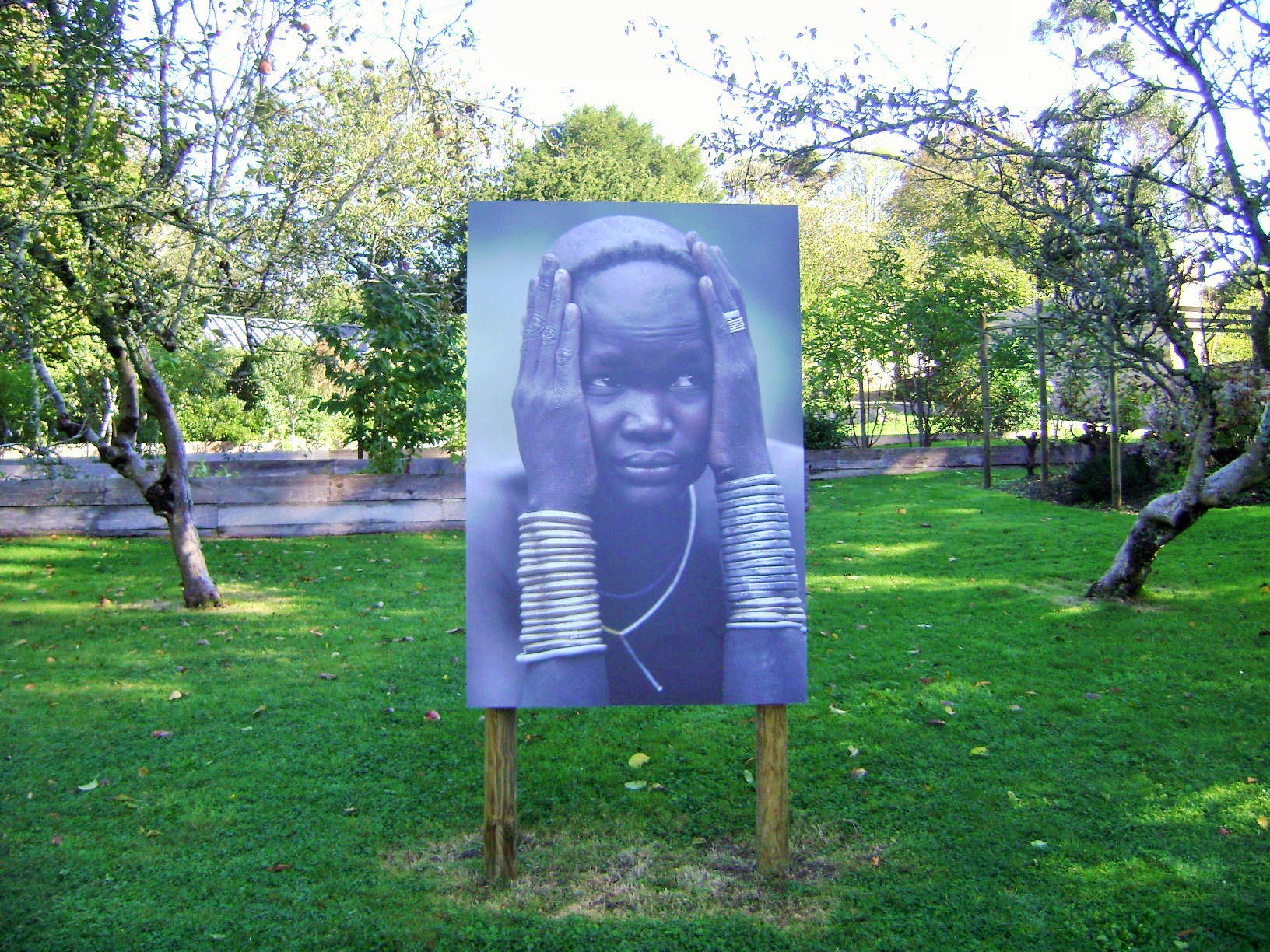
In this post, I am featuring the grounds and art exhibit.  The grounds of the abbaye form an unexpected background for large scale photos of  the Omi people by photographer Hans Sylvester. Showing people who are so strikingly different from us at first glance, he also captures a human commonality in everyday gestures and occupations.

DSC02336

DSC02200 DSC02201 DSC02203 DSC02204 DSC02205 DSC02335 DSC02160 DSC02161 DSC02163 DSC02164 DSC02168 DSC02171 DSC02172 DSC02174 DSC02177 DSC02195 DSC02197


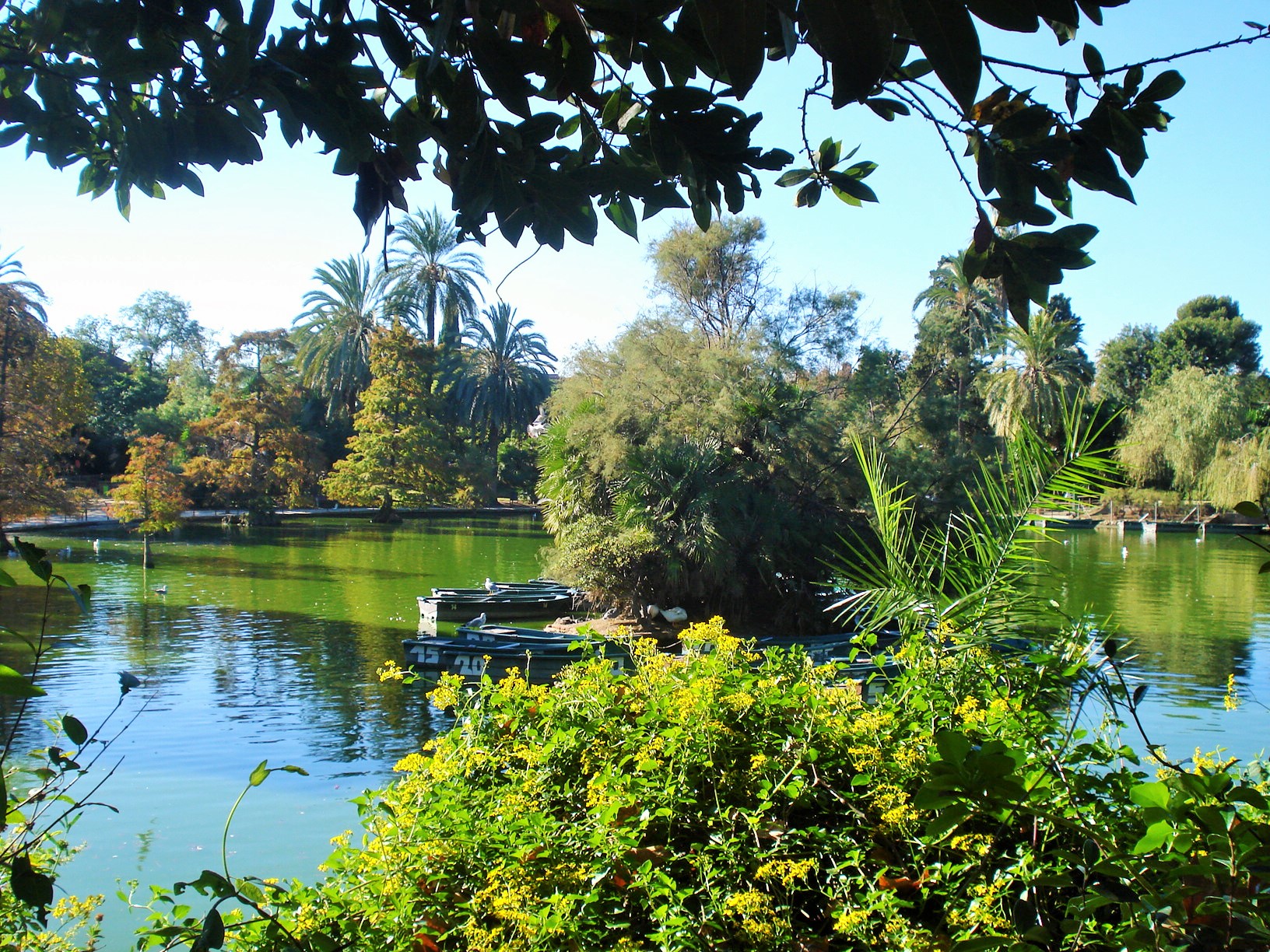
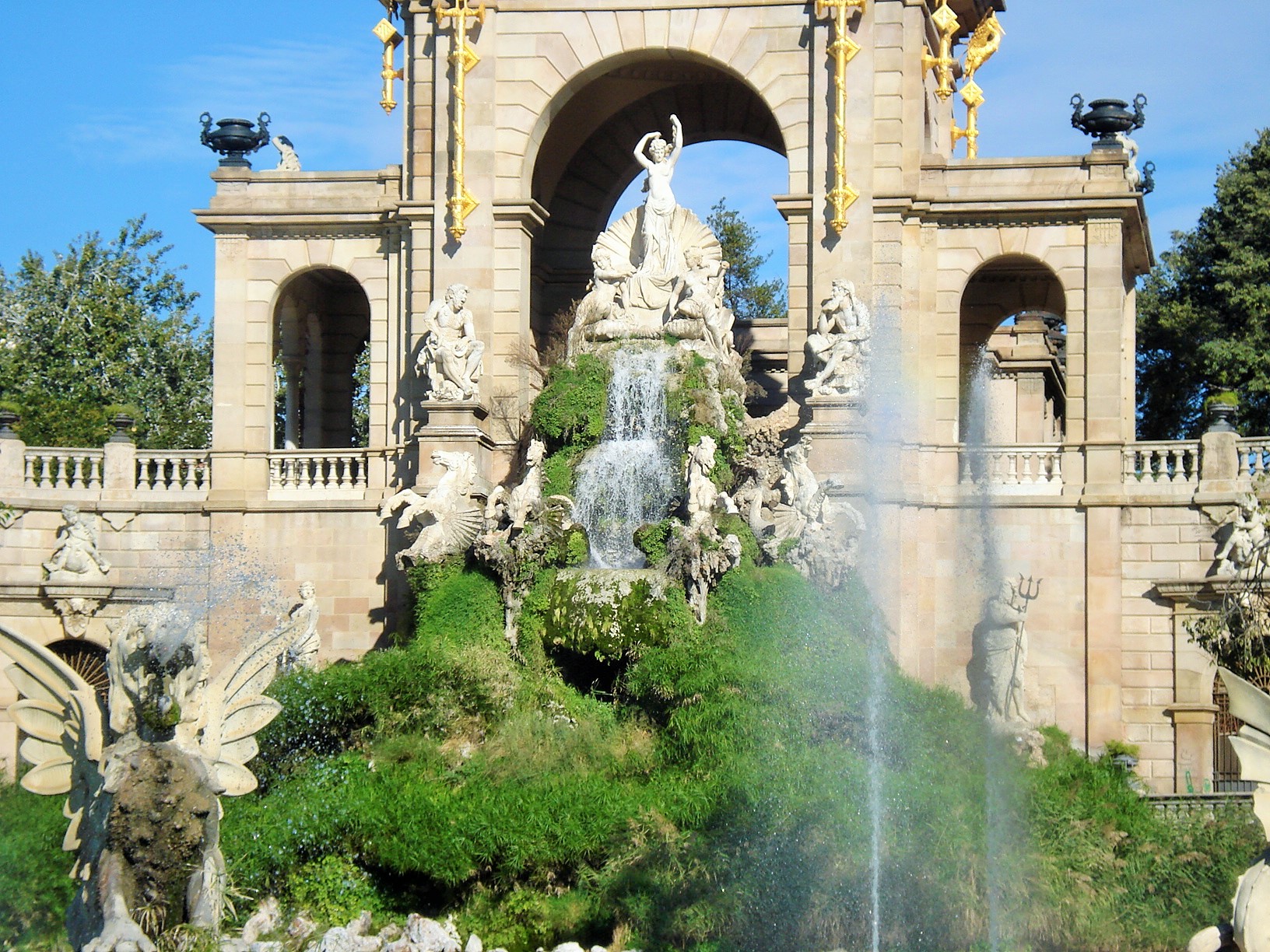
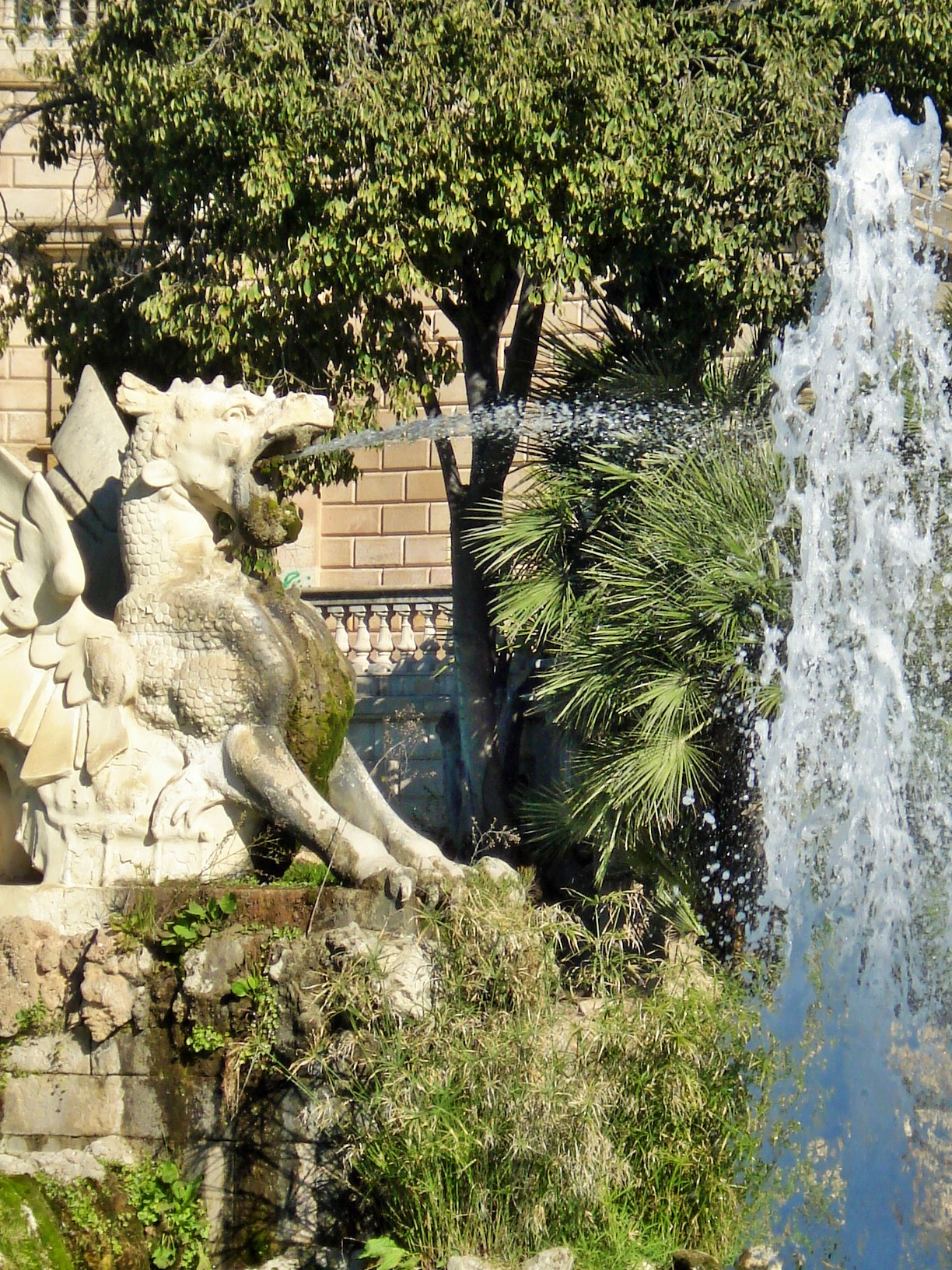
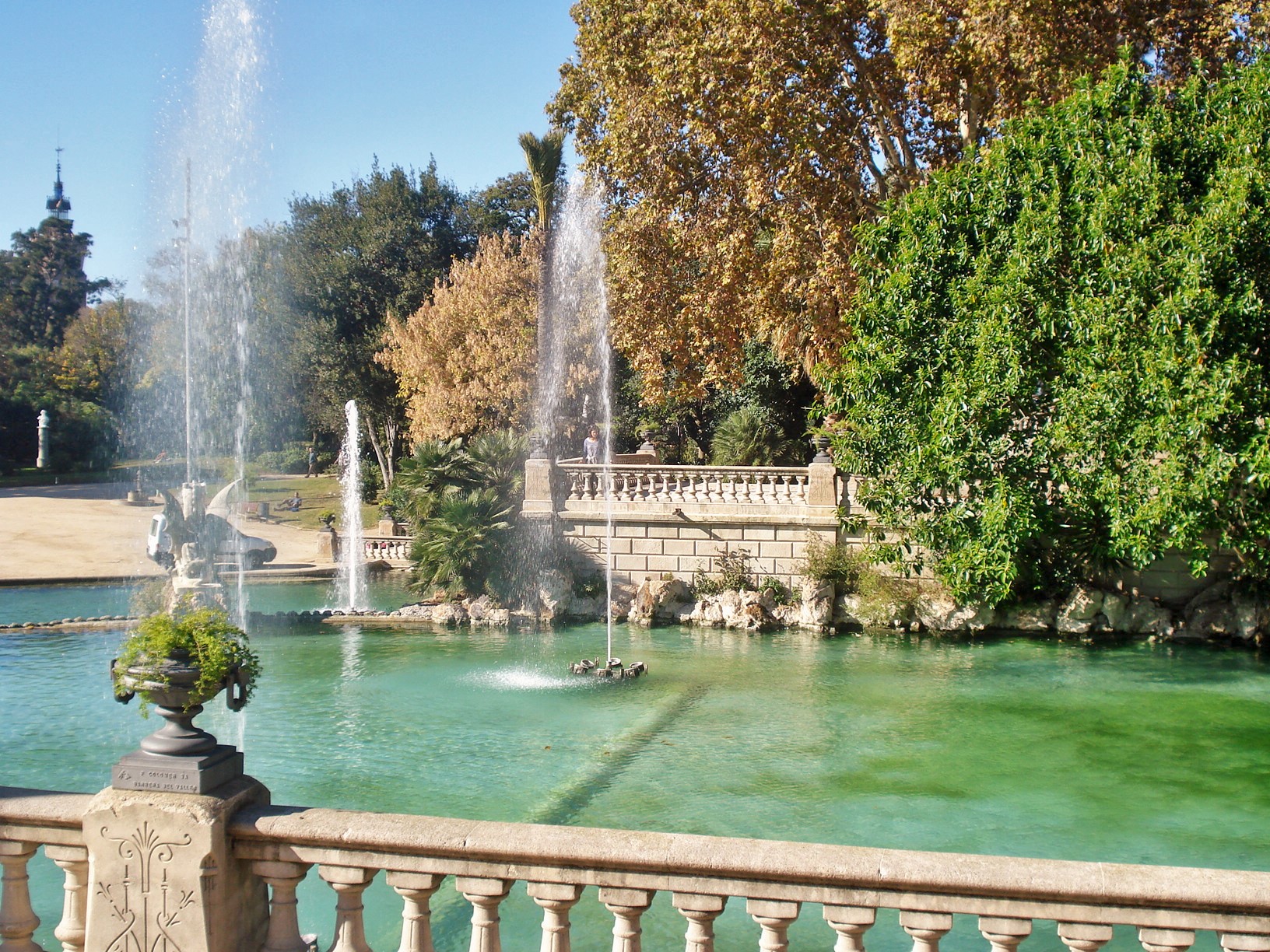
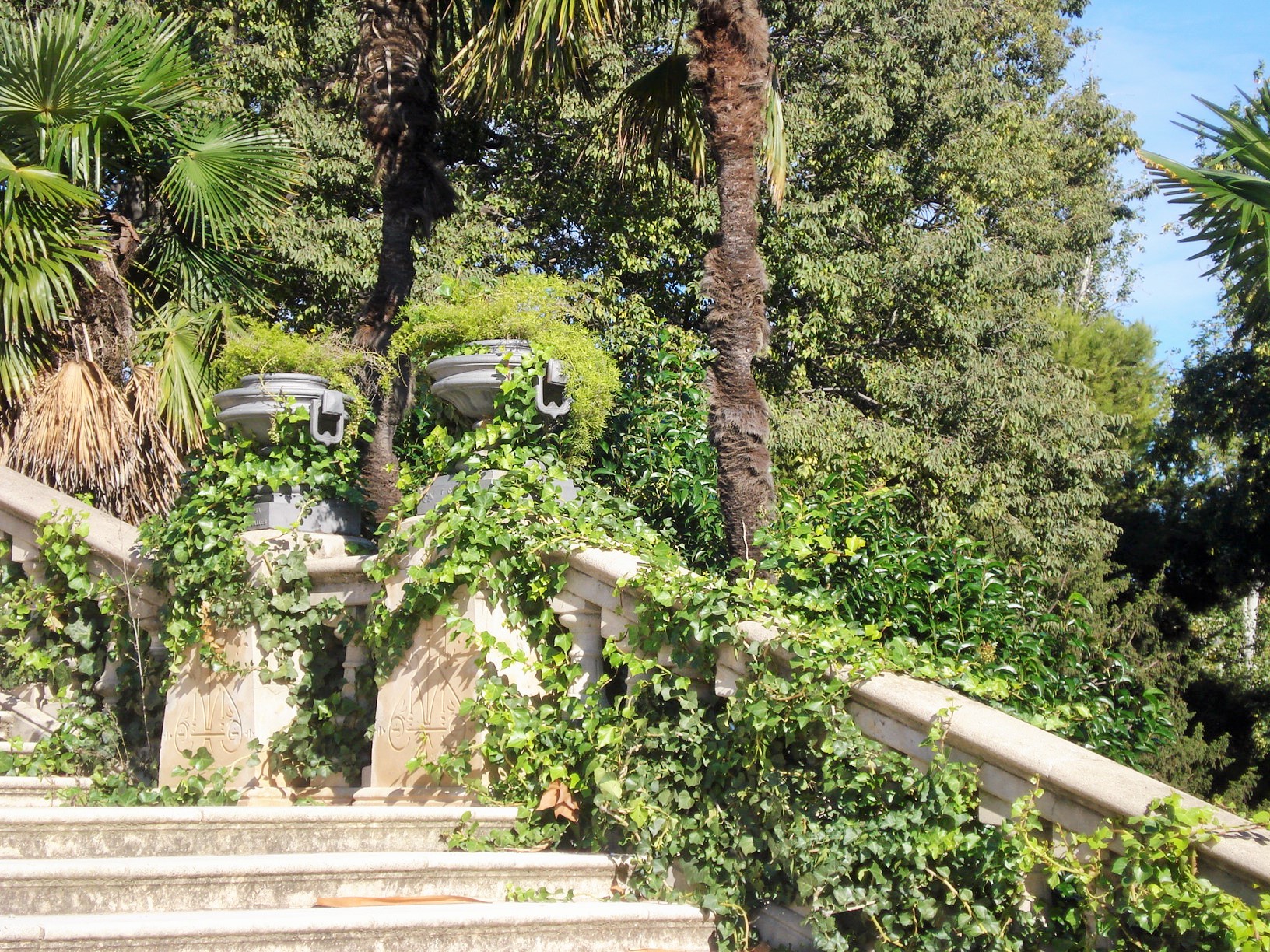
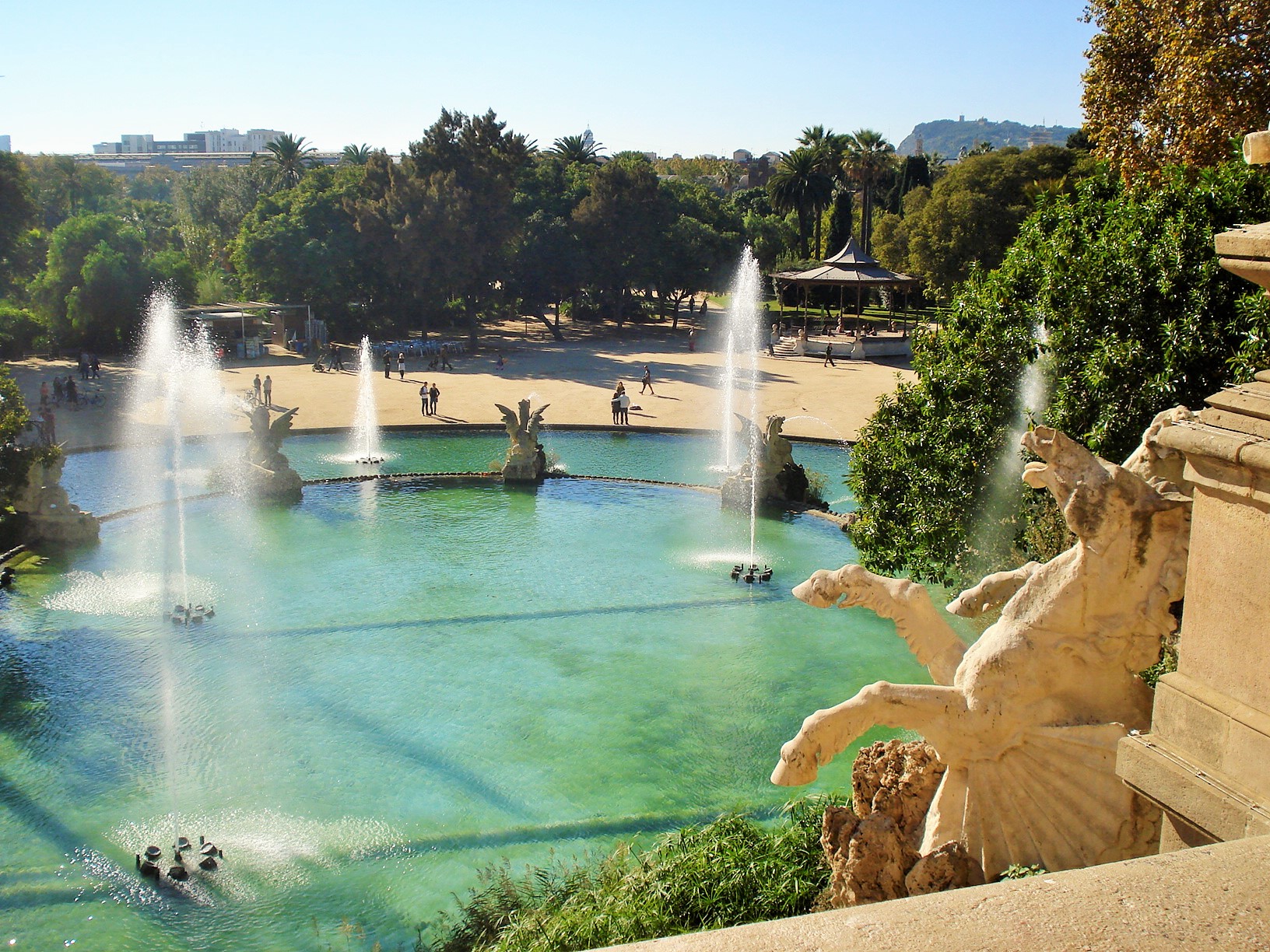
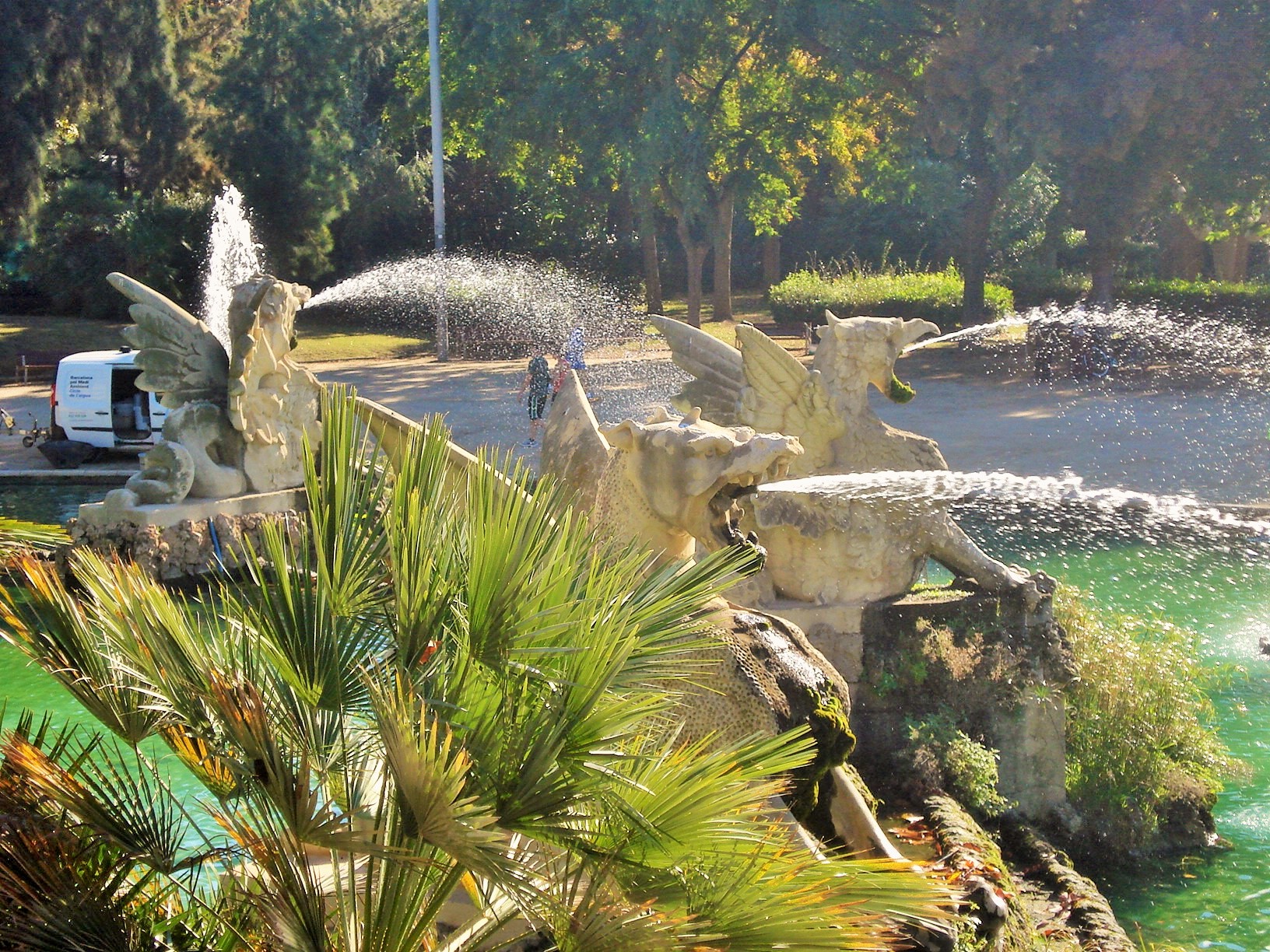
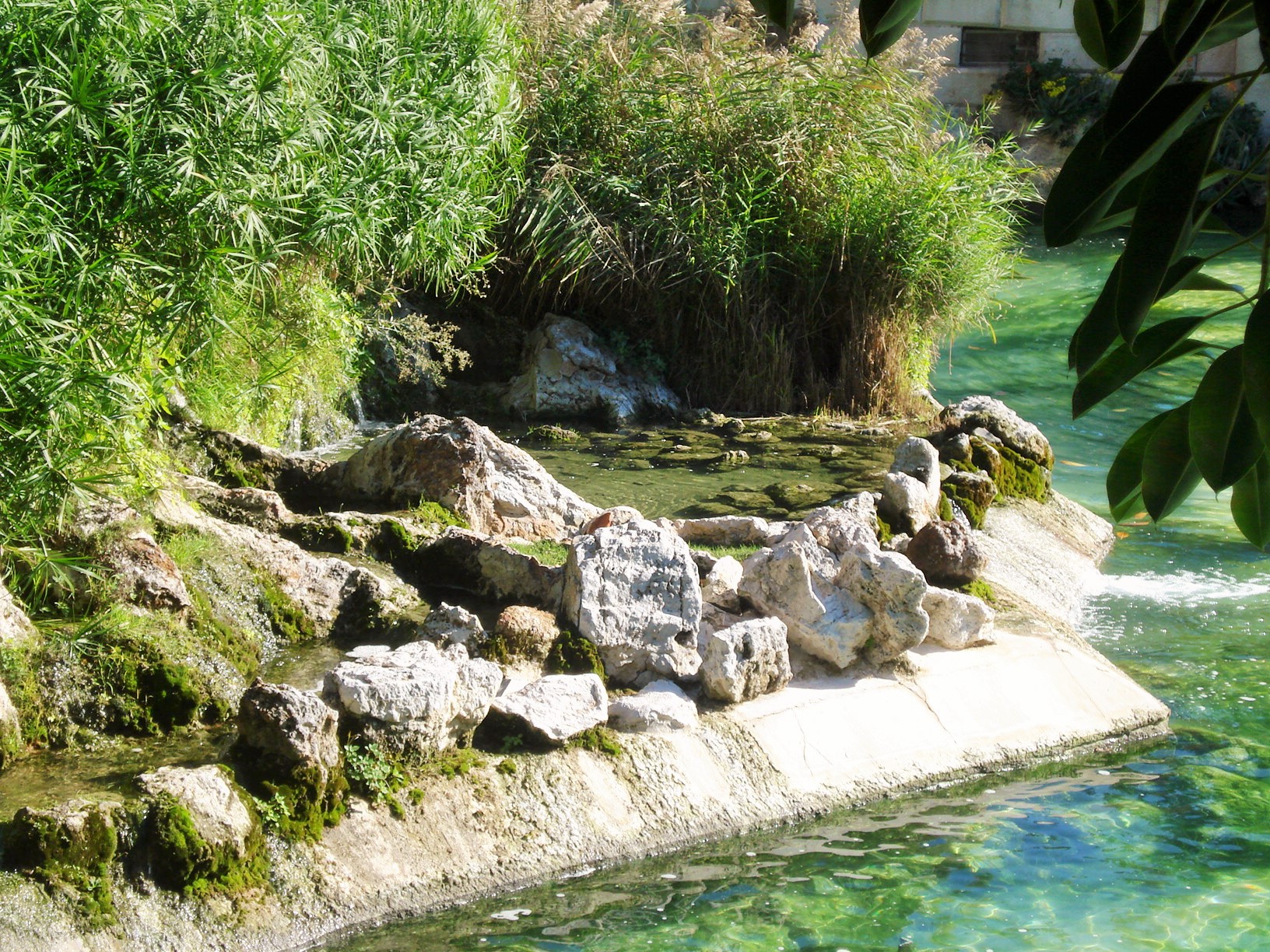
Barcelona Ciutadella Park: Fountains, Gaudi and Gardens

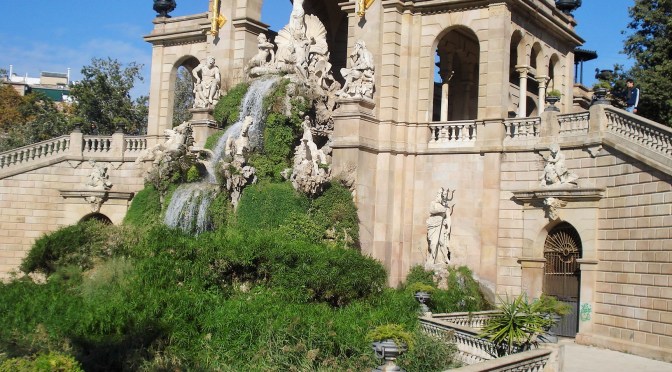
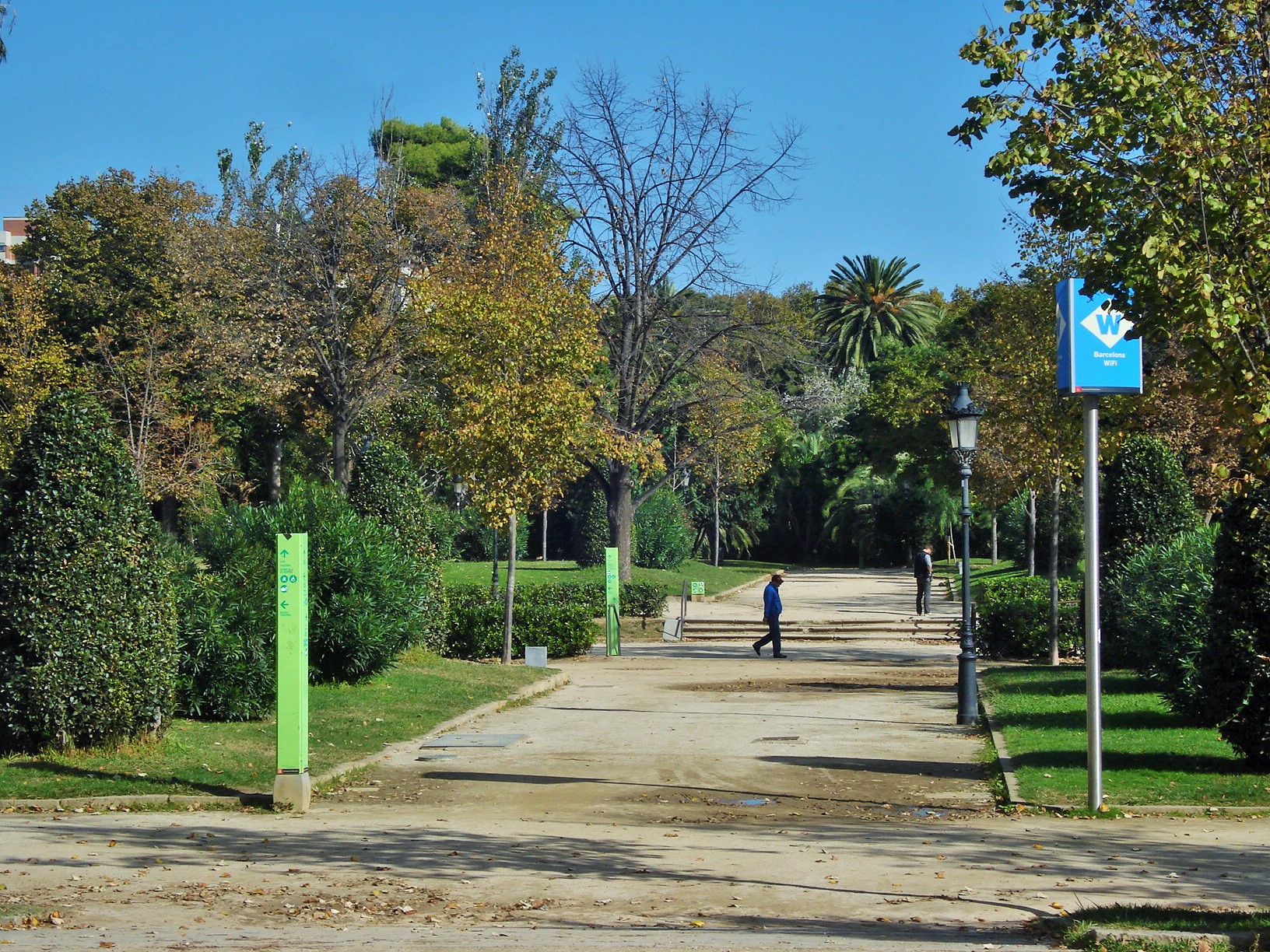
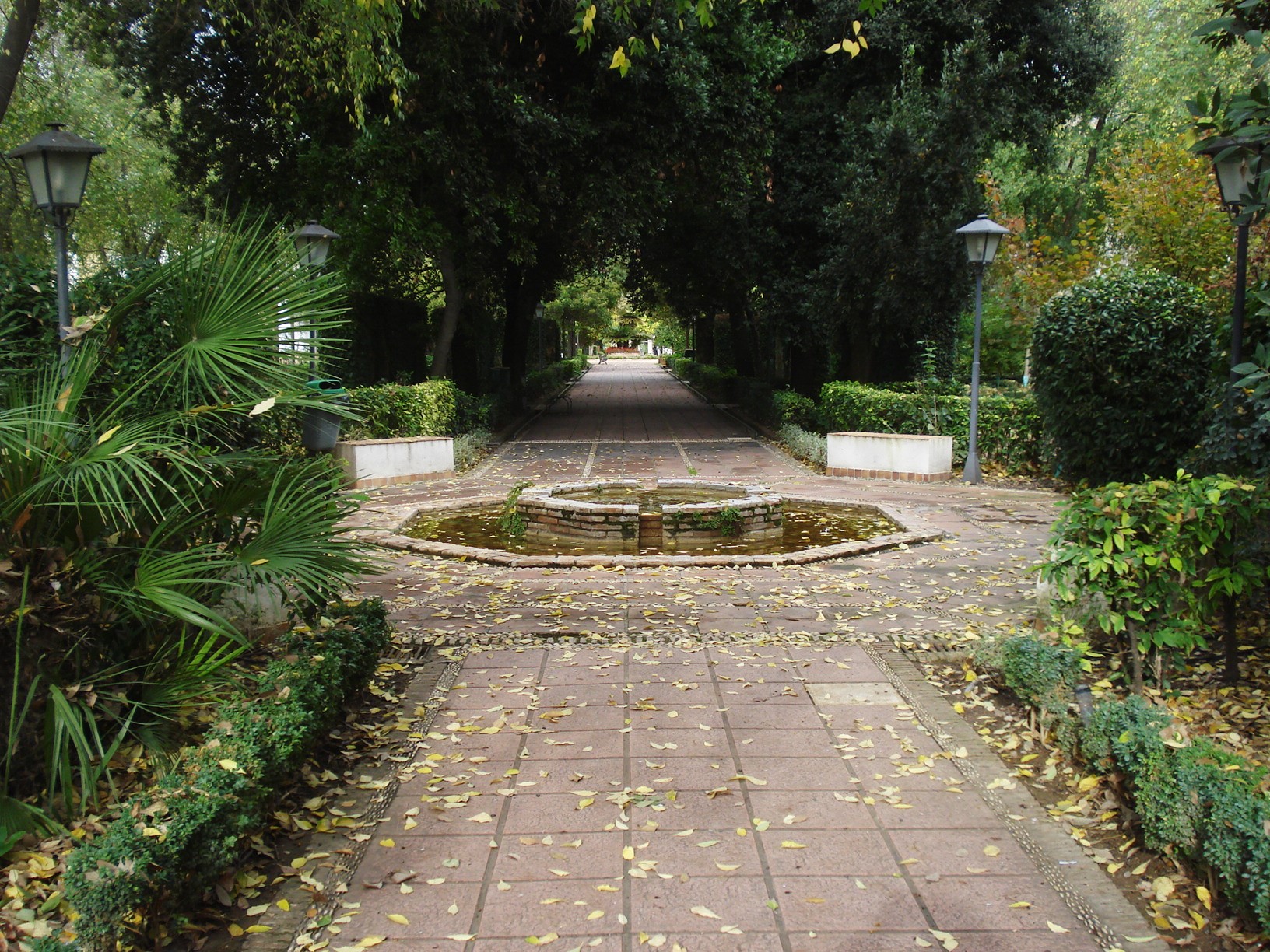
The Ciutadella Park in Barcelona is the largest and oldest city park. It was established in the mid 19th century and was for a long the only substantial green space in the city with about 70 acres of paths, trails, a lake, and assorted statuary and buildings. It is home to the Parliament building, the Barcelona Zoo, and the Geological museum. It is perhaps most famous for the very large waterfall fountain designed by Fontsere in the 1880s when Gaudi was his student and is believed to have contributed to it. It was inaugurated for the Universal Exhibition.
DSC08101 DSC07989 DSC07991 DSC07994 DSC07995 DSC07997 DSC08002 DSC08003 DSC08005 DSC08008 DSC08013 DSC08016 DSC08018 DSC08020 DSC08021 DSC08024 DSC08028 DSC08034 DSC08044 DSC08045 DSC08048 DSC08075 DSC08077

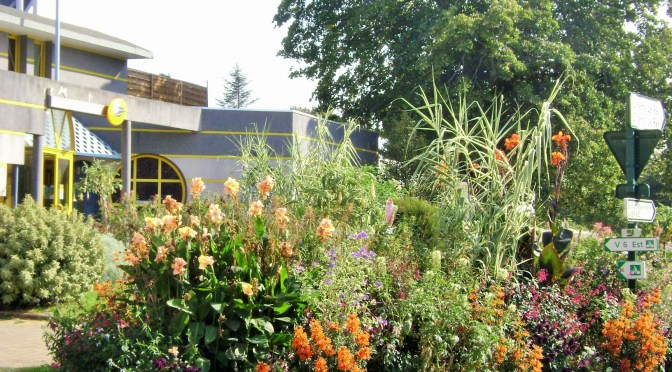
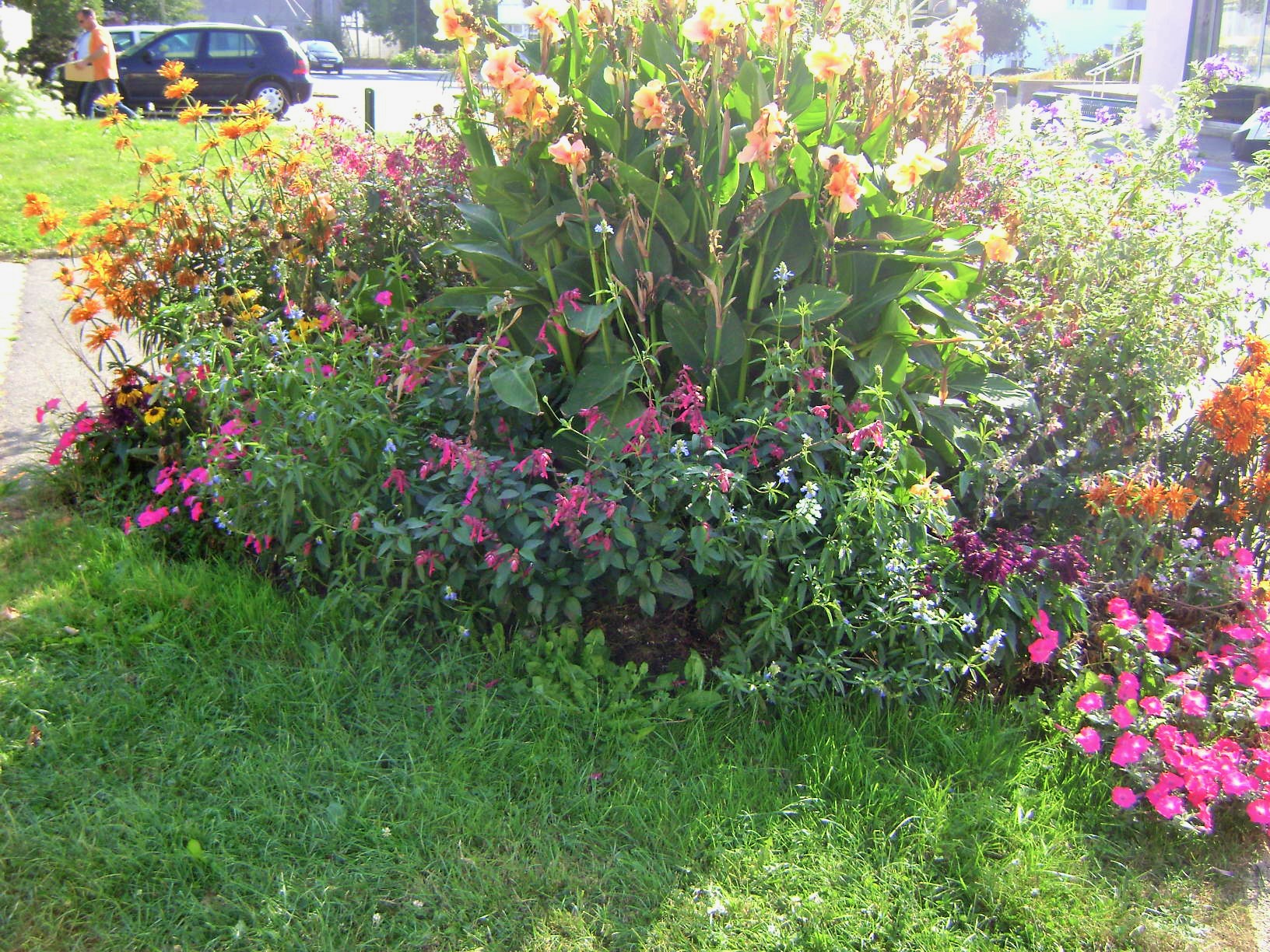
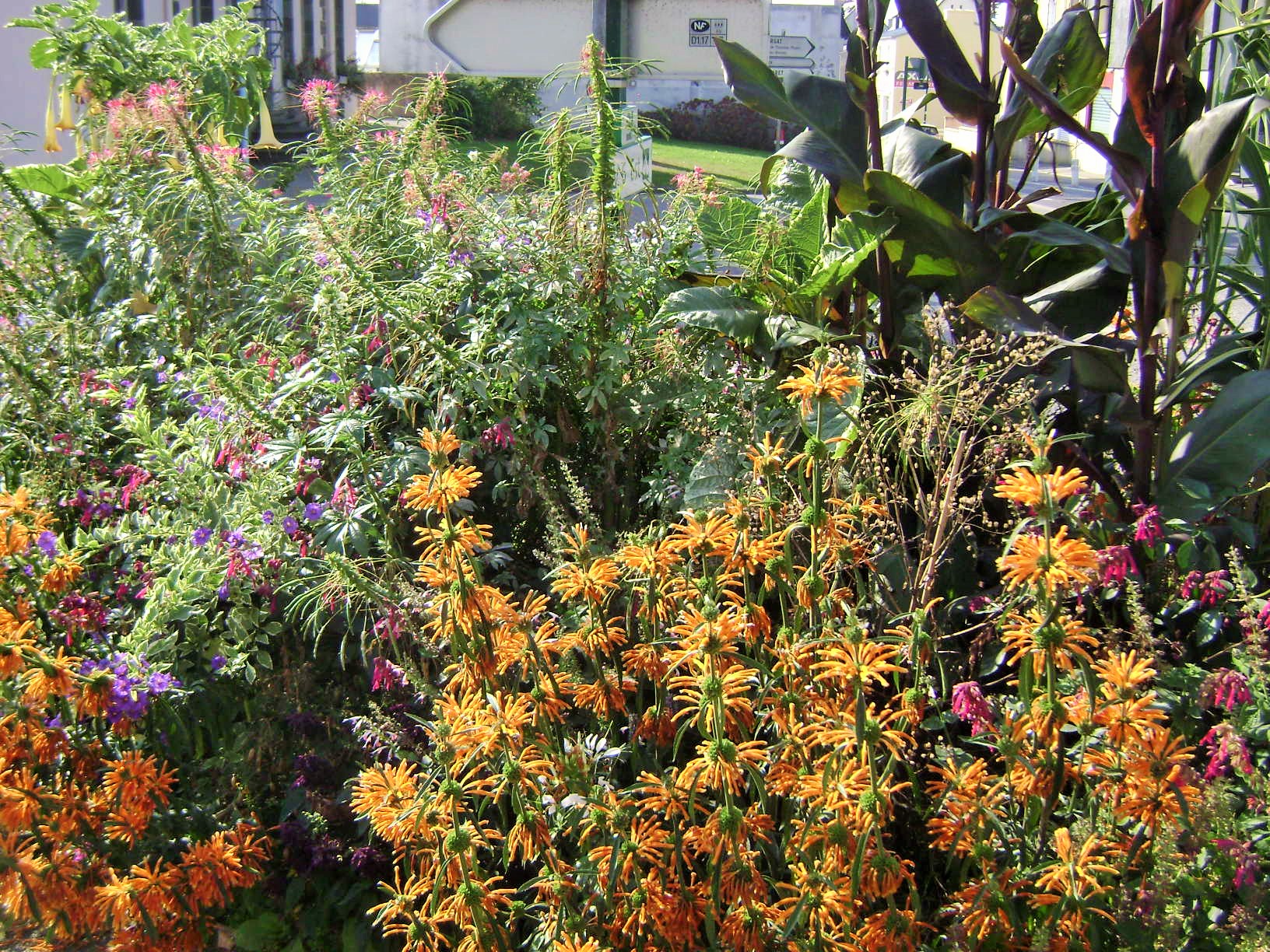
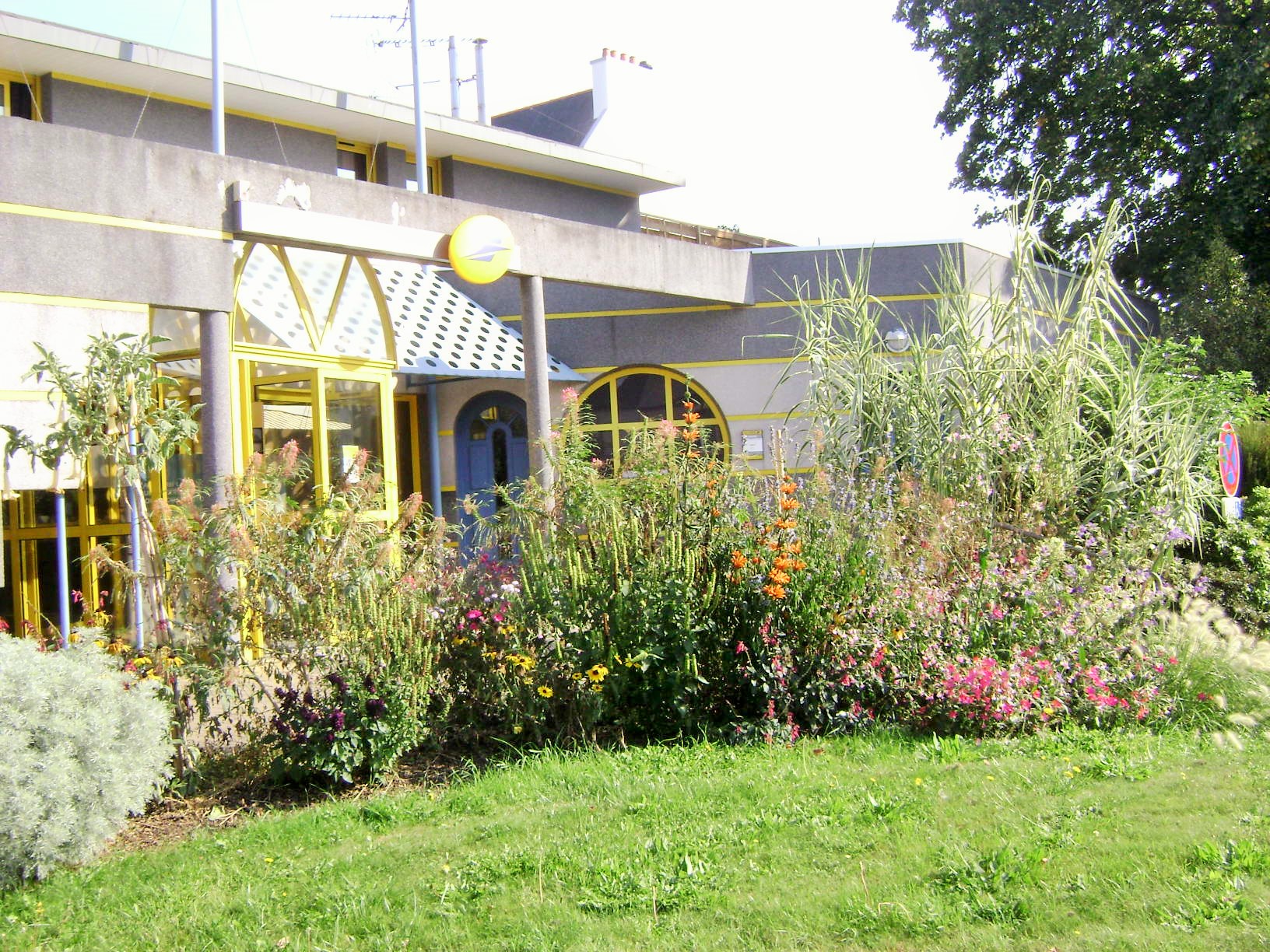
Unusual Post Office Perennial Borders in France

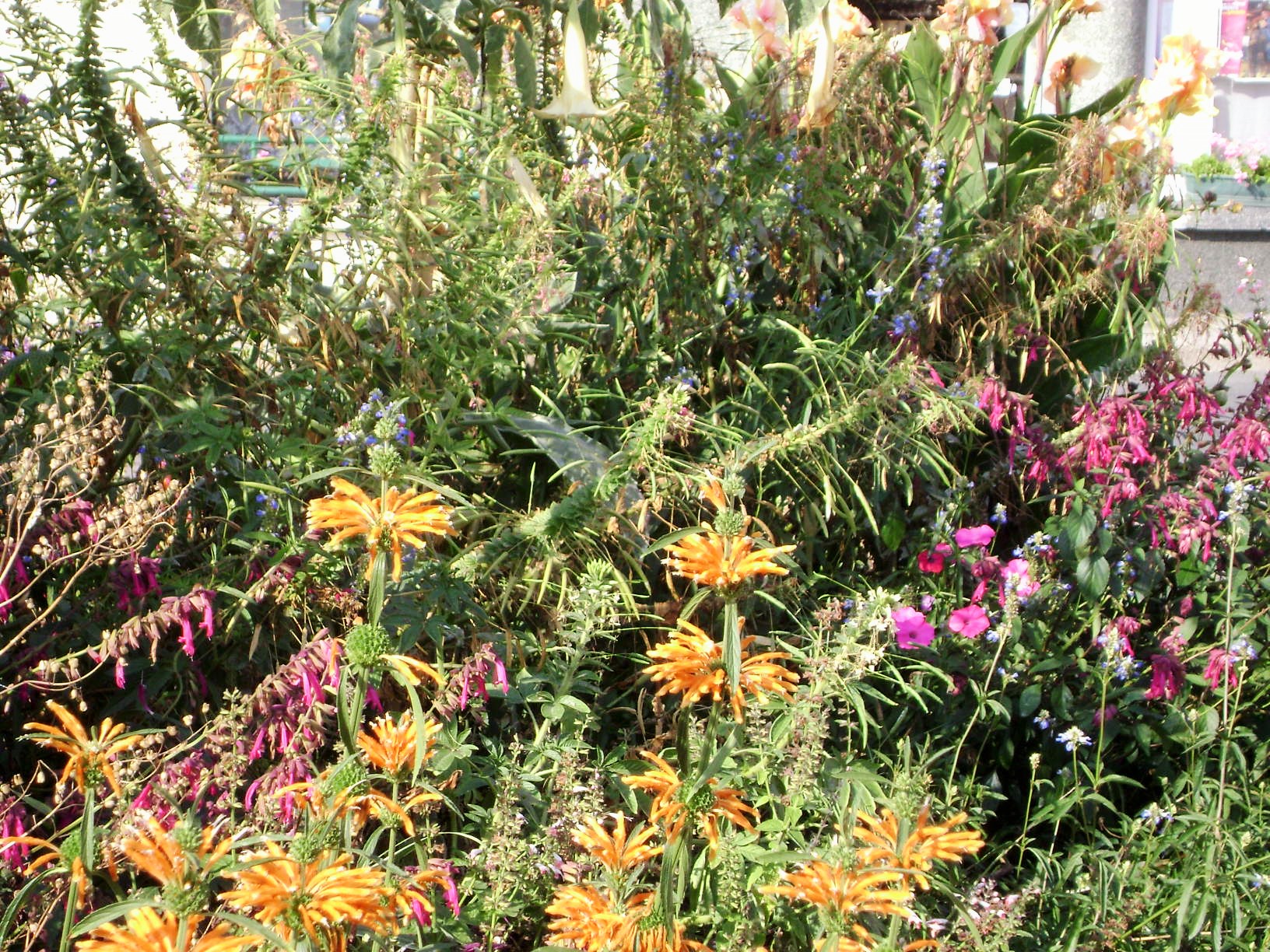
Not only is the architecture of this post office building in France a bit unusual and somewhat reminiscent of a ship with the round windows, but it has some stunning mixed borders in its front “garden”.

DSC01222 DSC01223 DSC01224 DSC01225 DSC01226 DSC01227 DSC01228 DSC01229 DSC01230 DSC01232 DSC01234 DSC01235 DSC01236 DSC01217 DSC01220 DSC01221


Barcelona’s Archaeology Museum Garden

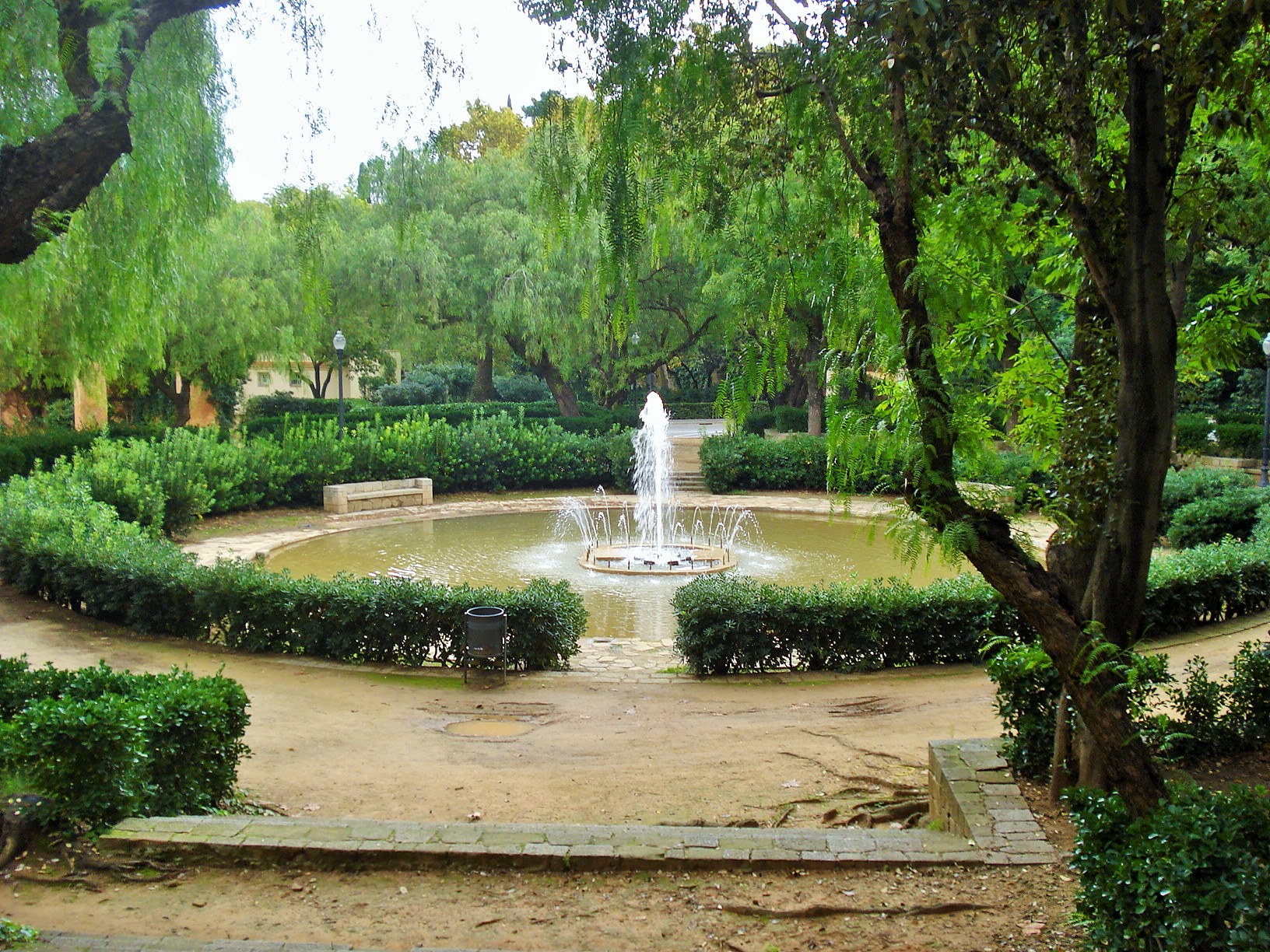
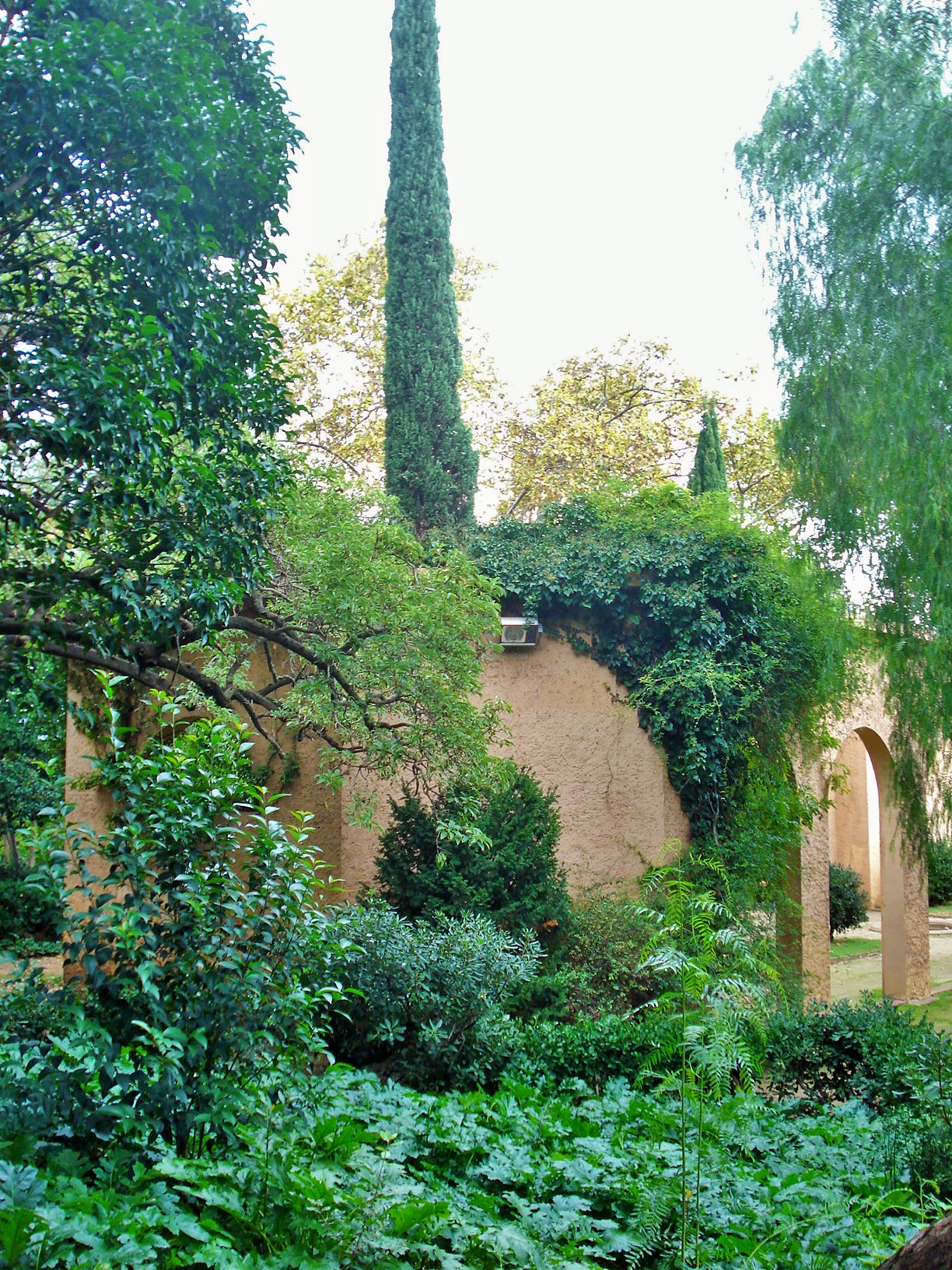
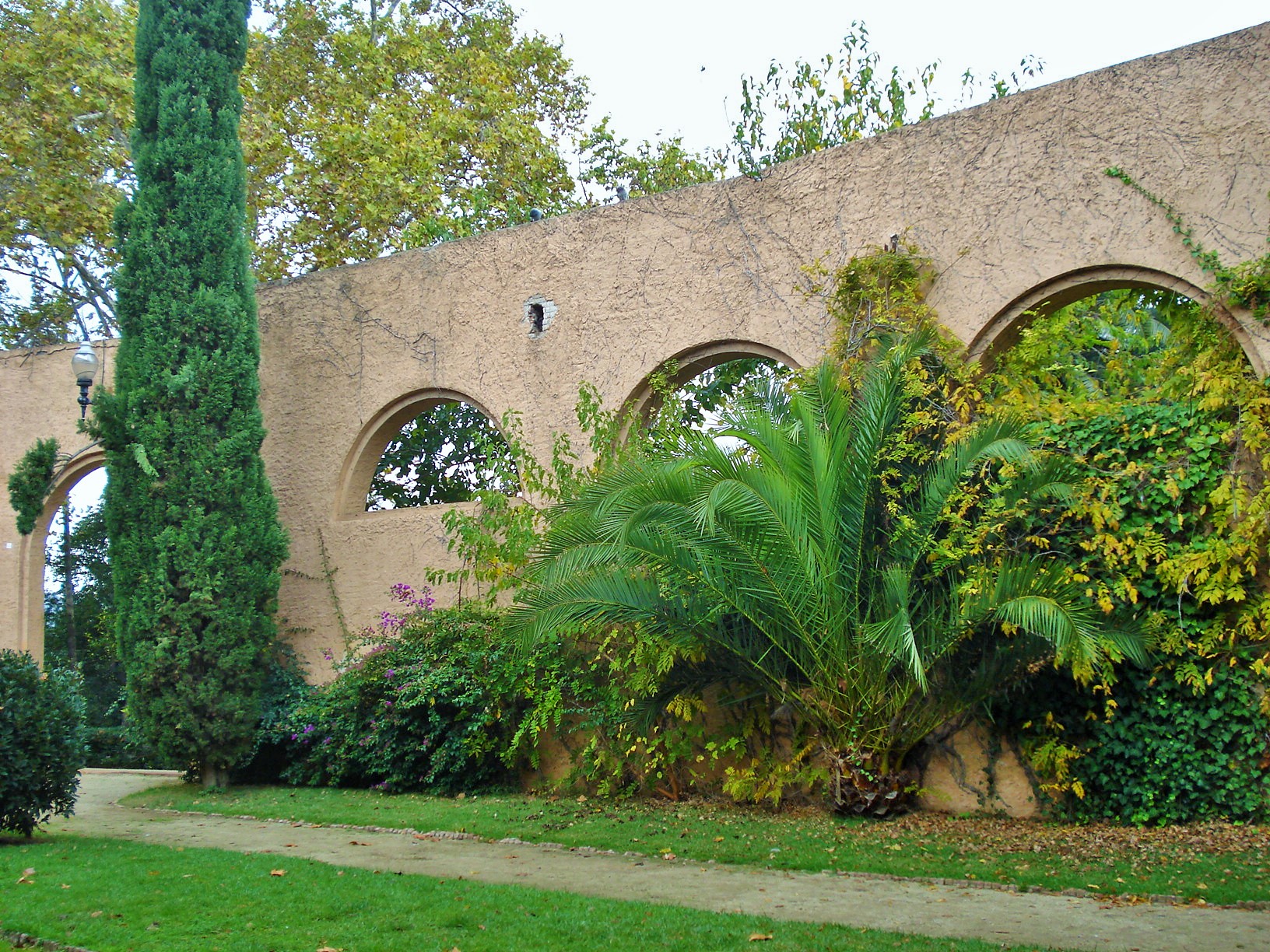
Montjuic is a majestic hill in Barcelona overlooking the port, west of the center. The entire hill is a series of parks, gardens, museums, and other monuments, as it was developed first for the 1929 International Exhibition held in Barcelona Spain, then again for the 1992 Olympics. It is home to the Olympic ring, Arata Izosaki’s sports palace, the Catalan Art museum, the Spanish village, the Barcelona Botanical Gardens, the Archaeology Museum, the Greek Theater, the Mies van der Rohe Pavillion, the Juan Miro Foundation, the Laribal Gardens, just to name a few.

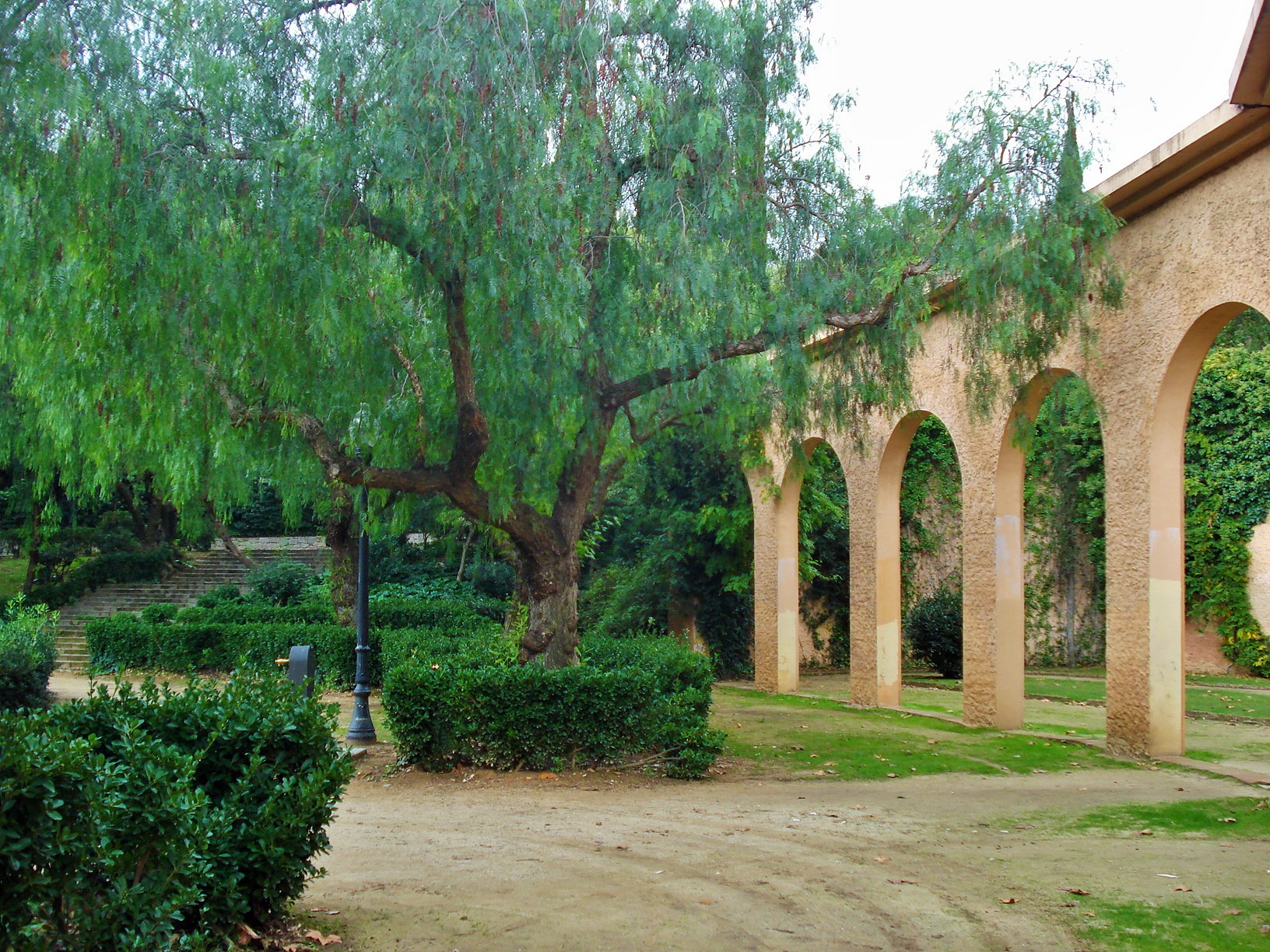
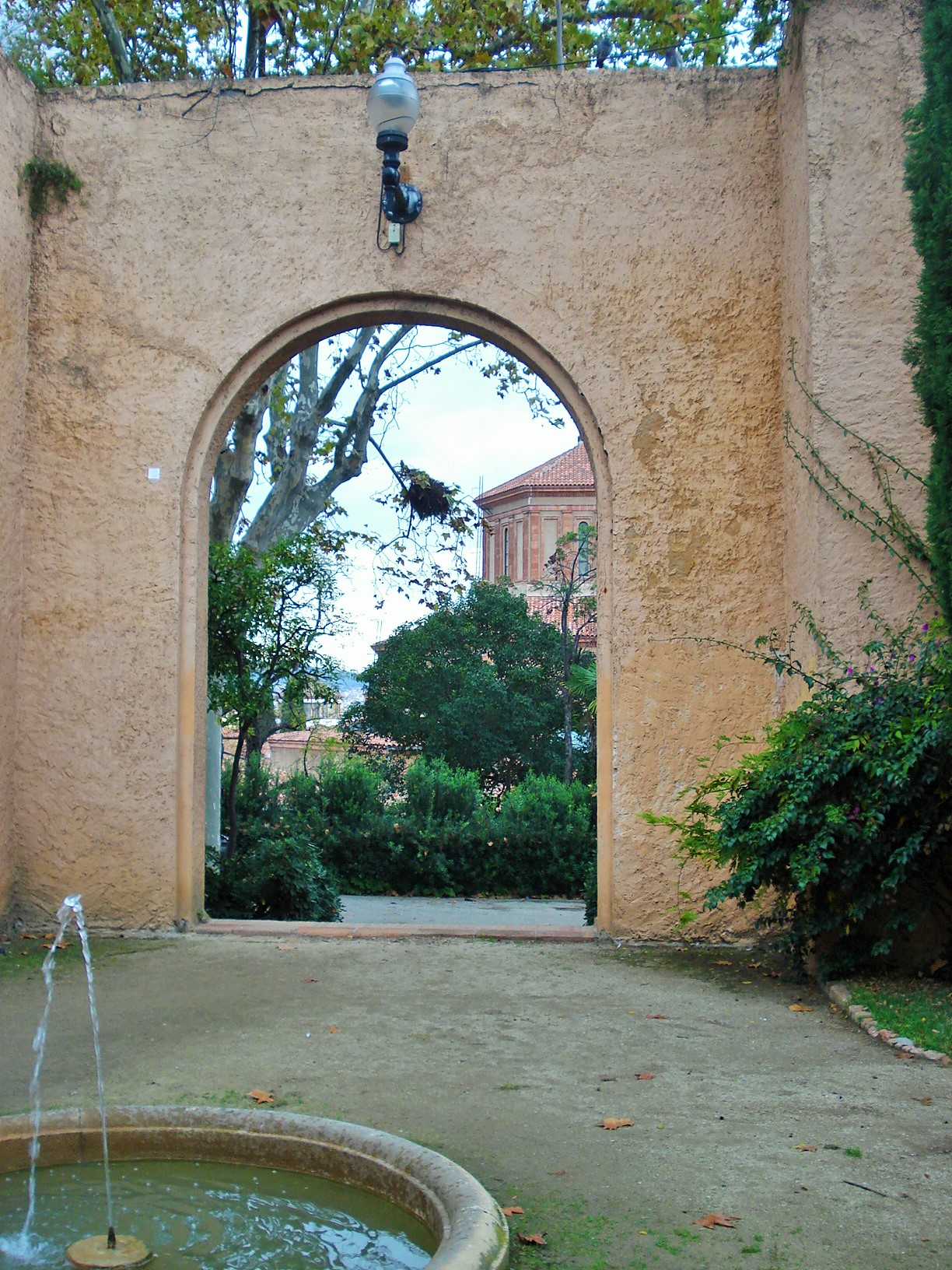
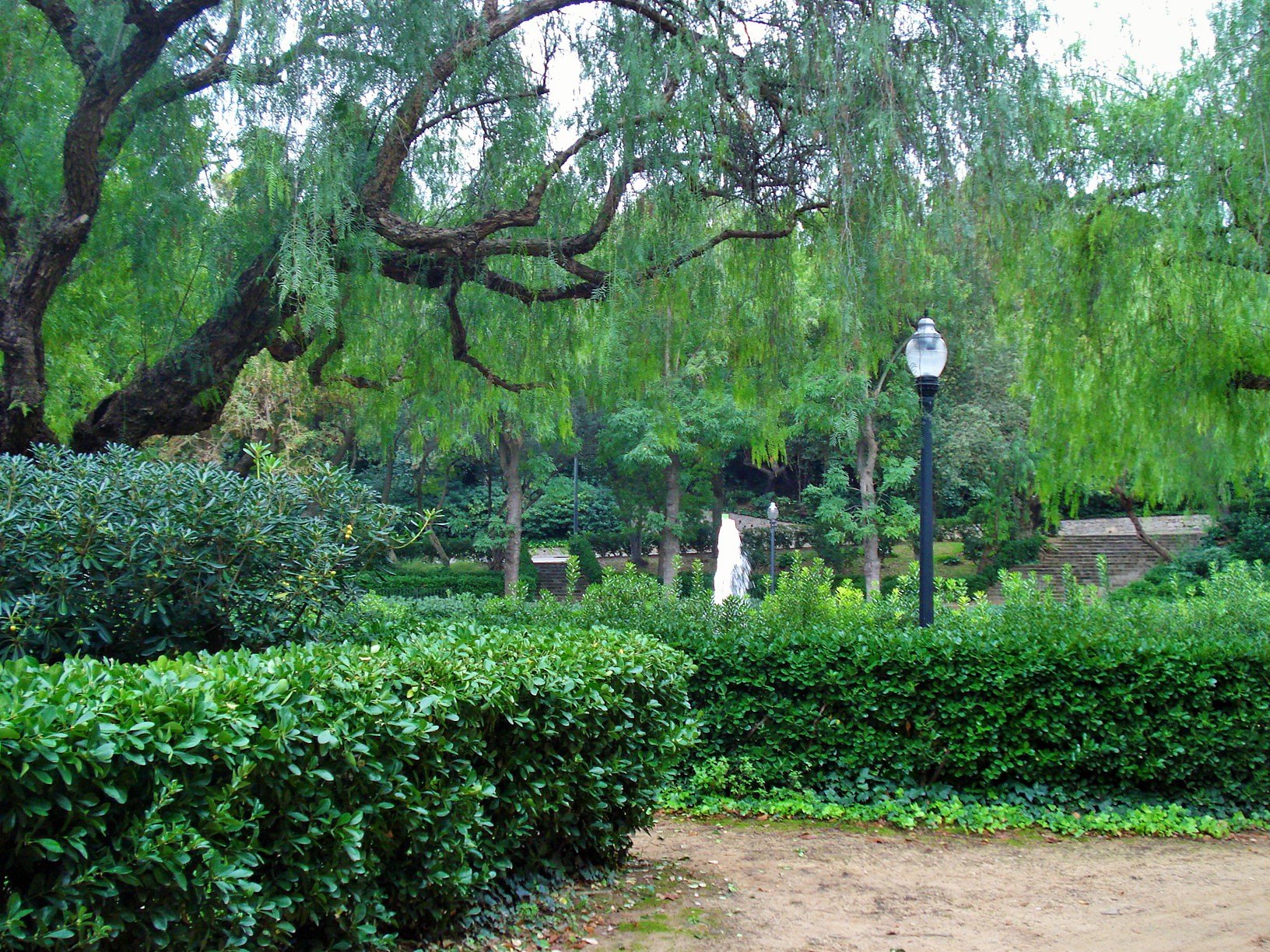
The Archaeology Museum has small gardens laid out around a fountain. The arches and statuary in the back, and the tall cypresses give it the feel of an Italian garden.

DSC08478 DSC08479 DSC08480 DSC08481 DSC08482 DSC08484 DSC08485 DSC08487 DSC08468 DSC08469 DSC08470 DSC08471 DSC08472 DSC08473
DSC08475 DSC08476 DSC08477


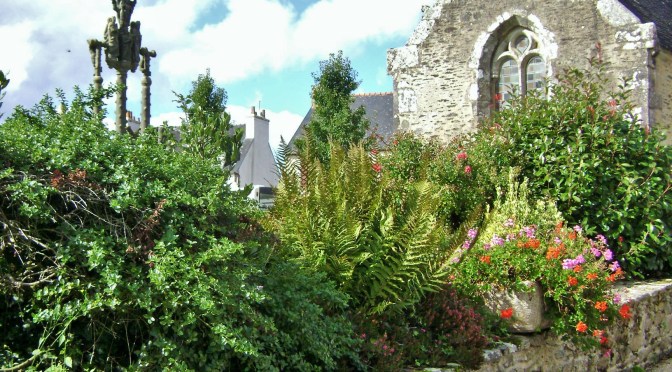
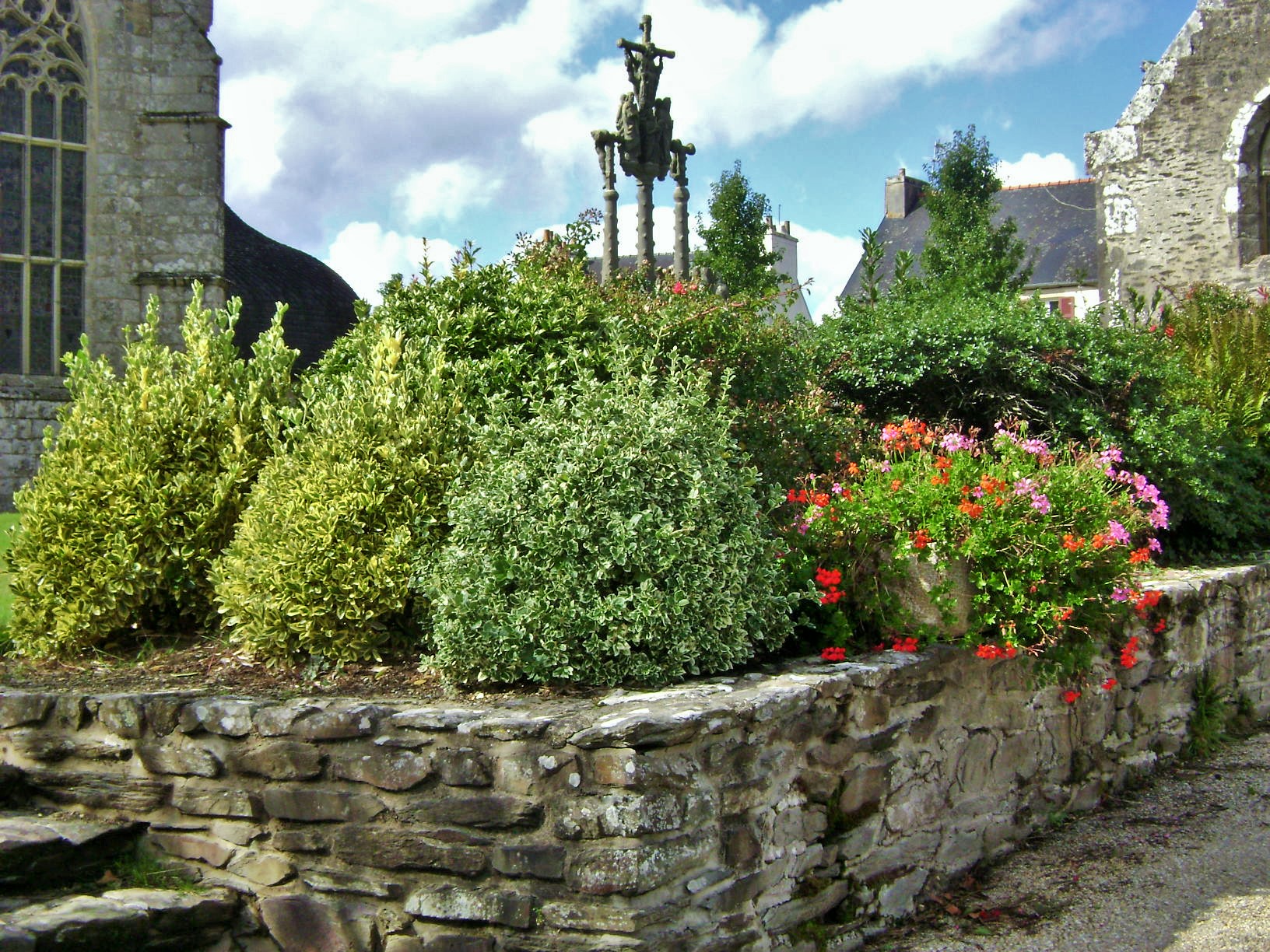
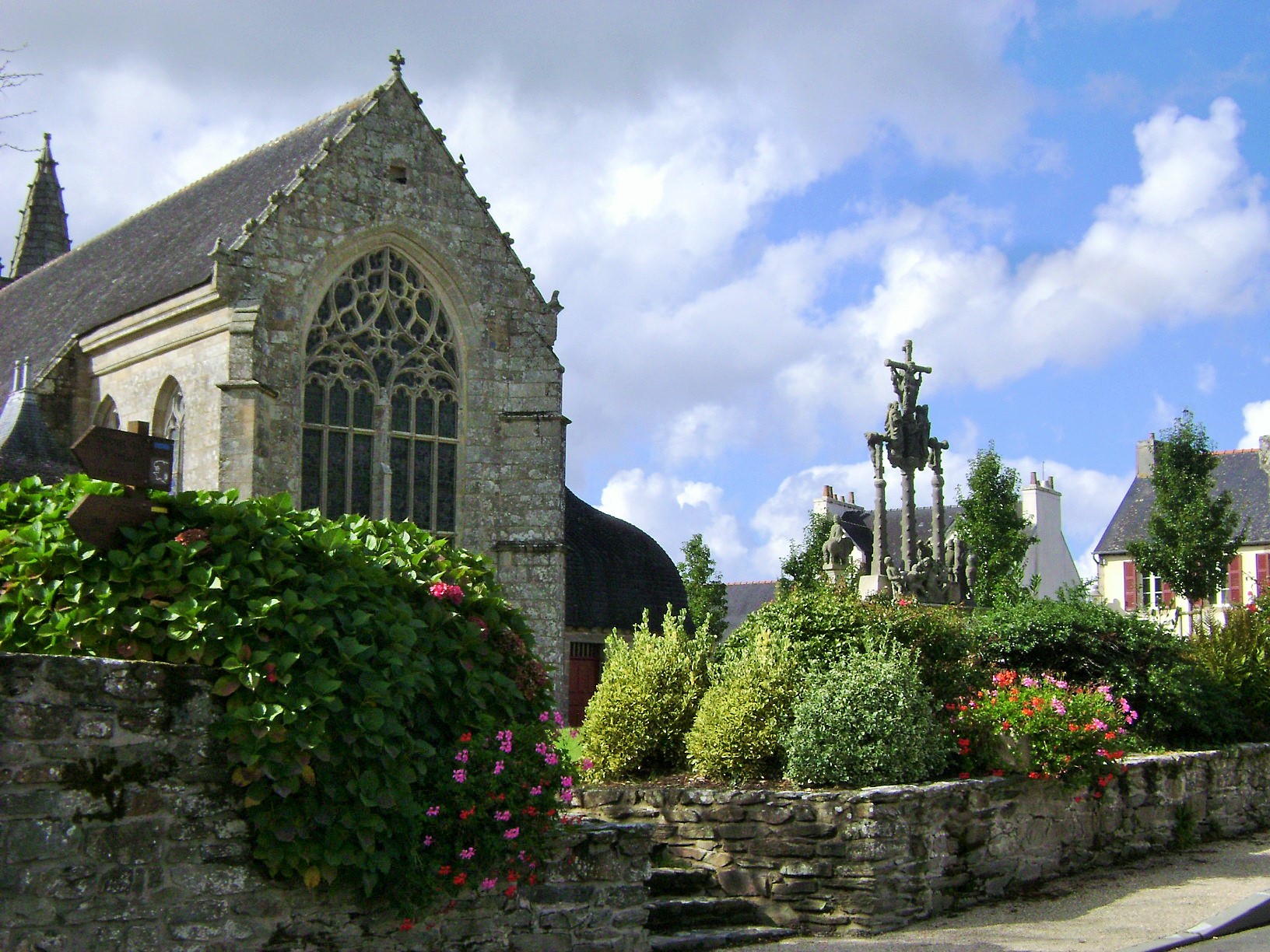
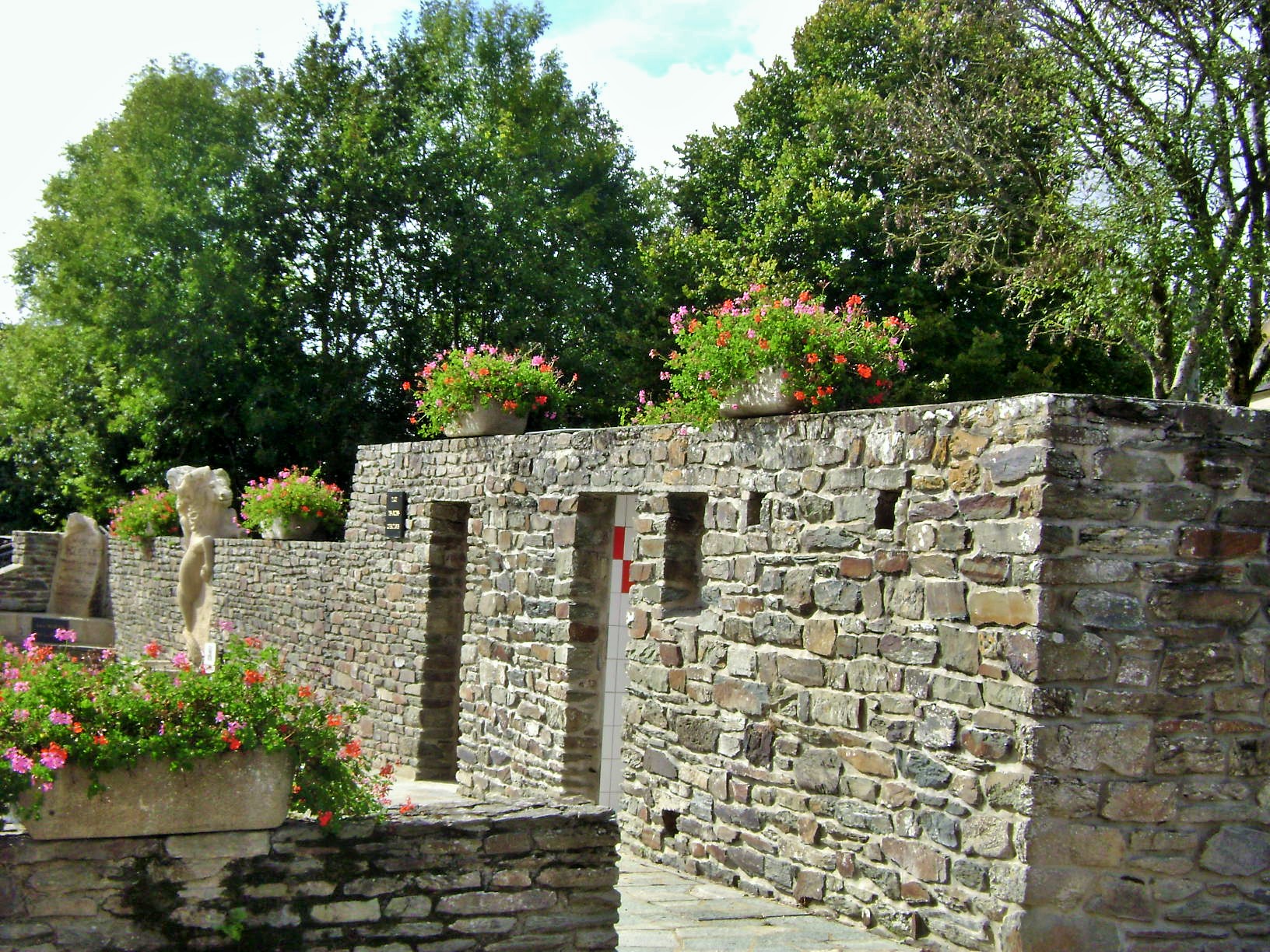
Ploher’s Old Gothic Church Garden

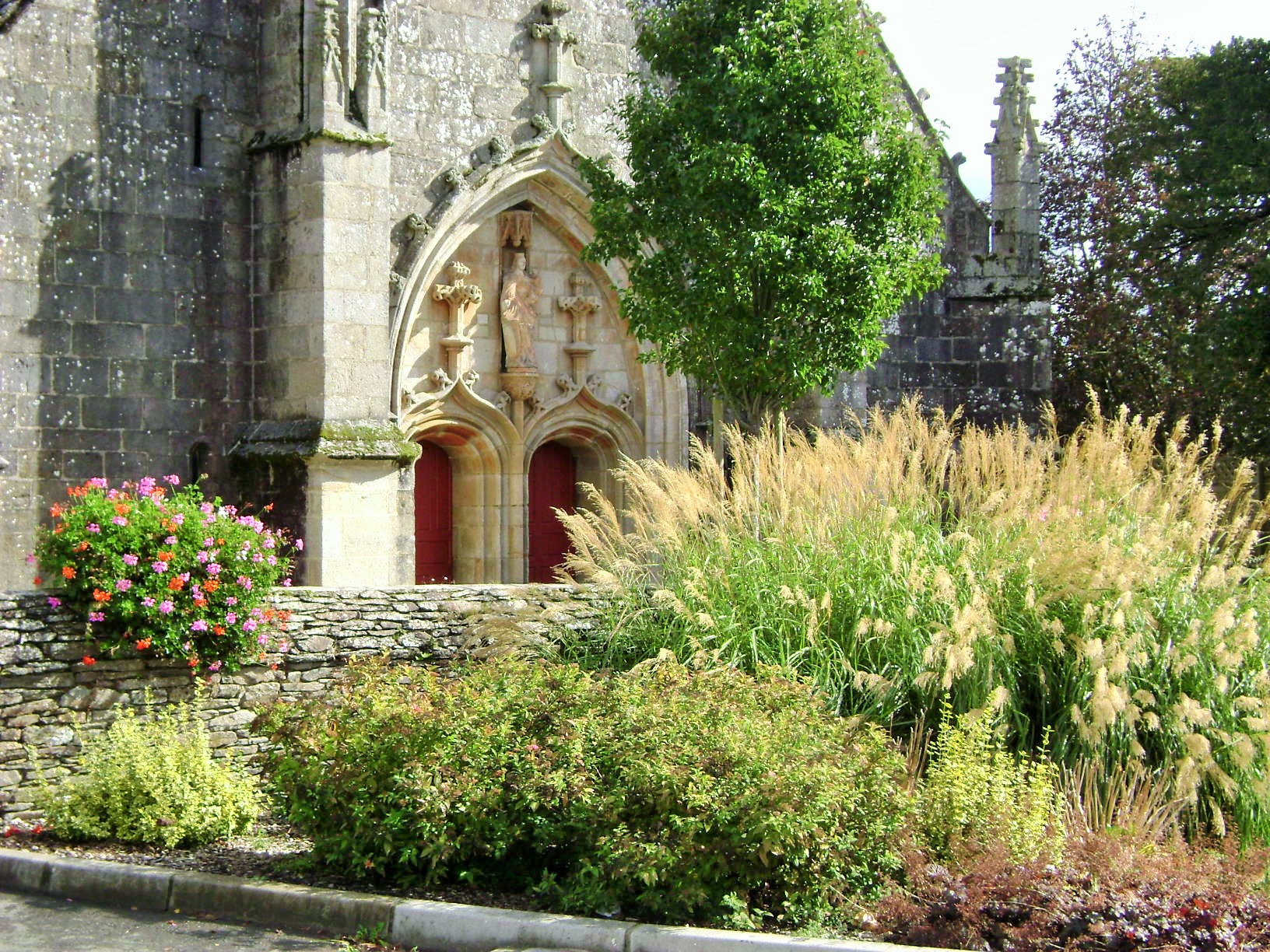
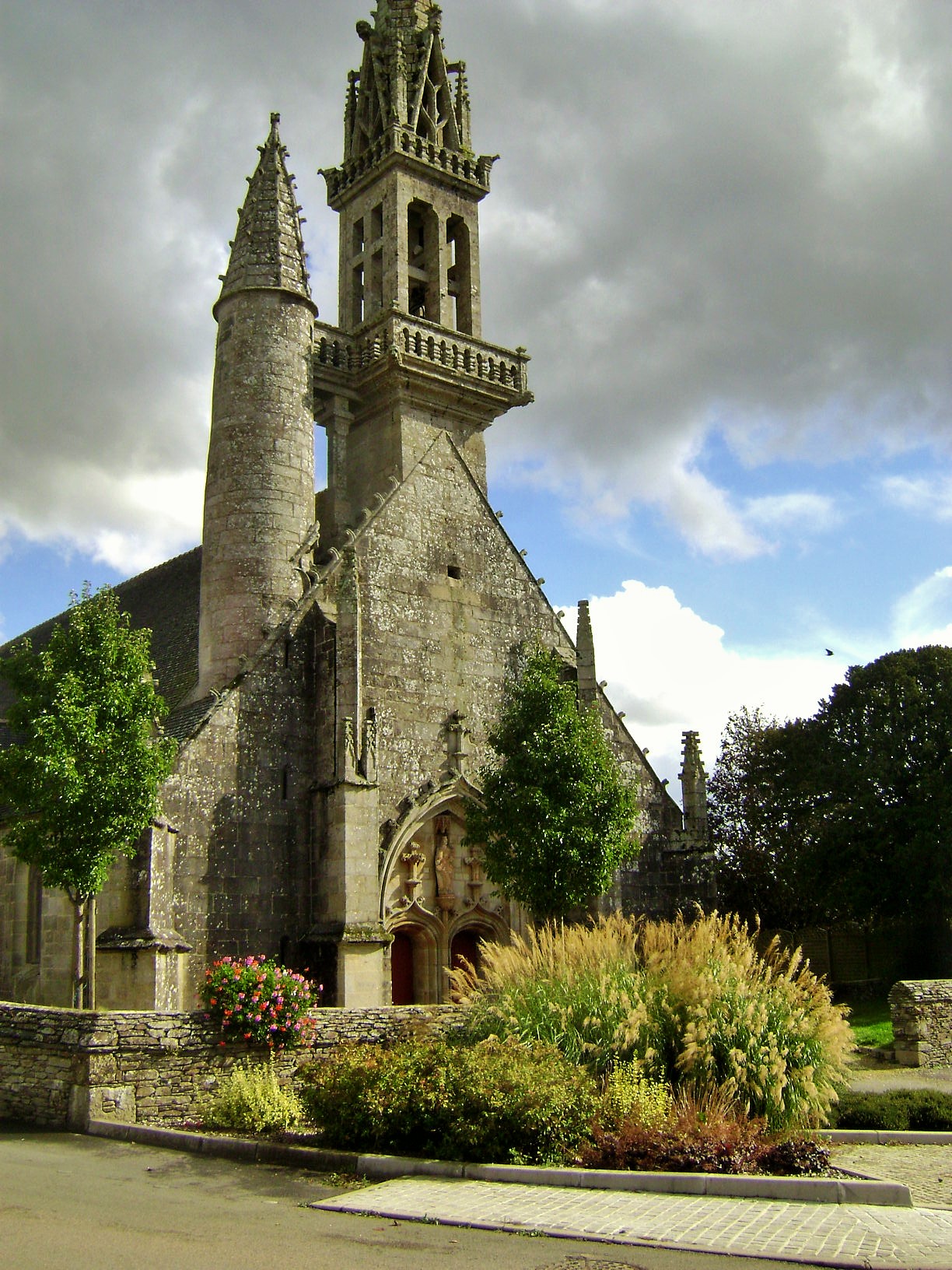
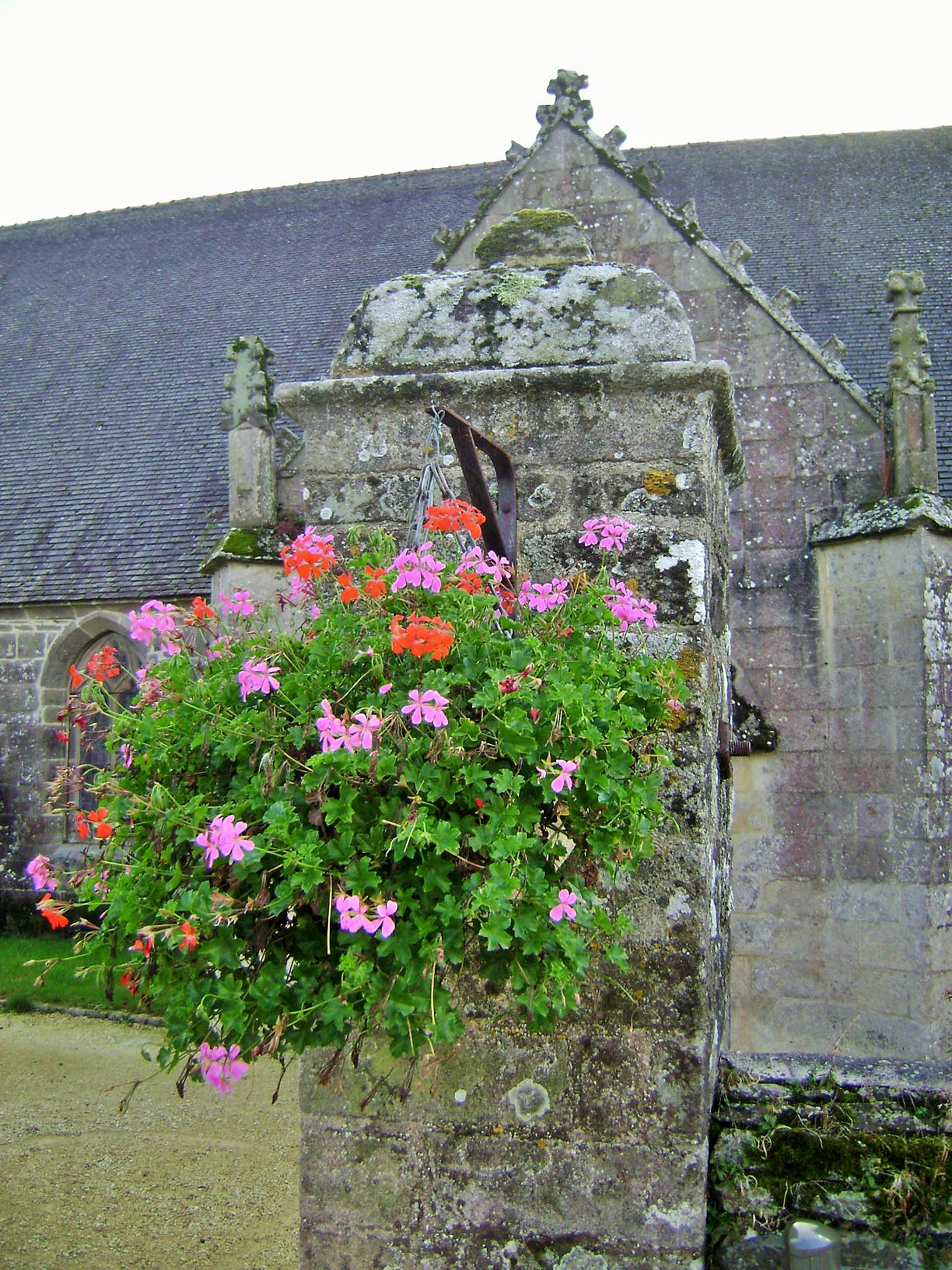
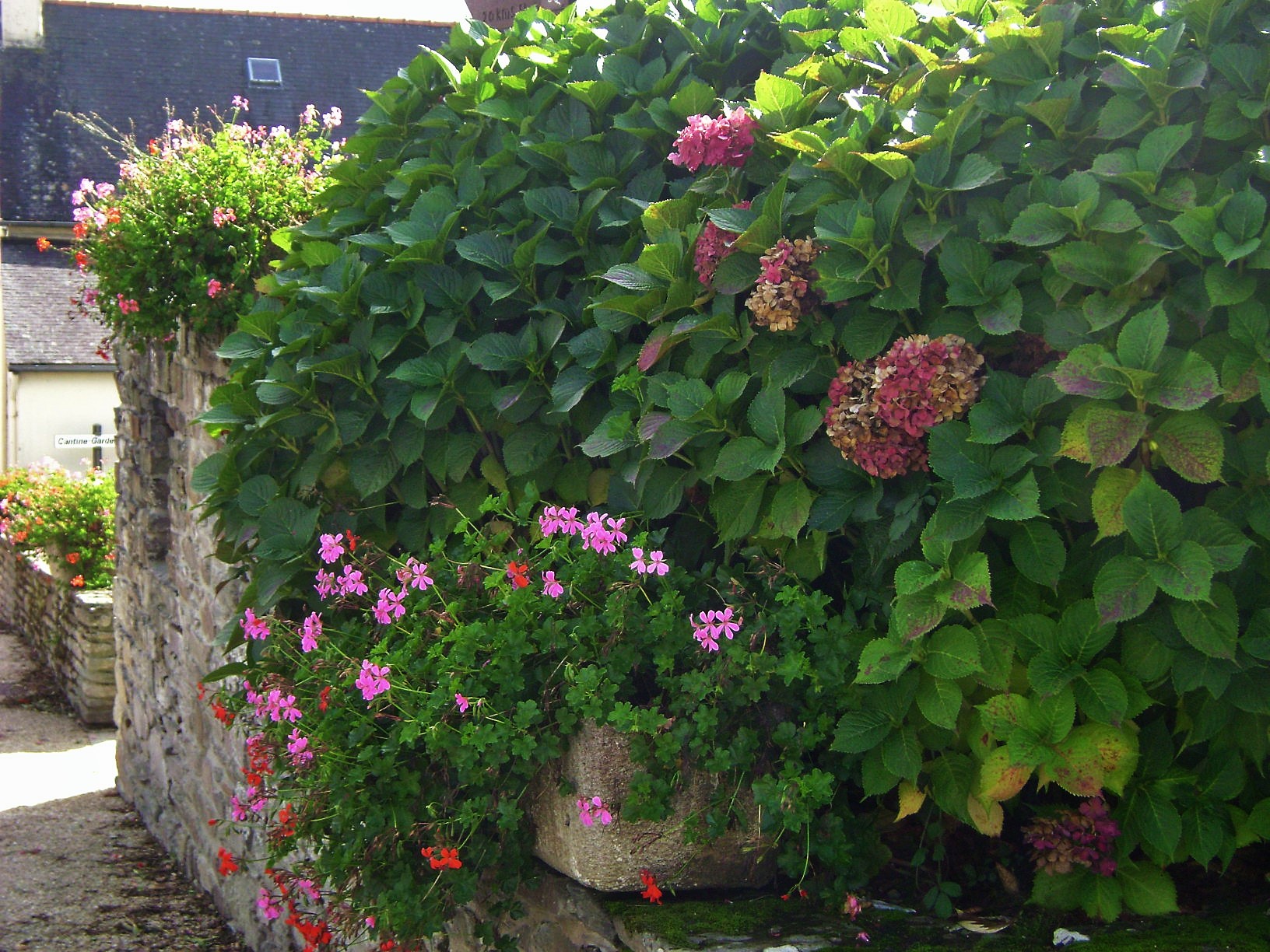
In this small Brittany village, the gothic era church with its lacy steeple typical of this region of Brittany is decorated with colorful mixed borders, decorative grasses, hydrangea hedges, and seasonal containers boxes.

DSC02087 DSC02086 DSC02085 DSC02084 DSC02083 DSC02082 DSC02080 DSC02079 DSC02078 DSC02077 DSC02074 DSC02071 DSC02067 DSC02066 DSC02091 DSC02090 DSC02088

Castle of Trevarez in France: The Vegetable Garden & Greenhouses

The castle of Trevarez near Chateauneuf du Faou in northern Brittany, France, is one of the last great castles built in France. Construction began in 1892 for a French politician and brought together all the faste and excess of the Belle Epoque, frescoes, carvings, marble, mosaics, ornate panels and fireplaces.

It is often referred to as the pink or red castle, because of the pink color it gets from the bricks used.  It was unfortunately bombed in the 1940s, and has not been occupied since, but it is being renovated by the government who purchased it in the 70s.

The gardens were neglected as well for many years and have been slowly brought back to their original glory, one area at a time. The grounds are extensive, with stables, a large wash house, theme gardens, formal gardens and much more.

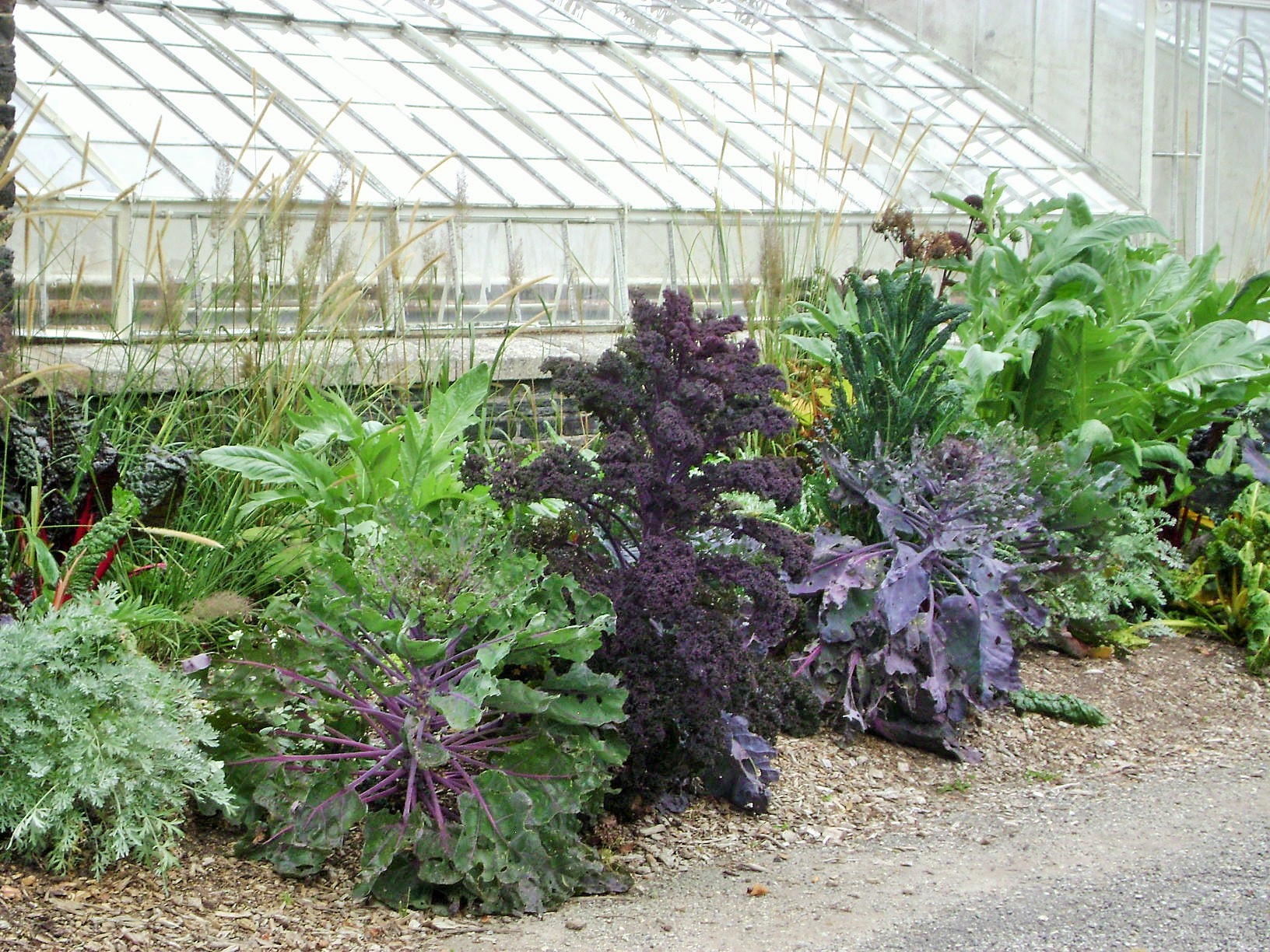
In this post, I am featuring the potager, or kitchen garden and the greenhouses. They have been under renovation since 2013 after being abandoned for many years. Historians, landscape designers, gardeners and staff cleared out the brush while cataloguing  the plants found and located the original concrete edging to the borders and the central water pond. They were able to begin to recreate the four large quadrants that made up the walled kitchen garden. A large greenhouse closes in the potager at one end, and on the other side of one wall are the rest of the greenhouses.

DSC01653

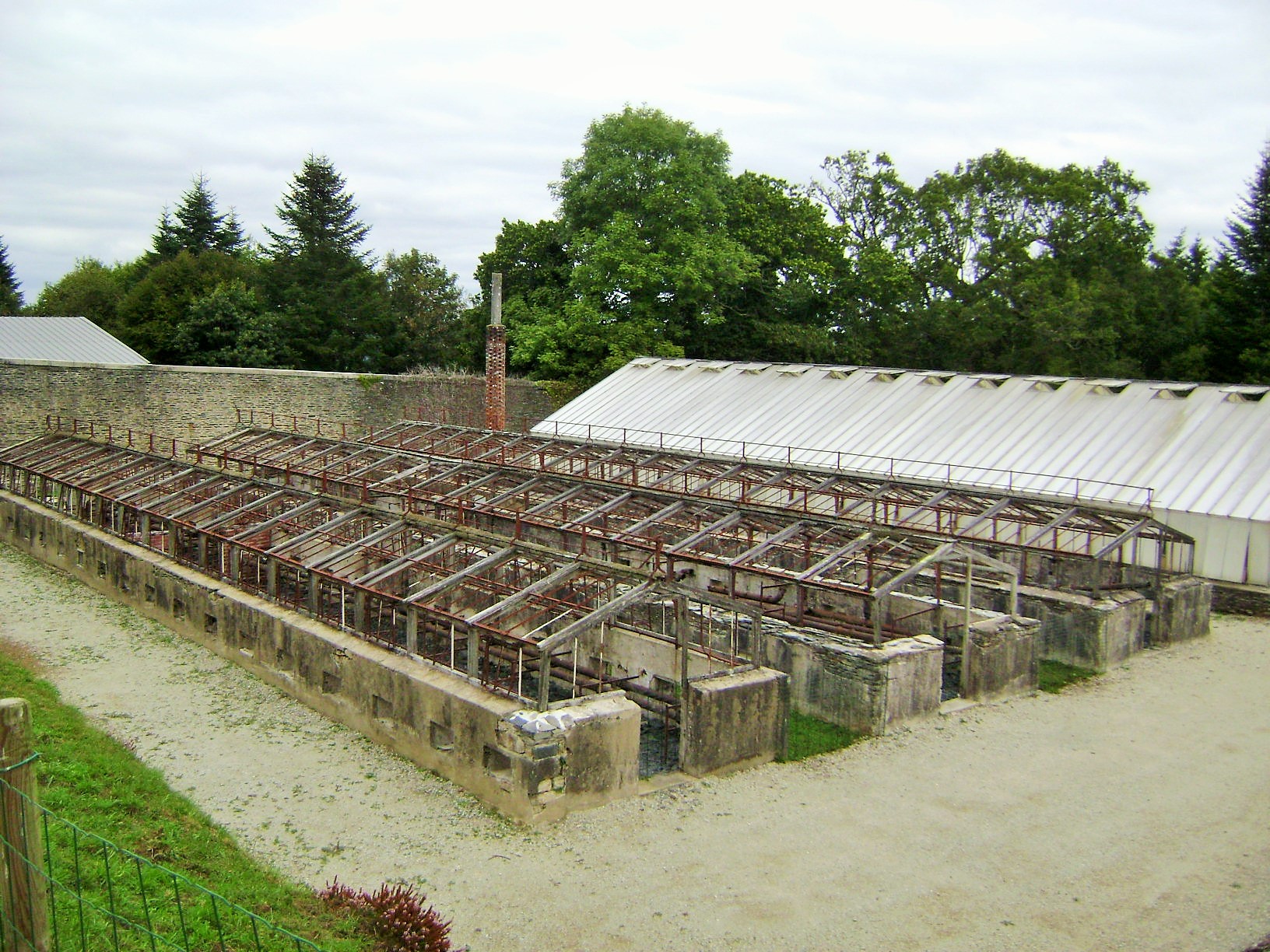
DSC01652DSC01647 DSC01648DSC01642 DSC01643 DSC01640 DSC01641The other  greenhouses for the potager are still standing but also in need of renovation.

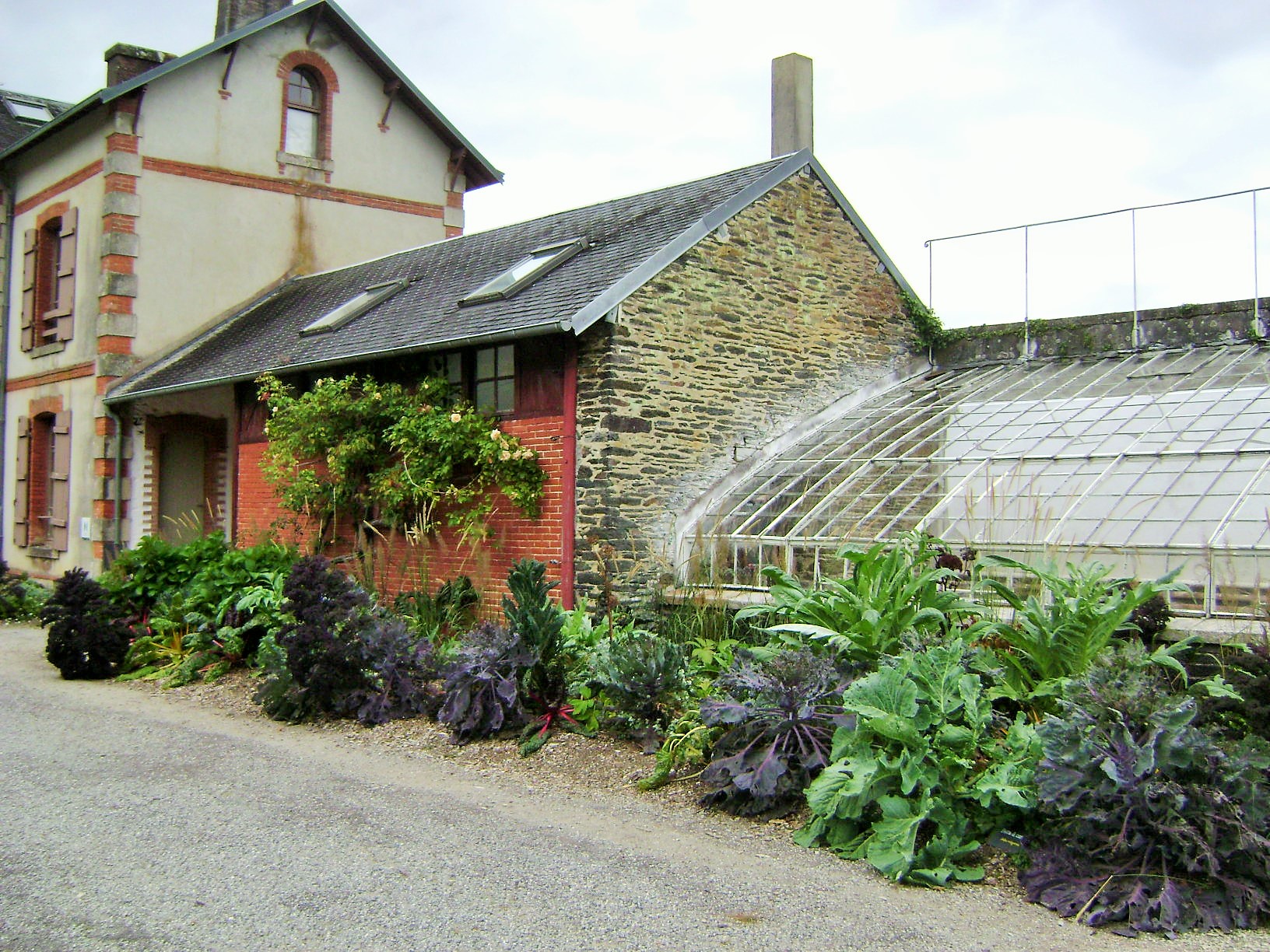
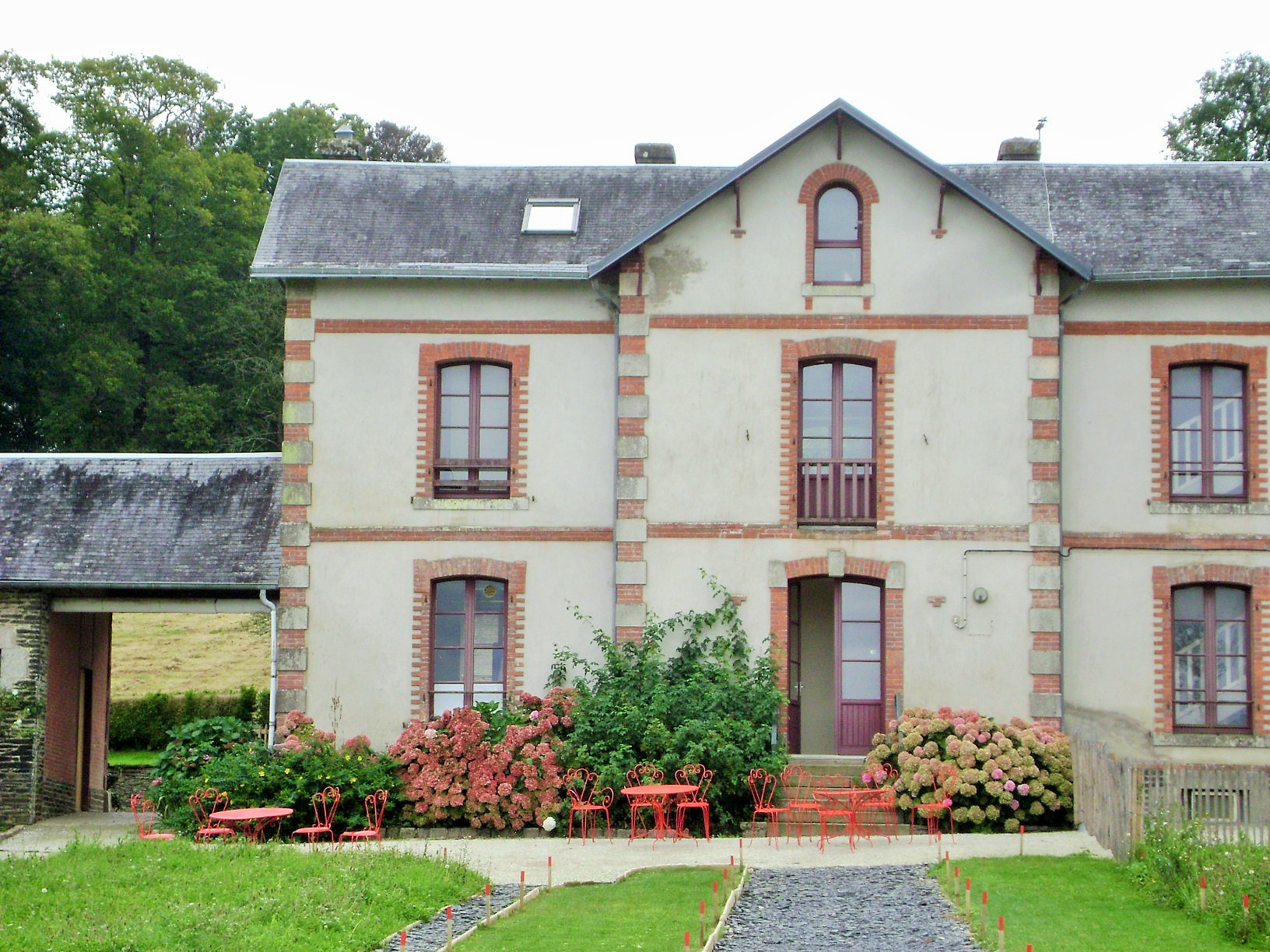
DSC01639 DSC01613 DSC01614 DSC01617The gardener’s cottage and annex has a lean in hothouse that was used at the time for exotic plants and hothouse flowers.
DSC01662

DSC01644 DSC01645 DSC01657 DSC01658 DSC01661 DSC01664 DSC01665 DSC01666 DSC01669 DSC01670 DSC01656


Brest Botanical Gardens Part II: The Preservation Gardens

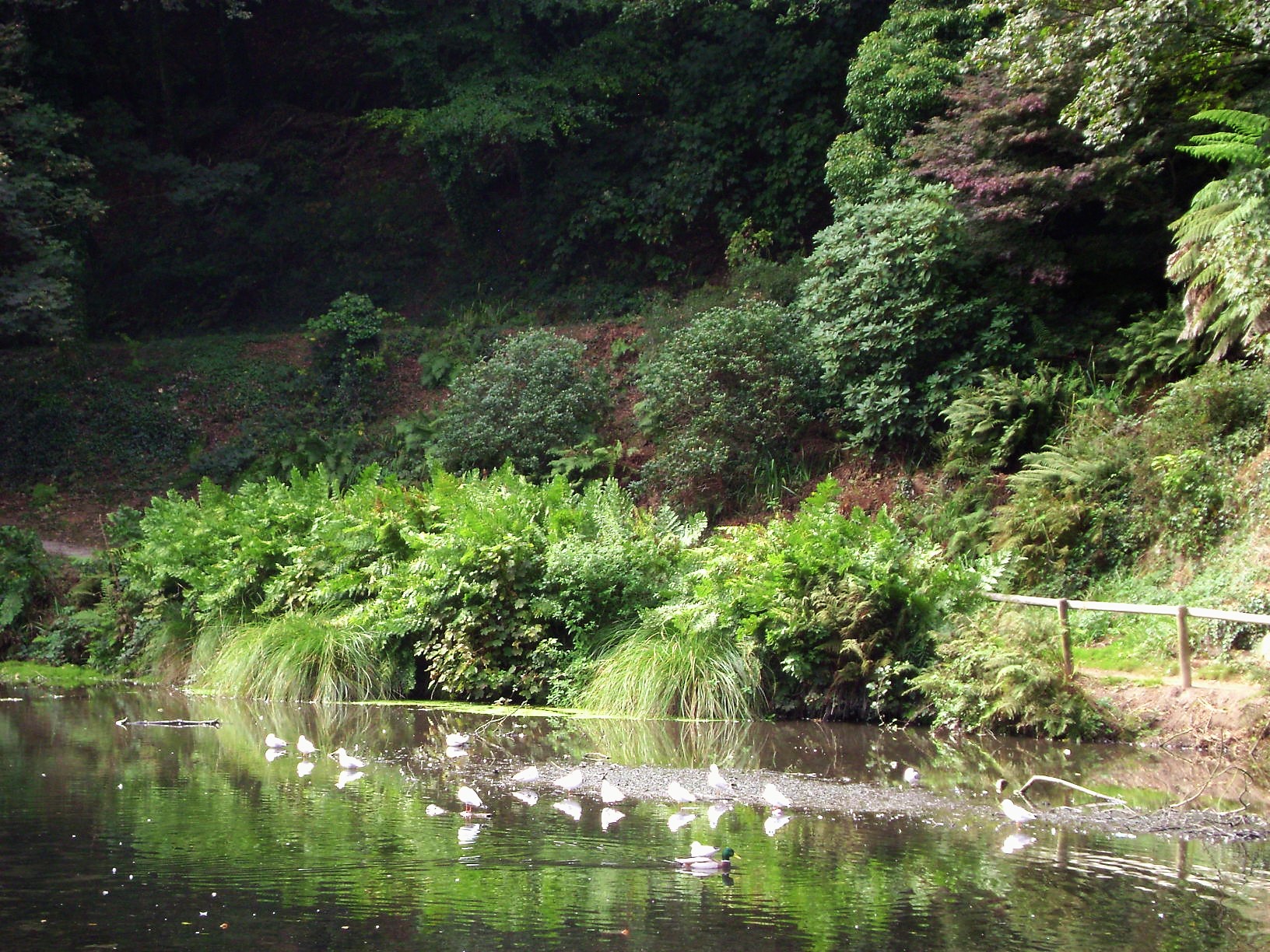
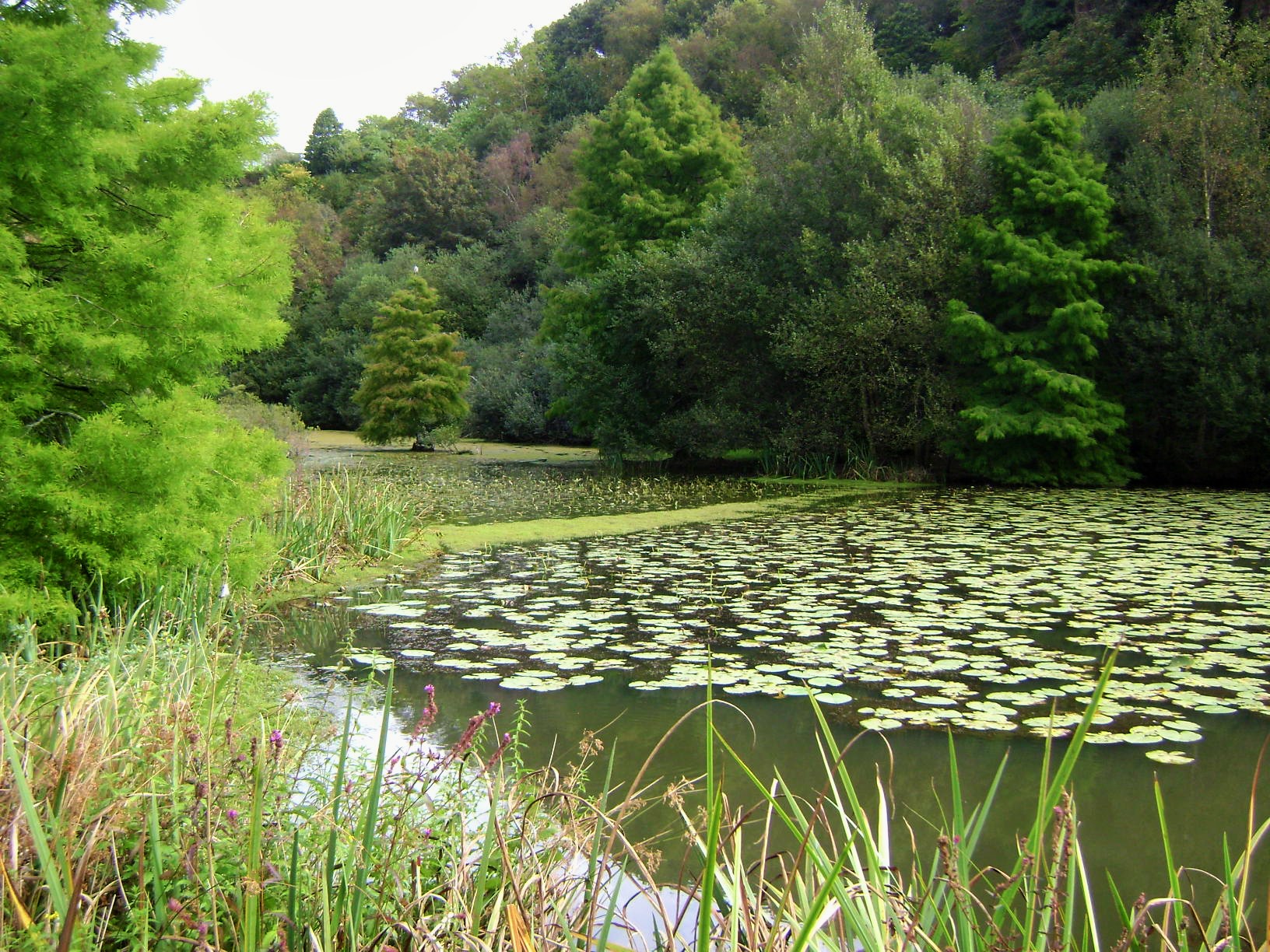
In northern Brittany, the Botanical Gardens in Brest enjoy a privileged location in a small valley with a stream throughout, and creating a microclimate allowing endangered species to grow with additional protection. Long and narrow, these gardens are divided into the park area at one end, end the botanical gardens proper at the other.

DSC01296

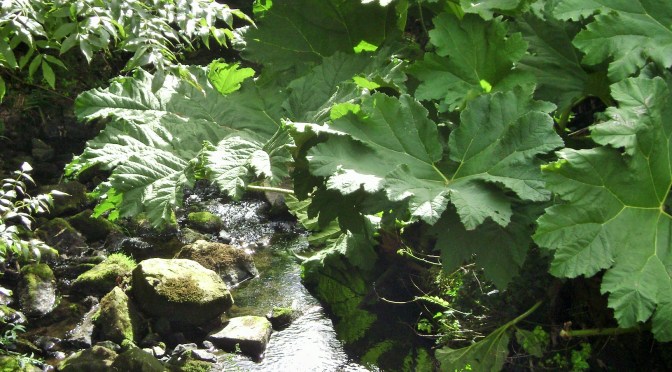
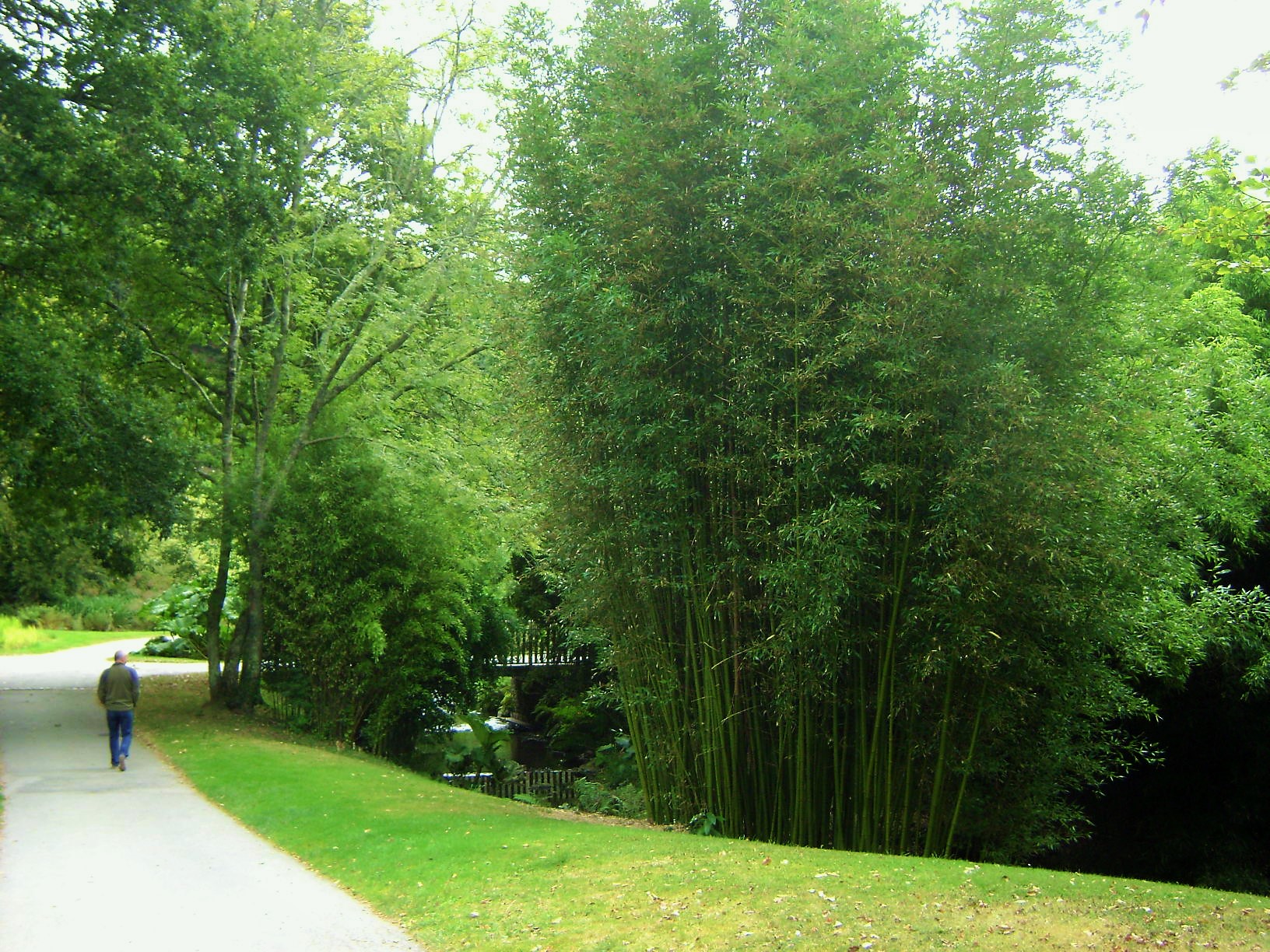
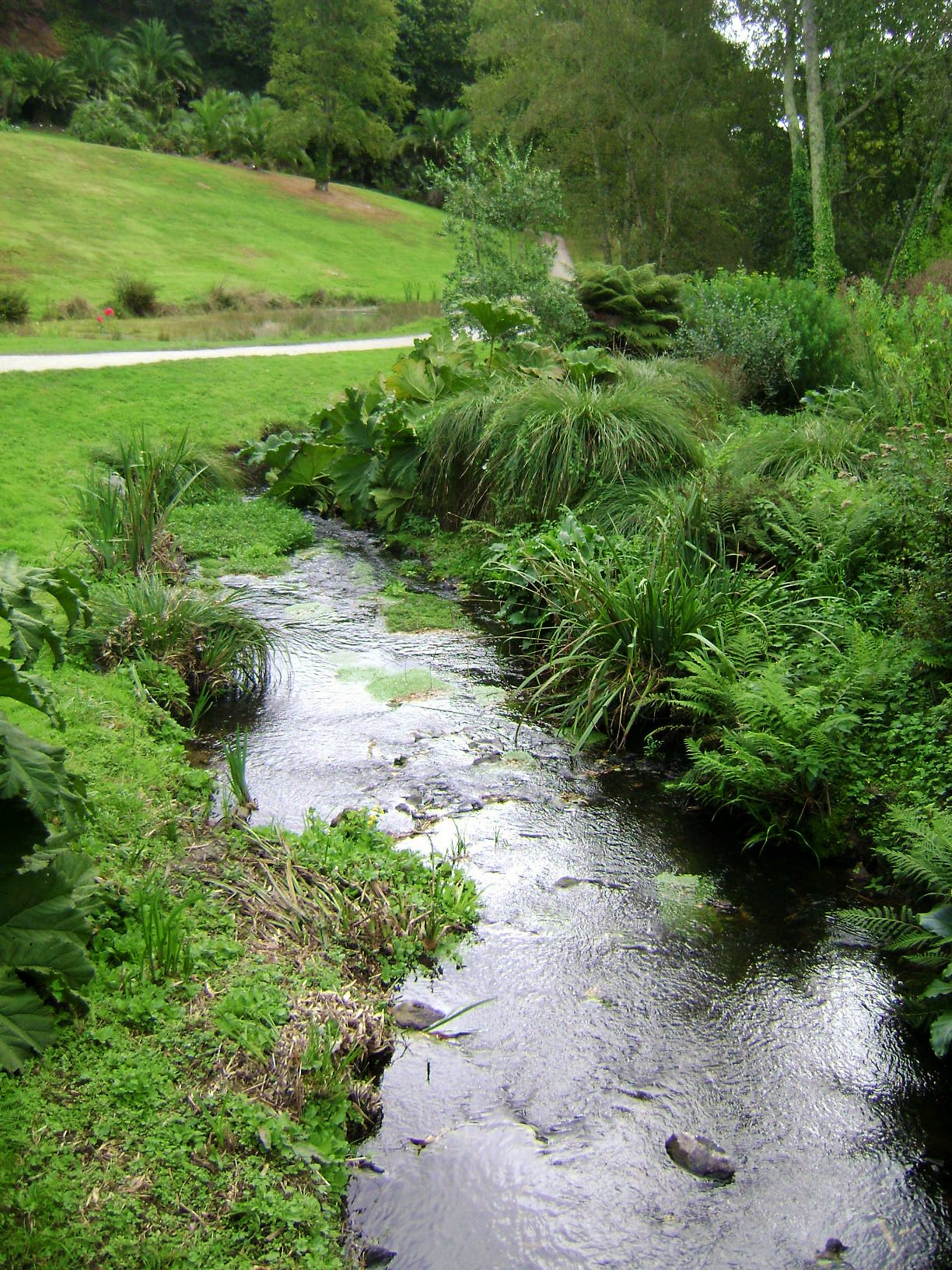
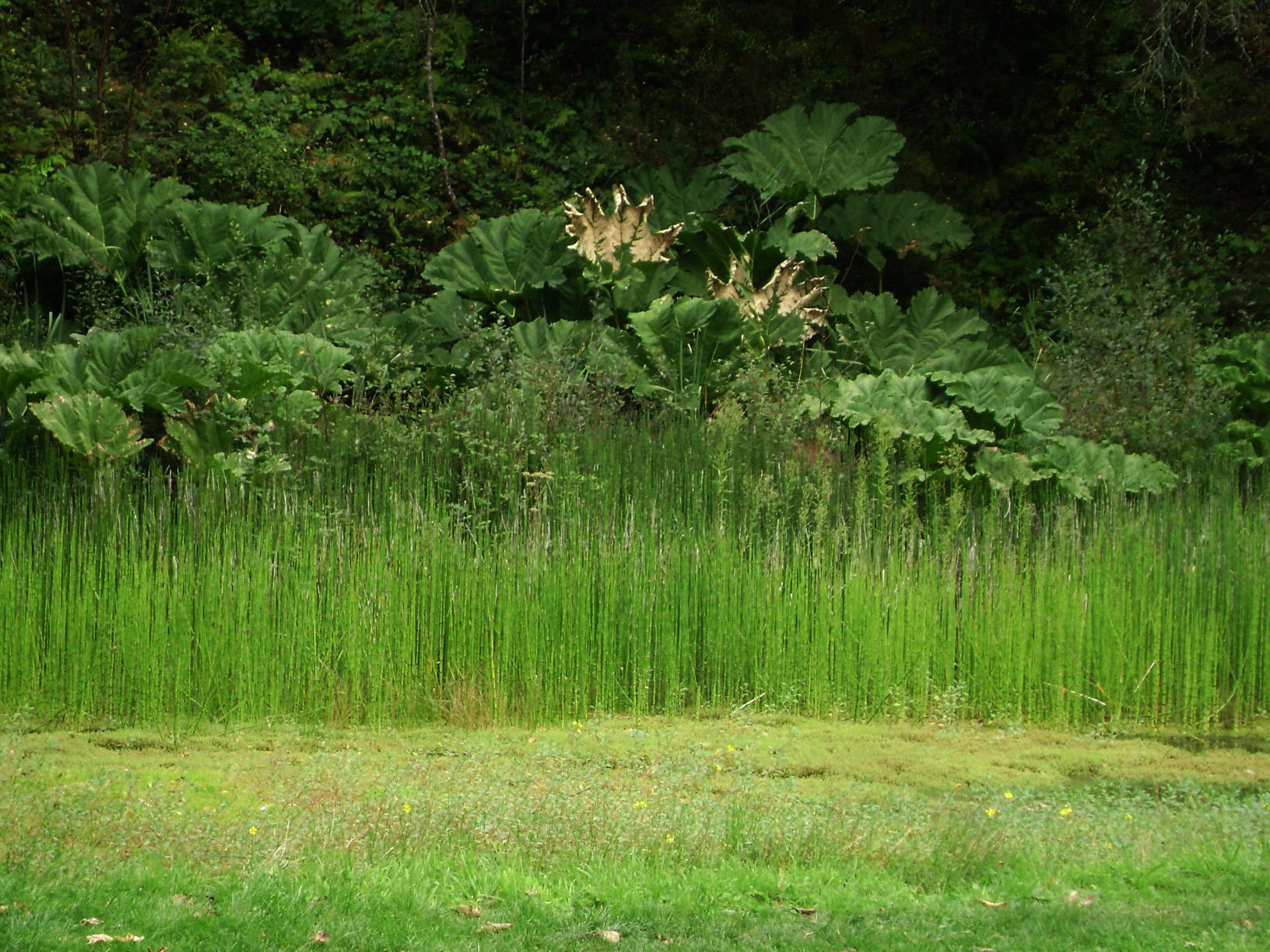
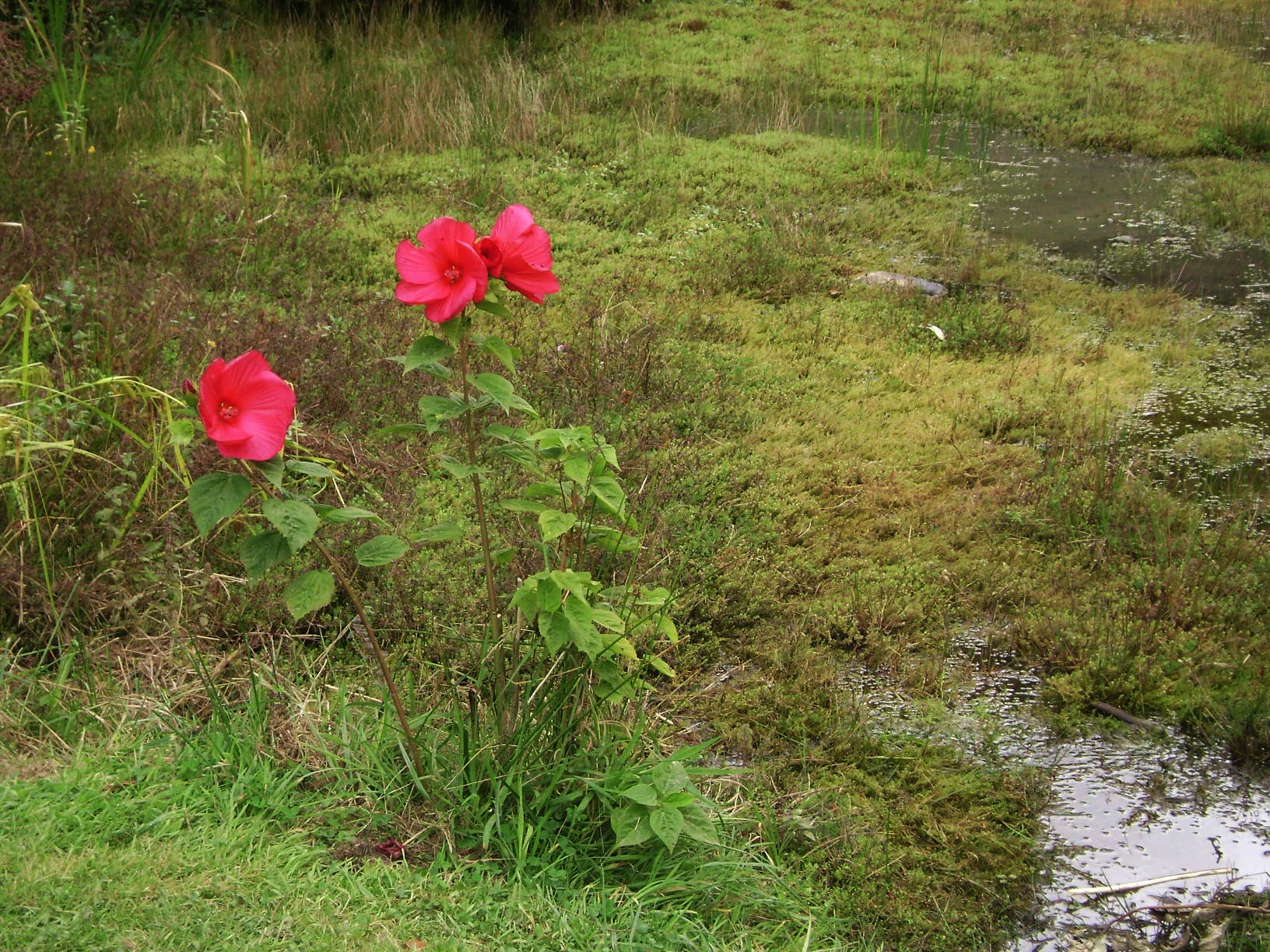
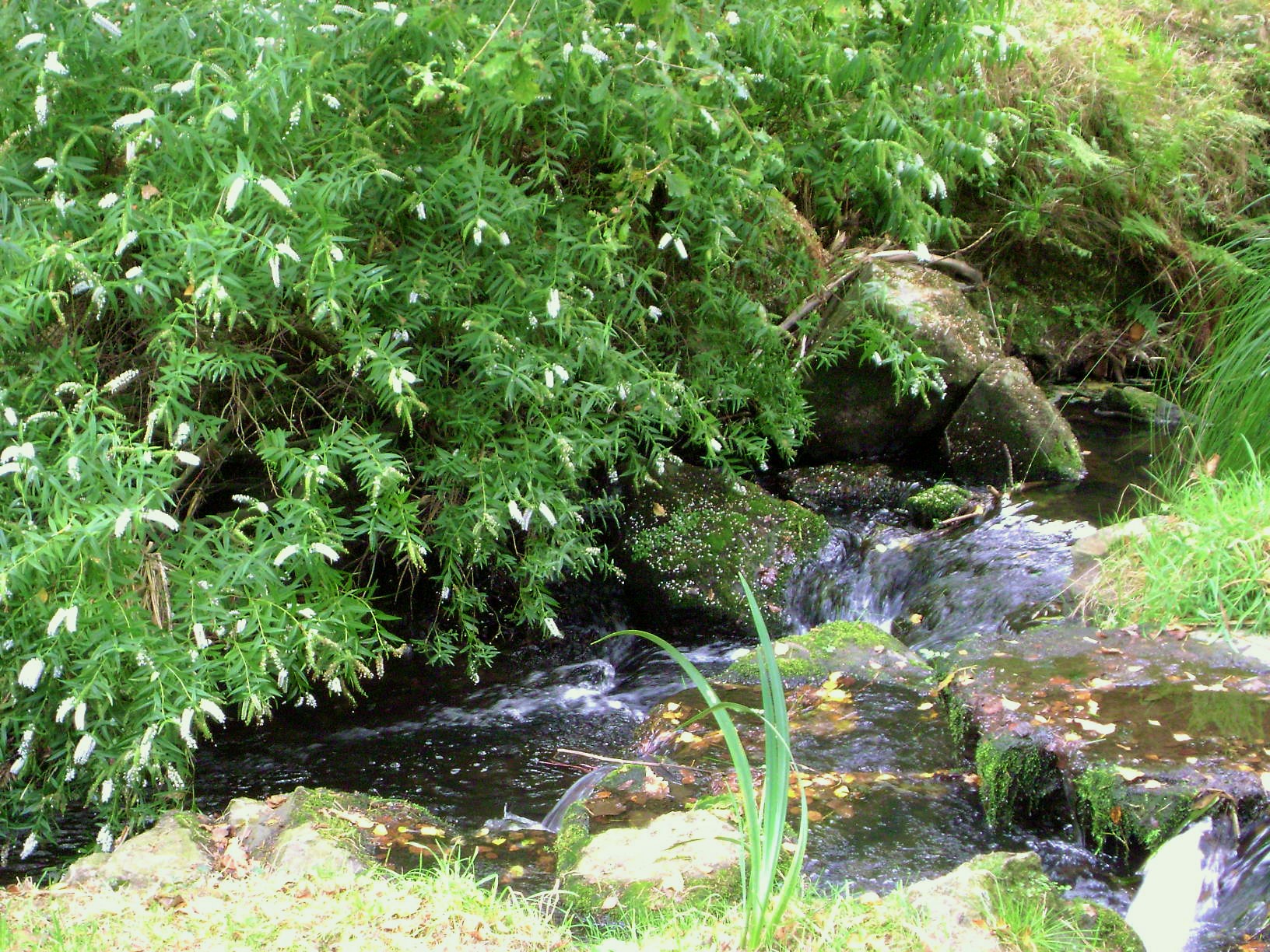
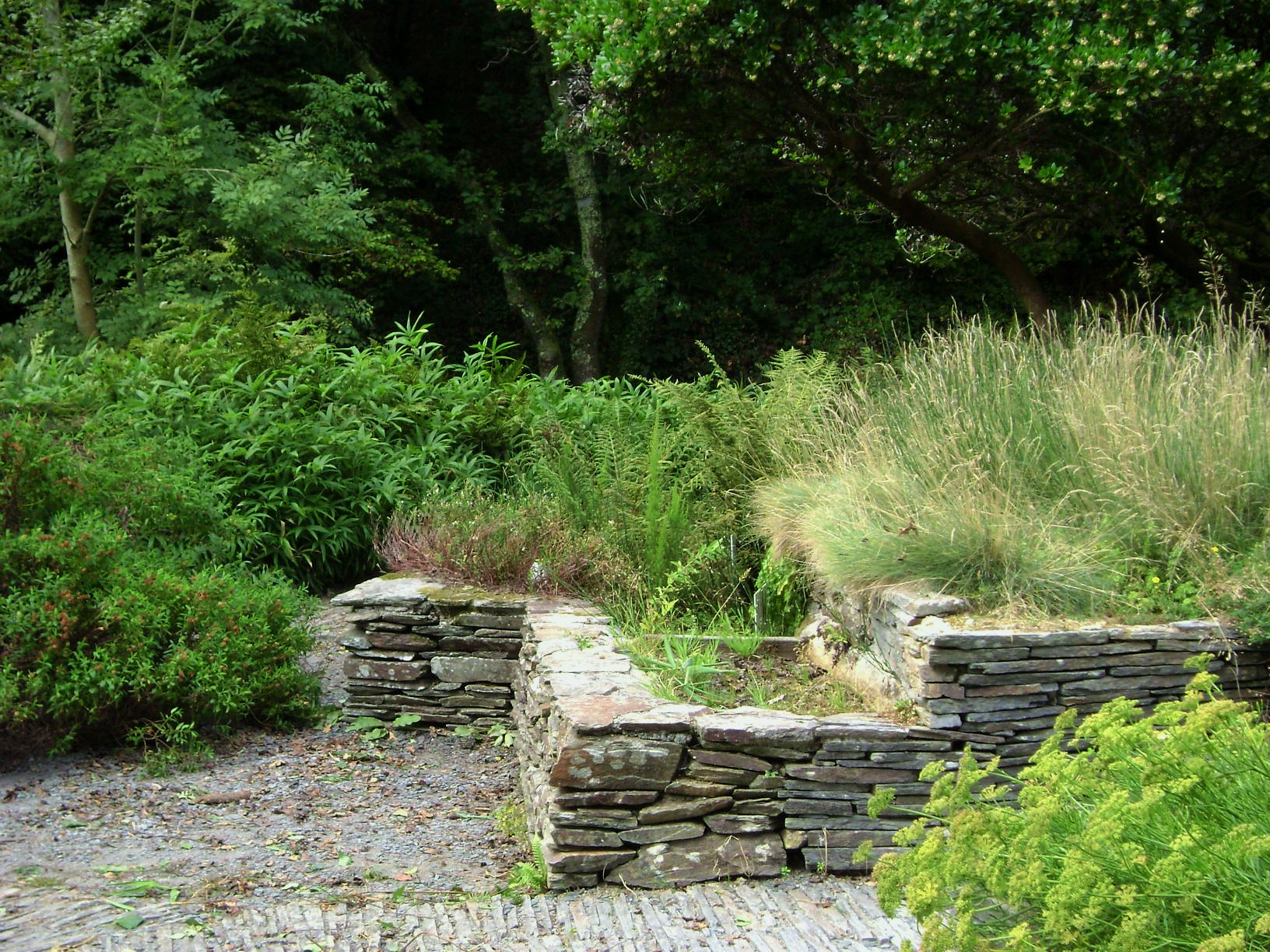
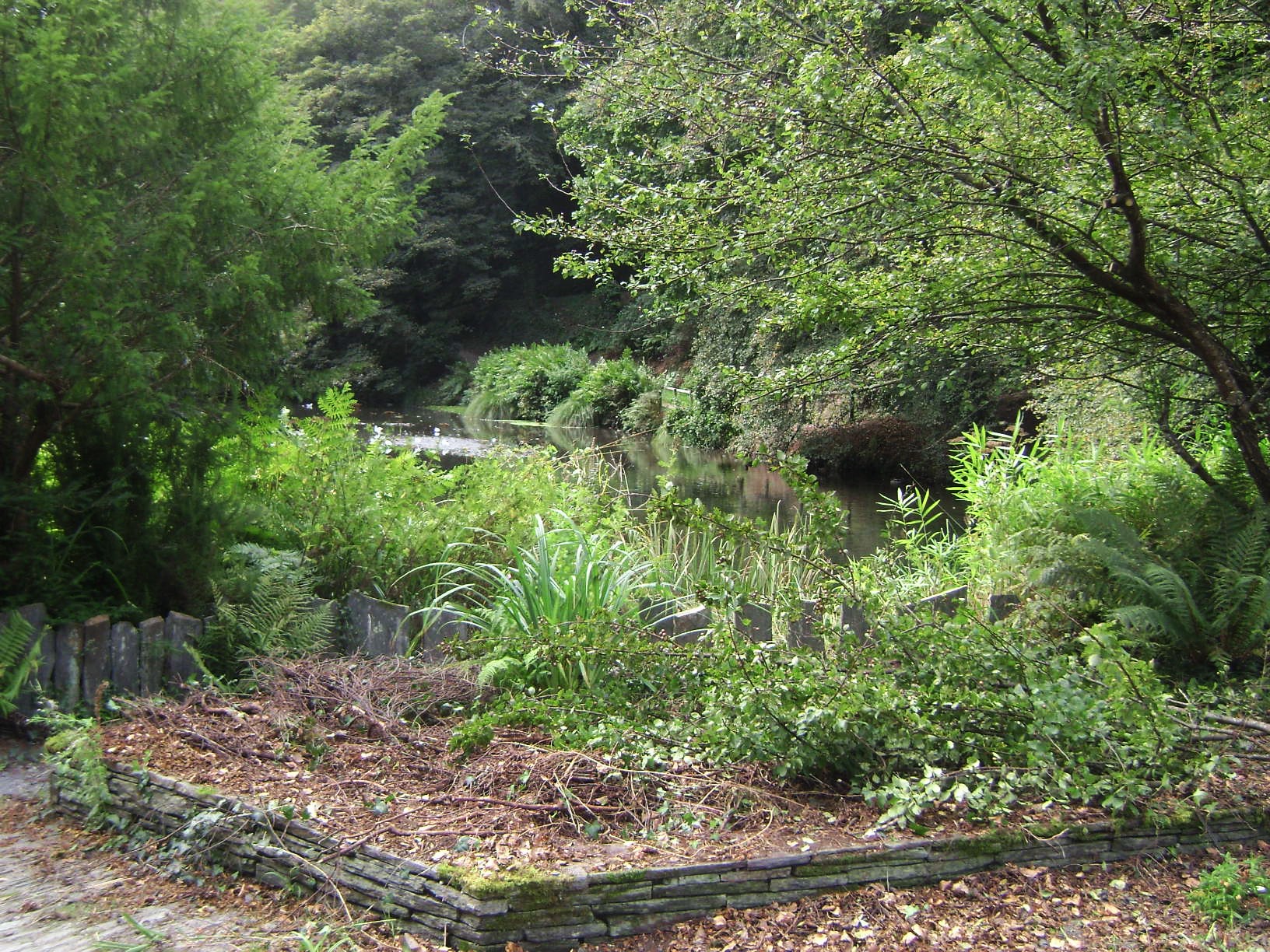
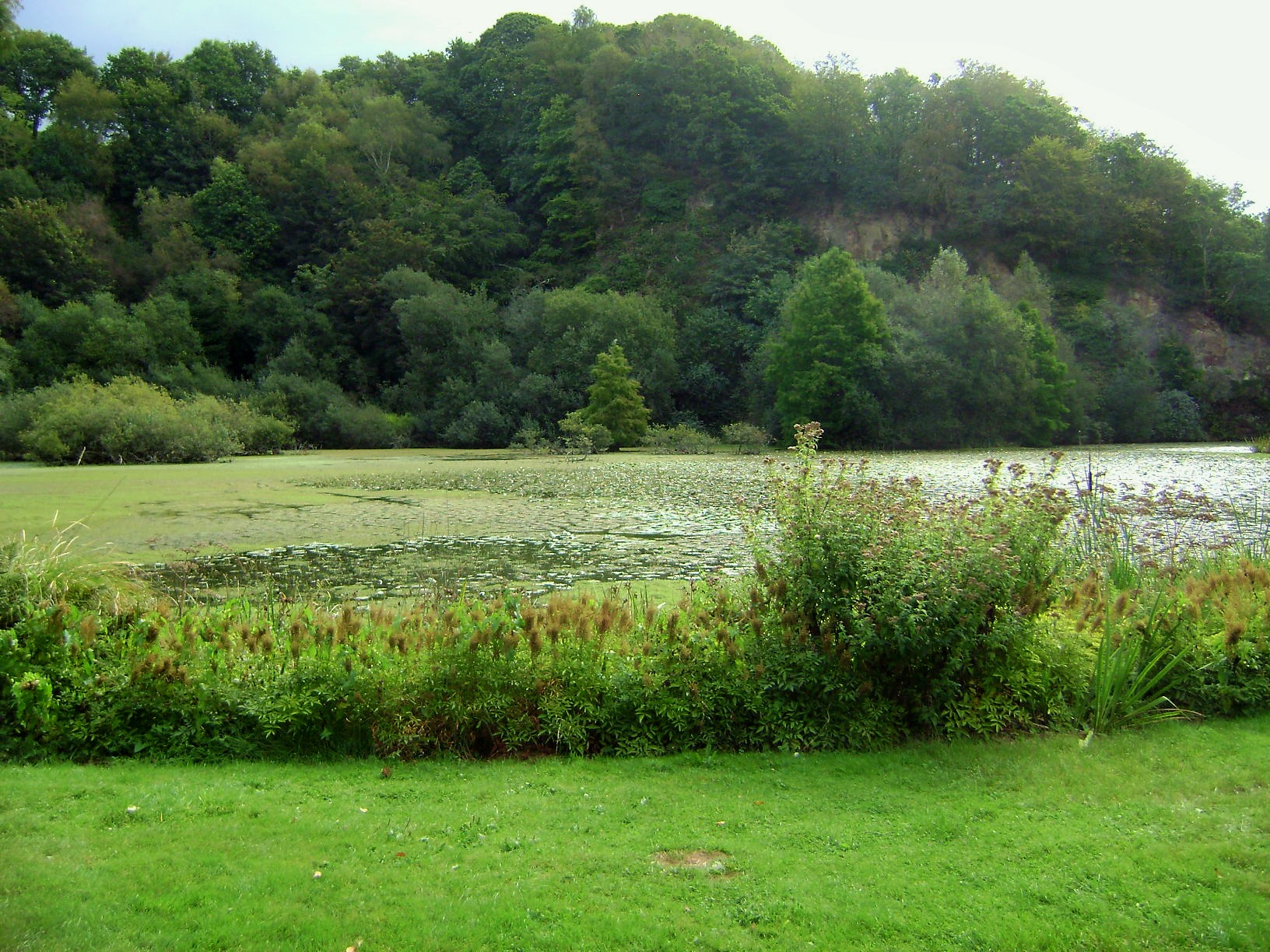
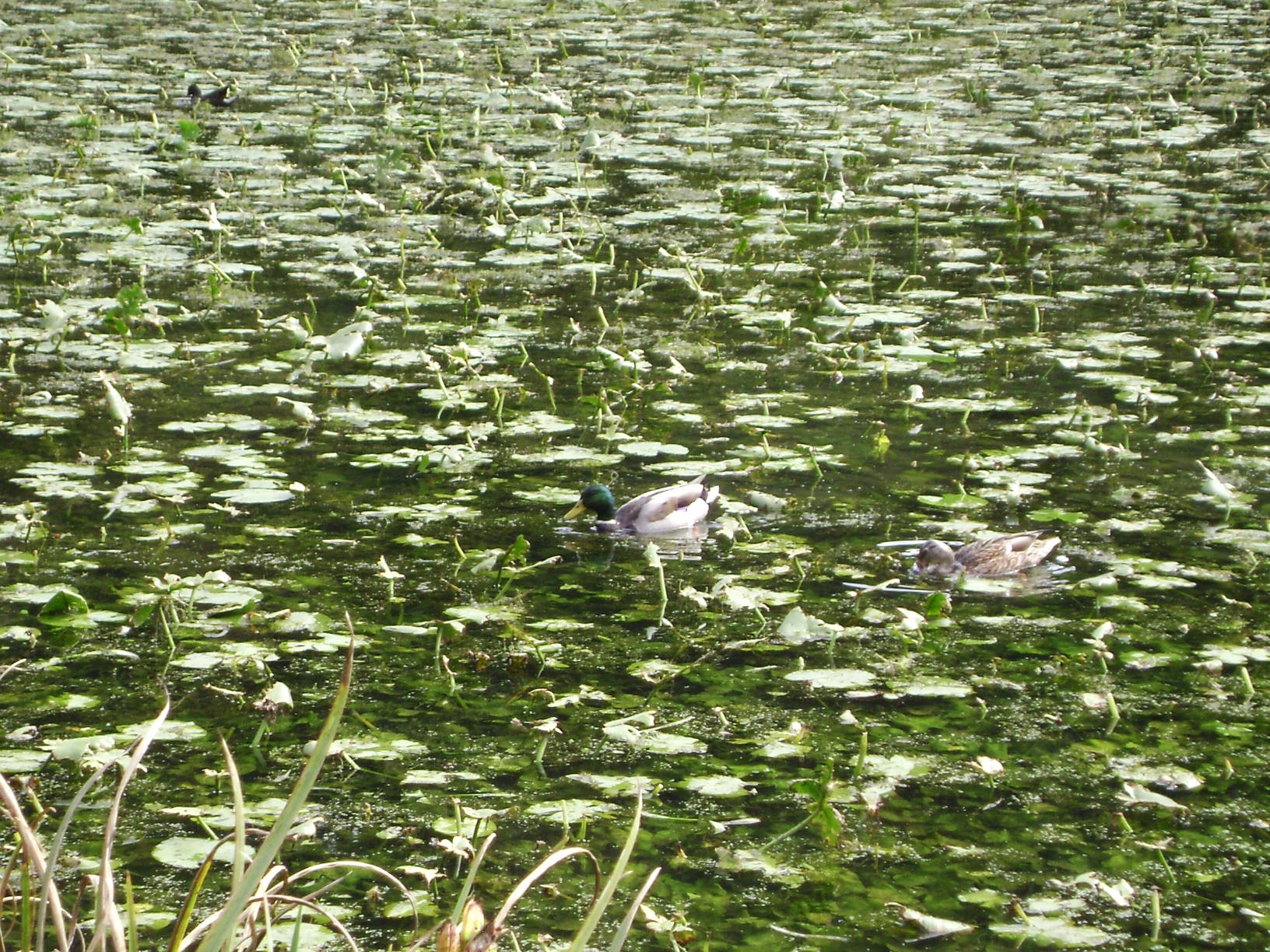
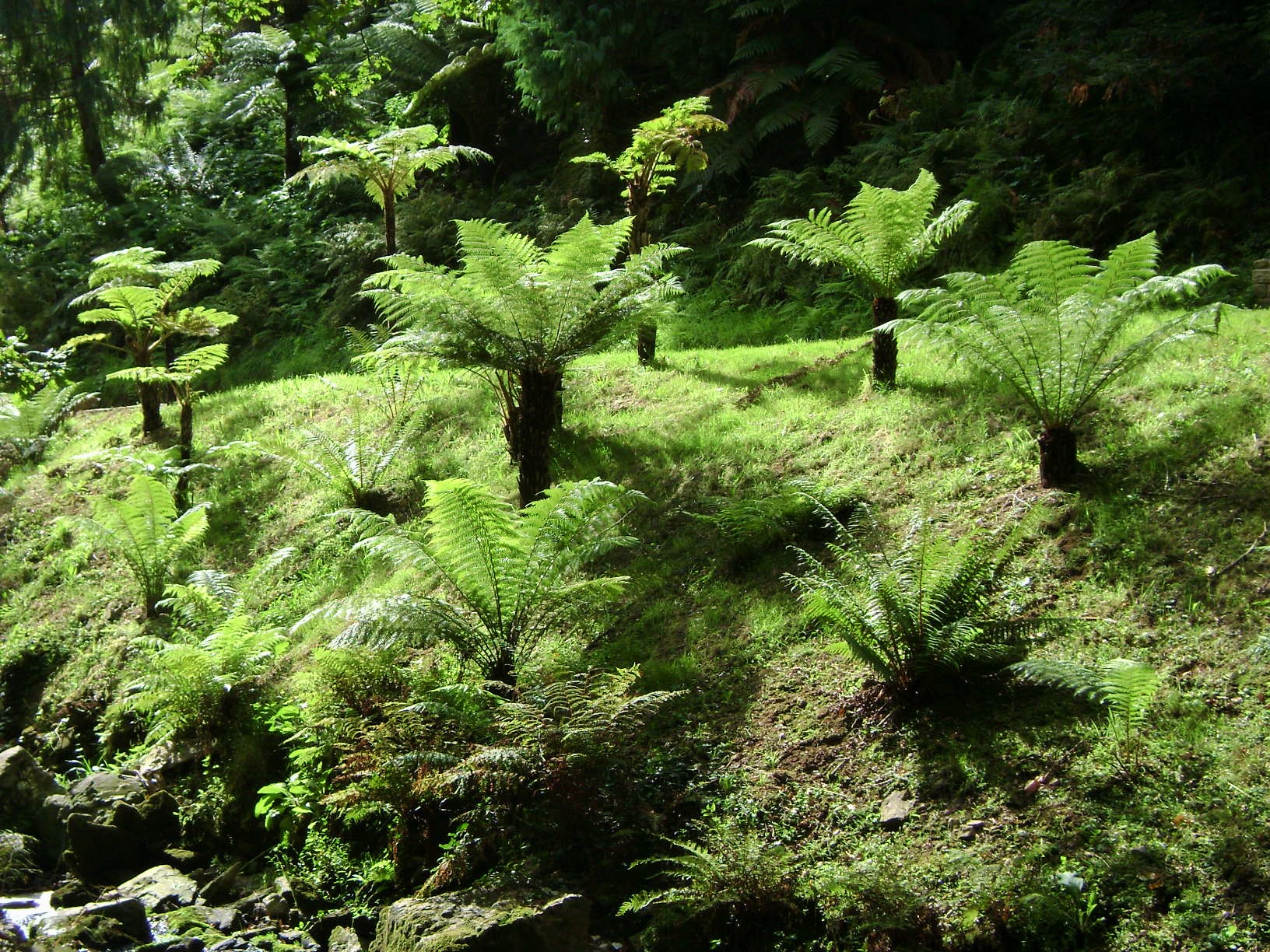
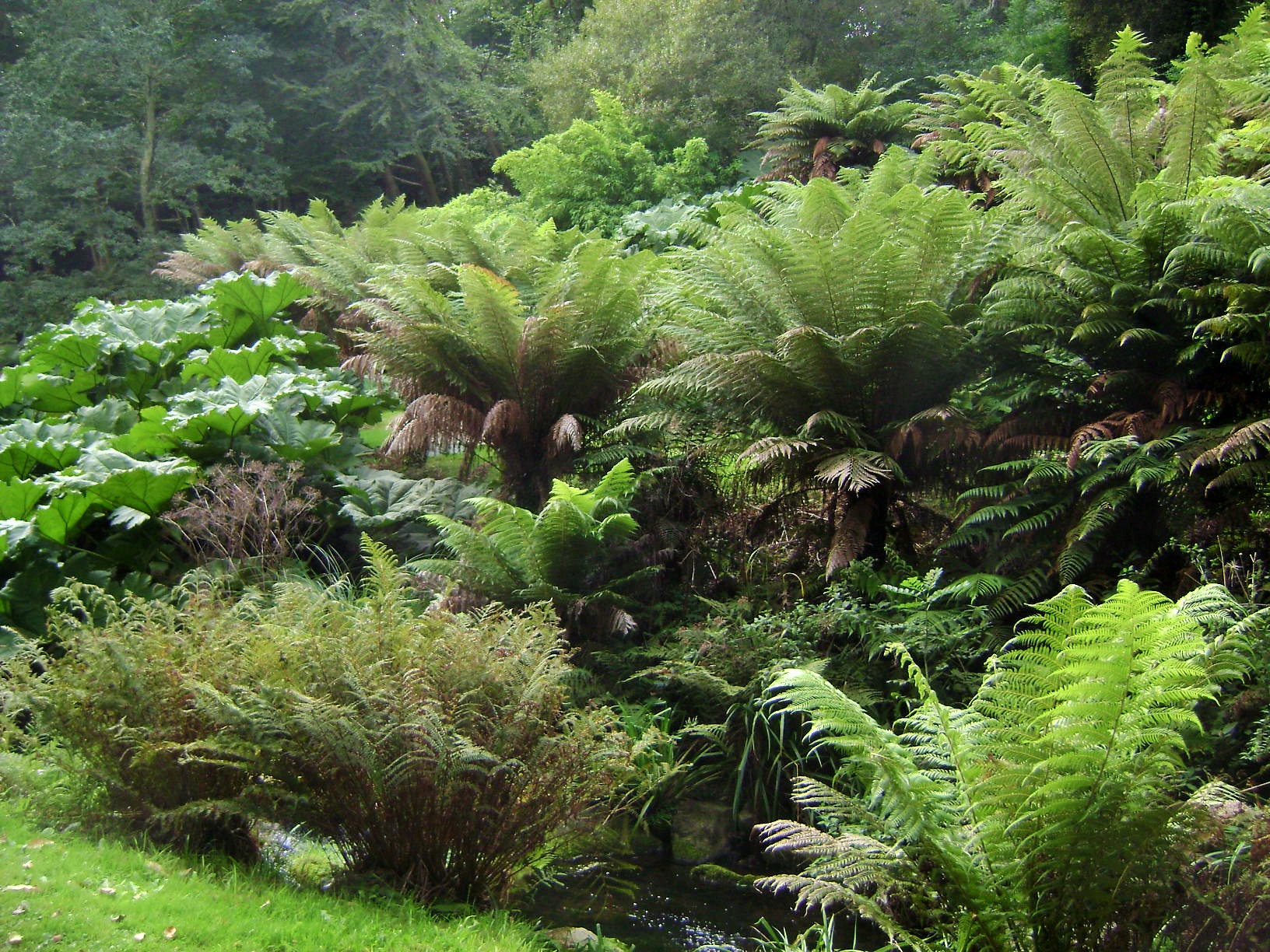
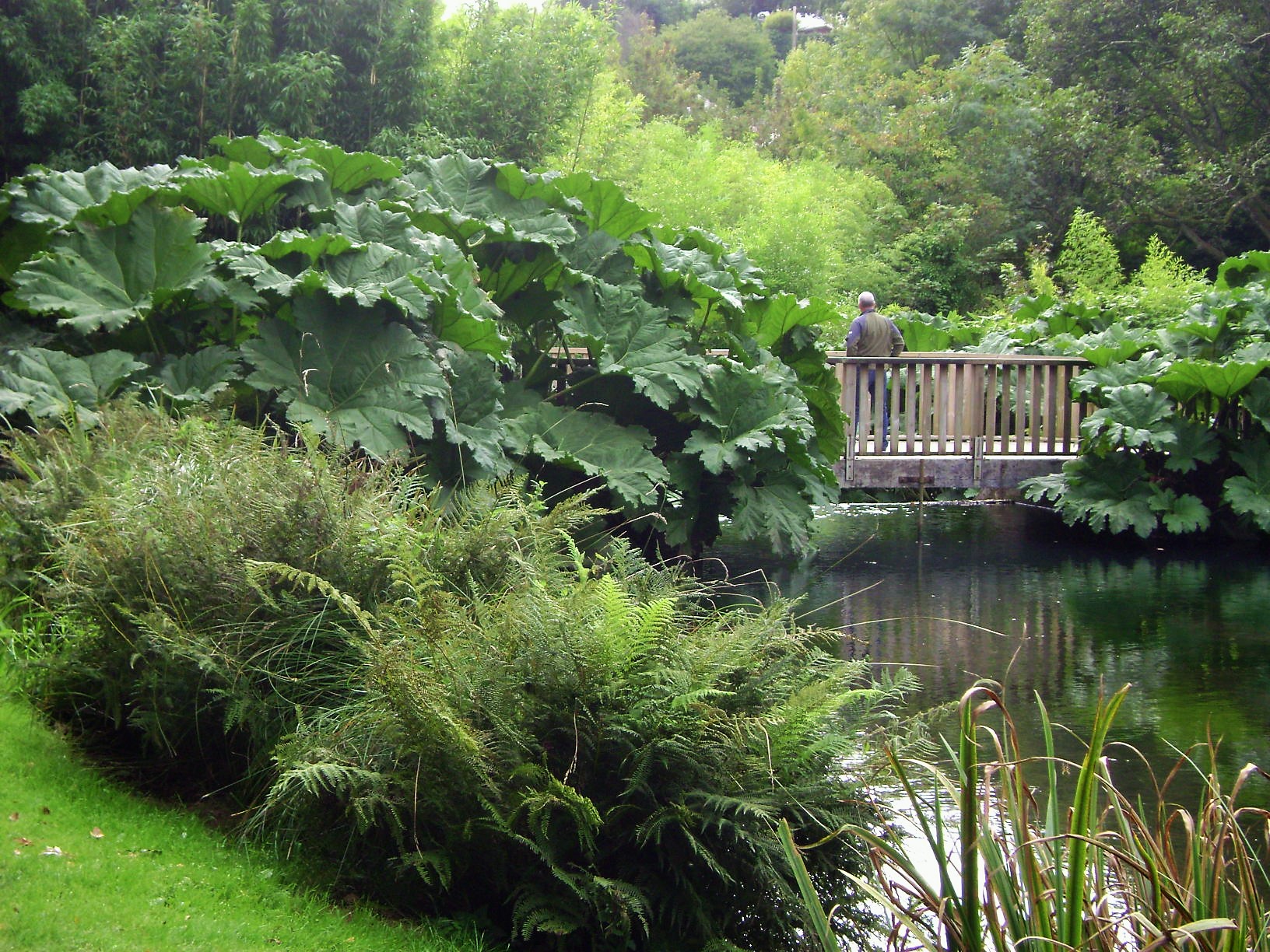
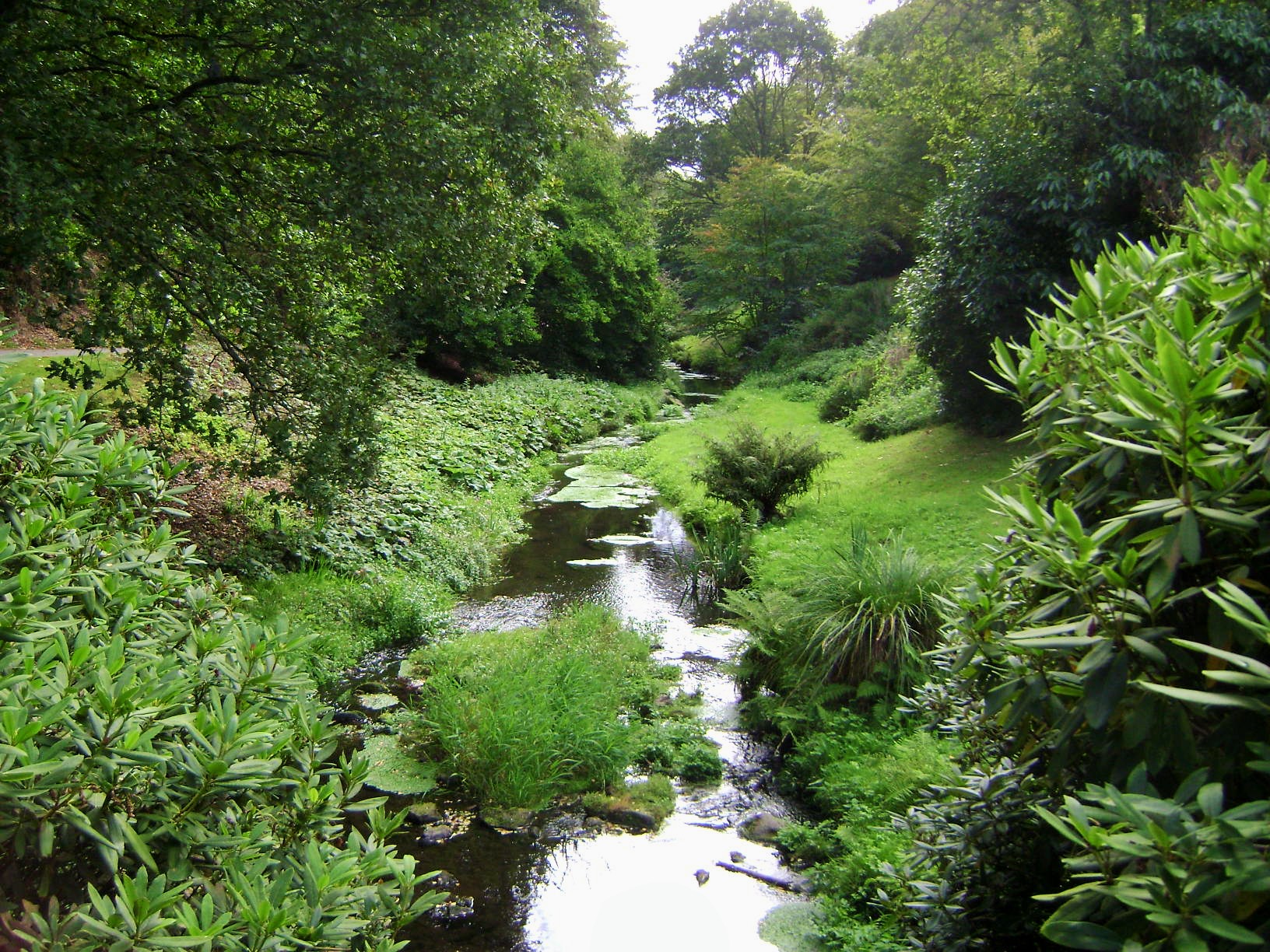
In this second post, I am featuring the botanical gardens, which are largely dedicated to the preservation of endangered species of plants. The water features here are more extensive than in the park area, with large ponds and ducks in addition to the stream running the length of the park. Here again, the areas around the stream are reminiscent of Japanese rock gardens, and landscaped with a profusion of bridges, ferns or bamboo groves. Note the beautiful planting of Tasmanian tree ferns along the banks, as well as some particularly large gunneras.
DSC01340 DSC01343 DSC01344 DSC01348 DSC01349 DSC01350 DSC01352 DSC01353 DSC01354 DSC01355 DSC01356 DSC01357 DSC01358 DSC01365 DSC01297 DSC01298 DSC01299 DSC01300 DSC01302 DSC01304 DSC01307 DSC01311 DSC01313 DSC01314 DSC01317 DSC01320 DSC01321 DSC01323 DSC01332 DSC01333 DSC01334 DSC01336 DSC01337


A Romantic Garden in Old Toledo at the School of Fine Arts

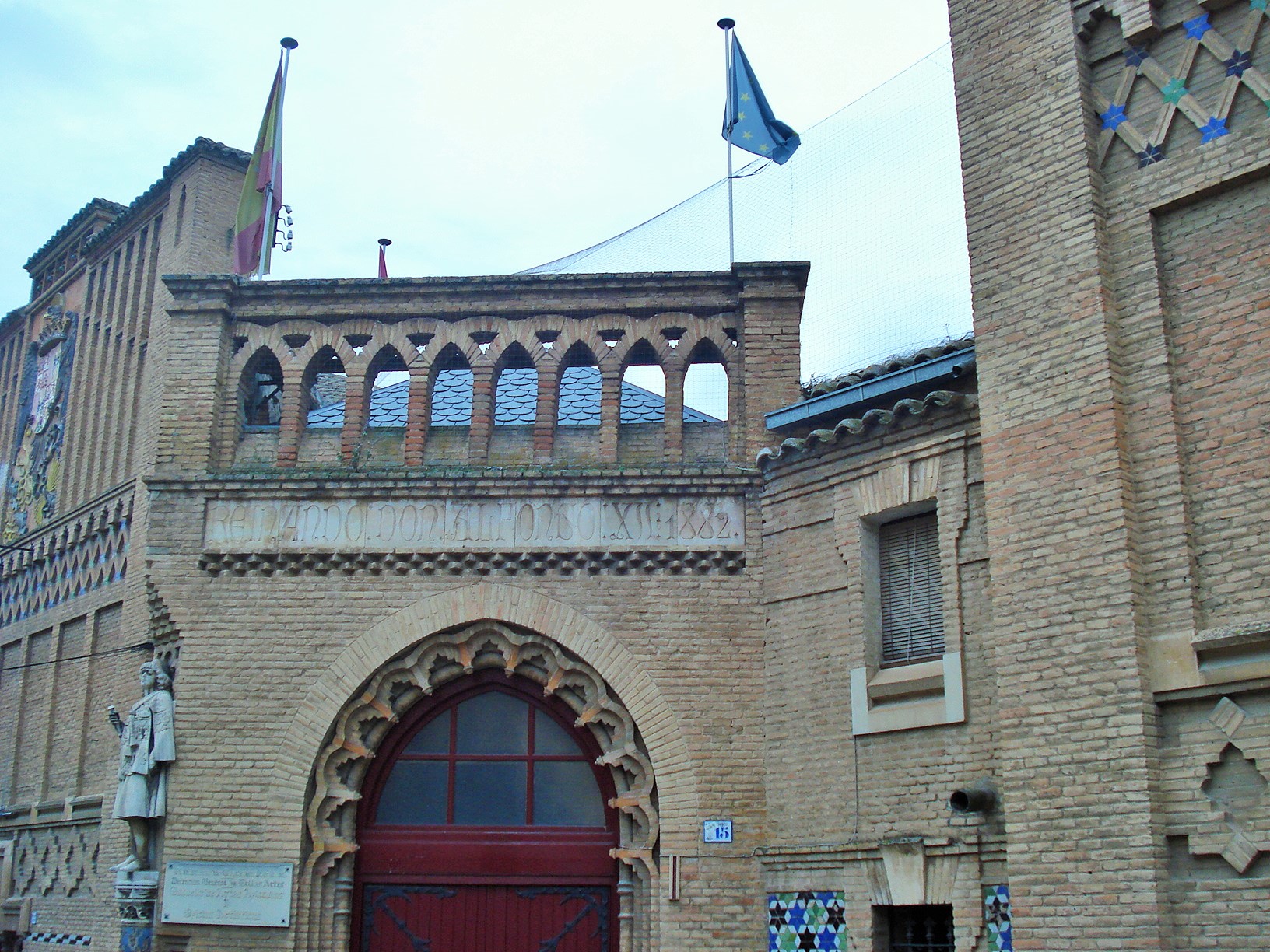
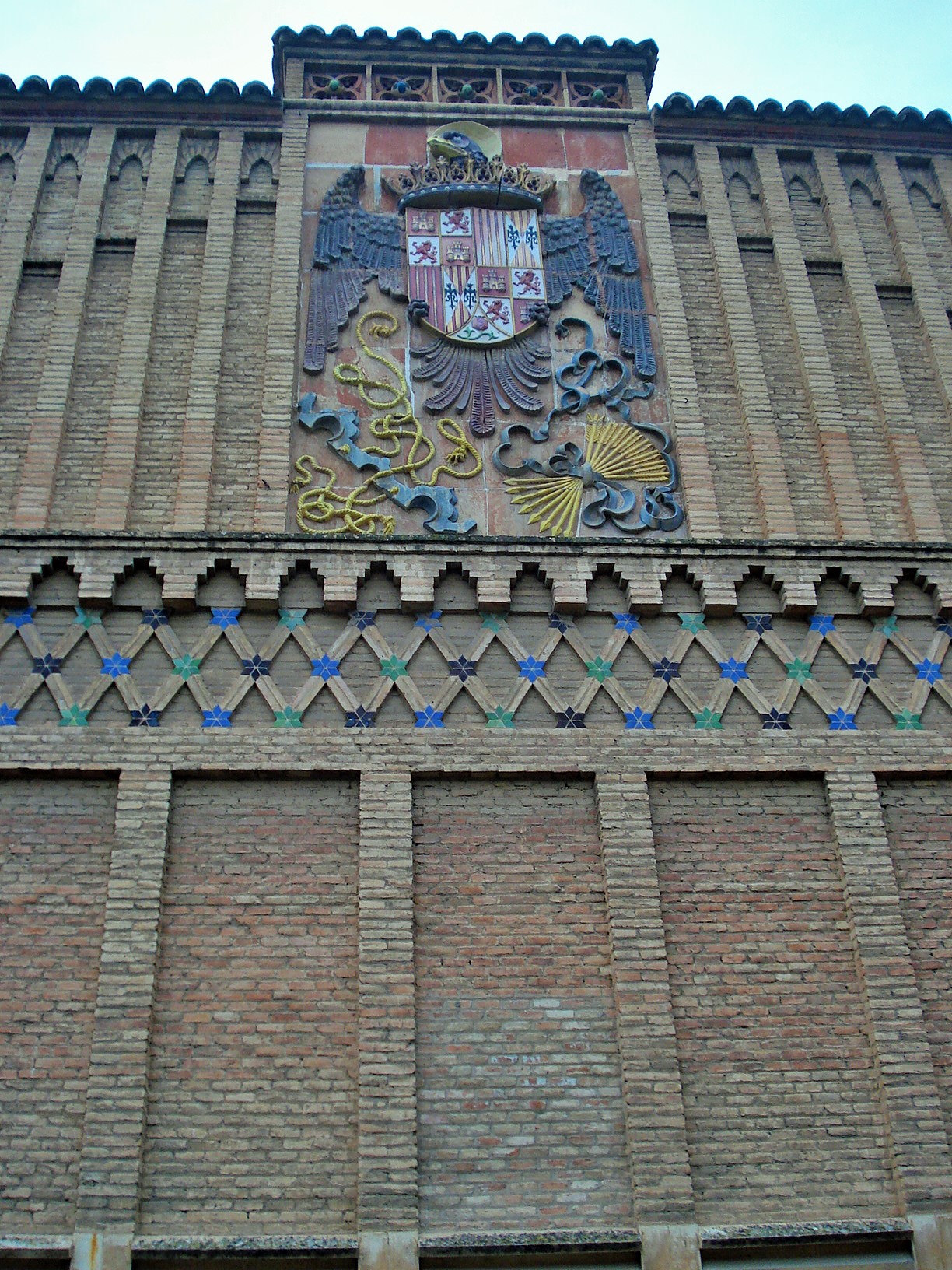
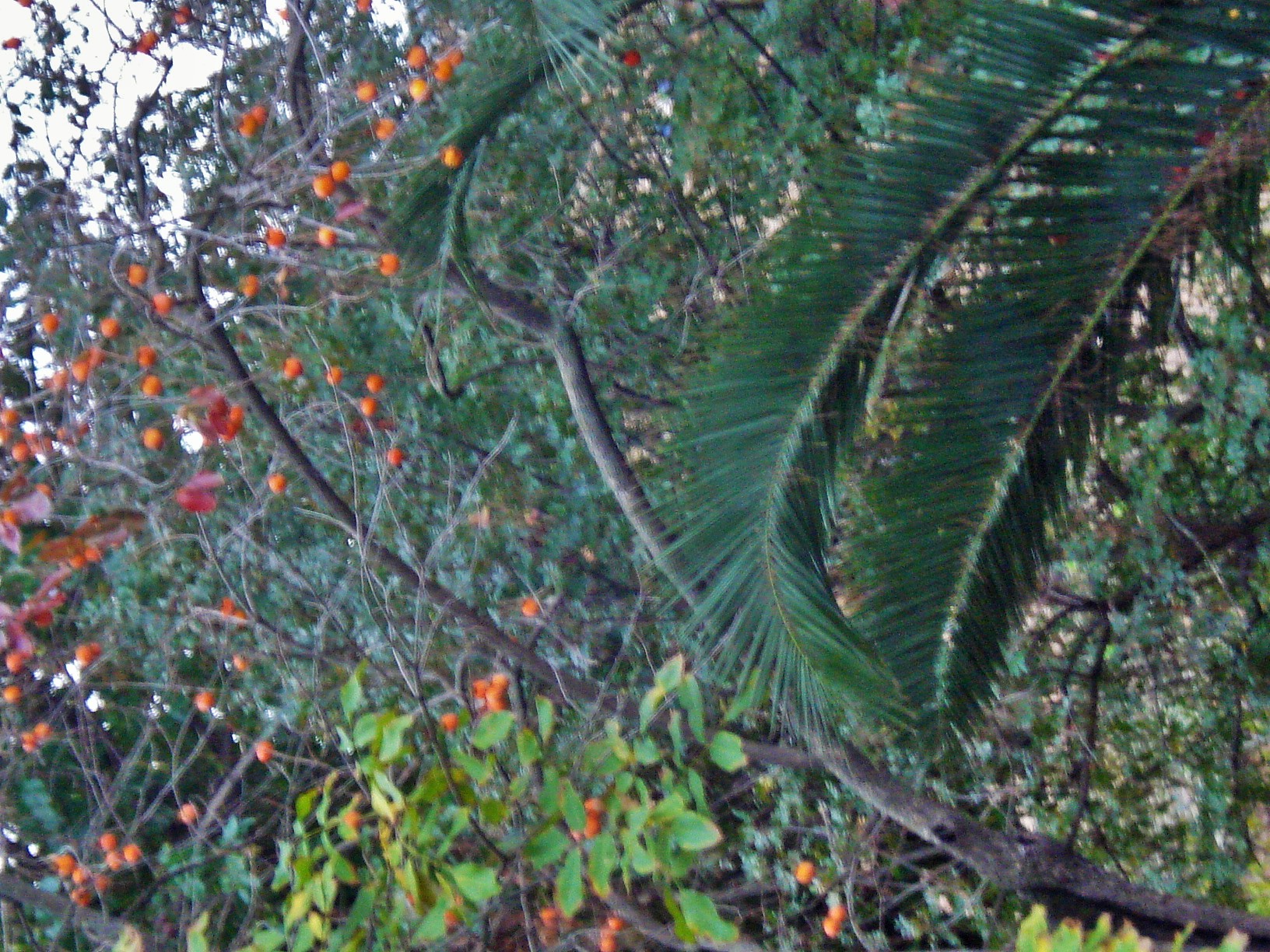
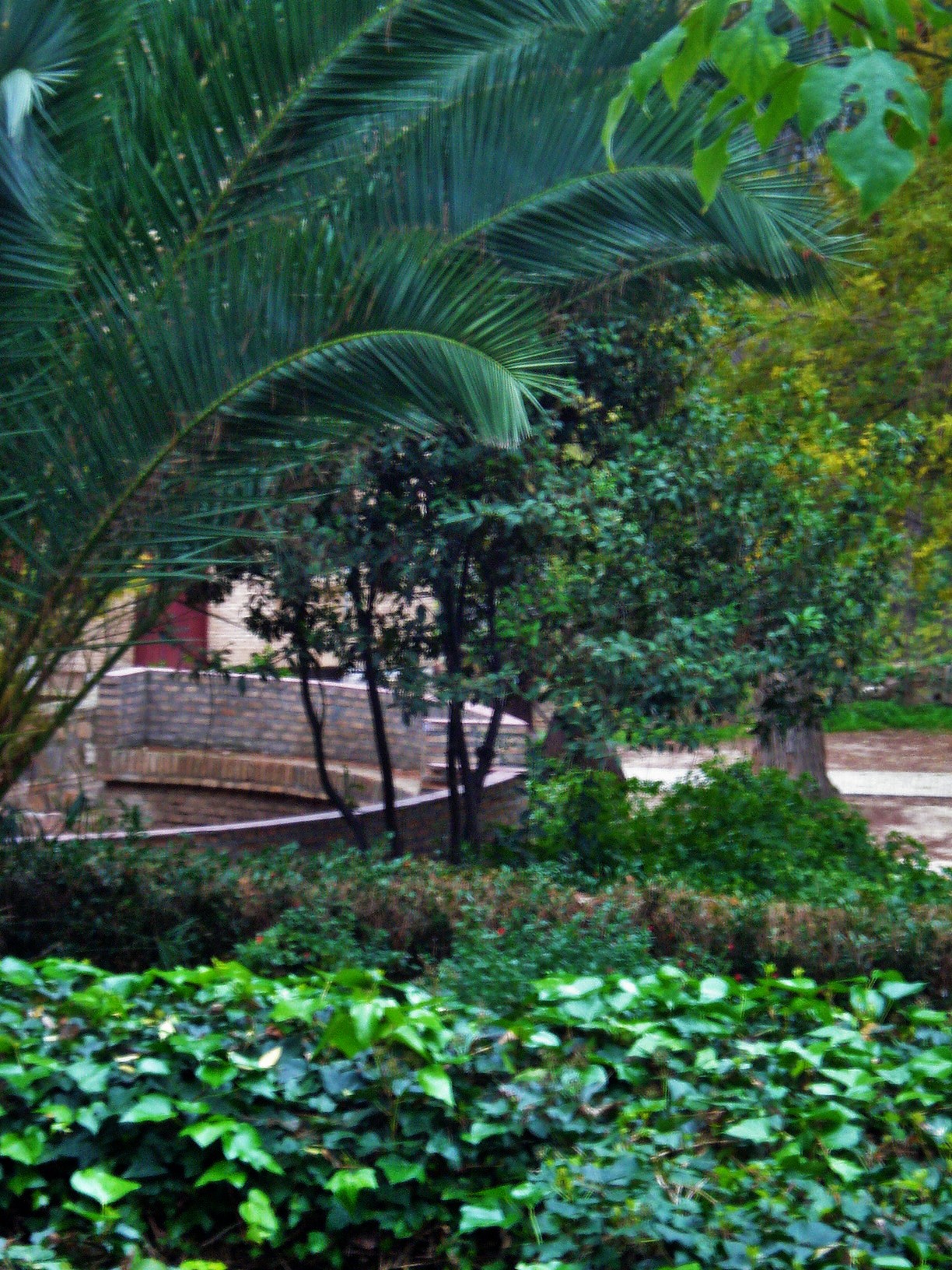
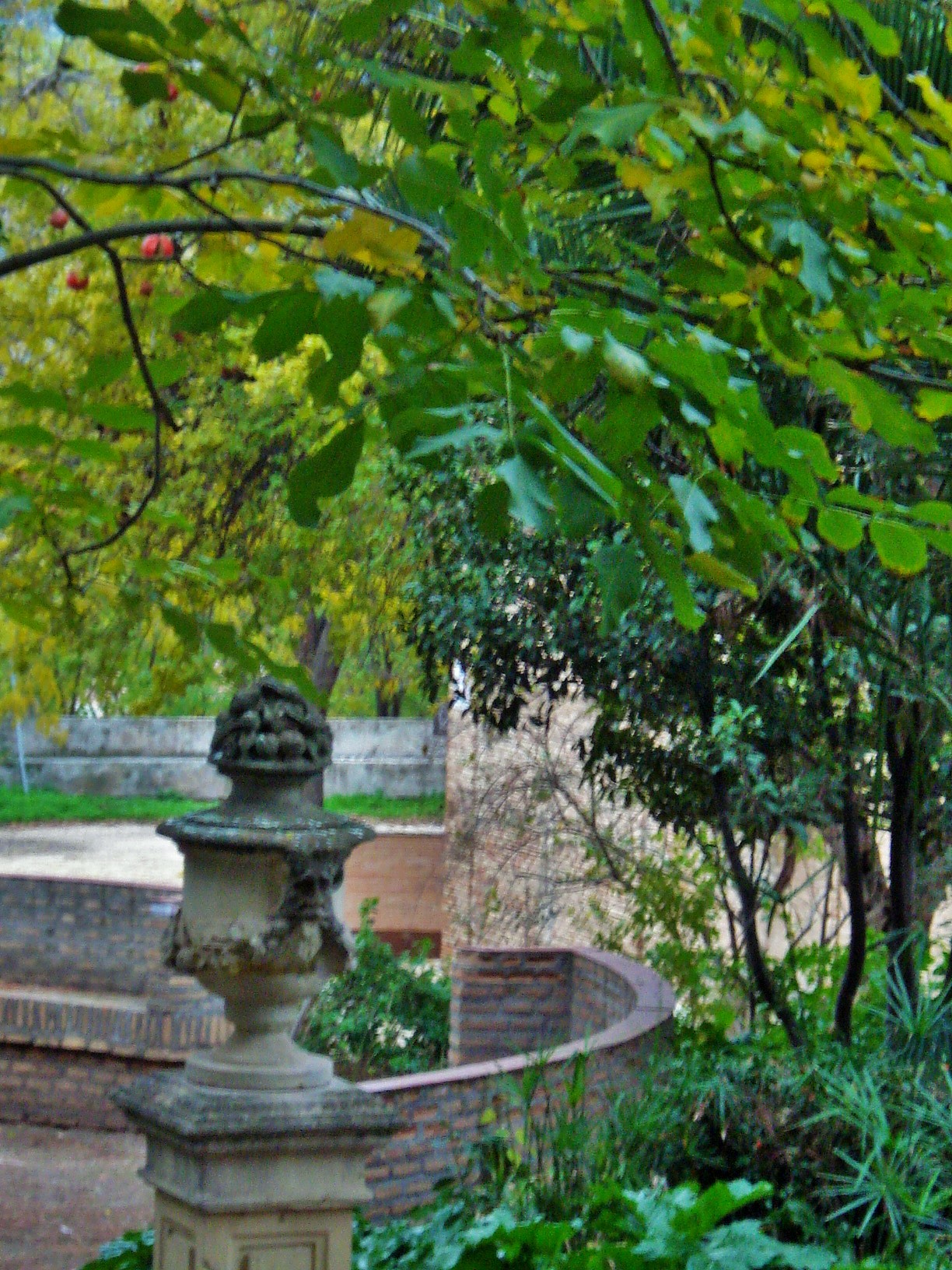
I have written other posts on the beautiful city of Toledo, and while it is full of monuments and old world architecture, there are few public green spaces as gardens are more often than not part of private buildings not open to the public. This romantic garden with a large bust of Don Quixote as its focal point belong to the School of Fine Arts. Even in the fall citrus and khaki trees and bursts of color. Note also the stunningly ornate glass and iron conservatory alongside the building.

DSC09480  vbnmvZ/kdAZQ`weT8IP\];PDSC09479 DSC09478 DSC09475 DSC09474 DSC09473 DSC09471 DSC09470 DSC09468 DSC09467 DSC09466 DSC09465 DSC09464 DSC09463 DSC09462 DSC09461 DSC09460 DSC09459 DSC09458