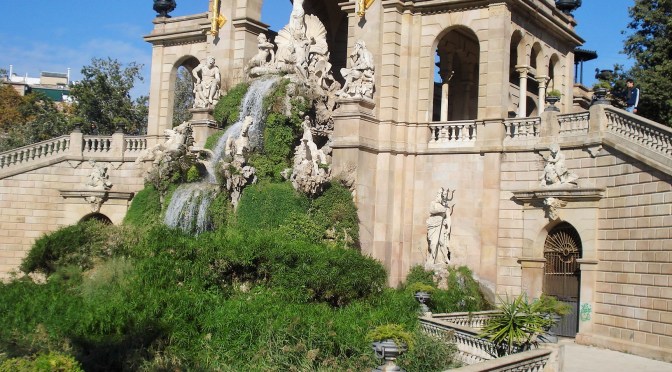
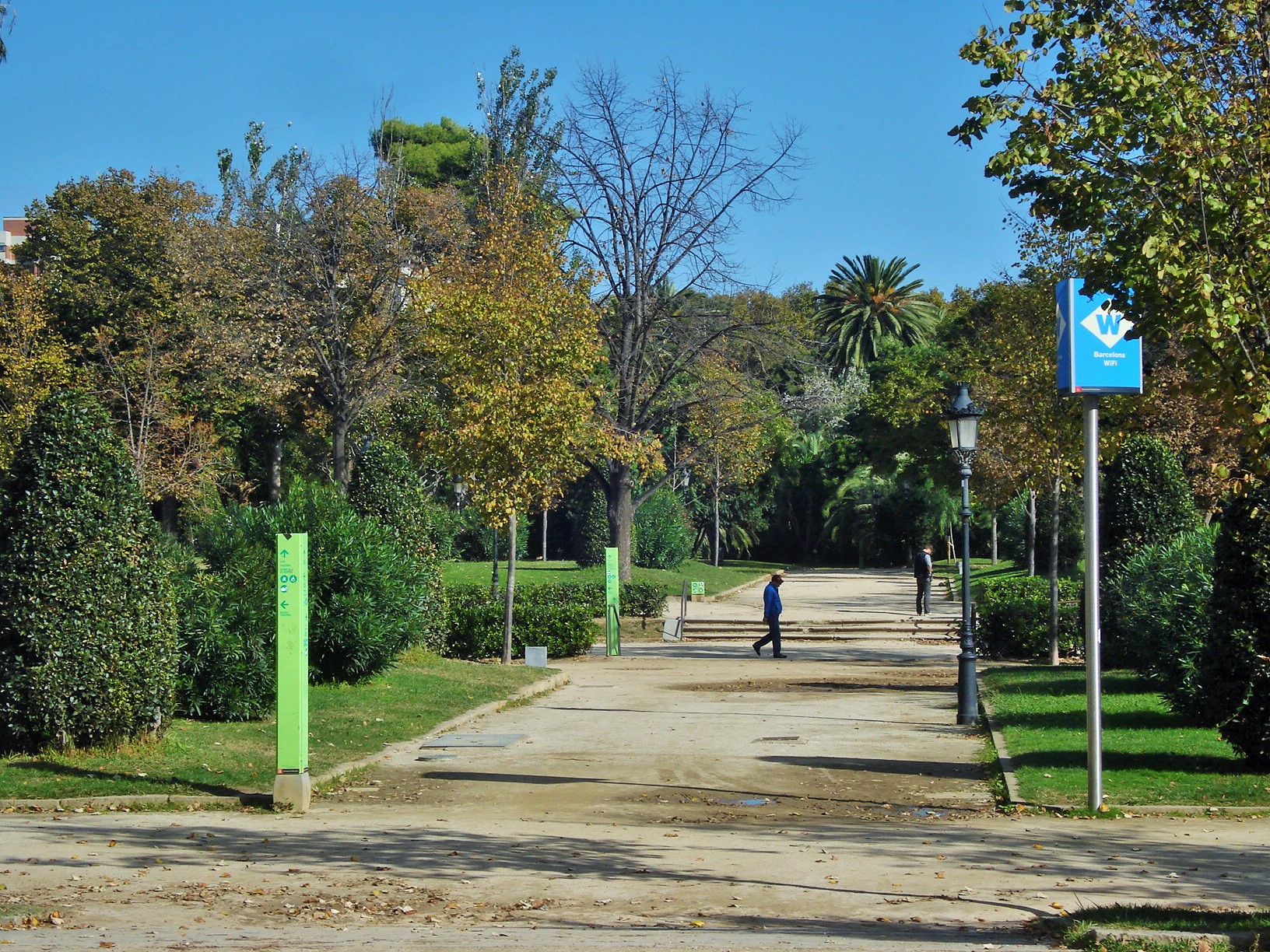
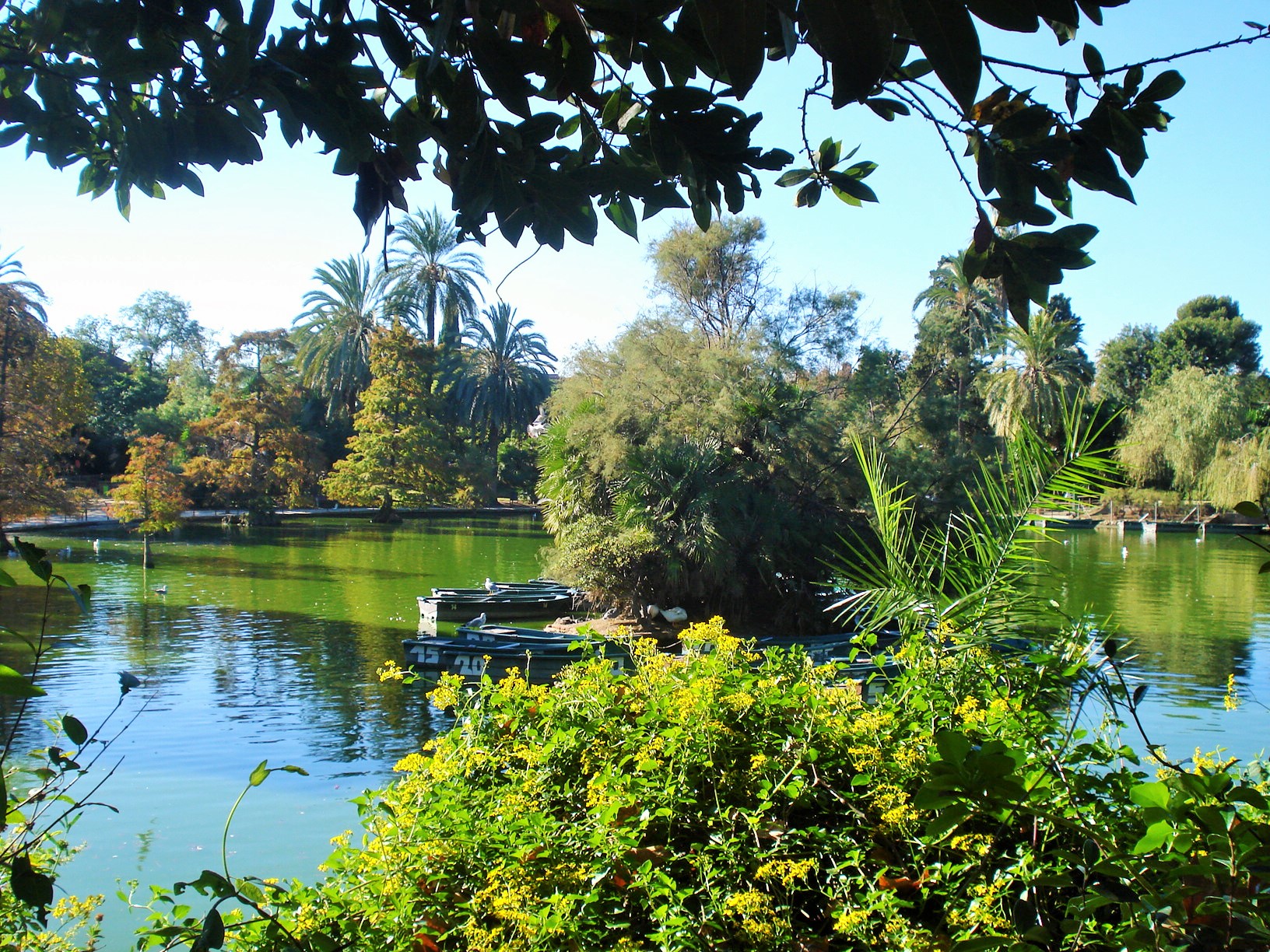
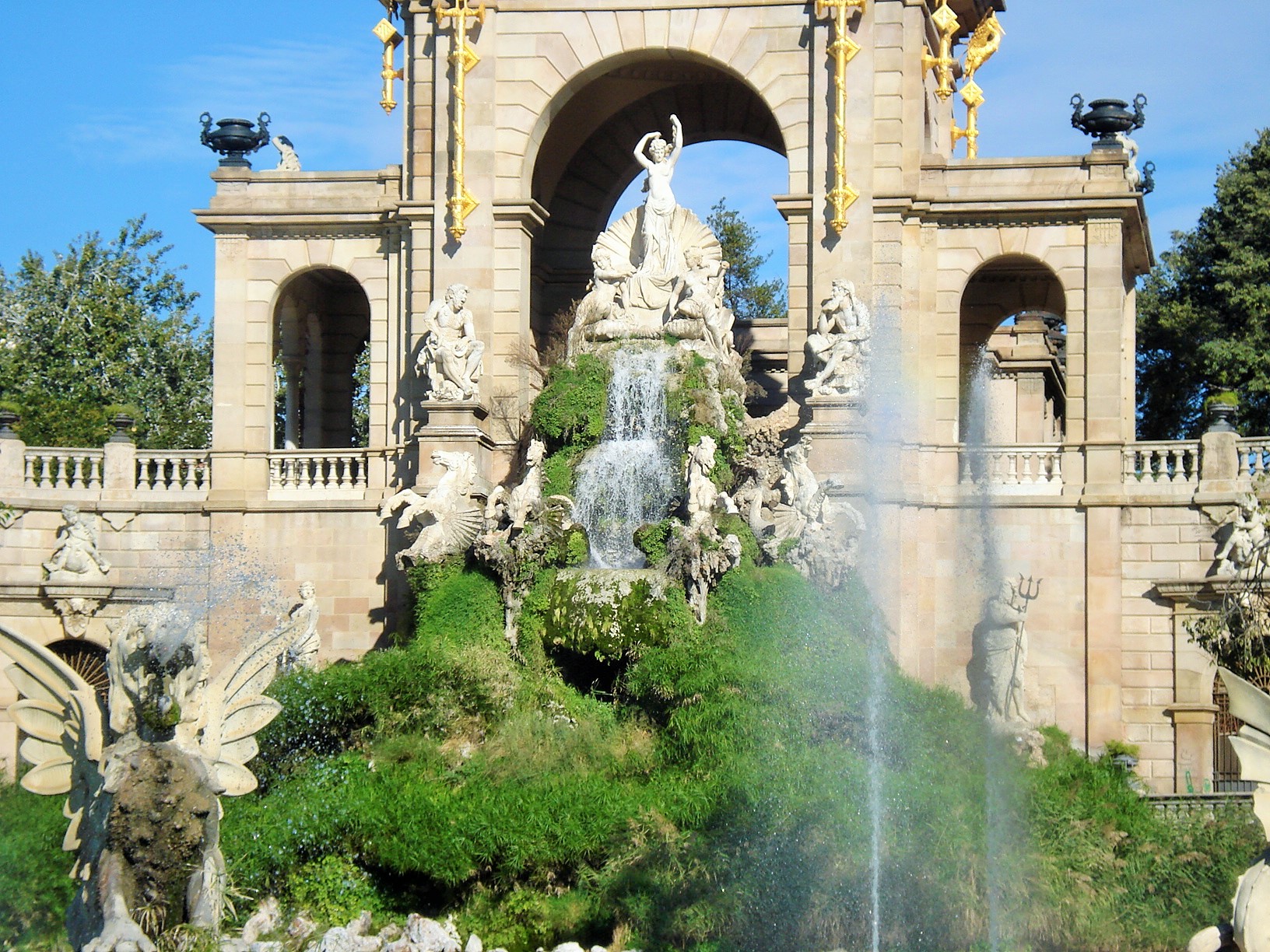
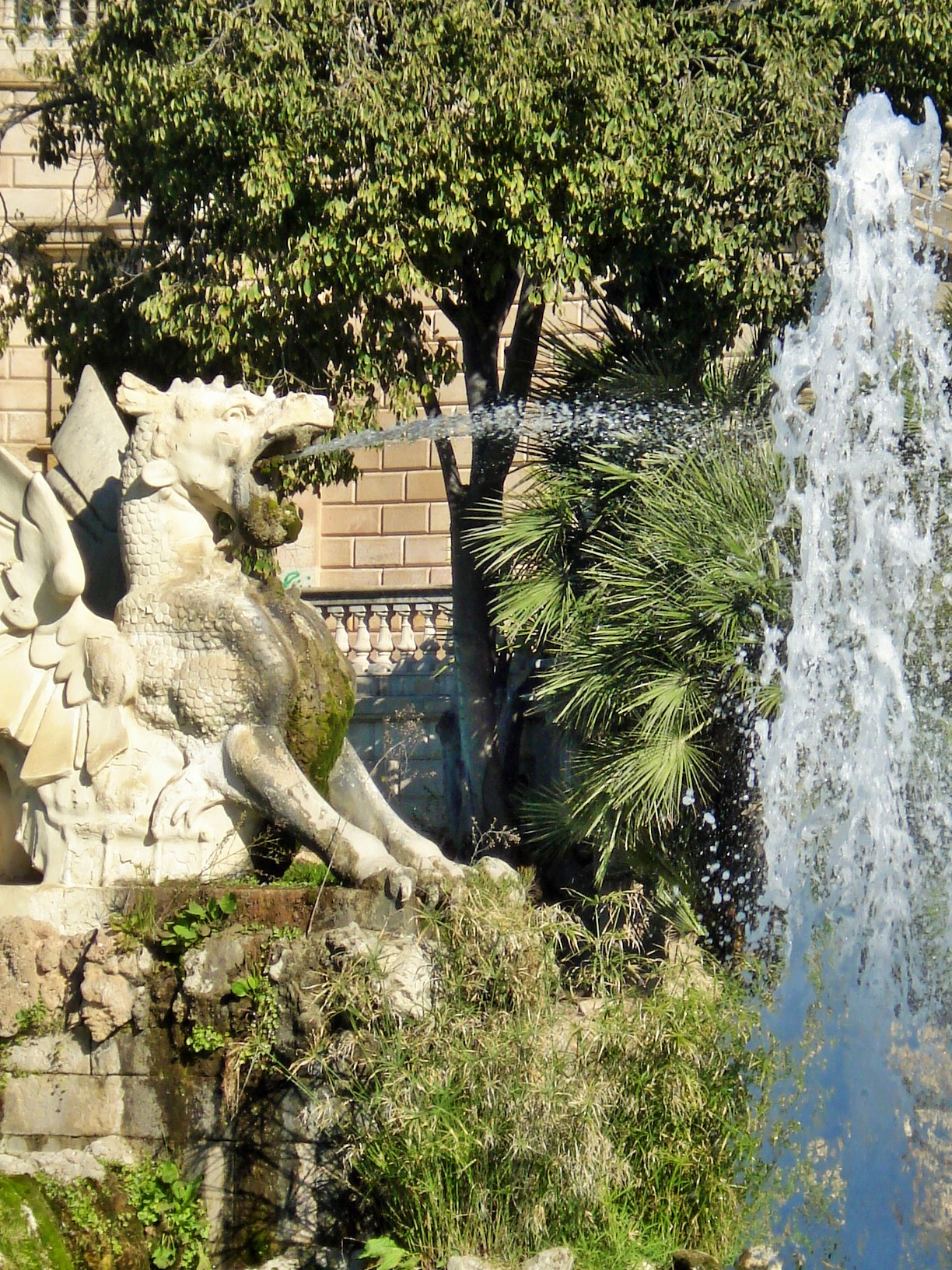
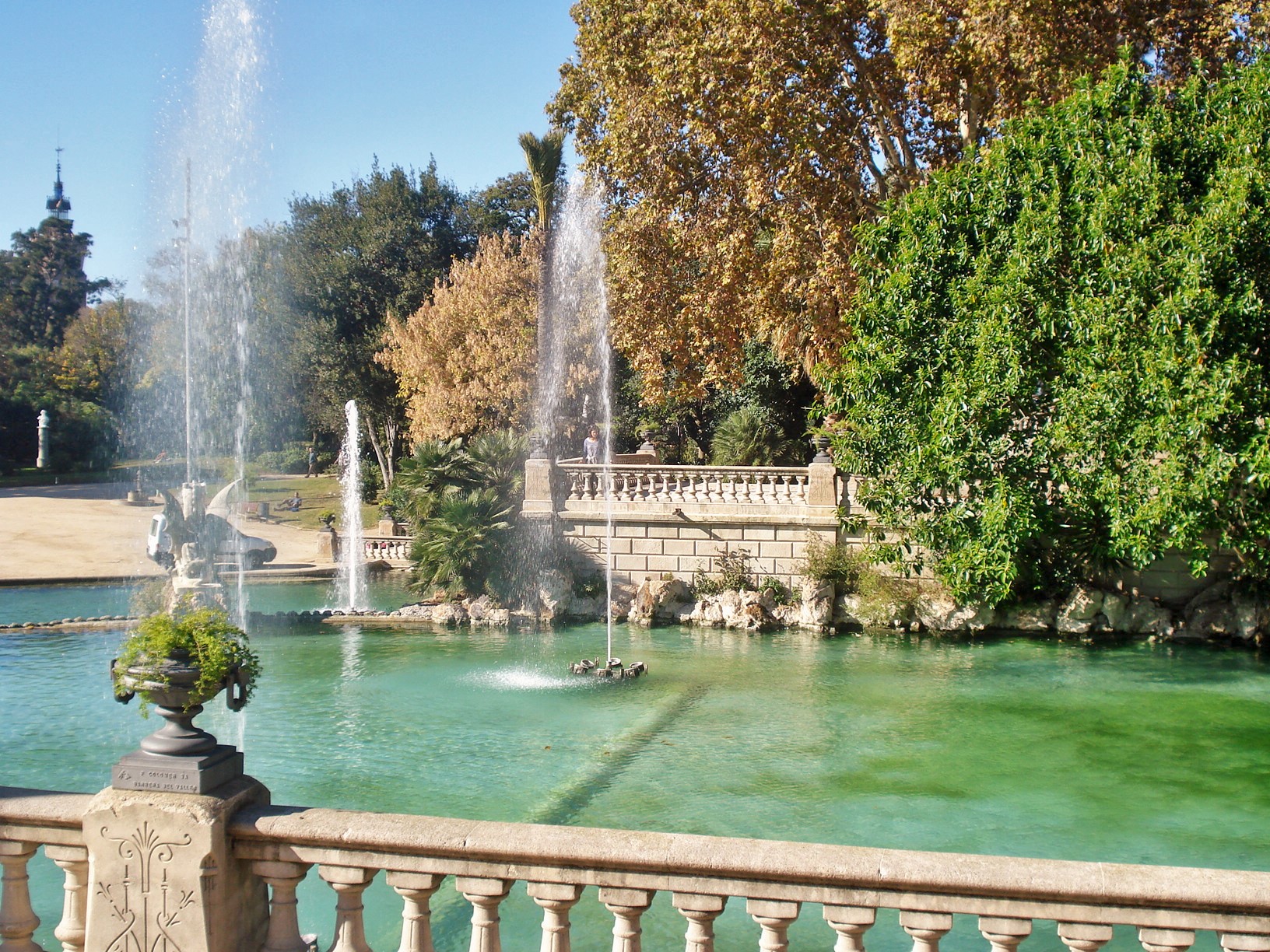
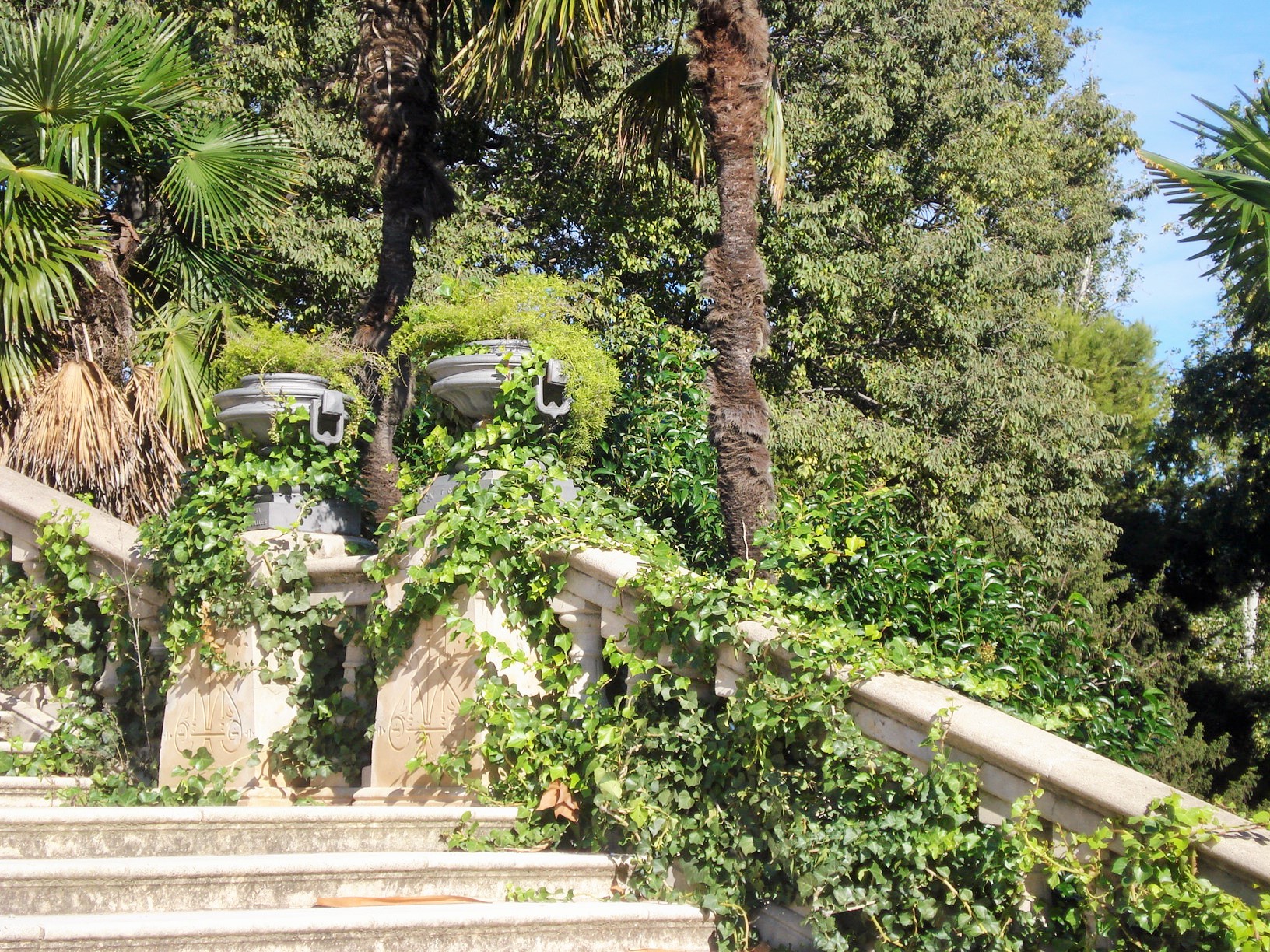
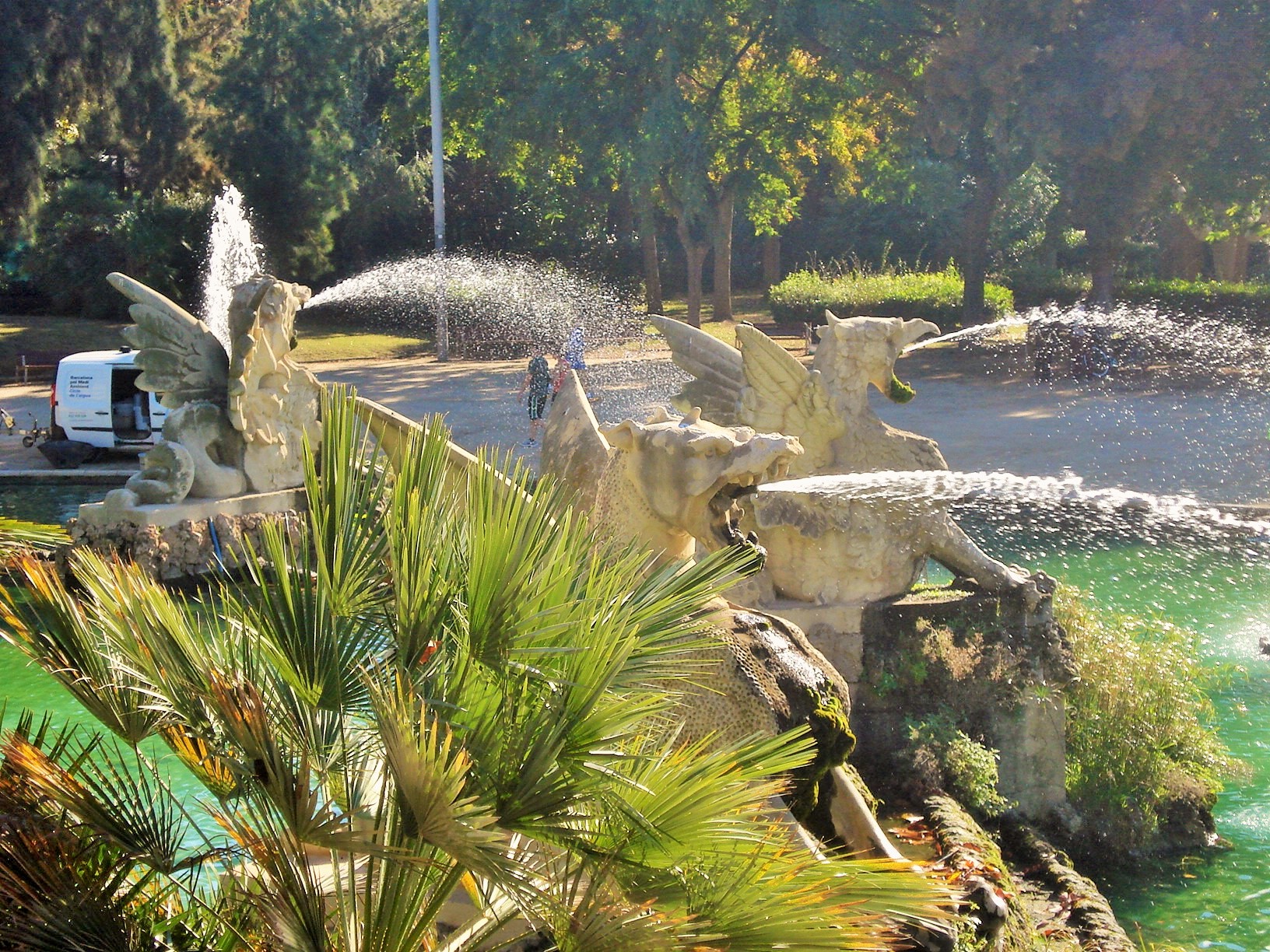
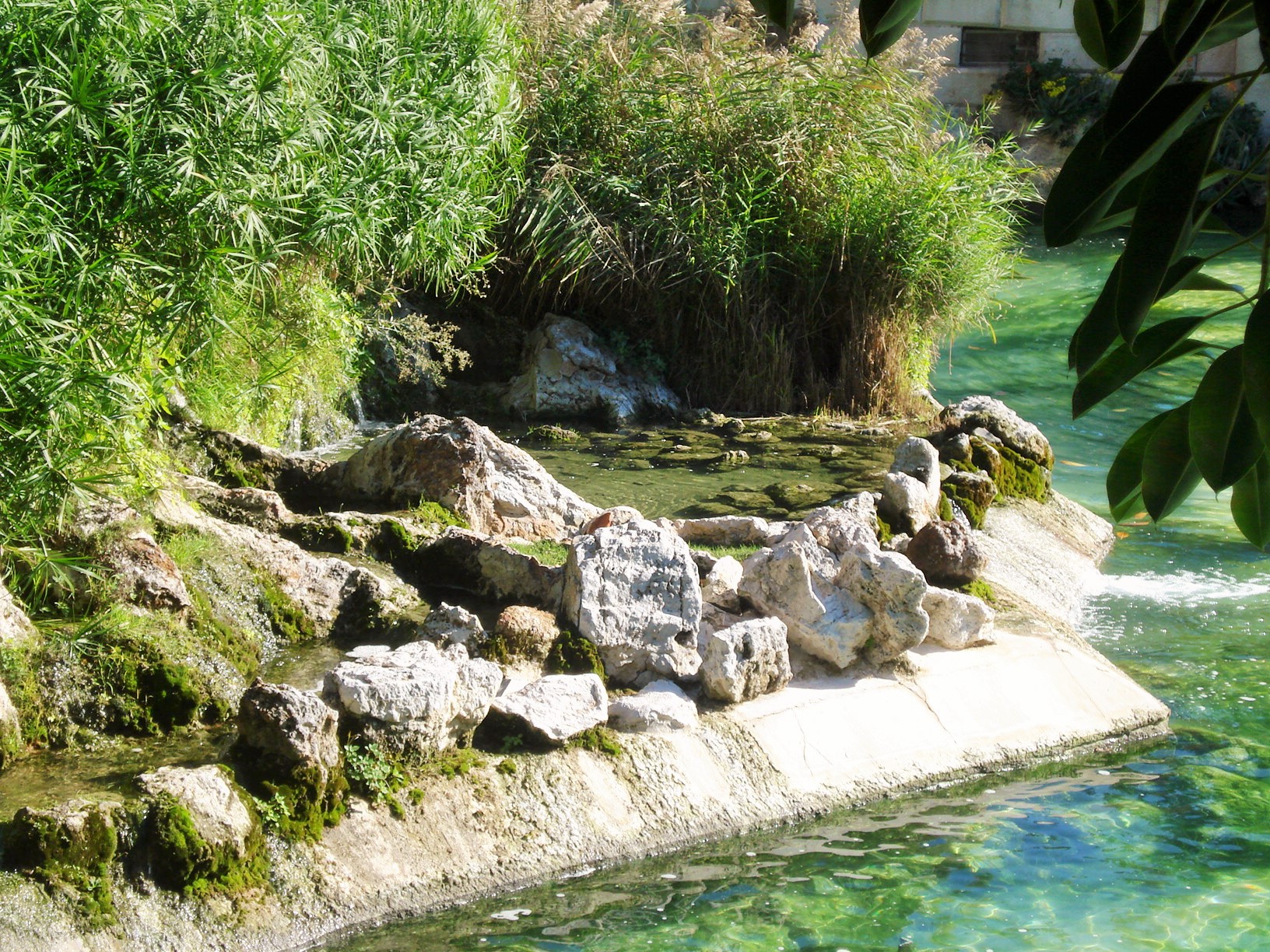
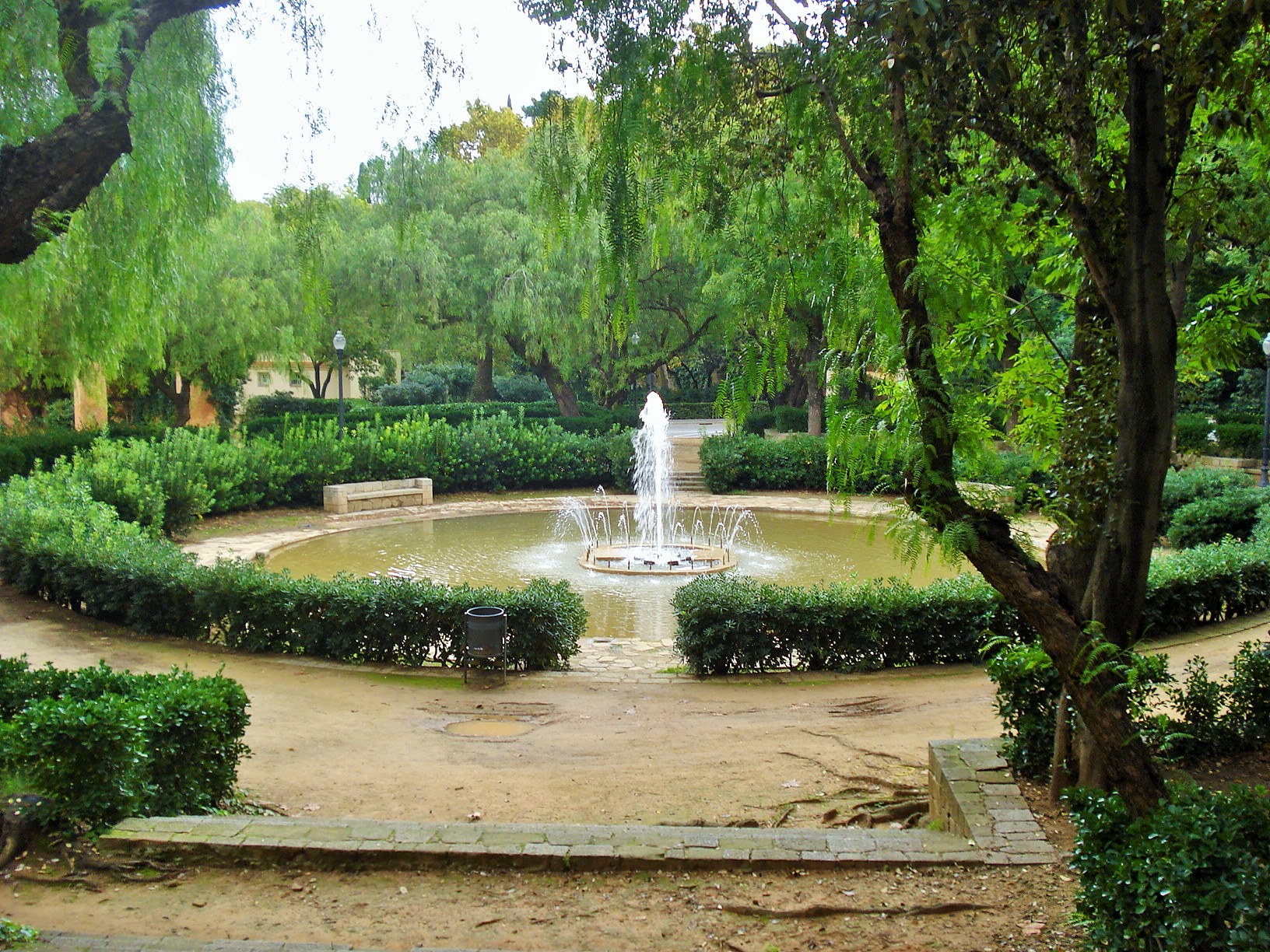
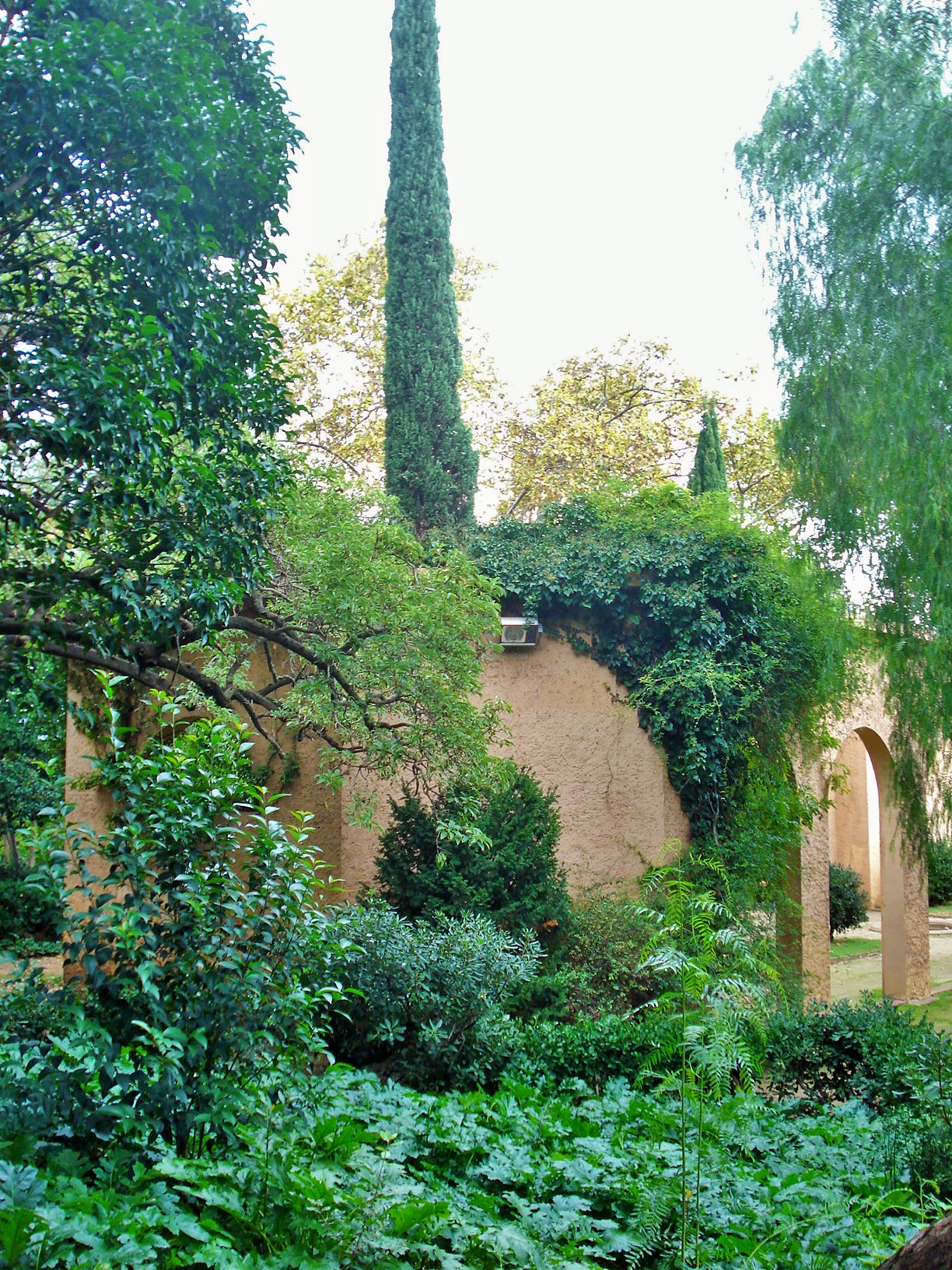
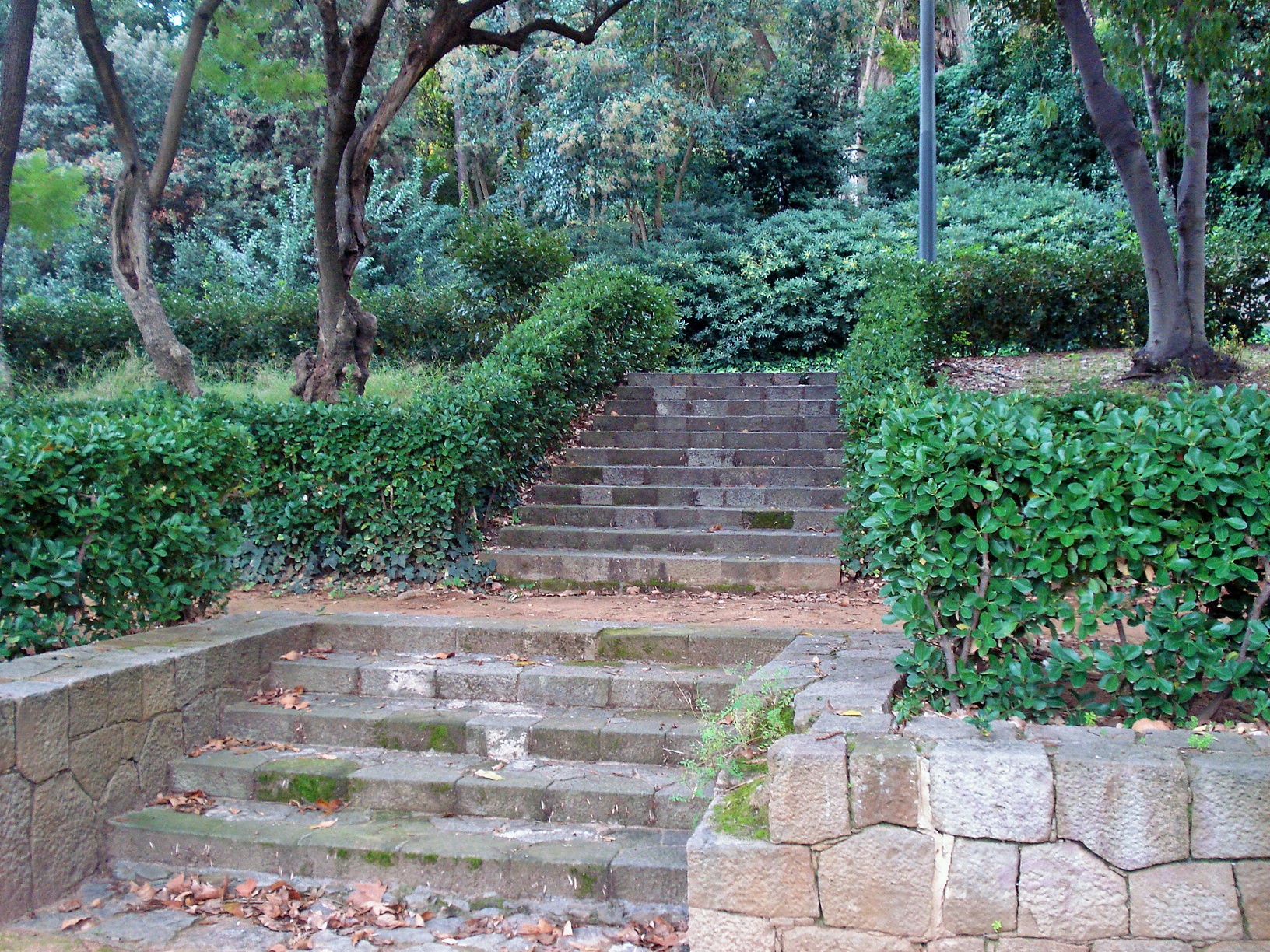
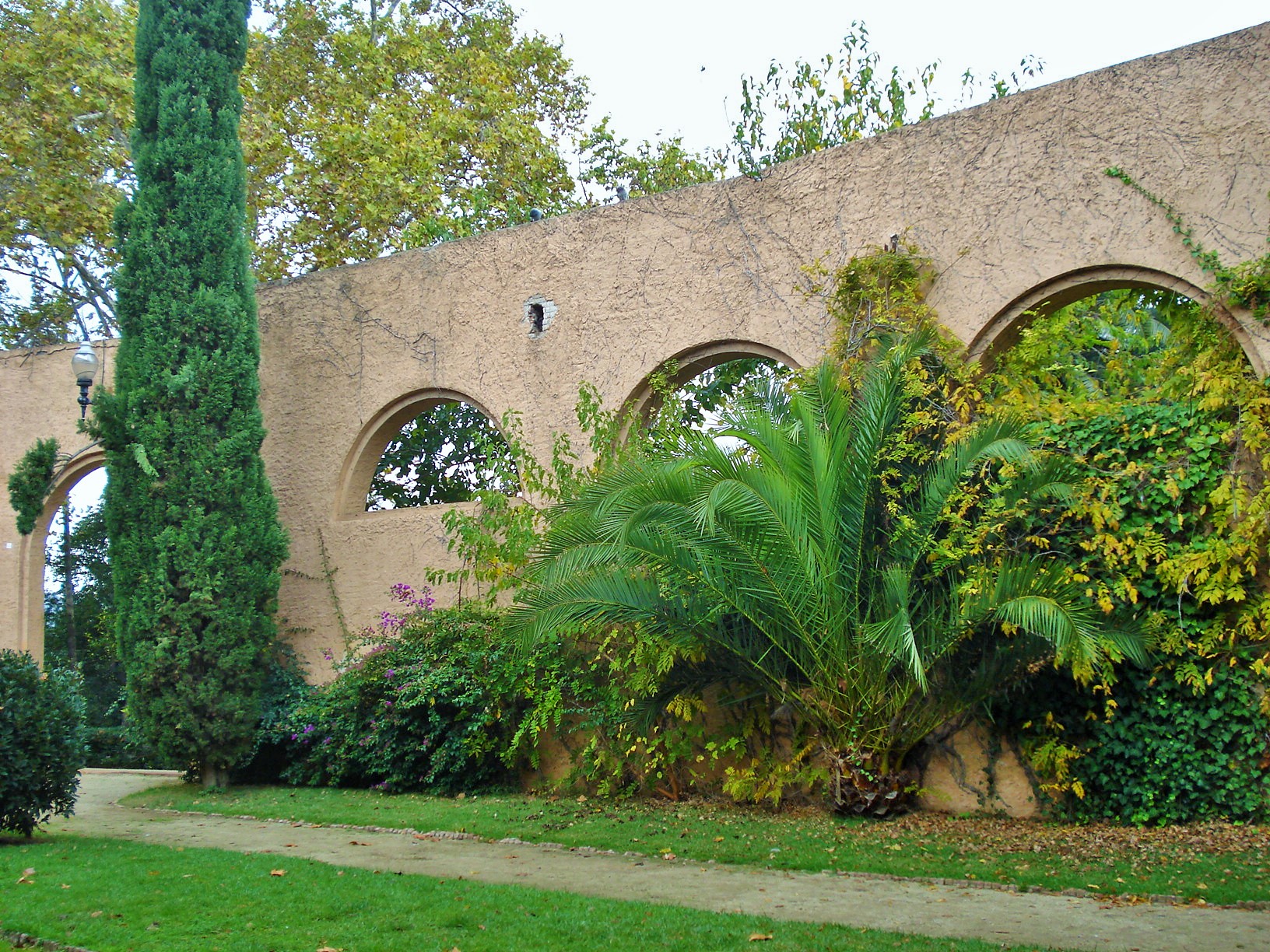
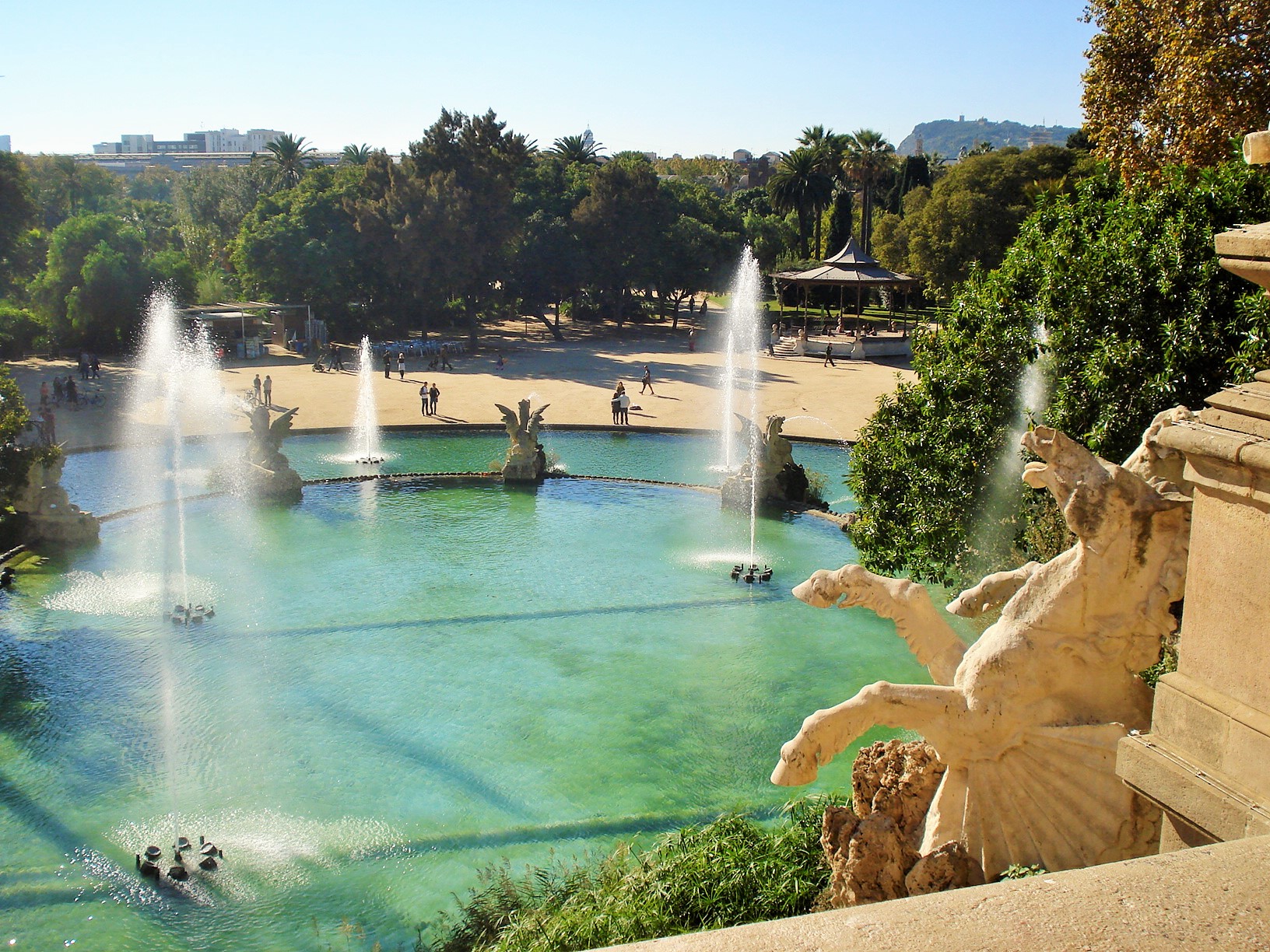
The Ciutadella Park in Barcelona is the largest and oldest city park. It was established in the mid 19th century and was for a long the only substantial green space in the city with about 70 acres of paths, trails, a lake, and assorted statuary and buildings. It is home to the Parliament building, the Barcelona Zoo, and the Geological museum. It is perhaps most famous for the very large waterfall fountain designed by Fontsere in the 1880s when Gaudi was his student and is believed to have contributed to it. It was inaugurated for the Universal Exhibition.
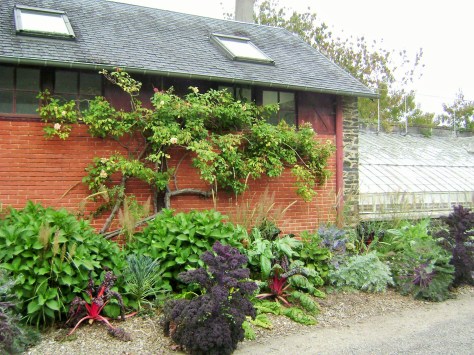
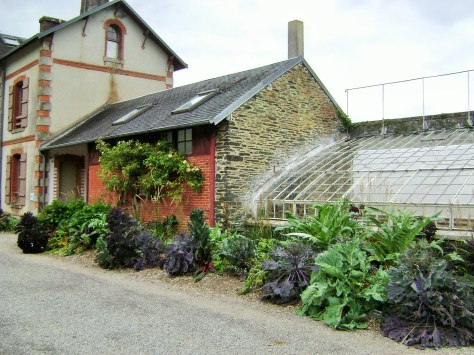
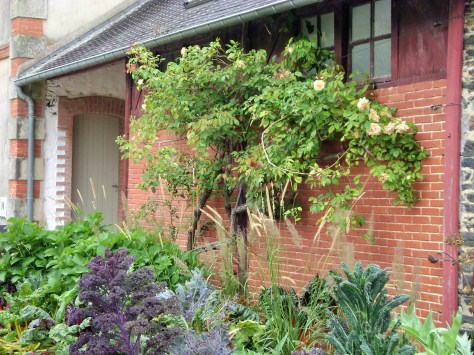
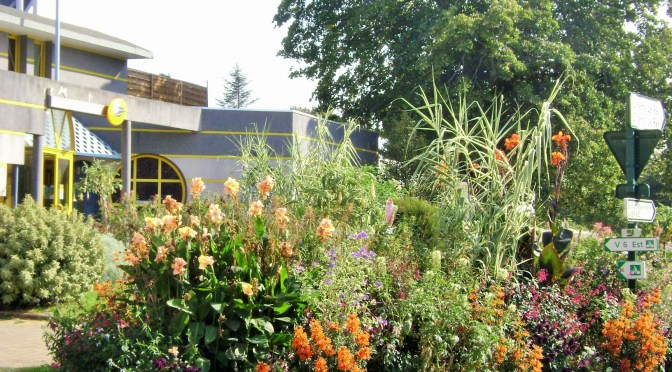
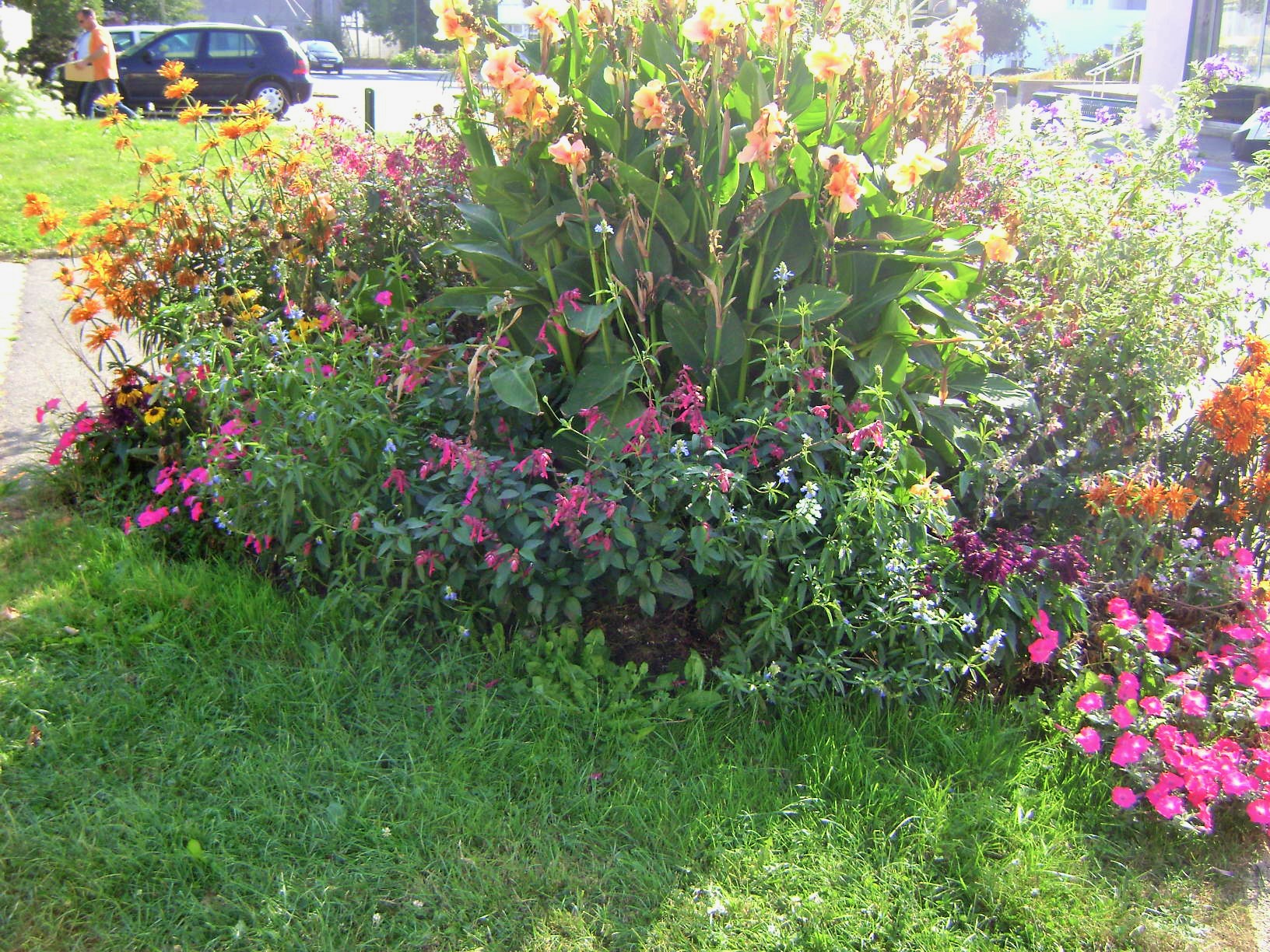
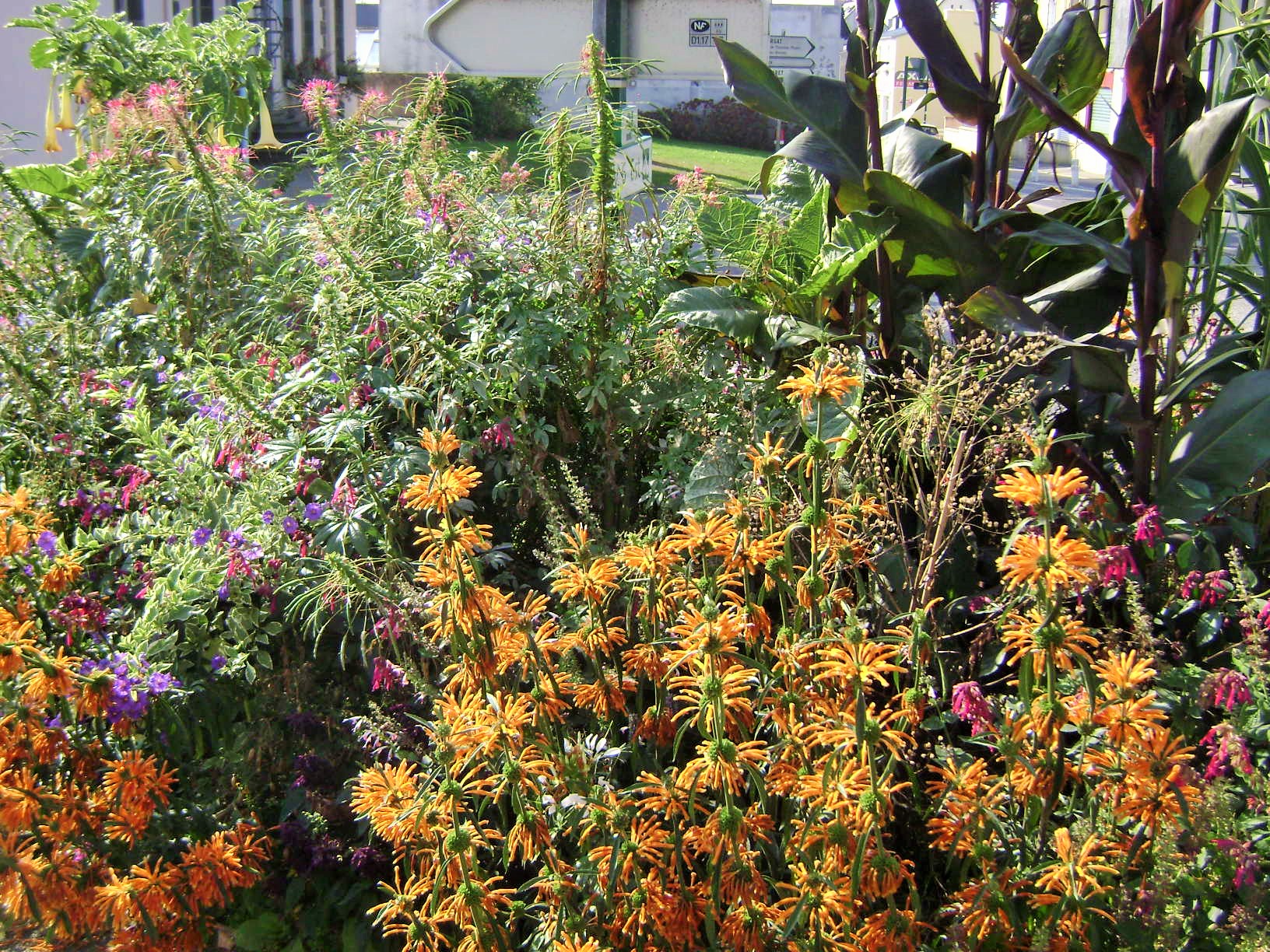
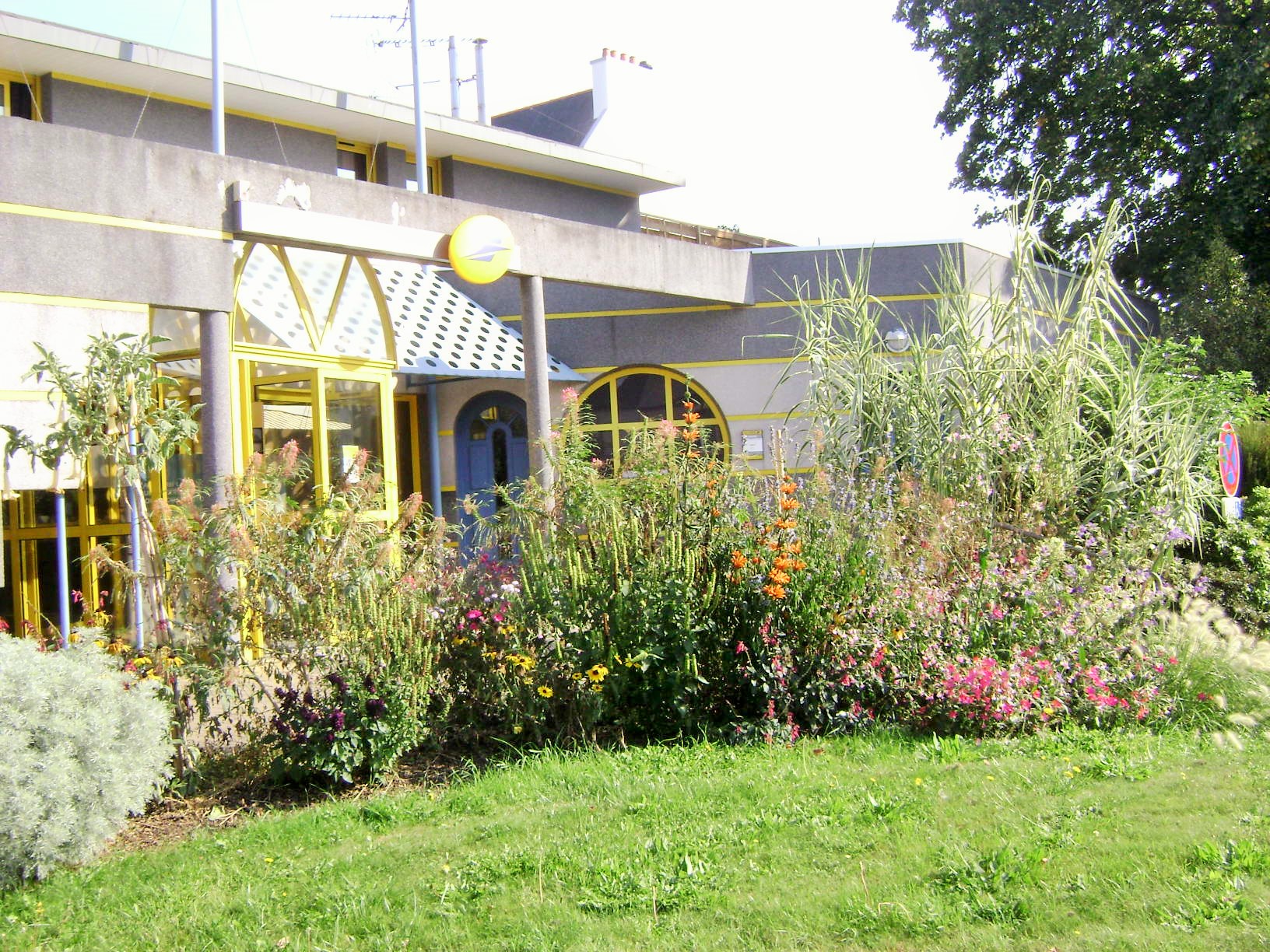
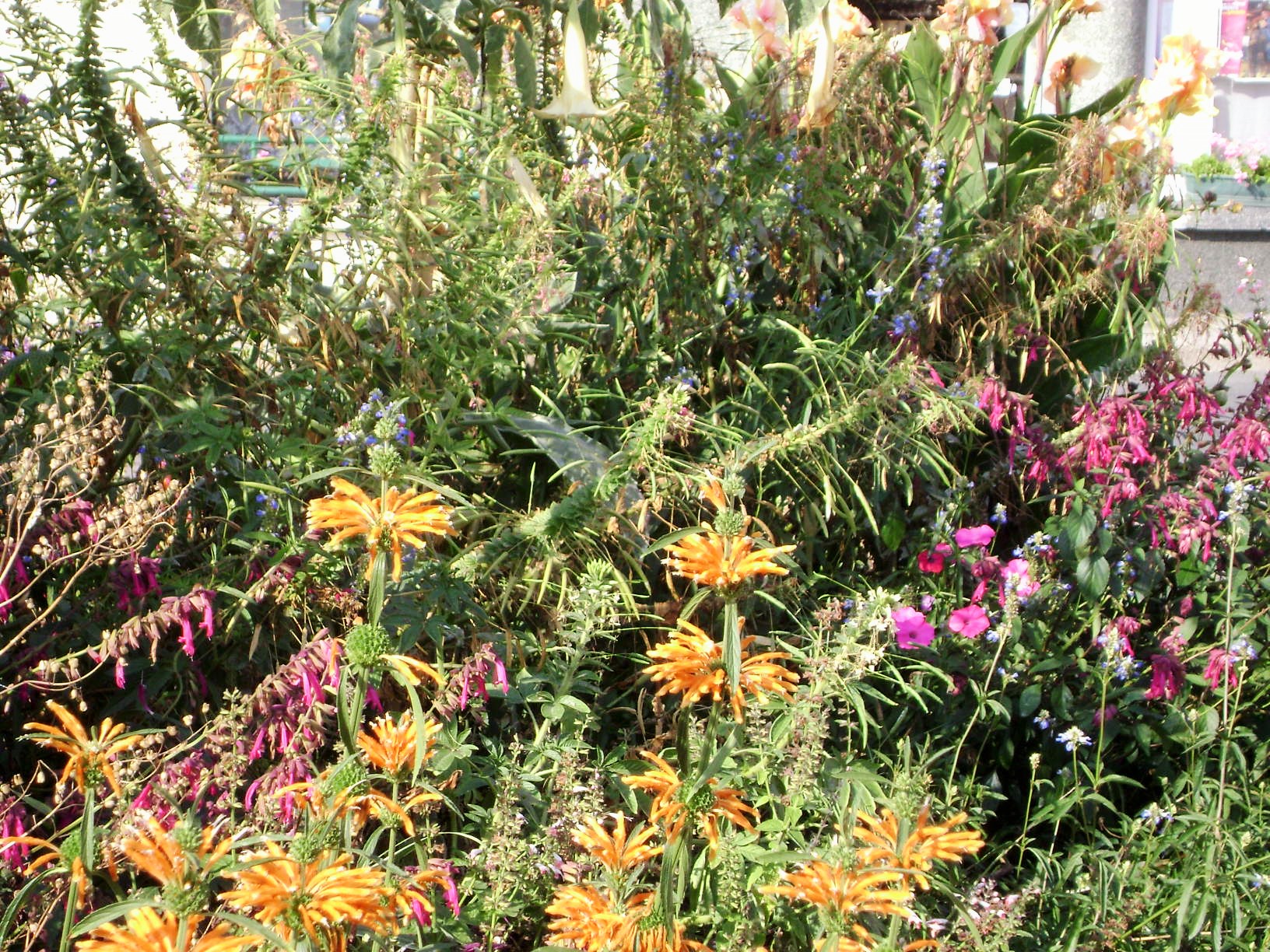
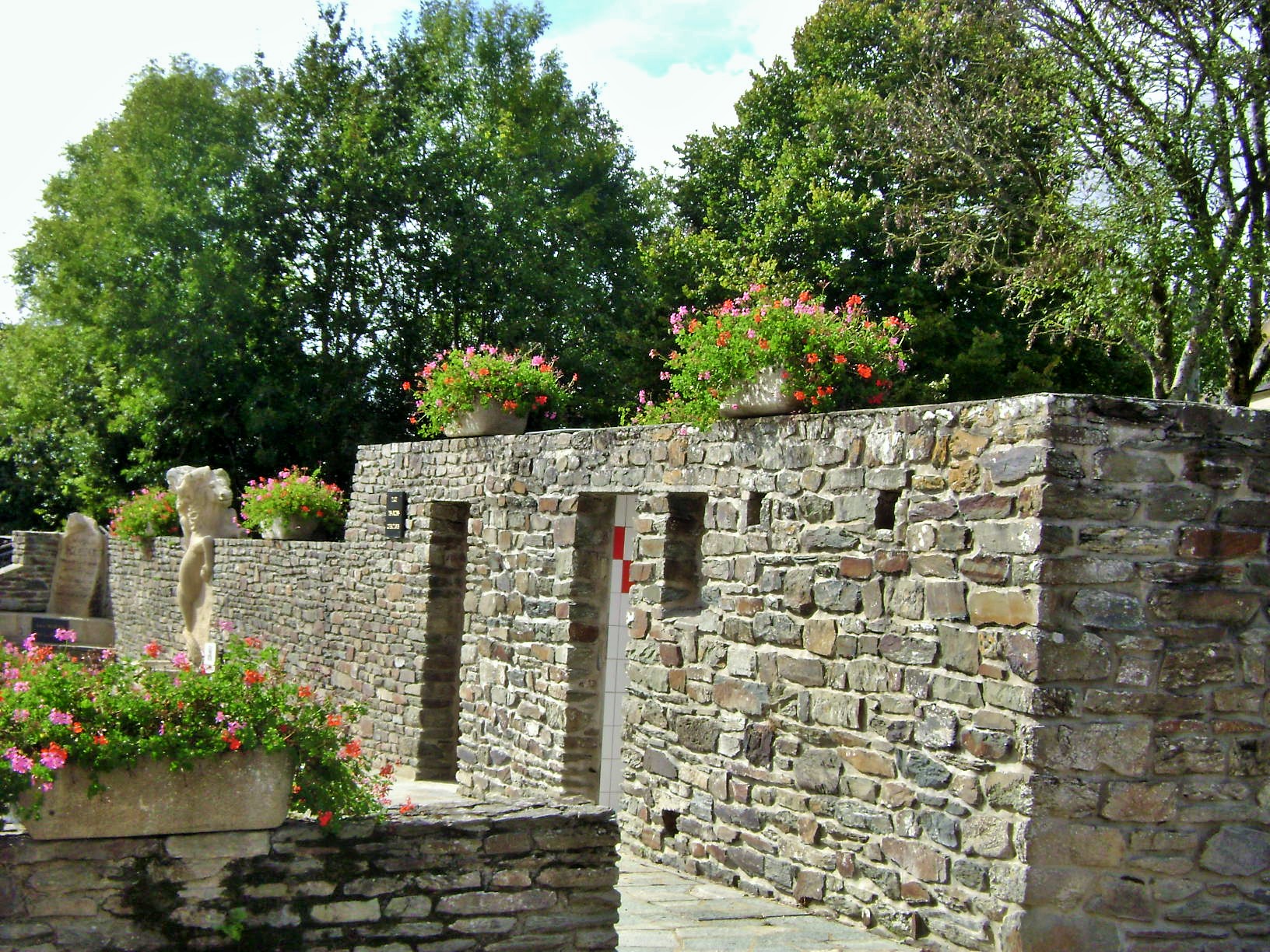
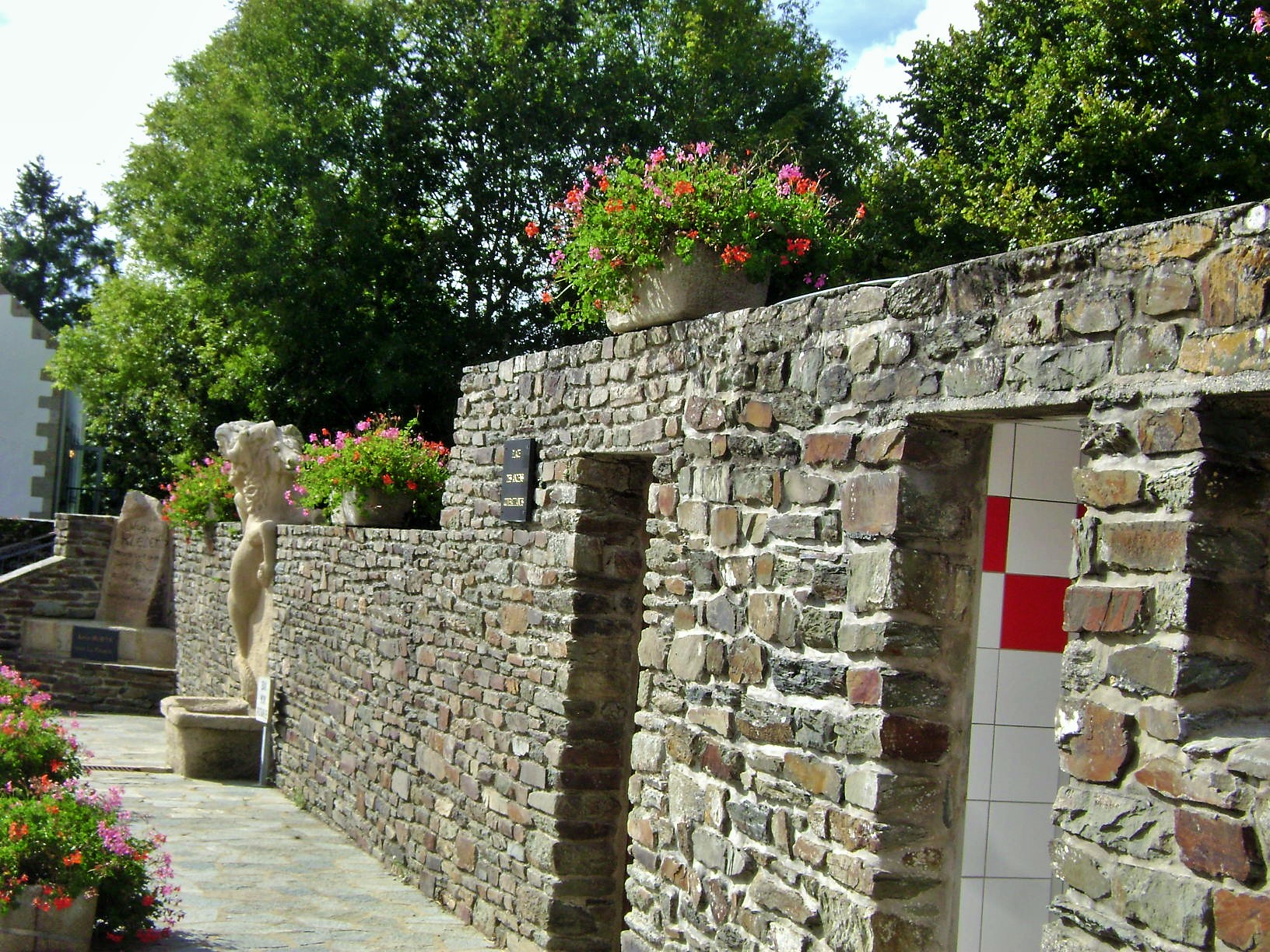
Unusual Post Office Perennial Borders in France
Barcelona’s Archaeology Museum Garden
Montjuic is a majestic hill in Barcelona overlooking the port, west of the center. The entire hill is a series of parks, gardens, museums, and other monuments, as it was developed first for the 1929 International Exhibition held in Barcelona Spain, then again for the 1992 Olympics. It is home to the Olympic ring, Arata Izosaki’s sports palace, the Catalan Art museum, the Spanish village, the Barcelona Botanical Gardens, the Archaeology Museum, the Greek Theater, the Mies van der Rohe Pavillion, the Juan Miro Foundation, the Laribal Gardens, just to name a few.
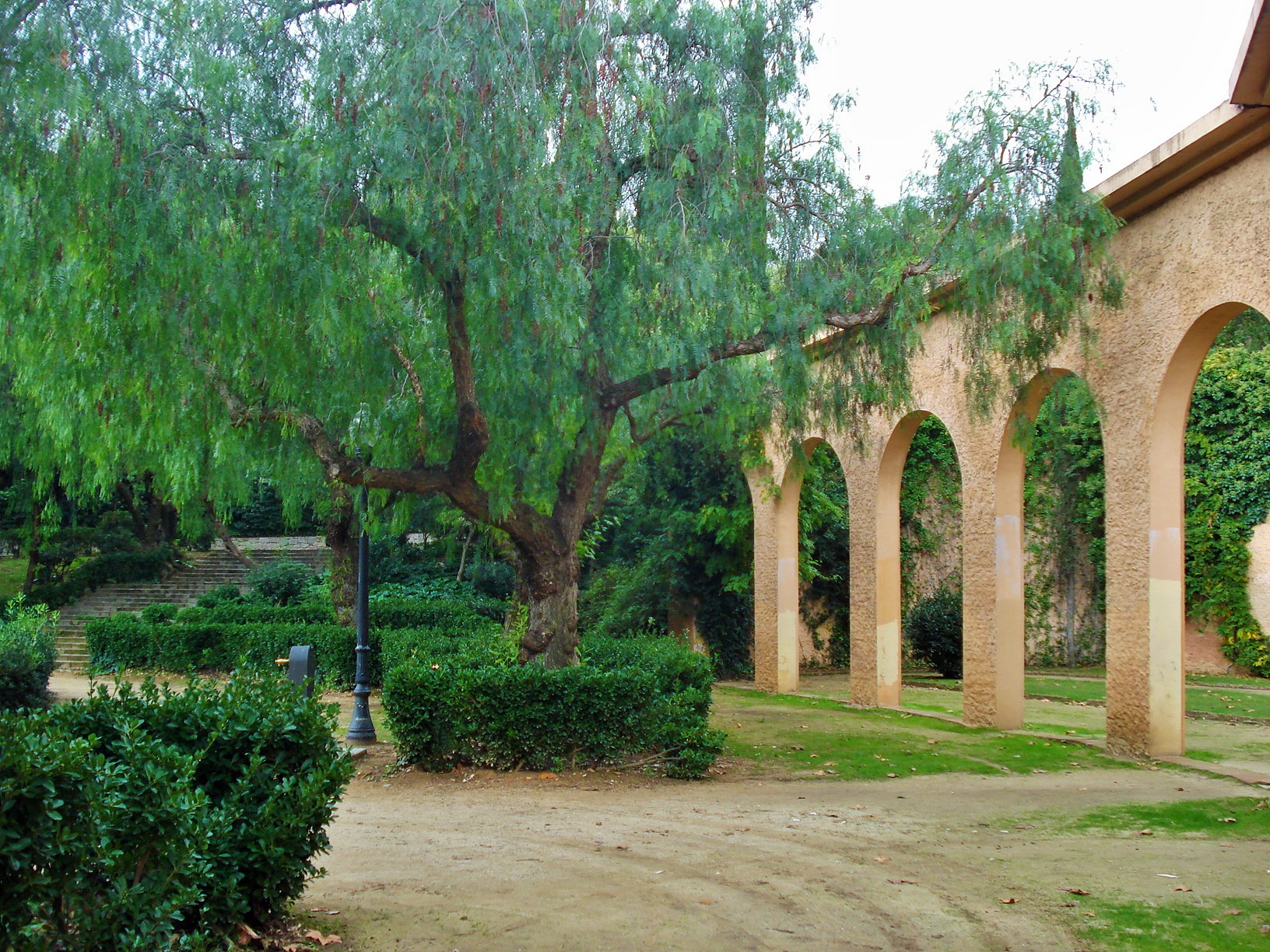
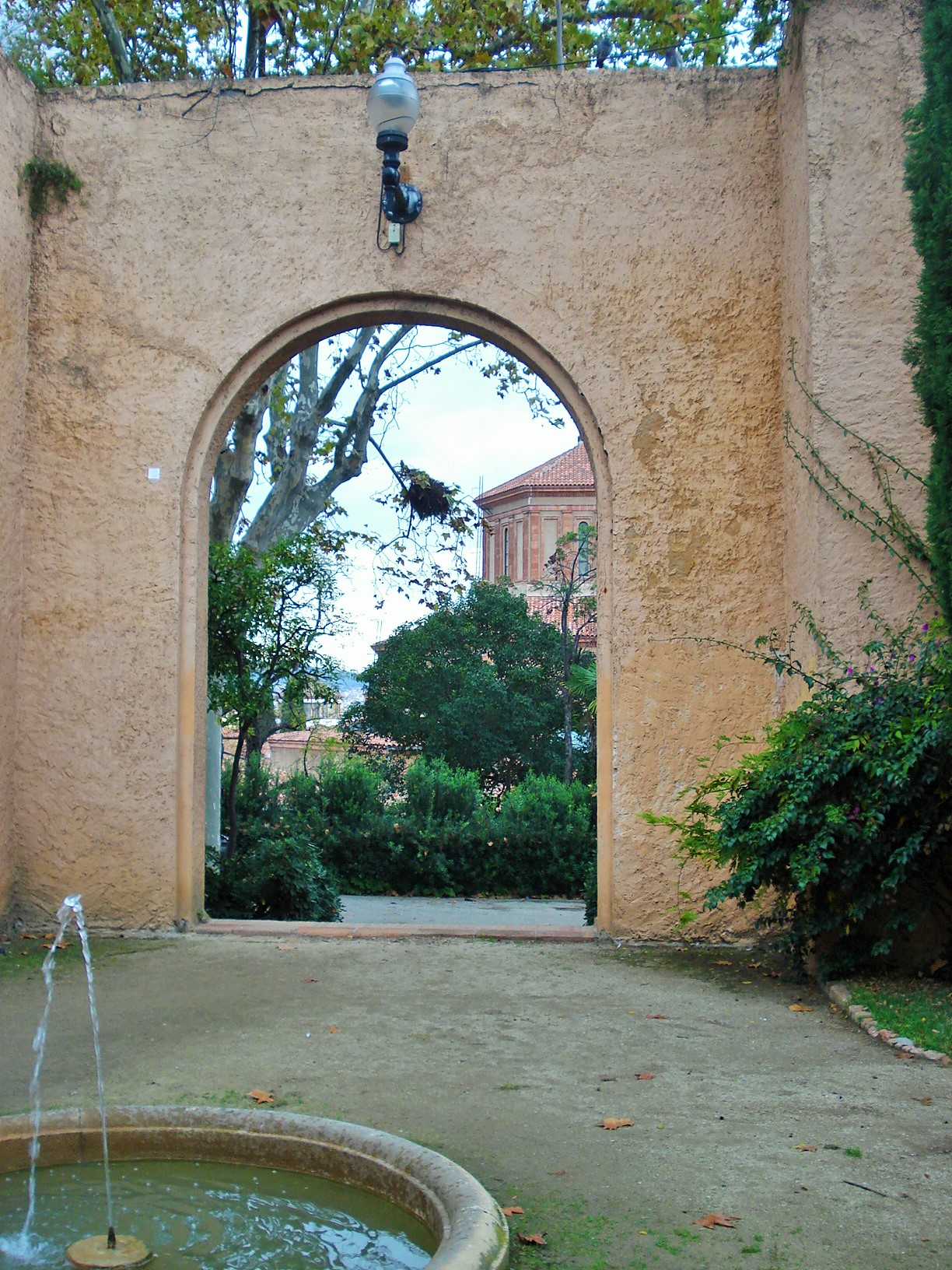
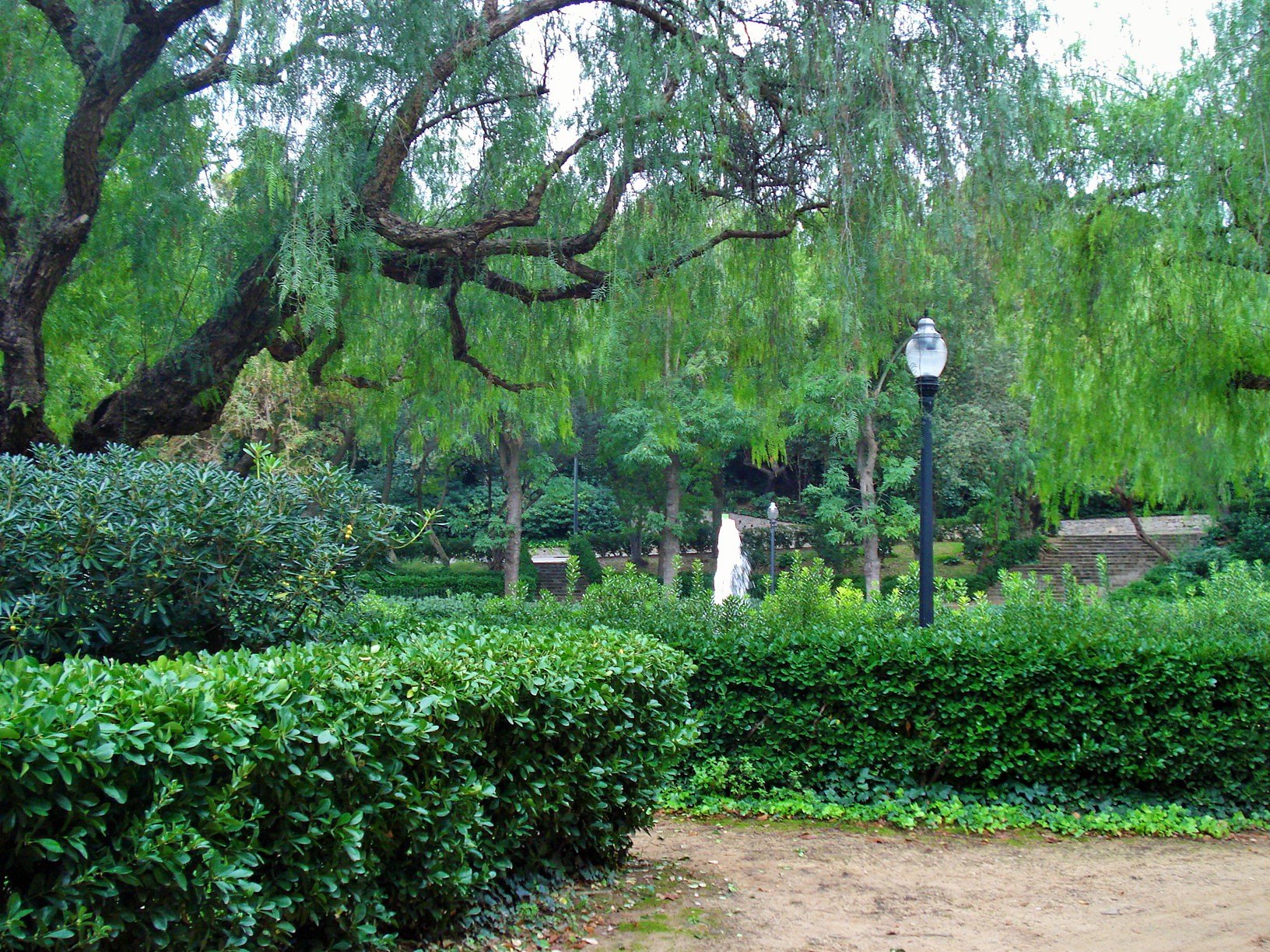
The Archaeology Museum has small gardens laid out around a fountain. The arches and statuary in the back, and the tall cypresses give it the feel of an Italian garden.
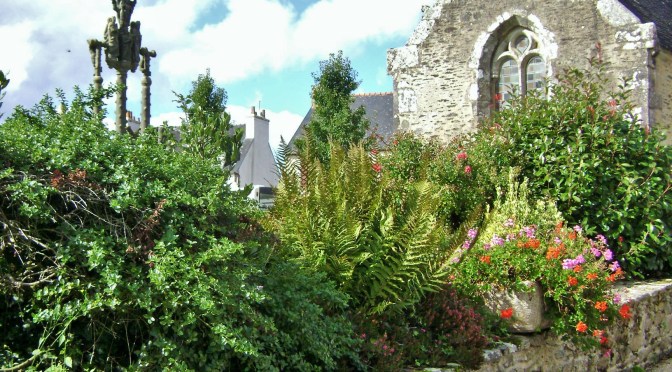
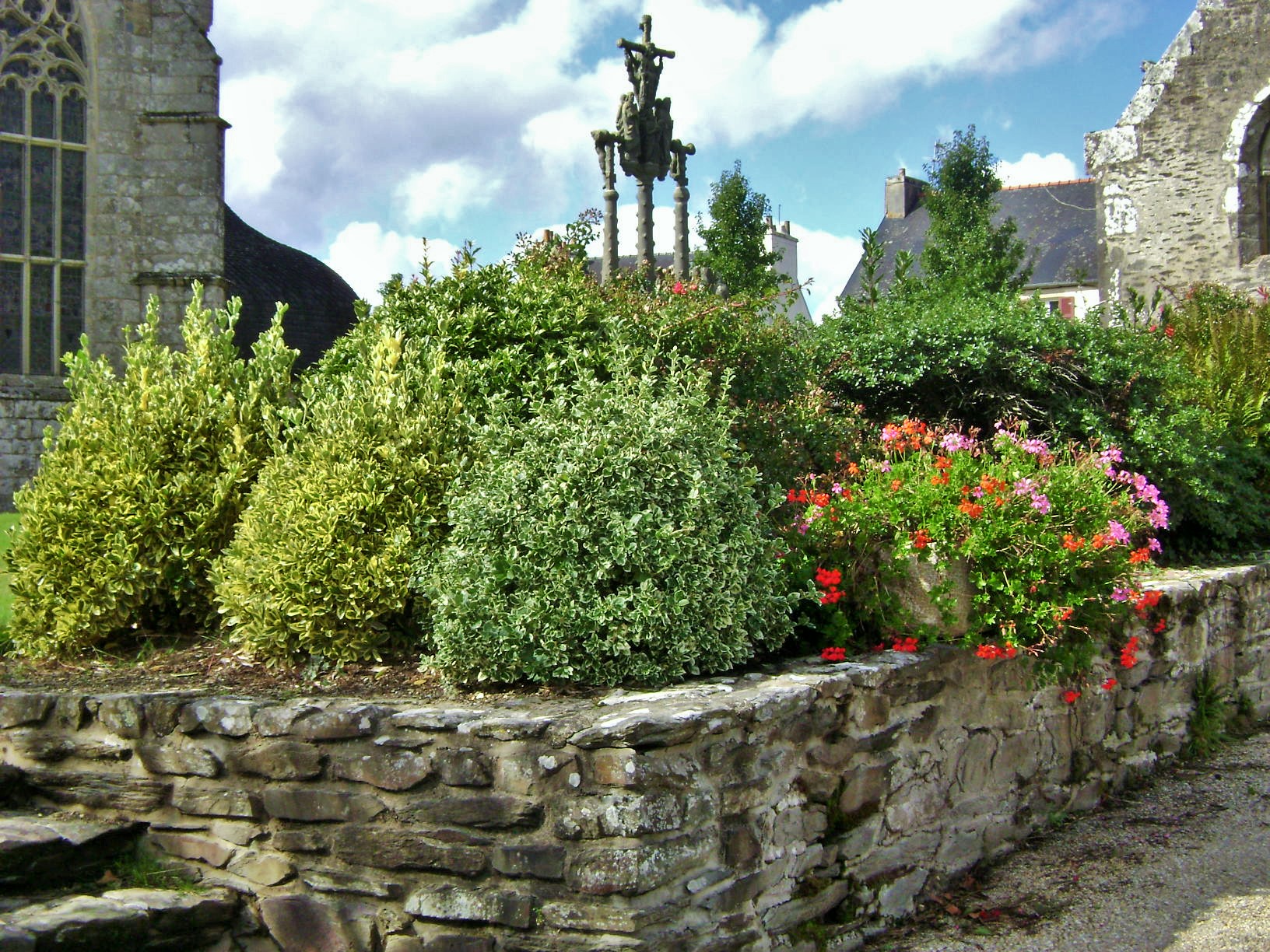
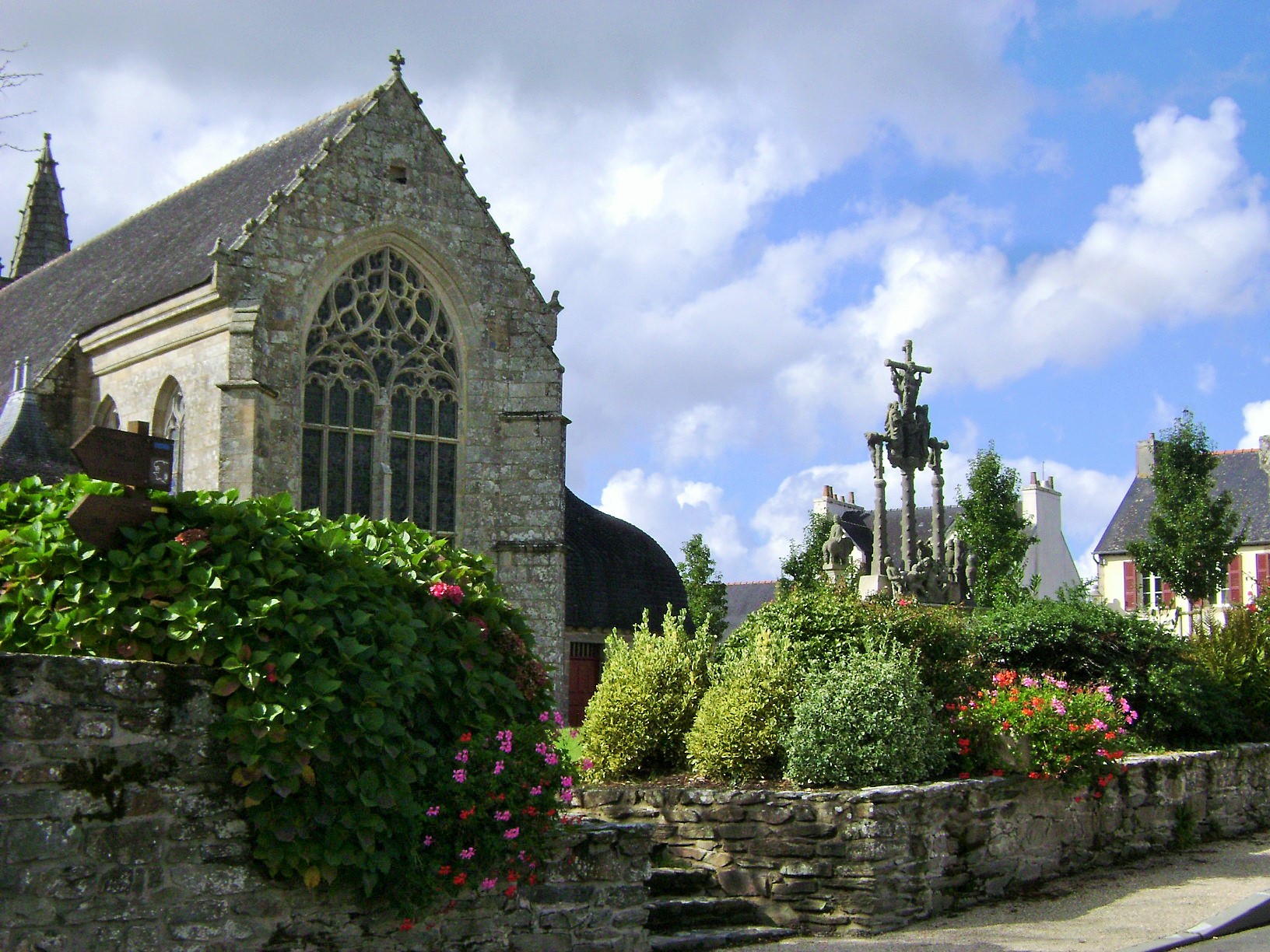
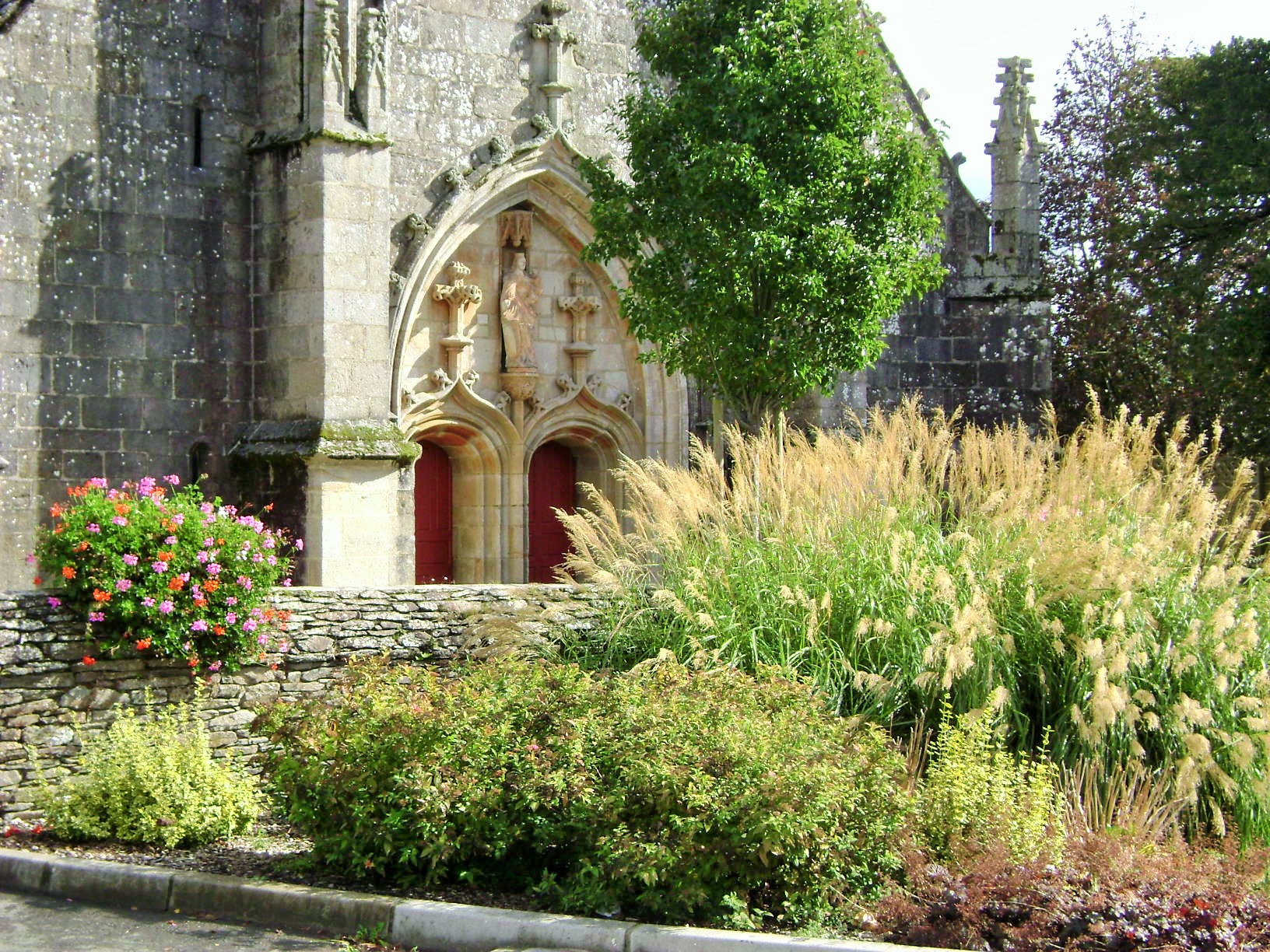
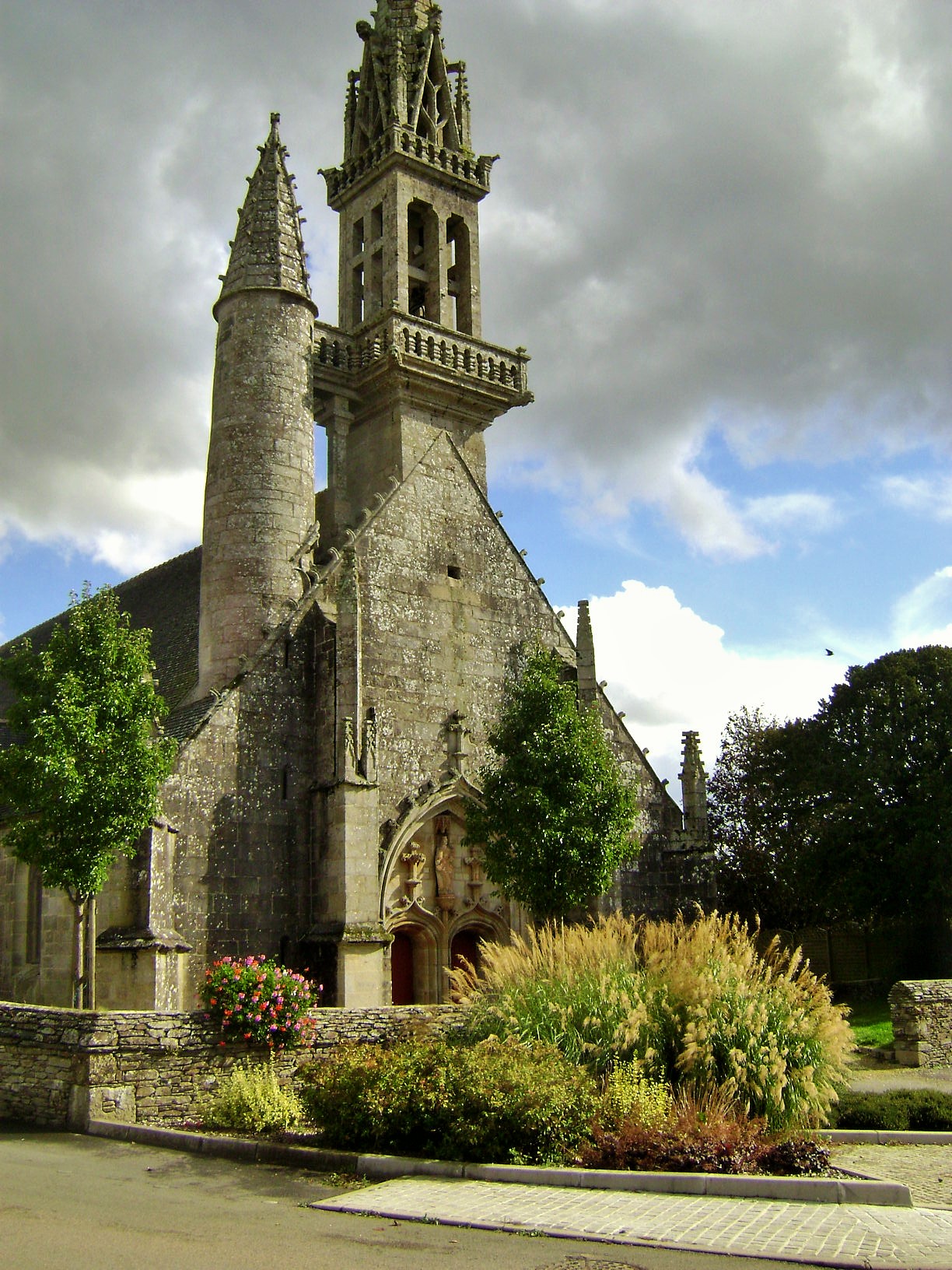
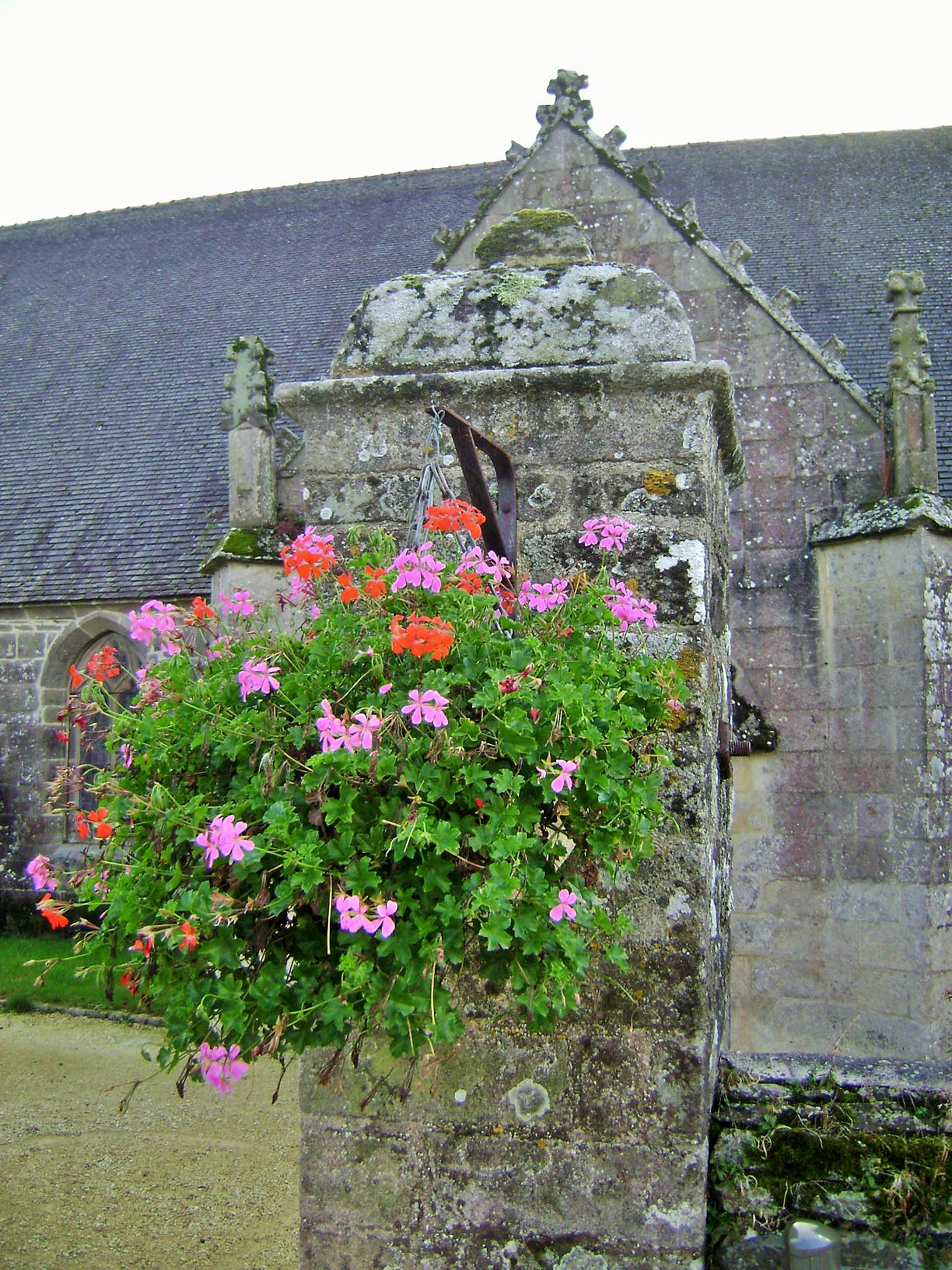
Ploher’s Old Gothic Church Garden
Castle of Trevarez in France: The Vegetable Garden & Greenhouses
The castle of Trevarez near Chateauneuf du Faou in northern Brittany, France, is one of the last great castles built in France. Construction began in 1892 for a French politician and brought together all the faste and excess of the Belle Epoque, frescoes, carvings, marble, mosaics, ornate panels and fireplaces.
It is often referred to as the pink or red castle, because of the pink color it gets from the bricks used. It was unfortunately bombed in the 1940s, and has not been occupied since, but it is being renovated by the government who purchased it in the 70s.
The gardens were neglected as well for many years and have been slowly brought back to their original glory, one area at a time. The grounds are extensive, with stables, a large wash house, theme gardens, formal gardens and much more.
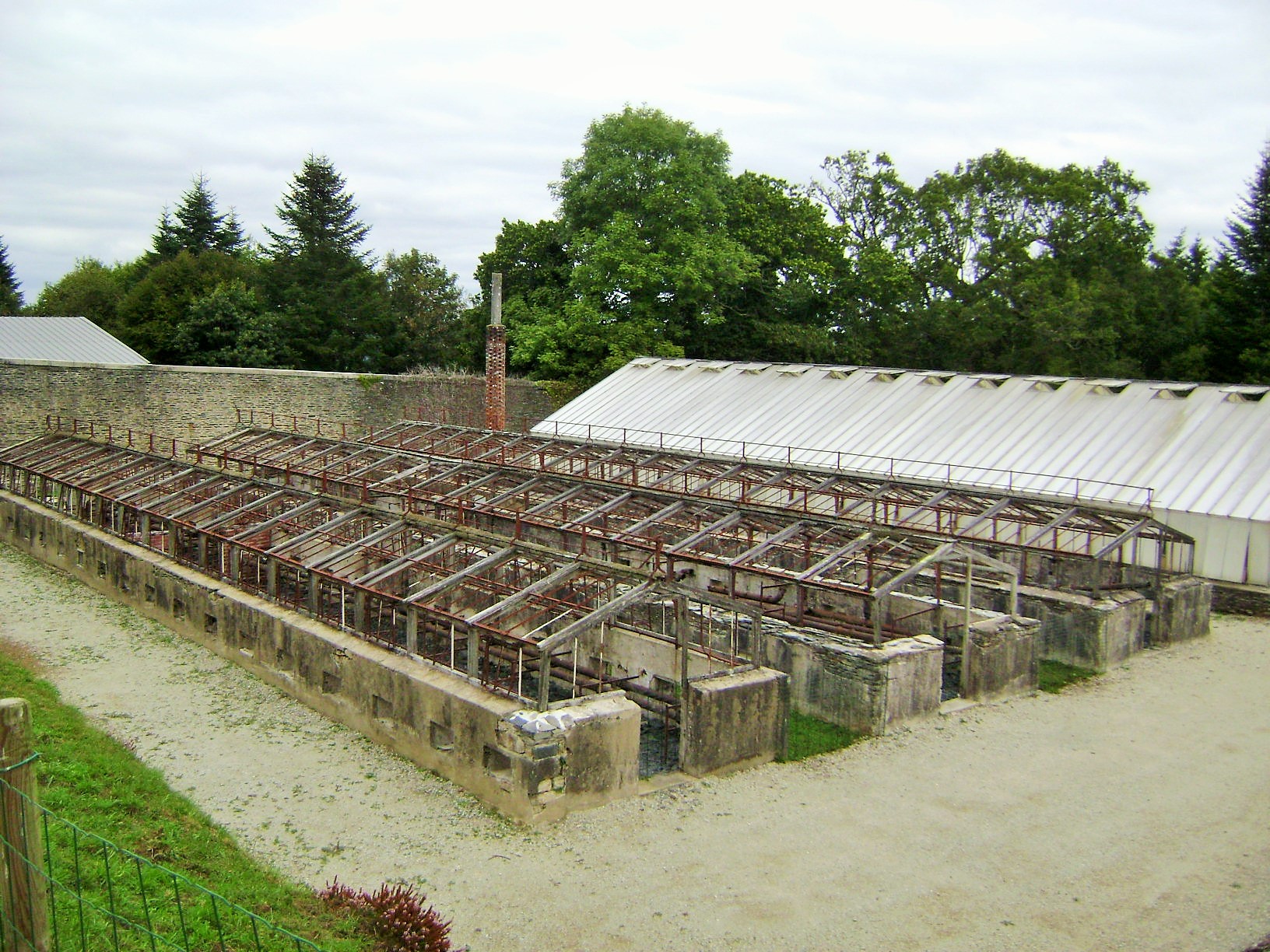
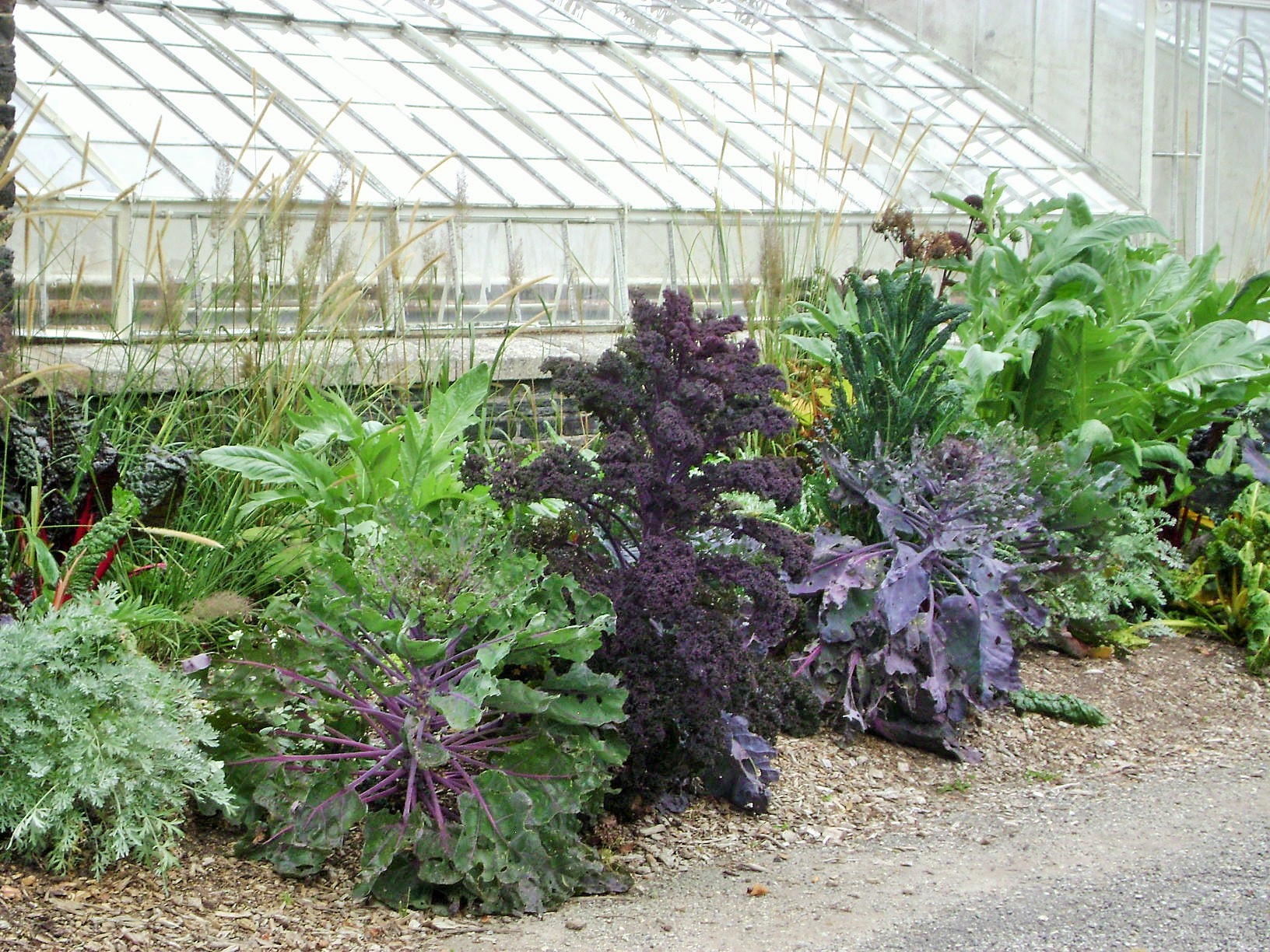
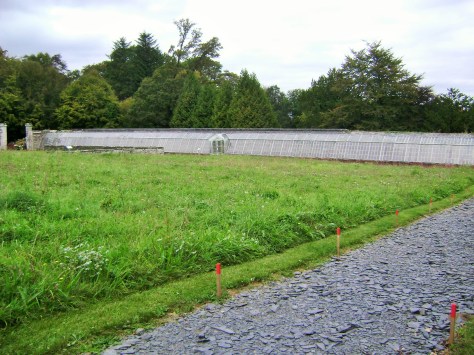
In this post, I am featuring the potager, or kitchen garden and the greenhouses. They have been under renovation since 2013 after being abandoned for many years. Historians, landscape designers, gardeners and staff cleared out the brush while cataloguing the plants found and located the original concrete edging to the borders and the central water pond. They were able to begin to recreate the four large quadrants that made up the walled kitchen garden. A large greenhouse closes in the potager at one end, and on the other side of one wall are the rest of the greenhouses.


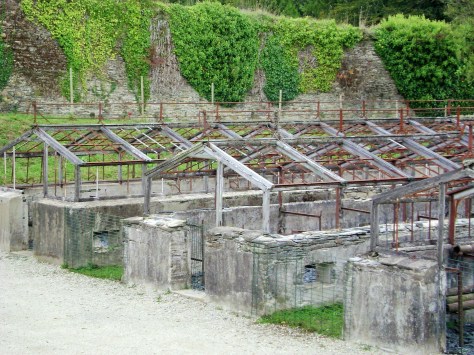
The other greenhouses for the potager are still standing but also in need of renovation.
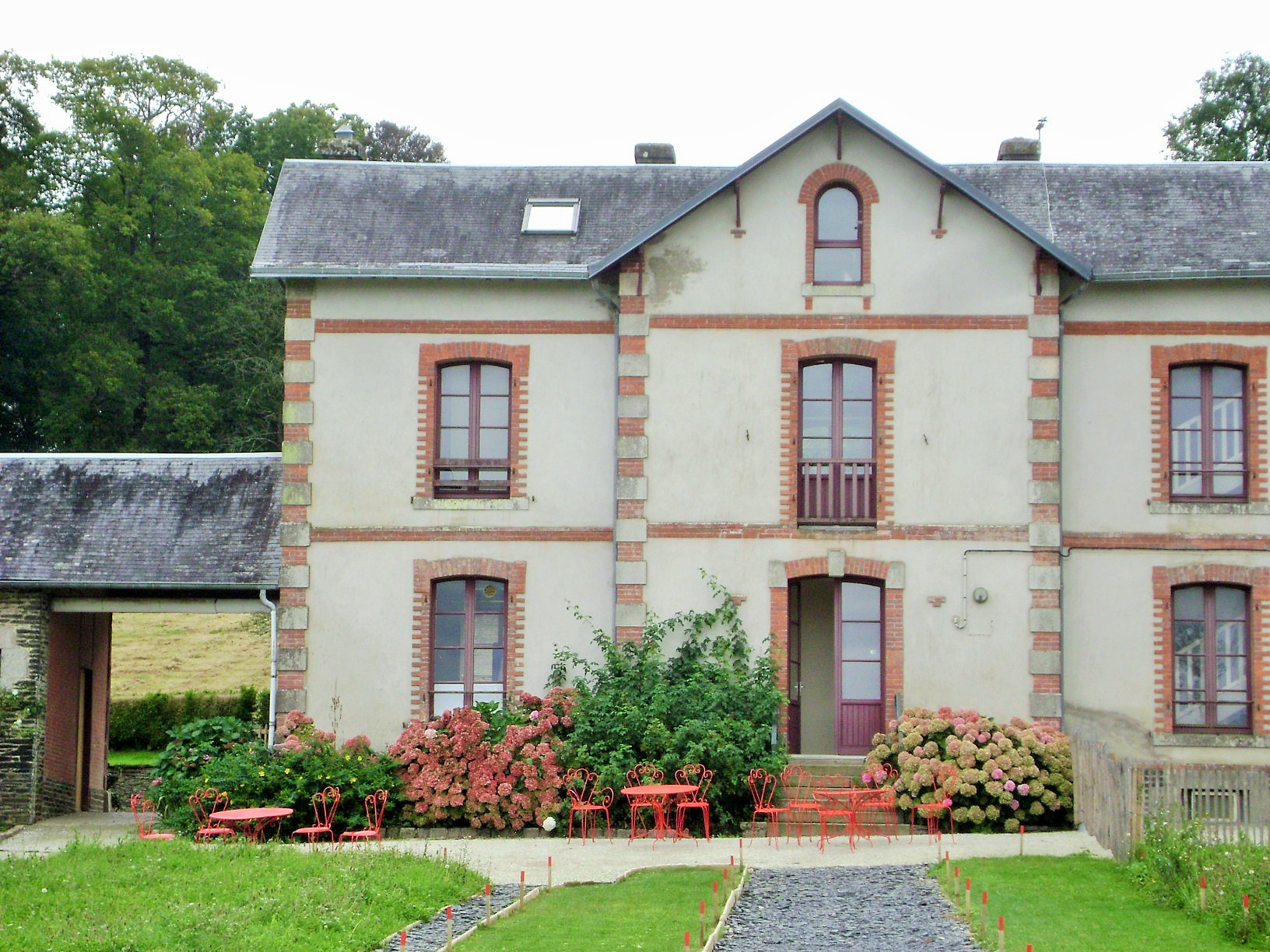
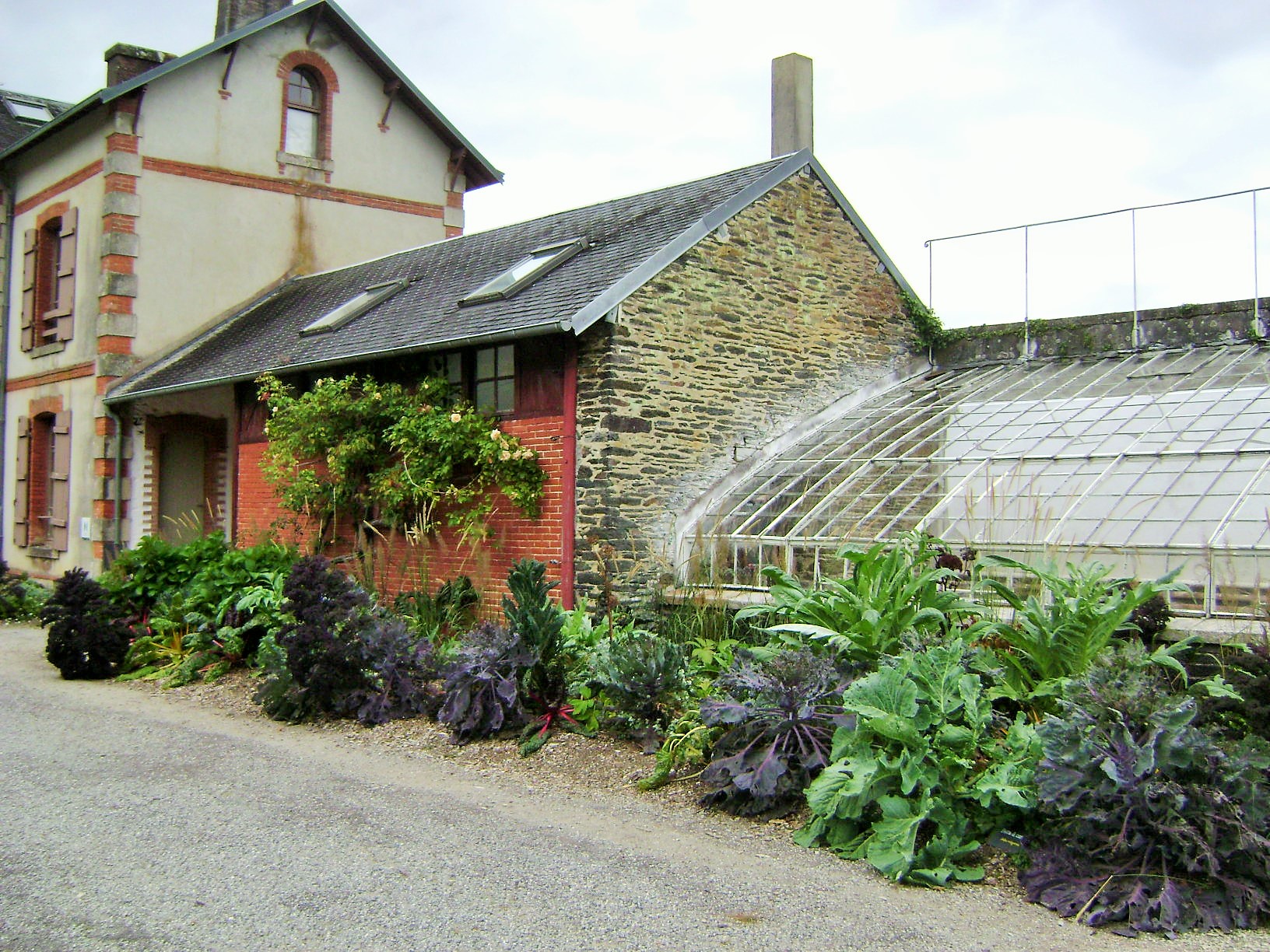
The gardener’s cottage and annex has a lean in hothouse that was used at the time for exotic plants and hothouse flowers.
Brest Botanical Gardens Part II: The Preservation Gardens
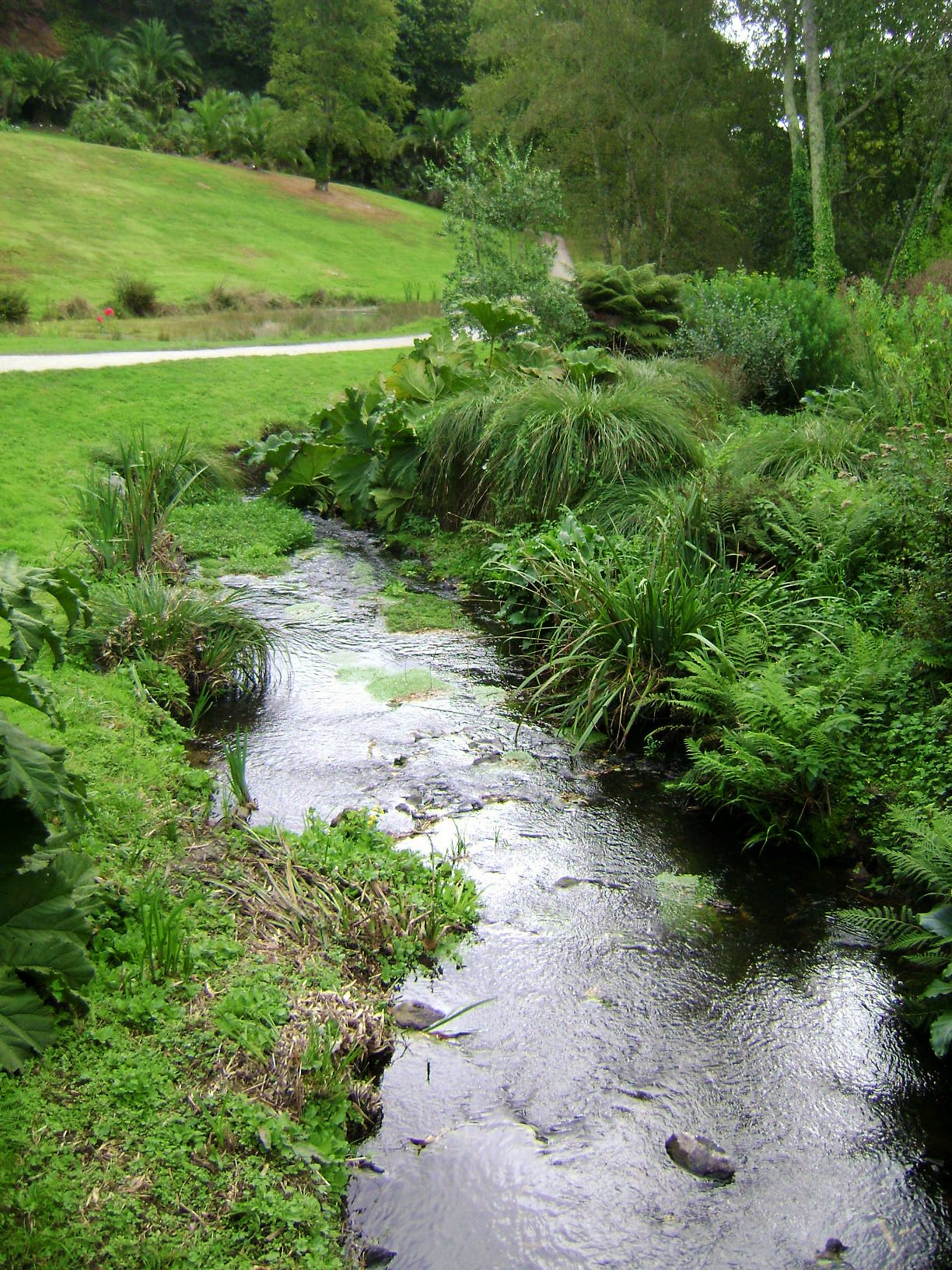
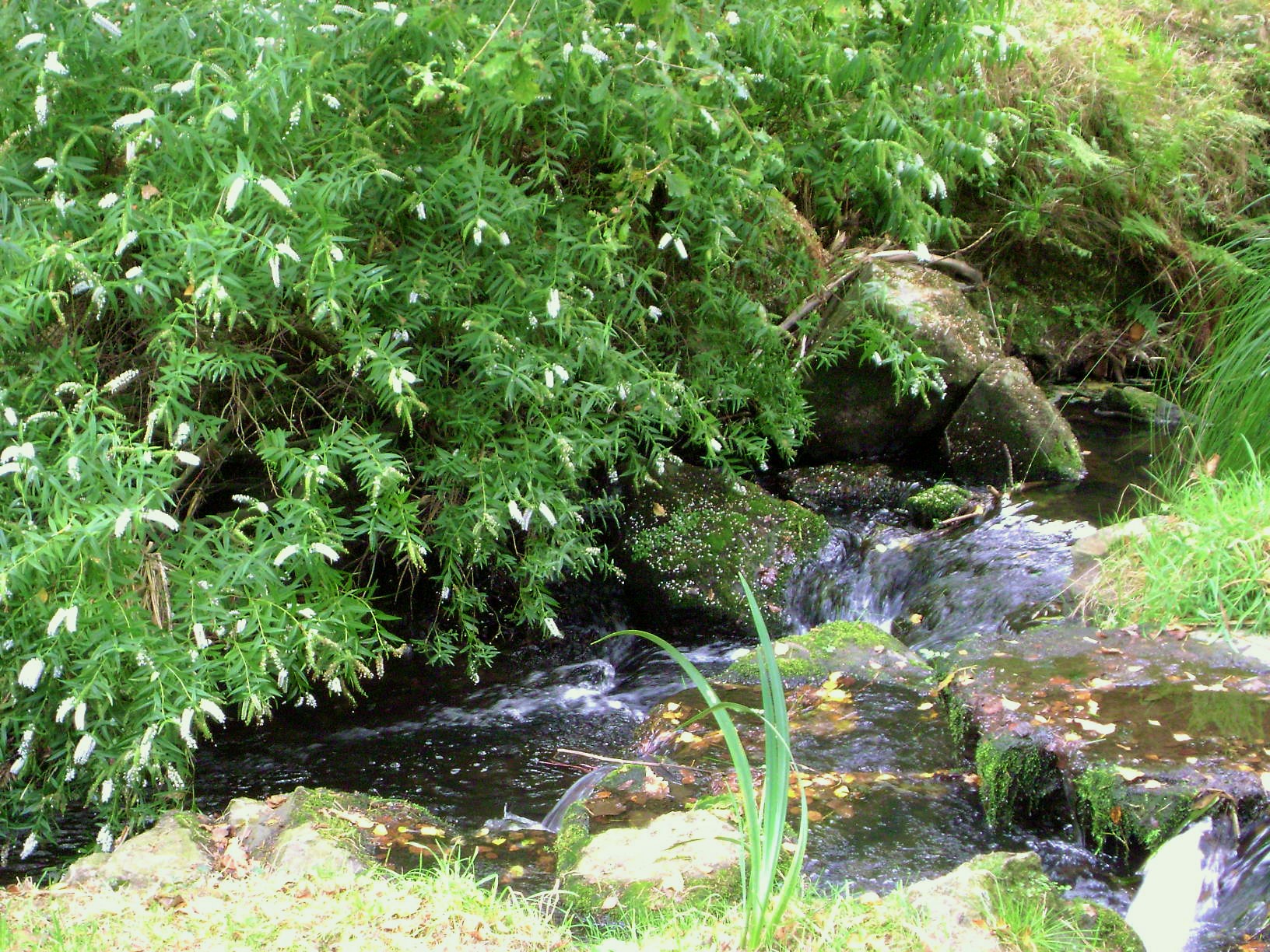
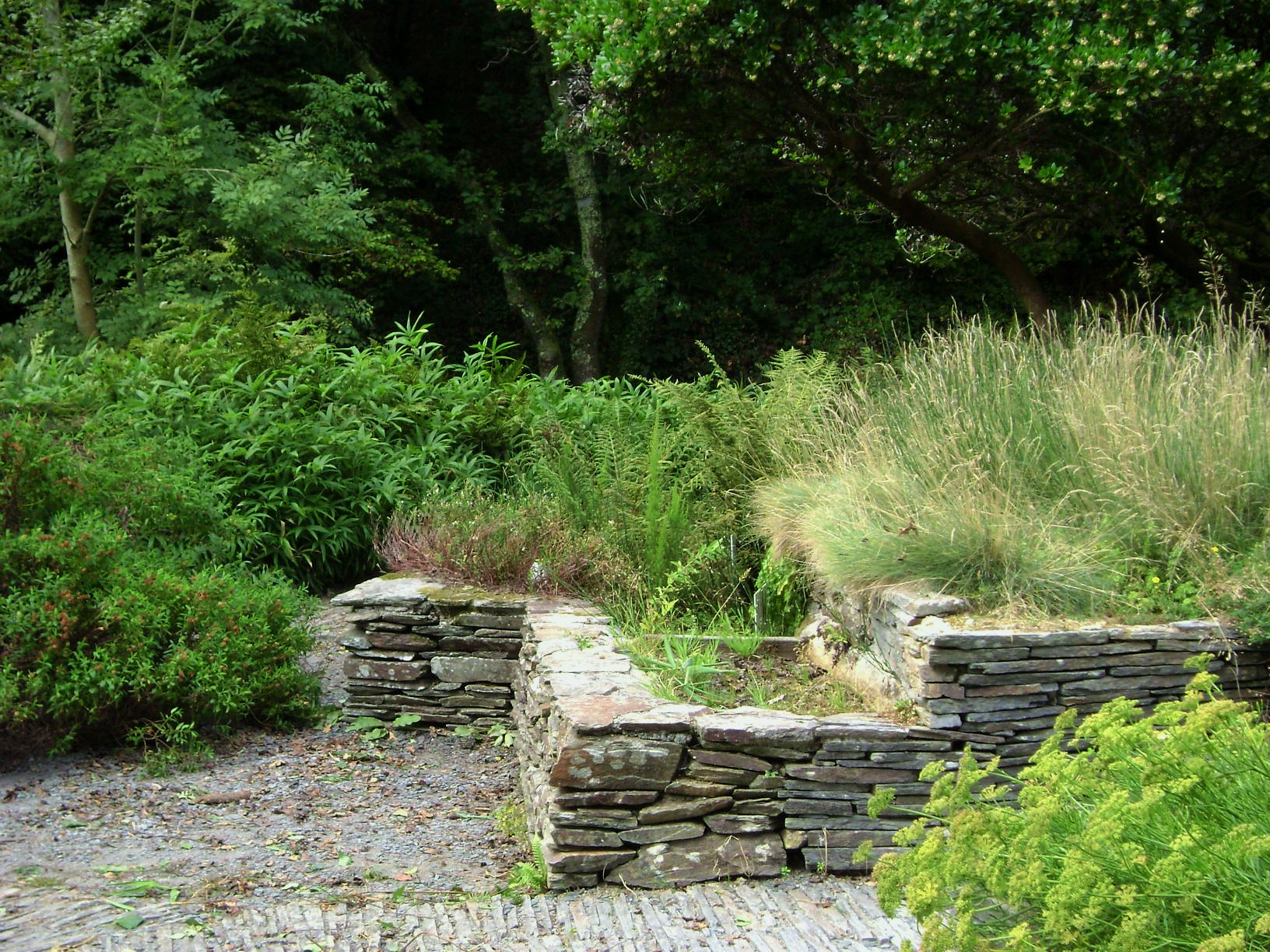
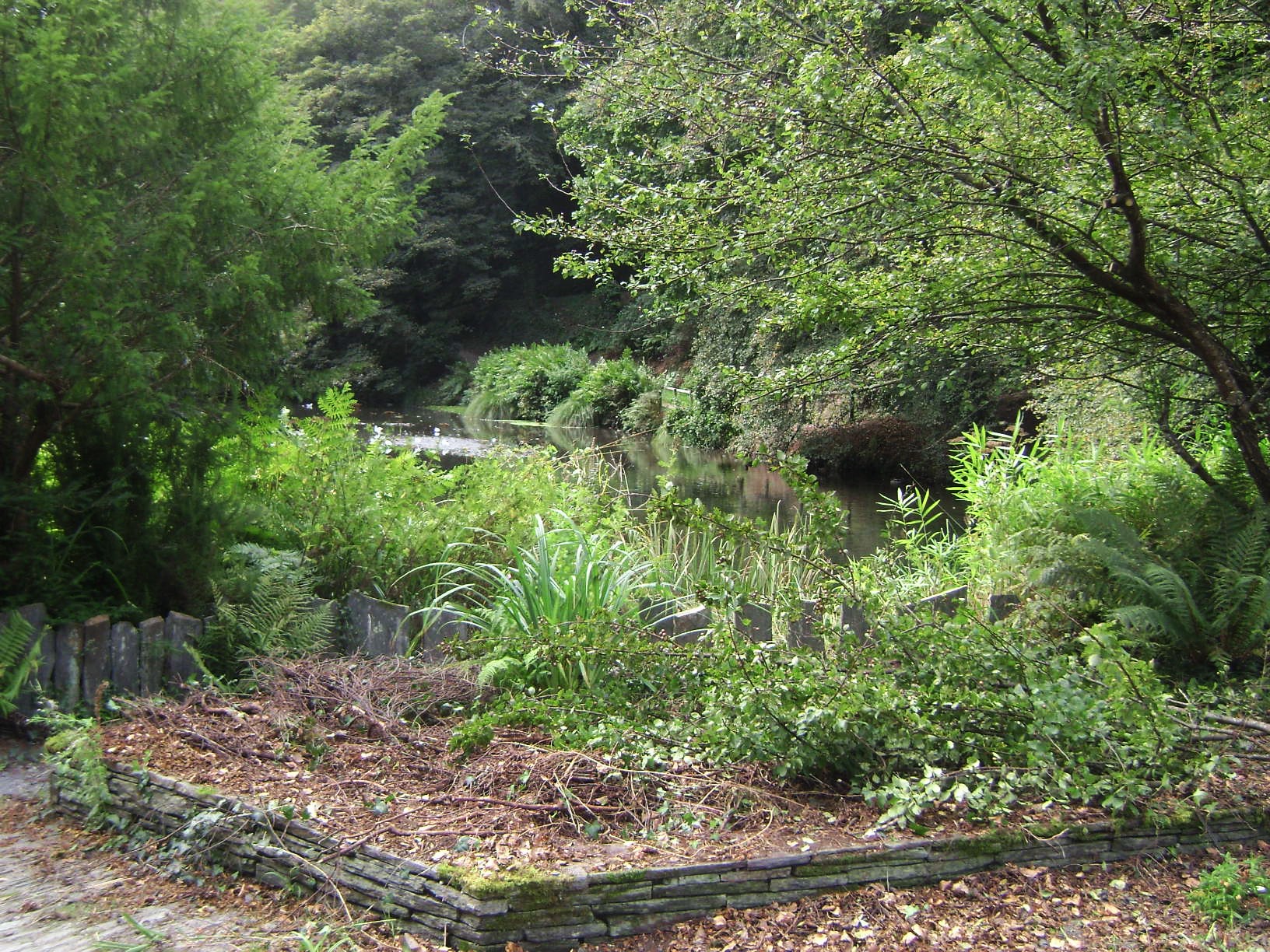
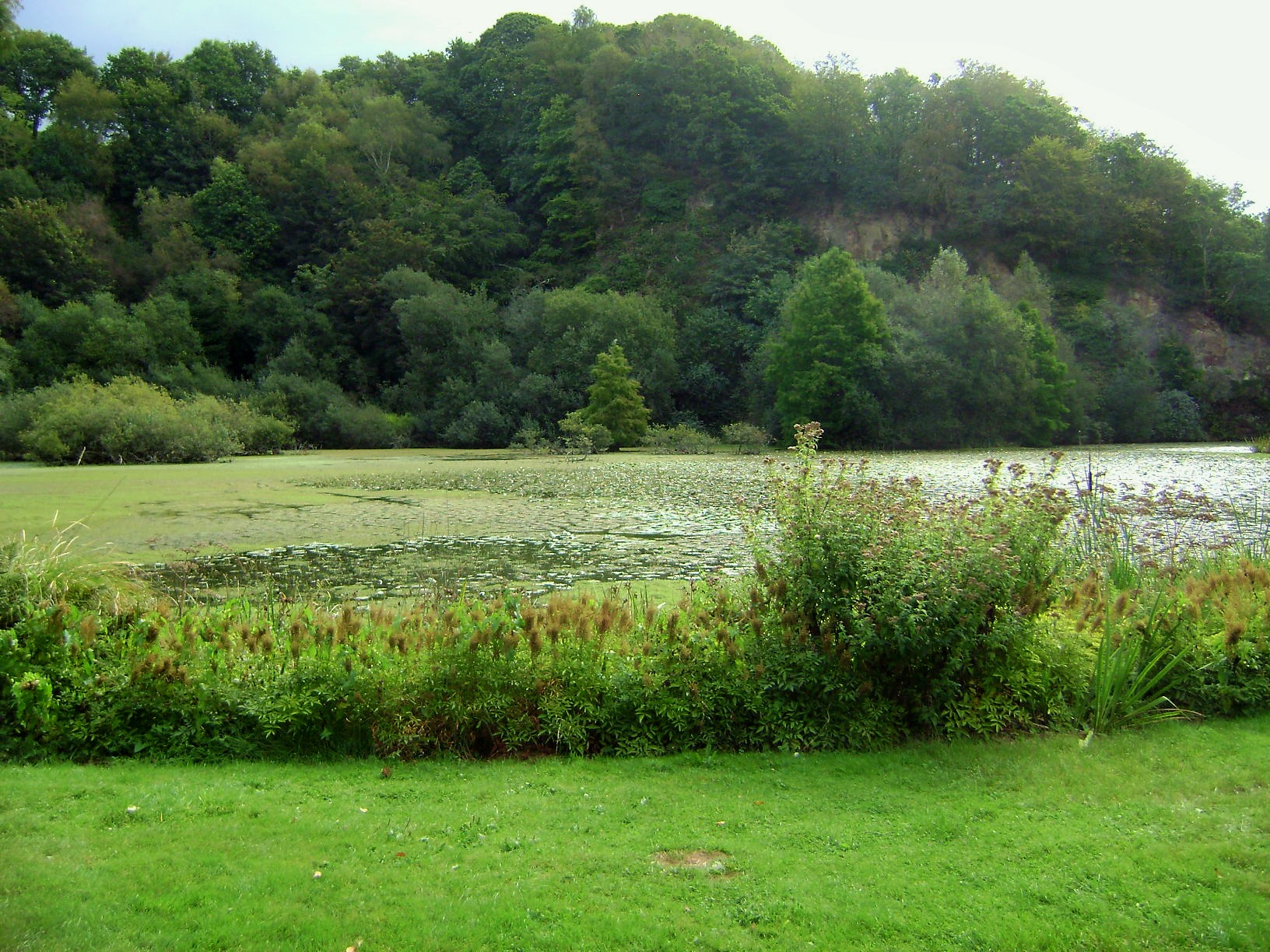
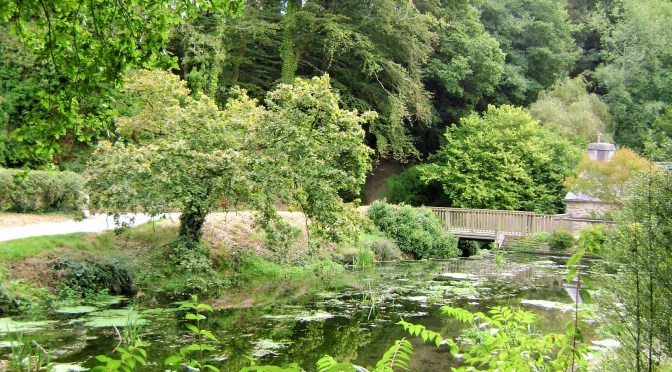
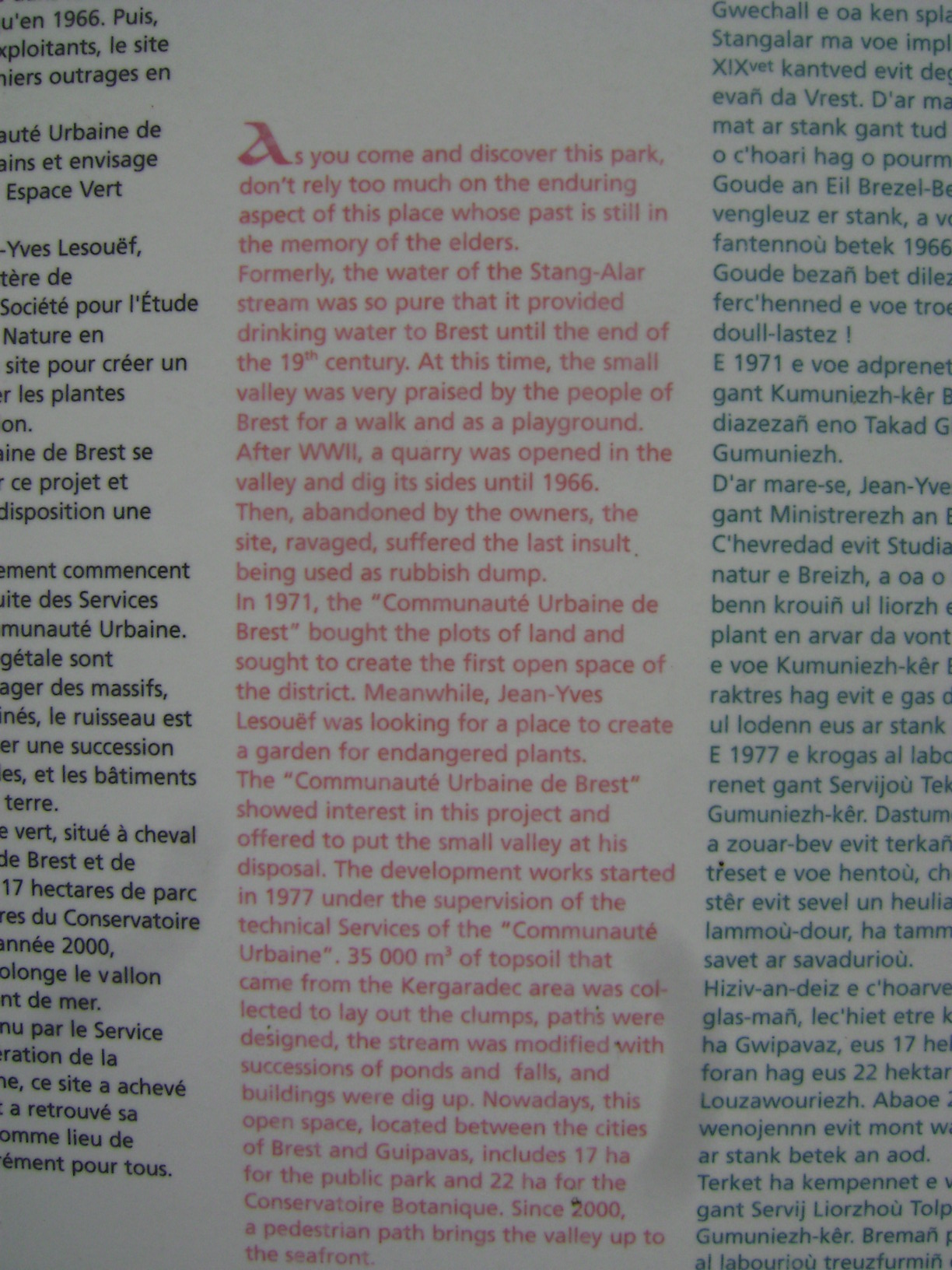
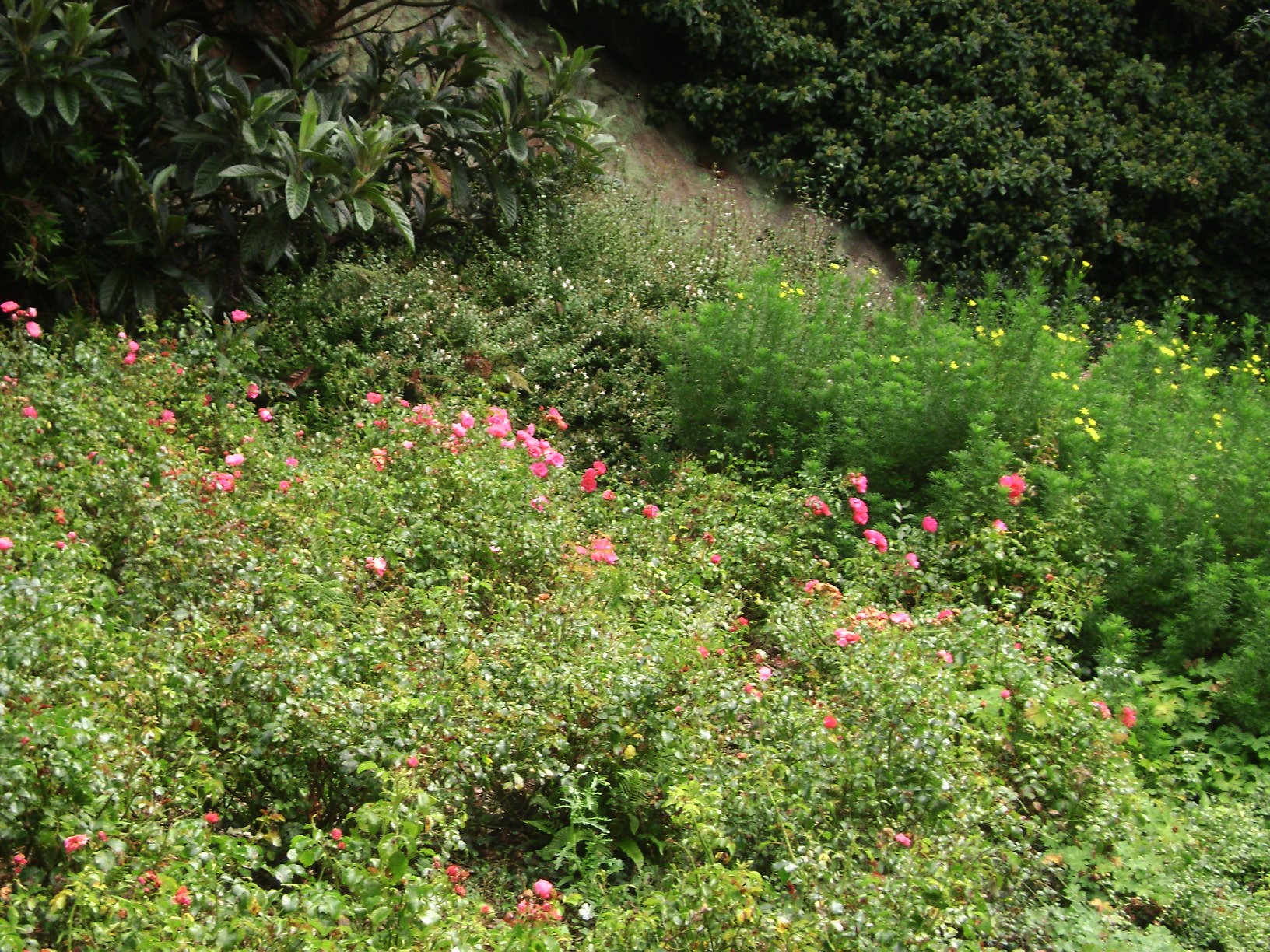
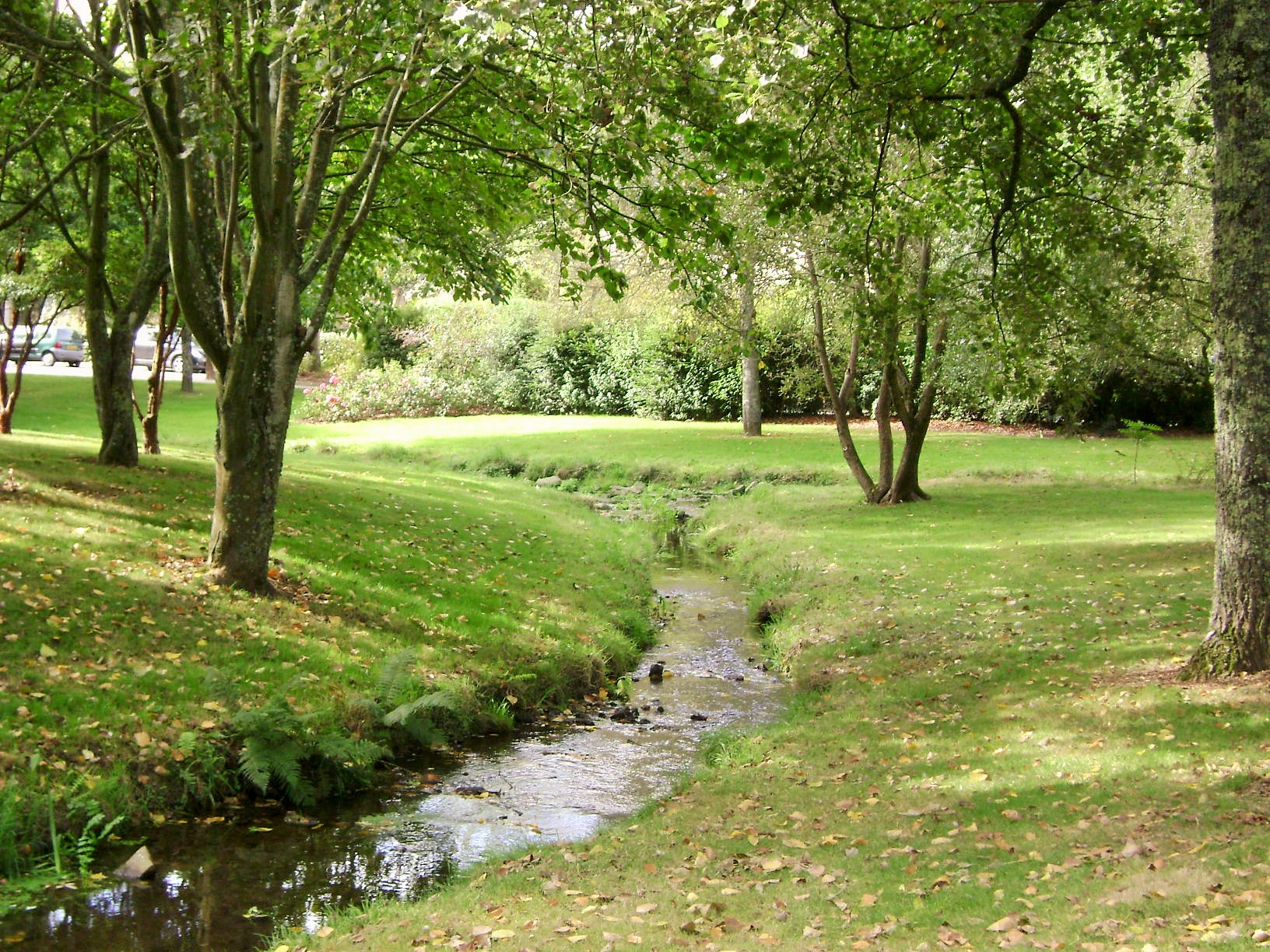
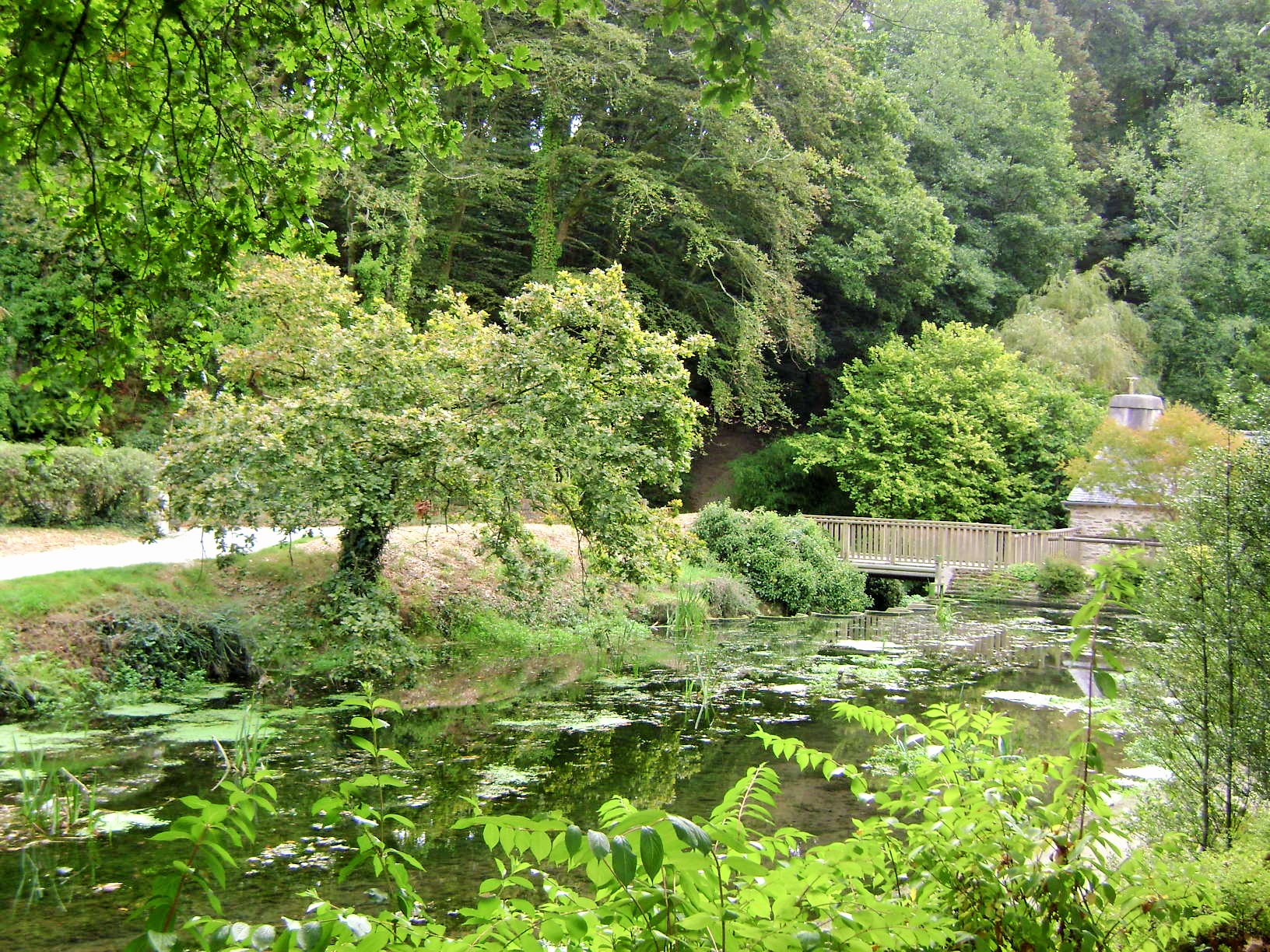
In northern Brittany, the Botanical Gardens in Brest enjoy a privileged location in a small valley with a stream throughout, and creating a microclimate allowing endangered species to grow with additional protection. Long and narrow, these gardens are divided into the park area at one end, end the botanical gardens proper at the other.
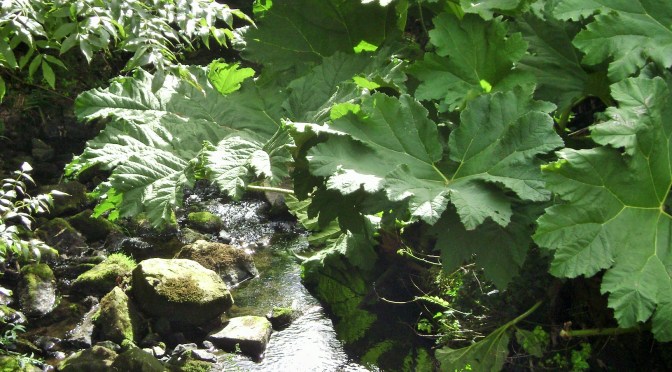
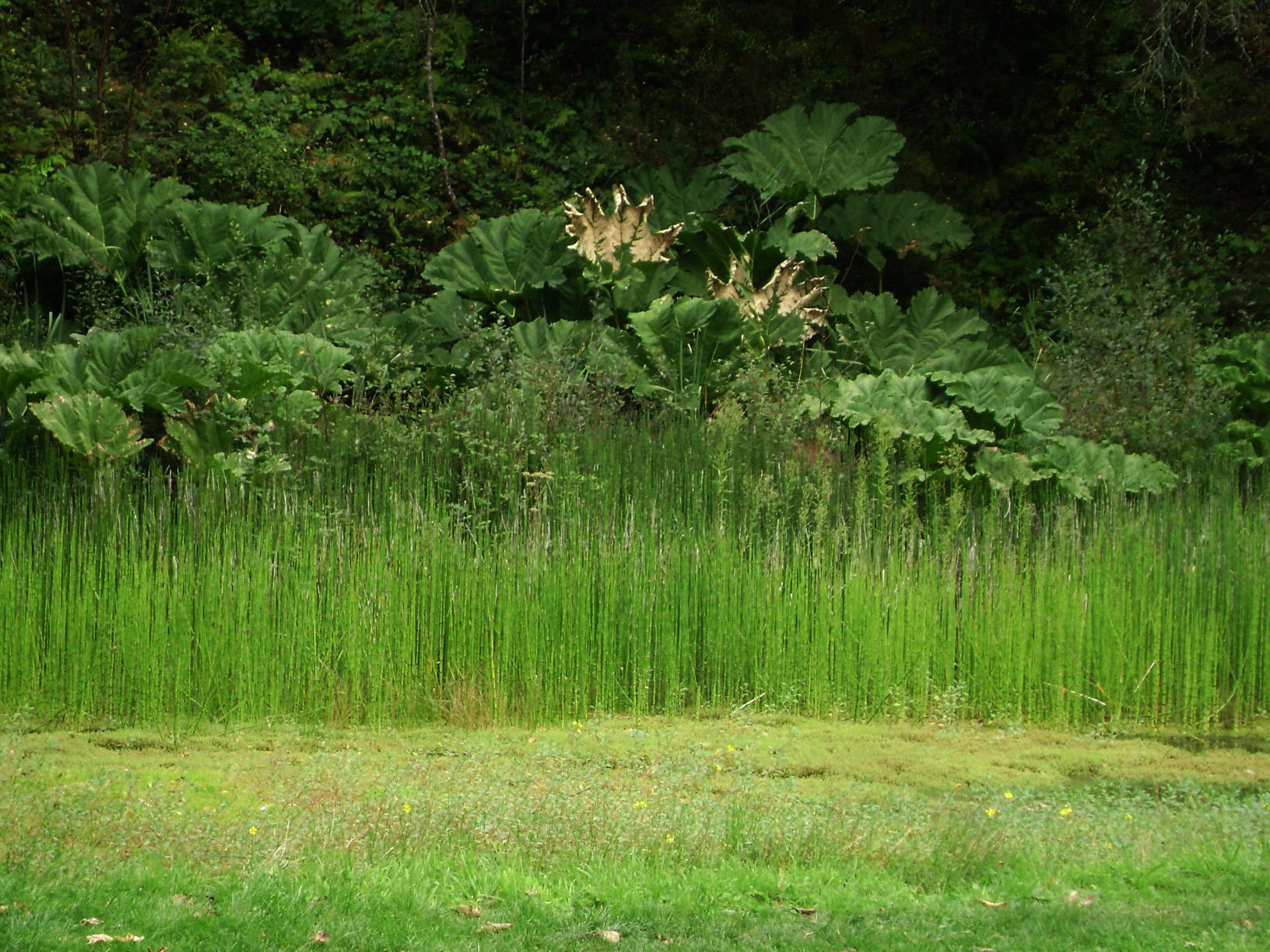
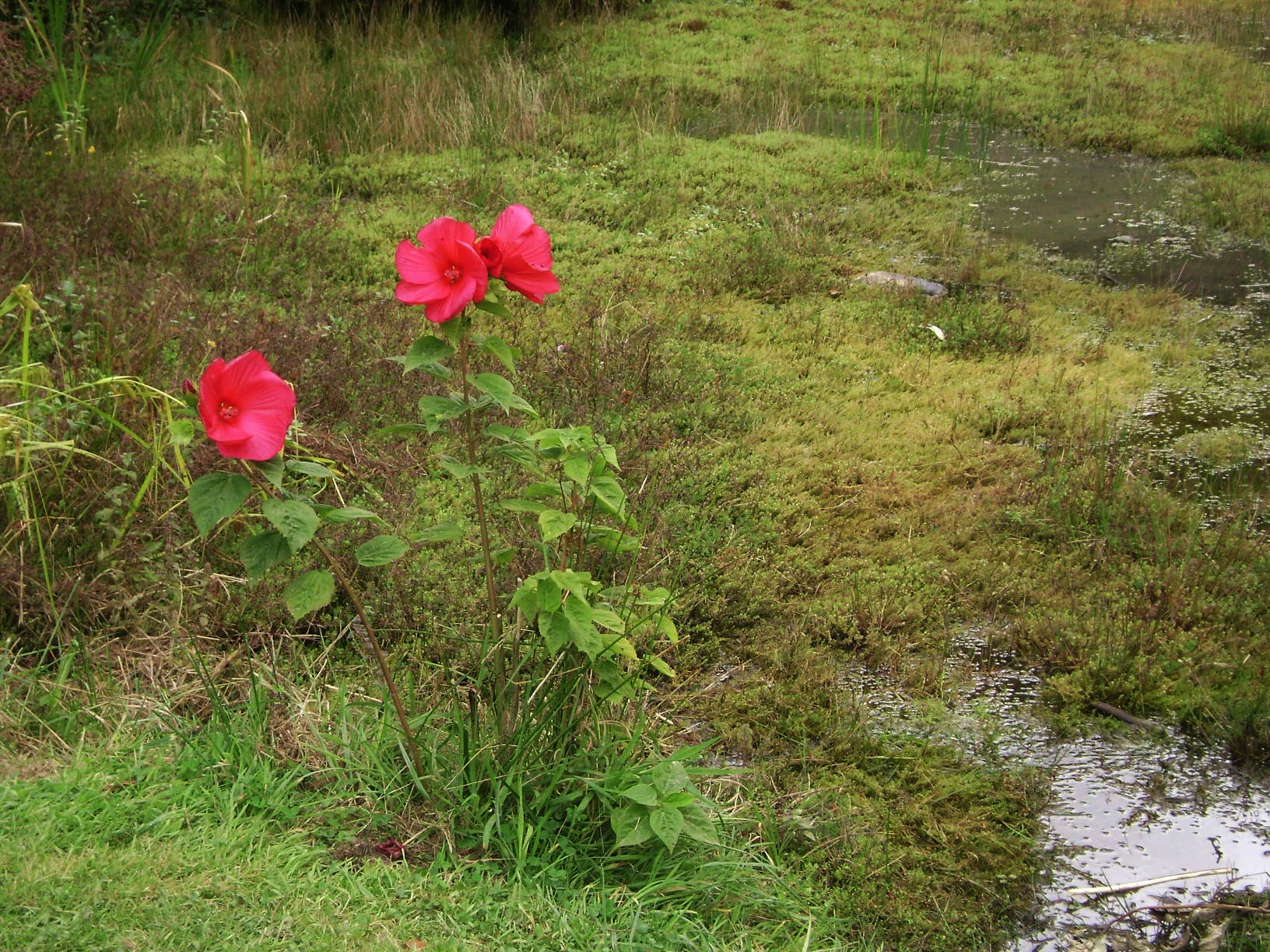
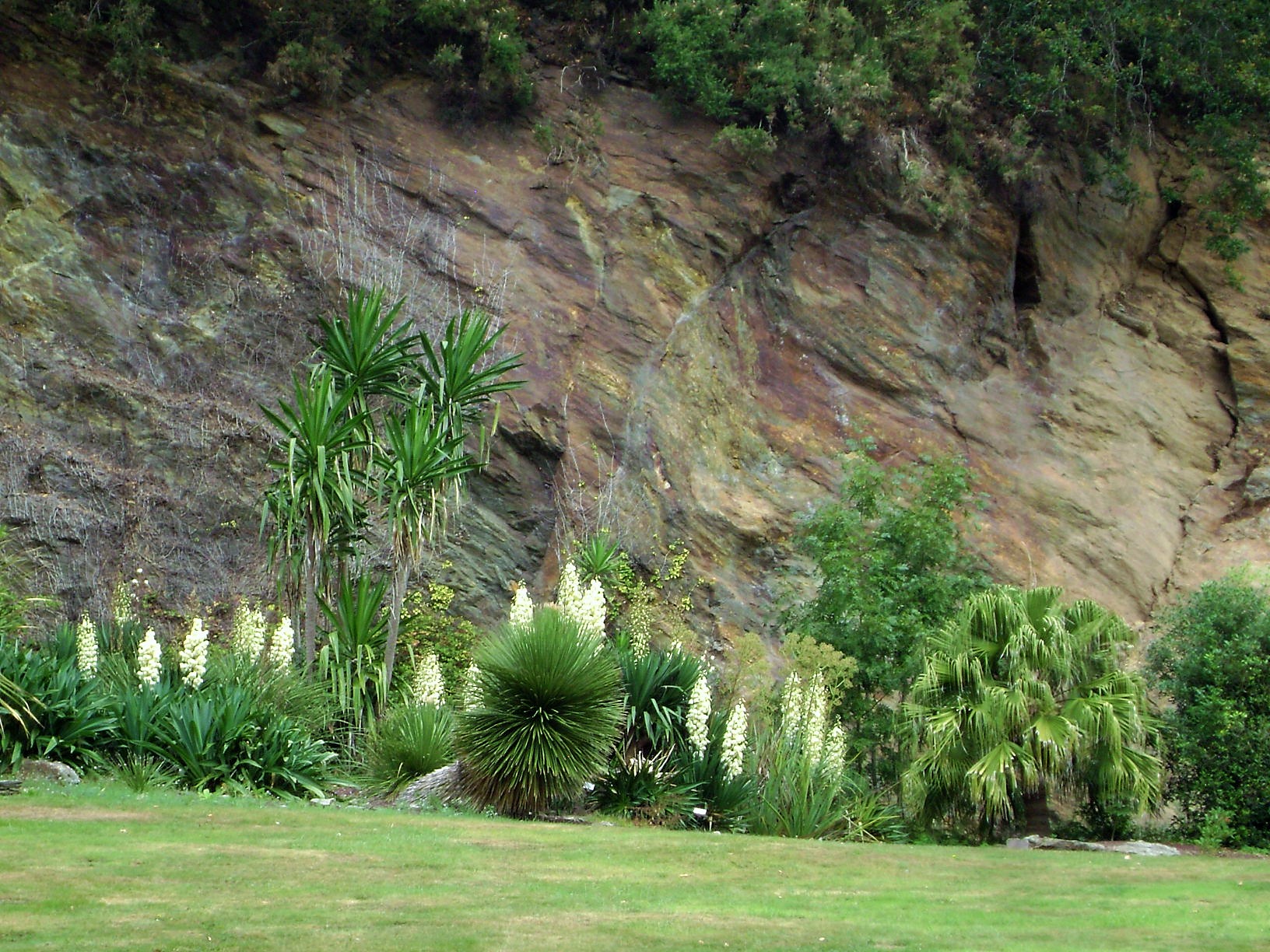
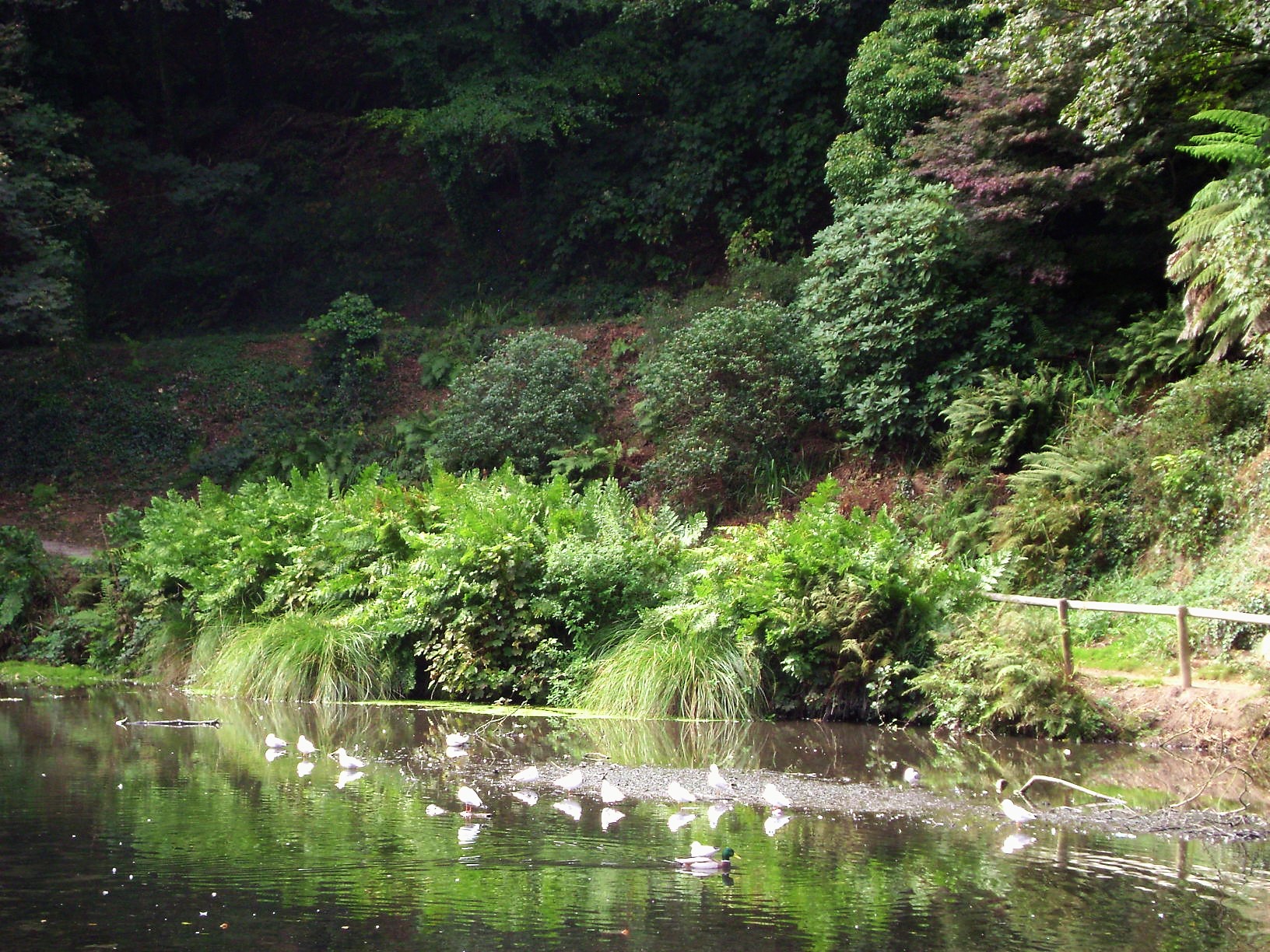
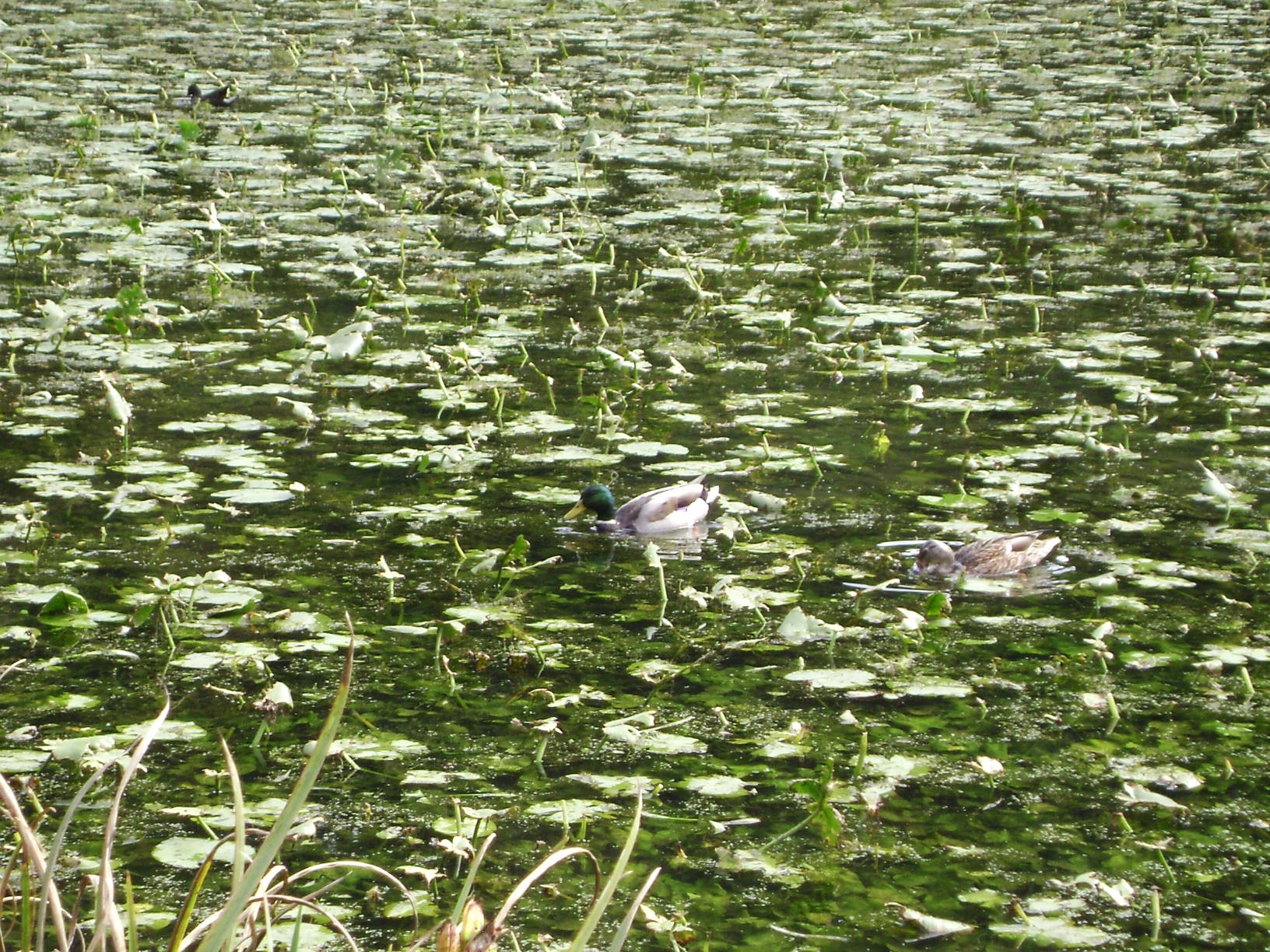
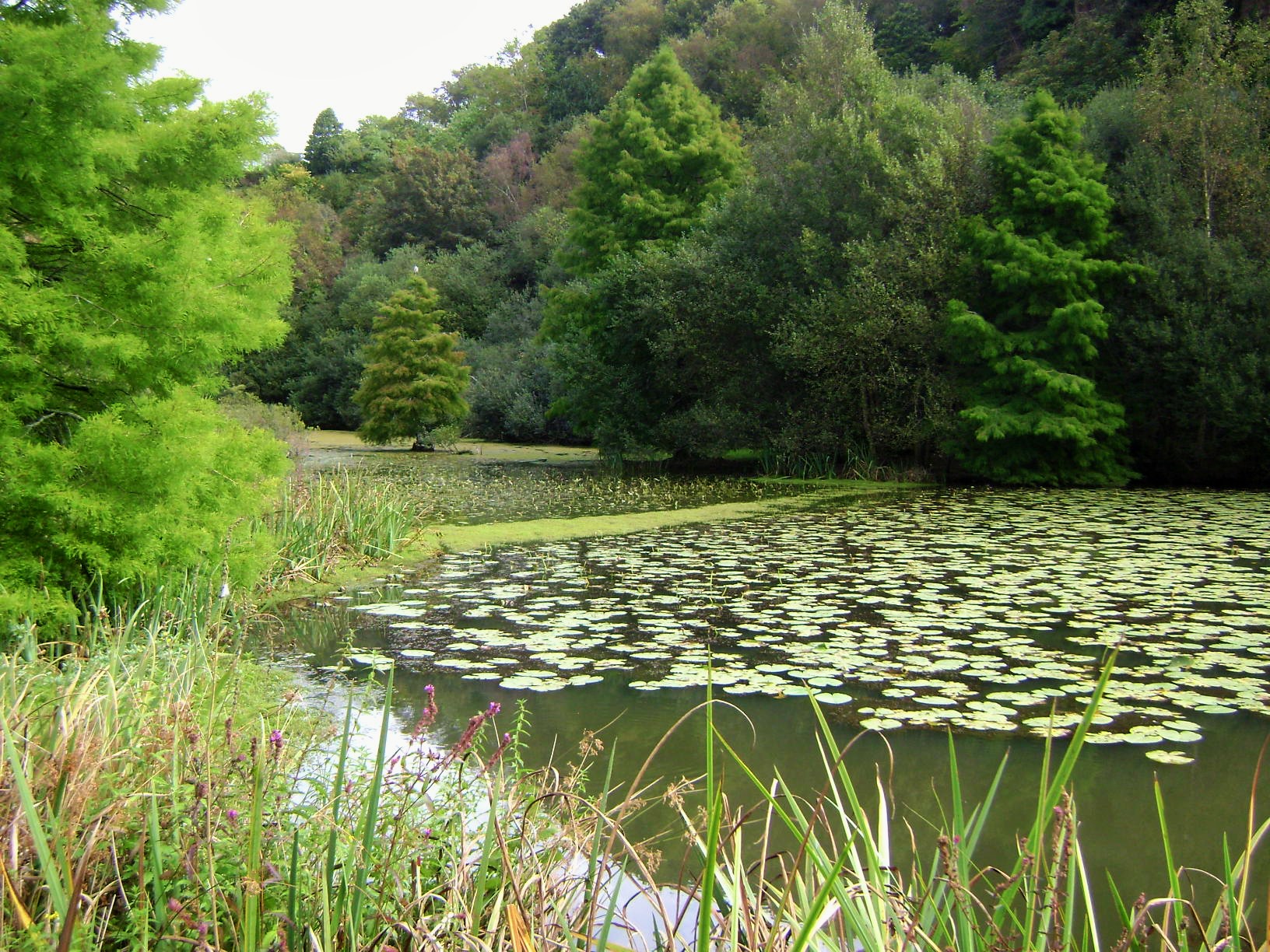
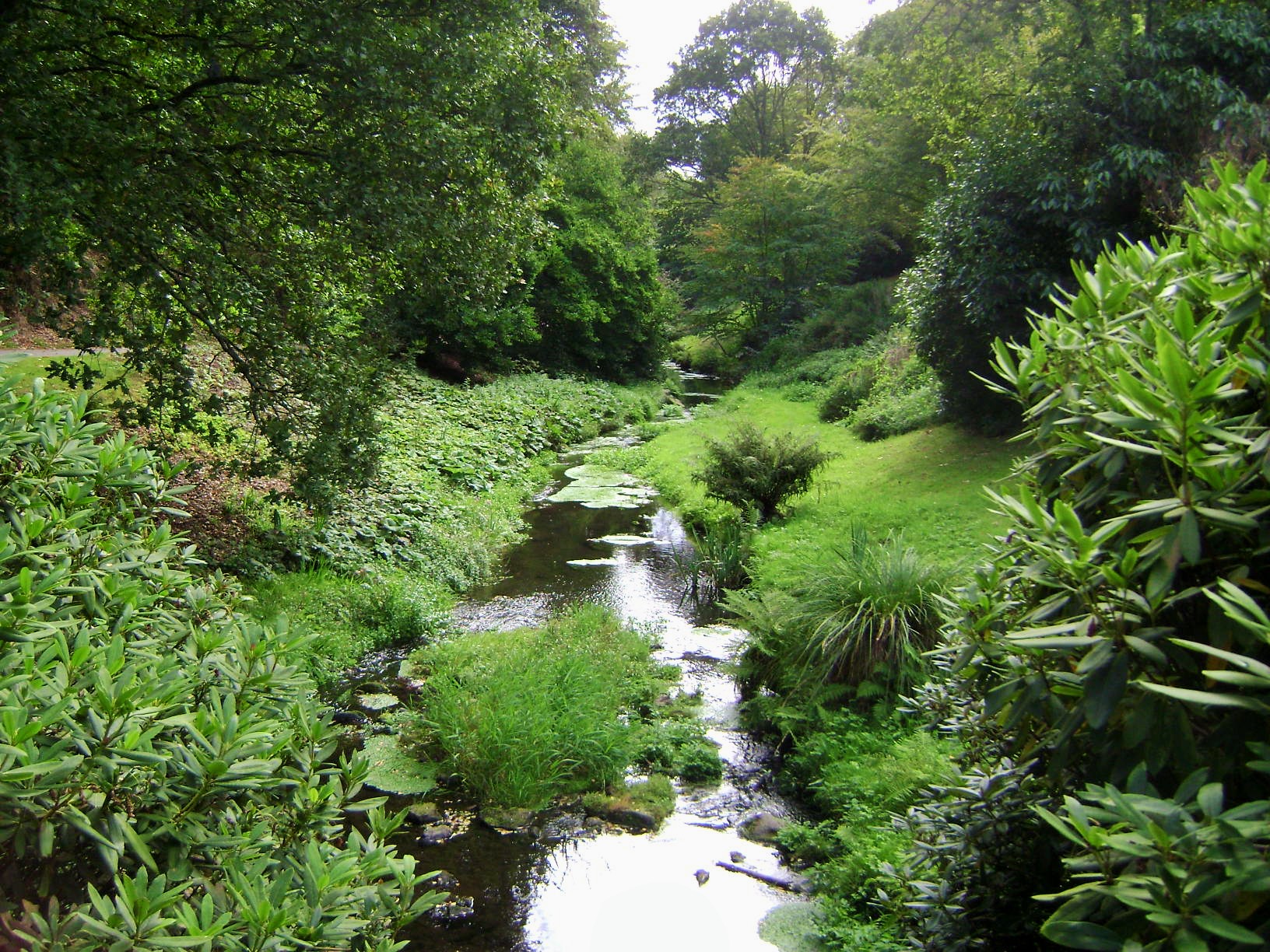
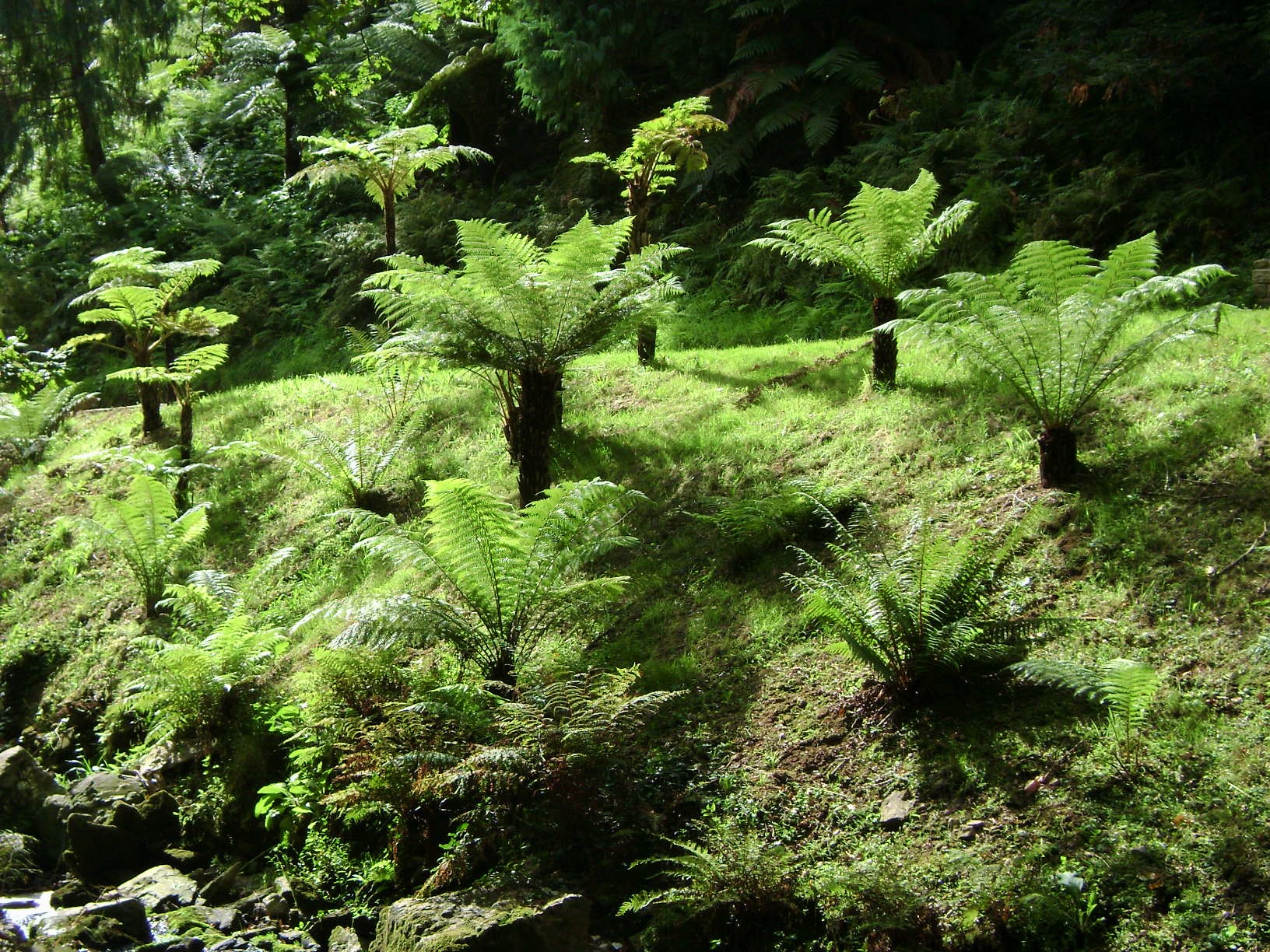
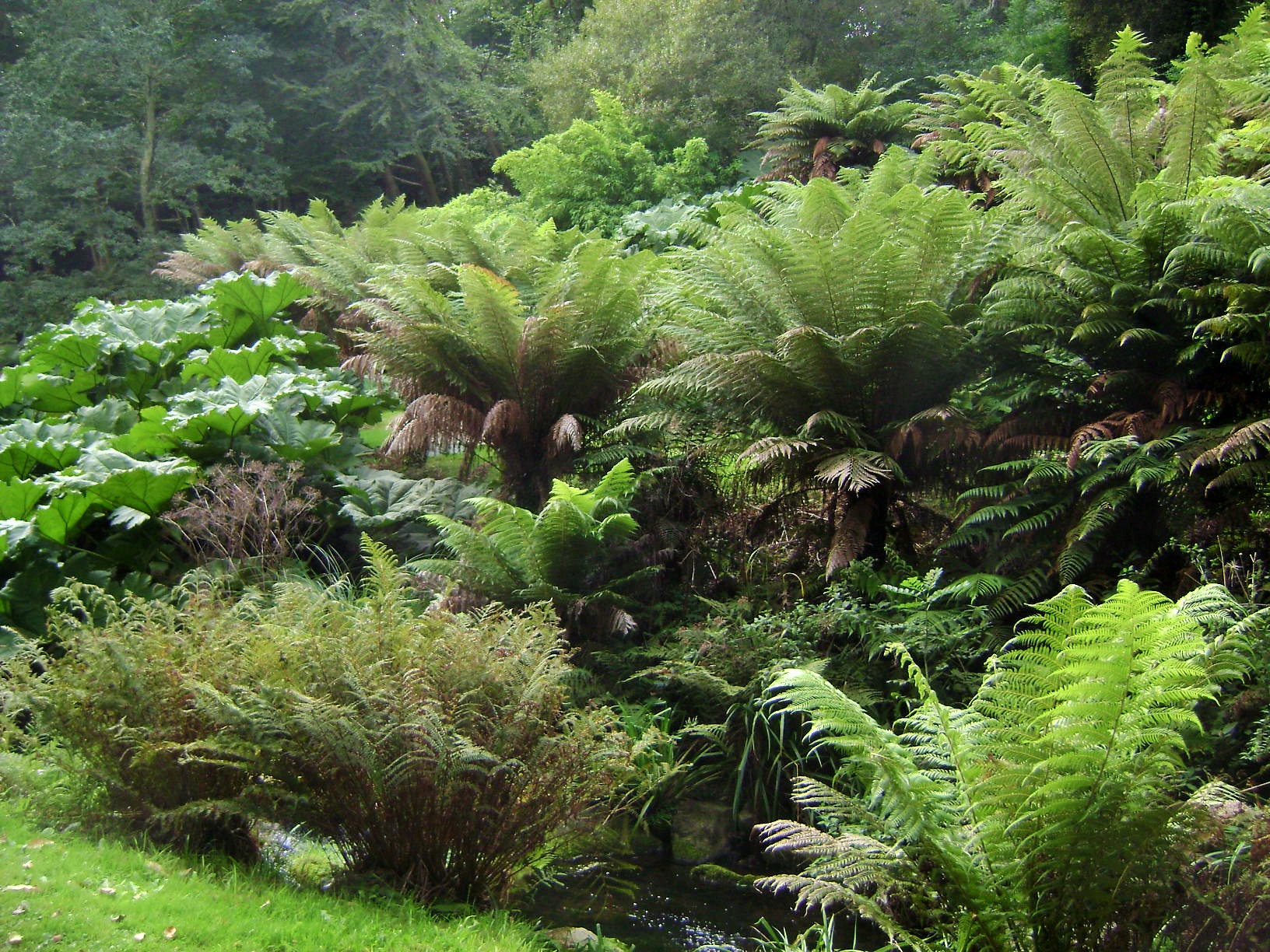
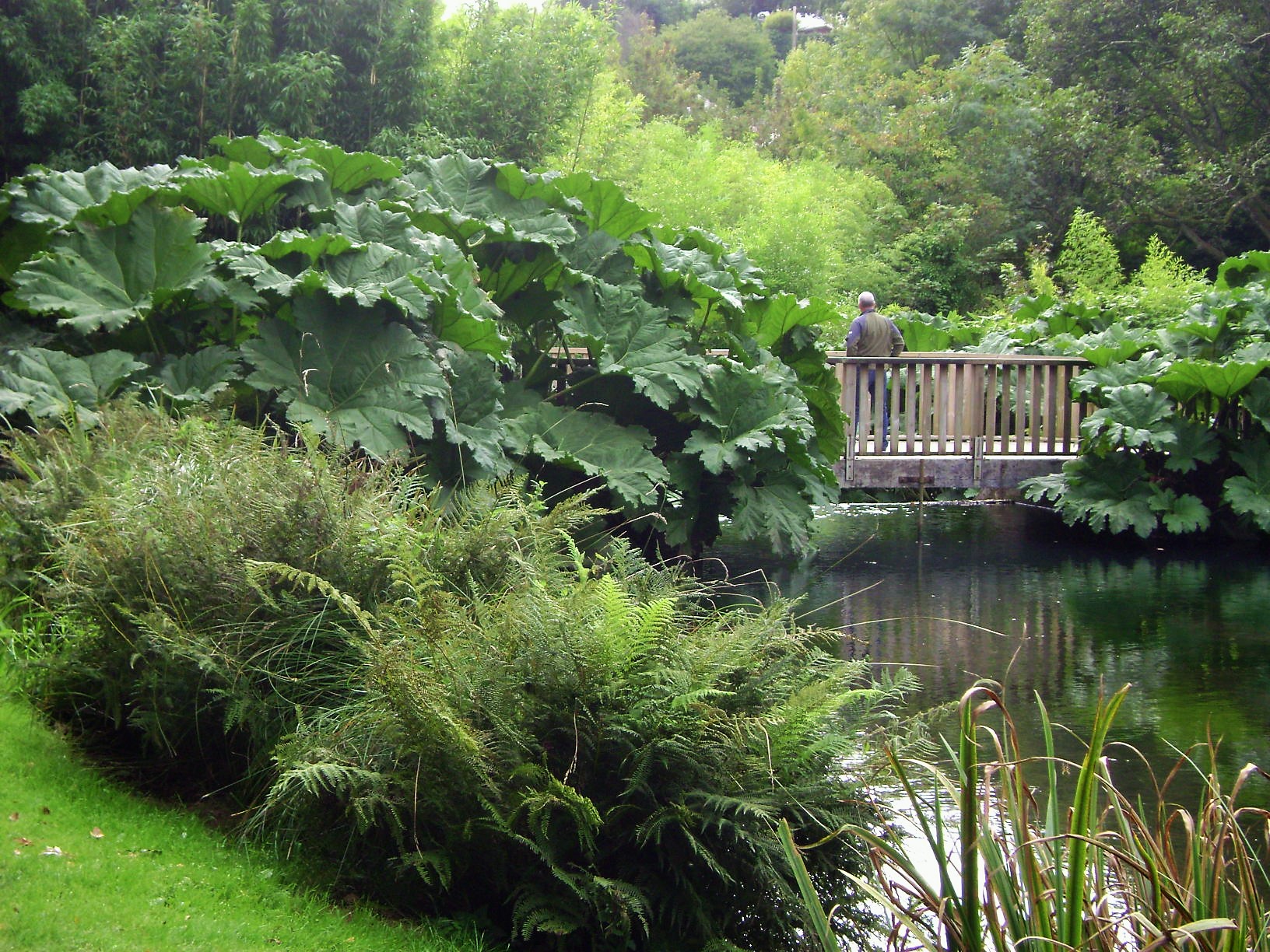
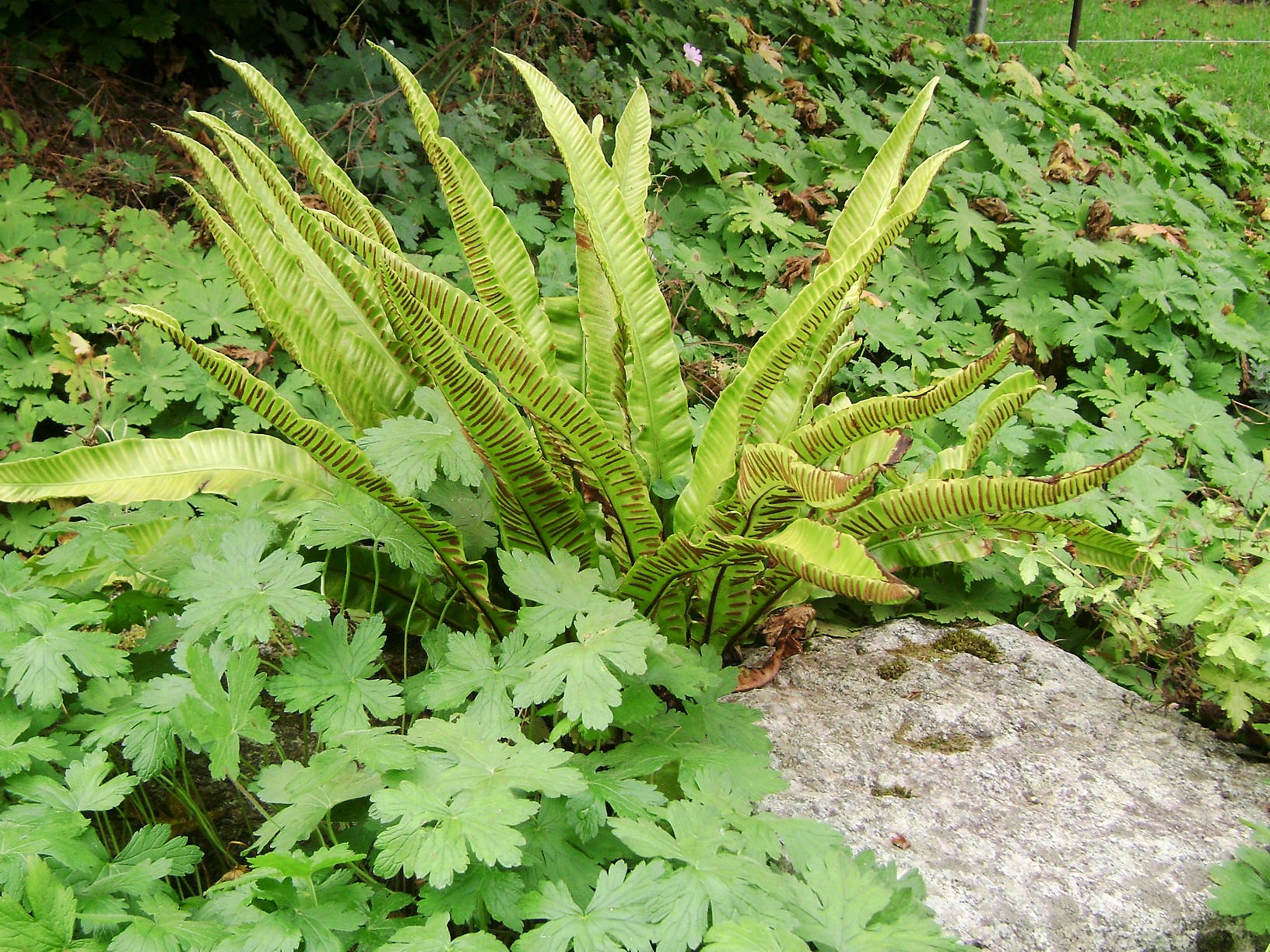
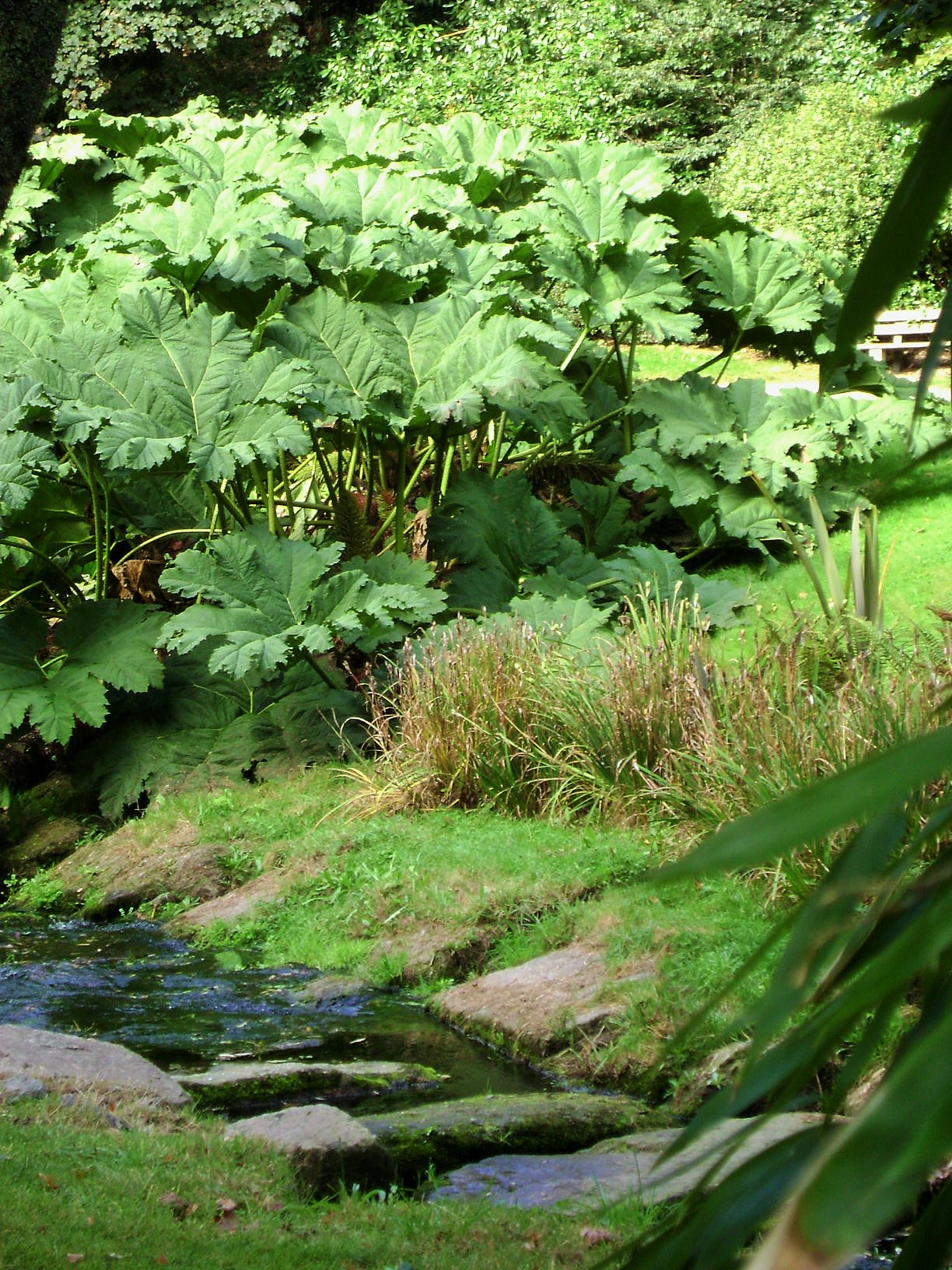
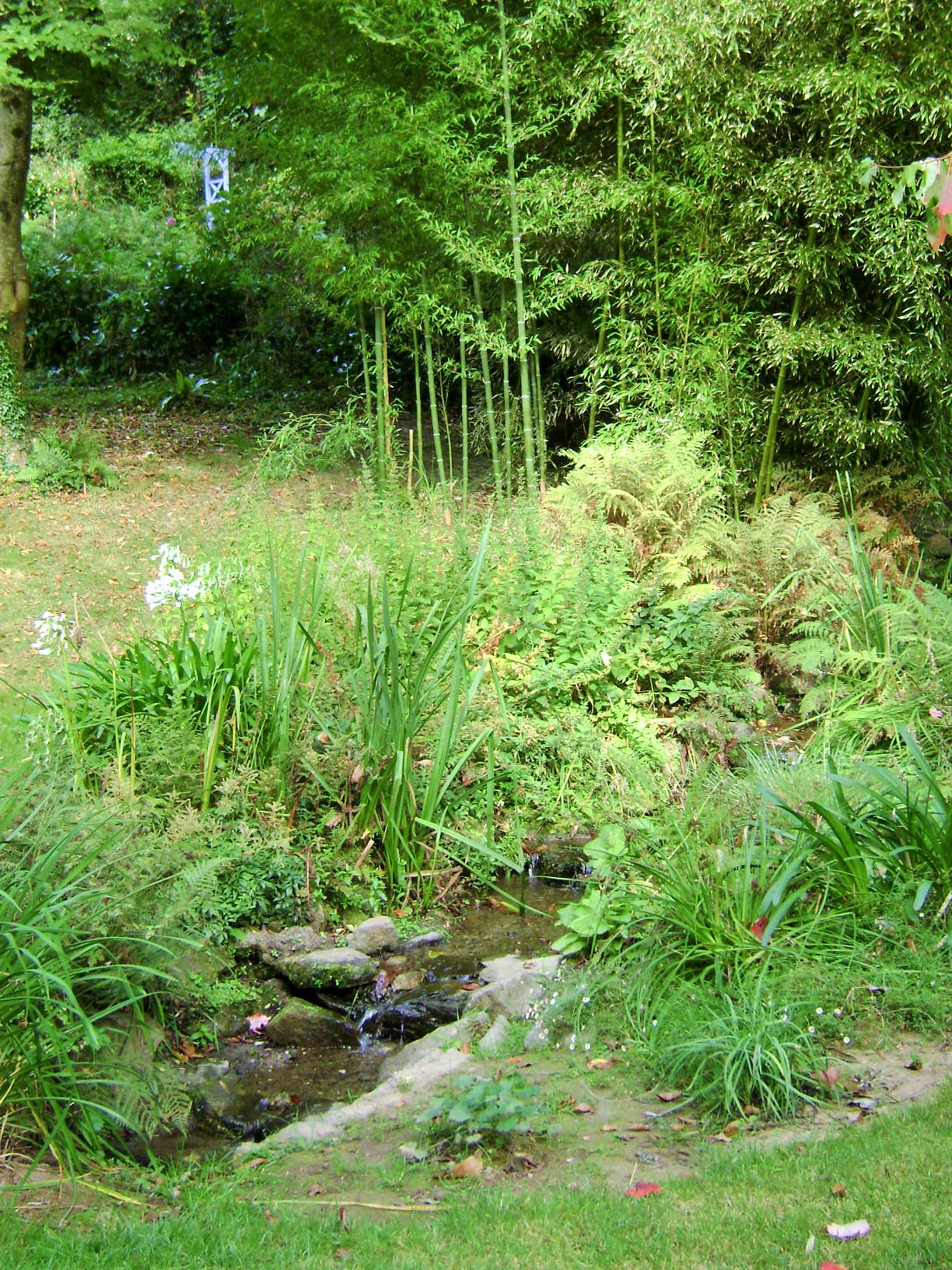
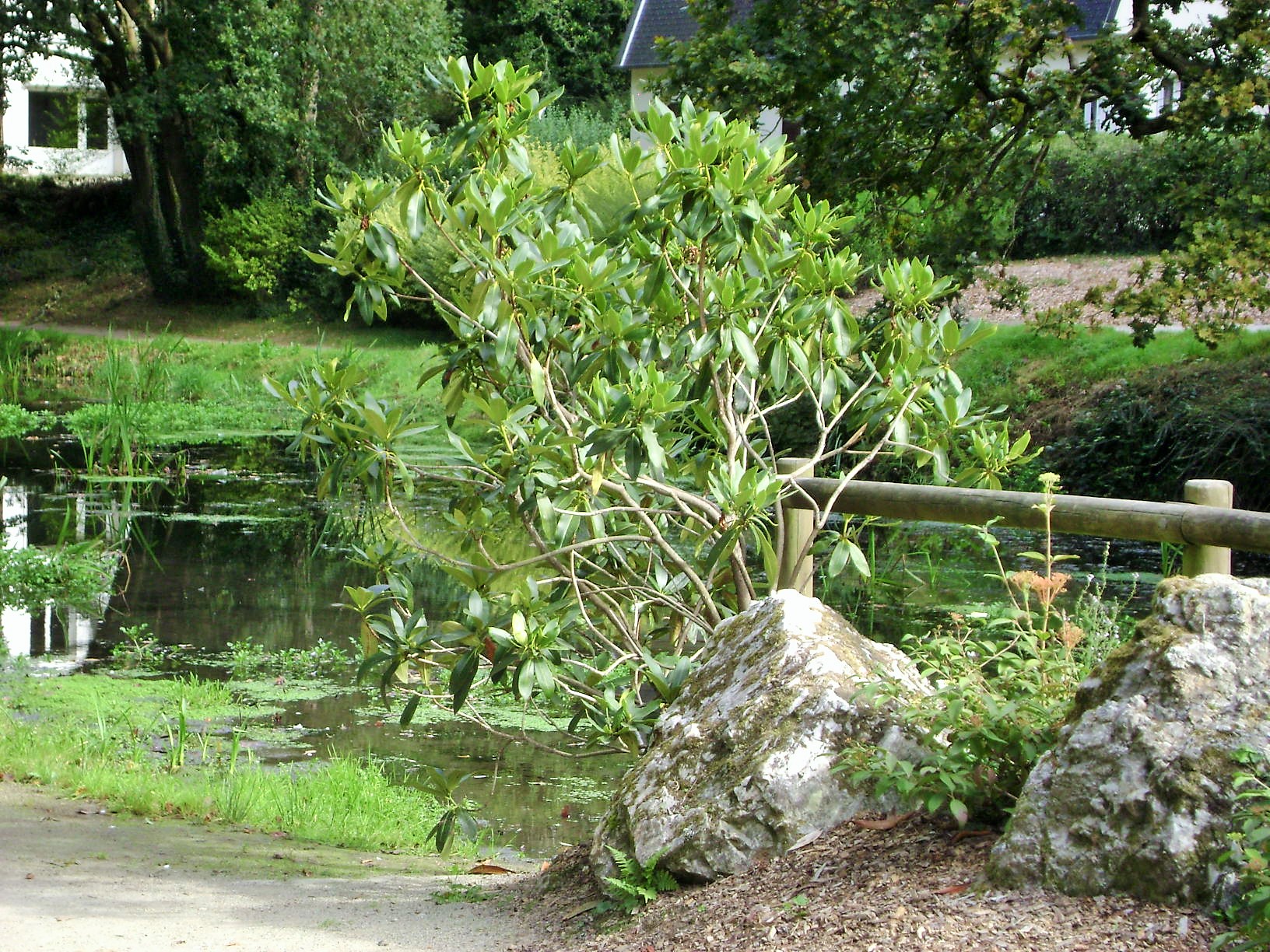
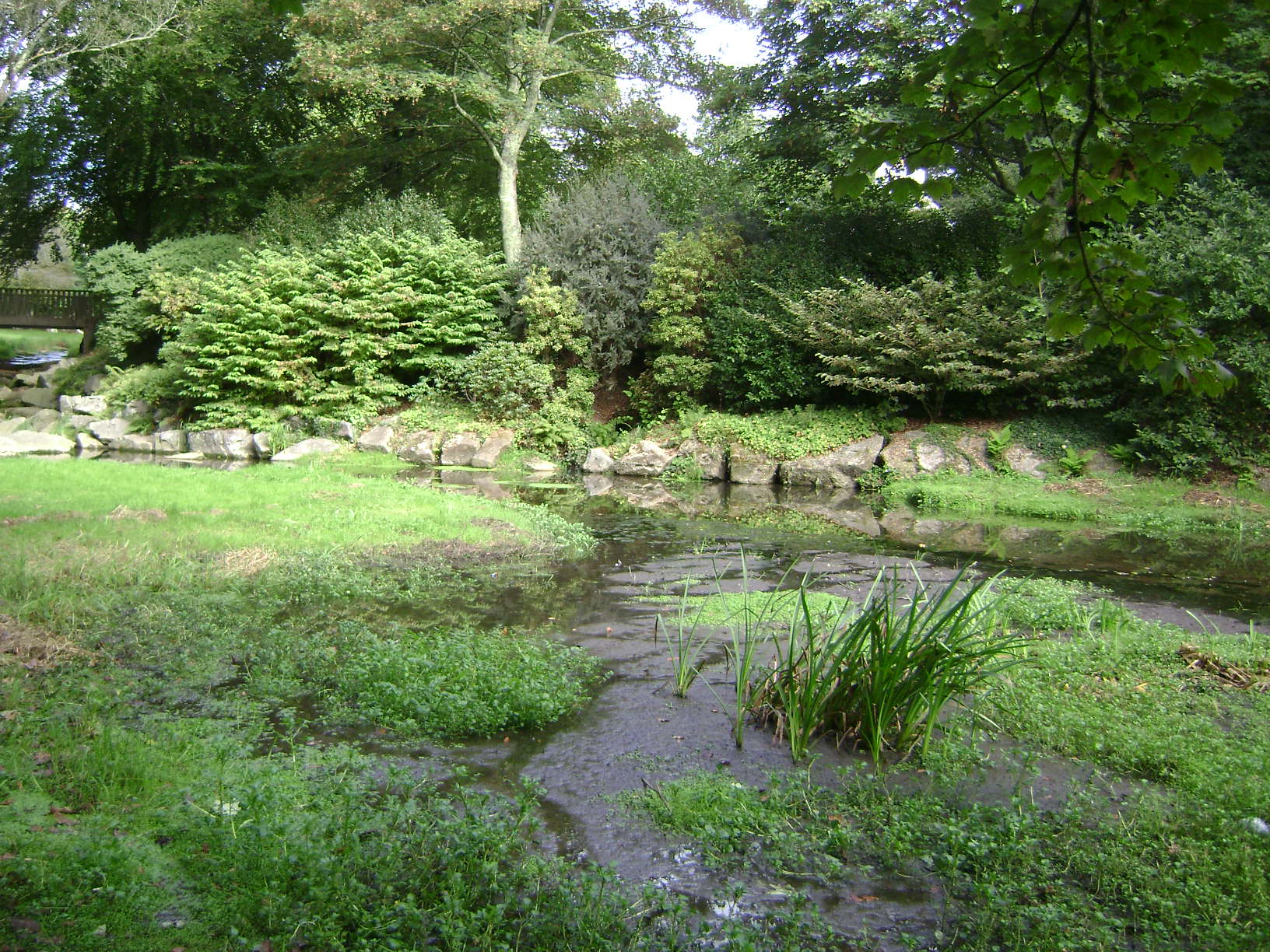
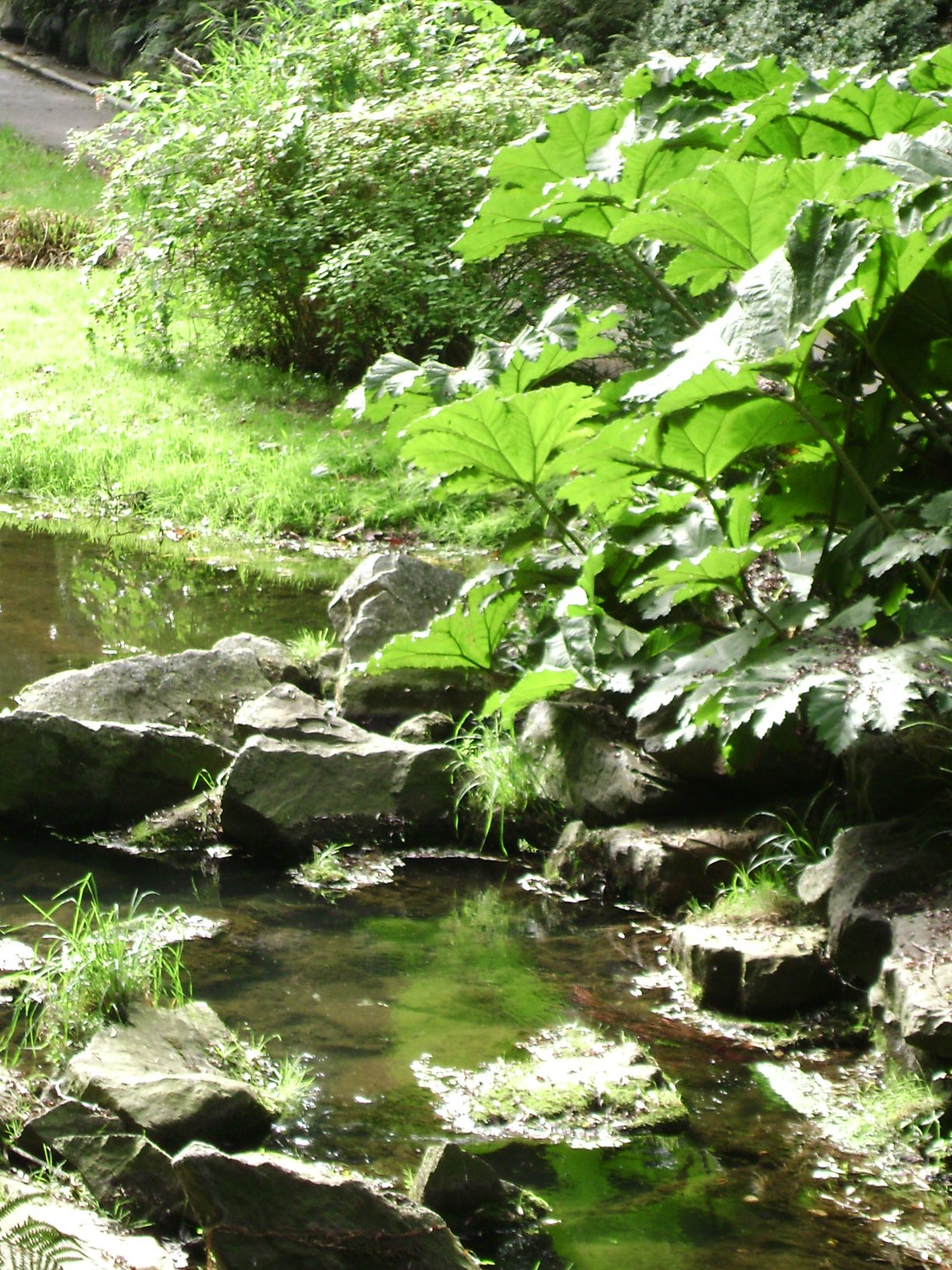
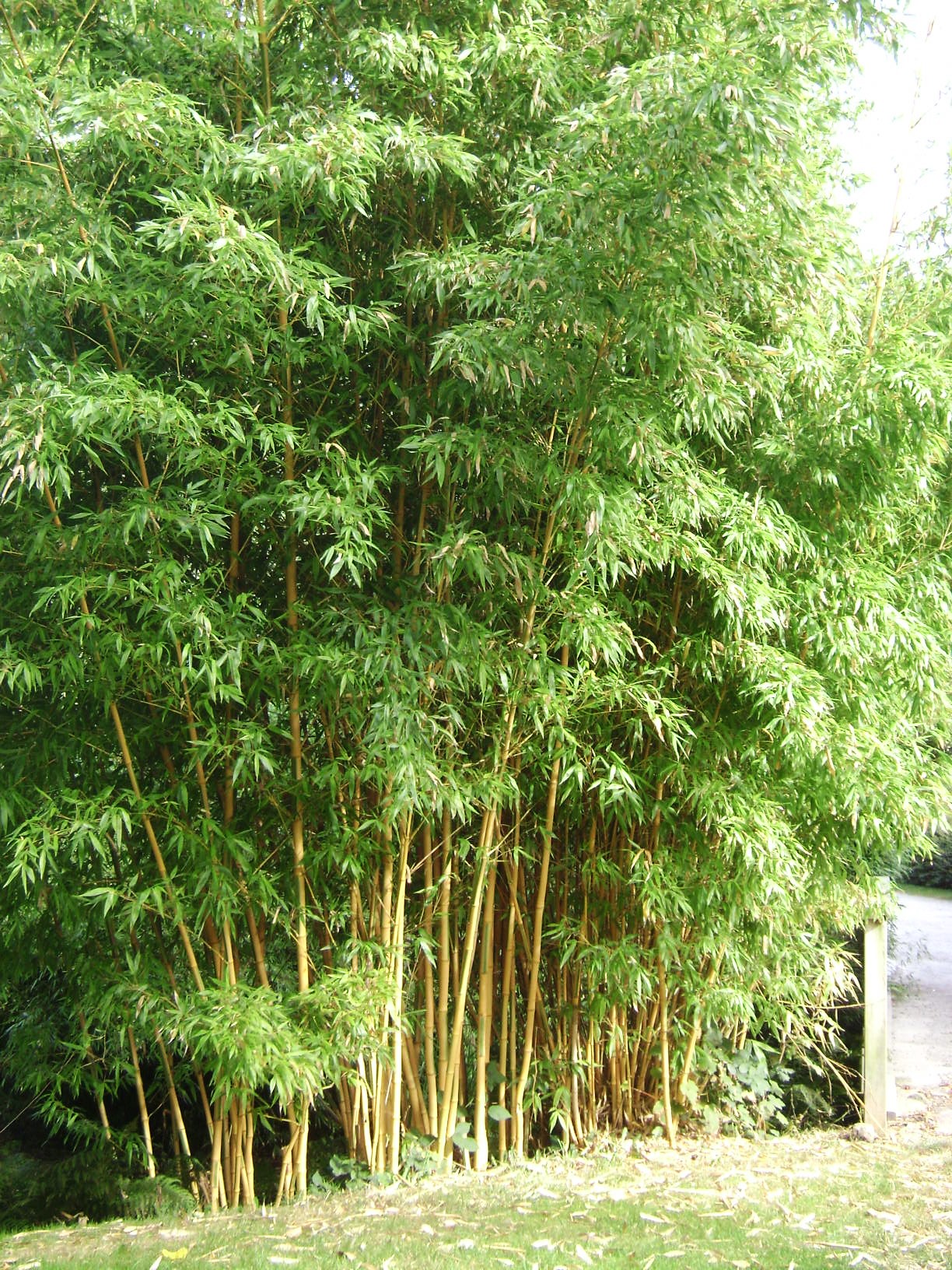
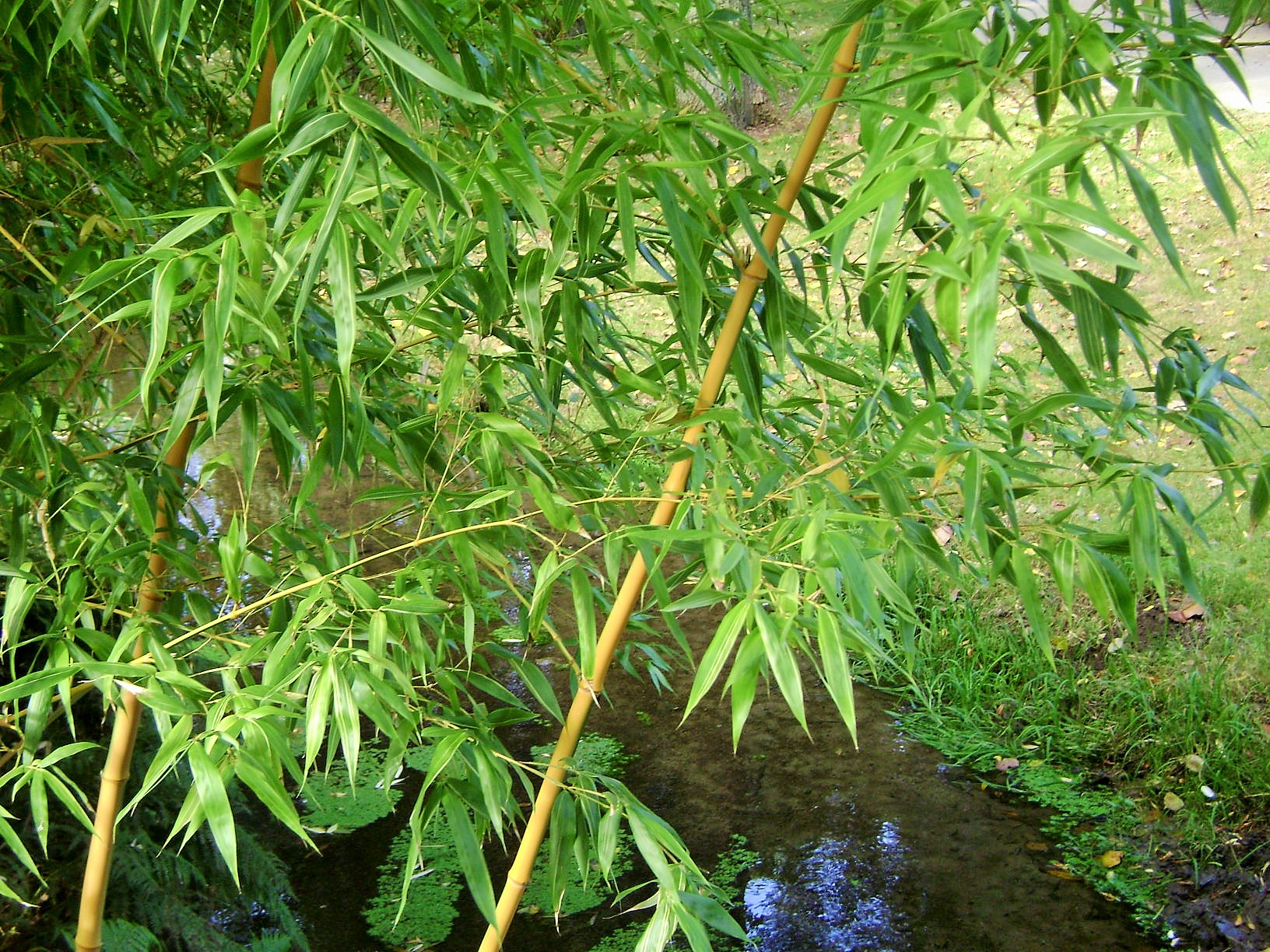
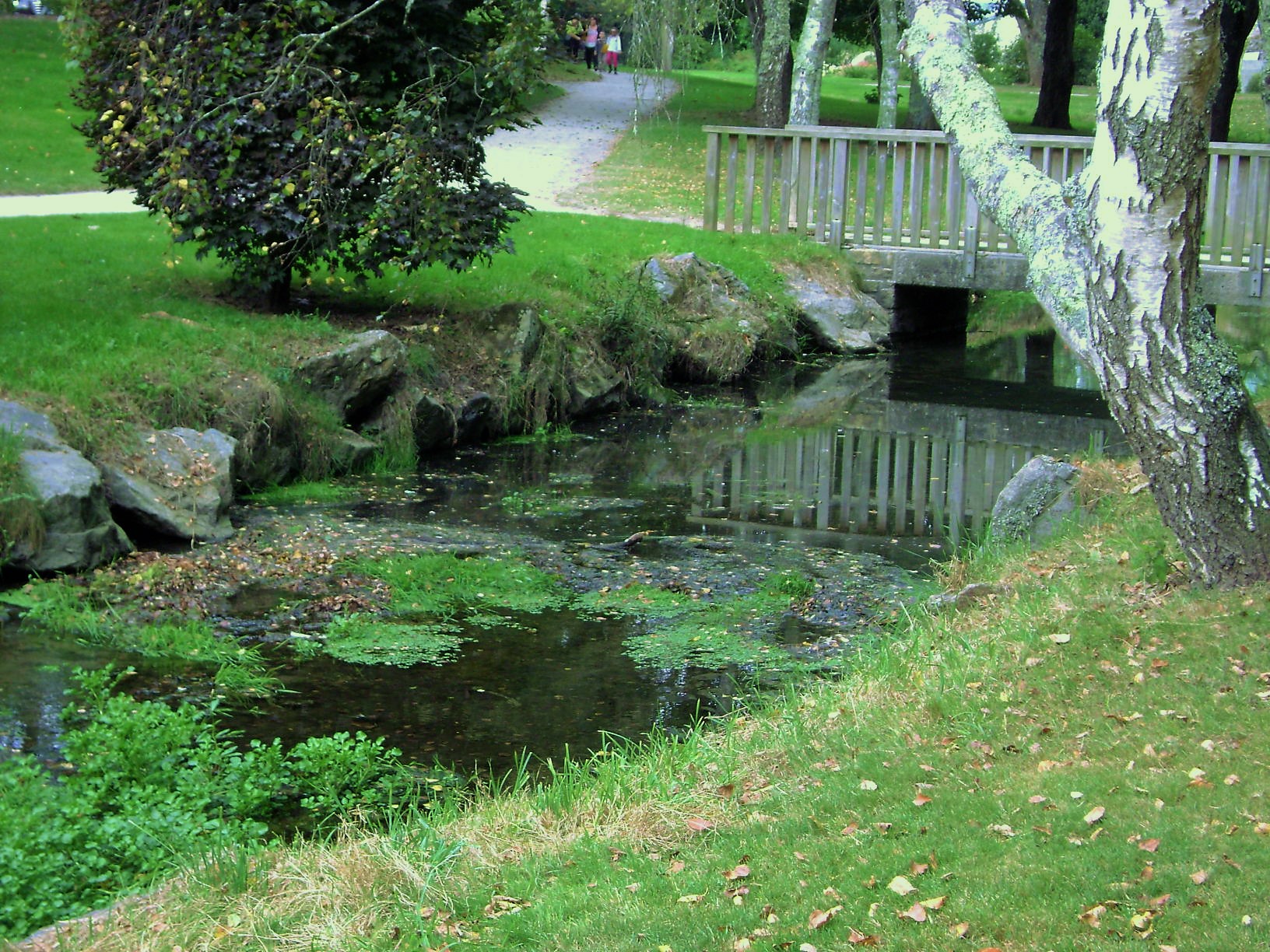
In this second post, I am featuring the botanical gardens, which are largely dedicated to the preservation of endangered species of plants. The water features here are more extensive than in the park area, with large ponds and ducks in addition to the stream running the length of the park. Here again, the areas around the stream are reminiscent of Japanese rock gardens, and landscaped with a profusion of bridges, ferns or bamboo groves. Note the beautiful planting of Tasmanian tree ferns along the banks, as well as some particularly large gunneras.
Brest Botanical Gardens Part 1: The Park
In northern Brittany, the Botanical Gardens in Brest enjoy a privileged location in a small valley with a stream throughout, and creating a microclimate allowing endangered species to grow with additional protection. Long and narrow, these gardens are divided into the park area at one end, end thebotanical gardens proper at the other.
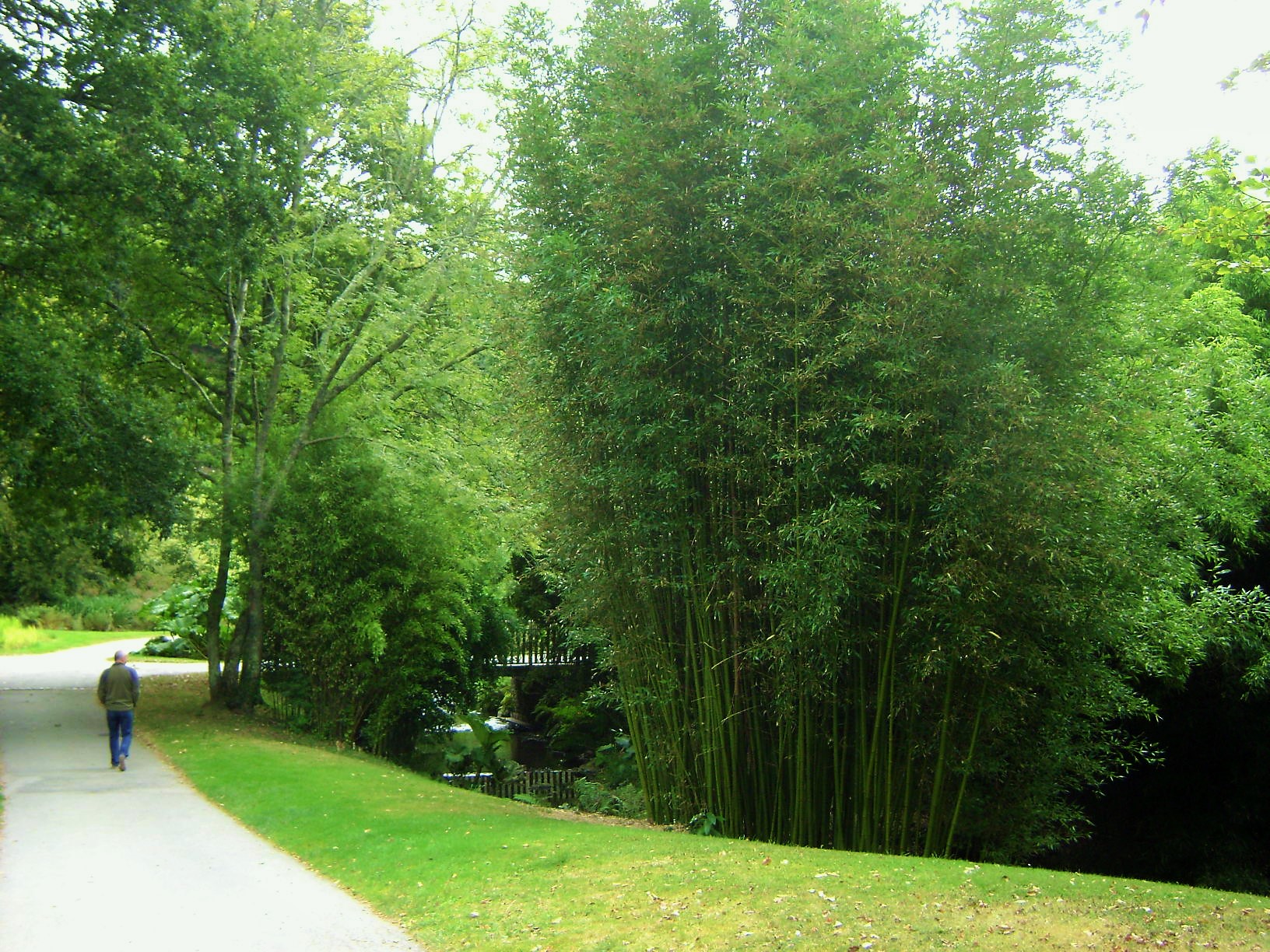
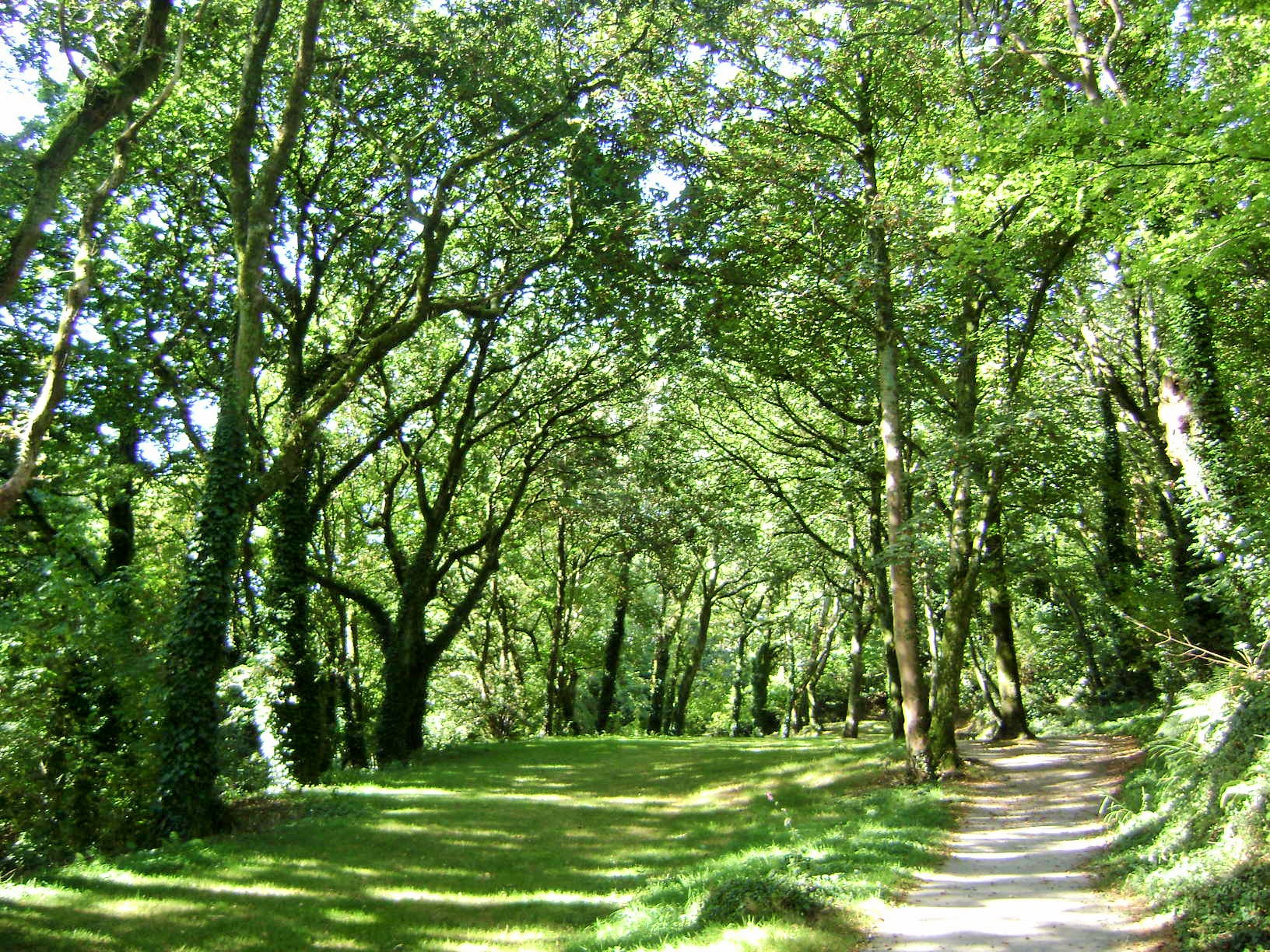
In this post, I am featuring the park. Common to both areas is the stream and therefore an abundance of water features. The park has the feel of a woodland garden, with more greenery, bamboos, mature trees, gunnera and the likes, than landscaped borders and flowers. The choice of plants as well as the use of rocky elements and bridges give it very much the feel of a Japanese garden, in certain areas of the park in particular.
A Small Rose Garden in Brittany Adds Curb Appeal
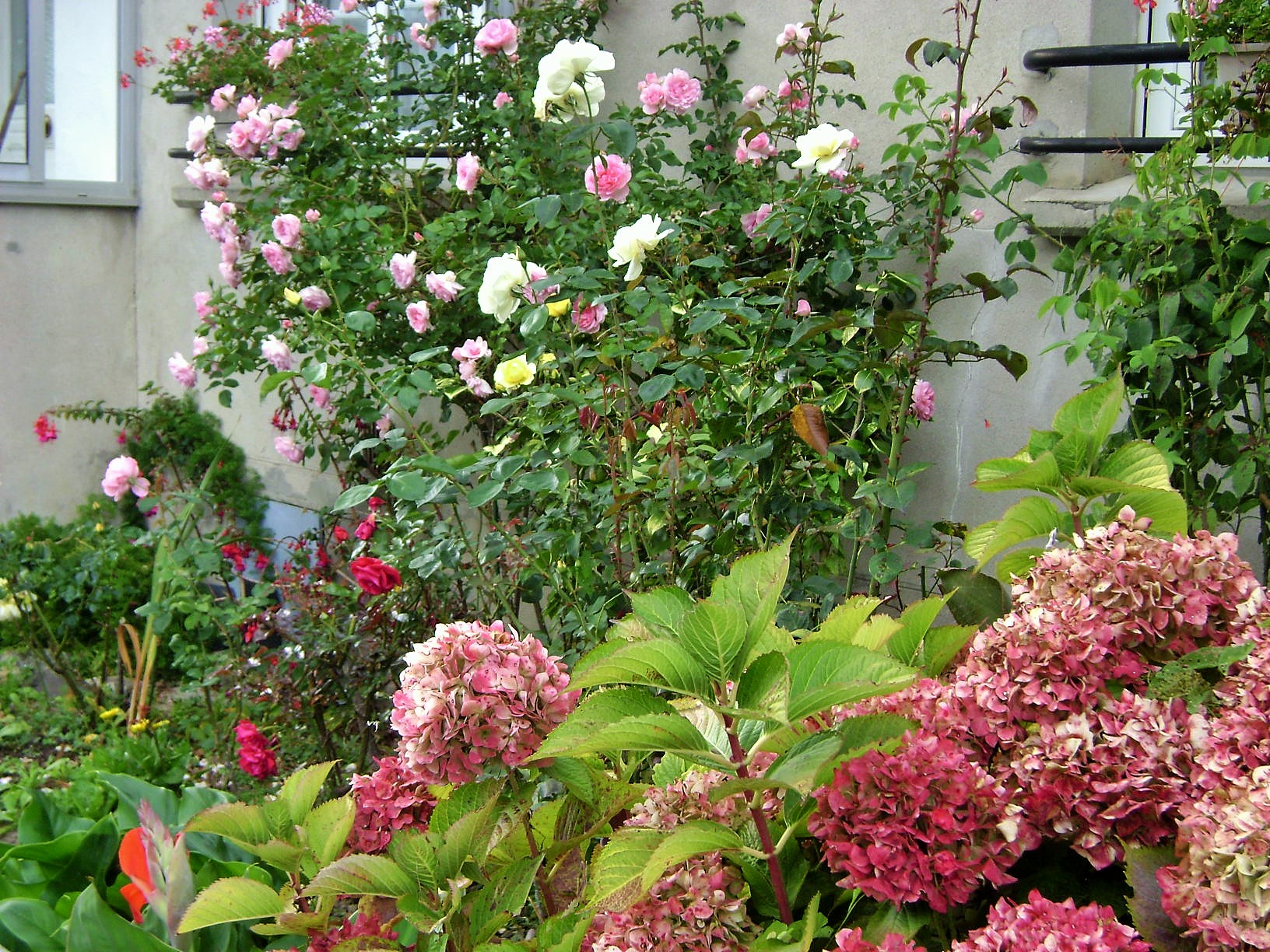
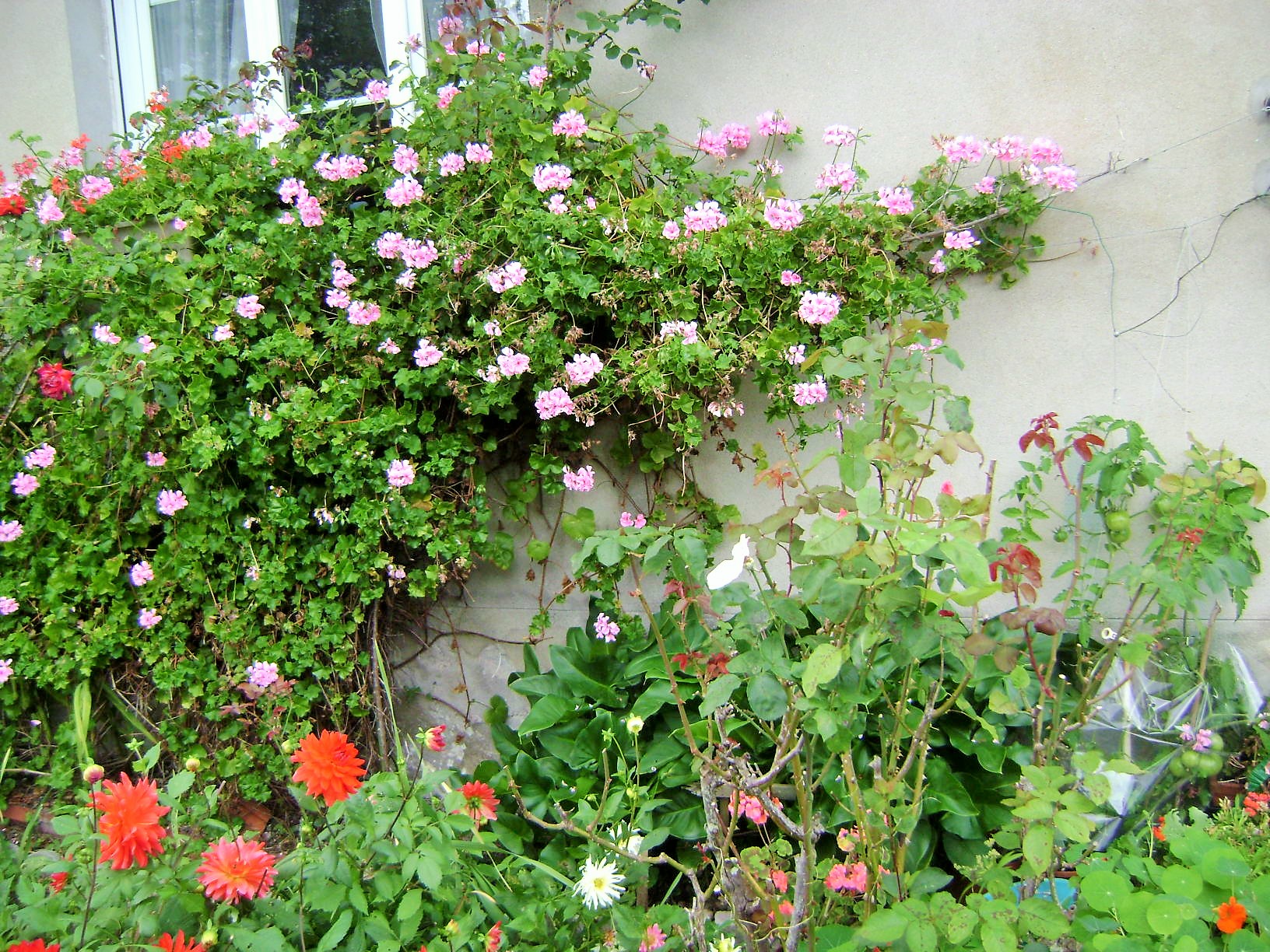
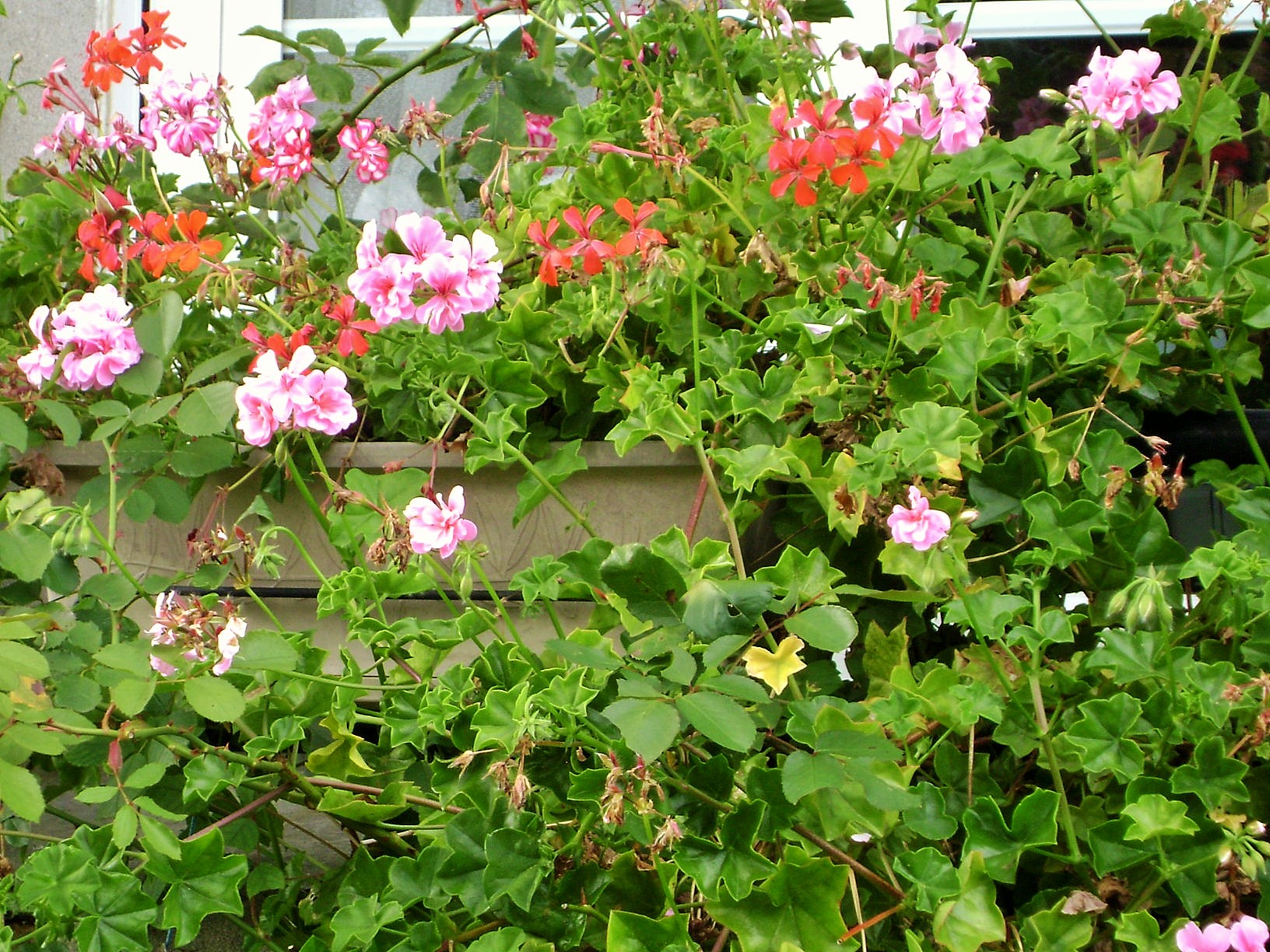
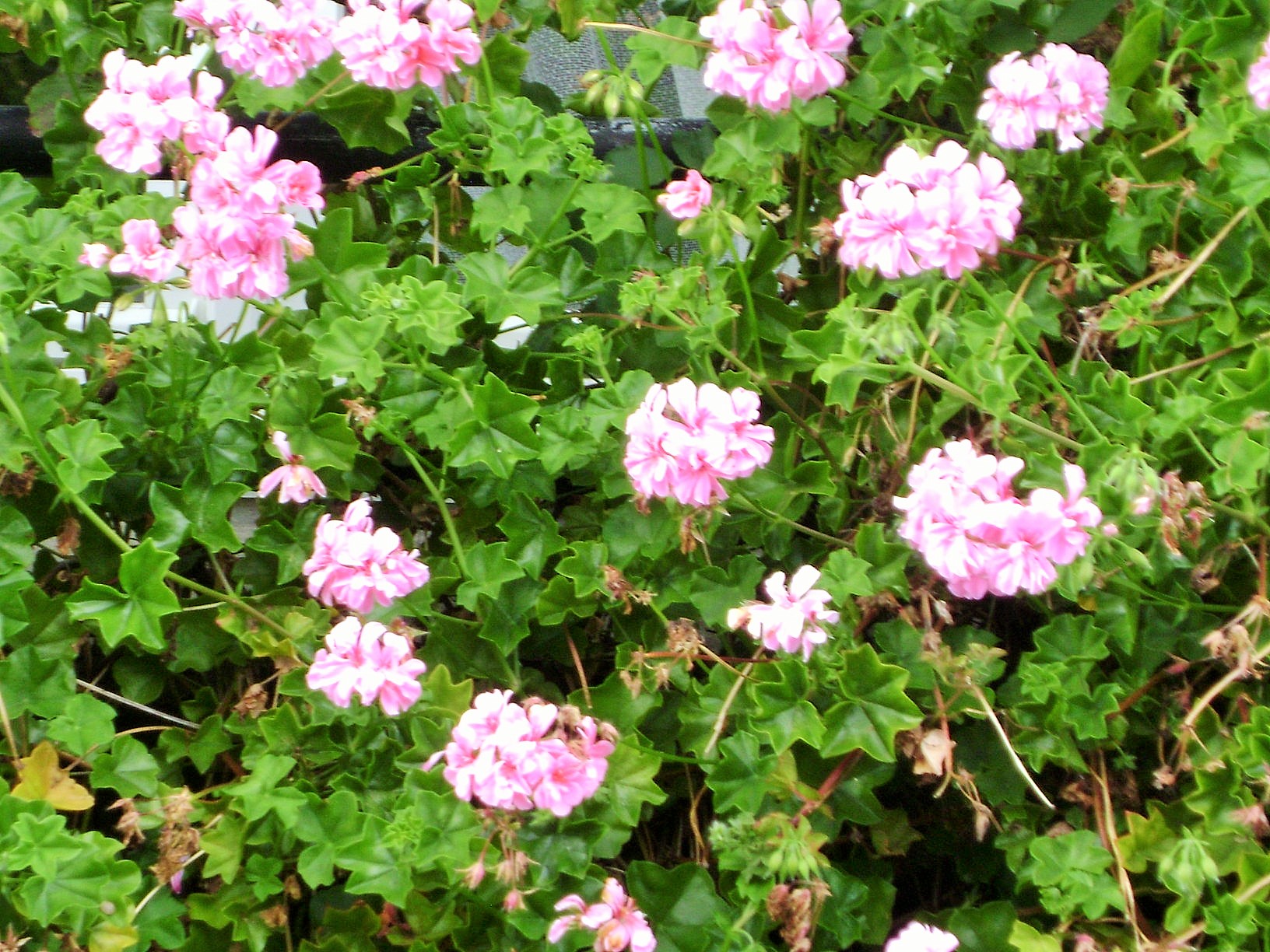
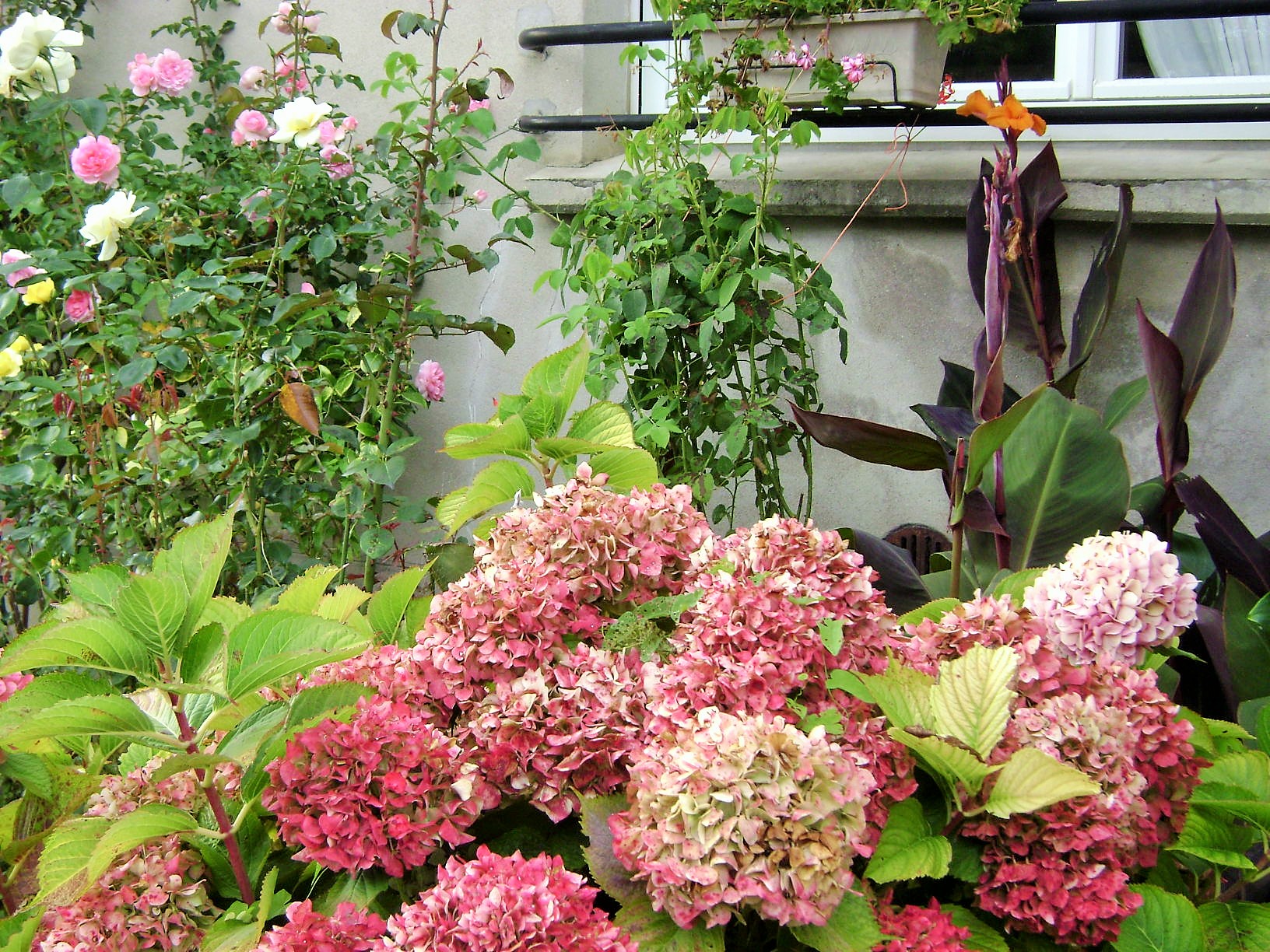
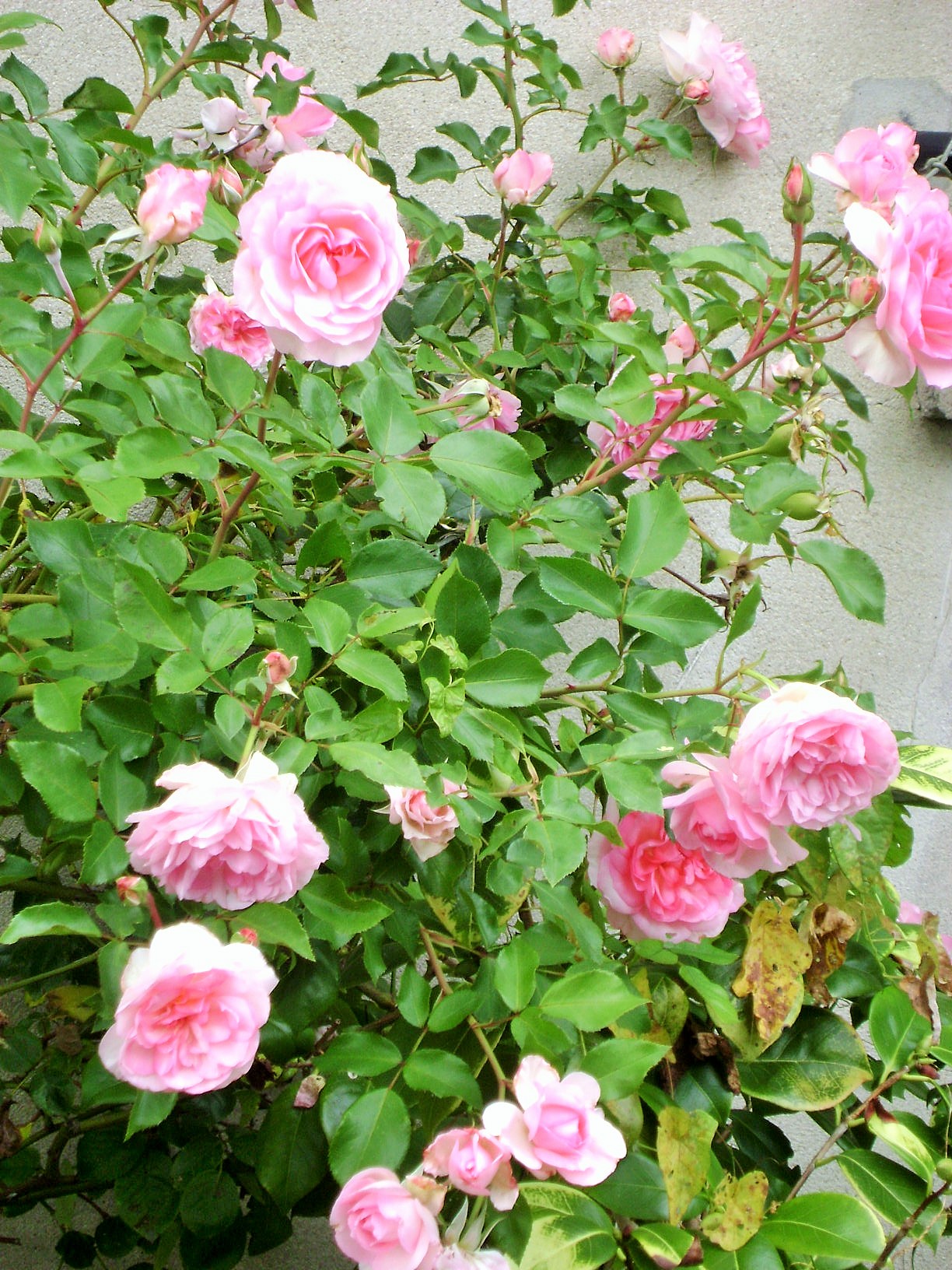
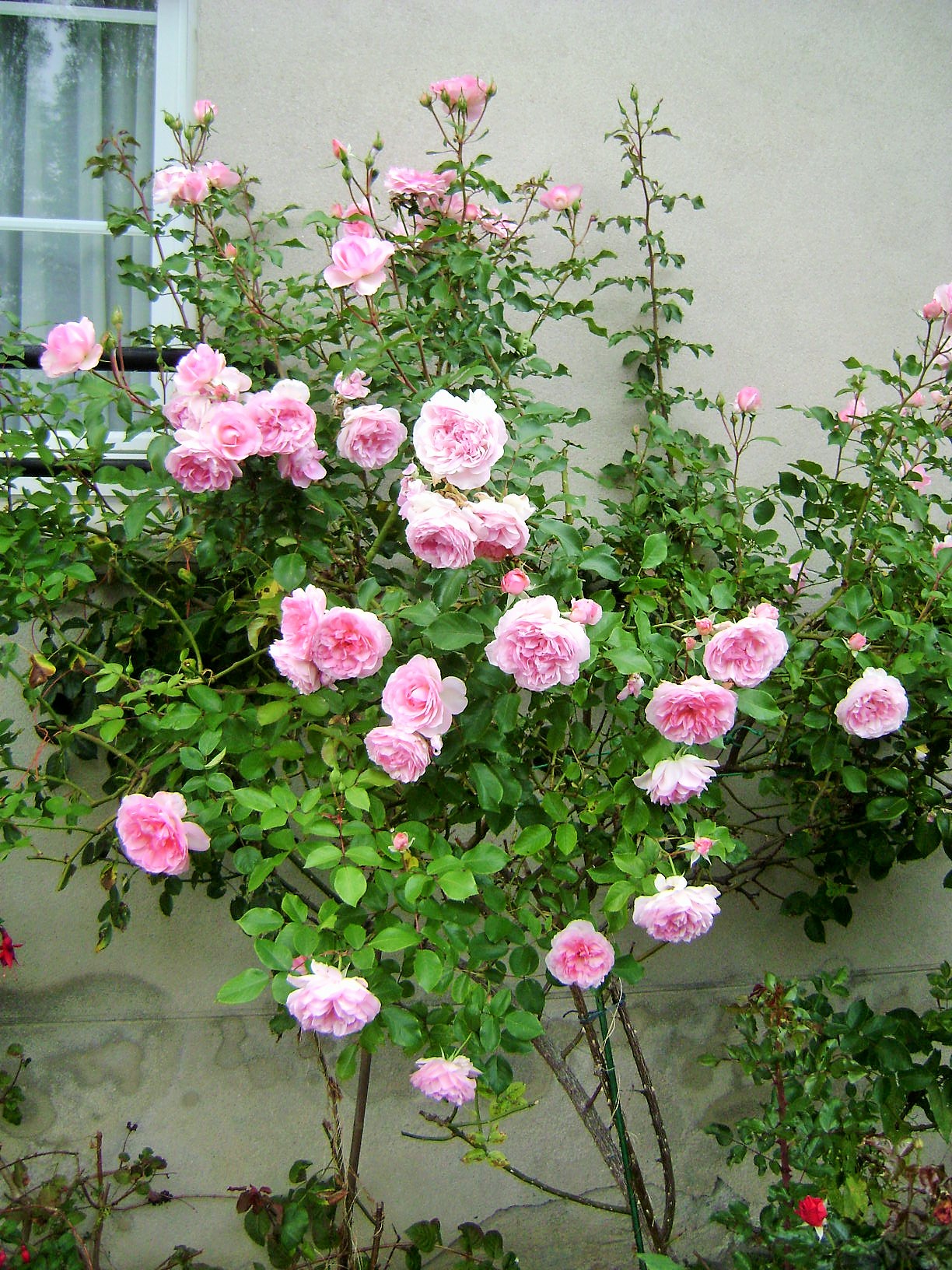
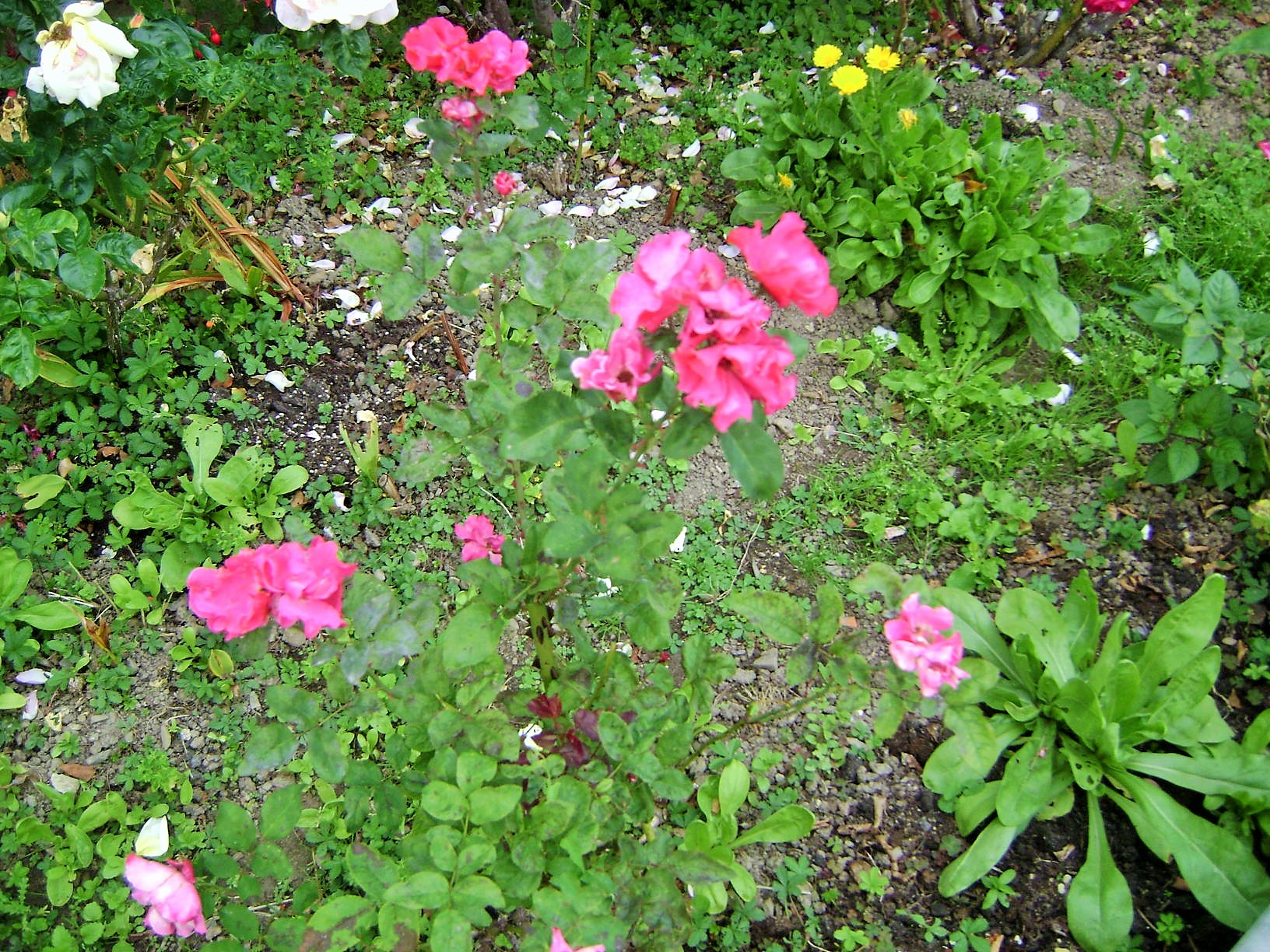
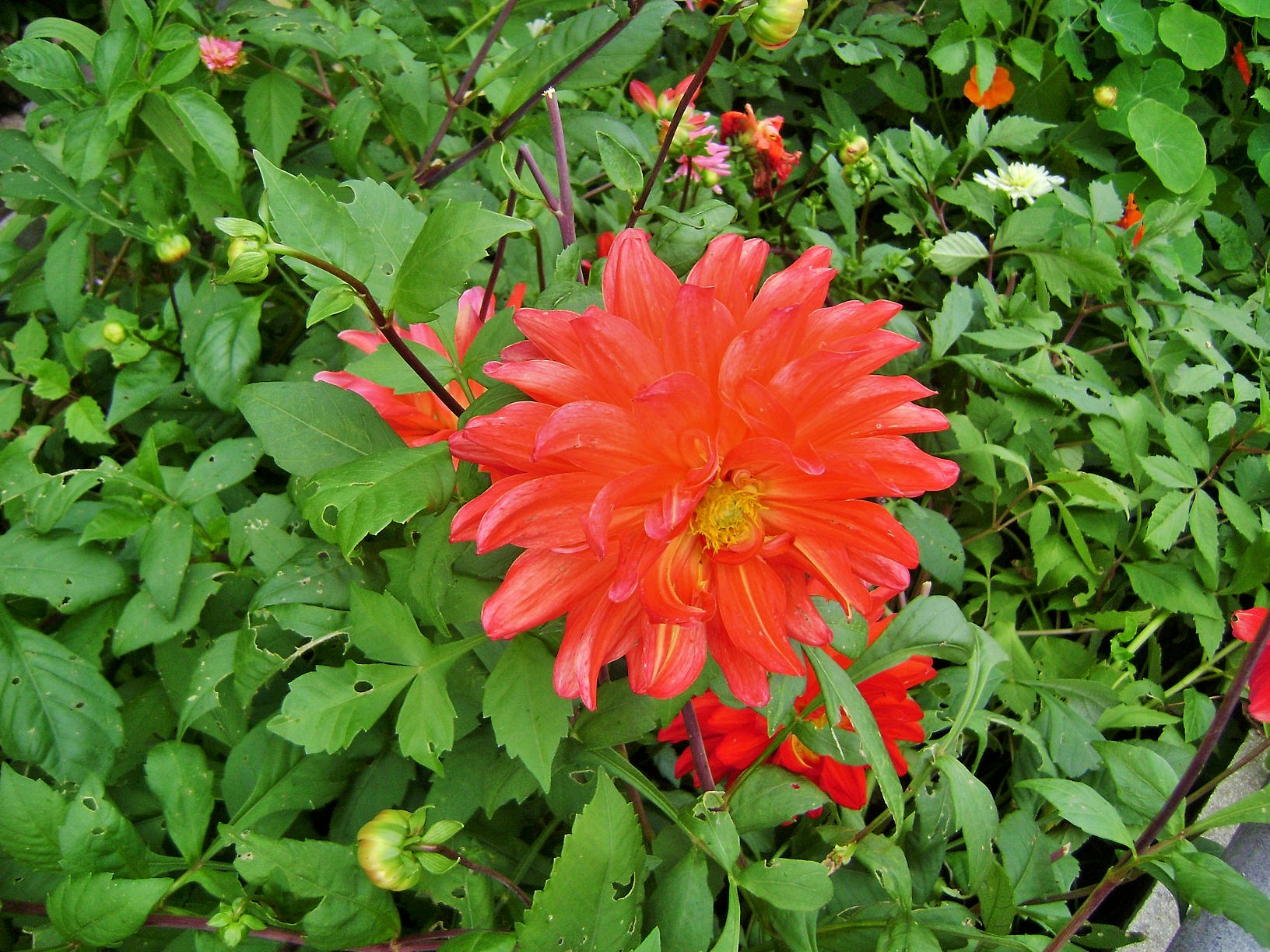
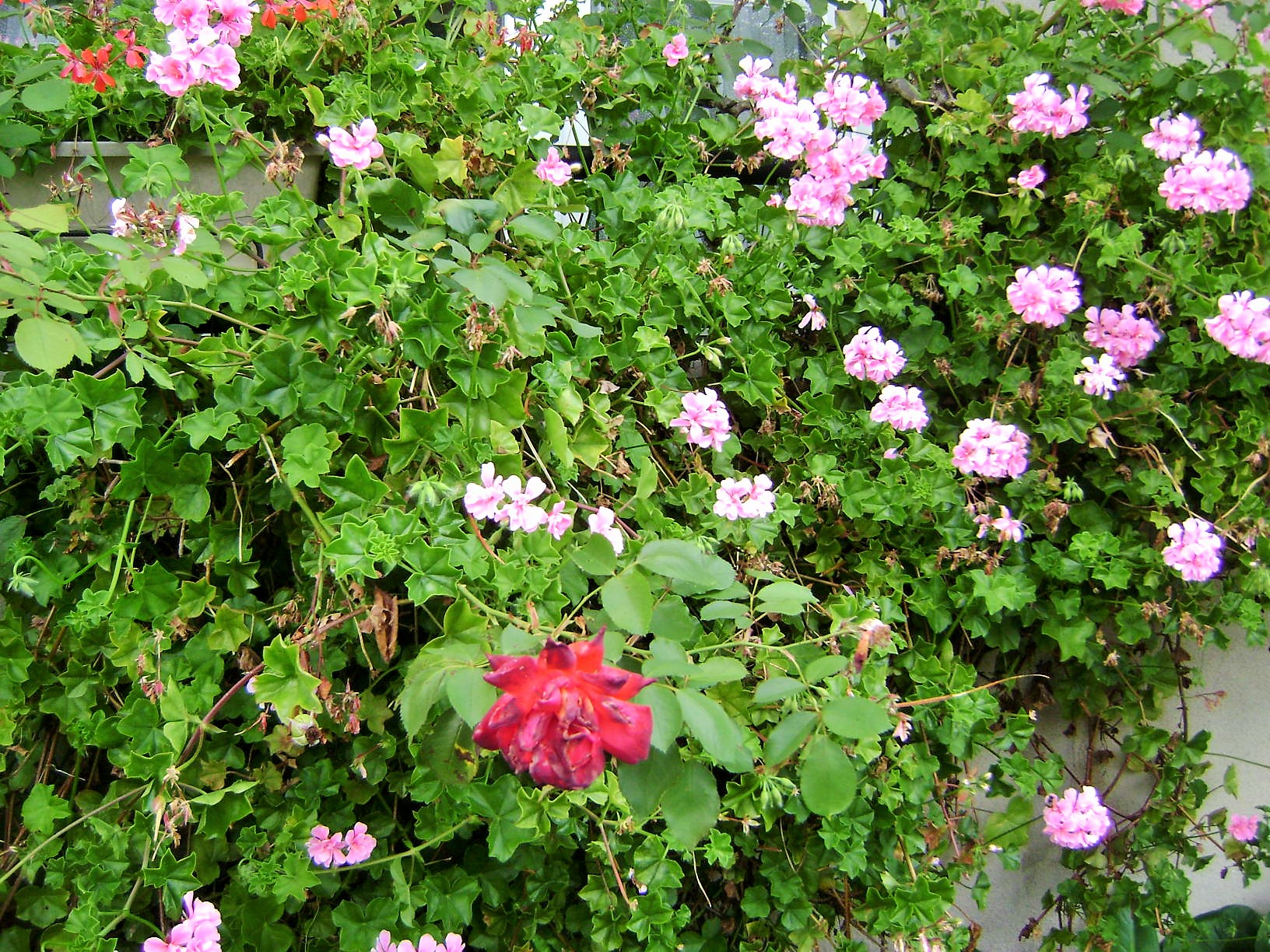
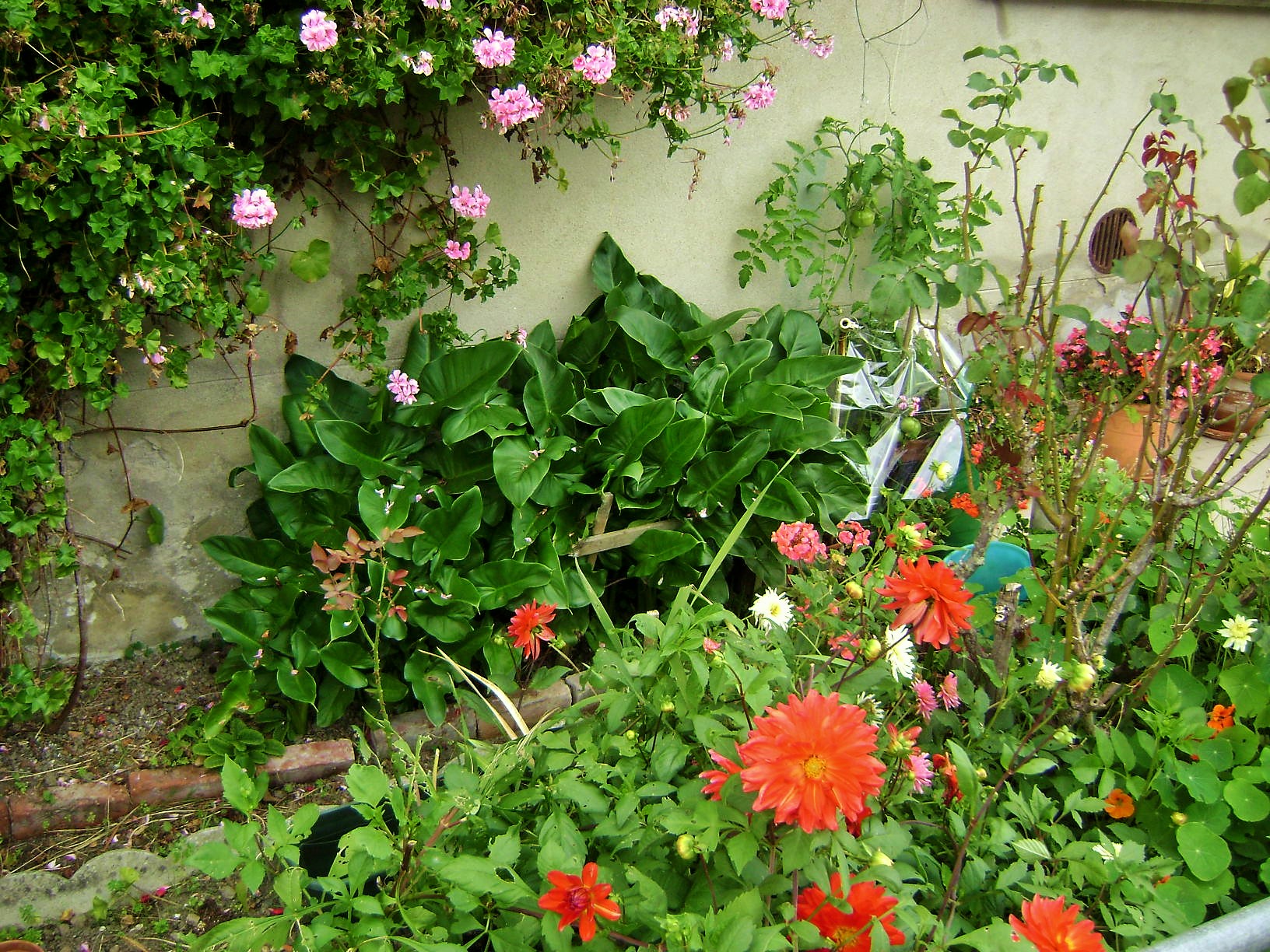
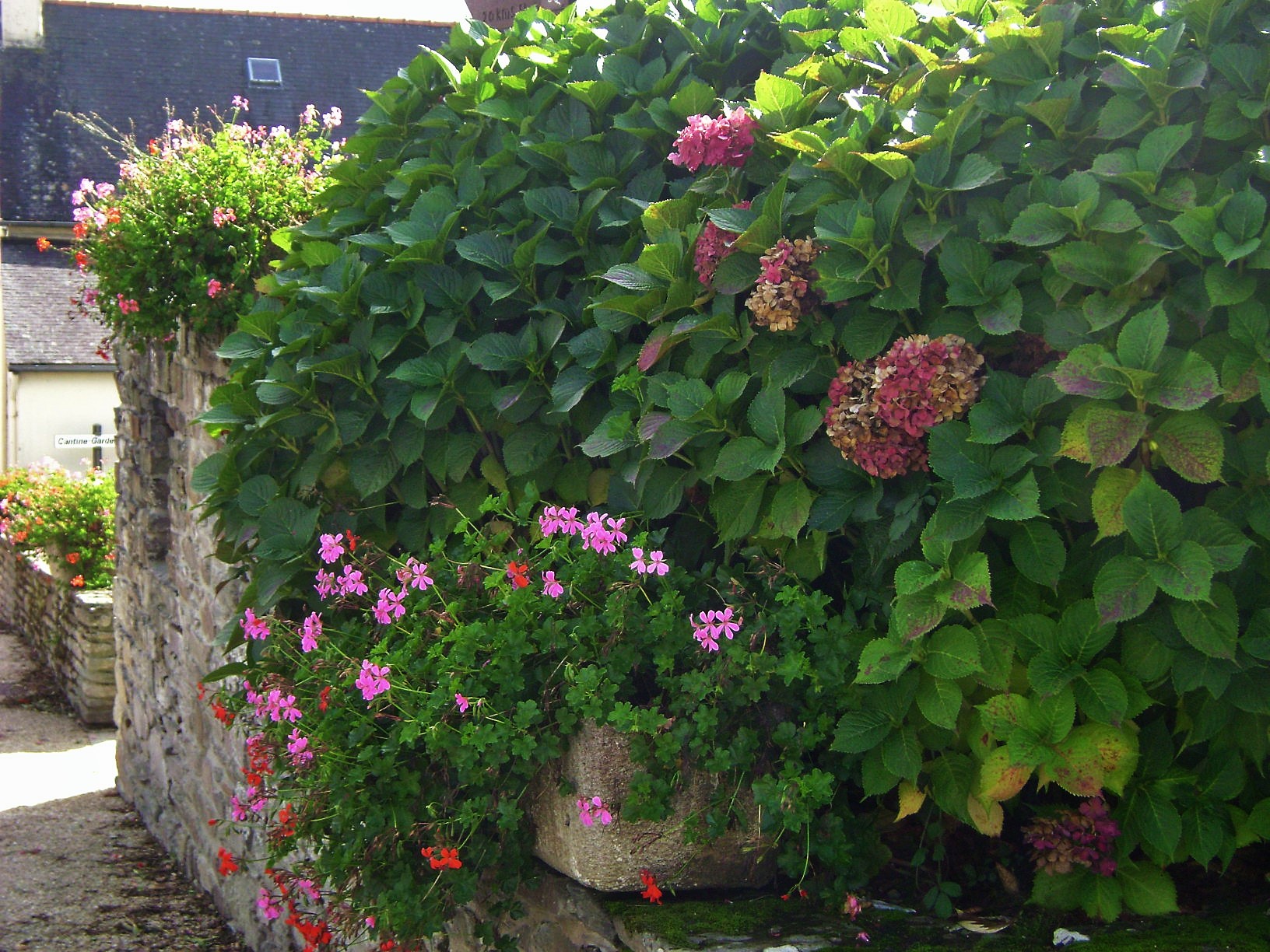
This house in a small coastal town in Brittany, France would be just one of many like it if it weren’t for the lush display of blooms from the small rose garden in the front yard. Shrub roses, climbing roses, old fashioned roses, bloom from spring to fall. Geraniums, cannas, dahlias and hydrangeas are mixed in for foliage and texture as well as extra blooms.
A Romantic Garden in Old Toledo at the School of Fine Arts
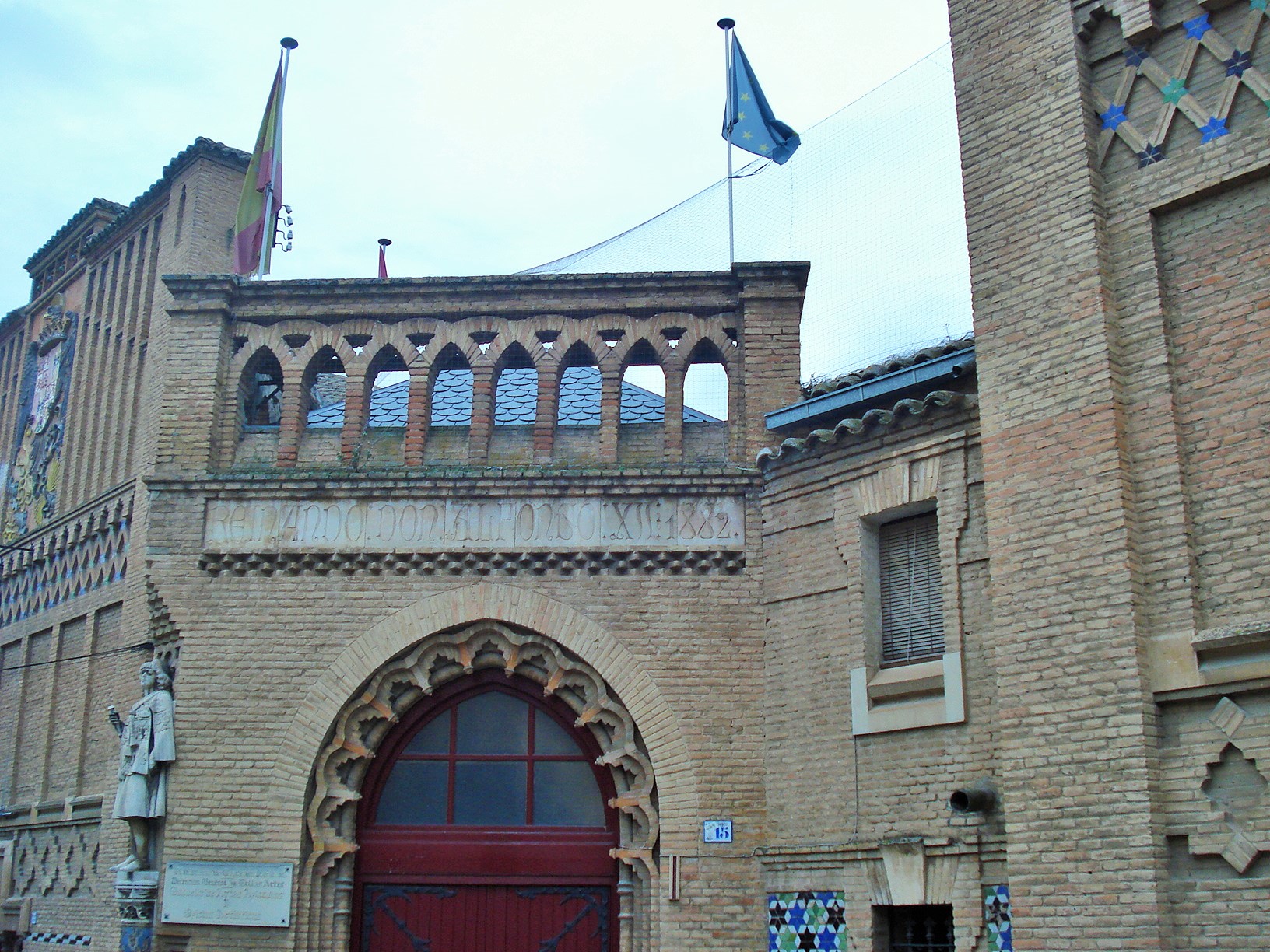
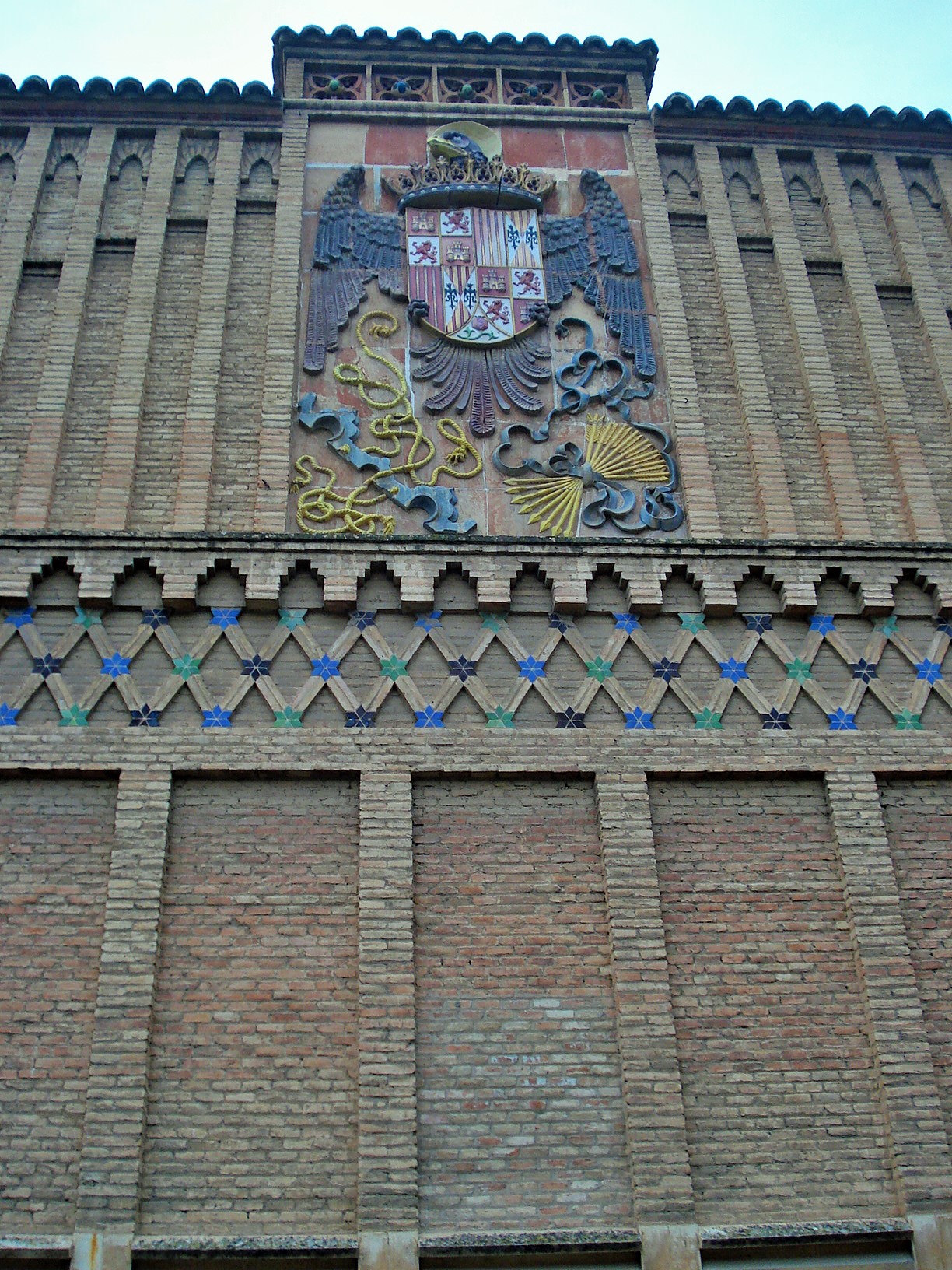
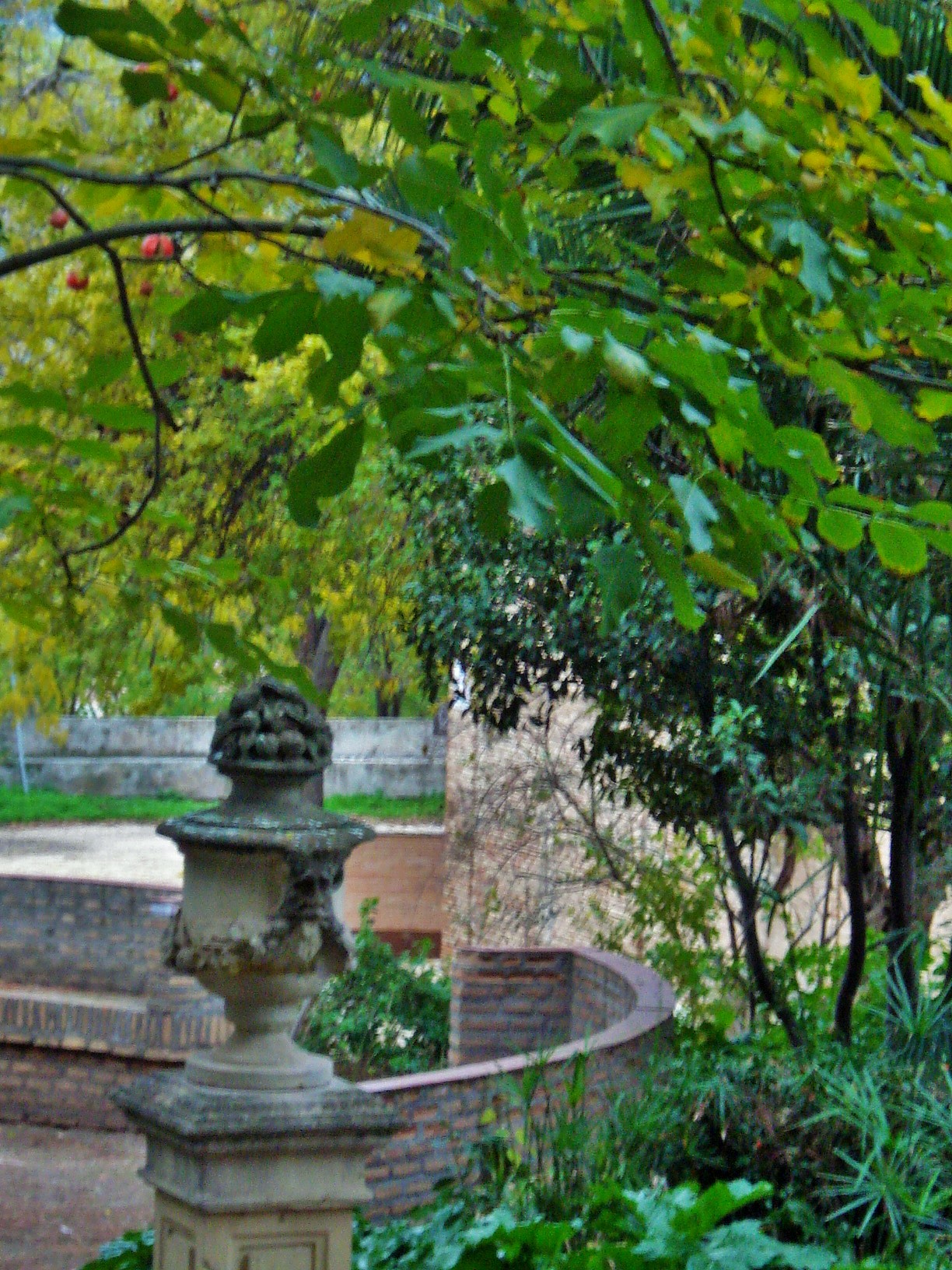
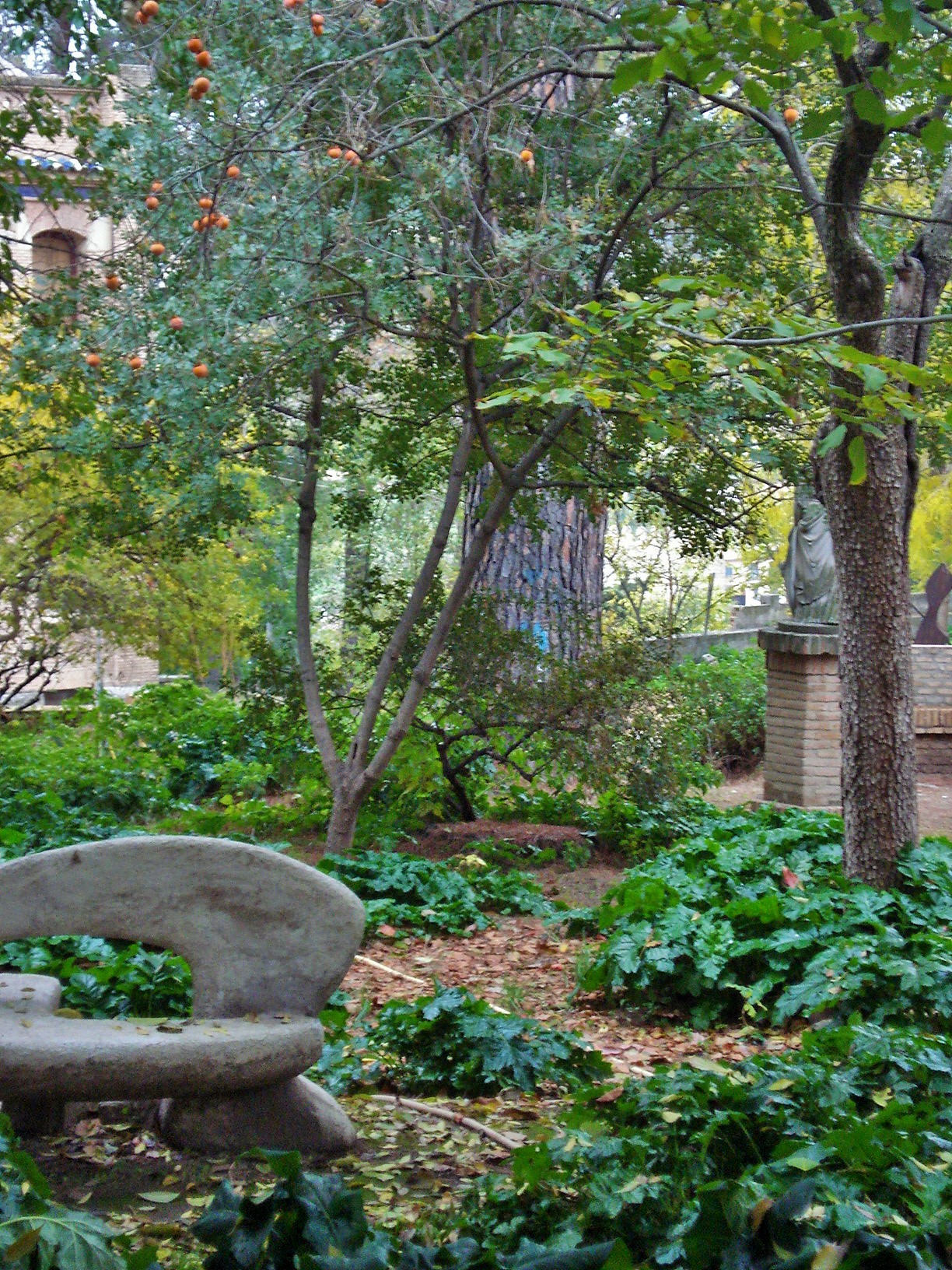
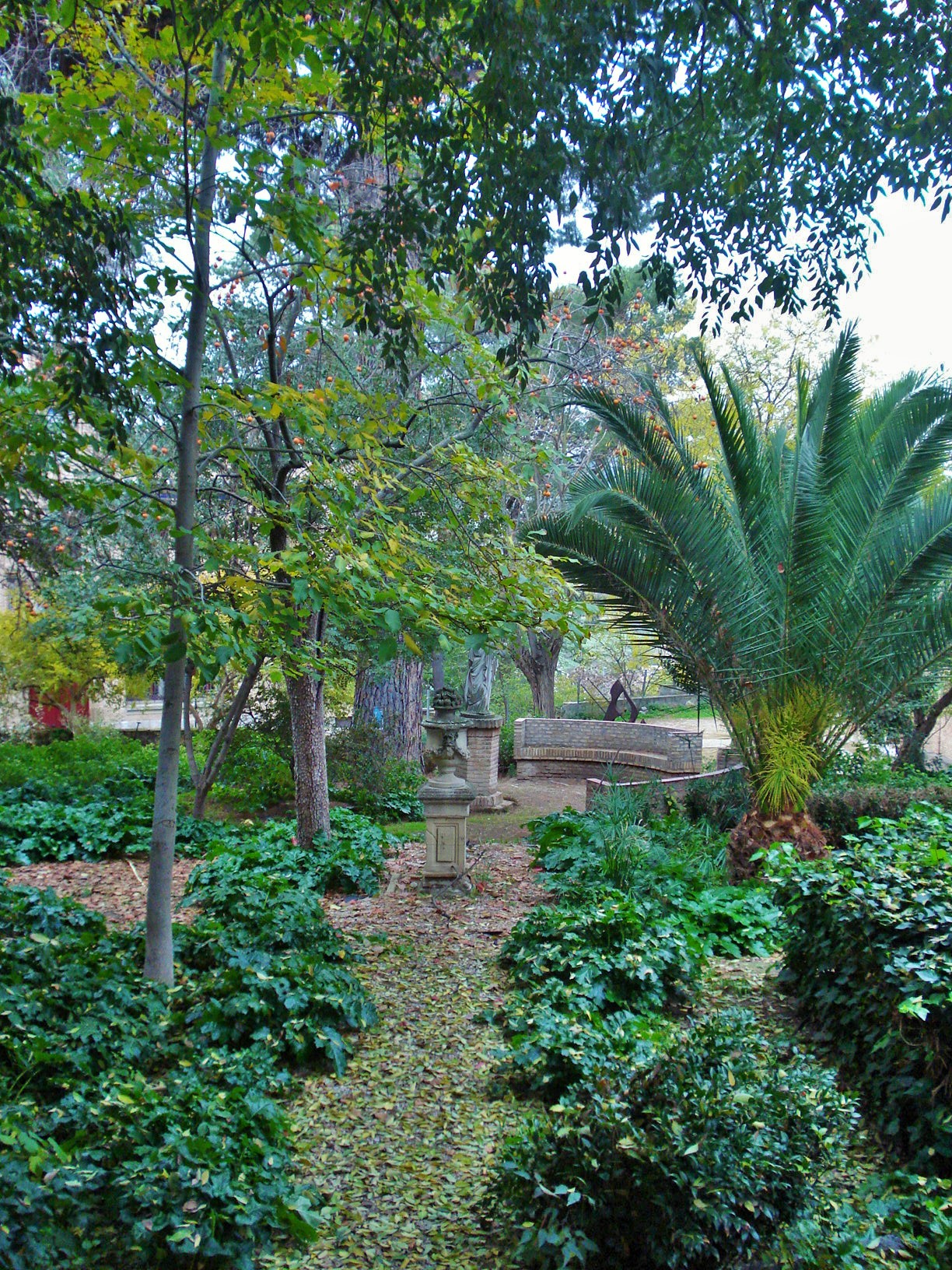
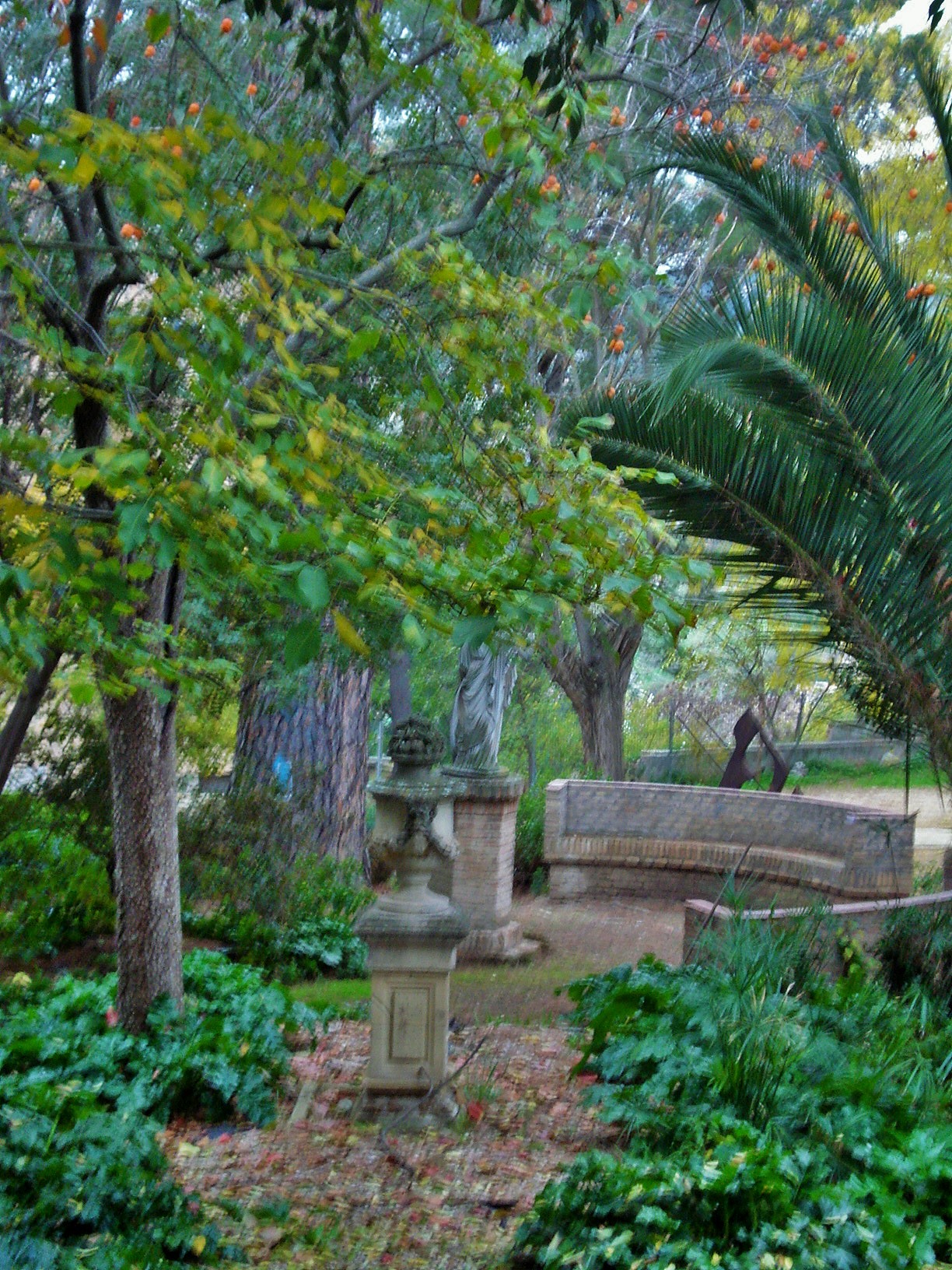
I have written other posts on the beautiful city of Toledo, and while it is full of monuments and old world architecture, there are few public green spaces as gardens are more often than not part of private buildings not open to the public. This romantic garden with a large bust of Don Quixote as its focal point belong to the School of Fine Arts. Even in the fall citrus and khaki trees and bursts of color. Note also the stunningly ornate glass and iron conservatory alongside the building.
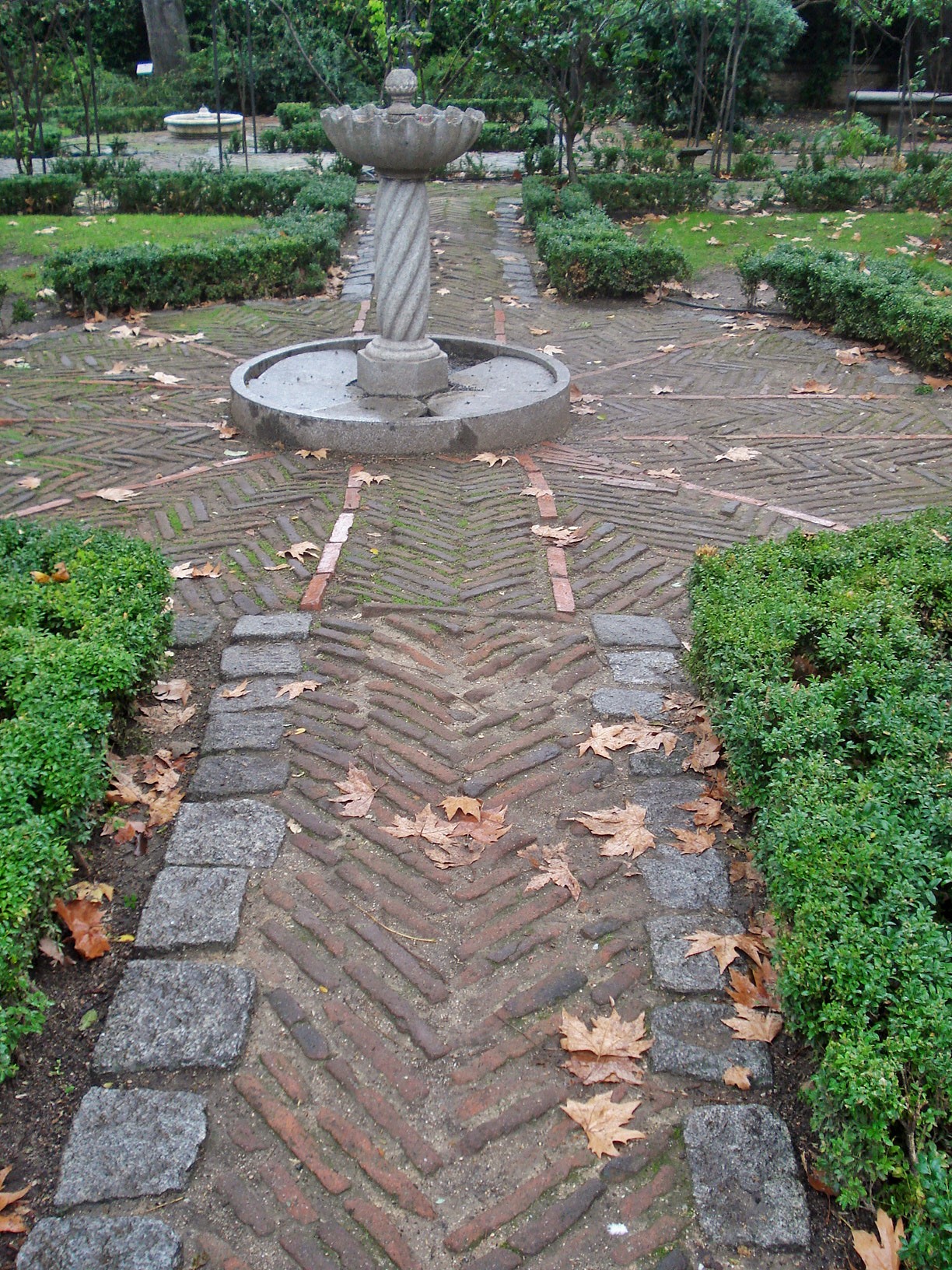
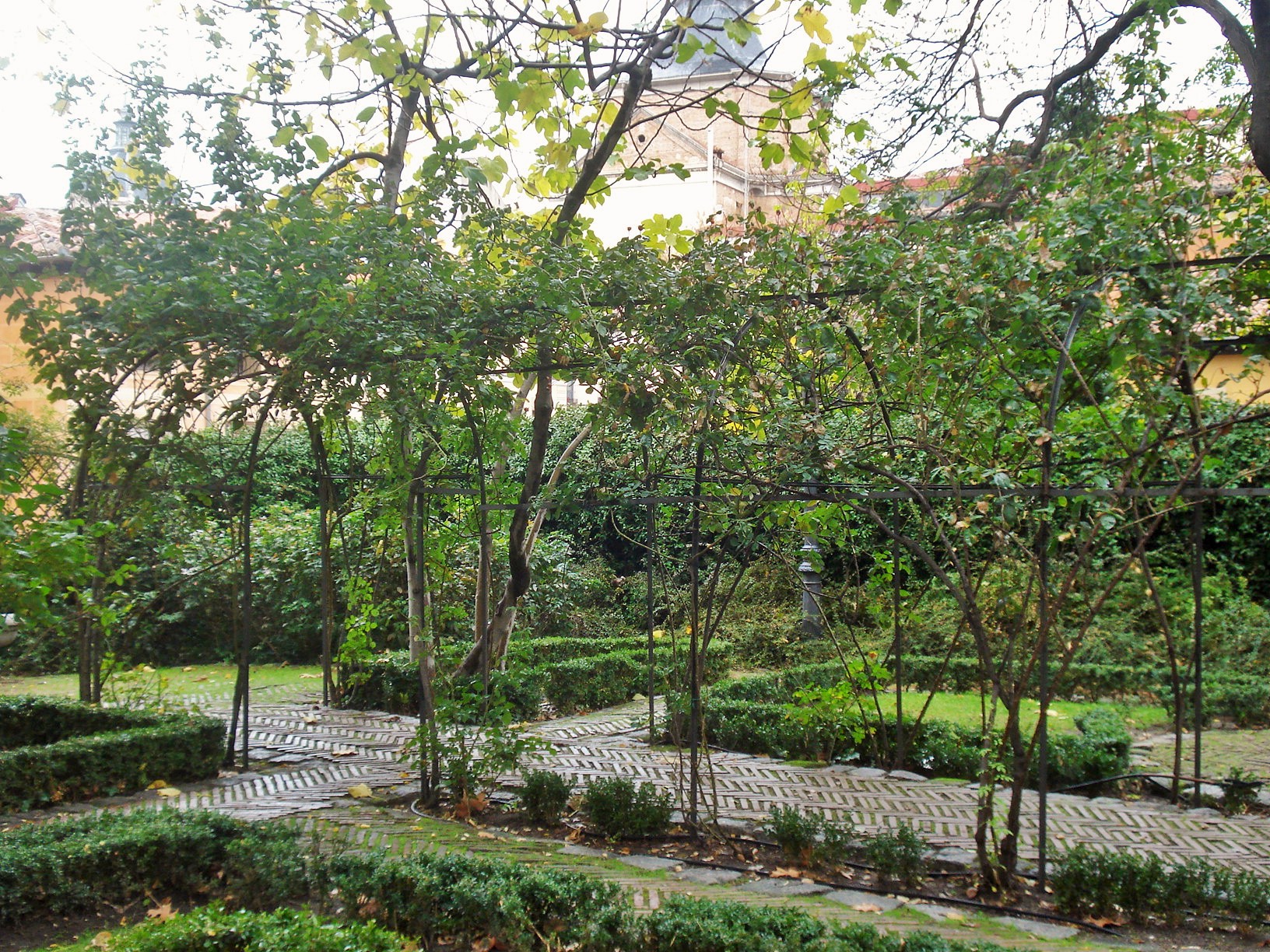
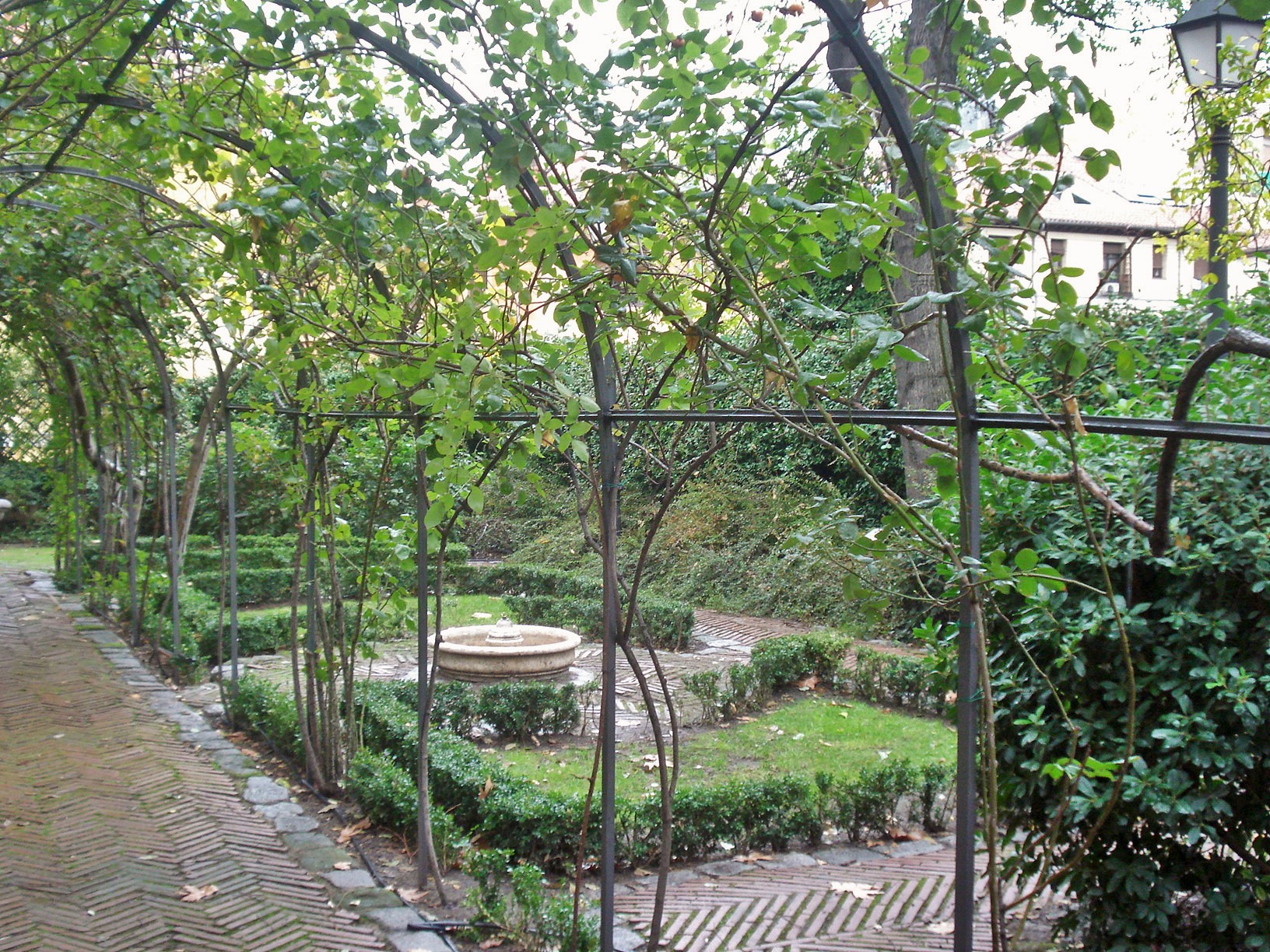
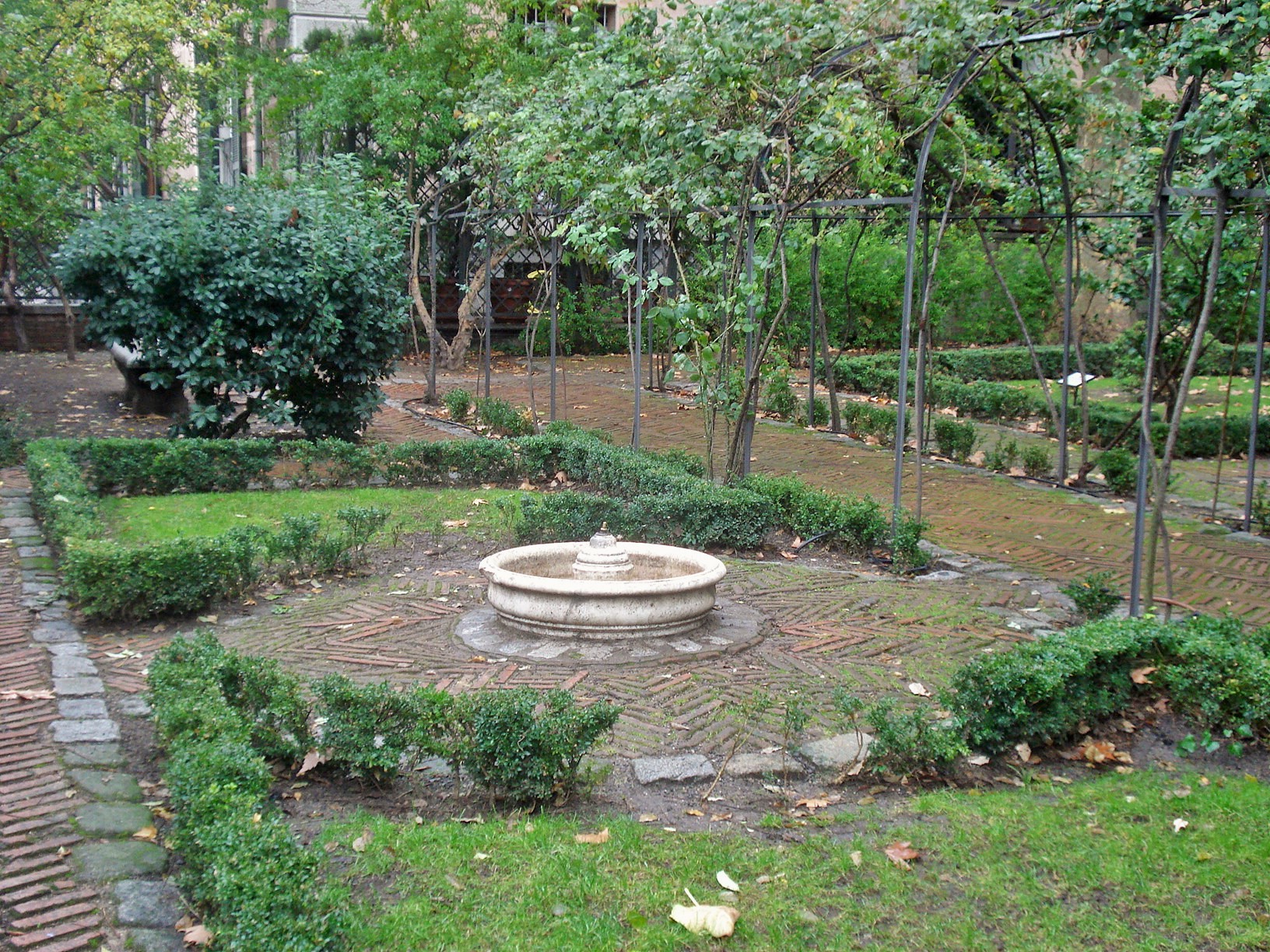
Prinicipe de Anglona: A Historic Garden in Old Madrid
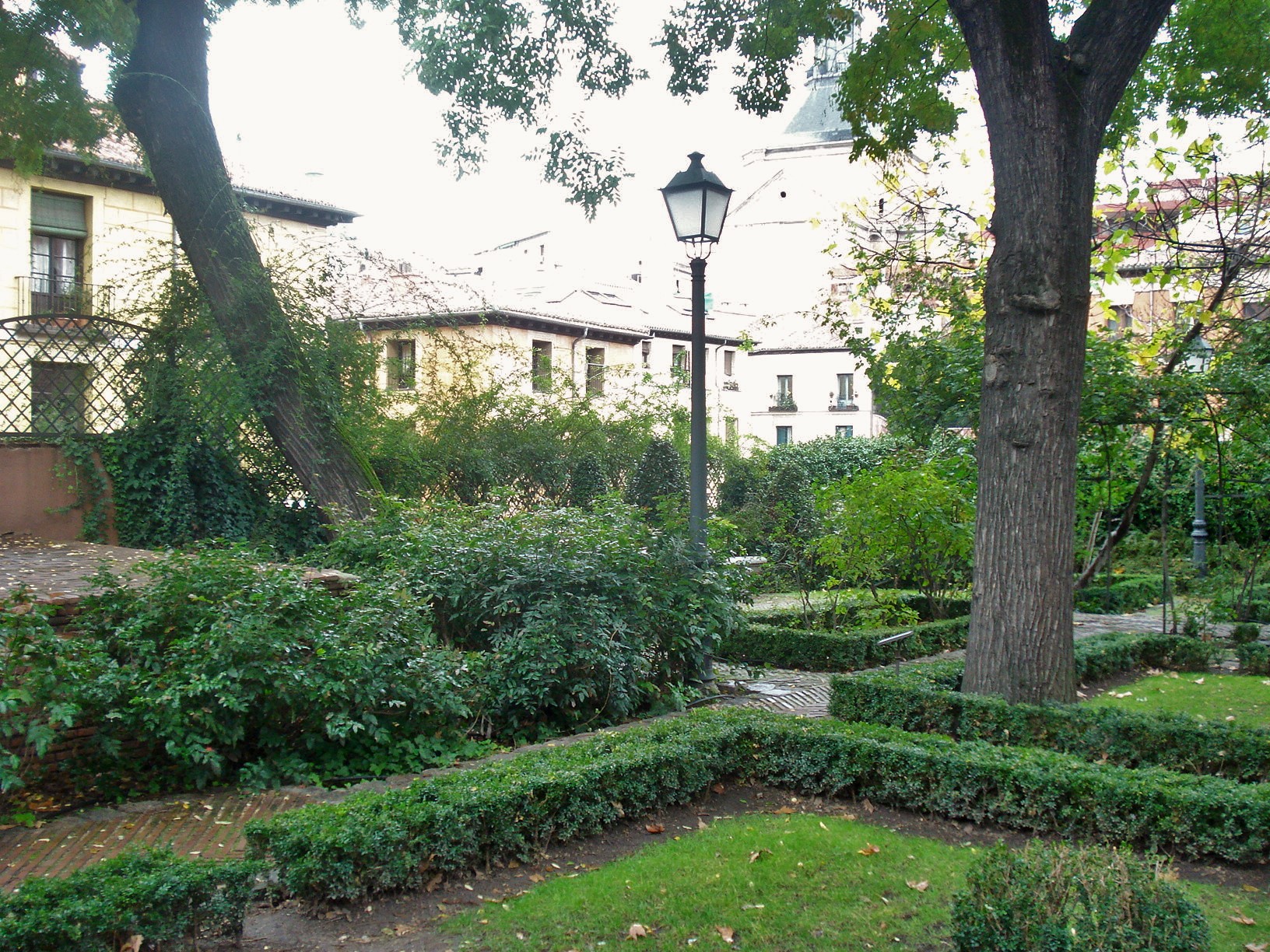
“Jardín del Príncipe de Anglona is a beautiful green space, gracing Madrid’s Plaza de la Paja. It is one of the few examples of aristocratic gardens of the eighteenth century still preserved in the capital.
Its history is linked to the Palacio del Príncipe de Anglona, an edifice erected around 1530 as the residence of Francisco de Vargas- Jardín del Príncipe de Anglona was laid out in the eighteenth century, along one side of the mansion. It was designed in neo-classical style by Nicolás Chalmandrier.
The garden is named for Pedro de Alcántara Téllez-Girón y Alfonso-Pimentel, prince of Anglona and marquez of Jabalquinto, who lived in the mansion in the nineteenth century.” (From stay.com)
I visited this garden in the fall, and I can only image what a wonderful green oasis it must be in the heart of Madrid when the arbor and roses are in full bloom.