All posts by Globetrotting Gardener

Barcelona’s Horta Labyrinth Gardens: The Maze and Pavilions

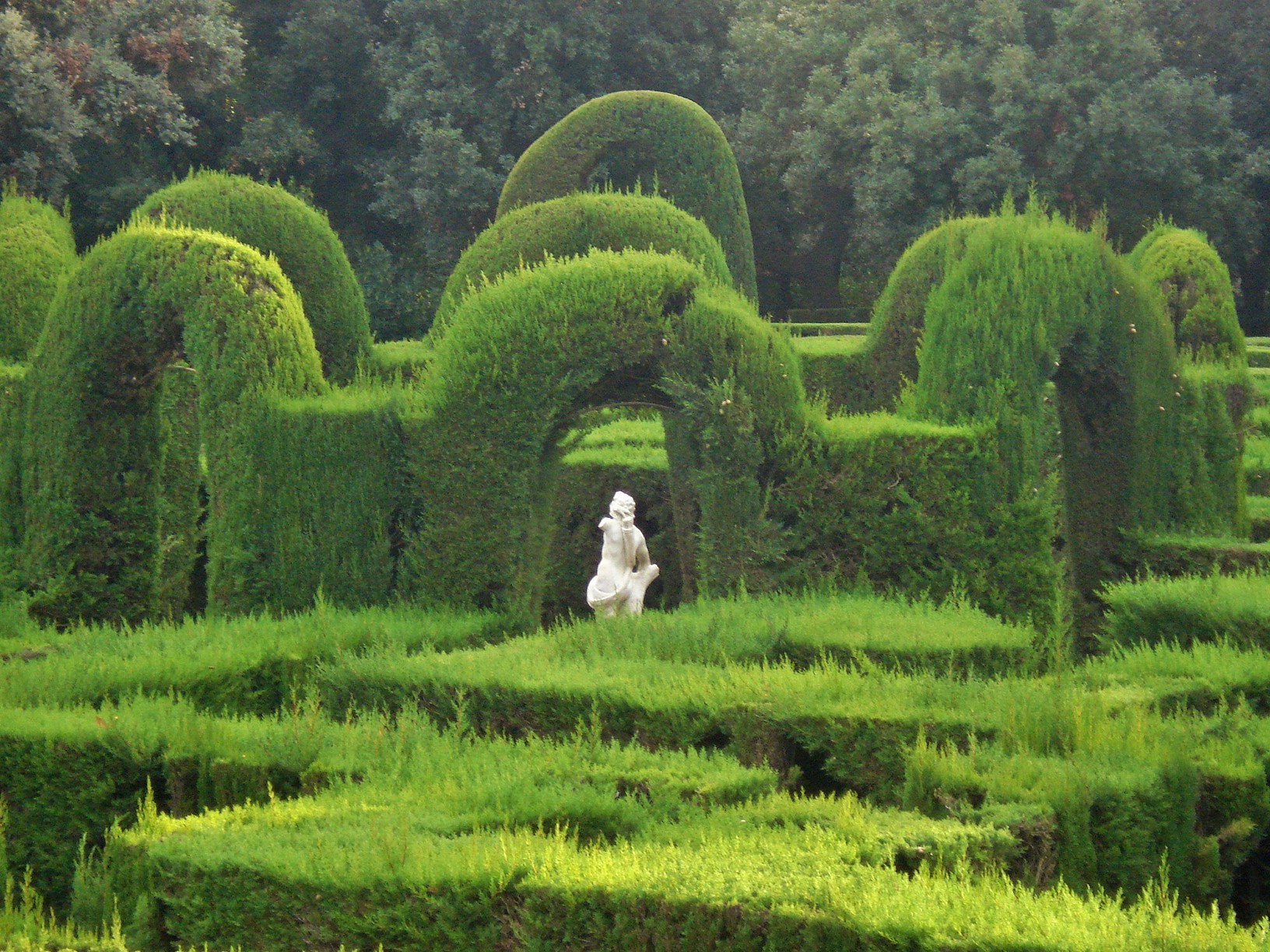
Located in the Horta district in northern Barcelona, the Labyrinth Garden was created in the late 18th century by the owner of the estate, marquis Joan Antoni Desvalls i d’Ardena, who commisioned Italian garden architect  Domenico Bagutti. This is when the maze was created and part of the gardens in the neo-classical style.

In the mid 19th century, the gardens were then expanded by the marquis descendants to expand the garden in the romantic style with a waterfall, large trees, gazebo, statues, and flower beds.

This garden is the oldest of its kind in Barcelona. The family turned it over to the city in 1967, and it opened as a public park in 1971.

To read more about this garden, click here, here, or here for Wikipedia.

The park can be roughly divided into three main areas: the first includes the country house and adjacent gardens, the second would be the 18th century maze and pavilion, the third includes  the romantic garden and waterfall.

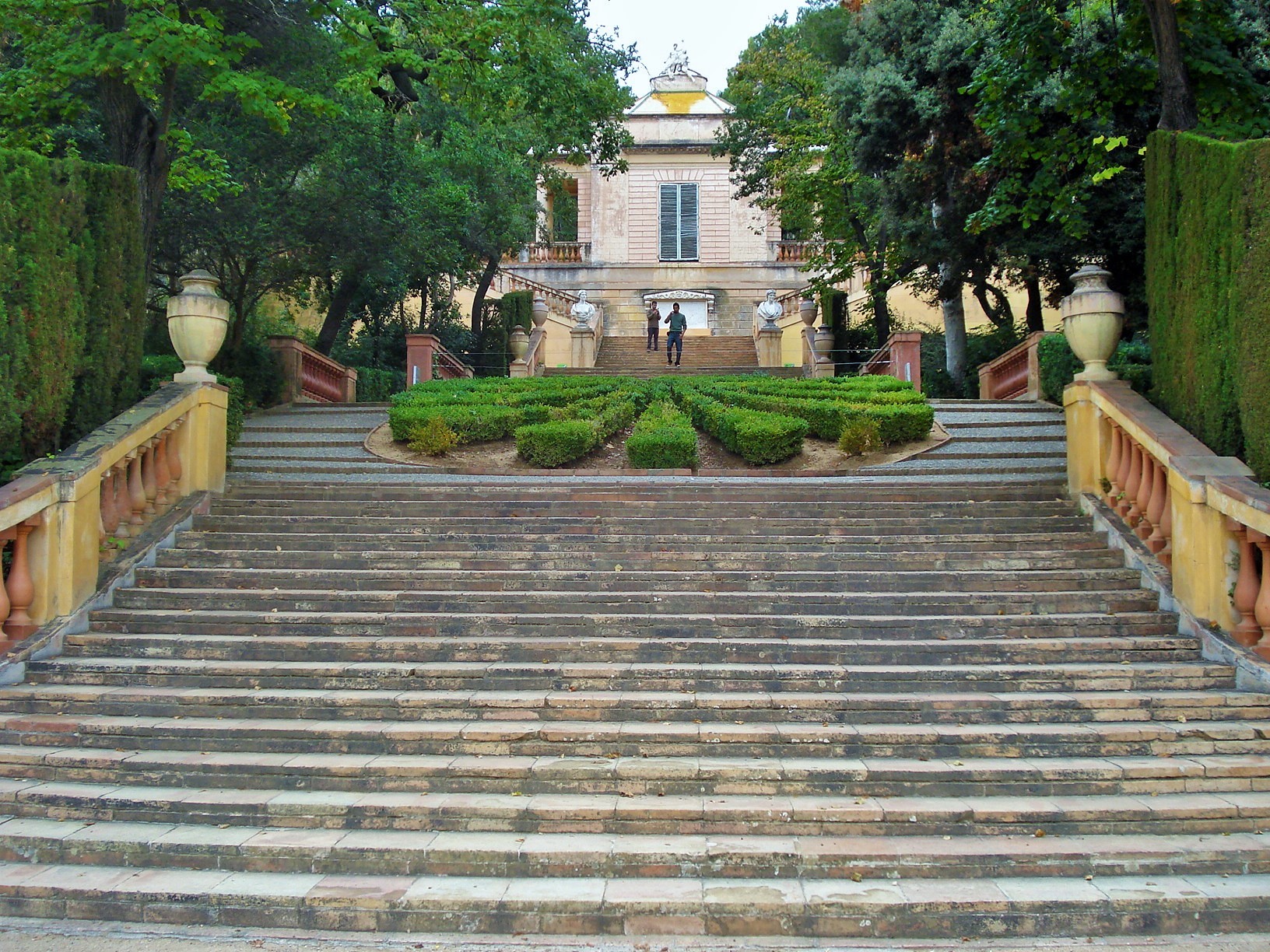
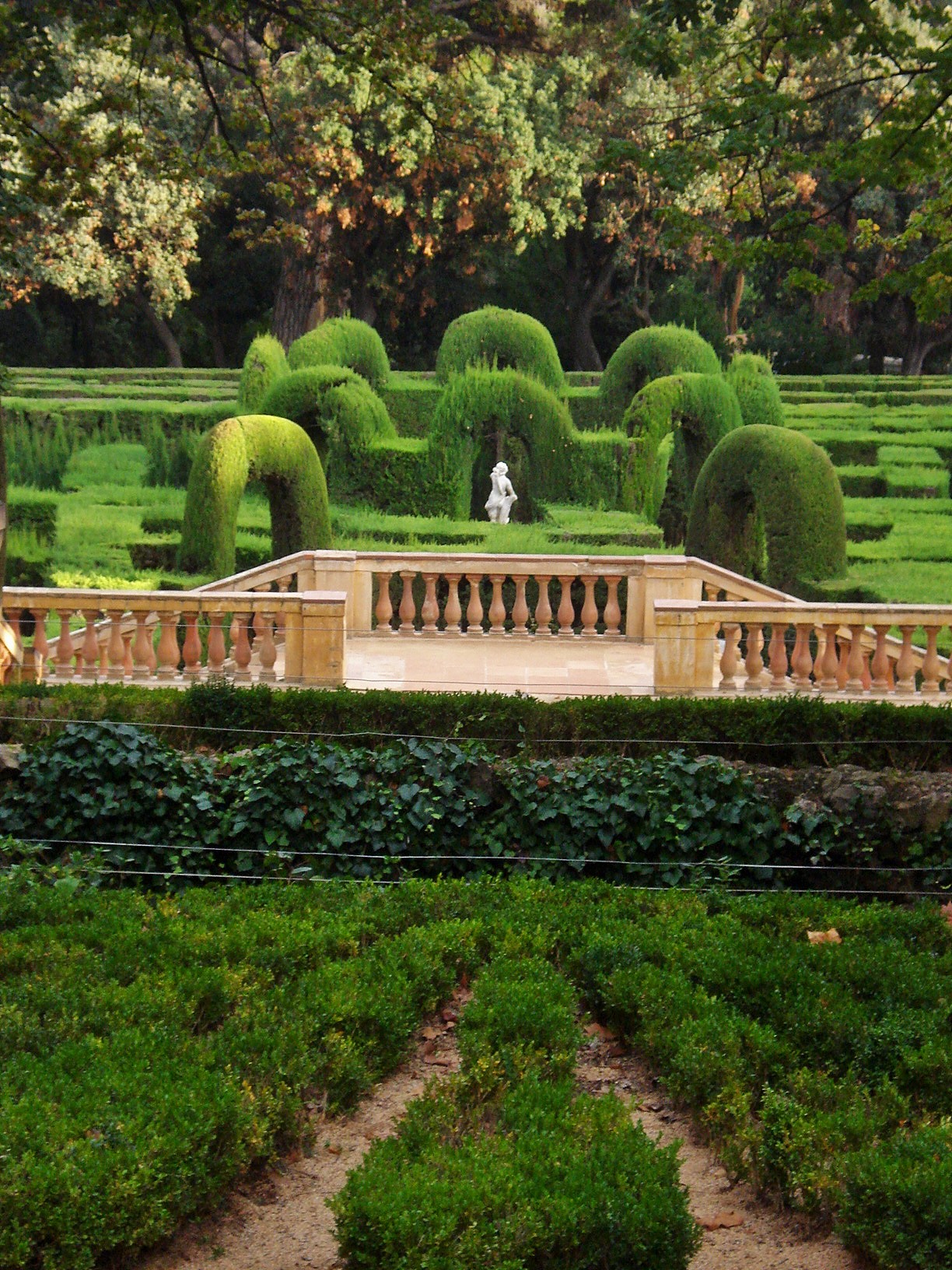
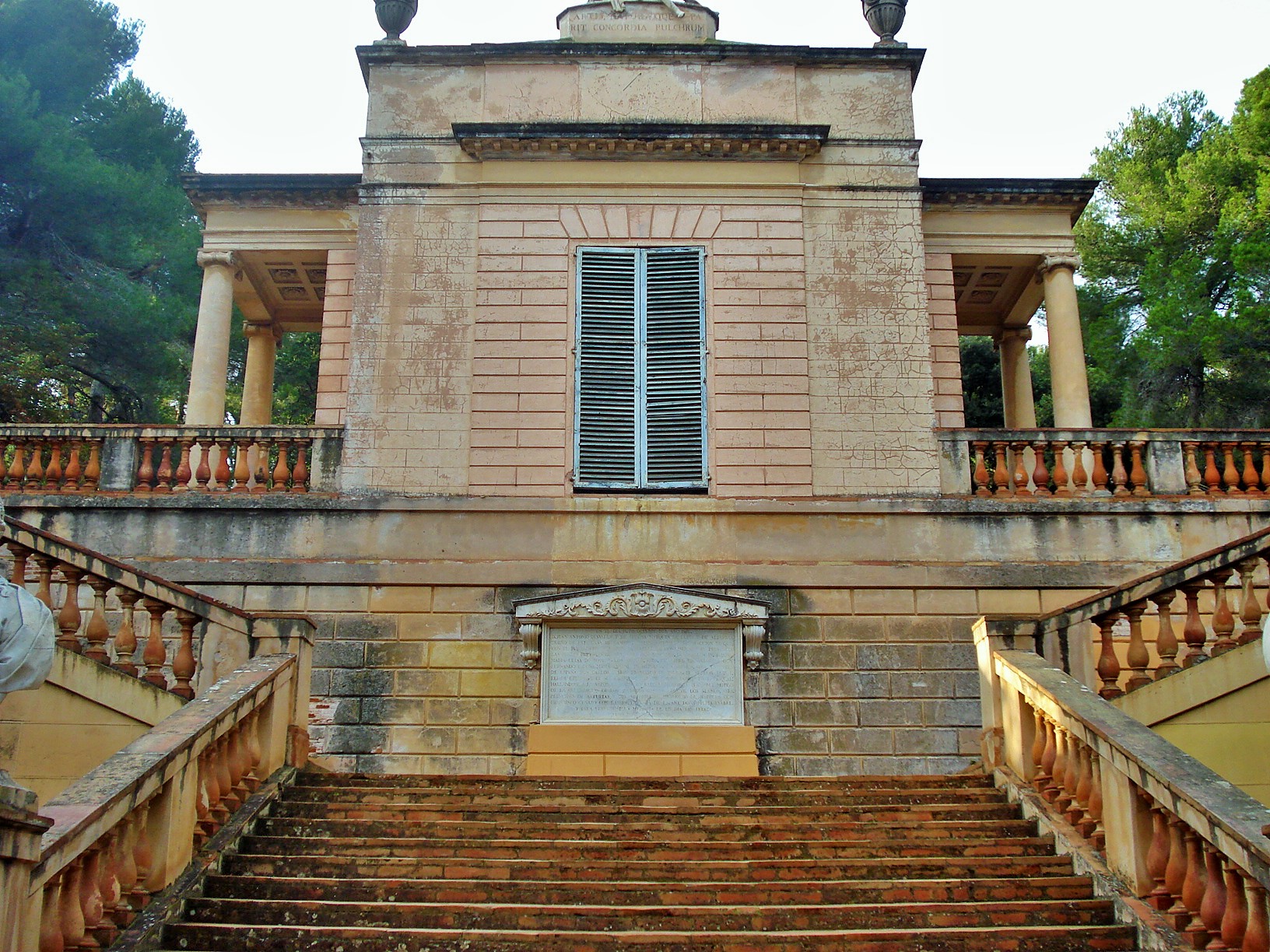
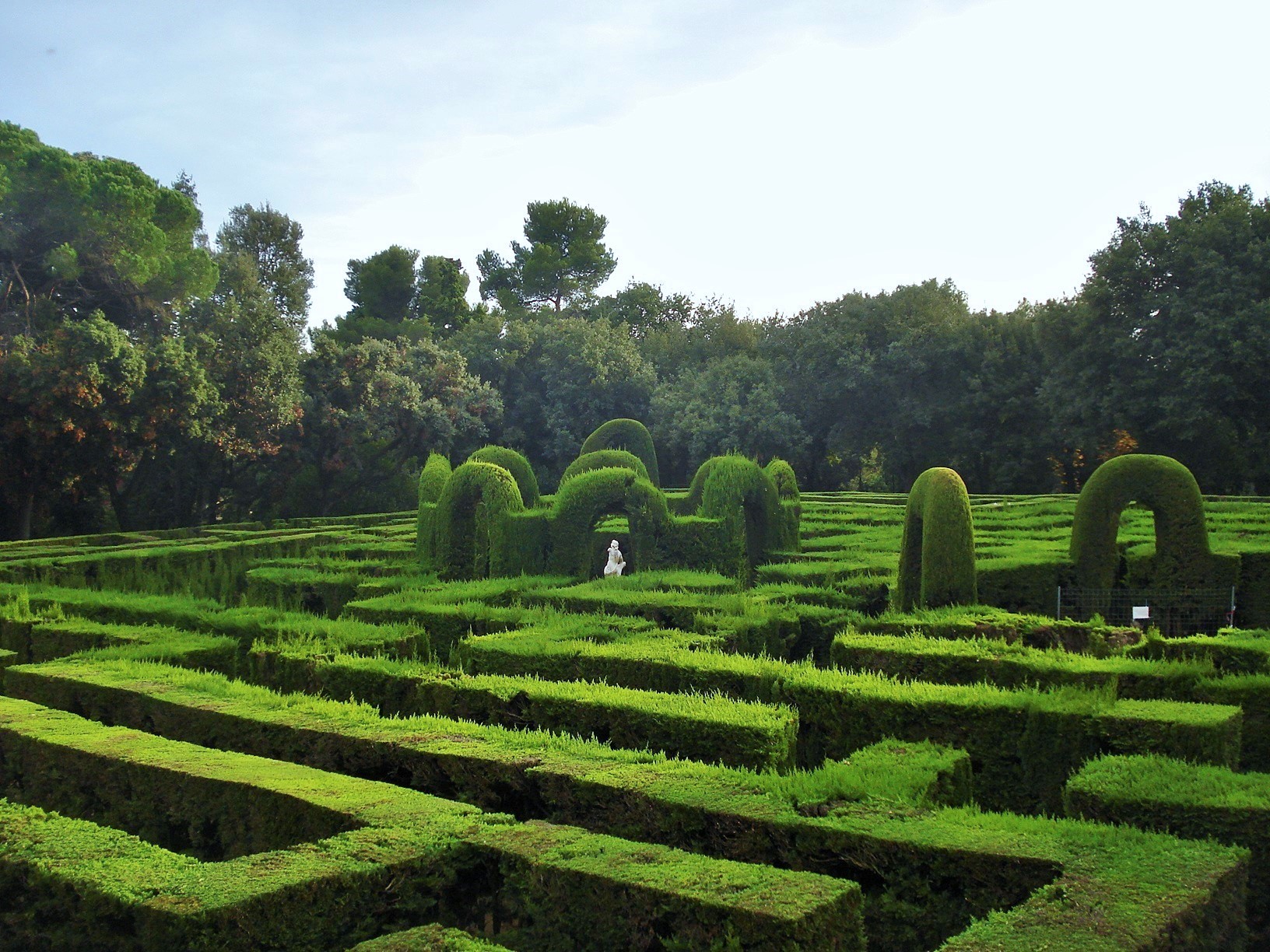
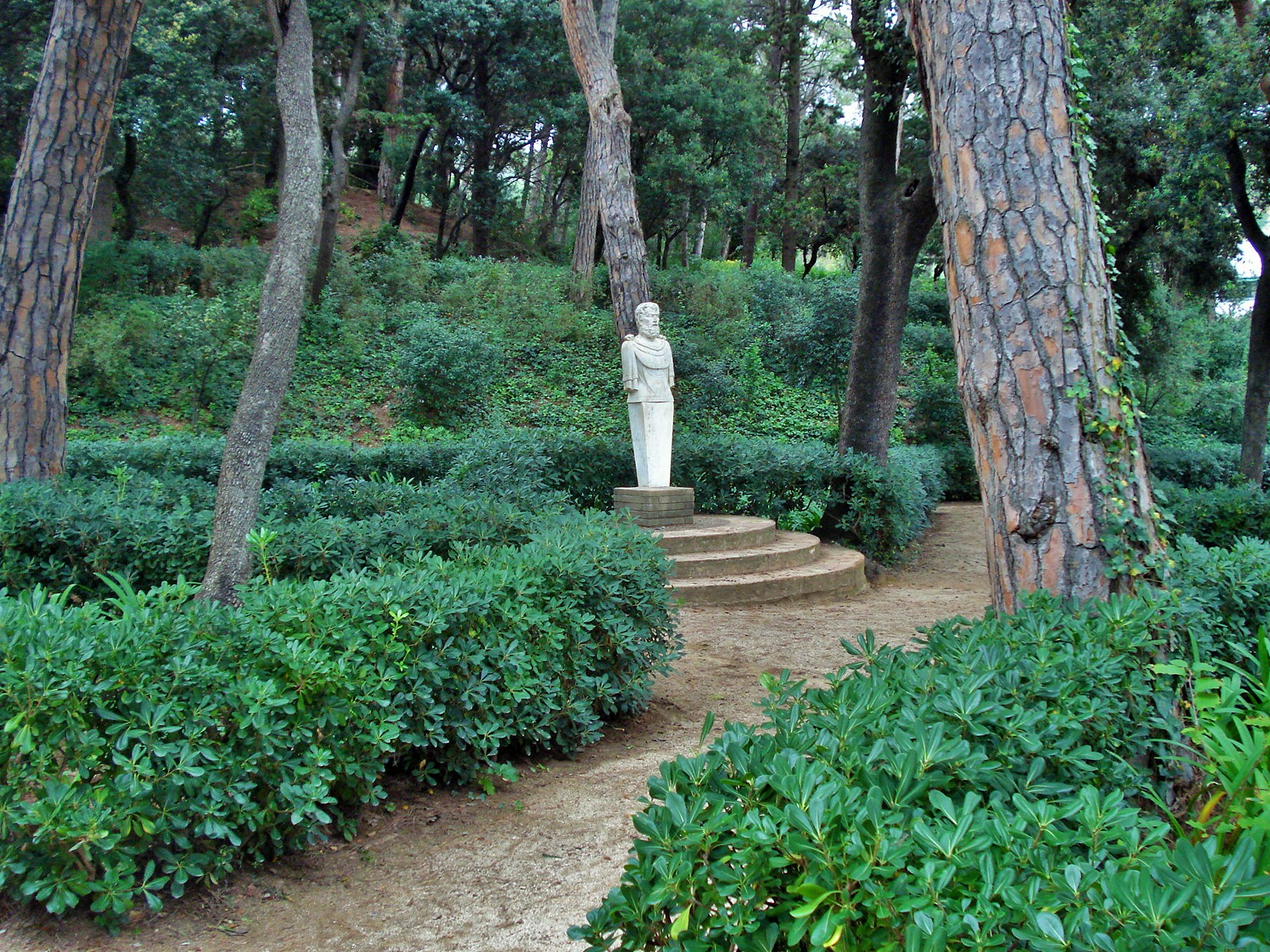
In this post, I will feature the centerpiece of the park, the original 18th century maze.  Three terraces lead up to a large pavilion dedicated to the nine muses. The intermediate terrace is flanked by two small open pavilions, inspired by Roman temples.
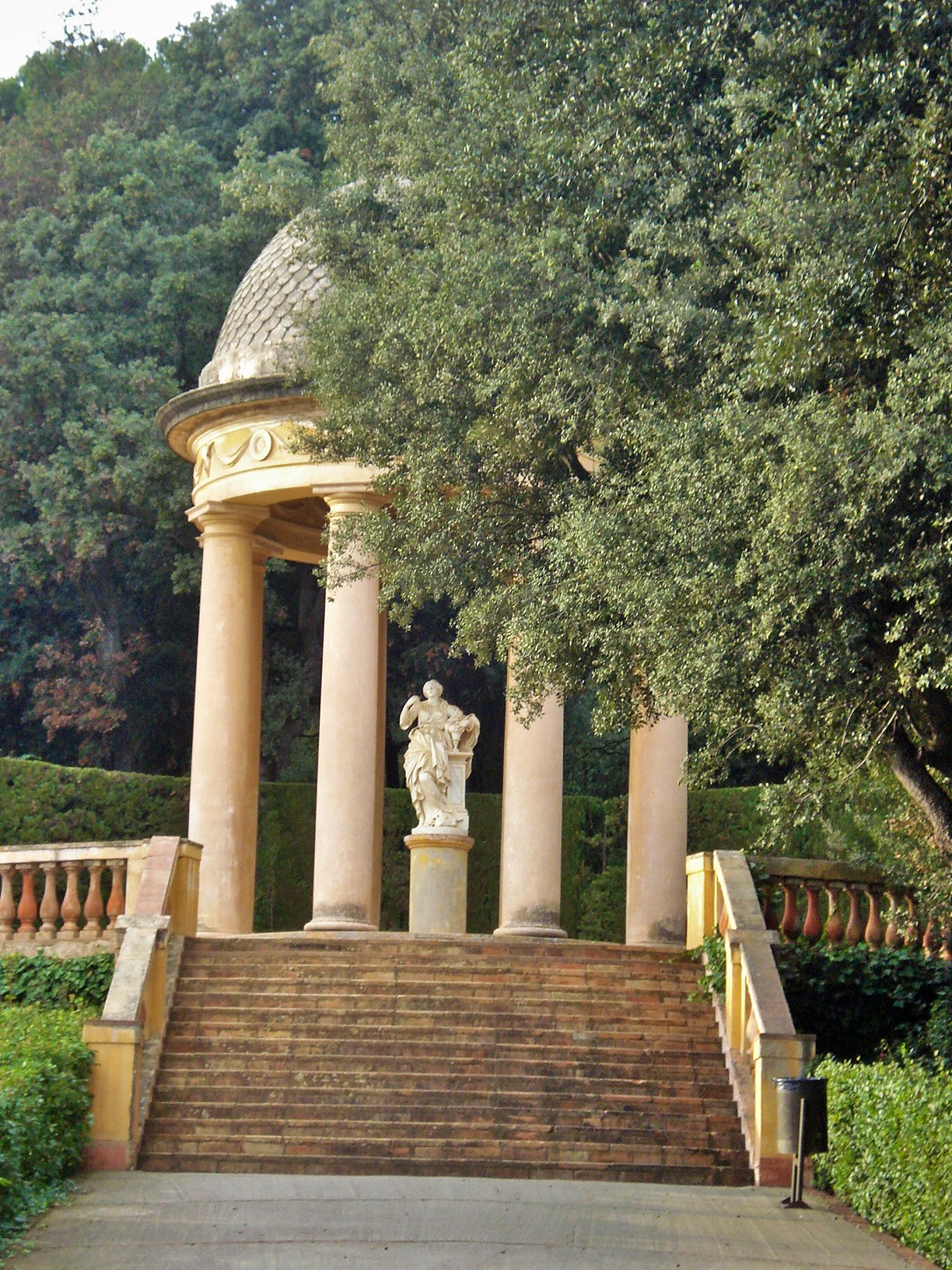
The Roman temple
The Roman temple

DSC08328 DSC08330

Fountain on the second terrace

DSC08332

Large pavilion on top terrace

DSC08336 DSC08337

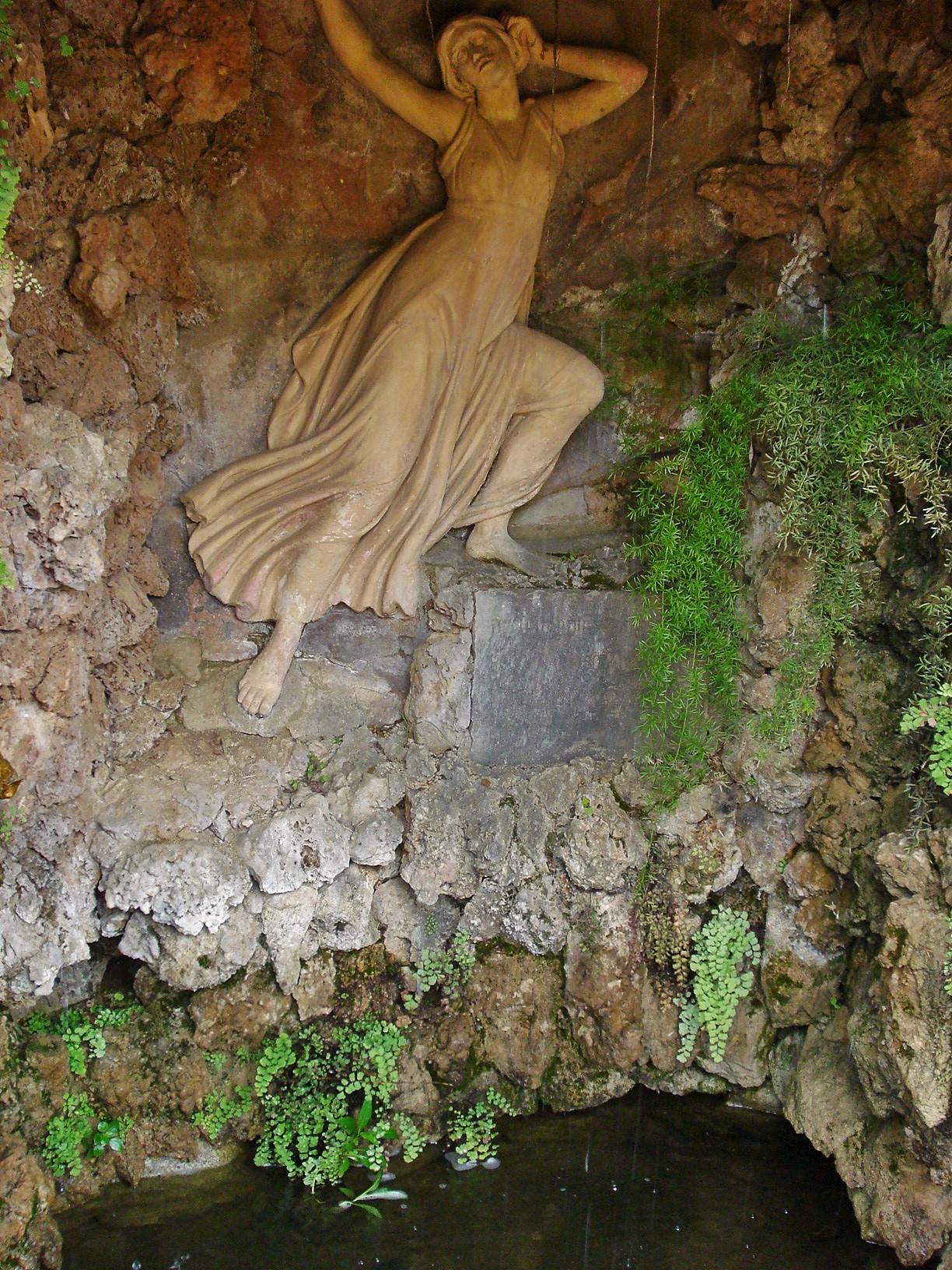
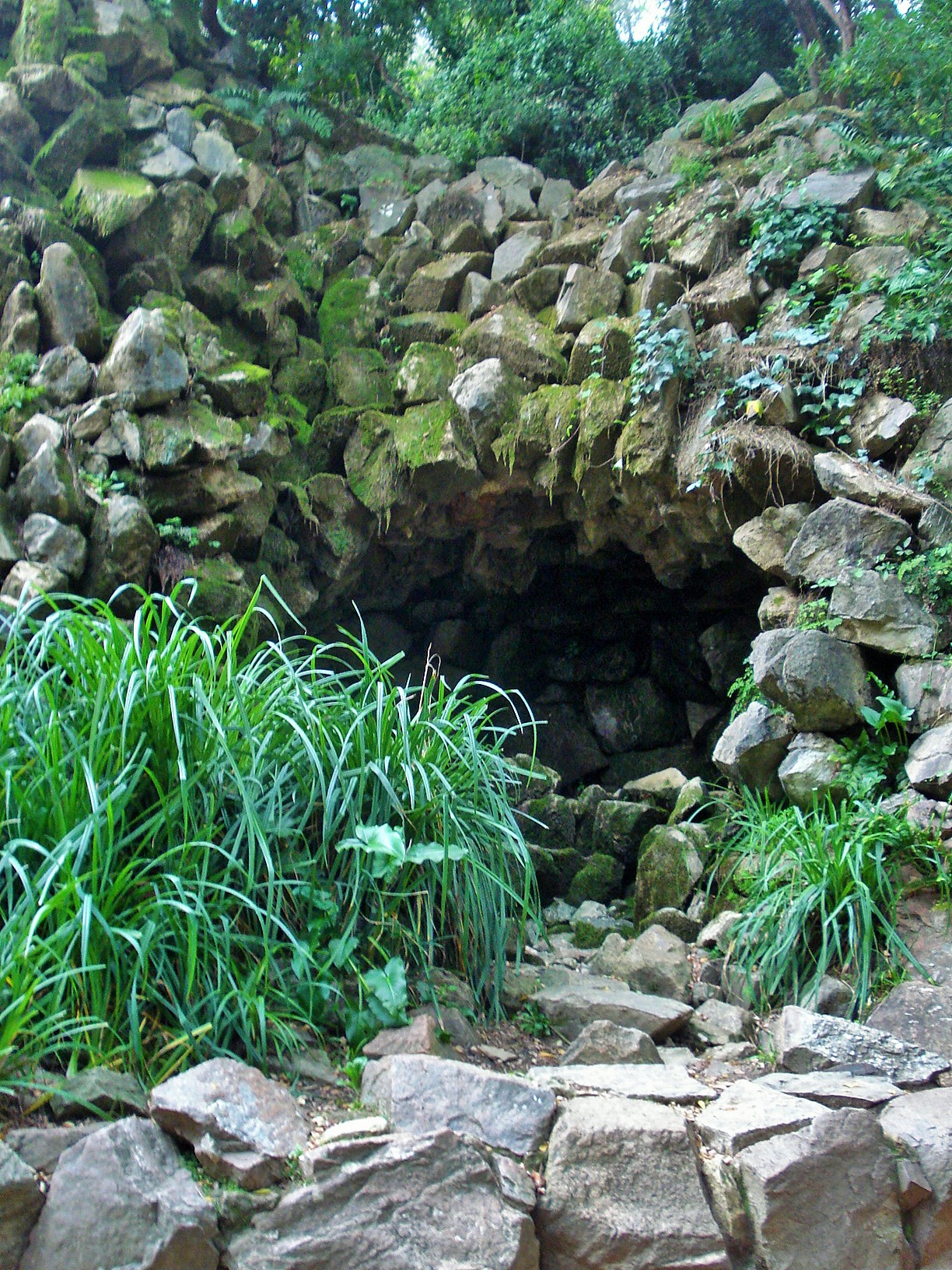
Grotto on maze lower level
Grotto detail
Grotto detail
Small bridge over the stream intersects the stairs leading up to the upper terrrace

DSC08347 DSC08349 Pavilion detail

To the side of the maze, incorporated into the gardens,  is a miniature maze:
DSC08325 DSC08321 DSC08322 DSC08323

Barcelona’s Horta Labyrinth Gardens: The Walled Garden

Located in the Horta district in northern Barcelona, the Labyrinth Garden was created in the late 18th century by the owner of the estate, marquis Joan Antoni Desvalls i d’Ardena, who commisioned Italian garden architect  Domenico Bagutti. This is when the maze was created and part of the gardens in the neo-classical style.

In the mid 19th century, the gardens were then expanded by the marquis descendants to expand the garden in the romantic style with a waterfall, large trees, gazebo, statues, and flower beds.

This garden is the oldest of its kind in Barcelona. The family turned it over to the city in 1967, and it opened as a public park in 1971.

To read more about this garden, click here, here, or here for Wikipedia.

The park can be roughly divided into three main areas: the first includes the country house and adjacent gardens, the second would be the 18th century maze and pavilion, the third includes  the romantic garden and waterfall.

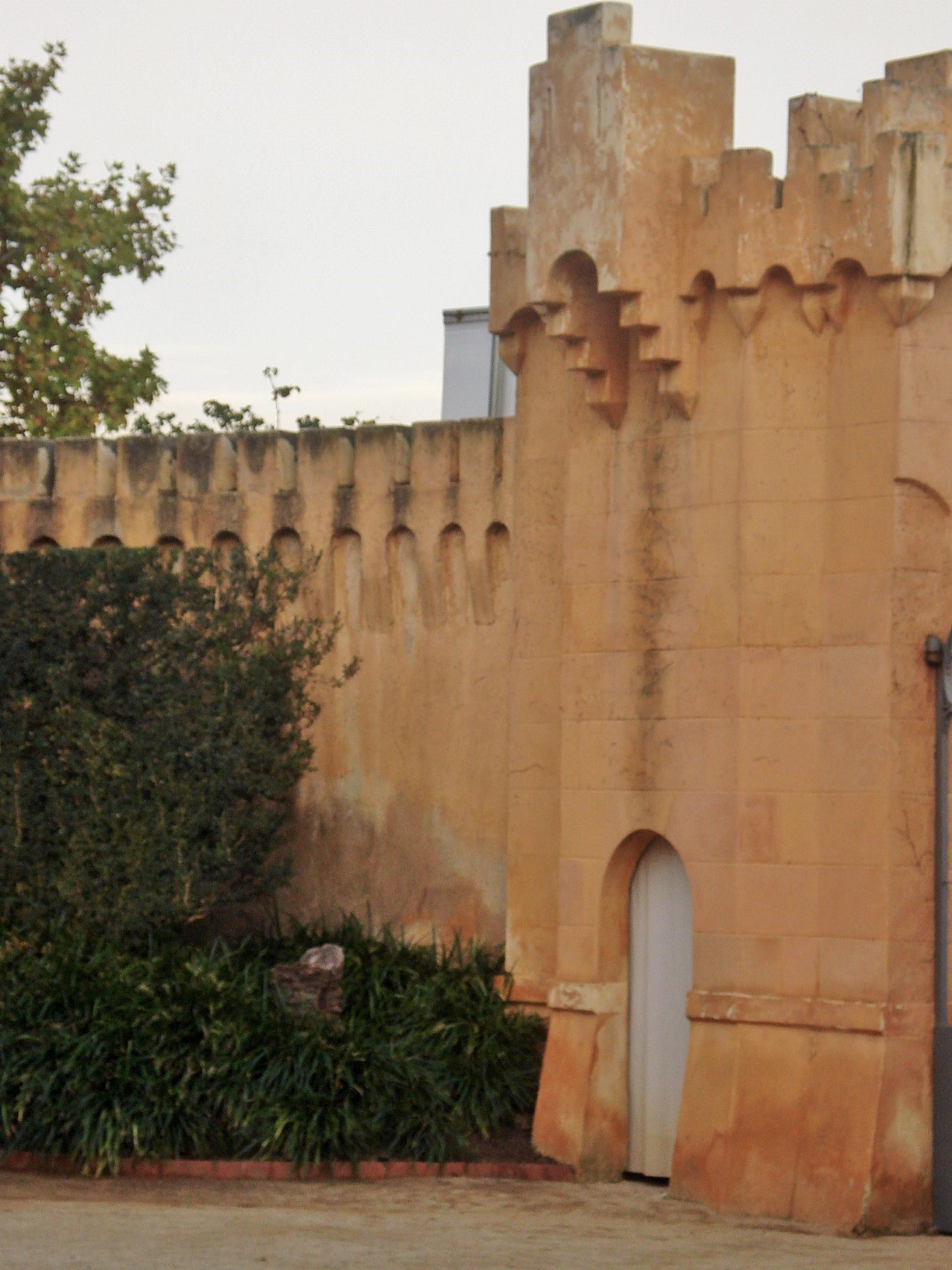
In this post, I will focus on the first area of the park. The house was originally built as a country house in the 14th century, but was substantially redone in the 19th century with a moorish inspiration. The walled gardens are done in a formal style.

DSC08297 DSC08294 DSC08295 DSC08296

From the front of the house:
DSC08396

DSC08393

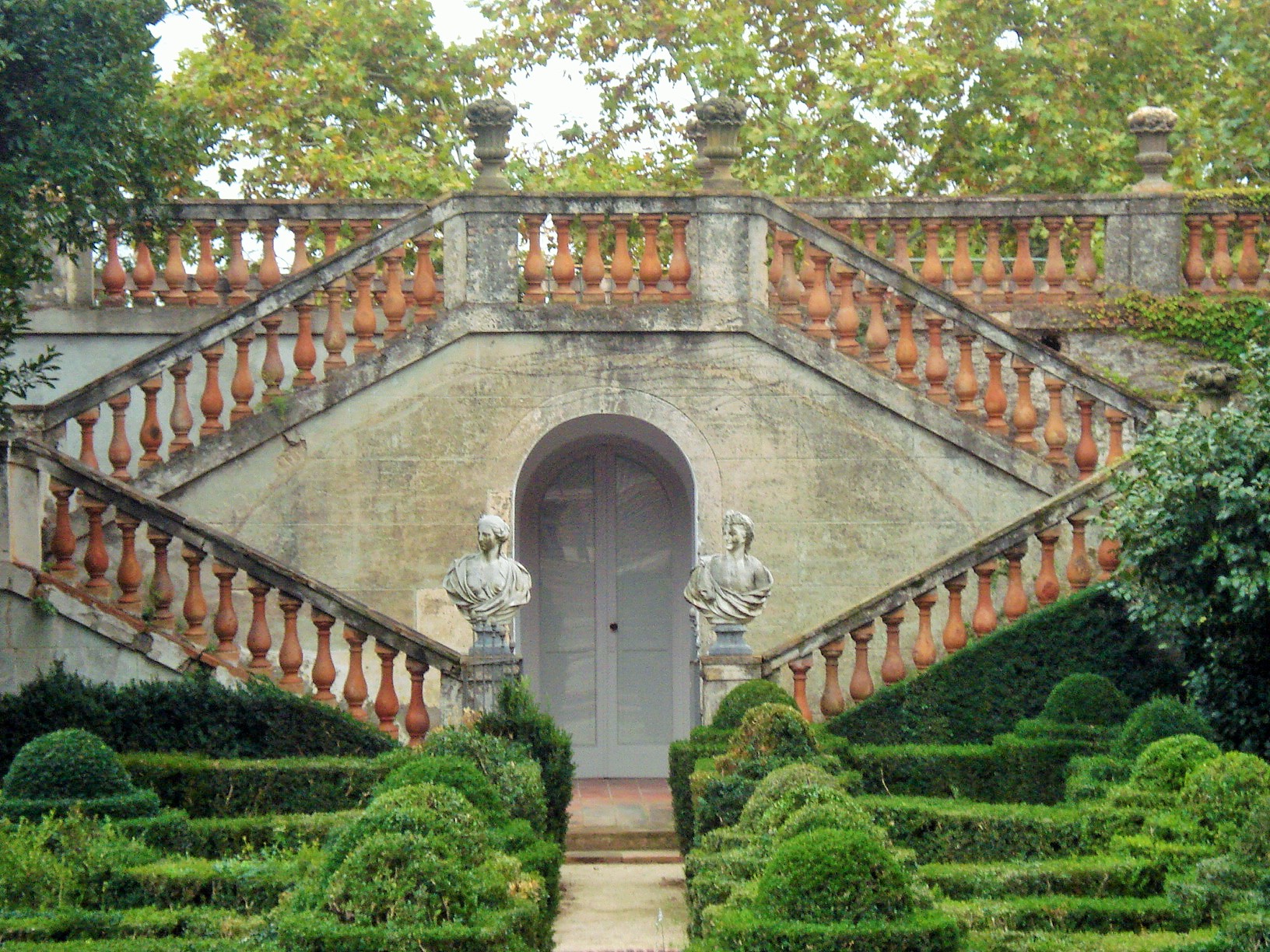
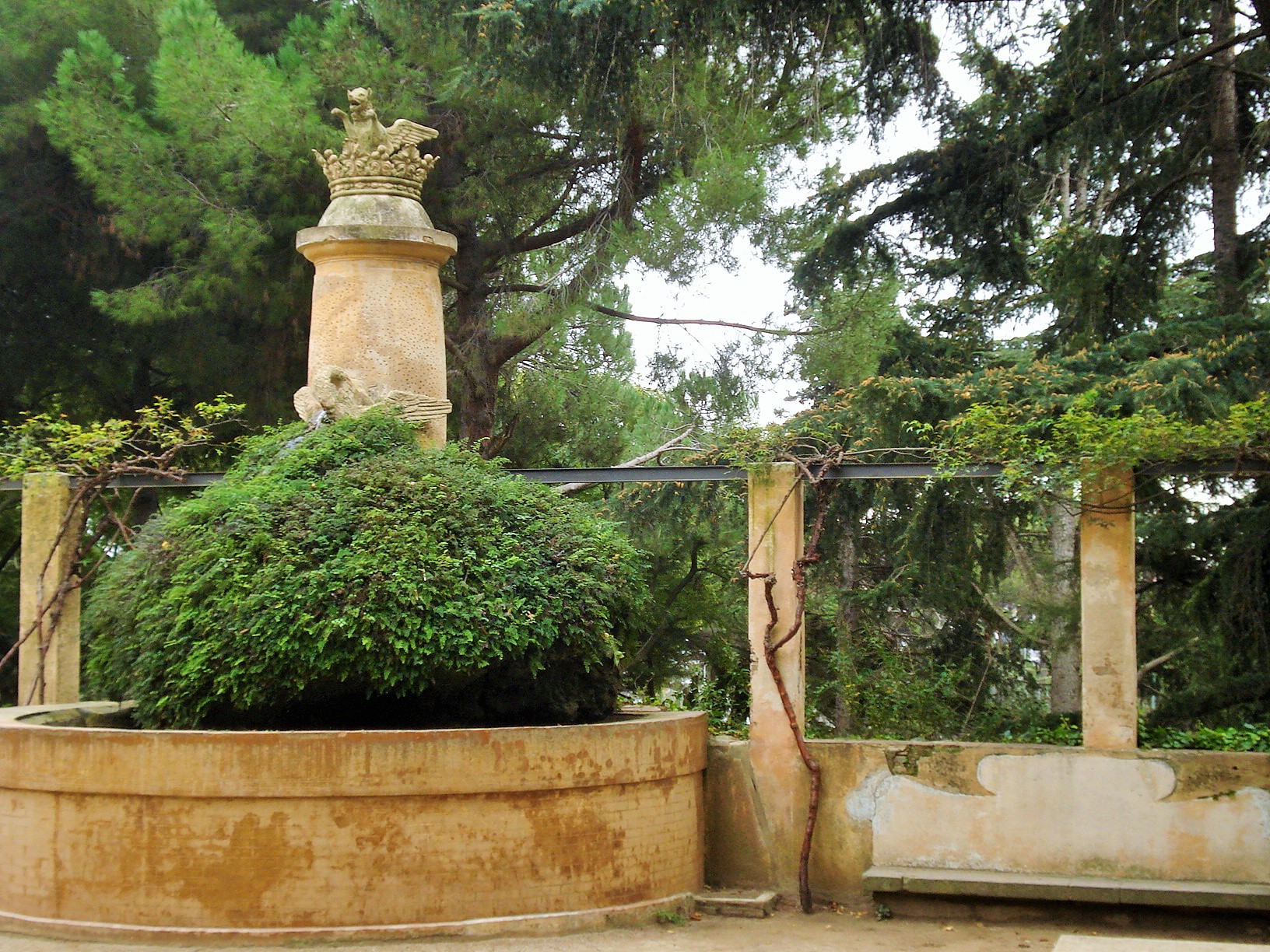
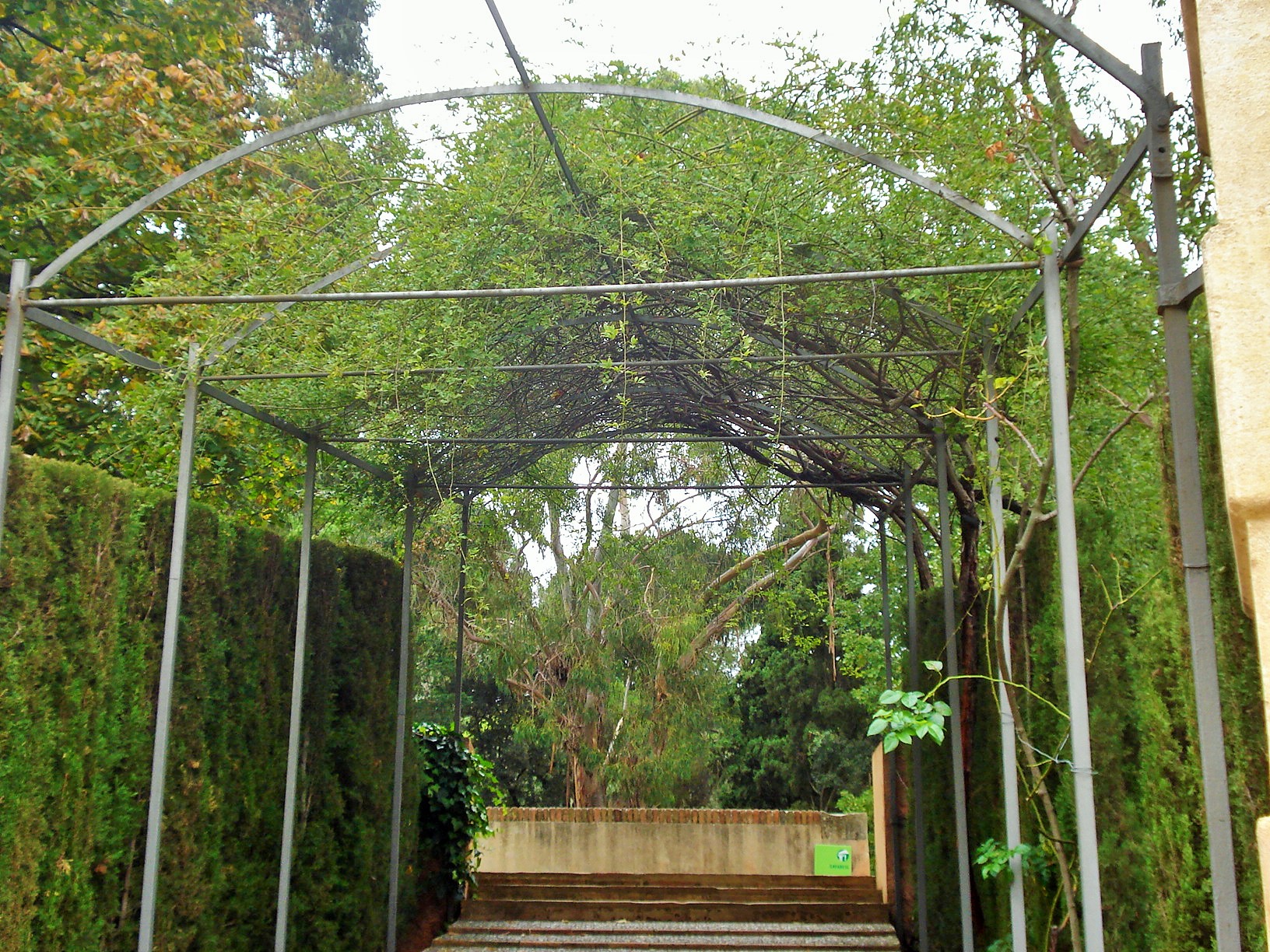
Just outside the walls,  a round terrace is the starting point for alleys leading to other parts of the park, an arbor, a statue, or ornate stairs to a terraced garden area.

DSC08318 DSC08283 DSC08288 DSC08302 DSC08303 DSC08306


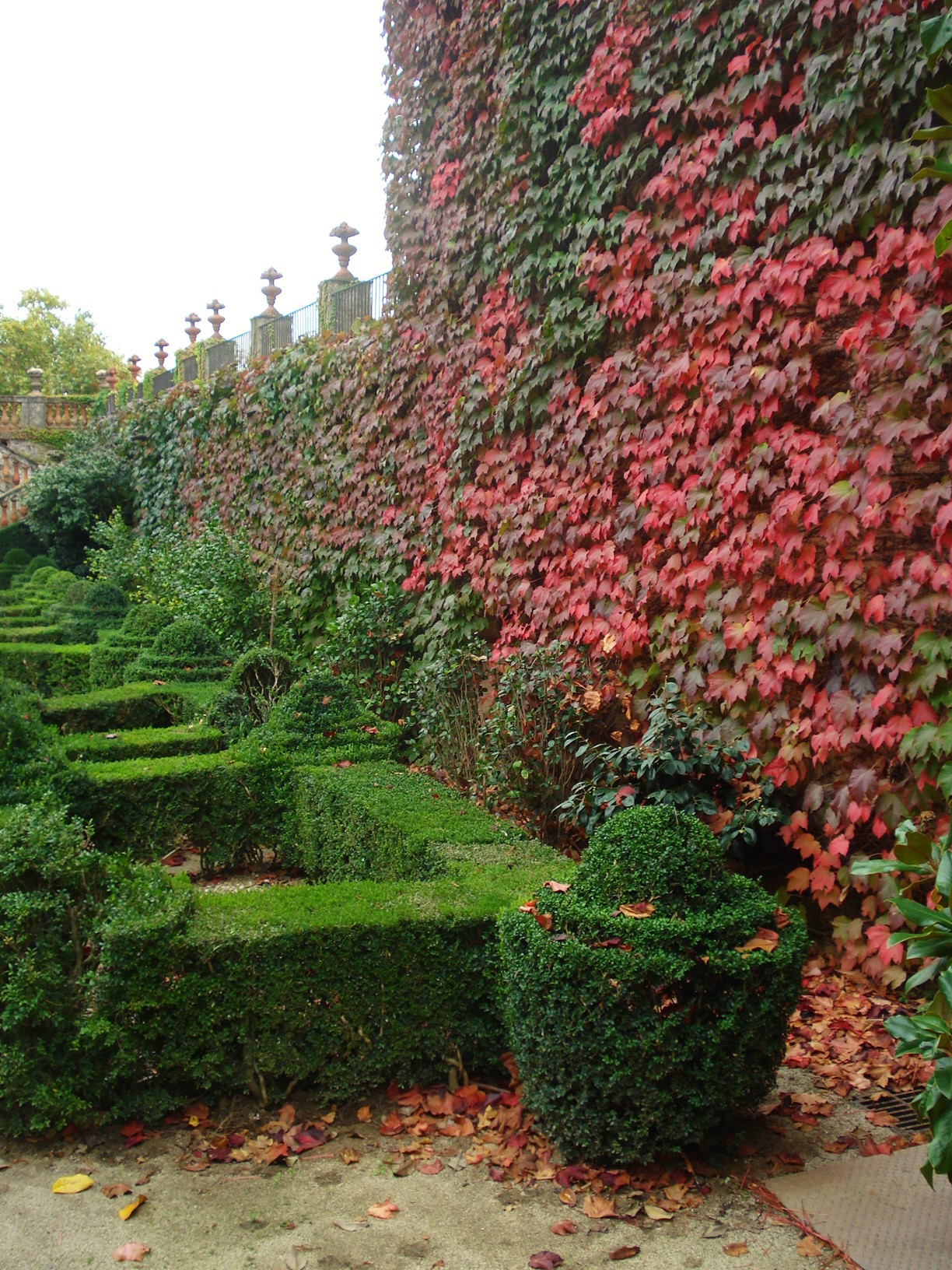
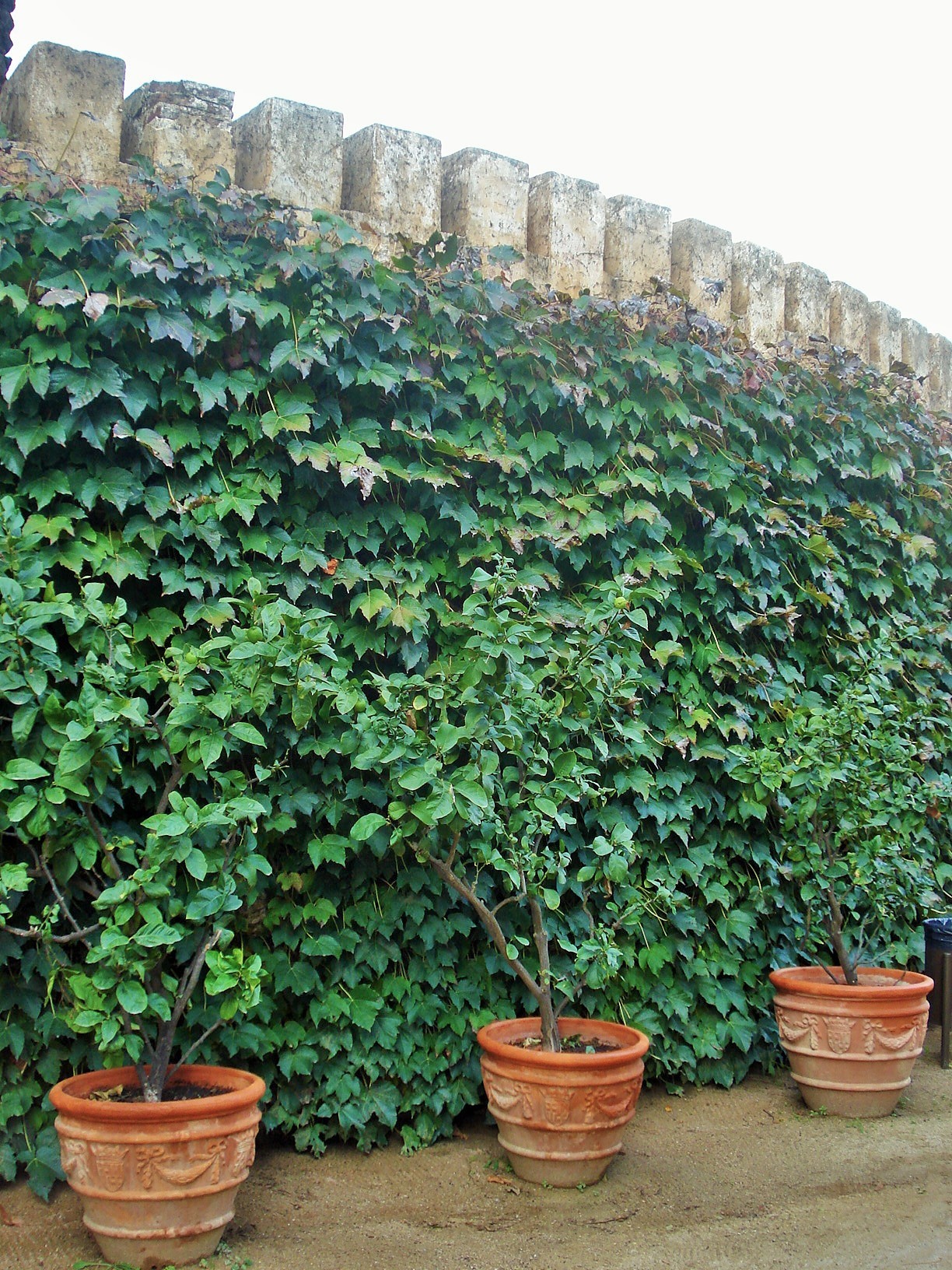
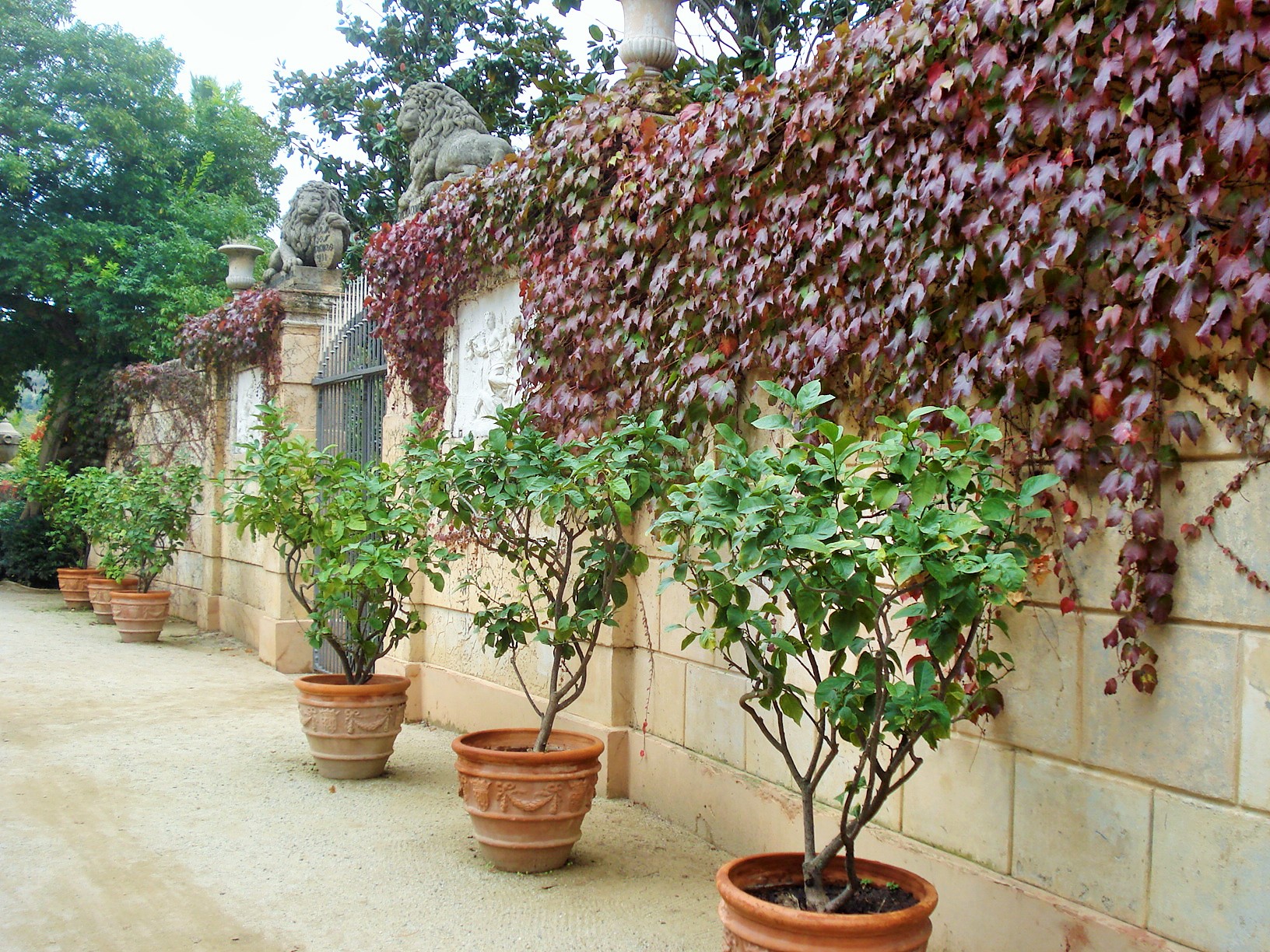
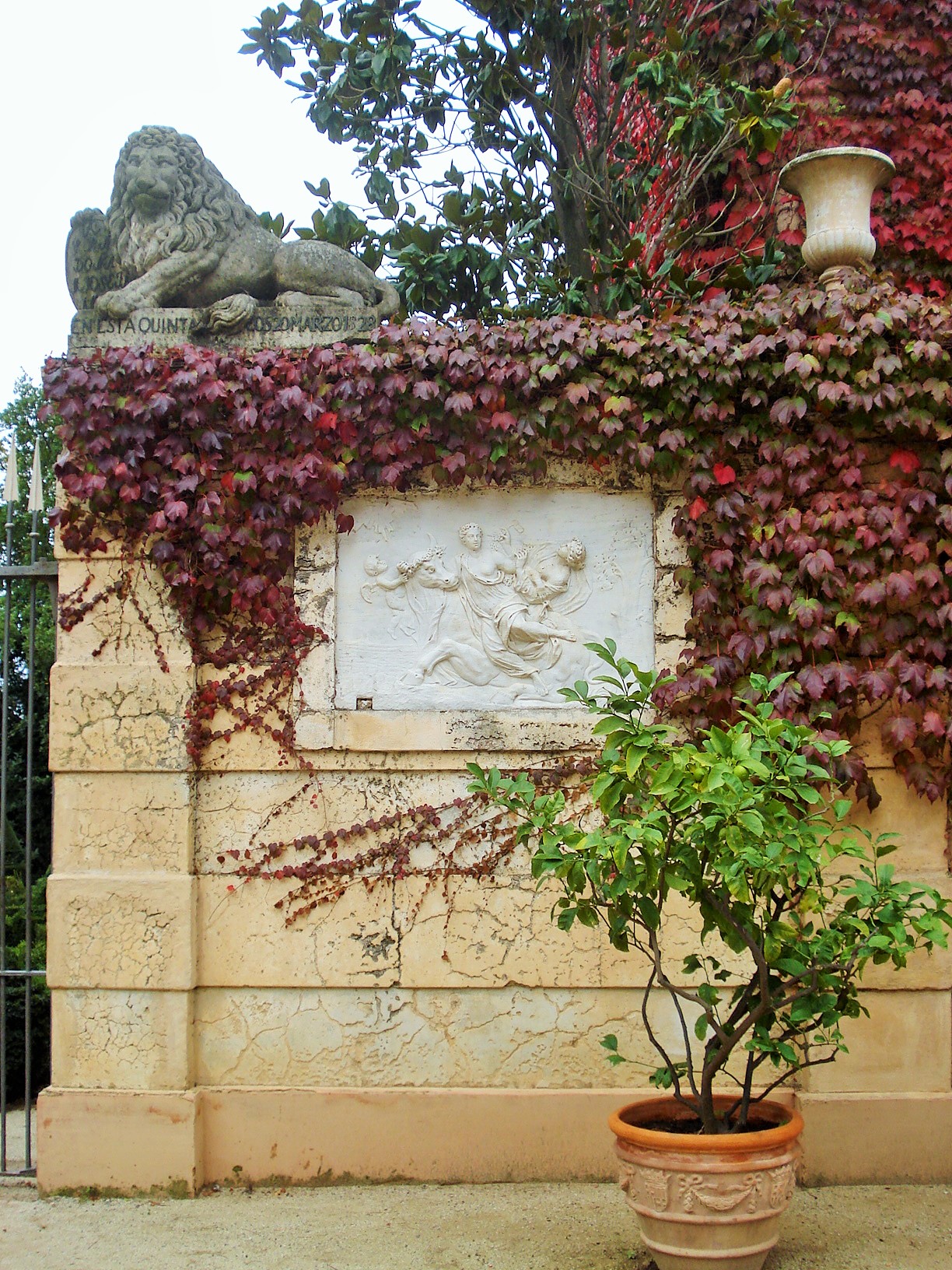
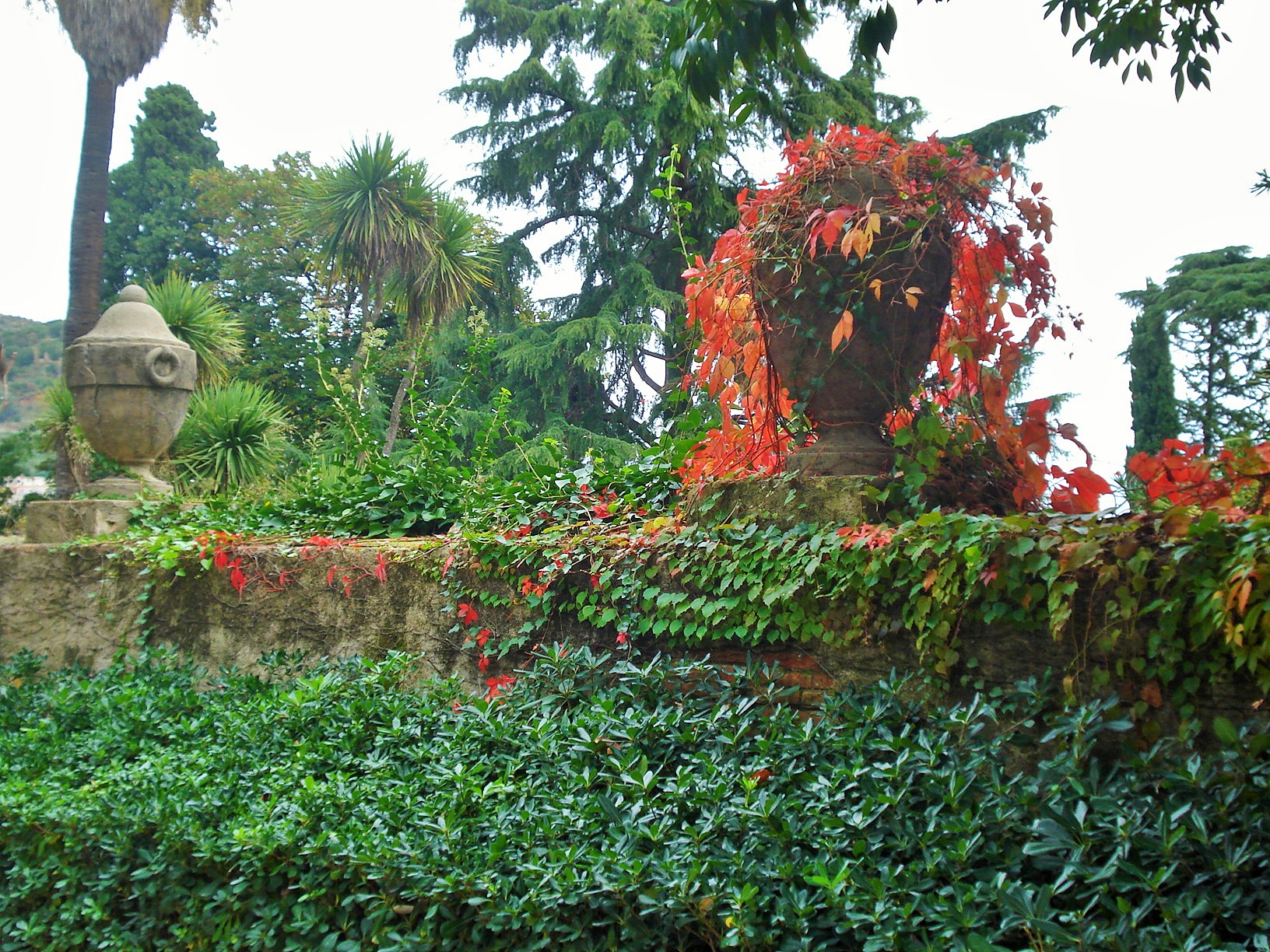
The walls themselves are quite ornately decorated and lined with plantings.

DSC08398 DSC08287 DSC08290 DSC08301 DSC08307 DSC08309 DSC08310 DSC08312 DSC08397


A Long and Narrow Front Garden Framing an Alley

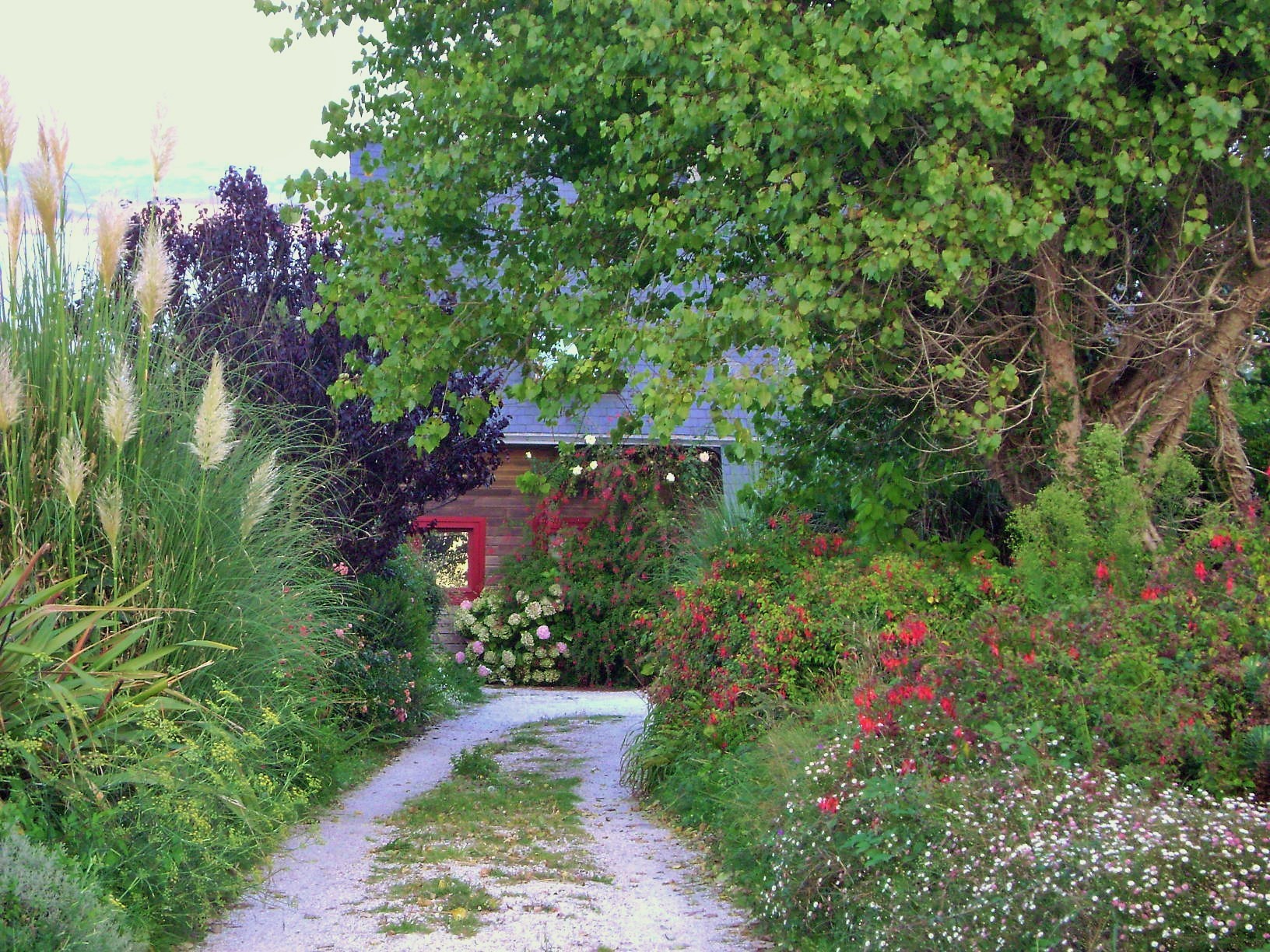
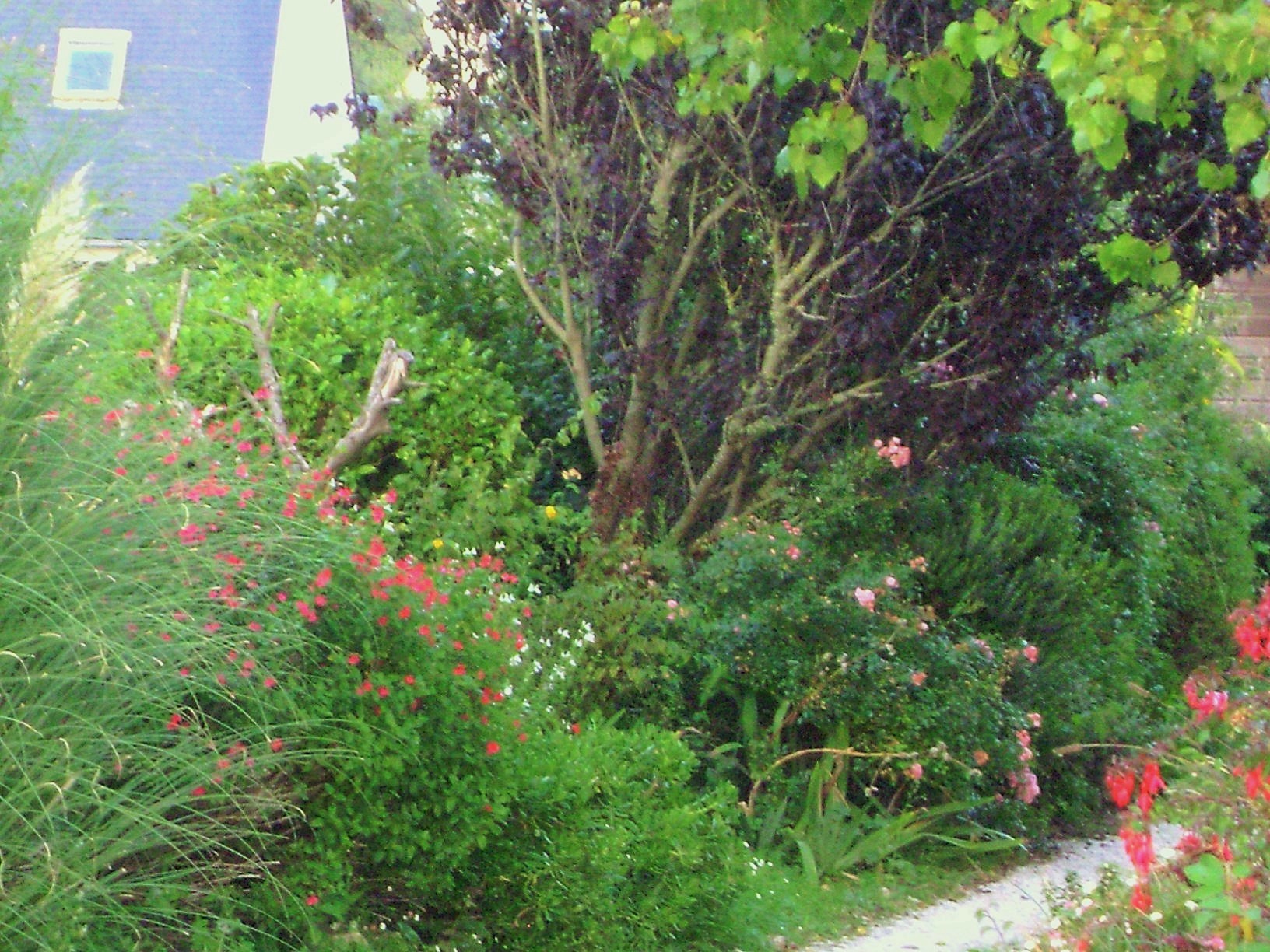
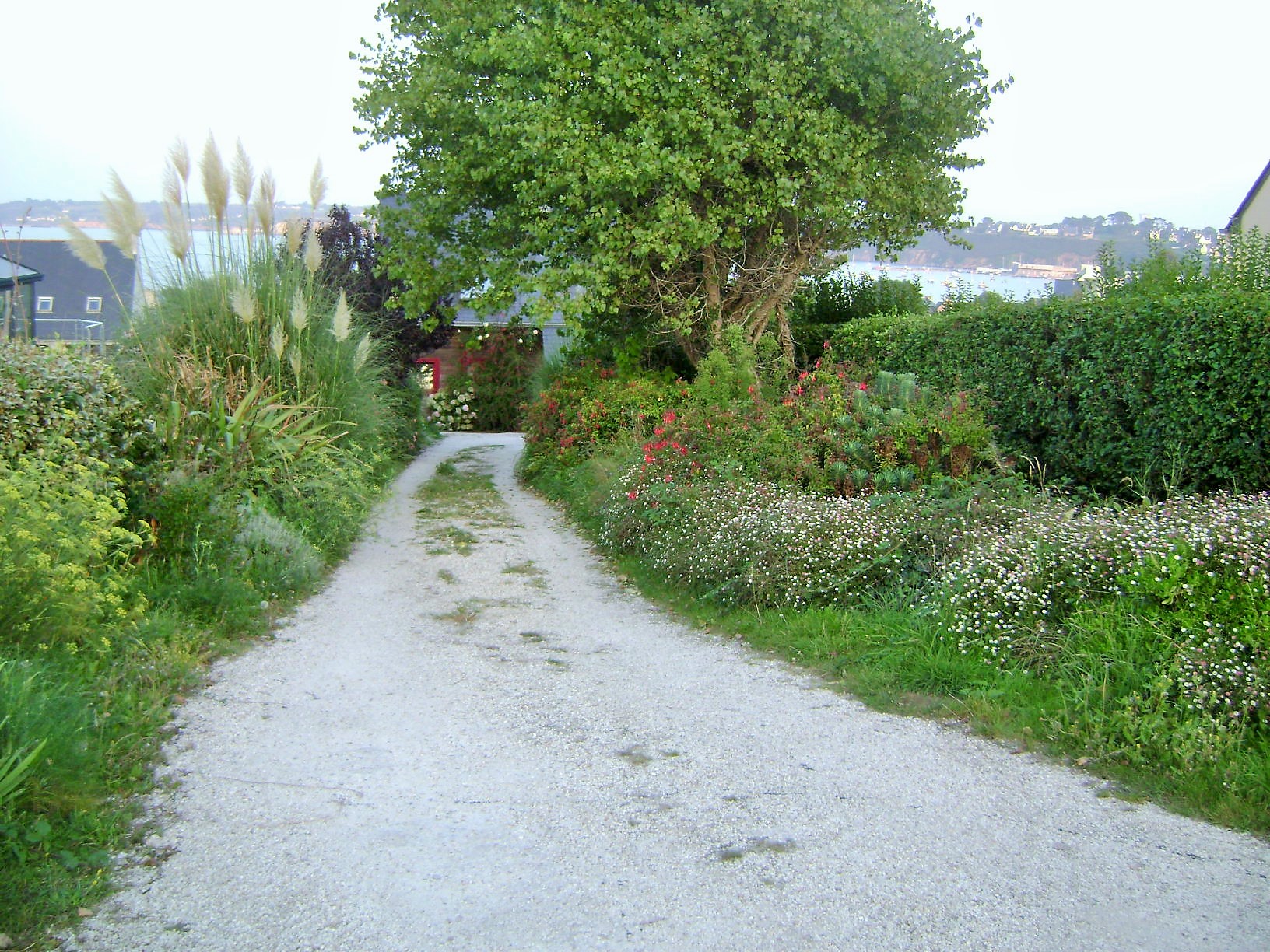
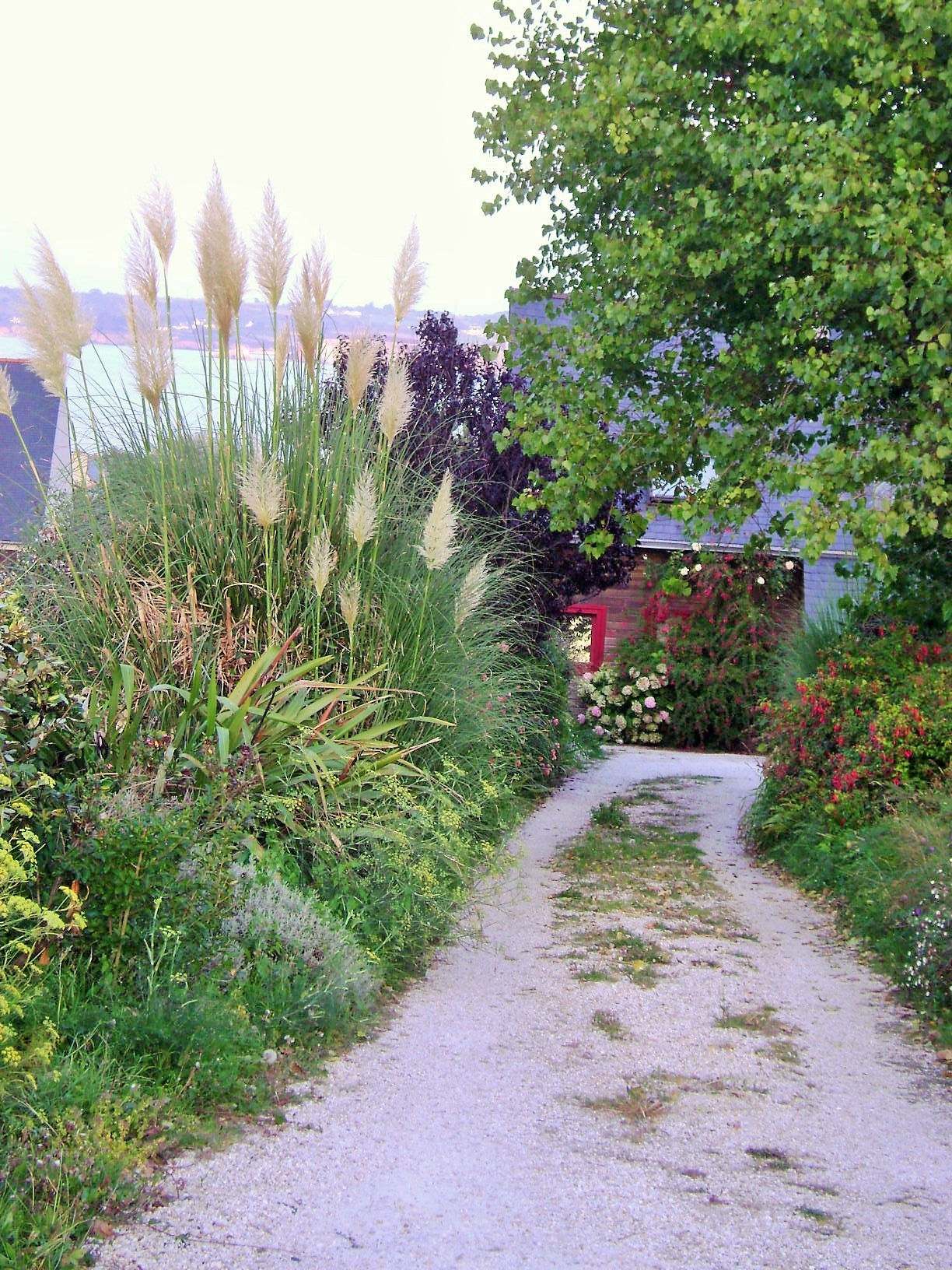
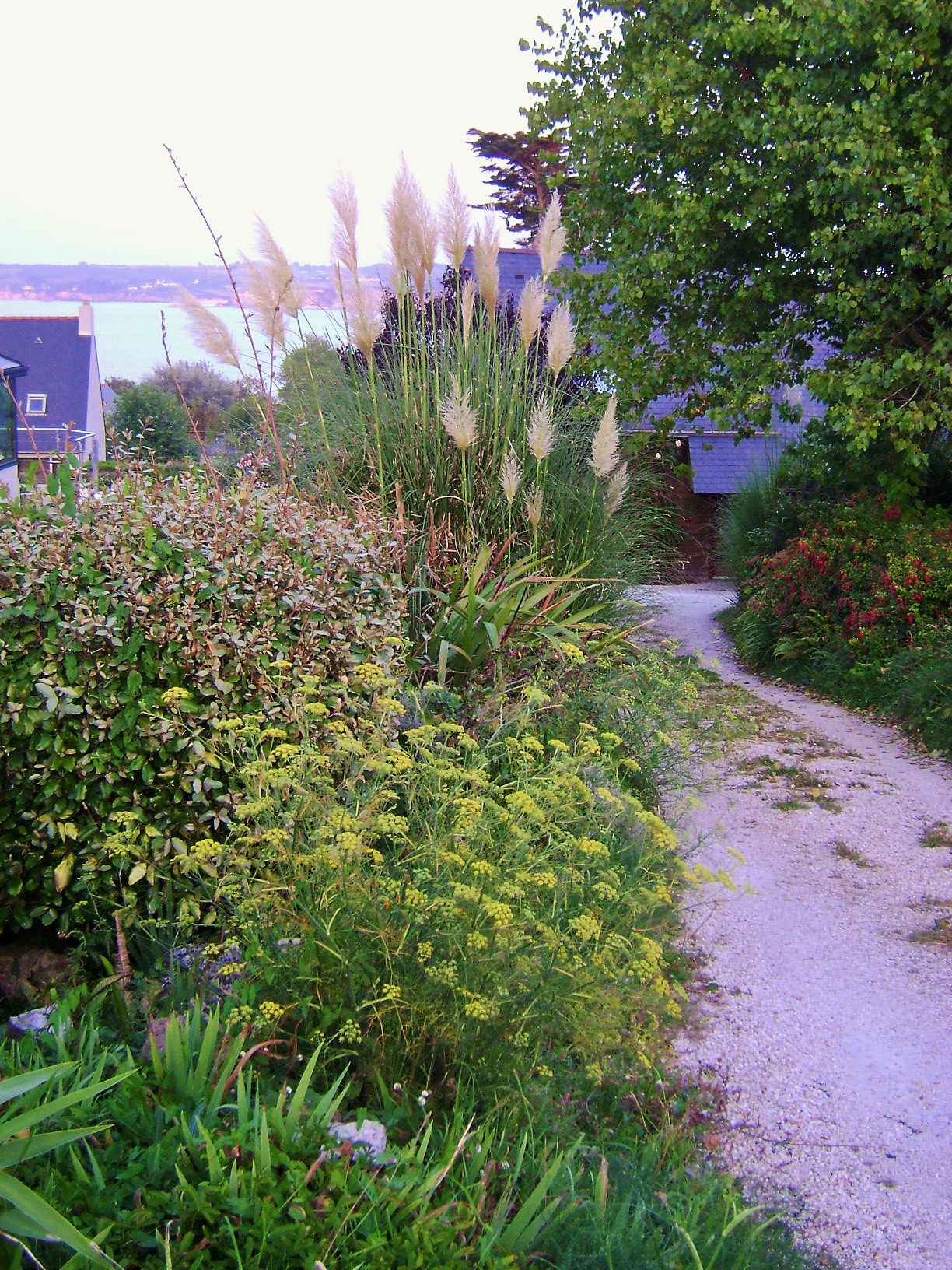
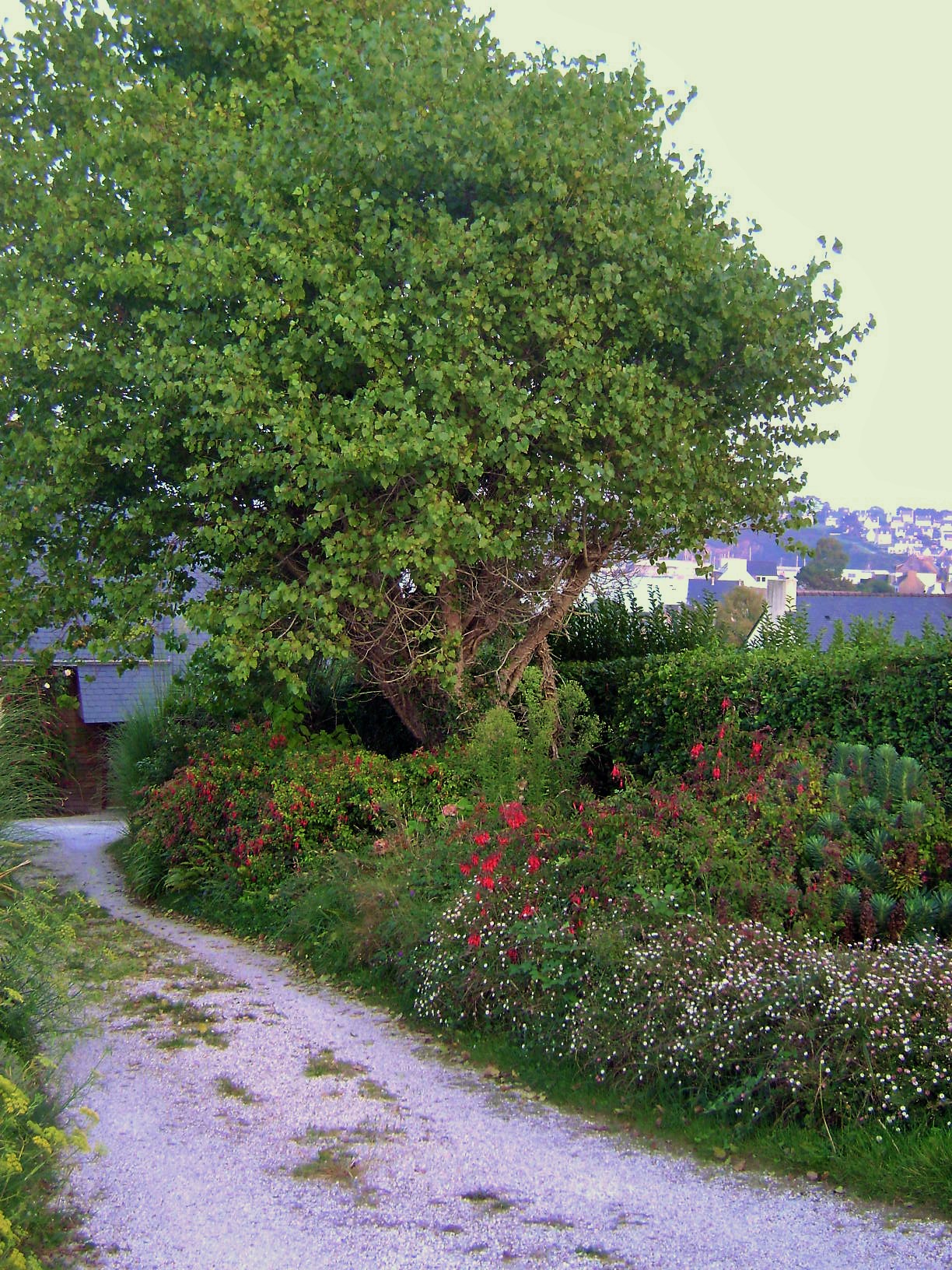
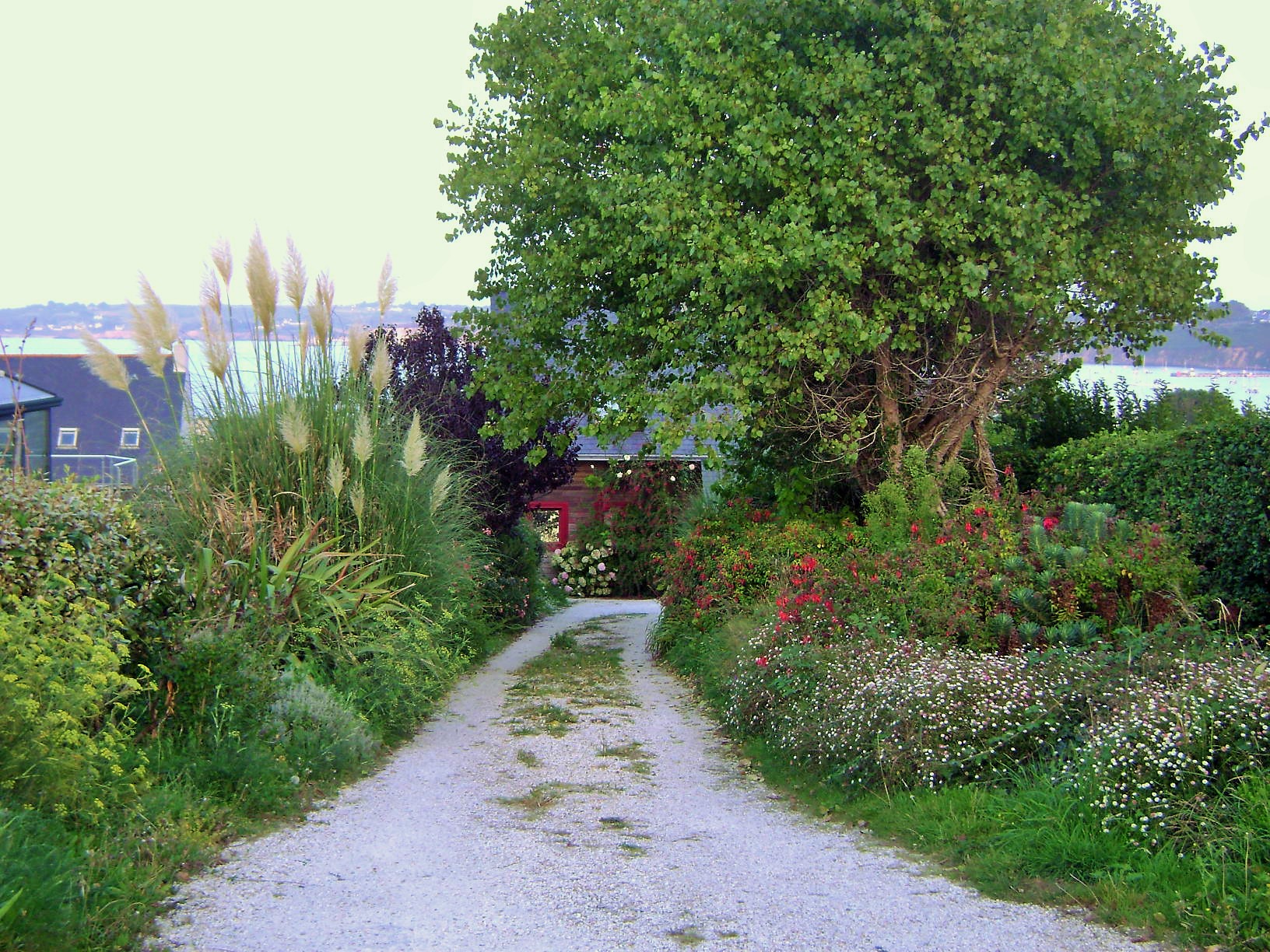
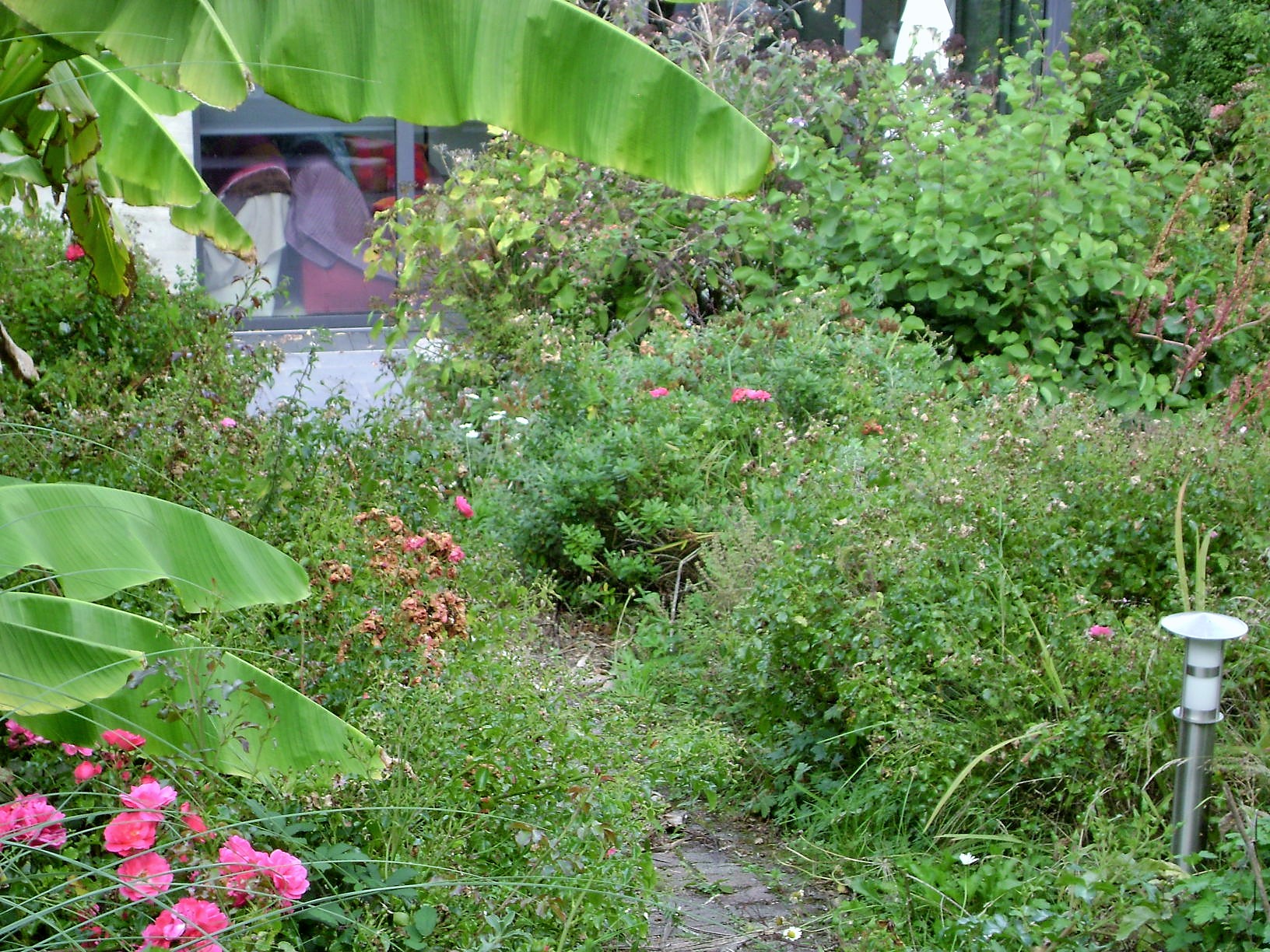
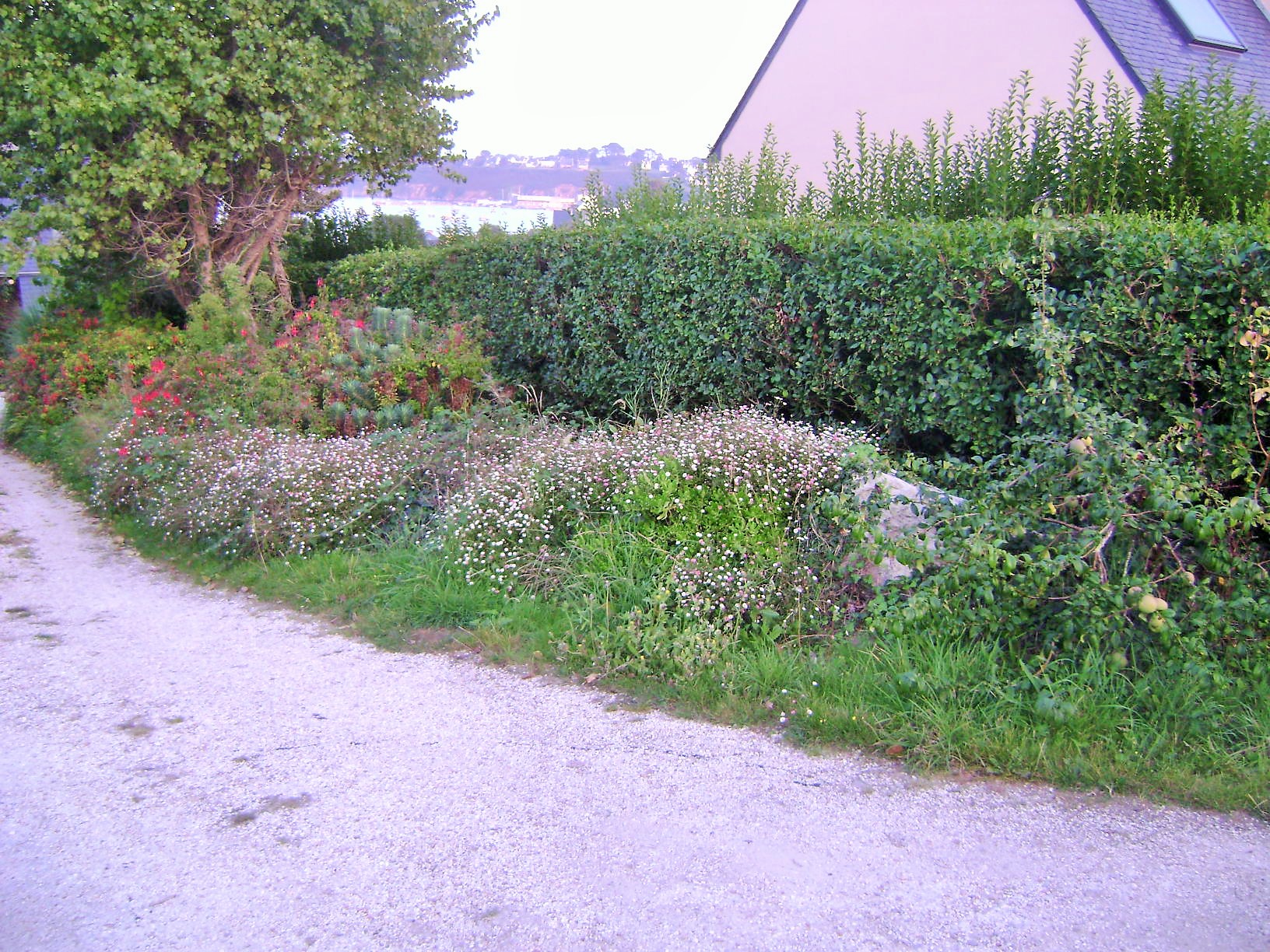
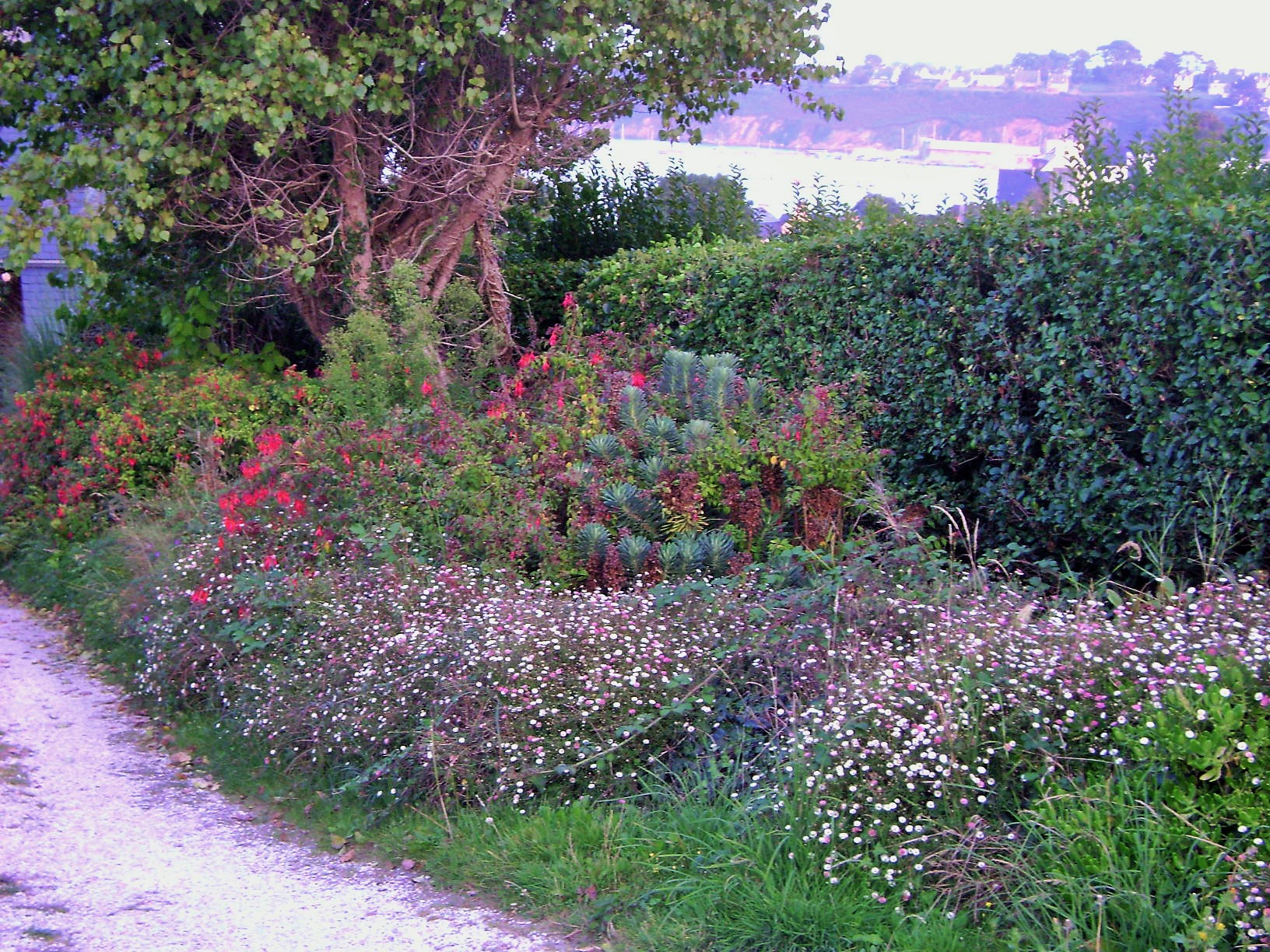
The house in a small French village is sited towards the back of this narrow lot, away from the road, making it look like a woodland cottage nested in all that vegetation.

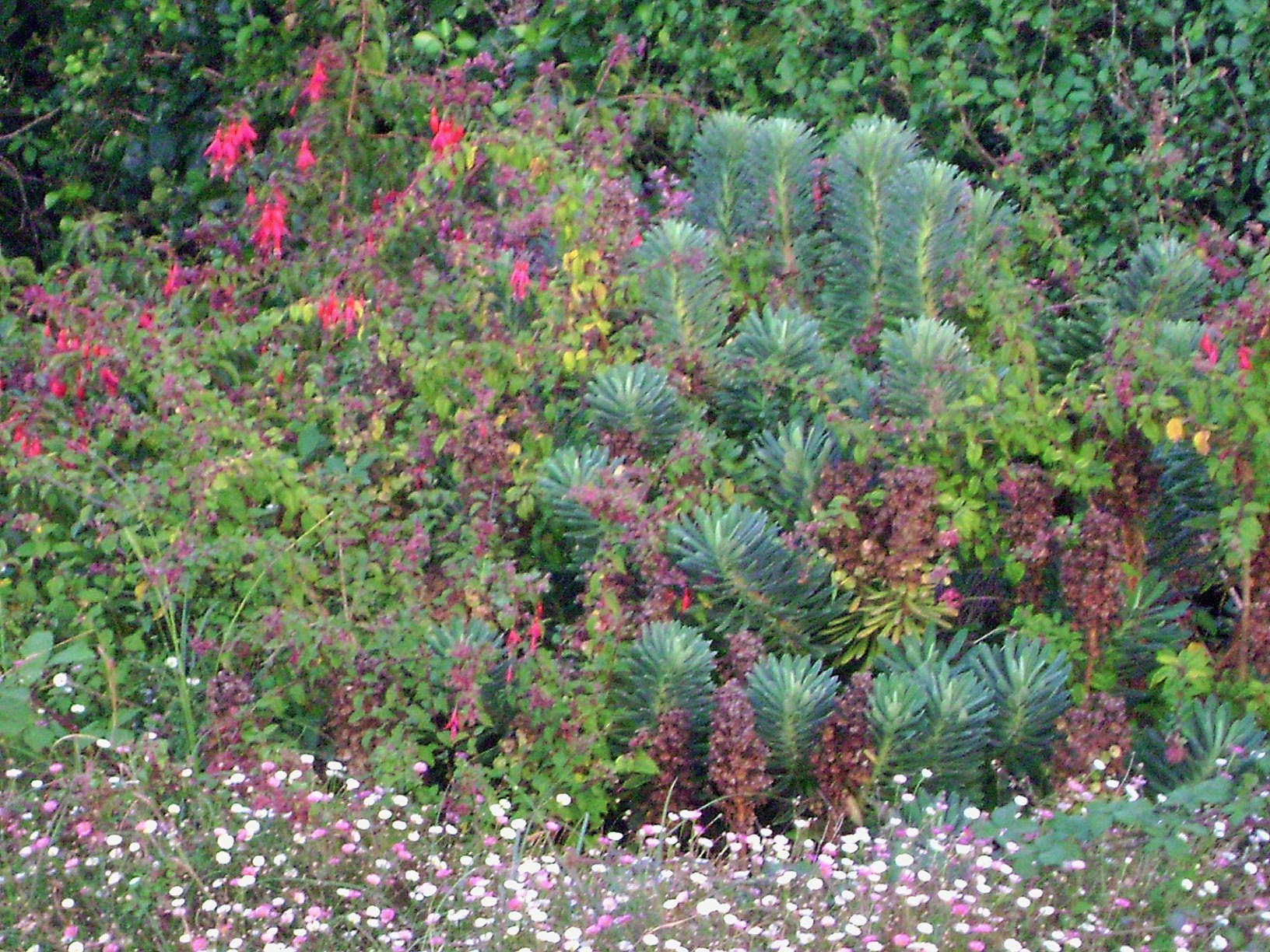
The plantings are mostly shrubs and perennials with a variety of foliage color and shape for year round interest,

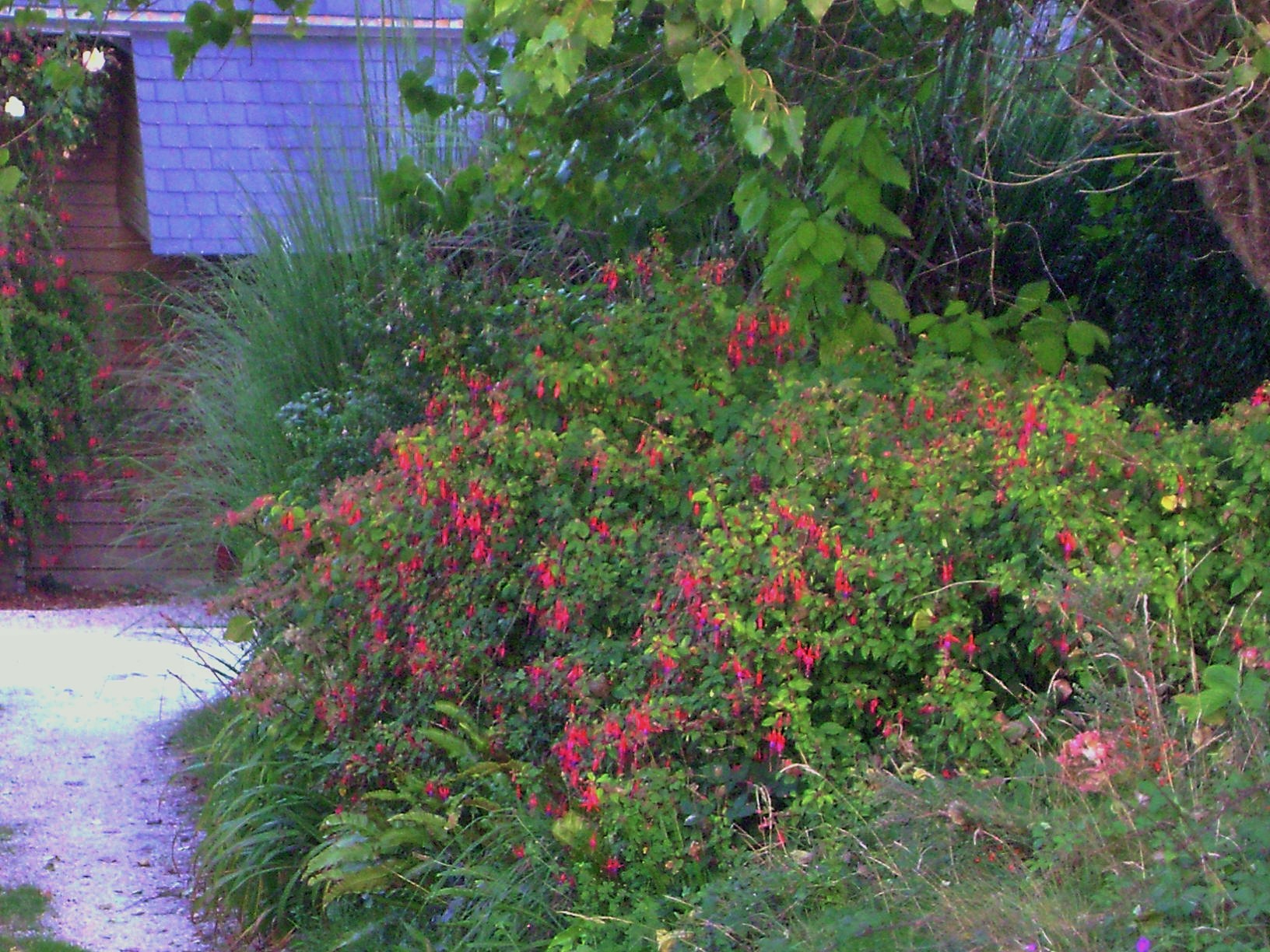
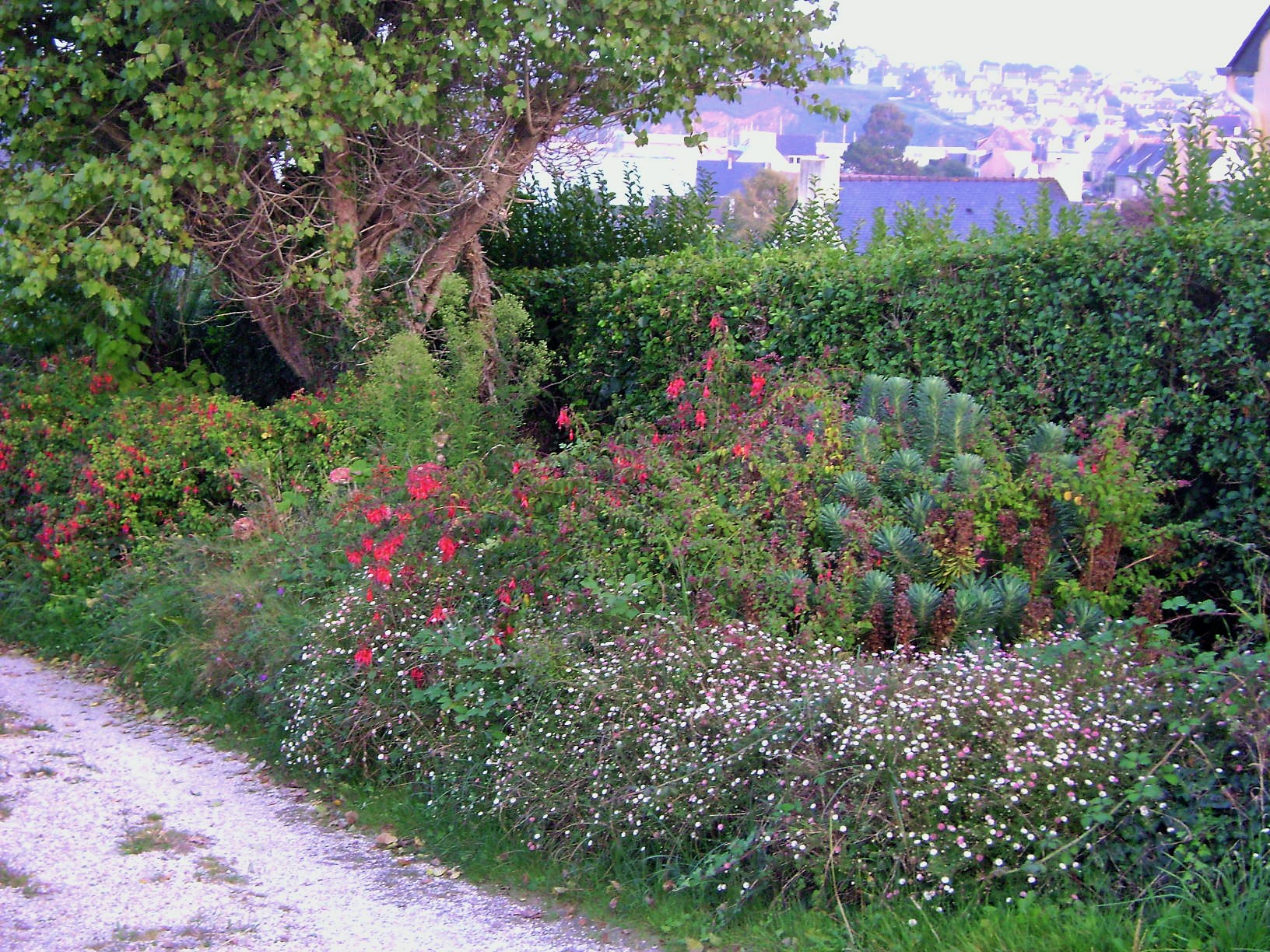
A few trees, including a small pear tree in the front, add structure and make it look like an older, well established garden mixed border. Some of the plantings include fuchsias, pampas grasses, barberry, hydrangeas, roses, black eyed susan, and large patches of pink and white erigeron ground cover.

DSC00736 DSC00737 DSC00738 DSC00740 DSC00742 DSC00743 DSC00744 DSC00745 DSC00746 DSC00718 DSC00719 DSC00720 DSC00721 DSC00722 DSC00723 DSC00724 DSC00725 DSC00726 DSC00728 DSC00729 DSC00730 DSC00731 DSC00732 DSC00734 DSC00735


Barcelona’s Horta Labyrinth Gardens: The Romantic Garden
Located in the Horta district in northern Barcelona, the Labyrinth Garden was created in the late 18th century by the owner of the estate, marquis Joan Antoni Desvalls i d’Ardena, who commisioned Italian garden architect  Domenico Bagutti. This is when the maze was created and part of the gardens in the neo-classical style.

In the mid 19th century, the gardens were then expanded by the marquis descendants to expand the garden in the romantic style with a waterfall, large trees, gazebo, statues, and flower beds.

This garden is the oldest of its kind in Barcelona. The family turned it over to the city in 1967, and it opened as a public park in 1971.

To read more about this garden, click here, here, or here for Wikipedia.

The park can be roughly divided into three main areas: the first includes the country house and adjacent gardens, the second would be the 18th century maze and pavilion, the third includes  the romantic garden and waterfall.

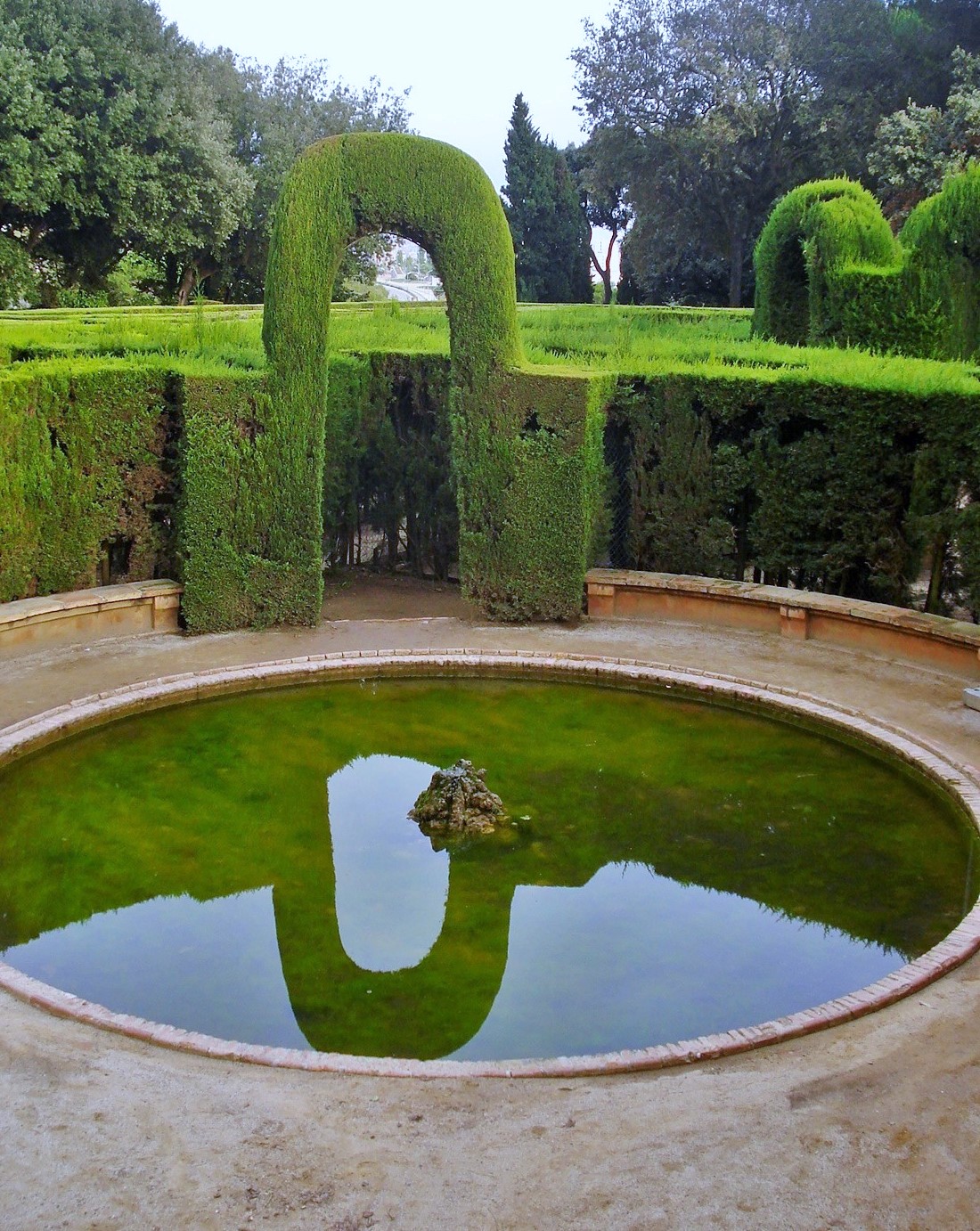
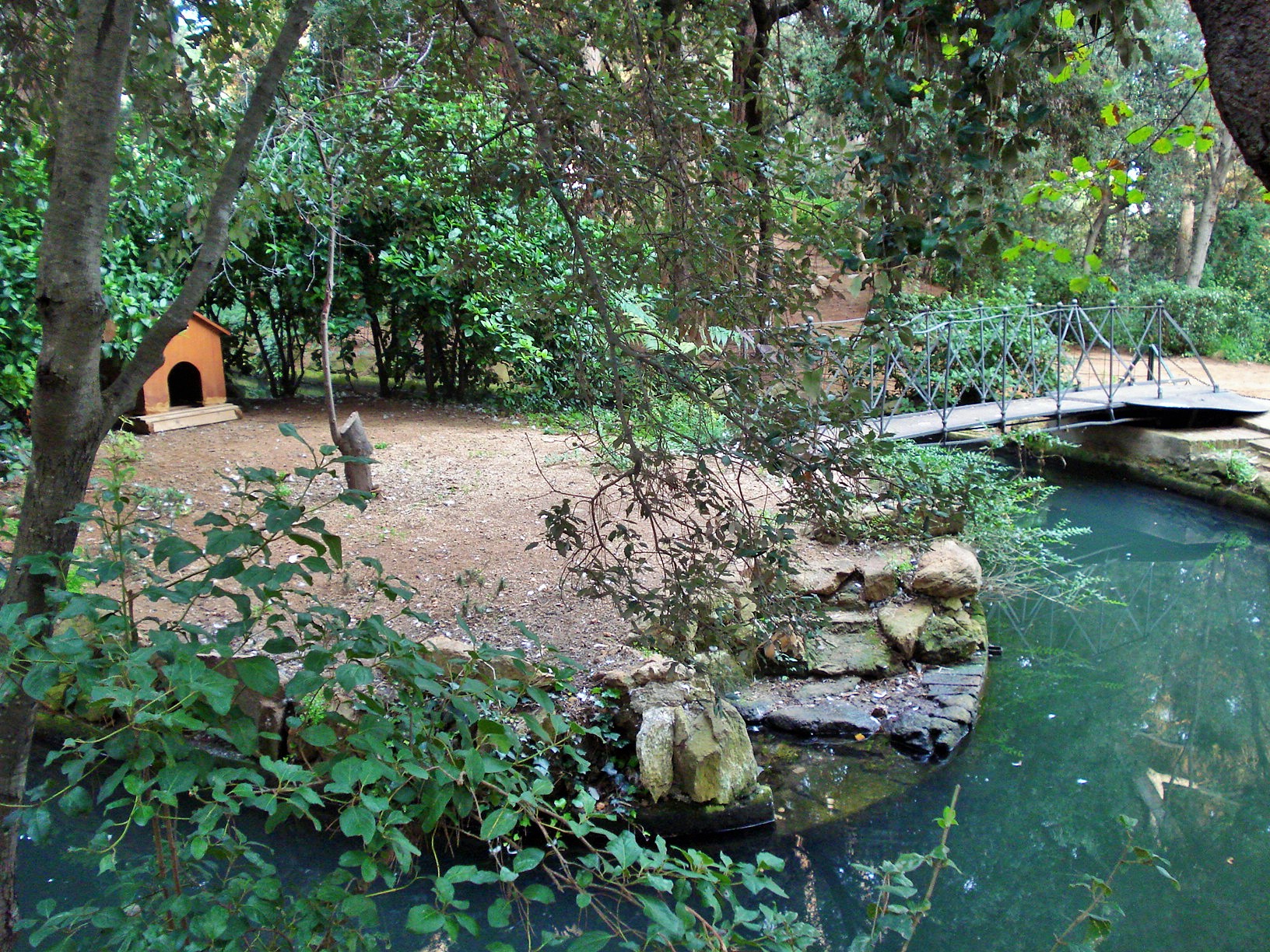
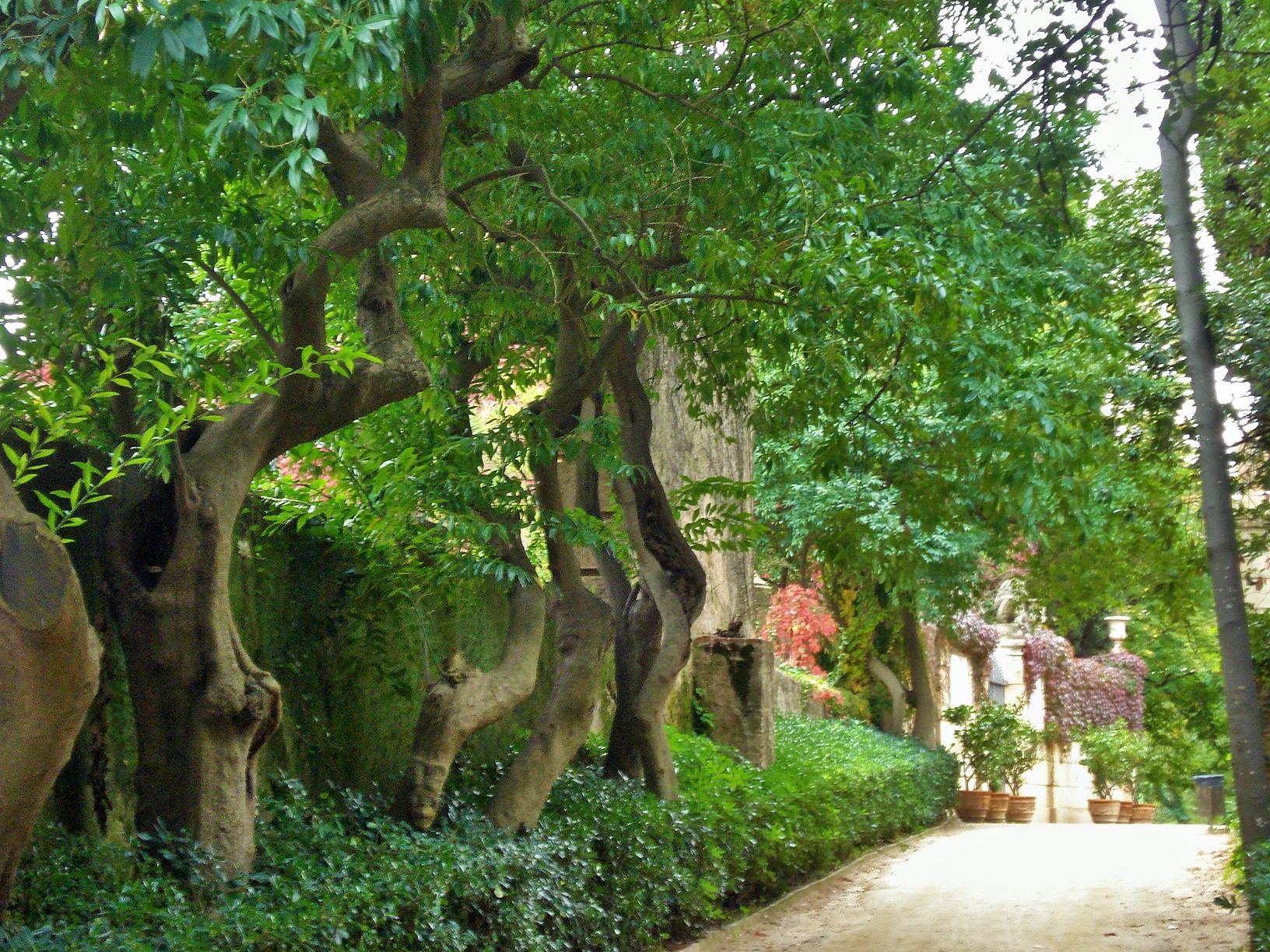
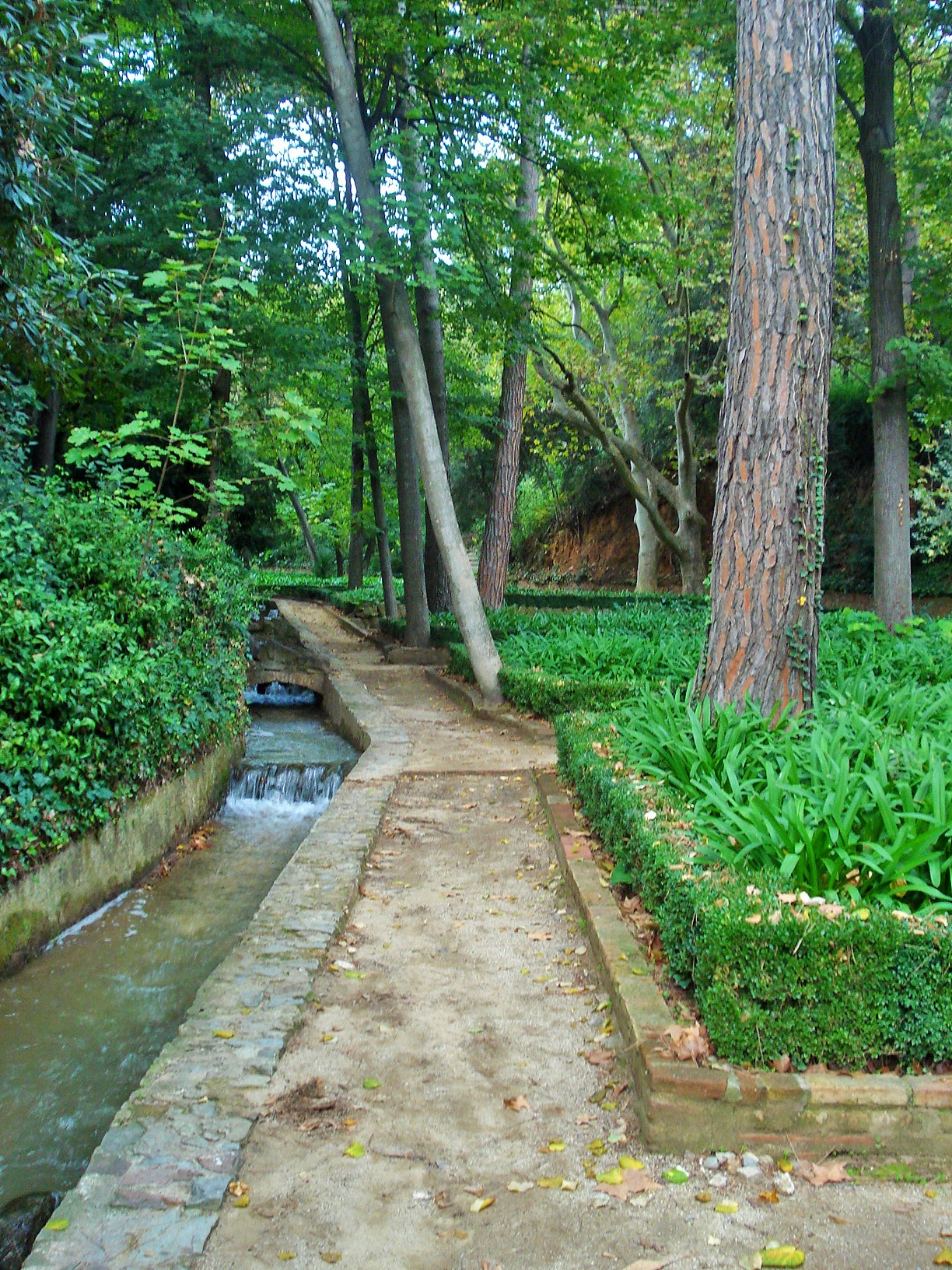
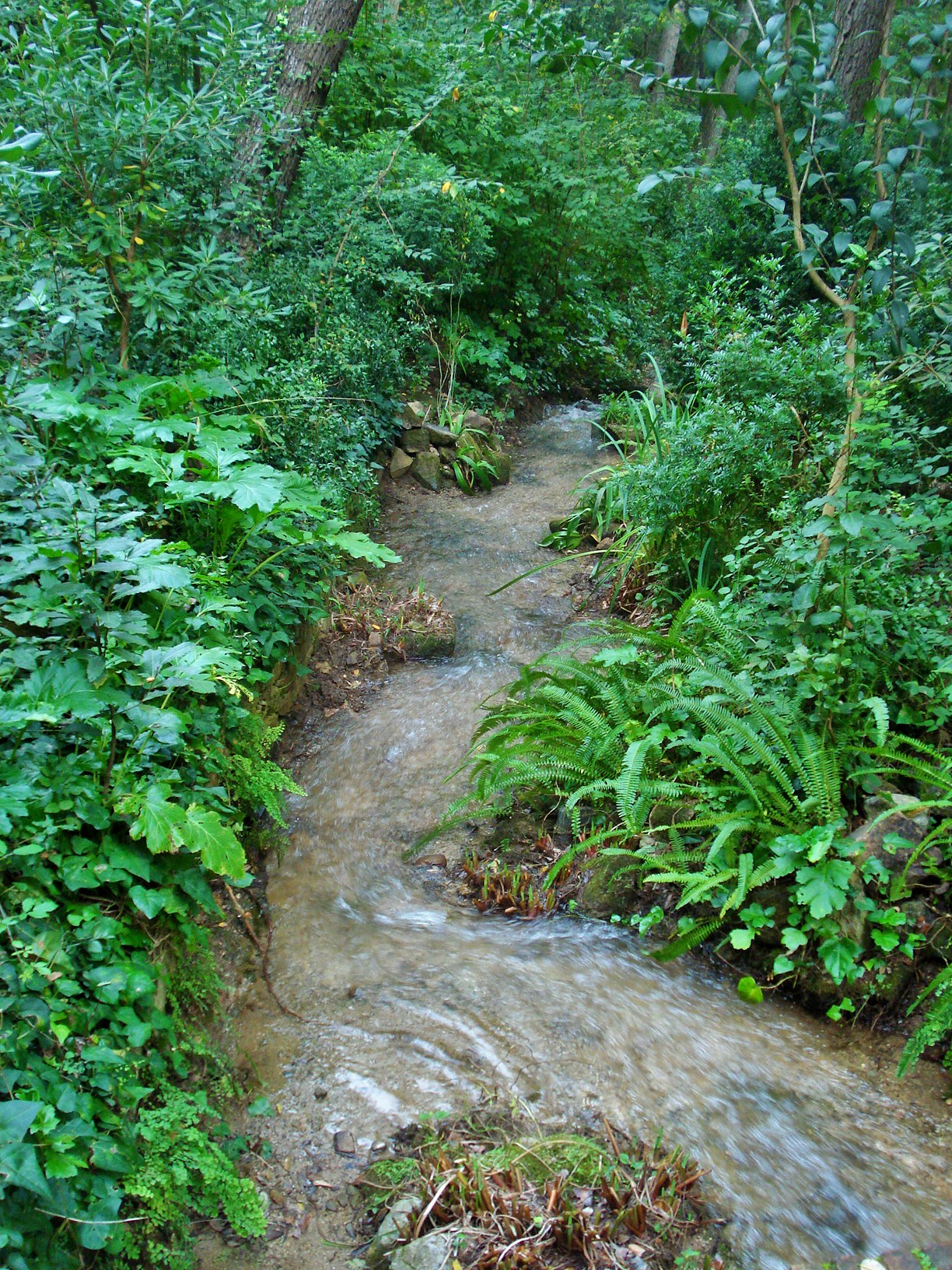
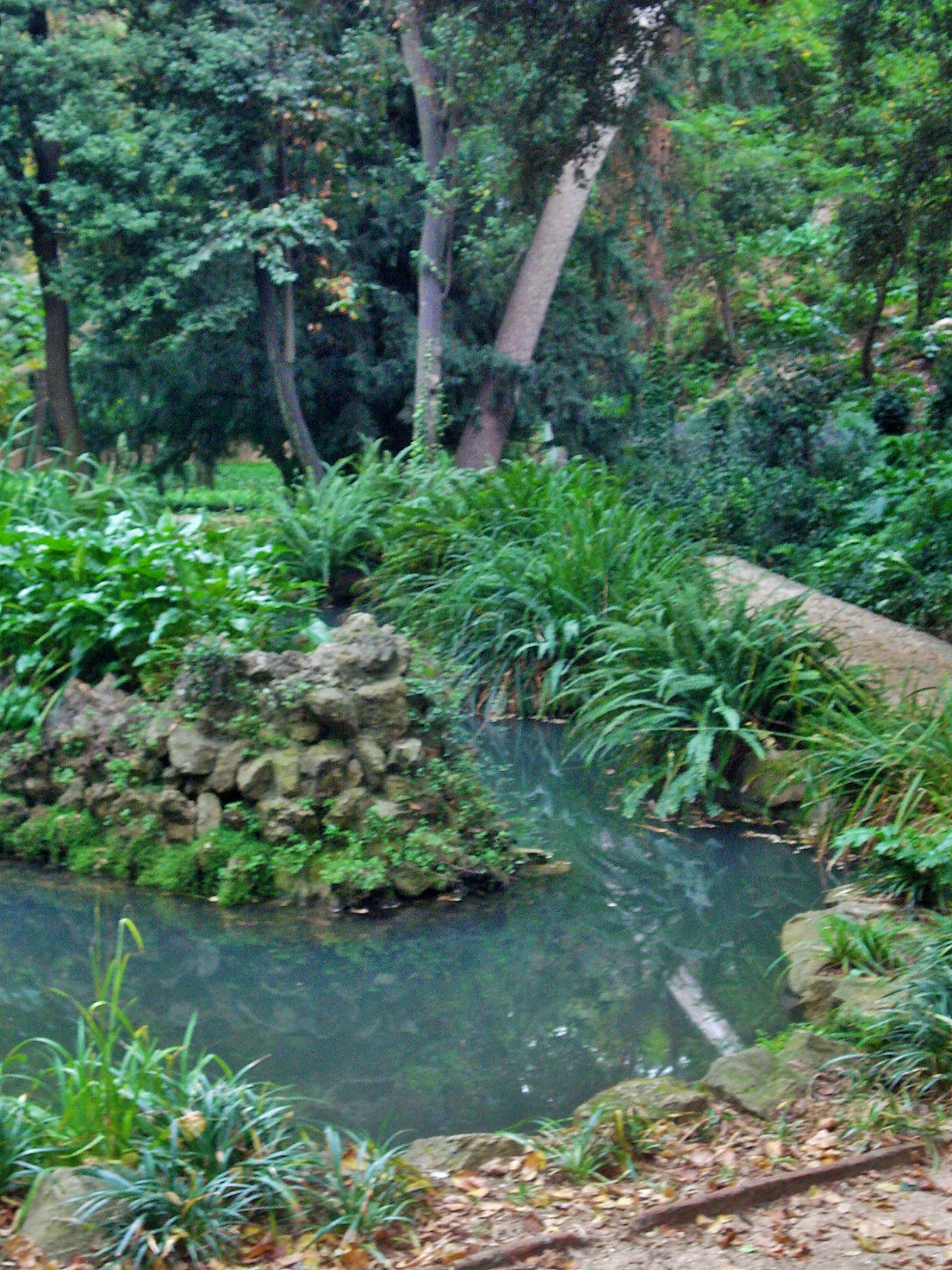
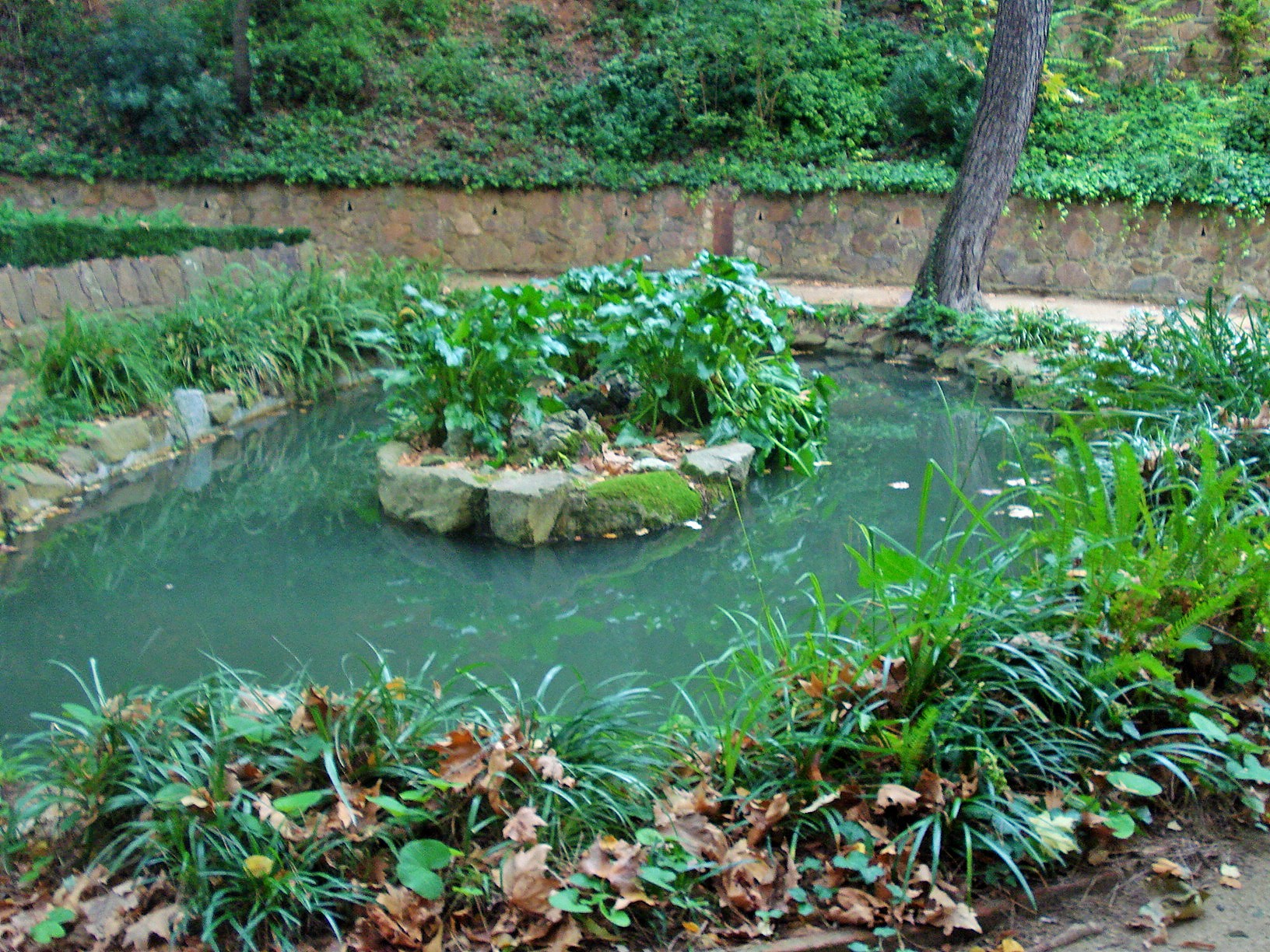
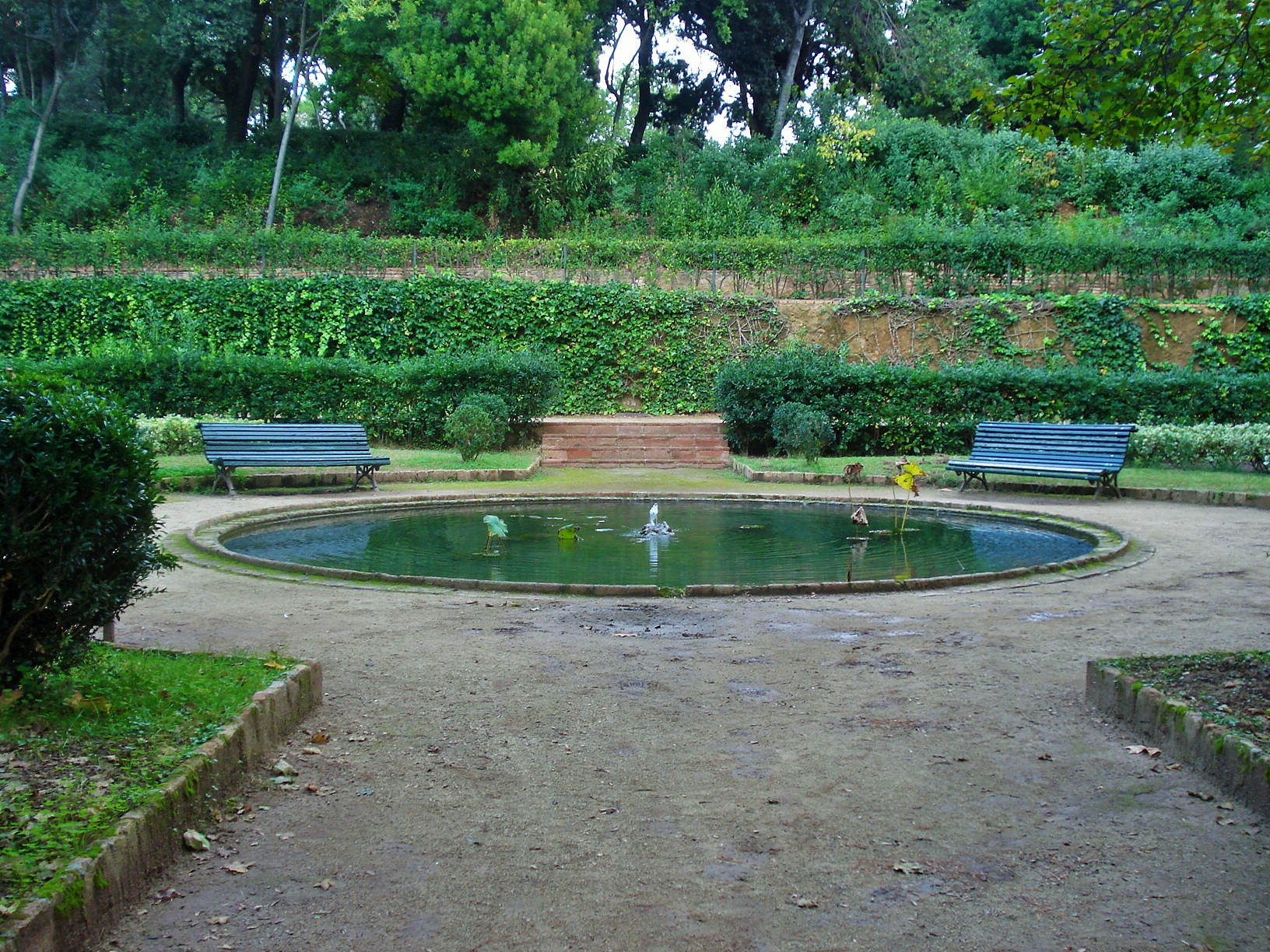
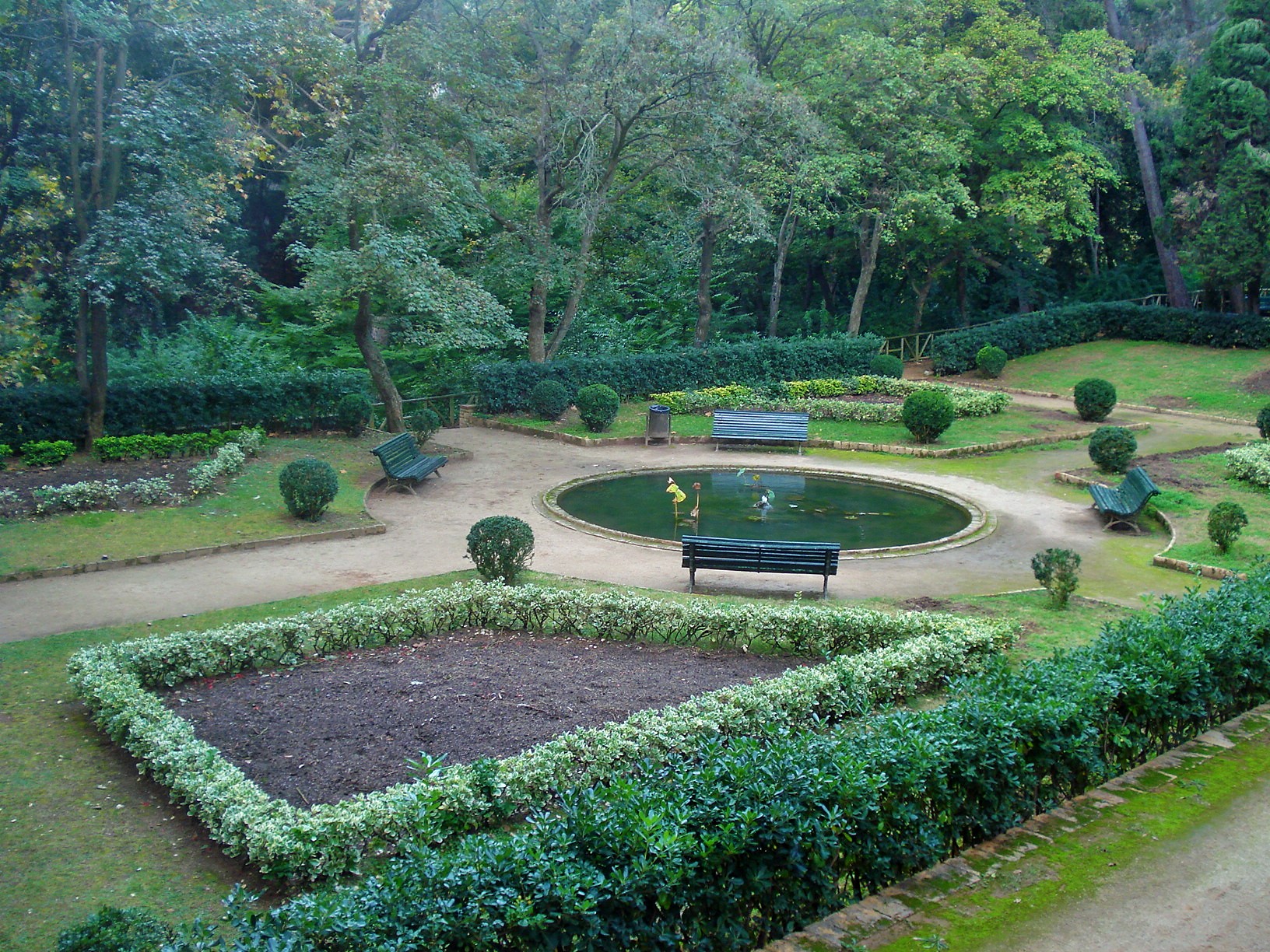
In this post, I will feature the Romantic Garden. It is the latter 19th century extension of the maze gardens. It features small hedged squares with large shade trees; the focus of this garden is the water features, starting at the top with a waterfall, continuing with canals along this narrow garden. The main garden ends with a false graveyard garden before leading to a small garden arranged symetrically around a pond.

DSC08377DSC08354DSC08356DSC08358DSC08362DSC08364DSC08372DSC08373DSC08374DSC08375DSC08376
DSC08384 DSC08379 DSC08381

DSC08387 DSC08389 DSC08390 DSC08391 DSC08385


Landscaped Terraced Garden in Brittany

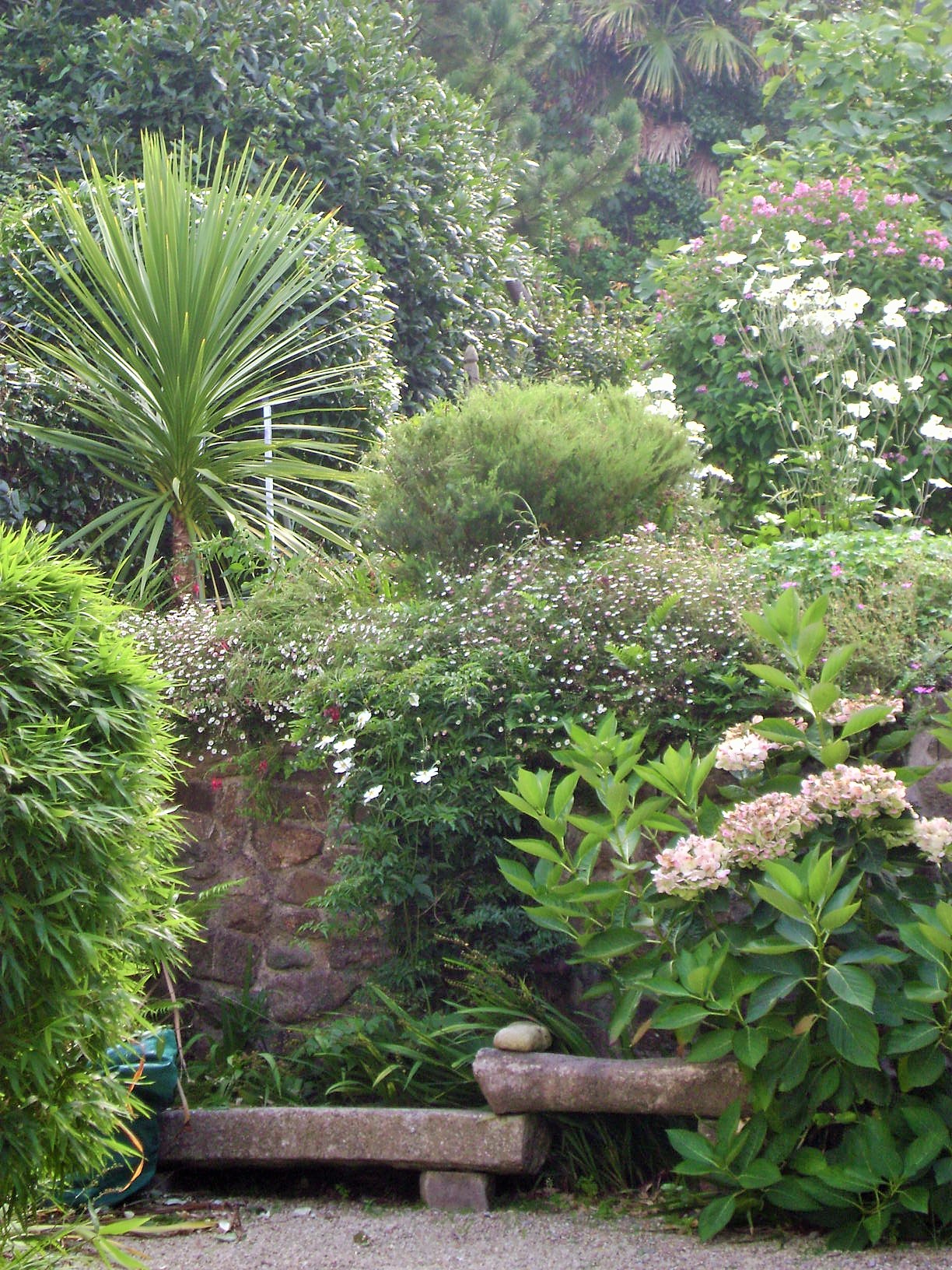
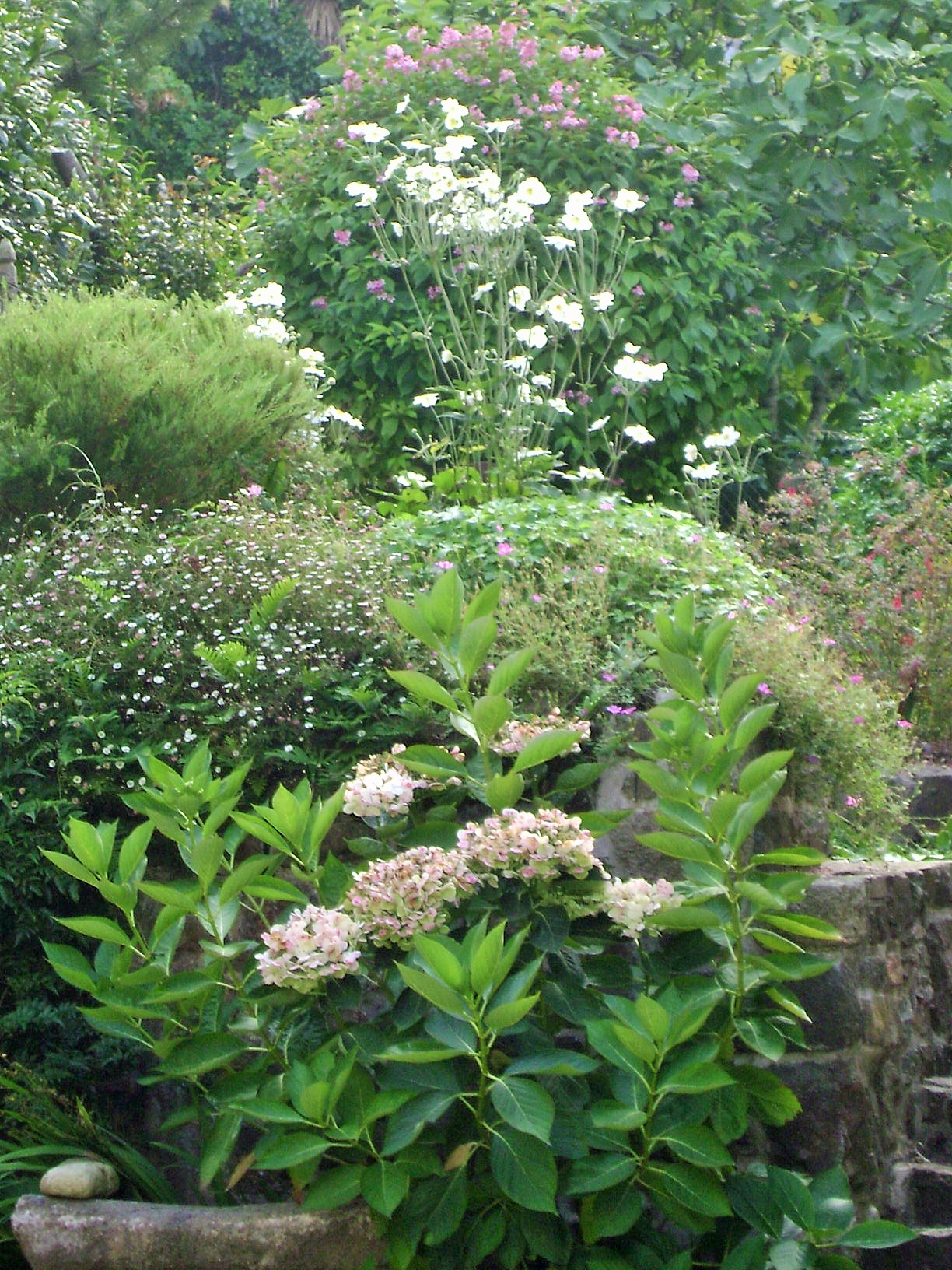
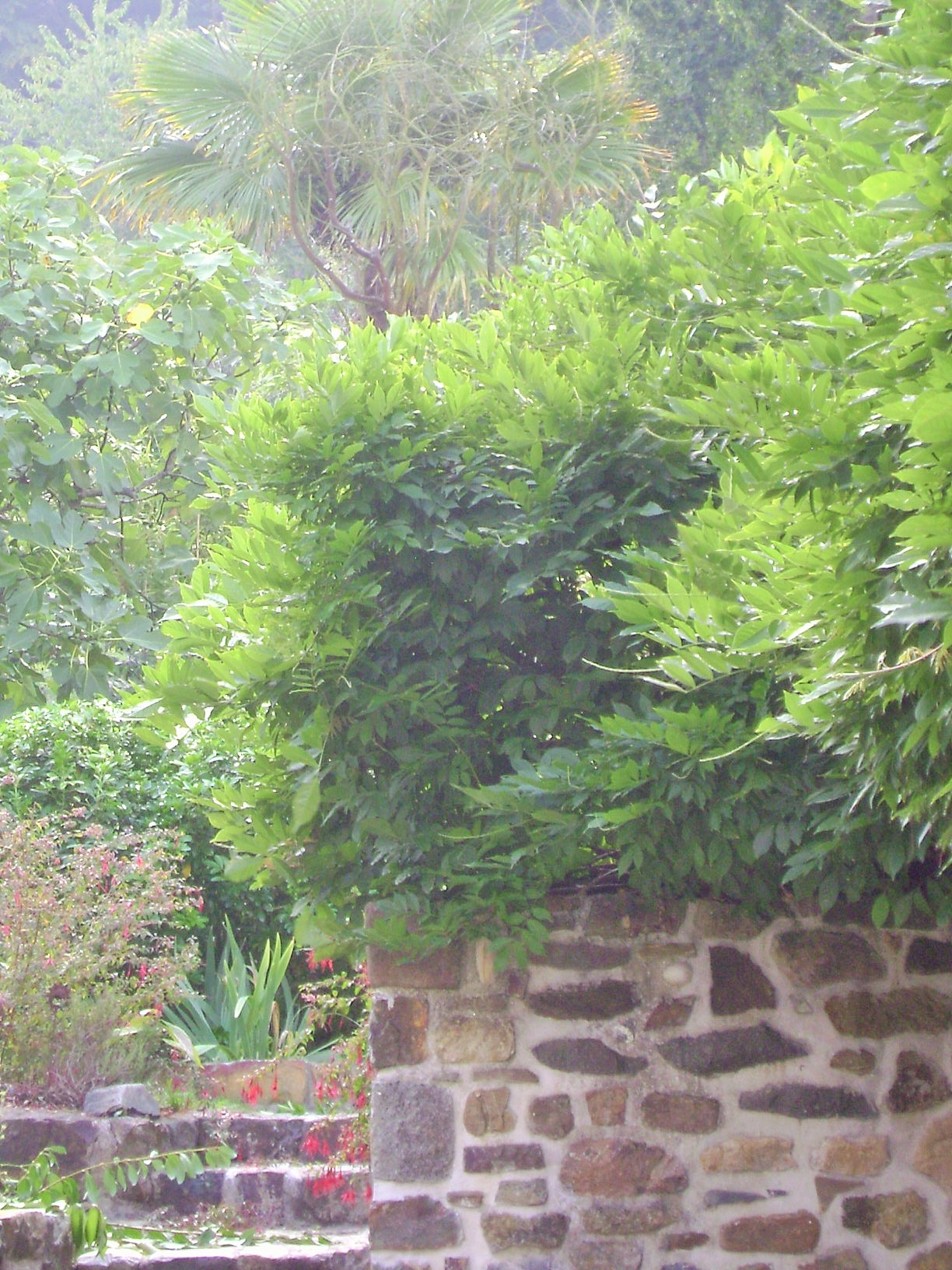
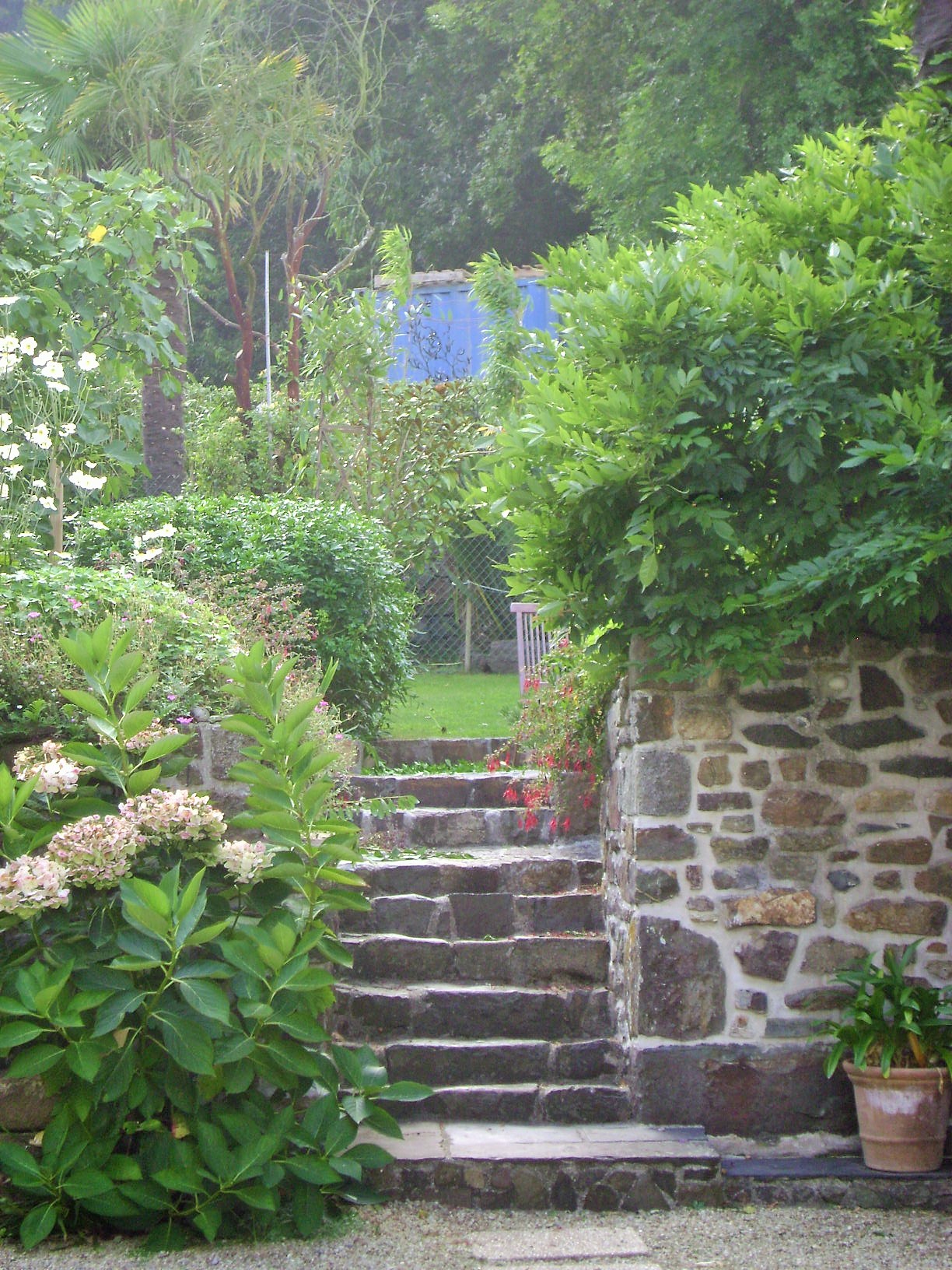
This lovely garden is terraced on a small hill in a picturesque coastal village in norther Brittany, France, with lovely stone retaining walls and steps leading from the house up to the higher levels.  It is landscaped with many of the shrubs and perennials that are seen in many other Brittany gardens and are very well suited to the climate: hebe, hydrangeas, roses, wisteria, alyssum, viburnum …

DSC00468 DSC00469 DSC00470 DSC00472 DSC00474 DSC00466 DSC00467


“Crafty” Country Garden in a Small Brittany Village

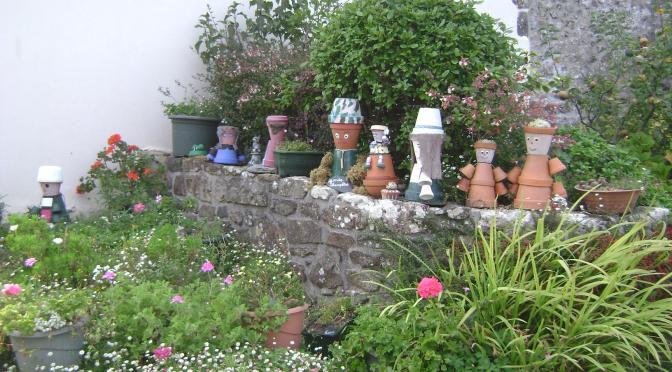
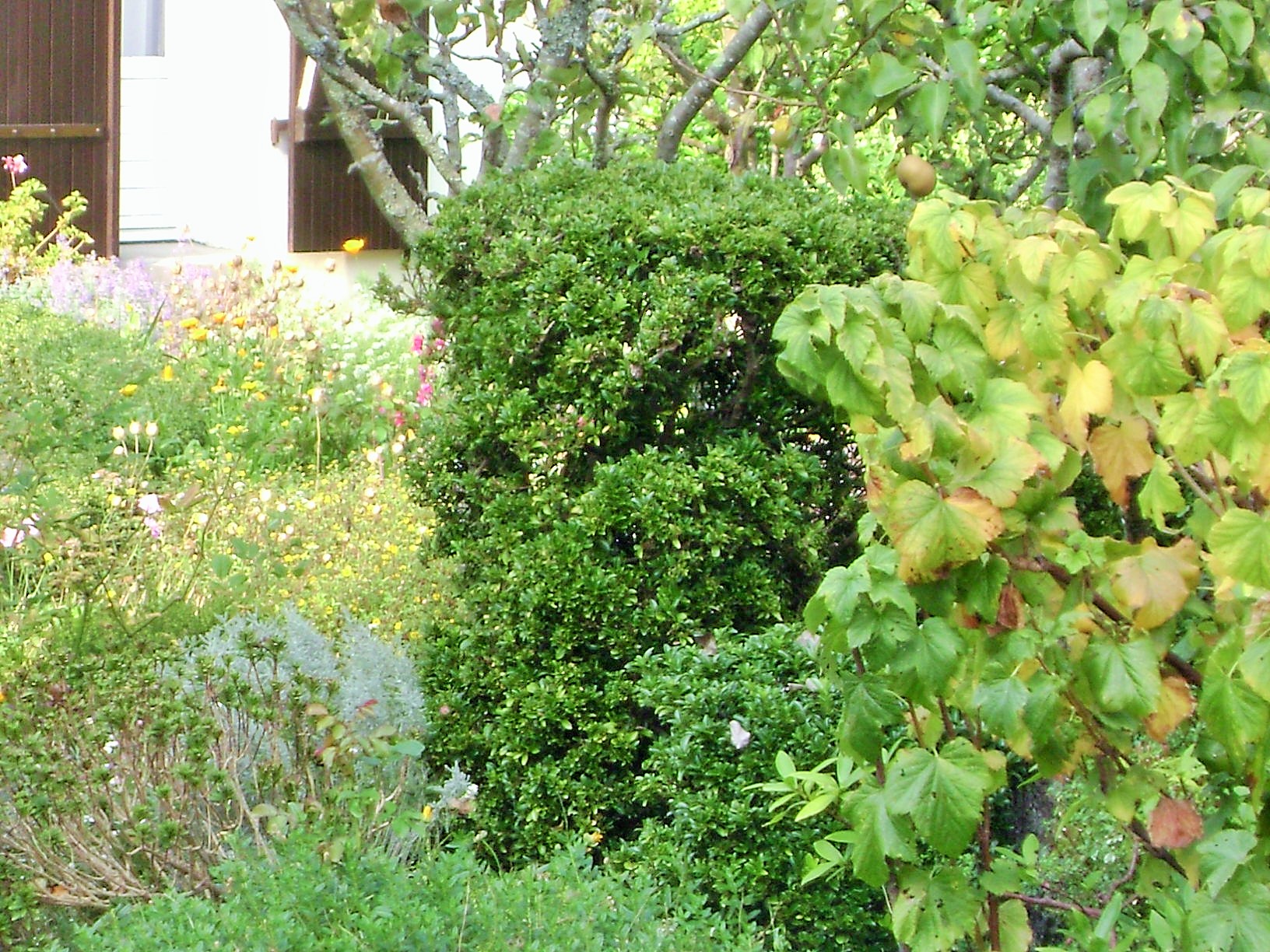
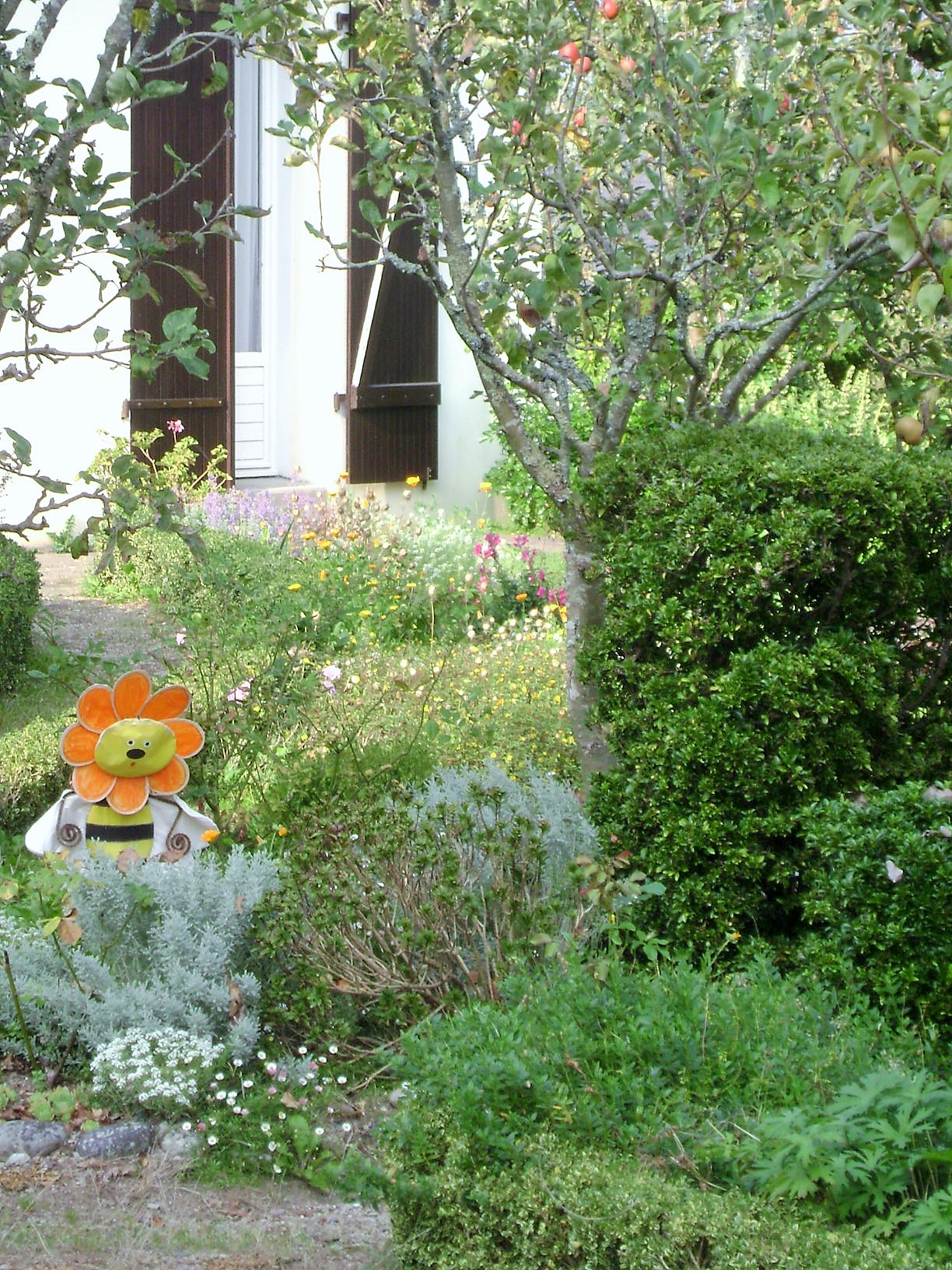
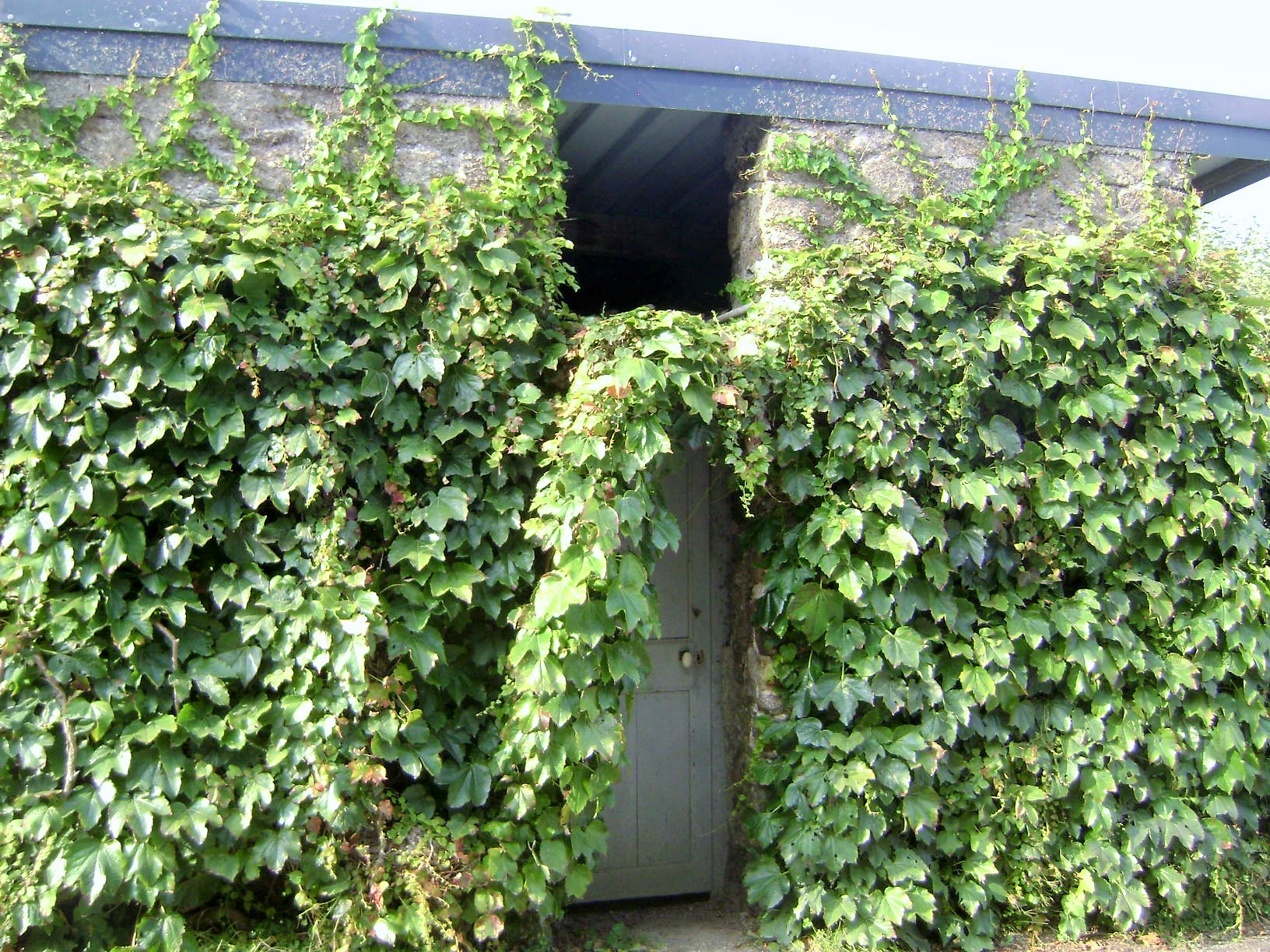
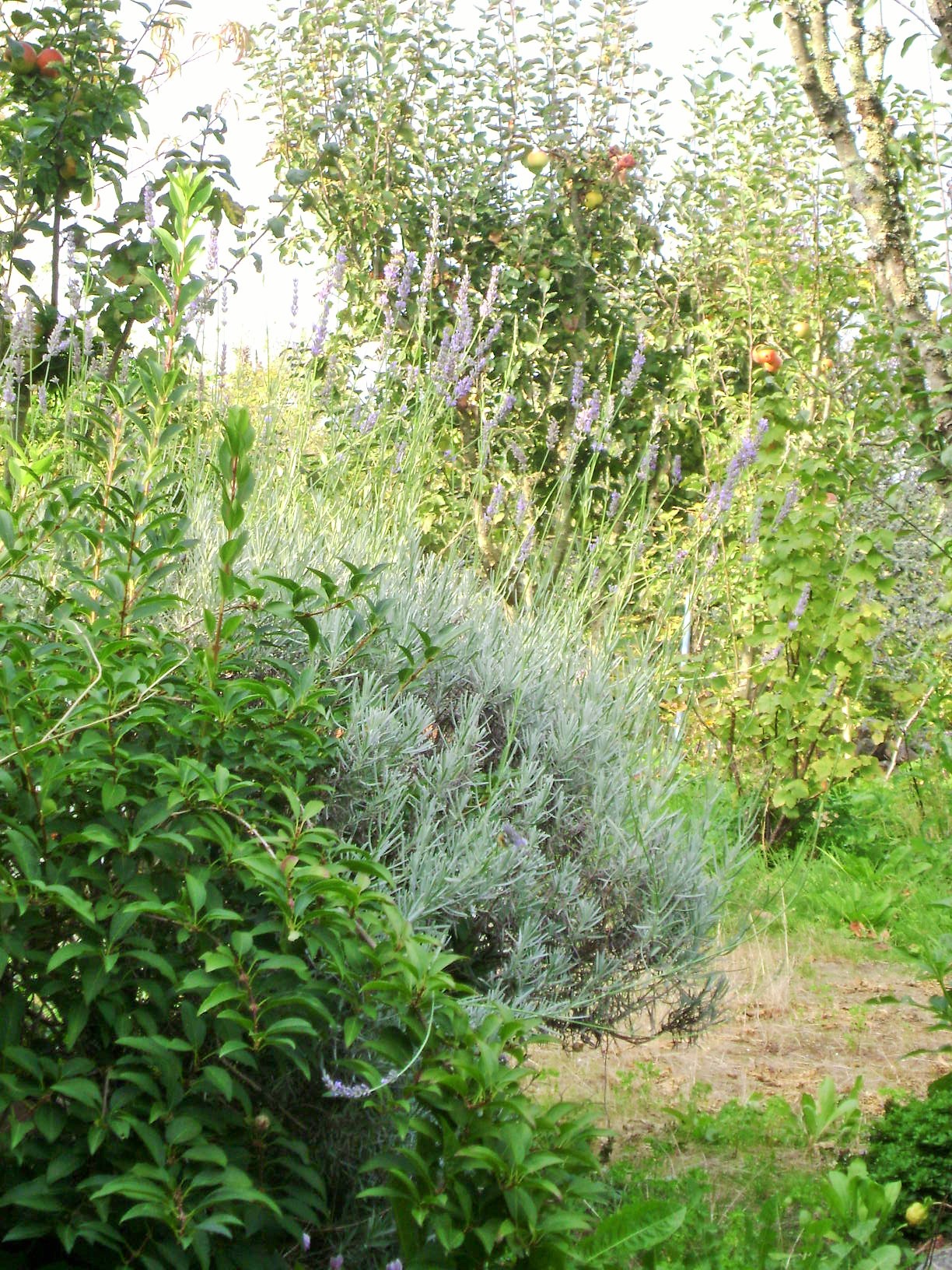
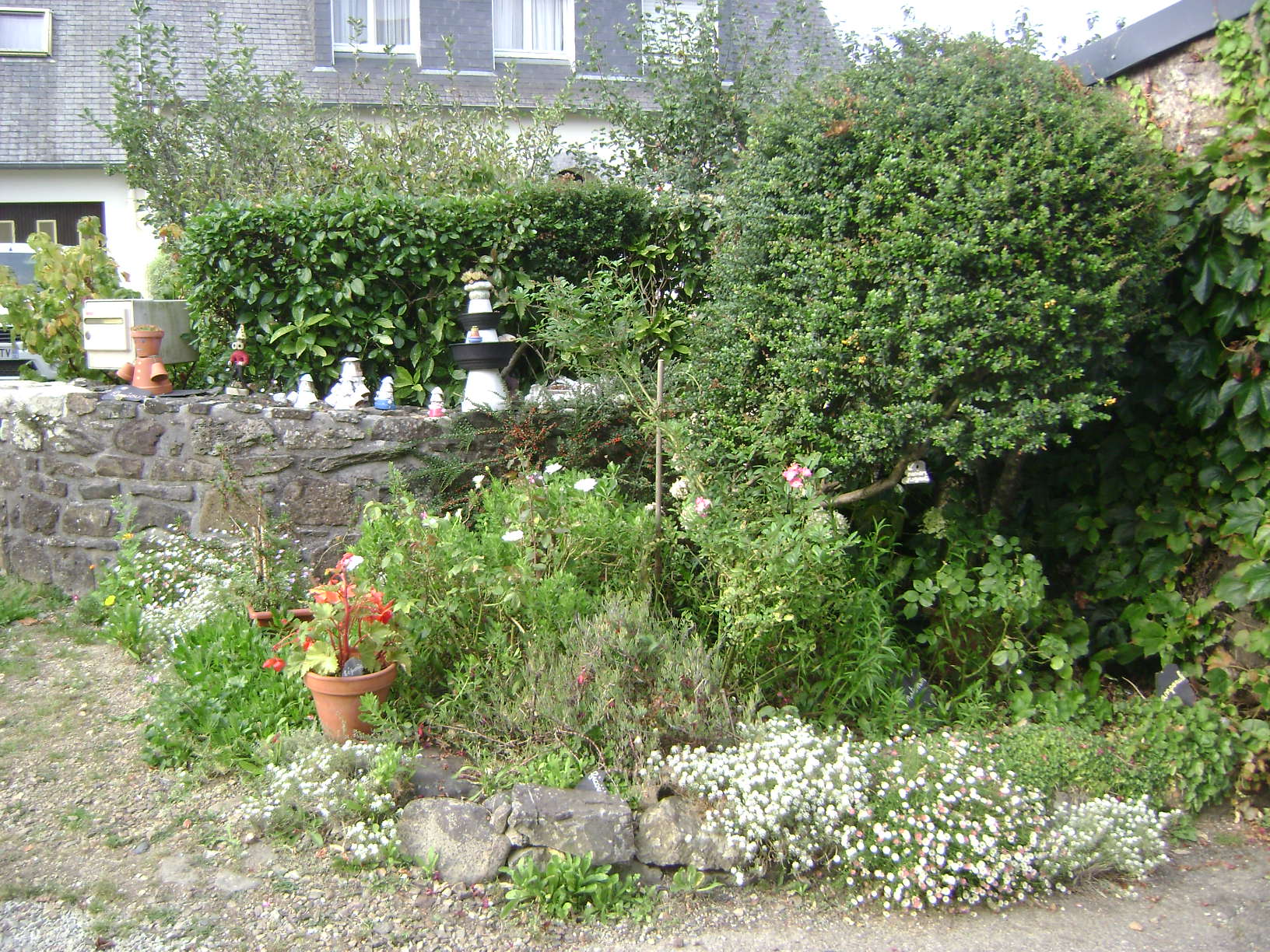
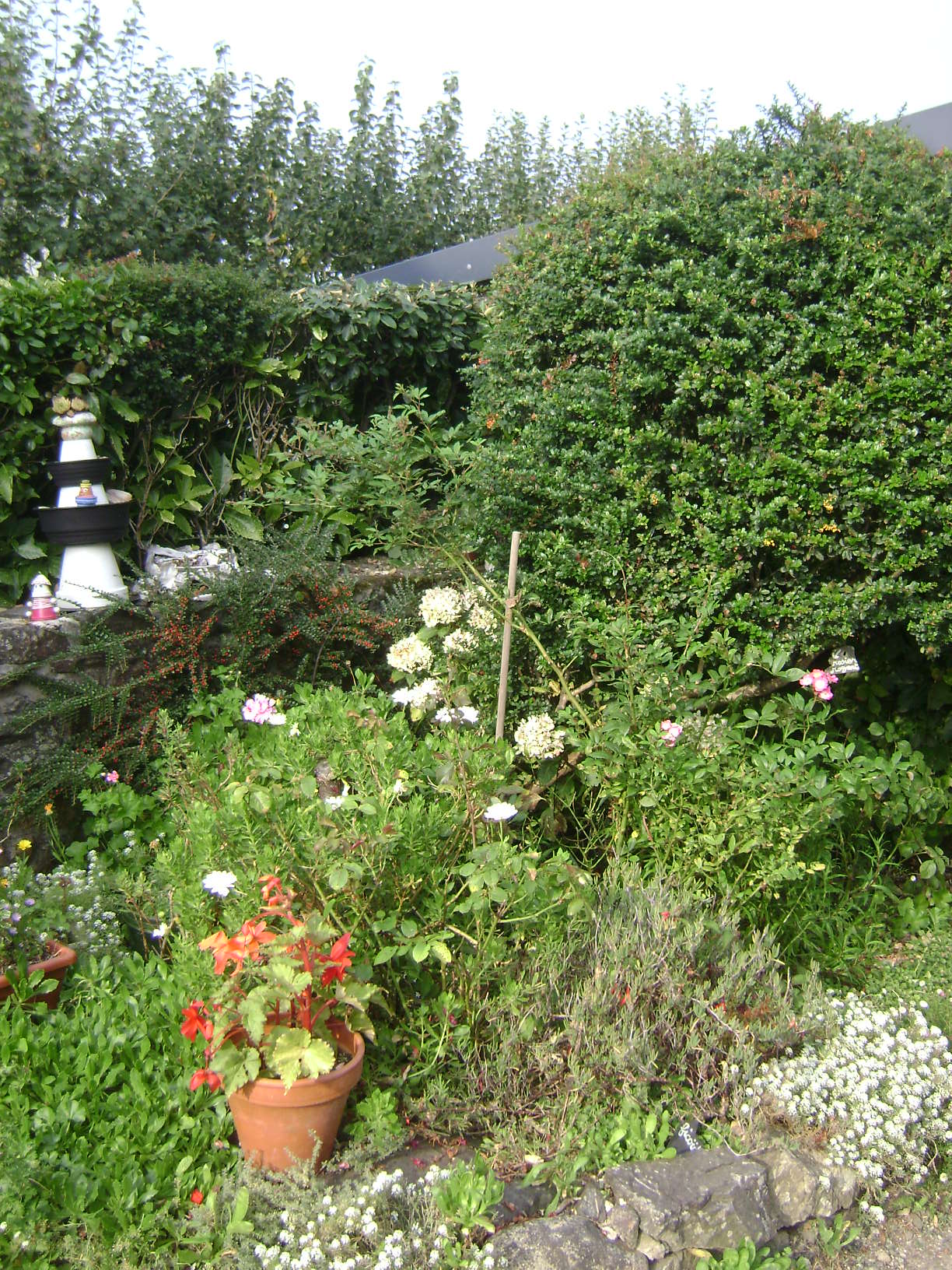
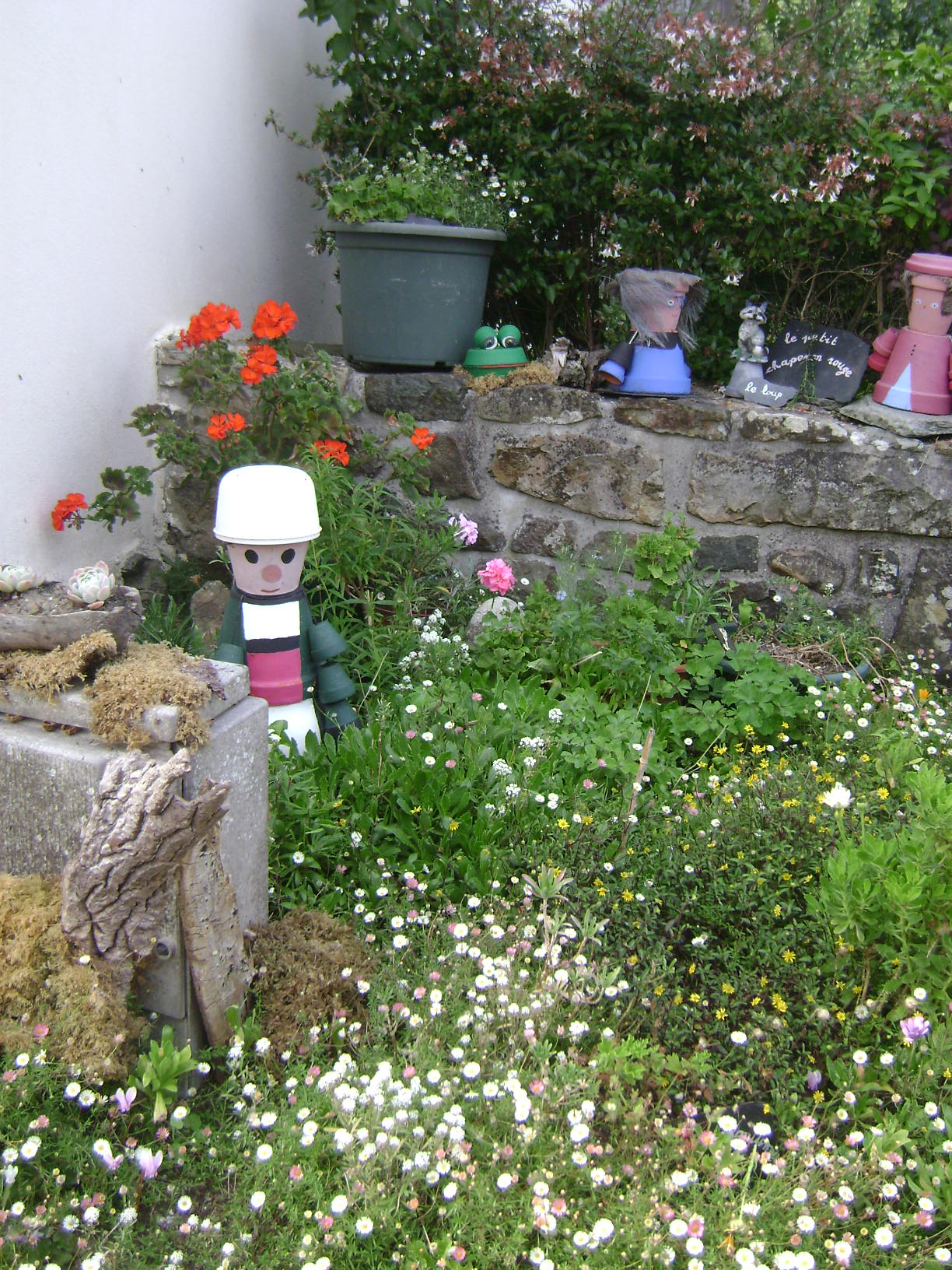
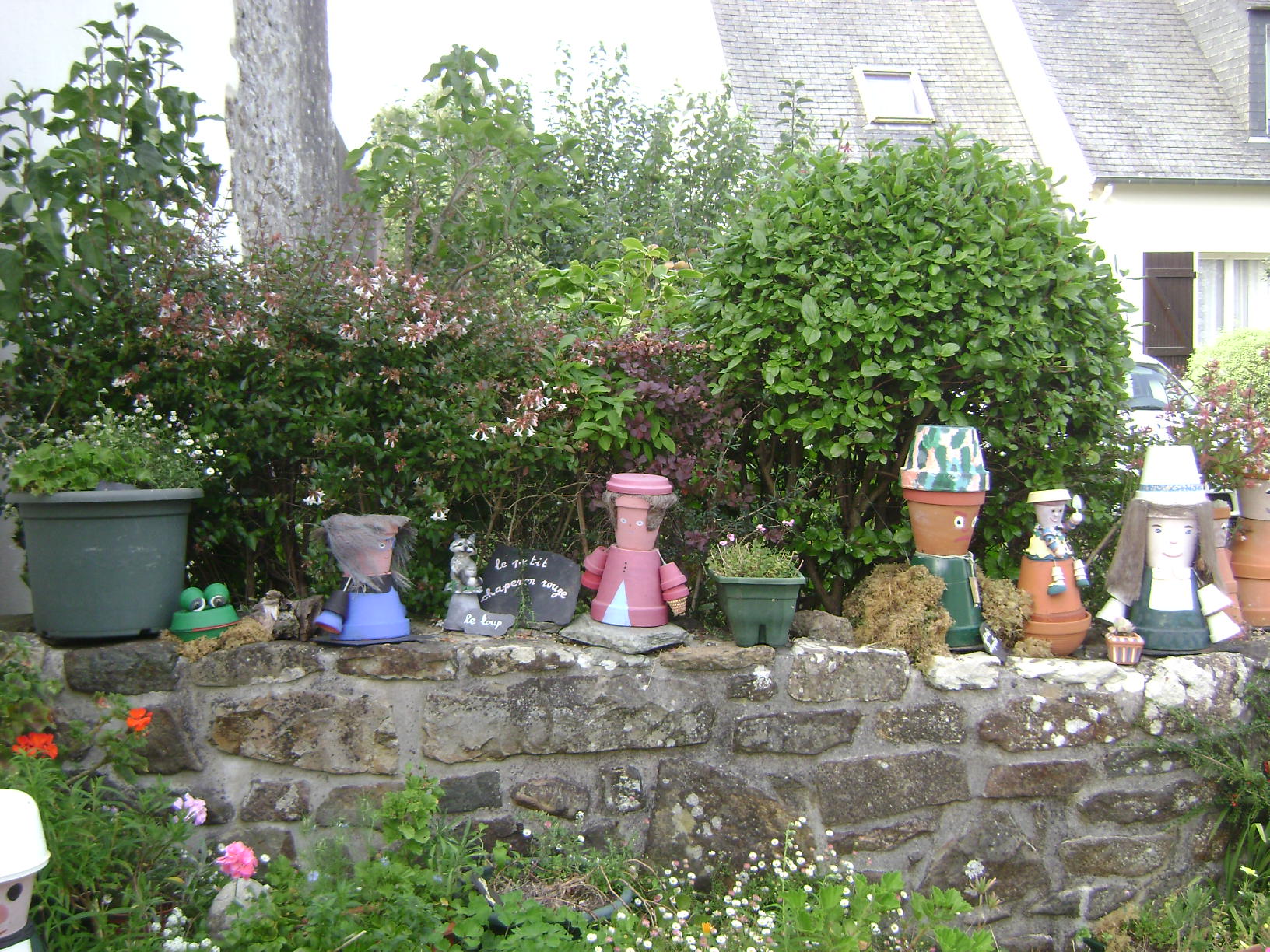
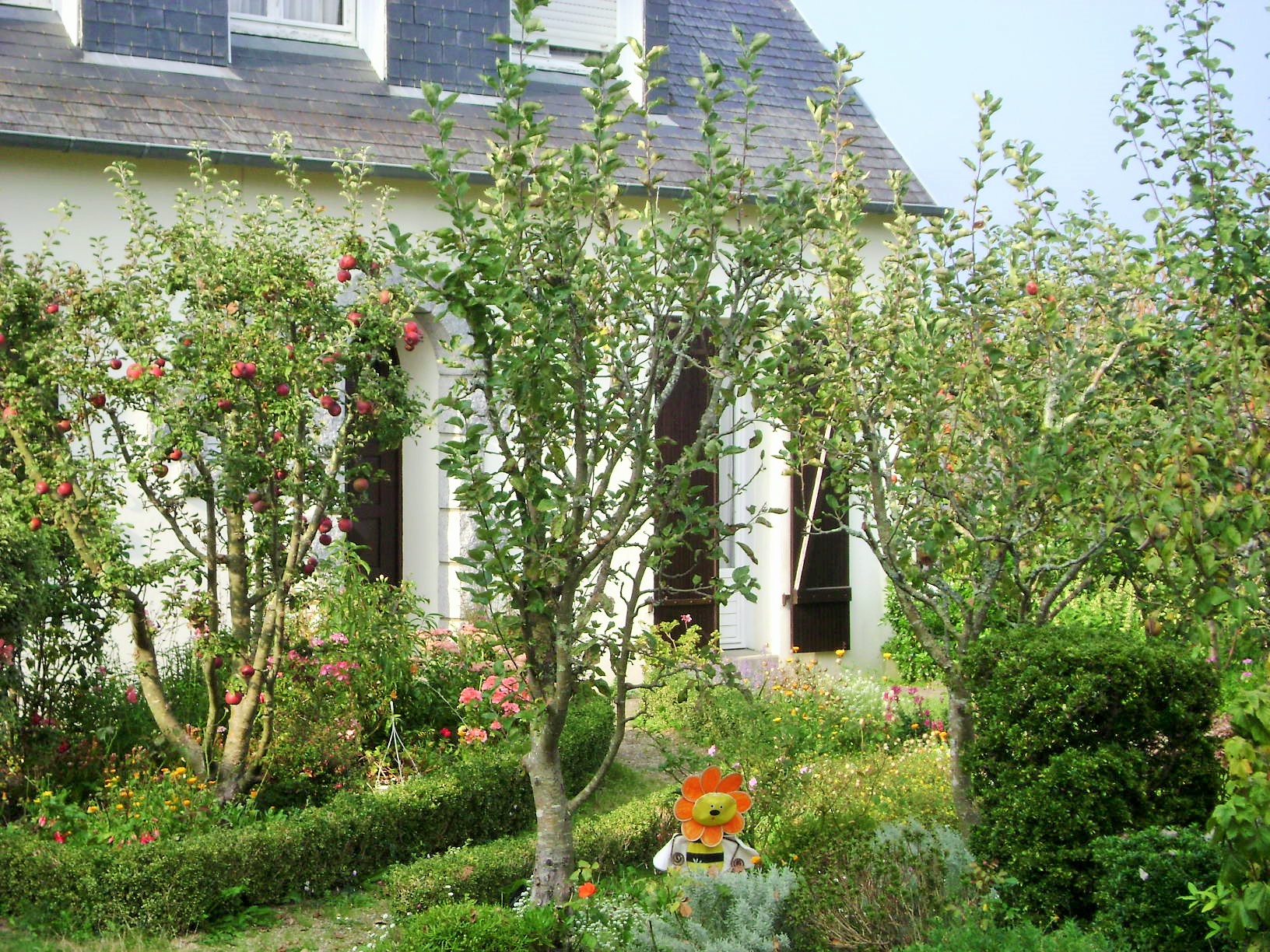
The front display at this garden gate is not for every one, but it certainly stands out. Gardening clay pots are arranged into “sculpture” of story book characters such as Little Red Riding Hood or the French Becassine. The garden itself, while fairly small, has a nice variety of fruit trees underplanted with flowers and perennials, lavender or roses, and in some areas, bordered by small hedges for traditional French style borders.

DSC00485 DSC00487 DSC00491 DSC00493 DSC00495 DSC00496 DSC00498 DSC00476 DSC00477 DSC00478 DSC00479 DSC00480 DSC00481 DSC00482 DSC00484


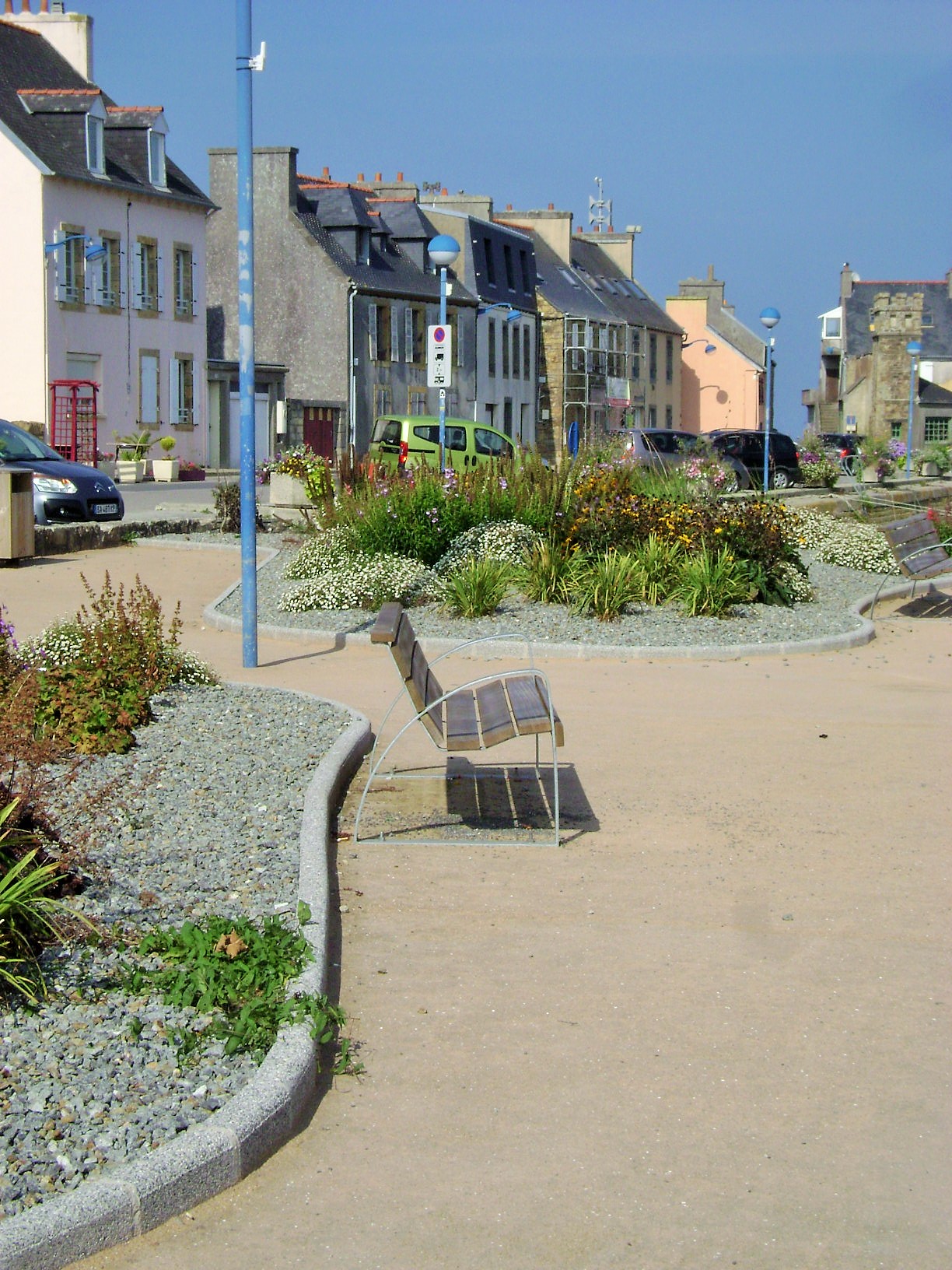
Roundabout Gardens and Borders in Crozon, France

French towns and villages often try to outdo one another with their floral displays and borders throughout. One area where they particularly excel is the roundabouts.

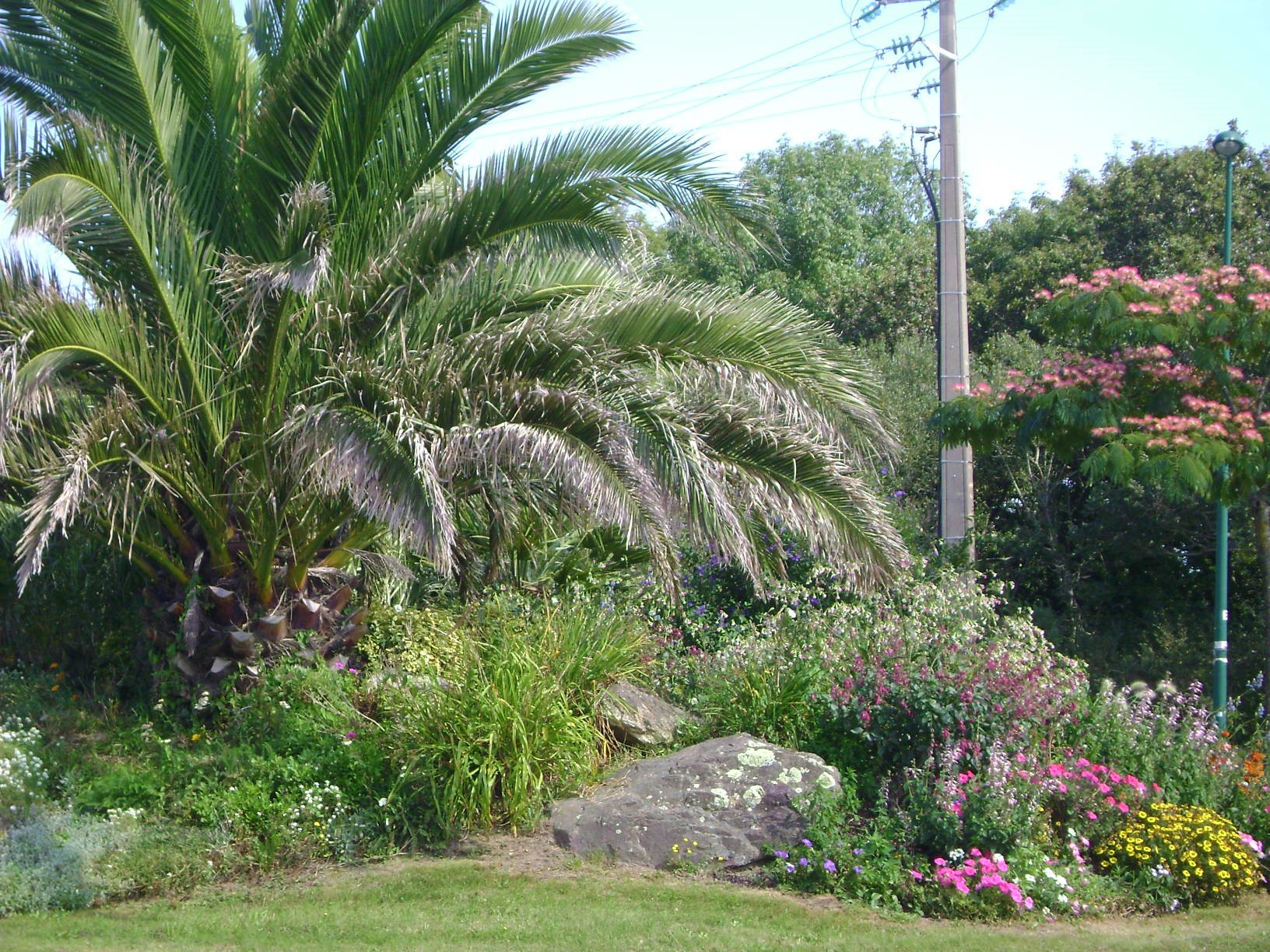
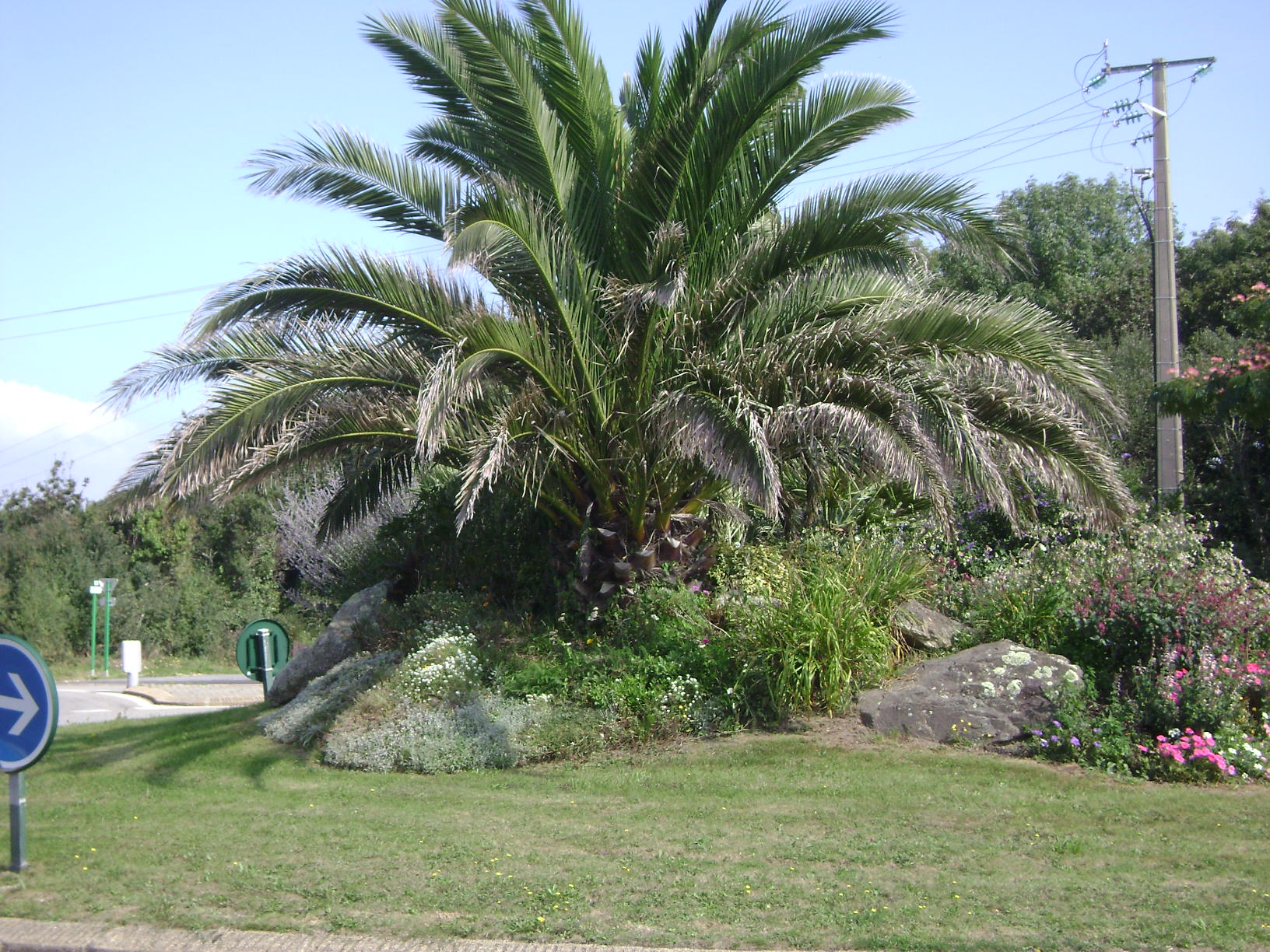
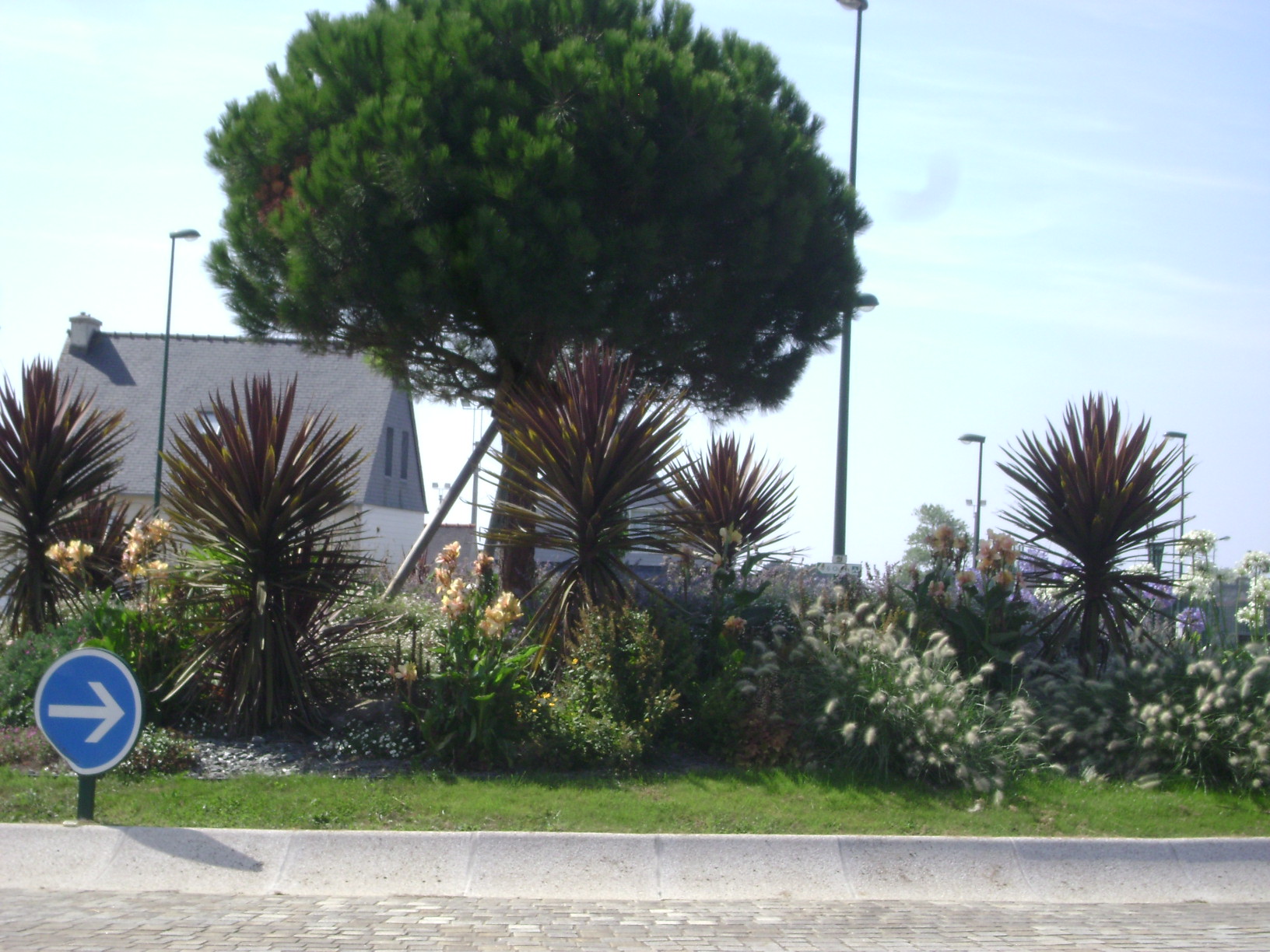
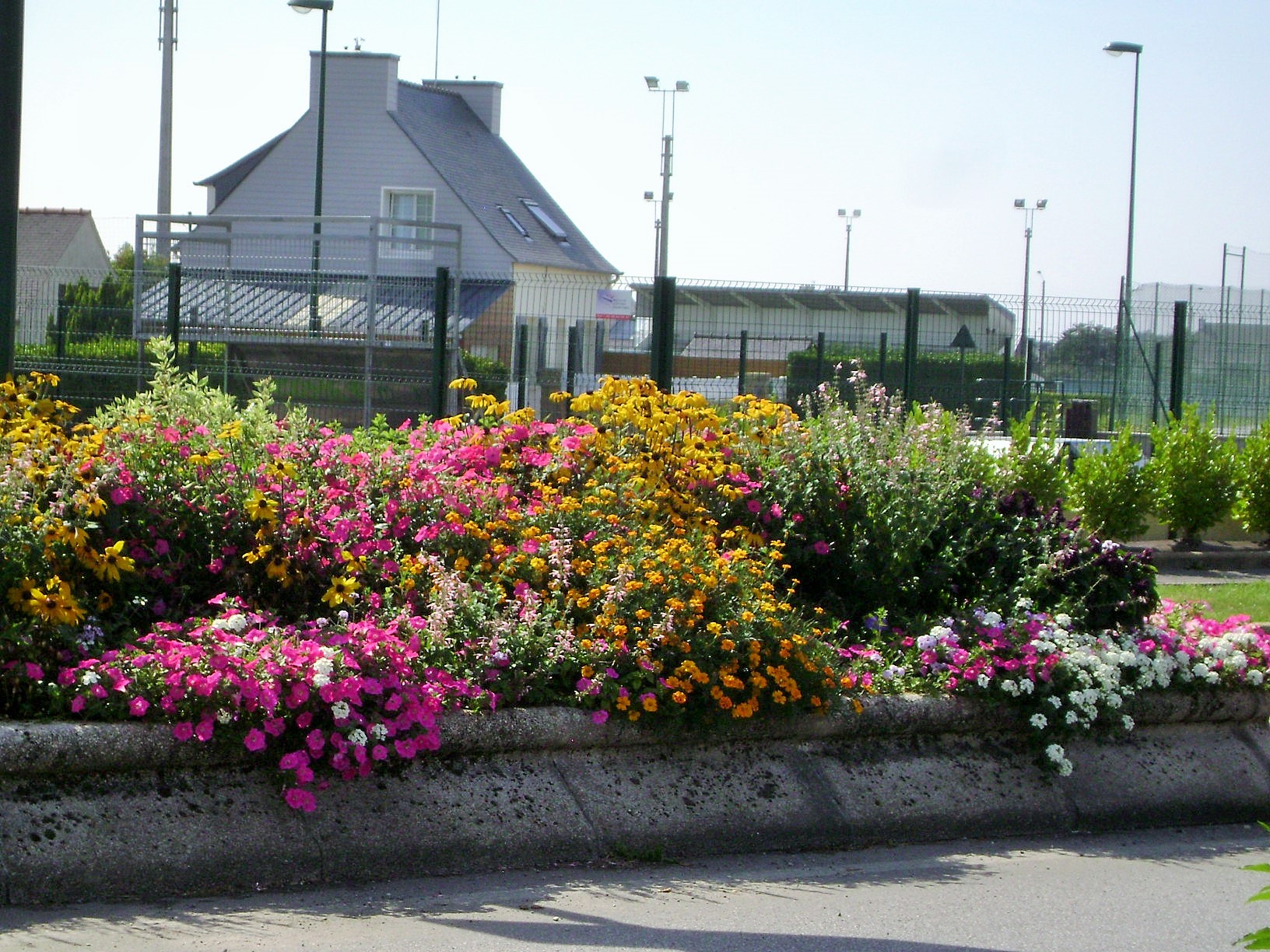
Roundabouts are the French version of the intersection, and particularly where the road enter the town, will plant a lavish mini garden in the middle of the roundabout.  I wrote about one already that was done as a Japanese rock garden. At each end of the small town of Crozon is a roundabout: the first one is more tropical, the second is paired with a mixed border along the median for a lavish floral display.
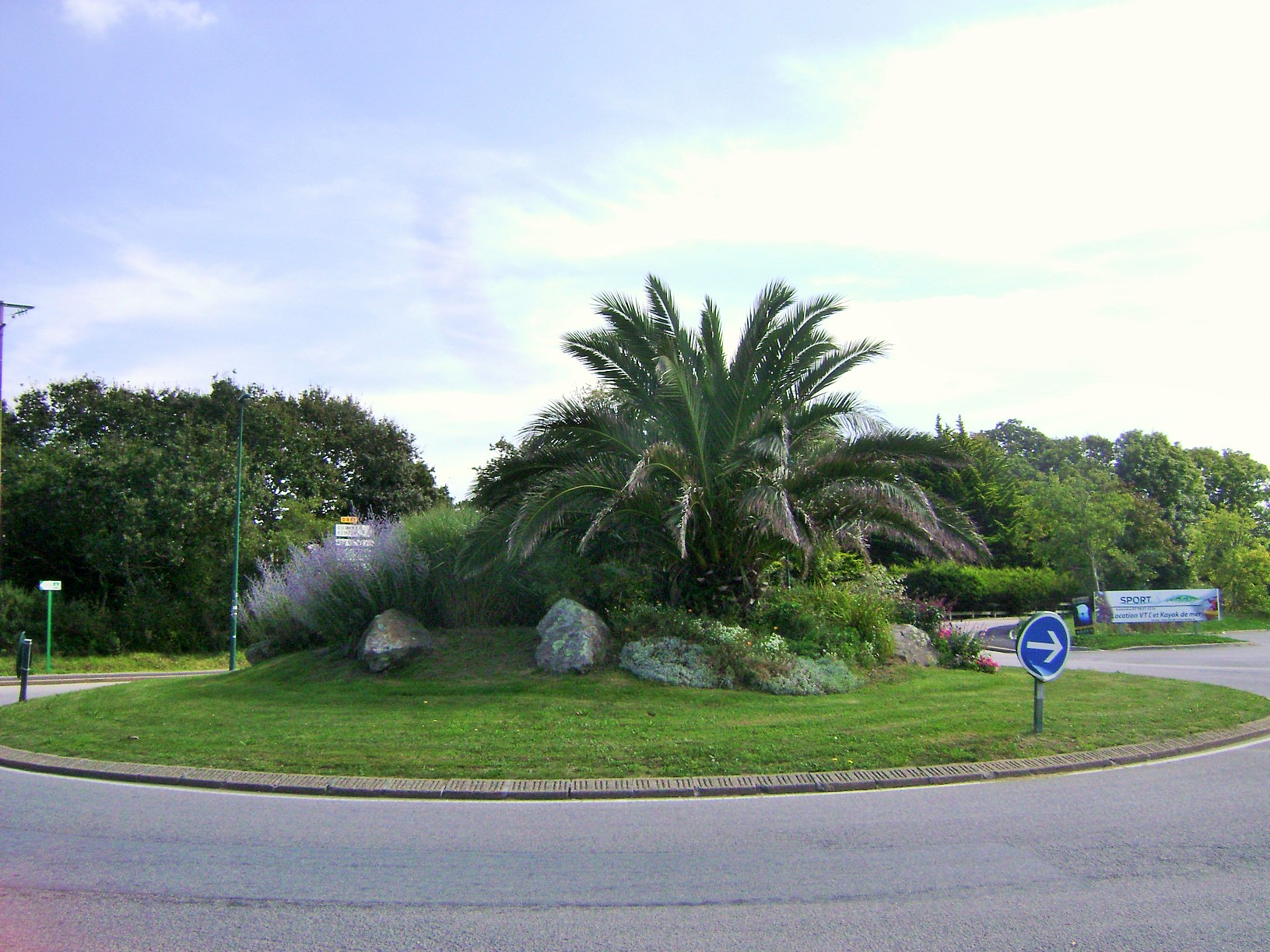
Tropical Roundabout:

DSC00288 DSC00284 DSC00285 DSC00286 DSC00287

Floral Roundabout and Border:

DSC00511 DSC00512 DSC00513 DSC00515 DSC00518 DSC00519

DSC00525 DSC00537 DSC00538 DSC00522 DSC00524


Petanque Park by the Sea in France

If  you have ever travelled through a village France and noticed a group of people having a heated discussion looking at balls on a dirt patch, you have seen petanque. It is a very simple game where each player has three metal balls and tries to throw them as closely as possible to the small wooden one called the “cochonnet”. It is usually played in teams, and while the rules are simple, the unevenness of the terrain must be taken into account, and there is skill involved in trying to hit the opponents ball to get it out of the way for example.

This small petanque terrain in Brittany couldn’t want for a more idyllic location, right on the water and surrounded with a small park!

DSC00562 DSC00559 DSC00558 DSC00555 DSC00553 DSC00573 DSC00572 DSC00571 DSC00570 DSC00569 DSC00568 DSC00567 DSC00565 DSC00564 DSC00563


Woodland Shade and Bamboo Garden

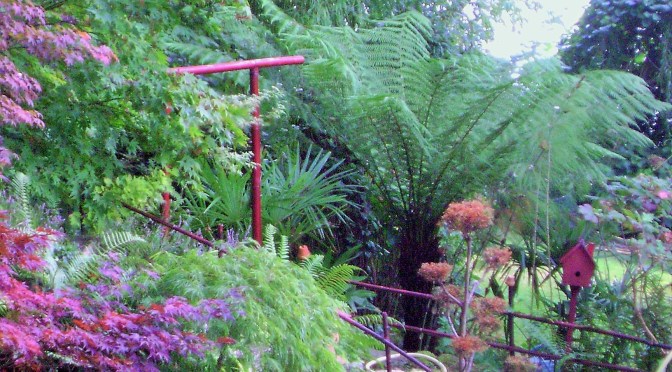
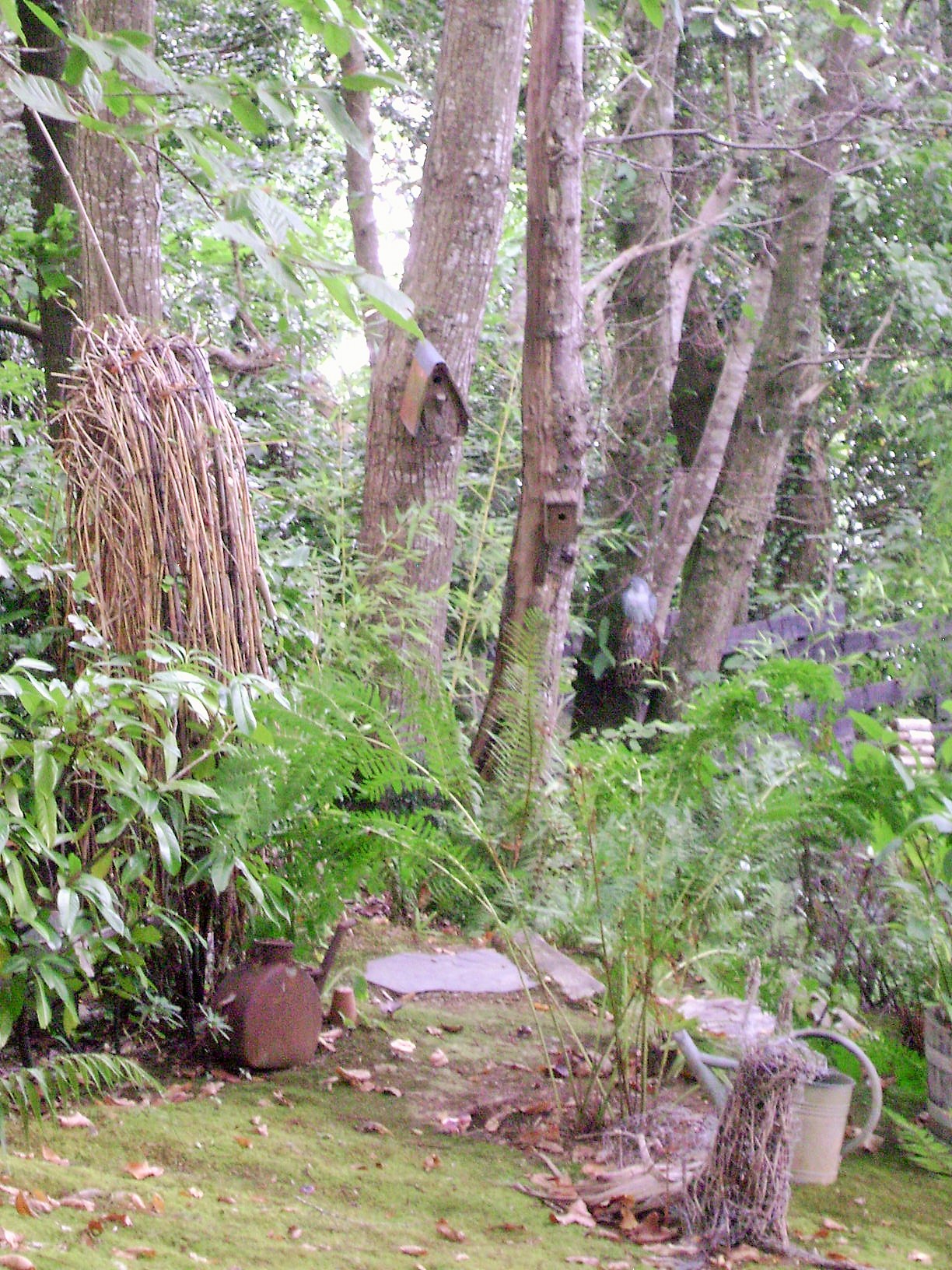
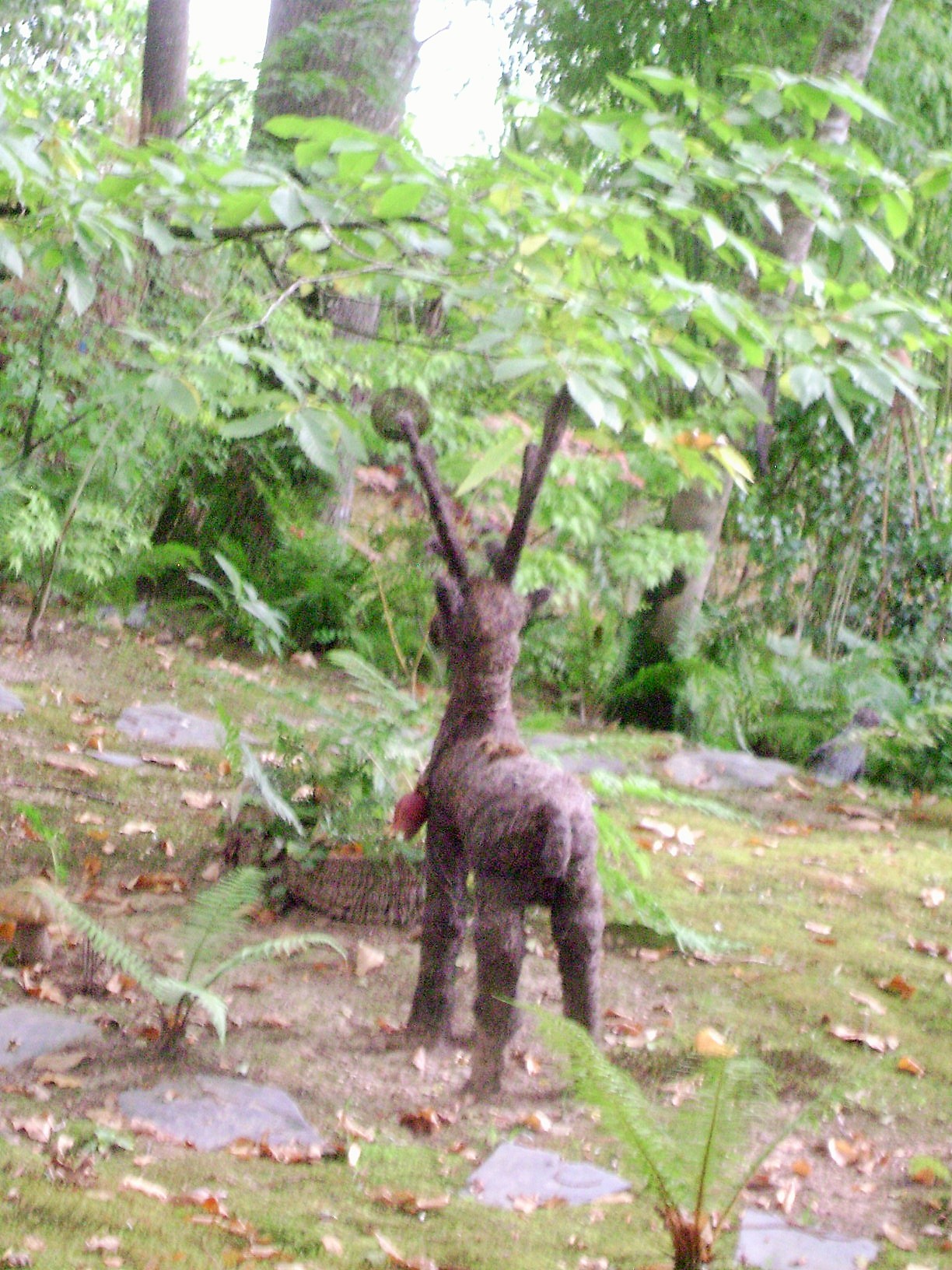
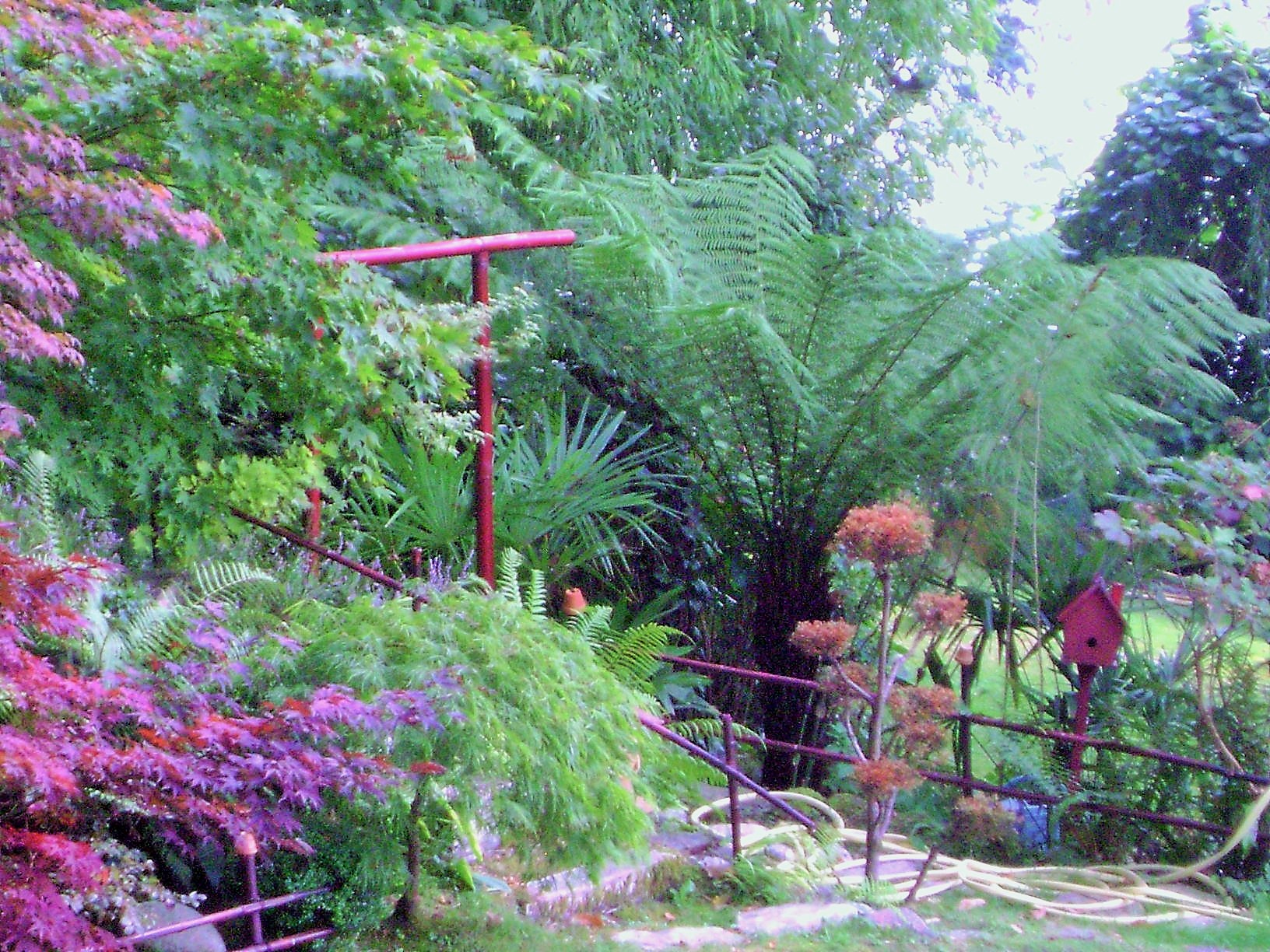
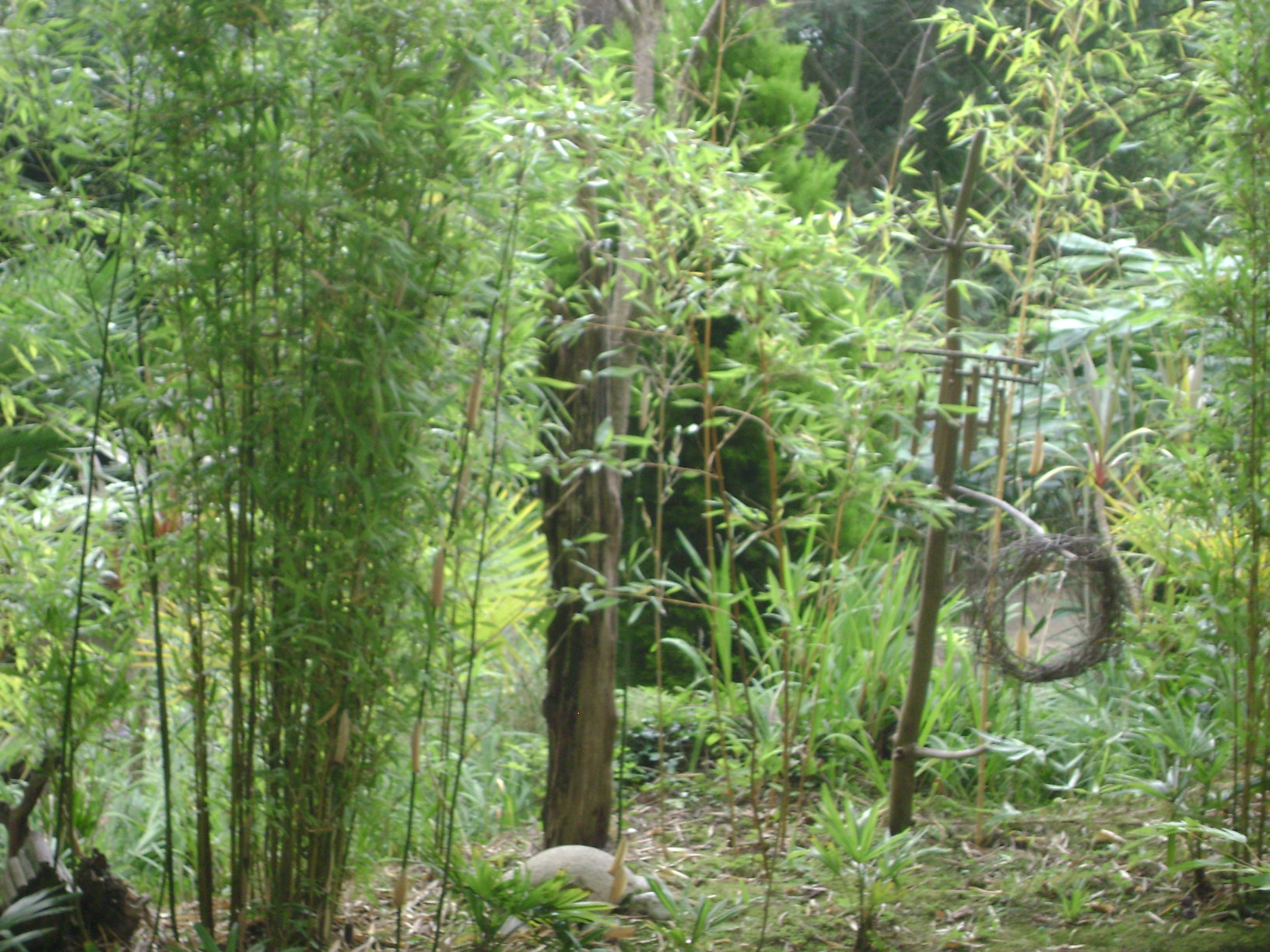
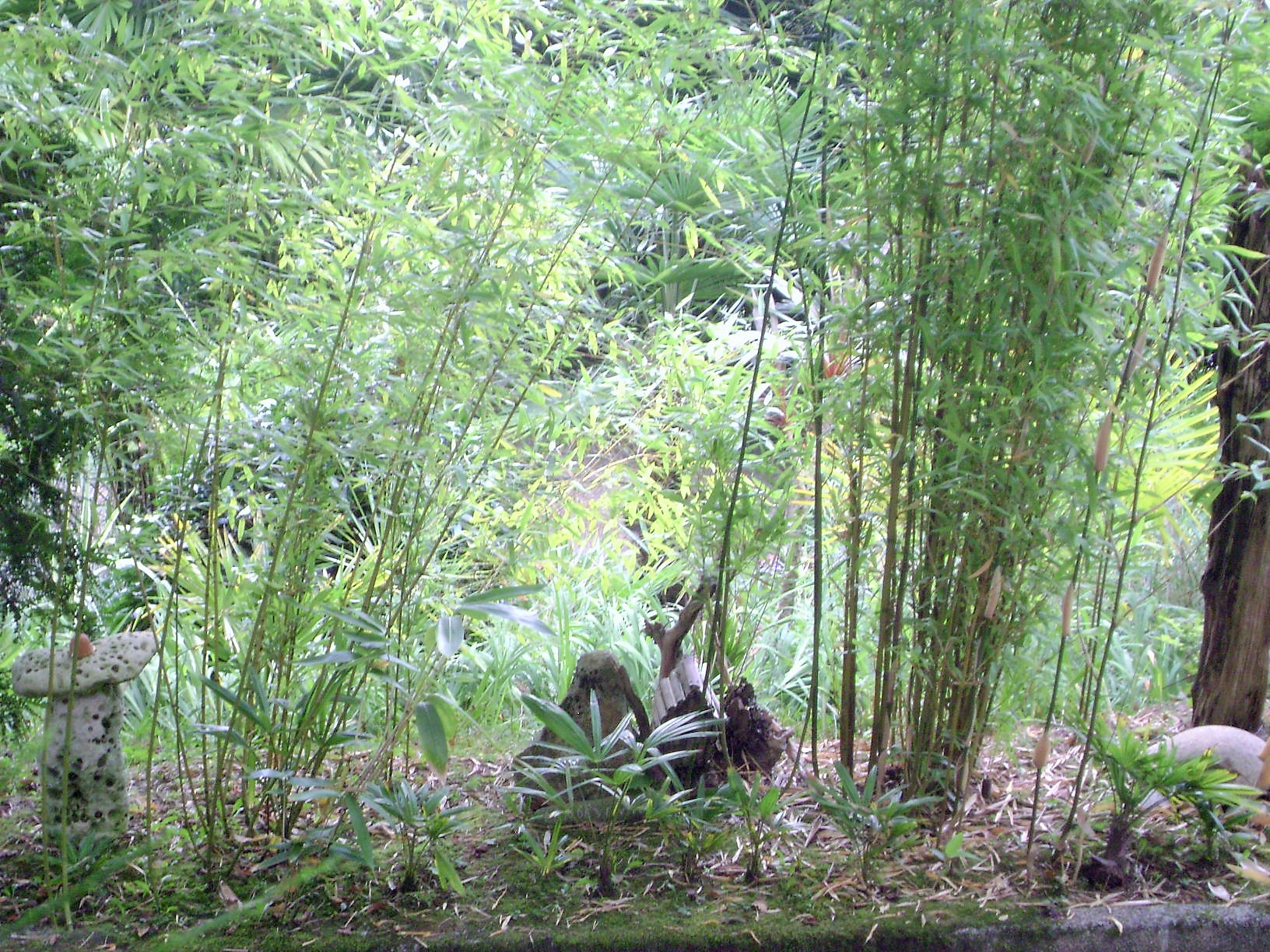
The far end of this property has been is planted with tall trees and has bee turned into a woodland shaded garden accented with statues and still lives, and edged in a bamboo grove transitioning to the rest of the garden. Other plantings such as Japanese maple emphasize the Asian garden feel of this garden.

DSC00422 DSC00413 DSC00412 DSC00411 DSC00410 DSC00409 DSC00407 DSC00406 DSC00405 DSC00423 DSC00421 DSC00420 DSC00419 DSC00418 DSC00416 DSC00415 DSC00414


Brittany Terraced Garden with a Tropical Feel

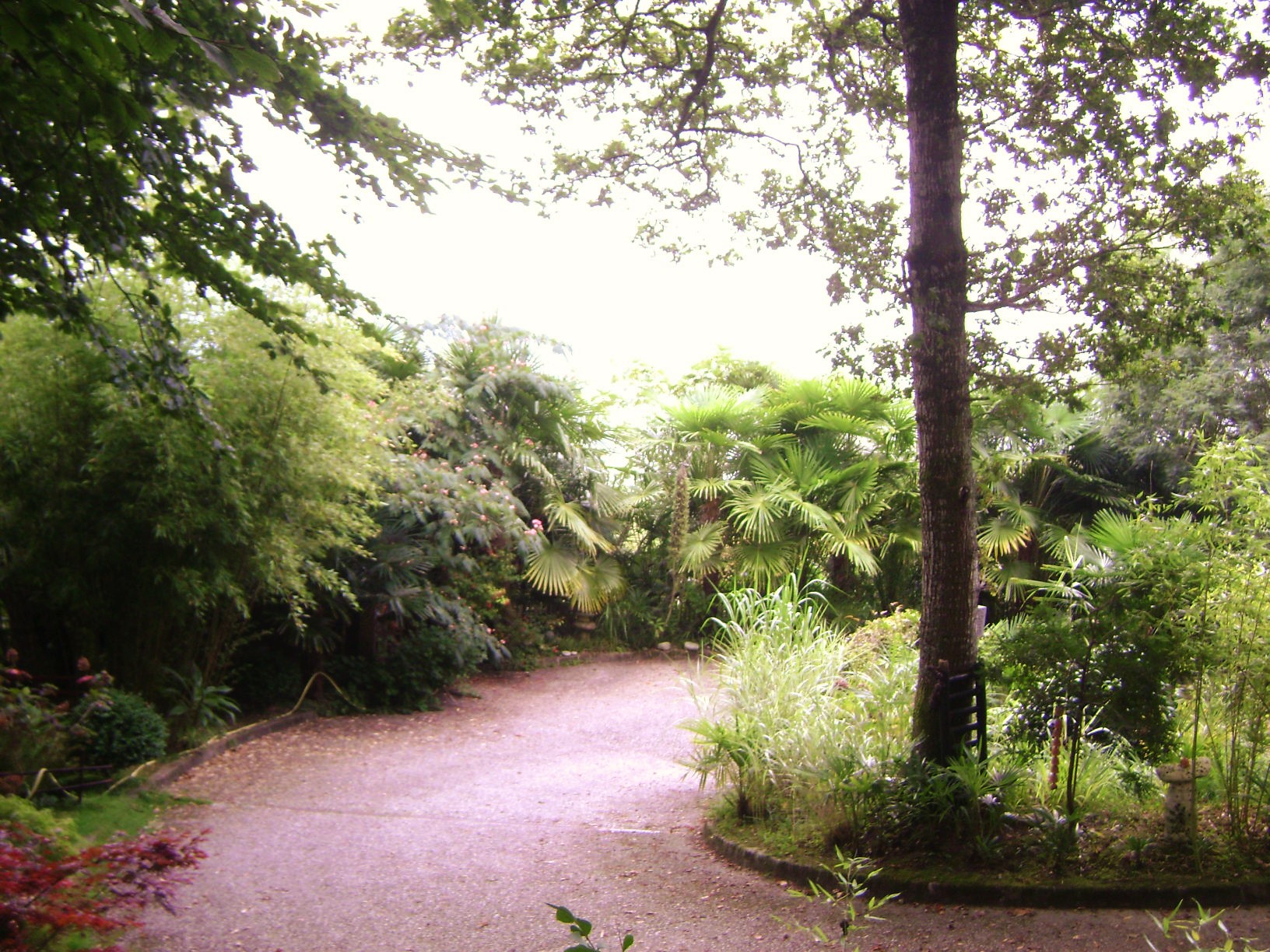
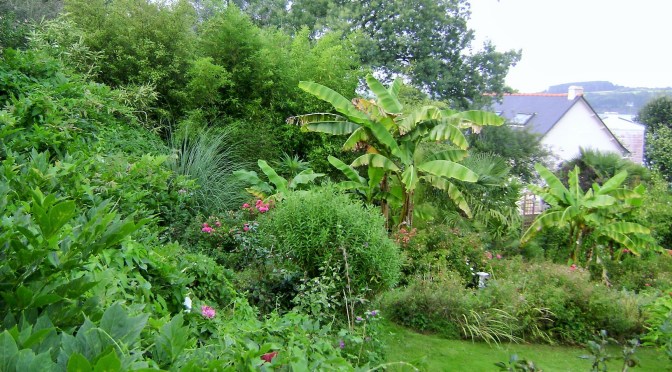
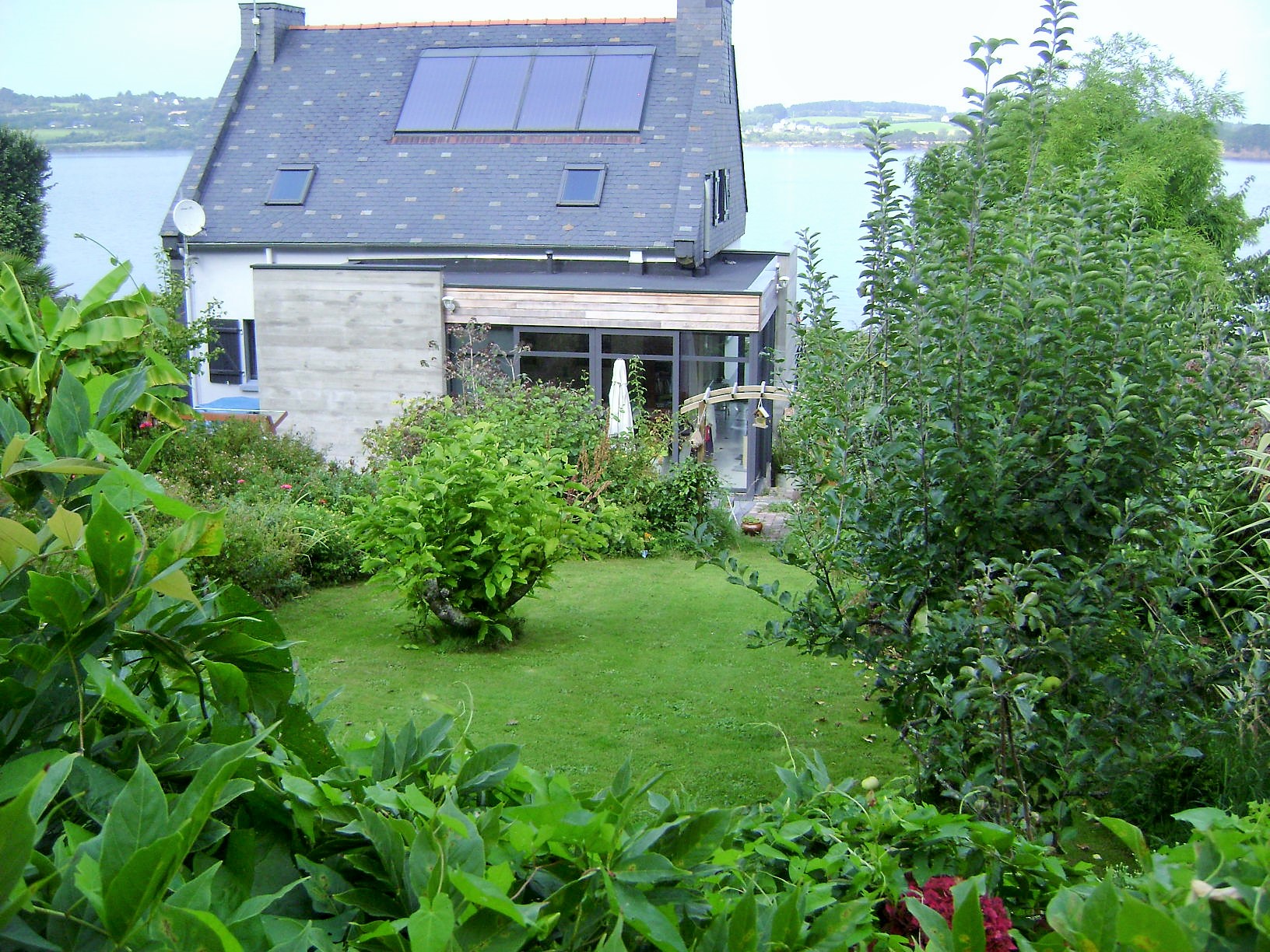
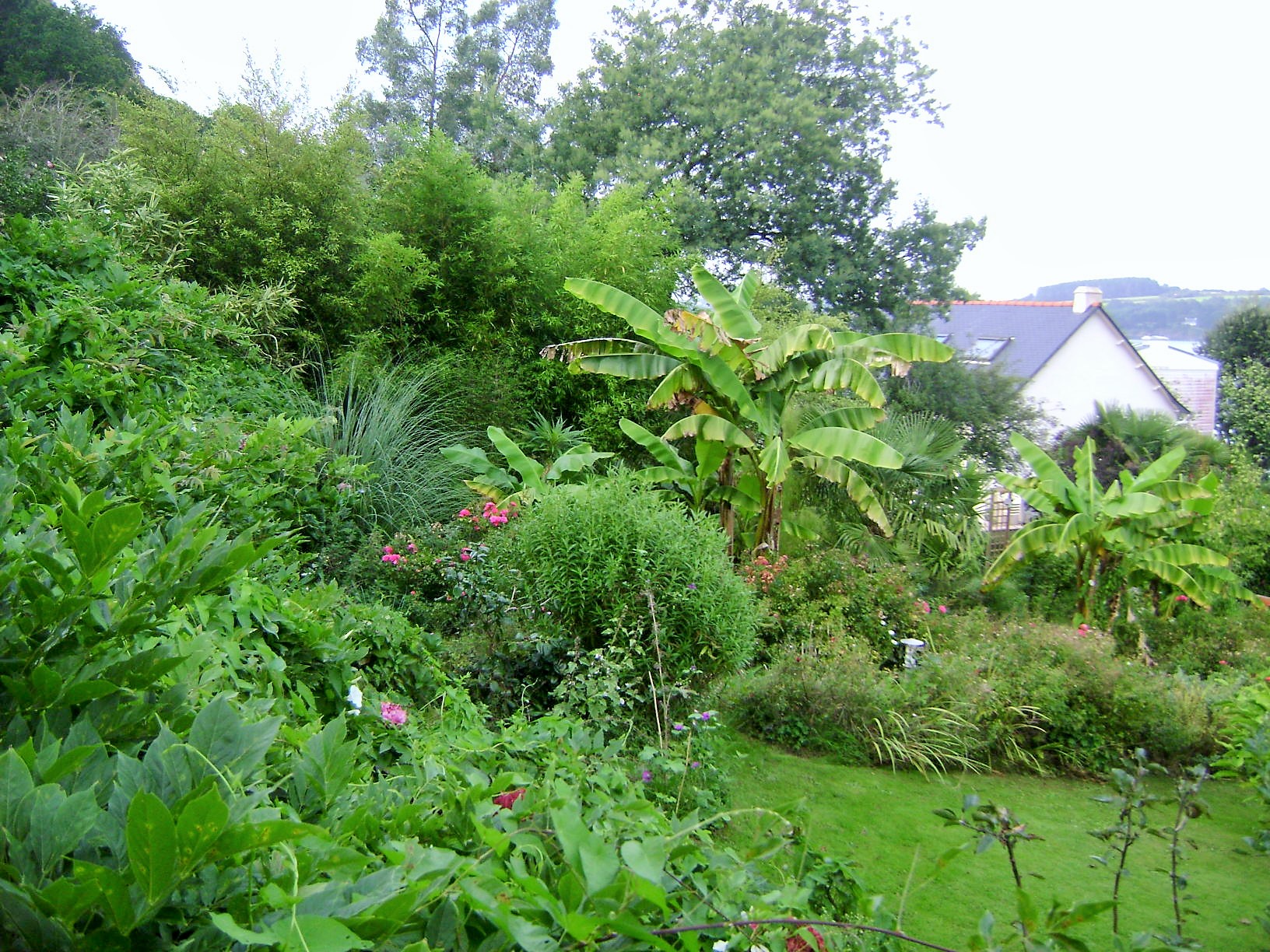
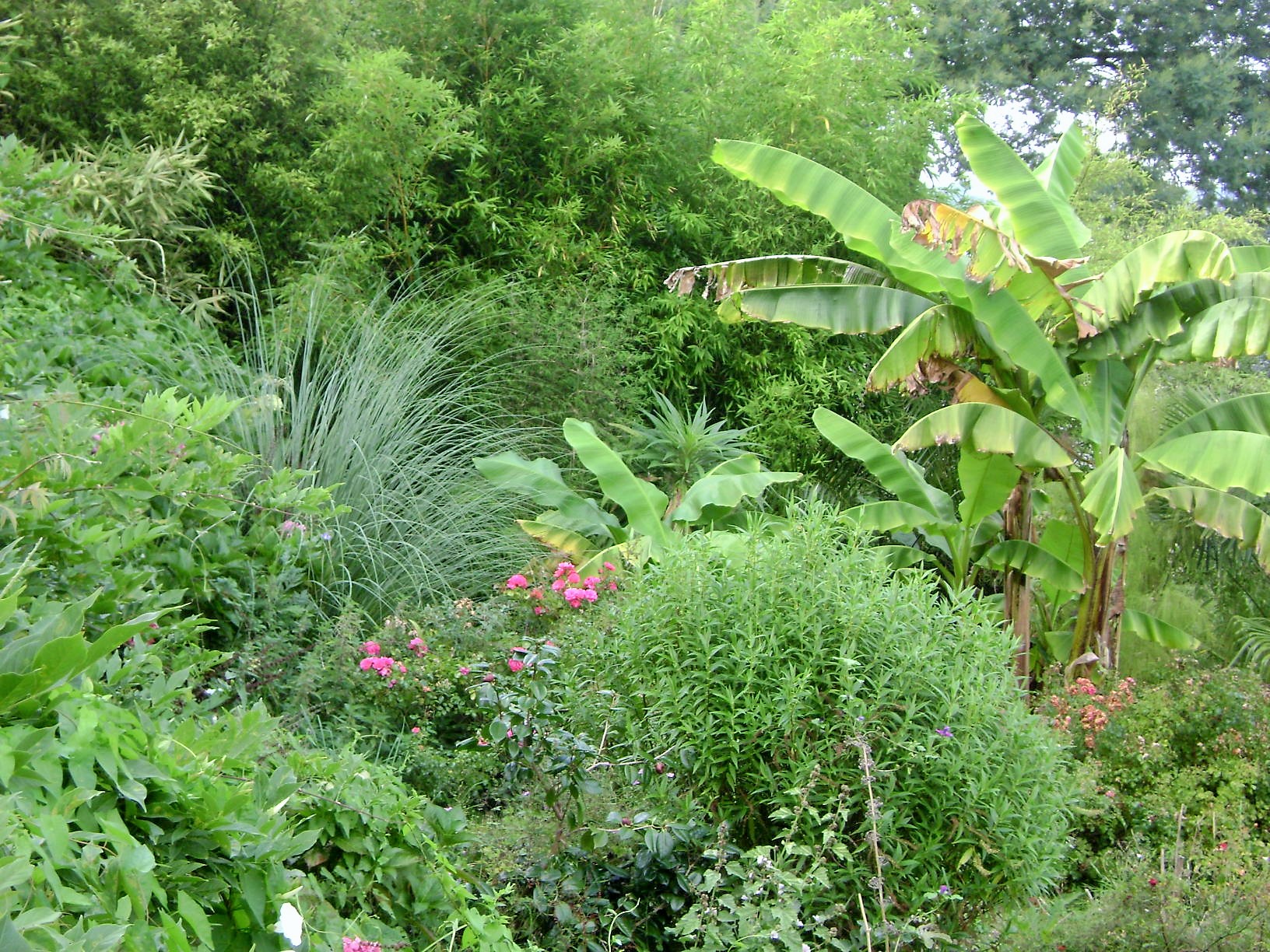
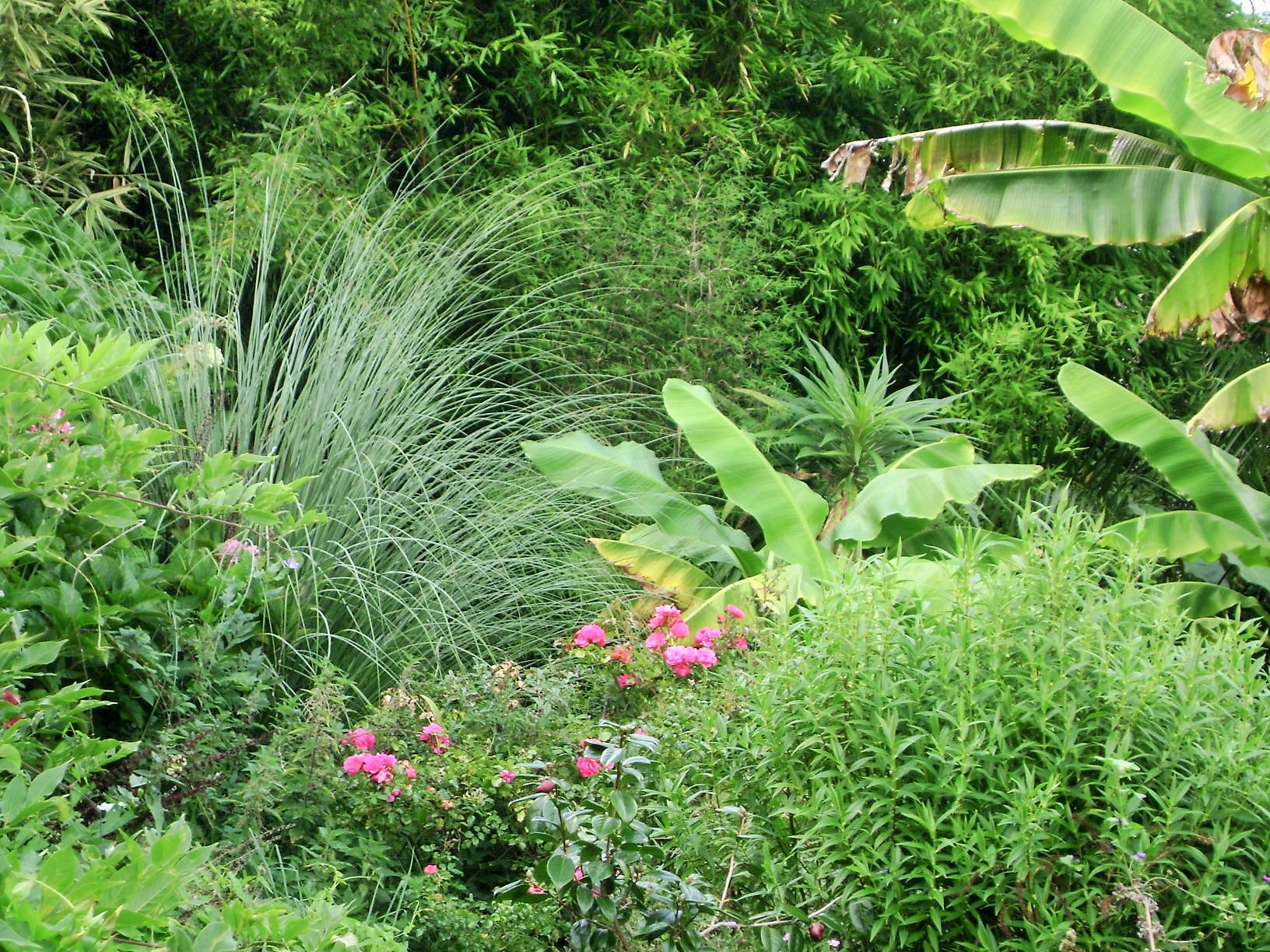
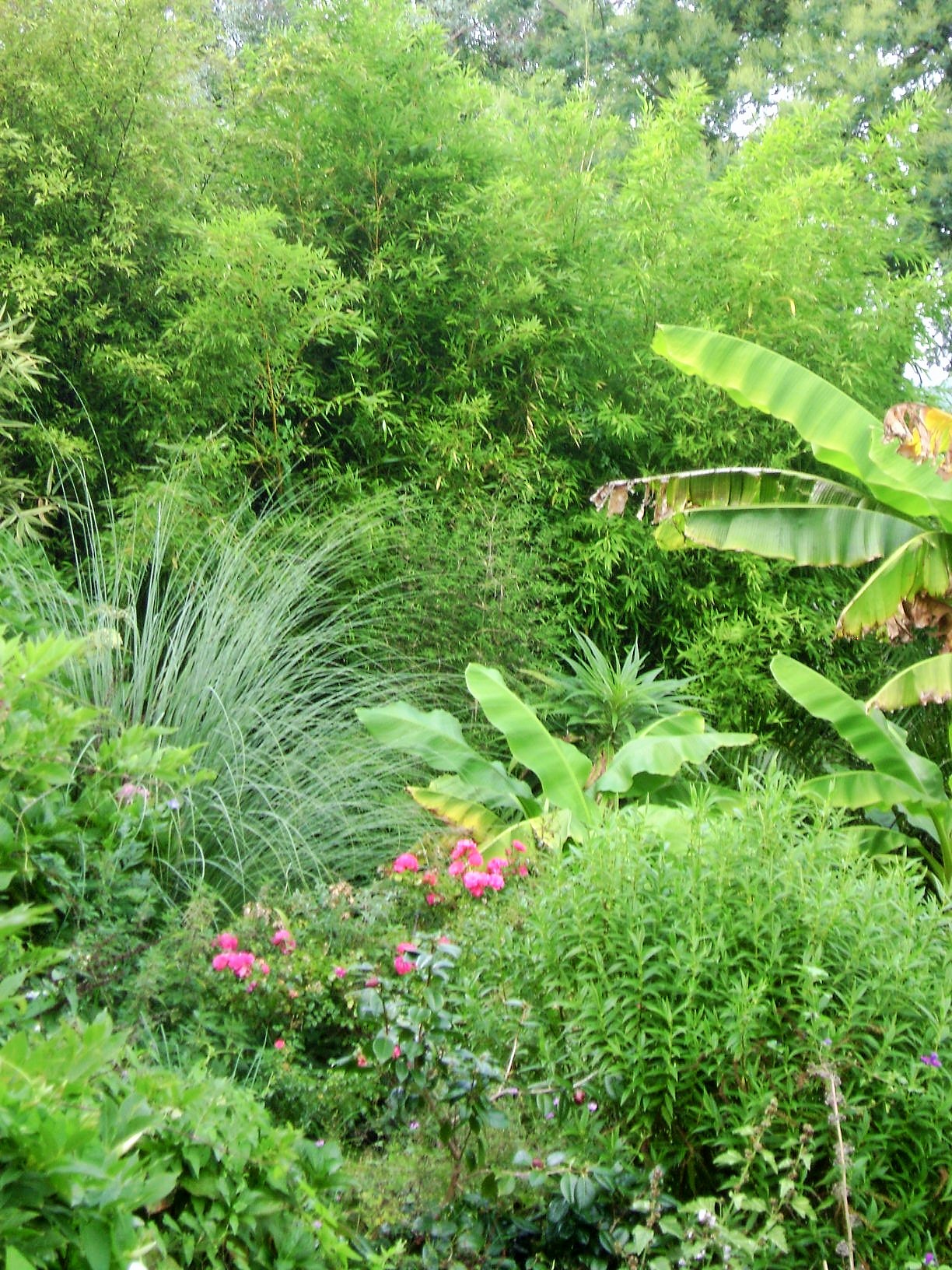
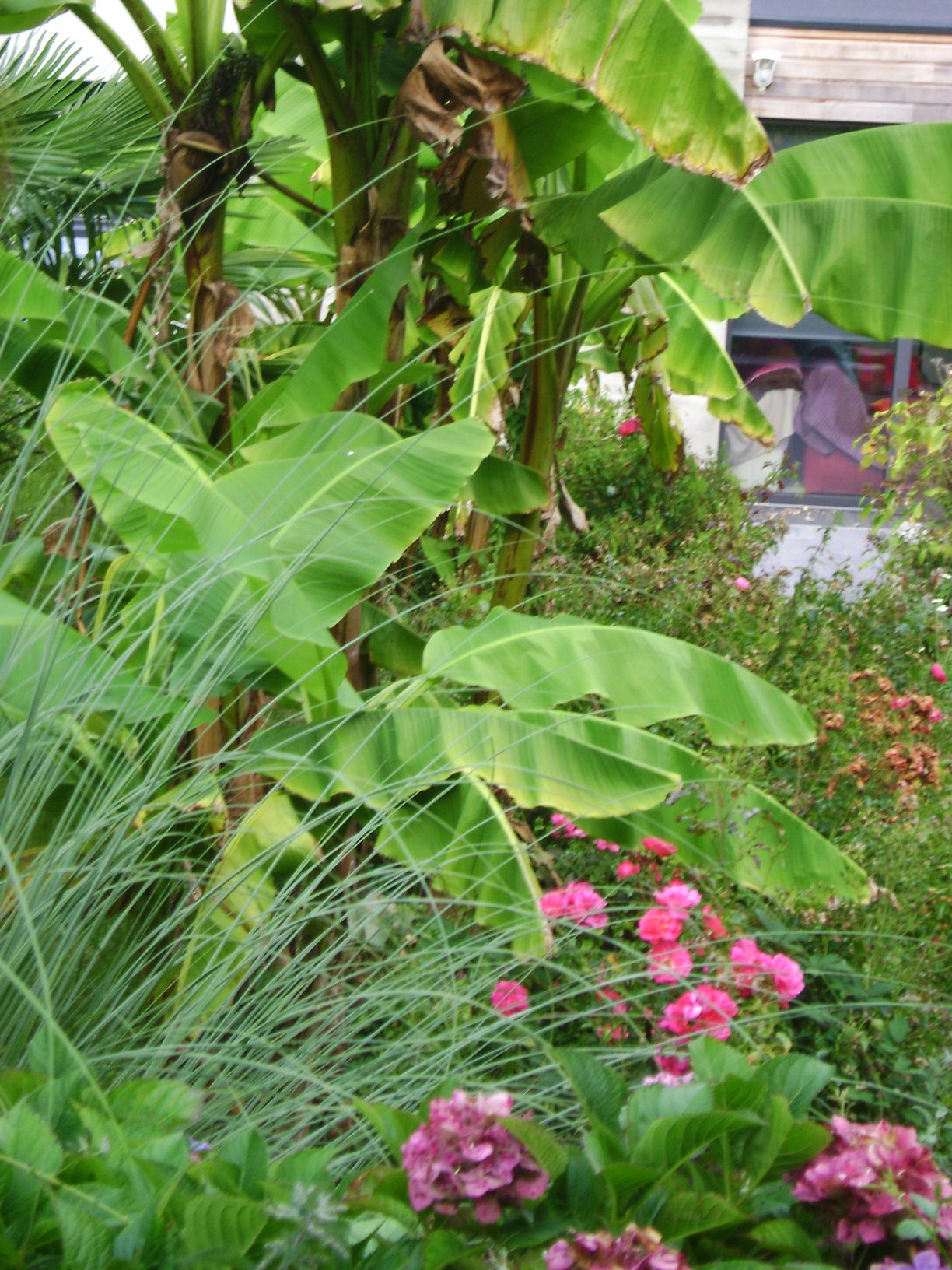
This garden lies behind the house on a hill up from the waterfront. It has the feel of a tropical retreat with lush banana trees and bamboos offering a lush backdrop for the many perennials such as hydrangeas or roses found in so many Britttany gardens.

DSC00400 DSC00378 DSC00379 DSC00380 DSC00382 DSC00383 DSC00384 DSC00385 DSC00386 DSC00387 DSC00389 DSC00391 DSC00392 DSC00393 DSC00394 DSC00395 DSC00396 DSC00397 DSC00398 DSC00399