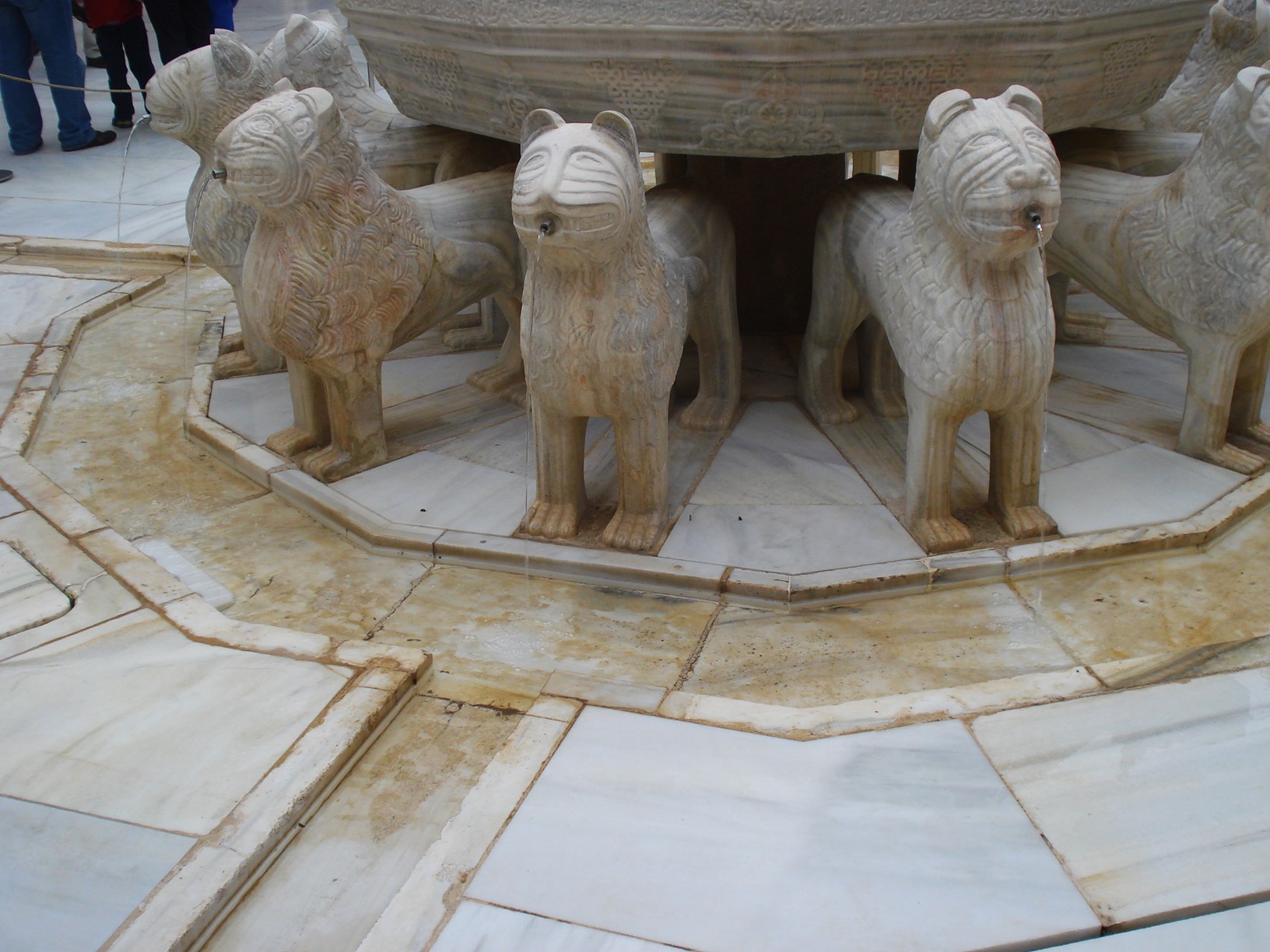
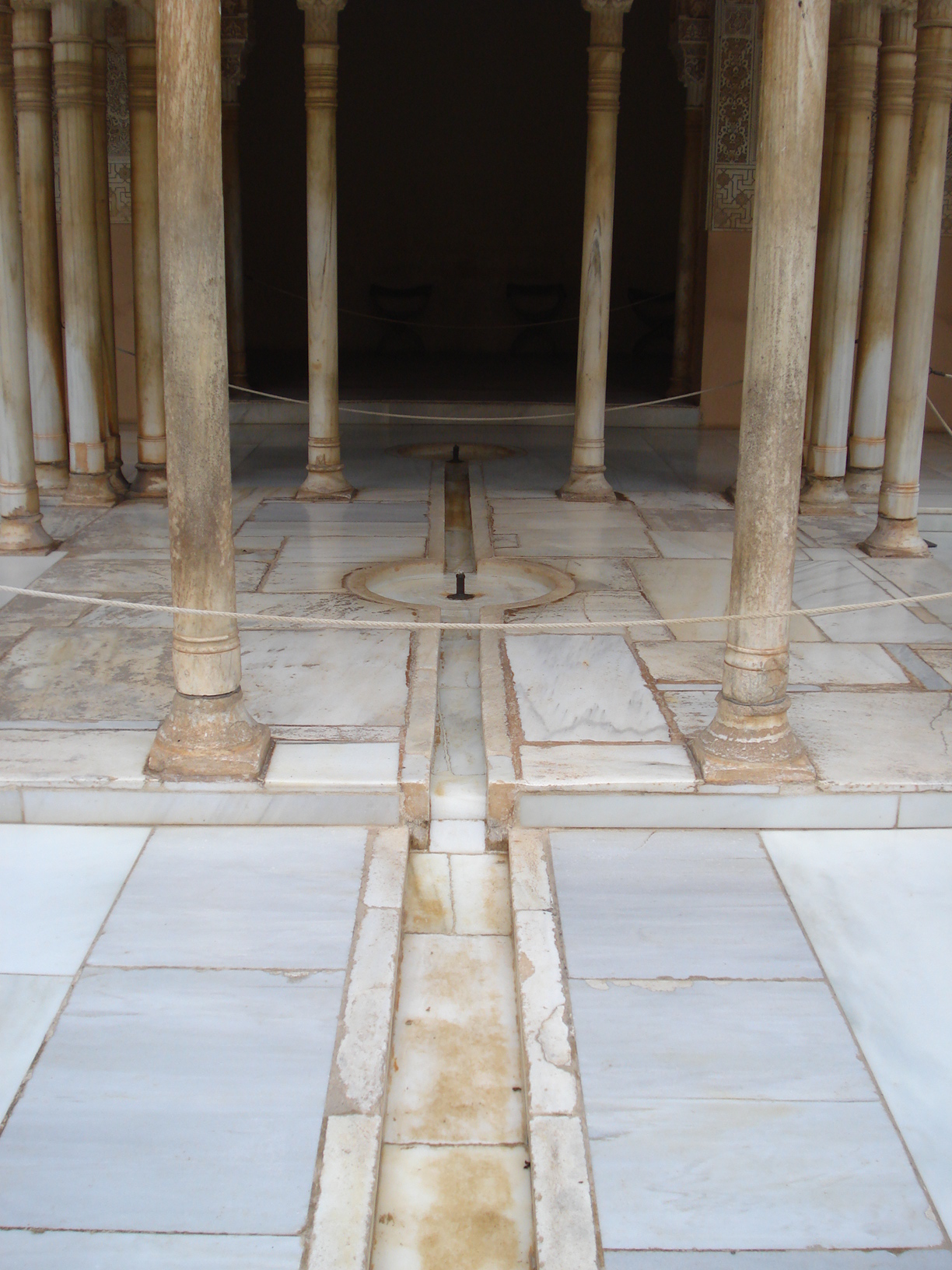
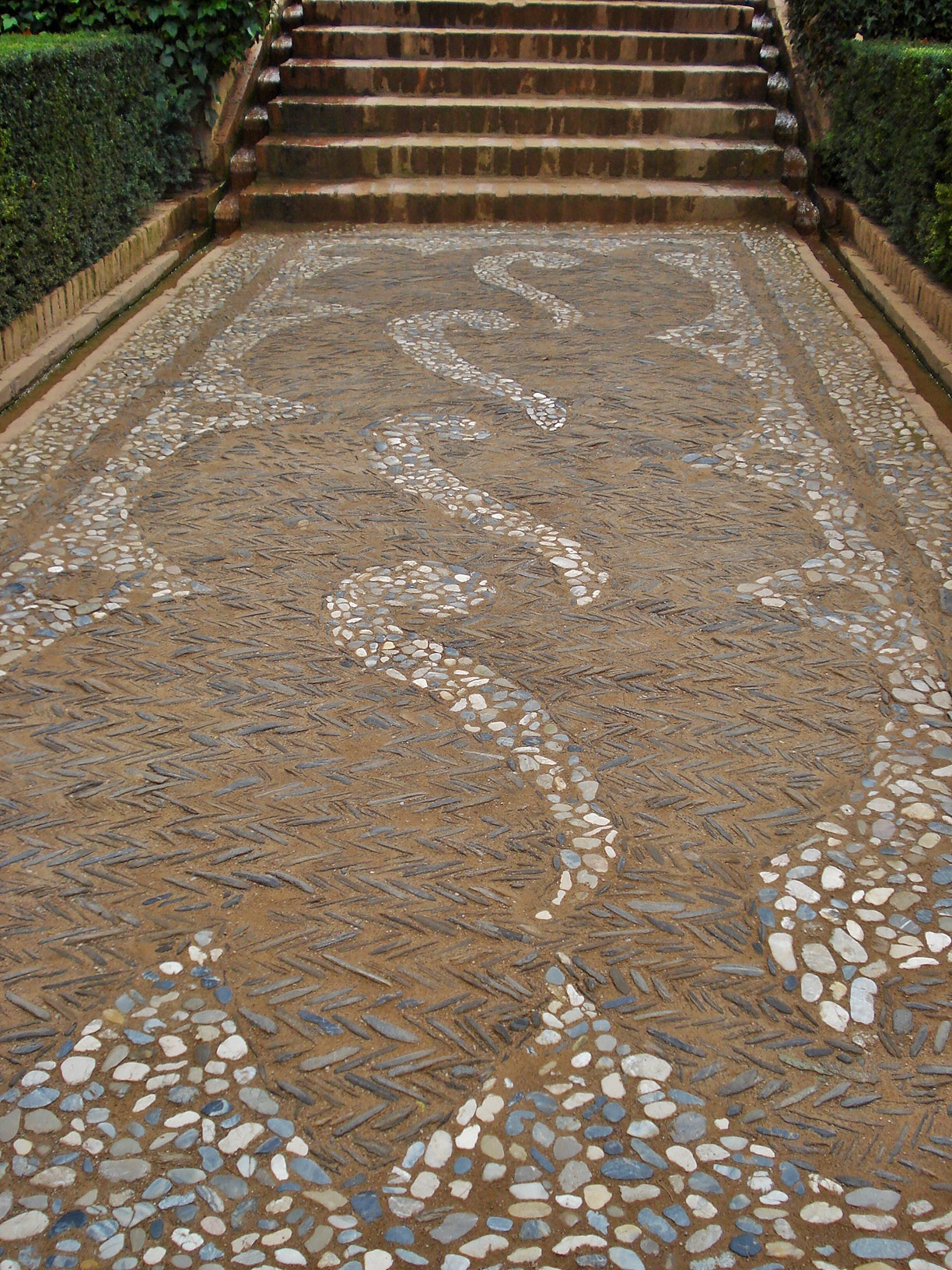
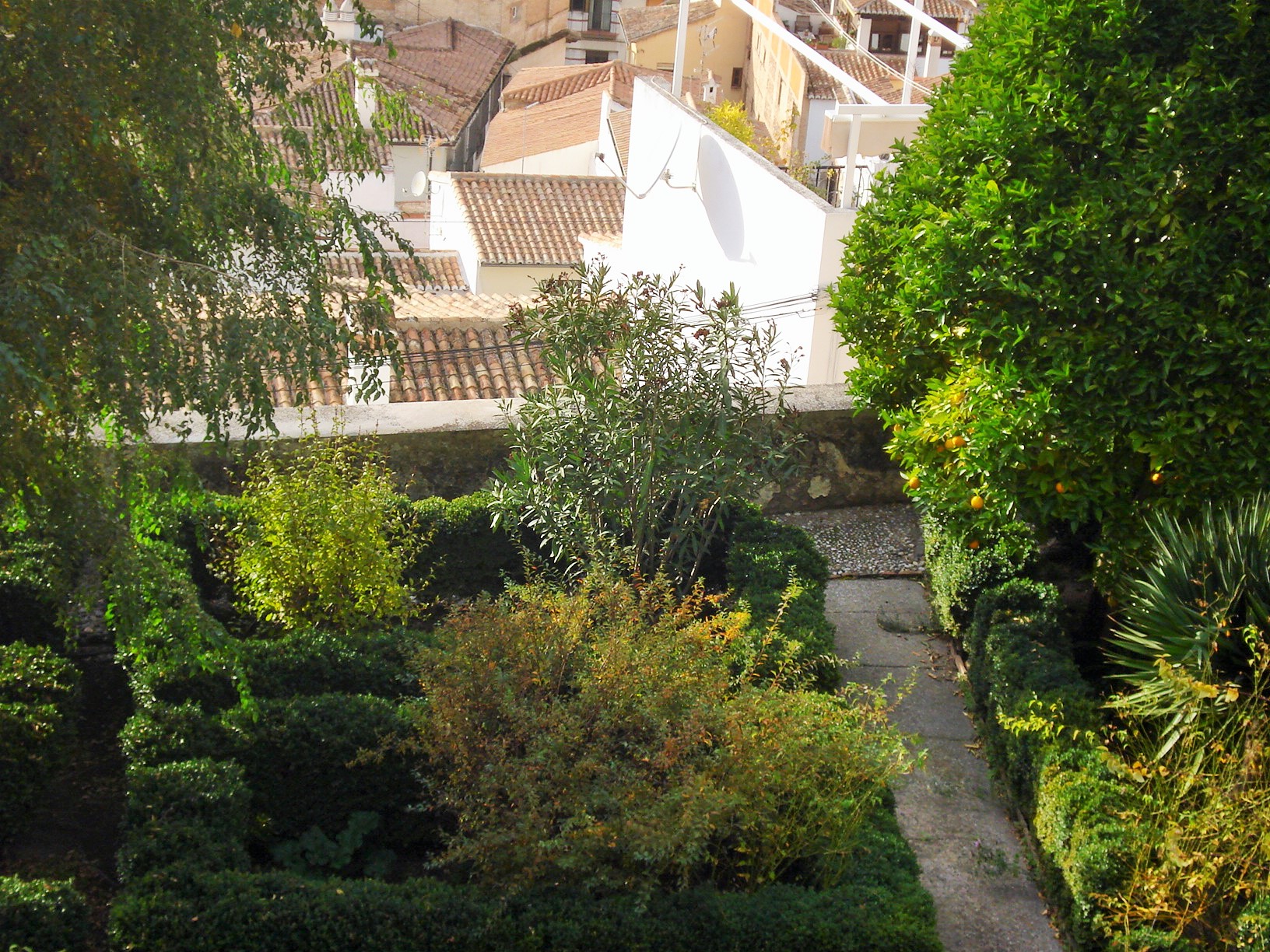
All posts by Globetrotting Gardener

Castle of Trevarez in France: The Vegetable Garden & Greenhouses

The castle of Trevarez near Chateauneuf du Faou in northern Brittany, France, is one of the last great castles built in France. Construction began in 1892 for a French politician and brought together all the faste and excess of the Belle Epoque, frescoes, carvings, marble, mosaics, ornate panels and fireplaces.

It is often referred to as the pink or red castle, because of the pink color it gets from the bricks used.  It was unfortunately bombed in the 1940s, and has not been occupied since, but it is being renovated by the government who purchased it in the 70s.

The gardens were neglected as well for many years and have been slowly brought back to their original glory, one area at a time. The grounds are extensive, with stables, a large wash house, theme gardens, formal gardens and much more.

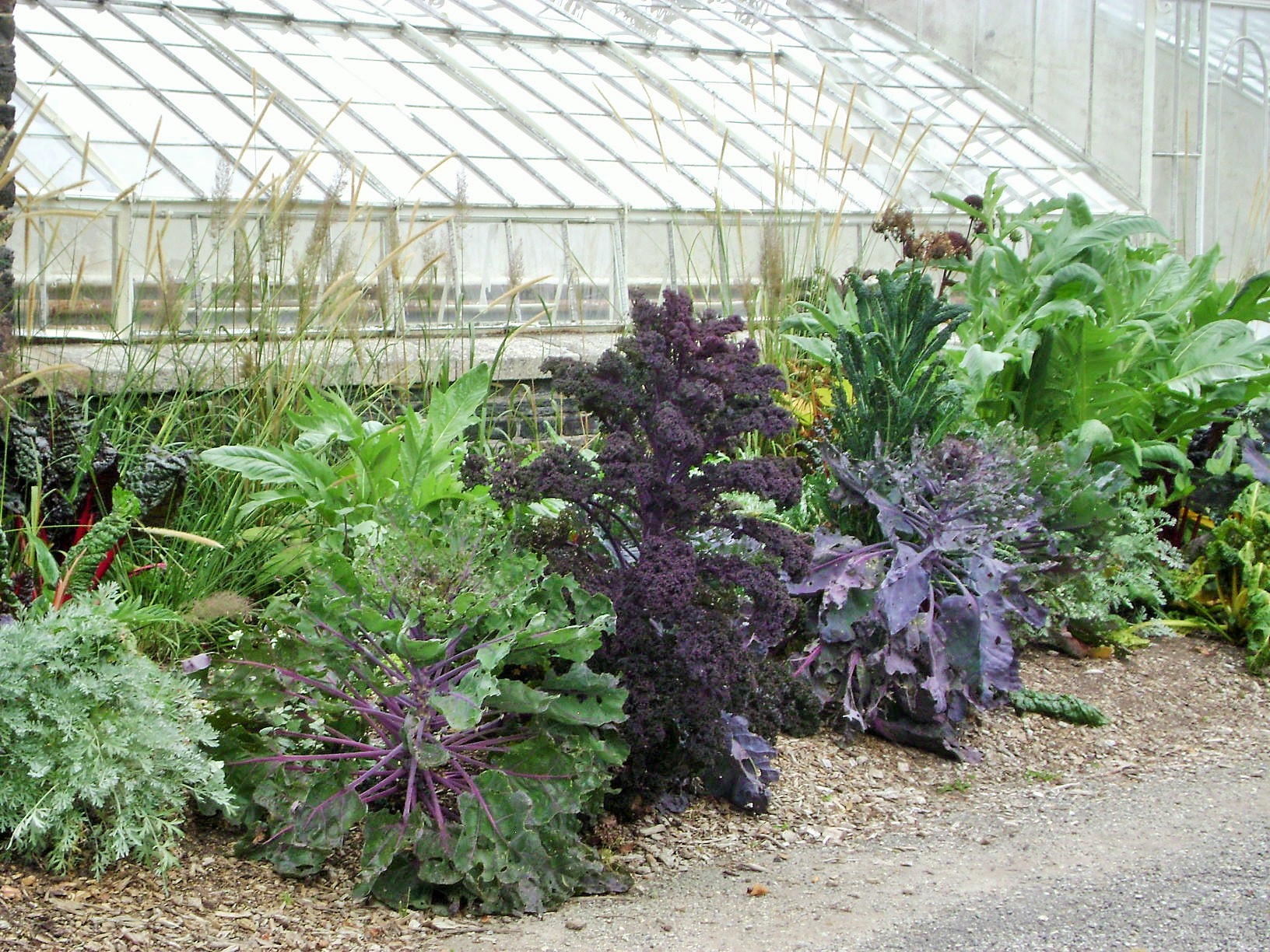
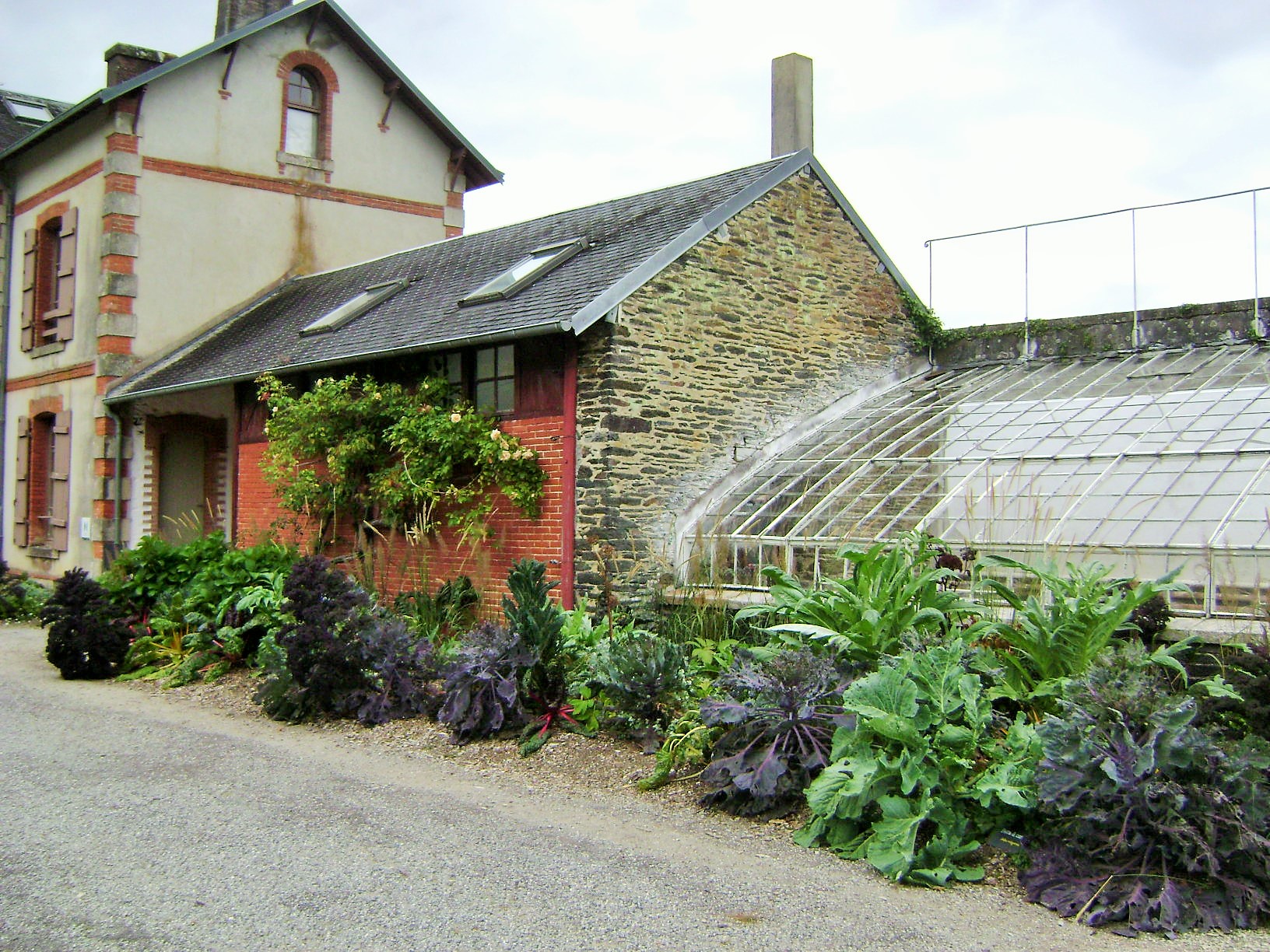
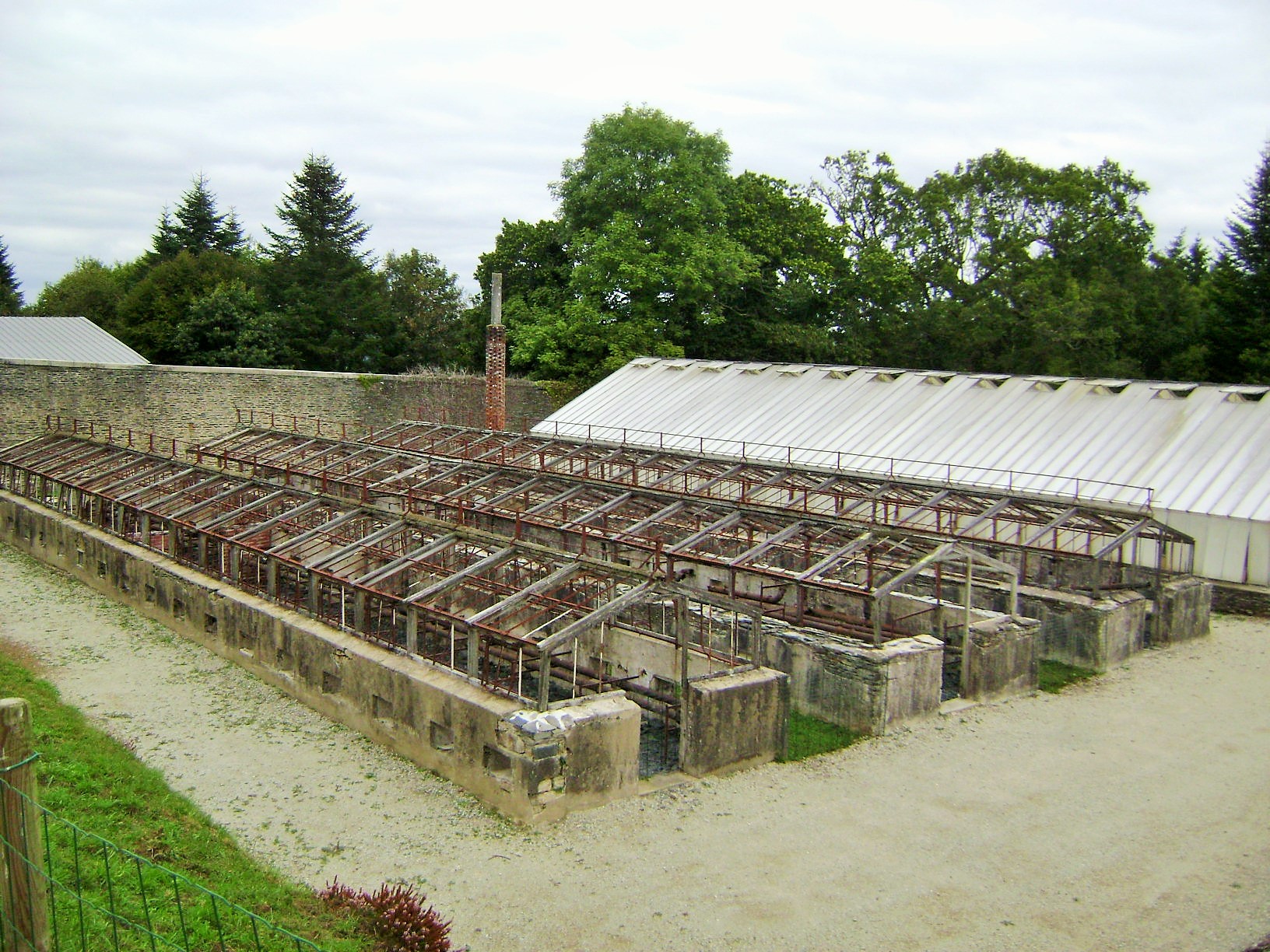
In this post, I am featuring the potager, or kitchen garden and the greenhouses. They have been under renovation since 2013 after being abandoned for many years. Historians, landscape designers, gardeners and staff cleared out the brush while cataloguing  the plants found and located the original concrete edging to the borders and the central water pond. They were able to begin to recreate the four large quadrants that made up the walled kitchen garden. A large greenhouse closes in the potager at one end, and on the other side of one wall are the rest of the greenhouses.

DSC01653

DSC01652DSC01647 DSC01648DSC01642 DSC01643 DSC01640 DSC01641The other  greenhouses for the potager are still standing but also in need of renovation.
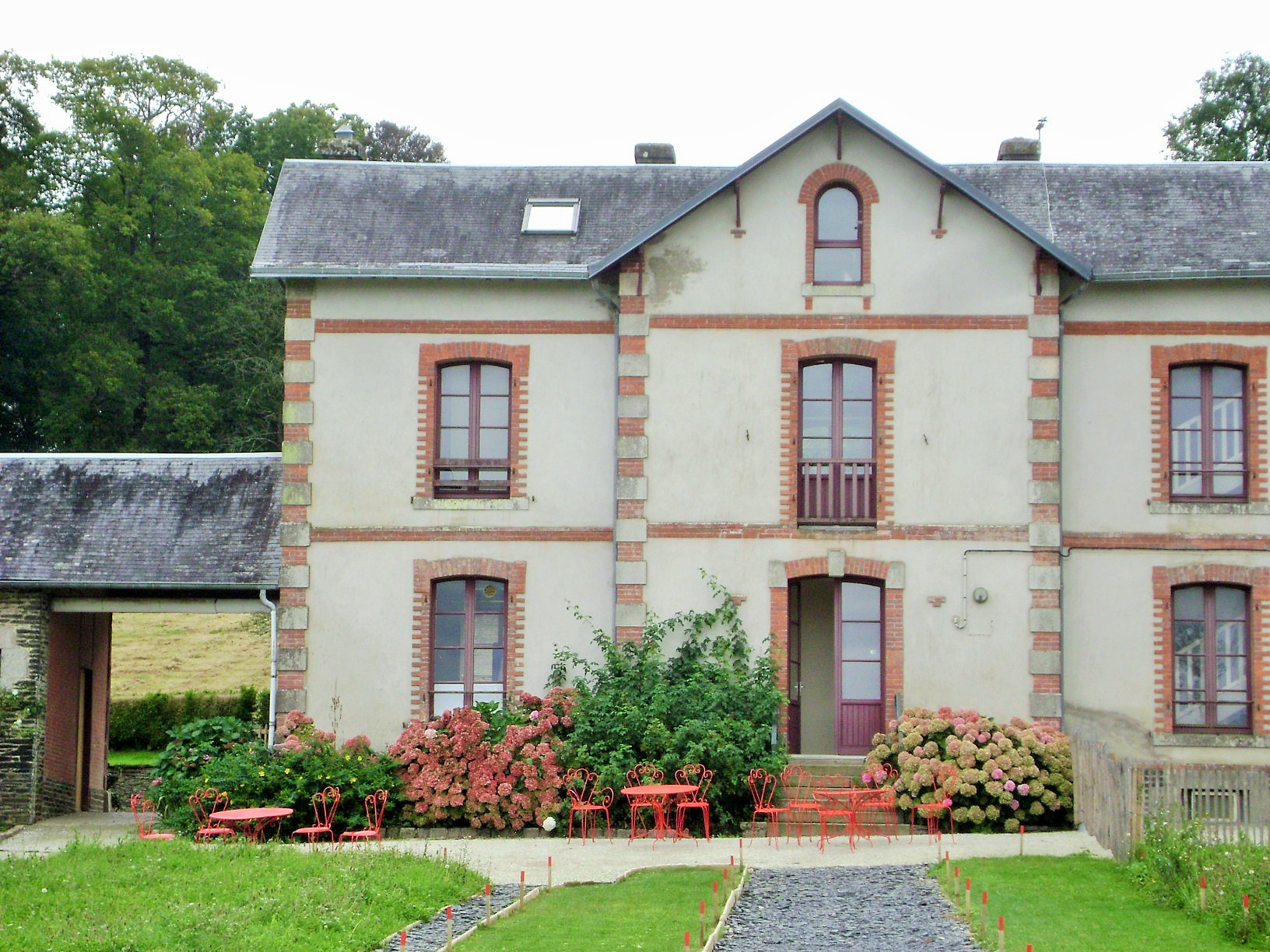
DSC01639 DSC01613 DSC01614 DSC01617The gardener’s cottage and annex has a lean in hothouse that was used at the time for exotic plants and hothouse flowers.

DSC01662

DSC01644 DSC01645 DSC01657 DSC01658 DSC01661 DSC01664 DSC01665 DSC01666 DSC01669 DSC01670 DSC01656


Brest Botanical Gardens Part II: The Preservation Gardens

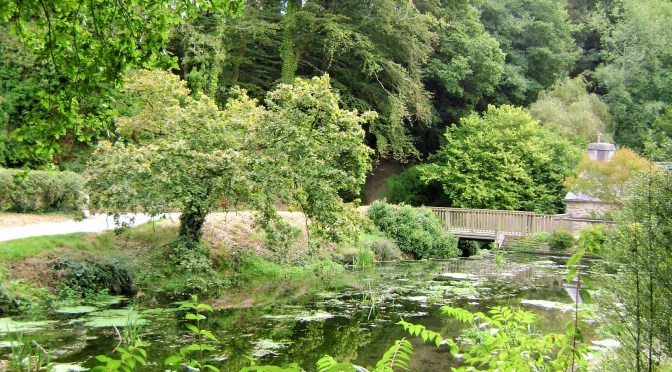
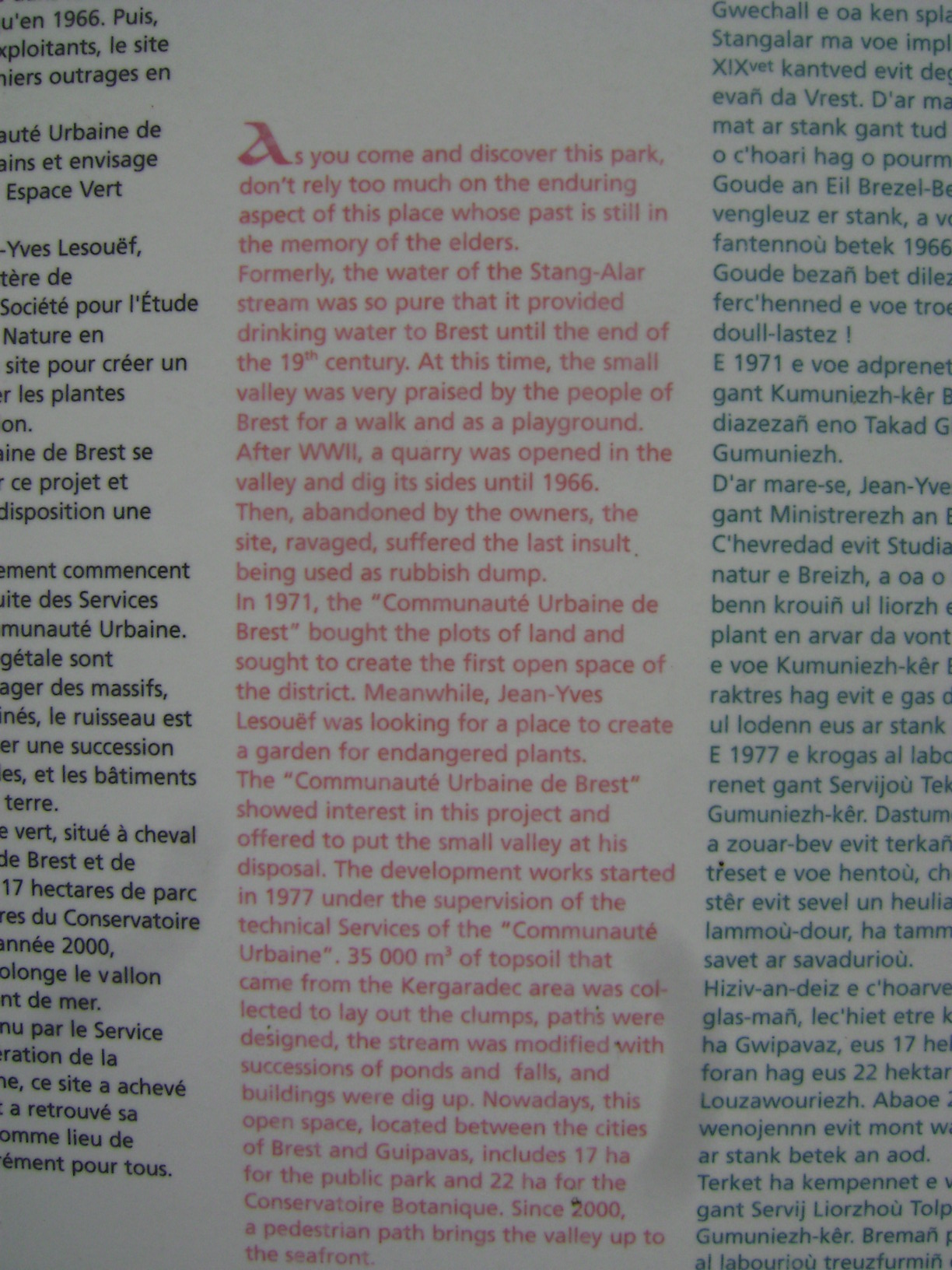
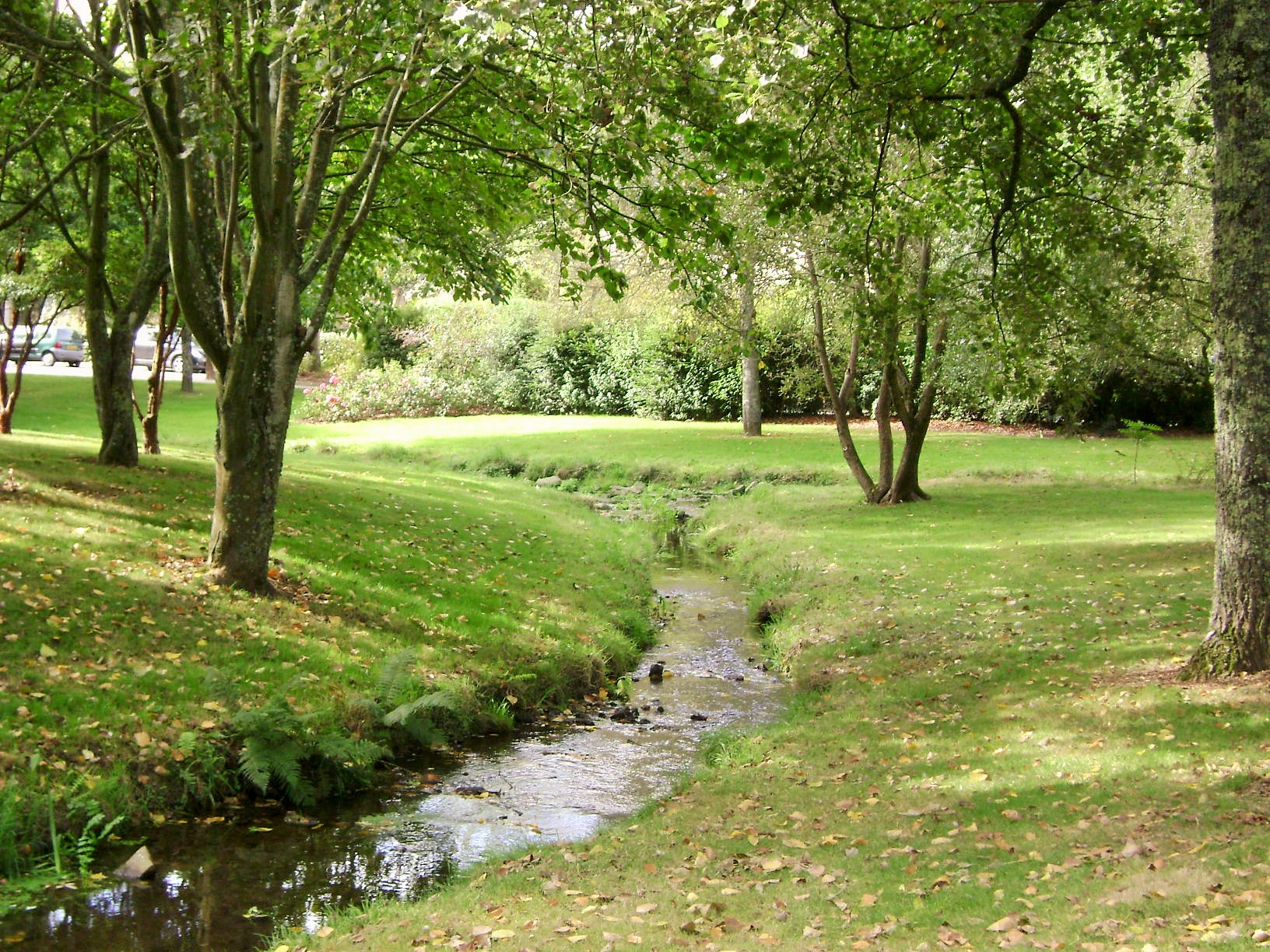
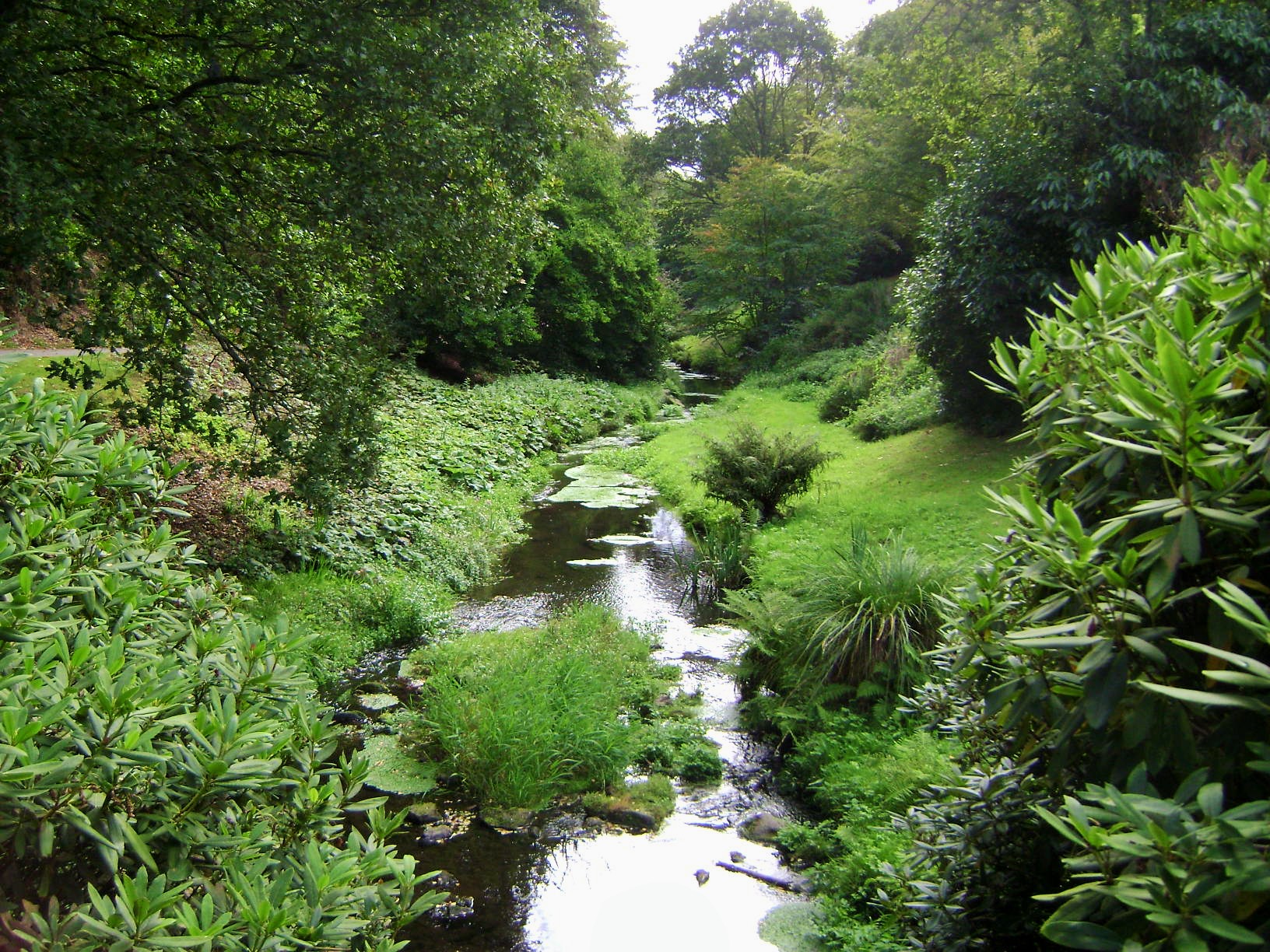
In northern Brittany, the Botanical Gardens in Brest enjoy a privileged location in a small valley with a stream throughout, and creating a microclimate allowing endangered species to grow with additional protection. Long and narrow, these gardens are divided into the park area at one end, end the botanical gardens proper at the other.

DSC01296

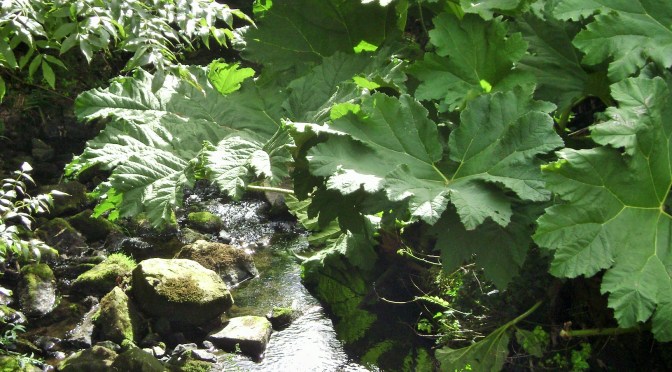
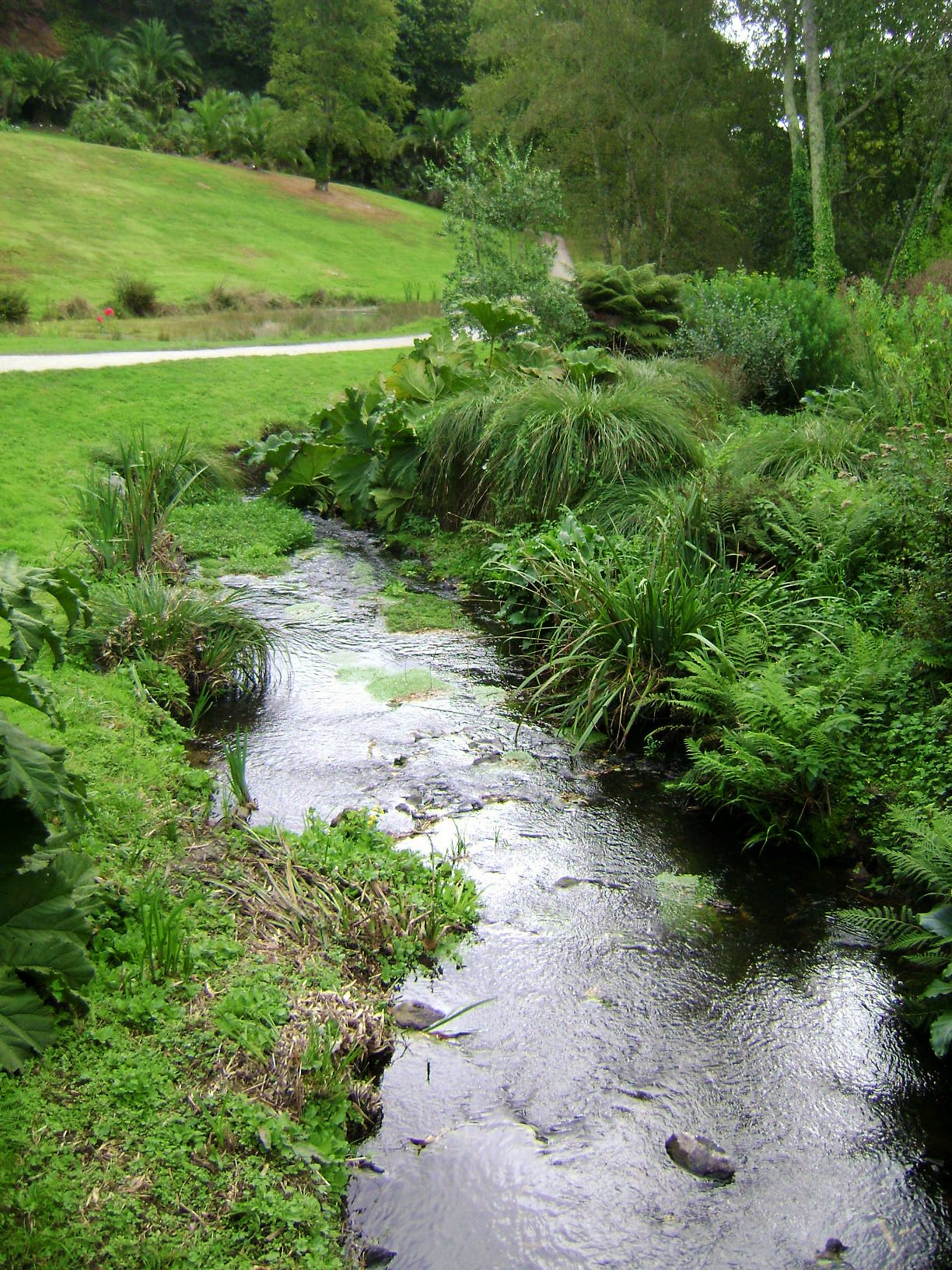
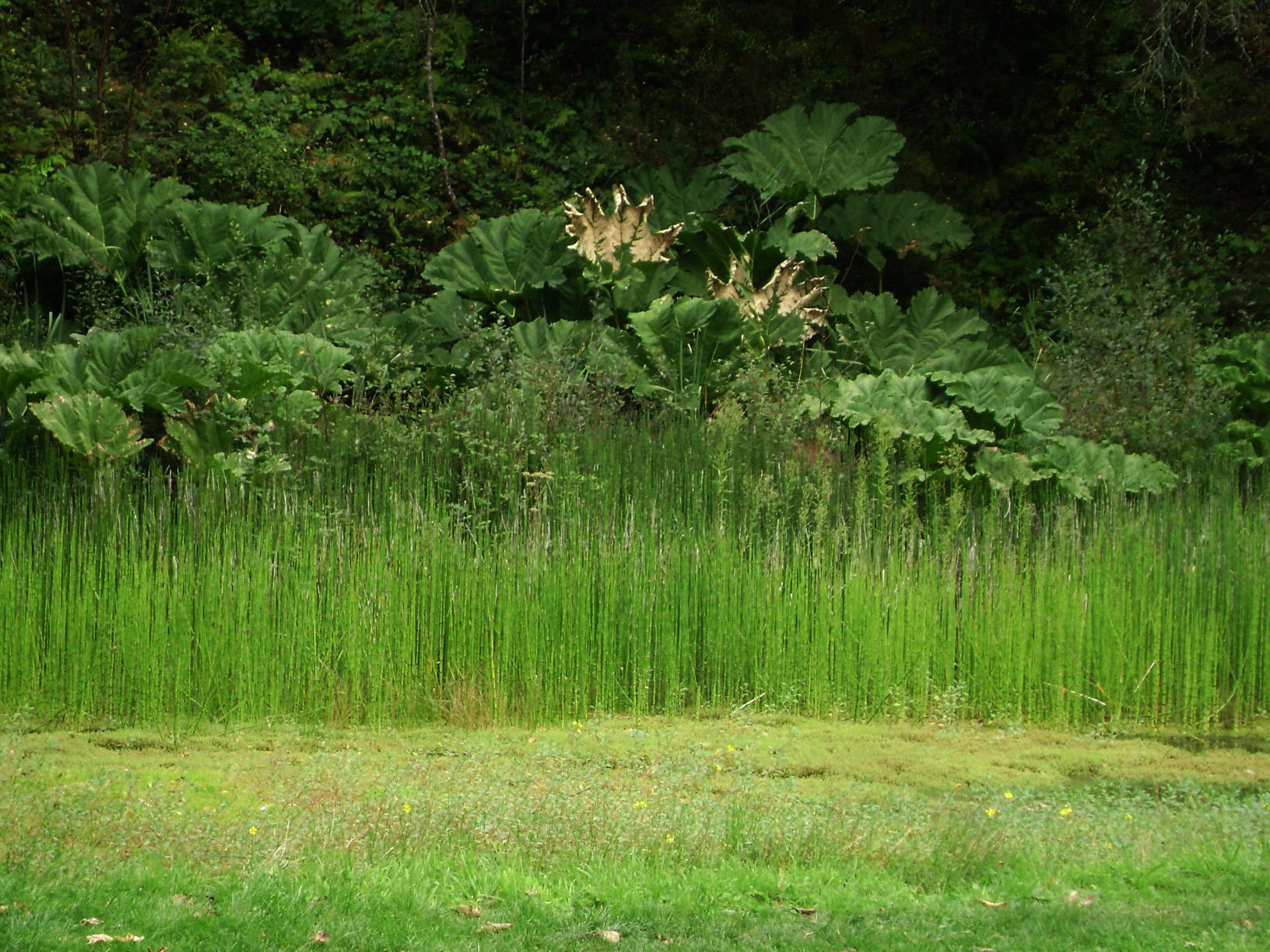
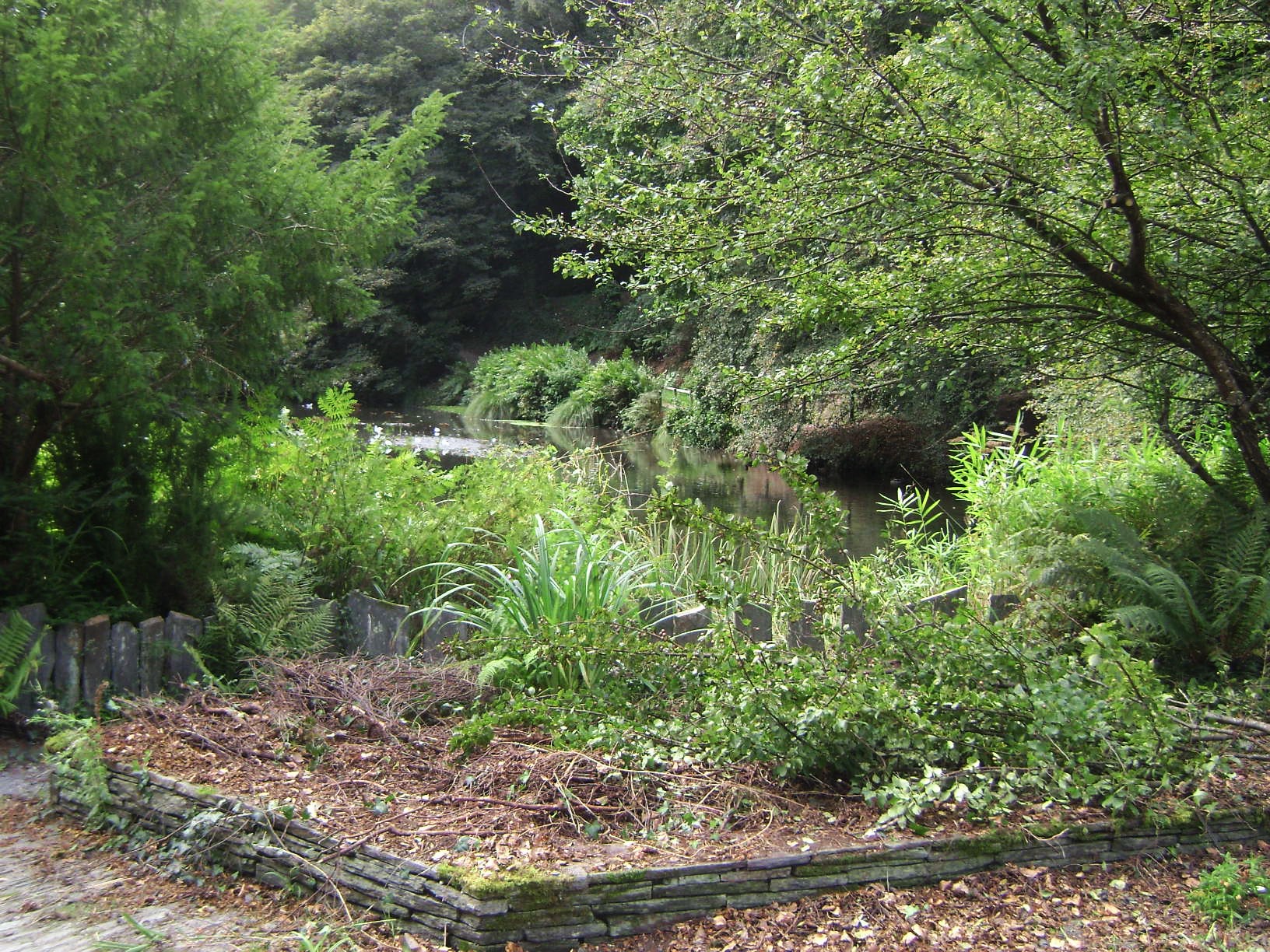
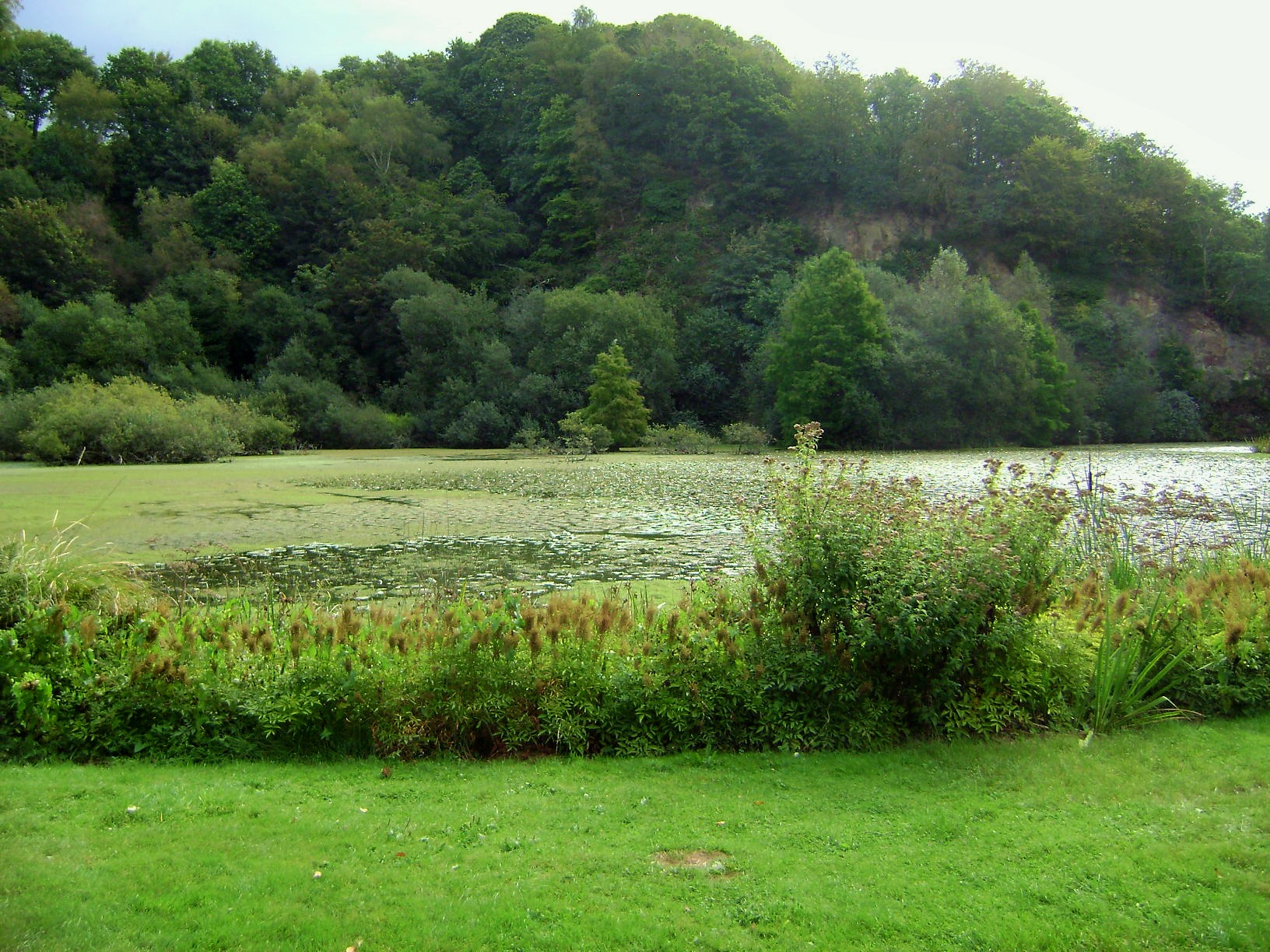
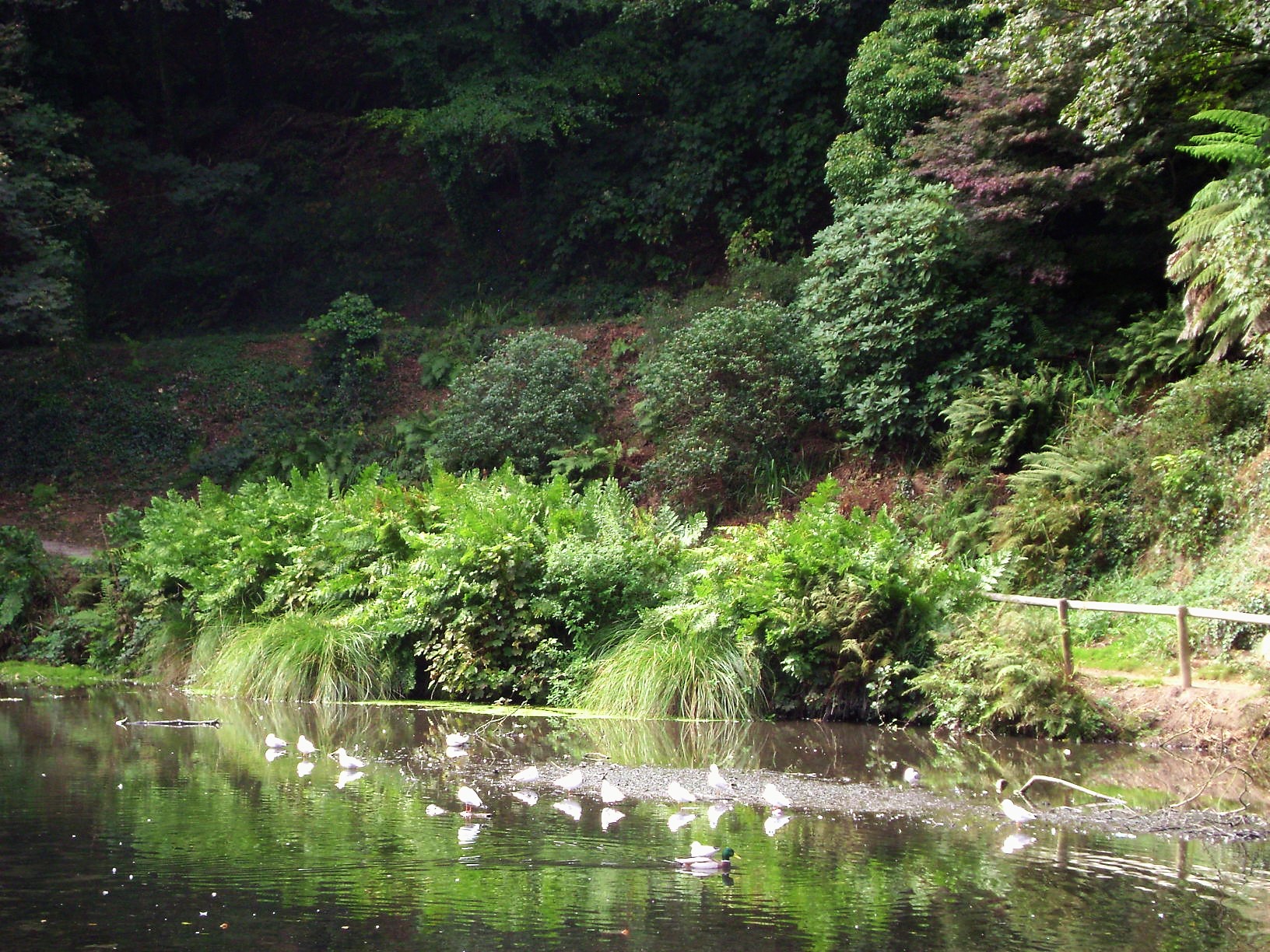
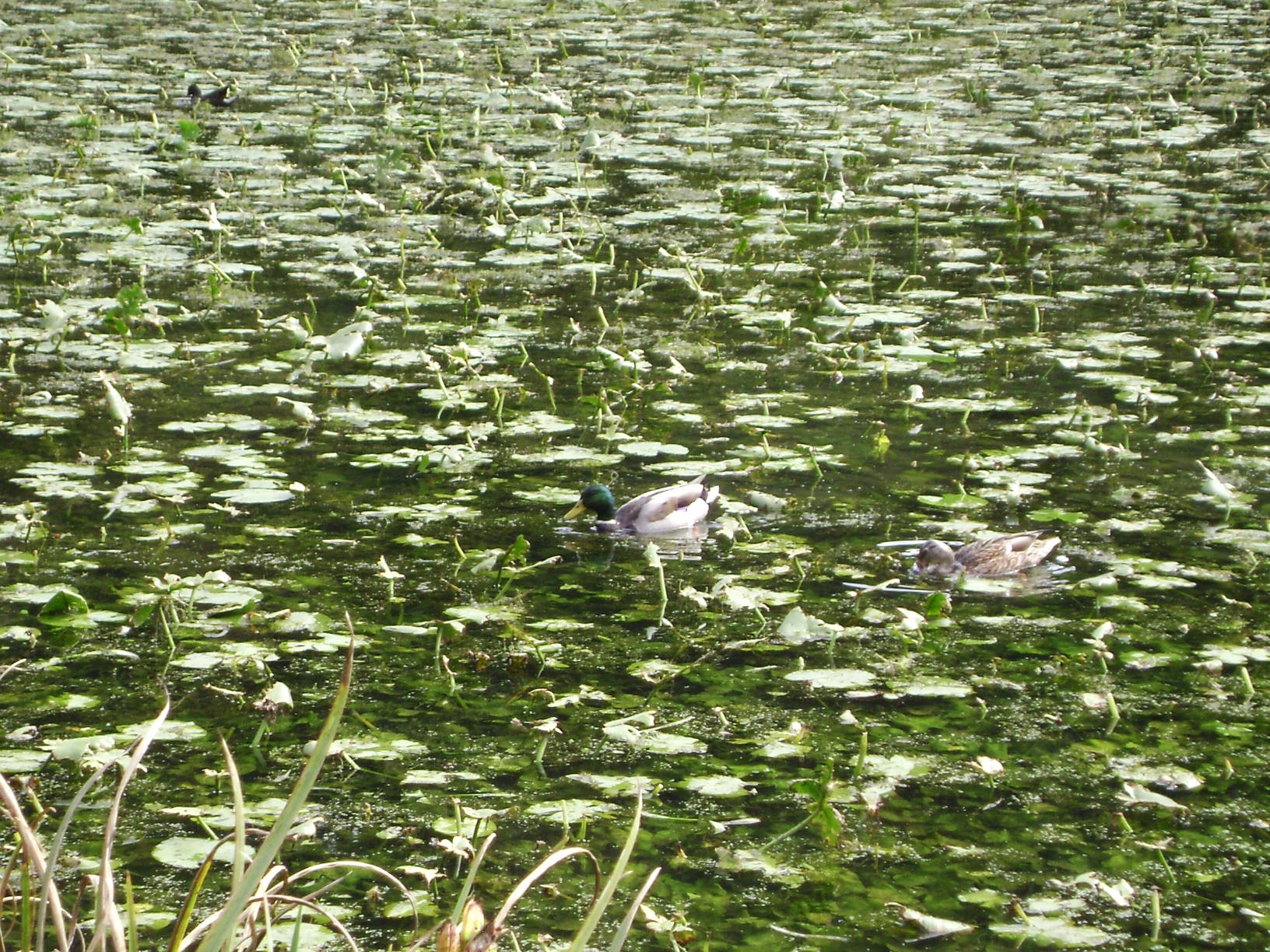
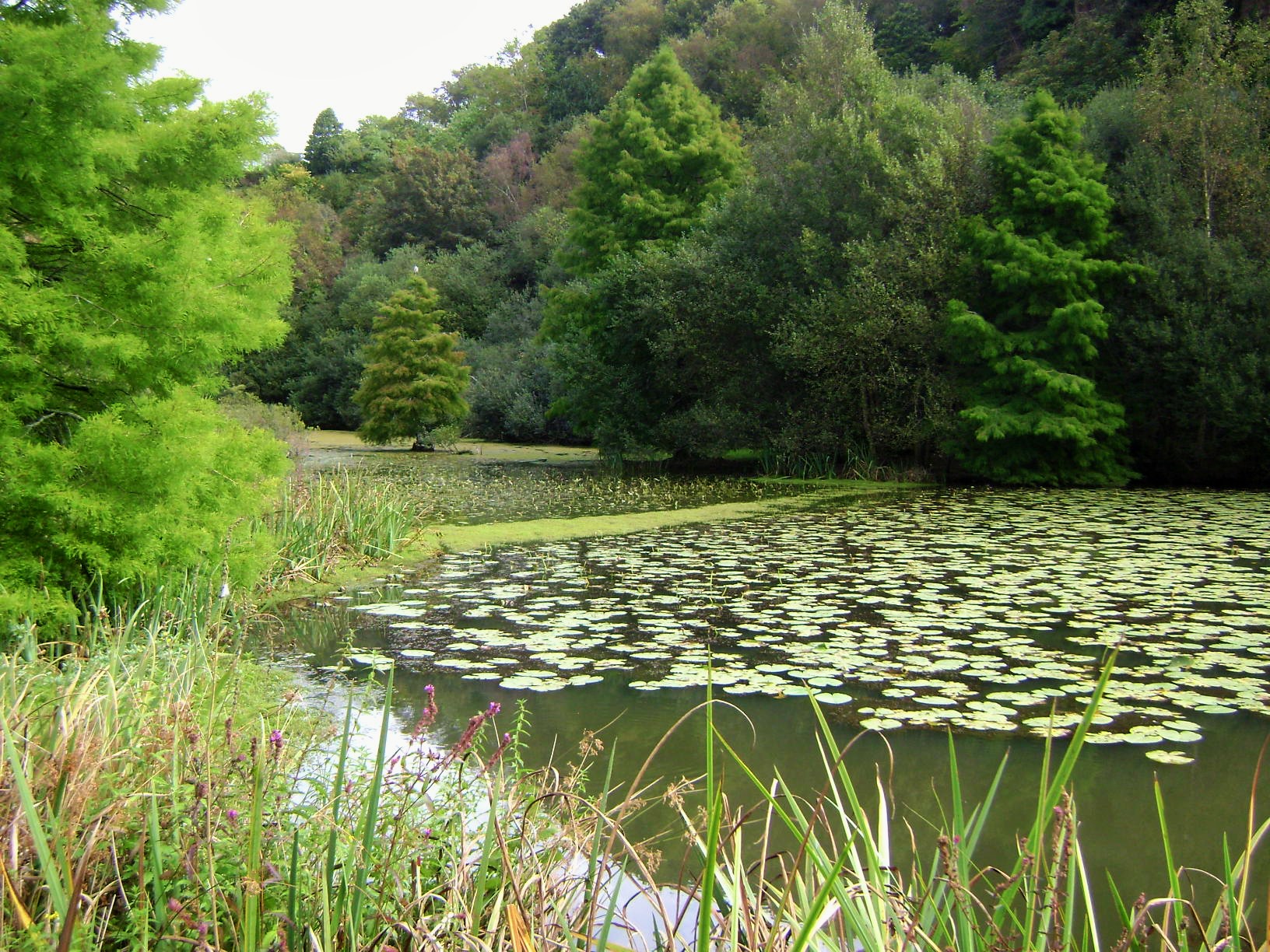
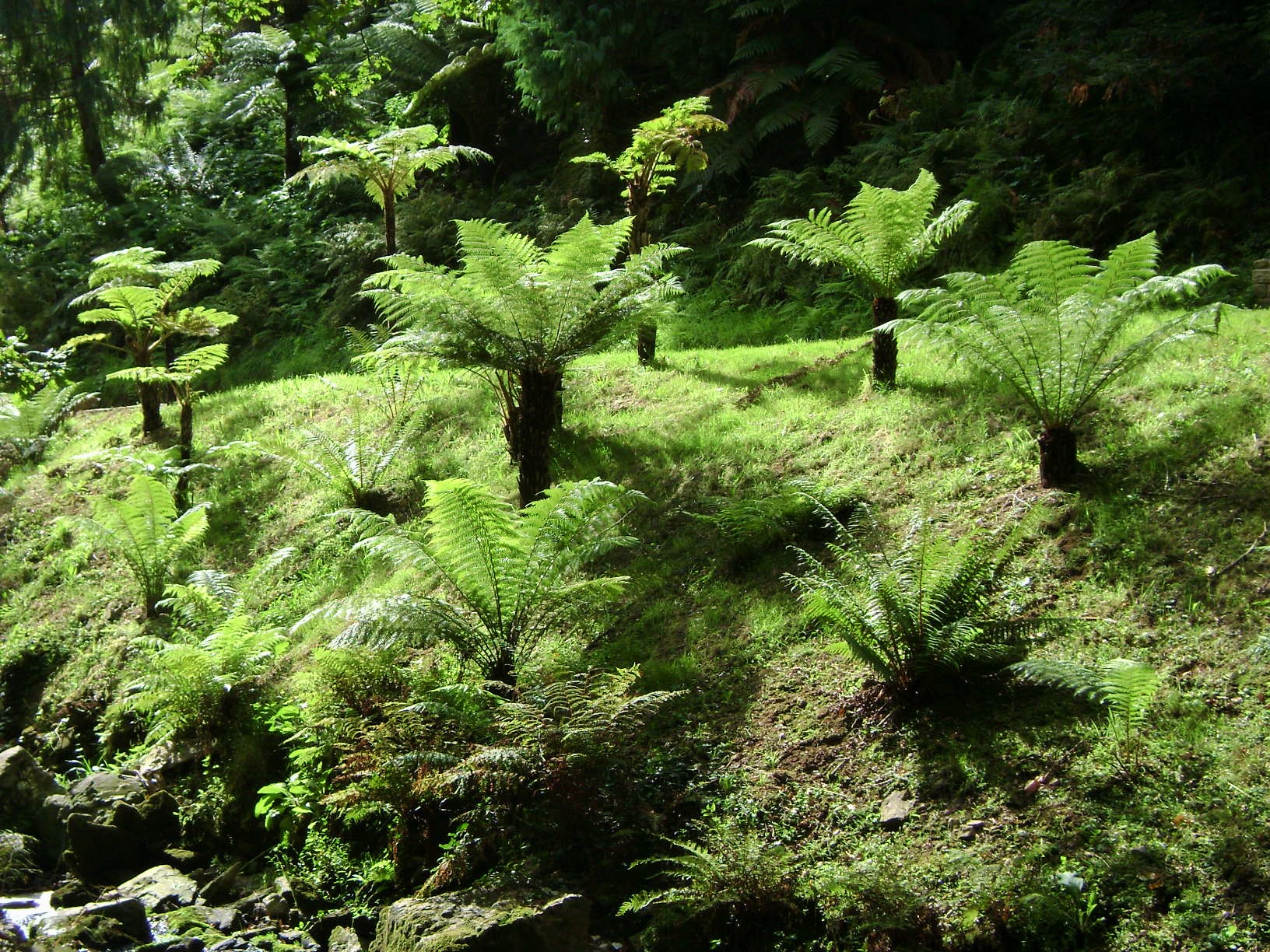
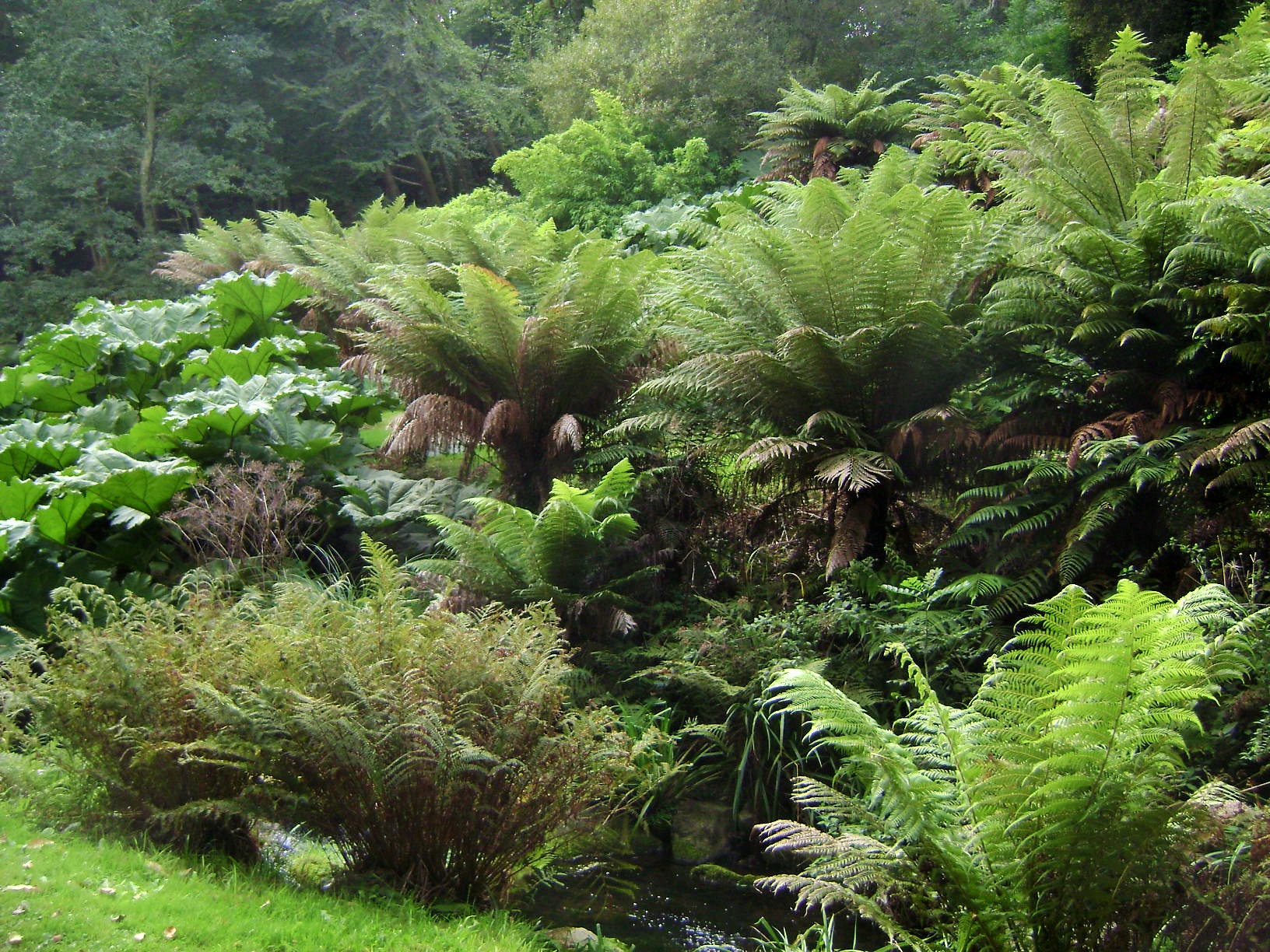
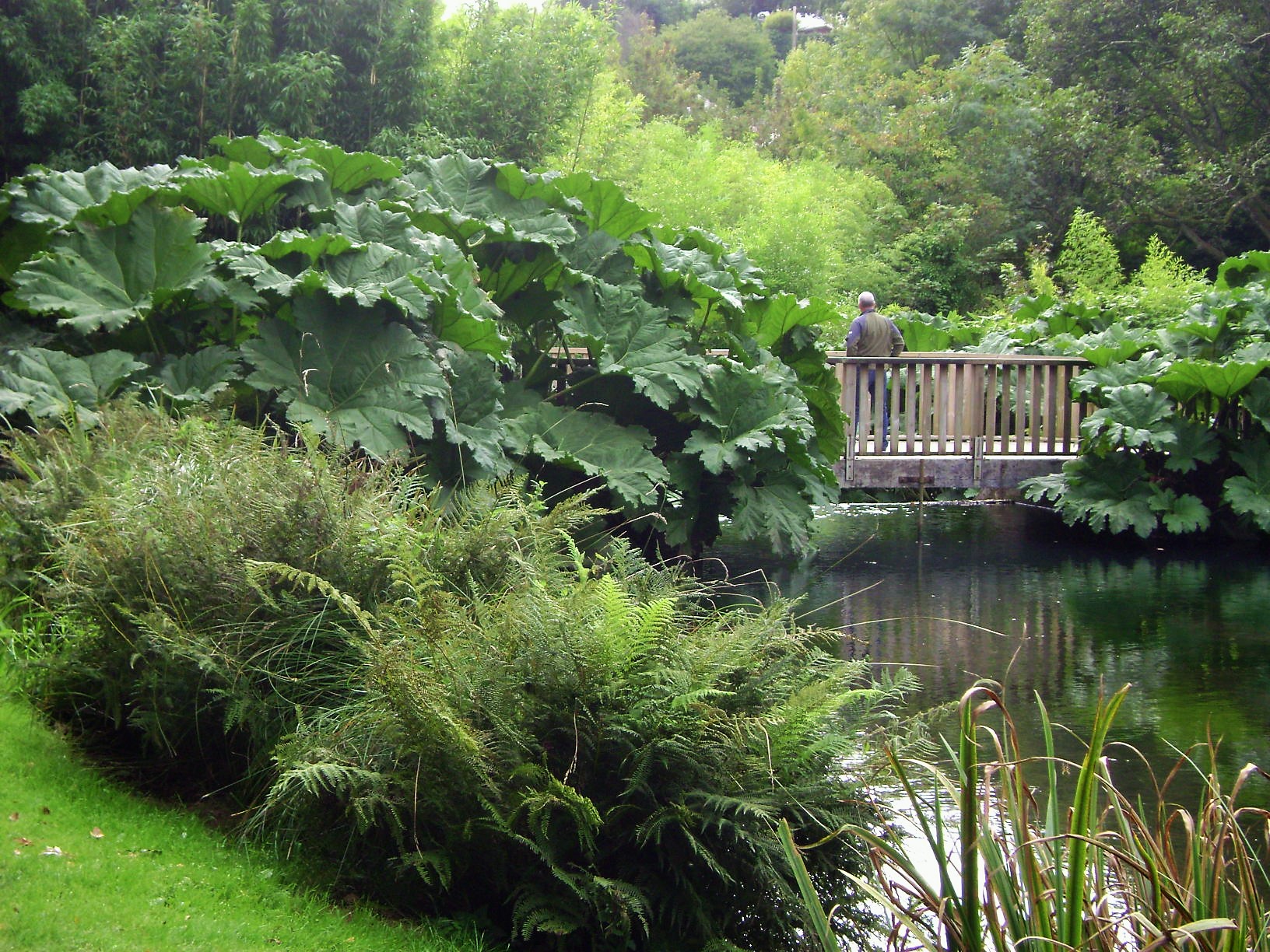
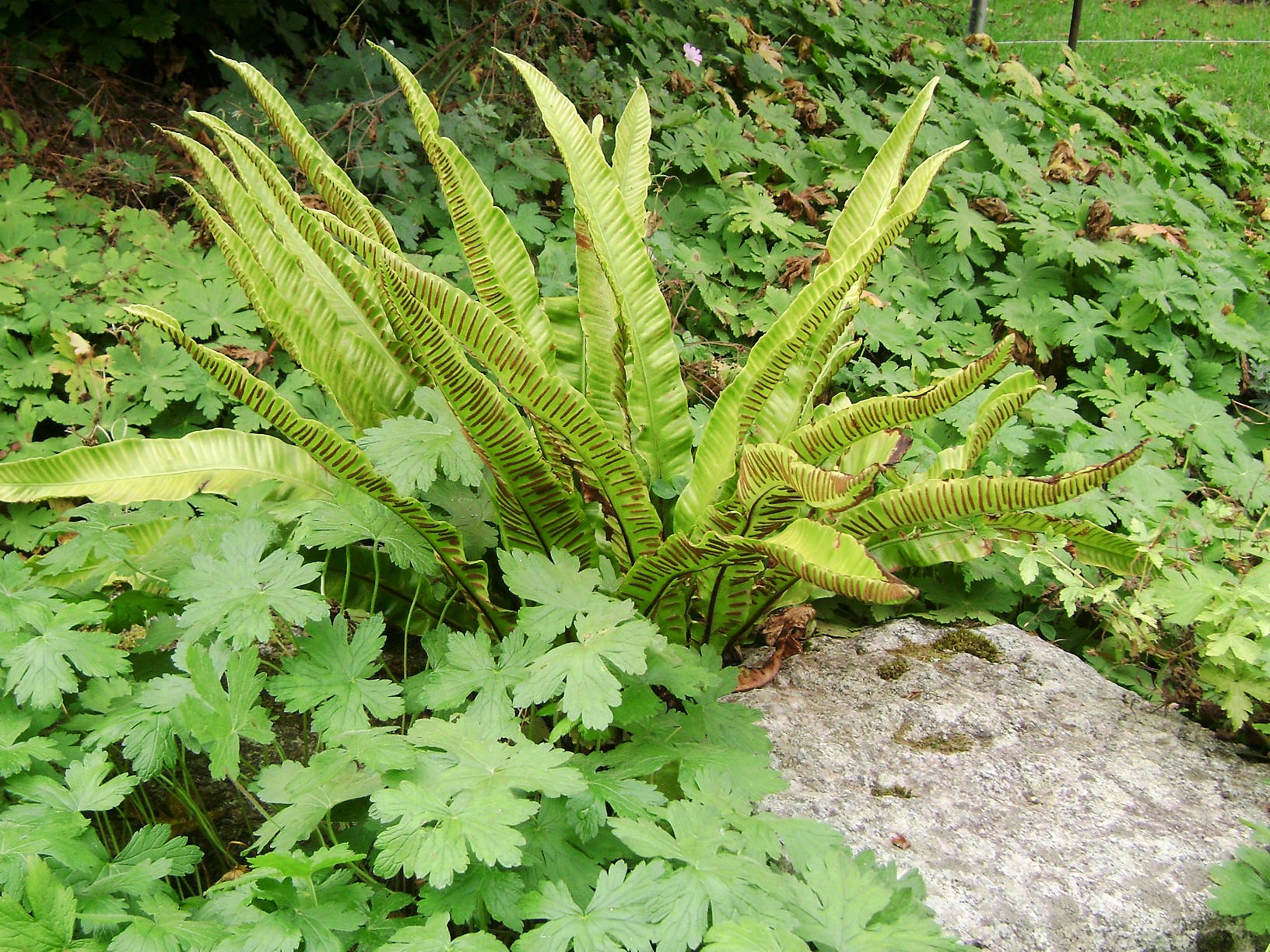
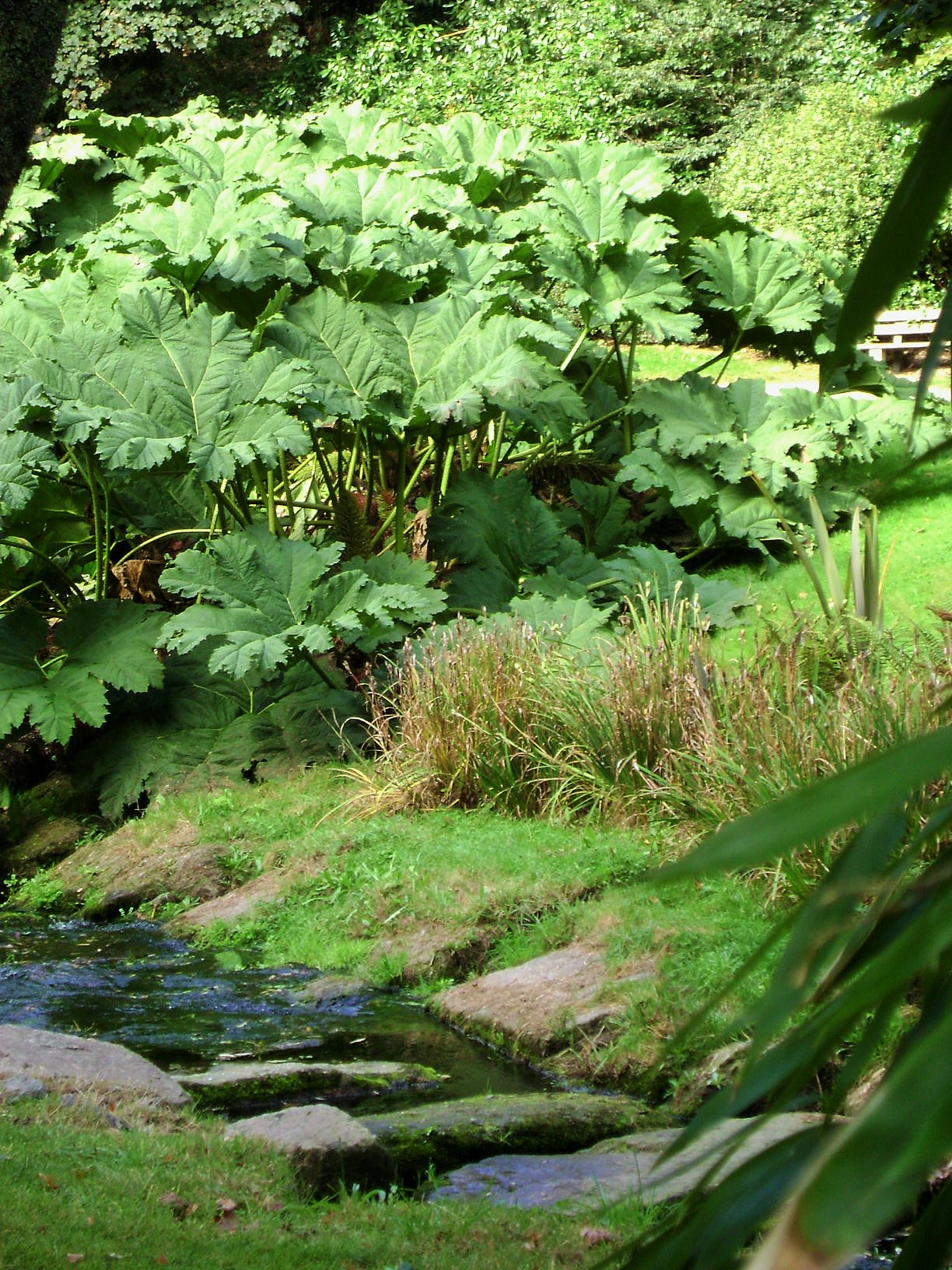
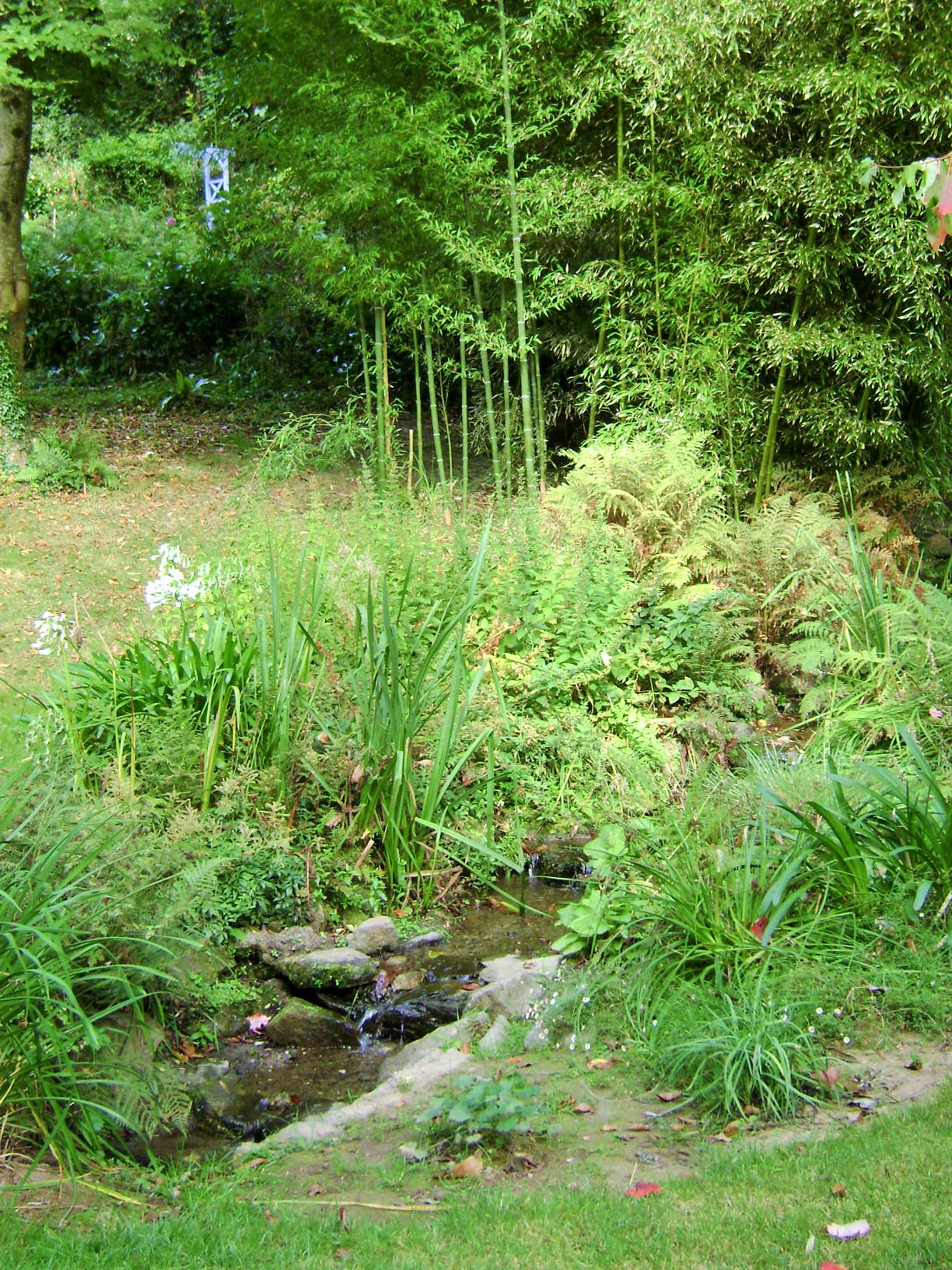
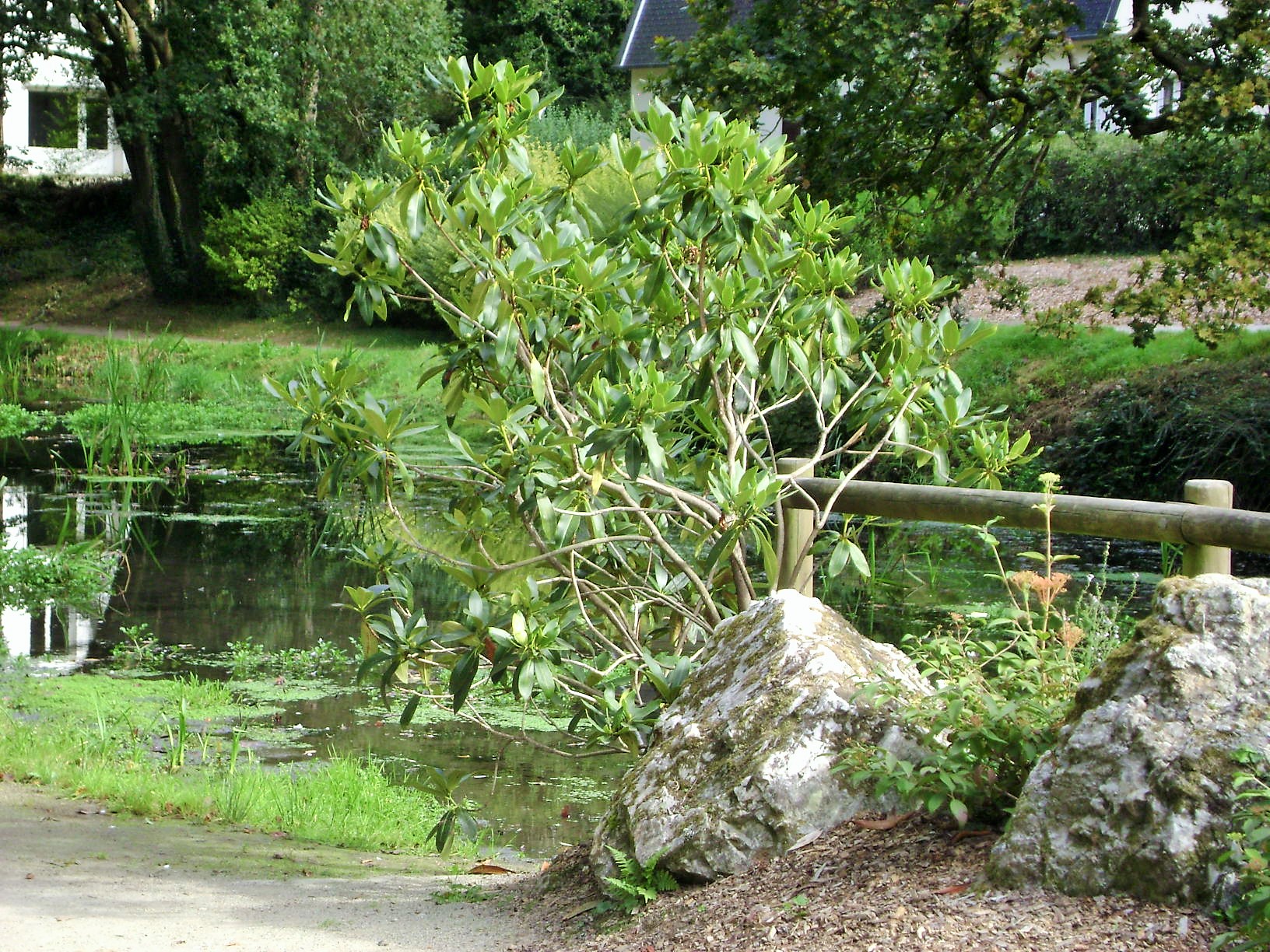
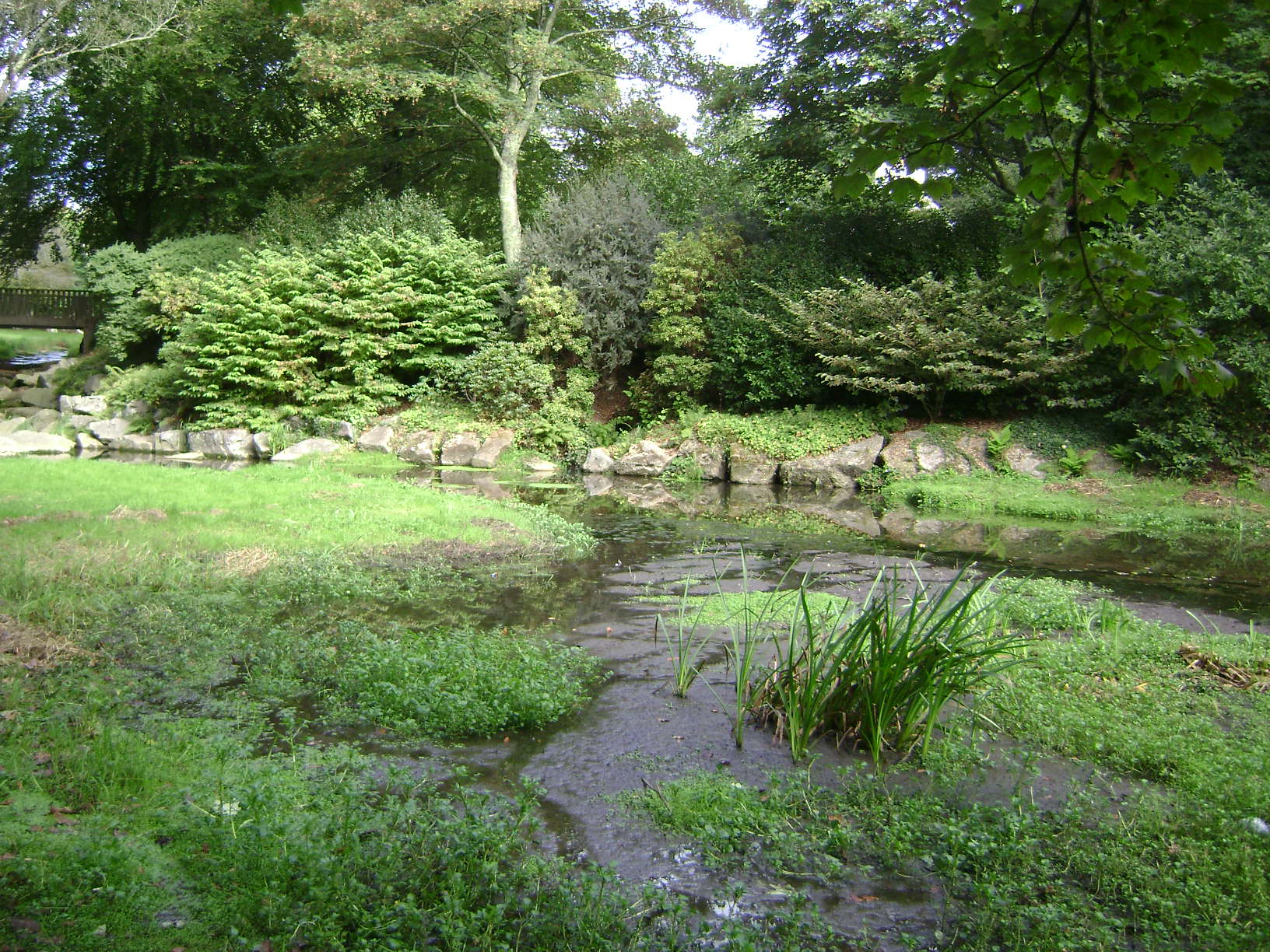
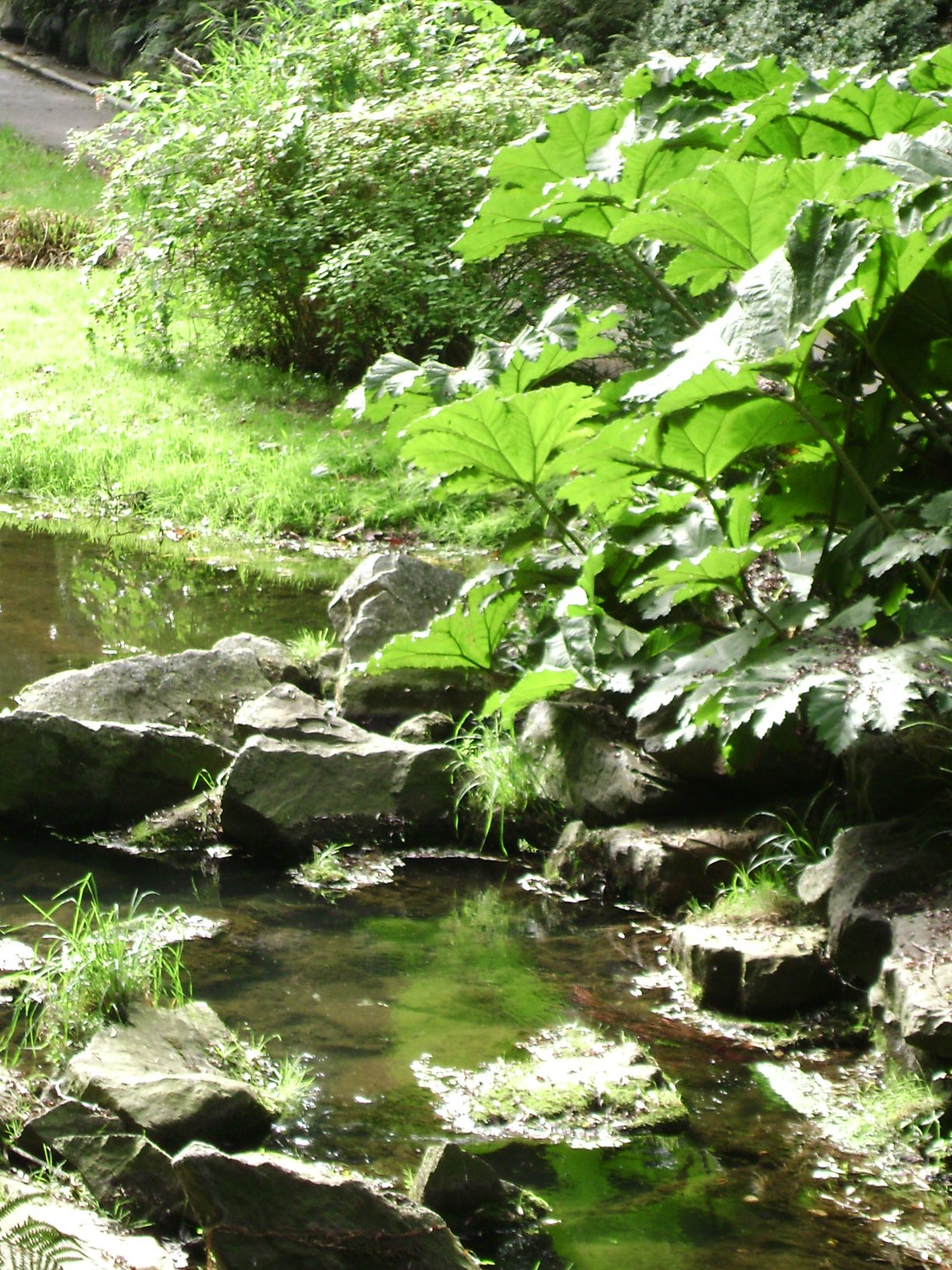
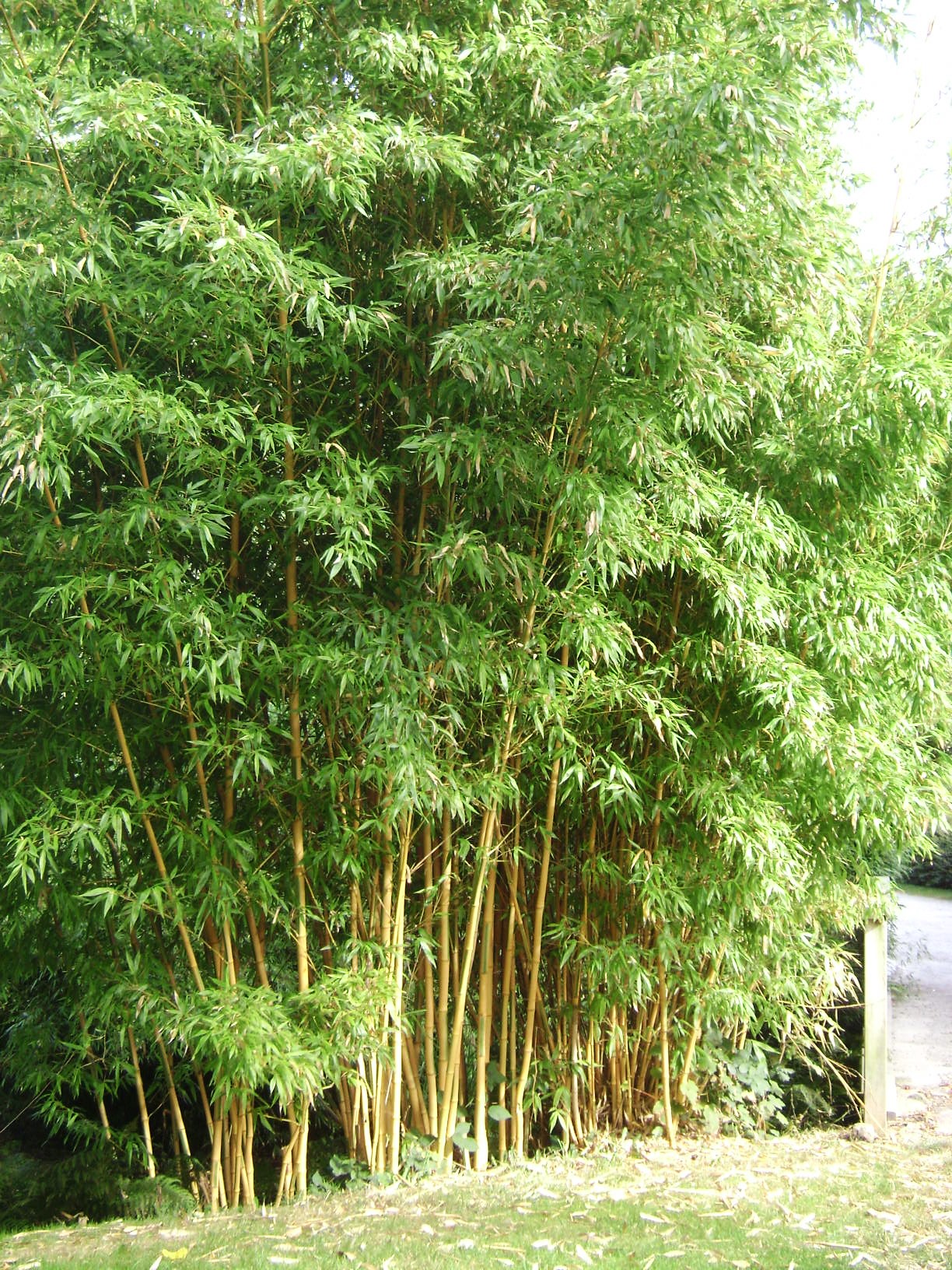
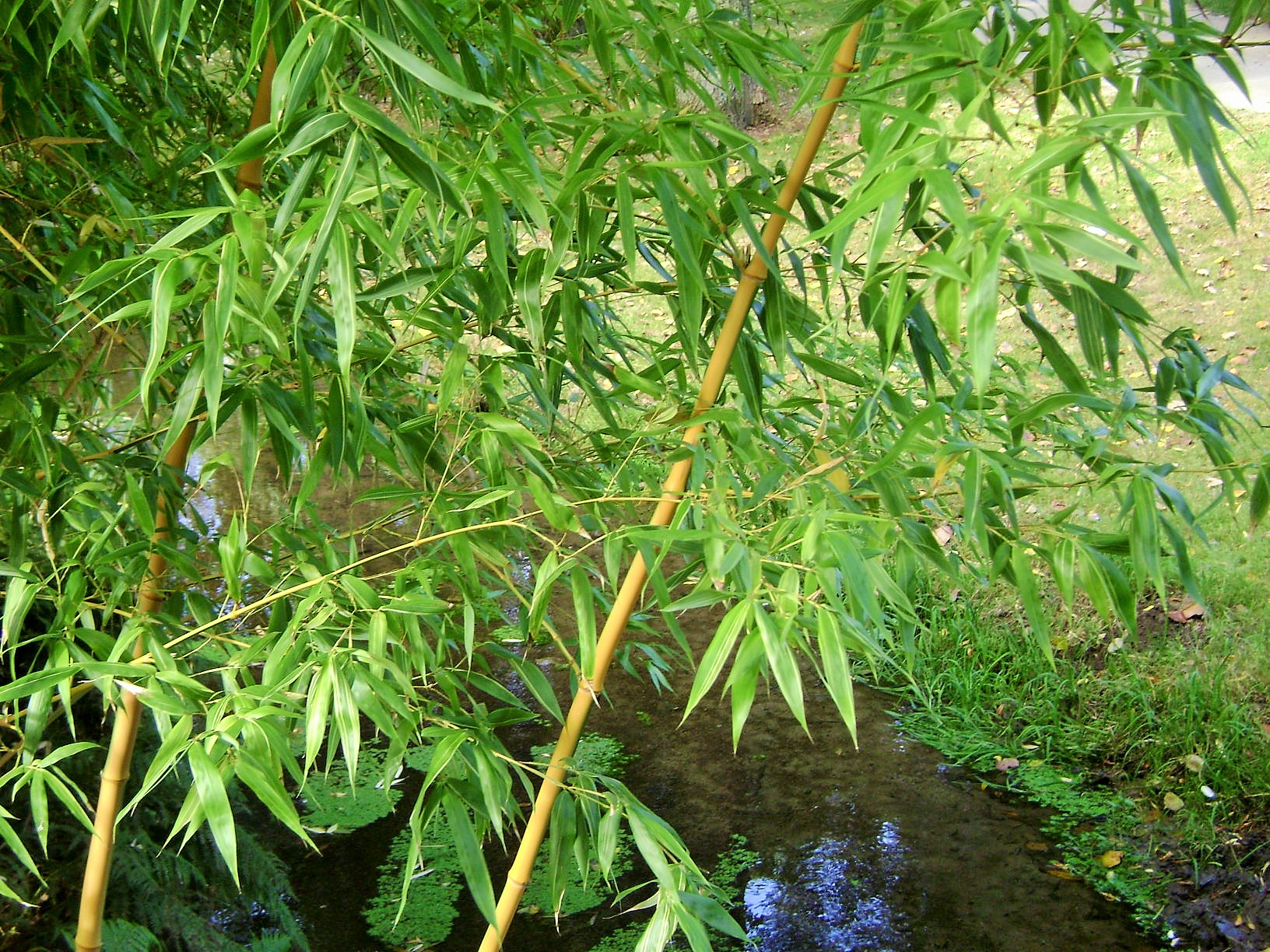
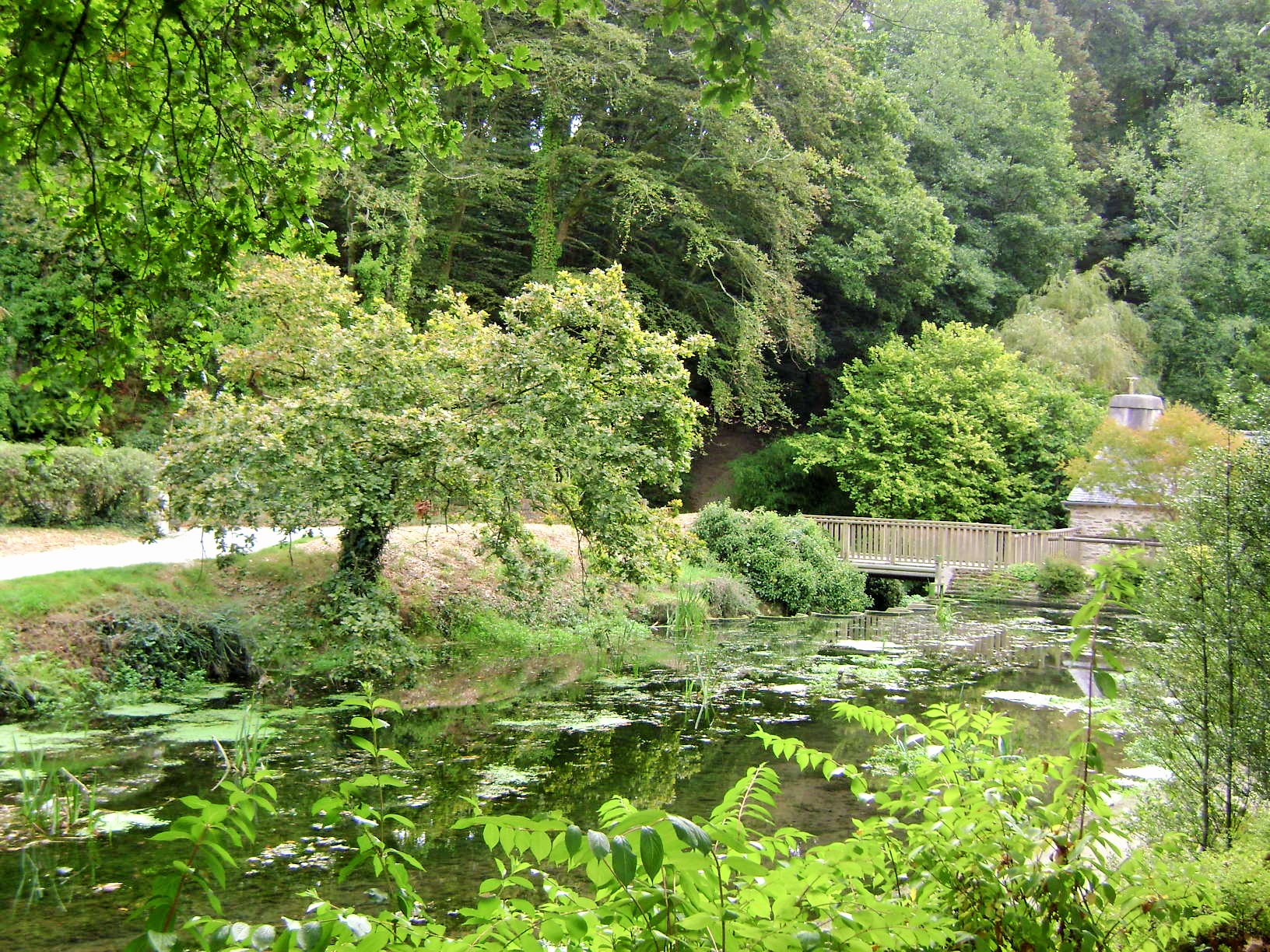
In this second post, I am featuring the botanical gardens, which are largely dedicated to the preservation of endangered species of plants. The water features here are more extensive than in the park area, with large ponds and ducks in addition to the stream running the length of the park. Here again, the areas around the stream are reminiscent of Japanese rock gardens, and landscaped with a profusion of bridges, ferns or bamboo groves. Note the beautiful planting of Tasmanian tree ferns along the banks, as well as some particularly large gunneras.

DSC01340 DSC01343 DSC01344 DSC01348 DSC01349 DSC01350 DSC01352 DSC01353 DSC01354 DSC01355 DSC01356 DSC01357 DSC01358 DSC01365 DSC01297 DSC01298 DSC01299 DSC01300 DSC01302 DSC01304 DSC01307 DSC01311 DSC01313 DSC01314 DSC01317 DSC01320 DSC01321 DSC01323 DSC01332 DSC01333 DSC01334 DSC01336 DSC01337


Brest Botanical Gardens Part 1: The Park

In northern Brittany, the Botanical Gardens in Brest enjoy a privileged location in a small valley with a stream throughout, and creating a microclimate allowing endangered species to grow with additional protection. Long and narrow, these gardens are divided into the park area at one end, end thebotanical gardens proper at the other.

DSC01296 DSC01294

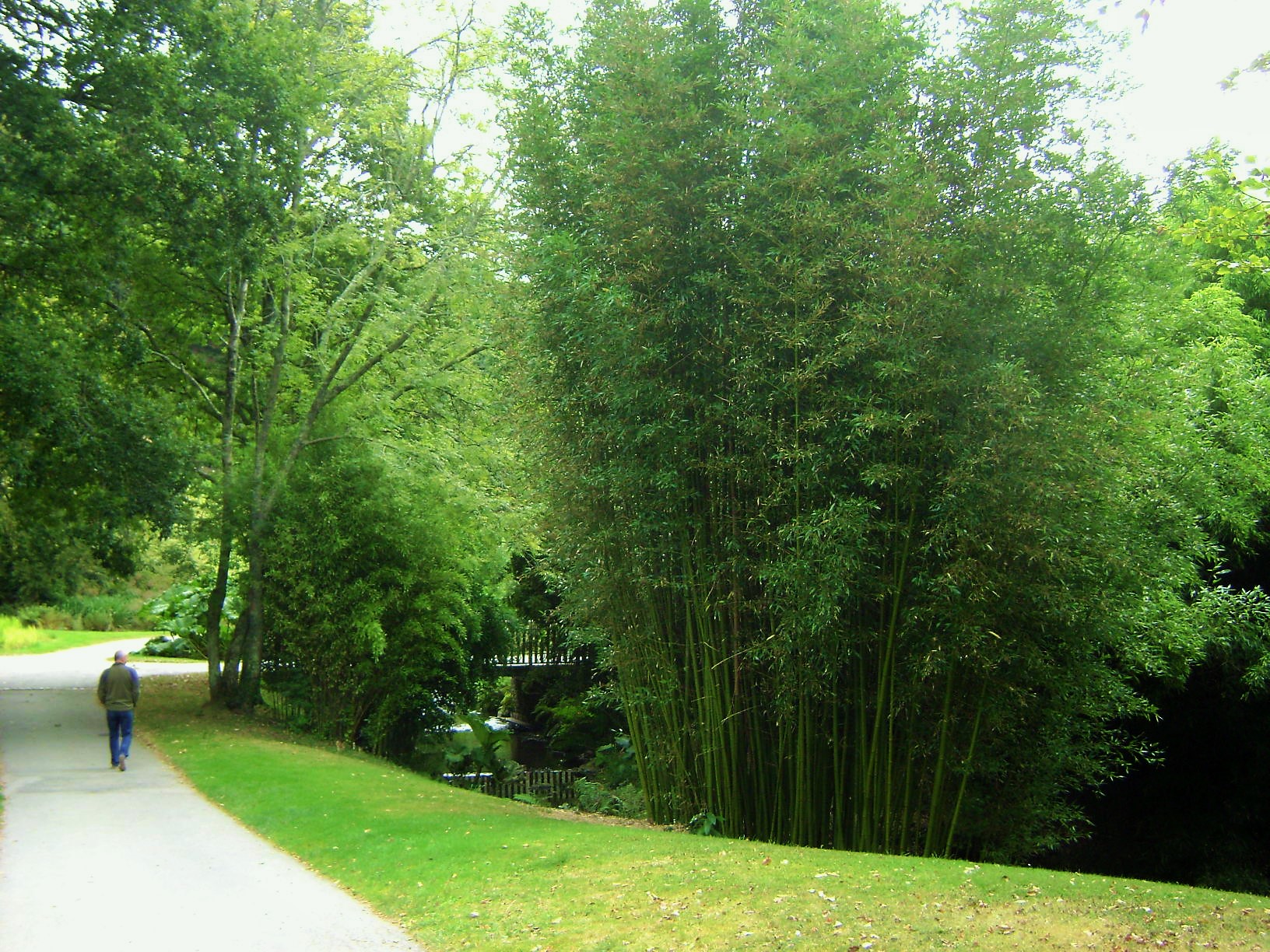
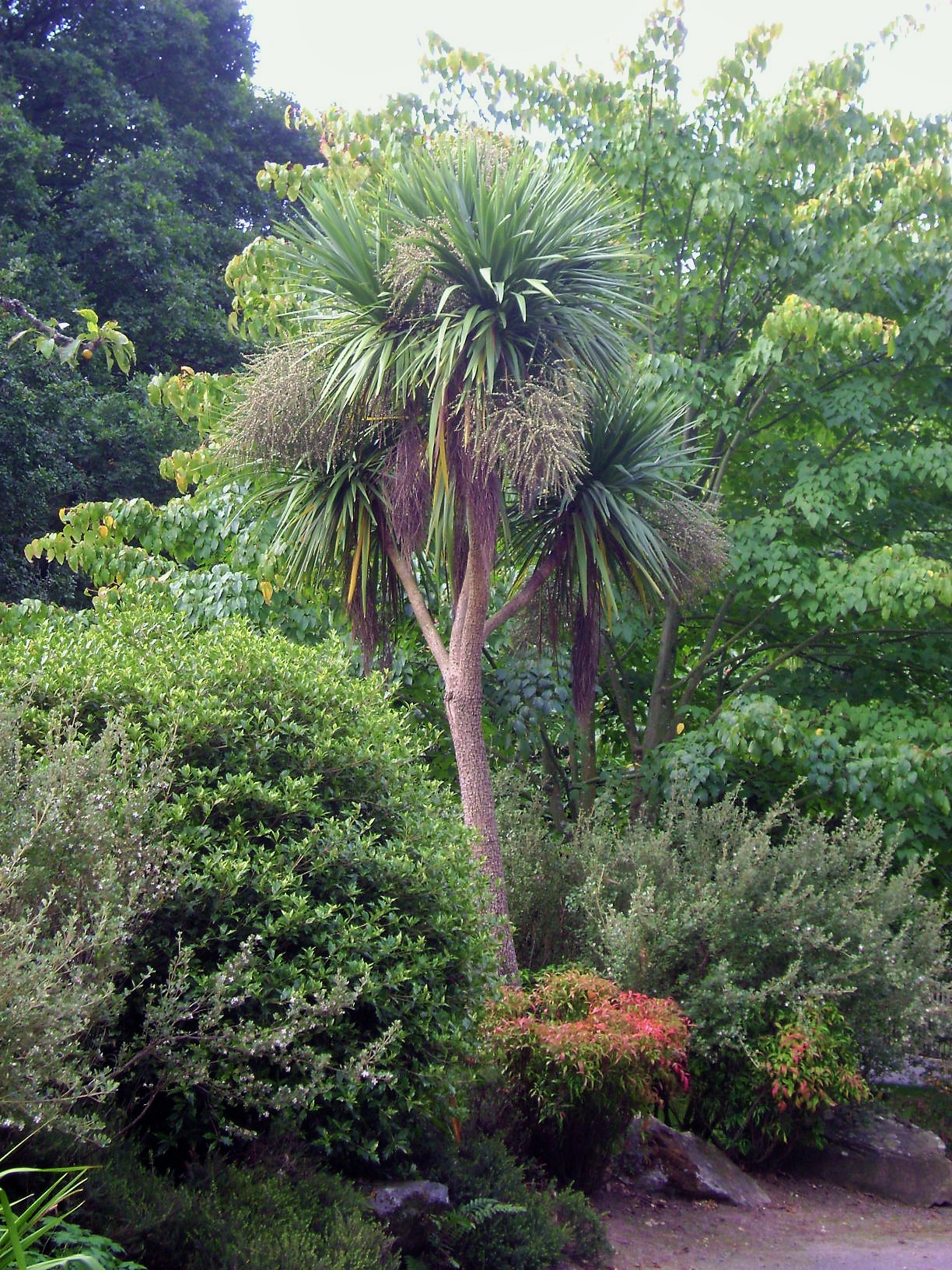
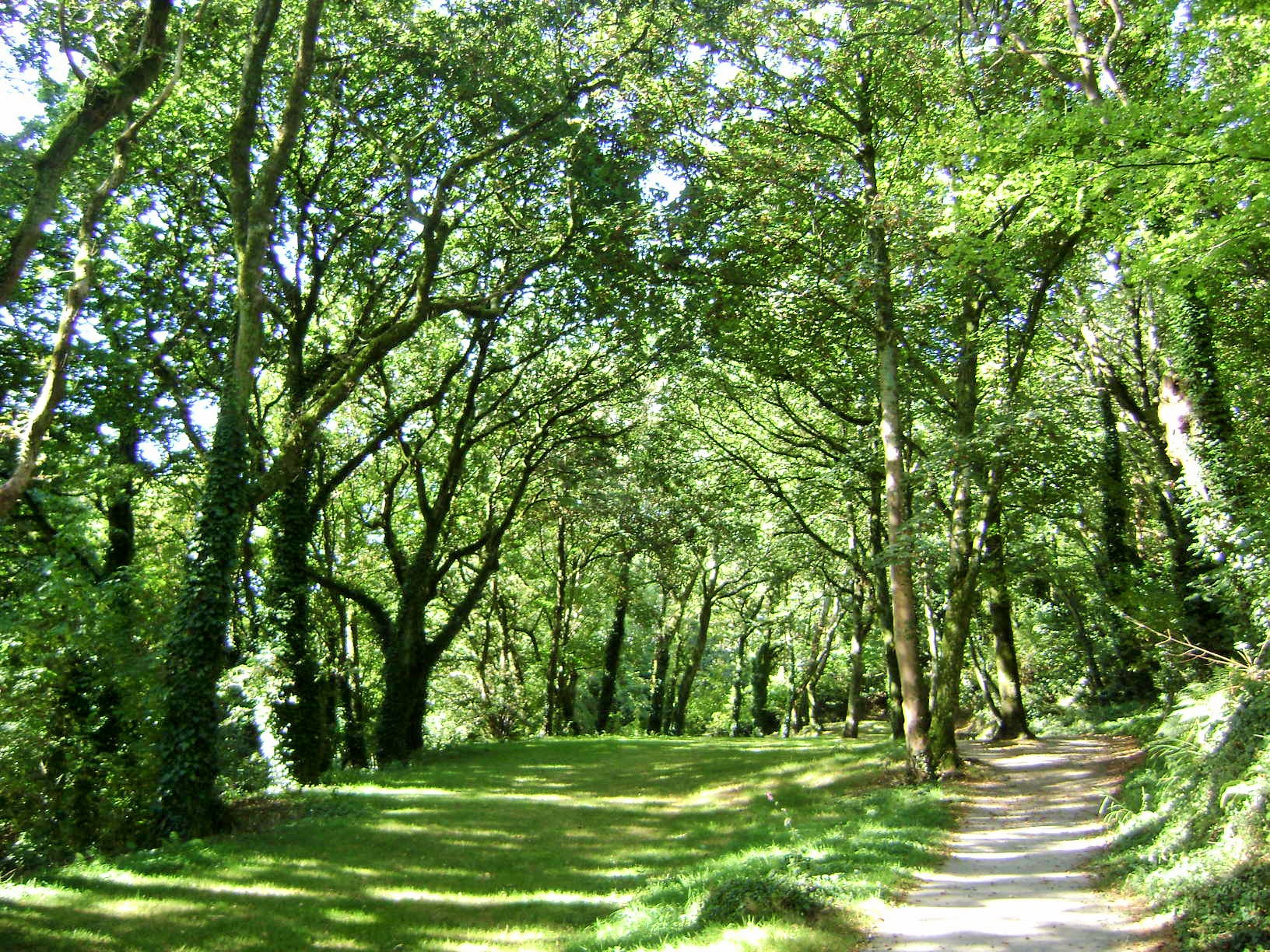
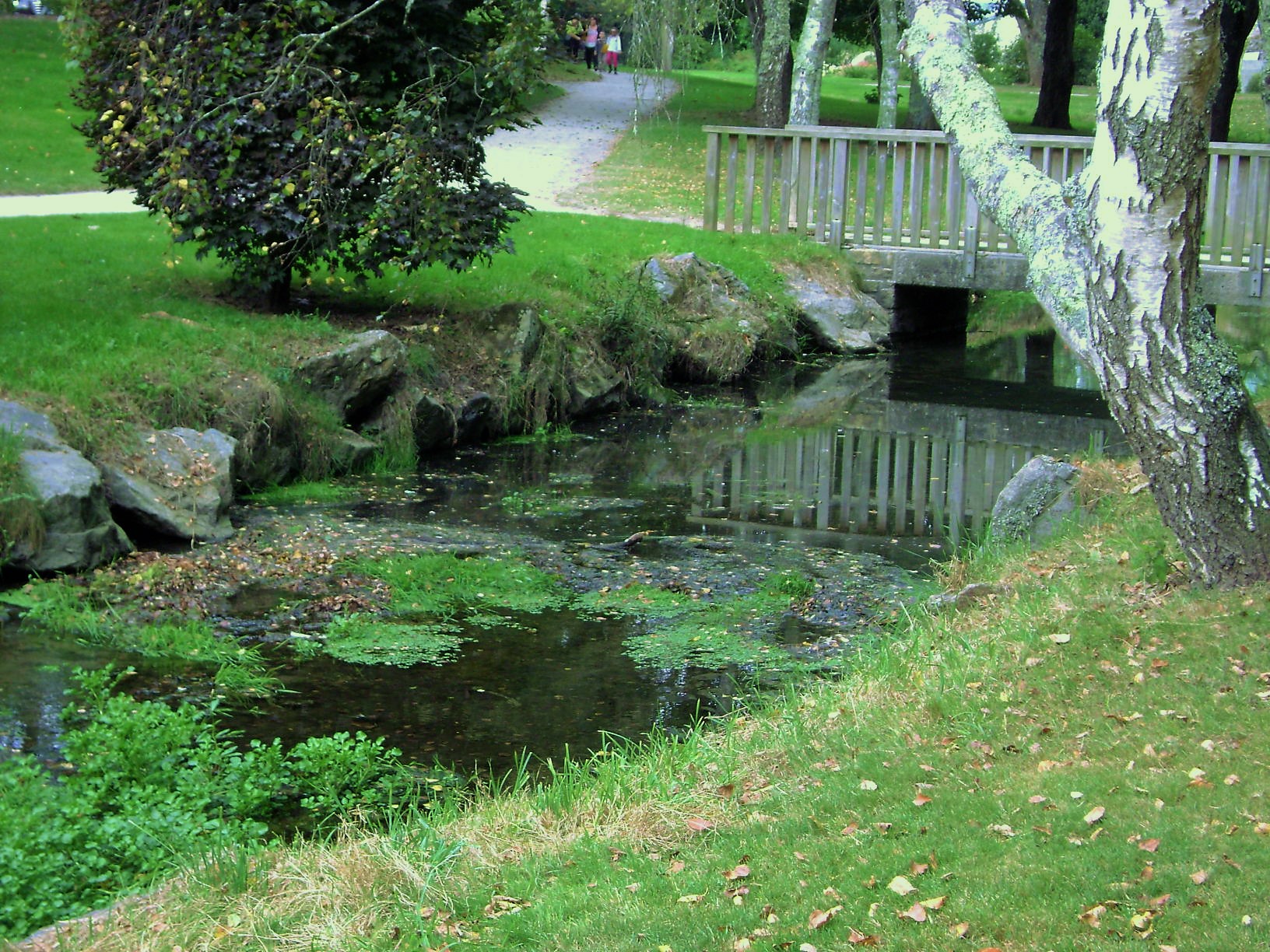
In this post, I am featuring the park. Common to both areas is the stream and therefore an abundance of water features. The park has the feel of a woodland garden, with more greenery, bamboos, mature trees, gunnera and the likes, than landscaped borders and flowers. The choice of plants as well as the use of rocky elements and bridges give it very much the feel of a Japanese garden, in certain areas of the park in particular.

DSC01278 DSC01280 DSC01281 DSC01282 DSC01285 DSC01287 DSC01289 DSC01240 DSC01241 DSC01244 DSC01245 DSC01246 DSC01247 DSC01248 DSC01250 DSC01252 DSC01253 DSC01256 DSC01258 DSC01259 DSC01261 DSC01264 DSC01265 DSC01266 DSC01267 DSC01270 DSC01271 DSC01272 DSC01273 DSC01274


A Small Rose Garden in Brittany Adds Curb Appeal

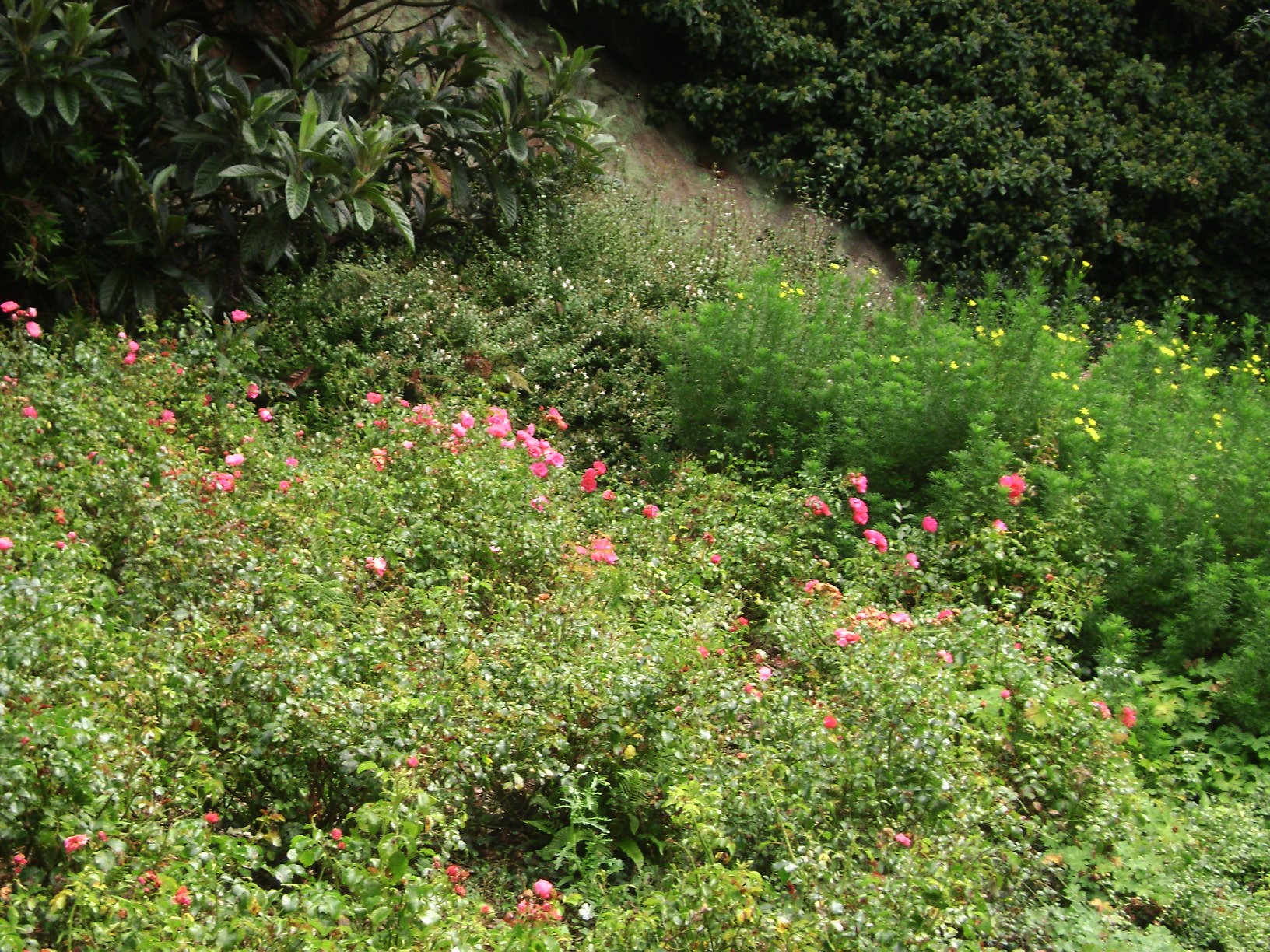
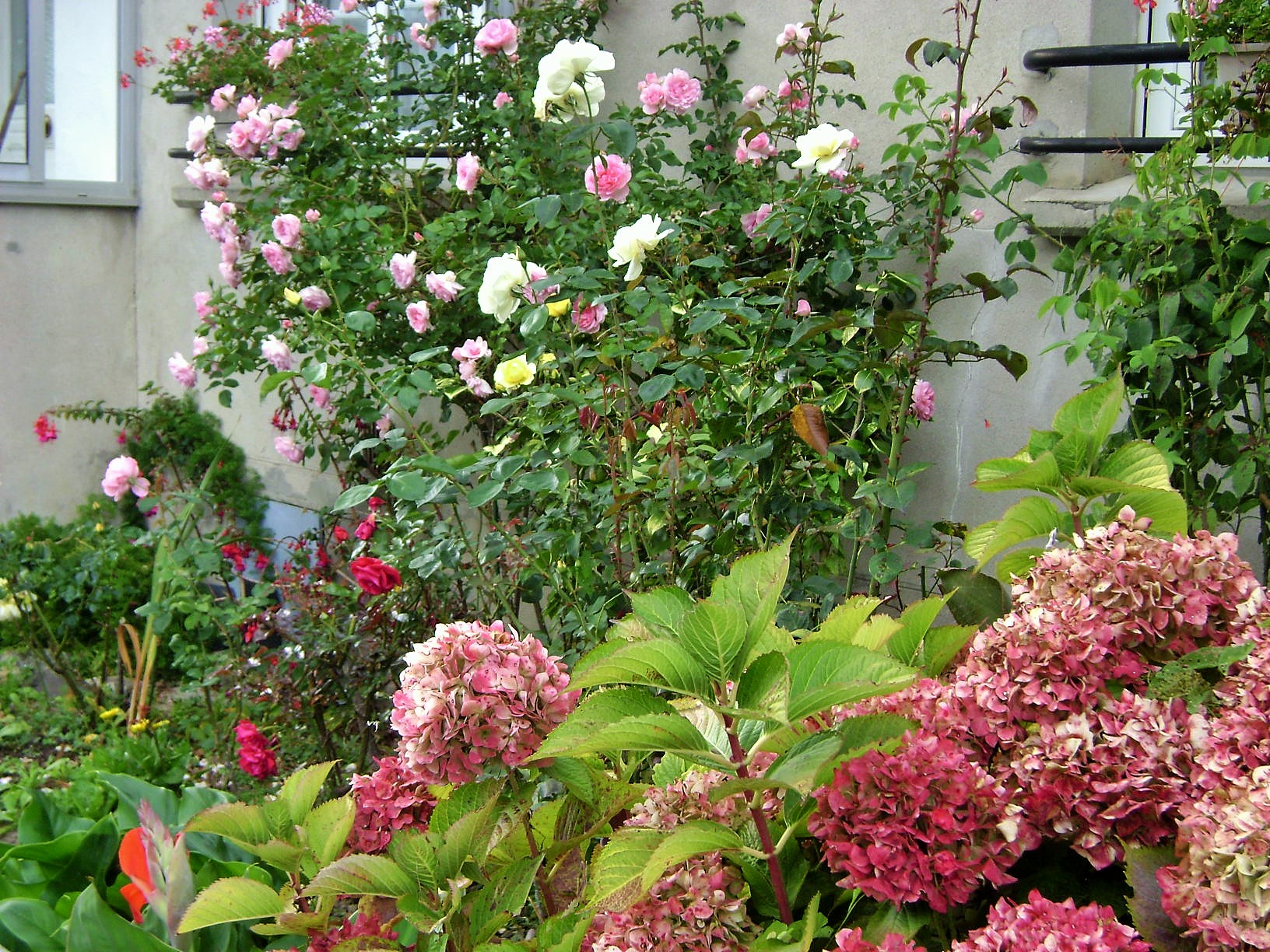
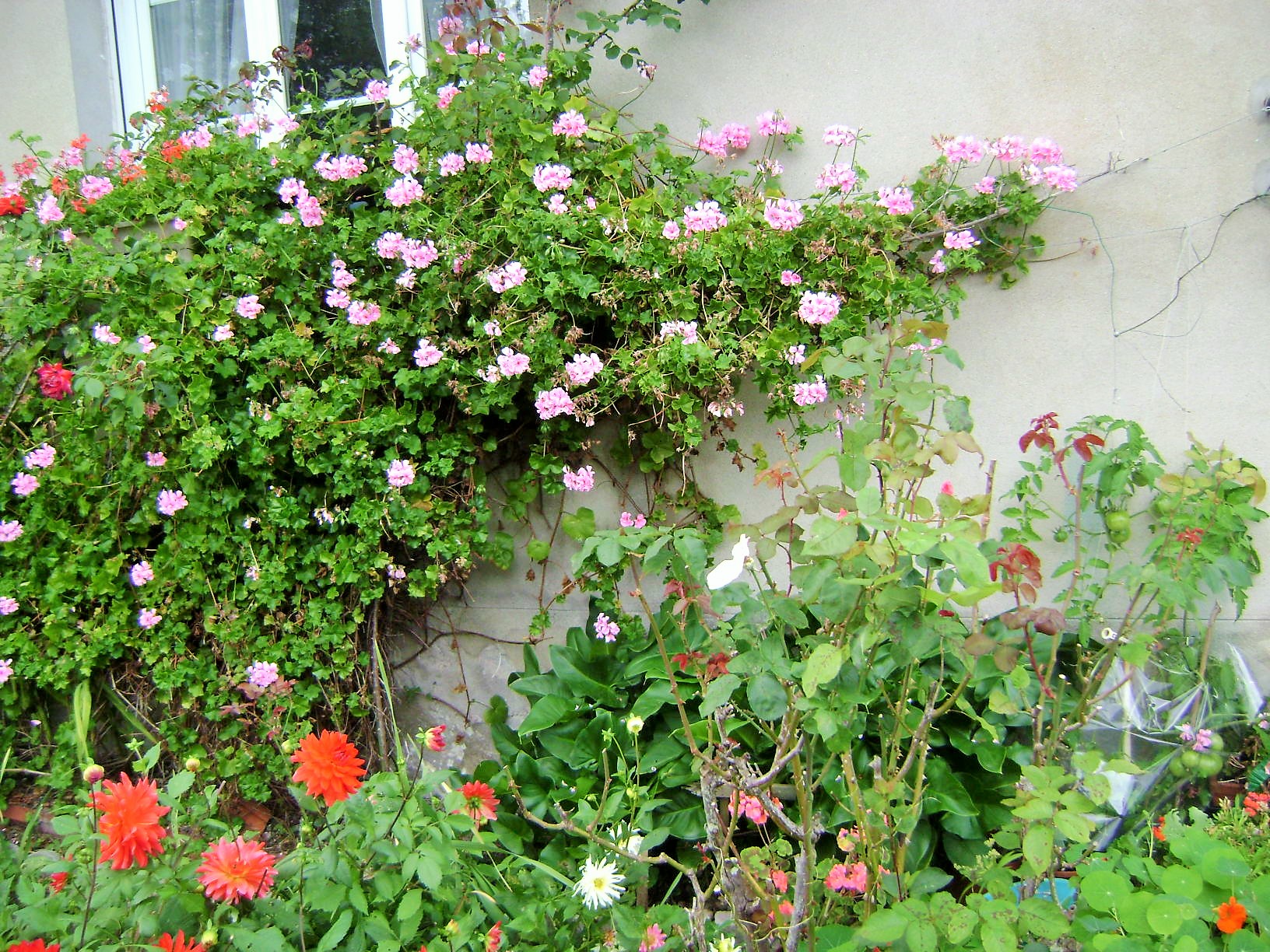
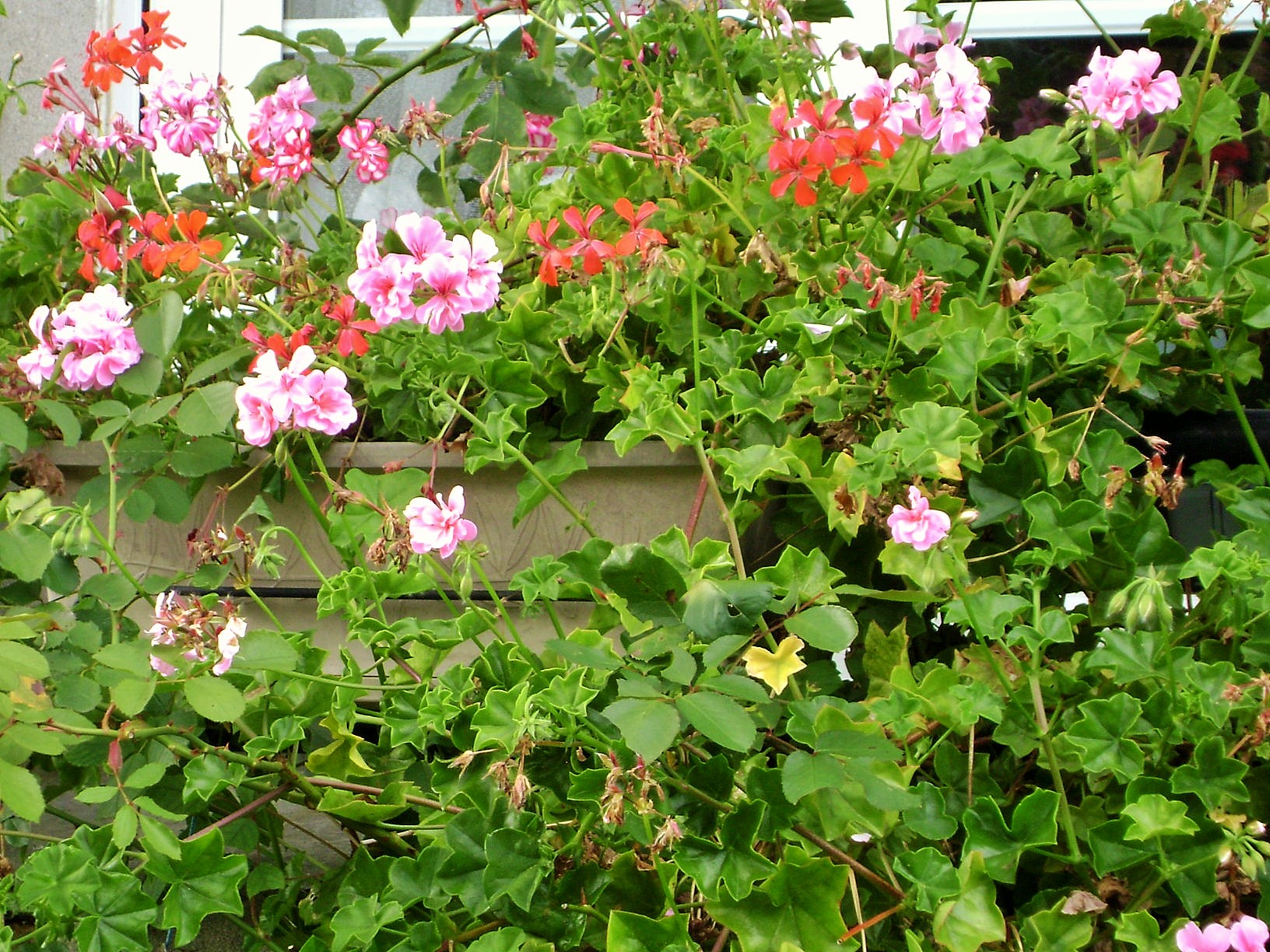
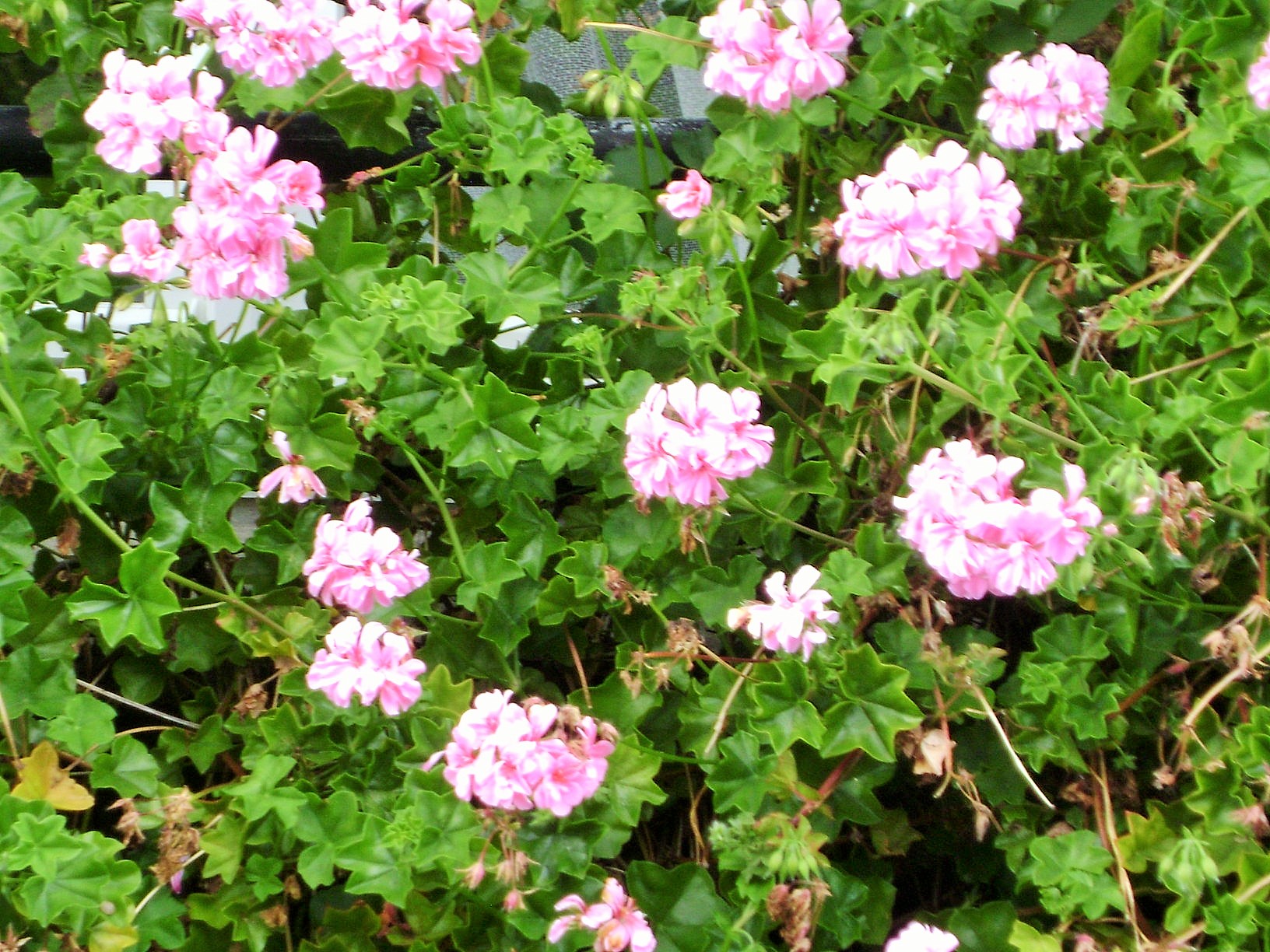
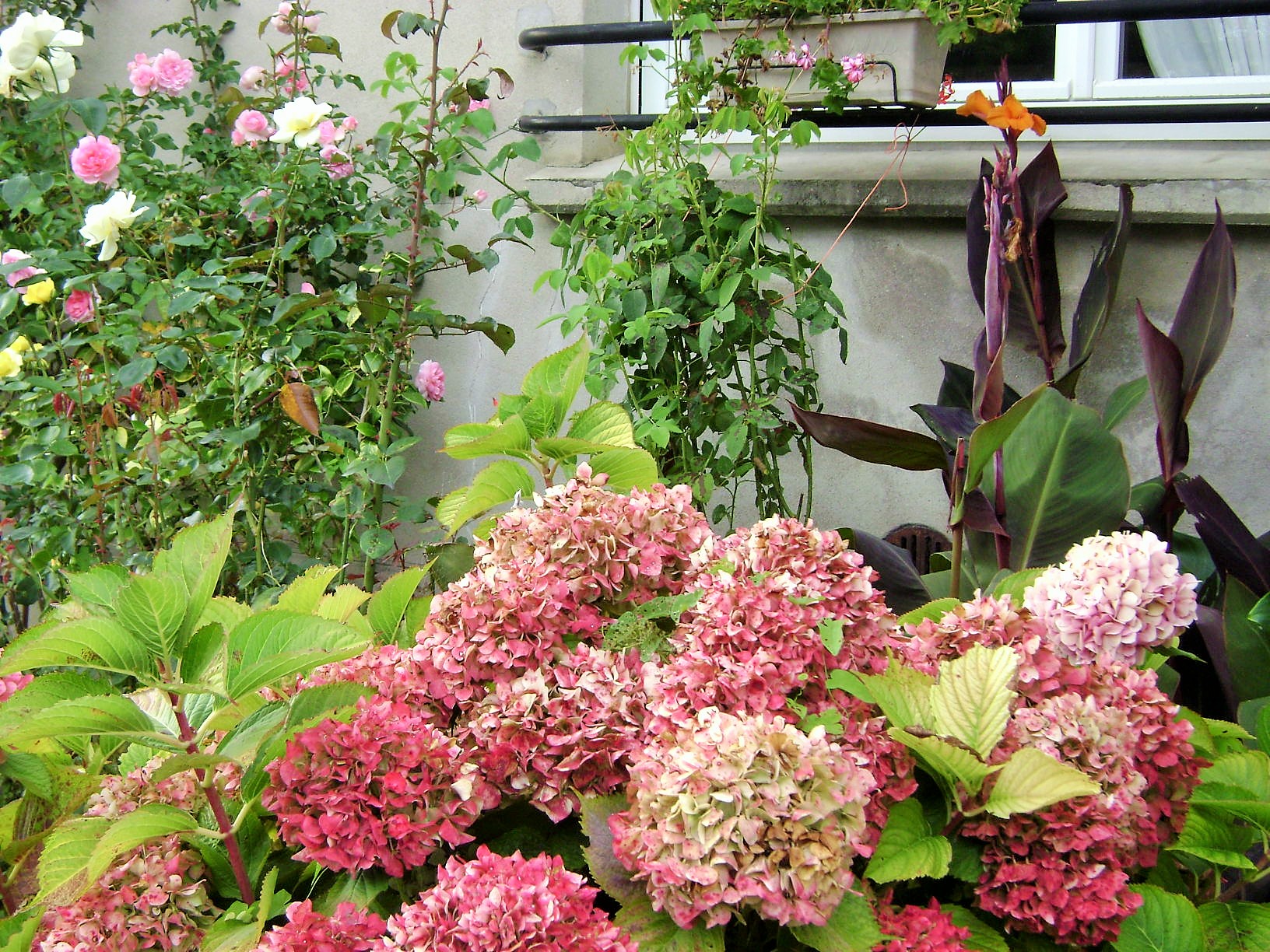
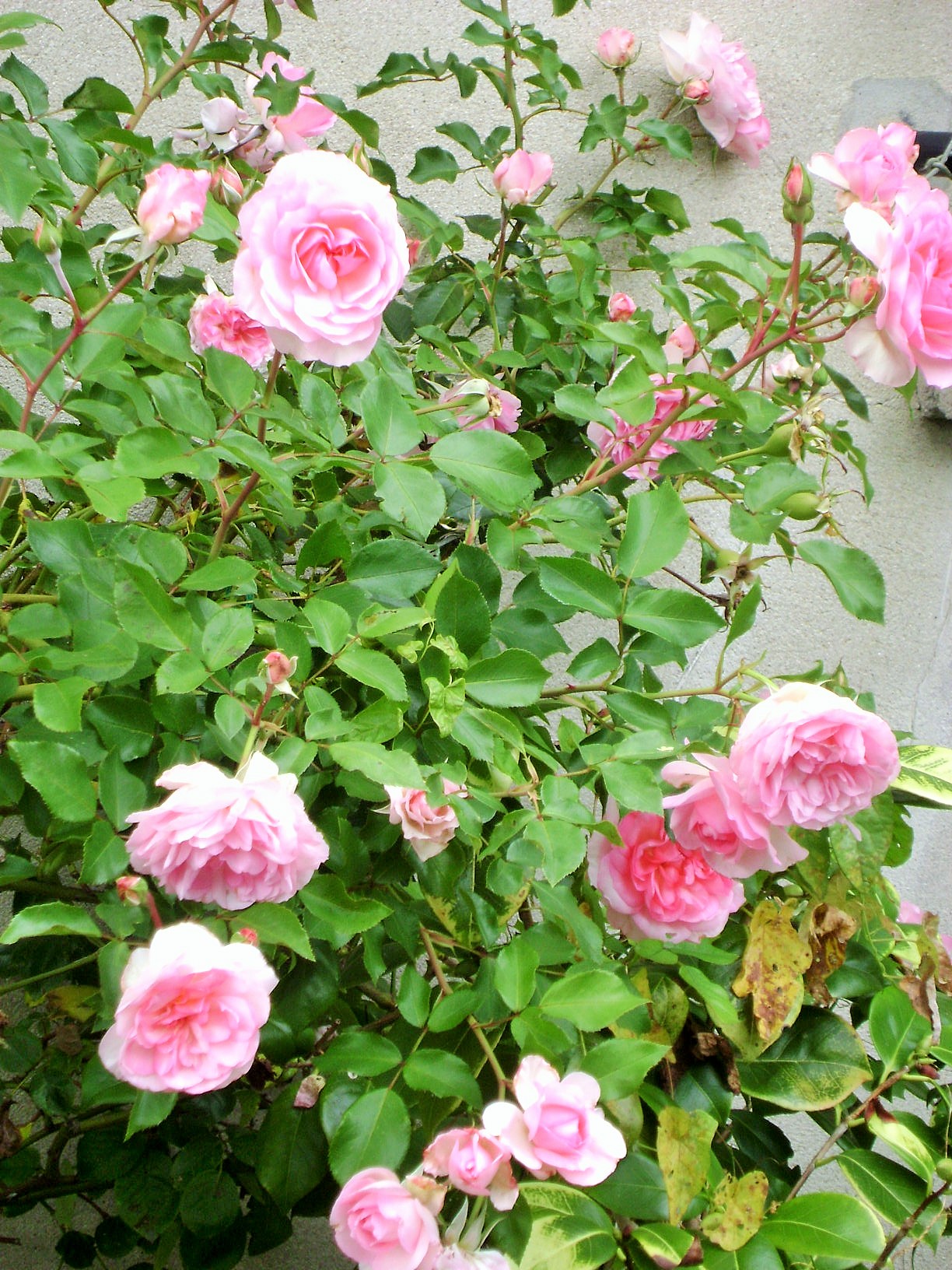
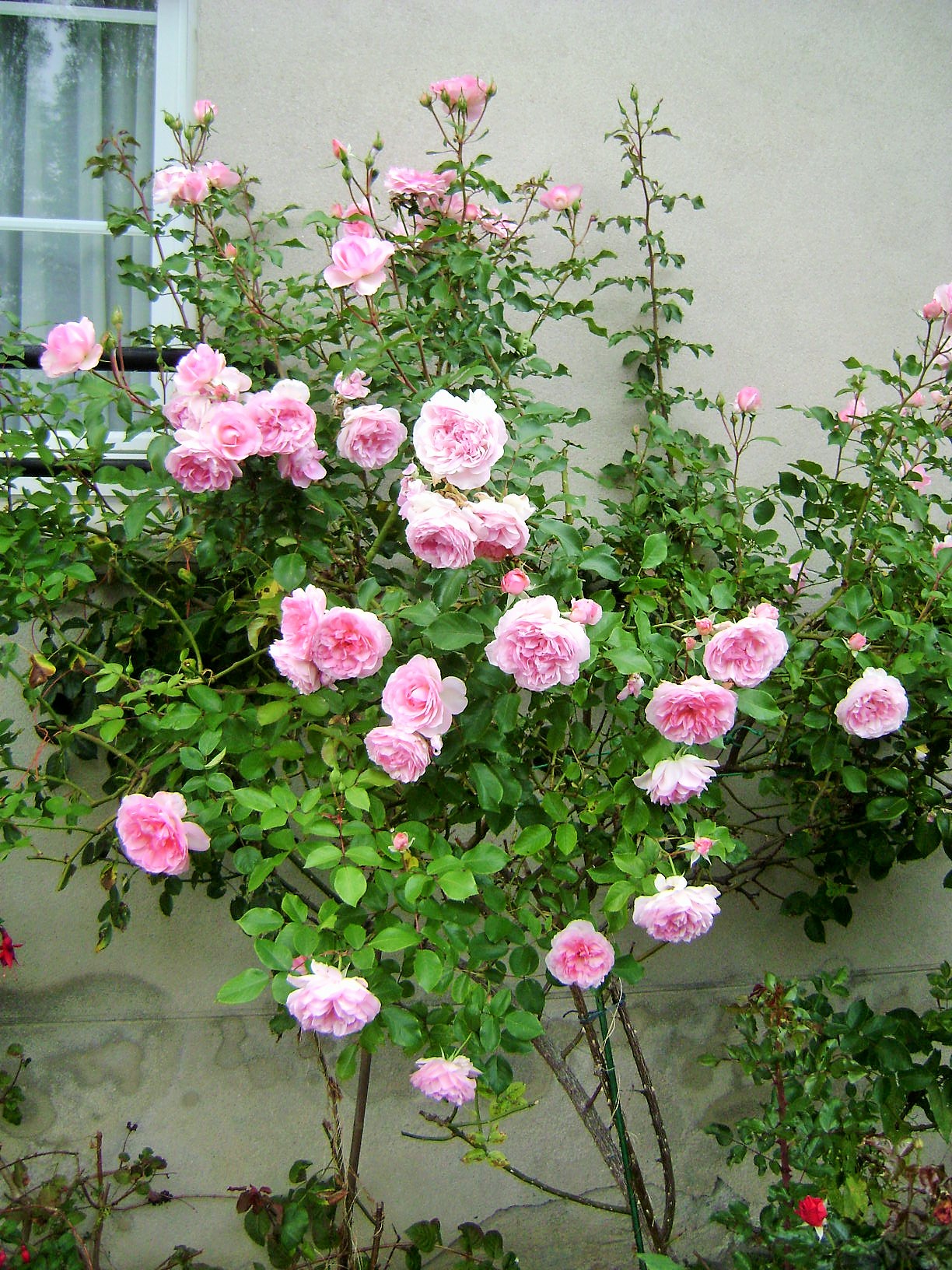
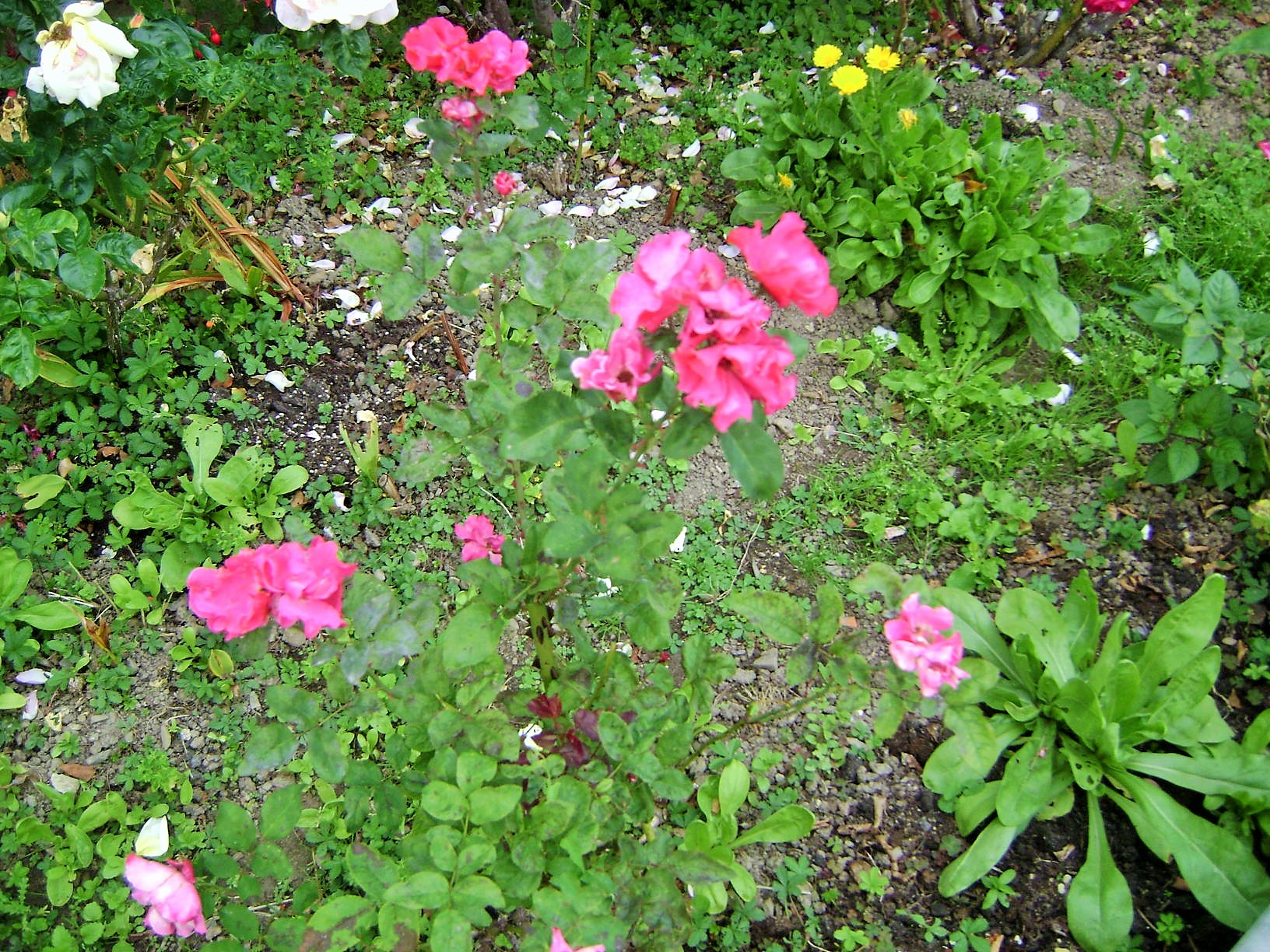
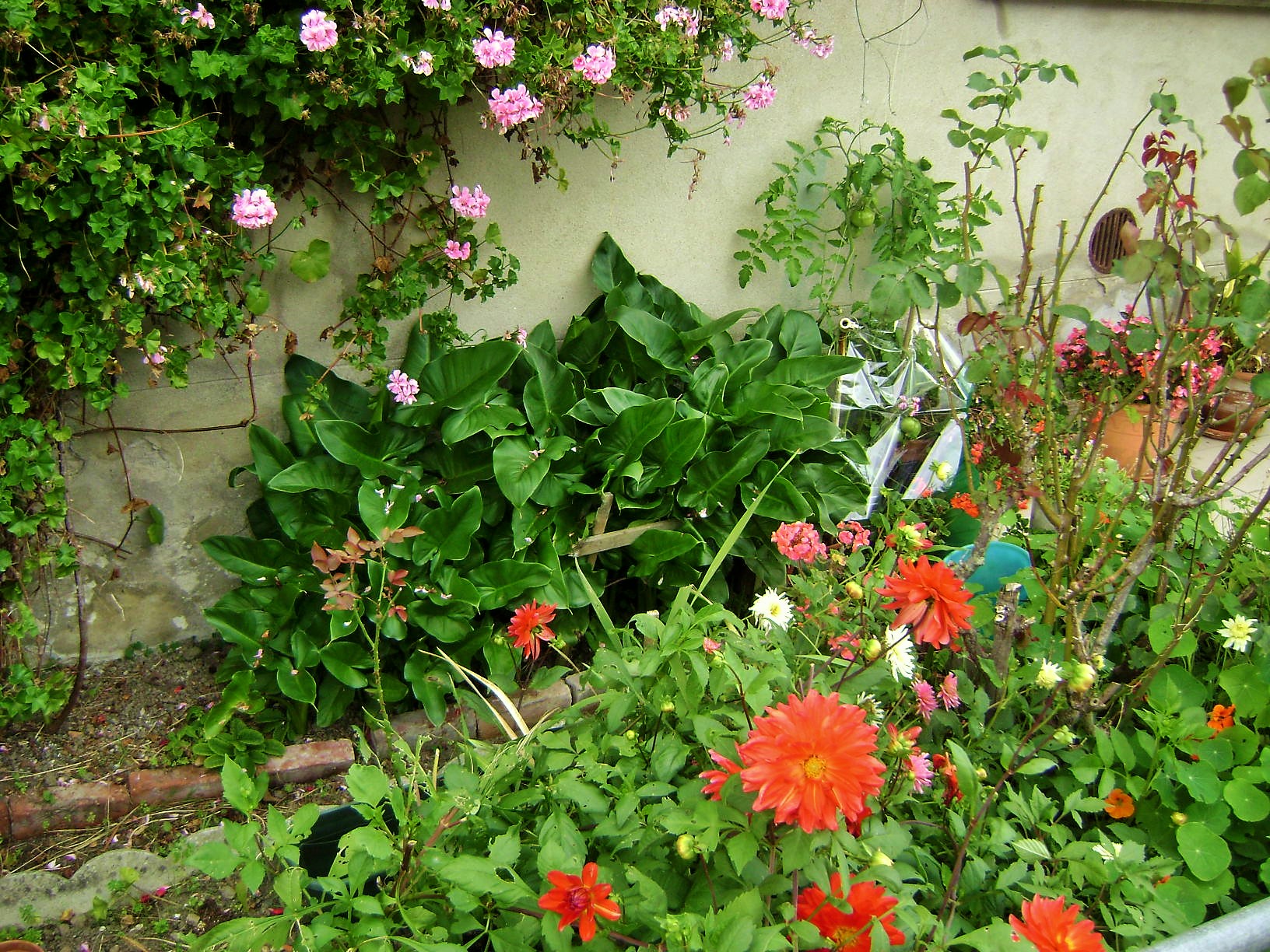
This house in a small coastal town in Brittany, France would be just one of many like it if it weren’t for the lush display of blooms from the small rose garden in the front yard. Shrub roses, climbing roses, old fashioned roses, bloom from spring to fall. Geraniums, cannas, dahlias and hydrangeas are mixed in for foliage and texture as well as extra blooms.

DSC01836 DSC01845 DSC01834DSC01849

DSC01852 DSC01851 DSC01850 DSC01848 DSC01846 DSC01844 DSC01843 DSC01842 DSC01841 DSC01839 DSC01838 DSC01837 DSC01835 DSC01833 DSC01832 DSC01831 DSC01830

A Romantic Garden in Old Toledo at the School of Fine Arts

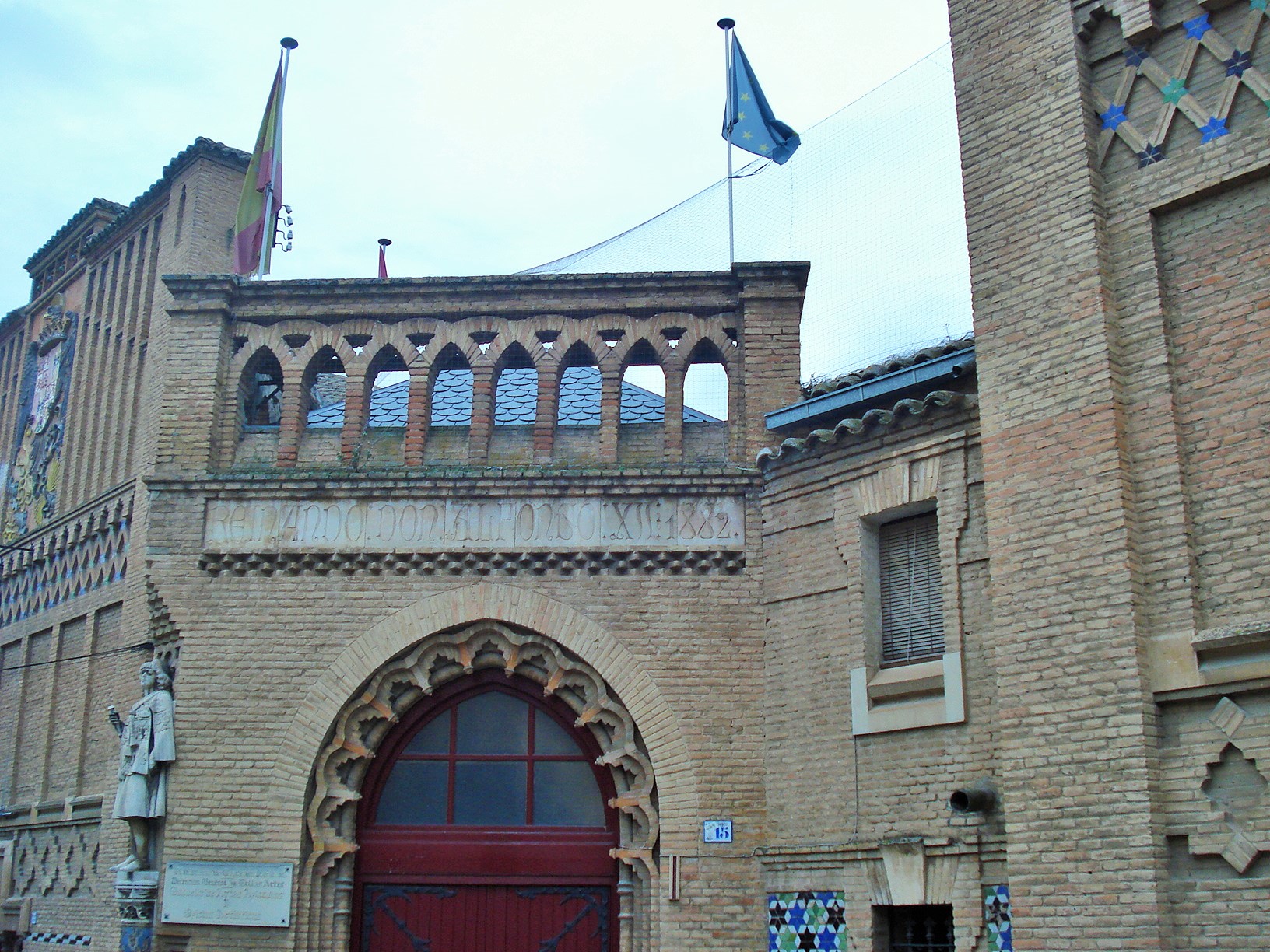
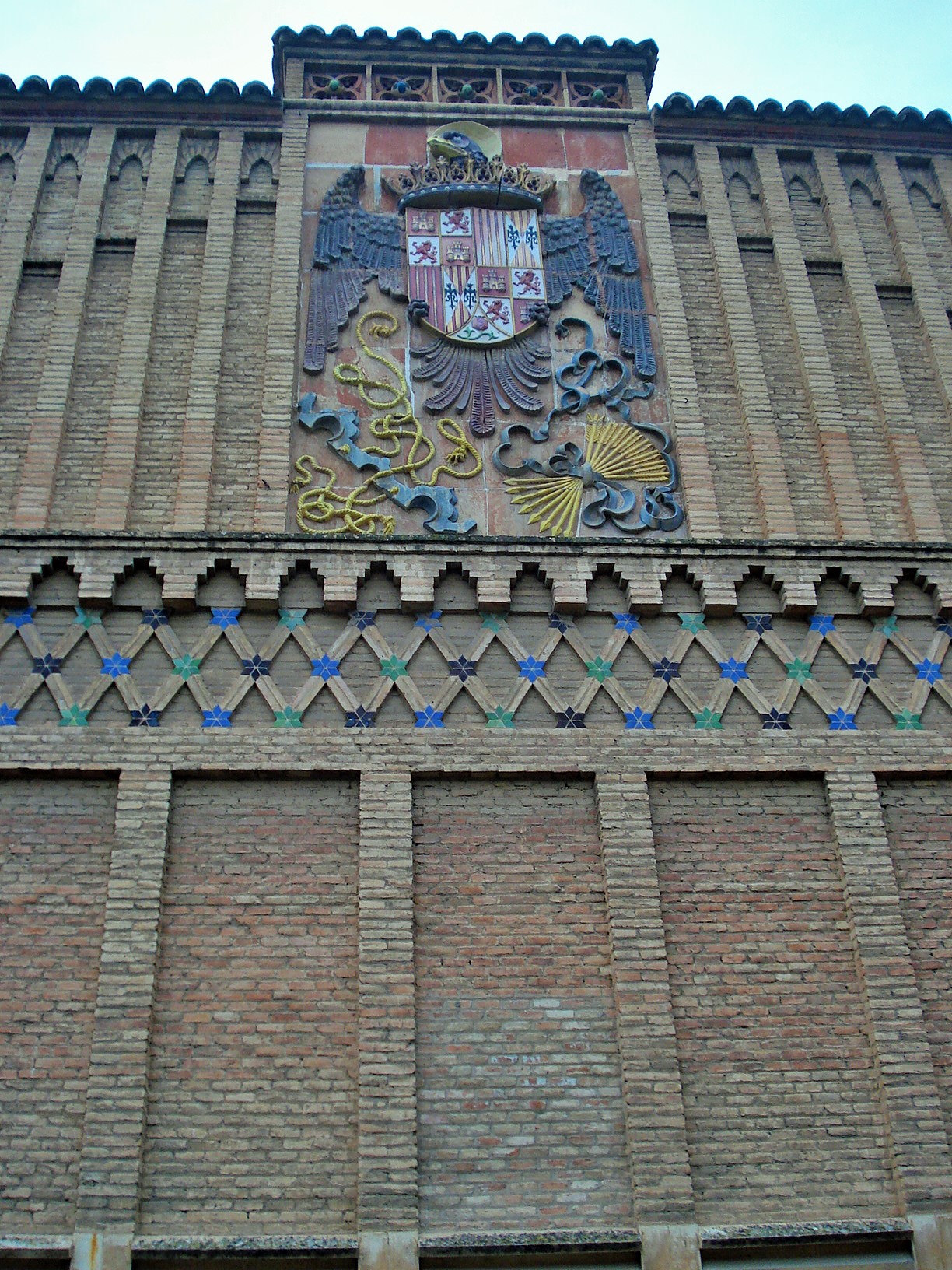
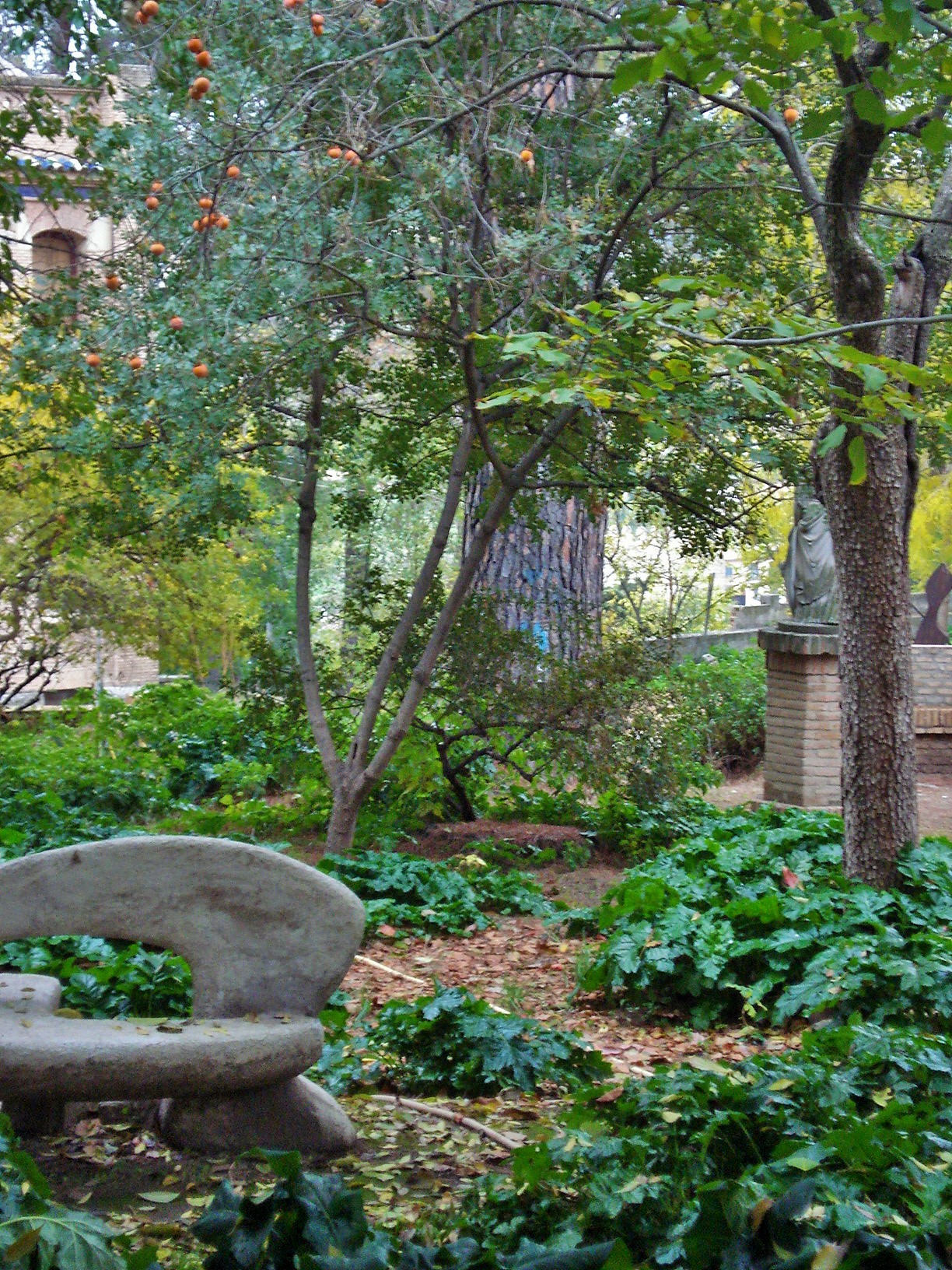
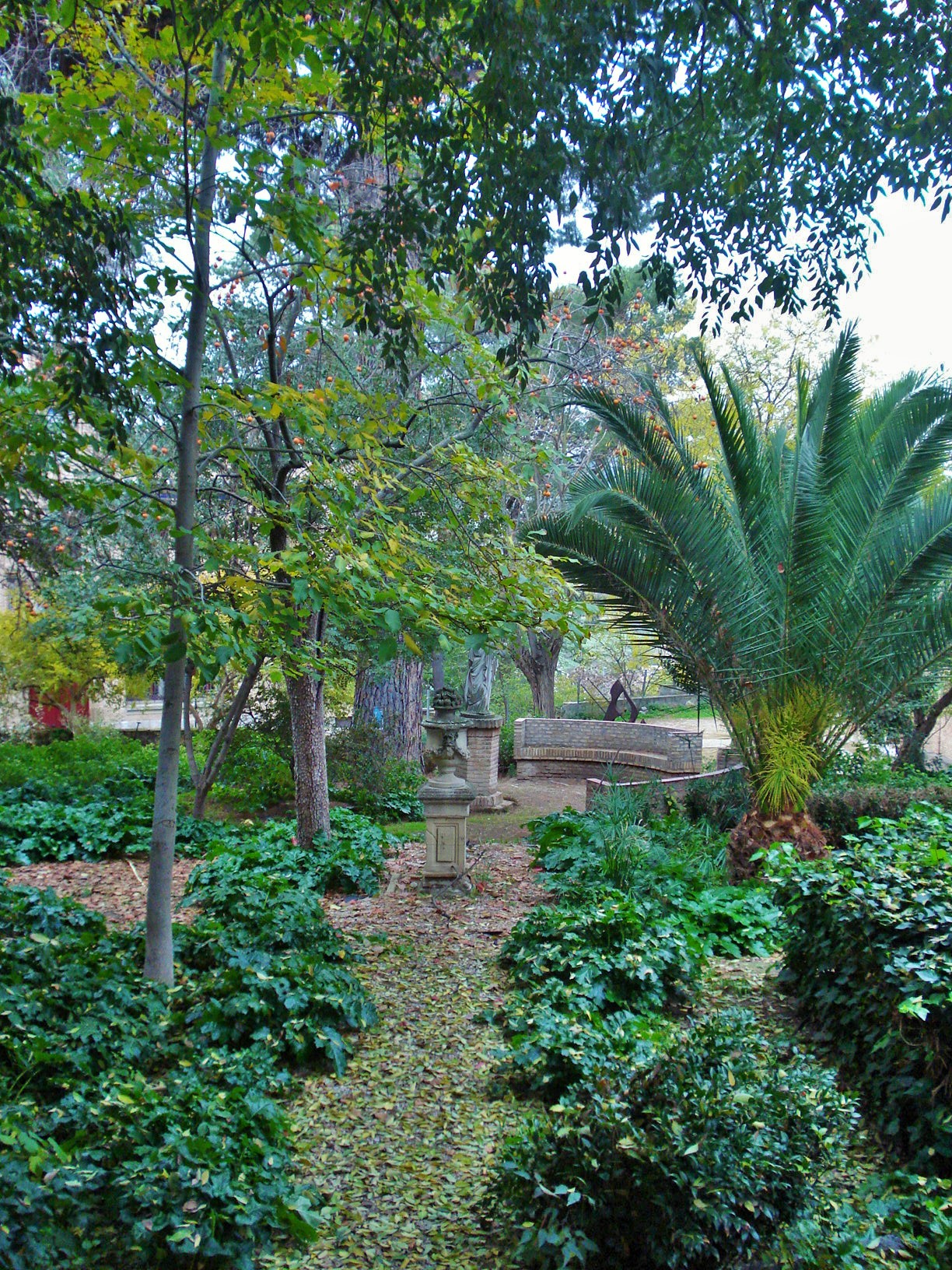
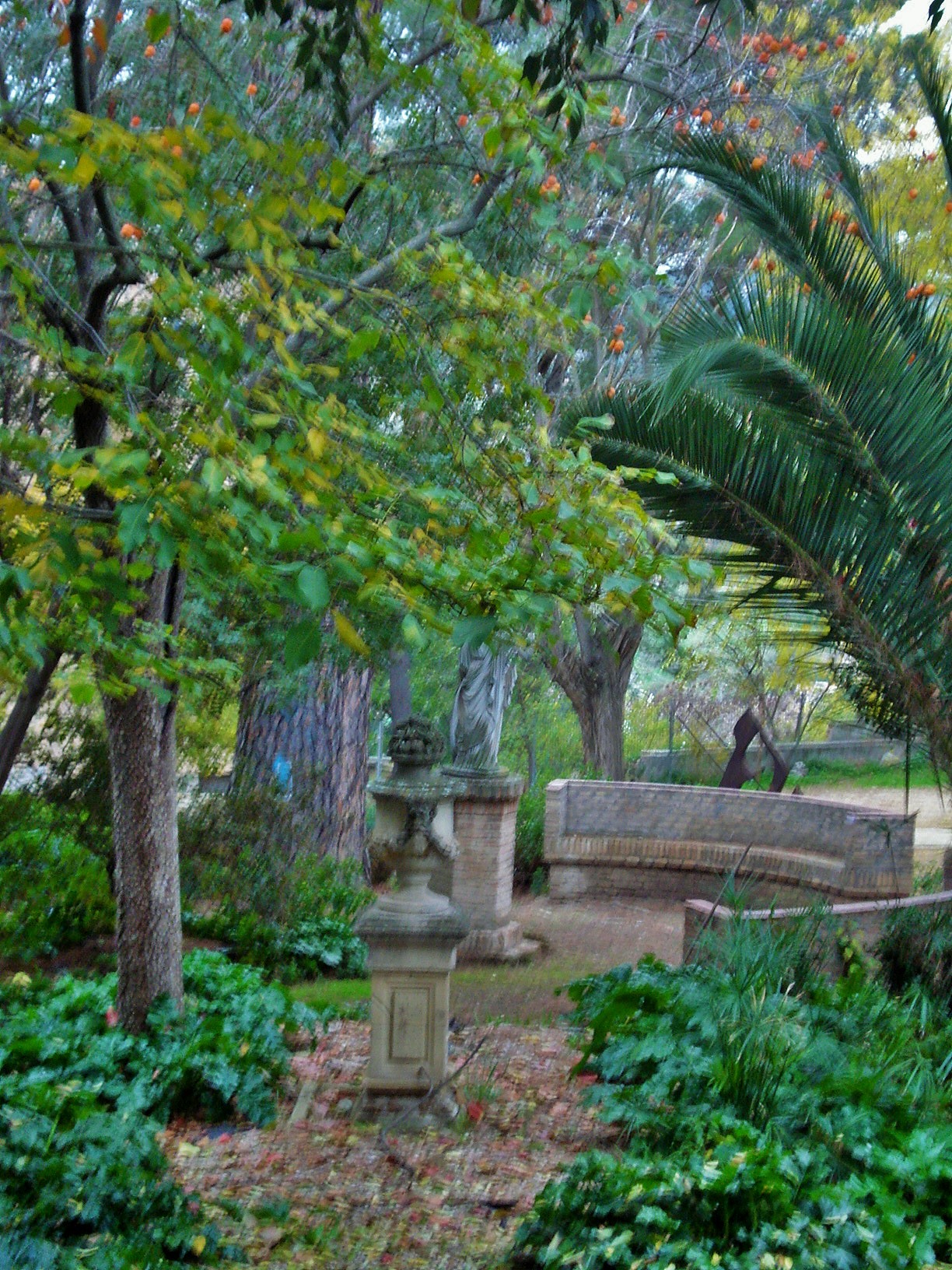
I have written other posts on the beautiful city of Toledo, and while it is full of monuments and old world architecture, there are few public green spaces as gardens are more often than not part of private buildings not open to the public. This romantic garden with a large bust of Don Quixote as its focal point belong to the School of Fine Arts. Even in the fall citrus and khaki trees and bursts of color. Note also the stunningly ornate glass and iron conservatory alongside the building.
DSC09480  vbnmvZ/kdAZQ`weT8IP\];PDSC09479 DSC09478 DSC09475 DSC09474 DSC09473 DSC09471 DSC09470 DSC09468 DSC09467 DSC09466 DSC09465 DSC09464 DSC09463 DSC09462 DSC09461 DSC09460 DSC09459 DSC09458

Prinicipe de Anglona: A Historic Garden in Old Madrid

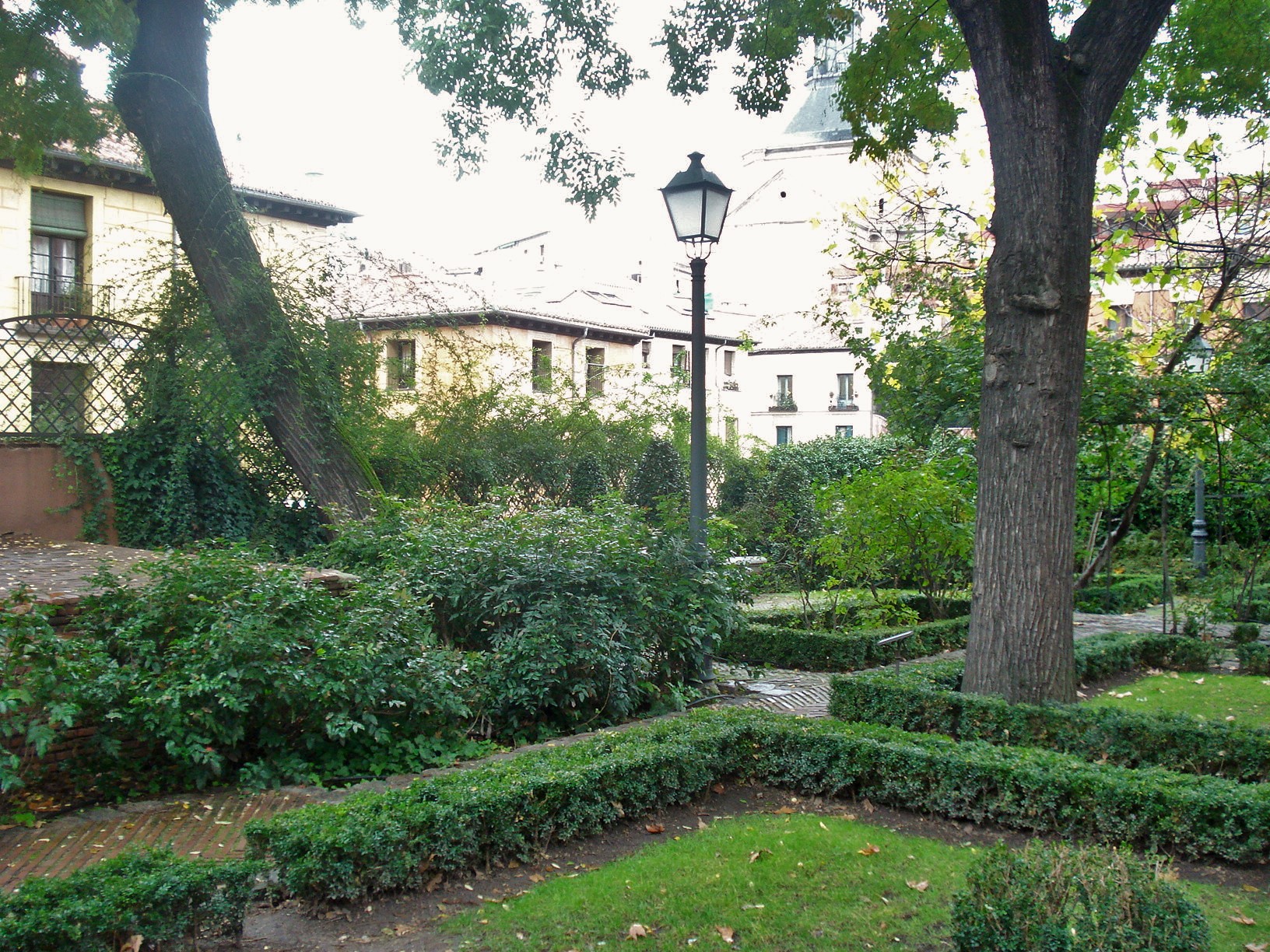
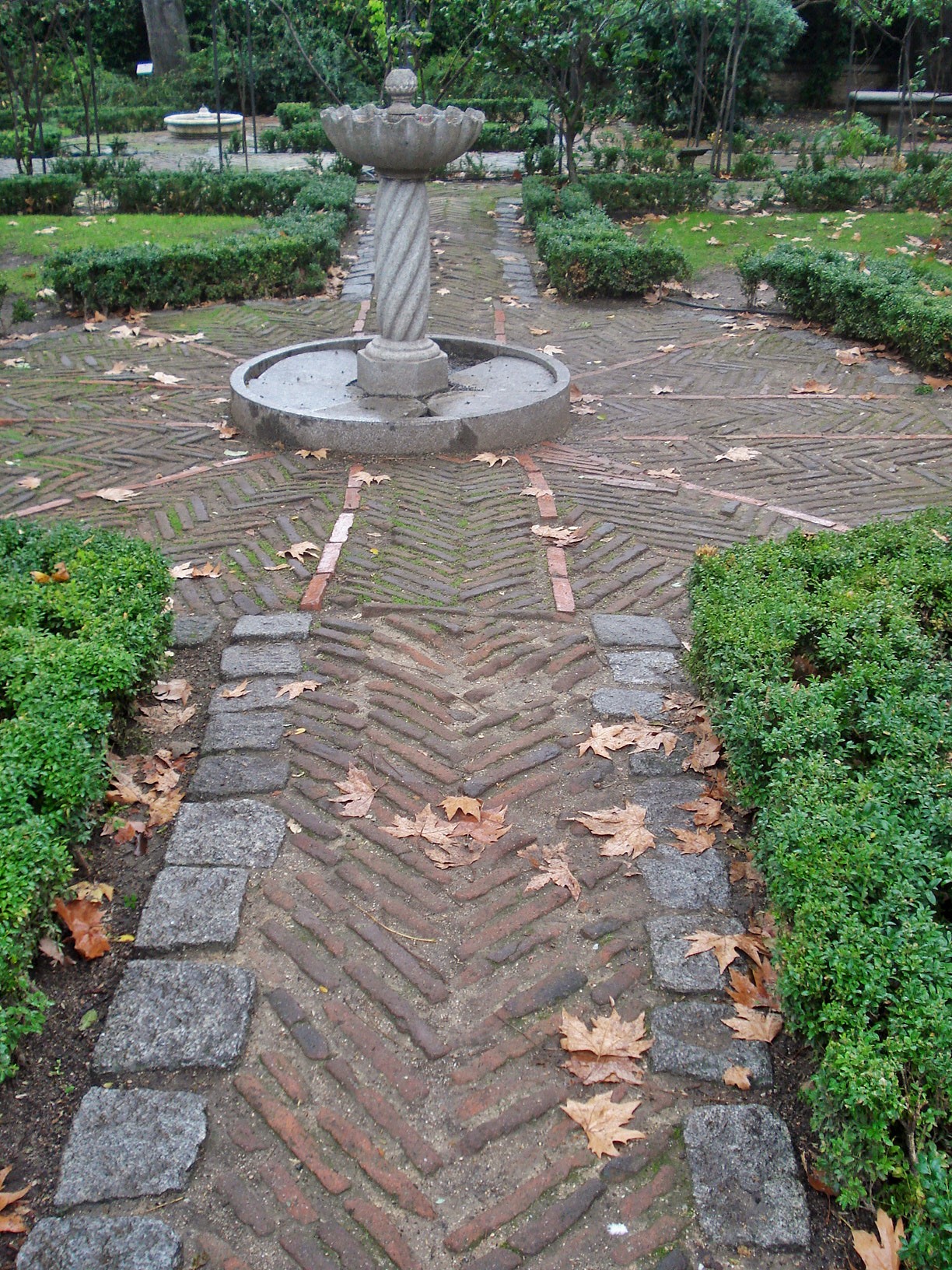
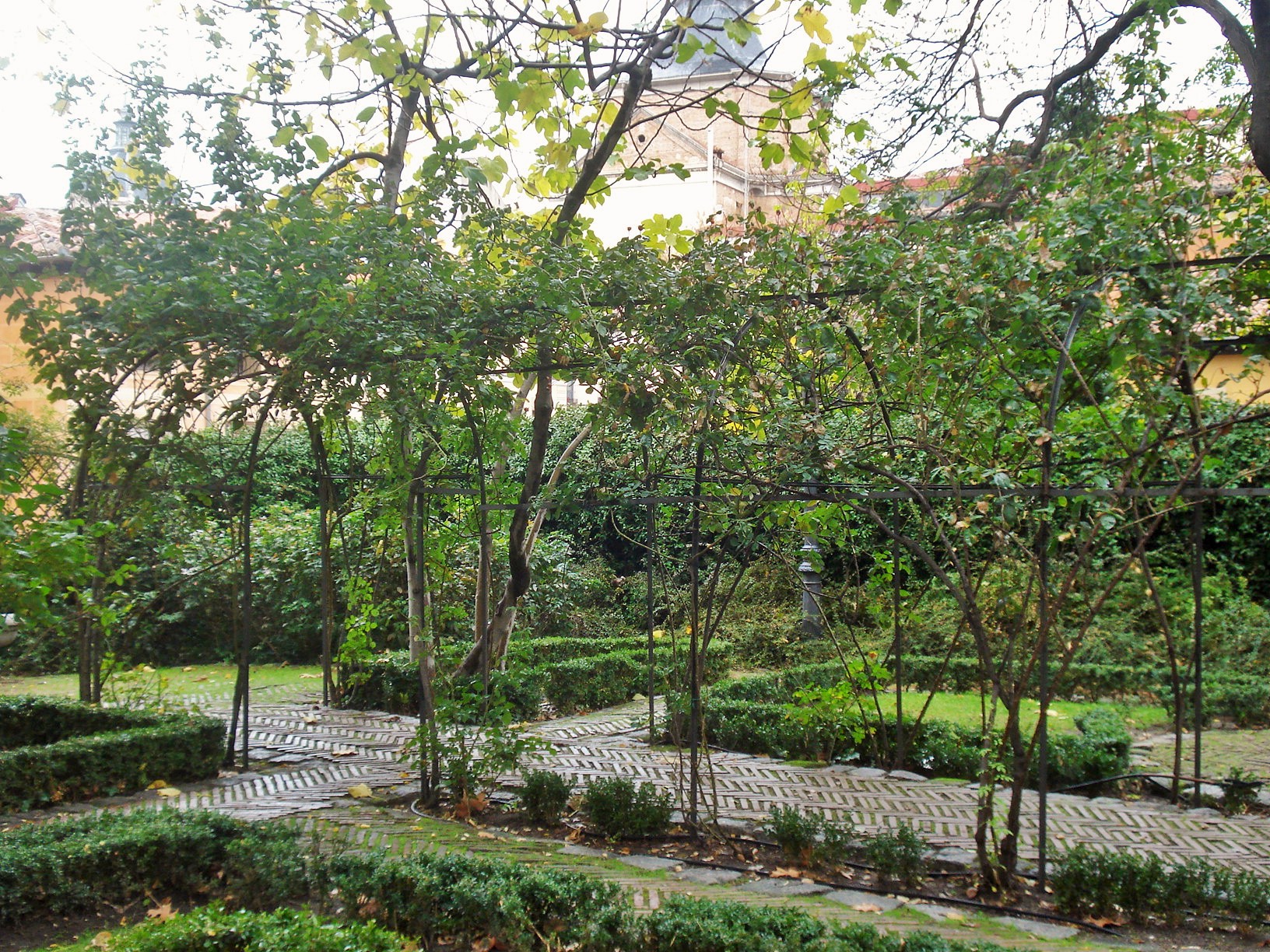
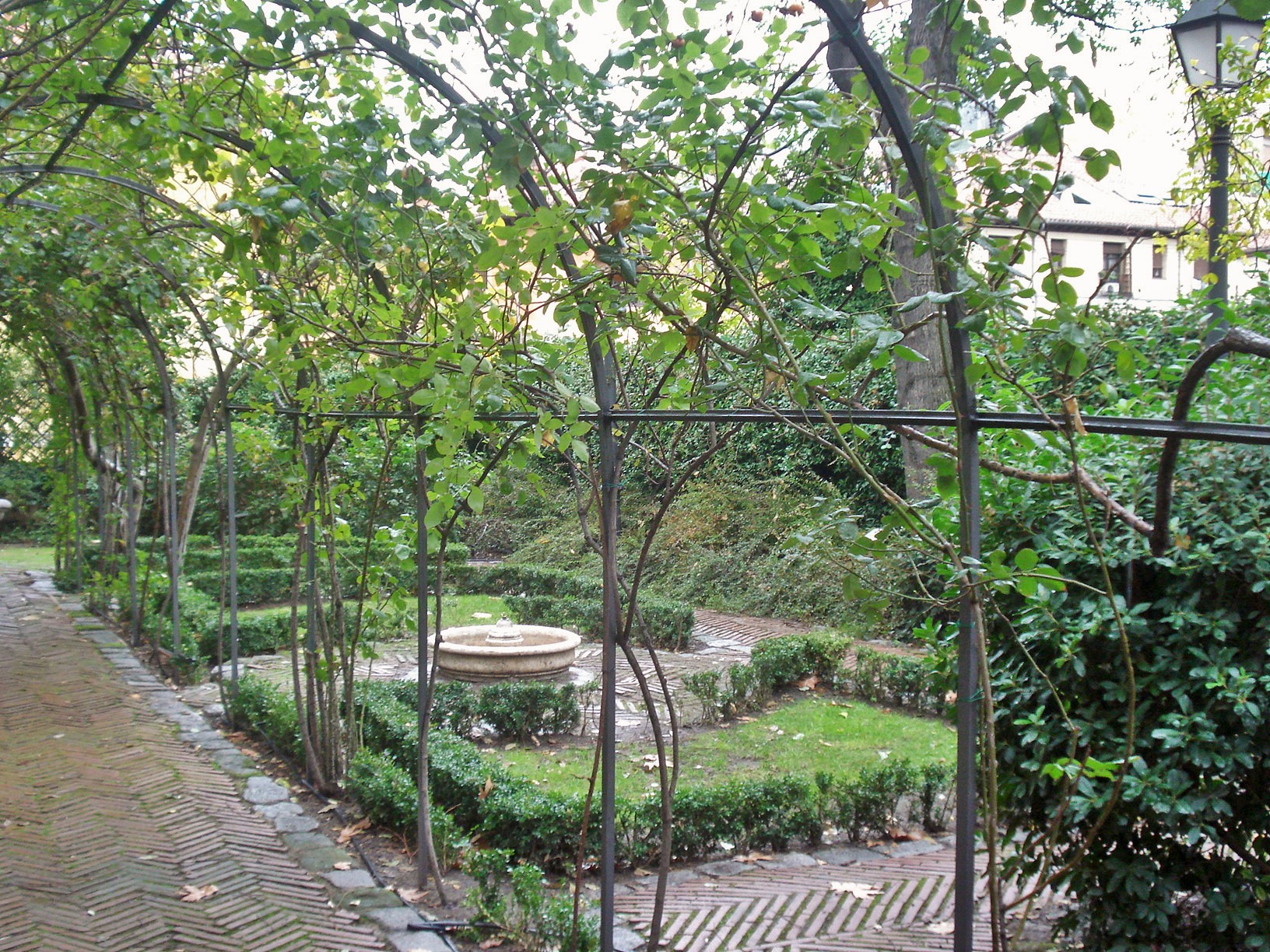
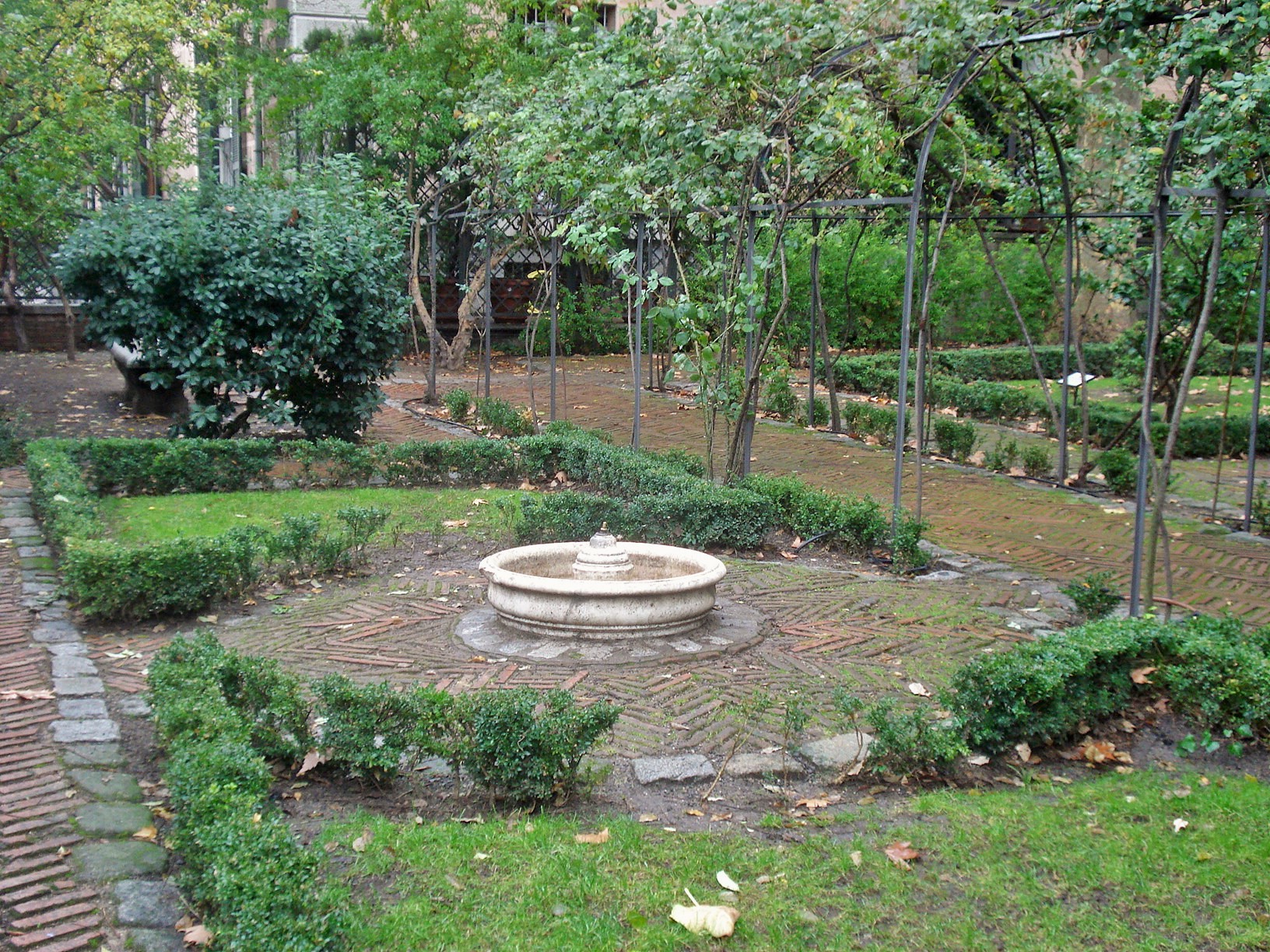
Jardín del Príncipe de Anglona is a beautiful green space, gracing Madrid’s Plaza de la Paja. It is one of the few examples of aristocratic gardens of the eighteenth century still preserved in the capital.

Its history is linked to the Palacio del Príncipe de Anglona, an edifice erected around 1530 as the residence of Francisco de Vargas- Jardín del Príncipe de Anglona was laid out in the eighteenth century, along one side of the mansion. It was designed in neo-classical style by Nicolás Chalmandrier.

The garden is named for Pedro de Alcántara Téllez-Girón y Alfonso-Pimentel, prince of Anglona and marquez of Jabalquinto, who lived in the mansion in the nineteenth century.”  (From stay.com)

I visited this garden in the fall, and I can only image what a wonderful green oasis it must be in the heart of Madrid when the arbor and roses are in full bloom.


DSC08755 DSC08739 DSC08740 DSC08741 DSC08742 DSC08743 DSC08744 DSC08745 DSC08746 DSC08747 DSC08748 DSC08749 DSC08750 DSC08751 DSC08753 DSC08754

More Planter & Container Ideas From Brittany Villages

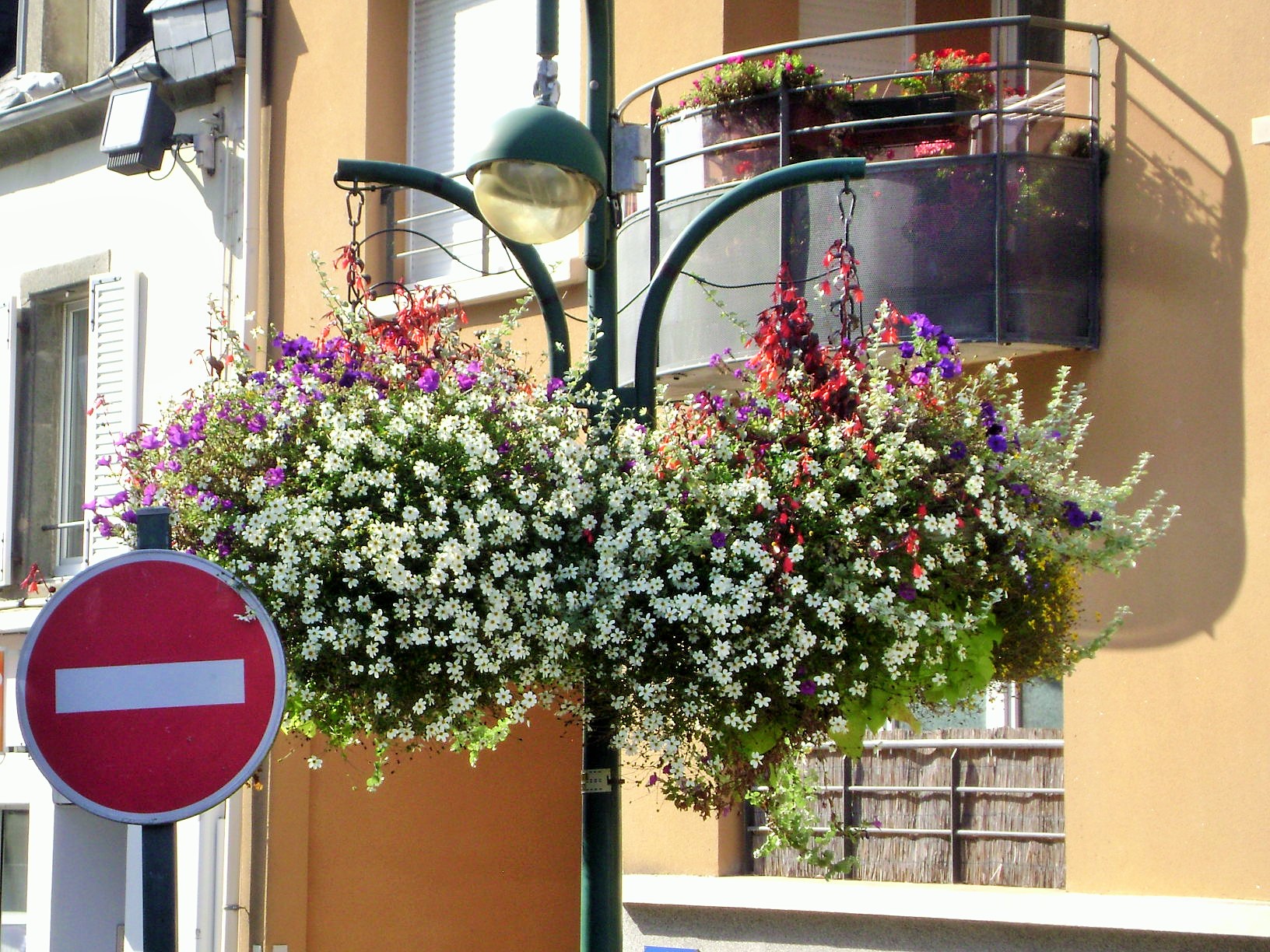
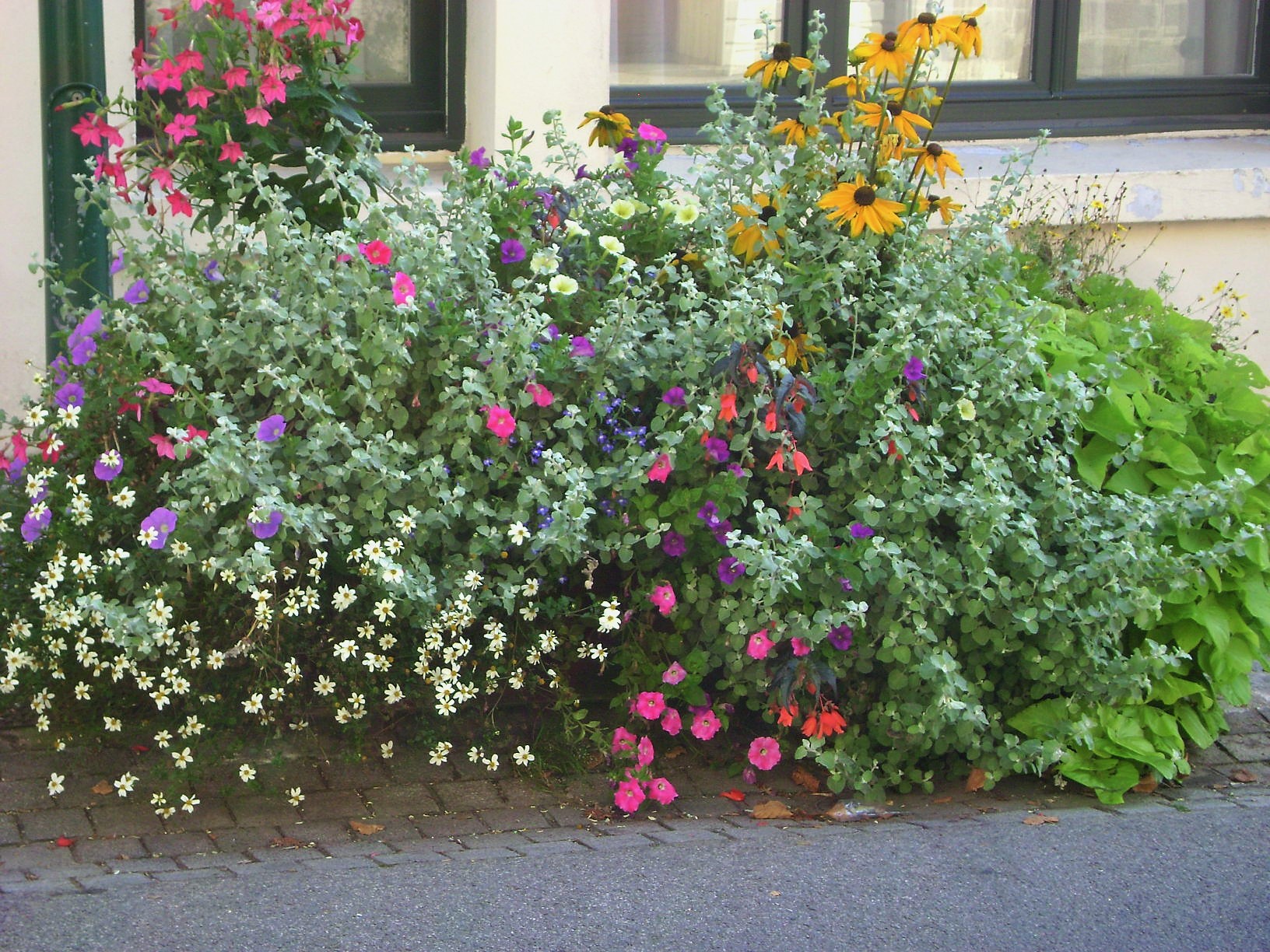
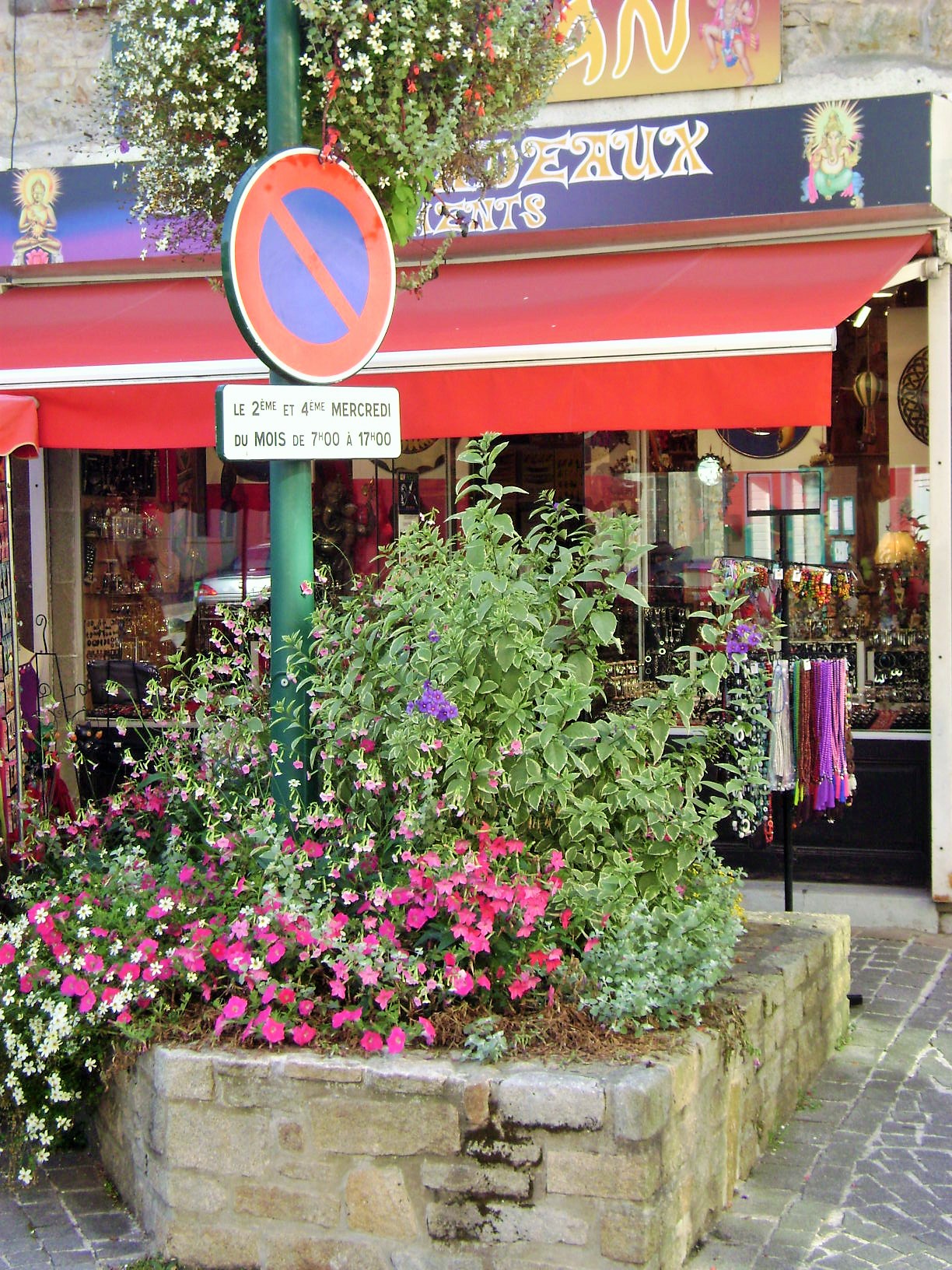
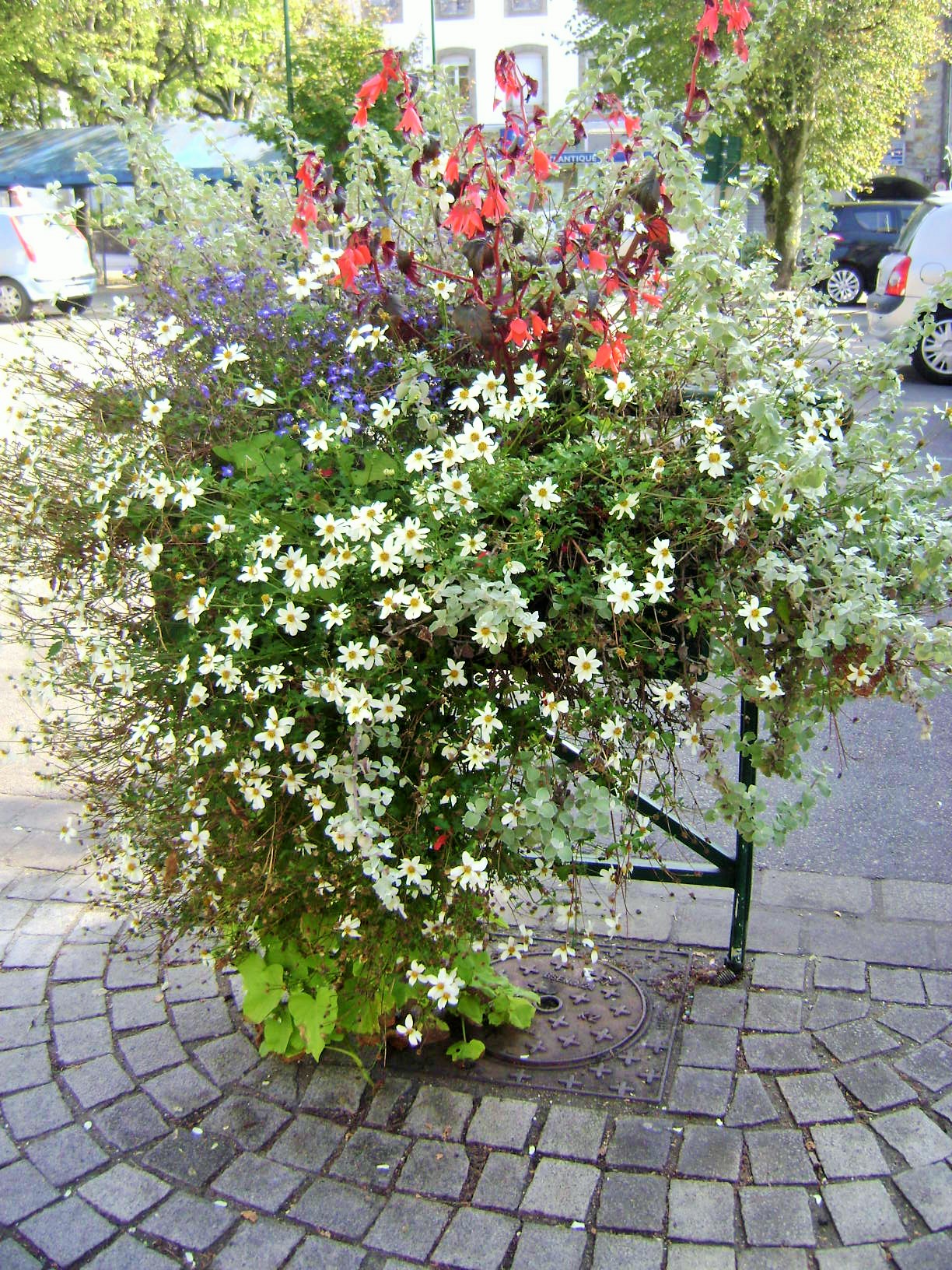
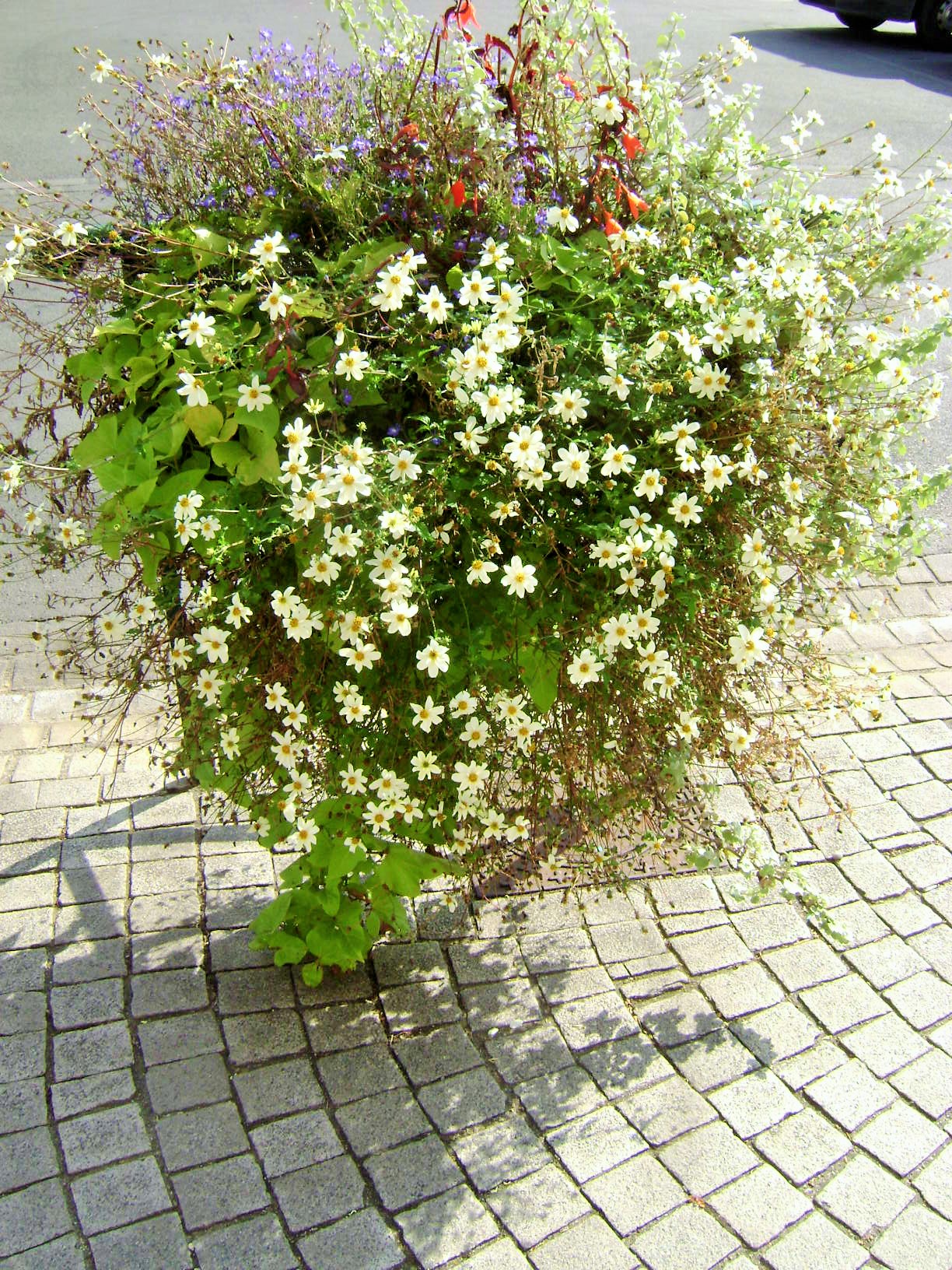
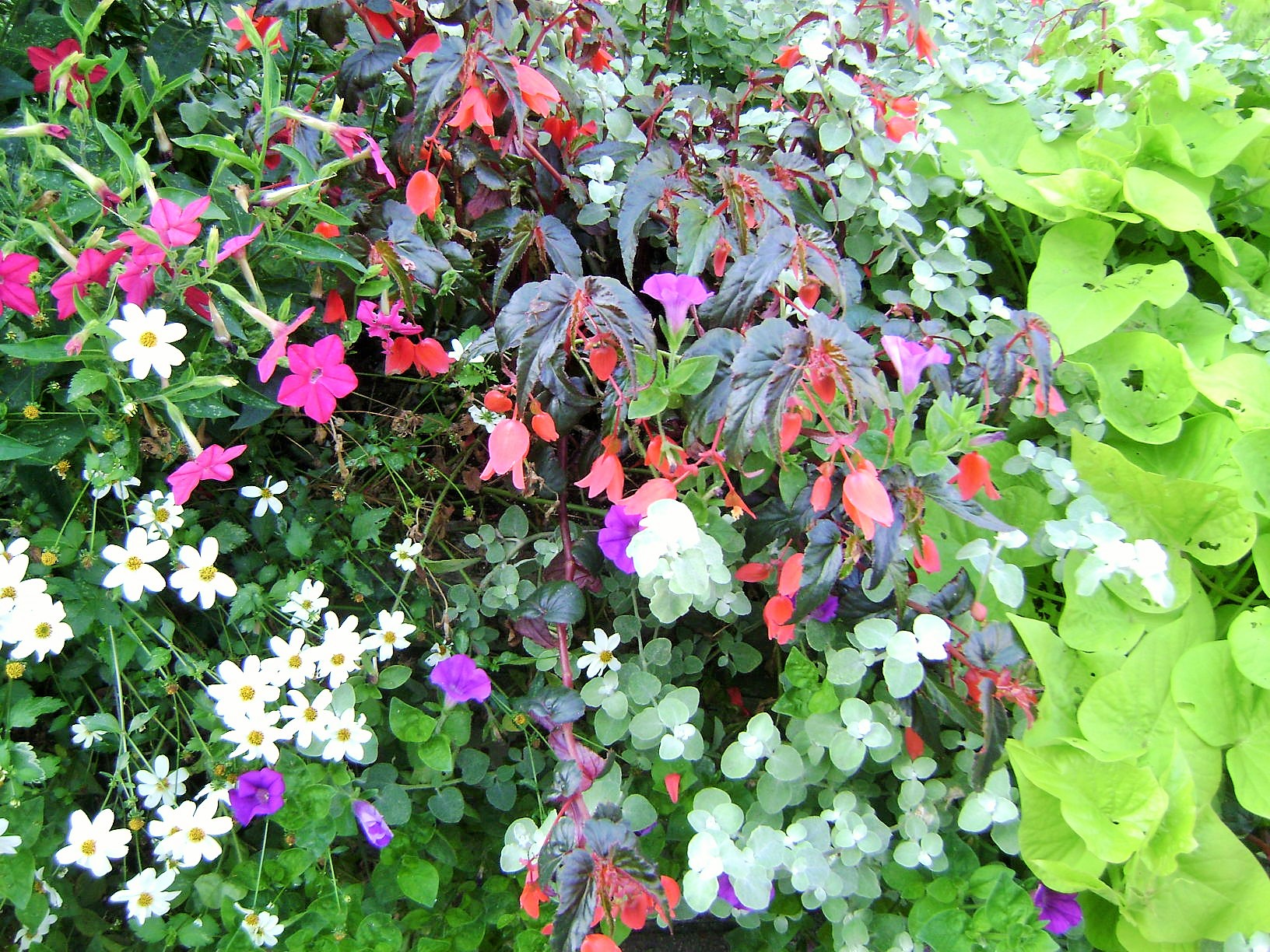
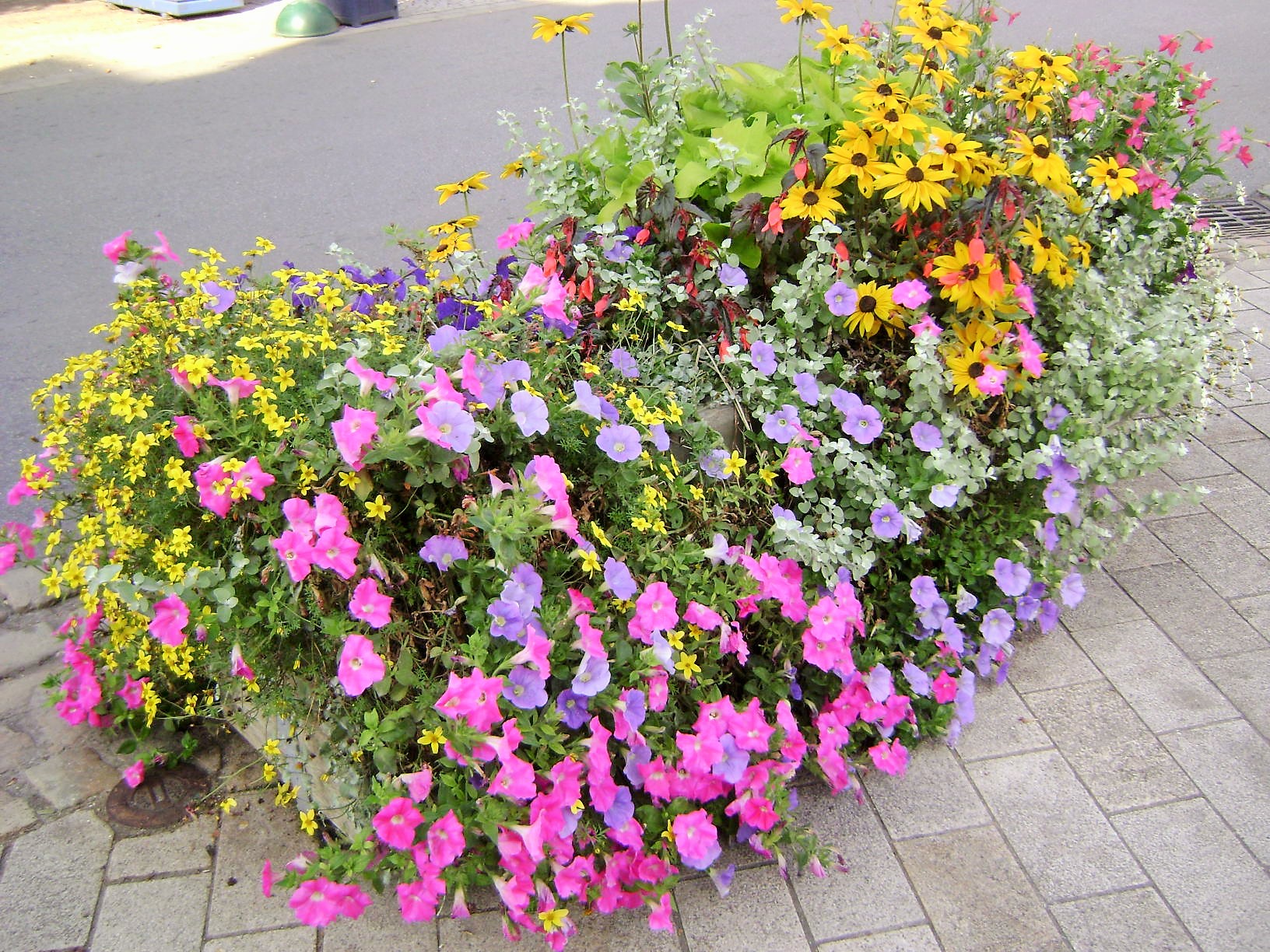
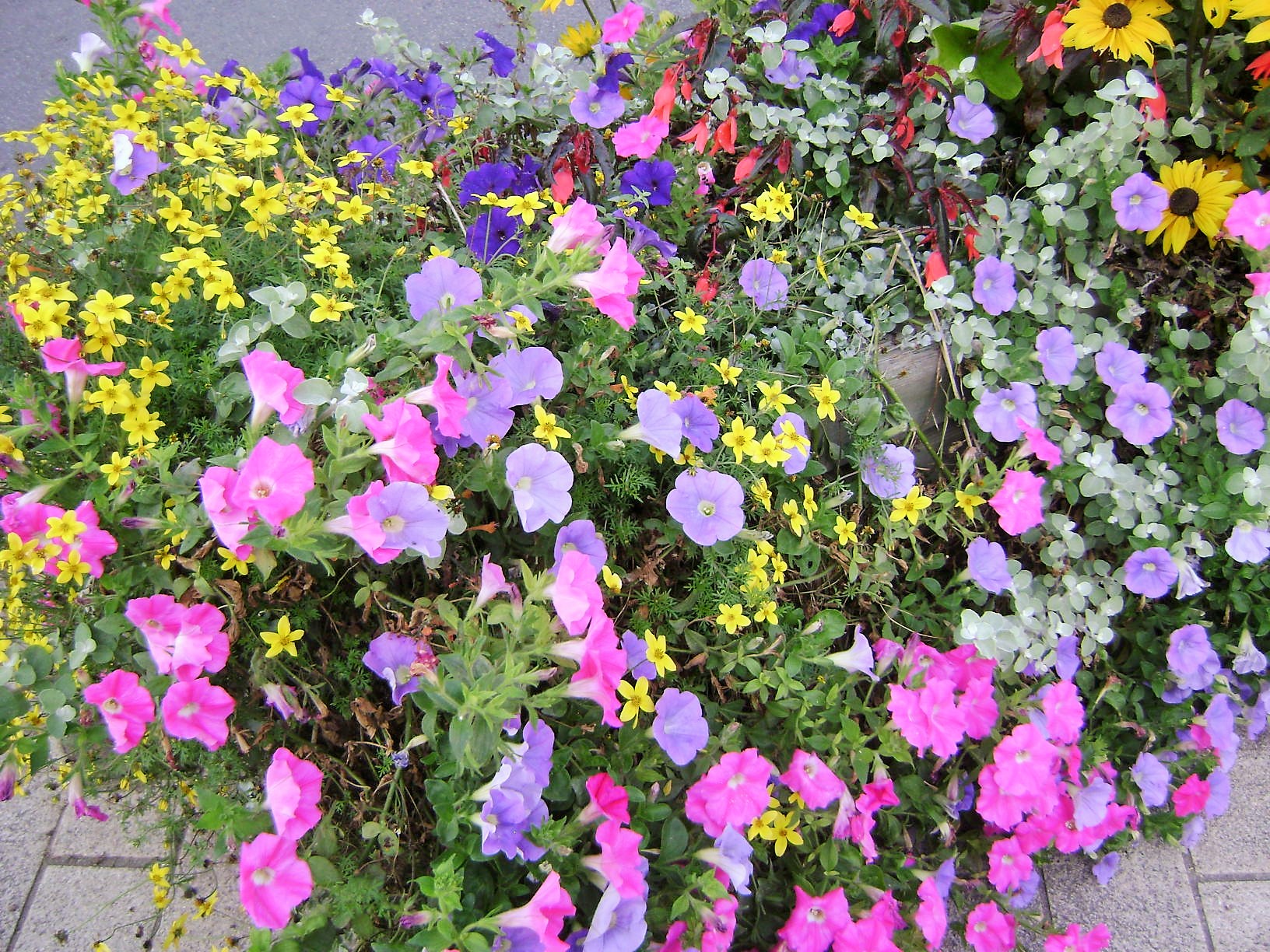
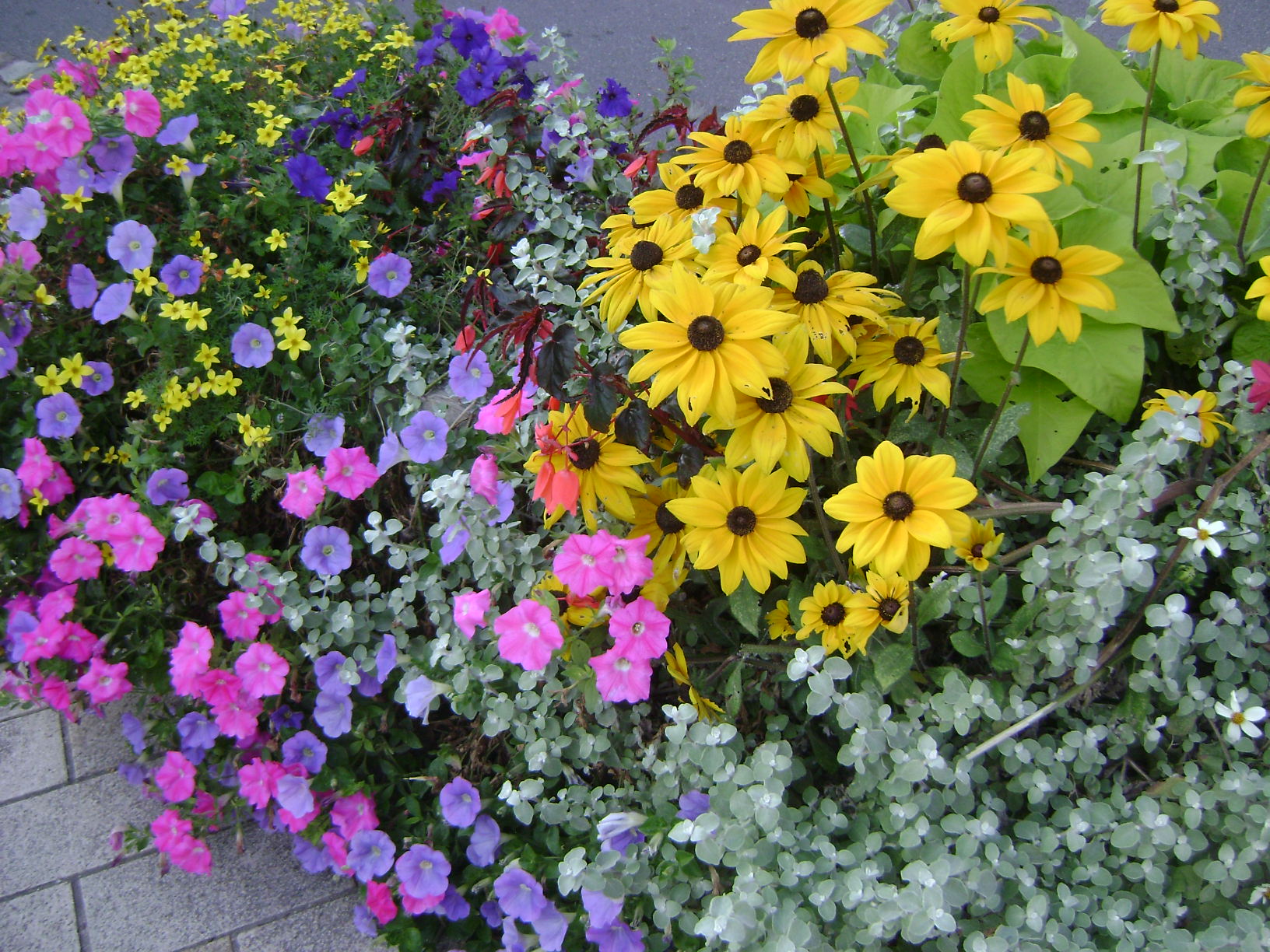
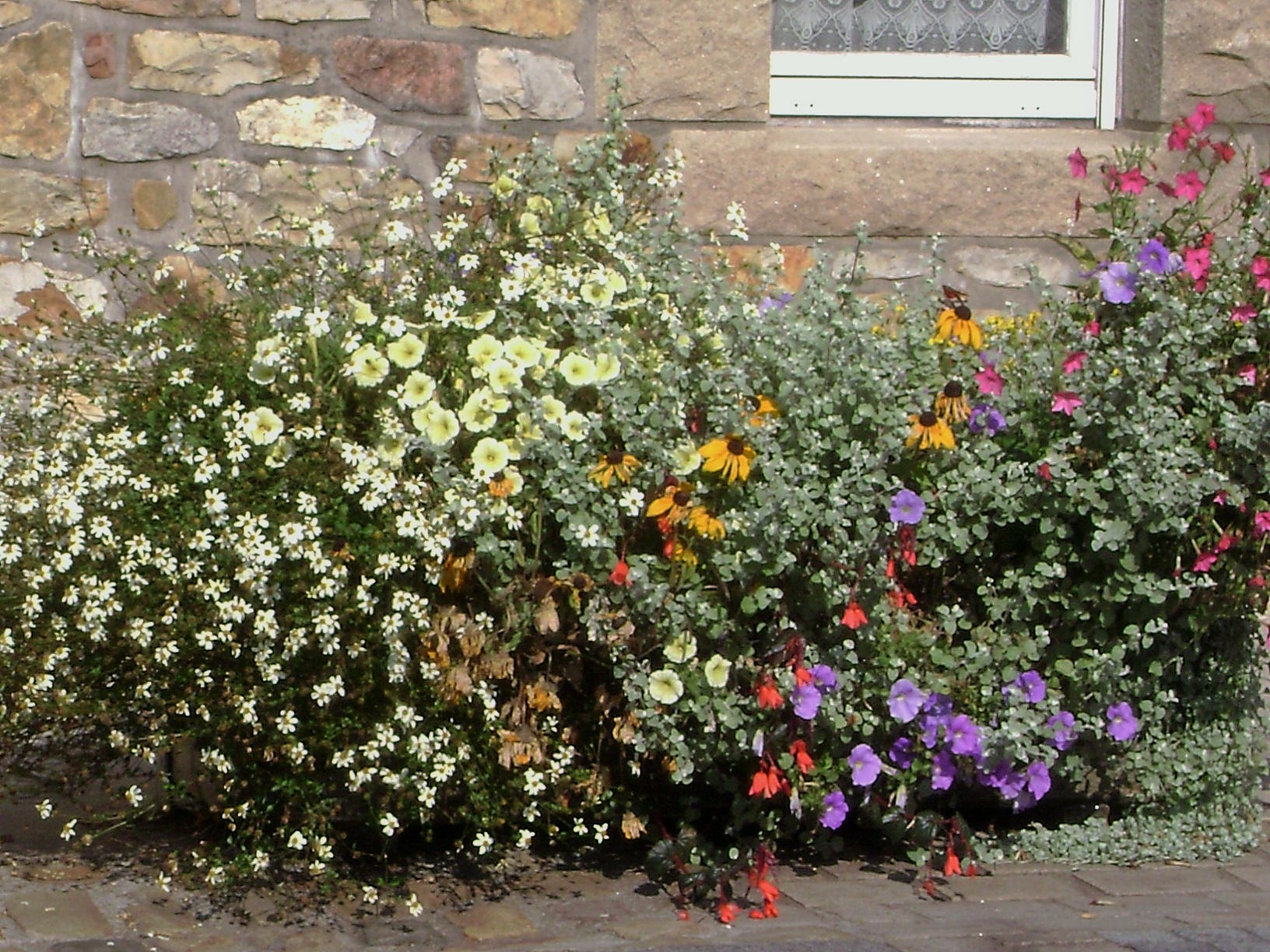
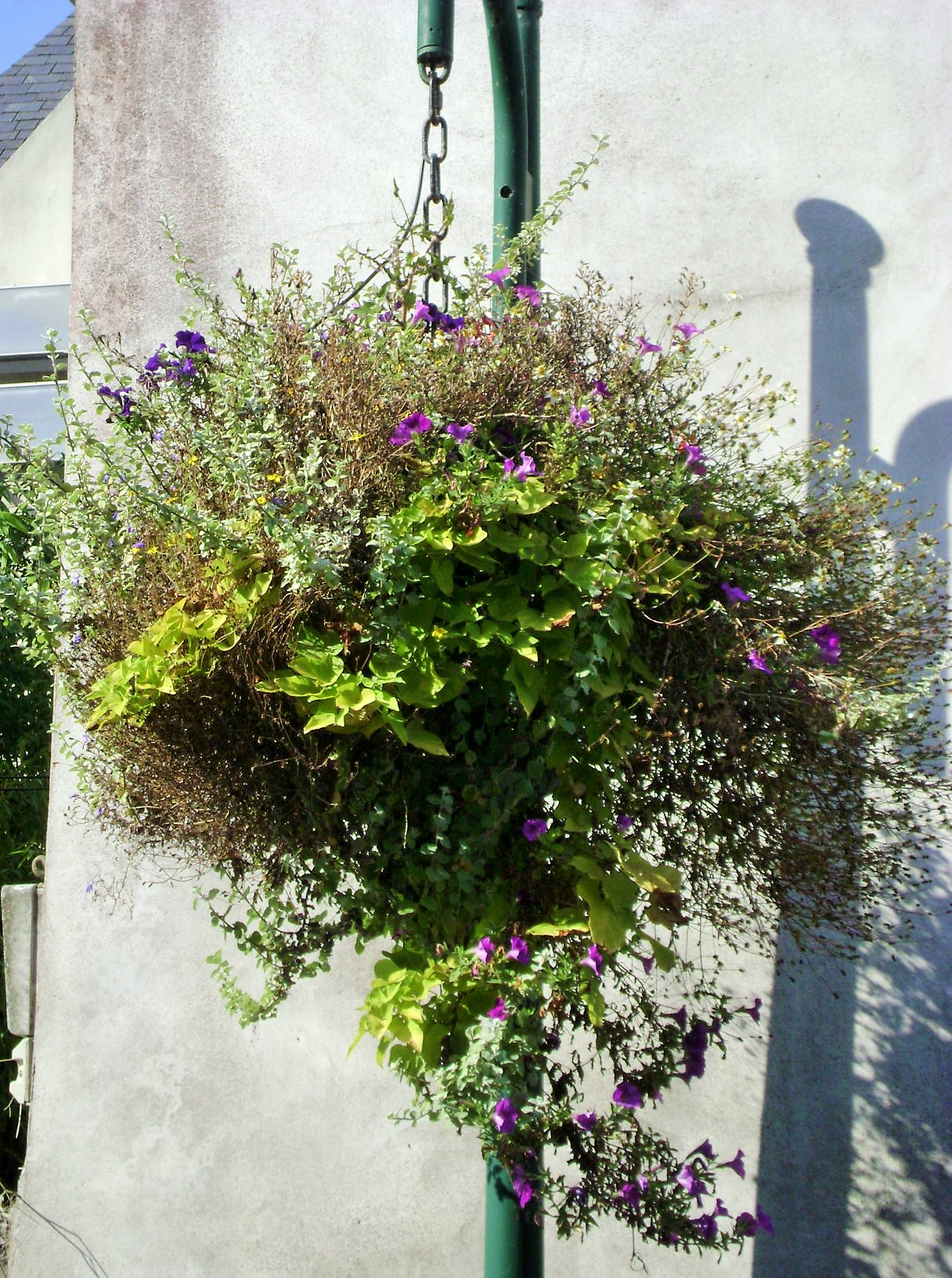
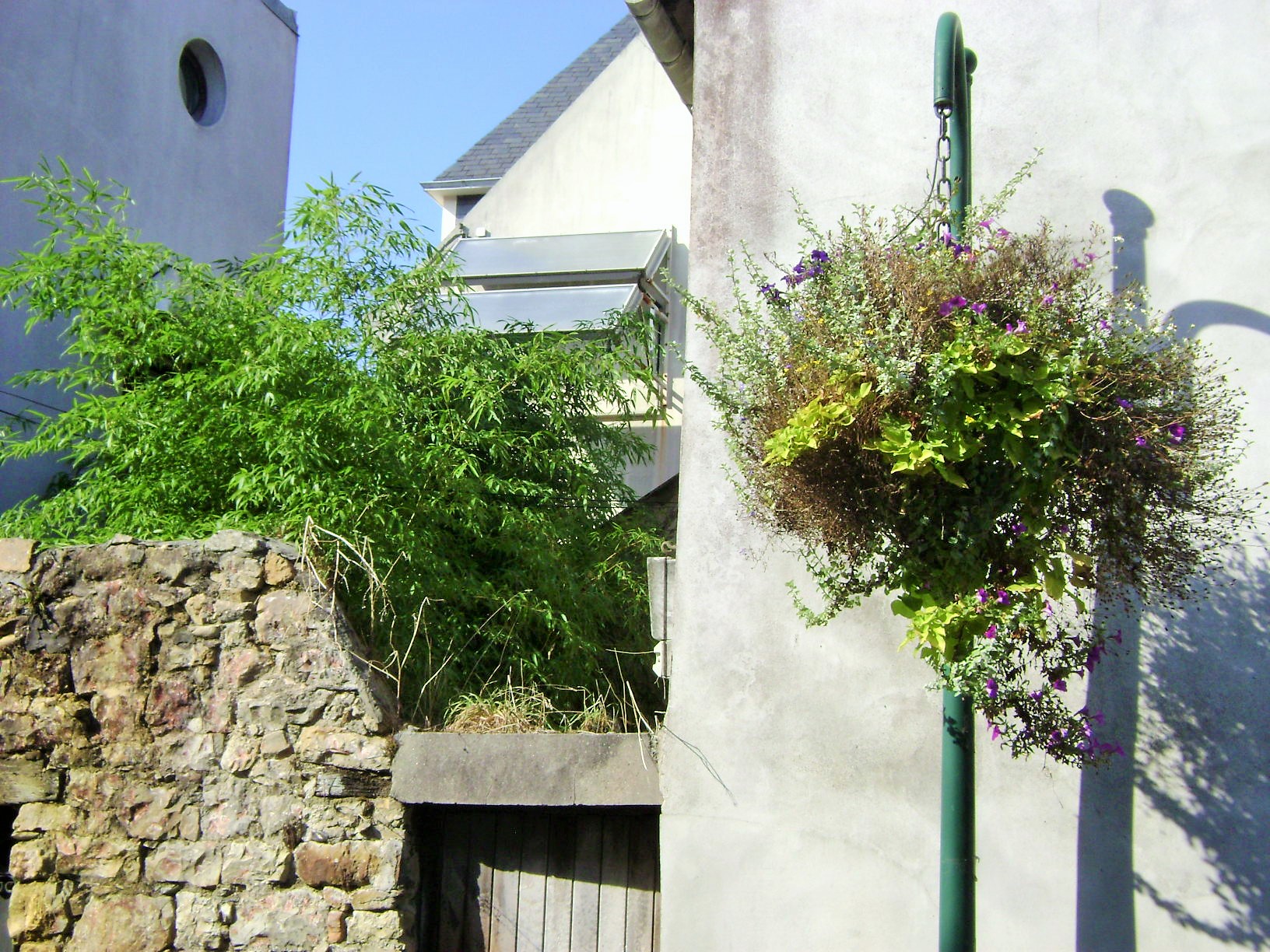
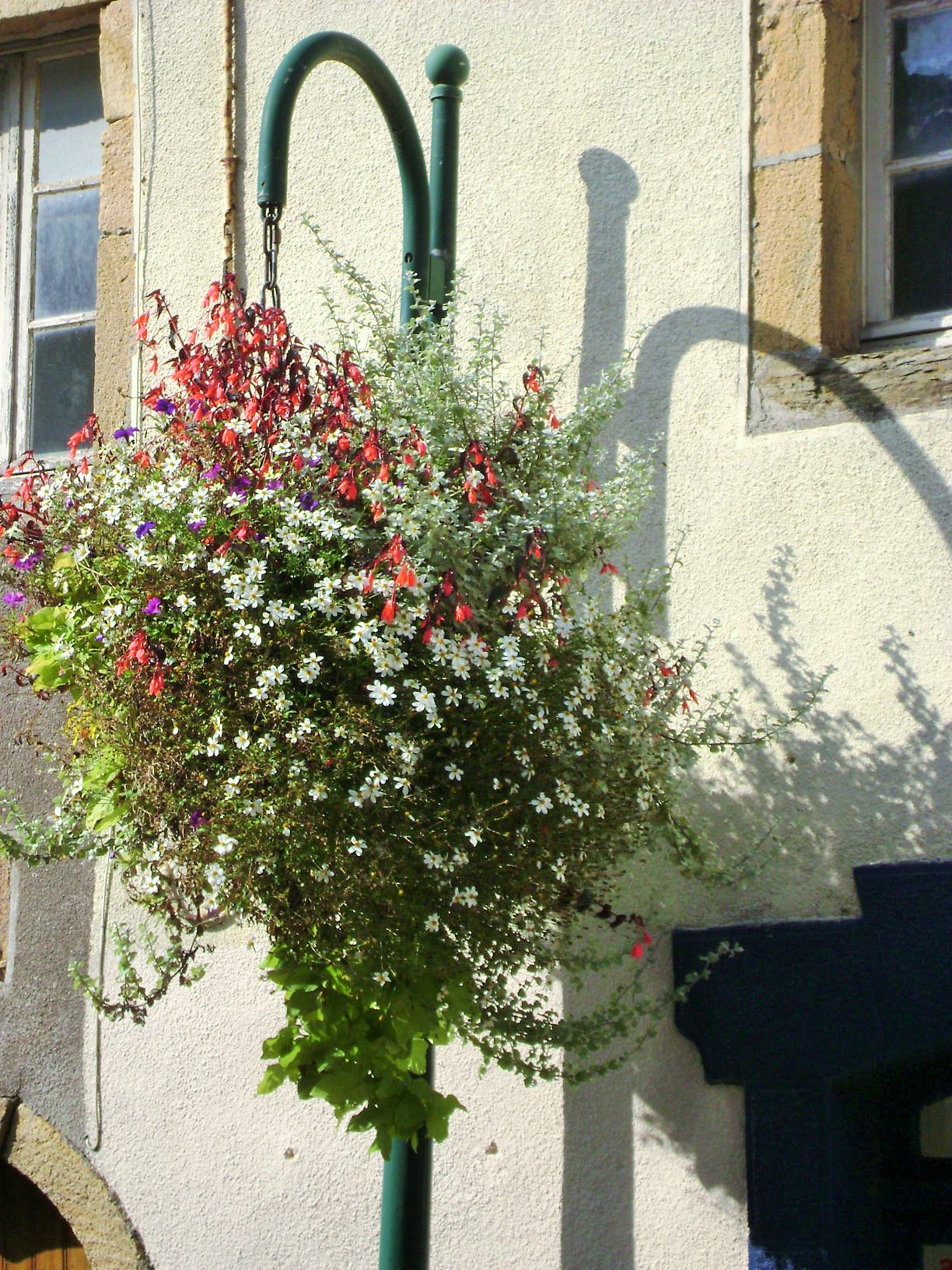
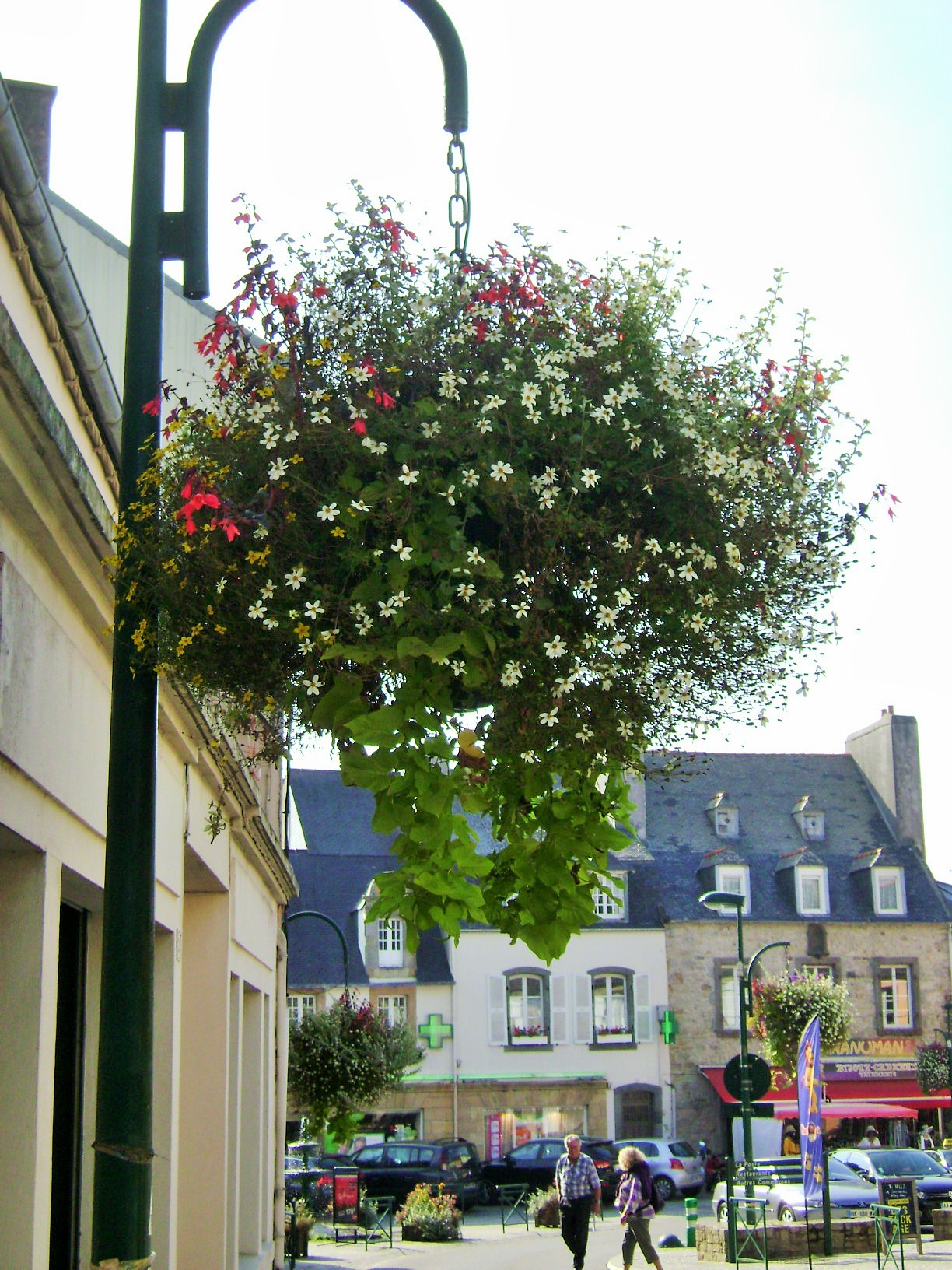
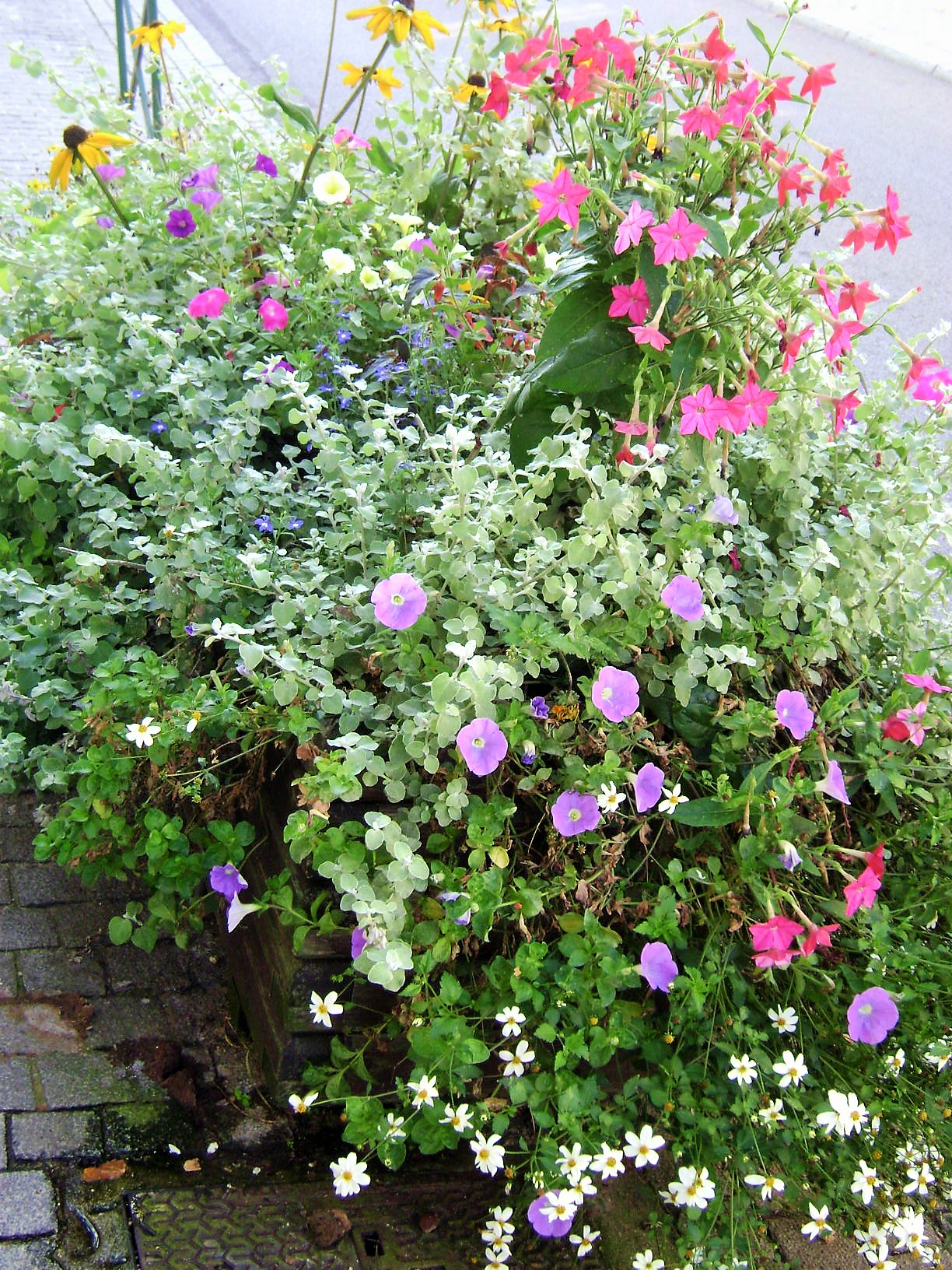
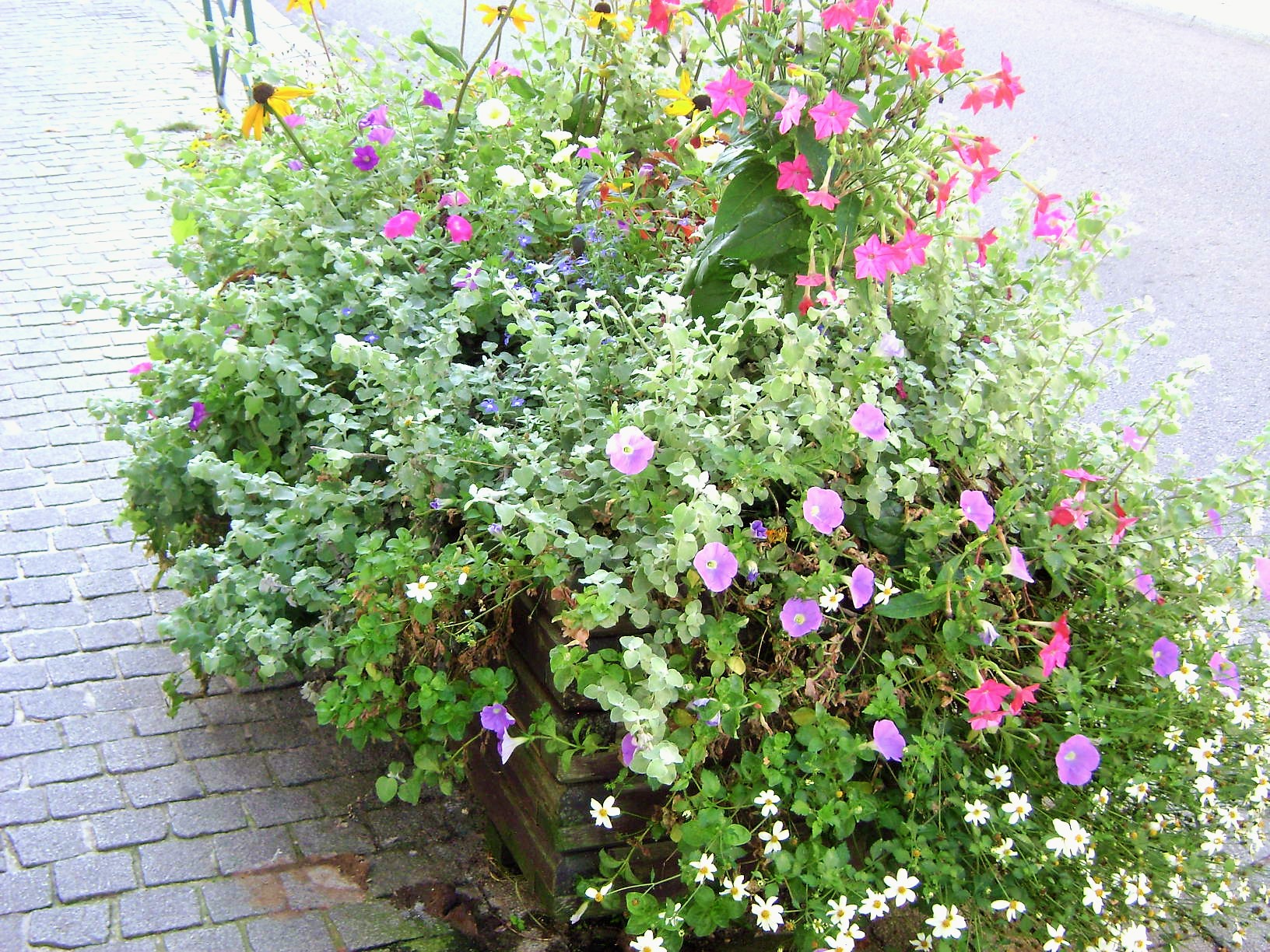
This is my second post featuring some of the fantastic container arrangements, planters and hanging baskets that villages in Brittany put together from spring until late fall.

DSC01212 DSC01214 DSC01215 DSC01216 DSC01141 DSC01173 DSC01174 DSC01175 DSC01178 DSC01180 DSC01181 DSC01182 DSC01183 DSC01184 DSC01186 DSC01188 DSC01189 DSC01190 DSC01192 DSC01193 DSC01194 DSC01196 DSC01197 DSC01199 DSC01200 DSC01201 DSC01202


Castle of Trevarez in France: The Art of Jacques Henri Lartigue in the Gardens

The castle of Trevarez near Chateauneuf du Faou in northern Brittany, France, is one of the last great castles built in France. Construction began in 1892 for a French politician and brought together all the faste and excess of the Belle Epoque, frescoes, carvings, marble, mosaics, ornate panels and fireplaces.

It is often referred to as the pink or red castle, because of the pink color it gets from the bricks used.  It was unfortunately bombed in the 1940s, and has not been occupied since, but it is being renovated by the government who purchased it in the 70s.

The gardens were neglected as well for many years and have been slowly brought back to their original glory, one area at a time. The grounds are extensive, with stables, a large wash house, theme gardens, formal gardens and much more.

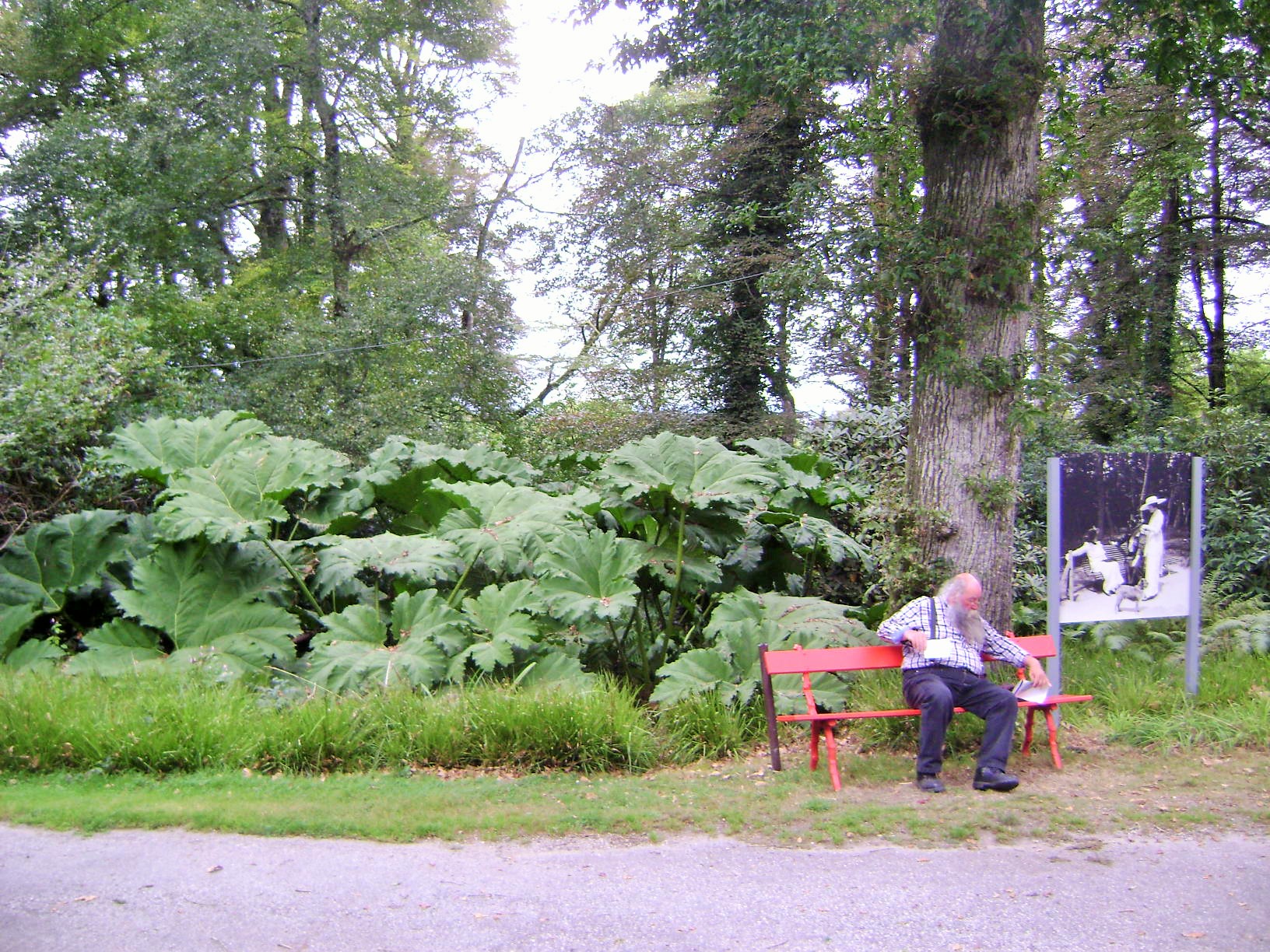
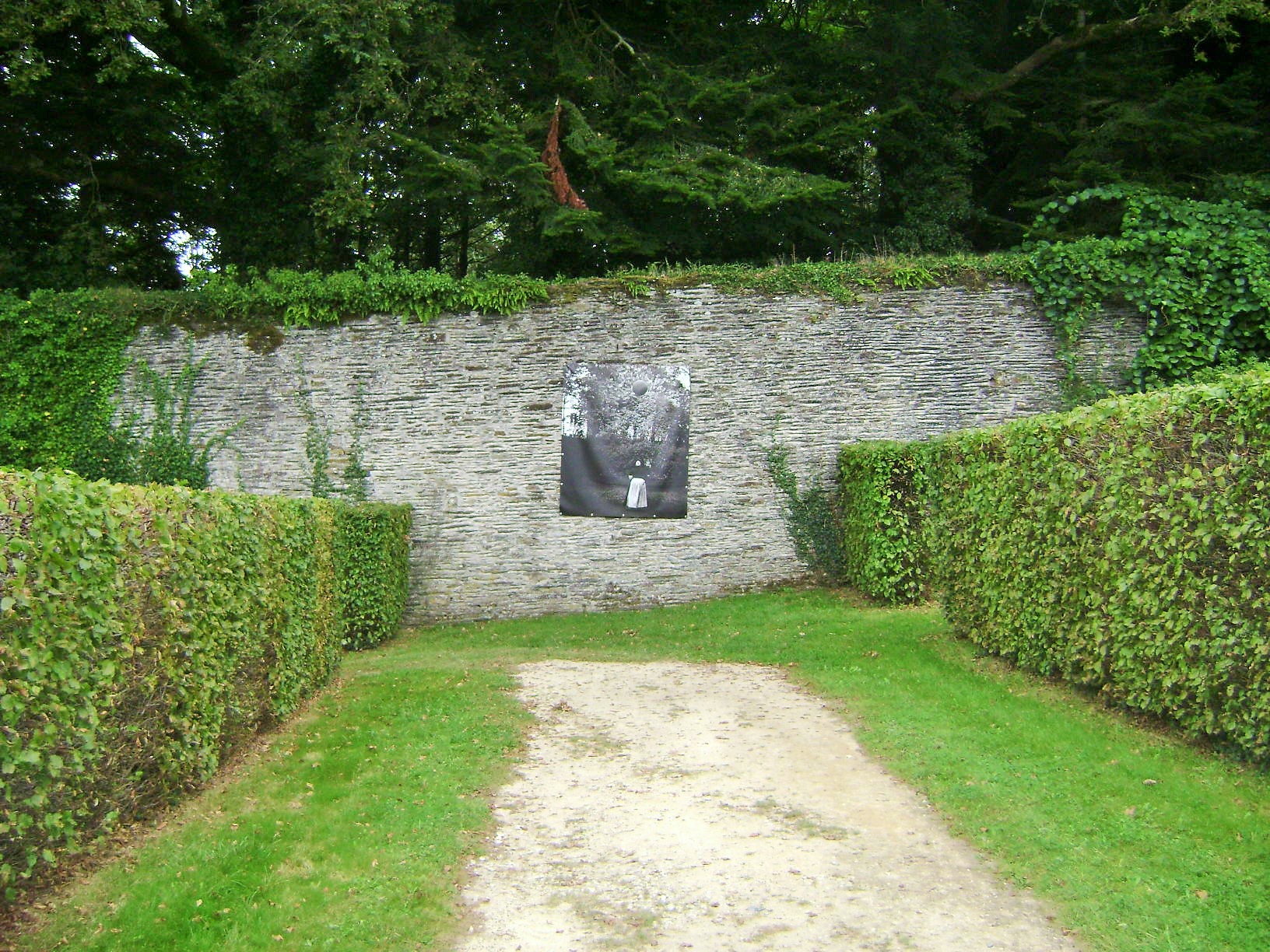
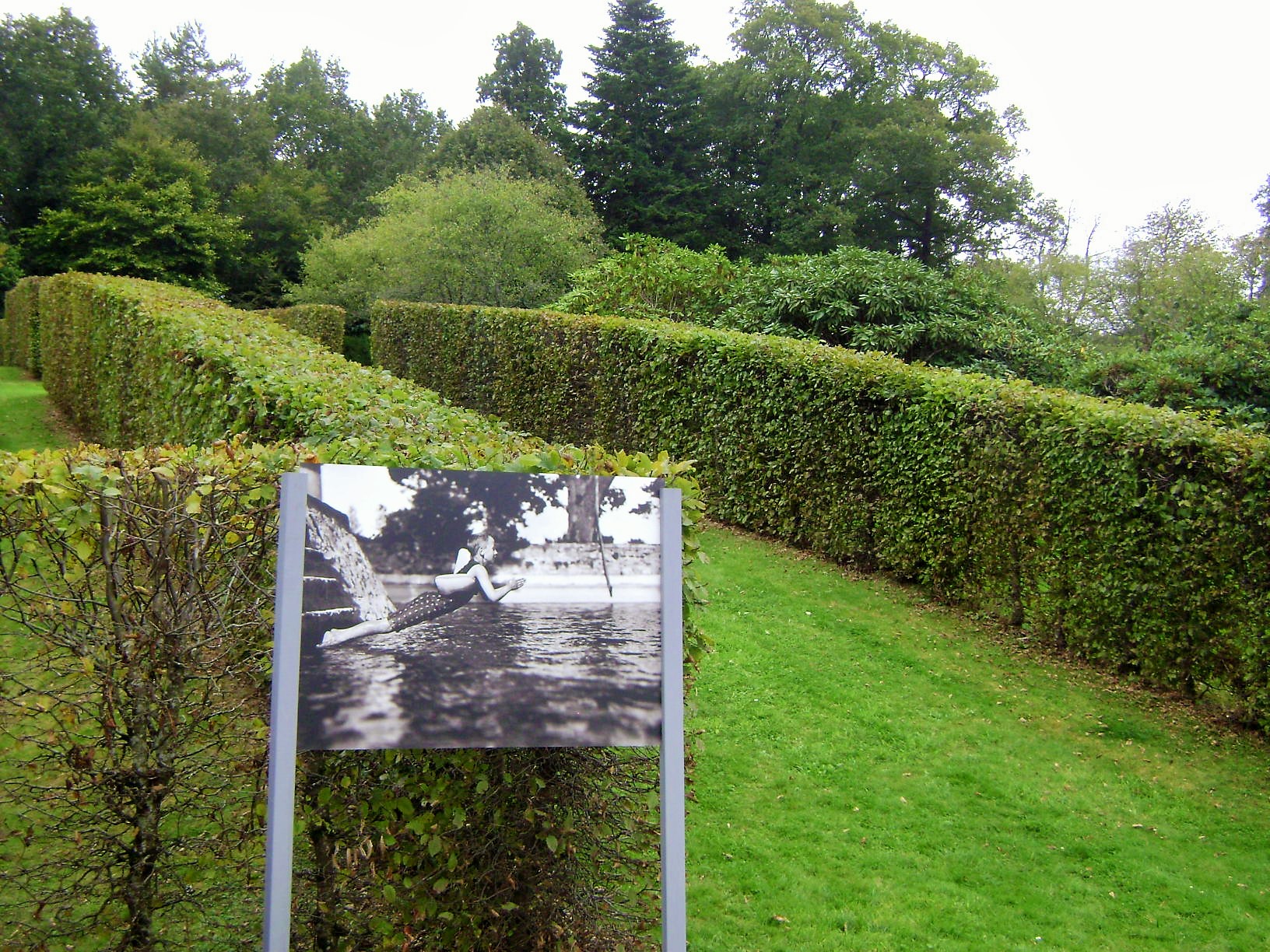
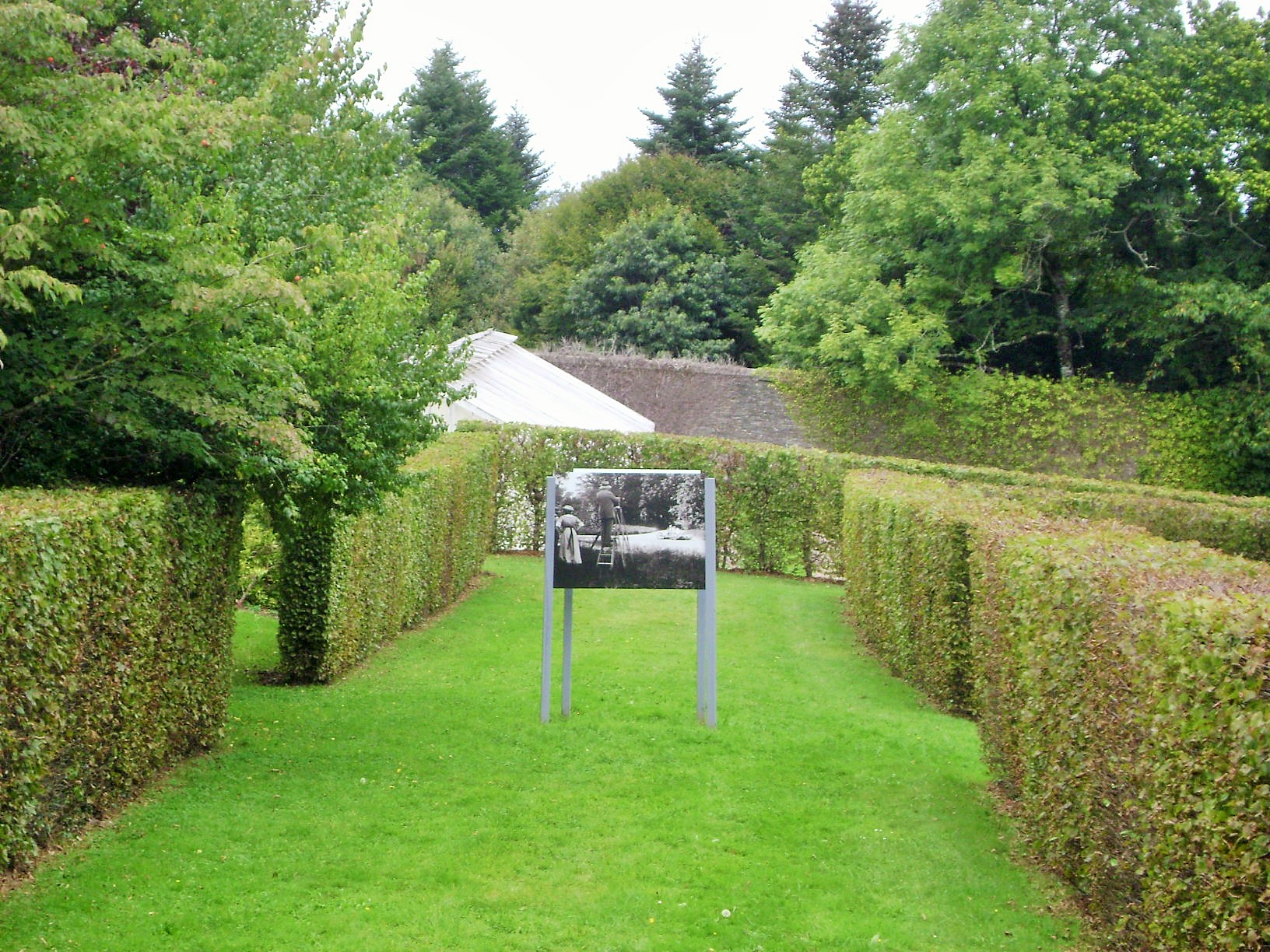
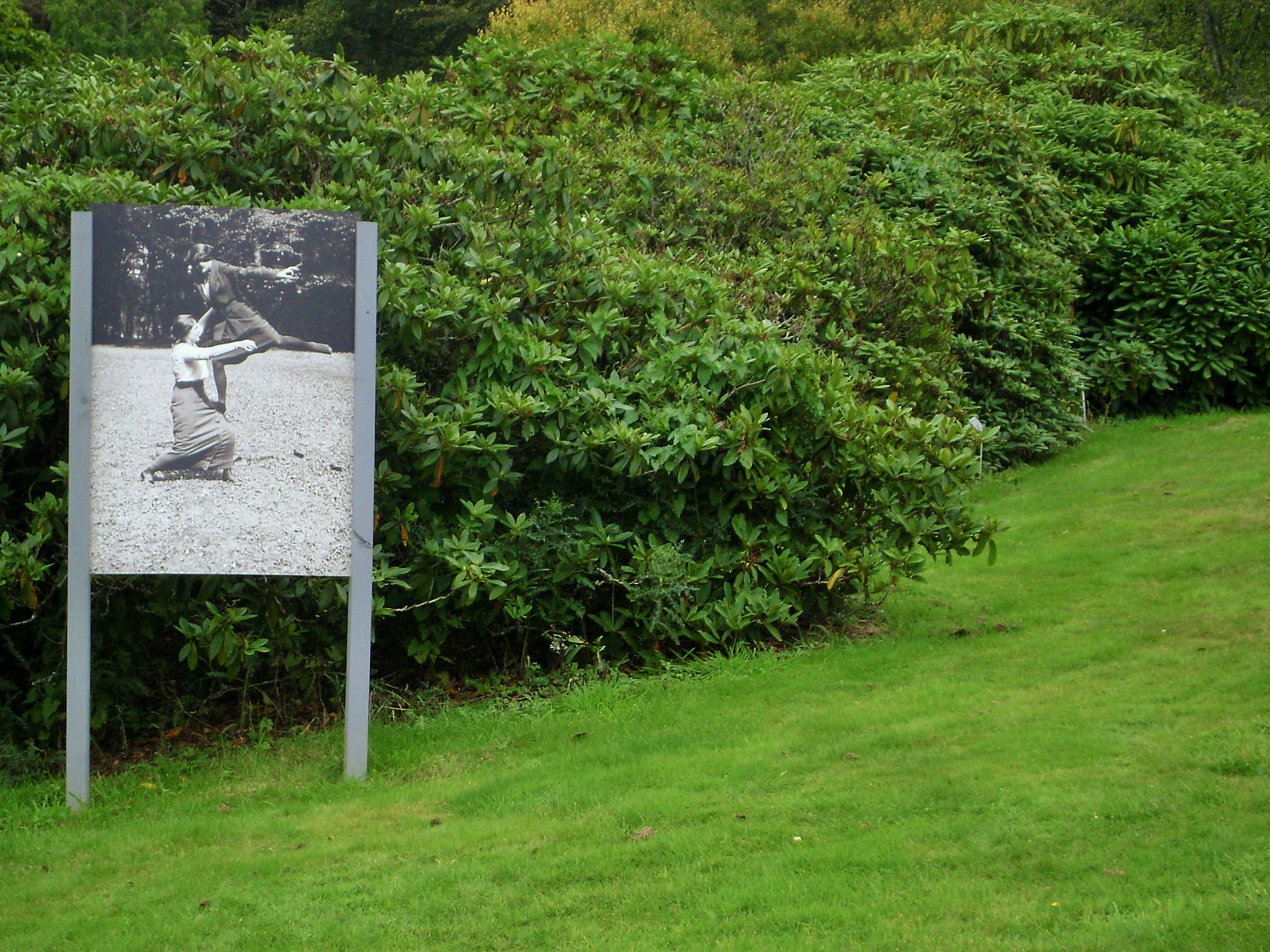
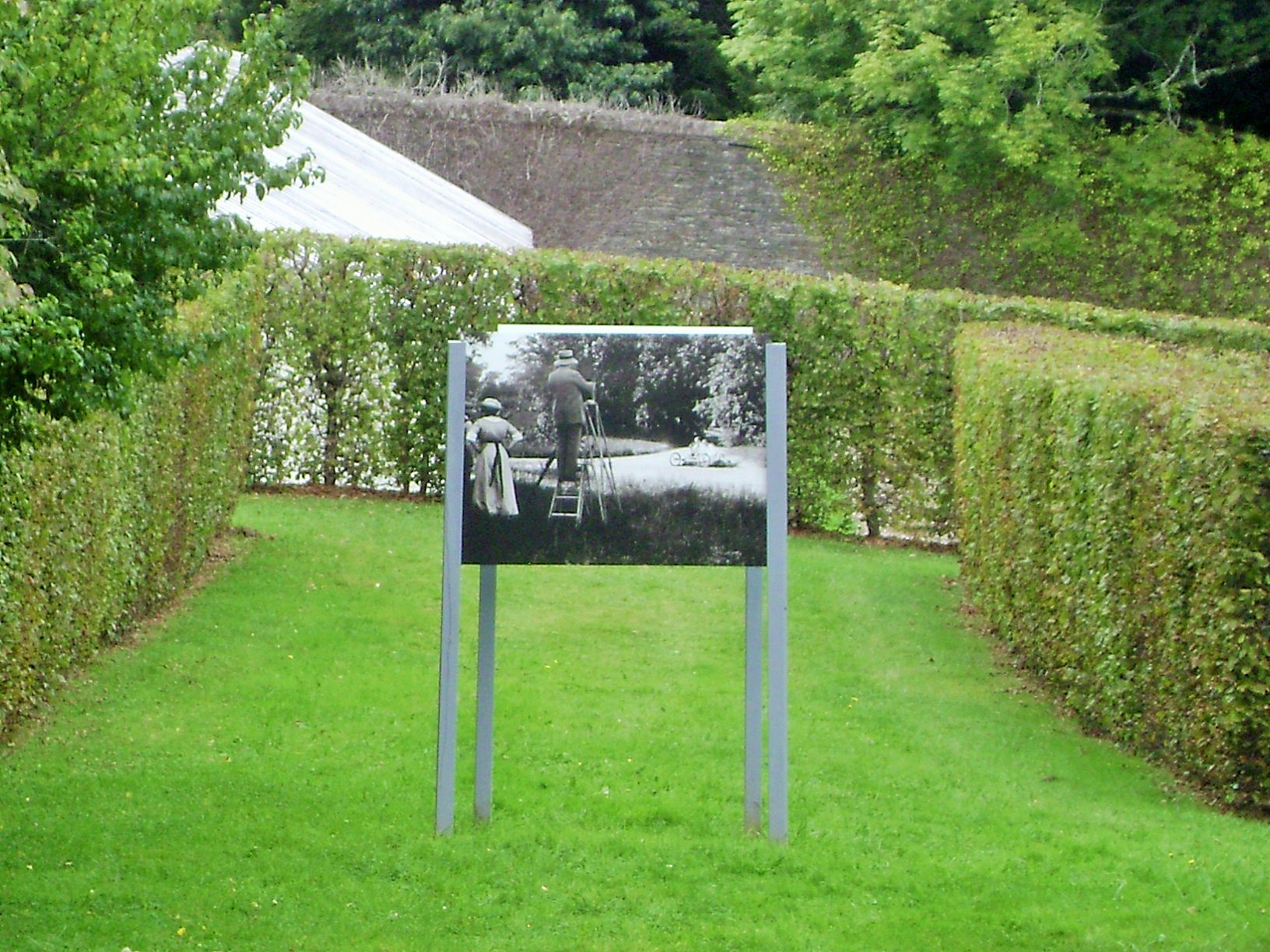
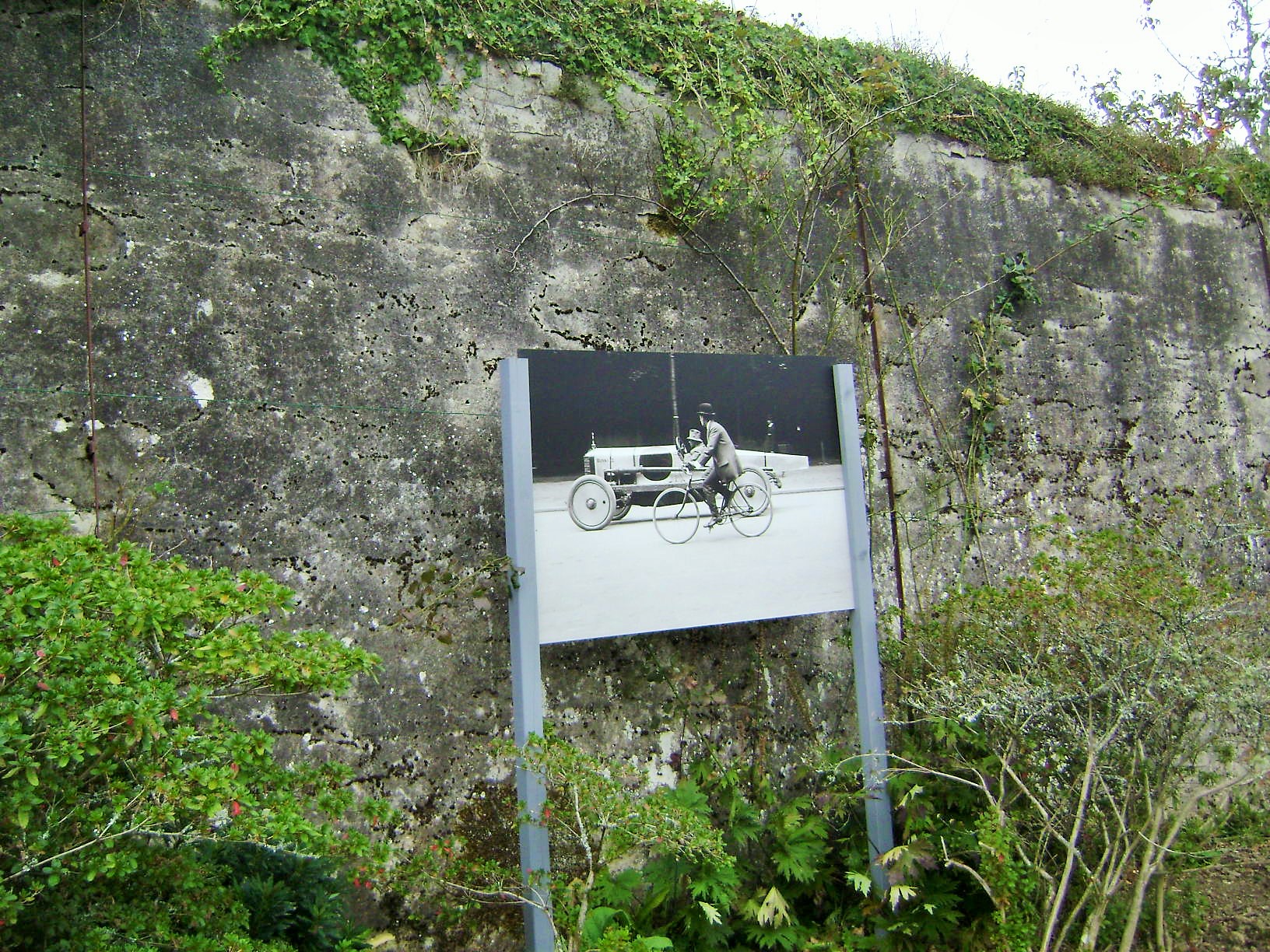
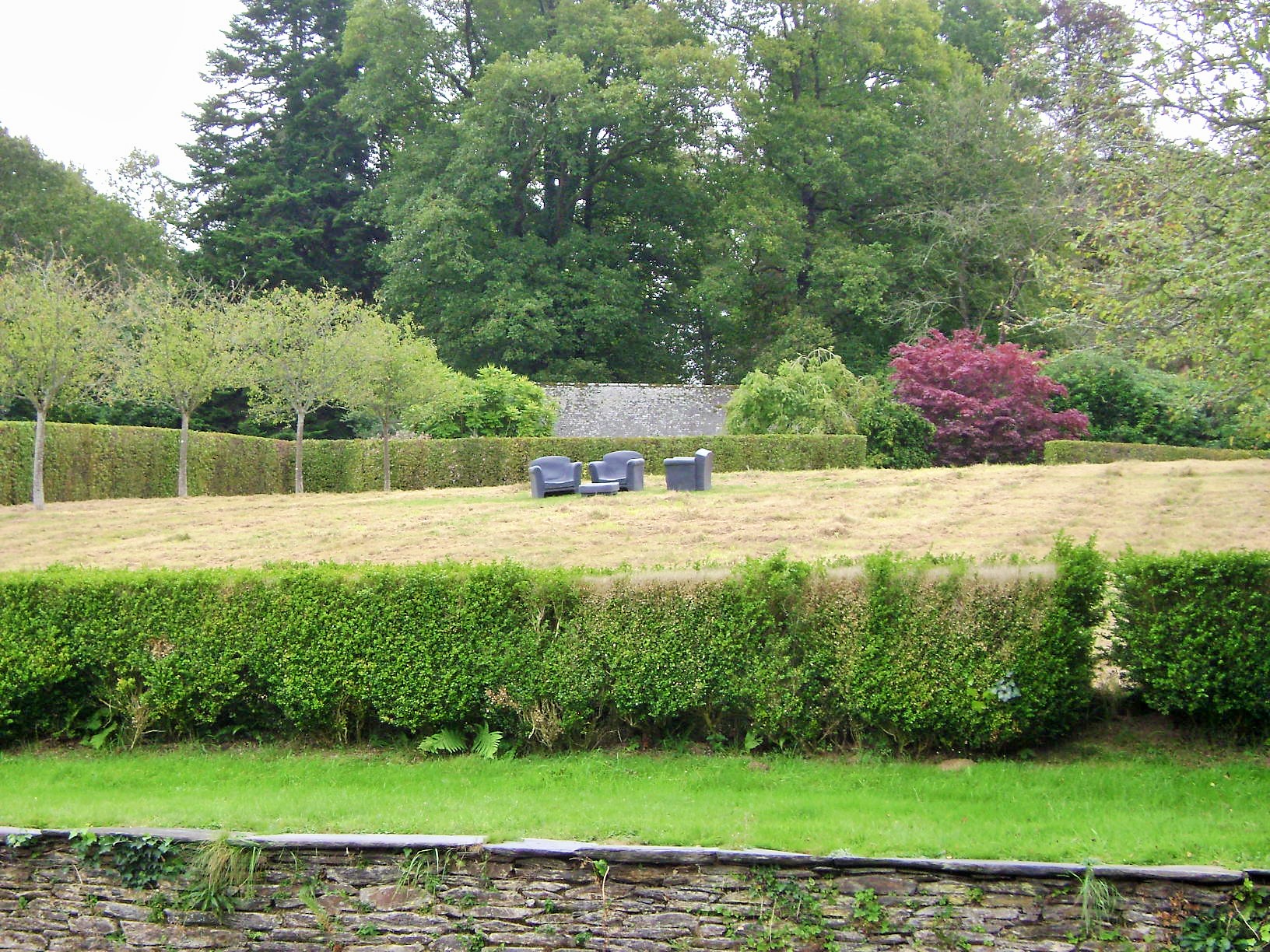
In this post, I am featuring the ART IN THEGARDENS, here the photographs of Jacques Henri Lartigue, renowned French photographer and chronicler of the lives of the wealthy in the heyday of Trevarez, in the teens and twenties until the war.

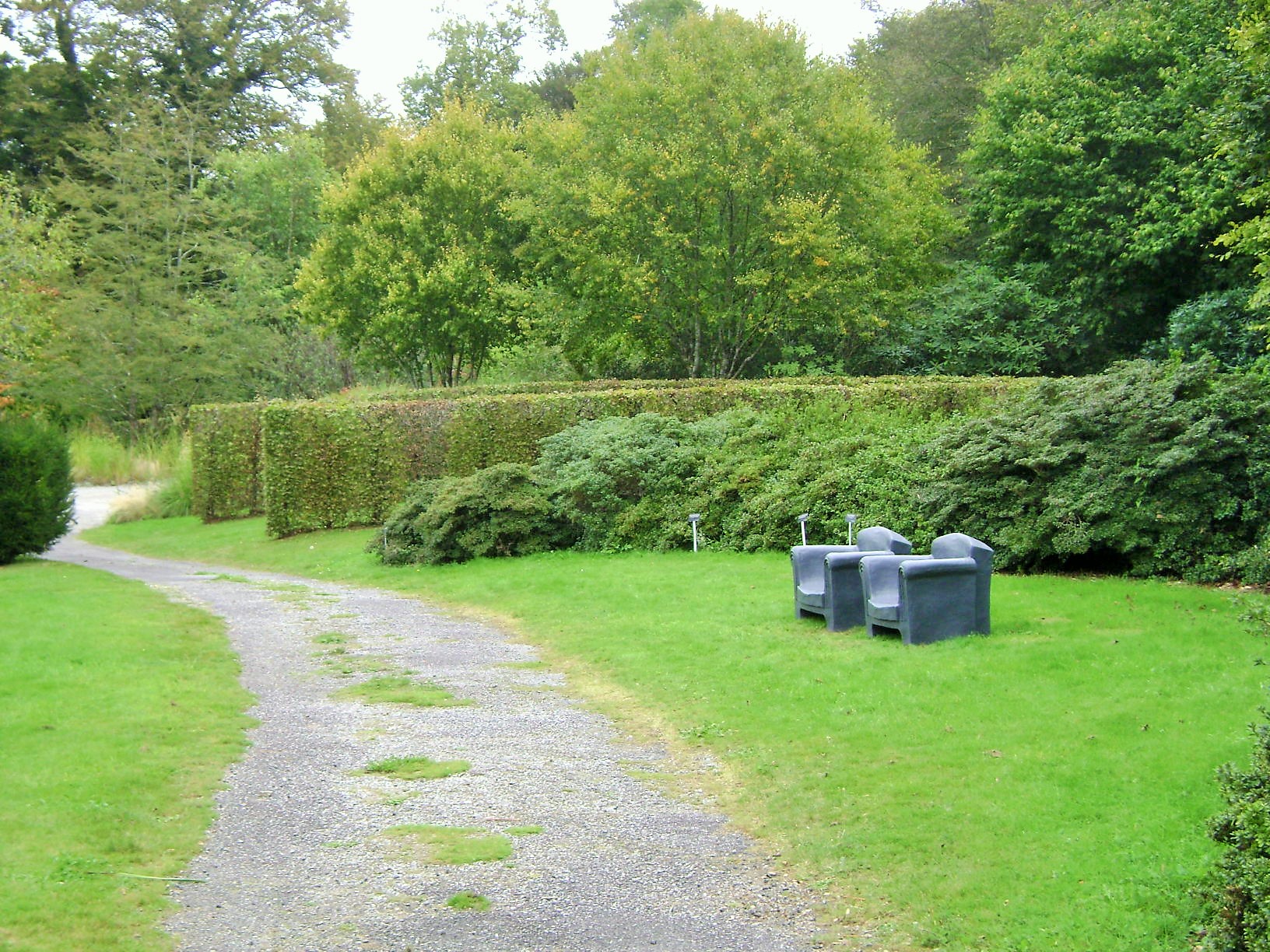
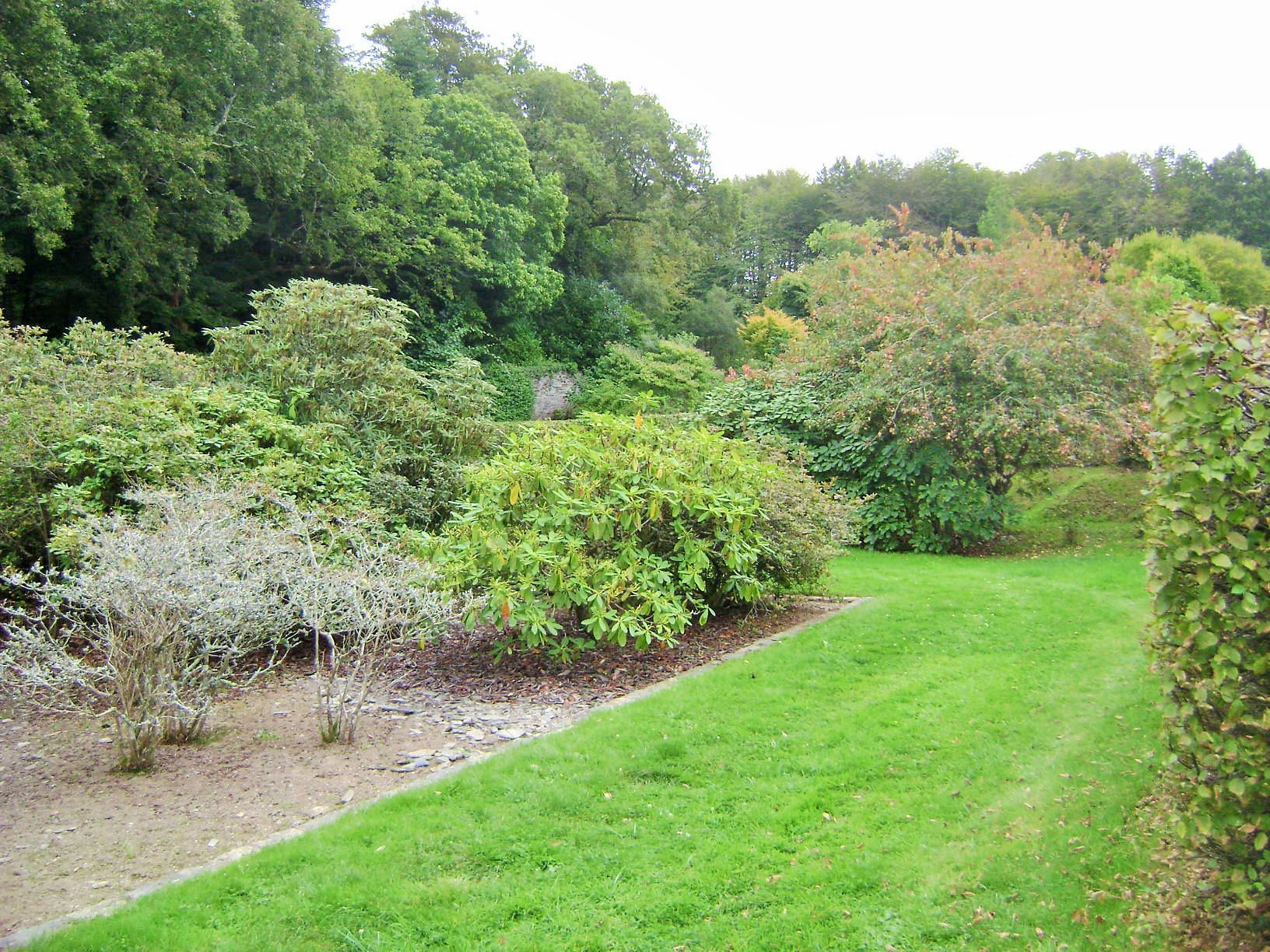
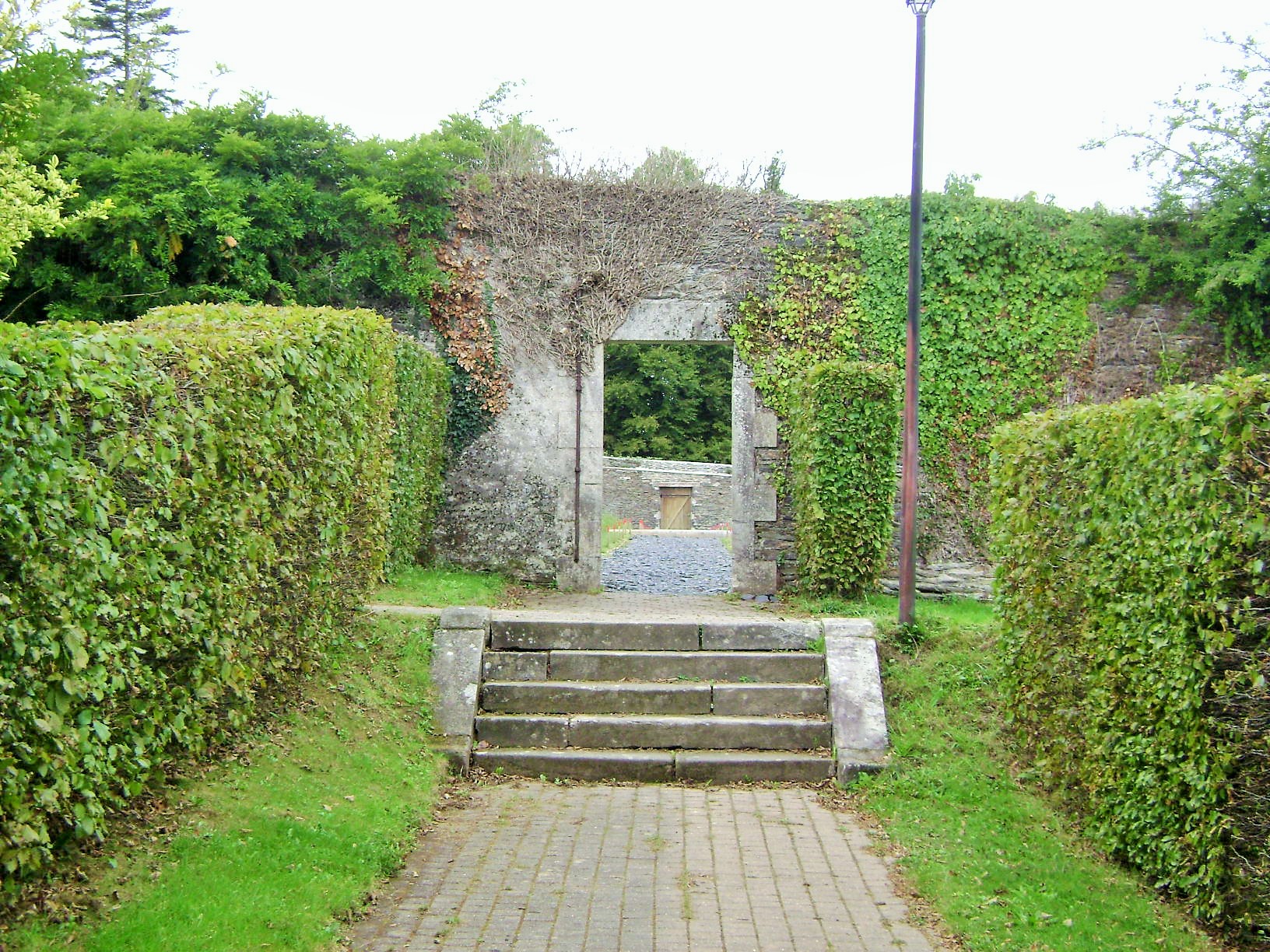
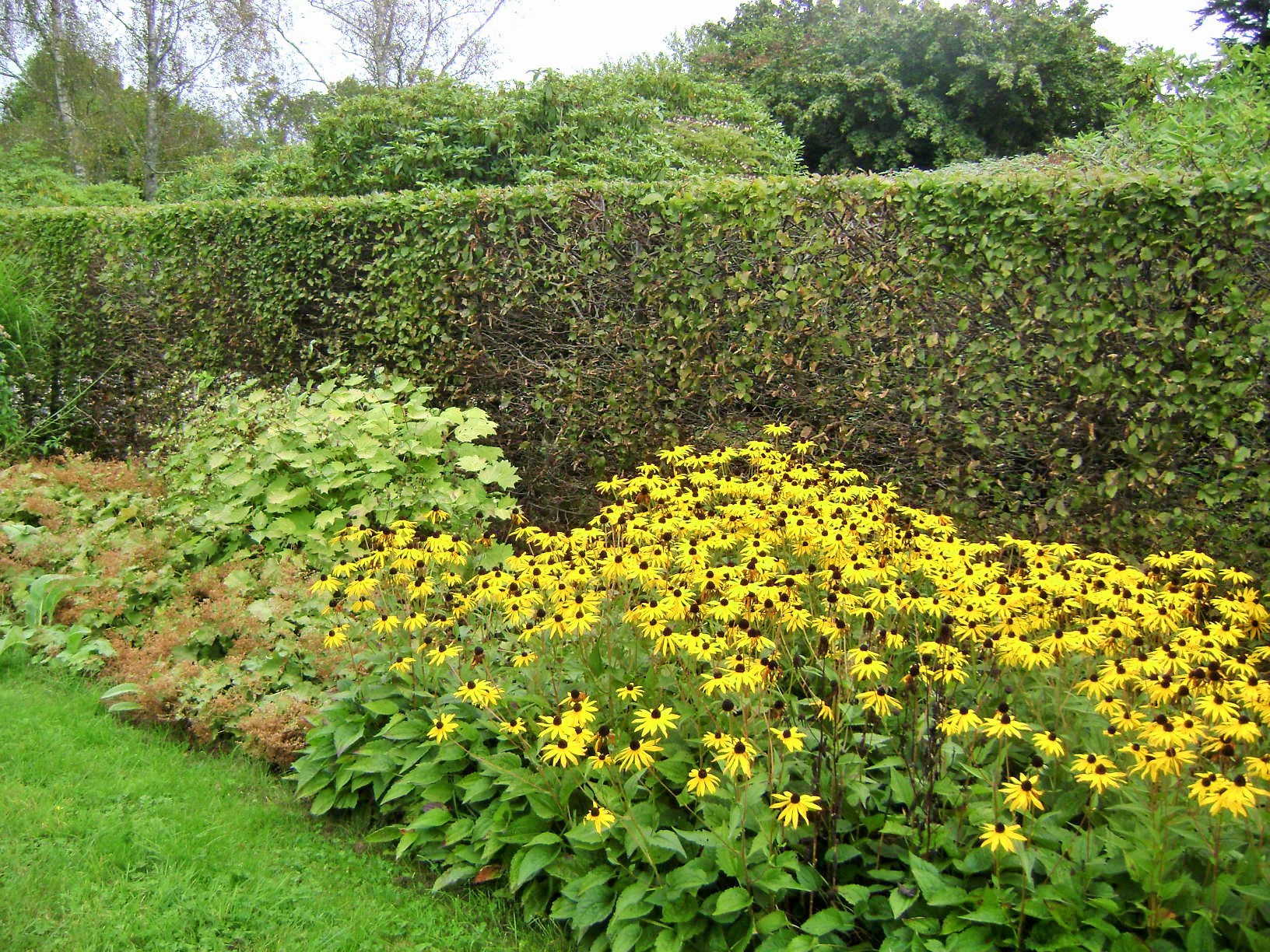
Trevarez seamlessly integrates large scale photos in black and white to the gardens in a series of garden “rooms” enclosed by hedges, with a series of paths create a perfect rhythm for viewing the art against the formal and almost stark background of that part of the gardens.  Of course, in the spring, the formal gardens would be softened by the many azaleas and rhododendrons in bloom. I have included a few photos of the shrub borders for reference.

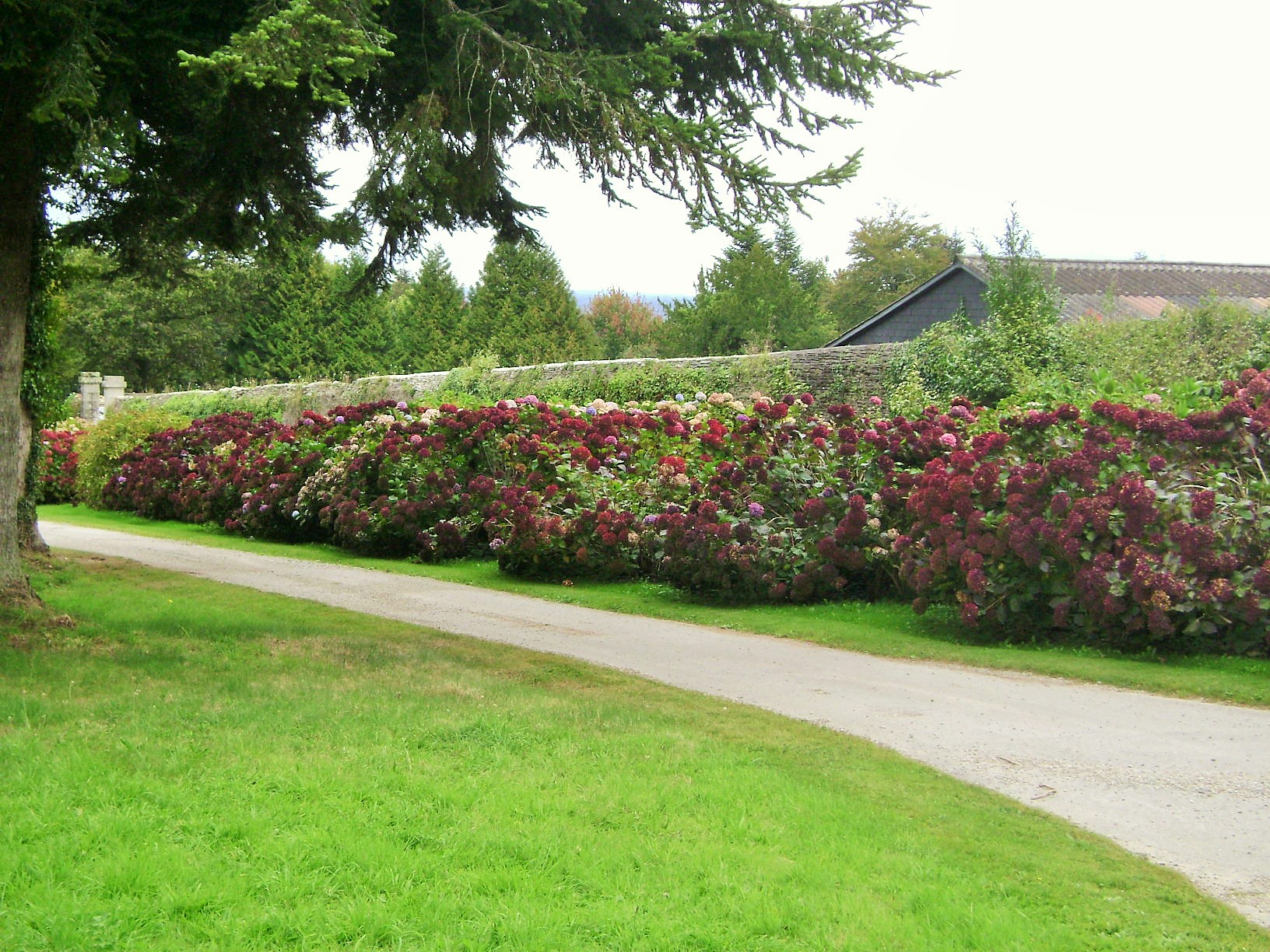
The exhibit starts by the theme gardens and ends past the hothouses and the stunning hydrangeas alley blooming into September.

DSC01677 DSC01688 DSC01689 DSC01553 DSC01555 DSC01556 DSC01597 DSC01598 DSC01599 DSC01600 DSC01601 DSC01603 DSC01605 DSC01606 DSC01608 DSC01610 DSC01611 DSC01612 DSC01615 DSC01618 DSC01629 DSC01630 DSC01632 DSC01633 DSC01634 DSC01635 DSC01636 DSC01637 DSC01654 DSC01672 DSC01674 DSC01676


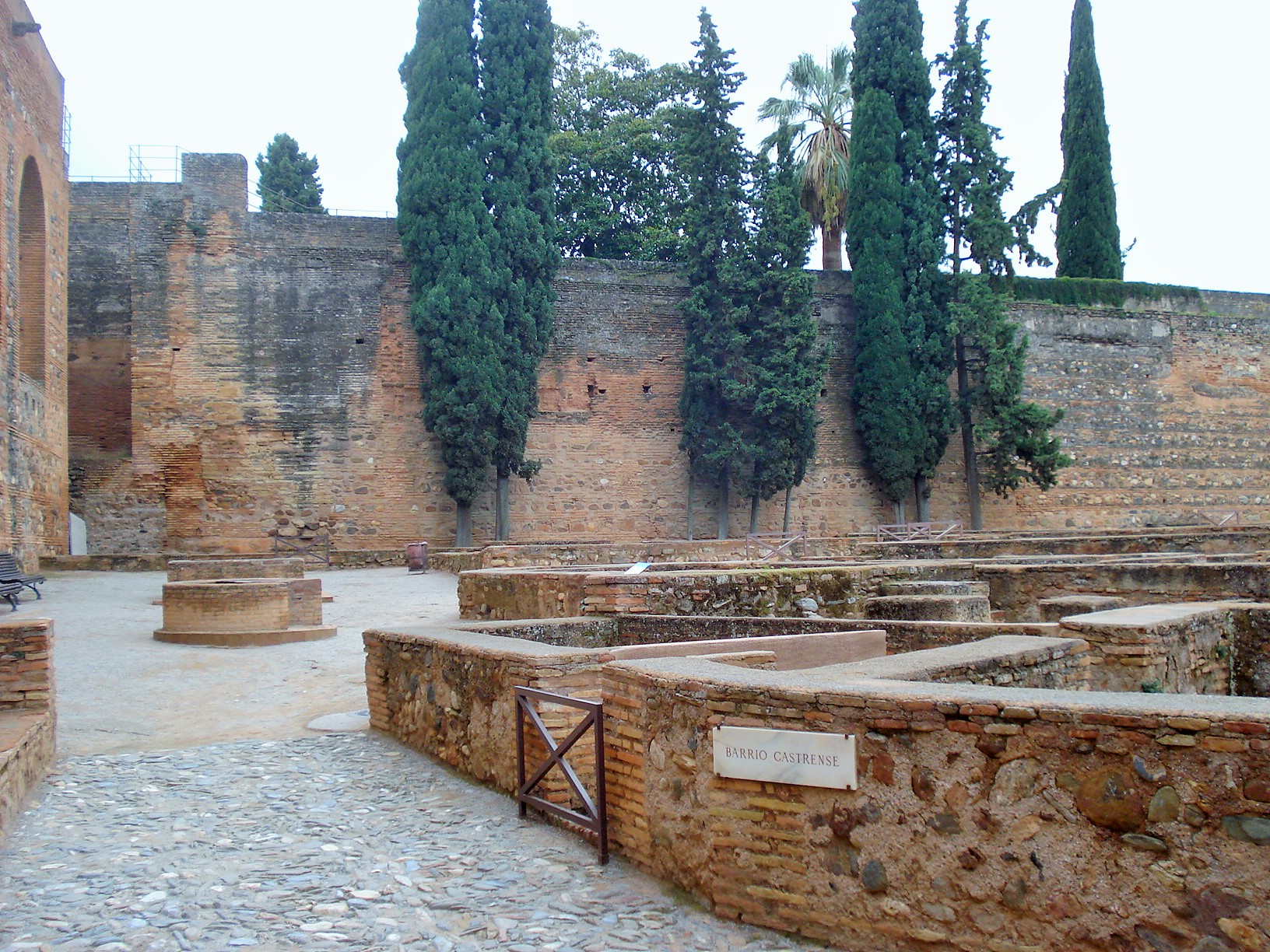
The Alcazaba Gardens: Alhambra’s Fortress in Granada, Spain

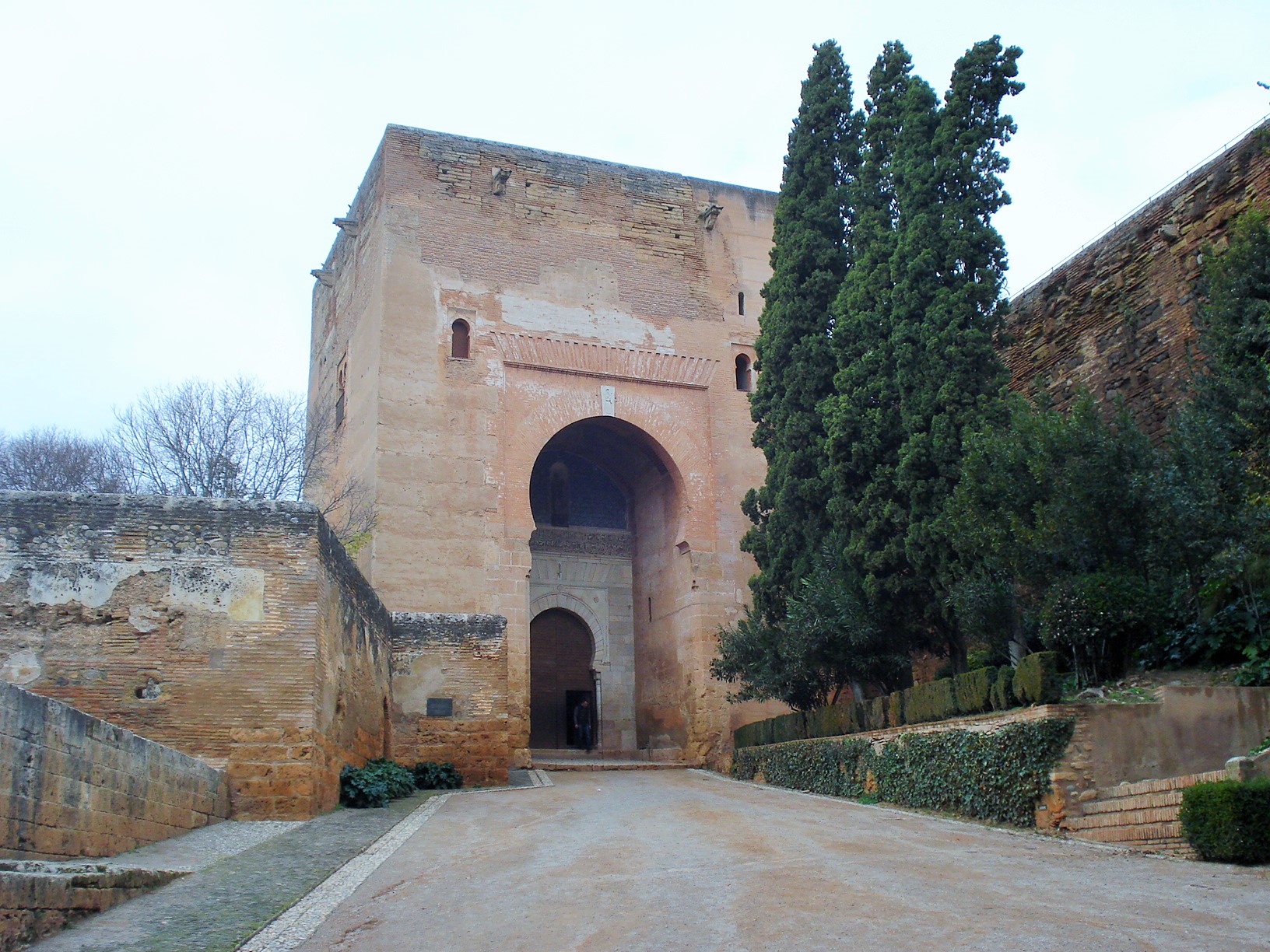
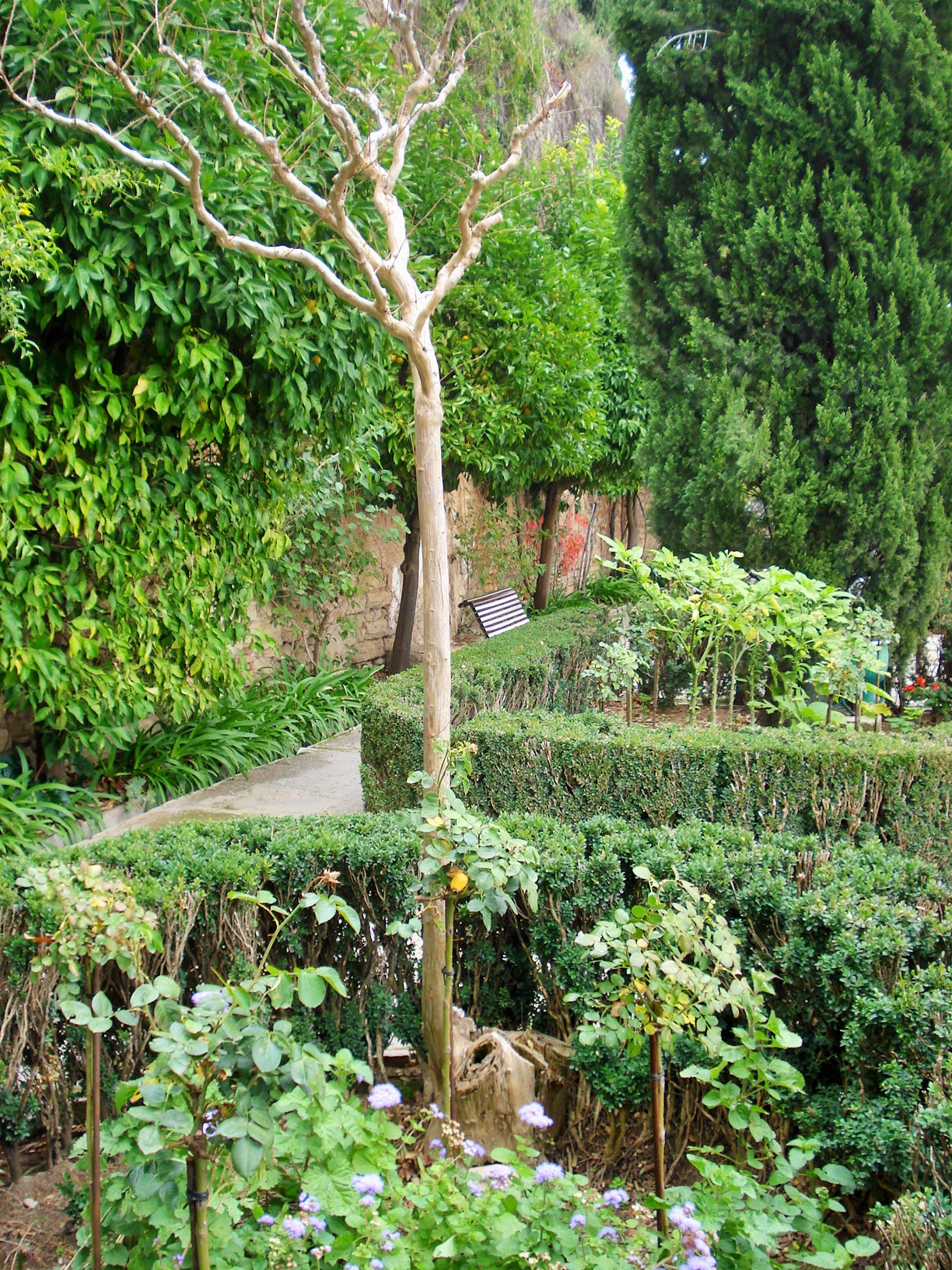
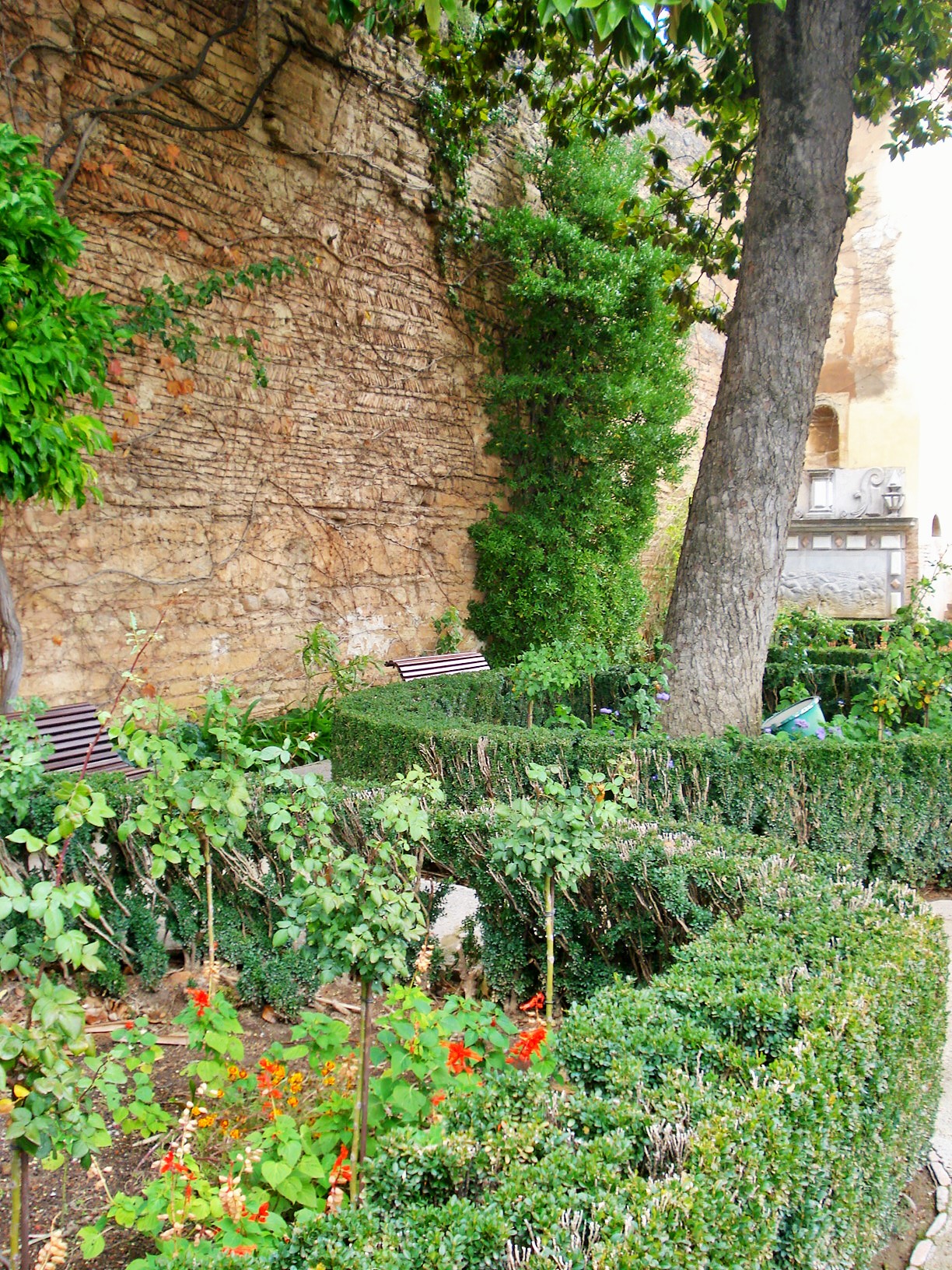
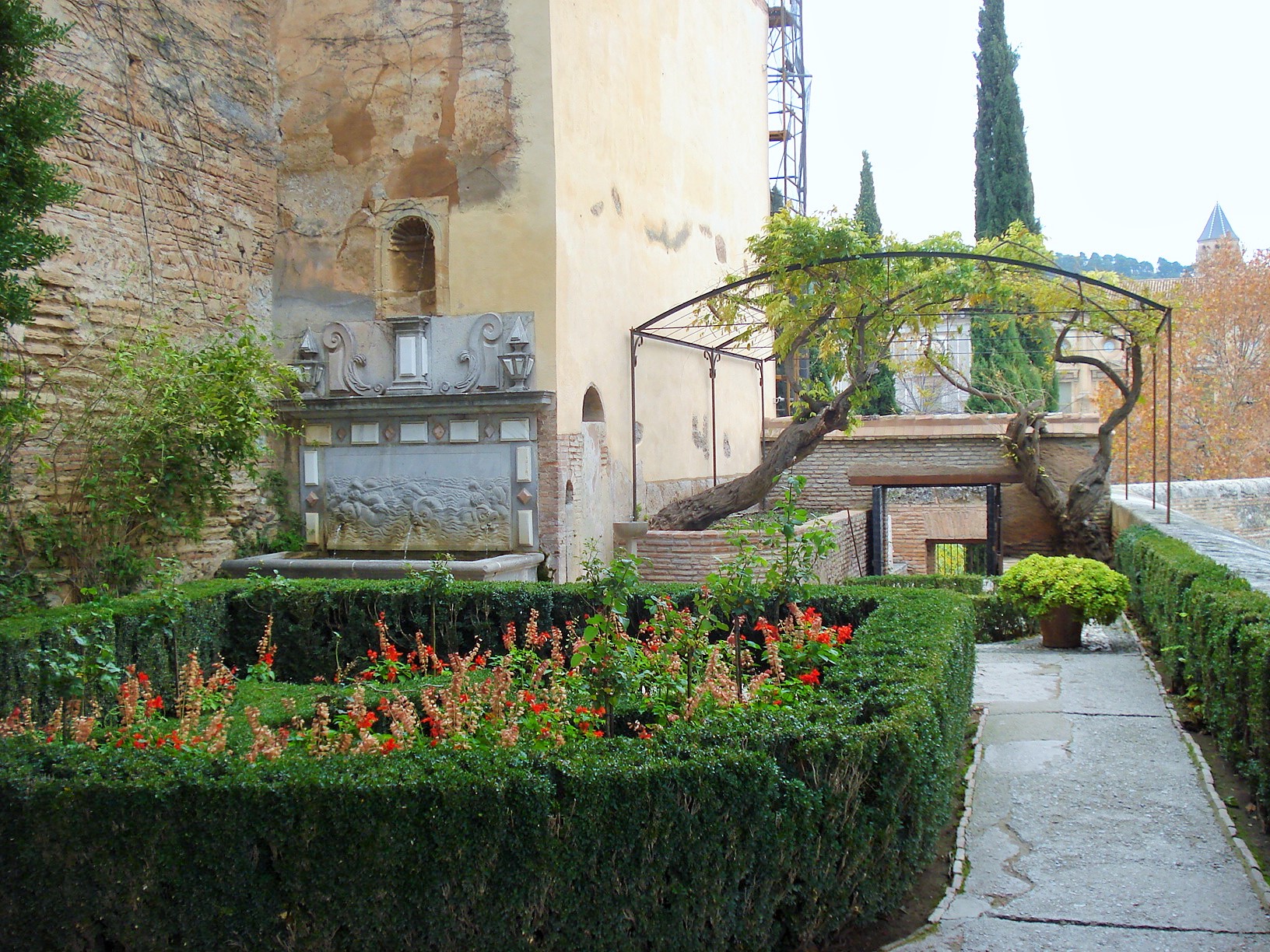
Granada, in southern Spain,  is of course most famous for the Alhambra and Generalife gardens.  The Alcazaba was built as a fortress and is the oldest part of the Alhambra. The gardens of the Alcazaba are small but offer sweeping views of the city, as well as fountains and other features typically found in Moorish style gardens.

DSC00427
View from the Alcazaba
DSC00426
The gate
DSC00425
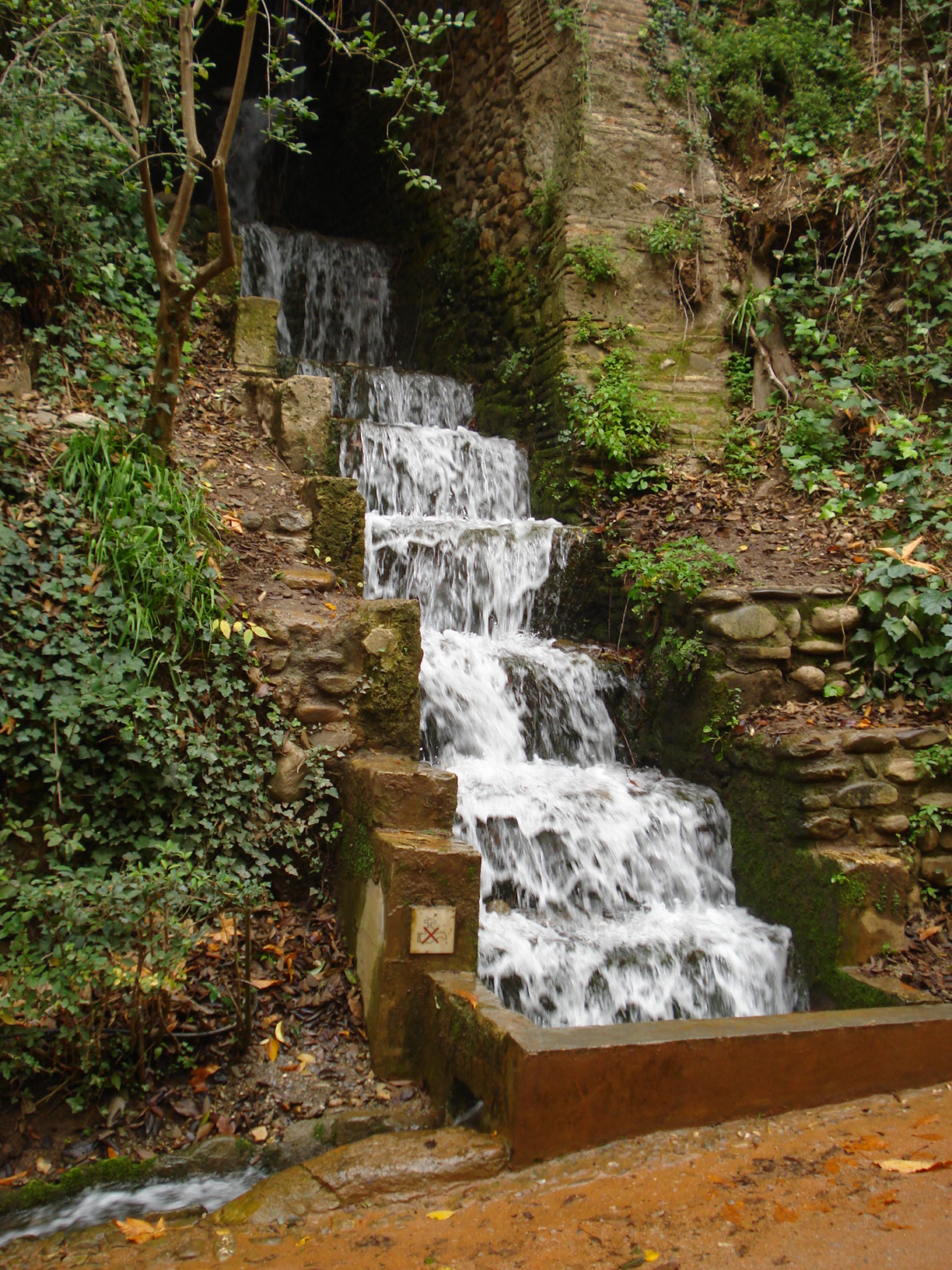
The ornate fountain outside the walls
DSC00424
On the hill going up to the gate
DSC00429
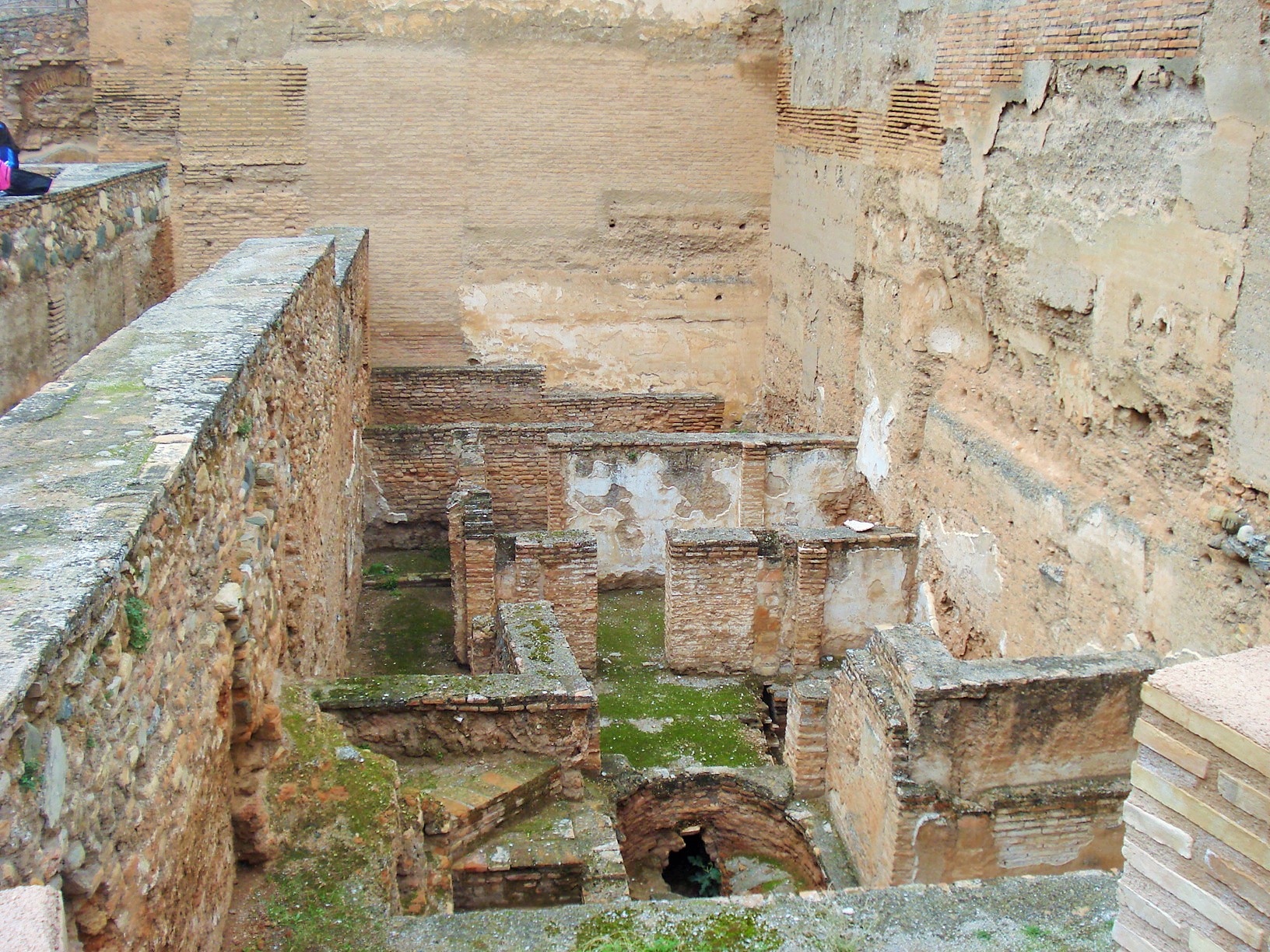
Building foundations remaining in the Alcazaba

DSC00428The garden proper is called Jardin de los Adarves. It is a long and narrow garden on the side of the Alcazaba overlooking the city.

DSC00436 DSC00437 DSC00438 DSC00439 DSC00440 DSC00441 DSC00442 DSC00443 DSC00432 DSC00433 DSC00435


Pebble Designs & Patio Flooring Ideas from the Courtyards of Spain

Beautiful patios can be found throughout Andalusia, influenced bytthe Moors that ruled in Southern Spain until a final defeat in 1492. Cordoba embraced this heritage in its patio tradition perhaps more than any other Spanish city and has been celebrating with its famous Patio Festival in May since 1933.

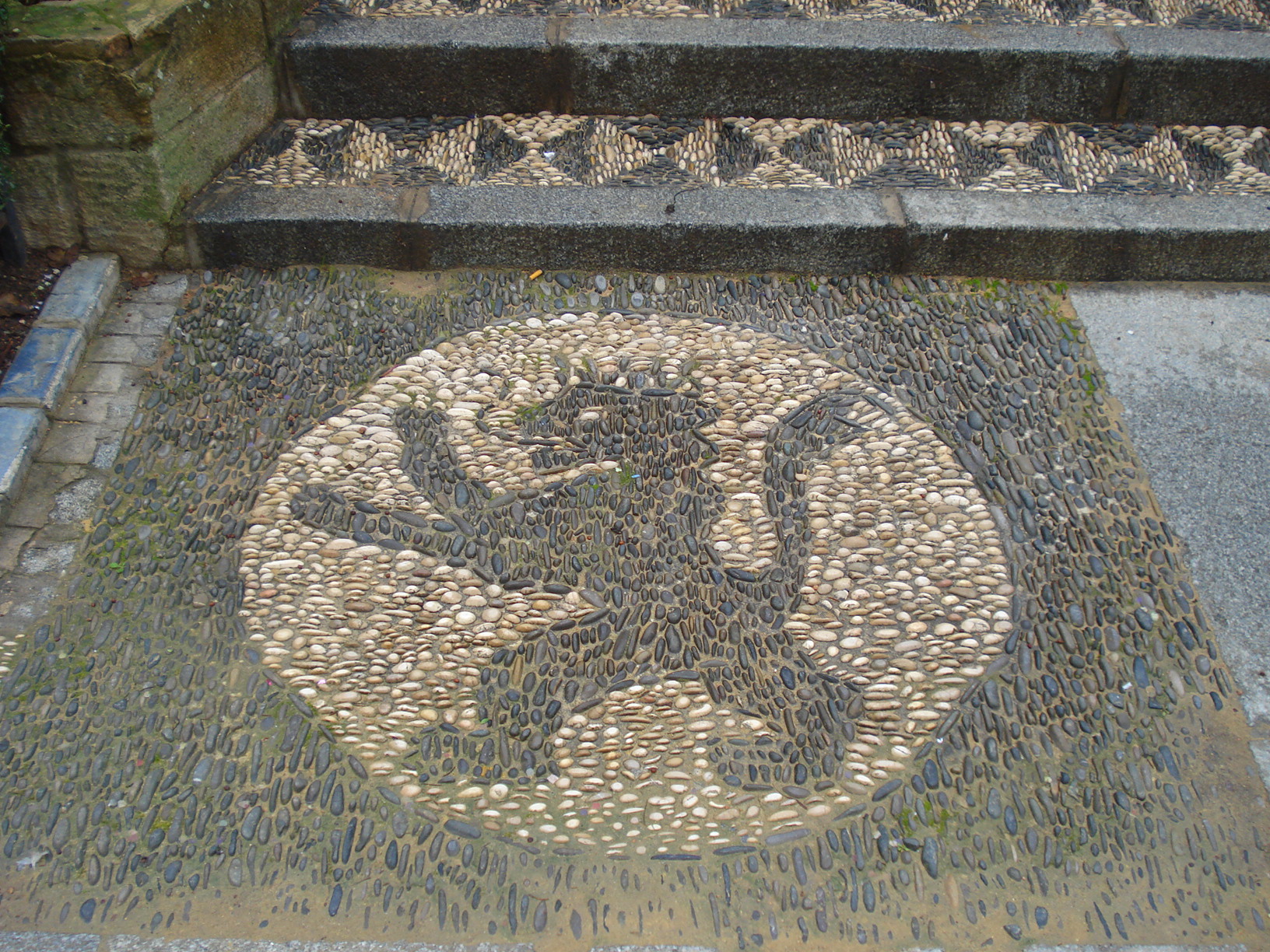
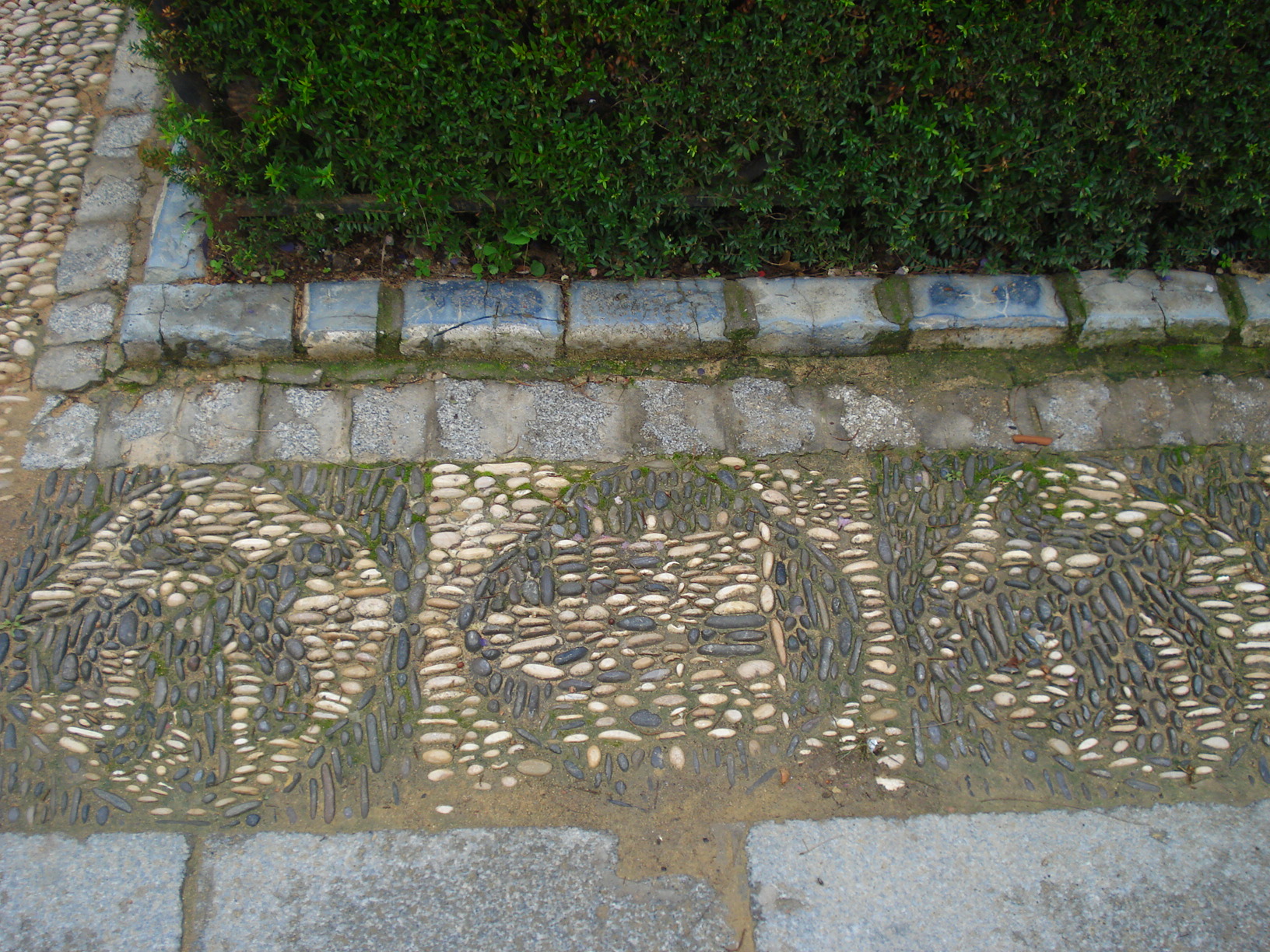
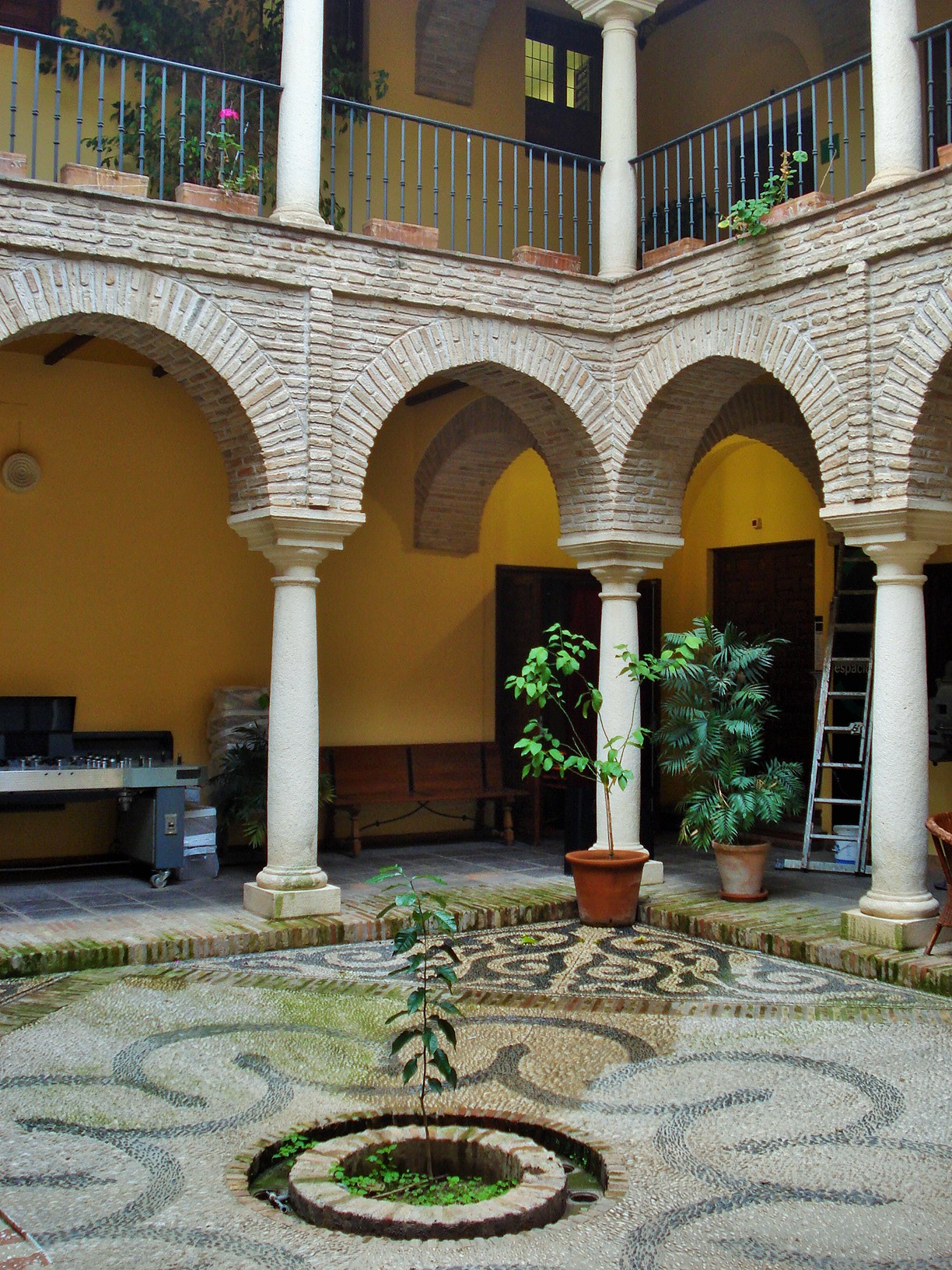
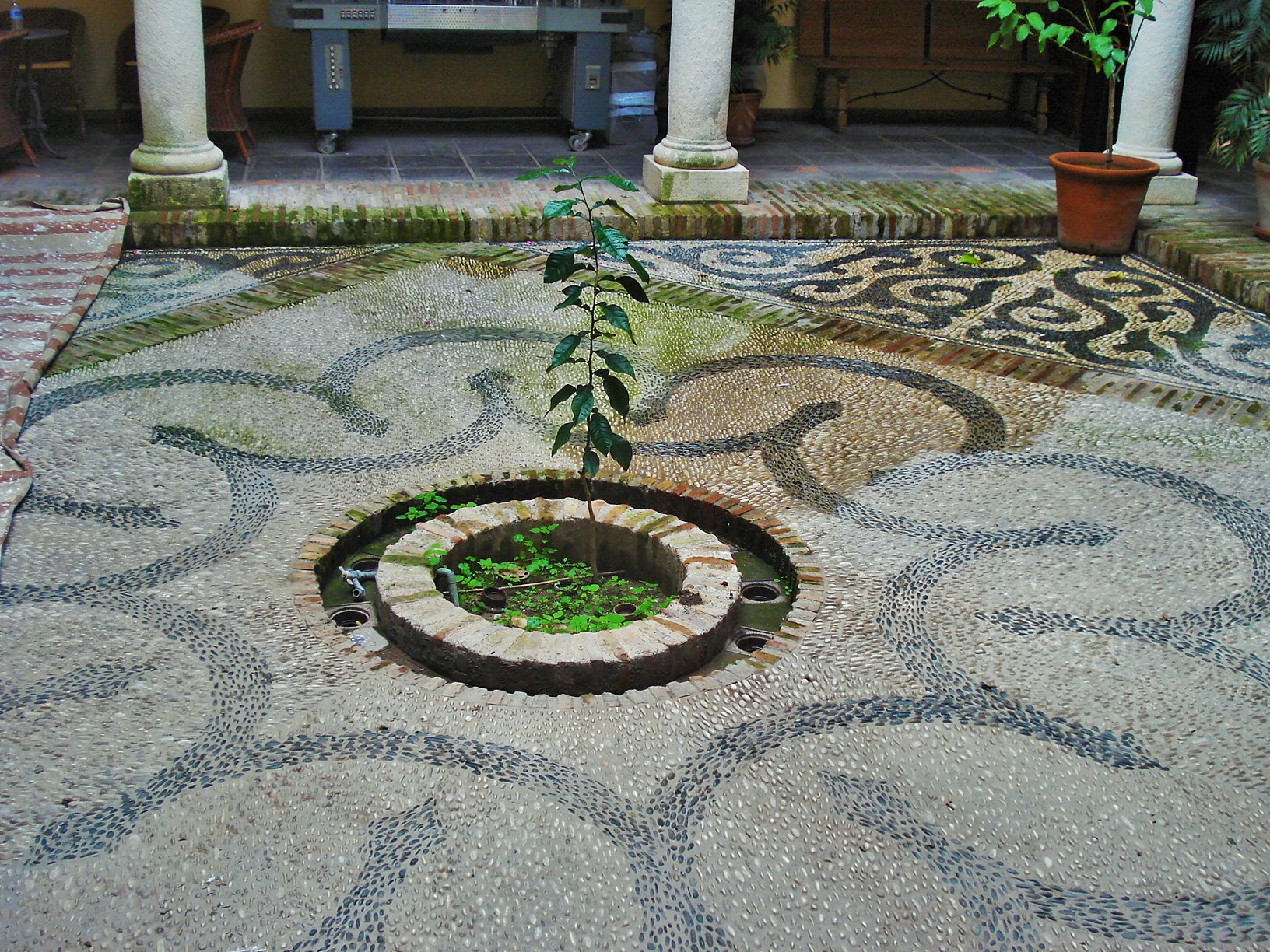
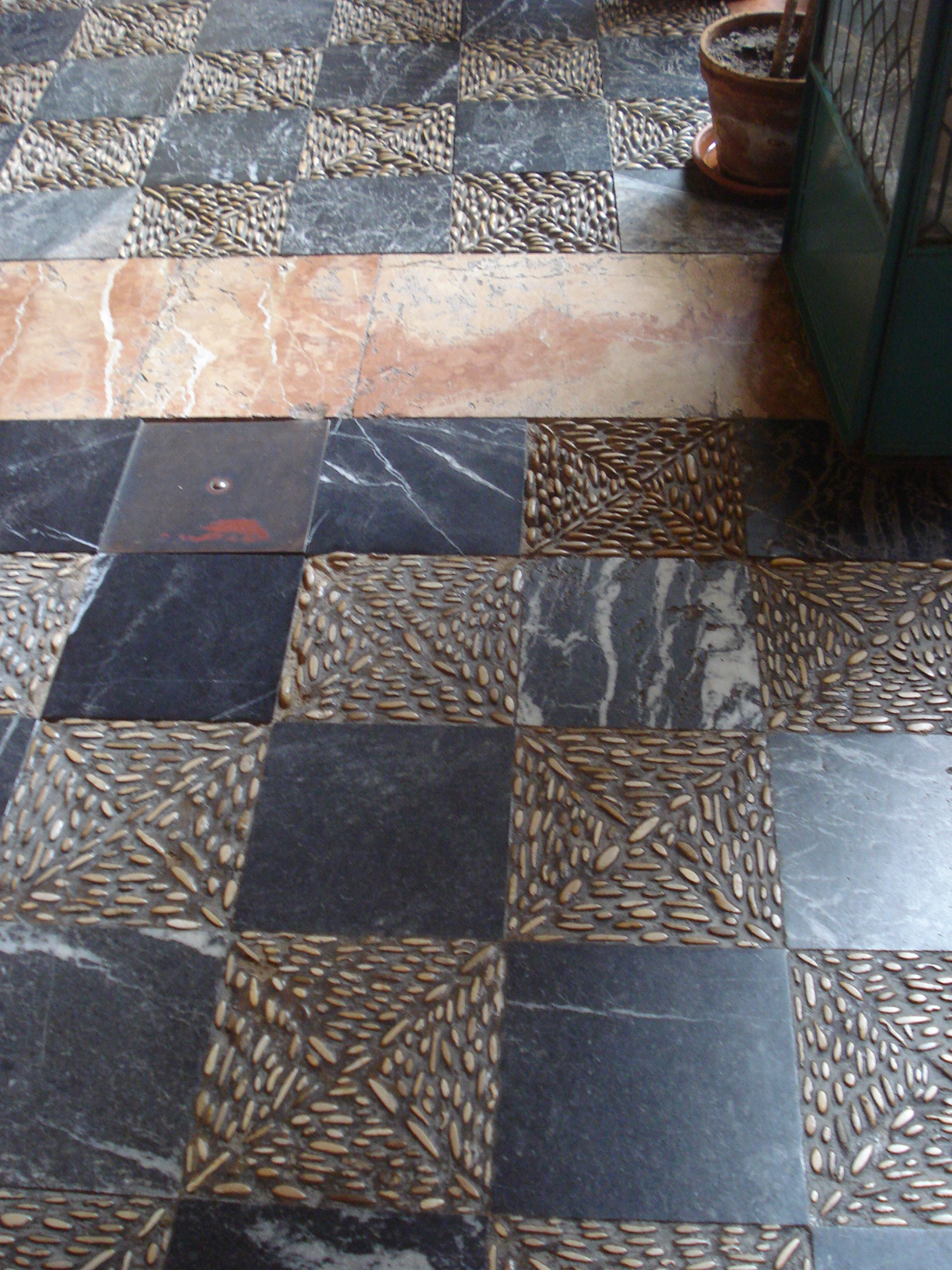
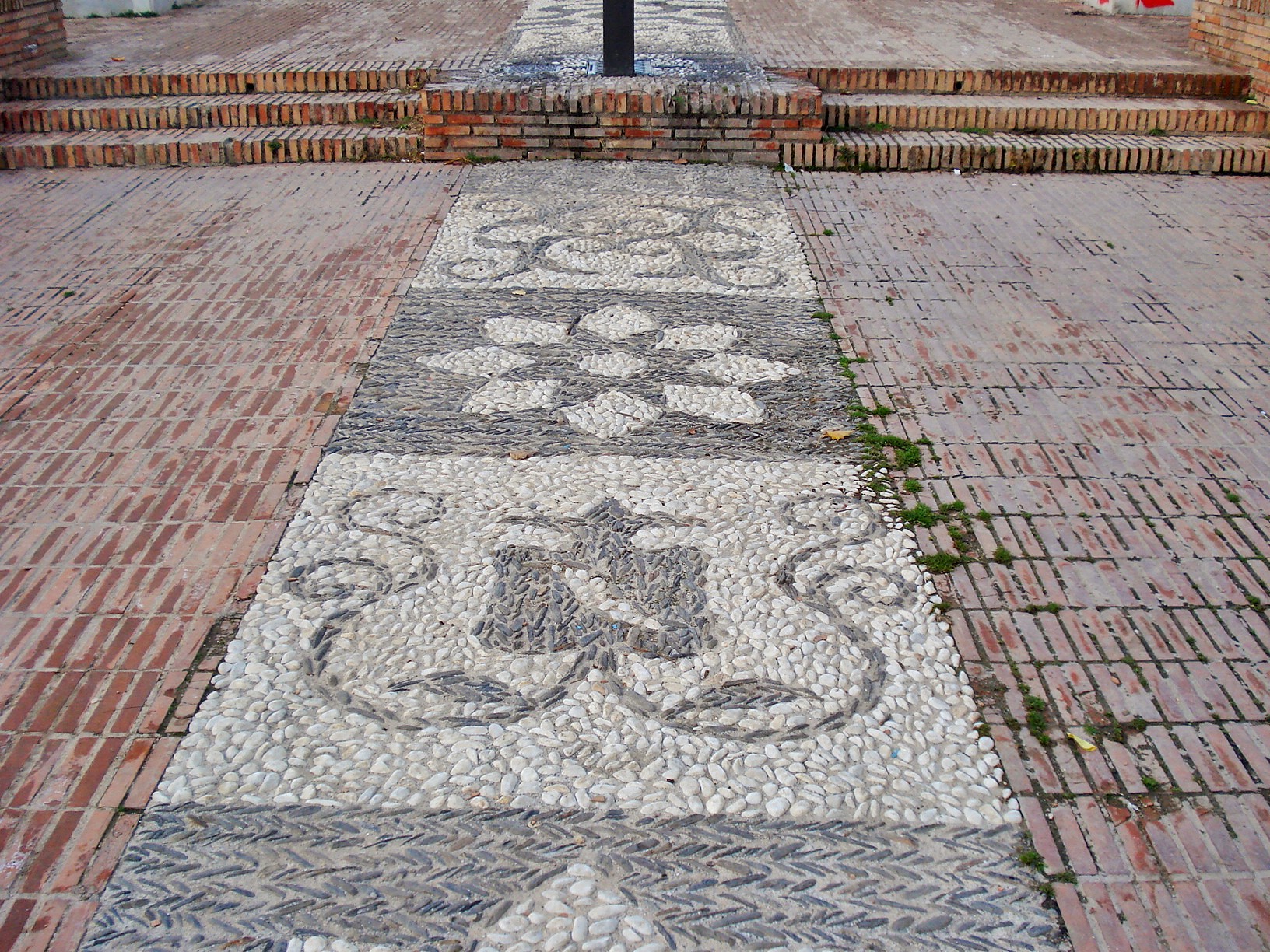
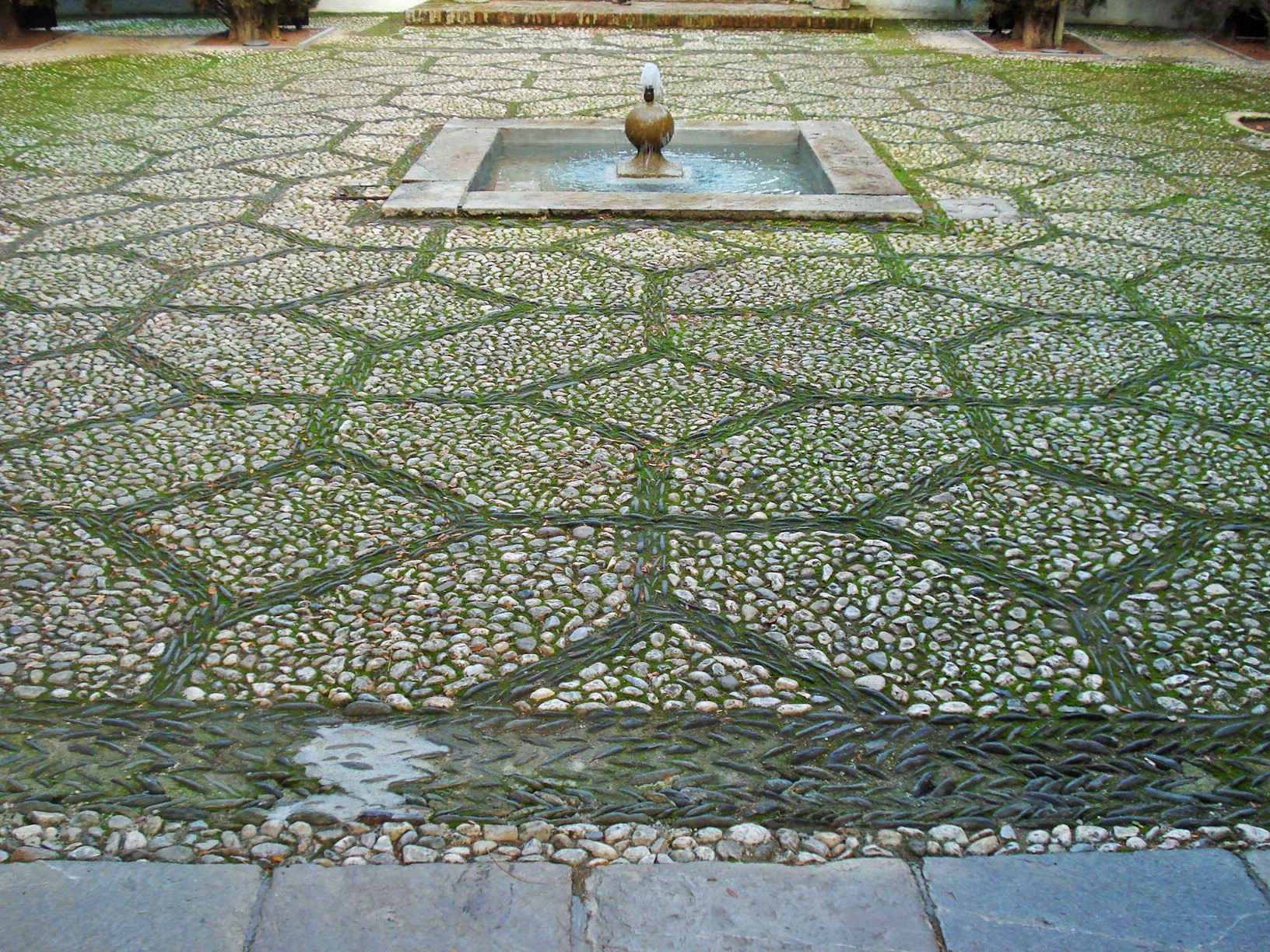
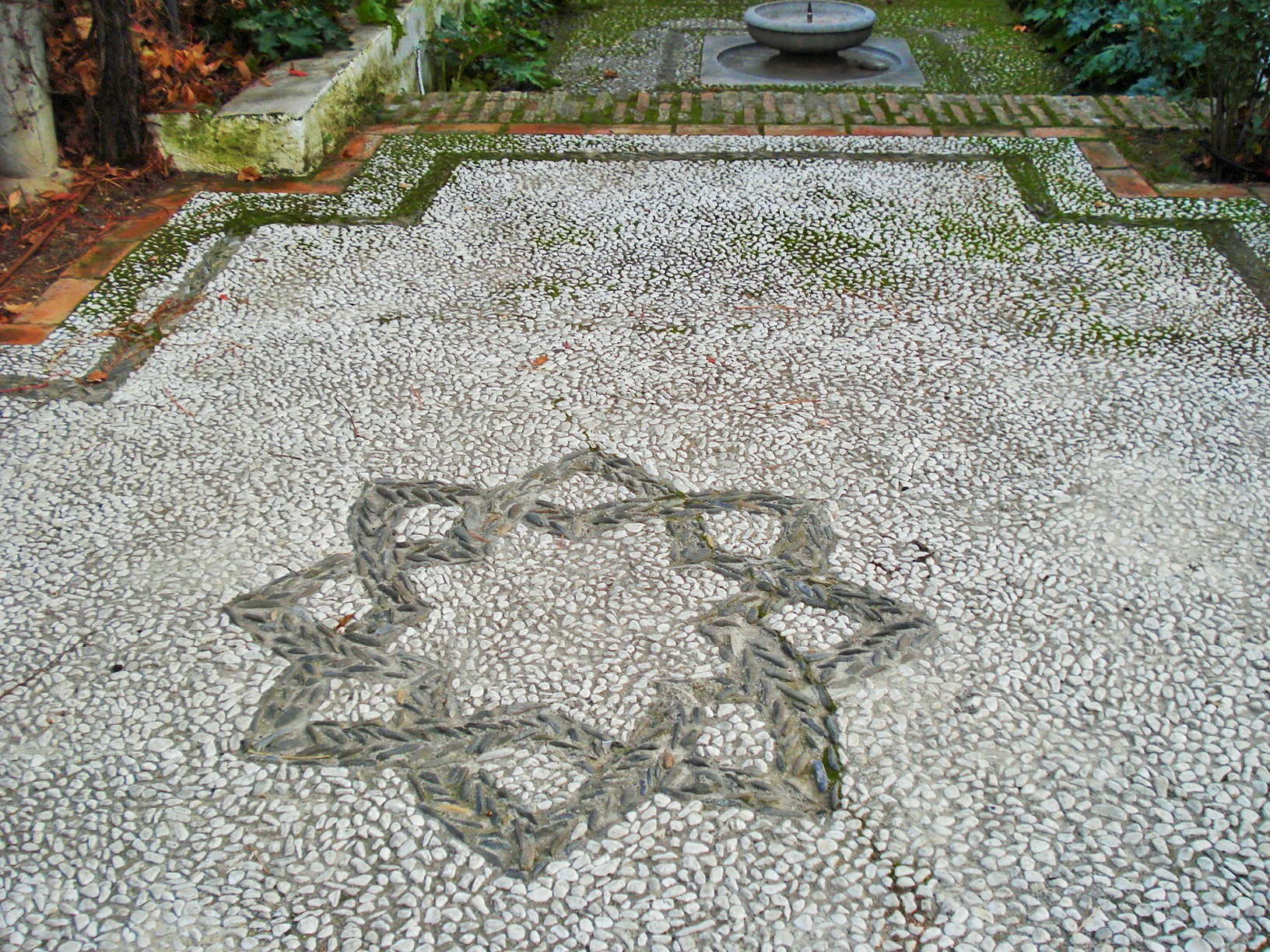
Found throughout the south of Spain is the use of intricate pebble designs not only in the patios and courtyards, but also in many public areas and city squares. I am featuring here some of the many designs I came across in particular in Granada , Cordoba and Sevilla.

DSC00587 DSC00082 DSC00085 DSC00086 DSC00225 DSC00226 DSC00227 DSC00228 DSC00240 DSC00243 DSC00248 DSC00275 DSC00279 DSC00281 DSC00337 DSC00338 DSC00339 DSC00346 DSC00359 DSC00361 DSC00388 DSC00389 DSC00395 DSC00488 DSC00489 DSC00546 DSC00557